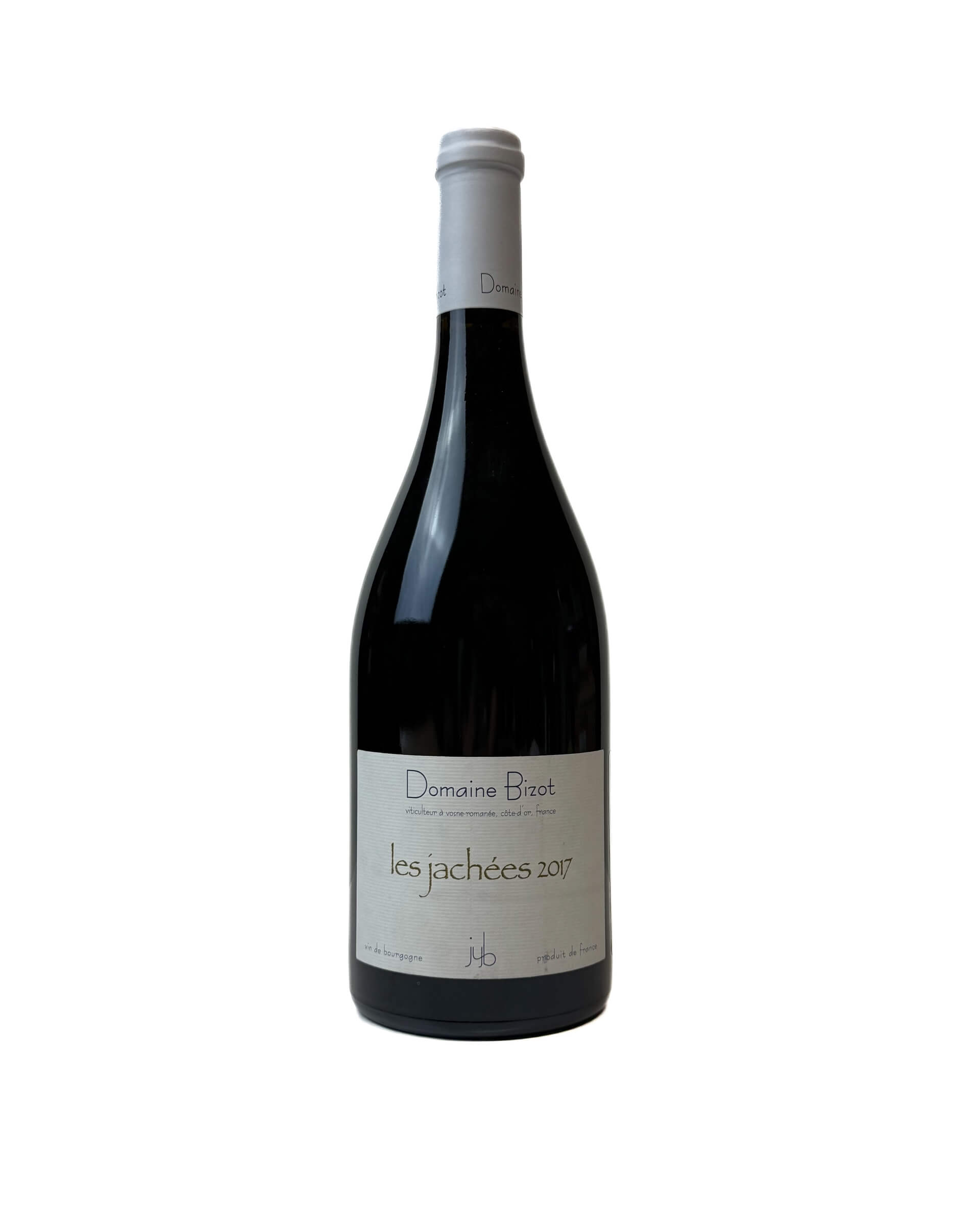
N/A
0,75
2011
Domaine Jean Yves Bizot
Wines, producers, regions...
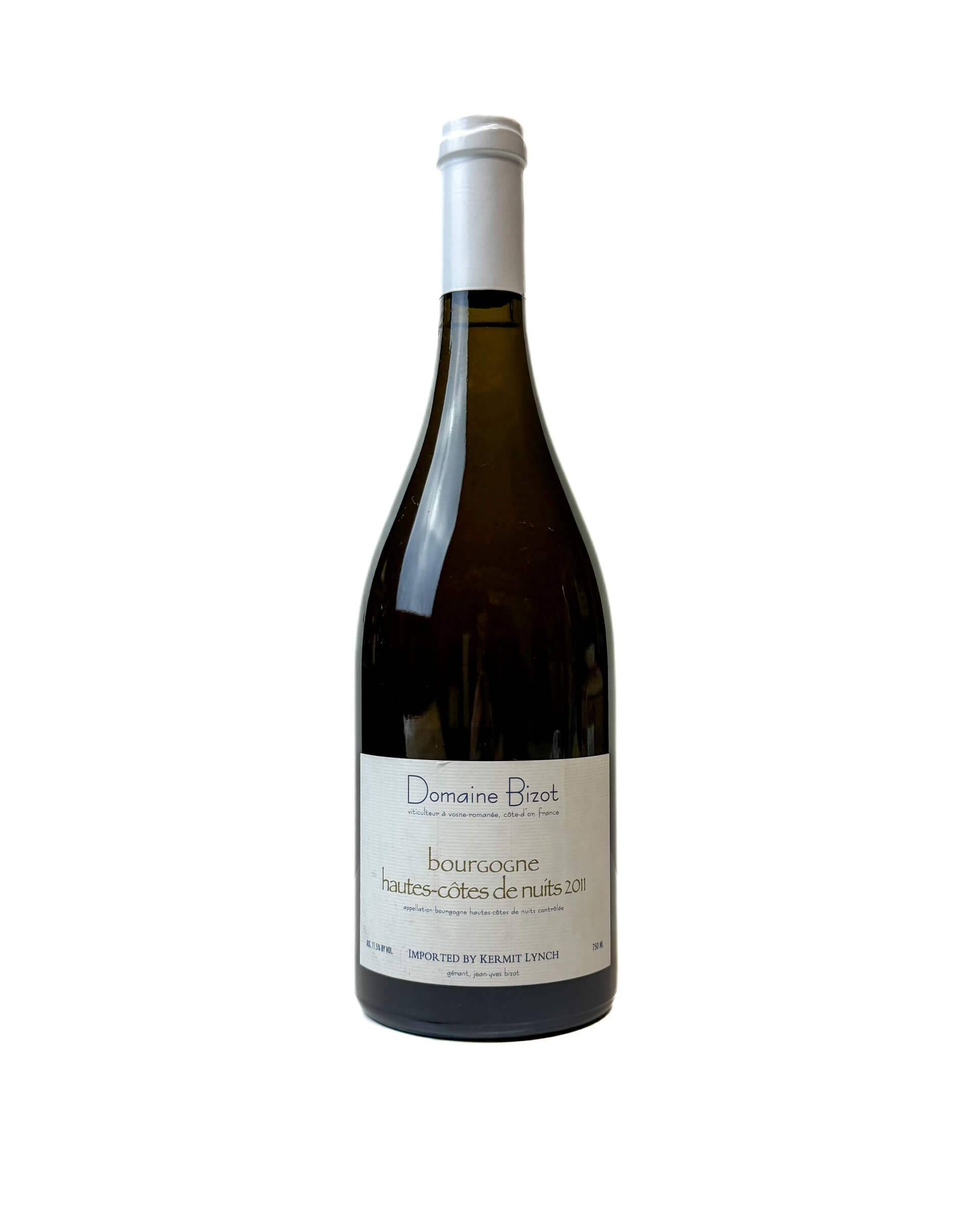
Hautes-Côtes de Nuits is Burgundy’s best-kept value secret: a hillside appellation perched directly above the Côte de Nuits, home to Gevrey-Chambertin and Vosne-Romanée, producing genuine Pinot Noir reds and crisp Chardonnay whites at a fraction of the price commanded by their Grand Cru neighbours. If you love the perfume and finesse of fine red Burgundy but balk at three-figure bottles for every occasion, this is where seasoned collectors quietly shop. The same producer families who farm the famous slopes below — names you will recognise from Vosne-Romanée and Nuits-Saint-Georges — also tend vines up here on the cooler back-slope, and the wines carry that pedigree honestly.
This Burgundy hillside wine rewards the curious. The higher elevation gives reds a bright, red-fruited freshness and whites a tense, citrus-driven cut that fans of cool-climate styles adore. Across this page you will find what the appellation is, how it tastes, how it compares to the famous villages below, which vintages to drink now, transparent pricing in euros, and how to serve and pair both the reds and the under-appreciated whites. It is a small, deliberately curated selection — quality over volume — and at roughly half the price of a Côte de Nuits village wine, a low-risk way into serious Burgundy.
AOC Hautes-Côtes de Nuits is a regional Burgundy appellation covering the elevated hills, plateaus and side-valleys that rise immediately west of — and above — the Côte de Nuits escarpment, which runs from Marsannay in the north to Corgoloin in the south. It was granted its official appellation contrôlée status in 1961 and has subsequently been amended, and it exists in two colours: Hautes-Côtes de Nuits rouge (red) and Hautes-Côtes de Nuits blanc (white). Where the Côte de Nuits proper occupies a narrow band of premier and grand cru limestone, the Hautes-Côtes spreads across a wider, more rural patchwork of woodland, pasture and scattered vineyard.
The defining terroir factor here is altitude. Vines sit roughly 300 to 450 metres above sea level — meaningfully higher than the classic slope below. That elevation means cooler average temperatures, more exposure to wind, and a harvest that typically arrives slightly later than on the Côte de Nuits. The pay-off is bright natural acidity, lower potential alcohol and a fresher overall profile, which is exactly why the wines feel so alive in warm vintages. This is the heart of the quality story behind Burgundy wine from the higher ground.
The appellation is spread across a cluster of small, characterful communes. Among the key villages are Marey-lès-Fussey, Meuilley, Arcenant, Bévy, Reulle-Vergy, Curtil-Vergy and Villers-la-Faye — names rarely seen on competitor pages but central to understanding the diversity of sites and exposures within this single AOC.
Like the rest of the Côte d’Or, this appellation is built on two noble grapes — Pinot Noir for the reds and Chardonnay for the whites — with the higher, cooler terroir leaving a clear fingerprint on both.
The reds are 100% Pinot Noir. Expect a lighter, more transparent body than a Côte de Nuits village wine, with vivid red fruit — cherry, redcurrant and wild raspberry — lifted by floral notes and an earthy, mineral undertow that signals true Burgundian provenance. The cooler elevation keeps tannins fine and acidity fresh, so these wines are approachable on release, yet bottles from conscientious producers will happily reward five to eight years of patience, gaining savoury, undergrowth complexity. For drinkers exploring the grape more broadly, it is a textbook expression of cool-climate Burgundian Pinot Noir wines.
Hautes-Côtes de Nuits Blanc is one of Burgundy’s most overlooked styles. Predominantly Chardonnay, with small volumes of Pinot Blanc permitted, the whites are crisp and citrus-forward — Chablis-like in their citrus-driven freshness and cutting acidity in cooler vintages, though rooted in Côte d’Or limestone rather than the Kimmeridgian clay-limestone of Chablis — with green-apple bite, white flowers and a saline, mineral finish. They are produced in modest quantity, which keeps them under the radar — and underpriced. Aligoté is also grown across the broader area, typically bottled under its own regional label rather than this appellation, but it reinforces the zone’s reputation for fresh, high-acid whites.
The simplest way to place this appellation is by elevation: the Côte de Nuits sits on the prized limestone escarpment proper — home to village, premier cru and grand cru sites — while the Hautes-Côtes occupies the cooler, lighter-soiled back-slope above. The result is wines that are fresher, lighter and considerably more affordable, yet share the same Pinot Noir grape and, frequently, the same producer families. Think of it as the honest entry point into the Nuits style.
For buyers who want to step up to the classic slope, it is worth browsing our Côte de Nuits selection alongside this one. The value proposition is clear: Hautes-Côtes de Nuits offers legitimate Burgundian character — the same perfume, the same family signatures — at a fraction of premier cru pricing.
Production here is small and quality is producer-driven, so the label matters. Several respected domaines are closely associated with the appellation, each with a distinct house style:
When reading a label, look for the commune name, mentions of old vines (vieilles vignes), and whether the wine is a grower’s own domaine bottling or a négociant cuvée, as both routes can deliver excellent wine at different price points.
Because the appellation produces relatively little and quality varies between sites and hands, our approach is to curate rather than to list everything. Tour de Wine carries a small, focused Hautes-Côtes de Nuits selection chosen for character and value rather than volume — the catalogue is intentionally tight.
In a higher-altitude appellation like this, vintage conditions shape the wine more sharply than on the slope below, because the cooler back-slope ripens slightly later than the Côte de Nuits. As a broad guide for recent years:
Because picking happens a touch later up here, ripeness in cooler years is a real variable — which is part of why buying by vintage, rather than by reputation alone, pays off in the Hautes-Côtes.
Bottles in our Hautes-Côtes de Nuits selection start from around €18, with most cuvées priced near €31 — roughly half what a Côte de Nuits village wine commands. Reserve and old-vine bottlings reach €125 for exceptional vintages or sought-after domaines. Because the selection is small and deliberately chosen, every bottle here is one we would happily pour ourselves rather than a long, undifferentiated list.
Choosing between red and white comes down to use case. The reds are the cellaring proposition: structured enough to repay a few years of patience, and the natural home for classic Burgundian cooking. The whites, by contrast, are best enjoyed in their first few years while their citrus freshness is at its peak — a brilliant, lower-cost alternative to pricier white Burgundy. Choose Hautes-Côtes de Nuits over a village appellation when you want freshness, lighter pairings and honest value without sacrificing real Burgundian identity. If you are building a broader cellar, it sits naturally alongside the rest of our red wine range and the wider world of French wine.
Serve the reds at a cool 14–16 °C; warmer than this and the higher-altitude freshness that makes them so appealing starts to fade. Younger bottles benefit from 20–30 minutes of decanting to open the perfume, though older, more delicate vintages need only a gentle pour. Whites show best at 10–12 °C — cool enough to frame their acidity, not so cold that the citrus and floral detail is muted. For storage, the reds age comfortably for five to eight years, with premium cuvées holding for twelve or more, while the whites are at their best within three to five years of the vintage.
The reds are tailor-made for the Burgundian table: boeuf bourguignon, coq au vin, duck confit and mushroom risotto all play to their earthy, red-fruited Pinot Noir character, while a board of aged Comté and charcuterie makes an effortless match. The whites pair beautifully with grilled fish, fresh and aged goat cheese, a savoury leek tart, or dishes in light cream sauces — their acidity cutting richness without overwhelming delicate flavours.
It is an AOC appellation in Burgundy covering the hills and plateaus immediately west of, and above, the Côte de Nuits. It produces red wine from Pinot Noir and white wine from Chardonnay, known for a lighter body and fresher acidity than the prestigious villages on the slope below.
The Côte de Nuits sits on the limestone escarpment proper and includes village, premier cru and grand cru sites. Hautes-Côtes de Nuits is on the elevated back-slope — cooler, with lighter soils — making wines that are fresher and more affordable, while sharing the same Pinot Noir grape and many of the same producer families.
Our selection starts from around €18, with most bottles priced near €31. Exceptional domaine bottlings and older vintages can reach €125. The appellation consistently delivers honest Burgundy character at these price points, which is much of its appeal.
Quality red cuvées age well for five to eight years, and top domaine selections can develop for ten to twelve. Whites are best enjoyed within three to five years of the vintage. Vintage conditions — particularly in this higher-altitude zone — matter significantly to how a given bottle evolves.
Written by the Tour de Wine buying team. Last reviewed: June 2026.
This site is restricted to adults. By entering, you confirm that you are of legal drinking age in your country of residence.