
N/A
0,75
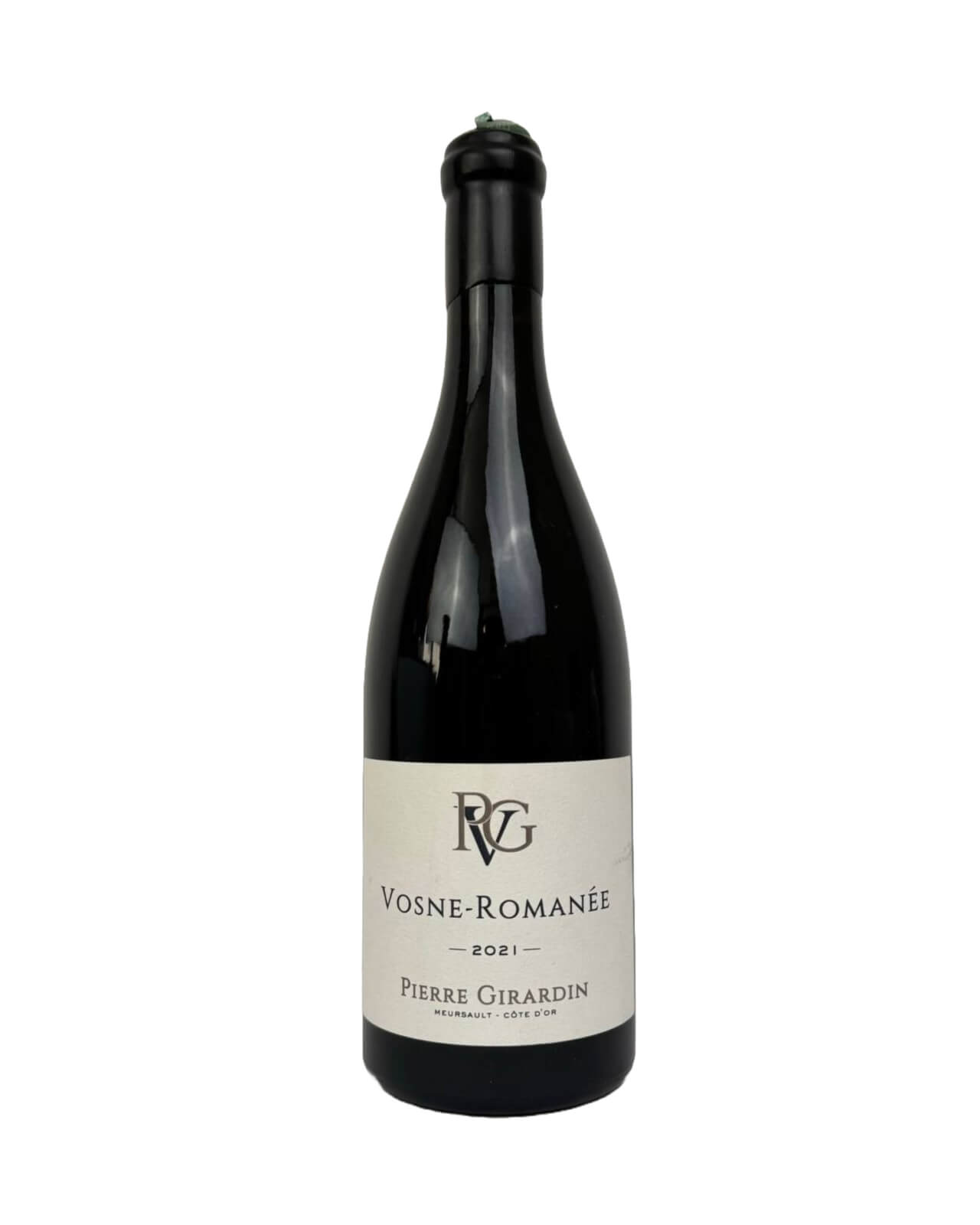
2021
Pierre Girardin
Wines, producers, regions...
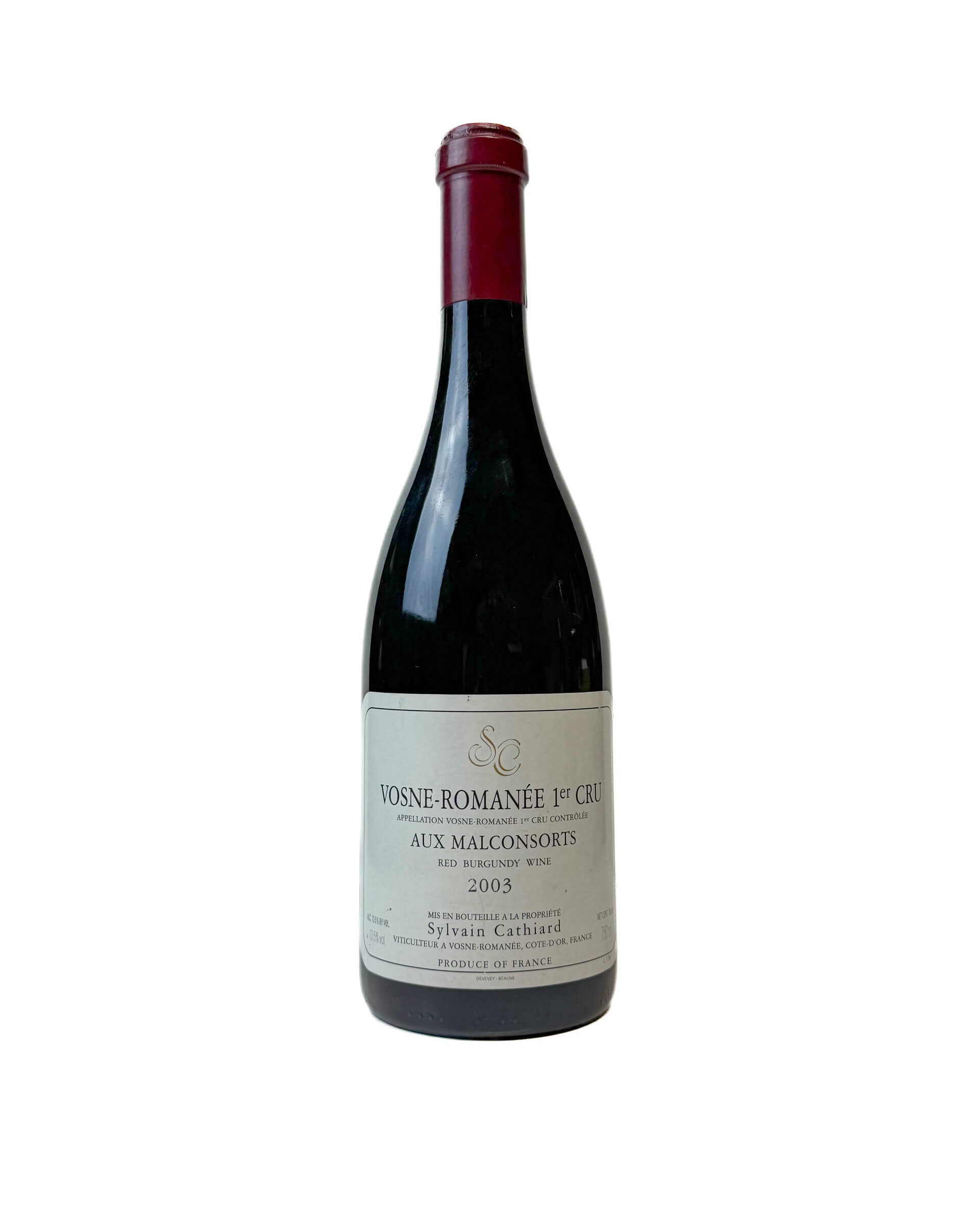
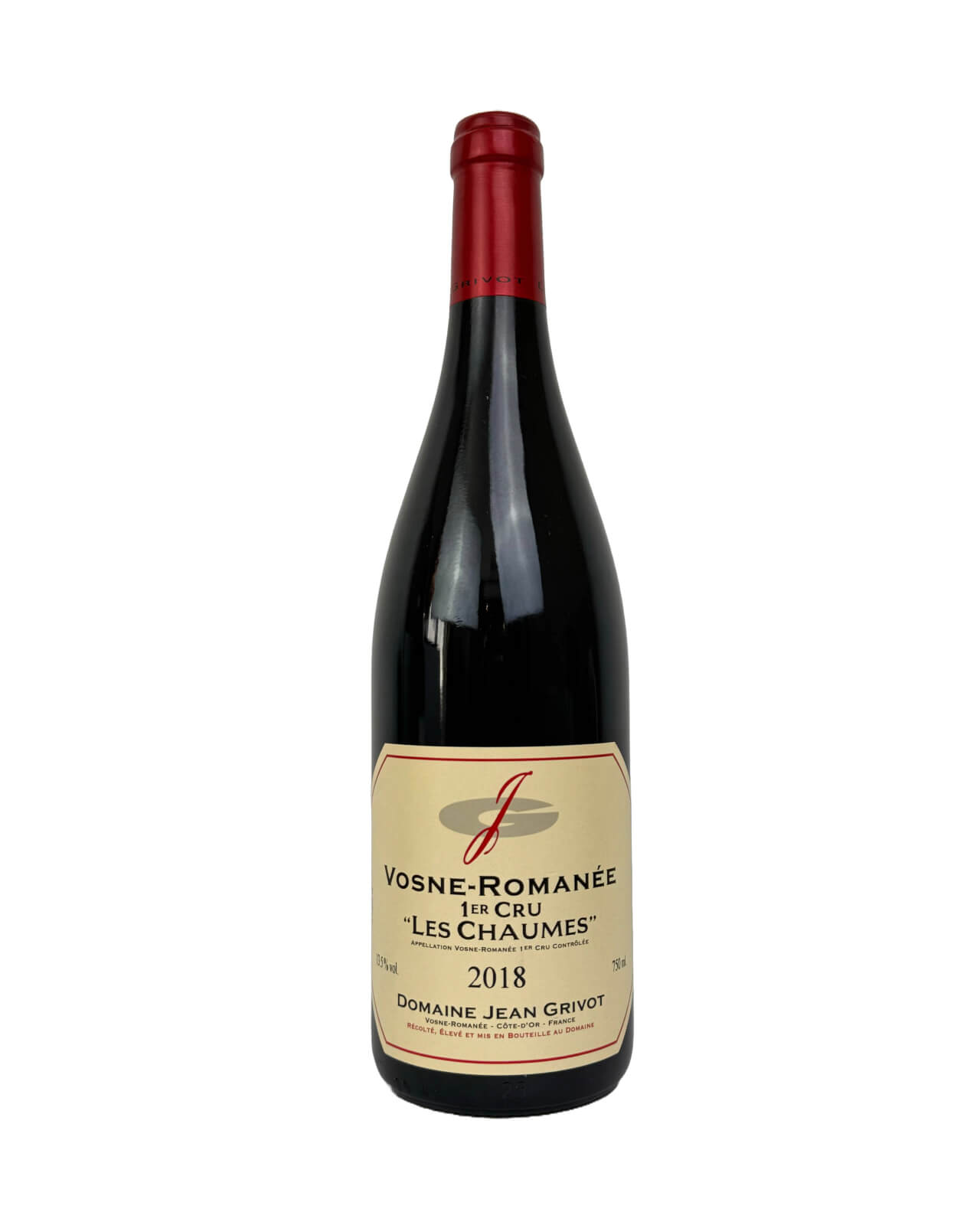
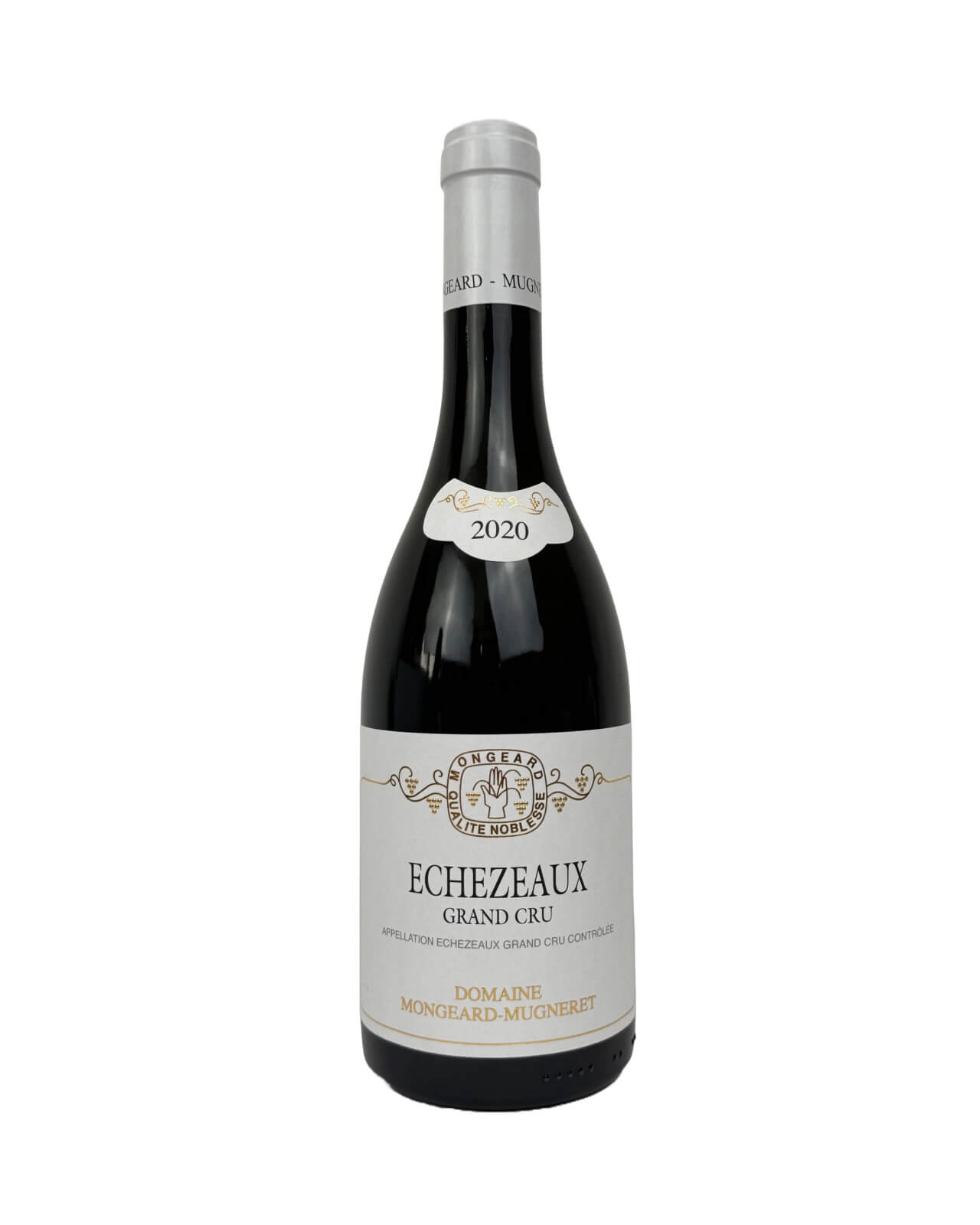
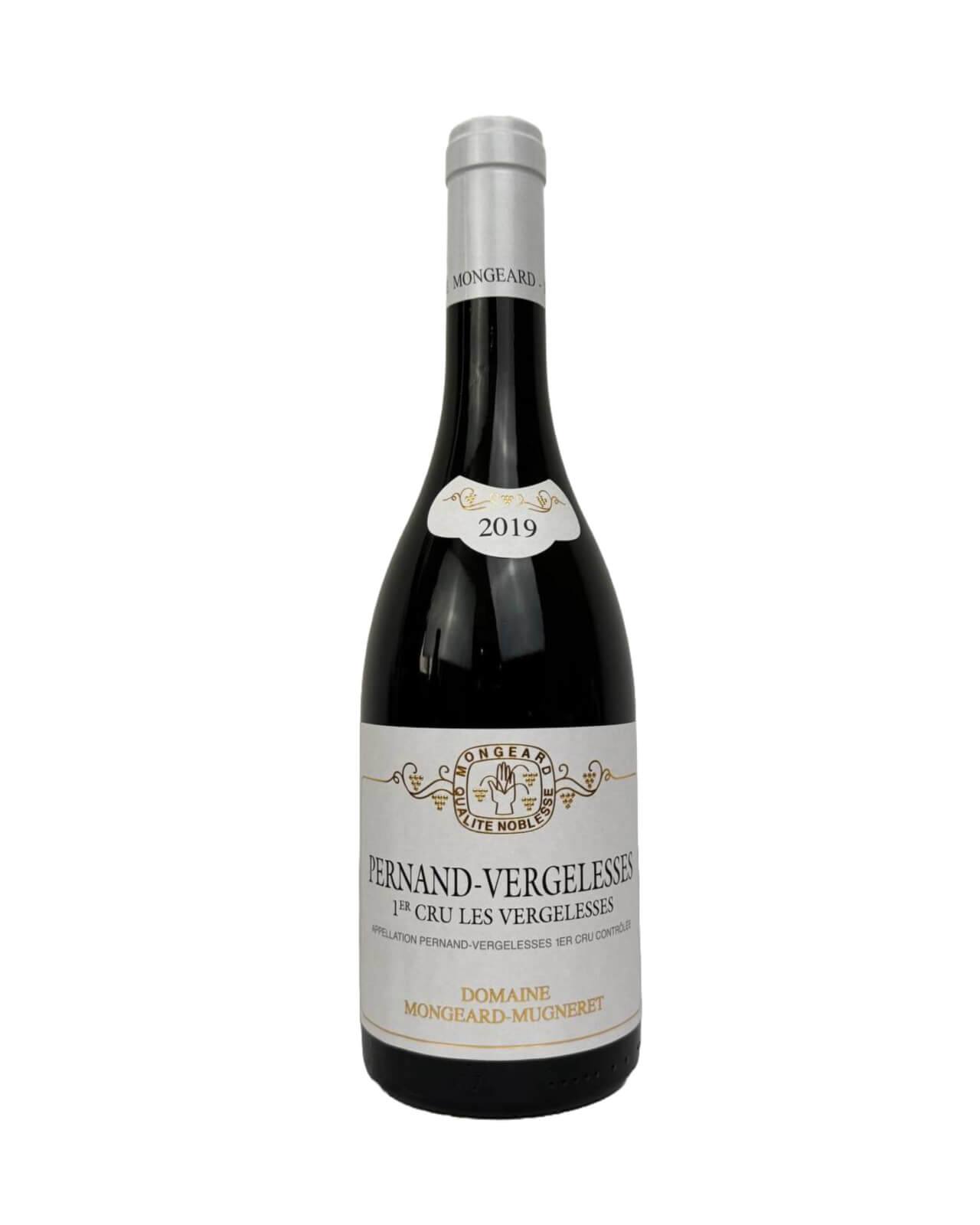
Vosne-Romanée packs six grand cru appellations into a single commune — roughly 28 hectares of grand cru vineyard, or about 5–6% of the village’s planted area, the highest concentration of grand cru land of any village on the Côte d’Or. To understand Vosne-Romanée, Côte de Nuits is to understand why Pinot Noir is taken seriously as one of the world’s great red grapes, because many of its most coveted expressions grow here, on a narrow band of east-facing slope barely wider than a country lane.
Vosne-Romanée sits in the heart of the Côte de Nuits wines, the northern half of the Côte d’Or that produces almost all of Burgundy’s legendary reds. It lies between Nuits-Saint-Georges to the south and Chambolle-Musigny to the north, a position that gives its wines a recognisable middle ground: more depth and structure than the lace of Chambolle, more perfume and finesse than the firmer wines of Nuits.
This collection gathers village, premier cru, and the rare grand cru bottlings that carry the Vosne name, and it connects to the wider Burgundy wine collection for buyers building a broader cellar. What follows is a working guide to the appellation: how its classification ladder is built, what each grand cru and key premier cru actually tastes like, and how to choose a bottle that matches both your palate and your budget.
Like all of the Côte de Nuits, Vosne-Romanée is built on a three-tier ladder. At the base sits the village appellation (AOC Vosne-Romanée), drawn from broader parcels across the commune. Above it sit the premier cru climats — fourteen named and classified plots whose soil and aspect deliver consistently greater complexity. At the summit are the six grand crus, each its own standalone appellation with its name alone on the label. This ladder rewards study, because moving one rung up the hierarchy changes the wine far more here than the modest words on the label suggest.
The Pinot Noir grown here has a signature. Compared with the silken, red-fruited charm of neighbouring Chambolle-Musigny, Vosne tends toward darker fruit — black cherry, damson, ripe blackcurrant — wrapped around an iron-and-mineral core, with fuller body and a more structured, slow-building tannin. The vineyards occupy a mid-slope band of iron-rich limestone and clay, well drained and warmed by the morning sun, and it is this combination of marl, iron, and aspect that lends the wines their density and their famous capacity to age. To explore the grape more widely, see our Pinot Noir selection.
The scale of it is easy to underestimate. The commune’s six grand crus cover only about 28 hectares between them — a fraction of the village’s roughly 400-plus hectares of vineyard, and itself part of the broader picture in which grand cru accounts for under 2% of all Burgundy AOC production. From that sliver of land come several of the most expensive Pinot Noirs in the world. For collectors building around the very top of Burgundy, our Grand Cru Burgundy category brings these benchmark wines together in one place.
Most guides list the six grand crus and stop there. The more useful question for a buyer is how they differ in style — because each is a distinct wine, not simply a more expensive version of the last. Here is what sets each apart.
Approximately 1.8 hectares, a monopole of Domaine de la Romanée-Conti, which reports a yield of roughly 5,000 to 6,000 bottles in a typical vintage. Widely regarded as the single most expensive wine produced anywhere in the world, it is defined by an extraordinary floral depth, a silken, almost weightless texture, and the capacity to evolve for 40 to 50 years. Allocation is restricted globally, and most buyers encounter it only at auction.
Another Domaine de la Romanée-Conti monopole, at roughly 6 hectares. La Tâche is typically more structured and more spiced than Romanée-Conti, and many critics consider it the more age-worthy of the two. Its aromatic arc moves from tight red cherry and violet in youth toward complex undergrowth, leather, and dried rose over two to three decades in bottle.
Around 8 hectares with multiple owners, including Domaine de la Romanée-Conti and Domaine Leroy. Richebourg is the most powerful and generous of the Vosne grand crus — deep, plush, and notably tannic in youth — and the combination of sheer volume and precision makes it perhaps the most immediately impressive on the palate. For more wines from the same stretch of slope, explore the wider Côte de Nuits collection.
Approximately 9.4 hectares, and the most delicate of the six. A cooler, flatter site yields wines that lean toward elegance and floral finesse rather than power, prizing perfume and length over weight. Key producers here include Domaine de l’Arlot, Domaine de la Romanée-Conti, and Domaine Leroy.
A 1.65-hectare monopole of Domaine François Lamarche, promoted from premier cru to grand cru by INAO decree only in 1992. It lies in a narrow strip running straight up the slope between La Tâche and Romanée-Conti — a pedigree of neighbours that few vineyards on earth can match — and stands as a benchmark for site-driven precision, as well as one of the rarest labels in the appellation.
At 0.84 hectares — a figure set by its INAO-registered boundaries — this is the smallest AOC in France, a monopole of Château Liger-Belair. It produces fewer than 3,000 bottles in a typical vintage and combines genuine concentration with an unusual delicacy for a grand cru of this stature. Availability is extremely limited and bottles rarely surface outside specialist channels.
For most buyers, the premier cru tier is where Vosne-Romanée becomes both accessible and rewarding — genuine appellation character without grand cru scarcity. Five climats are especially worth seeking out. Les Malconsorts shares a boundary with La Tâche and is correspondingly powerful and structured; it is the most sought-after premier cru of the commune. Cros Parantoux is the legendary one-hectare plot resurrected by Henri Jayer and now farmed by Méo-Camuzet and Emmanuel Rouget — a name that commands attention and prices to match. Les Suchots offers aromatic, silky, elegant wines; Les Beaux Monts is firmer, more structured, and long-lived; and Aux Brûlées sits expressive and mid-weight between the two.
These are the wines to reach for when you want a true Vosne-Romanée experience below grand cru prices, and the gap in quality is far smaller than the gap in cost. To see how this tier sits within Burgundy’s wider hierarchy, browse our Premier Cru classification.
Entry point (around €72). At the foot of this selection sit village-level wines — from respected négociants or younger-vine domaine bottlings — that give a genuine introduction to the appellation’s aromatic character and silky structure. These are the bottles to open first if Vosne-Romanée is new to your cellar; they teach the house style without demanding a major outlay.
Core selection (around €220). The heart of this catalogue lives near the median price, where village wines from top producers meet accessible premier cru from well-known estates. This is where the price-to-quality ratio is at its best for a serious Vosne-Romanée experience — enough pedigree to show why the appellation is revered, without the rarity premium of the famous grand cru names.
Rare cuvées (up to €775). At the top of the range sit premier cru from celebrated sites and older vintages, the bottles reserved for collectors and special occasions. In short: prices in this selection start from around €72 for village-level wines, with most bottles priced near €220, while the rarest premier cru and grand cru cuvées reach €775.
A few practical points for buying with confidence. First, read the label in order: the appellation name comes first, then the climat (the named vineyard, if any), then the producer — and on the great grand crus the appellation name is the vineyard, which is why “Richebourg” or “La Tâche” stands alone. Second, weigh ageing against occasion: a village wine is ready years before a grand cru, so buy young if you want to drink soon and reserve the top cuvées for patient cellaring. Third, in pure value terms a strong premier cru from a top producer often outperforms an underwhelming grand cru — the name on the label matters less than the hands that made the wine.
Serve Vosne-Romanée at 15–17 °C — cool enough to keep the fruit precise, warm enough to let the perfume open. Decanting depends on the wine: a young premier cru benefits from 30 to 45 minutes of air, while a grand cru in its youth can take one to two hours to unwind. Older bottles should be handled gently — a brief decant to separate the wine from its sediment, or simply careful pouring from a well-settled bottle, is all they need.
The earthiness and aromatic richness of these wines call for dishes with depth rather than simple grilled meat. The iron-mineral backbone and the forest-floor, gamey savouriness that Vosne develops with age echo the depth of dark-fleshed birds and game far better than cleaner white proteins — which is why the classic matches are roast pigeon or squab, slow-cooked duck confit, and venison medallions, with a herb-crusted rack of lamb for the firmer wines. The pairing logic shifts with the bottle: a young village wine, brighter and more red-fruited, sits happily beside roast chicken or mushroom risotto, while a mature grand cru, with its truffle and undergrowth complexity, wants the gamiest dish on the table. On the cheese board, aged Comté is a natural partner, and truffled pasta echoes the wine’s savoury side.
One of the most common buyer questions — and one the encyclopaedias rarely answer plainly — is when to actually pull the cork. Use the following as a working guide.
Vintage matters as much as tier. Strong Côte de Nuits years such as 2015, 2019, and 2023 build the structure that rewards long cellaring, so bottles from these vintages are worth holding back. In lighter years the wines are charming earlier and need less patience — a useful distinction when you are deciding what to drink this season and what to lay down.
Village wines come from broader commune-level parcels and offer a genuine introduction to the appellation’s characteristic aromatic depth and silky structure. Premier cru wines come from fourteen named and classified climats — specific hillside plots whose soil and aspect produce consistently greater complexity, concentration, and longevity. The quality gap is real, but the price difference is proportionate: the best premier cru sites, such as Les Malconsorts and Cros Parantoux, deliver substantially more than a standard village bottling at a still-manageable price.
Romanée-Conti commands prices that reflect extreme scarcity — fewer than 6,000 bottles per vintage — a centuries-old monopole, and a track record of ageing for 30 to 50 years with increasing complexity. For most buyers the question is largely theoretical, since allocation is restricted to loyal restaurant and merchant customers worldwide. The more practical question is whether La Tâche, Richebourg, or a well-chosen premier cru from a top producer offers a comparable Vosne-Romanée experience at a more reachable price. For many serious wine drinkers, the answer is yes.
The timing windows are set out tier by tier in the ageing guide above. What those numbers do not convey is how the wine actually tastes when opened too soon. An underaged grand cru shows tight, drying tannin, muted and clenched fruit, and a hard, sometimes astringent finish, with the floral and undergrowth aromatics still locked away — the structure is all you taste. At peak, that same wine has resolved its tannin into something silky, the fruit has unfolded into truffle, rose, and forest floor, and the finish lengthens rather than grips. If a young bottle tastes austere and closed, that is the wine telling you to wait, not a fault; a generous decant can help a premier cru in the short term, but a tight grand cru simply needs more years in the cellar.
The undisputed benchmark is Domaine de la Romanée-Conti, though most of their wines are available by allocation only. Look also at Domaine Leroy (exceptionally concentrated and biodynamic), Méo-Camuzet (reliable across every level from village to grand cru), Sylvain Cathiard, Anne Gros, and Emmanuel Rouget, who inherited the approach — and in part the vineyards — of Henri Jayer. Each of these estates bottles wines across village, premier cru, and in some cases grand cru levels, giving buyers a genuine range of entry points.
Written by the Tour de Wine buying team. Last reviewed: June 2026.
This site is restricted to adults. By entering, you confirm that you are of legal drinking age in your country of residence.