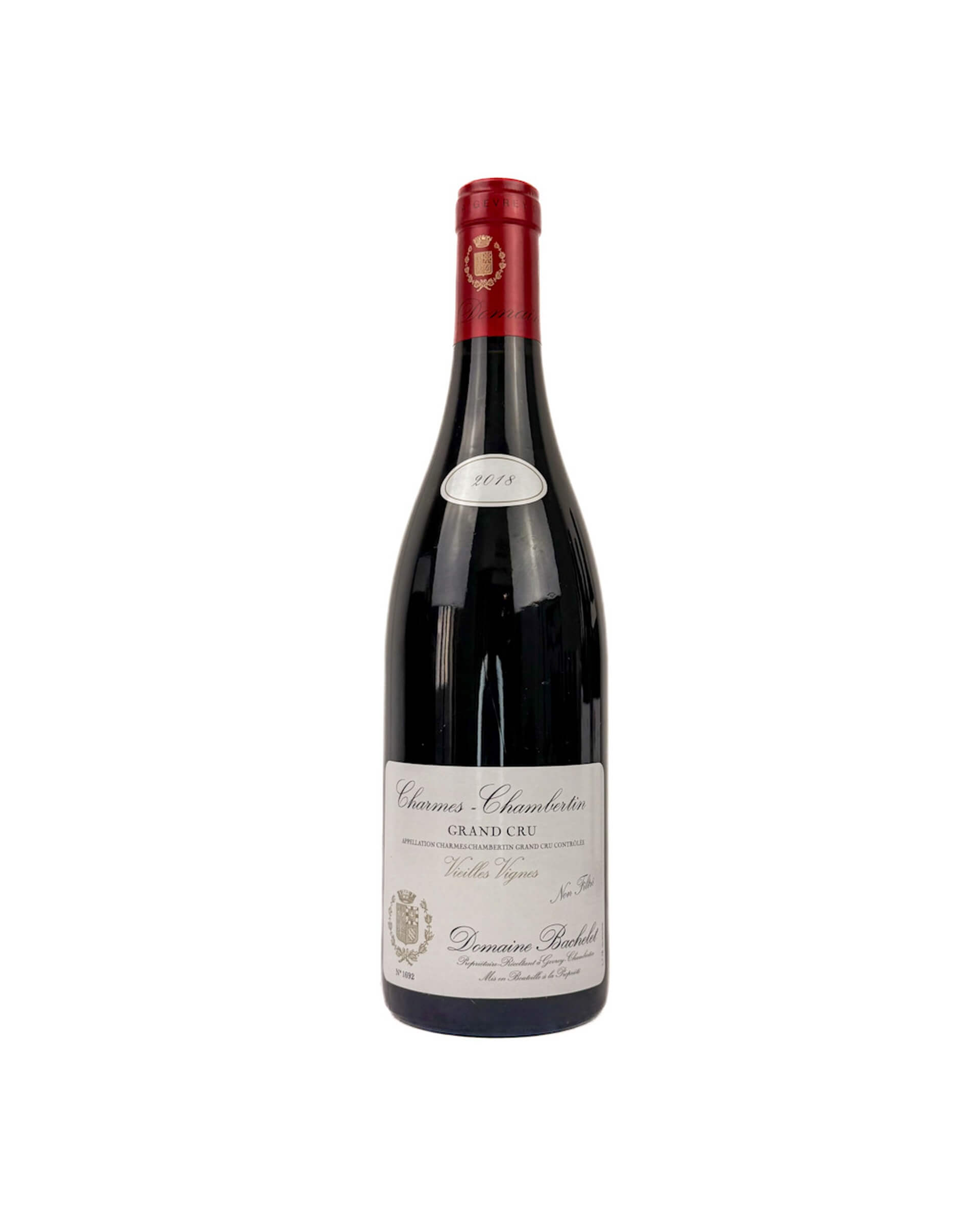
96
0,75
2018
Domaine Bachelet
Wines, producers, regions...
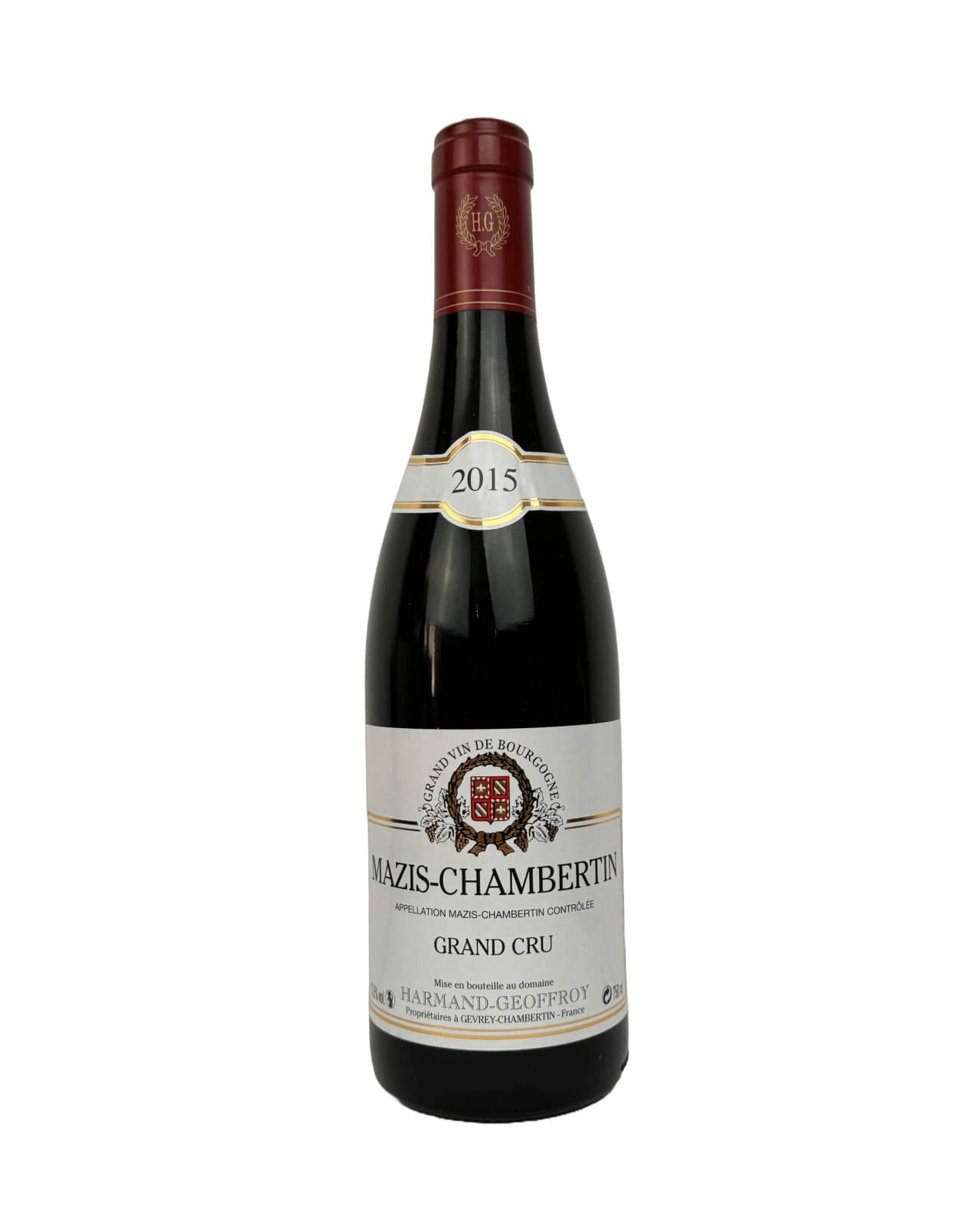
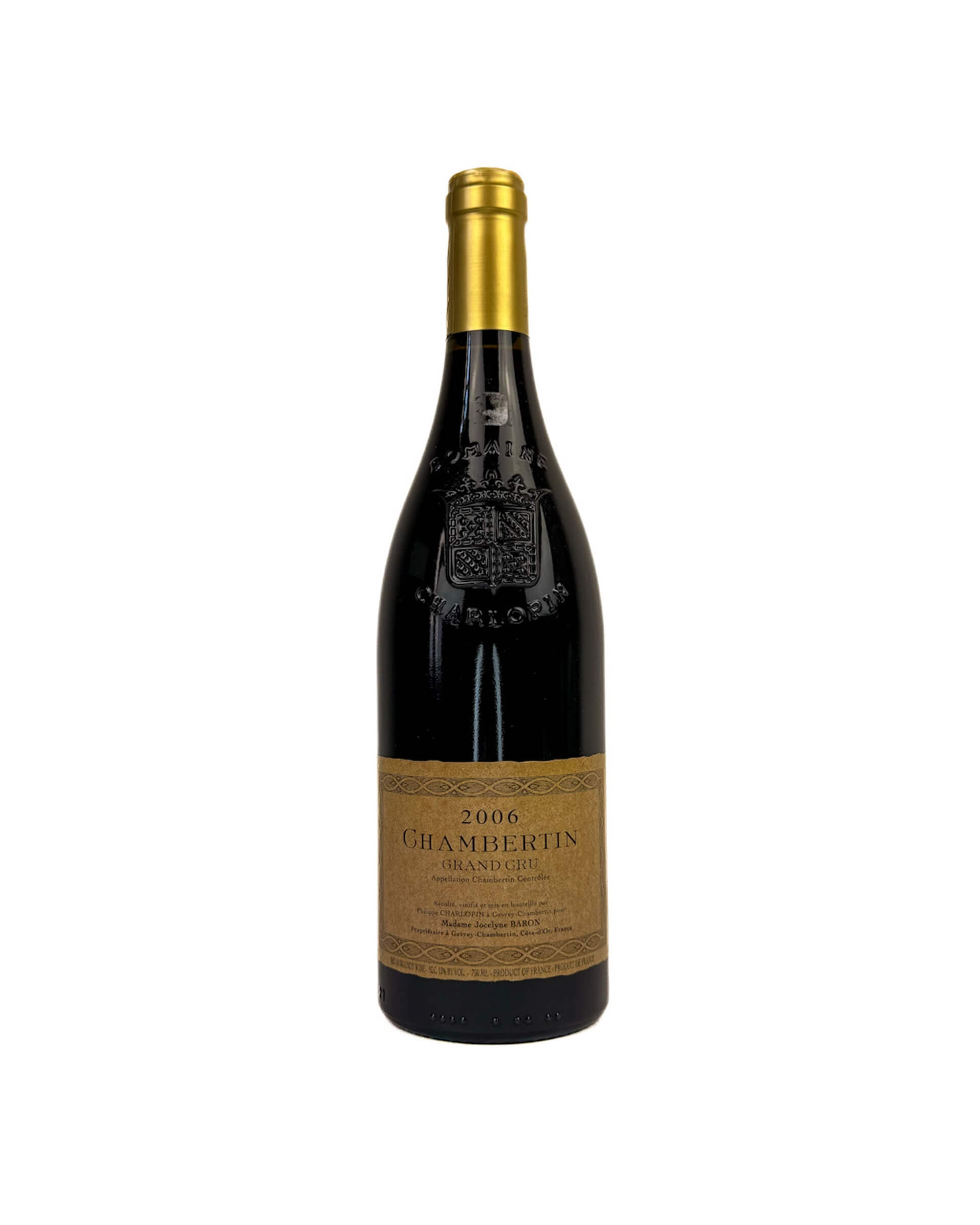
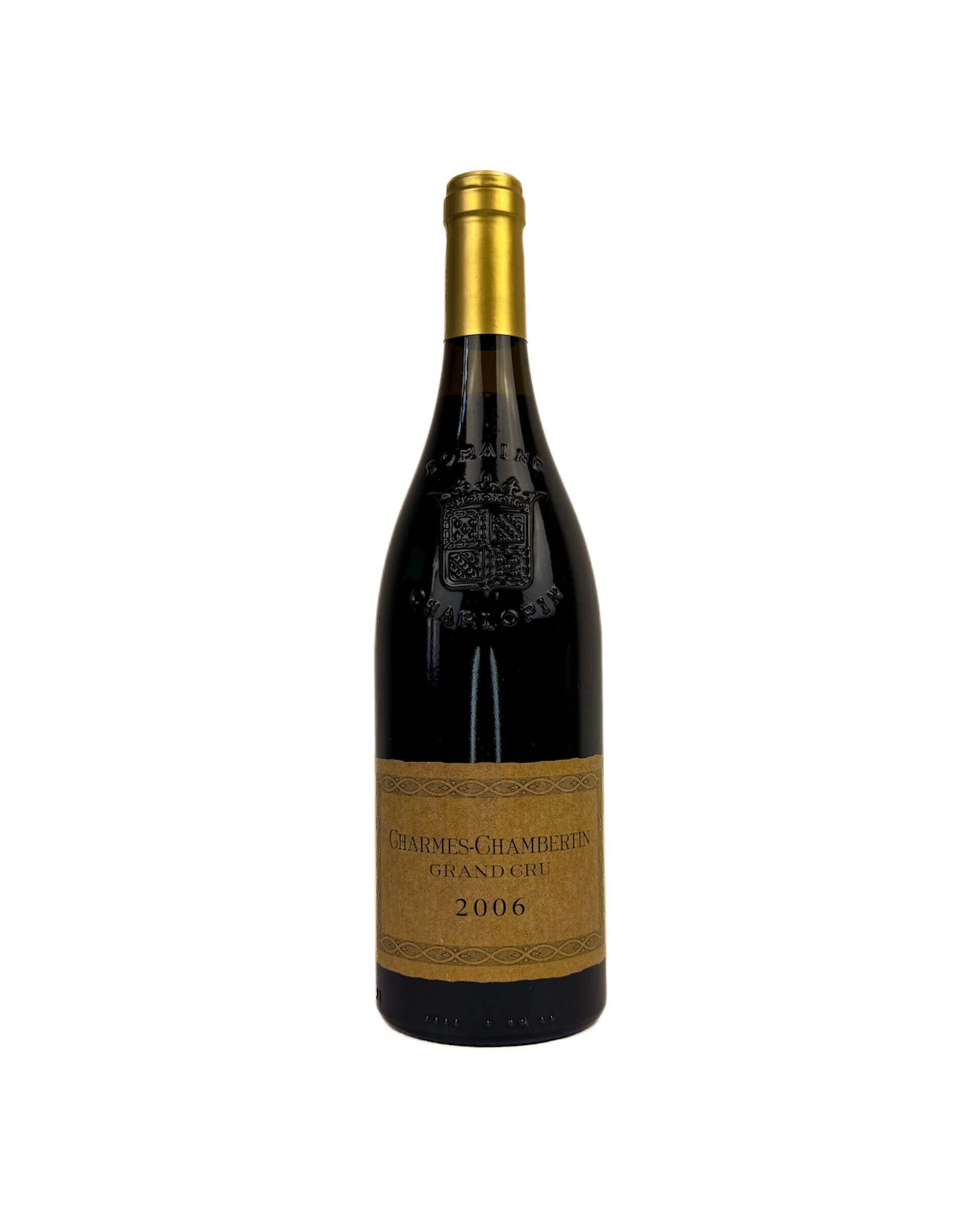
Chambertin, Côte de Nuits is, for many collectors, the summit of red Burgundy — a thirteen-hectare enclave on the hillside of Gevrey-Chambertin that has long defined the upper limit of what Pinot Noir can achieve. This is the wine Napoleon famously insisted on having at his table, carried in his baggage on campaign and, by repute, diluted with a little water out of sheer habit. Sitting at the heart of the Côte de Nuits wines, the appellation stands among the most celebrated names in all of fine wine, its bottles measured in decades rather than years.
At Tour de Wine we treat this Burgundy Grand Cru with the seriousness it deserves. Our buying team curates 7 references from the Gevrey-Chambertin Grands Crus, chosen for authentic domaine provenance and confirmed parcel-level sourcing. This page exists to do two things at once: to explain what makes the wines of the commune singular, and to help you choose the right bottle — by appellation, by vintage, and by budget — before you add it to your cellar.
Chambertin proper is a narrow strip of vines running along the mid-slope of the Gevrey-Chambertin hillside, facing due east at roughly 275 to 300 metres of altitude. The exposure captures the morning sun while the gradient drains both water and cold air — a textbook configuration for ripening Pinot Noir slowly and completely. The geology is the quiet engine of the wine: deep argilo-calcareous soils sit over Bathonian oolitic limestone, the iron-rich red clay lending structure and concentration while the calcium-rich subsoil provides the mineral tension that underwrites 30-plus years of cellar evolution.
The name itself is a fragment of medieval history. According to long-held local tradition it derives from a plot once worked by a grower called Bertin — the champ de Bertin, Bertin’s field — adjacent to the older Clos de Bèze. The appellation was formally classified as Grand Cru under French AOC law in 1937, ratifying a reputation that had already stood for centuries. Only one grape is permitted here: Pinot Noir wines from Burgundy are the sole legal expression, with no exceptions written into the rules of the appellation.
Within the Côte de Nuits classification, Chambertin sits above all 26 Gevrey Premiers Crus and the communal and regional appellations beneath them; the wider context of Burgundy wines only sharpens how rarefied this band of hillside is. Where a village wine may be drawn from anywhere in the broad communal area, Grand Cru fruit comes only from this tightly delimited band of hillside — and the difference in concentration, complexity, and longevity is exactly what buyers are paying for.
Few people realise that “Chambertin” is not one wine but the family name of nine distinct Grands Crus, each a separate appellation with its own character. Two of them — Chambertin and Chambertin Clos de Bèze — sit at the apex; the other seven carry the Chambertin name as a suffix. Understanding how they differ is the single most useful piece of knowledge a buyer can have, and it is precisely the comparison no other merchant lays out plainly. The reference list below summarises the essentials of each.
There is a legal asymmetry worth knowing. A wine from Clos de Bèze may be labelled either “Chambertin Clos de Bèze” or simply “Chambertin” — but a Chambertin may never call itself Clos de Bèze. The seven satellite Grands Crus, meanwhile, must always carry the Chambertin name in suffix form and can never use the unqualified “Chambertin” label on its own. This is more than bureaucratic detail: it tells you which names sit at the very top of the commune.
Do not overlook the small parcels. Griotte and Ruchottes, despite their tiny surface areas and occasionally gentler entry prices, are among the most intellectually compelling wines of the commune — the kind of bottles serious collectors chase precisely because they are made in such limited quantity. For the wider context of the Grand Cru Burgundy hierarchy, what sets these nine apart from the 26 other Gevrey Premiers Crus is sole-parcel delimitation: the 1937 AOC decree fixed each Grand Cru to its own named lieu-dit boundary rather than a broader communal pool.
Gevrey-Chambertin produces a recognisably distinct style of Pinot Noir. Set it beside its neighbours and the differences are clear: it is more structured and tannic than the floral, delicate wines of Chambolle-Musigny, and richer and more concentrated than the silky precision of Vosne-Romanée. What defines Gevrey is power held in balance by mineral tension — the very combination that allows the best bottles to evolve gracefully for thirty years and more.
That structure has practical consequences when it comes to opening a bottle. Treated correctly, a Chambertin rewards patience at the table as much as in the cellar. A few simple habits make all the difference:
Vintage matters enormously in Burgundy, and a little guidance saves both money and disappointment. The notes below cover the five most relevant recent and near-term years for buyers building a Gevrey-Chambertin collection.
To translate this into a buying decision: for immediate pleasure, 2015 and 2020 give the most now. For the cellar, 2022 and 2019 are the priority vintages to acquire while they remain available. The aim here is honest, practical guidance rather than vintage hype.
Because the nine Grands Crus span a real spectrum of weight, the smartest pairings follow the wine’s intensity rather than a single rule. Match the power on the plate to the power in the glass.
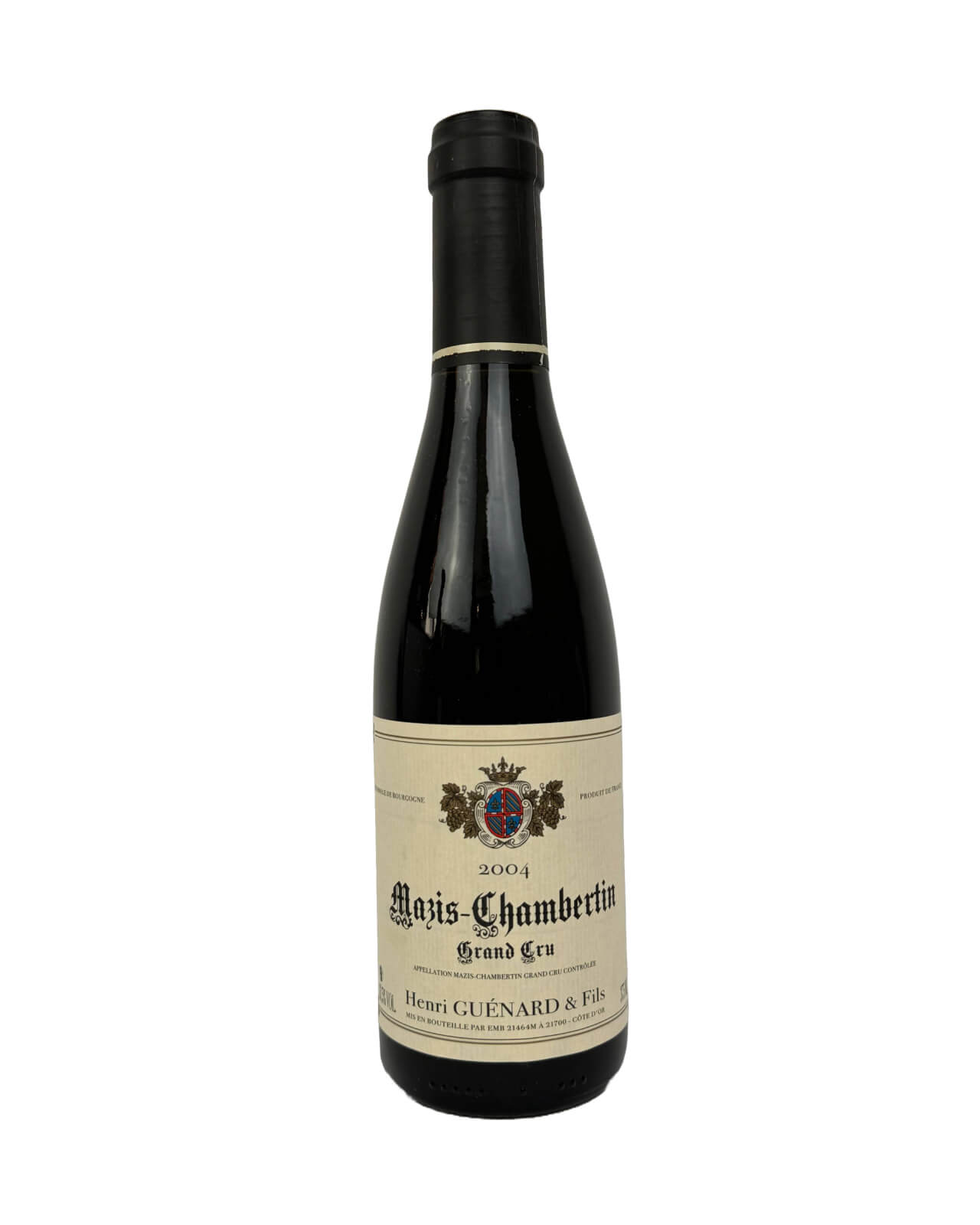
Chambertin and Clos de Bèze, the most powerful and full-bodied, call for equal weight on the plate: mature game birds such as pheasant or woodcock, hare à la royale, beef bourguignon, or braised short rib. The classical regional finish is an aged cheese with character — Époisses, Ami du Chambertin, or Langres. The softer, fruitier crus — Charmes, Latricières, Chapelle and Mazoyères — favour roast duck with cherry, guinea fowl, or veal in a cream sauce, preparations that complement rather than compete with the wine’s elegance.
The fine, mineral, floral pair — Griotte and Ruchottes — reward refinement over richness: truffled poultry, braised sweetbreads with morel mushrooms, or pigeon. The austere, tannic Mazis meanwhile stands up to slow-cooked red meat, venison terrine, and aged hard cheeses. One serving rule holds across all nine: never serve a Chambertin below 15 °C or above 18 °C, and always decant bottles under ten years old.
Pricing for this appellation rewards transparency, and our buying team publishes honest catalogue bands rather than vague ranges. The figures below are drawn directly from Tour de Wine’s current selection of 7 references.
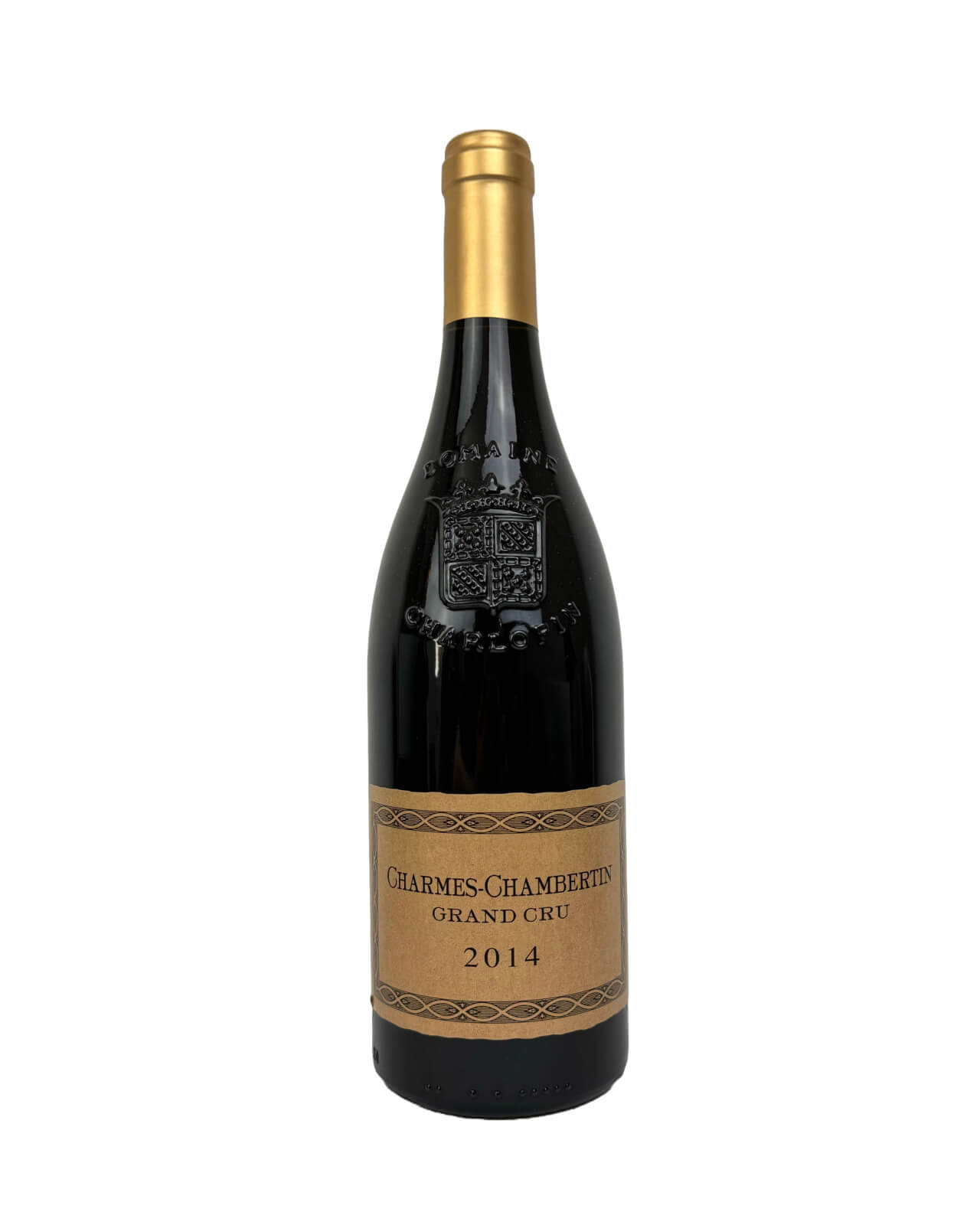
Tour de Wine carries 7 references from this appellation, including Rossignol-Trapet in Chambertin and Dupont-Tisserandot in Charmes-Chambertin, with the rest of the selection spanning several of the satellite Grands Crus across a range of vintages. Use the on-page filters to sort by appellation name, vintage, or price. We buy directly or through long-standing négociant partners and favour bottles whose route from cellar to shelf we can trace. Buyers comparing classification tiers may also find it useful to explore our Premier Cru wines alongside the Grands Crus.
Both are Gevrey-Chambertin Grands Crus from adjacent parcels and share a similarly powerful, structured profile. Chambertin (13 ha) tends toward slightly greater body and concentration. Clos de Bèze (15.4 ha), one of Burgundy’s oldest documented vineyards, often shows a touch more finesse and aromatic lift. By convention, a Clos de Bèze may legally label itself “Chambertin” — but a Chambertin may never claim to be Clos de Bèze.
In Tour de Wine’s current selection, the accessible entry point is around €230. The majority of bottles are priced near €315 — the catalogue median — at which level you find authentic Grand Cru expressions from established domaines. Top vintages such as 2019 and 2022 reach up to €2,250.
Technically yes, but it is rarely the best choice. The great Grands Crus of Gevrey-Chambertin need 10 to 15 years in bottle before their secondary aromas — leather, truffle, undergrowth, dried spice — emerge and their tannins fully integrate. For near-term drinking, choose 2015 or 2020, both approachable now, and decant for at least an hour before serving. Bear in mind that producers using lower SO2 levels or wide-pored corks carry a higher premature-oxidation (premox) risk when bottles are opened before ten years; if in doubt, stand the bottle upright for 48 hours before serving.
Chambertin Grand Cru comes from a precisely delimited 13-hectare parcel at the peak of the Gevrey classification, while a Gevrey-Chambertin village wine may come from anywhere within the broader communal area. The gap in depth, structure, and lifespan is substantial: a Grand Cru will evolve for 30 to 40 years, while a village wine is typically at its best within 8 to 15 years. For complementary buying, our red wines selection offers further context across the catalogue.
Written by the Tour de Wine buying team. Last reviewed: June 2026.
This site is restricted to adults. By entering, you confirm that you are of legal drinking age in your country of residence.