
87
0,375
2000
Chateau Coutet
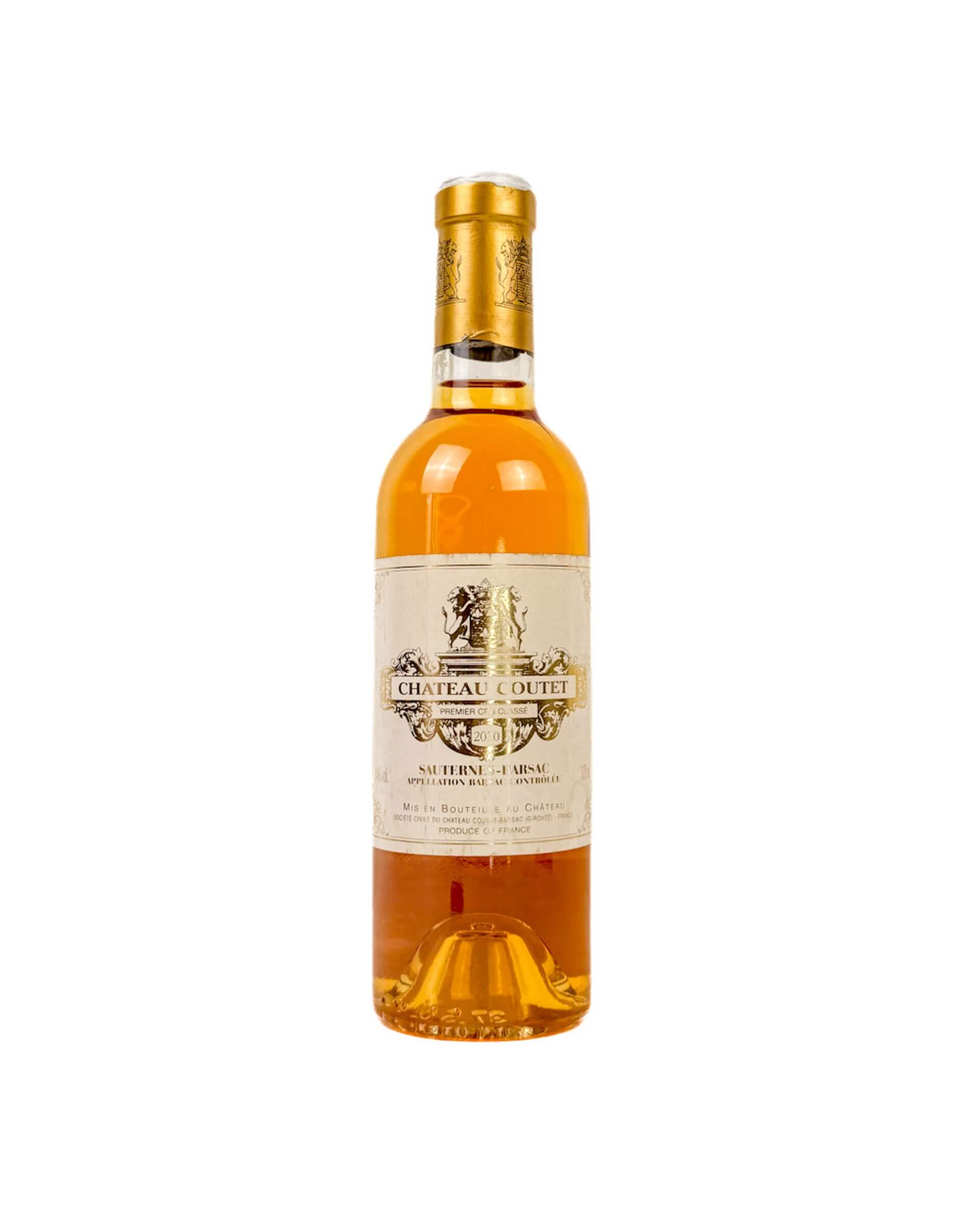
Chateau Coutet 2000 0,375L
€ 30,00
Wines, producers, regions...
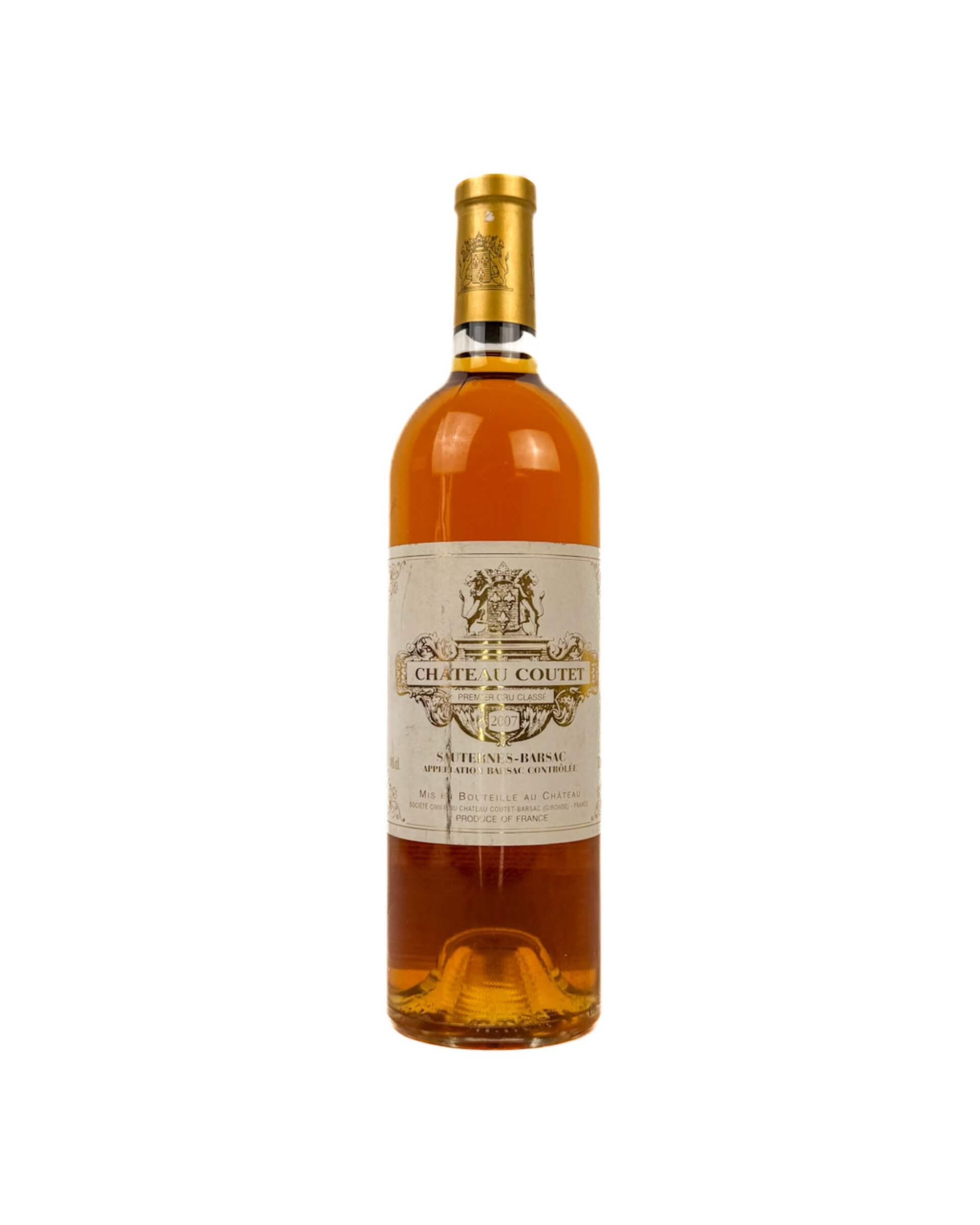
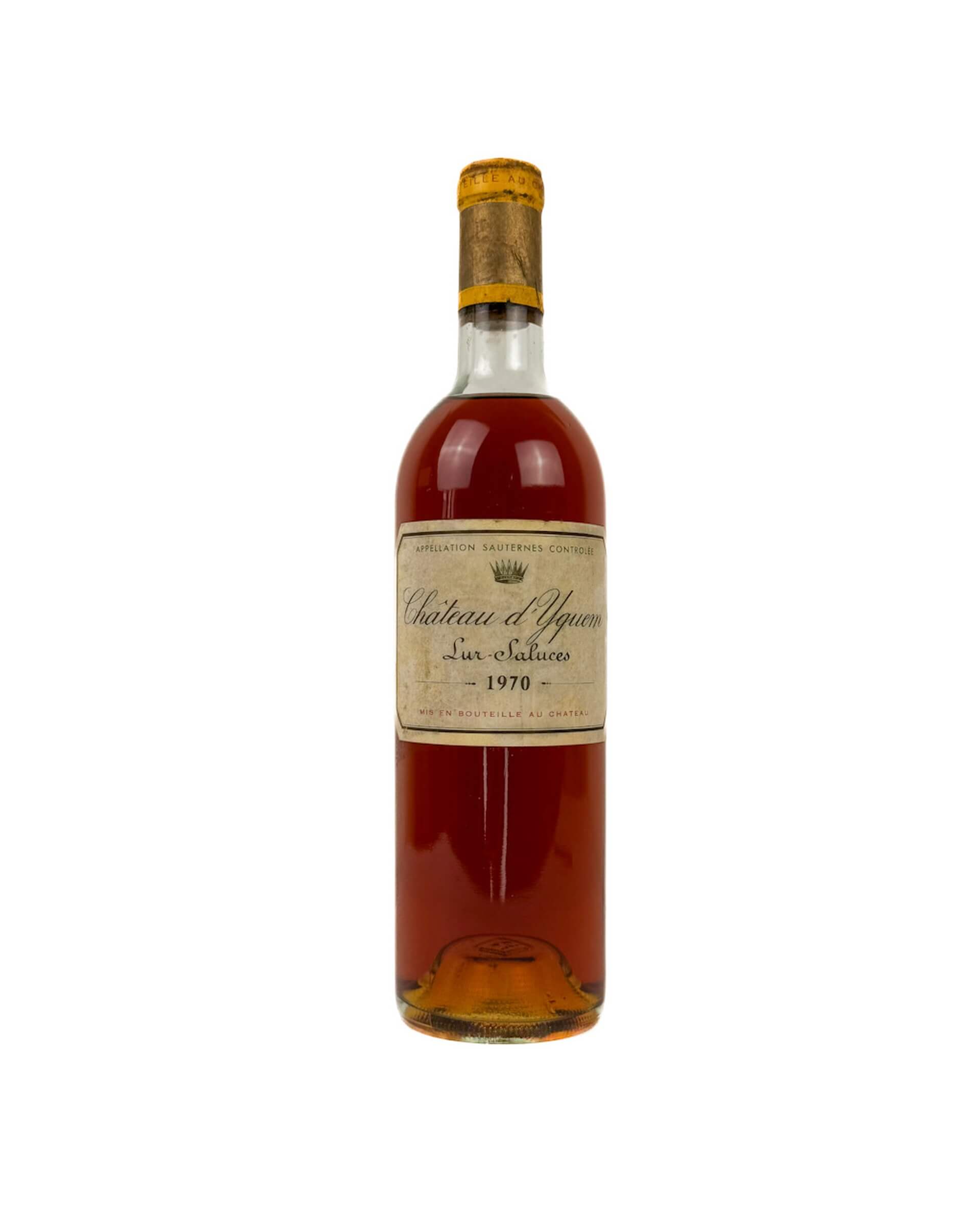
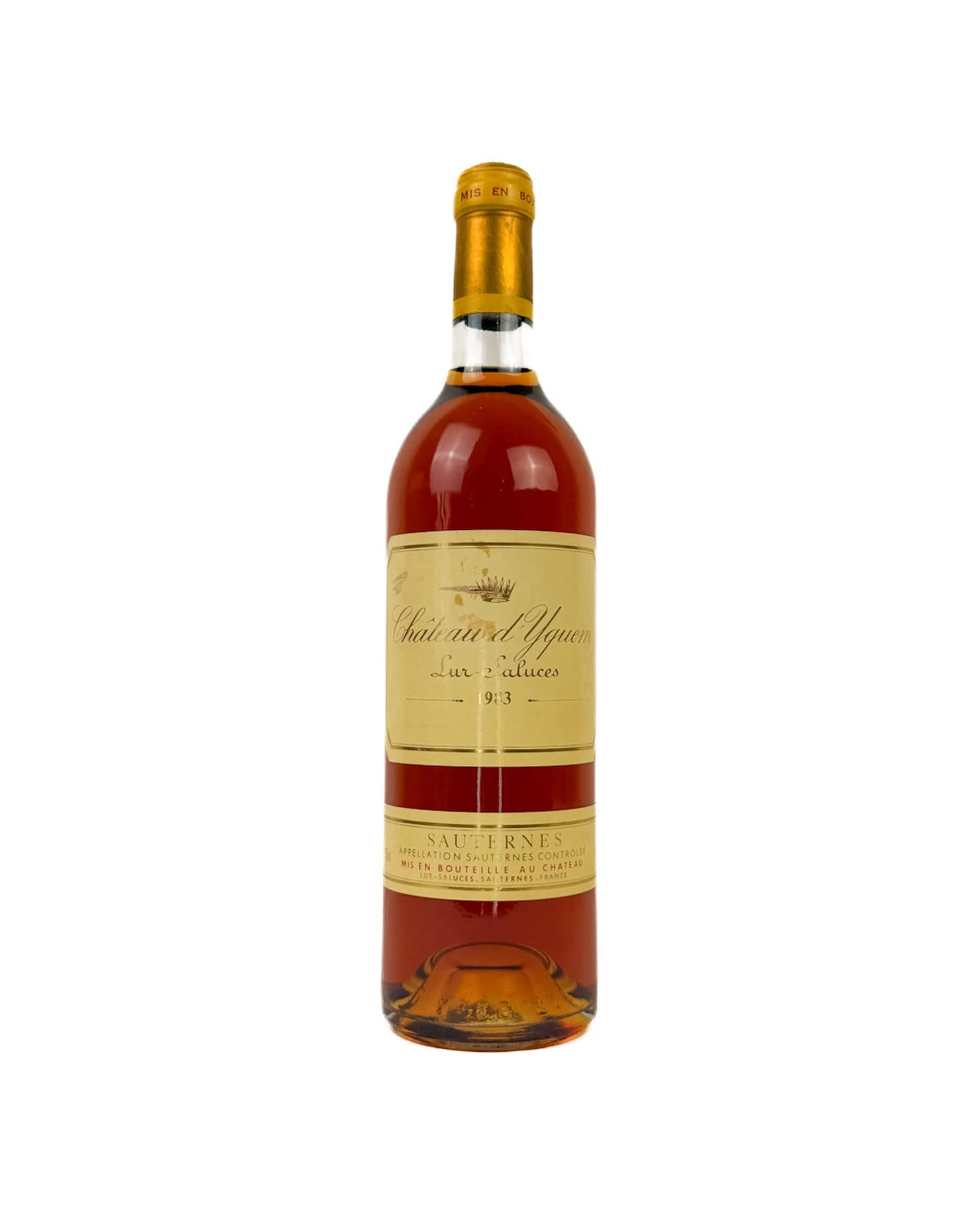
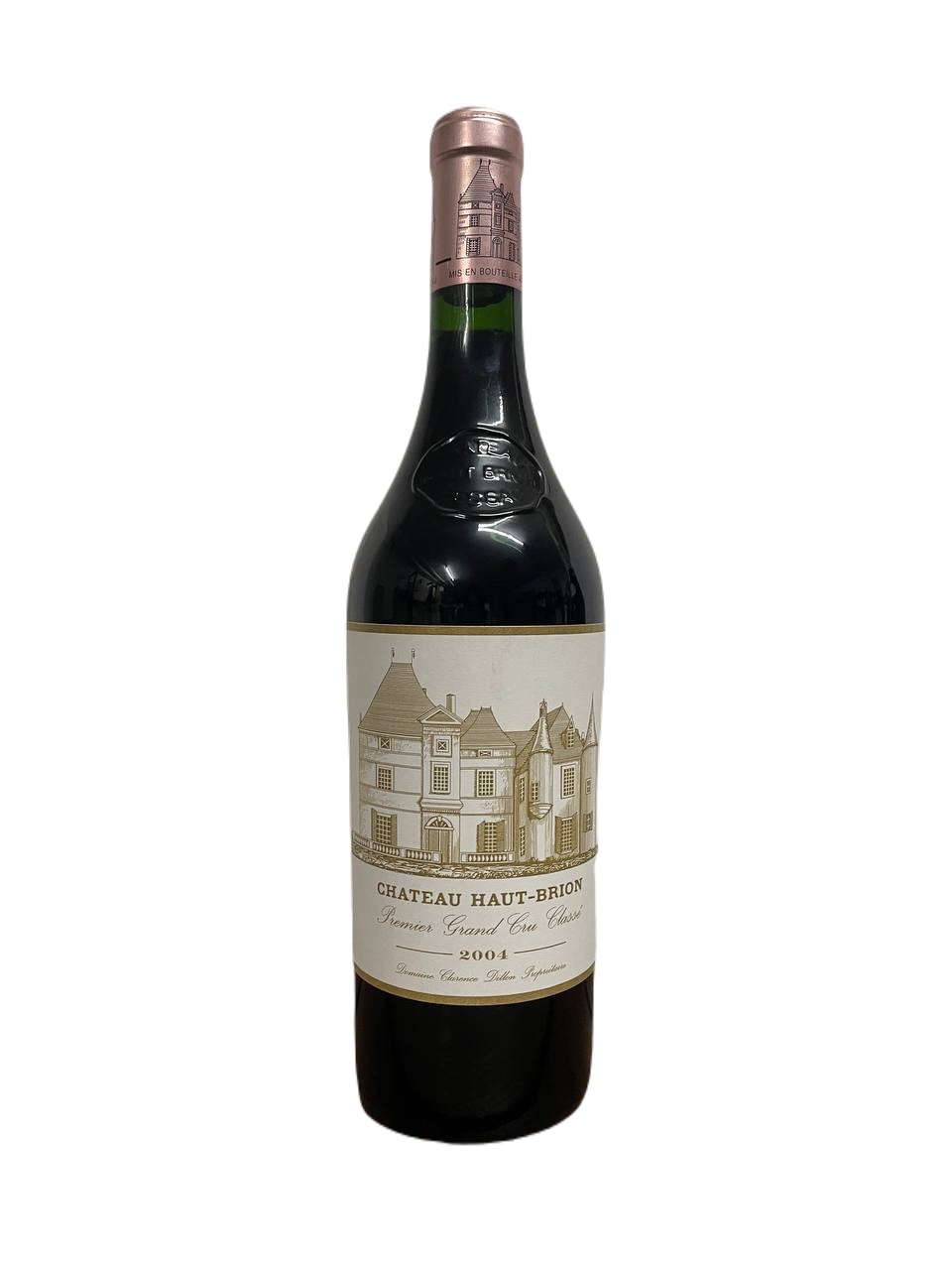
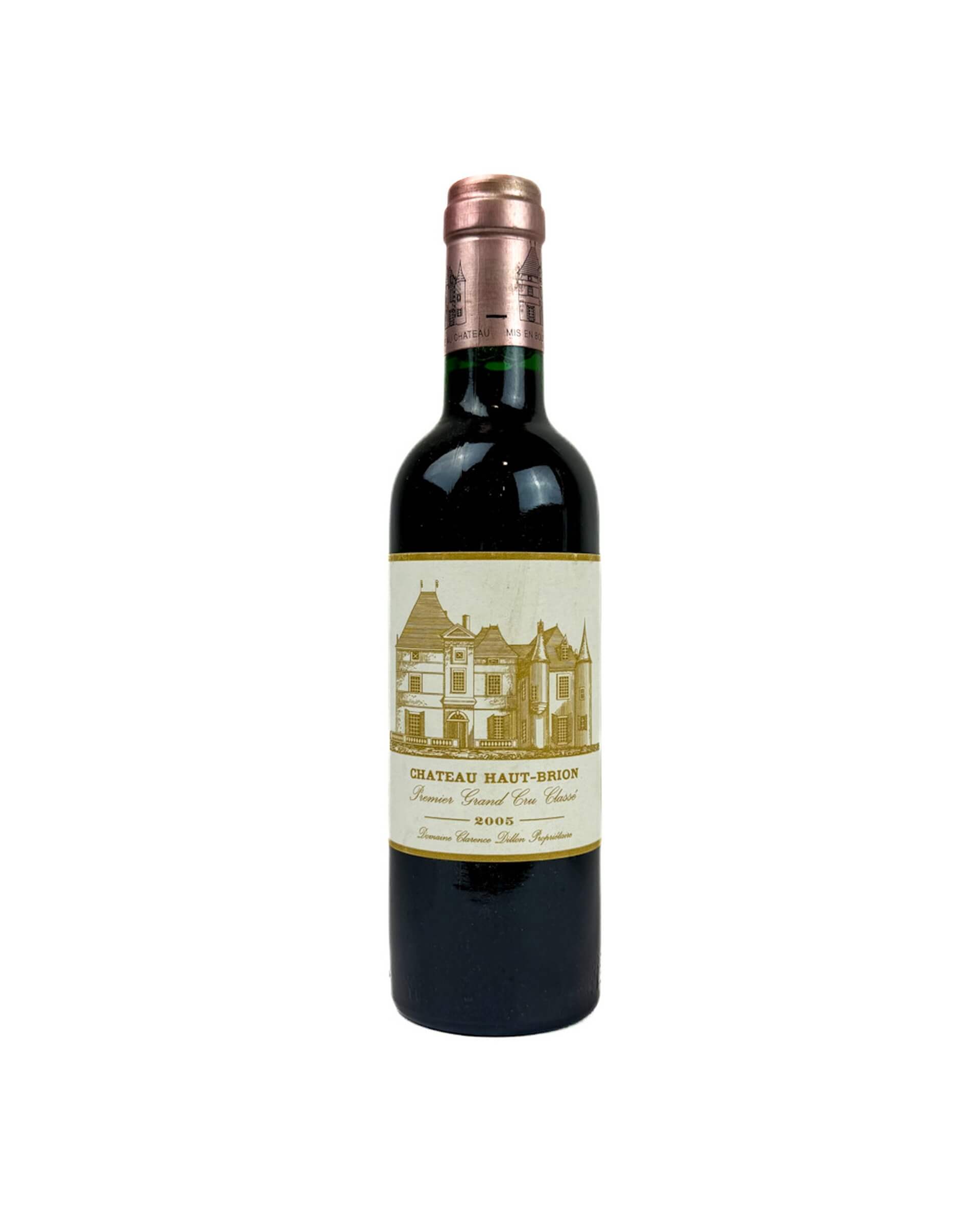
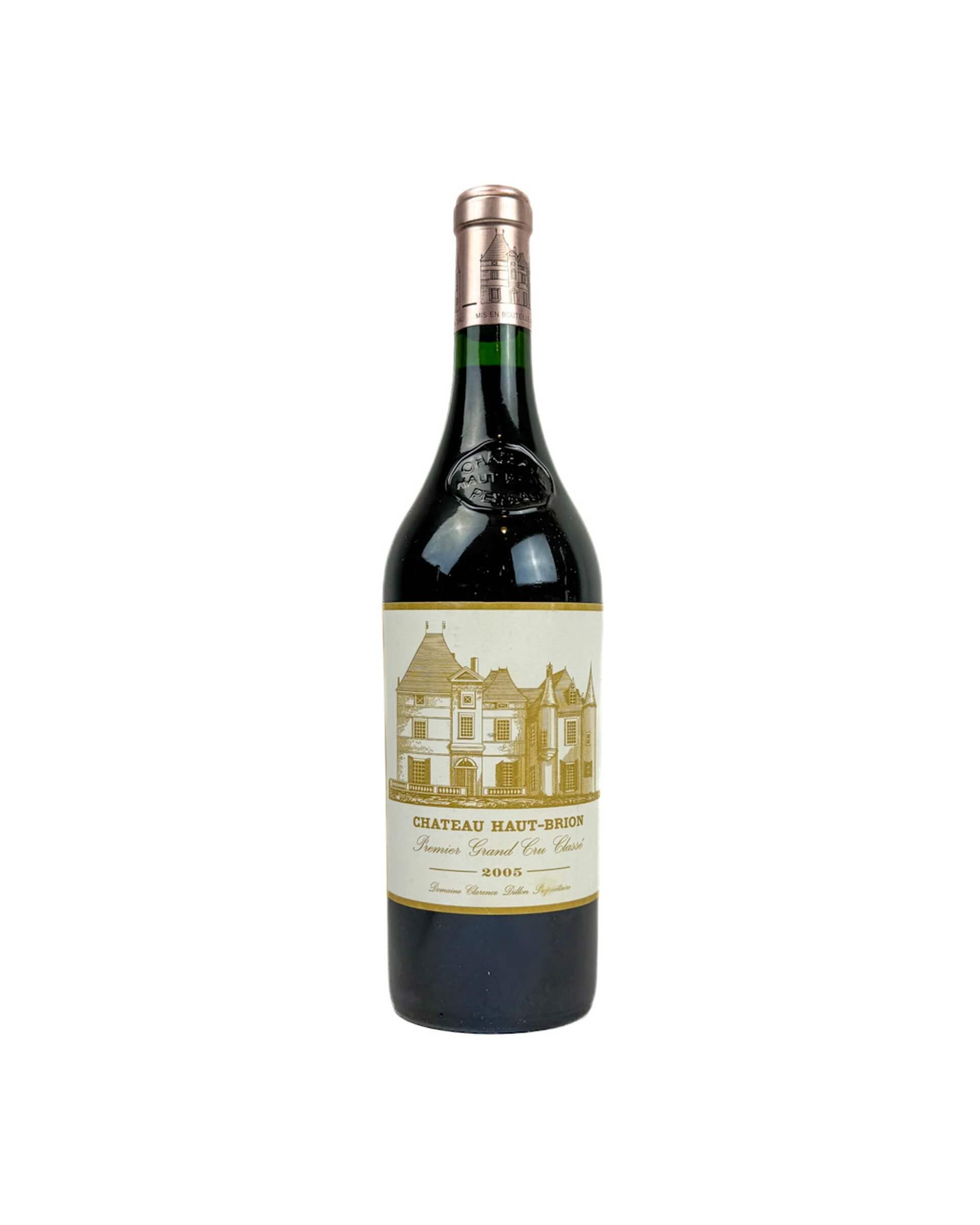
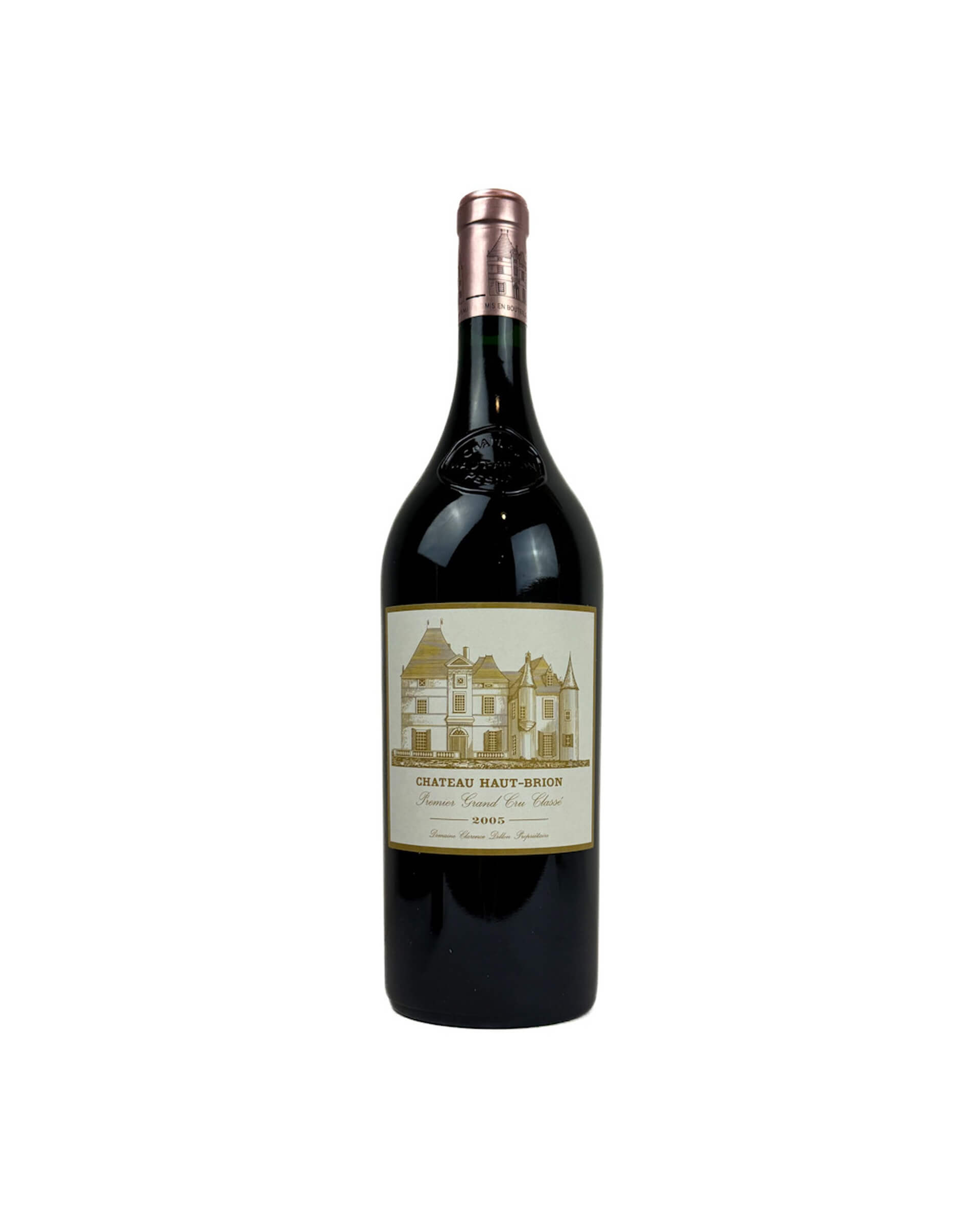
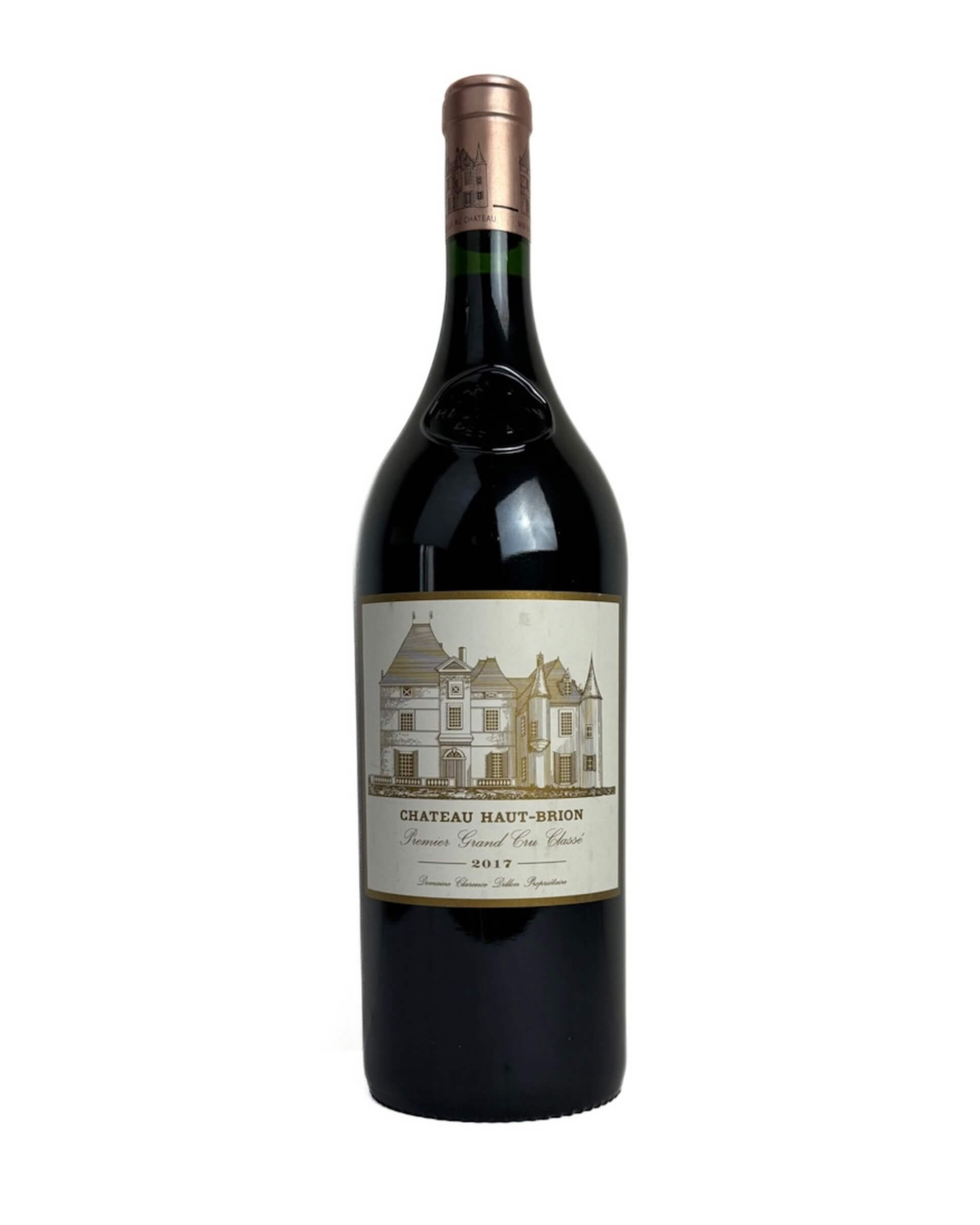
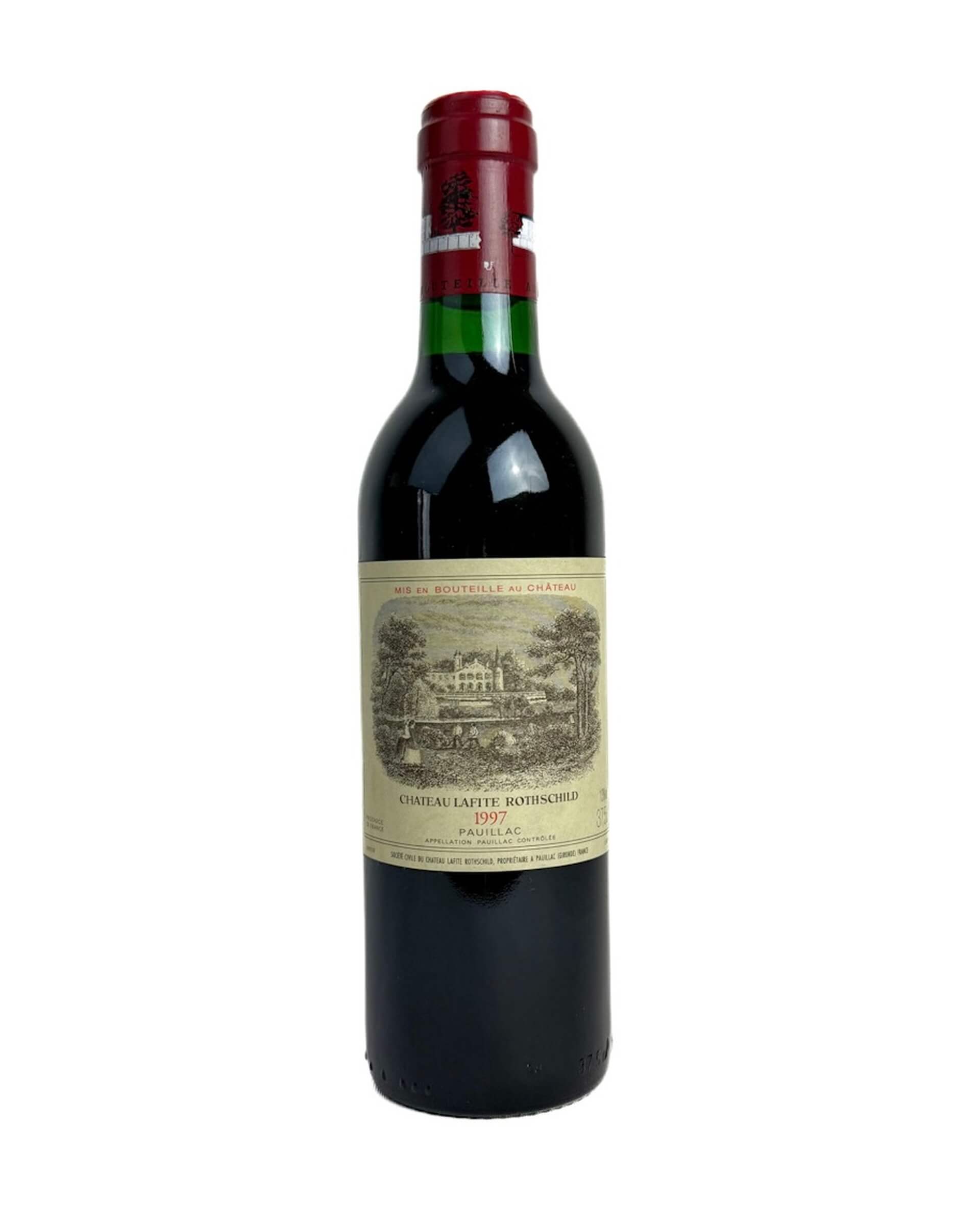
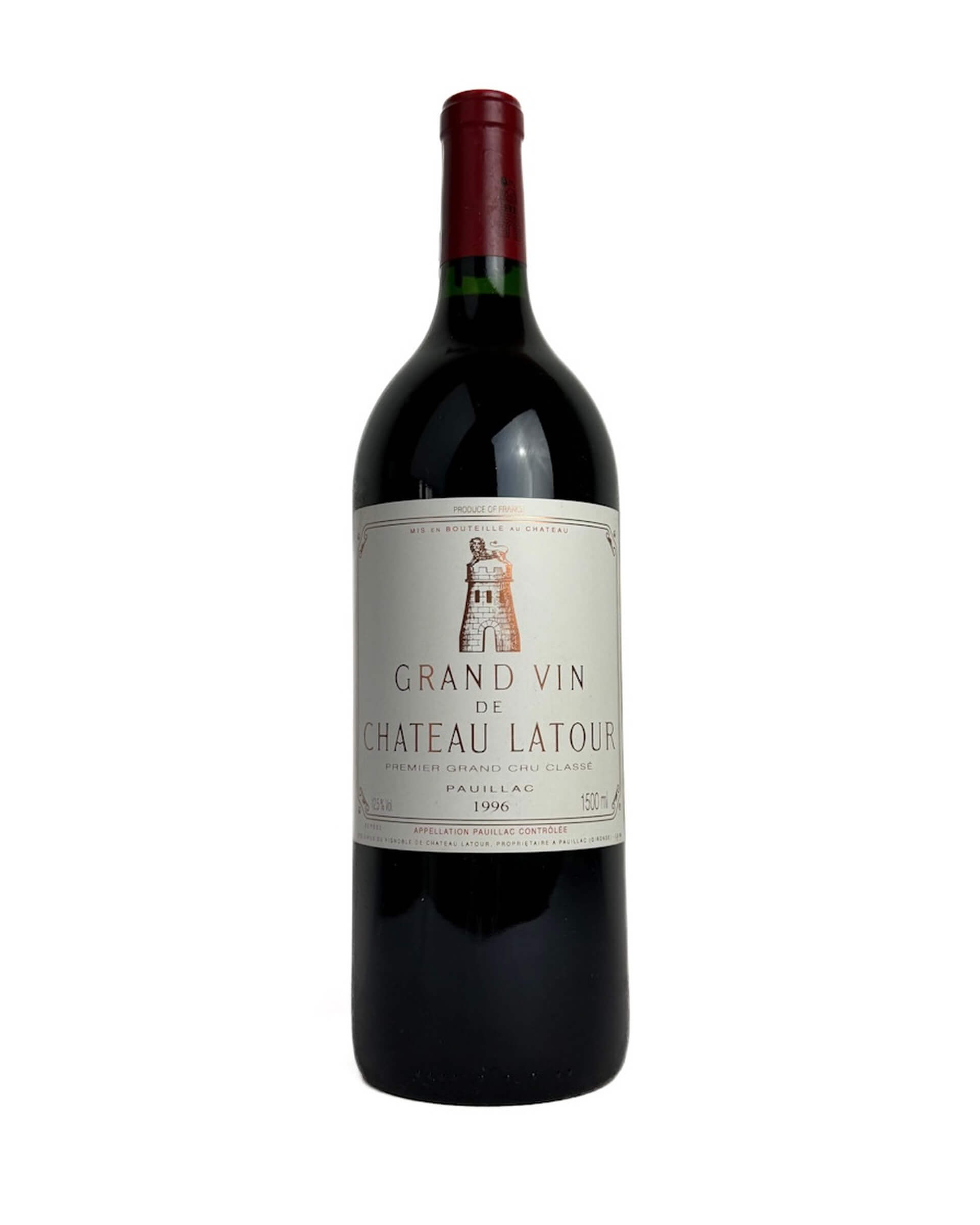
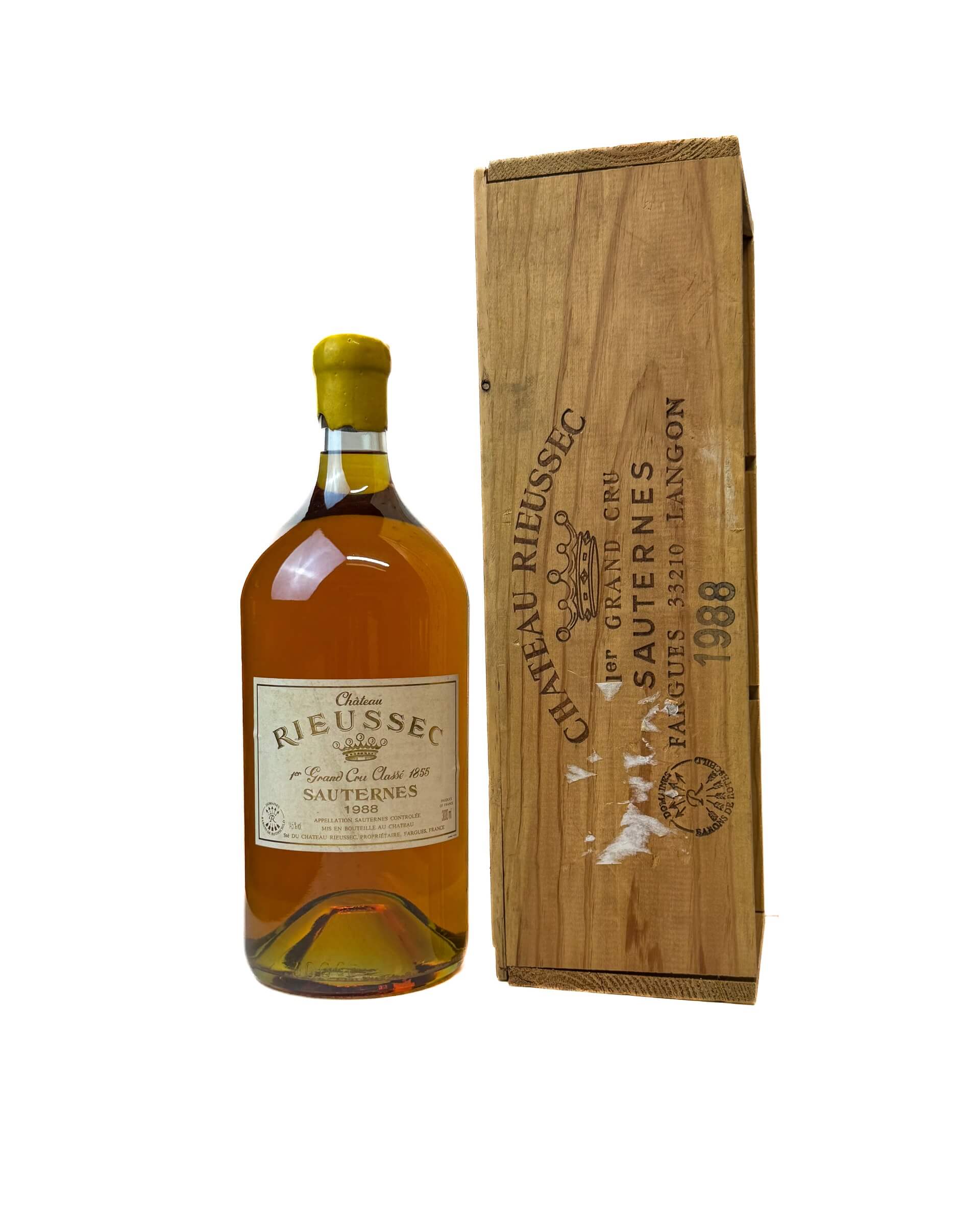

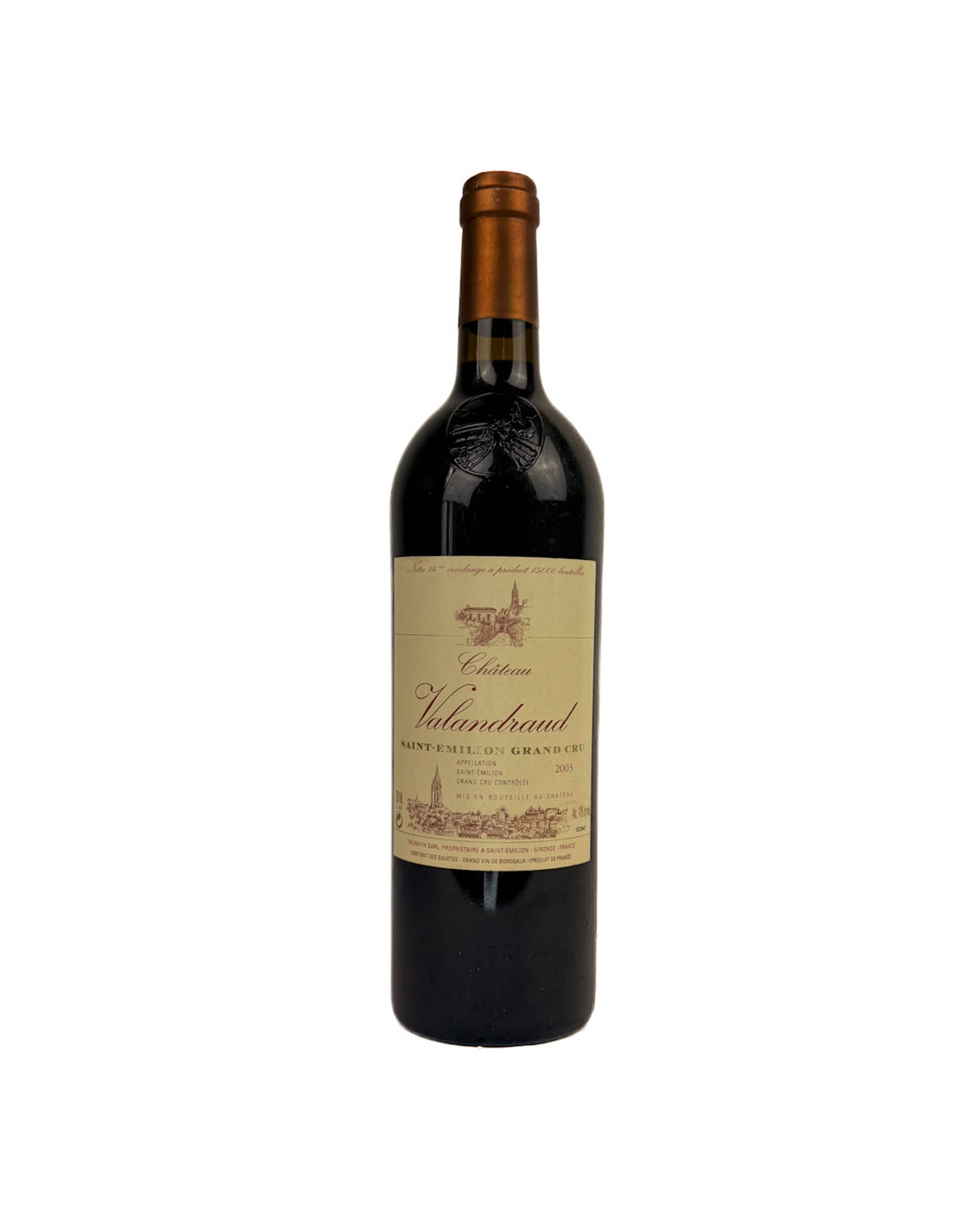
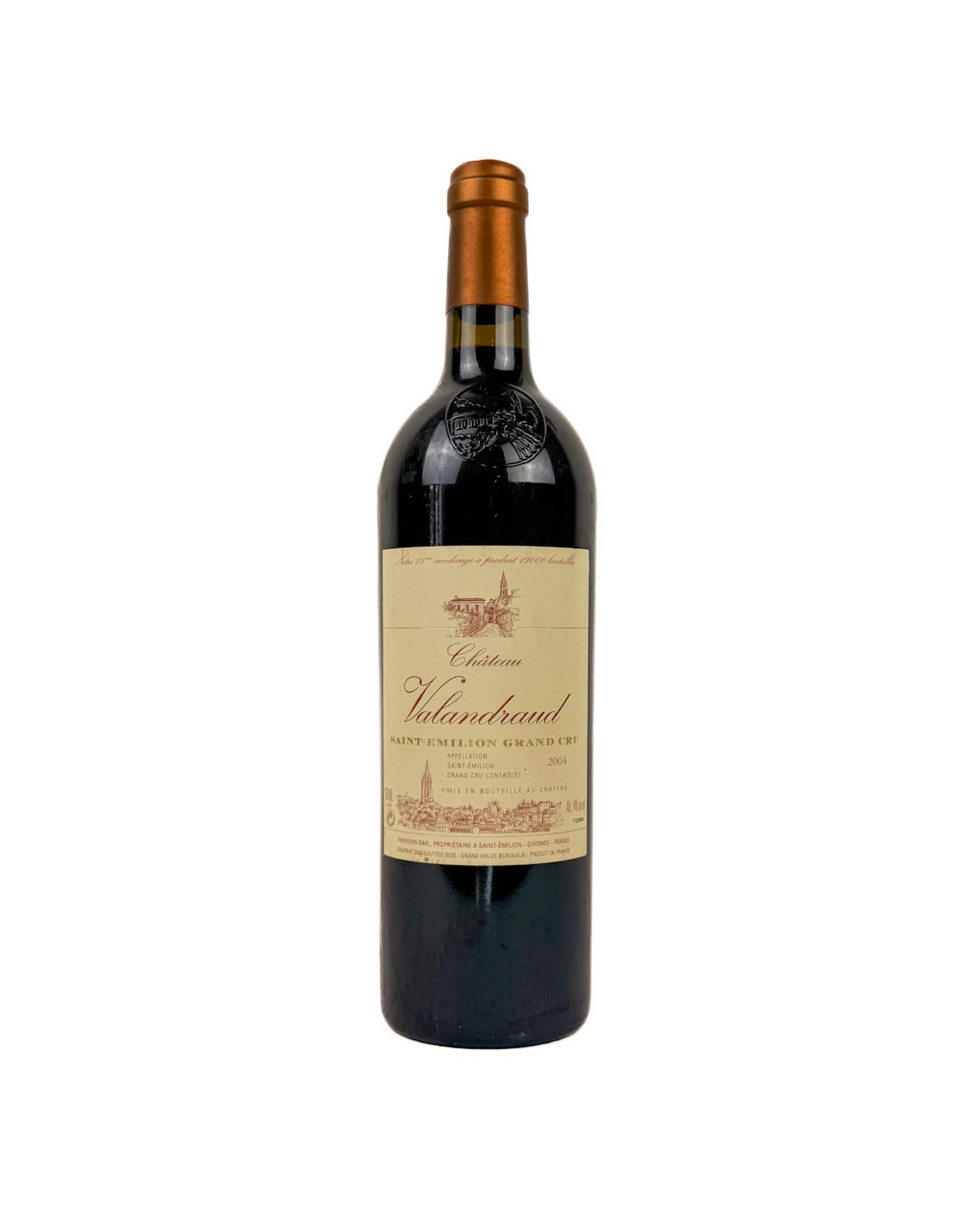
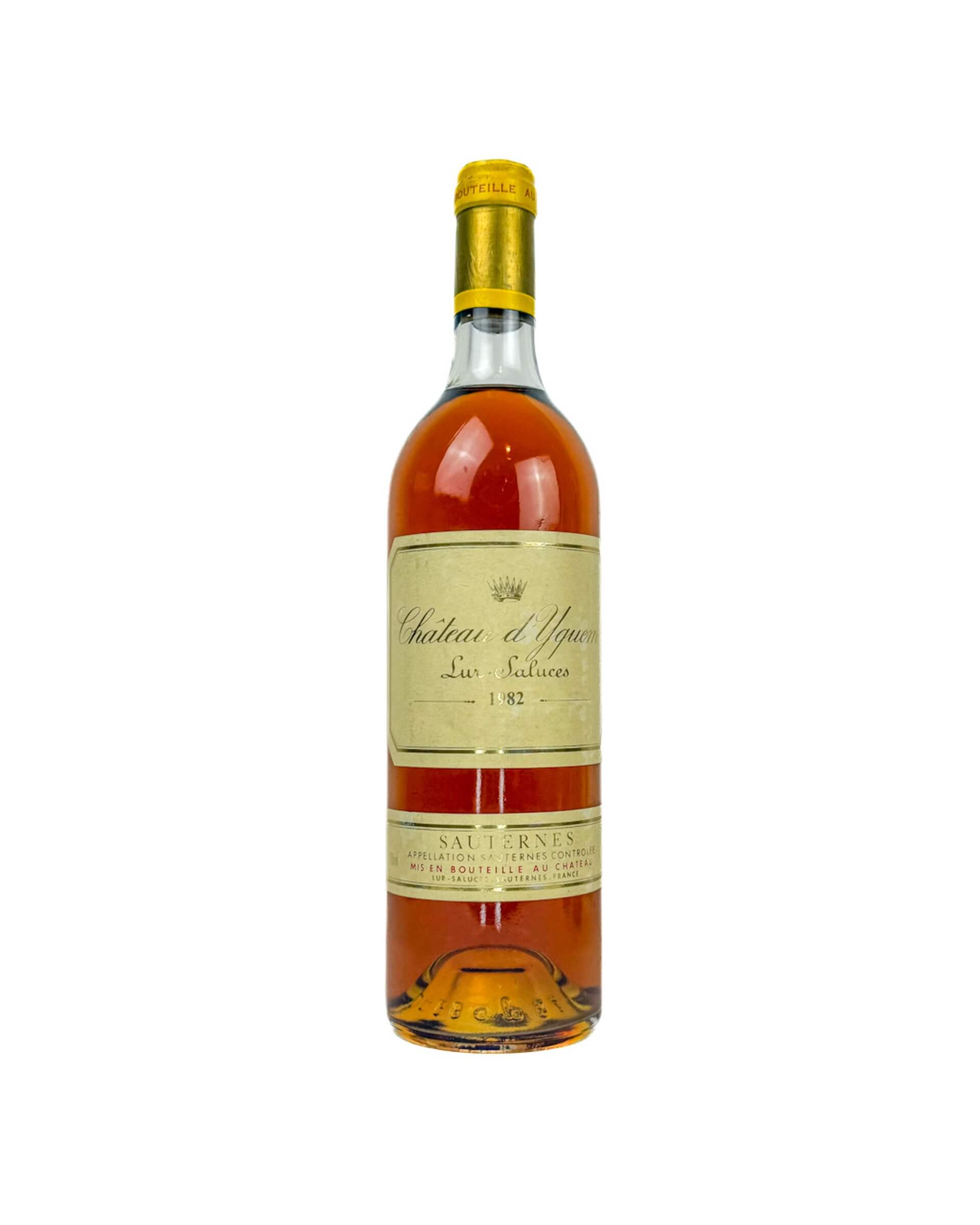
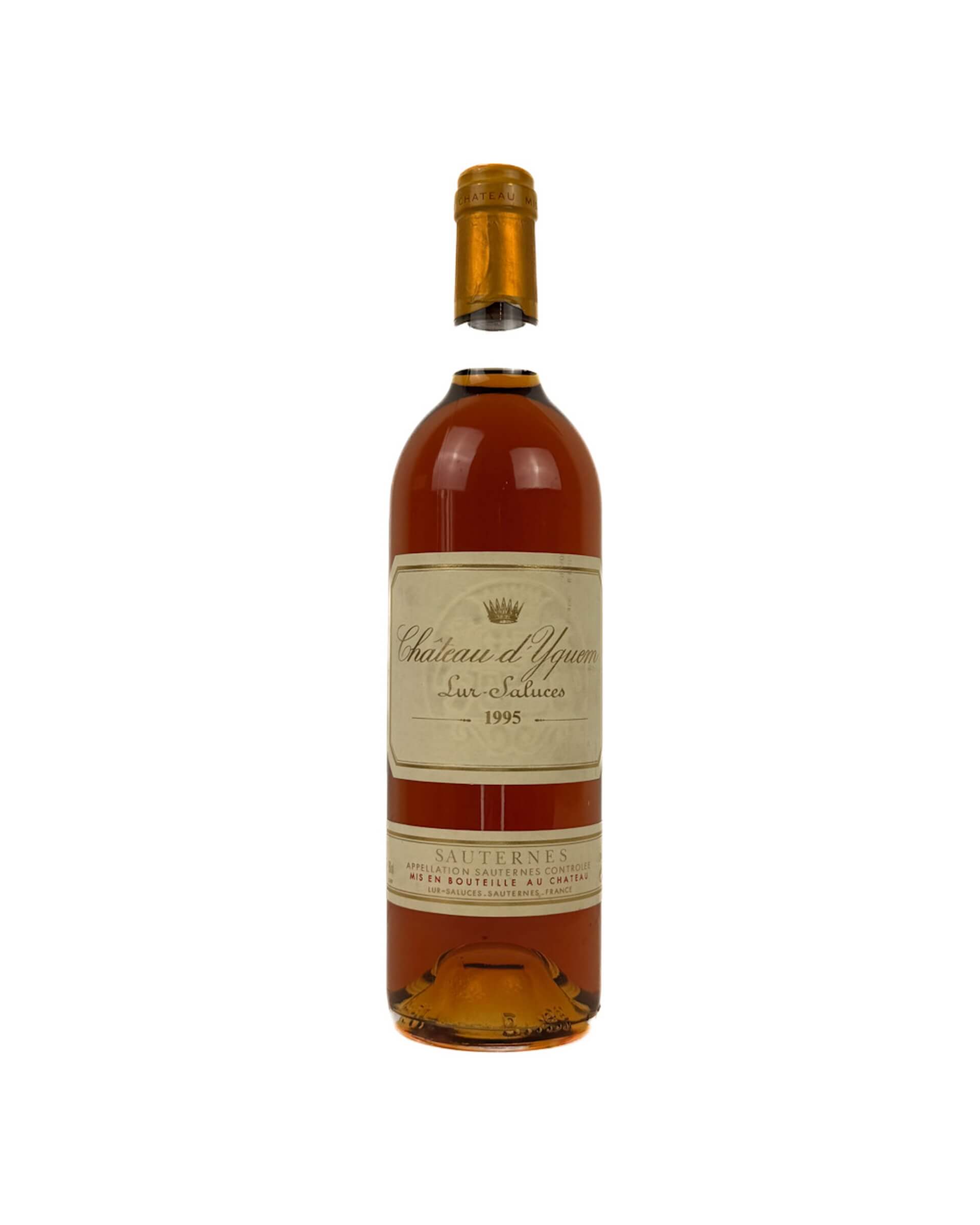
The 1er cru classe is the apex of Bordeaux’s classified hierarchy — the small group of estates ranked at the very top of the great Bordeaux classifications. Our selection brings together 30 references drawn from the classified appellations of Bordeaux: the Médoc, the Graves, Saint-Émilion and Sauternes. A first growth, or premier cru classe, is not a marketing label but a historic distinction rooted in the official Bordeaux 1855 Classification and, for the right bank, in the separate Saint-Émilion ranking.
For the collector, the connoisseur and the trade buyer alike, these are the wines that define what Bordeaux can achieve at its summit. Below you will find the estates, the grape varieties, the vintages worth keeping, real price guidance from our own catalogue, and answers to the questions buyers ask most often before committing to a great cru classe.
The 1er cru classe system was born in 1855, when Napoleon III requested a ranking of Bordeaux’s finest wines for the Exposition Universelle in Paris. Brokers from the Bordeaux trade compiled the list according to the prices each estate commanded at the time. The result classified the red wines of the Médoc — together with Château Haut-Brion in the Graves — into five tiers, from first to fifth growth (premier to cinquième cru classé), and the sweet wines of Sauternes and Barsac into three levels.
What makes the cru classe Bordeaux ranking so remarkable is its stability. The 1855 list has been altered only once in more than a century and a half: in 1973, after decades of campaigning, Château Mouton Rothschild was promoted from second to first growth. That single revision aside, the classement Bordeaux 1855 remains essentially permanent — an unusual constancy in a wine world that revises its hierarchies regularly. One essential distinction must be made from the outset: the 1855 Classification covers the Médoc, the Graves and Sauternes, but it does not include Saint-Émilion, which operates its own, separate and periodically revised ranking.
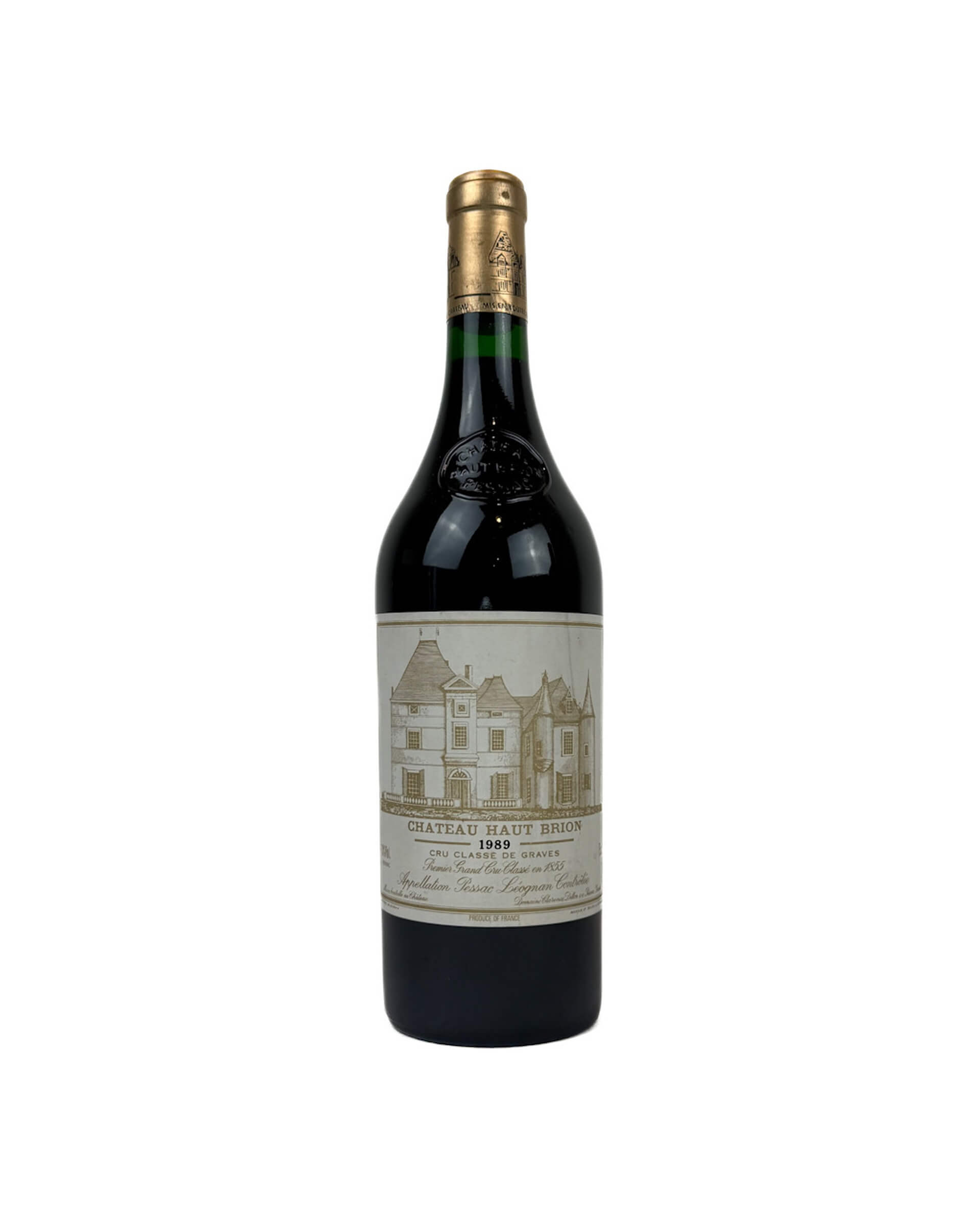
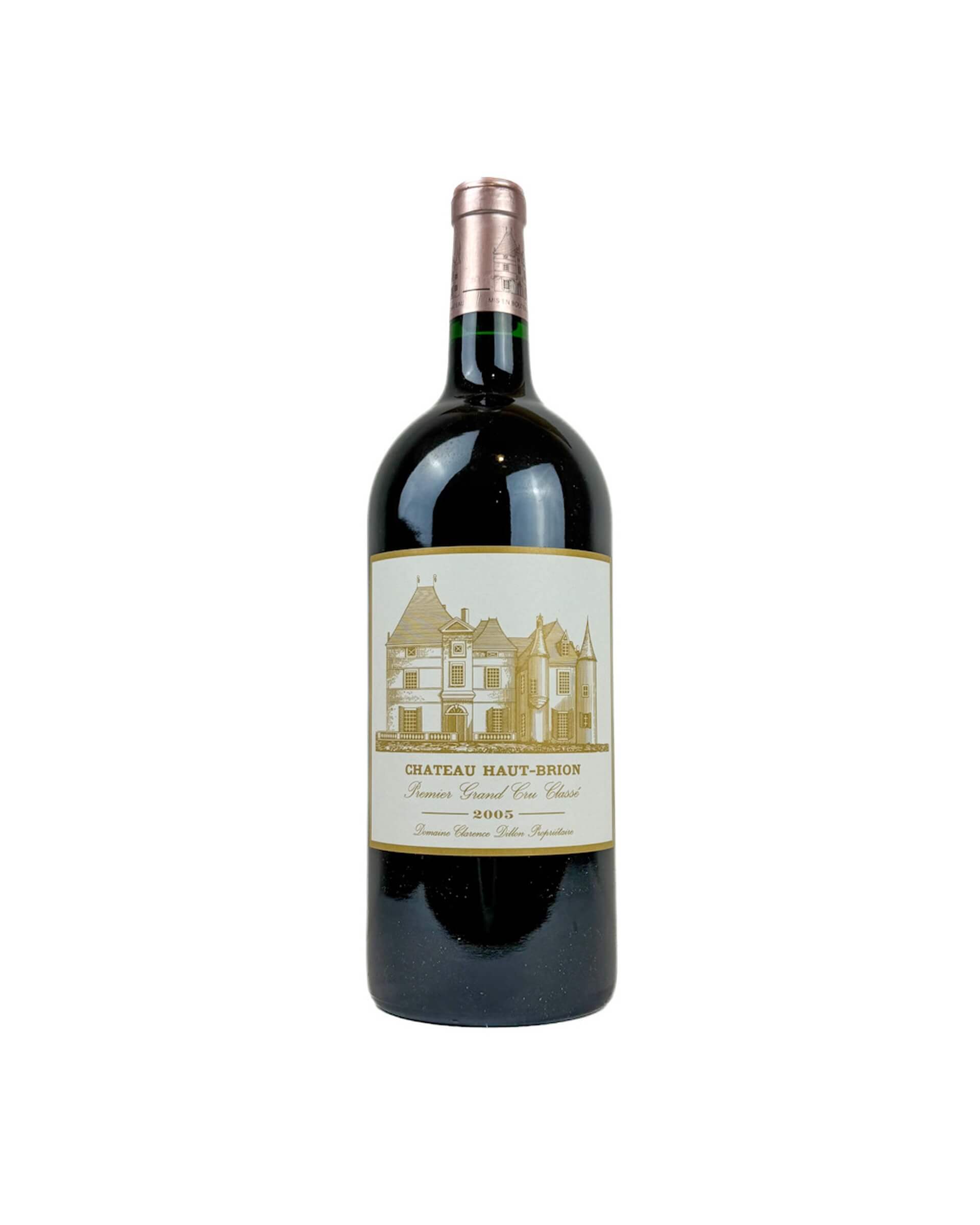
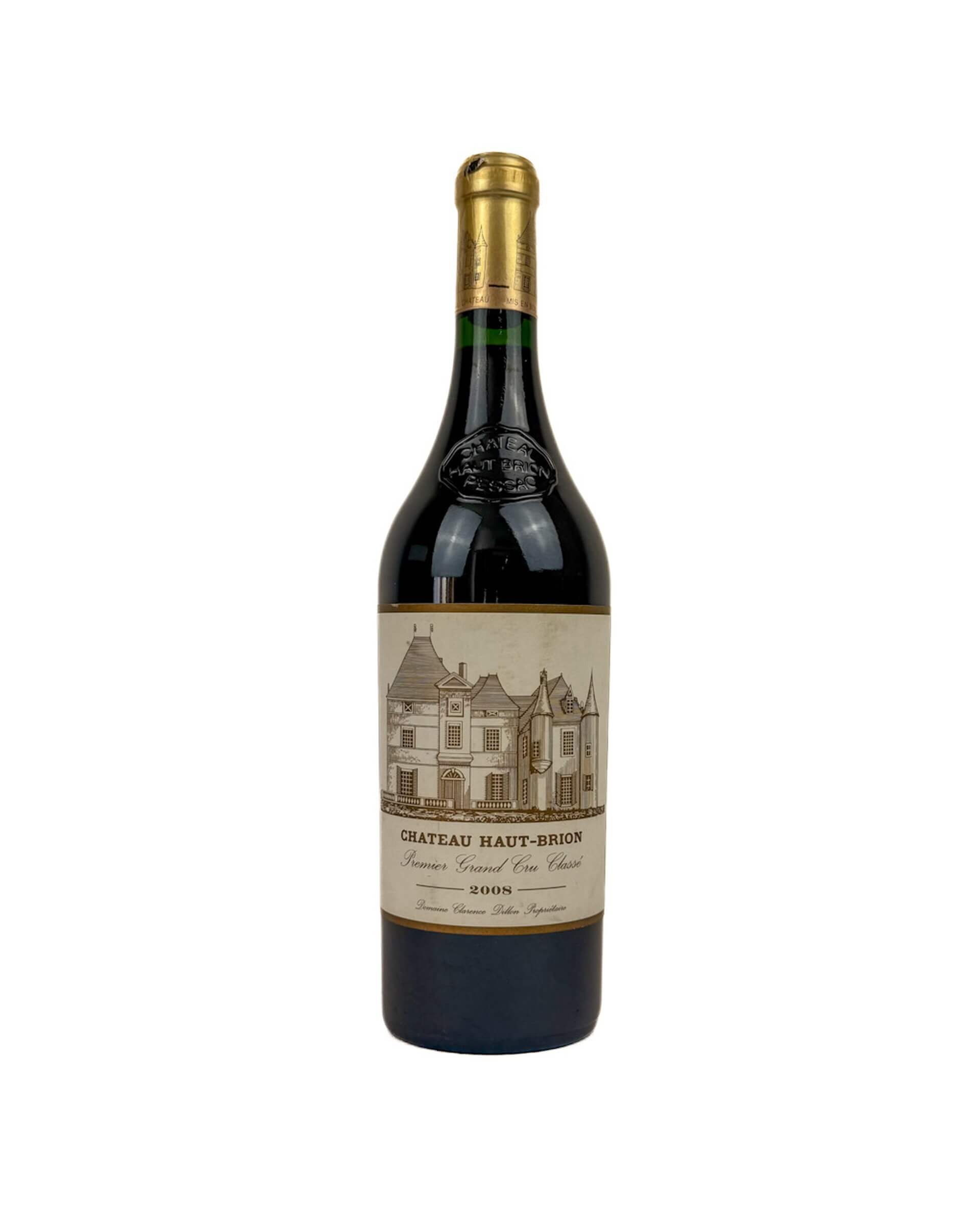
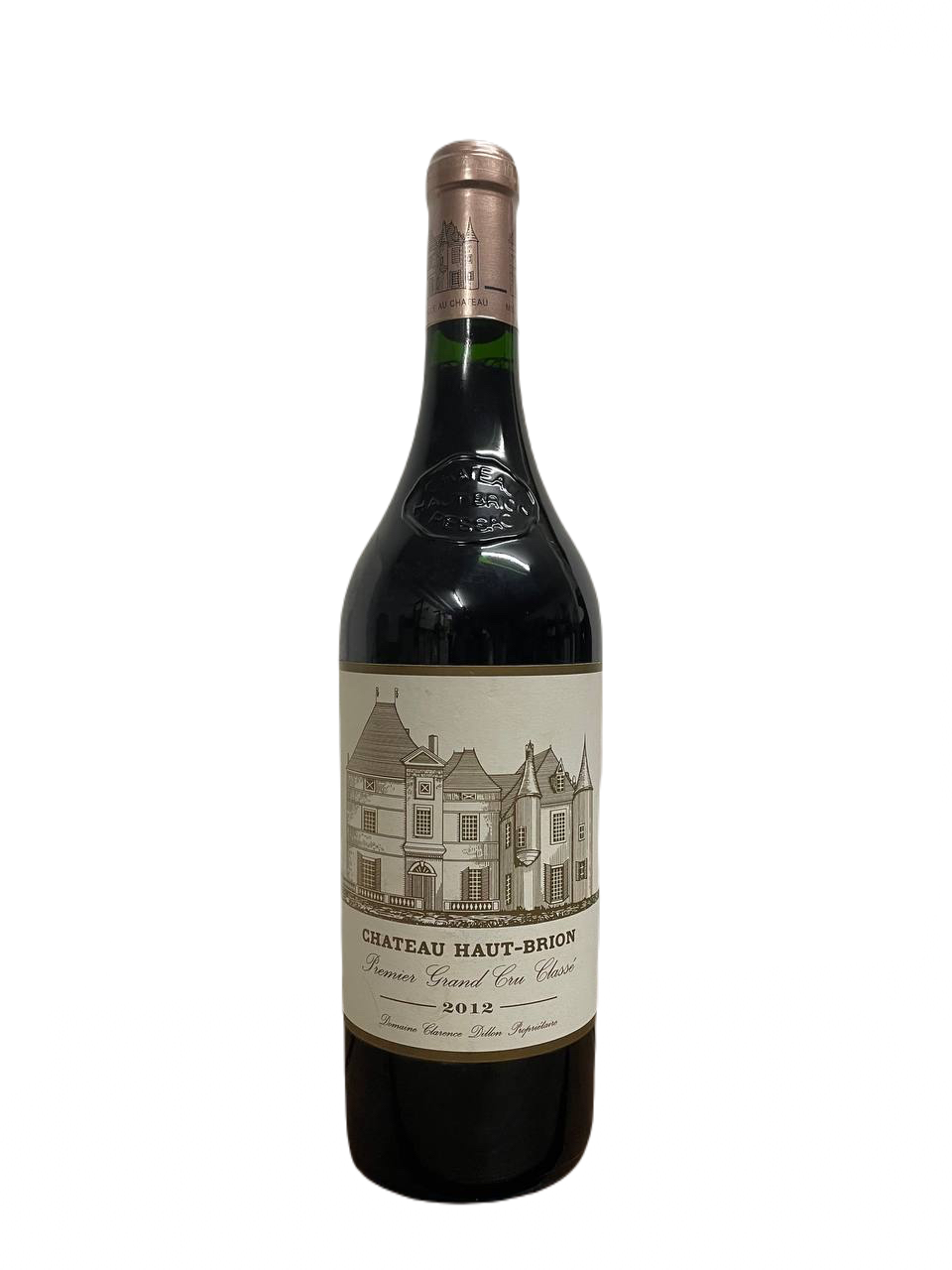
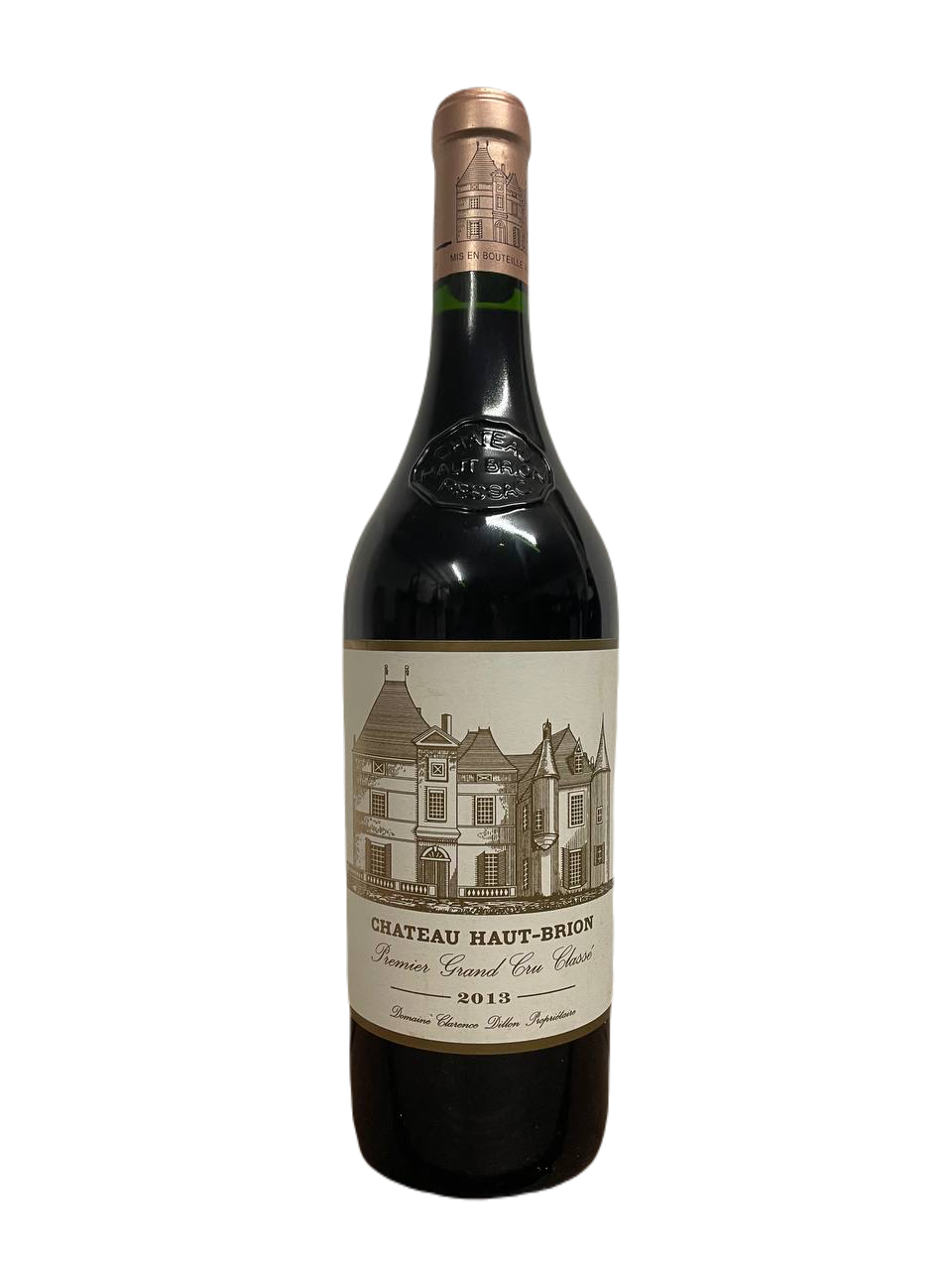
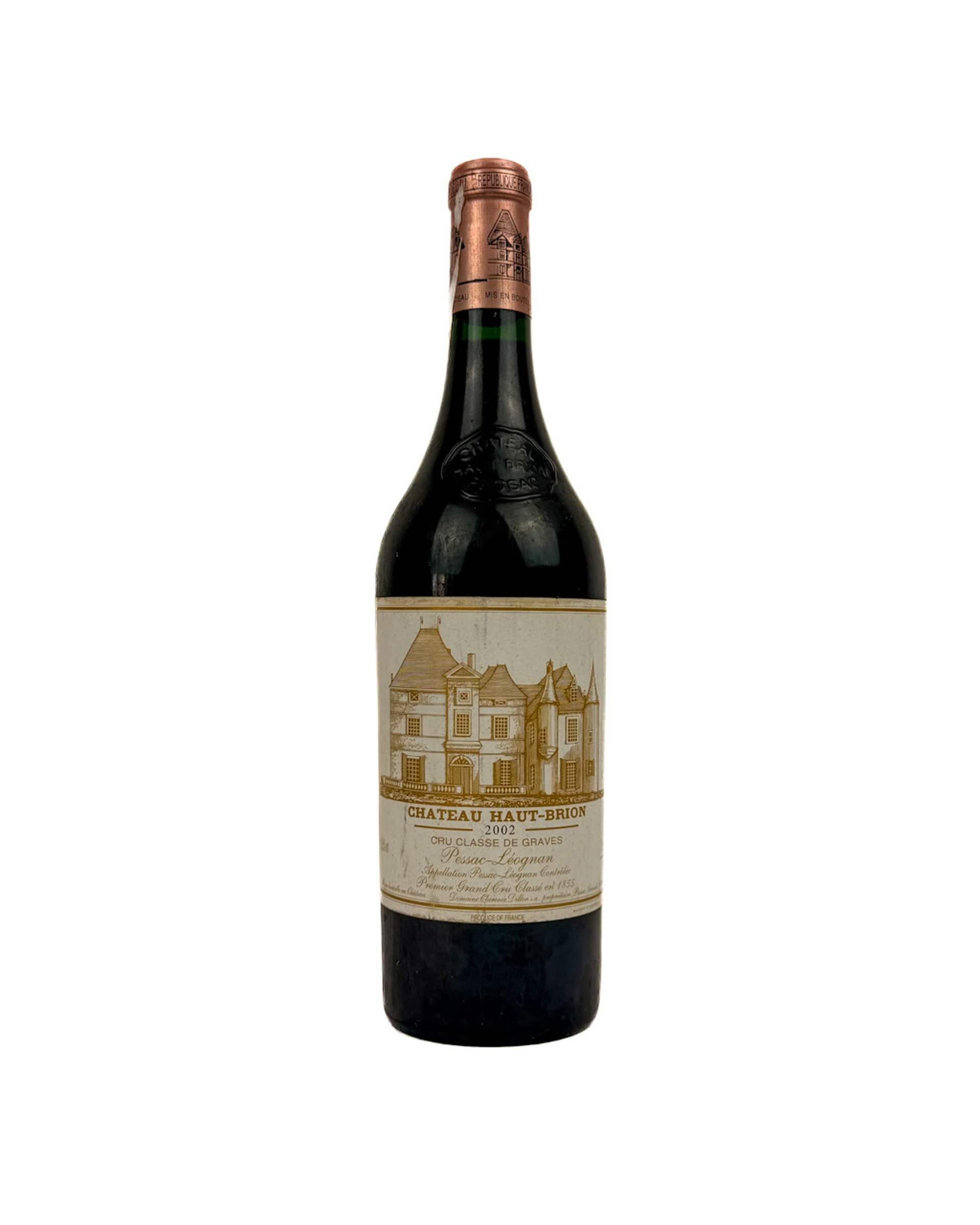
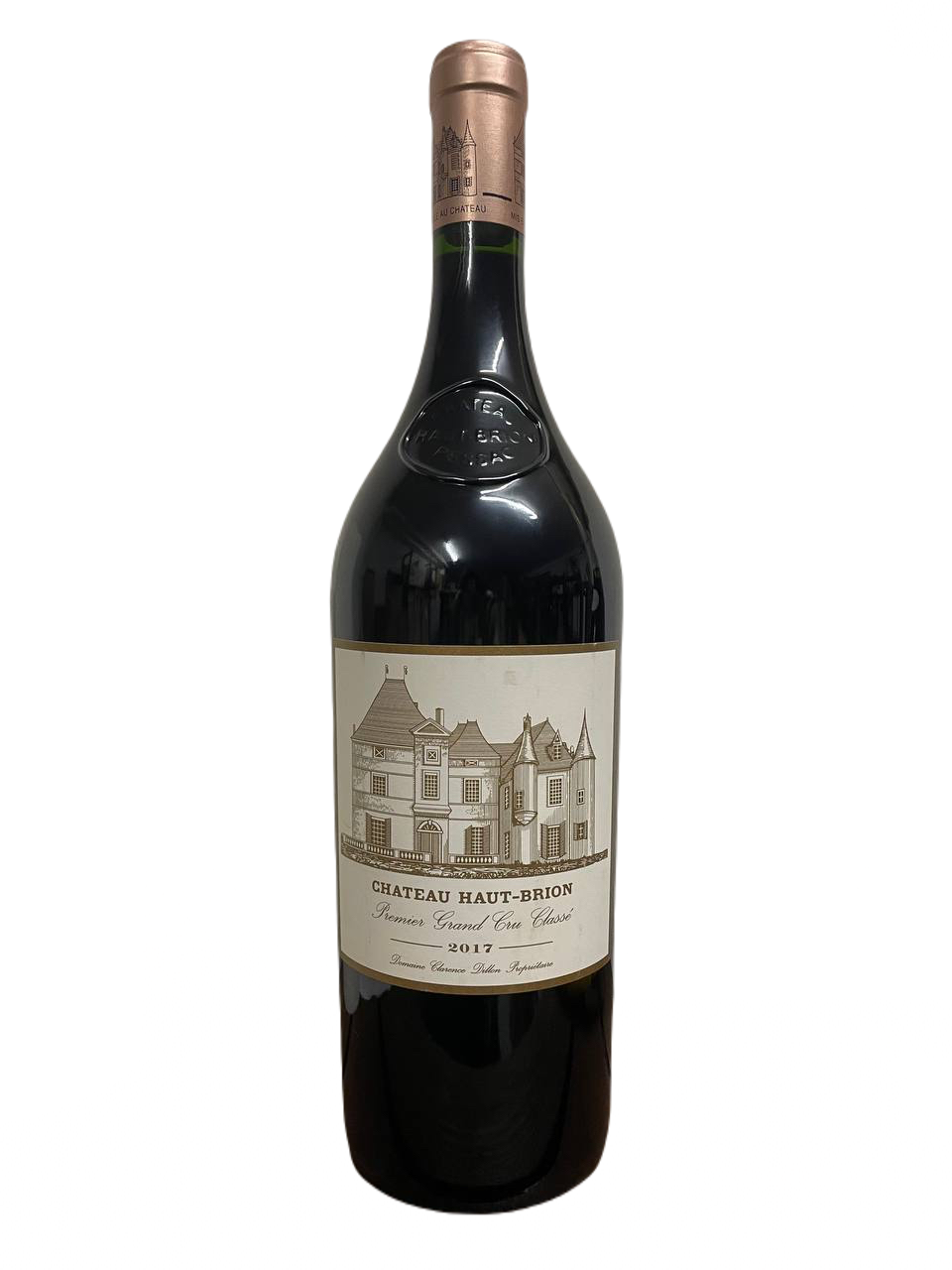
Five estates carry the title of first growth under the 1855 Classification: Château Lafite Rothschild (Pauillac), Château Latour (Pauillac), Château Margaux (Margaux), Château Haut-Brion (Pessac-Léognan, in the Graves) and Château Mouton Rothschild (Pauillac, promoted in 1973). On the left bank, the dominant grape is Cabernet Sauvignon, blended with Merlot, Cabernet Franc and Petit Verdot. The style is structured and tannic, with notes of blackcurrant, cedar and tobacco, and an ageing potential that runs from 20 to 50 years in the greatest vintages. These are the benchmark Bordeaux reds against which the rest of the region measures itself.
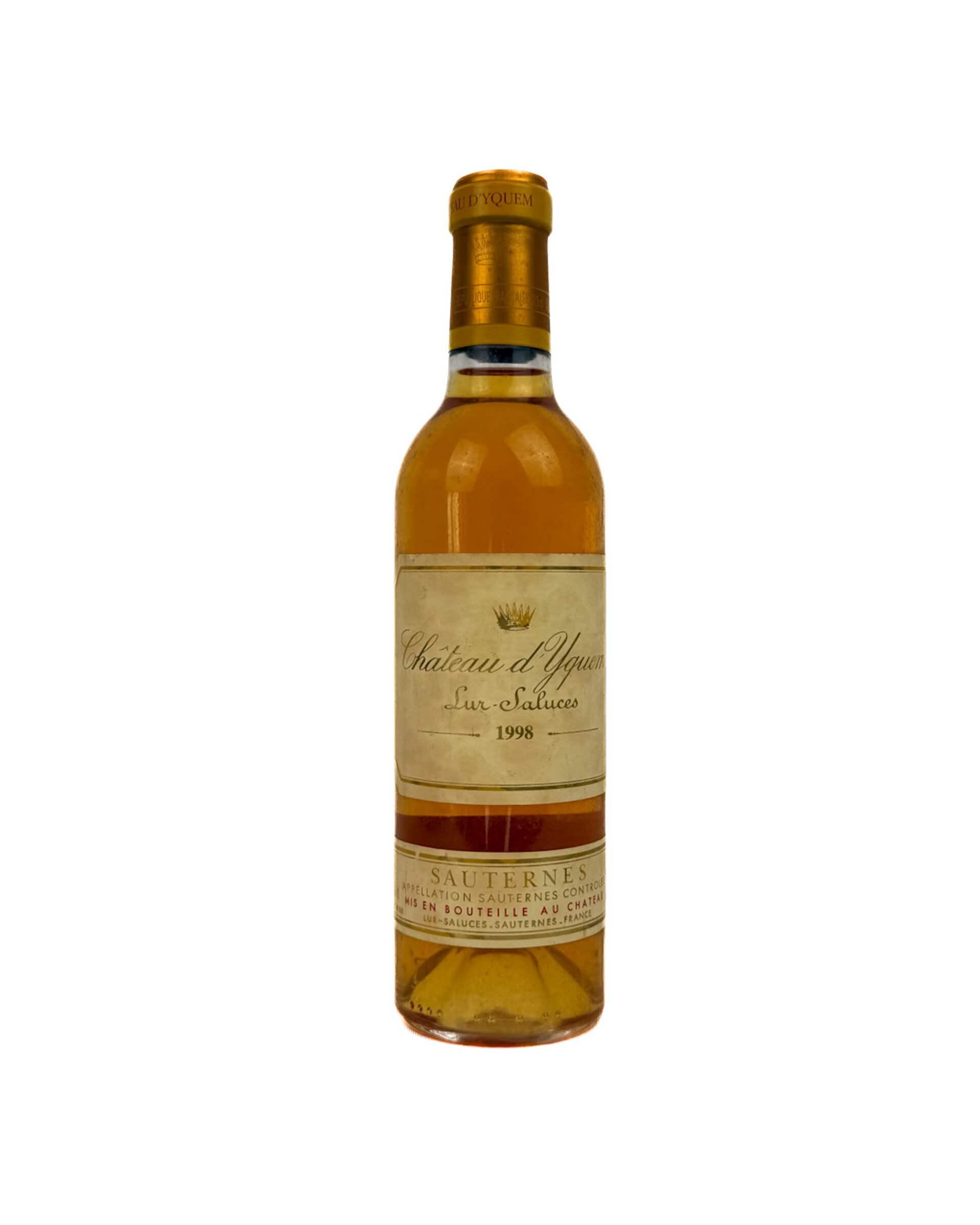
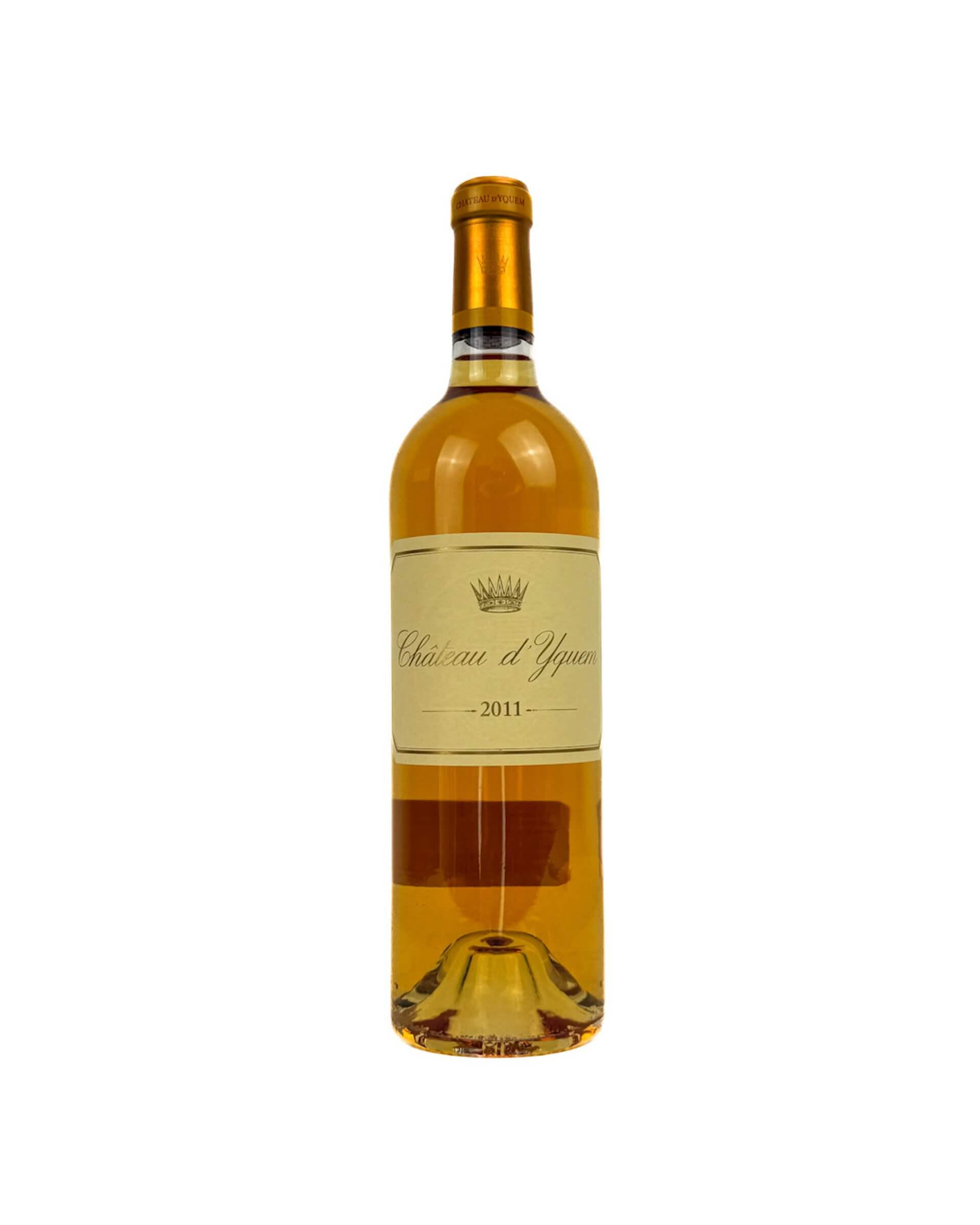
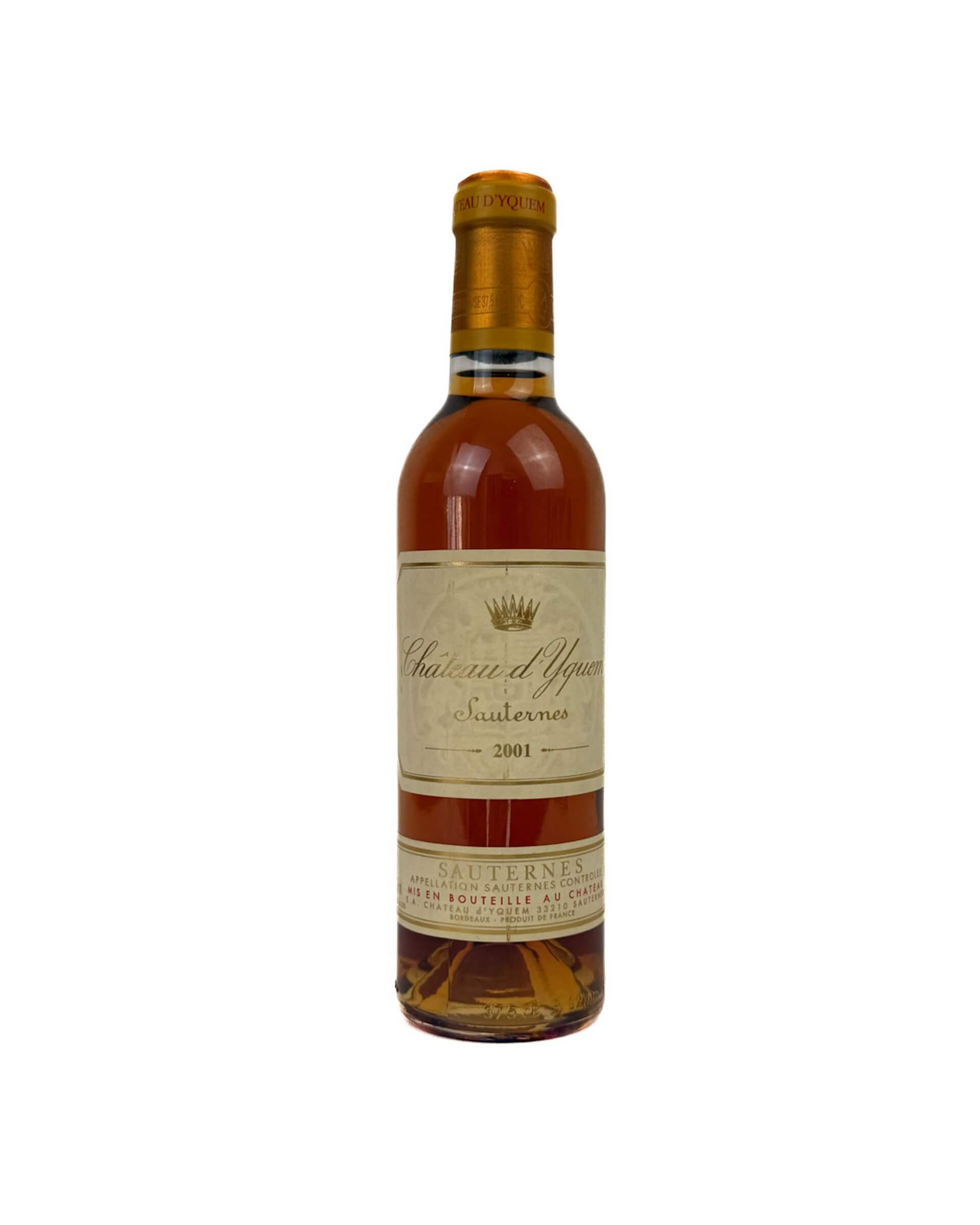
The 1855 Classification also crowned the sweet wines of Sauternes, and here it created a category of its own: a single Premier Cru Supérieur, held by Château d’Yquem. Eleven further estates were ranked as first growths (premiers crus): Château La Tour Blanche, Château Lafaurie-Peyraguey (and Clos Haut-Peyraguey, originally part of the same estate), Château de Rayne-Vigneau, Château Suduiraut, Château Coutet, Château Climens, Château Guiraud, Château Rieussec, Château Rabaud-Promis and Château Sigalas-Rabaud. The list reflects the original 1855 ranking; subsequent estate divisions mean the count is sometimes presented as eleven or twelve depending on how Rabaud and Peyraguey are treated. The dominant grape is Sémillon — often shrivelled or affected by noble rot — supported by Sauvignon Blanc and Muscadelle. The result is radically different from the Médoc reds: golden, unctuous sweet wines of exceptional aromatic complexity, with flavours of candied fruit, honey and saffron, and a capacity to age for 20 to 50 years and often far longer.
Saint-Émilion plays by entirely different rules. It was never part of the 1855 Classification; instead it has its own ranking, administered under the appellation system and revised roughly every ten years — the most recent revision dating from 2022, which was itself the subject of legal challenges. The hierarchy climbs through Grand Cru, then Grand Cru Classé, then Premier Grand Cru Classé B, up to the very top tier of Premier Grand Cru Classé A. This revisable structure is the central difference between a Saint-Émilion 1er grand cru classé and a left-bank 1er cru classe set in stone since 1855.
On the right bank the grape balance shifts. Here Merlot leads on the clay and limestone soils, given lift and aromatic detail by Cabernet Franc in the blend. The wines are correspondingly different in character: suppler tannins, ripe and fleshy red fruit, and a rounder, more immediately generous profile than the firm structure of the Médoc. For buyers comparing the two banks, this contrast in texture is often the deciding factor.
The grape mix behind a 1er cru classe tells you almost everything about how it will taste and how long it will keep.
Understanding the blend also clarifies why a left-bank wine built on Cabernet Sauvignon behaves so differently from a Merlot-led right-bank wine, even when both wear the cru classe title.
One of the defining qualities of a 1er cru classe is its ability to improve over decades. Knowing which vintages to drink now and which to keep is central to buying well.
Whatever the style, storage is what protects the investment: keep bottles at a steady 12–14 °C, lying horizontally, away from light, heat and vibration. A correctly cellared cru classe will reward patience in a way few other wines can.
The right glass, temperature and dish transform a great bottle. Each of the three classified styles asks for a different approach.
Pair with rib of beef, herb-crusted leg of lamb, roast pigeon or well-aged hard cheeses such as a 24-month Comté. The mechanism is simple: the firm tannins of a Pauillac or Margaux first growth bind to the proteins and fat in red meat, which softens the grip on the palate and lets the wine’s cedar, blackcurrant and tobacco aromatics come forward. That is why a young, structured vintage shows better against a rich roast than on its own. For a milestone dinner — a landmark birthday or an anniversary built around a single benchmark bottle — a mature Médoc first growth alongside a simply roasted rib of beef is the safest way to let the wine, not the cooking, take the lead. Serve at 16–18 °C, and decant younger vintages (broadly post-2012) for one to two hours; older bottles need only a gentle pour into a carafe, without agitation.
These suit confit or seared duck breast, lamb cutlets, braised veal and soft-rind cheeses like a ripe Brie de Meaux. Because the Merlot-led blend carries softer, riper tannins, it needs gentler partners than the Médoc: rather than relying on a wall of protein to tame tannin, the wine’s plush red fruit echoes the sweetness in slow-cooked or confit dishes, so the pairing works by harmony rather than contrast. This makes a Saint-Émilion first growth the easier choice when you are buying for a relaxed Sunday lunch or a gift for someone who prefers approachable, fruit-forward reds. Serve a touch cooler at 15–17 °C, with a shorter decant of around 30 to 45 minutes — less than the Médoc demands.
Pan-seared foie gras, Roquefort, apricot or mango desserts and a classic tarte tatin all flatter these wines; they are also superb as an aperitif with melon. The logic here is one of matched intensity and salt against sweet: the wine’s high residual sugar and botrytis-driven acidity cut through the fat of foie gras and stand up to the salt of a blue cheese, where a lighter dessert wine would simply be overwhelmed. For buyers, this is the bottle to reach for when the occasion is the cheese course or a festive end to a long lunch — a single half-bottle of a Sauternes first growth often does more for a table than another red. Serve at 8–10 °C, and avoid over-chilling, which mutes their complex aromatics.
Our selection holds 30 references of 1er cru classe drawn from the classified appellations of Bordeaux, and the price spread reflects the full breadth of the category. We quote only real figures from our own catalogue, so you can plan a budget with confidence.
A practical approach: set your budget first, then filter by appellation — Médoc, Saint-Émilion or Sauternes — and narrow by château and vintage. For a gift around the €200 mark, certain Sauternes first growths offer a remarkable balance of prestige and value. It is also worth comparing terminology before you buy: the Bordeaux Grand Cru hierarchy and the Burgundian 1er Cru use the same words to mean very different things, and confusing the two is the most common buying mistake.
One option specific to the first growths is buying en primeur, or “as futures” — reserving a wine while it is still maturing in barrel, typically in the spring following the harvest, with delivery two years or so later once the wine is bottled. The appeal is twofold: you secure allocation of a scarce wine, and the release price is historically often lower than the bottled wine will command once it reaches the open market, though this relationship is never guaranteed and some vintages have ended up cheaper after physical release. For the great Médoc and Sauternes estates, en primeur remains the way much of each new vintage is first sold. Availability on our side varies by vintage and château: where we can offer a first growth en primeur it is flagged on the individual product page, so if futures interest you it is worth checking the listing for the specific château and contacting our team to confirm the current release and terms before committing.
The term “cru classe” belongs exclusively to the vocabulary of Bordeaux and does not exist in Burgundy. Within the 1855 Classification of the Médoc and Graves, wines are ranked from first to fifth growth, and the first growths sit at the very top. In Burgundy the hierarchy is reversed in wording: “grand cru” is the highest tier, above “premier cru”. The two systems are completely separate — a buyer looking for a Bordeaux classified growth and one seeking a Burgundian grand cru are not talking about the same ranking at all.
Under the 1855 Classification, five estates hold the rank of first growth in the Médoc and Graves: Château Lafite Rothschild, Château Latour, Château Margaux, Château Haut-Brion and Château Mouton Rothschild (promoted in 1973). In Sauternes, the same 1855 Classification recognises eleven first growths plus a single, unique Premier Cru Supérieur, Château d’Yquem. Saint-Émilion’s First Growths sit under a separate, revisable classification.
Yes. Within the strict 1er cru classe tier, the entry point to our selection begins at around €125 (the 10th percentile of this category). At this level you will typically find classified growths of more modest rank, or Sauternes references in a current vintage — an accessible doorway into the classified wines of Bordeaux before stepping up to a more iconic first growth. The €25 figure sometimes quoted for our wider range is the minimum across our broader classified-growth catalogue, not the first-growth tier; for a true premier cru classé, €125 is the realistic starting point.
Yes, but the more useful question is when to open one. As a rule of thumb, a Médoc first growth from a structured vintage is best left for at least 10 to 15 years before broaching and rewards patience to 25 years and well beyond; a classified growth of lower rank from the same year is usually ready earlier, often from 8 to 12 years, because it carries less tannin to resolve. Bank matters too: a left-bank, Cabernet-led first growth ages on a slower, more linear curve and can feel austere in its youth, whereas a right-bank Saint-Émilion first growth, built on Merlot, softens sooner and offers a wider, more forgiving drinking window — often drinking well from around 8 years yet still holding for two decades or more. Sauternes first growths sit apart again, frequently drinking beautifully on release yet capable of decades in the cellar. If you are unsure where a specific bottle sits in its life, the vintage and appellation on the label are your best guide.
Written by the Tour de Wine buying team. Last reviewed: June 2026.
This site is restricted to adults. By entering, you confirm that you are of legal drinking age in your country of residence.