
97
0,75
2006
Alban Vineyards
Wines, producers, regions...
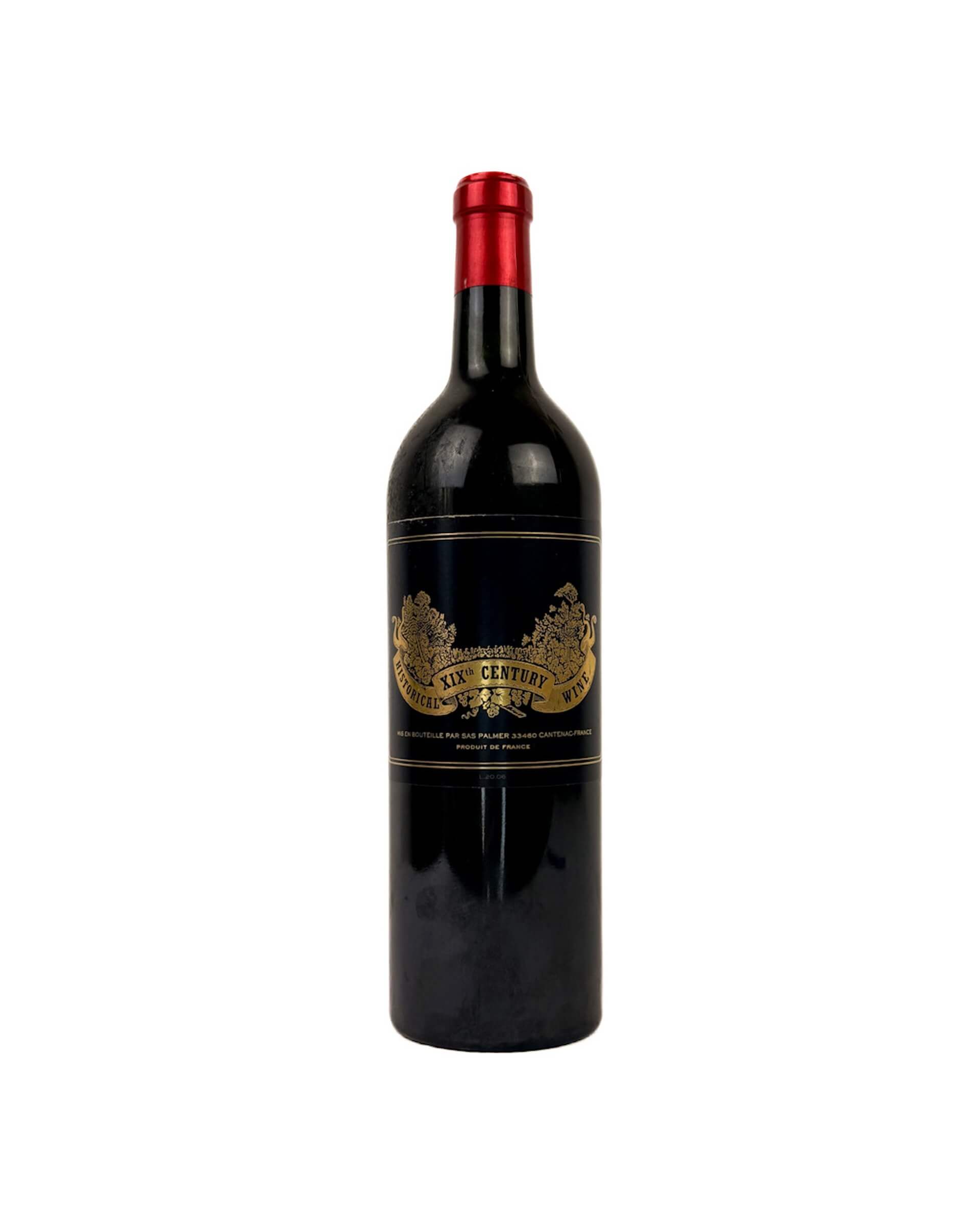
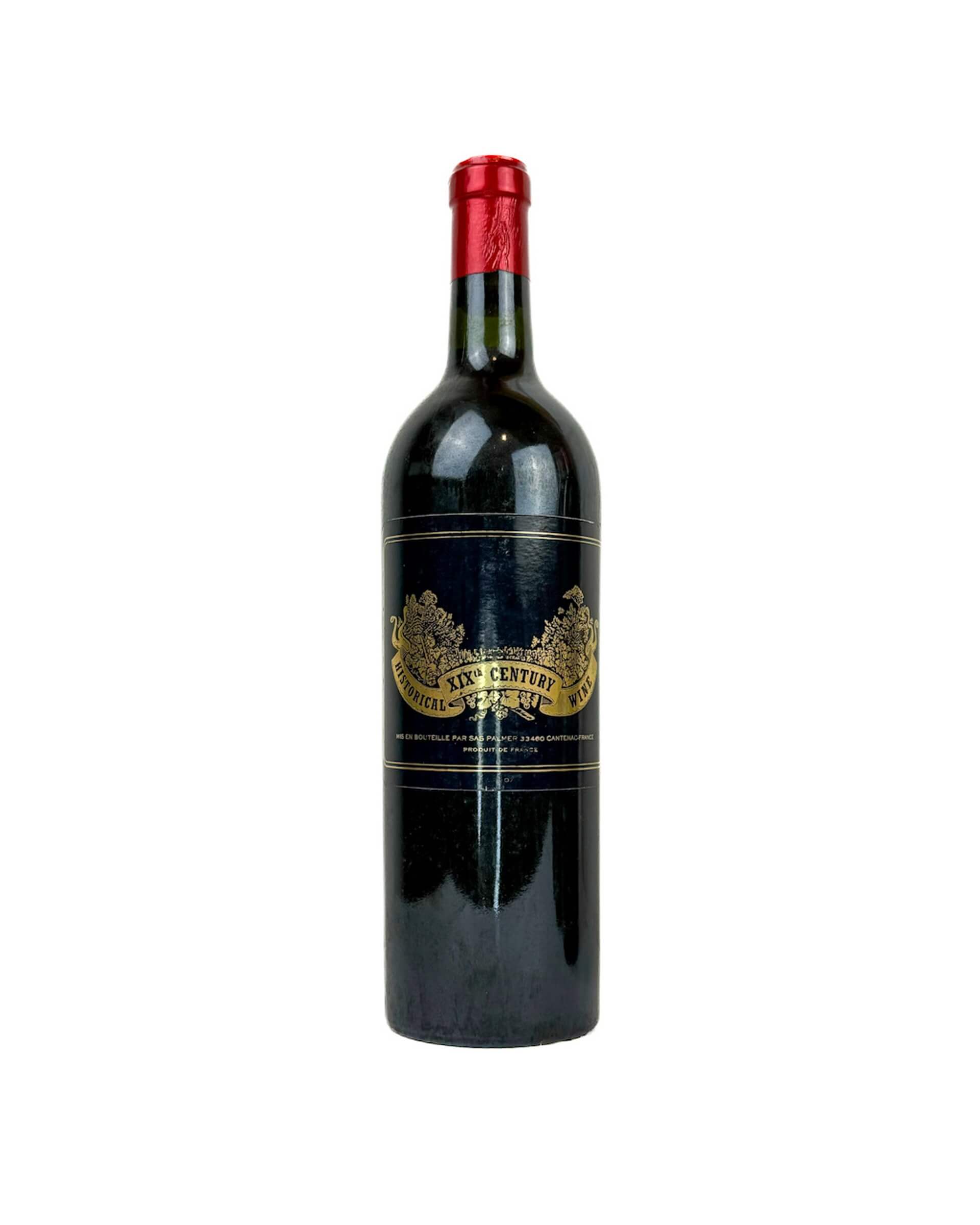
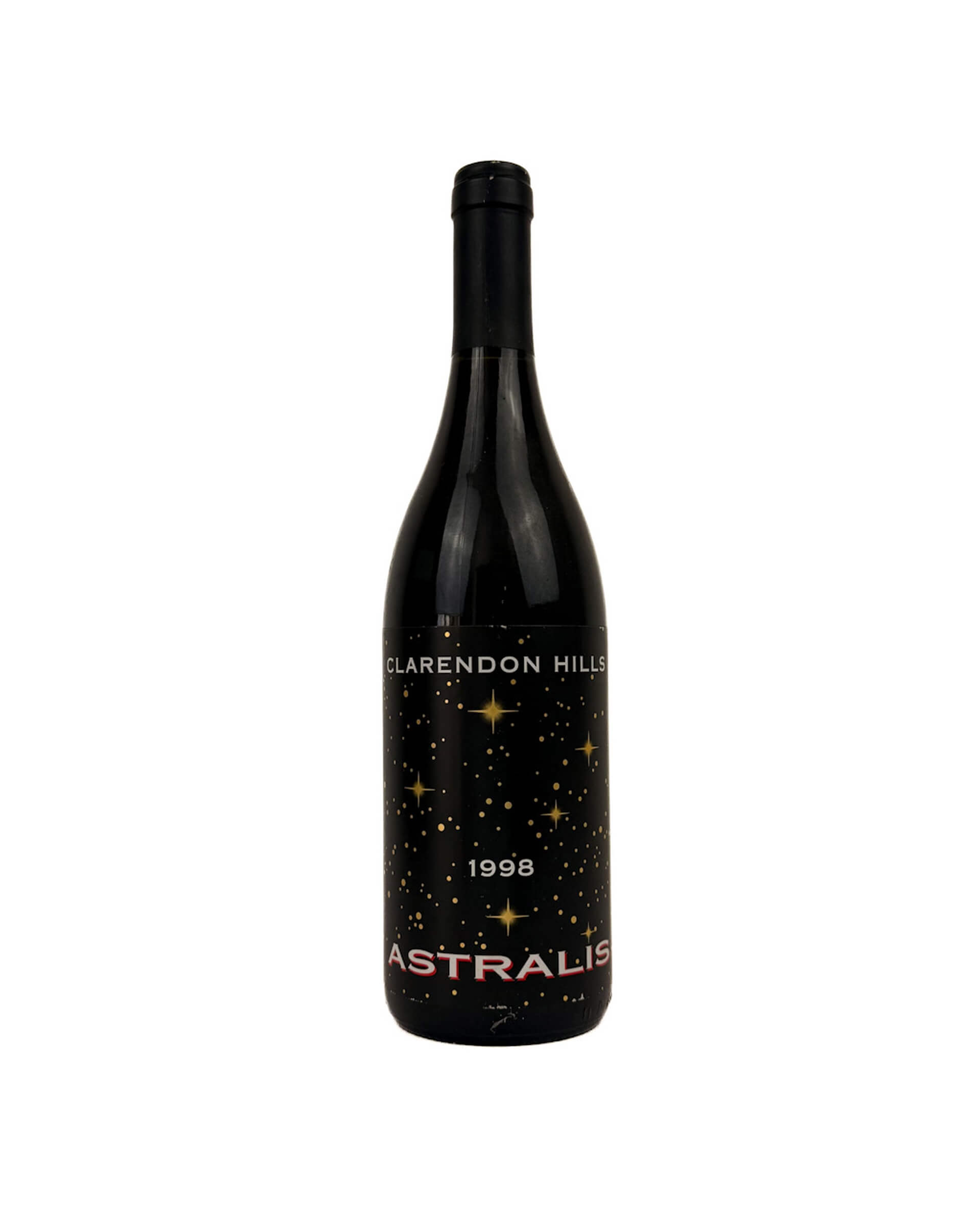
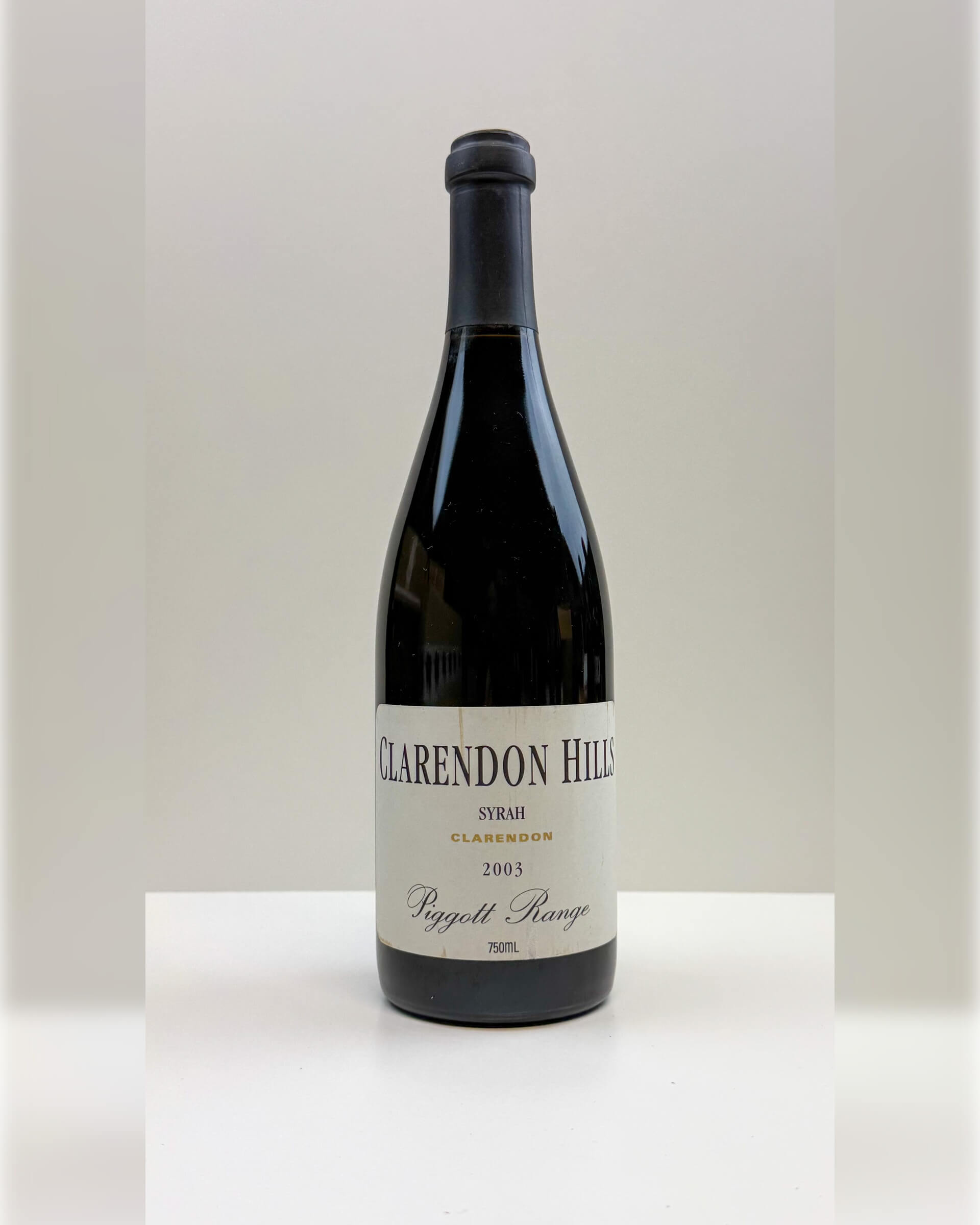
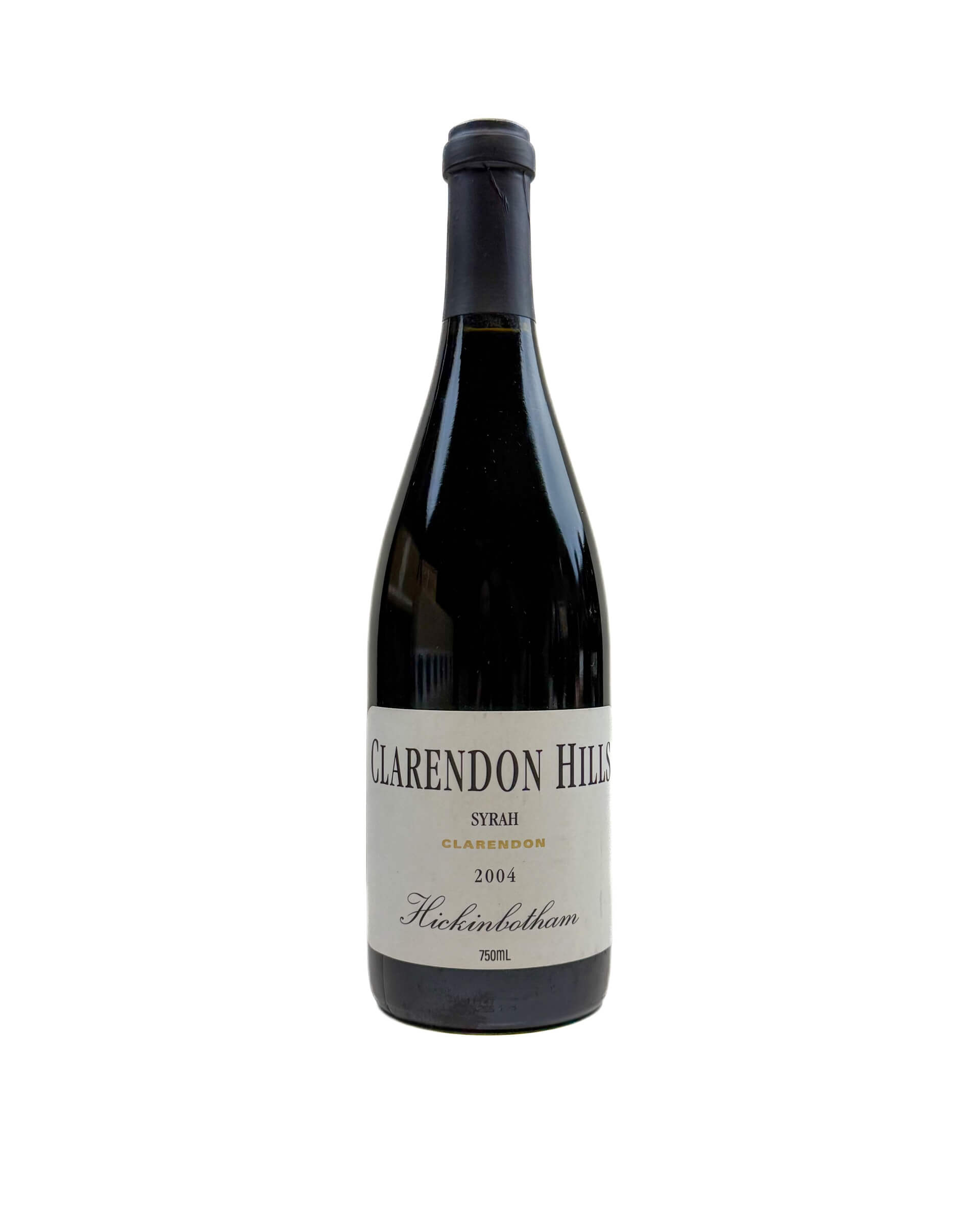
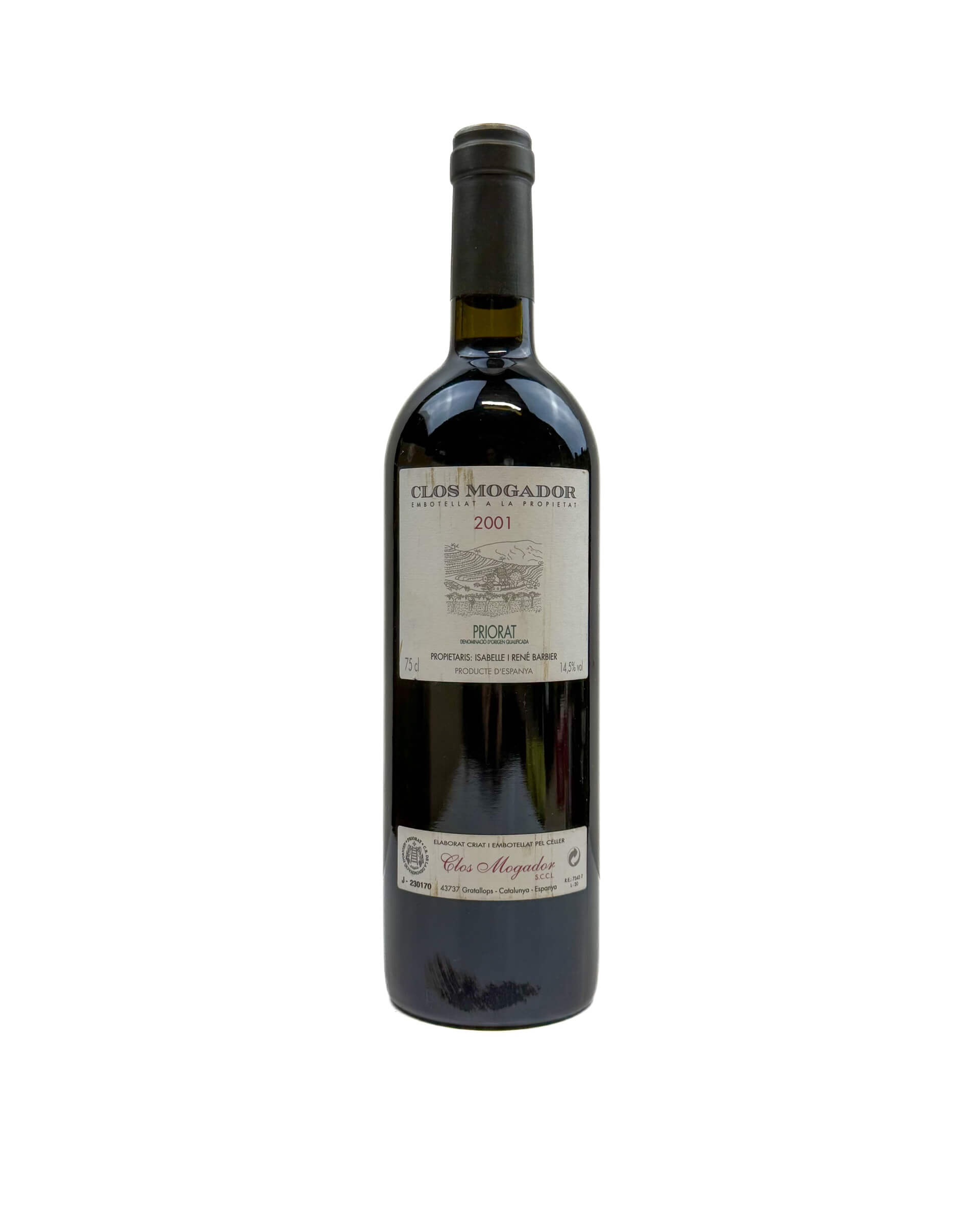
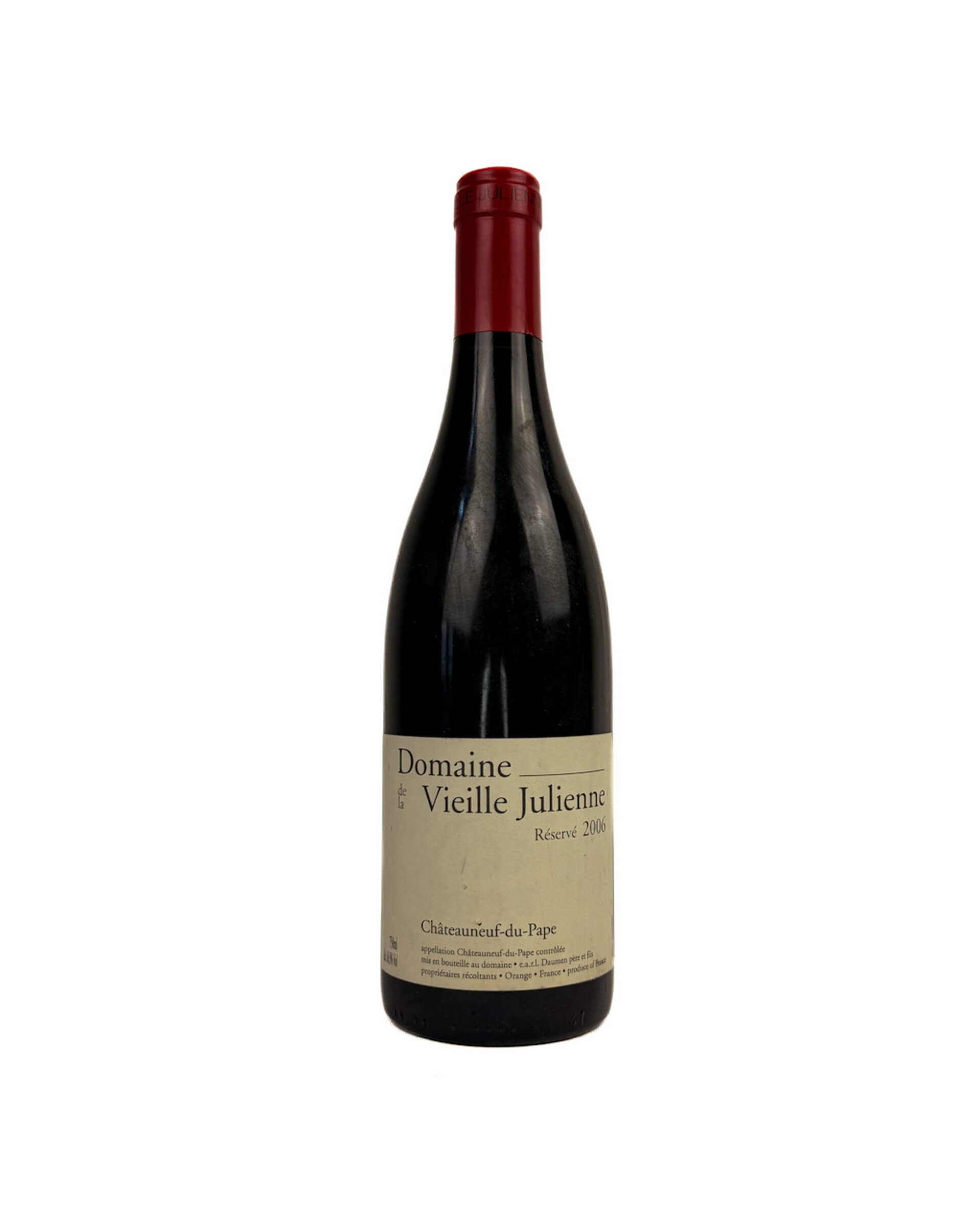
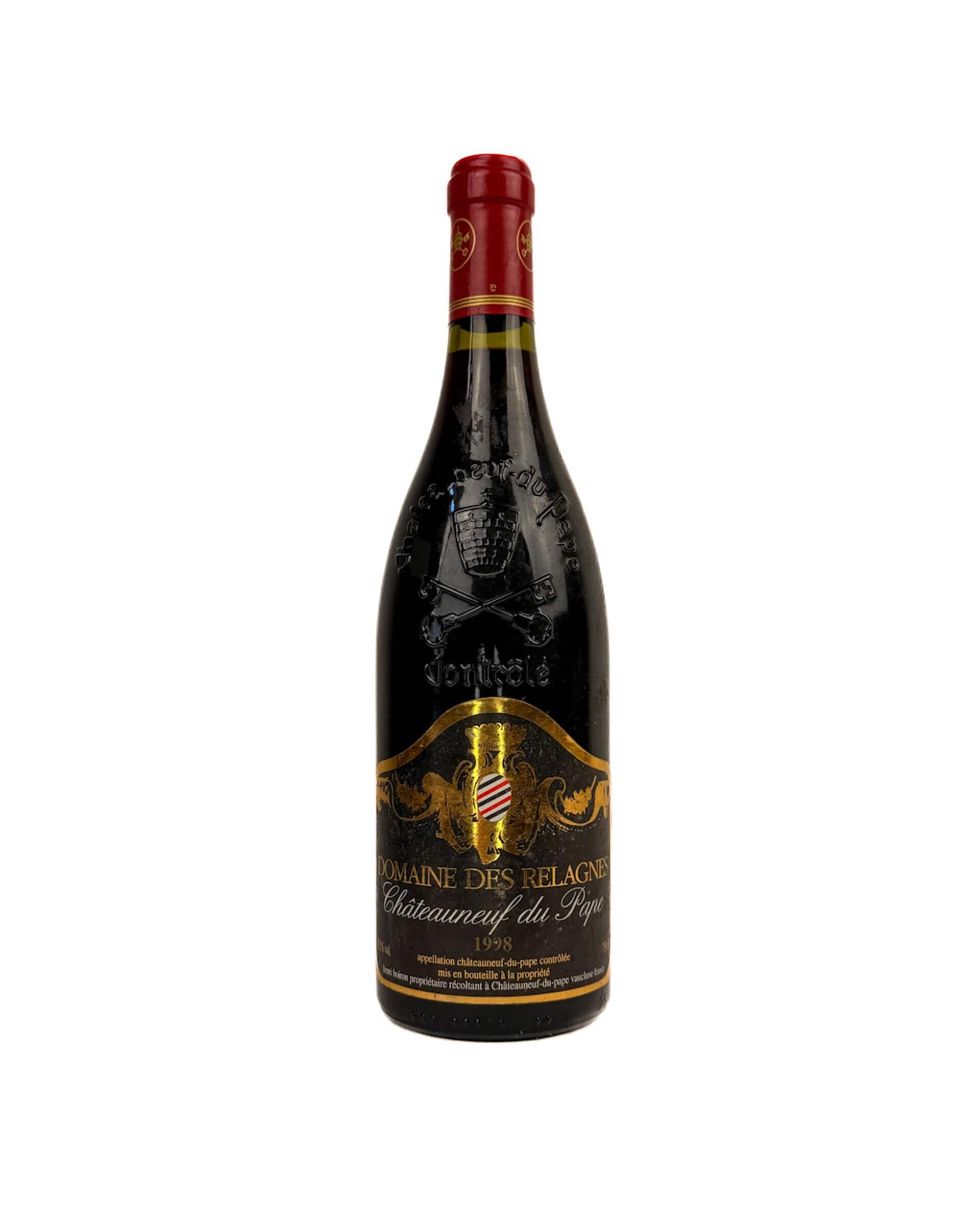
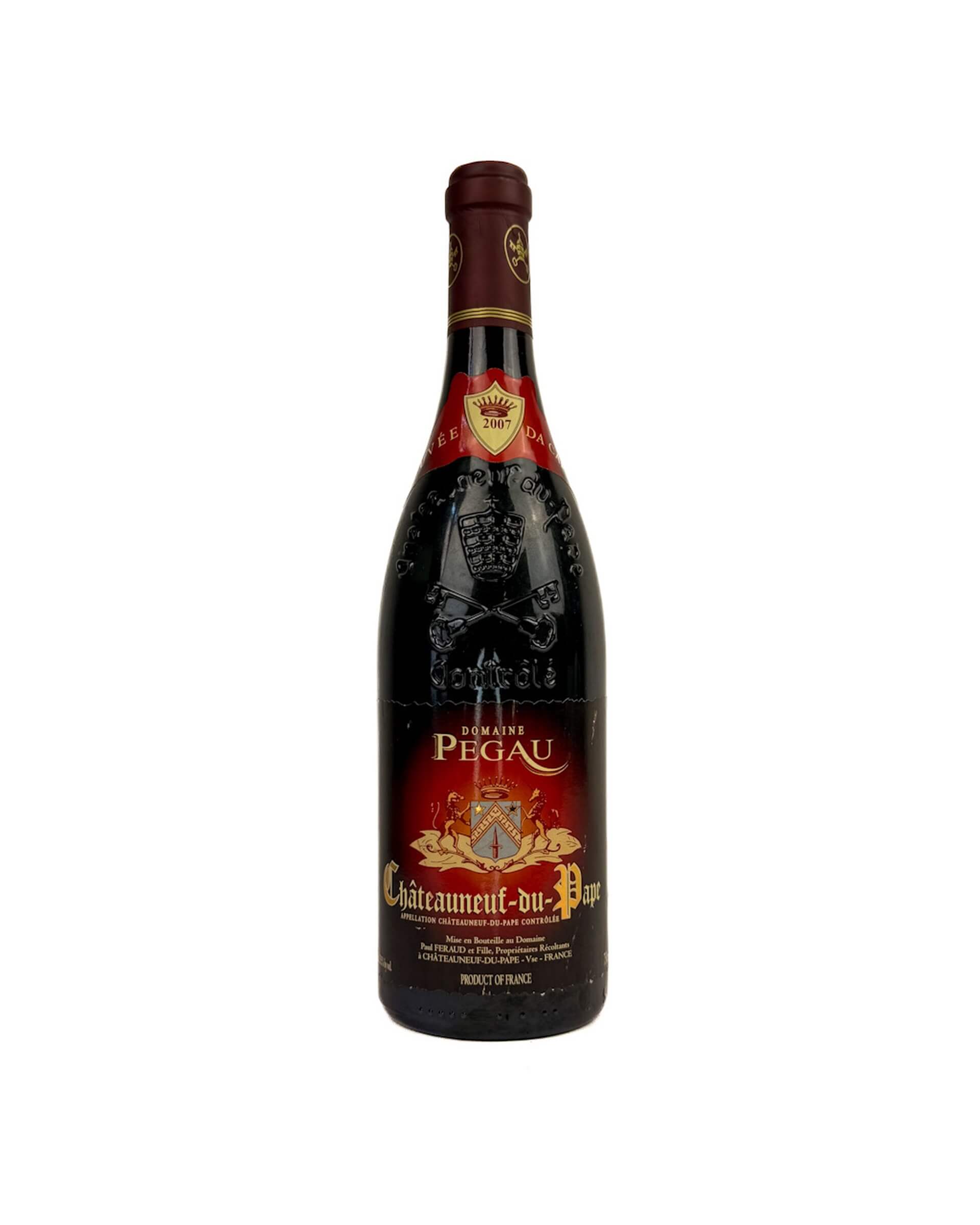
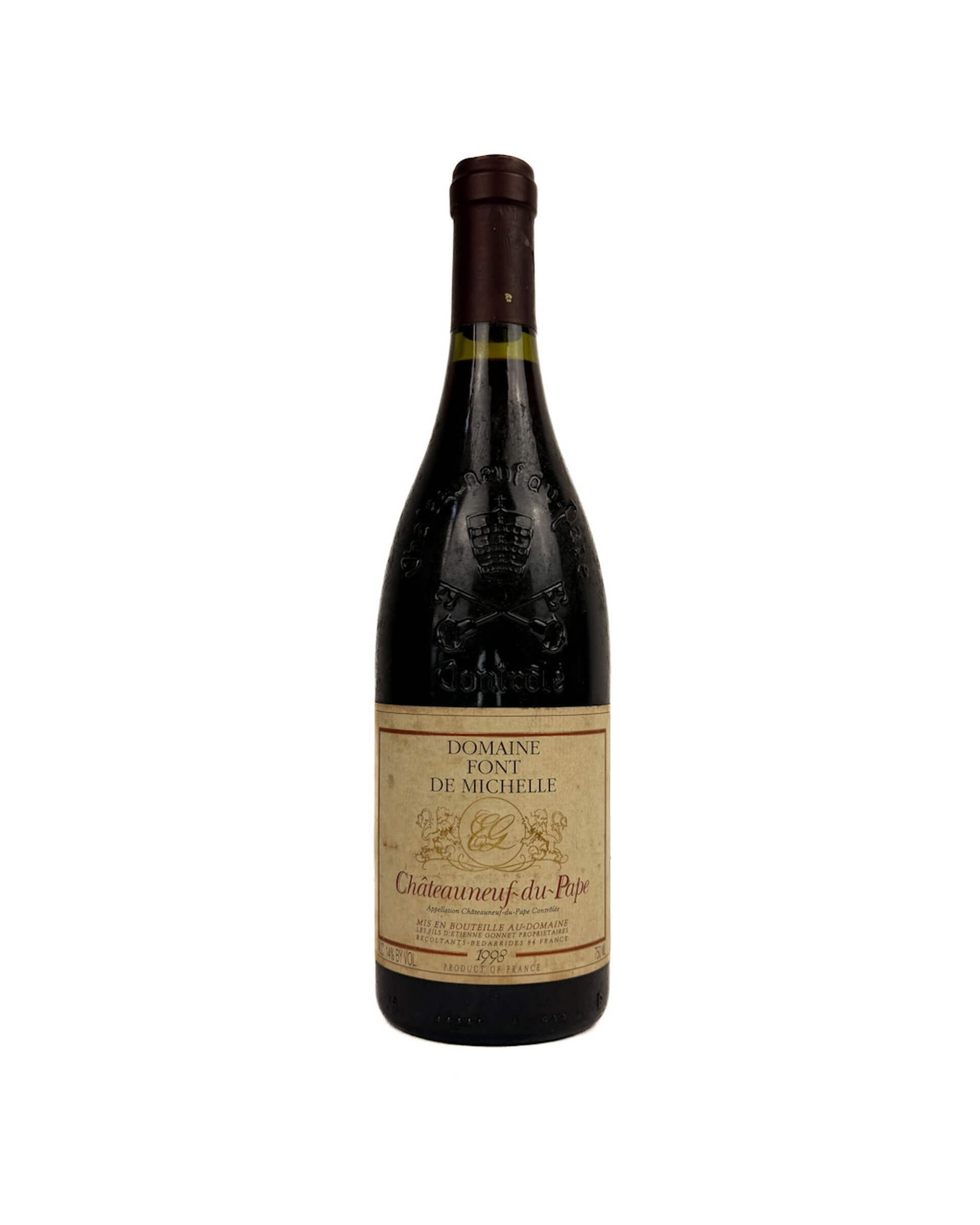
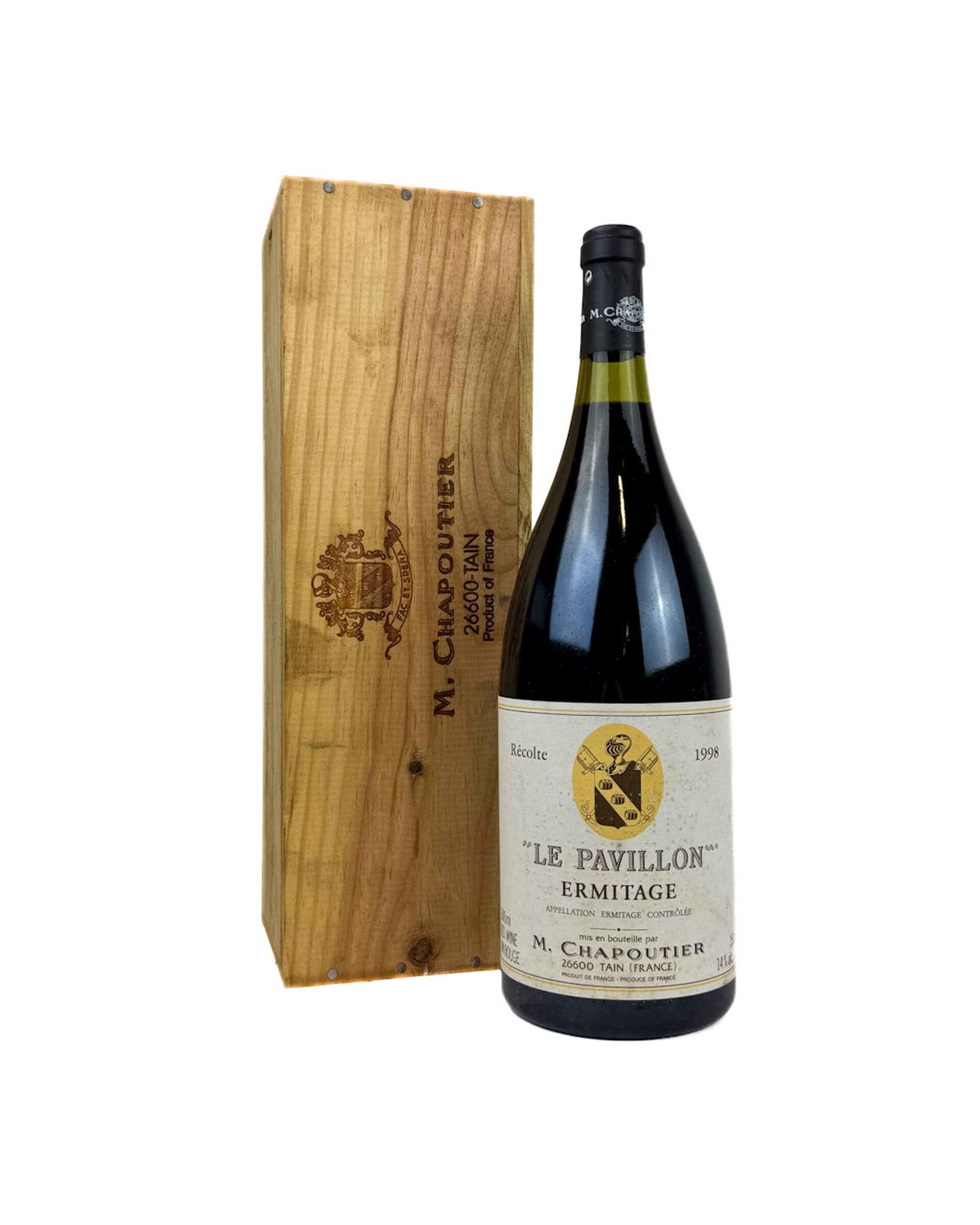
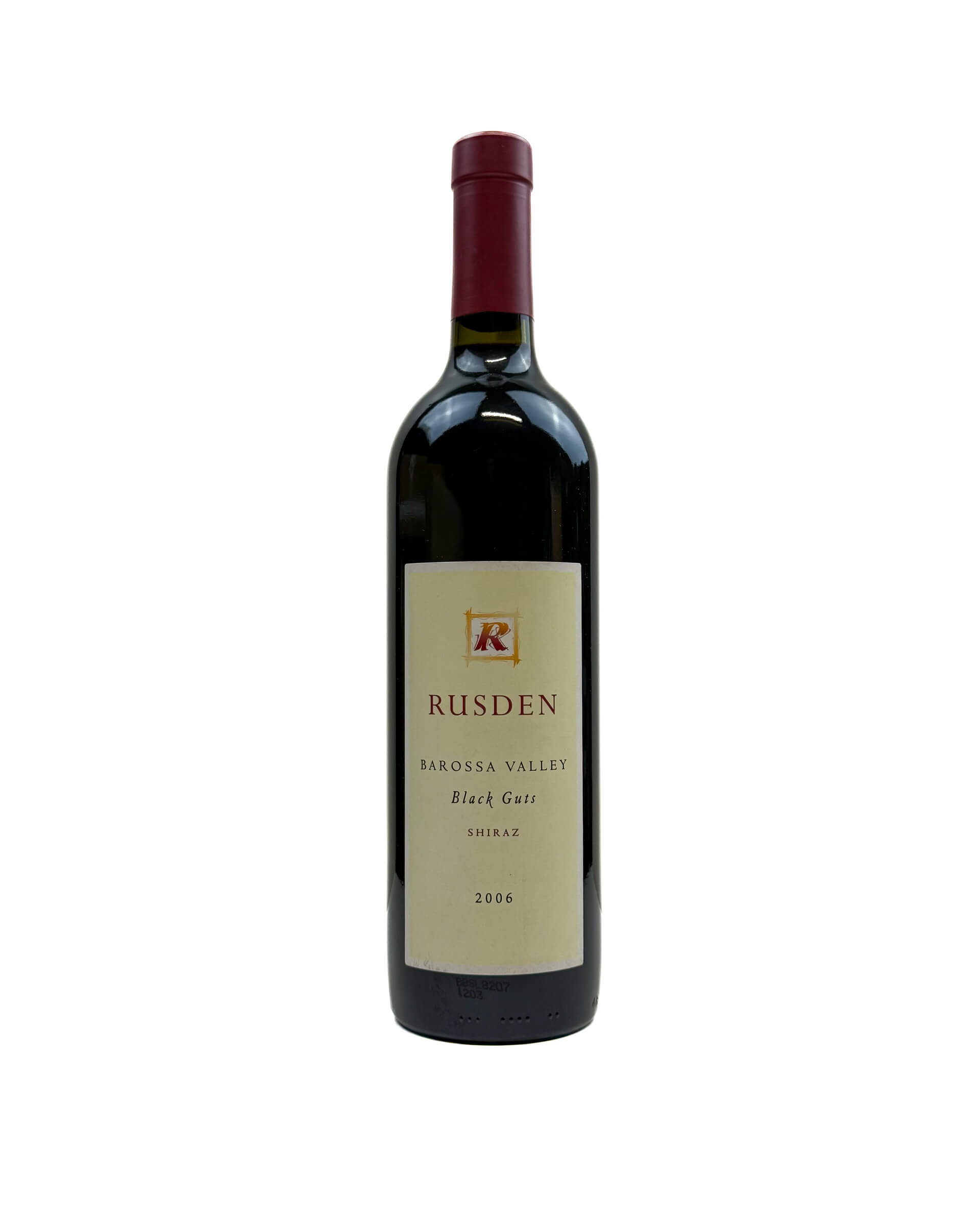
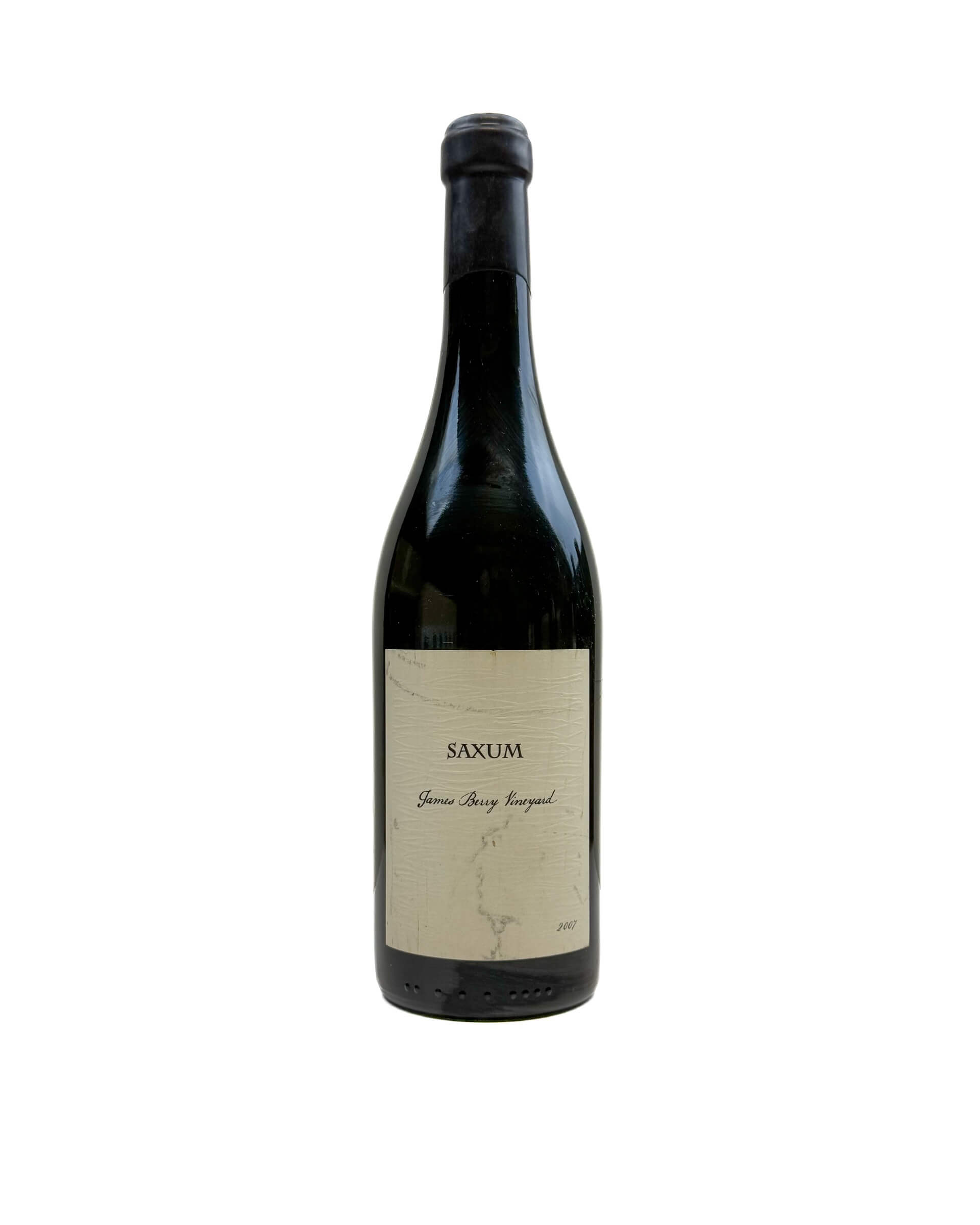
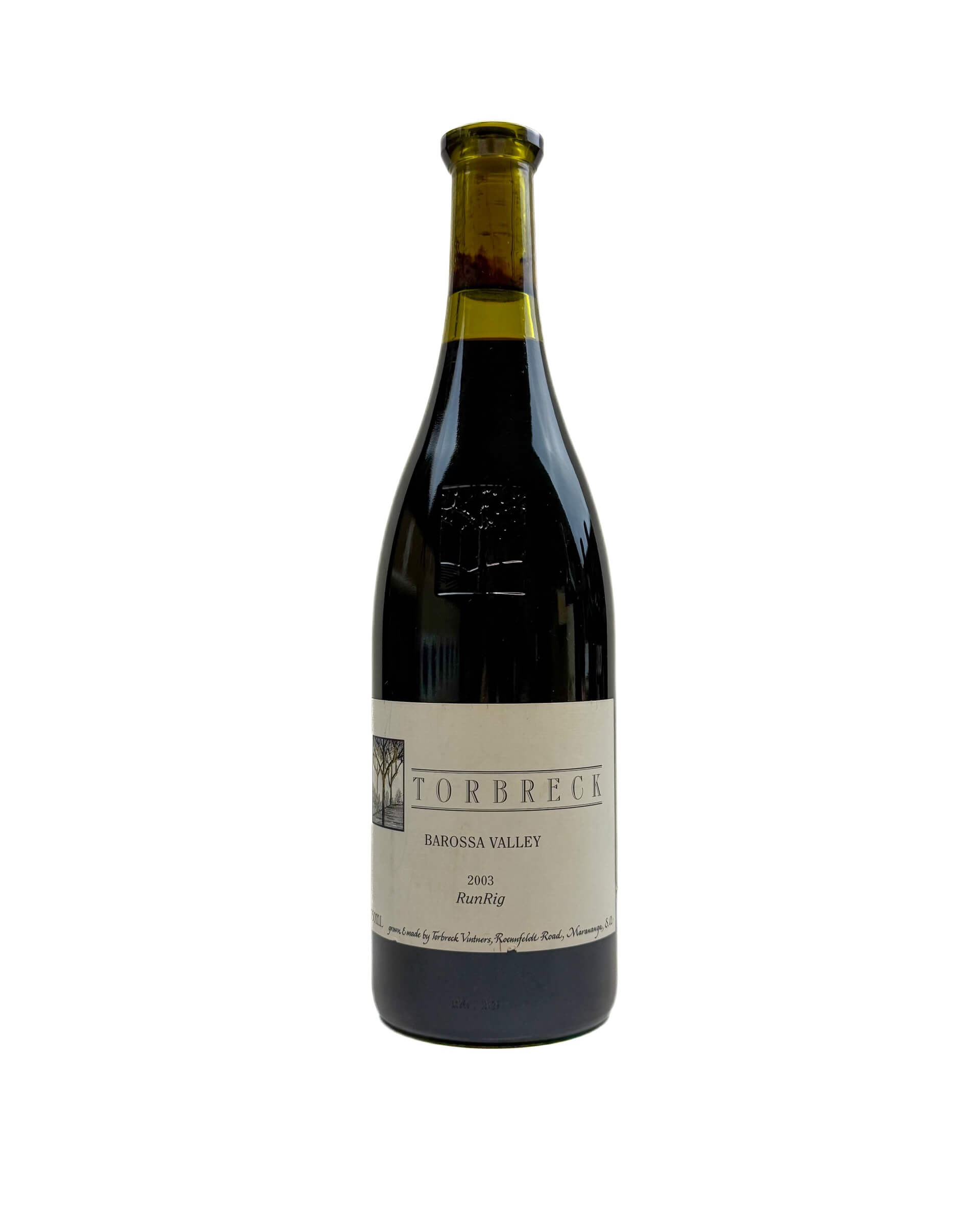
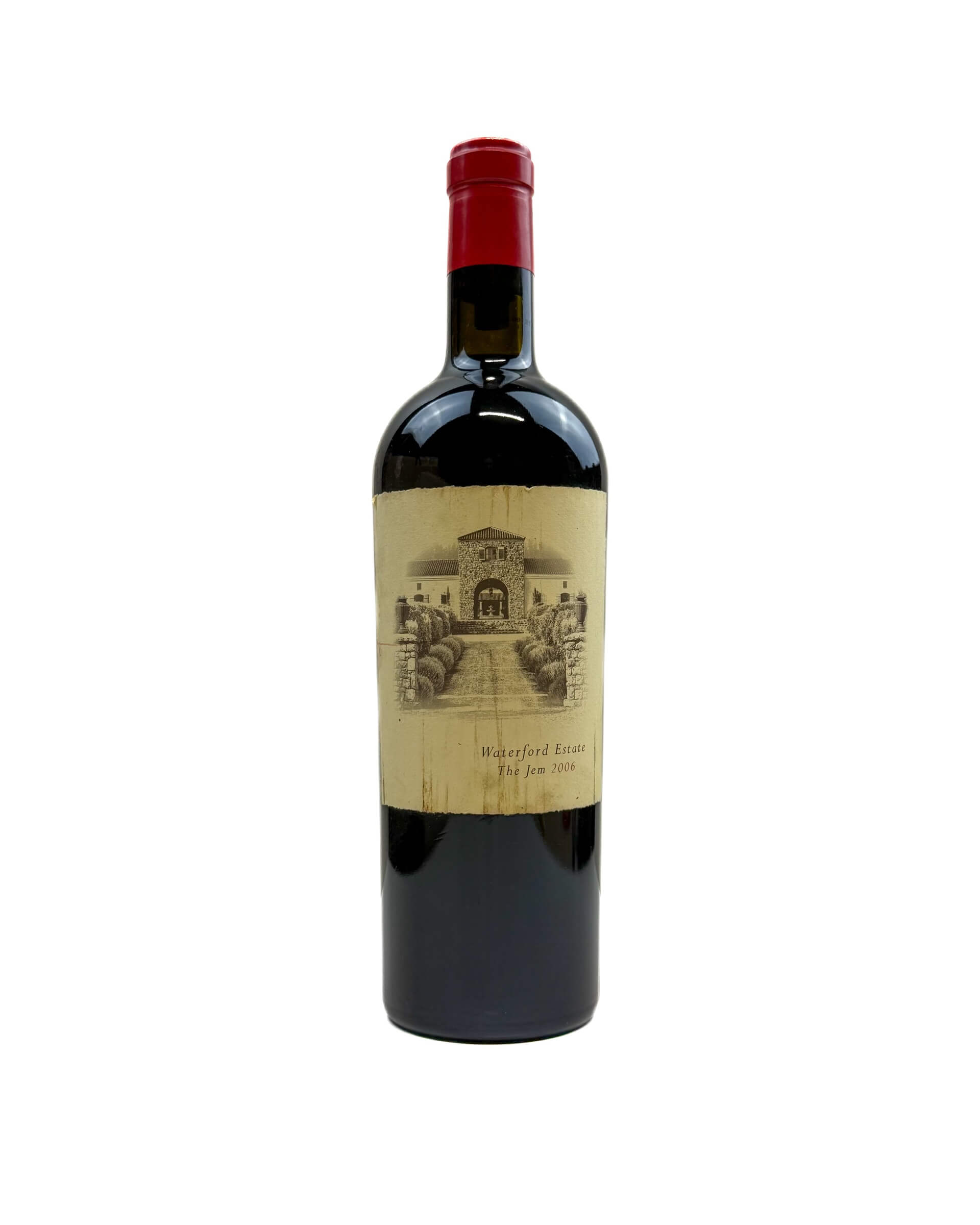
Syrah is the noble black grape behind the Northern Rhône’s greatest red wines, a thick-skinned, late-ripening variety that gives deeply coloured, structured, age-worthy bottles built on black fruit, violet, and a distinctive thread of cracked pepper. Few grapes carry such a clear sense of place: in the granite hills of the Northern Rhône, syrah wine becomes something singular, savoury, and built to evolve over decades. This is the style at the heart of the Tour de Wine selection.
Our focus sits firmly on Northern Rhône syrah — Hermitage, Côte-Rôtie, Saint-Joseph, Crozes-Hermitage, and Cornas — the appellations where the grape reaches its full expressive ceiling as a single variety. The selection is intentionally specialist rather than sprawling: 22 bottles, each chosen for European, Rhône-first provenance and the quality of the producer behind it.
Prices run from accessible village-level Northern Rhône wines through to rare cuvées from the appellations’ most respected names, so there is a confident point of entry whether you are discovering the grape or deepening a cellar. Below, you will find the current bottles available to buy, followed by a buyer’s guide to the styles, the appellations, and the prices.
Syrah is a thick-skinned, late-ripening grape that thrives on warm, well-drained slopes yet retains tension in cooler continental climates. The skins give wines their deep, almost opaque colour and firm, fine-grained tannins, while the relatively late harvest preserves moderate-to-high acidity. The result is a full-bodied red with structure, grip, and the capacity to age — but never at the expense of perfume.
In its cool-climate European home, the taste of syrah is unmistakably savoury. Northern Rhône expressions lead with blackberry and dark plum, lifted by violet florals, white pepper, black olive, and the famous note of smoked meat or bacon fat. With bottle age, these primary aromas fold into leather, tar, truffle, and dried herbs. This savoury, peppery signature is the defining characteristic of syrah wine, and it is what separates European Syrah from the riper, fruit-driven style the same grape shows elsewhere.
The single most common question buyers ask is about syrah vs shiraz, or shiraz vs syrah — and the short answer is that they are one and the same grape, with the name and the style diverging entirely by geography and winemaking philosophy.
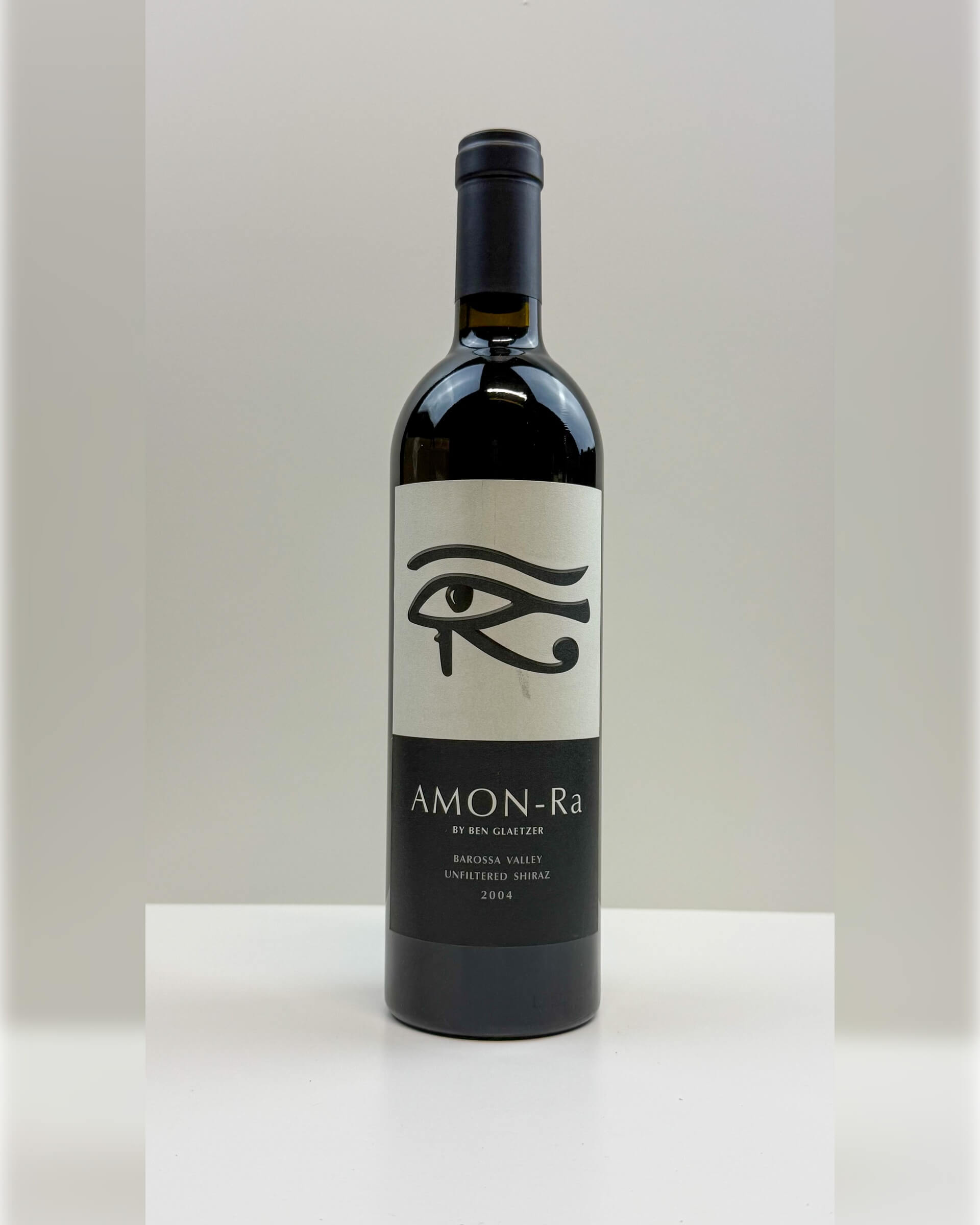
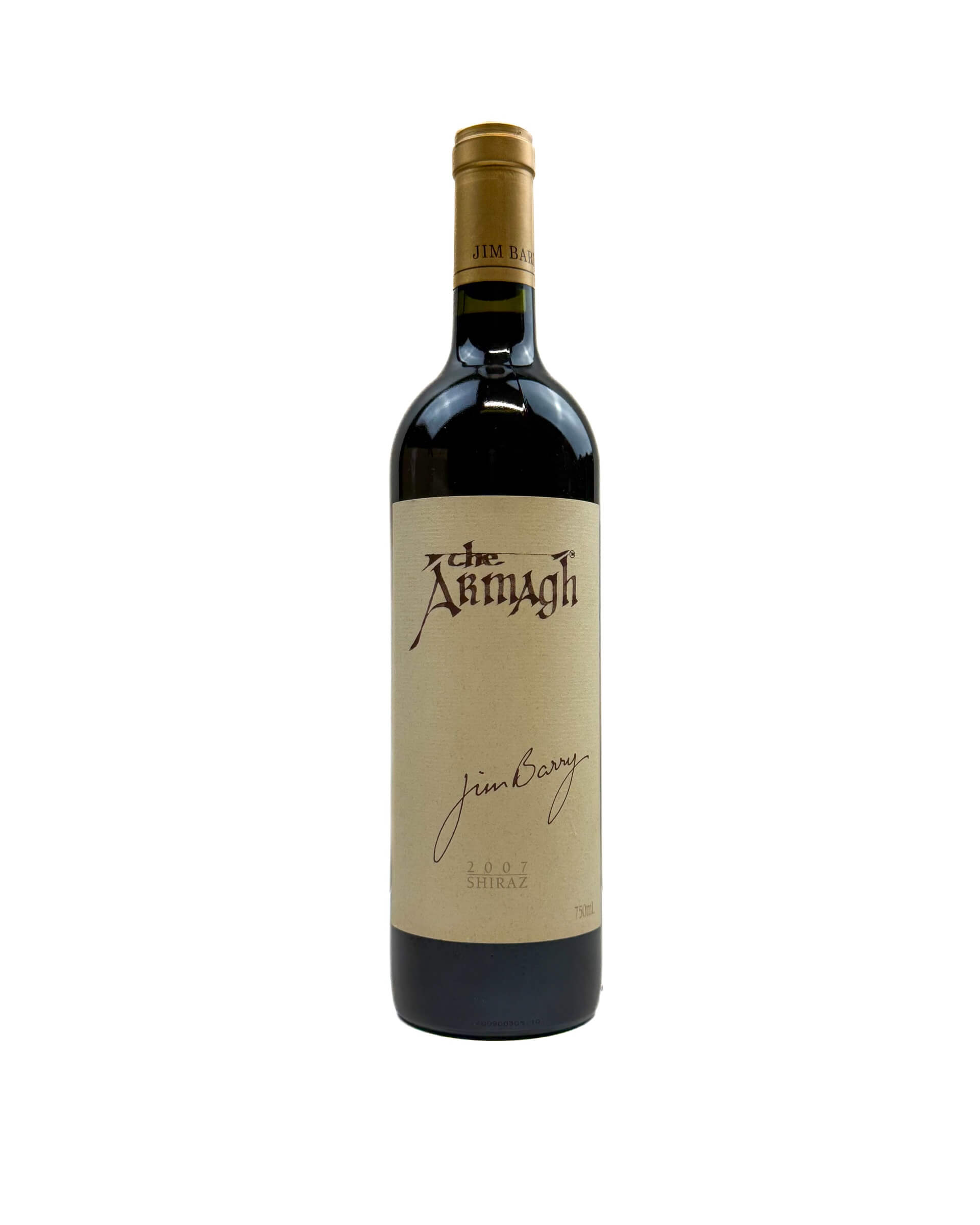
Syrah and Shiraz are genetically identical, yet the two names have come to signal two distinct worlds. In the Northern Rhône, Syrah grows on steep granite and schist terraces under a continental climate, producing wines of tension, mineral precision, and extraordinary ageing potential. In Australia — above all in the Barossa Valley and McLaren Vale — the same grape ripens in heat to become Shiraz: richer, more opulent, fruit-forward, and often framed by more generous oak.
Neither expression is superior — they are stylistically distinct, and many drinkers love both for different occasions. The distinction matters at the point of purchase because it tells you what to expect in the glass: a peppery, structured, food-friendly wine that may benefit from a few years, or a generous, fruit-led pour ready to enjoy now. The Tour de Wine selection is built around the European, Rhône-centred expression. It is worth noting that producers in South Africa, and occasionally in Australia, also choose the spelling “Shiraz” to signal a more Rhône-inflected, savoury style. When a South African label reads Shiraz, cross-reference the producer’s stated intent: estates such as Boekenhoutskloof and Mullineux explicitly chase the Rhône’s savoury, peppery register, so the name alone will not always tell you which world the wine belongs to.
If you want to understand why this grape commands such devotion, you have to walk the Northern Rhône. Compact, steep, and almost entirely planted to Syrah for its reds, it offers a sequence of appellations that share a savoury, peppery thread yet differ markedly in weight, perfume, and price. Understanding the geography is the most useful thing a buyer of France wines can do before choosing a bottle.
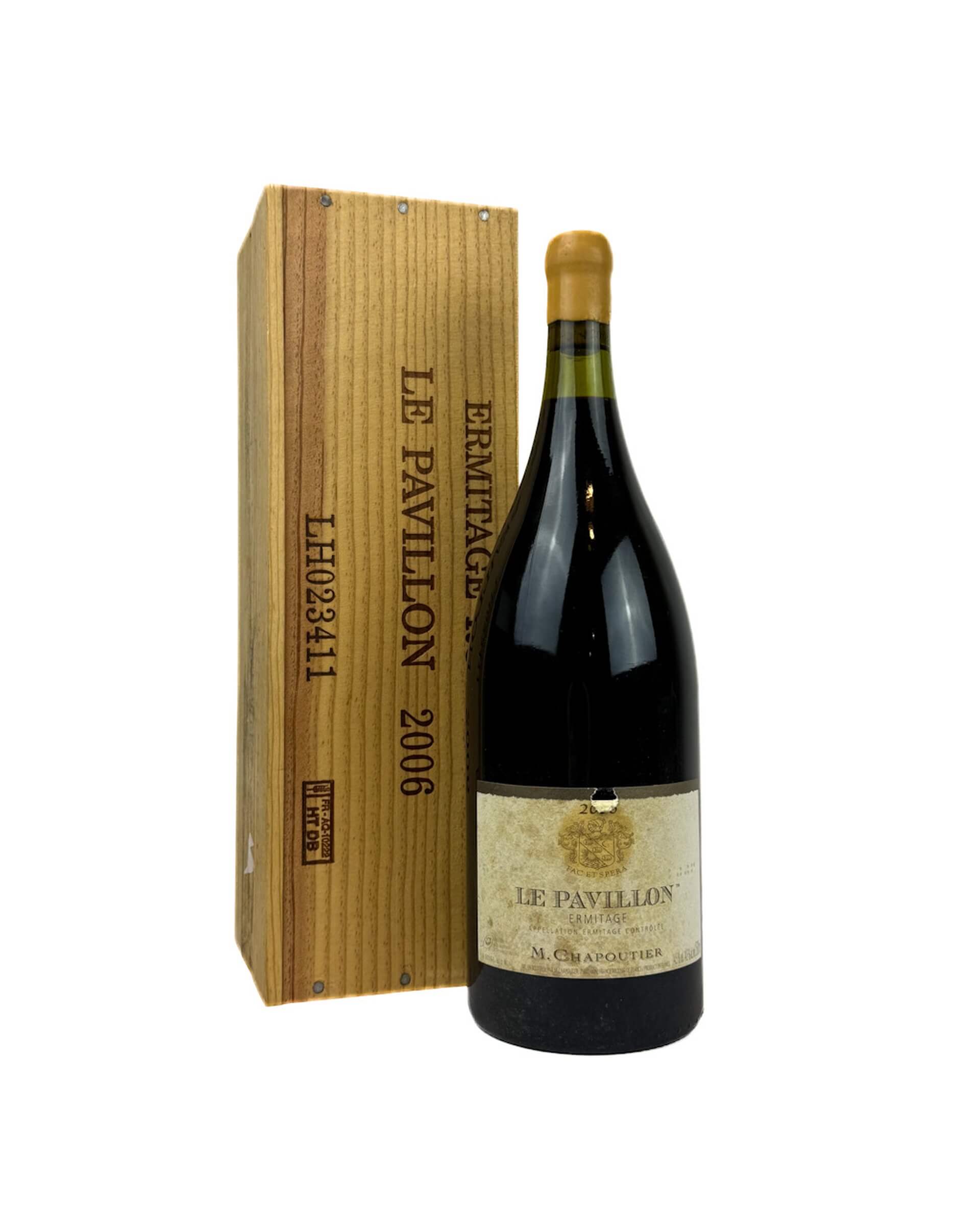
Hermitage sits at the very top of our Syrah selection. The hill’s reference points are names such as Jean-Louis Chave and M. Chapoutier, whose single-site cuvées set the benchmark for what the granite can do. Expect bottles near or above the 90th percentile — around €455 and climbing toward the maximum of €750 for the rarest cuvées from those most sought-after domaines. Its informal standing places it in the same conversation as the wines on our Grand Cru shelf, even though the Rhône uses no Grand Cru classification of its own. For scale, the Hermitage hill itself is tiny — roughly 136 hectares of vineyard in total, which is one reason demand so consistently outstrips supply.
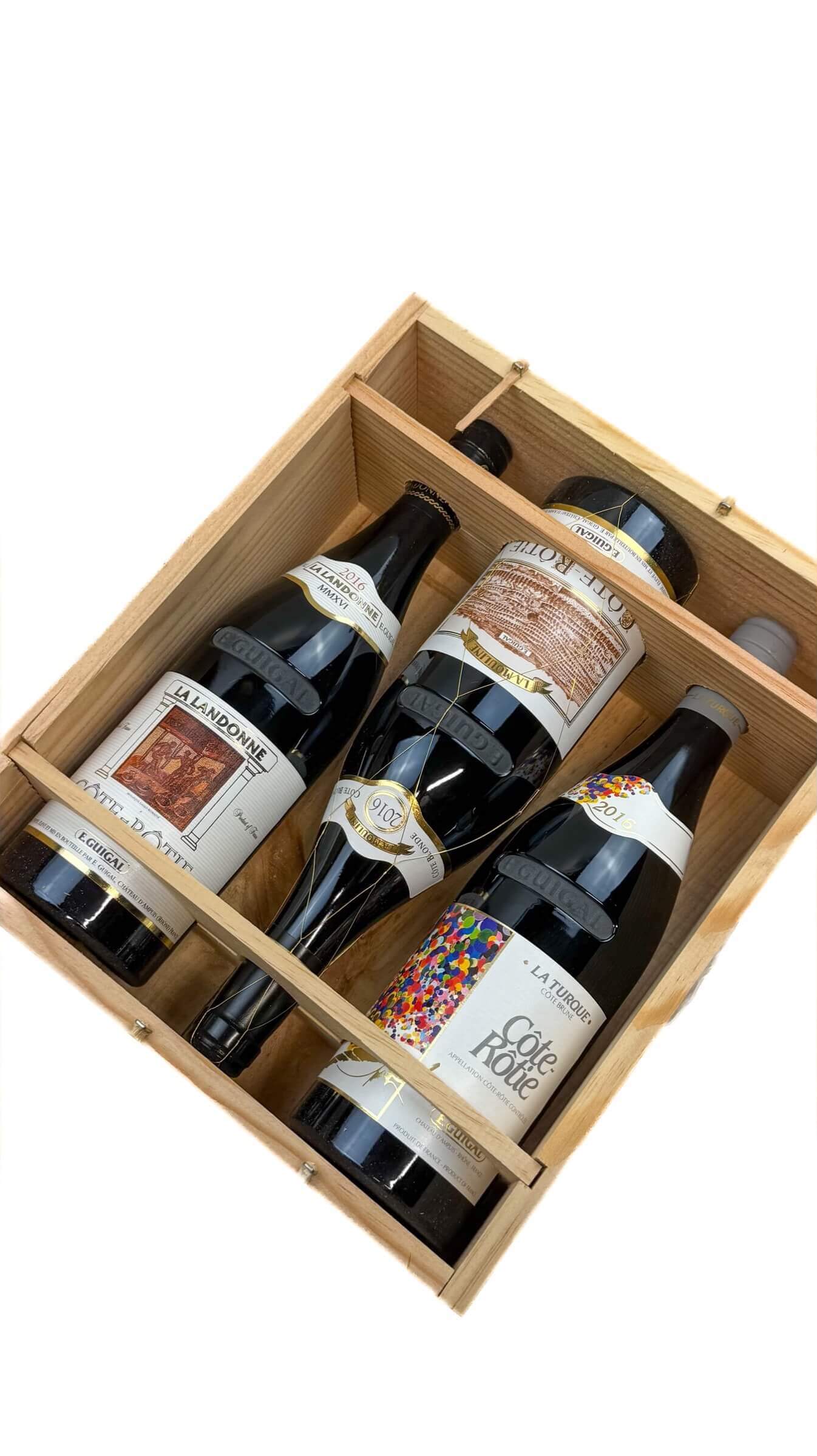
This is Syrah at its most aromatic and refined. Côte-Rôtie covers only around 300 hectares, and the names that define it — Guigal, whose “La-La” single-vineyard cuvées are among the most collected wines in France, alongside growers such as Jamet — anchor the appellation’s reputation. Prestige Côte-Rôtie cuvées reach toward the upper tier of the selection alongside Hermitage, near the 90th percentile around €455, while more accessible bottlings from less storied parcels sit nearer the median around €220.
Serious Saint-Joseph tends to sit around the median of our selection, near €220 — a natural home for buyers who want true Northern Rhône typicity without the grand-appellation premium. Growers such as Pierre Gonon and the Saint-Joseph cuvées of established Northern Rhône houses show just how much character this appellation delivers at that price.
Crozes-Hermitage often represents the most accessible tier of the Syrah selection: entry bottles around €90 may well be Crozes-Hermitage from a reliable grower such as Alain Graillot, long regarded as the appellation’s quality reference.
Cornas is defined by growers such as Auguste Clape and Thierry Allemand, whose wines are benchmarks for the appellation. In our selection it sits between the median and the upper tier — most Cornas bottlings fall between the €220 median and the €455 90th percentile, with the very rarest cuvées from those reference domaines climbing higher still.
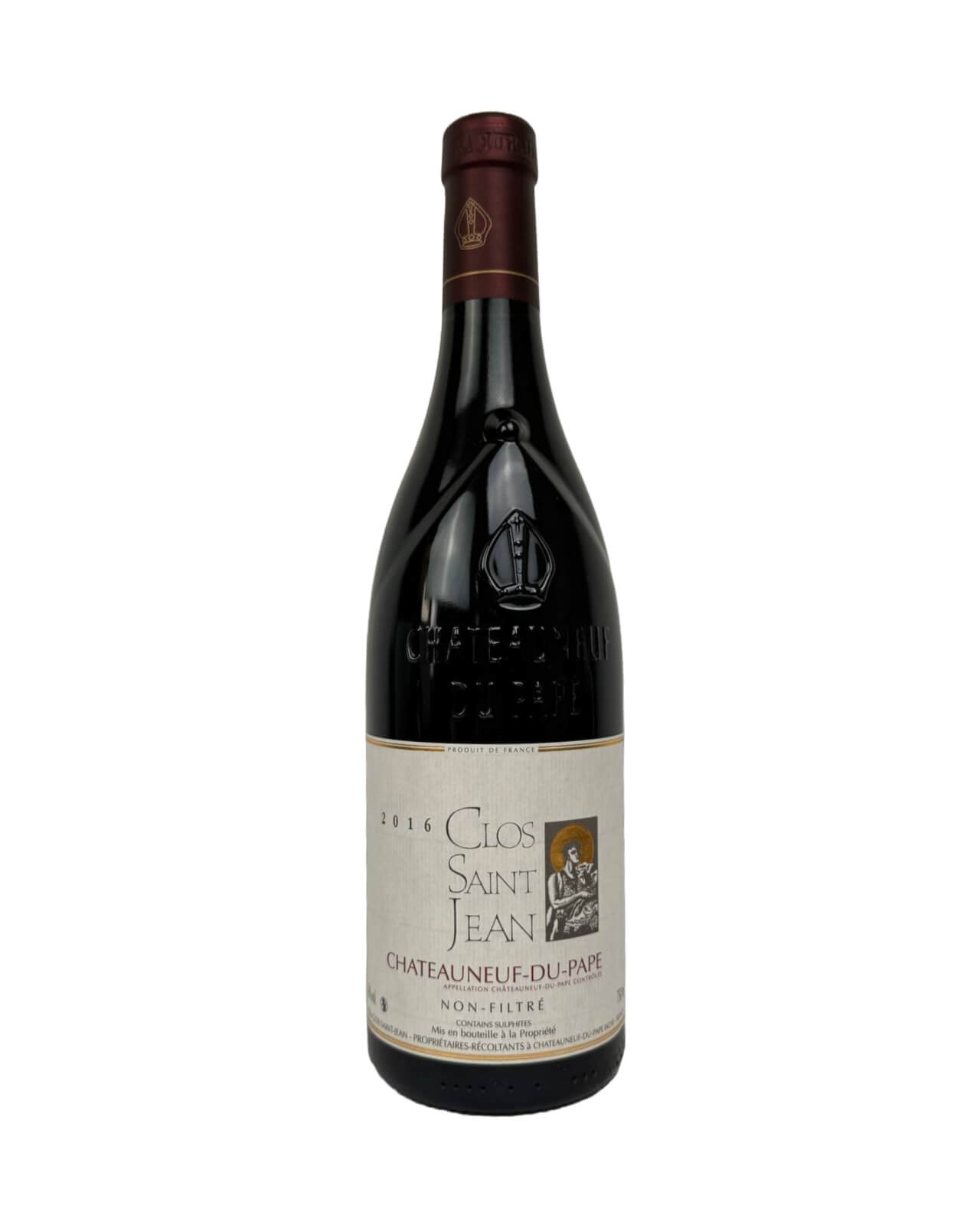
In the Southern Rhône — Châteauneuf-du-Pape, Gigondas, Vacqueyras — Syrah plays a supporting role, blended to add colour, structure, and pepper alongside Grenache rather than leading. Beyond France, Syrah is grown in Spain (Priorat, Jumilla), Italy, South Africa, and California, each with its own accent. Our emphasis remains on French provenance and the Rhône-first expression of the grape. Buyers weighing Syrah against other structured French reds often look next at Cabernet Sauvignon for its firmer Bordeaux frame, or toward Pinot Noir for a lighter, more perfumed counterpoint within the broader world of fine red wine.
Syrah’s savoury, peppery character makes it one of the most versatile red wines at the table, but the ideal match shifts with the appellation and the age of the bottle. Lighter Crozes-Hermitage asks for different food than a decade-old Hermitage.
A large Burgundy- or Rhône-style bowl is the ideal glass, capturing the wine’s perfume and giving it room to breathe.
With 22 bottles drawn almost entirely from the Northern Rhône, this is a focused list rather than an exhaustive one — chosen so that every price point delivers a genuine expression of the grape. Whether you are tasting your way in or buying for the cellar, the structure below maps roughly onto three buyer profiles, with honest figures from the current selection (all prices in EUR, as Tour de Wine is a French specialist merchant).
The selection is intentionally specialist: every bottle has been chosen for Northern Rhône provenance and the standing of the producer behind it, which is why a small list can still cover the grape from its approachable village wines to its monumental peaks. Browse the full range of Red wines if you would like to set these Syrahs alongside other structured reds, or compare with the softer profile of Merlot when deciding between gentle and firmly structured styles.
Yes — they are genetically one and the same variety, confirmed by DNA parentage studies that trace the grape to two obscure south-eastern French parents, Dureza and Mondeuse Blanche, rather than to Persia as the old “Shiraz” legend suggested. The two names are simply regional conventions: France and most of Europe say Syrah, Australia says Shiraz, and producers choose between them as a stylistic signal. As a practical buying cue, a bottle labelled Syrah is far more likely to be made in the cooler, savoury, food-driven mould this selection favours.
Syrah is made as a dry red across all serious appellations, from the Northern Rhône to Australia, Spain, and beyond. A properly made Syrah carries no residual sugar. Any impression of sweetness comes from the grape’s naturally concentrated dark fruit — blackberry, dark plum, black olive — and the roundness imparted by barrel ageing, not from sugar. Unless a label specifically reads “off-dry” or “demi-sec”, you can expect the wine to be dry.
Think savoury rather than sweet: the classic Northern Rhône signature is dark berry fruit wrapped around cracked black pepper and a whiff of smoked bacon, more like a peppered, char-grilled steak than a bowl of jammy fruit. If your reference point is Cabernet Sauvignon, Syrah trades that grape’s cassis-and-cedar profile for something meatier and more peppery; if it is Pinot Noir, Syrah keeps the perfume but adds far more body and grip. The warm-climate Shiraz many drinkers know first is the louder, fruitier cousin — useful as a baseline, but not the style here.
It depends entirely on appellation and producer. A well-made Crozes-Hermitage or Saint-Joseph drinks beautifully from 3 to 8 years after the vintage. Côte-Rôtie and Cornas reward 8 to 15 years of cellaring, with top cuvées developing for 20 years or more. Hermitage from great vintages and producers is among the longest-lived red wines in the world, where 30 to 40 years is not exceptional for the finest bottles. As a general rule, the higher the appellation’s reputation and the firmer the tannins in youth, the longer the wine will reward patience.
Written by the Tour de Wine buying team. Last reviewed: June 2026.
This site is restricted to adults. By entering, you confirm that you are of legal drinking age in your country of residence.