0.7 L
Ragnaud Sabourin
Wines, producers, regions...
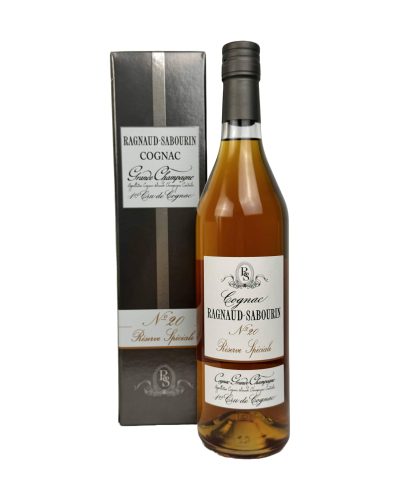
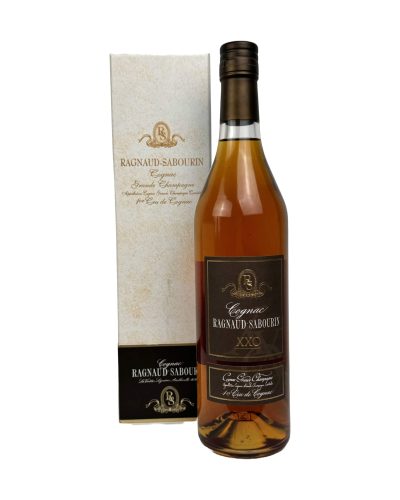
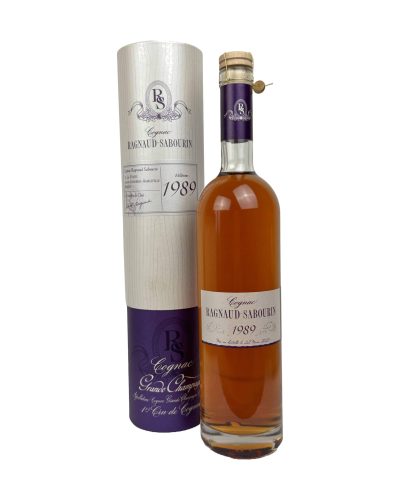
Cognac is the grape brandy of the Charente region in south-western France, made from white wine, distilled twice in copper pot stills and aged in oak. It is for the person who wants a spirit to sip slowly after dinner, for the host looking for a gift with a clear quality ladder, and for the collector who likes to watch a bottle change over the years.
The name is protected. Cognac must come from the delimited area around the town of Cognac, and the wine is distilled in the traditional Charentais still in two passes. The base is mostly Ugni Blanc, a high-acid white grape that gives a thin, sharp wine, ideal for distillation. The clear spirit then rests in oak, usually French oak from Limousin or Tronçais, where it takes on colour, vanilla, spice and softness.
The growing area is divided into six crus: Grande Champagne, Petite Champagne, Borderies, Fins Bois, Bons Bois and Bois Ordinaires. The word Champagne here has nothing to do with sparkling wine; it refers to the chalky soils of the area. A blend of Grande and Petite Champagne, with at least half from Grande Champagne, may be sold as Fine Champagne. If you are also interested in the sparkling wine of the north-east, it has its own page in our Champagne category.
Cognac is sold by age grade, and the grade is set by the youngest eau-de-vie in the blend. The minimum rules are simple and well established:
Most houses blend many eaux-de-vie of different ages, so a label is a floor, not an average. A bottle of cognac does not improve once it is in glass, which means a twenty-year-old spirit bottled decades ago tastes the way it did on the day it was bottled. Ageing happens in the cask, not on the shelf.
For cocktails and long drinks, a VS is built for the job: lively, fruity, with enough character to stand up to ice, tonic or ginger beer. For slow sipping, a VSOP is a sensible step up, rounder and more spiced, with a longer finish. An XO is for the quiet evening, with dried fruit, toasted nuts, leather and a texture that coats the glass.
As a gift, think about the person rather than the number. Someone who enjoys a mixed drink will appreciate a VS or VSOP more than a very old XO they would hesitate to open. Someone who already drinks whisky or aged rum will usually be happy with an XO, and you can compare with the whisky category to see how the two worlds differ. Check the bottle details for the exact mention, the bottle size and any gift box.
This is a small category, and the bottles come from the house of Sabourin. In our catalogue the name appears under a few spellings, Sabourin, Raugnaud Sabourin and Ragnaud Sabourin, and all of them are gathered on this page. Each bottle lists the age mention and the format, so you can compare the grades side by side before you decide.
Pour a small measure into a tulip glass or a small snifter, at room temperature. There is no need to warm the glass in your hands for long; a few minutes is enough for the aromas to open. Add a drop of water if the spirit feels tight. Neat, with no ice, is the classic way for VSOP and XO, while a VS can go over ice or into a cocktail.
Store bottles upright, never lying on their side, because high-strength spirit attacks a cork over time. Keep them away from light and from large temperature swings. An unopened bottle keeps for years, and an opened one stays in good shape for many months if the cork is tight.
Cognac is a natural finish to a meal. It goes well with dark chocolate, dried fruit, hard cheeses and, for those who enjoy them, a good cigar. Browse the cigars category if you want to build an evening around both. Earlier in the meal, a bottle from the wine category section will give you something to serve first, with the brandy arriving as the last pour.
This site is restricted to adults. By entering, you confirm that you are of legal drinking age in your country of residence.