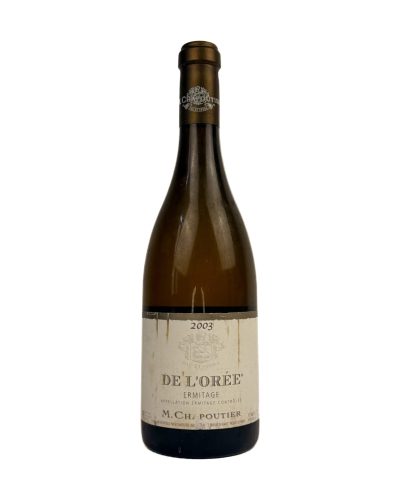
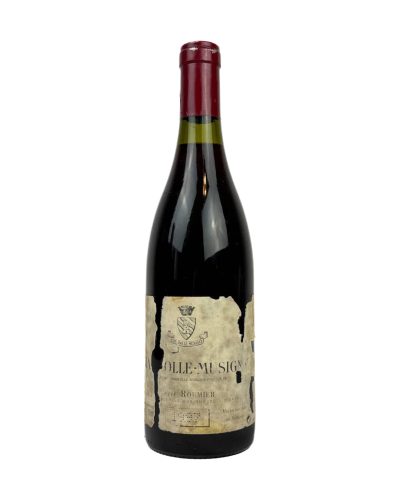
0.75 L
2003
Chapoutier
Wines, producers, regions...
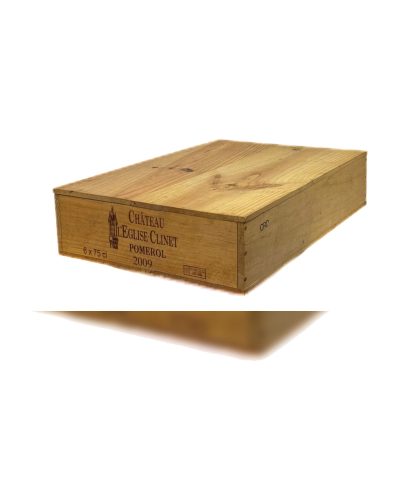
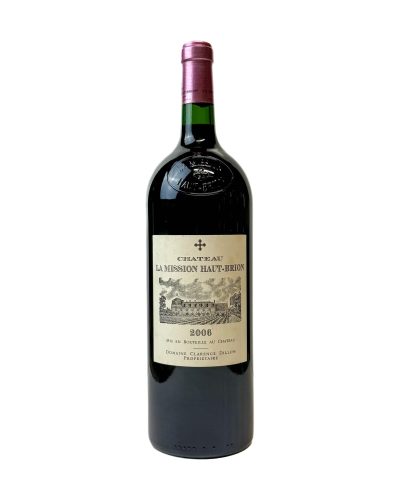
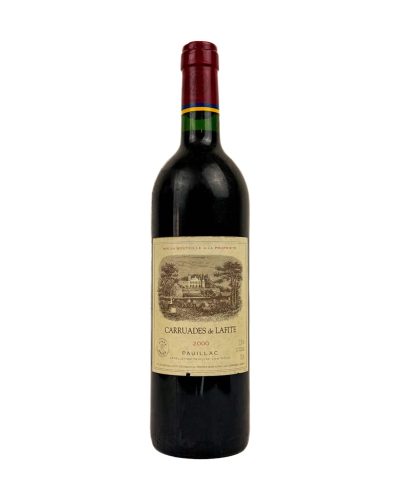
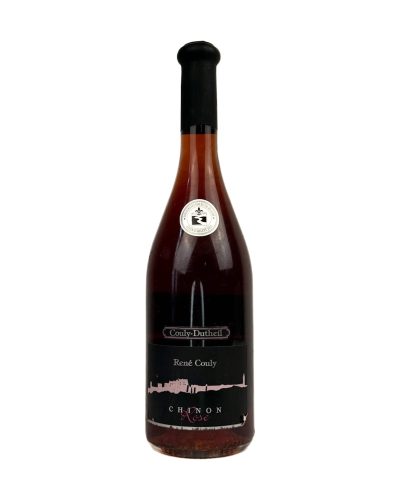
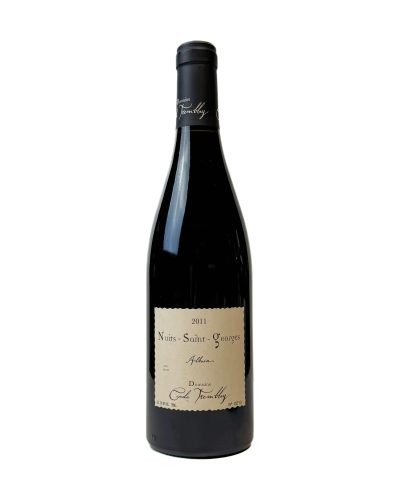
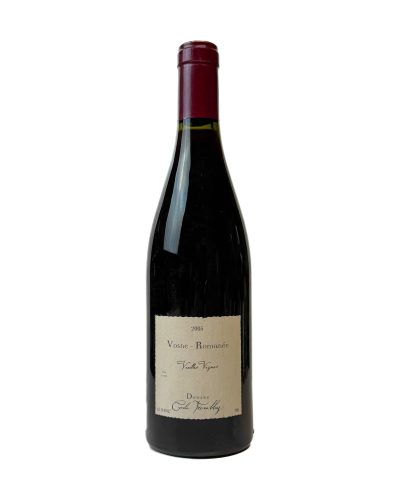
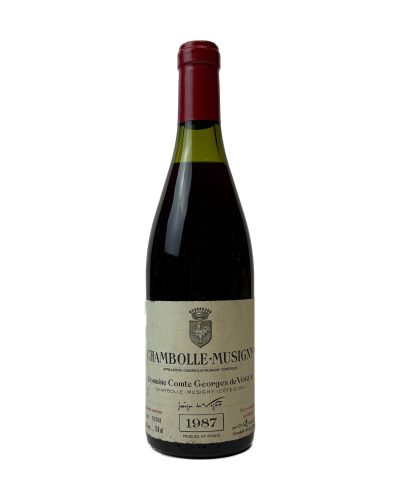
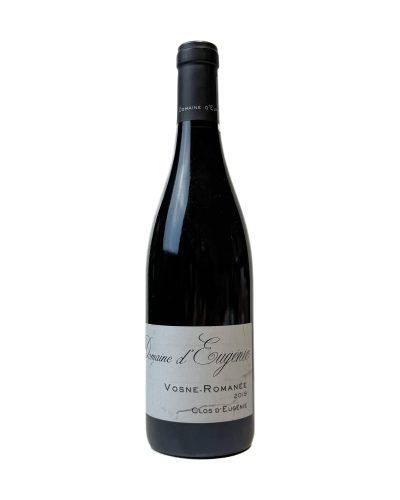
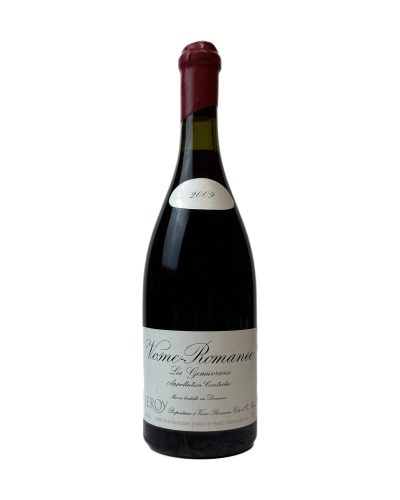
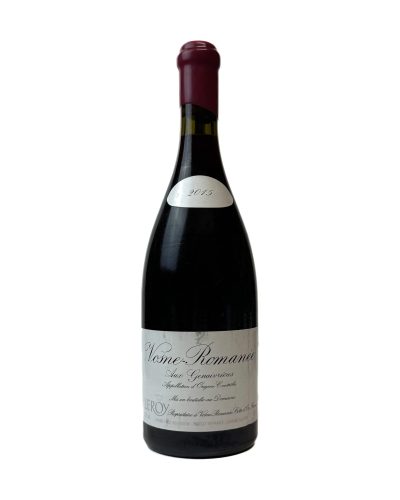
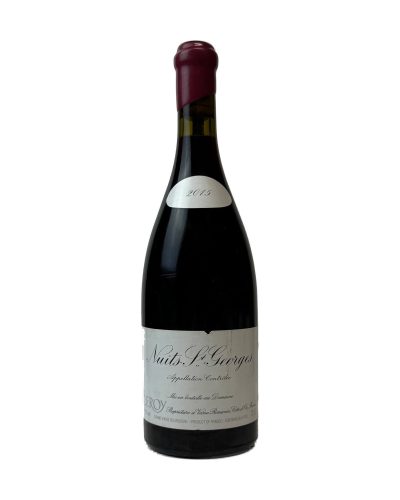
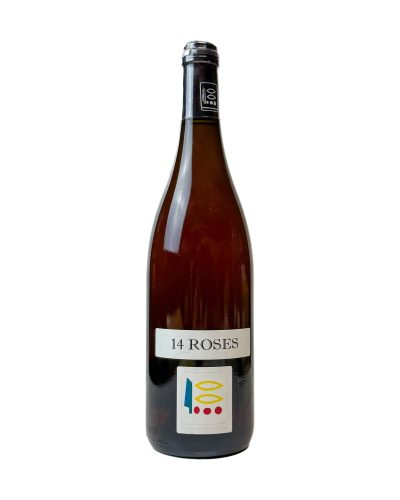
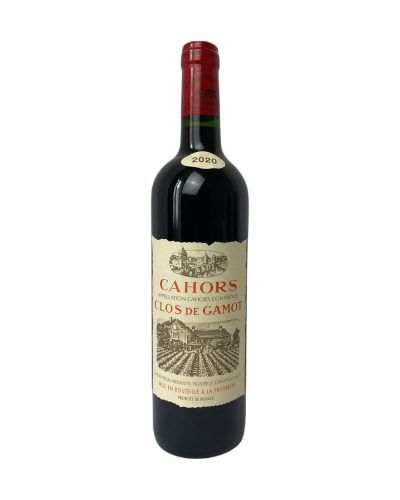
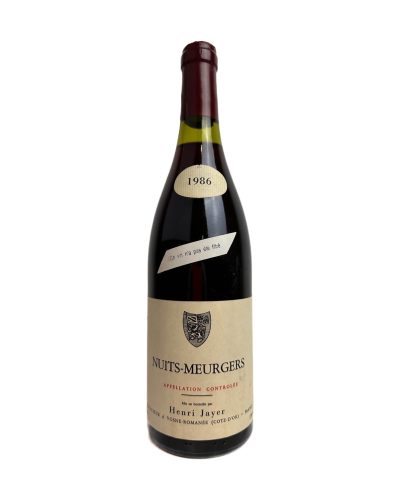
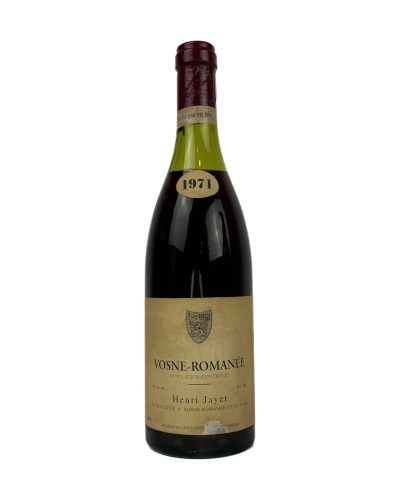
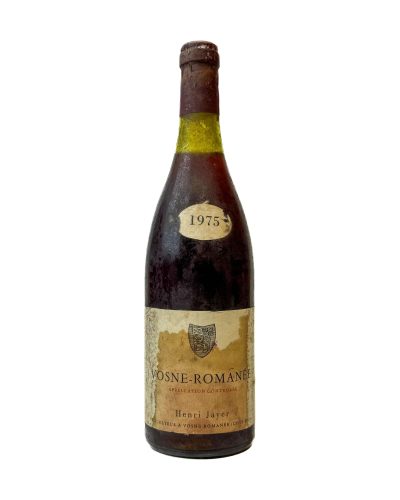
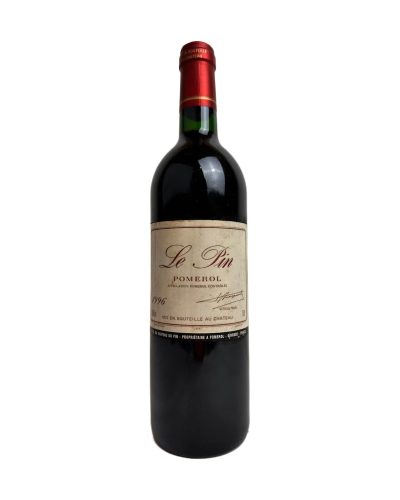
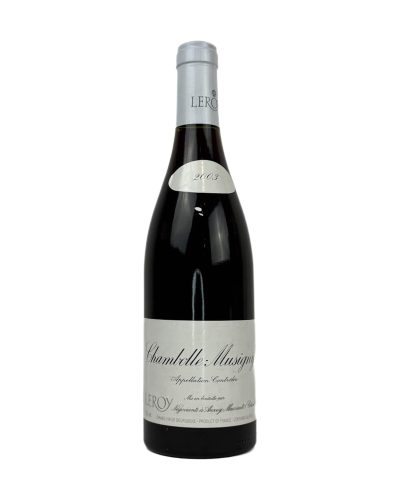
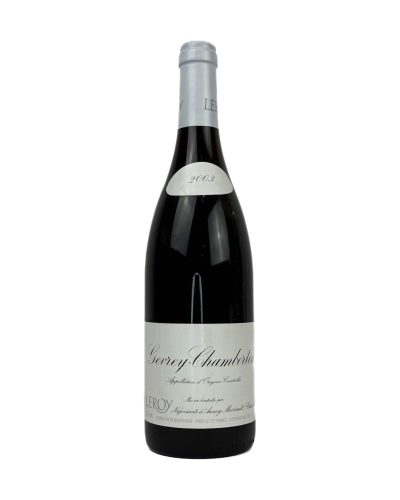
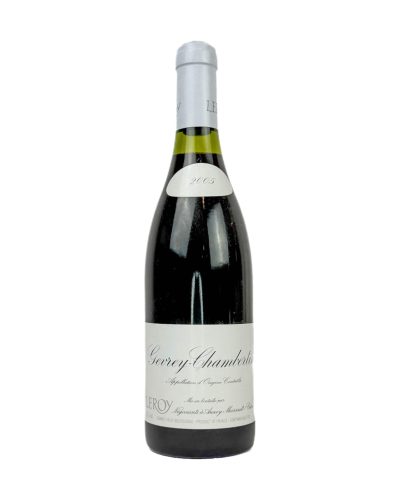
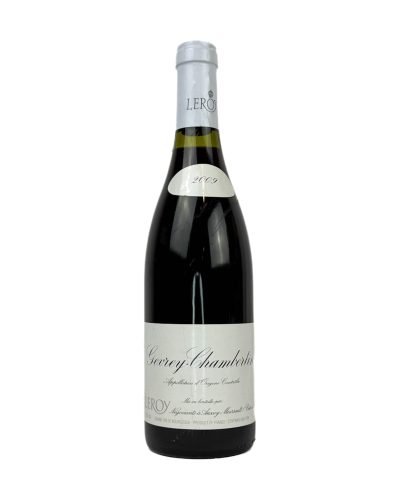
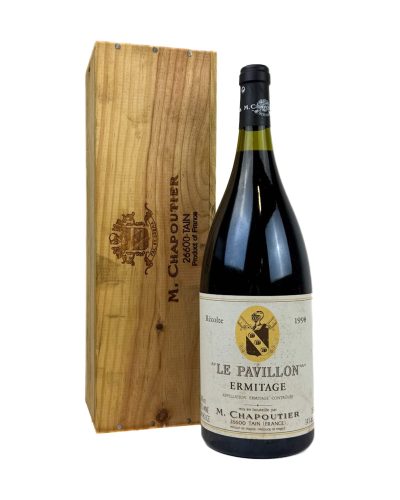
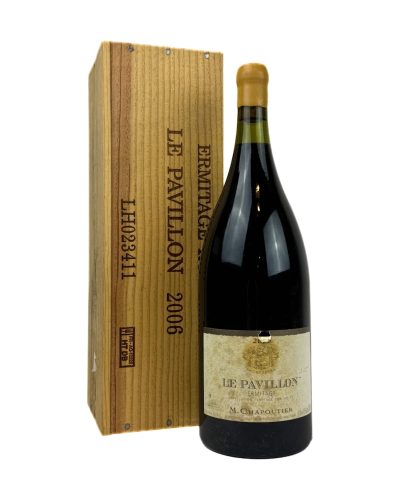
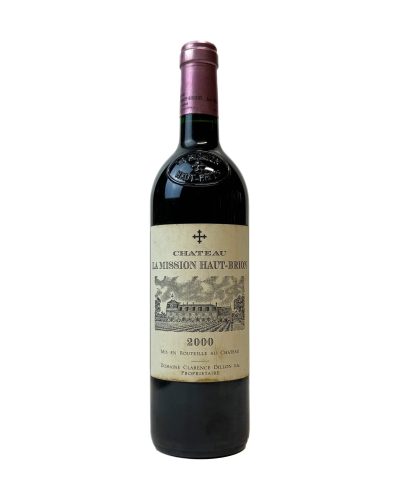
AOC wines are French wines made under an Appellation d’Origine Contrôlée, the national system that ties a bottle to a precise place and to a written set of rules. This page is for anyone who prefers to buy by origin: the collector looking for a Burgundy village name, the host choosing a Bordeaux for a dinner, the drinker who wants to understand what the label promises. It belongs to the wider family of wine classifications, where each tier answers a slightly different question about quality and place.
An appellation defines the delimited area where the grapes must grow, the grape varieties allowed, and the main rules of viticulture and winemaking, such as planting density, pruning and minimum alcohol. The name on the label is therefore a shortcut: Pauillac, Pomerol or Chinon each point to a recognisable style, grape and soil. At European level the French AOC sits under the protected designation of origin (AOP), and the rules are overseen by the national body INAO.
An AOC does not rank quality by itself. It tells you where the wine comes from and how it was made, not whether a given bottle is better than its neighbour. Producer, vintage and vineyard still decide the rest.
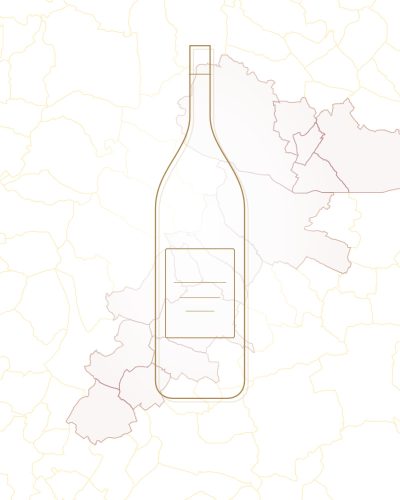
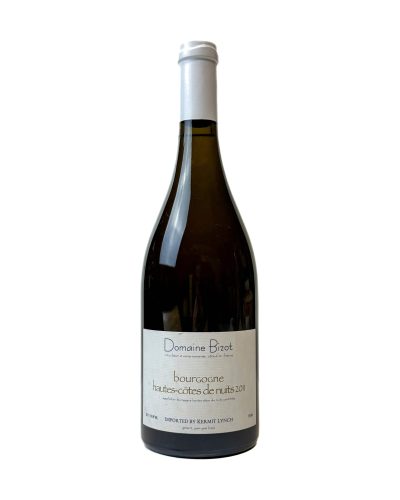
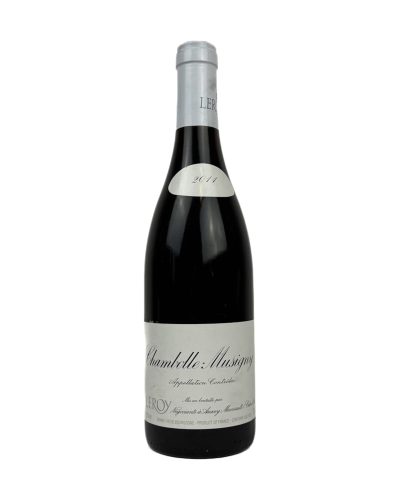
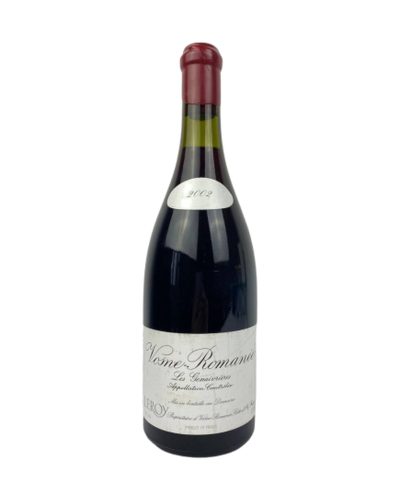
The range here follows the map of France. Burgundy is represented by appellations such as Côte de Nuits, Côte de Beaune, Côte d’Or and Hautes-Côtes de Nuits, with bottles from Domaine Leroy, Henri Jayer, Domaine Comte Georges de Vogüé, Domaine Cecile Tremblay, Domaine Jean Féry & Fils, Domaine Jean Yves Bizot and Domaine Prieure Roch. In Burgundy the label often names the village or the vineyard, and a higher level of the hierarchy continues in 1er Cru and Grand Cru.
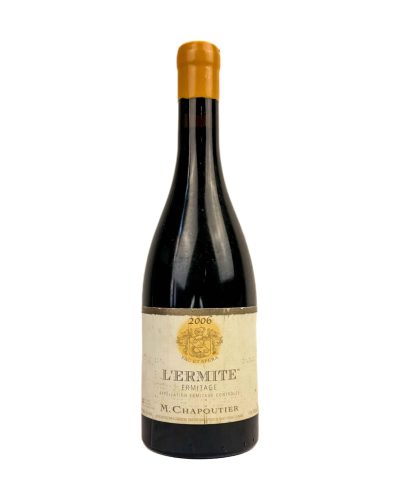
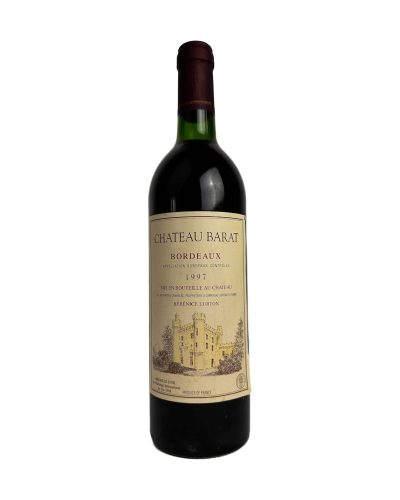
Bordeaux appears with Pessac-Léognan, Pomerol, Pauillac and Côtes de Bourg: think La Mission Haut-Brion and Château L’Église-Clinet. These are mainly blends led by Cabernet Sauvignon or Merlot, depending on the bank. The Rhône is present through the Northern Rhône and M. Chapoutier and Chapoutier, where Syrah is the red grape. The Loire is represented by Chinon, and the south-west by Cahors, known for Malbec.
For the best-known classified châteaux of Bordeaux, see Grand Cru Classé and 1er Grand Cru Classé, which follow the Saint-Émilion classification and sit alongside the AOC rather than replacing it.
Start with the style you want. A red from Chinon is lighter and fresher than a Cahors, which is darker and firmer. A Pomerol is generally round and soft, with Merlot at its core, while a Pauillac tends to be structured and long-lived. Northern Rhône reds are peppery and savoury, and Burgundy reds from Pinot Noir are fine-grained and aromatic.
Many countries have a similar logic. Italy uses DOC and the higher DOCG, while IGT describes a more flexible regional category. Comparing them is useful when you hesitate between a French and an Italian bottle for the same table: the French system speaks first of place, the Italian one adds a tier tied to tasting and control.
Serve reds at around 16 to 18 °C, slightly cooler than a warm room, and whites between 8 and 12 °C. Young, tannic reds from Bordeaux or the Rhône gain from an hour in a decanter; older Burgundies often prefer gentle handling and a short time in the glass. Keep bottles lying down, in the dark, at a steady temperature around 12 to 14 °C, away from vibration and strong smells.
If you are comparing producers inside one appellation, pour them side by side, same glass, same temperature. The differences between two neighbouring plots then become clear much faster than from any description.
This site is restricted to adults. By entering, you confirm that you are of legal drinking age in your country of residence.