
99
0,75
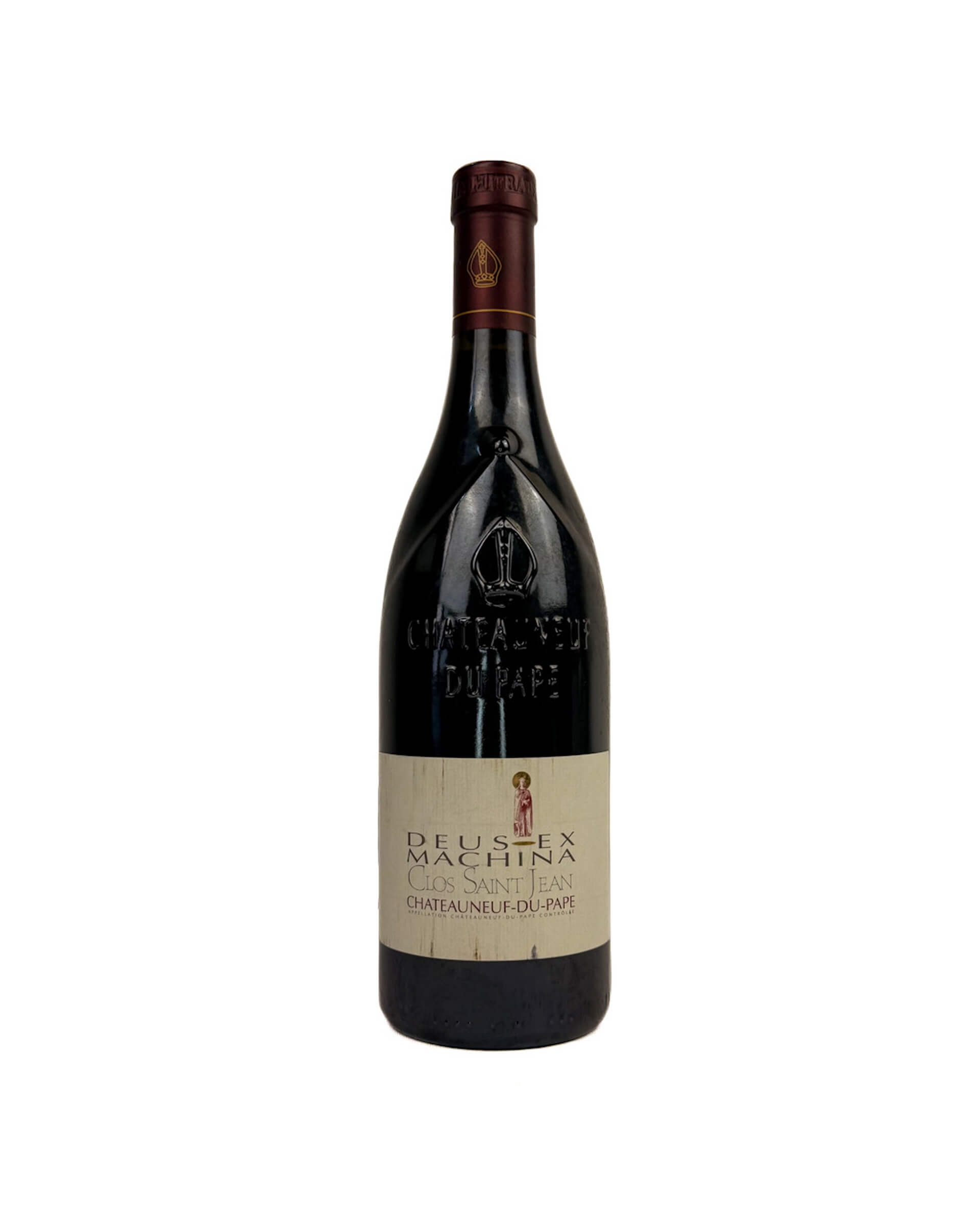
2006
Clos Saint Jean
Wines, producers, regions...
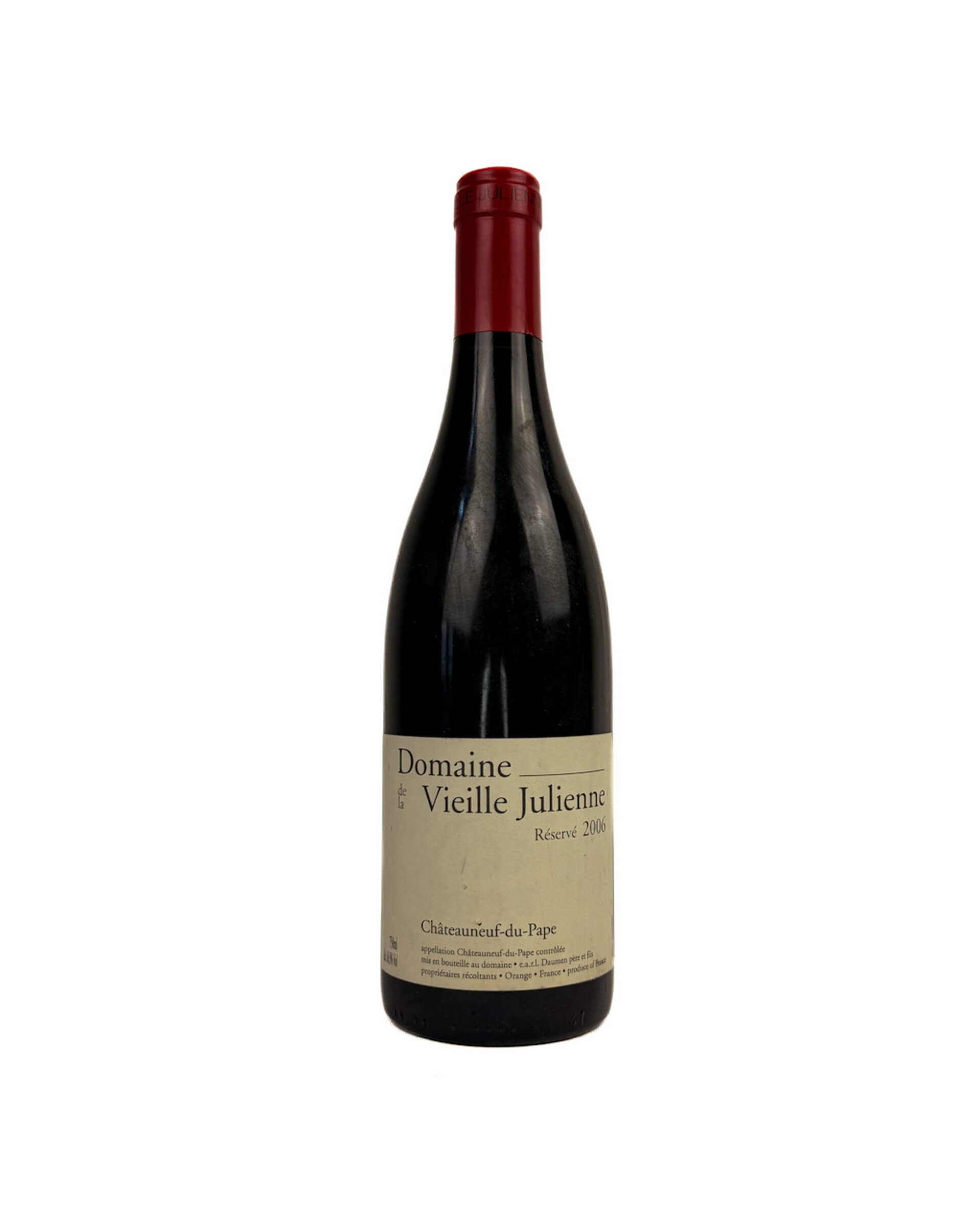
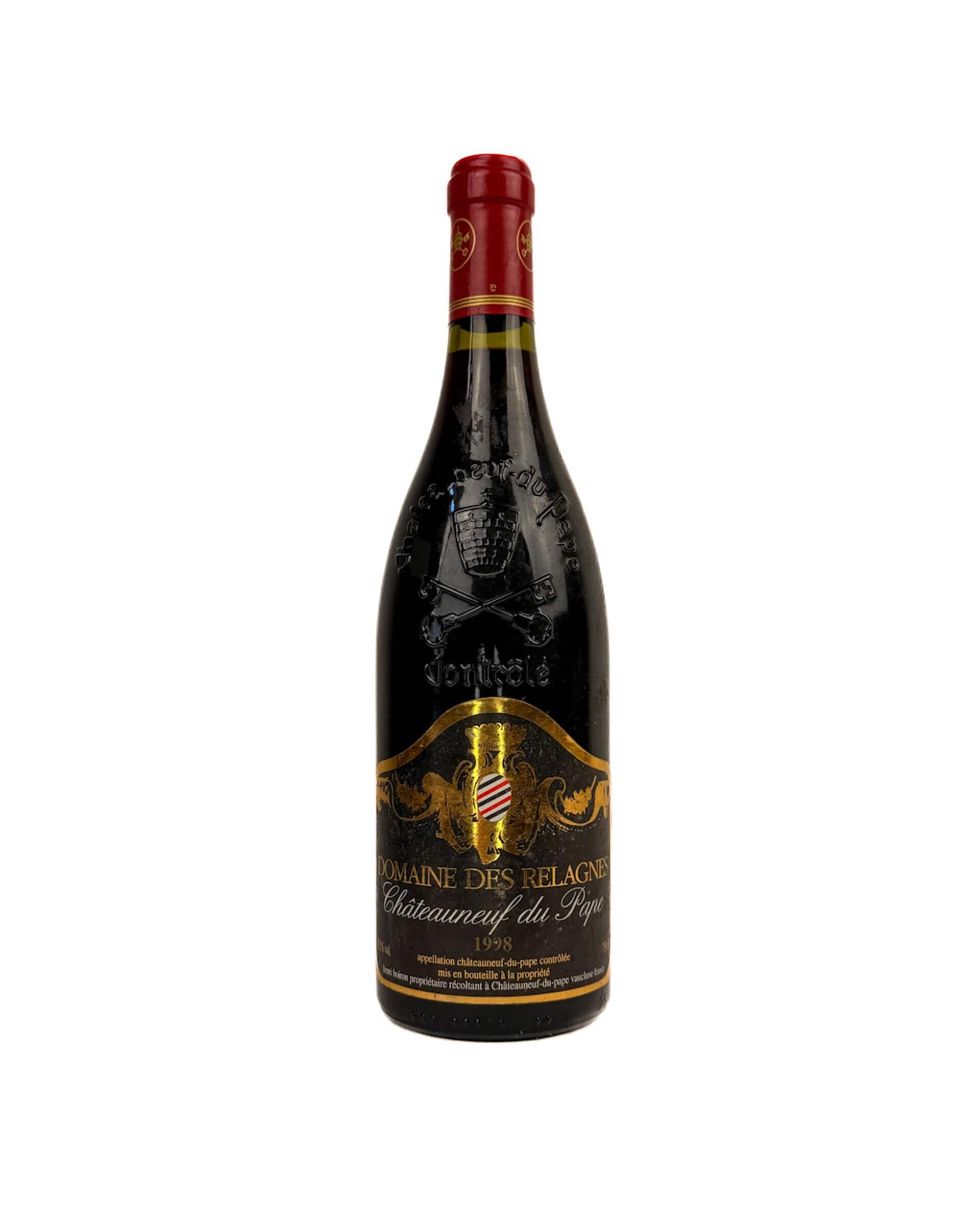
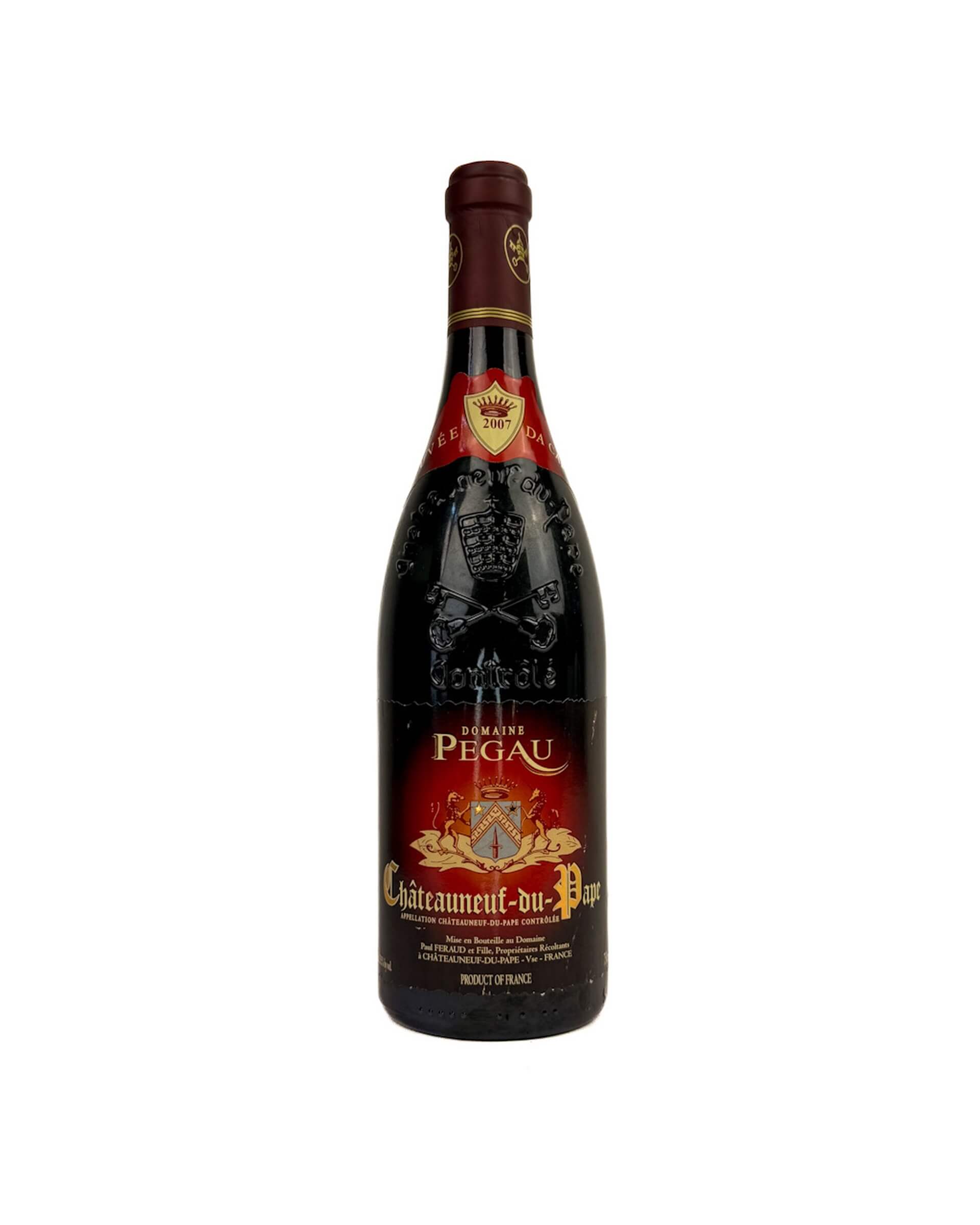
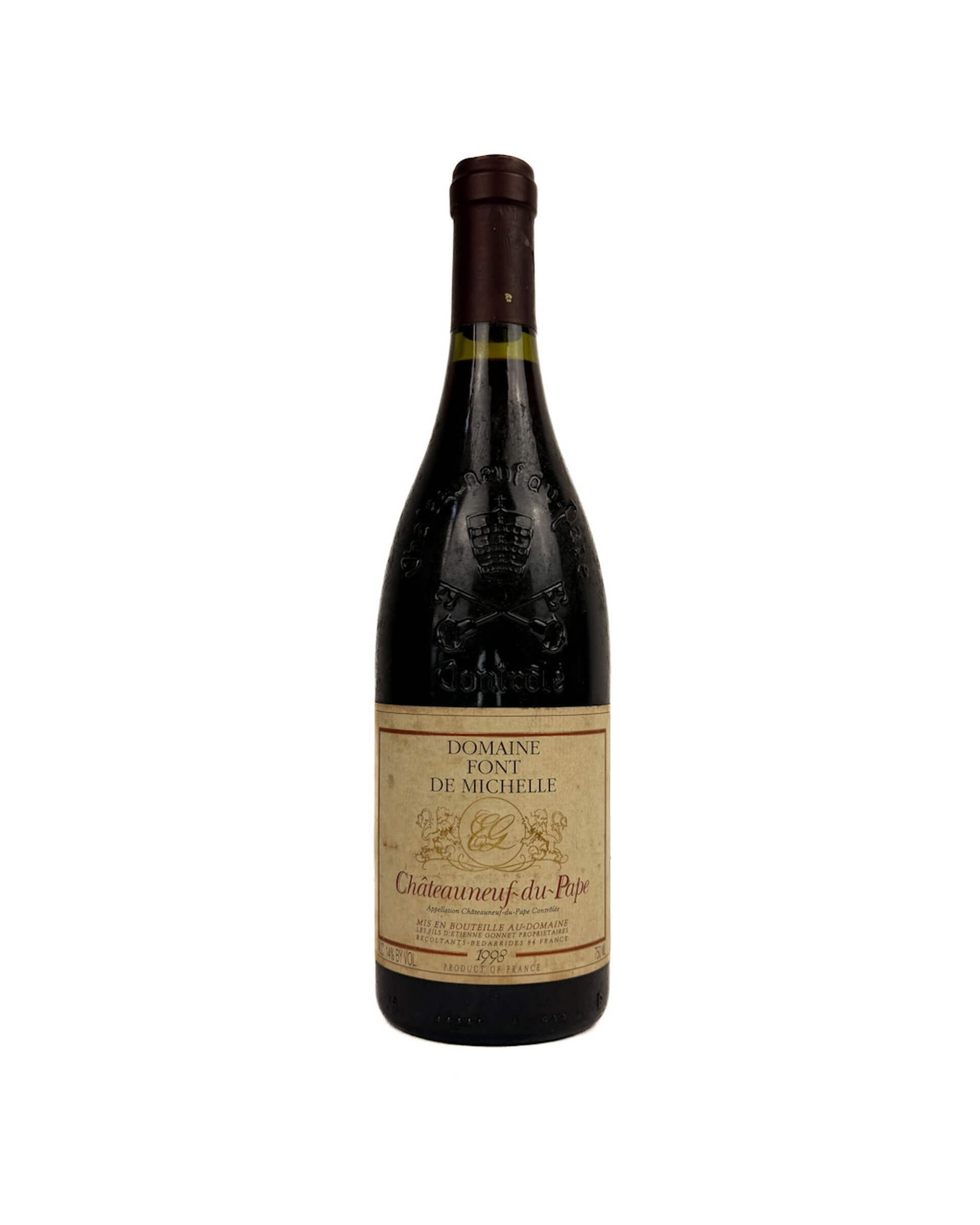
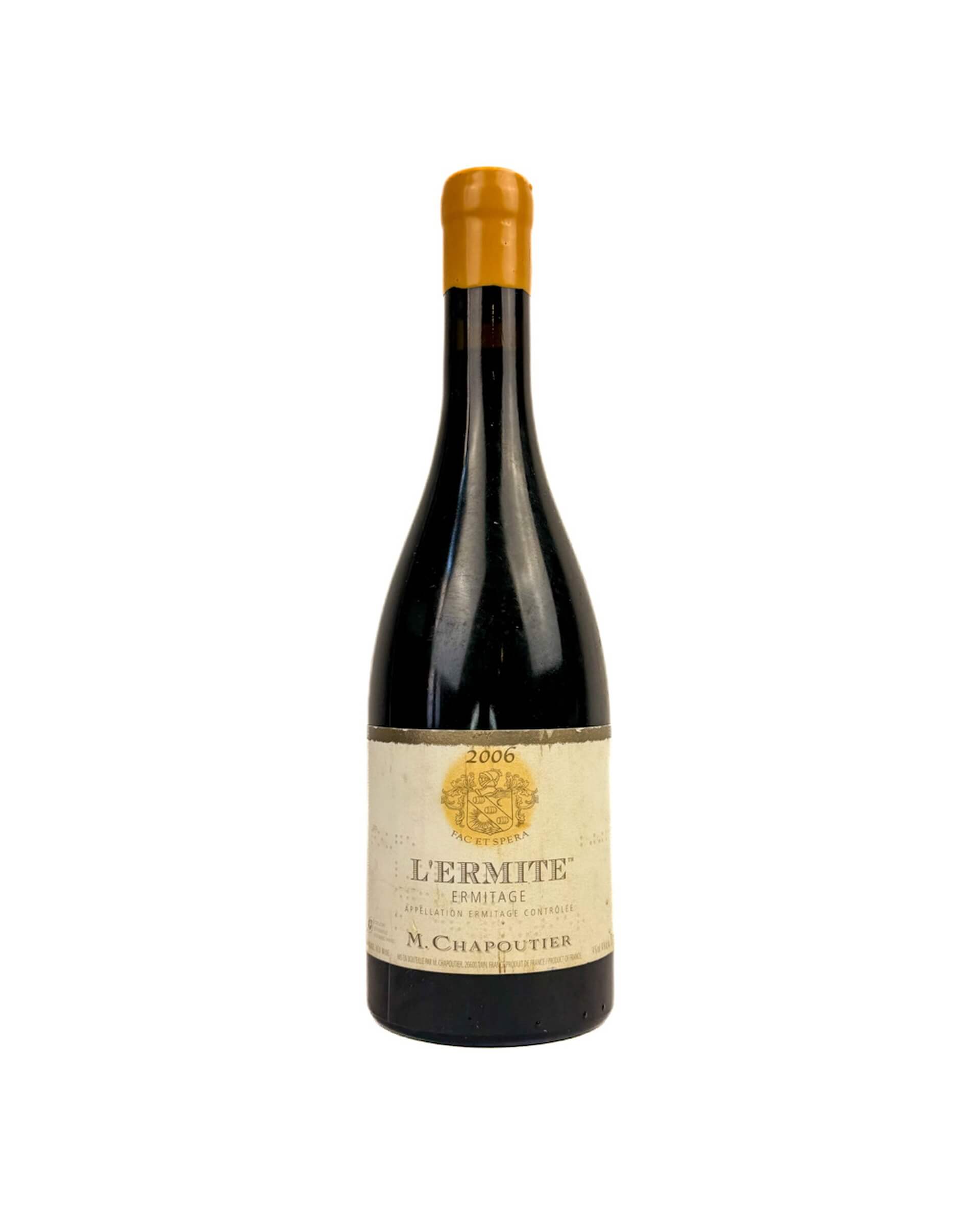
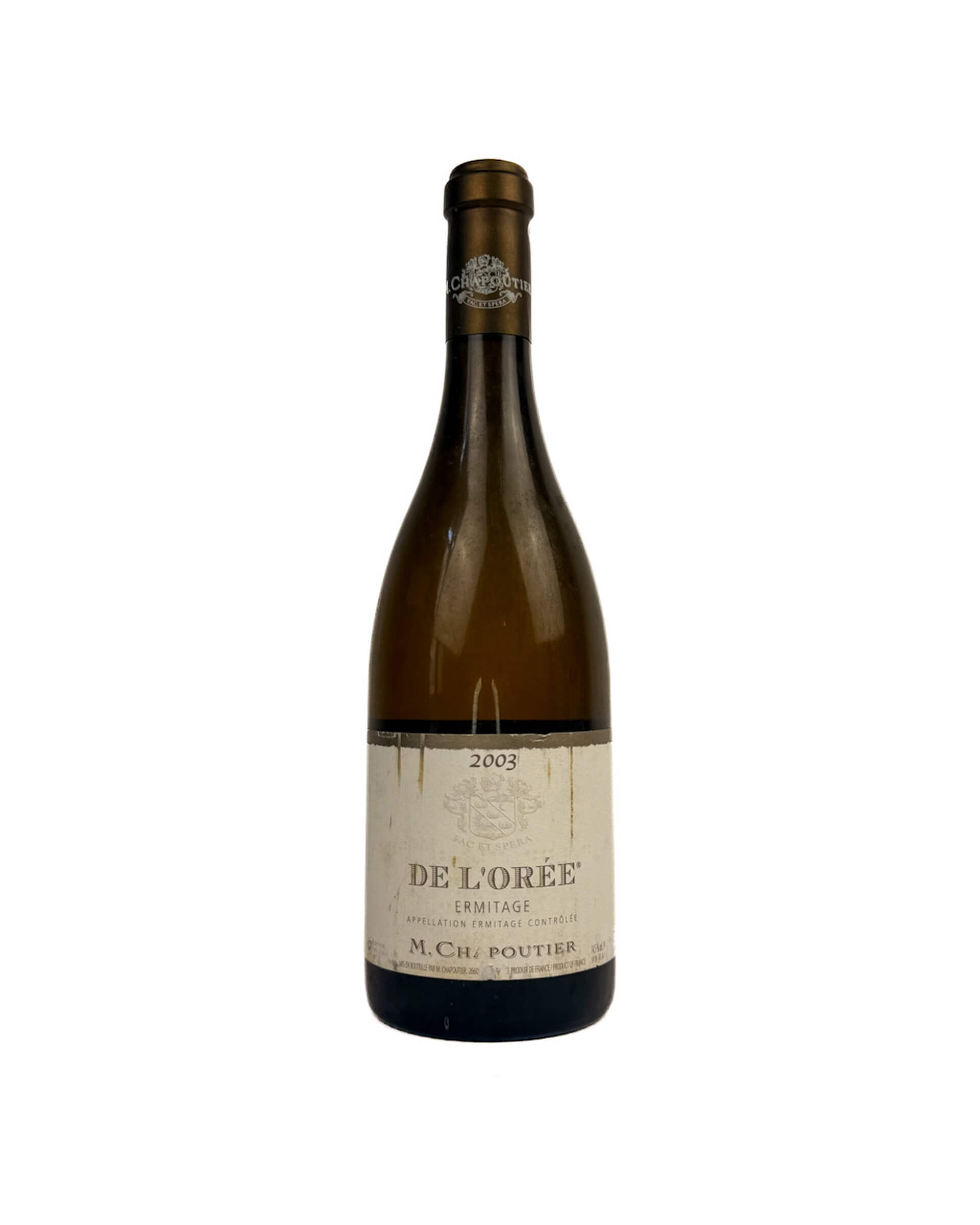
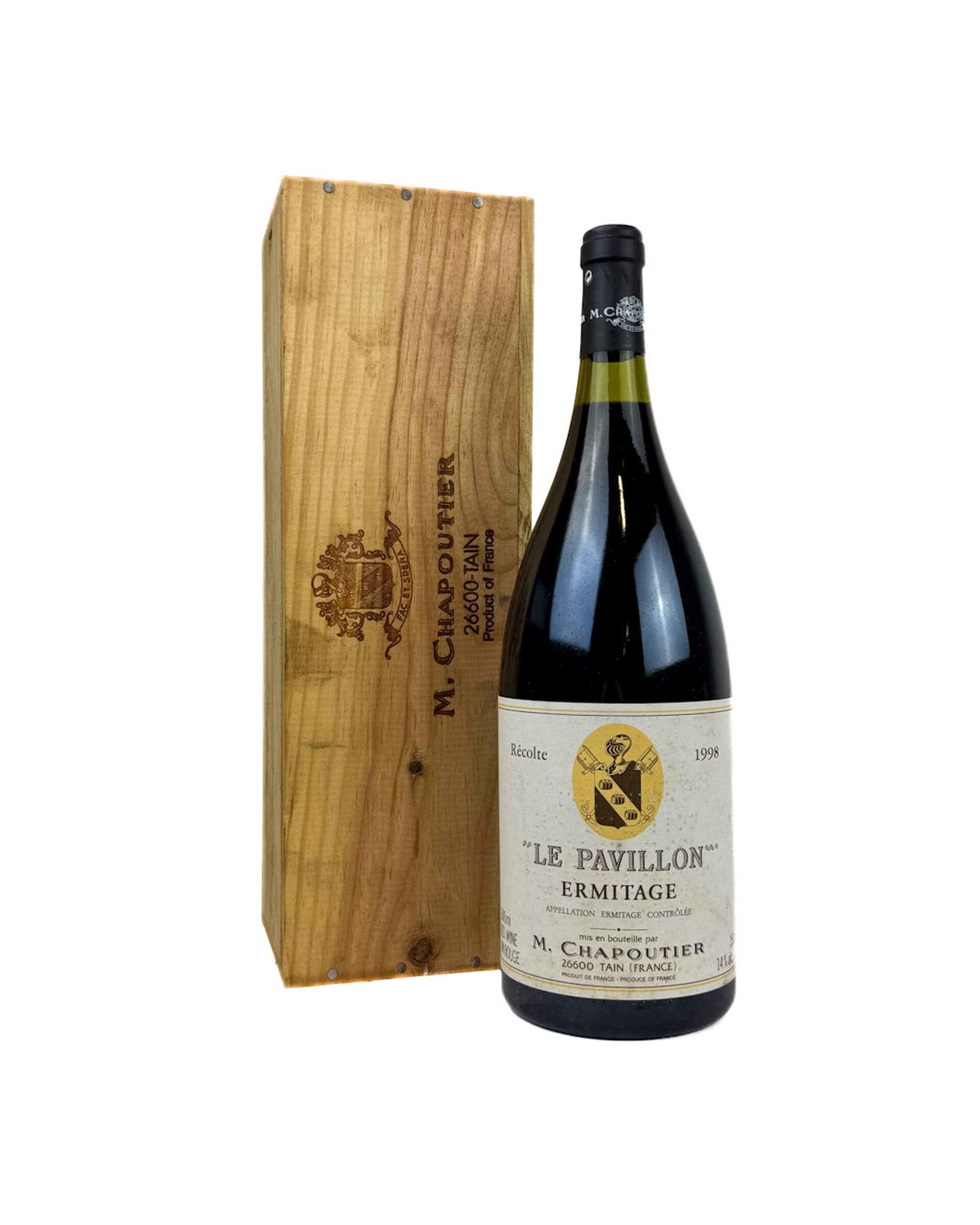
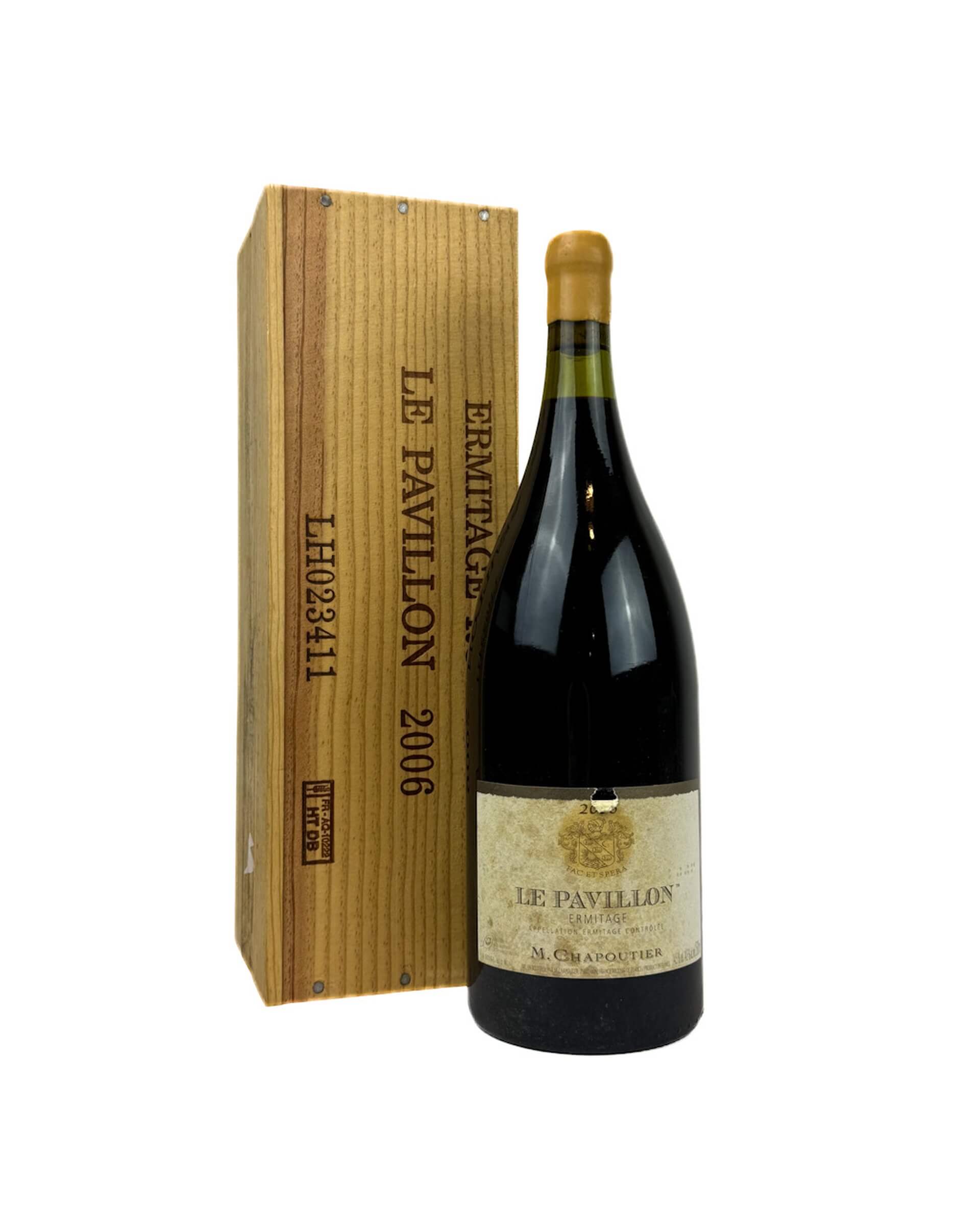
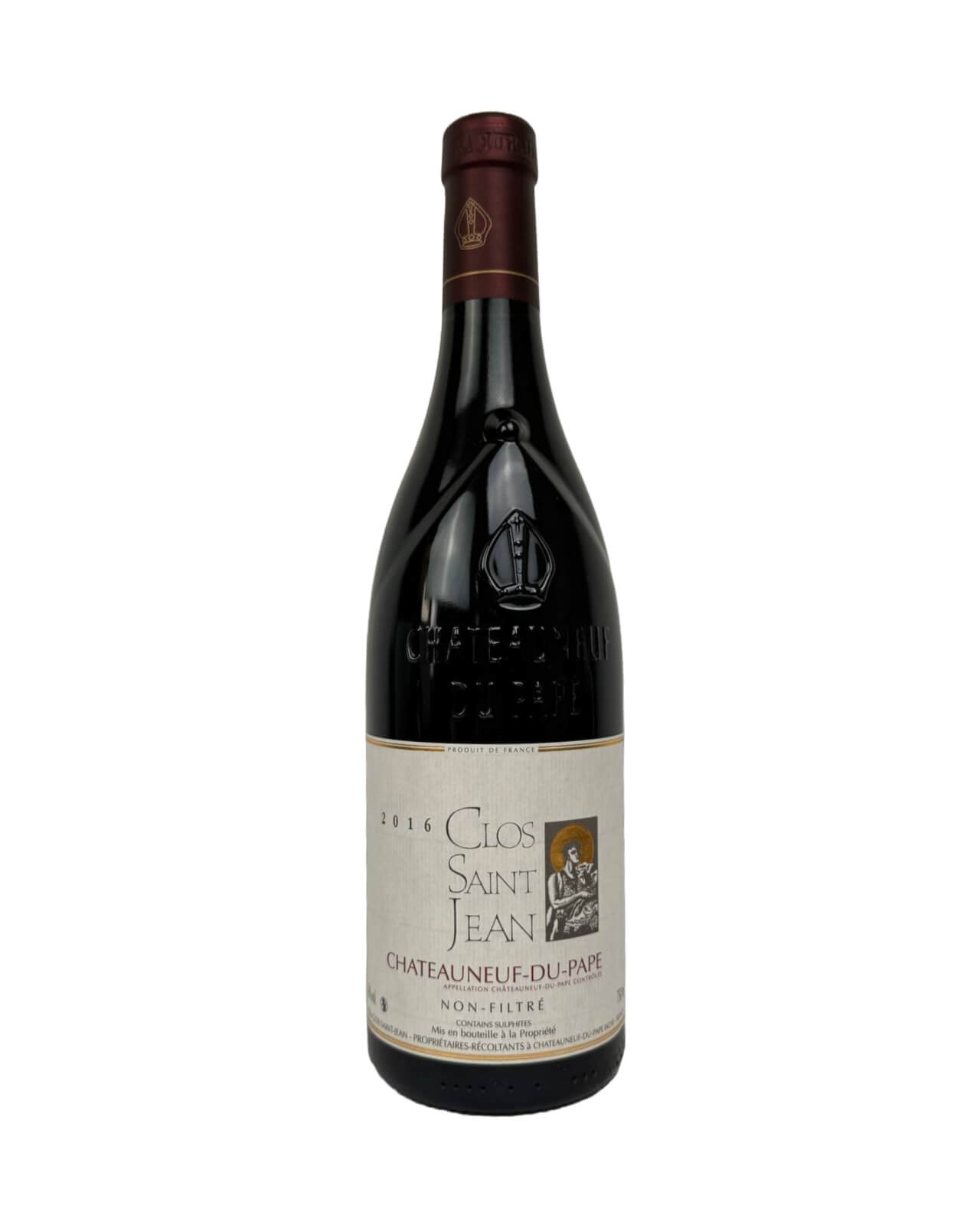
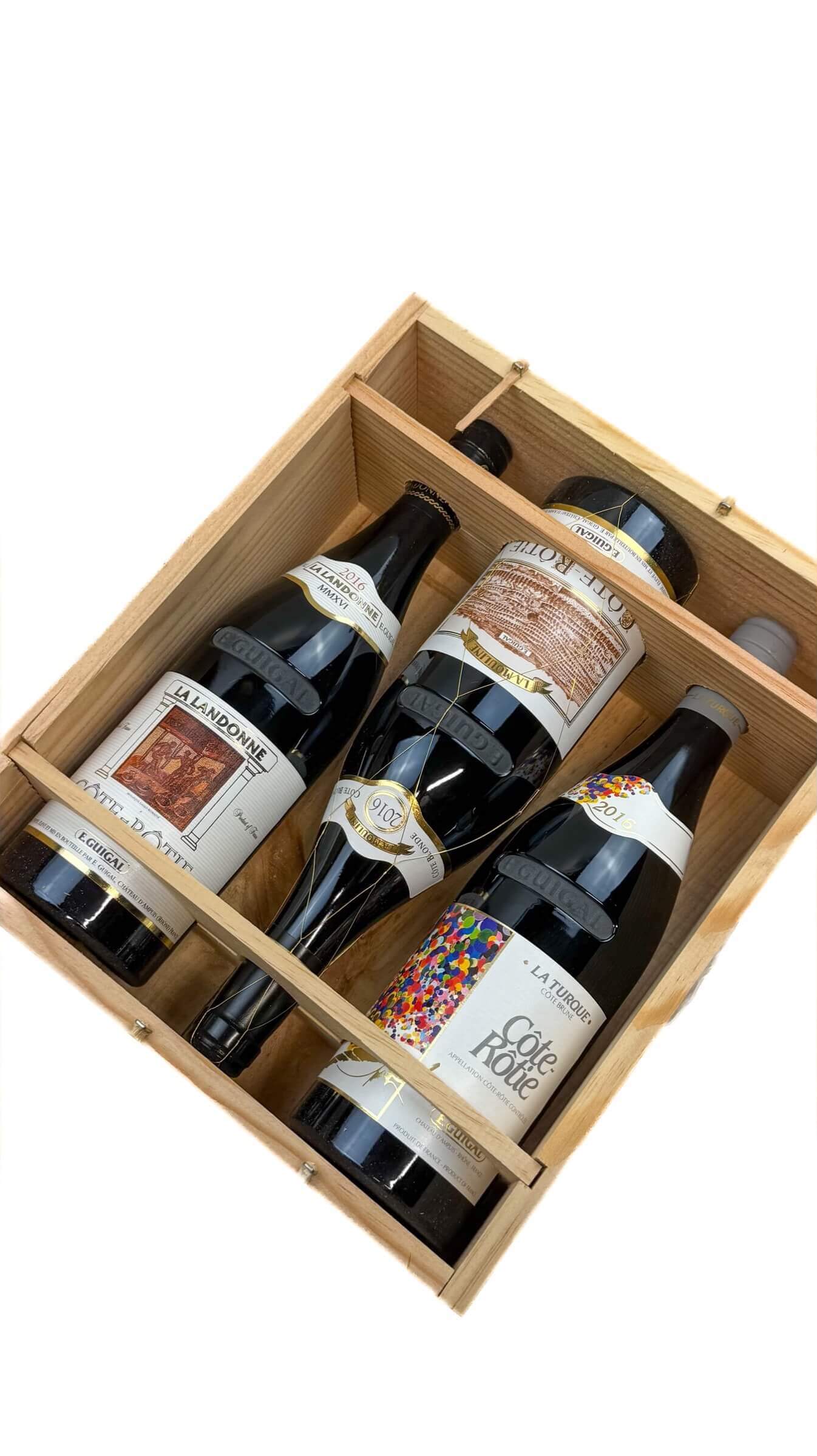
Rhône wine is one of France’s great red-wine traditions, born along roughly 200 kilometres of vineyards that stretch south from Vienne toward the Mediterranean. To understand Rhône Valley wine is to understand that it is not one region but two: a cool, granite-bound north where Syrah reaches its most monumental expression, and a warm, sun-drenched south where Grenache leads generous, herb-scented blends. This North–South duality is the single most important fact for any buyer, and the comparison below sets it out in full.
Our Rhône selection is deliberately focused — eleven bottles spanning both sub-valleys, each chosen to represent its appellation with authority. Below you will find the framework to choose between them, the appellations that matter, and honest pricing from a French specialist’s catalogue. For wider origin context, explore our France wines collection.
The Rhône’s vineyards run roughly 200 kilometres south from Vienne, and at Valence the valley widens and the climate changes character entirely. Everything above that divide is the Northern Rhône; everything below is the Southern Rhône. They are structurally different wine traditions that happen to follow the same river downstream, and the contrast is best read attribute by attribute:
One practical consequence follows from this table: the two halves of the valley rarely substitute for each other on the table or in the cellar. A north-bound buyer is usually shopping for ageing potential and a savoury, single-varietal profile; a south-bound buyer is more often after early-drinking generosity and value. Settling that question first narrows the eleven bottles below far faster than price or producer name alone.
The Northern Rhône is a narrow ribbon of steep, terraced vineyards where Syrah finds its spiritual home — cool-climate, granite-driven, and almost always single-varietal. This was the source from which Syrah travelled to Australia’s Barossa and Washington’s Columbia Valley, and its grip on the variety’s reference style has never loosened. The reds are savoury and structured — black olive, pepper, smoked meat and violet — and the finest age for decades. Four appellation families define the style, from the legendary hill of Hermitage to the accessible slopes of Saint-Joseph.
To browse the granite-grown Syrahs in our catalogue, visit the Northern Rhone sub-collection.
South of Valence the landscape opens into Provençal warmth, and the wine changes with it. Southern Rhône wine is built on Grenache, blended with Syrah and Mourvèdre — the celebrated “GSM” structure that is the single most important blending formula in the appellation. The reds are ripe, round and generous, scented with the wild garrigue that grows between the vines. The Mistral — the cold, dry north wind that funnels down the valley — keeps humidity low and reduces disease pressure, and it is one reason the south can ripen Grenache fully and train its vines low in the traditional gobelet bush-vine form. The result is some of the most reliably approachable everyday red wine in France.
The Grenache-led wines of the south are gathered in our Southern Rhone sub-collection.
The Rhône is read as red-wine country, but its whites reward attention. The Northern Rhône produces two of France’s most distinctive: Condrieu, made entirely from Viognier, is heady and aromatic — apricot and peach, low in acid, and best enjoyed young — while white Hermitage, from Marsanne and Roussanne, is rich, golden and nutty, and ranks among the longest-lived white wines in the world. When a Northern Rhône white appears in our selection it sits alongside the granite Syrahs rather than apart from them, and the same buying standard applies: provenance, producer and the ability to speak for its appellation.
The Southern Rhône answers with white Châteauneuf-du-Pape and Grenache Blanc-led whites drawn from across the appellation spectrum. For the buyer willing to look past the reds, white Rhône is a genuine point of difference from the better-known whites of Burgundy and the Loire — and, bottle for bottle, often better value.
Because the two sub-valleys make such different wines, they call for different food and different handling at the table. A young, Grenache-led Côtes du Rhône and an aged Northern Rhône Hermitage are not interchangeable — matching each to the right dish and the right glass transforms the experience.
For the curious newcomer, entry into our Rhône selection starts from around €45, where you will find honest expressions of Côtes du Rhône and approachable Southern Rhône appellations from reliable producers — genuine regional character at a fair price. This is the ideal place to learn the warm, Grenache-driven southern style before committing to more serious bottles.
For the enthusiast, most bottles in the collection are priced near €210. This is where serious Châteauneuf-du-Pape, Gigondas and entry-level Northern Rhône appellations live, offering real typicity, established producer reputations and several years of ageing potential ahead. It is the heart of the selection and the natural home for anyone building confidence in both Rhône styles.
For the collector, the 90th percentile sits around €545 — the upper tier of the selection, with prestige cuvées from Hermitage, Côte-Rôtie and the finest Châteauneuf-du-Pape producers, wines built for a decade or more of cellaring. The most sought-after bottles reach up to €750, reserved for the rarest cuvées from the Rhône’s most respected addresses. Prices are in euros; Tour de Wine is a French specialist merchant, and this selection of eleven bottles is intentionally focused — every wine chosen for provenance, producer quality and the ability to represent its appellation with authority. Buyers comparing structured French reds may also wish to explore our Burgundy and Bordeaux selections alongside the Rhône.
The Northern and Southern Rhône are two distinct traditions that share a river but little else. The Northern Rhône — Hermitage, Côte-Rôtie, Cornas, Saint-Joseph and Crozes-Hermitage — is cool and granite-based, producing almost exclusively single-varietal Syrah reds alongside Viognier and Marsanne whites. The Southern Rhône — Châteauneuf-du-Pape, Gigondas, Vacqueyras and Côtes du Rhône — is warm and Mediterranean, producing multi-varietal blends dominated by Grenache. If you want structured, savoury, age-worthy precision, look north. If you want generous, round, herb-scented warmth, look south.
The Northern Rhône is built on Syrah for reds, and on Viognier (in Condrieu and optionally in Côte-Rôtie), Marsanne and Roussanne for whites. The Southern Rhône’s reds are dominated by Grenache, blended with Syrah and Mourvèdre in the “GSM” structure, plus a further ten varieties permitted within Châteauneuf-du-Pape. Southern whites draw on Grenache Blanc, Clairette, Roussanne, Viognier and Bourboulenc. This breadth makes the Rhône one of the most varied wine regions in France.
No. Côtes du Rhône is a broad regional AOC covering wine produced across the Rhône Valley, where quality and price vary enormously — from simple, fruit-forward everyday reds to serious domaine wines. Châteauneuf-du-Pape is a specific, tightly defined Southern Rhône appellation with strict yield limits, approved grape varieties and a long history of producing some of France’s most complex reds. A Côtes du Rhône from a top producer can be excellent, but a Châteauneuf-du-Pape commands a premium that reflects appellation prestige and, typically, considerably greater depth and ageing potential.
It depends on the appellation and producer. A Côtes du Rhône or Vacqueyras is usually at its best within 3–6 years of the vintage. Gigondas and mid-range Châteauneuf-du-Pape benefit from 6–12 years. Prestige Châteauneuf-du-Pape such as Rayas and Beaucastel can develop for 20 or more. In the Northern Rhône, Crozes-Hermitage and Saint-Joseph are best within roughly 8 years; Côte-Rôtie and Cornas reward 10–20 years of patience; and Hermitage from a great vintage and producer is one of the most age-worthy red wines in the world, where 30–40 years is not exceptional. To judge readiness in the glass rather than by the calendar, look for the colour to soften from purple toward a garnet or brick rim, expect fine sediment in any mature bottle (a sign to stand it upright for a day and pour gently), and treat aromas shifting from primary black fruit toward leather, truffle and dried herbs as the cue that the wine has entered its drinking window.
Written by the Tour de Wine buying team. Last reviewed: June 2026.
This site is restricted to adults. By entering, you confirm that you are of legal drinking age in your country of residence.