
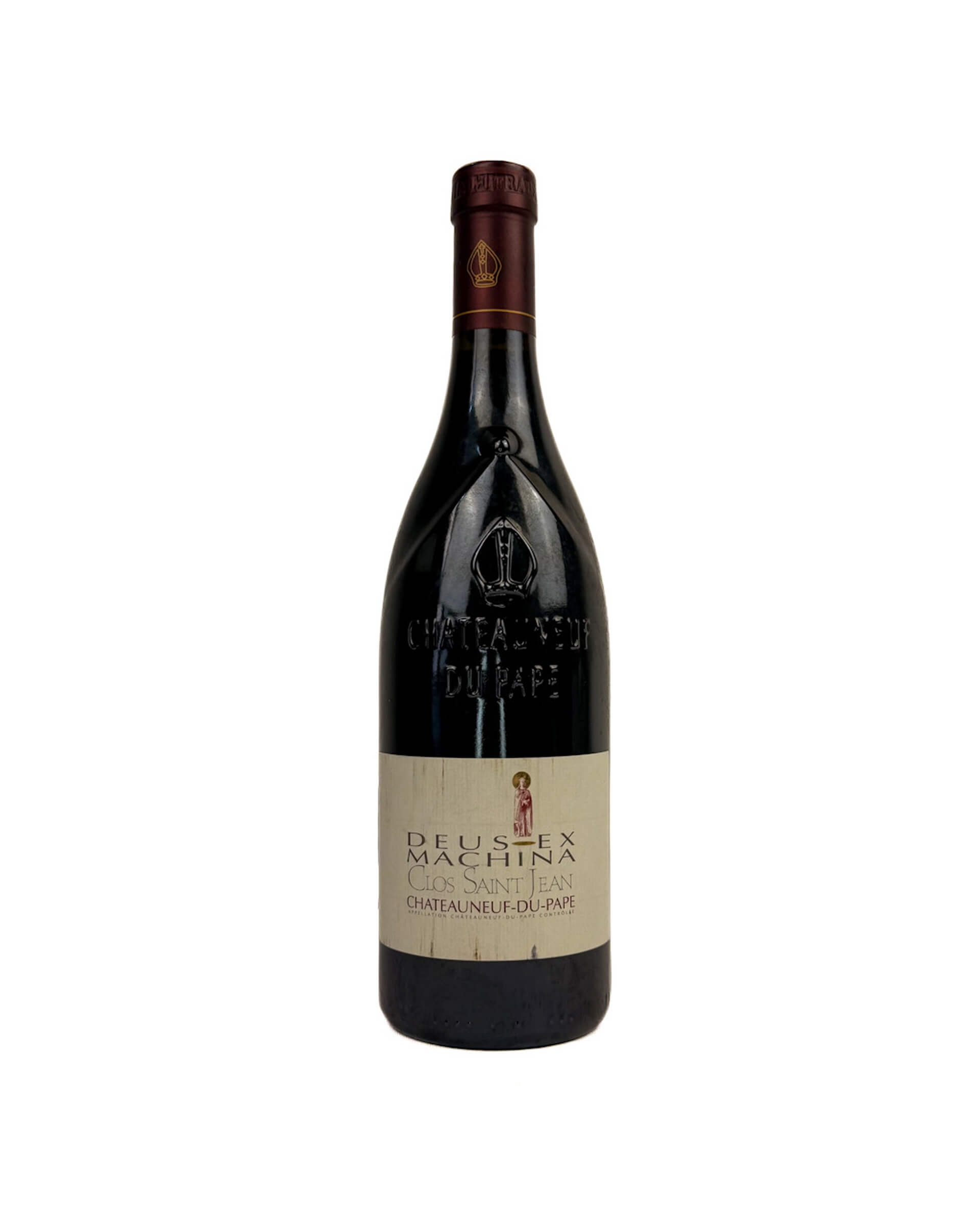
99
0,75
2006
Clos Saint Jean
Wines, producers, regions...
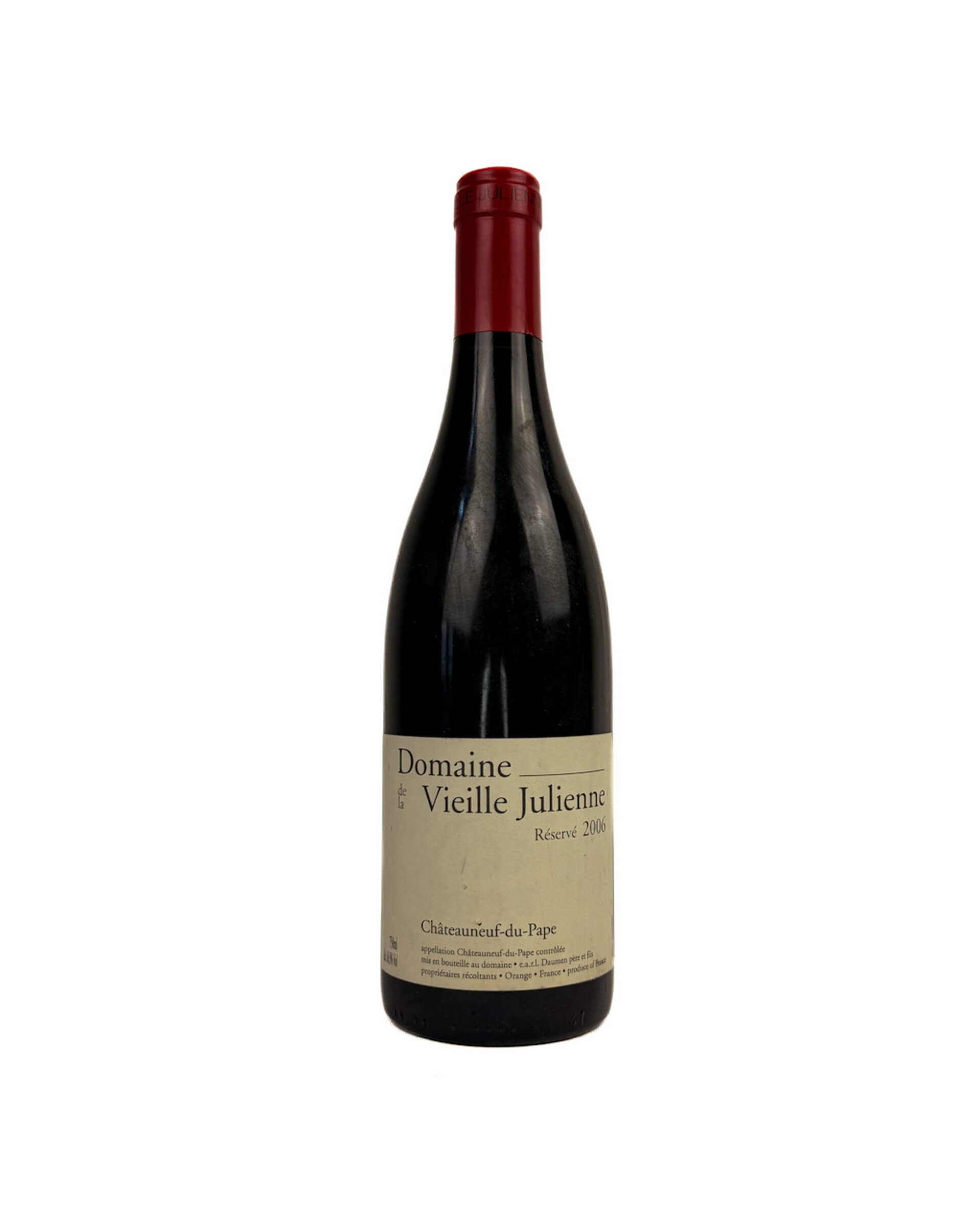
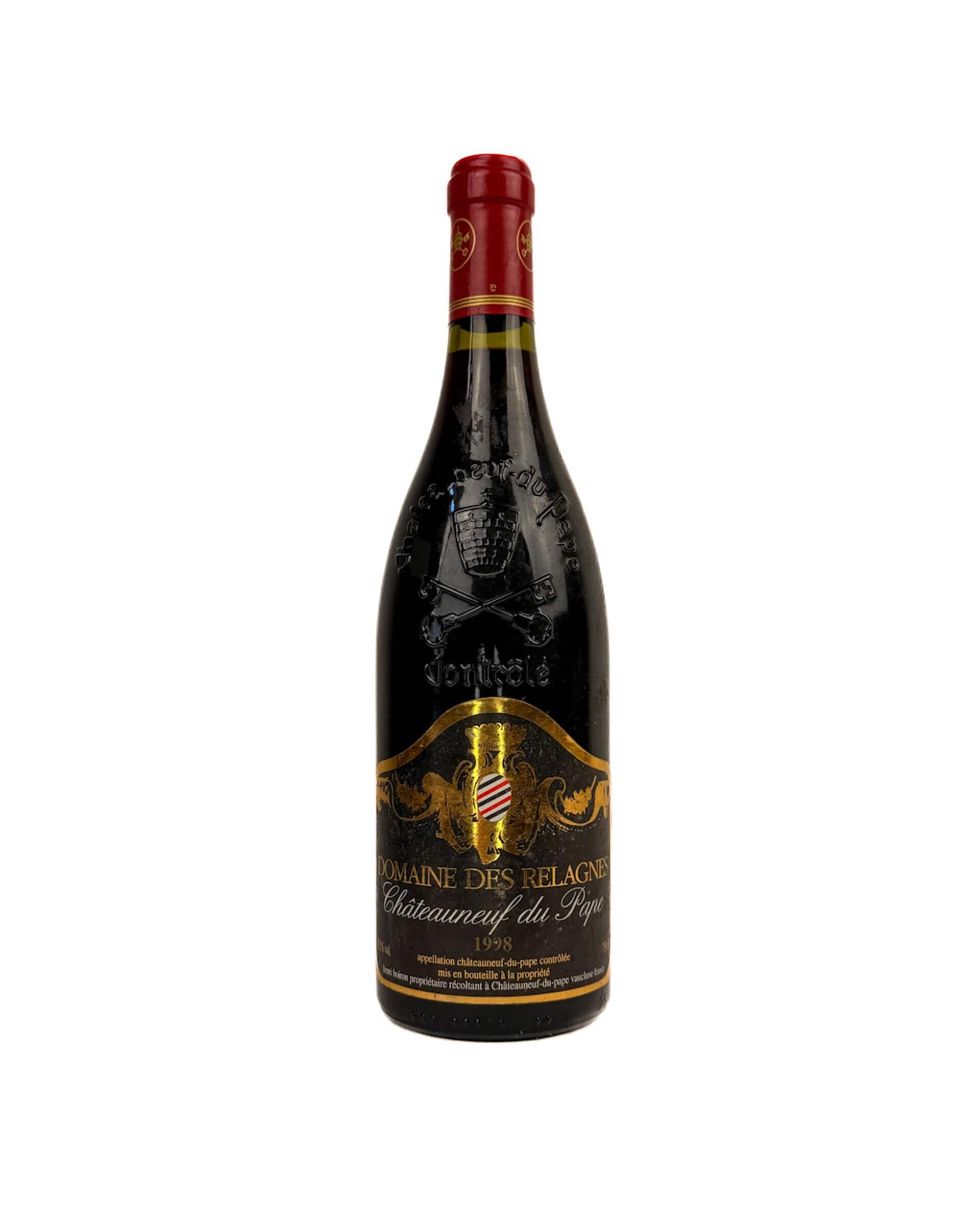
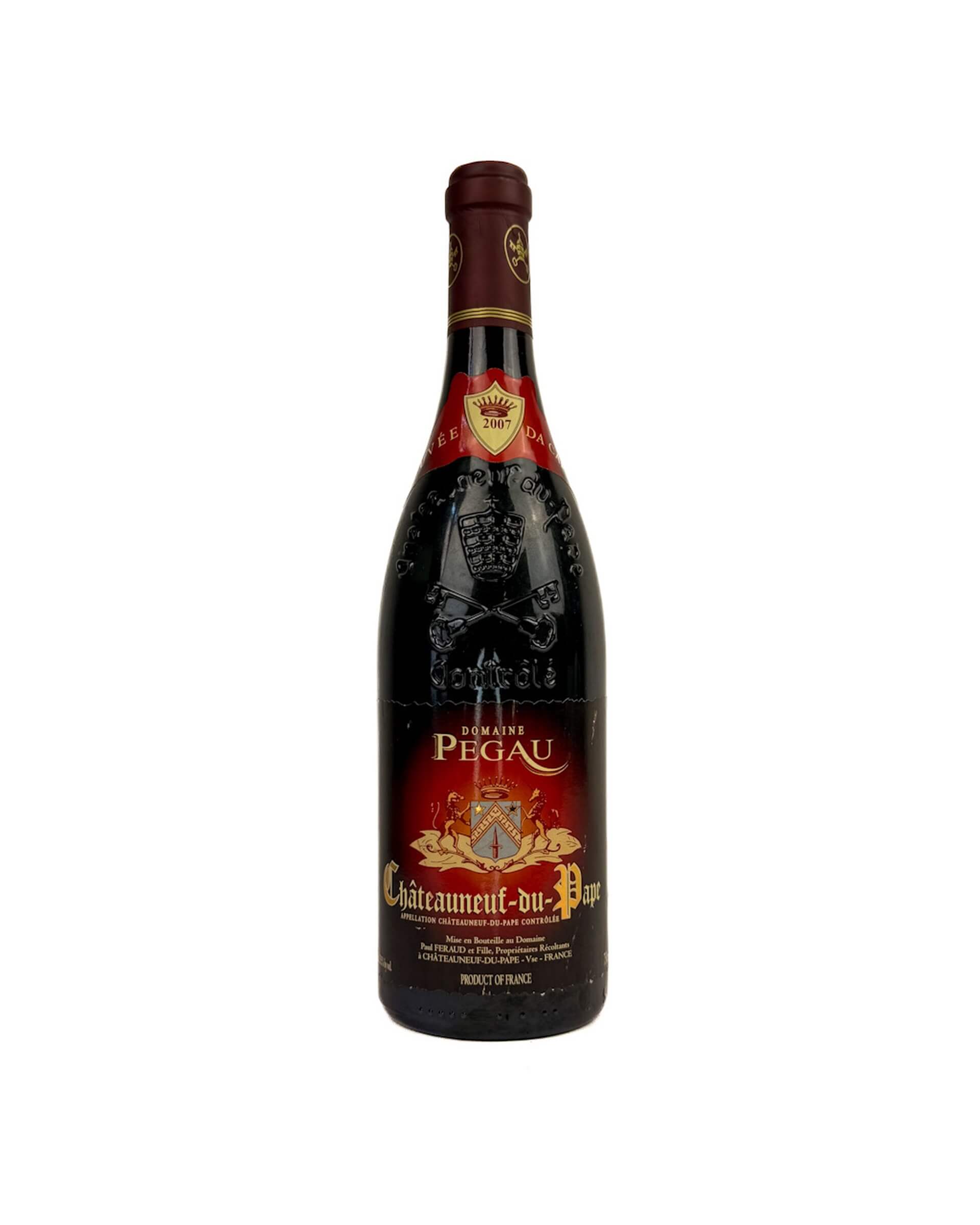
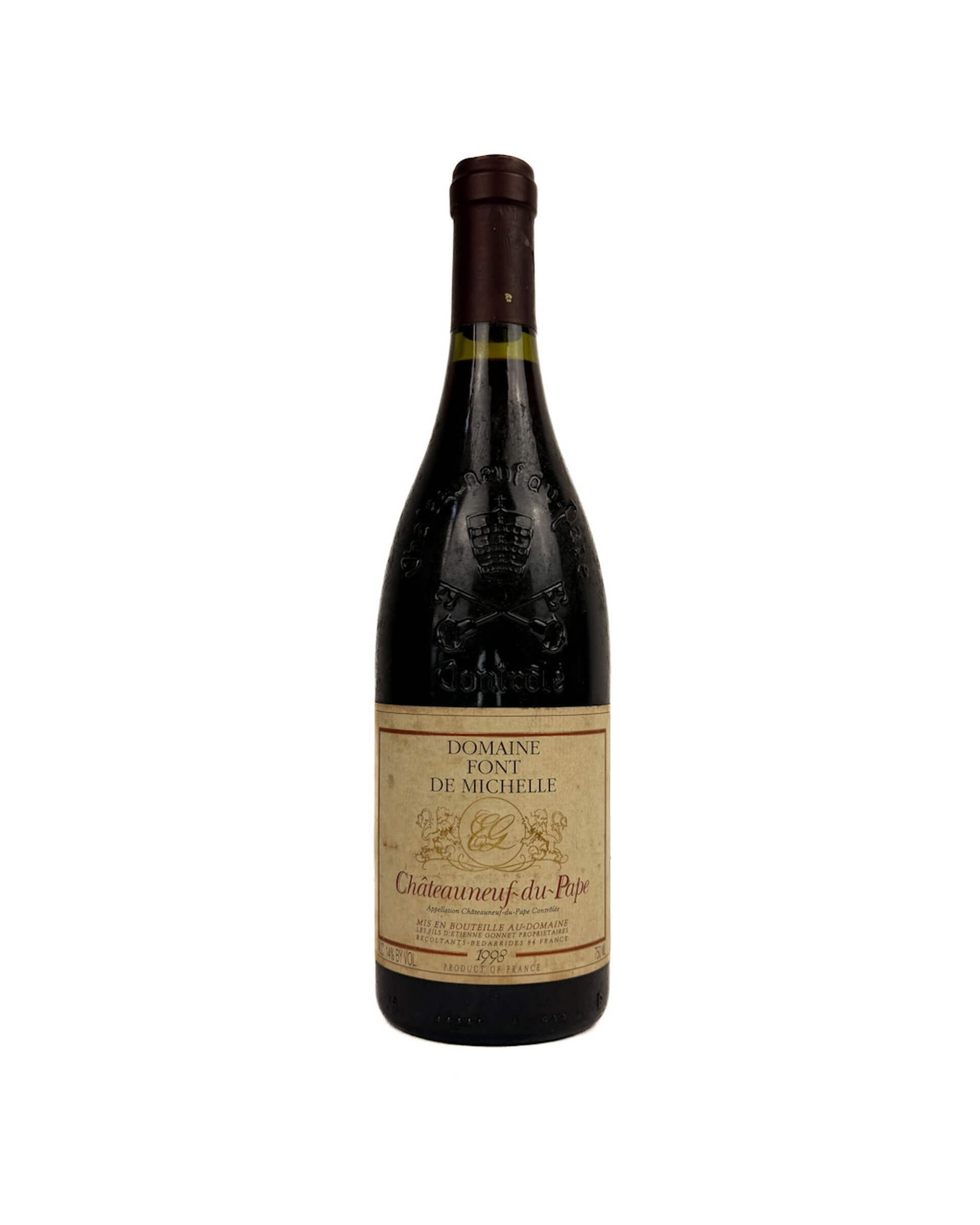
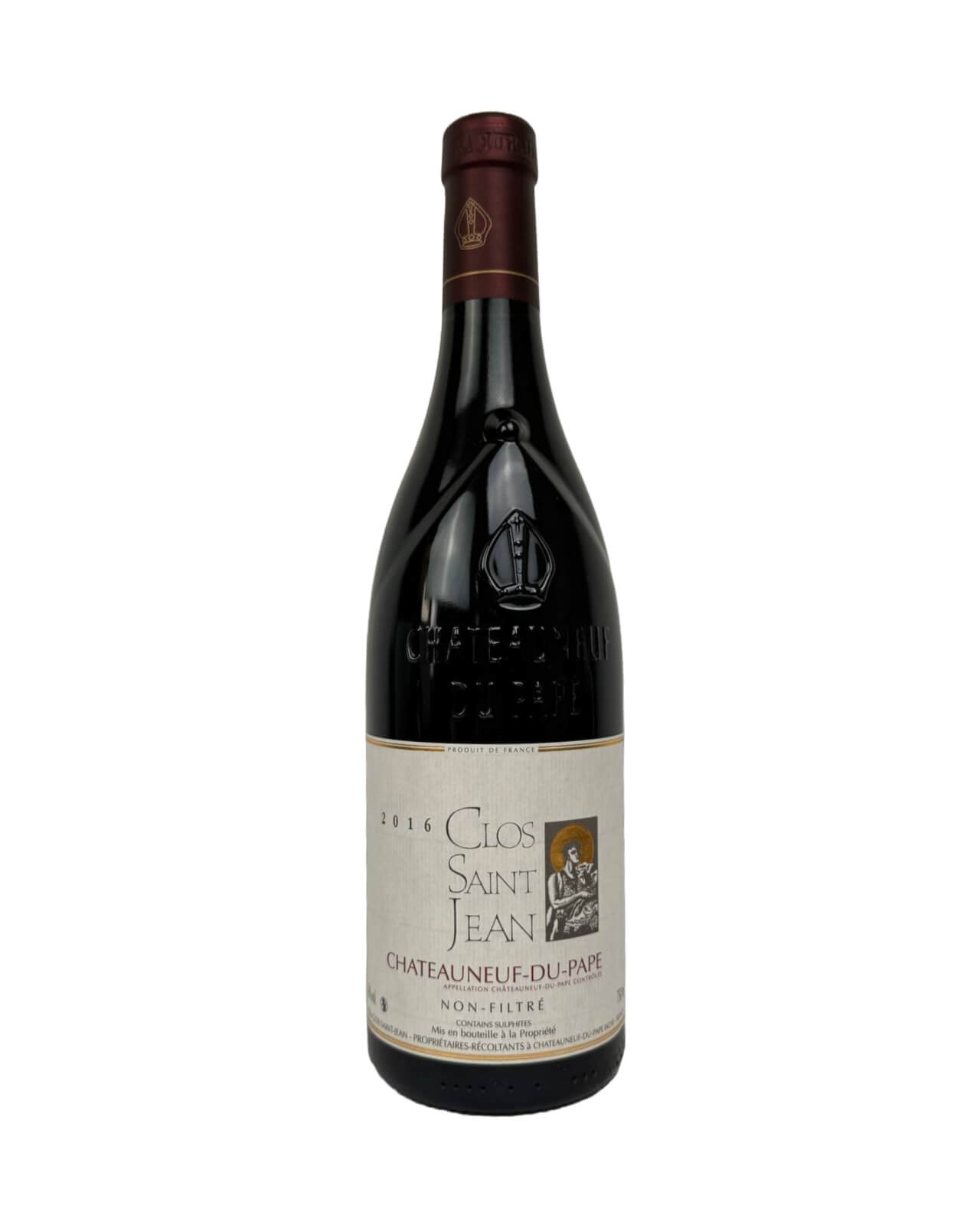
Southern Rhone wine — the Southern Rhône, in its French spelling — is the warm, Grenache-led heart of France’s Rhône Valley, the source of Châteauneuf-du-Pape, Gigondas, and the broad swathe of Côtes du Rhône that has introduced more drinkers to French reds than almost any other appellation. These are deeply coloured, full-bodied wines built on the GSM blend of Grenache, Syrah, and Mourvèdre, scented with dried herbs and the wild Provençal scrubland the French call garrigue.
What defines the style is climate and stone. A warm Mediterranean sun ripens Grenache to round, red-fruited richness; clay-limestone soils and the famous plateaux of large rounded river pebbles concentrate that fruit into wines that range from generous everyday bottles to cuvées built to spend decades in the cellar. The result is one of the most reliably pleasurable categories in French wine, and one where a mid-tier village bottle often delivers concentration that rivals far costlier appellations elsewhere.
Our specialist selection of Rhône wines focuses on the appellations and producers that show this region at its most authentic, from accessible Côtes du Rhône Villages to prestige Châteauneuf-du-Pape. Explore the bottles below, then read on to understand exactly how to choose with confidence.
The Southern Rhône begins just south of Montélimar, where the Rhône Valley widens and the landscape shifts from the steep granite hillsides of the north to a broad, sun-drenched plateau. Everything south of this divide — Châteauneuf-du-Pape, Gigondas, Vacqueyras, Rasteau, Tavel, Lirac, and the vast Côtes du Rhône appellation — belongs to the Southern Rhône. The climate is warm and Mediterranean, with the powerful mistral wind sweeping down the valley to moderate temperatures and reduce disease pressure in the vineyards. Here, the defining challenge is managing potential over-ripeness rather than struggling to ripen fruit at all — a fundamental contrast with both the cooler Northern Rhône and with Burgundy to the north.
The soils tie the style together. Beneath the garrigue scrubland lie clay-limestone, sandy alluvium, and the iconic galets roulés — large rounded river stones that store the day’s solar heat and radiate it back through the cool nights. This heat retention drives the ripe, concentrated, full-bodied character that distinguishes these reds from the granite-grown Syrah of the north. Above all, the Southern Rhône is a multi-varietal blending tradition: Grenache supplies the backbone of warmth and red fruit, Syrah adds colour and dark-berry freshness, and Mourvèdre lends tannic depth and ageing potential. That trio — the GSM blend — is the defining formula of Southern Rhône red wine.
The Southern Rhône is best understood as a pyramid. At the base sits the broad regional Côtes du Rhône AOC, offering genuine typicity at accessible prices; above it rise the named village appellations — Vacqueyras, Gigondas, Rasteau — each adding structure and terroir specificity; and at the summit stands Châteauneuf-du-Pape, the region’s prestige flagship. A buyer navigates this pyramid according to occasion, budget, and cellar horizon. Understanding where each appellation sits is the fastest route to choosing well from the wines of France.
Most Southern Rhône reds are built on three grapes: Grenache (G), Syrah (S), and Mourvèdre (M) — the GSM blend. Reading the proportions on a back label is the single most useful tool for navigating the Southern Rhône buying decision, because each grape signals something concrete about how the wine will taste and how long it will reward cellaring.
In practice, the rule is simple. A Grenache-dominant wine — say 70–90% Grenache — will be round, warm, and herb-forward, ready to enjoy young. A cuvée with a significant proportion of Mourvèdre will be darker, more tannic, and slower to open, and deserves a decade or more in the cellar. Used this way, the humble back label becomes a reliable predictor of both style and drinking window.
White wines represent only a small fraction of Southern Rhône production, yet they include some of France’s most compelling and under-appreciated bottles. White Châteauneuf-du-Pape — built primarily on Grenache Blanc, Roussanne, Clairette, and Bourboulenc — is rich, textured, and aromatic, golden-hued with notes of white peach, almond, and Provençal herbs. The finest examples, such as Château Beaucastel Roussanne Vieilles Vignes and Château Rayas Blanc, age remarkably well, evolving over 15 to 25 years.
White Gigondas is rare and well worth seeking out. And Tavel, France’s most celebrated dry rosé appellation, produces Grenache-dominant rosés of real depth and substance — a world apart from pale, fleeting Provençal pink, and capable of two to five years of ageing. For any drinker who has only explored the region’s reds, these whites and the Tavel rosé open up a genuinely new dimension of the region.
Entry into Tour de Wine’s Southern Rhône selection starts from around €45 — a genuine expression of the region’s character from a quality producer, most likely a Côtes du Rhône Villages or an early-drinking Grenache-led blend carrying the garrigue warmth the Southern Rhône is celebrated for. For the curious newcomer, this is the most honest way to discover the style without overcommitting.
The confident buyer will find that most bottles in the selection sit near the catalogue median of €145 — the heart of our Southern Rhône offer. This is where serious Châteauneuf-du-Pape and Gigondas cuvées from reputed estates deliver genuine typicity, clear producer provenance, and several years of ageing potential. It is the sweet spot where the region rewards a modest step up in budget with a marked rise in depth and complexity.
For the collector, the selection reaches around €390 at the top, where you find prestige cuvées from the region’s most celebrated addresses: wines built on great terroir, from producers who have earned critical recognition, made to spend a decade or more in the cellar. On vintages, the most celebrated recent years are 2016, 2019, and 2022. 2016 paired a warm summer with cool nights and even ripening for balanced, structured wines; 2019’s dry growing season and concentrated, low-yield harvest produced powerful, ageworthy reds; and 2022, despite drought and summer heat, was rescued by timely late-August rain that preserved freshness. By contrast, the hot, early-ripening 2020 vintage produced riper, more open expressions with good appeal within five years.
Prices are in euros, and Tour de Wine is a French specialist merchant. Our curated selection is intentional: every wine has been chosen for producer quality, terroir provenance, and its ability to represent the region with authenticity. To explore the wider region, browse the full range of Rhône wines, or look across France’s benchmark estates in our Grand Cru selection.
For a first bottle, a Côtes du Rhône Villages or a named-village wine such as Cairanne or Sablet is the ideal introduction: it shows the Grenache-led warmth and dried-herb character of the region at an accessible price, with no need to cellar it. When you are ready to trade up, Gigondas or Vacqueyras offer noticeably more structure and depth for a modest increase in budget, while Châteauneuf-du-Pape from a benchmark estate is the natural destination once you want genuine ageing potential and the region’s fullest expression. A practical rule: match the appellation to the occasion — village wines for a weeknight table, prestige cuvées for a bottle you intend to keep.
Most regional Côtes du Rhône is made for early drinking and is at its best within three to six years, so it does not generally repay long cellaring. Ageworthiness rises sharply as you move up the pyramid: Vacqueyras holds for 6–12 years, Gigondas for 8–15, and serious Châteauneuf-du-Pape and Rasteau for a decade or more, thanks to firmer Mourvèdre-driven tannin and greater concentration. The clearest signal in the glass is structure — a wine with grippy tannin and dense fruit in youth has the framework to evolve, whereas a soft, fruit-forward bottle is telling you to drink it sooner rather than later.
GSM stands for Grenache, Syrah, and Mourvèdre — the three dominant red grape varieties blended together in most Southern Rhône wines. Grenache provides the backbone of ripe fruit warmth and alcohol; Syrah adds colour, dark-berry freshness, and black pepper; Mourvèdre contributes tannic structure and earthy depth. When Grenache is listed prominently on a back label, expect a round, approachable, herb-forward wine that often drinks well within five to eight years. A high proportion of Mourvèdre signals something darker, more tannic, and more age-demanding — worth setting aside for ten years or more.
Châteauneuf-du-Pape is the Southern Rhône’s most celebrated and historically prestigious appellation — one of France’s oldest, with strict yield limits and a galet-covered plateau terroir that produces wines of remarkable concentration. That said, Gigondas and Vacqueyras from serious producers offer comparable Grenache-led character at meaningfully lower prices, Rasteau delivers Châteauneuf-level concentration at a clear discount, and outstanding Côtes du Rhône Villages wines provide genuine typicity at accessible entry-level prices. For a first prestige bottle, Châteauneuf-du-Pape from Domaine du Vieux Télégraphe or Château Beaucastel is the benchmark; for value, Rasteau from a serious producer delivers comparable concentration at a fraction of the price.
Written by the Tour de Wine buying team. Last reviewed: June 2026.
This site is restricted to adults. By entering, you confirm that you are of legal drinking age in your country of residence.