
N/A
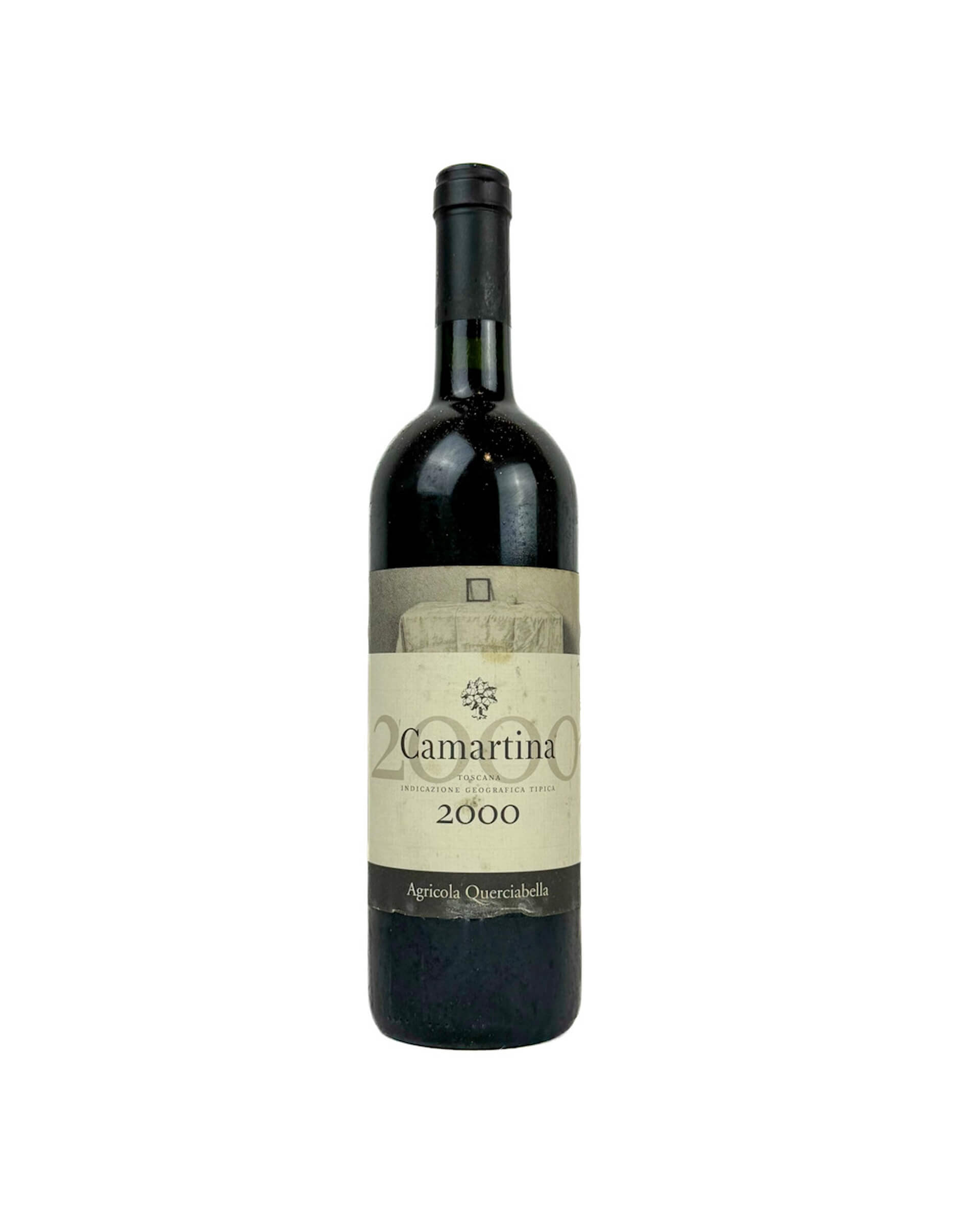
0,75
2000
Agricola Querciabella
Wines, producers, regions...
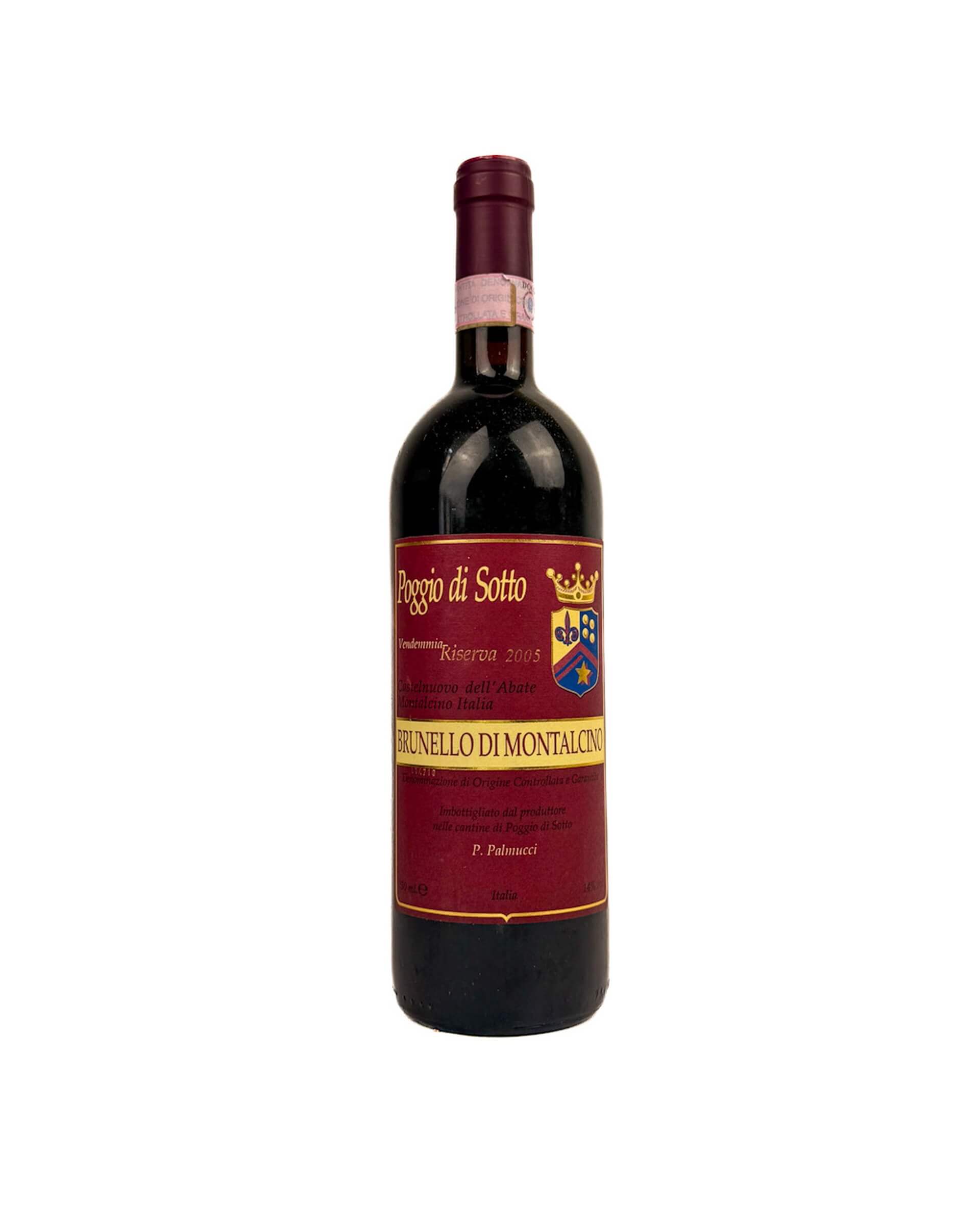
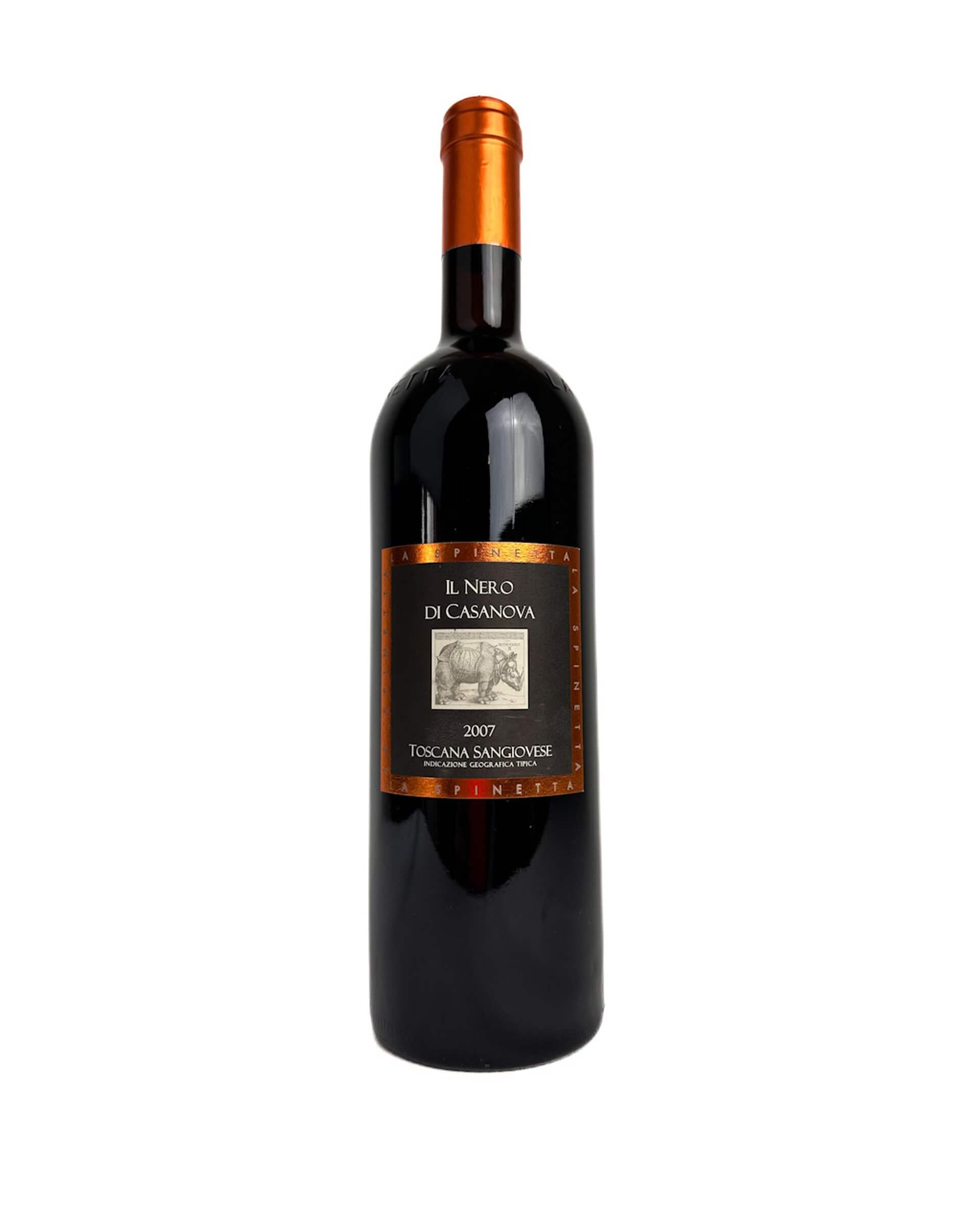
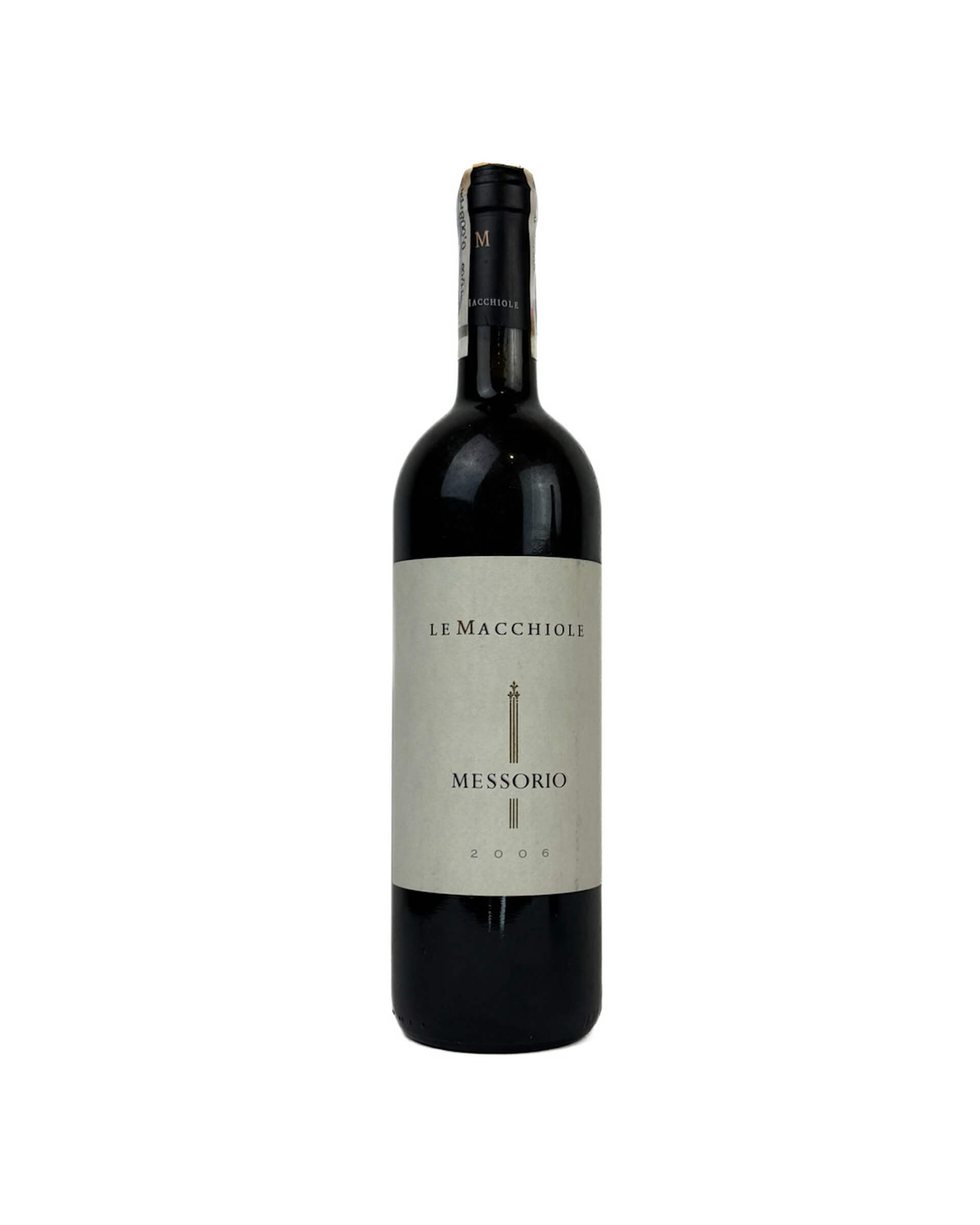
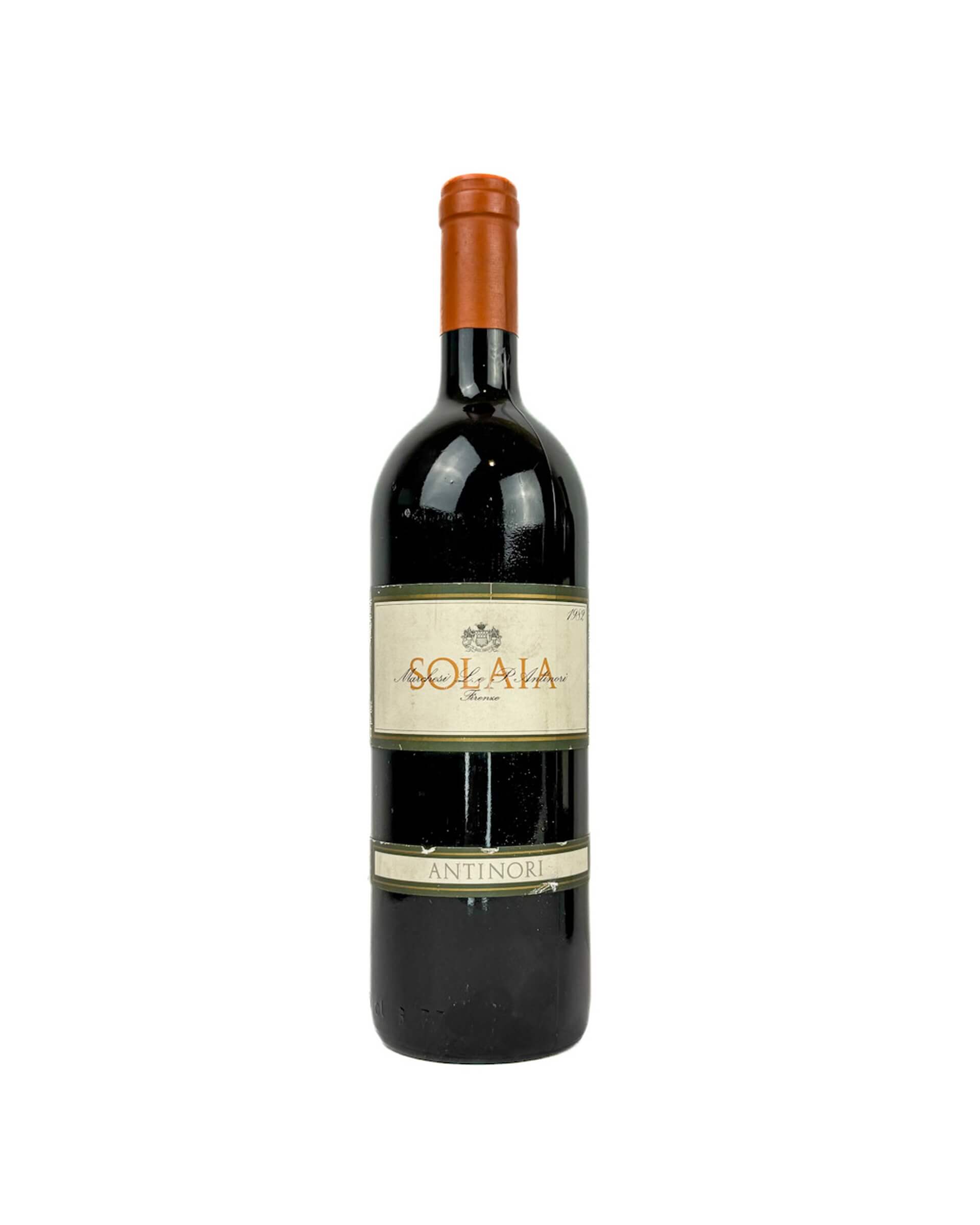
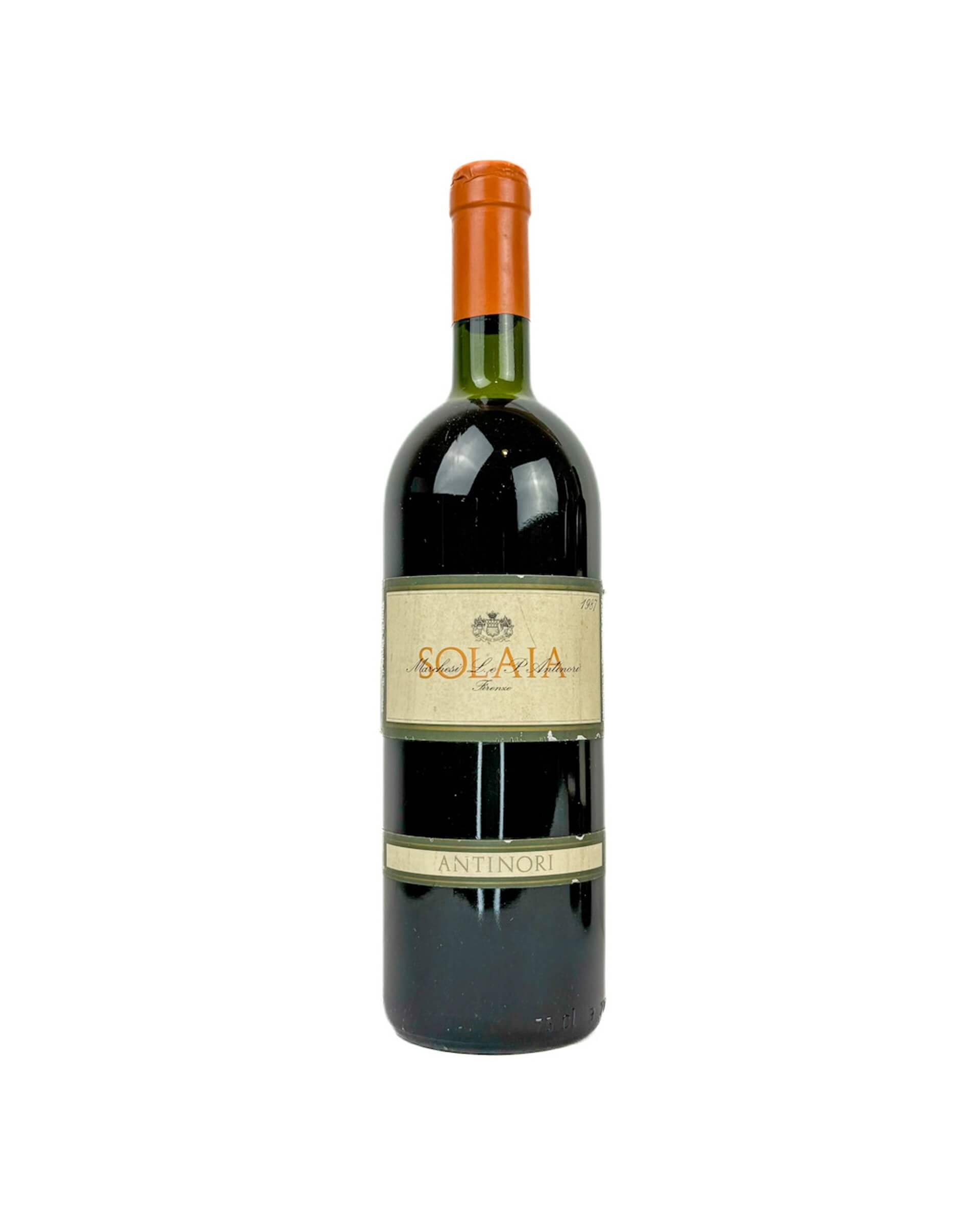
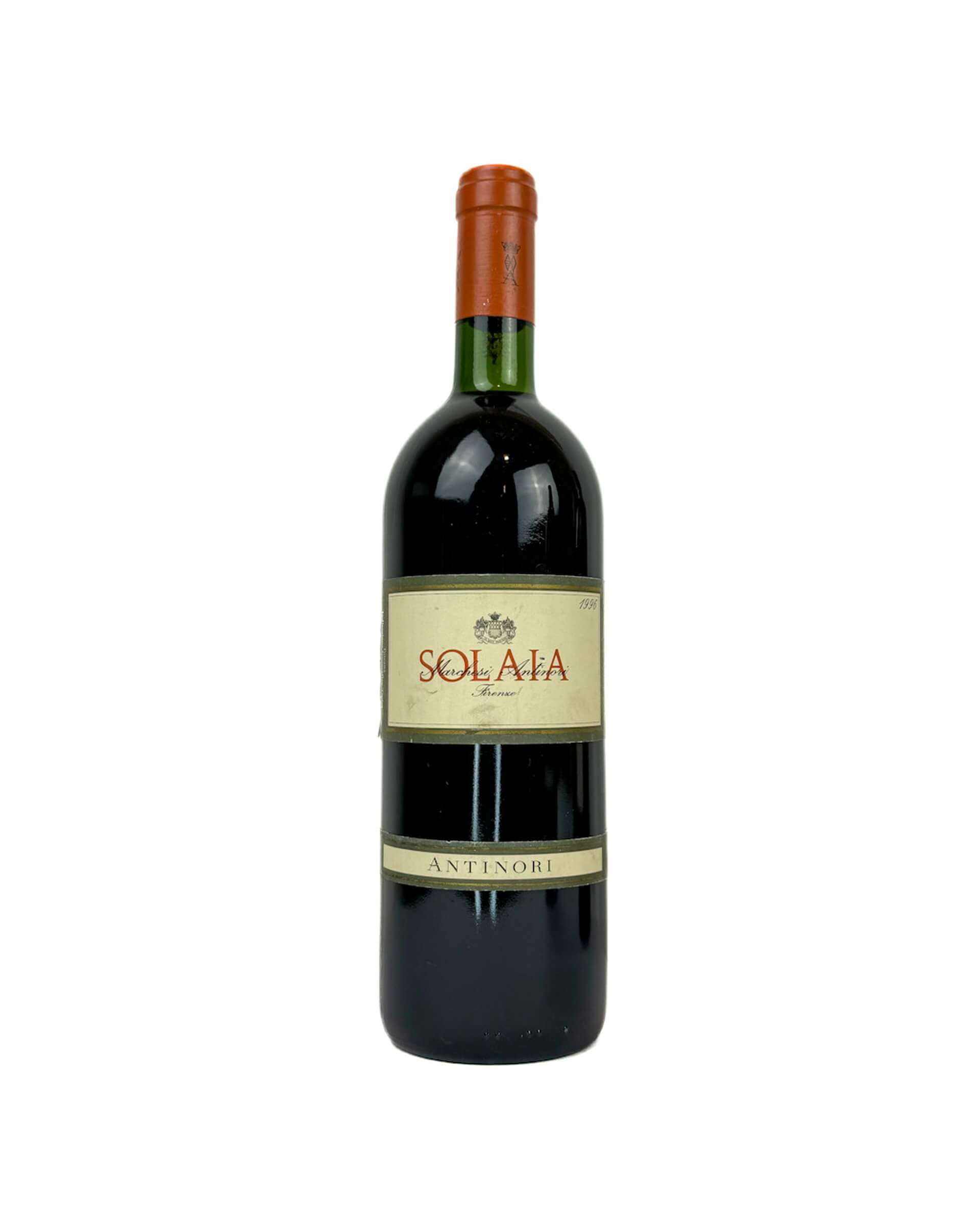
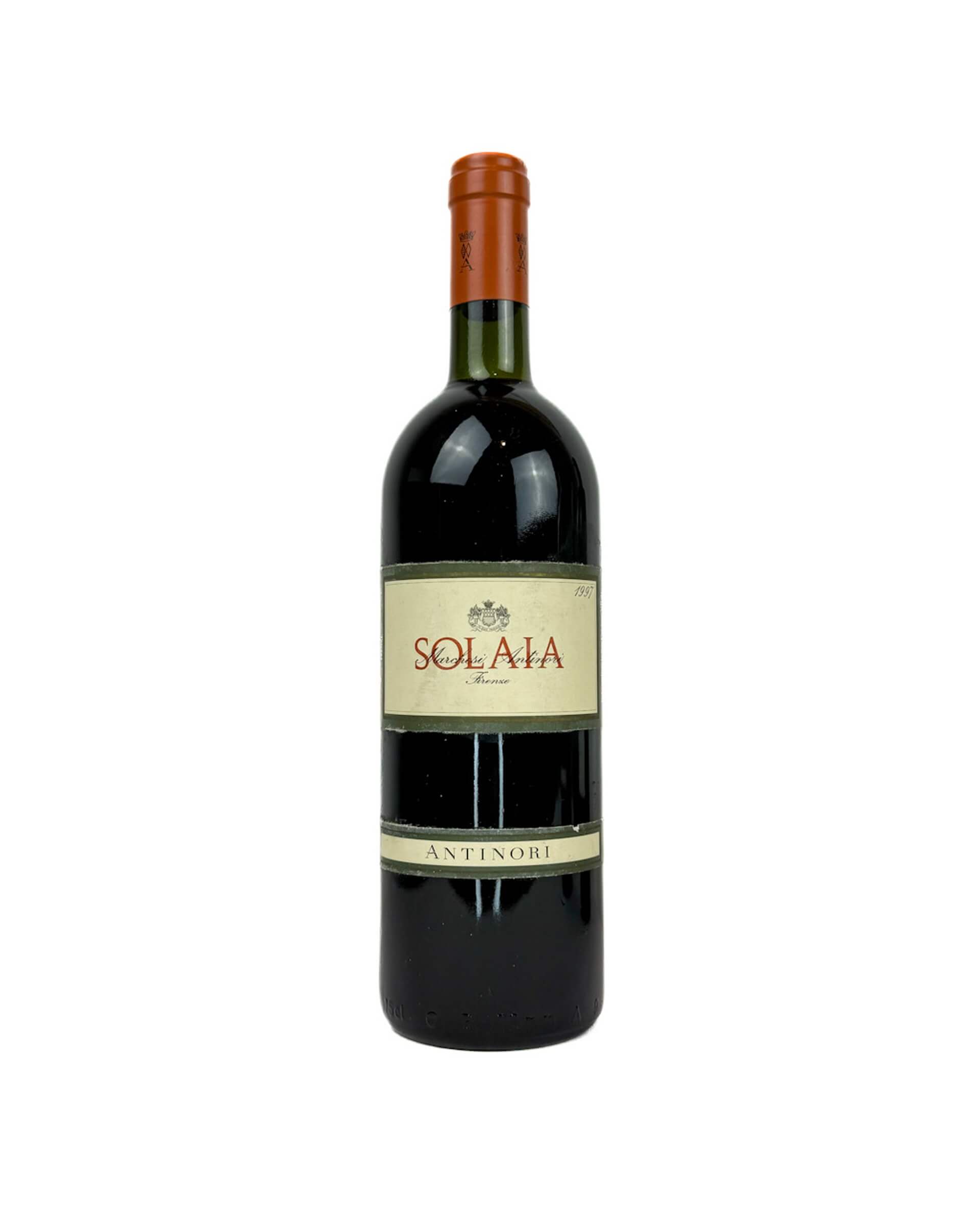
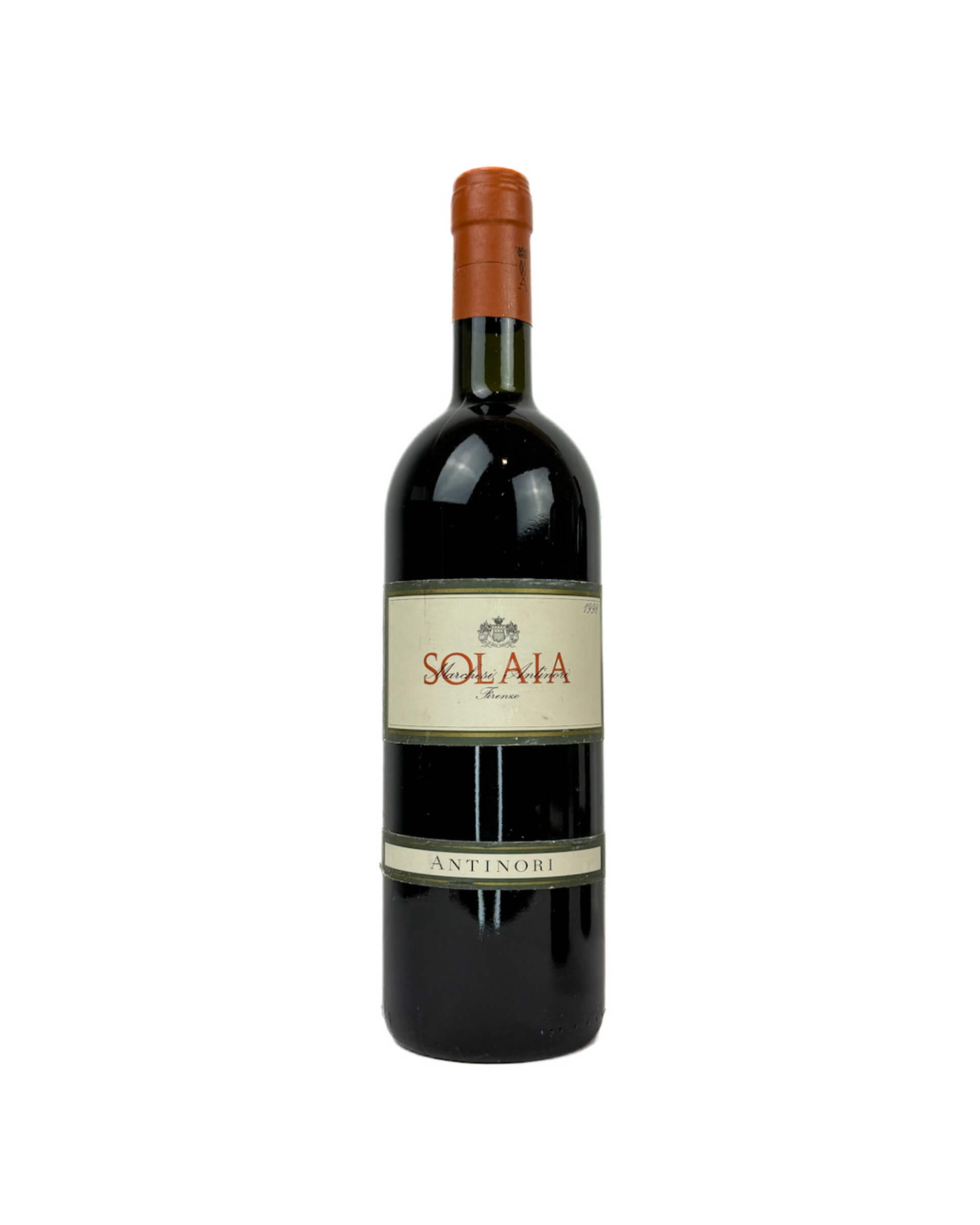
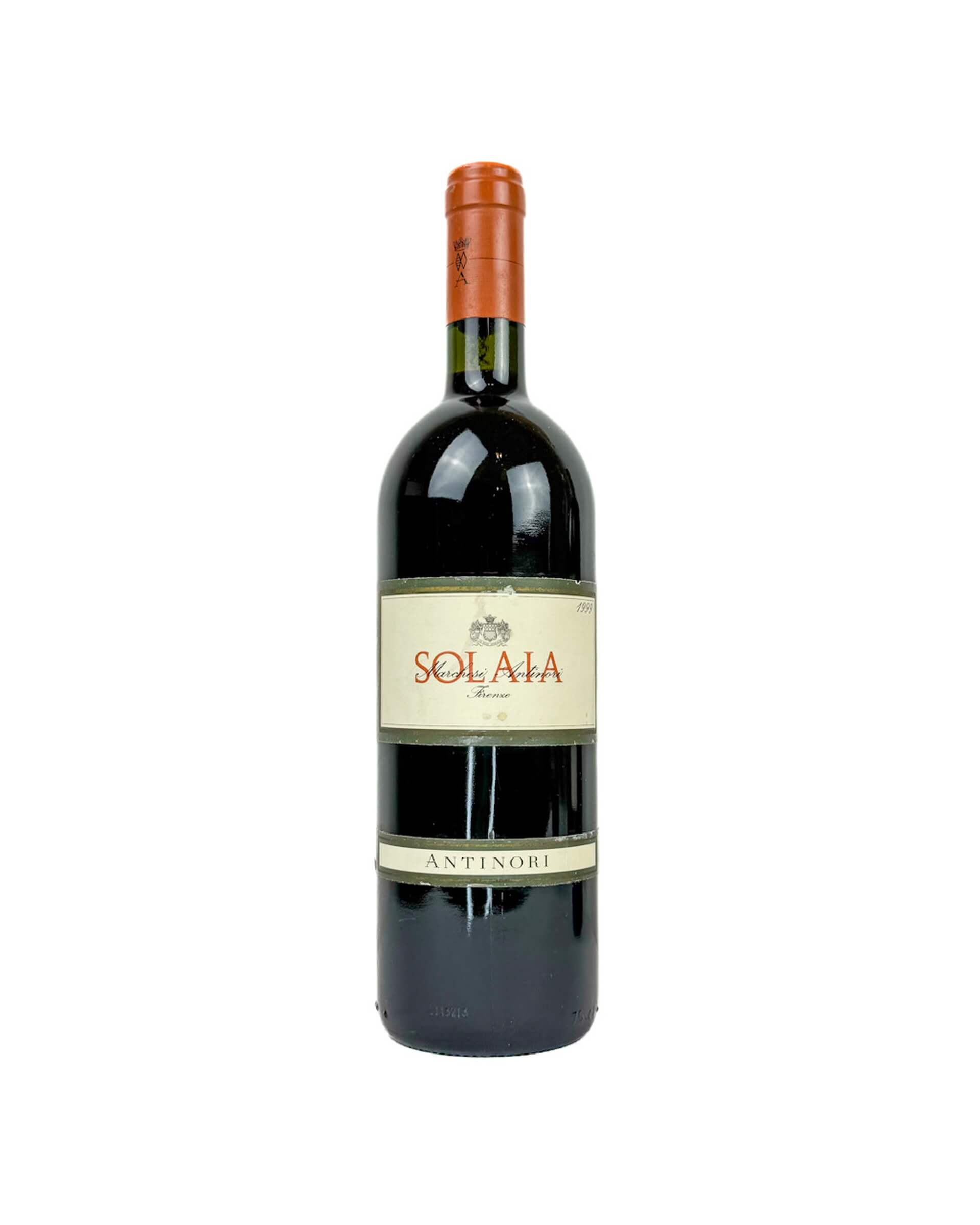
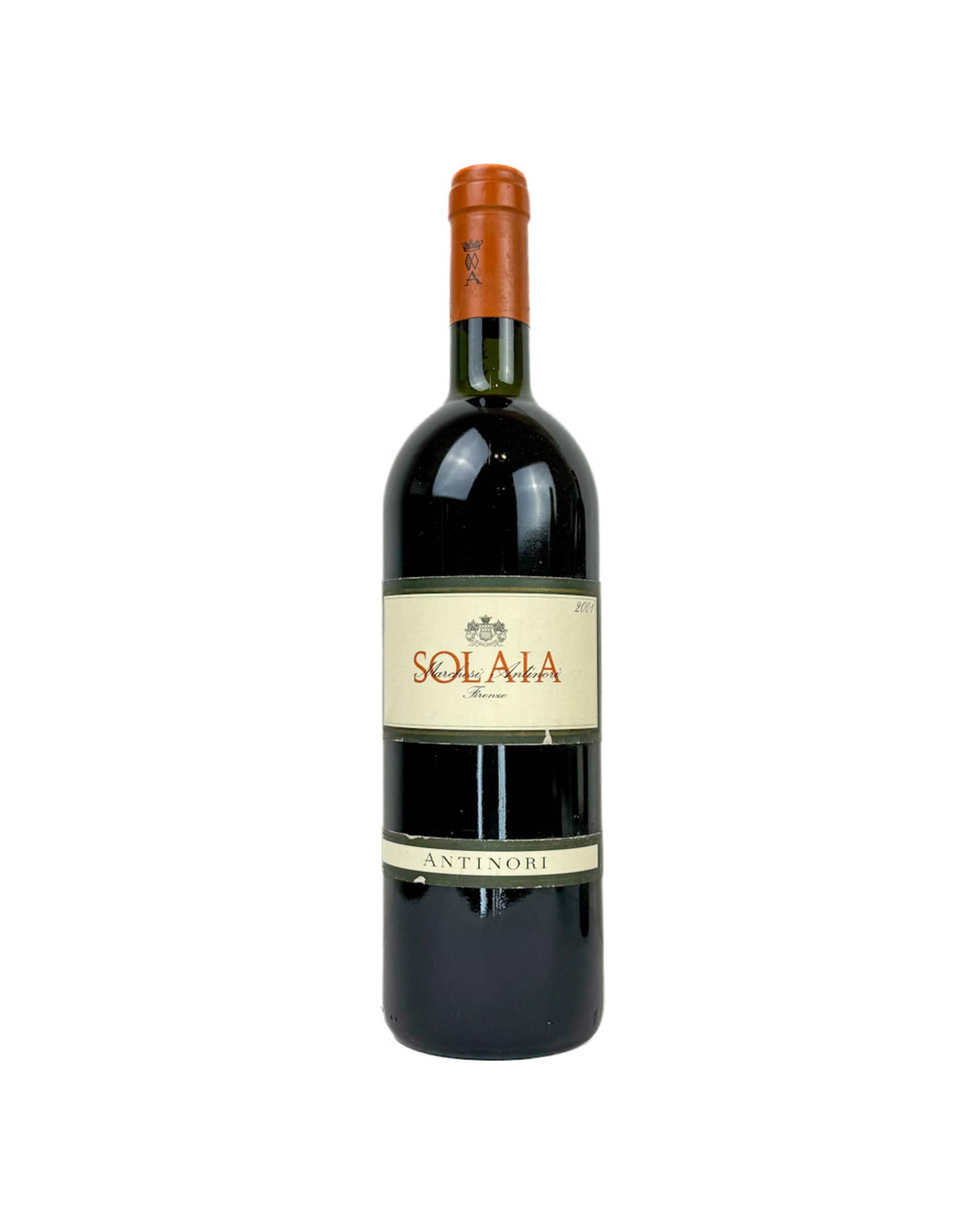
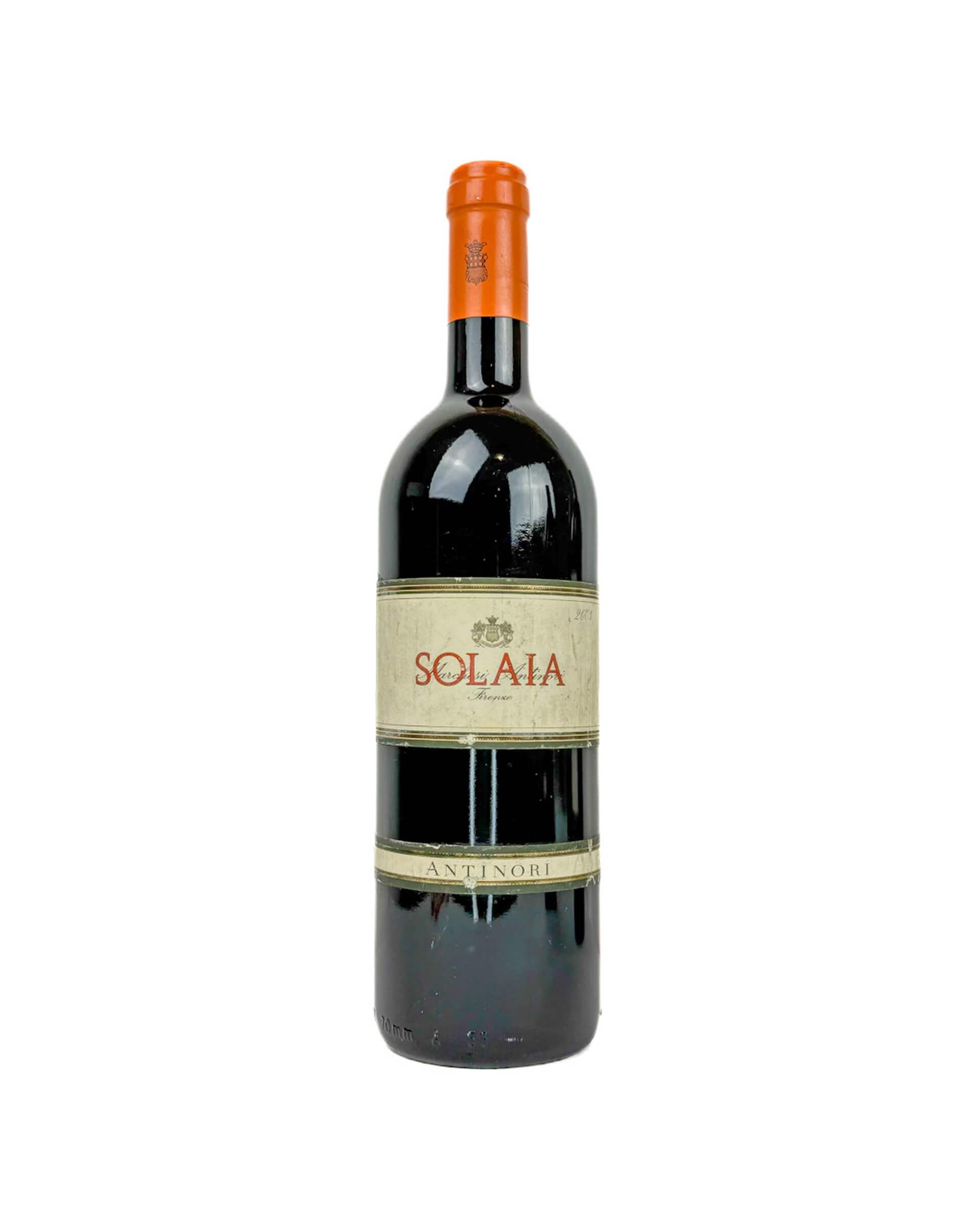
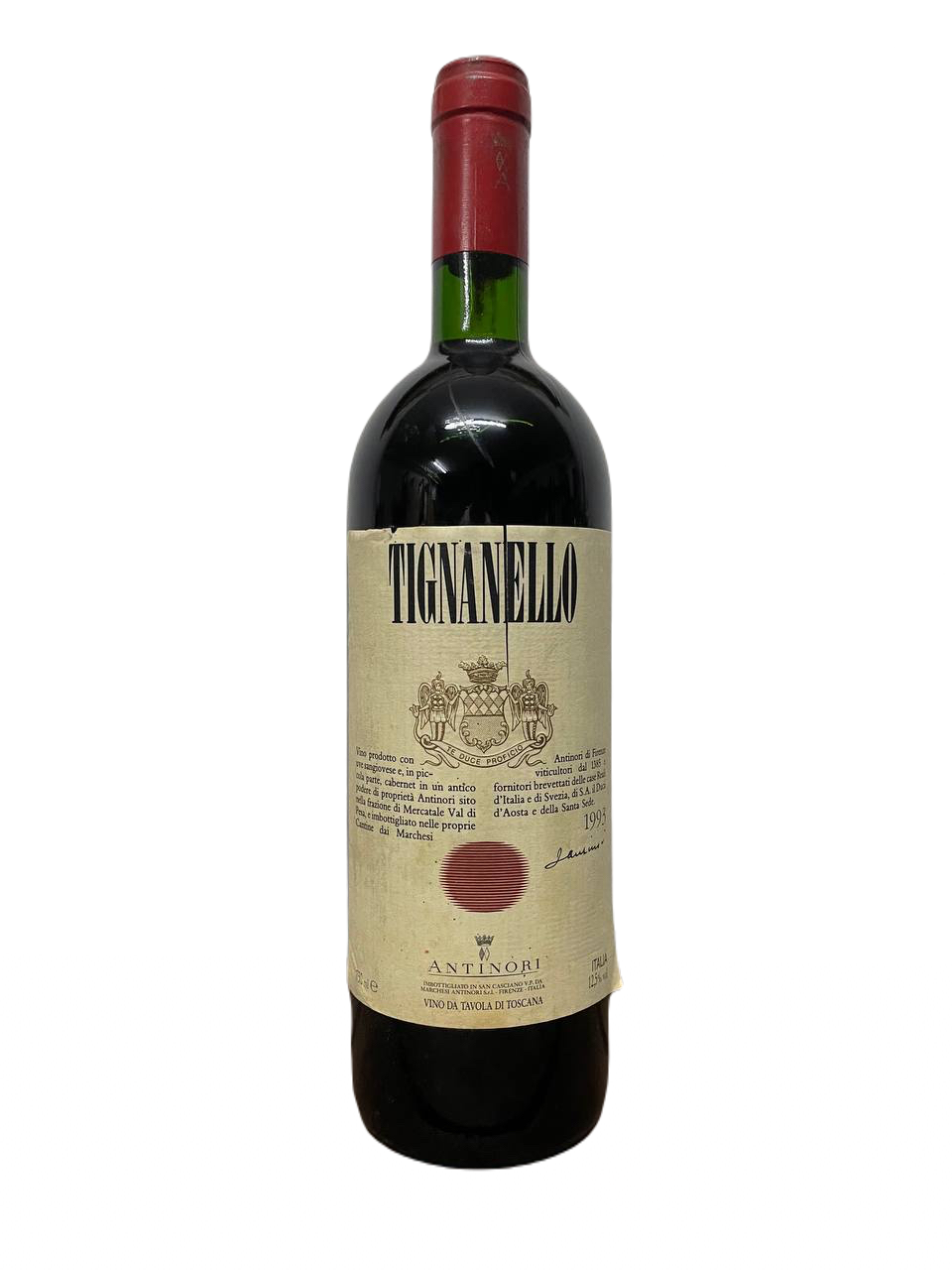
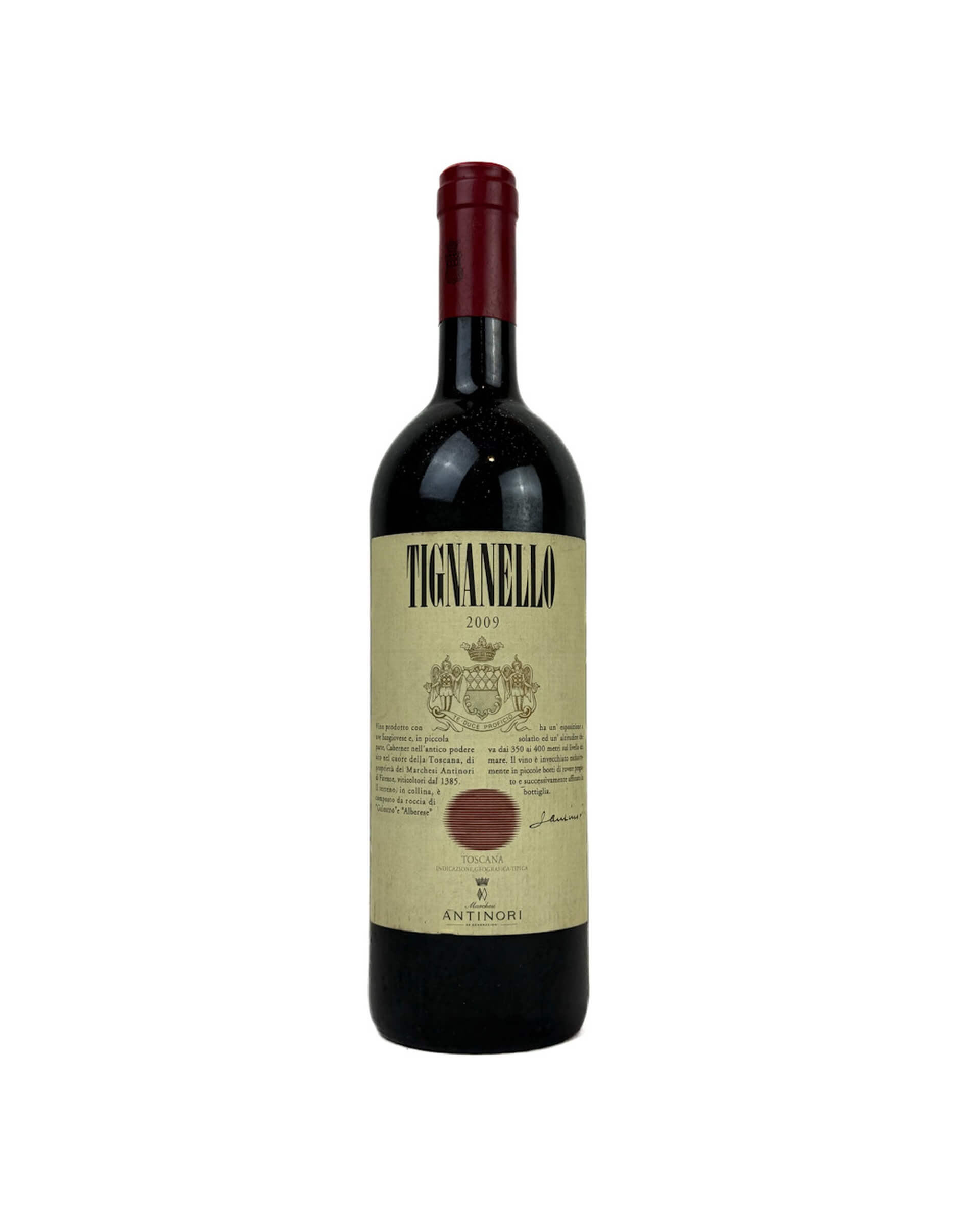
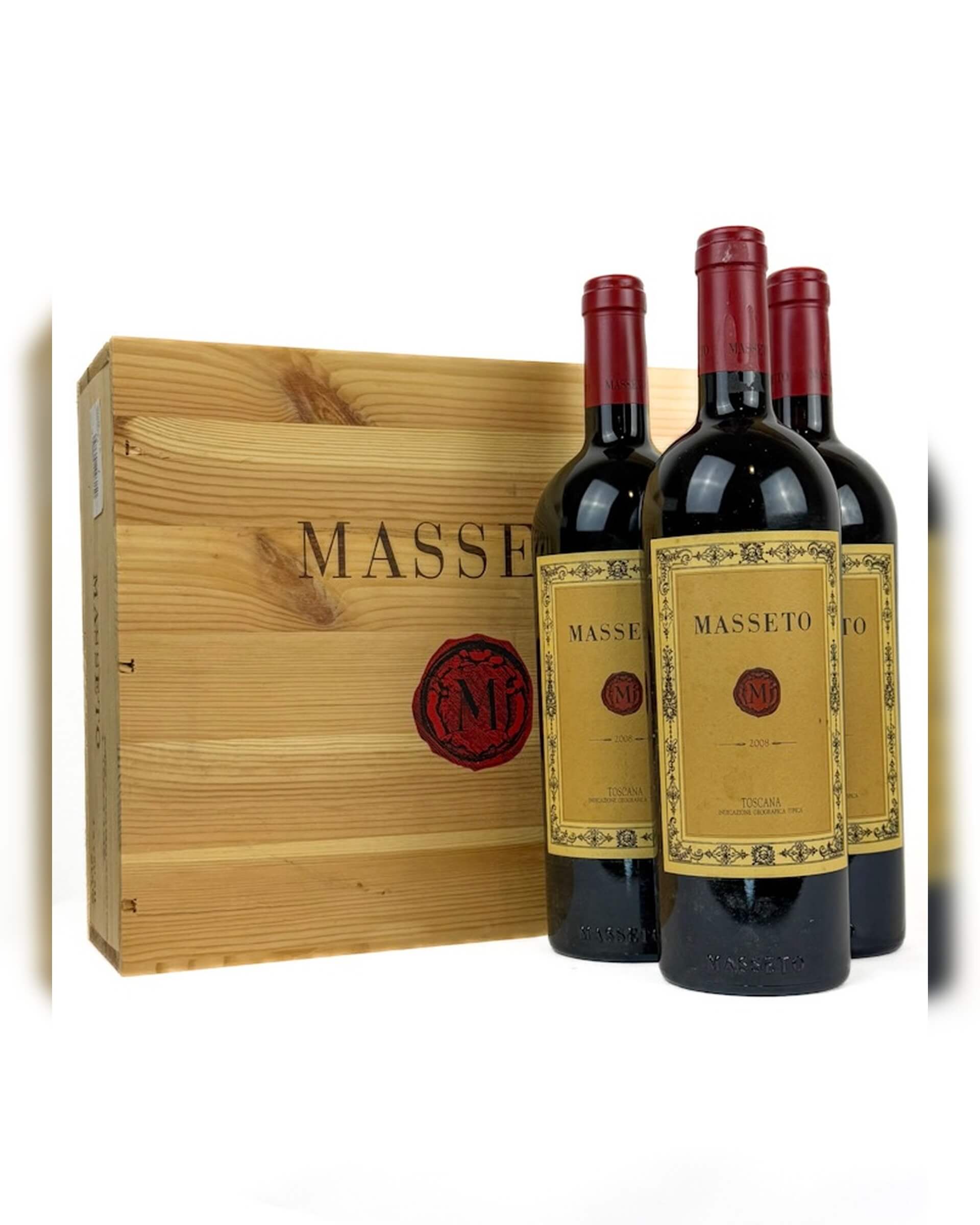
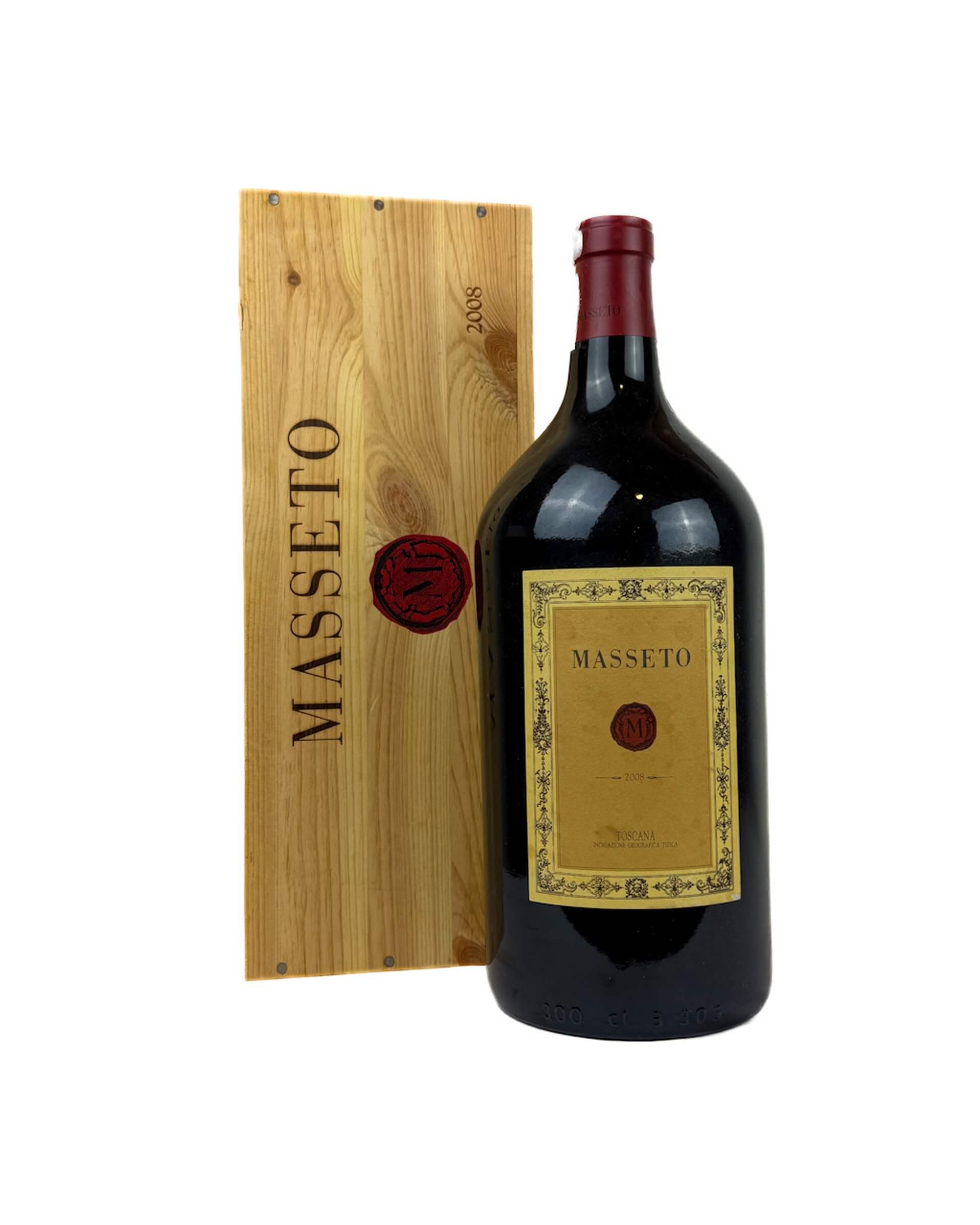

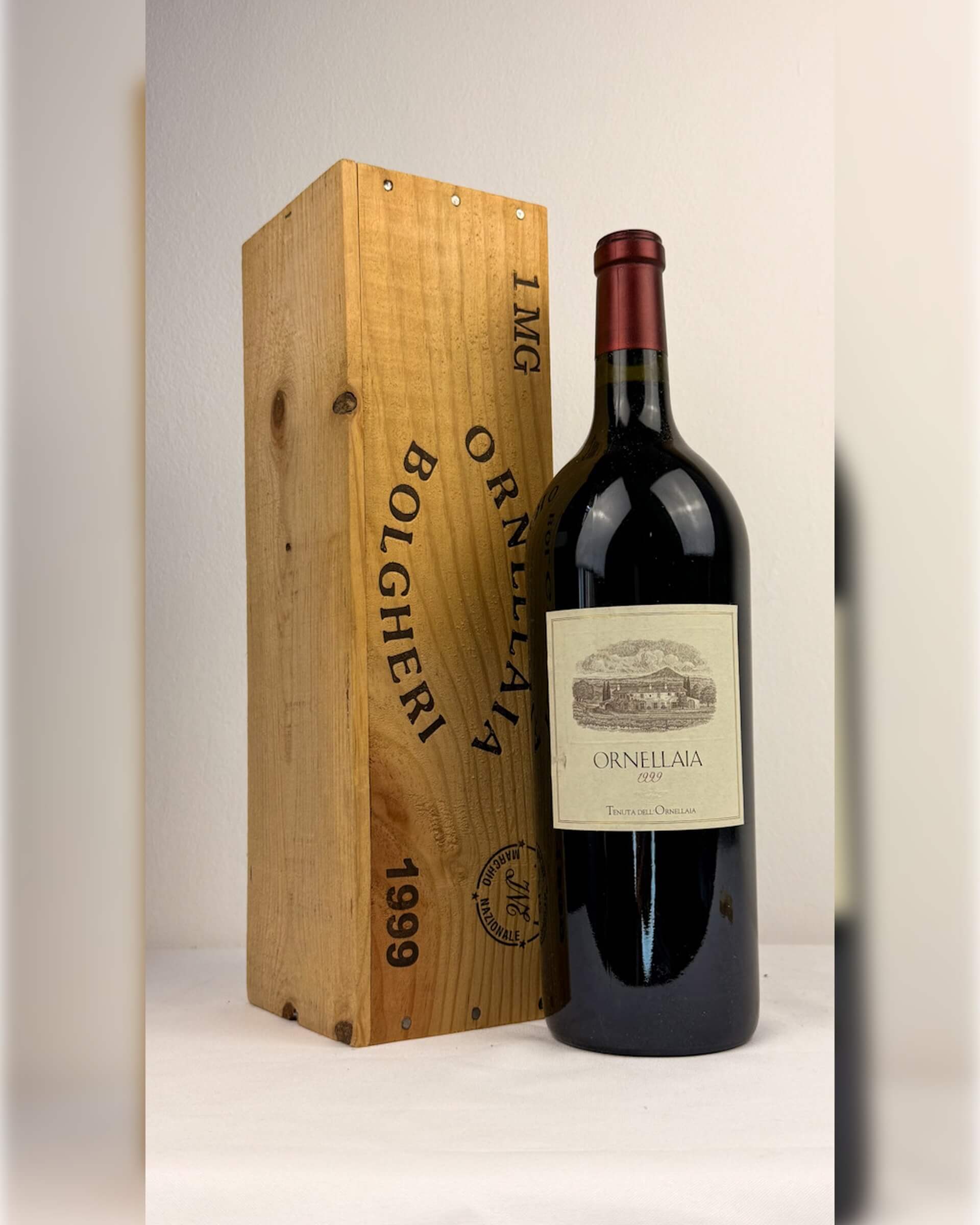
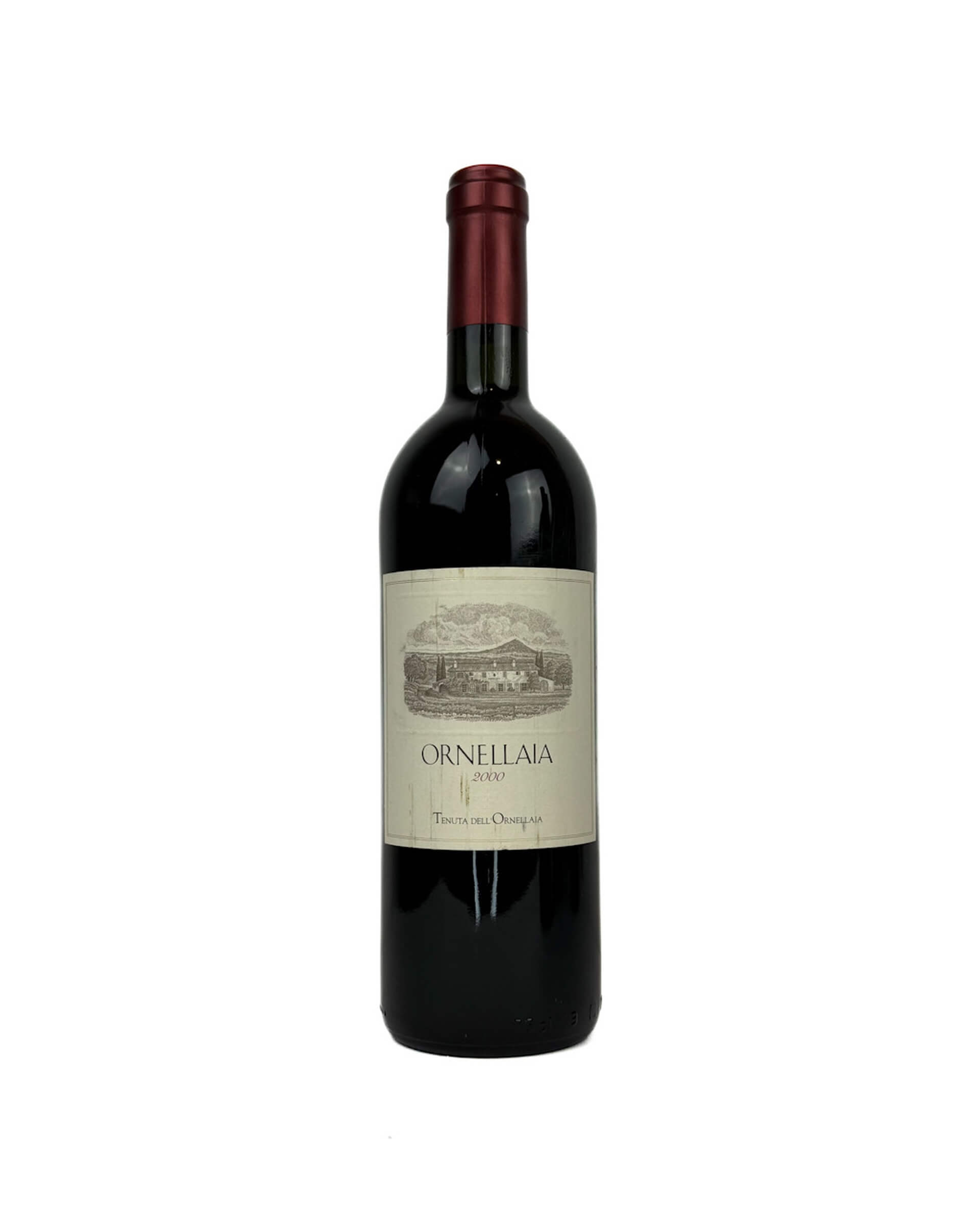
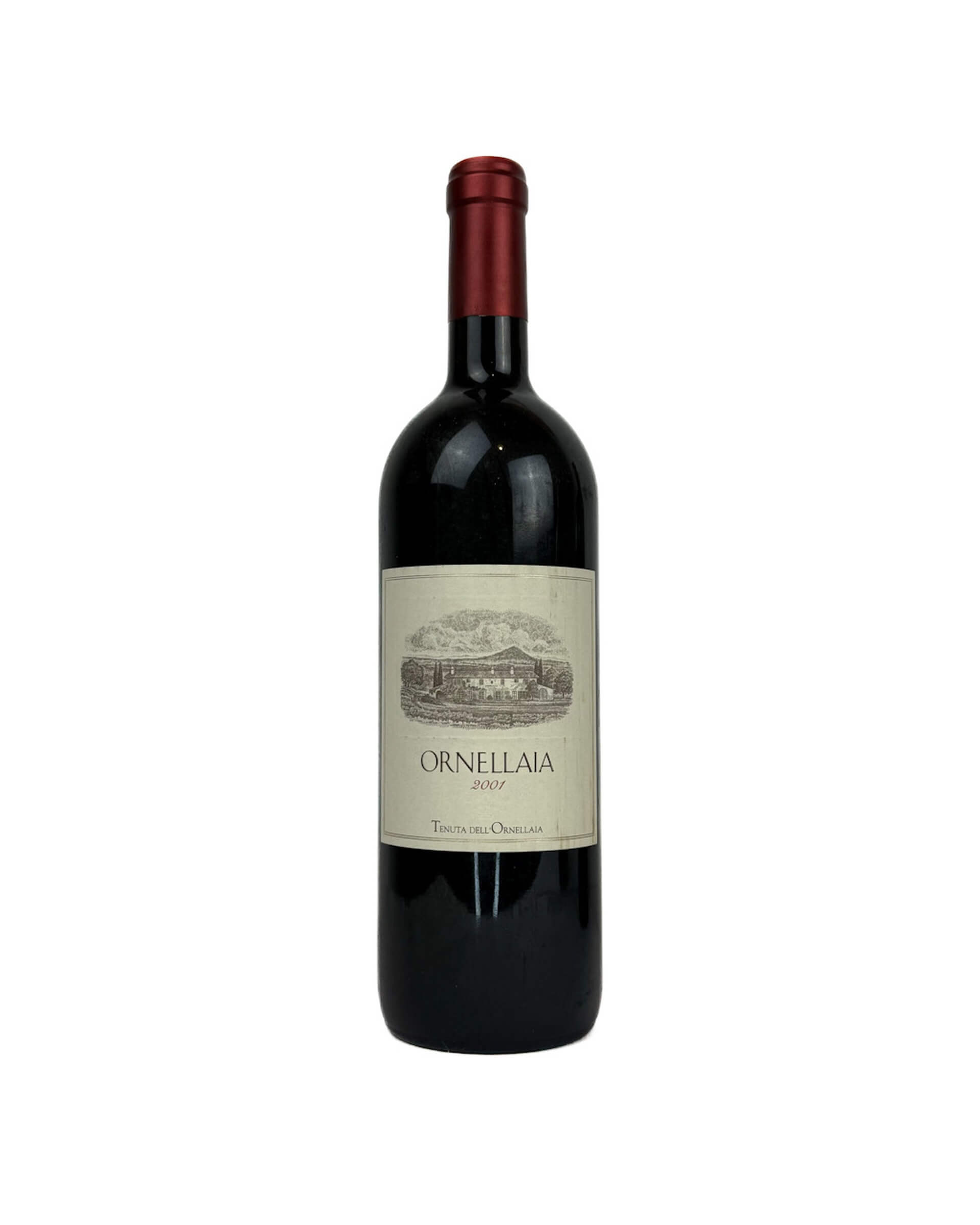
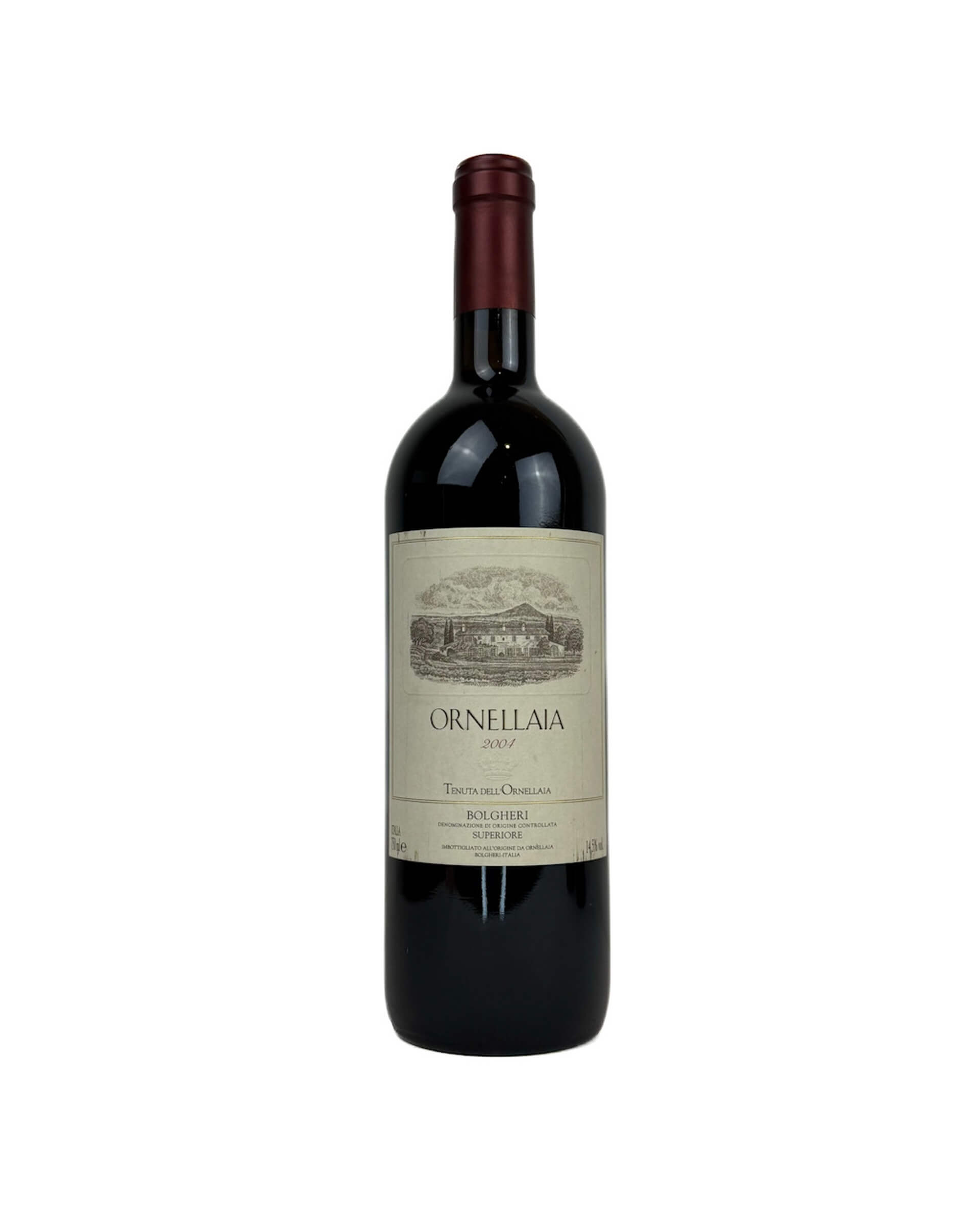
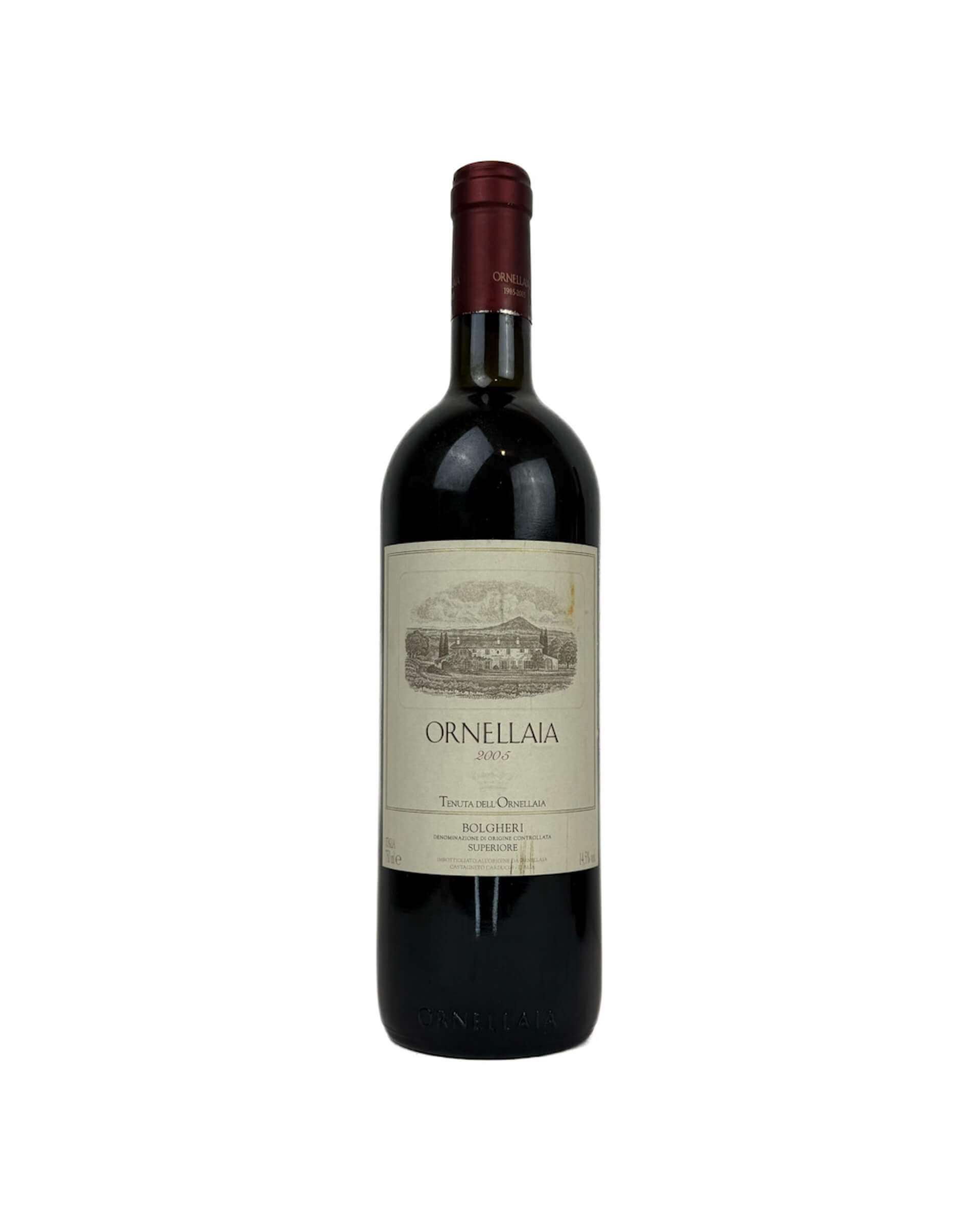
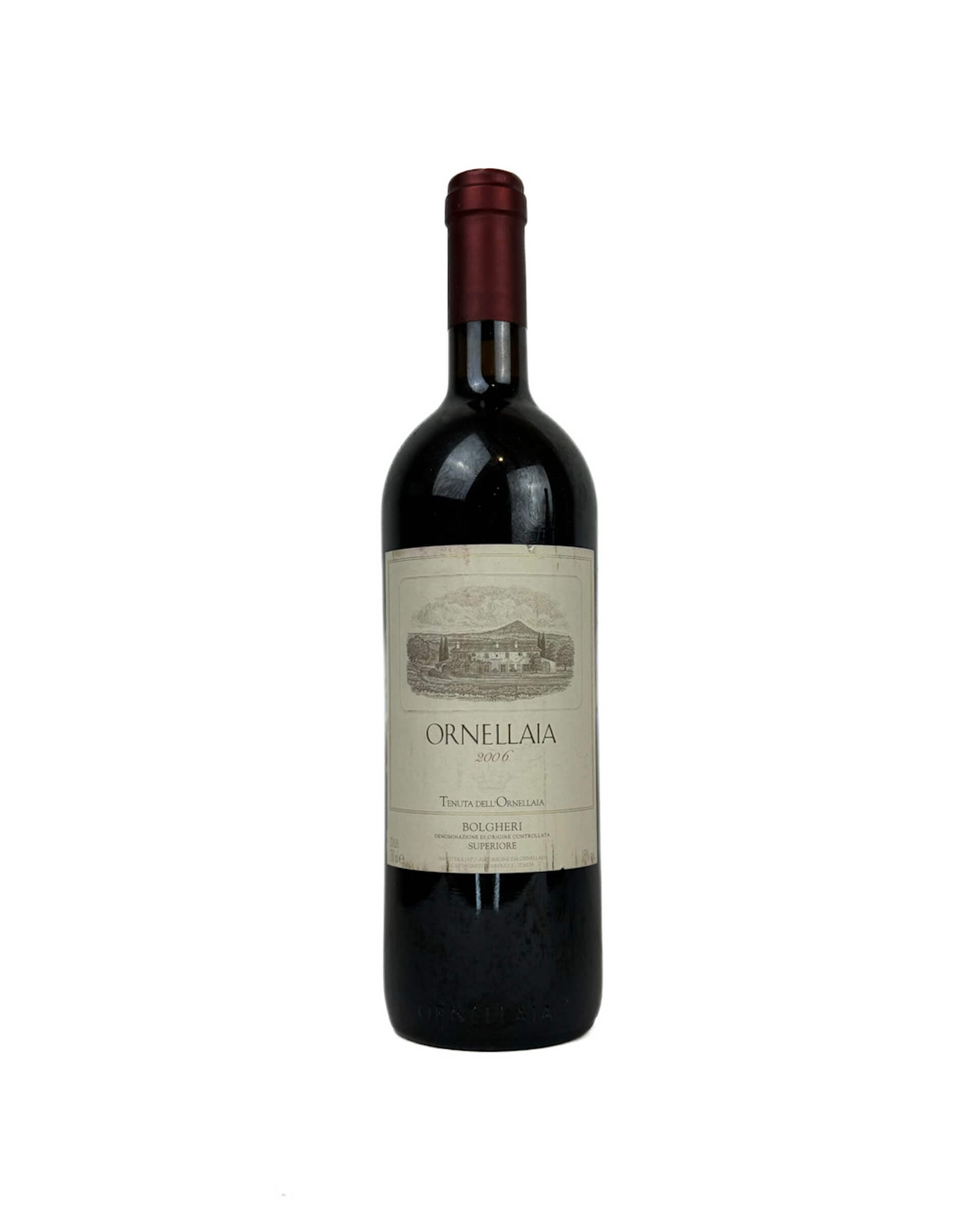
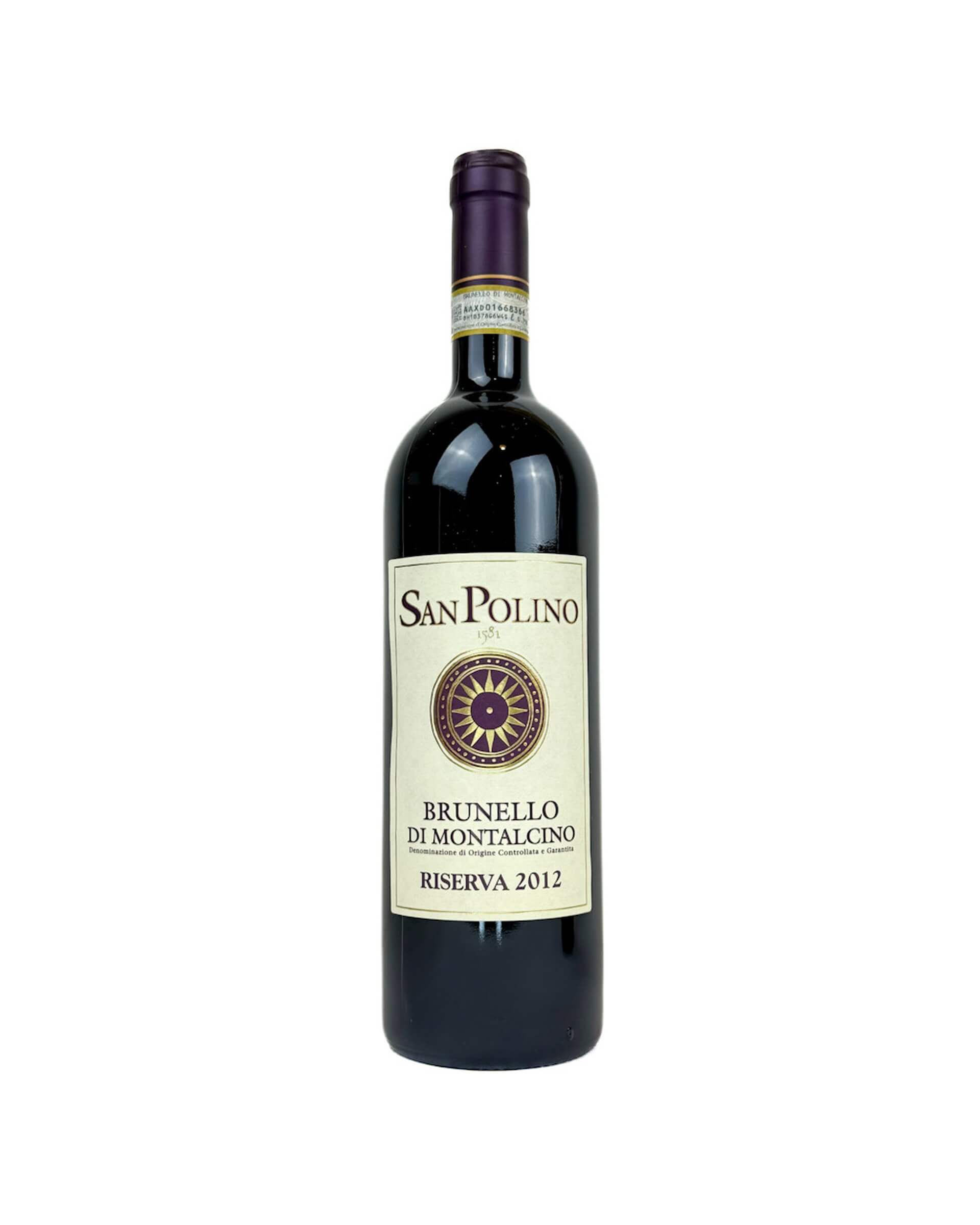
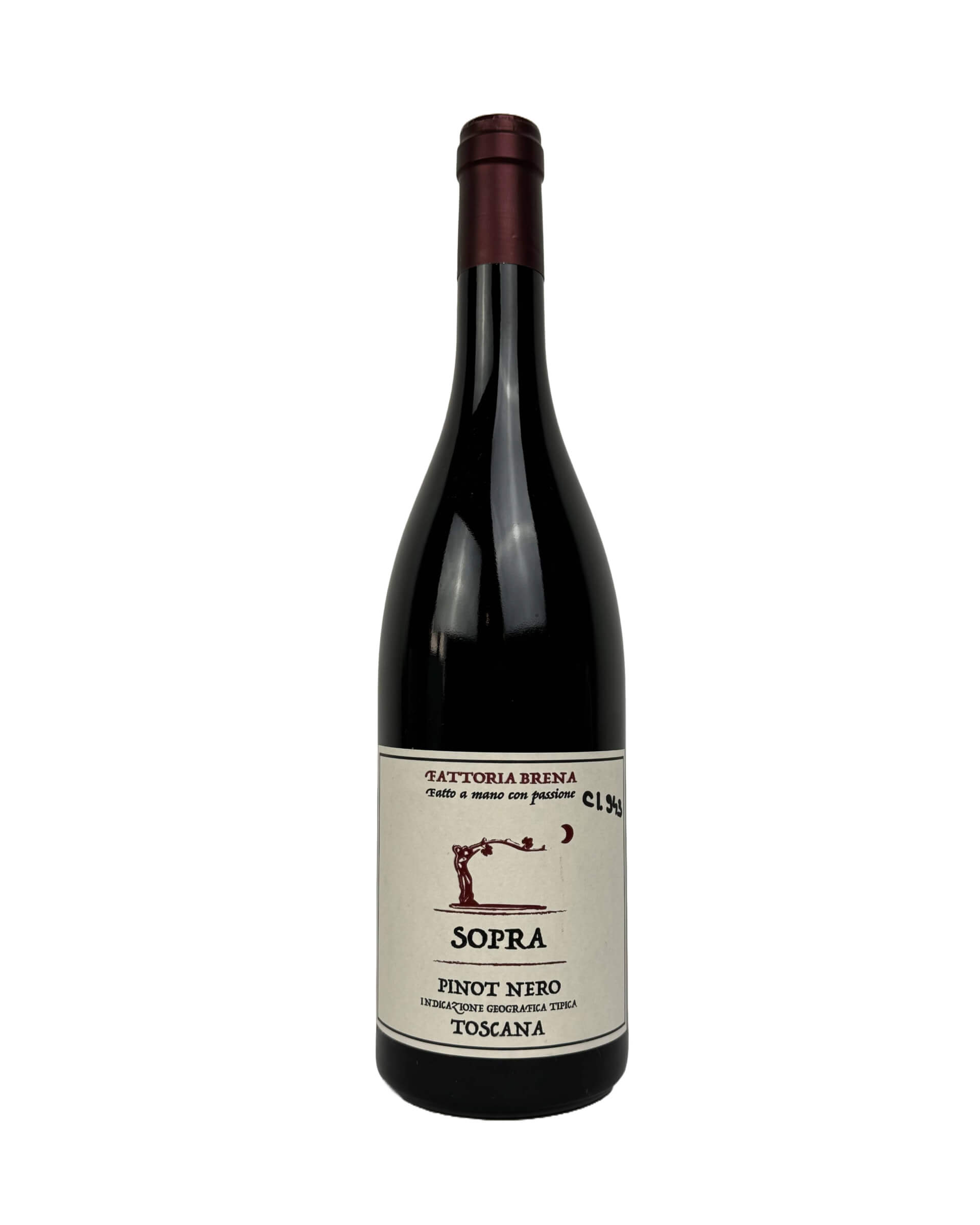
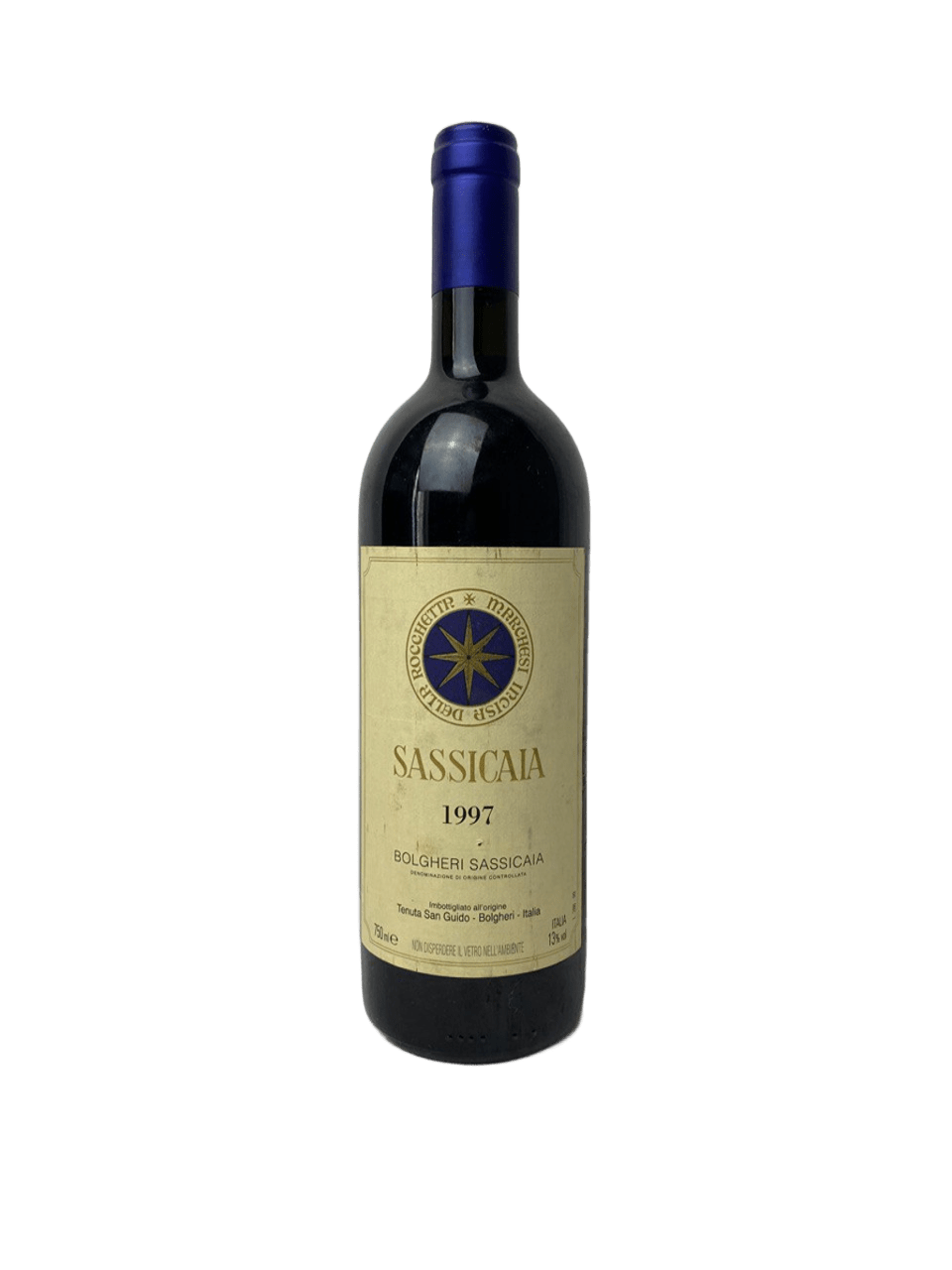
Few names in the wine world carry the gravity of Tuscany. The cypress-lined hillsides between Florence and Siena, the Sangiovese vine rooted in galestro and alberese soils, and a winemaking tradition reaching back to the Etruscans together produce some of Italy’s most collectible reds. From the coastal power of Bolgheri to the austere, decades-long Brunello di Montalcino, this is a region where prices run from around €70 for an everyday Sangiovese blend to €3,500 for an aged Brunello Riserva.
At Tour de Wine we source directly from established Tuscan estates, and our selection of 53 bottles spans the full sweep of the region — from accessible Sangiovese blends to allocated Super Tuscans and icon wines. Whether you are exploring Chianti Classico for the first time or hunting a cellar-worthy Brunello, this guide explains the appellations, the grapes, and the real prices behind the bottles.
The thread that runs through almost every great Tuscany wine is a single grape: Sangiovese. Tuscany’s native red variety is the backbone of Chianti Classico, the sole permitted grape in Brunello di Montalcino, and the heart of Vino Nobile di Montepulciano. It gives high acidity, firm tannins, and a savoury core of tart cherry, dried herbs, and earth that is unmistakably Tuscan. No other Italian region has built such an extensive fine-wine identity around one variety.
The landscape does the rest. The Apennine ridge running down the region’s spine creates dramatic altitude variation, lending freshness and slow ripening to inland appellations, while the Tyrrhenian coast moderates the warmer climate of Bolgheri and the Maremma. This patchwork of hills, valleys, and sea breezes is why a wine from Montalcino tastes nothing like one from the coast just an hour west.
Tuscany also embodies a structural divide that shapes everything a buyer encounters. On one side sit the traditional DOCG appellations — Brunello di Montalcino, Chianti Classico, Vino Nobile — governed by strict rules on grape, yield, and ageing. On the other sits the IGT Super Tuscan category, born in Bolgheri in the 1970s, which freed winemakers to blend international varieties. Understanding that divide is the key to understanding why Tuscan wines range so widely in style and price.
Tuscany’s reputation rests on a handful of appellations, each with its own grapes, rules, and personality. Below are the sub-regions you will find across the Tour de Wine selection, ordered by the depth of bottles we currently carry.
Our deepest sub-region with 26 bottles, Bolgheri is a coastal DOC south of Livorno, defined by alluvial soils, sea-breeze moderation, and a long, warm growing season. Crucially, the dominant grapes here are not Sangiovese but Cabernet Sauvignon, Merlot, and Cabernet Franc. This was the epicentre of the Super Tuscan revolution: the Sassicaia estate established the Bordeaux-blend template in the 1970s, with Ornellaia and Masseto following. The wines are powerful, internationally styled, and built for ten to twenty years’ cellaring. Within the zone sits Bolgheri Sassicaia (4 bottles), a dedicated DOC for a single estate — the only single-estate appellation in Italy.
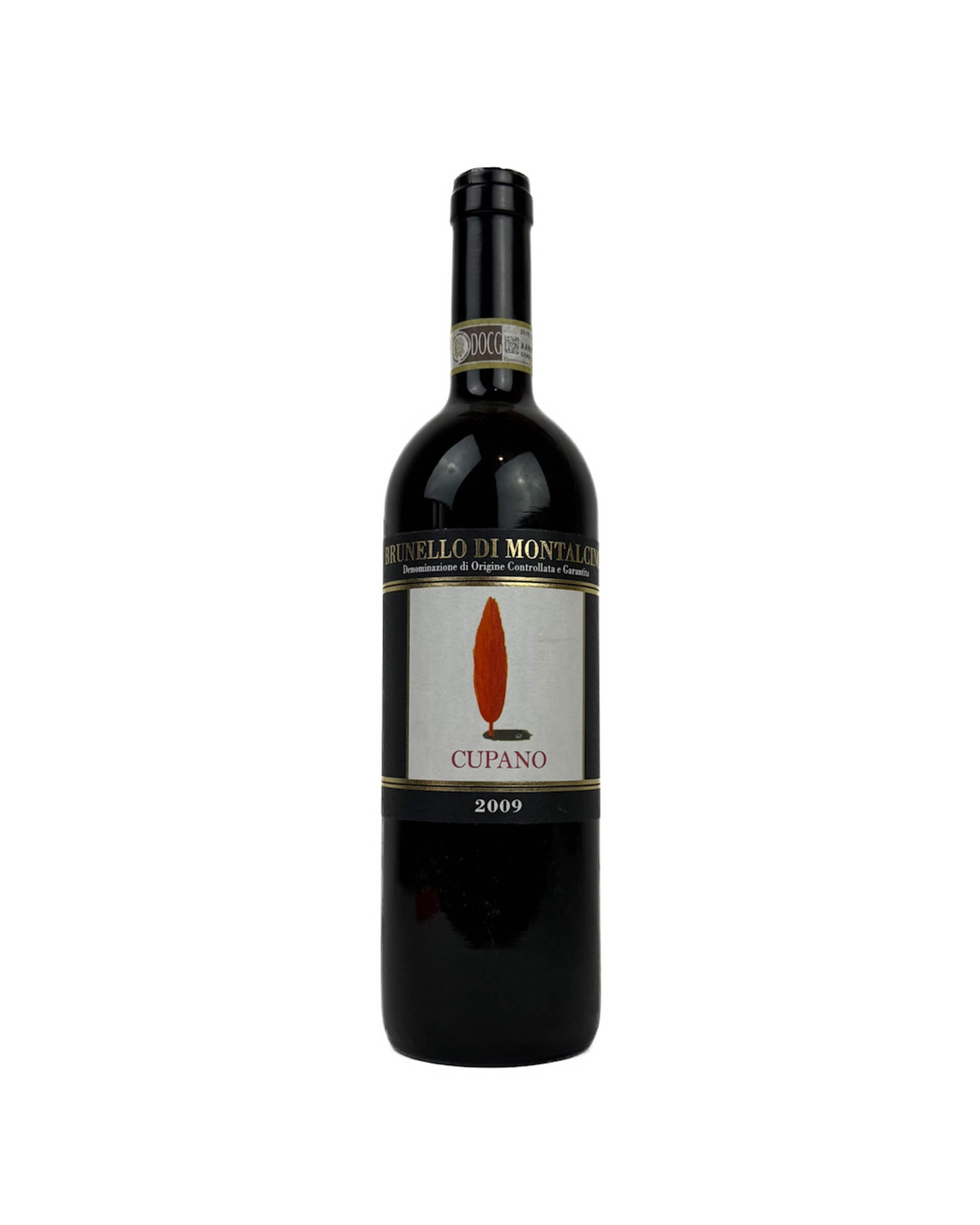
From the hilltop town of Montalcino south of Siena, Brunello di Montalcino (12 bottles) is governed by DOCG rules that impose the longest mandatory release window of any Italian appellation: 100% Sangiovese Grosso, locally called Brunello, and a minimum of five years’ ageing before release — six for a Riserva. Garnet-ruby in the glass and powerfully tannic in youth, these wines unfold over decades into dried cherry, tobacco, leather, and iron-like minerality. Brunello is routinely named alongside Barolo as Italy’s greatest red. For an earlier-drinking introduction to the same terroir, the Montalcino category offers Rosso di Montalcino expressions.
The DOCG zone between Florence and Siena, Chianti Classico requires a minimum of 80% Sangiovese, with the Gran Selezione tier reserved for the appellation’s finest single-vineyard wines. Expect a medium-to-full body, bright acidity, tart cherry, violet, dried herbs, and that signature Sangiovese bitterness on the finish. The historic black rooster — the Gallo Nero — marks every authentic bottle from the zone. The practical distinction between tiers is concentration and site: an Annata is the estate’s everyday expression, drinkable young, while a single-vineyard Gran Selezione such as Castello di Ama’s San Lorenzo or Fontodi’s Vigna del Sorbo is denser, more structured, and built to age a decade or more.
Spread across the southern coastal plain and hills, Maremma Toscana is a diverse DOC built around Sangiovese, often blended with Cabernet Sauvignon, Merlot, and Syrah. Younger than Bolgheri or Chianti Classico, it delivers Tuscan character at the entry tier, with bottles starting from around €70. Estates such as Brancaia, whose Maremma reds combine Sangiovese with Bordeaux varieties, show the appellation’s range, and warm recent vintages like 2015 and 2016 produced ripe, generous wines that drink well young.
In eastern Tuscany near Arezzo, Cortona (2 bottles) stands apart as the only Tuscan appellation to make Syrah its signature variety, with growers such as Stefano Amerighi pioneering the style. The wines suit drinkers who love the peppery, dark-fruited character of the northern Rhône, here expressed through Tuscany’s generous warmth. Our two bottles sit at the entry tier from around €70, and unlike the heavier Cabernet-led Bolgheri reds they show best served a touch cooler, at 15–16°C, to keep their lift and spice.
The story of the Super Tuscan began as an act of quiet rebellion. In the 1970s and 1980s, forward-looking producers — Tenuta San Guido on the coast, Marchesi Antinori inland — began blending Cabernet Sauvignon and Merlot, varieties not permitted under DOC Chianti rules at the time. Legally, the resulting wines could only be sold as humble “Vino da Tavola,” and later as IGT Toscana. Yet bottles such as Sassicaia, Tignanello, and Ornellaia won international acclaim that far outstripped their modest classification.
Today the IGT Toscana label signals creative freedom rather than any deficit in quality. Many of Tuscany’s most celebrated and expensive wines carry it precisely because their makers chose blend and style over appellation orthodoxy. Our Toscana (IGT) category gathers these expressions — modern, structured, internationally minded reds that capture the spirit of the revolution.
Sangiovese is Italy’s most widely planted red grape and the variety that defines Tuscan wine. One of its quirks is that it travels under different names from one appellation to the next: it is Brunello in Montalcino, Prugnolo Gentile in Montepulciano, and Morellino in Scansano. The common thread is always there — high acidity, firm tannins, and a flavour spectrum that runs from fresh, juicy cherry in a young Chianti to dried fruit, tobacco, and leather complexity in an aged Brunello Riserva.
This single grape explains Tuscany’s enormous price range. From around €70 for an entry-level Sangiovese blend to €3,500 for aged Brunello Riserva from an exceptional vintage, the difference is driven not by the variety itself but by appellation rules, ageing requirements, vineyard site, and producer reputation. Learn to read those signals and you can navigate the whole region with confidence.
Tuscan reds were forged at the table, and their high acidity makes them some of the most food-friendly wines in Italy. The two broad styles — Sangiovese-led reds and Cabernet-based Super Tuscans — call for slightly different pairings.
On serving: pour Brunello and aged Bolgheri at 17–18°C, decanting wines under ten years old for 60 to 90 minutes; serve Chianti Classico and younger reds slightly cooler at 15–17°C; and chill Vin Santo to 10–12°C.
One of the most useful things about Tuscany is that quality scales transparently with price. Across our 53 bottles, the range is wide but logical, and matching tier to occasion is straightforward once you know where the appellations sit.
To navigate the selection, use the site’s price filter to set your ceiling and the appellation filter to browse by style. You can also broaden the view to the wider Italy range or compare against our red wine selection as a whole.
Not on the same timeline. Brunello di Montalcino is released only after five years of mandatory ageing and is built to keep evolving for fifteen to thirty years from a strong vintage, so it can reward very long cellaring. A Cabernet-led Super Tuscan such as a top Bolgheri is usually approachable earlier — drinking well at five to eight years and peaking between ten and twenty — and its plush, fruit-forward structure tends to soften before a Brunello of the same age has fully come round. As a rule, lay down a Brunello for the long haul and treat a Super Tuscan as a medium-term wine: both age, but the Super Tuscan rarely needs, or rewards, two or three decades in the cellar.
For drinking now or over the next few years, a serious Chianti Classico — ideally a single-vineyard Gran Selezione — gives you the most authentic Tuscan character per euro: high acidity, savoury cherry, and genuine food versatility. If you want something to put away, look instead at a Rosso di Montalcino, which offers a taste of Brunello terroir at a fraction of the price. Both can be found below our €260 median, closer to the €70 entry tier, and either will outperform a same-priced Bolgheri red, where the money tends to go toward the prestige of the appellation rather than the wine in the glass.
Not quite. Bolgheri is an appellation (a DOC) on the Tuscan coast, while “Super Tuscan” is a style category. Most Bolgheri wines are Super Tuscans, since they rely on the Cabernet-led Bordeaux blend rather than Sangiovese — but not every Super Tuscan comes from Bolgheri. Tignanello, for instance, is made inland near Chianti Classico. Within Bolgheri, the Bolgheri Sassicaia DOC is a unique sub-appellation dedicated solely to the Sassicaia estate, the only single-estate DOC in Italy.
It depends entirely on the appellation. Younger Chianti Classico and entry-level IGT Toscana wines are often at their best within three to seven years of the vintage. Brunello di Montalcino is released only after mandatory ageing and typically benefits from a further five to fifteen years in bottle, with Riservas from great years such as 2010, 2015, and 2016 capable of evolving for thirty years or more. Bolgheri Sassicaia and similar prestige Super Tuscans are usually approachable at five to eight years and peak between ten and twenty.
Written by the Tour de Wine buying team. Last reviewed: June 2026.
This site is restricted to adults. By entering, you confirm that you are of legal drinking age in your country of residence.