
N/A
3
1982
Bersano
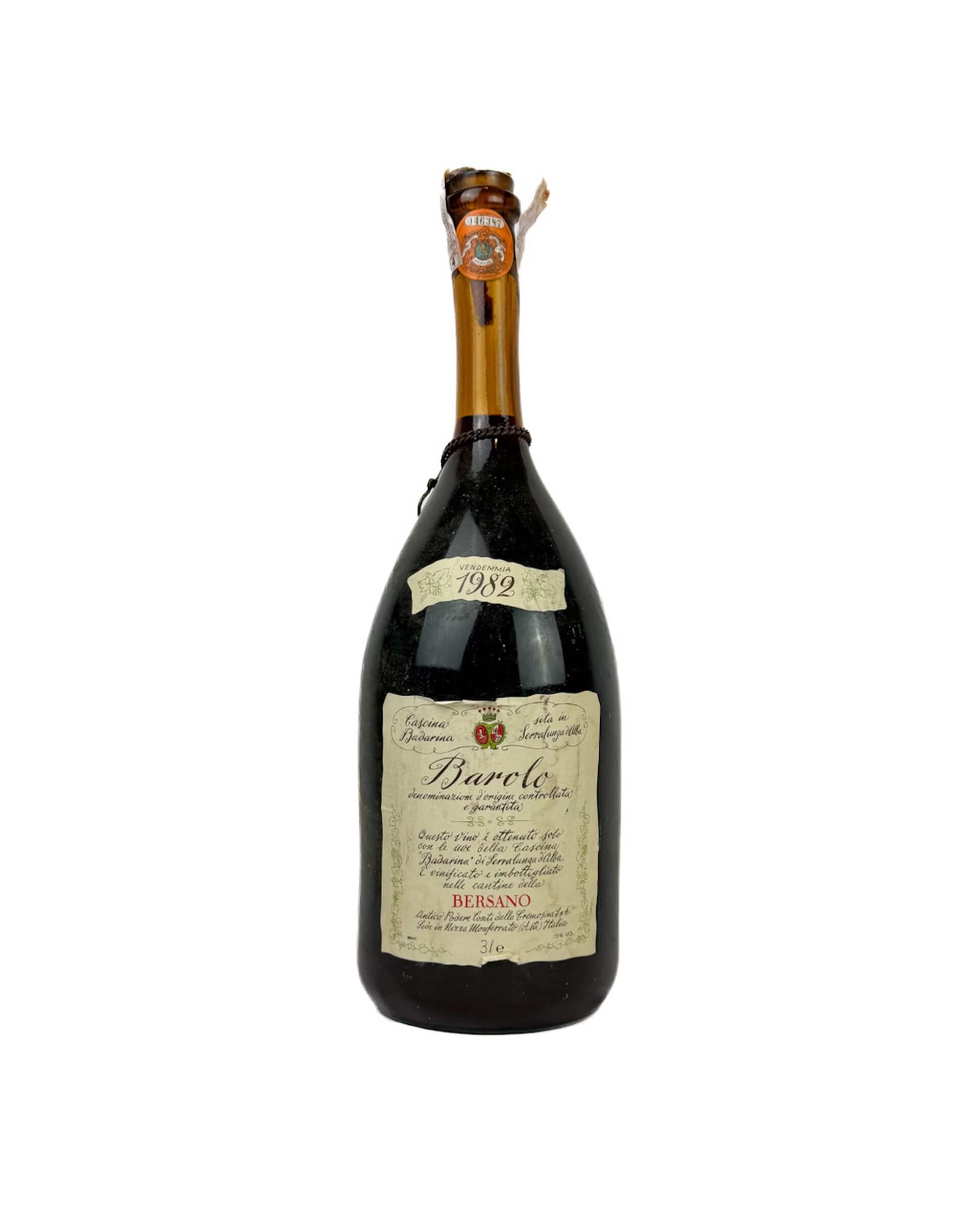
Barolo Bersano Badarina 1982 3L
€ 504,00
Wines, producers, regions...
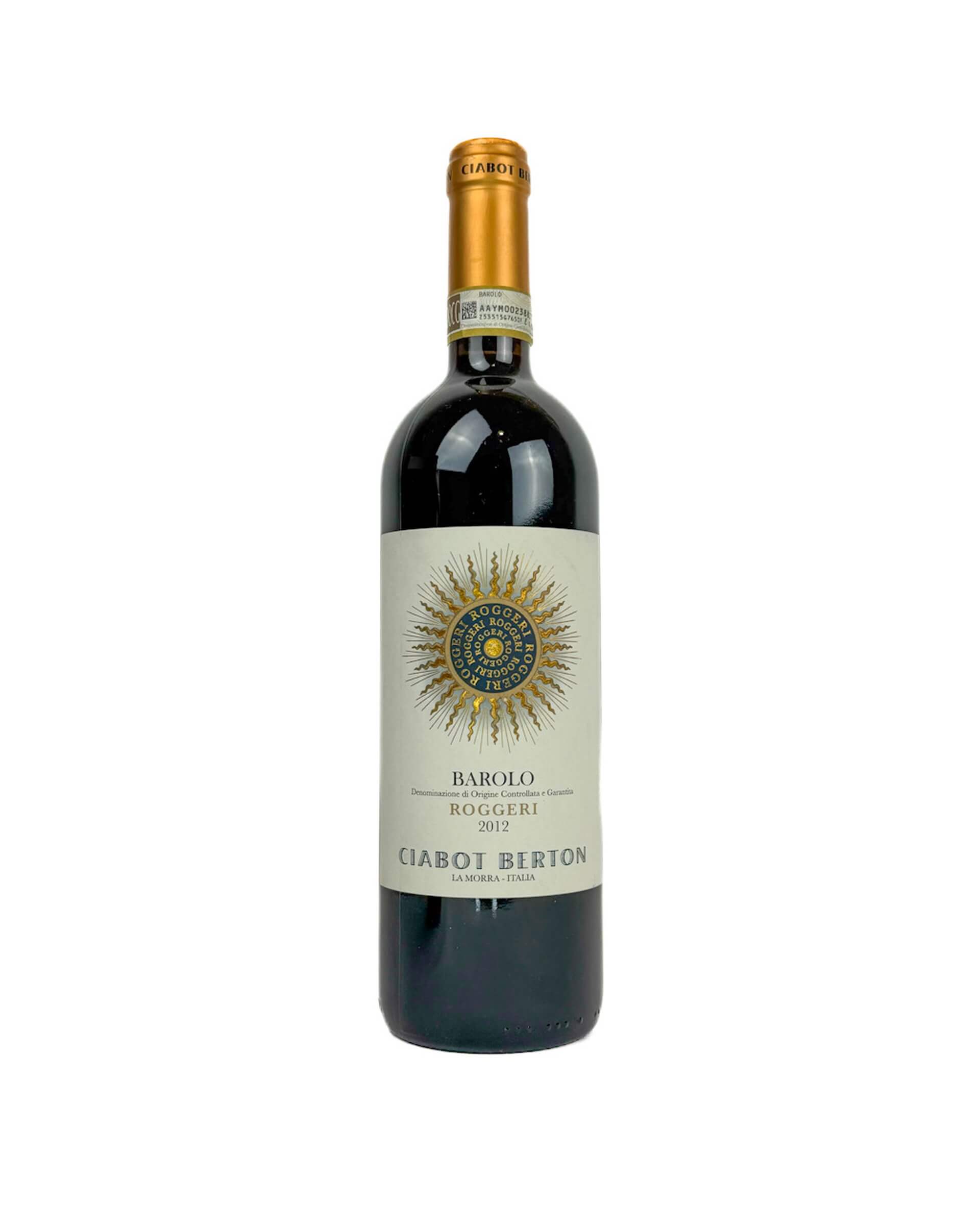
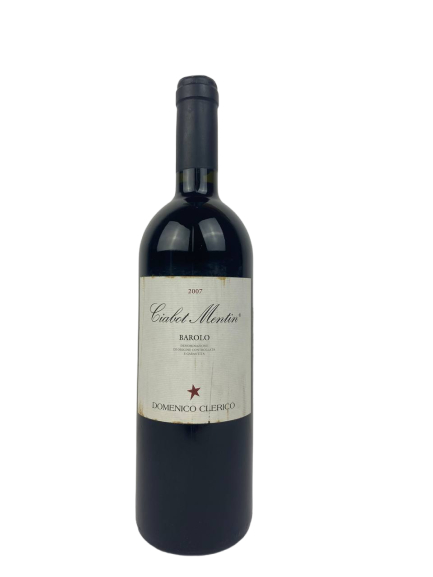
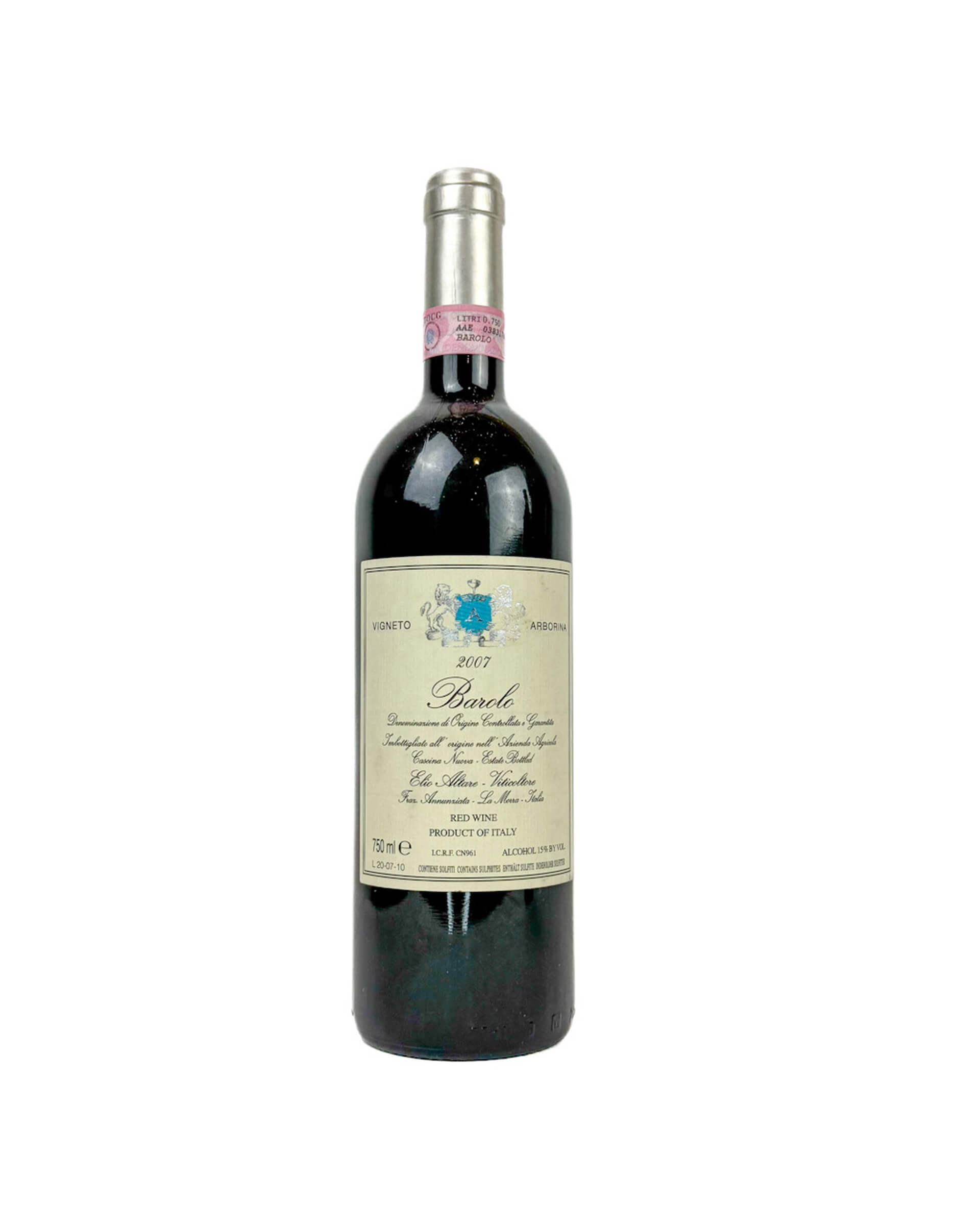

Piedmont wine carries more DOCG appellations than any other region in Italian wine — the country’s top legal classification — packed into the fog-laced Langhe hills south of Turin. Built on the singular Nebbiolo vine, it is the tradition that earned Barolo and Barbaresco their standing as Italy’s most celebrated red wines. Piemonte, “the foot of the mountains”, is where structure and perfume meet in the same glass, and where a serious bottle rewards patience over years rather than weeks.
Our Piedmont selection gathers 9 bottles that trace the region from its prestige peaks to its gateway reds — four Barolo, two Barbaresco, two Langhe Nebbiolo, and a Piemonte DOC — with prices ranging from around €45 to €610. Whether you are buying your first Nebbiolo or adding an allocated single-vineyard Barolo to the cellar, every bottle here is single-appellation DOCG or DOC fruit — there is no generic blended filler in the range.
Piedmont is Italy’s most appellation-dense fine wine region, home to the country’s highest concentration of DOCG zones, clustered across the Langhe, Monferrato, and Asti hills to the south-east of Turin. No other Italian region packs so many top-tier denominations into so compact a landscape, and that density is no accident — it reflects centuries of matching grape to slope, soil, and exposure with almost Burgundian precision.
The defining grape is Nebbiolo. Thin-skinned and deceptively pale — a Barolo can look like a light, garnet-edged ruby — it nonetheless yields wines of extraordinary tannic density, bracing acidity, and decades-long ageing potential when grown on the Langhe’s calcareous Tortonian marls and compact Helvetian sandstone. The name itself nods to nebbia, the autumn fog that blankets the hills as the late-ripening grape reaches the harvest.
Piedmont’s cool continental climate — harsh winters, hot summers, and that thick October fog — sets it firmly apart from the warmer, sun-drenched vineyards of Tuscany and the south. It is precisely this marginal, slow-ripening environment that gives Nebbiolo its tension and longevity, and the reason Barolo and Barbaresco regularly appear in Wine Spectator’s annual Top 100 and take top honours at the Decanter World Wine Awards alongside the great wines of Burgundy and Bordeaux.
Long crowned the “King of Italian wine”, Barolo anchors our selection with four bottles. The DOCG spans eleven communes in the Langhe hills south of Alba; 100% Nebbiolo is mandatory, with a minimum of 38 months of ageing (62 for Riserva), at least 18 of them in oak. In youth the wines are powerfully tannic and high in acidity; after a decade or more they unfurl into dried rose, tar, iron, liquorice, and dried cherry, the colour fading from garnet-ruby toward orange-brick. Two soils shape two styles: Tortonian calcareous clay around La Morra and Barolo village gives more perfumed, earlier-accessible wines, while the compact Helvetian sandstone of Serralunga d’Alba and Castiglione Falletto produces the most structured, longest-lived expressions. A 2019 Barolo is only now reaching the market; a serious bottle deserves five to ten years of cellaring after purchase.
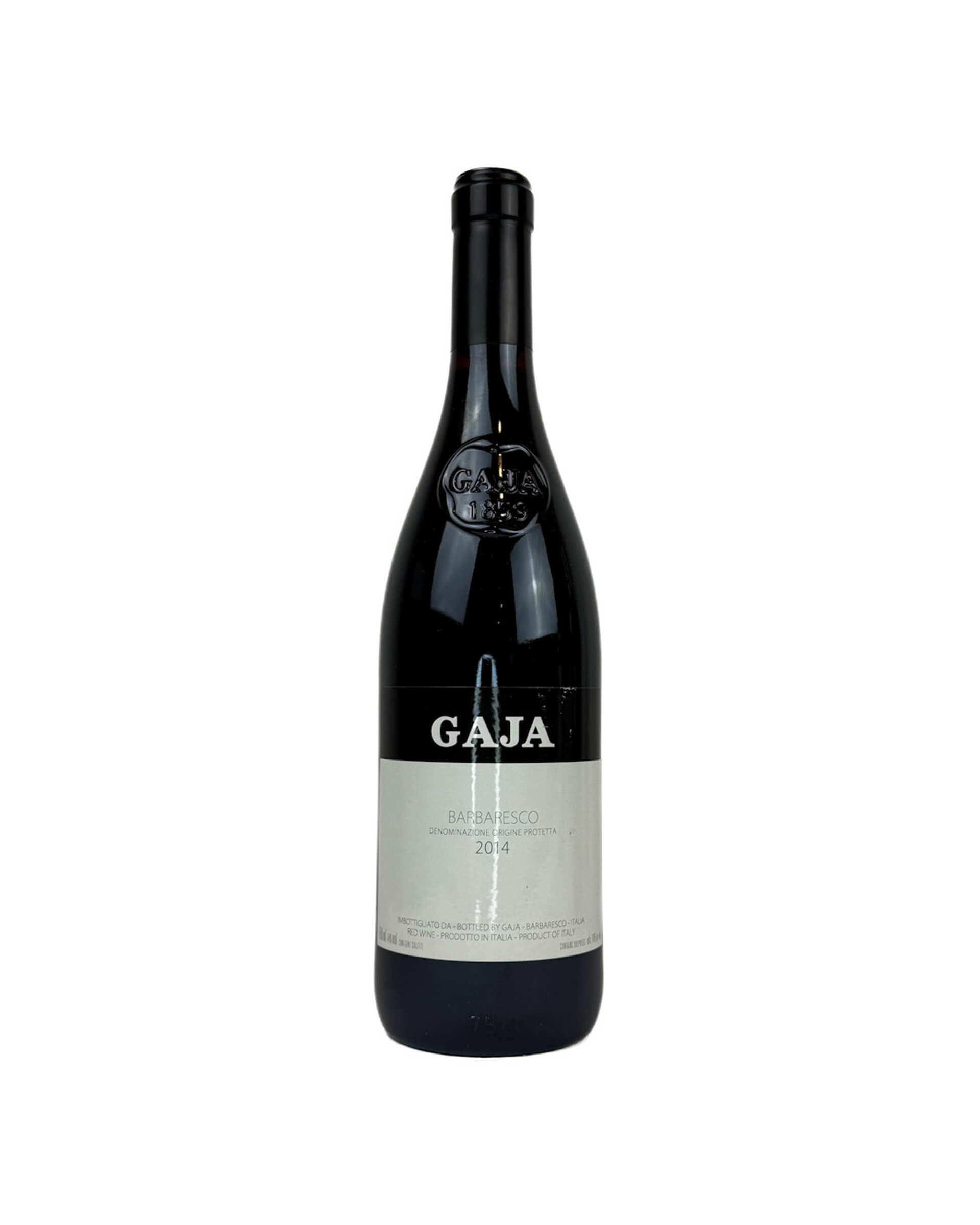
Two bottles of Barbaresco carry the appellation here. Three communes — Barbaresco, Treiso, and Neive — make up the DOCG, just north-east of Alba on the right bank of the Tanaro, whose moderating river influence brings slightly warmer, lower-altitude sites than Barolo’s. It was Angelo Gaja who, from the 1960s onward, dragged the appellation onto the global fine-wine stage and proved Nebbiolo grown here could command first-growth prices. Like Barolo it is 100% Nebbiolo, but the ageing minimum is shorter (26 months; 50 for Riserva), and those sites yield wines of finer-grained texture that open somewhat earlier. The shorthand — Barolo for power, Barbaresco for elegance — is an oversimplification, yet a useful entry point. Named single-vineyard sites such as Asili, Rabajà, and Martinenga function like premier cru designations and command real premiums. Barbaresco earned DOCG status in 1980, the same year as Barolo: the two share grape and history but reward the palate differently.
The Langhe DOC is the broader, more flexible appellation covering the same rolling hills, with shorter ageing minimums. Langhe Nebbiolo — often from vineyards adjacent to the Barolo and Barbaresco crus — is Piedmont’s most accessible gateway into the grape: recognisably the same character of rose, tar, and firm tannin, but on a lighter, earlier-drinking scale, approachable within three to five years. Many top producers release a Langhe Nebbiolo as a “declassified” expression or a younger-vine bottling from parcels outside the DOCG perimeter, and these two bottles in our range represent the finest value-for-money introduction to Piedmont fine wine.
The Piemonte DOC is the widest regional appellation, spanning multiple grapes and styles across the whole region — Barbera, Dolcetto, and Chardonnay alongside Nebbiolo-based wines. Less specific than a Barolo or Barbaresco, it offers the diversity of Piedmont’s secondary varieties. Barbera is the workhorse: naturally high in acidity and low in tannin, with bright cherry fruit. Its two DOCG homes diverge in style — Barbera d’Asti tends to be lighter, fresher, and more immediately drinkable, while Barbera d’Alba, often grown on the same slopes as Nebbiolo, is fuller-bodied and more frequently oak-aged. Dolcetto provides the soft, low-acid, plummy counterpoint — the everyday red of the Piedmontese table. For a buyer new to the region, a Piemonte DOC bottle is the lowest-commitment way to taste these grapes, with our entry tier starting from around €45.
The single most common question a Piedmont buyer asks is which to choose — and the honest answer is that neither is “better”. Both are among Italy’s greatest wines, and the decision turns on occasion and timeline rather than quality.
If you are buying to cellar for a decade or more, a structured Barolo from Serralunga d’Alba justifies the investment in full. If you want to open within five to eight years, or to taste Nebbiolo’s aromatic finesse before the tannin fully resolves, Barbaresco is the more welcoming entry point. Langhe Nebbiolo covers the ground beneath both, delivering the grape’s signature character at a fraction of the DOCG price.
Barolo and Barbaresco are built for the Piedmontese table. The canonical match is brasato al Barolo — beef braised slowly in the wine itself — alongside bistecca di Fassona (the region’s native beef breed, its answer to the Florentine steak), tajarin al tartufo bianco (thin egg pasta with white truffle, the local luxury pairing), roast lamb, wild boar stew, and aged hard cheeses such as 36-month Parmigiano Reggiano and Castelmagno. The high tannin and acidity demand rich protein and fat; delicate fish and vegetable dishes will be overwhelmed. Langhe Nebbiolo and Piemonte DOC bottles are more versatile — meat ragù pasta, grilled chicken, mushroom risotto, and mild charcuterie all suit them well.
Serve Barolo and Barbaresco at 17–18°C, and Langhe Nebbiolo a touch cooler at 15–16°C. Decanting is essential for all but the oldest bottles: young Barolo or Barbaresco under ten years benefits from one to two hours; bottles of fifteen years or more should be handled gently and given 30–45 minutes; a Langhe Nebbiolo needs only 20–30 minutes to open. Across the range, these are red wines that come alive with air and a generous glass.
Entry tier — from around €45. Accessible Langhe and Piemonte DOC expressions are the first step into Nebbiolo’s world without committing to the long ageing of a DOCG Barolo or Barbaresco. Best within three to five years of the vintage, they offer a reliable, honest preview of Piedmont’s character at modest outlay.
Classic tier — most bottles near €210. This is the true centre of gravity of our Piedmont selection. At this level sit serious Barbaresco DOCG bottlings and mid-tier Barolo from established appellations. A buyer at €210 is acquiring a fully aged, single-appellation DOCG Italian red of a quality comparable to a premier cru Burgundy, but at a fraction of the Burgundy price premium. Decant 60–90 minutes before serving.
Prestige tier — up to €420 at the upper end of the range, and as high as €610 for the rarest cuvées. Here are allocated Barolo from named single-vineyard sites, drawn from touchstone vintages such as 2010, 2013, 2016, and 2019, made by producers with multi-decade pedigrees. These wines will keep evolving for 15 to 25 years. Whether you buy to cellar or to open a benchmark Piedmont experience now, the vintage notes and producer background on each product page guide the decision. With 9 bottles spanning the full spectrum, you can use the site’s price filter to set a ceiling and the appellation filter to navigate by style.
Both are made from 100% Nebbiolo in the Langhe hills of Piedmont, but from different communes and under different rules. Barolo DOCG requires a minimum of 38 months of total ageing (62 for Riserva) and tends to produce fuller, more tannic, longer-lived wines that often need ten or more years to open fully. Barbaresco DOCG has a shorter minimum ageing requirement (26 months; 50 for Riserva) and generally delivers a finer-textured, more aromatic expression of Nebbiolo that becomes approachable somewhat earlier — typically within seven to twelve years of the vintage. Neither is objectively superior; the choice depends on when you plan to open the bottle and whether you want power or elegance.
Several factors combine. The DOCG is geographically constrained to eleven communes in the Langhe, covering a limited area of producing vineyard, so supply is structurally tight. Nebbiolo is low-yielding and late-ripening, demanding excellent site selection, and the mandatory 38-month minimum ageing means producers carry substantial cellar stock before a bottle can legally be sold. Named single-vineyard MGA (Menzione Geografica Aggiuntiva) sites further compress supply for the most sought-after labels, while decades of strong critic ratings and sustained global collector demand keep prices firm. In our selection, Piedmont starts from around €45 for an accessible Langhe-tier expression, with Barolo DOCG near €210 and the finest single-vineyard cuvées reaching €610.
The classic Piedmontese answer is brasato al Barolo — beef braised slowly in the wine itself. Beyond that, Barolo’s assertive tannin and high acidity make it an ideal partner for rich, fatty proteins: bistecca di Fassona, roast lamb, wild boar stew, venison with juniper, and truffle dishes such as tajarin al tartufo bianco. Aged hard cheeses — 36-month Parmigiano Reggiano, Castelmagno — also work beautifully. Avoid delicate fish or vegetable plates, as Barolo’s structure will overwhelm them.
For Barolo and Barbaresco, the outstanding modern reference vintages are 2010, 2013, 2016, and 2019. The 2016 is widely regarded as one of the greatest Barolo vintages in decades — Antonio Galloni of Vinous called it a “magical” year and scored top estates 96–100 points, while Wine Spectator rated it 99 — concentrated yet balanced, with the freshness Nebbiolo needs to age gracefully, and bottles are now entering their drinking window with 15 to 25 years ahead of them. The 2019 earned strong reviews for classical structure and freshness, with James Suckling rating the vintage 97, and it is a strong cellar candidate. The 2010, now over fifteen years old, is fully open yet still evolving; well-stored bottles will reward another decade. Always check the vintage year on each product page before purchasing.
Written by the Tour de Wine buying team. Last reviewed: June 2026.
This site is restricted to adults. By entering, you confirm that you are of legal drinking age in your country of residence.