
N/A
3
1982
Bersano
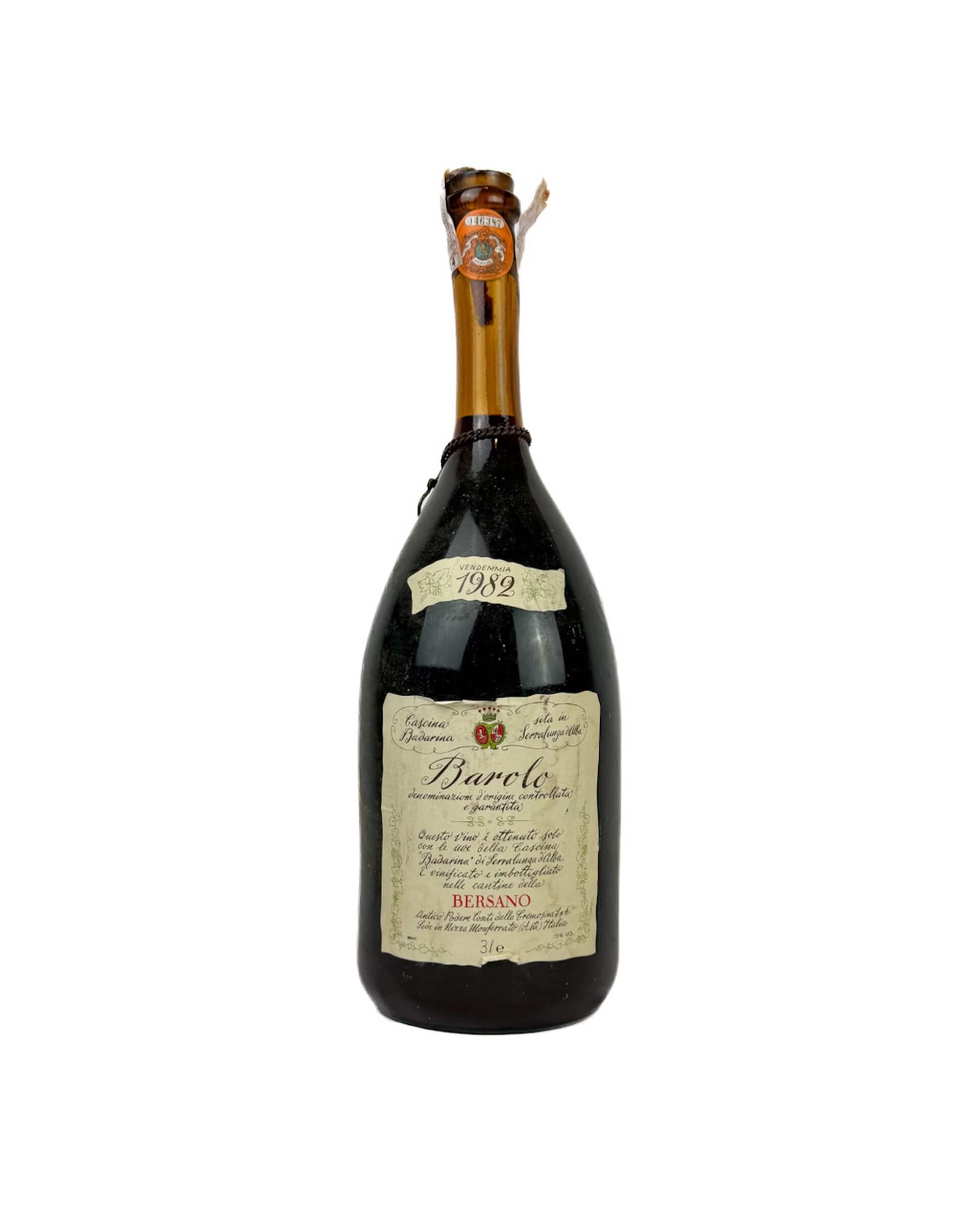
Barolo Bersano Badarina 1982 3L
€ 504,00
Wines, producers, regions...
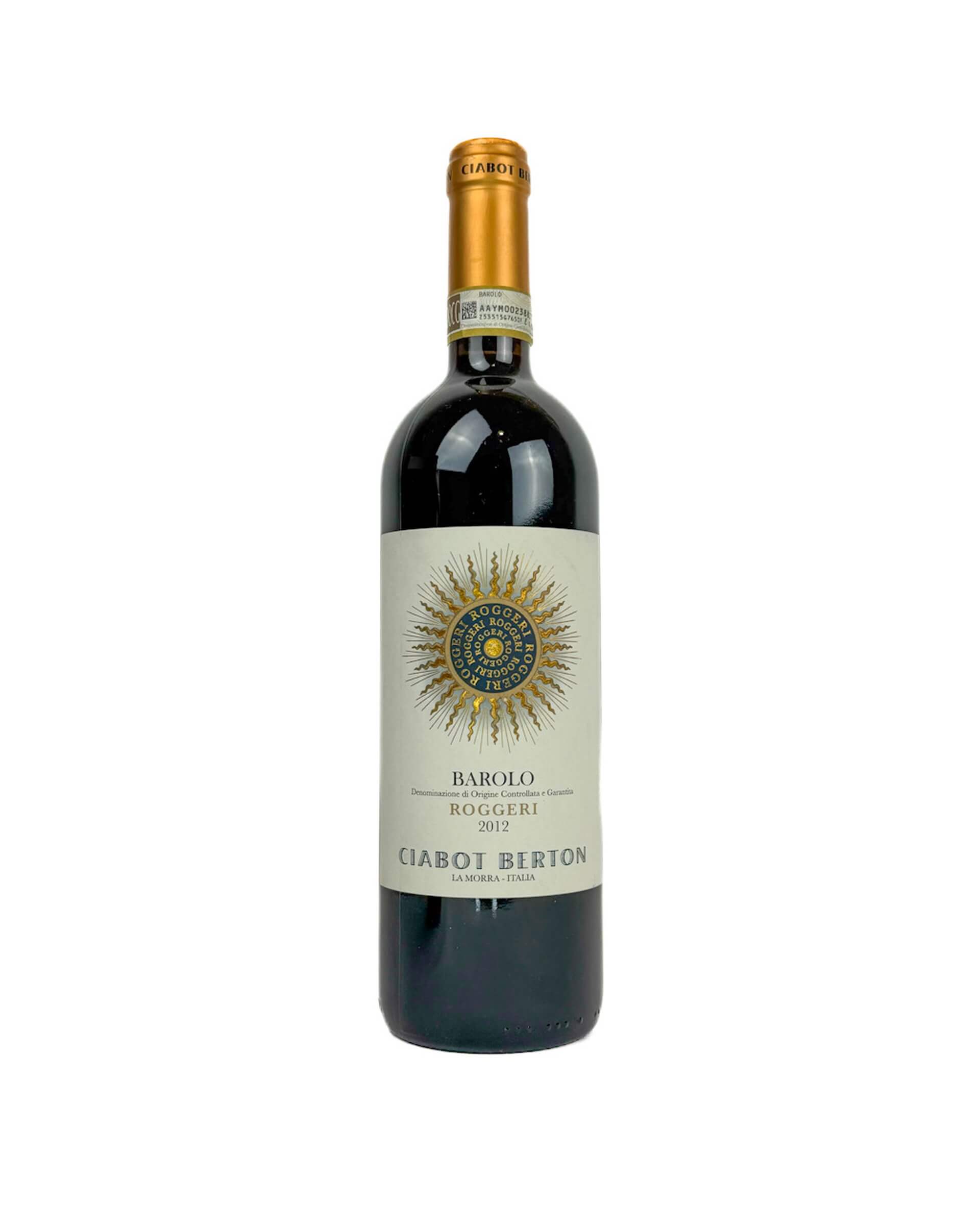
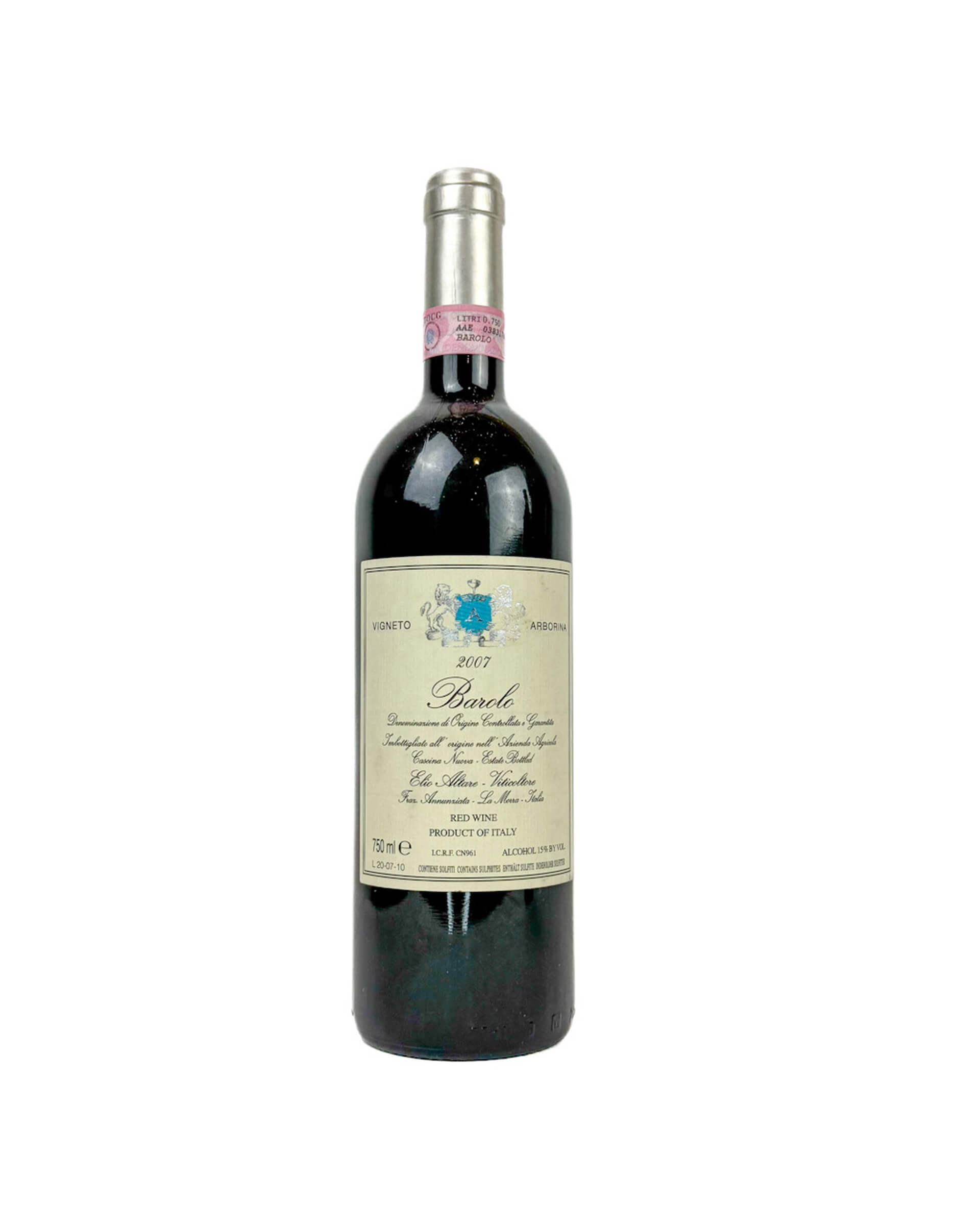
Few wines reward patience the way Barolo does. Made exclusively from Nebbiolo across eleven communes in the Langhe hills of Piedmont, it pours a deceptively pale garnet — thinning toward orange at the rim as it ages — yet hides a tannic architecture built to outlast its maker. This is the paradox that defines Barolo: a wine that looks delicate in the glass and behaves like granite on the palate, evolving over two, three, even four decades from austere youth into one of the most complex reds on earth.
Long known as “the King of Italian Red Wine,” Barolo is among Italy‘s most prestigious and age-worthy appellations. Tour de Wine’s curated Barolo selection runs from around €45 to €420, spanning genuine entry-point DOCG bottles through to rare named-vineyard cuvées — every one a study in what Nebbiolo can become when given time. The four wines below reward the buyer who reads a label closely.
Barolo earned DOCG status in 1980, Italy’s highest wine classification, covering eleven communes in the Langhe hills south-west of Alba. The rules are uncompromising: a wine may carry the name Barolo only if it is 100% Nebbiolo — no blending, no exceptions. Minimum total ageing is 38 months, of which at least 18 must be in oak, for a standard Barolo DOCG; a Riserva demands 62 months. In practice this means the earliest a standard bottle can legally reach the shelf is roughly three years after harvest, by which point its mandatory wood contact is complete and at least a year of bottle rest has followed.
Everything turns on the grape. Nebbiolo is thin-skinned, late-ripening and acutely sensitive to site. It buds early — exposing it to spring frost — and ripens very late, often into mid-October, leaving it vulnerable to autumn rain. Only the best south- and south-west-facing slopes in the Langhe reach the full physiological ripeness Barolo demands. The result is a red wine of misleadingly pale colour but high natural acidity, firm tannins, and an aromatic arc that travels from youthful cherry, rose and violet toward mature tar, leather, dried fruit, truffle and iron over ten to twenty years.
Why is Barolo called the King? Production is small, ageing is mandatory and lengthy, the site requirements are strict, and the finest examples rank among the longest-lived red wines made anywhere. In structure and terroir-transparency it invites comparison to Pinot Noir — another pale, high-acid, aromatic variety that reveals the soil it grew in above all else.
The single most useful skill a Barolo buyer can learn is to read the commune on the label. The eleven villages of the DOCG sit on two dominant soil types, and that geology — more than any marketing — predicts what the wine will do in your glass and on what timeline.
The communes of La Morra and Barolo village rest on Tortonian soils — younger, lighter, calcareous clay-limestone formed roughly five to ten million years ago. These soils drain freely and warm quickly in spring, lengthening the growing window for Nebbiolo. The wines lean toward a perfumed, aromatic style: rose petal, violet, red cherry and tobacco are typical, with tannins that knit together earlier — often seven to twelve years from vintage for a well-sourced bottle. La Morra is the largest commune in the DOCG by area; its renowned vineyard sites include Brunate, Cerequio, La Serra and Rocche dell’Annunziata. For a buyer who wants to open a Barolo within the coming decade, La Morra and Barolo village are the natural starting point.
Serralunga d’Alba and Castiglione Falletto sit on older, more compact Helvetian soils — harder sandstone and marl formed some twelve to fifteen million years ago, less fertile and slower to warm. Nebbiolo here yields wines of greater tannic weight and density: more closed in youth, more austere, and typically needing fifteen to twenty years or more in the cellar before the tannins relax and the full aromatic complexity emerges. Serralunga’s celebrated sites include Lazzarito, Falletto, Cerretta, Parafada and Francia — the Francia vineyard being the monopole of Giacomo Conterno, one of the most revered addresses in traditional Barolo. In Castiglione Falletto, Villero, Monprivato and Bricco Boschis carry comparable prestige. For a buyer planning to cellar fifteen years and beyond, these are the appellations-within-the-appellation to seek.
The remaining villages — Verduno, Novello, Grinzane Cavour, Diano d’Alba and Monforte d’Alba — each add to the DOCG’s character. Verduno also produces Pelaverga di Verduno, a rare indigenous red, but its Barolo — particularly from the Monvigliero vineyard — is the benchmark bottle: unusually floral and spicy, with a lighter, more immediately engaging style than either the La Morra or Serralunga poles. Monforte d’Alba, with its famed Bussia cru, sits stylistically between the two soil types and yields wines of real depth with moderate ageing demands. For buyers who want complexity without the full twenty-year patience of Serralunga, Monforte is a strong middle ground.
Since 2010 the Barolo DOCG has officially recognised more than 170 Menzioni Geografiche Aggiuntive (MGAs) — single-vineyard and defined sub-zone names that may appear on the label. An MGA is the most precise style and quality signal the system offers: it tells you exactly where in the eleven-commune DOCG the grapes grew and, if you know the soil map above, what to expect in the bottle. Tour de Wine’s product pages list MGA and commune detail for each wine; use them to navigate the wider Piedmont selection with confidence.
Beyond geography, the second great variable in Barolo is the cellar. The traditional style relies on extended skin maceration — thirty, sixty, sometimes more days — followed by long ageing in large Slavonian oak botti of 5,000 to 20,000 litres. Such large vessels impart almost no oak flavour, leaving the wine wholly Nebbiolo-driven. Producers often associated with this lineage — Giacomo Conterno, Bartolo Mascarello, Giuseppe Rinaldi, Bruno Giacosa — make wines of formidable tannic density in youth that demand fifteen to twenty-five years of cellaring, evolving from stern and austere to transcendent: tar, dried rose, liquorice, tobacco, forest floor, iron, white truffle. It is worth treating these as tendency poles rather than fixed camps: many producers have shifted position over the past decade, and an individual cellar can defy easy labelling. Bruno Giacosa’s own approach was always highly personal and evolved across the decades, and his estate has continued under new winemaking direction since his death in 2019. Buying a traditional Barolo is a statement of intent — these are bottles to lay down, not to open within the decade.
The modern style favours shorter macerations of ten to twenty days, rotary fermenters for efficient colour and tannin extraction, and ageing in smaller French barriques, often new 225-litre oak. The result is a denser, more immediately expressive Barolo — darker fruit, a softer mid-palate, more visible oak spice in youth — that opens earlier, often seven to twelve years from vintage. Luciano Sandrone, Paolo Scavino and the Elio Altare lineage are commonly cited here, though again these are tendencies rather than rigid categories — Sandrone, for one, has moved toward longer macerations and larger oak in recent vintages. Neither approach is superior; the choice hinges on when you intend to pull the cork. Among the terroir-driven reds a collector might assemble, Barolo offers both temperaments — check the producer notes on each Tour de Wine product page for orientation.
The classic Piedmontese table sets the template. The canonical match is brasato al Barolo — beef short rib braised slowly in the wine itself until the sauce reduces to a glossy, savoury glaze. Alongside it: bistecca di Fassona Piemontese (Piedmont’s native beef breed, served blue or rare), tajarin al tartufo bianco (thin egg pasta under shaved white truffle, the great autumn luxury), cinghiale in umido (slow-braised wild boar), roast lamb with rosemary, and the region’s tangy, crumbly aged Castelmagno cheese. The governing rule is simple: Barolo’s high tannin and acidity demand rich, fatty, umami-laden protein — anything lighter is overwhelmed.
Beyond Piedmont, Barolo handles the full sweep of classic European red-meat cooking: venison with juniper, duck confit, mature hard cheeses such as Comté aged 24 months or more, and Piedmontese beef tartare (carne cruda, dressed simply with oil and lemon). Serve at 17–18°C in a large Burgundy bowl to let the aromatics open. Decanting is non-negotiable: young Barolo under ten years needs a minimum of two to three hours; an aged bottle of fifteen years or more should stand upright for 24 hours to settle its sediment, then be decanted gently over 30 to 45 minutes. Never pour Barolo straight from a freshly opened bottle — for very young, aggressively tannic wines, a double-decant (into the decanter, then back into the rinsed bottle) works well.
Tour de Wine’s Barolo selection is curated rather than comprehensive — chosen for quality and provenance, not volume — and spans three practical tiers anchored in real catalogue prices.
Entry tier — from around €45. The floor of the selection delivers genuine DOCG Barolo from a recognised producer: 100% Nebbiolo, the full mandatory ageing, and the unmistakable varietal signature of high acidity, rose, tar and firm tannin. Drink within five to ten years of the vintage and decant for at least 90 minutes. This is the right choice for a first serious Barolo or a gift for someone moving up through Italian reds.
Classic tier — most bottles near €150. This is the honest centre of gravity of the four-bottle selection: a village-level or commune-designated Barolo from a reputable producer, very likely with an identified commune of origin and potentially a named MGA. These wines carry ten to twenty years of ageing potential and suit a buyer who wants to cellar or open on a meaningful occasion. Set one beside a Burgundy premier cru at the same price and the comparison is instructive — Barolo’s structure and complexity stand level, frequently at a lower euro cost. Decant a recent vintage for two hours.
Prestige tier — up to €420 for the rarest cuvées. At the €420 ceiling of the current selection sits a named-MGA Barolo or Riserva — the kind of bottle drawn from a benchmark Serralunga d’Alba or Castiglione Falletto cru in a top vintage such as 2016 or 2010, from a producer with a recognised place in the appellation’s history. Check the live product page for the exact MGA, producer and vintage in stock, as availability at this level turns over quickly. These bottles demand patience — fifteen to twenty-five years of cellaring for full traditional expression — yet can evolve across three to four decades, placing them, in cellaring potential, alongside a Grand Cru. The vintage and MGA notes on each product page guide the decision at this level. Use the price filter on the category page to navigate by budget.
Barolo’s appellation-wide performance swings more from year to year than almost any other major DOCG. Nebbiolo’s late ripening leaves it exposed to autumn rain, and the great vintages are defined by warm, dry conditions from August through October paired with cool nights — the diurnal swing that preserves the acidity underpinning Barolo’s ageing framework.
Always check the vintage year on each Tour de Wine product page before purchasing; availability varies by vintage and producer.
Both are made from 100% Nebbiolo in the Langhe hills of Piedmont, and both rank among Italy’s most celebrated reds — but they differ in geography, regulation and style. Barolo DOCG covers eleven communes south-west of Alba and requires a minimum of 38 months’ ageing (62 for Riserva), tending toward fuller-bodied, more tannic, longer-lived wines that typically need ten to twenty years from vintage to open fully. Barbaresco DOCG covers three communes north-east of Alba and requires only 26 months’ ageing (of which 9 months in oak for standard; 50 months for Riserva), generally giving a finer-textured, more aromatic Nebbiolo that becomes approachable somewhat earlier. Neither is categorically better. If you are cellaring for fifteen years or more, a Barolo from Serralunga d’Alba or Castiglione Falletto is the natural pick; if you want Nebbiolo’s elegance without the full tannic weight within seven to ten years, Barbaresco offers the better near-term experience.
Several forces sustain the price. The DOCG zone is geographically capped at eleven communes with total plantings under 2,000 hectares, structurally limiting supply. Nebbiolo is low-yielding, late-ripening and demands the best sites — lesser plots simply do not make DOCG-quality fruit. The mandatory minimum ageing (38 months for standard, 62 for Riserva) forces producers to carry significant cellar stock before a bottle can legally be sold, and that financing cost is embedded in the price. Decades of critical recognition have fed steady collector demand from the US, Europe and Asia, while the most sought-after MGA sites in Serralunga d’Alba and Castiglione Falletto command further premiums on sharply limited supply. Tour de Wine’s Barolo selection starts from around €45, with most bottles near €150 and the rarest cuvées reaching €420.
It depends on commune, winemaking style and vintage. As a guide: a La Morra or Barolo-village wine in a modern style may drink well seven to ten years from the vintage with two to three hours of decanting. A traditional Serralunga d’Alba or Castiglione Falletto bottle may need fifteen to twenty years before the tannins soften enough for a complete experience, and a Riserva from a top vintage can continue evolving for thirty to forty years. A practical rule when uncertain: decant aggressively for two to three hours and serve with rich food — Barolo rewards patience, but a young bottle, properly decanted and well matched, still delivers a meaningful glass. Check the ageing guidance on each Tour de Wine product page.
The short answer is rich, fatty, umami-laden protein — the fuller pairing section above covers the canonical Piedmontese table in detail. One practical buyer’s note: if you cook brasato al Barolo at home, you do not need to sacrifice a cellar bottle — a younger, less expensive Nebbiolo or even a sound entry-tier Barolo braises just as well, since long, gentle cooking concentrates the wine and softens its tannin. A well-marbled chuck or short rib stands in perfectly for Fassona when that breed is unavailable, and aged hard cheeses such as Castelmagno or Parmigiano Reggiano at 36 months close the meal. Avoid delicate fish, light vegetables and cream sauces, which the wine’s structure will simply overwhelm.
Written by the Tour de Wine buying team. Last reviewed: June 2026.
This site is restricted to adults. By entering, you confirm that you are of legal drinking age in your country of residence.