
96
0,75
2006
Emilio Moro
Wines, producers, regions...
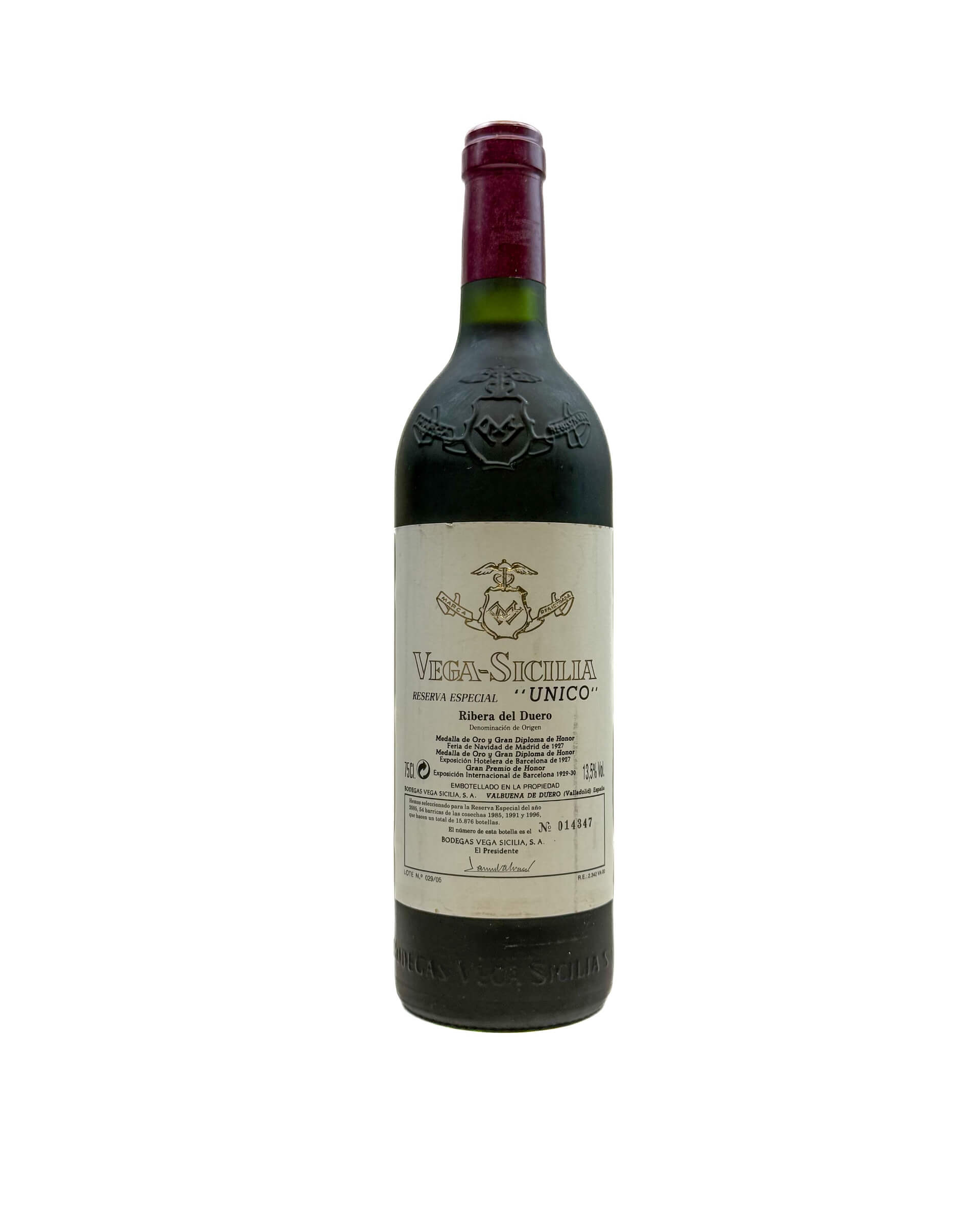
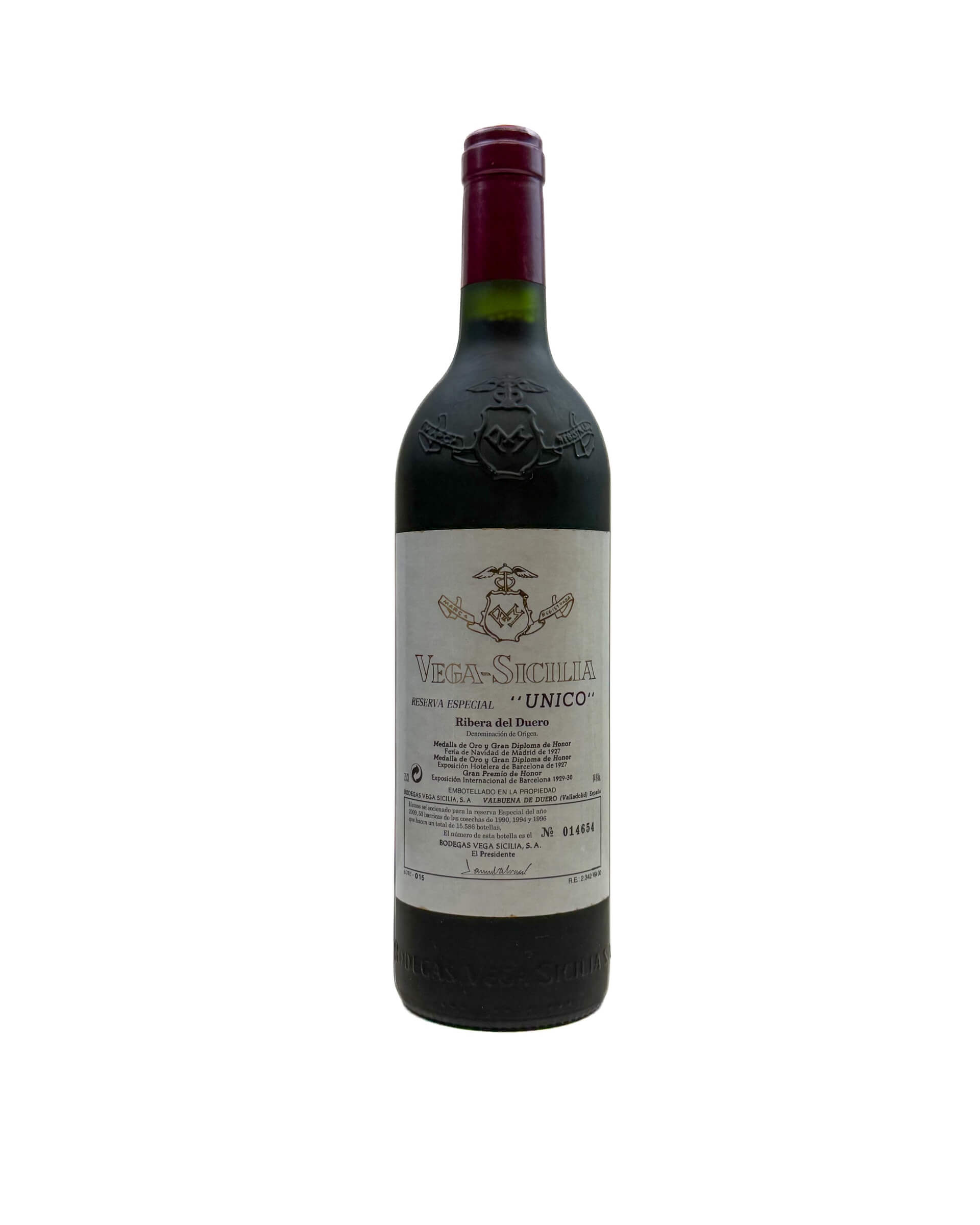
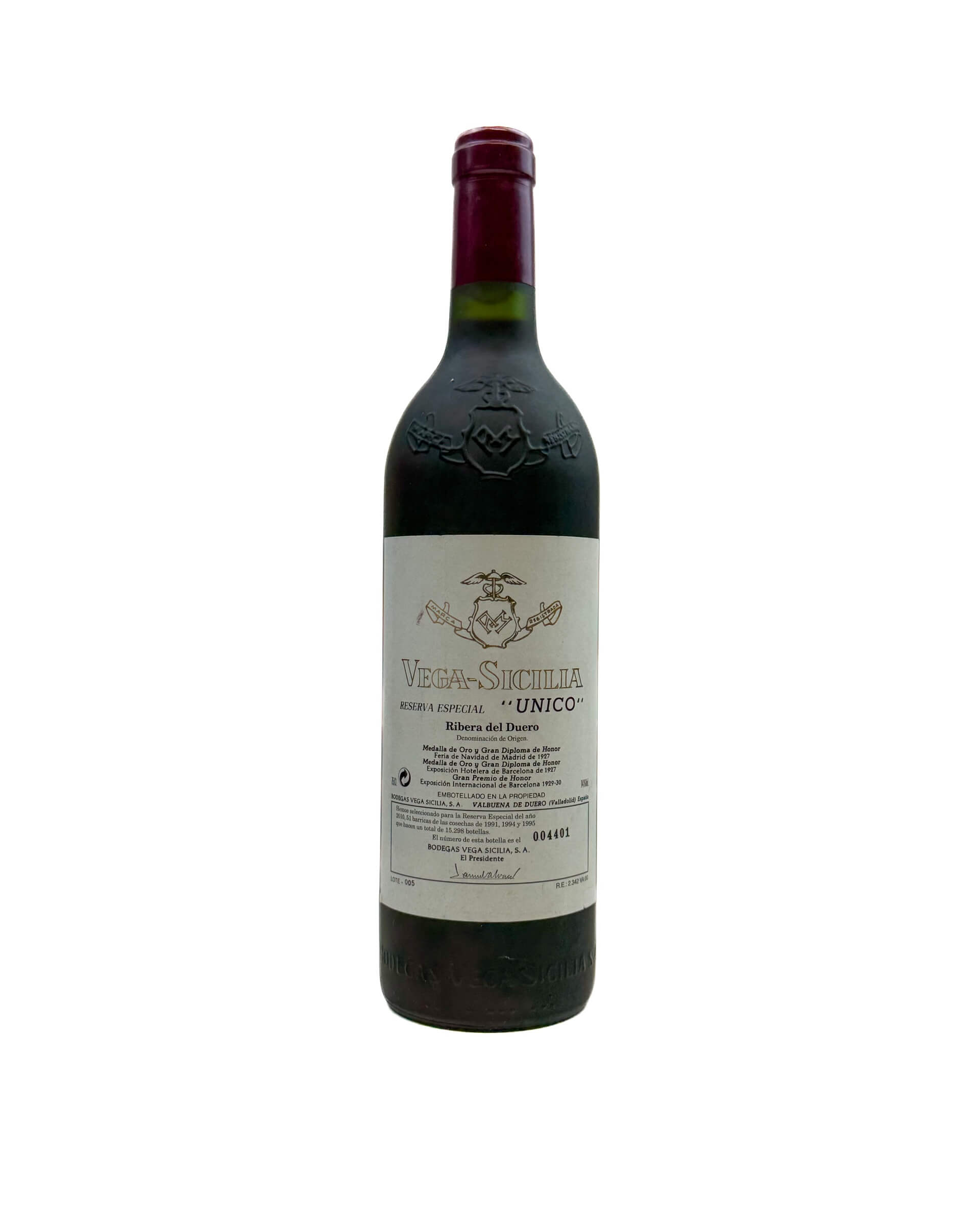
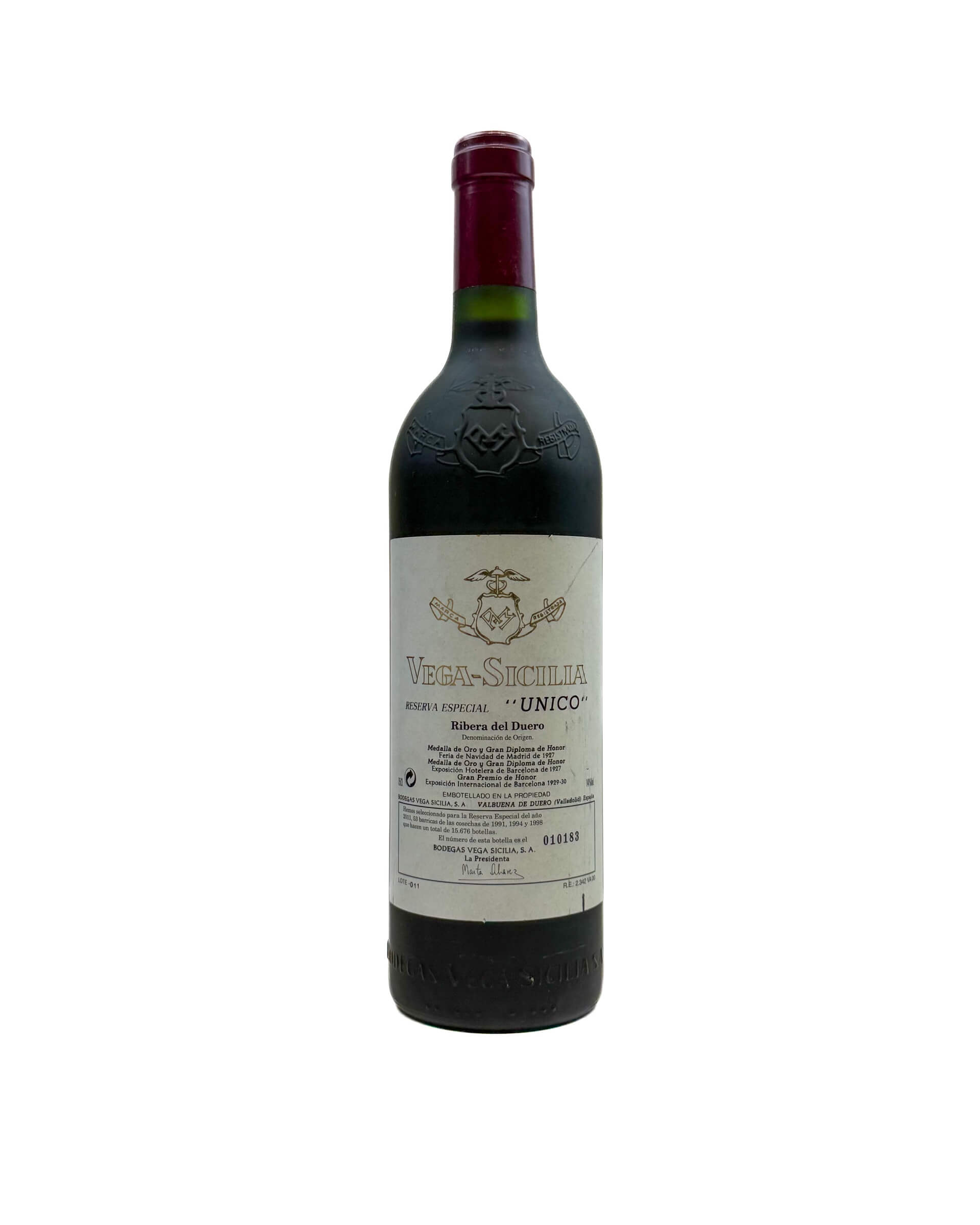
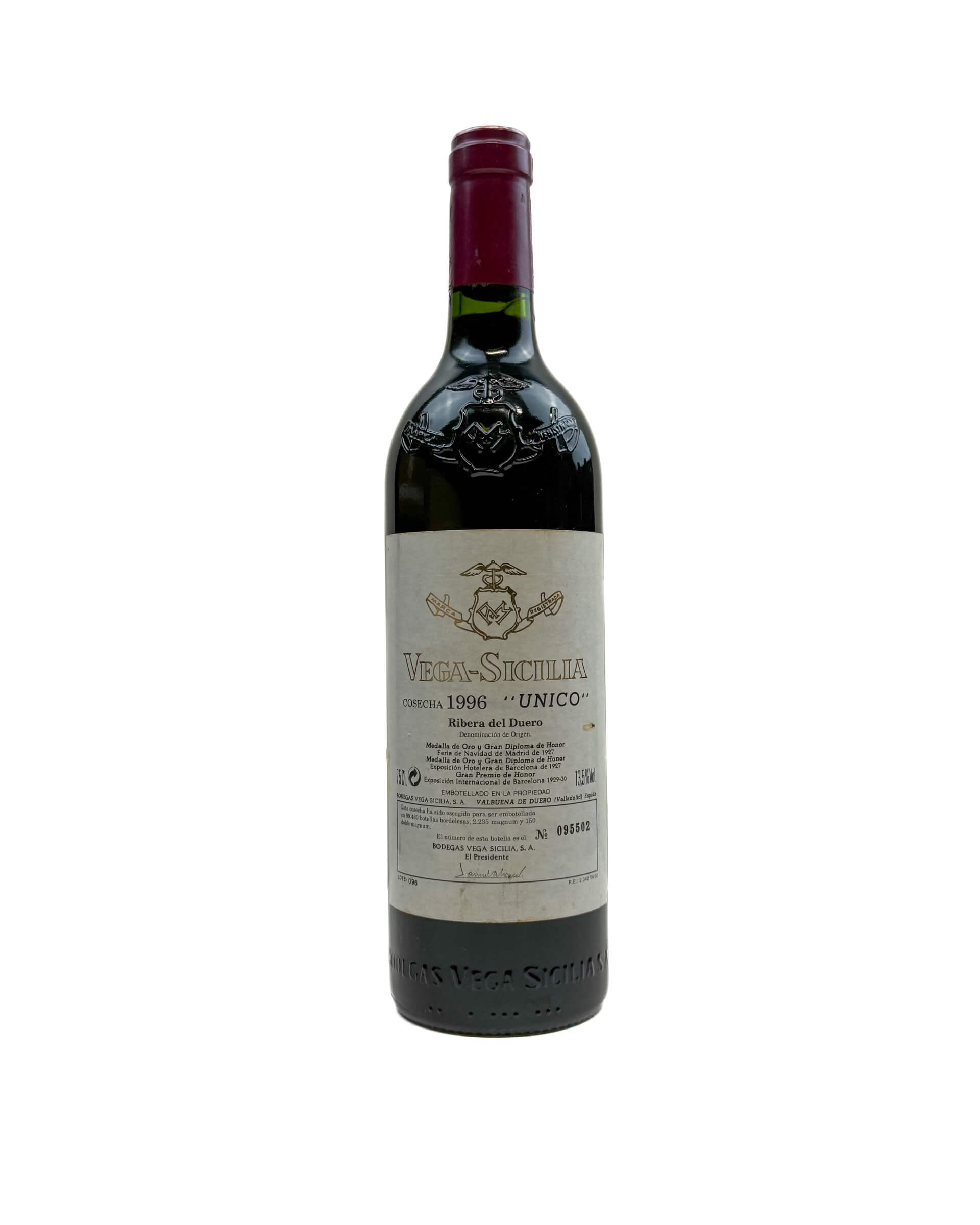
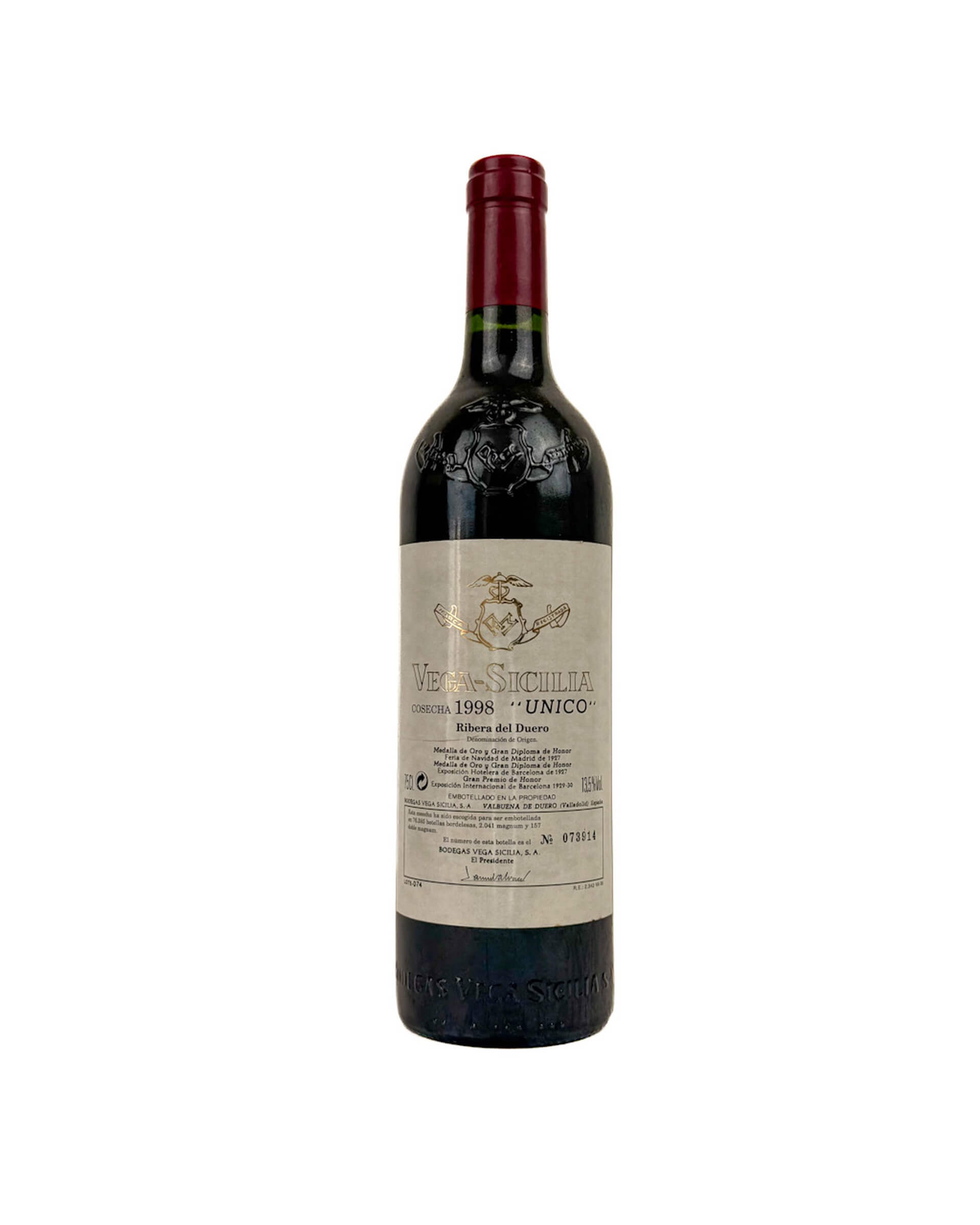
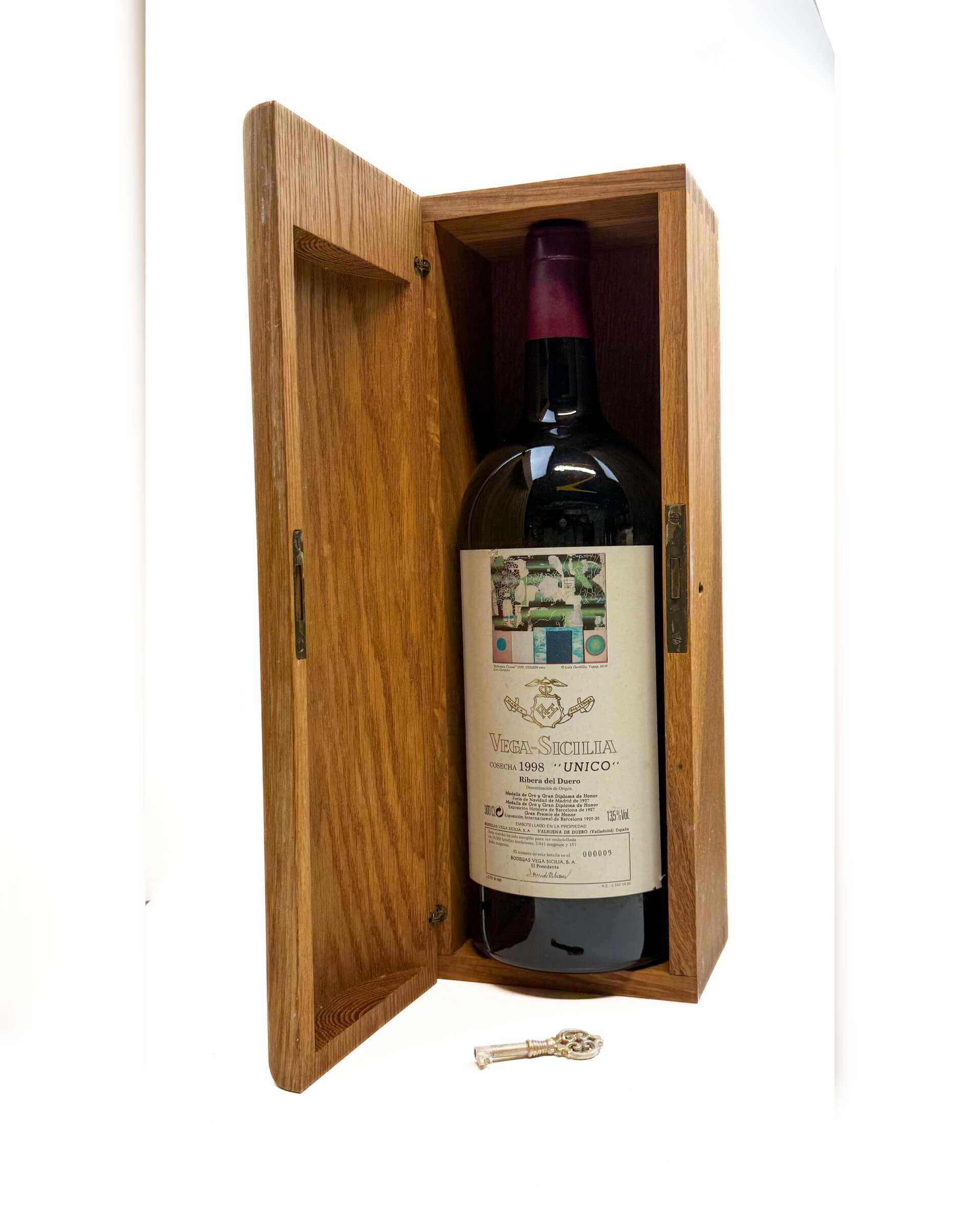
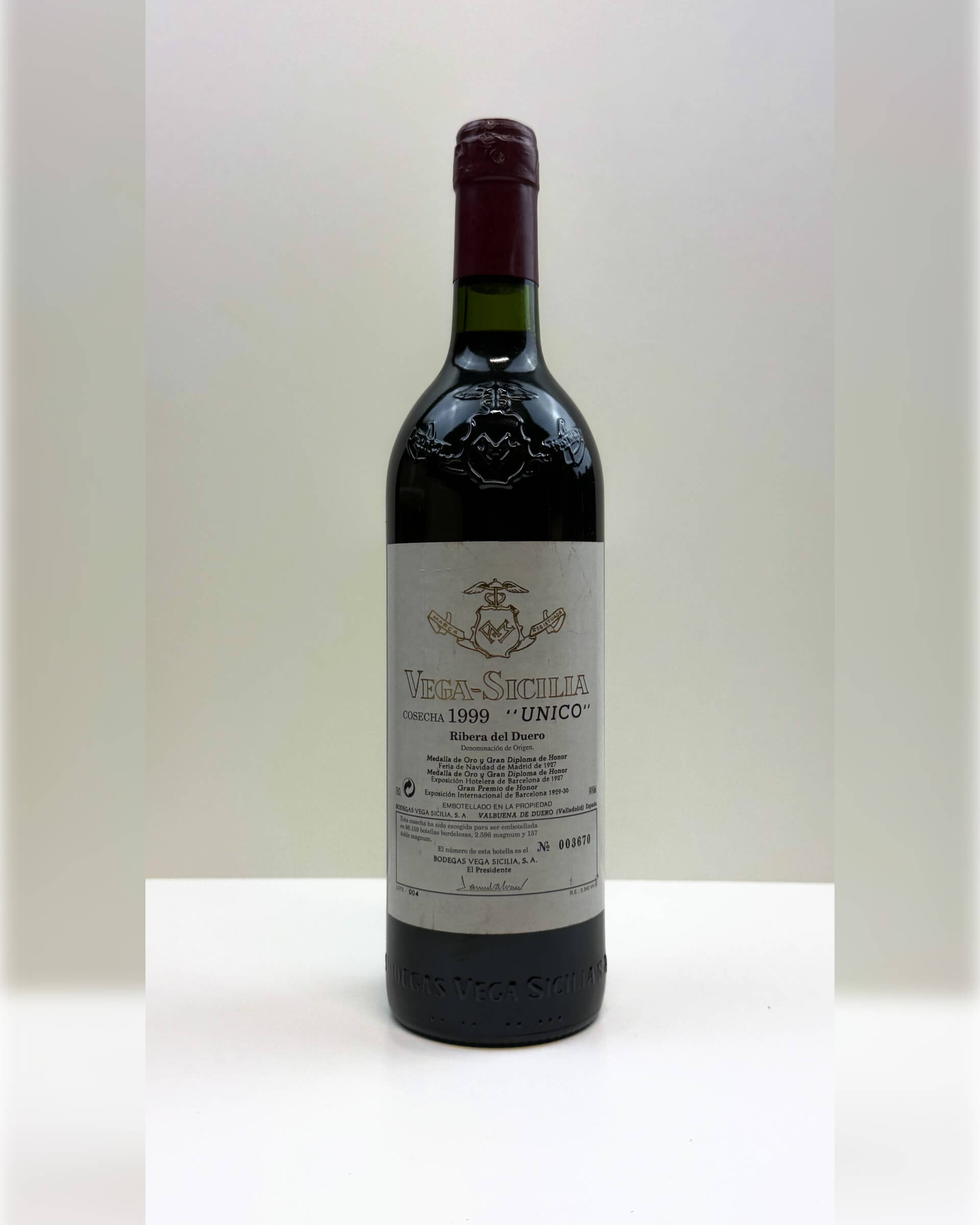
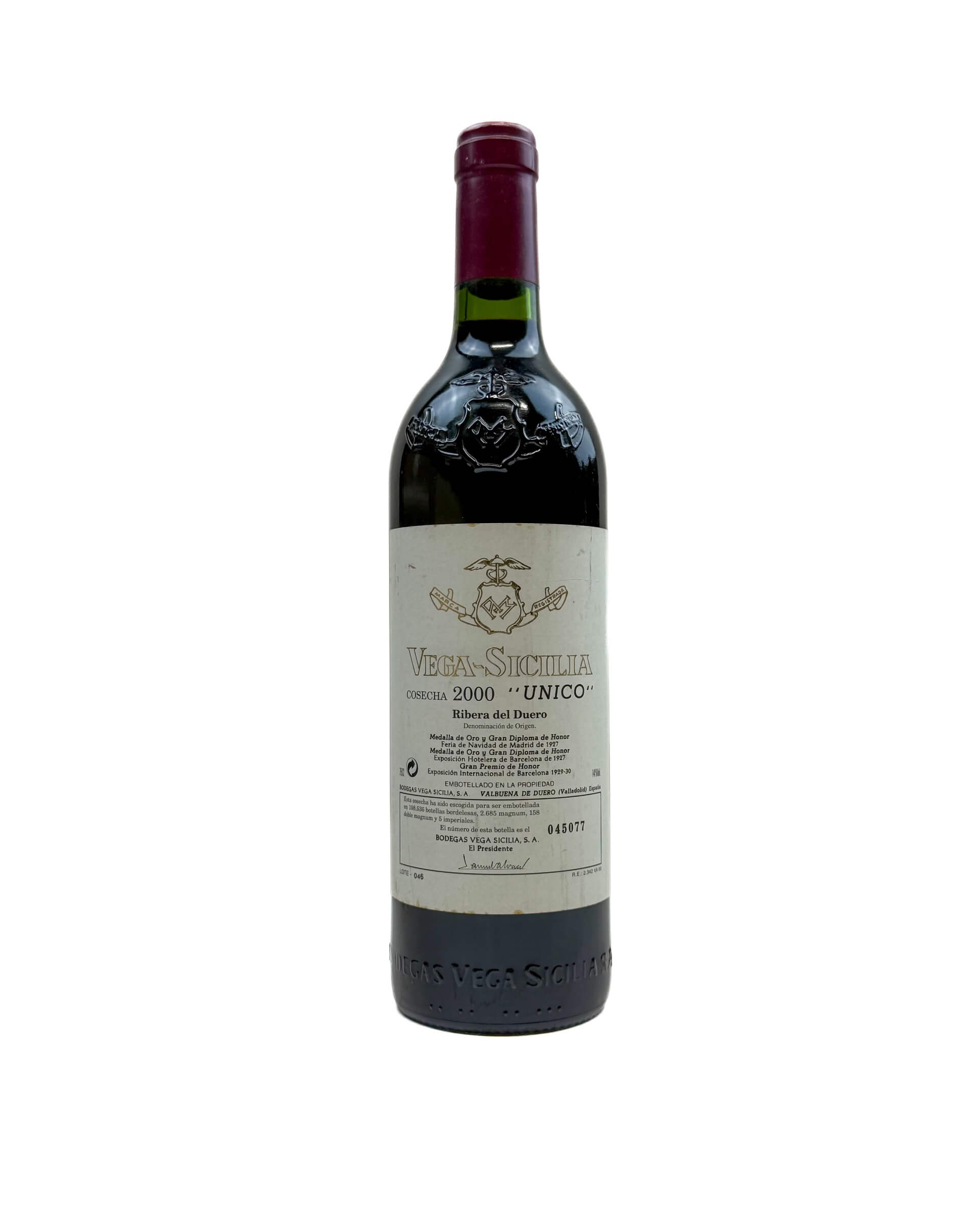
Ribera del Duero is the appellation that put Spanish Tempranillo on international auction floors, with Vega Sicilia Unico fetching prices in the league of fine Bordeaux. Stretched along the high banks of the Duero River in Castilla y León, this Denominación de Origen turns Tinto Fino — the region’s own high-altitude expression of Tempranillo — into some of Spain‘s most structured, age-worthy, and internationally revered wines. The combination of extreme altitude, a punishing continental climate, and old-vine fruit gives Ribera del Duero wine its dark concentration and firm mineral tannin, qualities few regions can match.
Tour de Wine’s selection from the appellation is built around serious, collectable bottles: a curated range that starts from around €140 for estate Crianza and reaches its most coveted icons. Whether you are buying your first benchmark Reserva or hunting a rare prestige cuvée, every wine here is sourced with a specialist’s eye for provenance and ageing trajectory.
The DO unfolds across a roughly 115 km east-west stretch of the Duero River valley, crossing the provinces of Burgos, Soria, Segovia, and Valladolid in Castilla y León. What sets it apart from almost every other Spanish red region is altitude: vineyards sit between 750 and 900 metres above sea level, high enough to slow ripening, preserve acidity, and concentrate flavour. The climate is severely continental — scorching summer days give way to cold nights, with diurnal swings of 15–20°C that lock in aromatic intensity and freshness, while harsh winters force the vines into deep dormancy.
Soils are a patchwork of chalk, limestone, clay, and sandy alluvium laid down along the river terraces, lending the wines their characteristic backbone of minerality and grip. The Duero itself is no ordinary river: cross into Portugal and it becomes the Douro, threading through Port wine country, so this valley geographically links two of Iberia’s greatest wine cultures. Within the DO, an east-west character emerges — the Burgos subzone in the west tends toward tightly wound, darkly fruited, structured wines, while the Soria margins to the east often yield slightly more aromatic, lifted expressions. The appellation was formally recognised in 1982, relatively young for a region now spoken of in the same breath as Spain’s most historic names.
These reds are built almost entirely on Tinto Fino, the local name for a high-altitude clone of Tempranillo (also known as Tinto del País). It is not simply Rioja’s grape grown elsewhere: decades of adaptation to elevation and extreme diurnal range have given Tinto Fino a distinct personality. Expect deeper colour, firmer tannin, darker fruit — blackberry, plum, and black cherry rather than the red-fruit lift of classic Rioja — higher natural acidity, and far greater structural density. This is the grape signature that makes the wines so dramatically age-worthy.
By regulation, Tinto Fino must make up at least 75% of every red from the appellation, though in practice it accounts for roughly 95% of plantings, and the finest cuvées are typically 100% Tinto Fino. The DO also permits a handful of international and Spanish blending varieties — including Cabernet Sauvignon, Merlot, Cabernet Franc, Malbec, and Garnacha Tinta. A little white wine from Albillo Mayor exists, but the region’s entire identity rests on its red wine.
Like much of Spain, Ribera del Duero classifies its wines by ageing, and understanding the four tiers is the single most useful tool for choosing a bottle. Each step up the ladder means more time in oak and bottle before release — and a different drinking and cellaring window.
Little or no oak ageing, released within the vintage year or the following spring. These are fresh, fruit-forward wines that show pure, unadorned Tinto Fino character — approachable, lighter on their feet, and best enjoyed within 3–5 years of the vintage. The natural entry point into the appellation’s style.
A minimum of 24 months’ total ageing, of which at least 12 months are in oak. Crianza adds structure, spice, and aromatic complexity while remaining accessible within a few years of release. This is the tier where most of Tour de Wine’s entry-level bottles sit, from around €140.
A minimum of 36 months’ total ageing, with at least 12 months in oak. Here the appellation’s signature power and mineral complexity emerge in full: dense, structured, deeply fruited wines that reward 8–15 years of cellaring from top estates. A significant share of our selection lives in this tier, with most bottles priced near €440.
A minimum of 60 months’ total ageing, including at least 24 months in oak. These are the appellation’s most age-worthy expressions — made only in the finest vintages by leading producers and built for a decade or more in the cellar. At Tour de Wine, Gran Reserva and prestige labels climb to as much as €7,500 for the rarest cuvées. Among benchmark vintages, 1994, 2004, and 2010 are now in their drinking window for Reserva and approachable Gran Reserva; 2012 sits on the cusp; while 2016 and the powerful 2022 should be held at least five more years before top Gran Reserva opens up.
A handful of estates define the appellation’s reputation and ceiling. Knowing what each stands for makes it far easier to read a label and decide where your budget belongs.
Founded in 1864 and producing continuously since 1915, Vega Sicilia is Spain’s most collected and internationally recognised fine-wine estate. Its flagship, Unico, is typically a Tinto Fino and Cabernet Sauvignon blend aged a decade or more in French and American oak before release — the appellation’s reference point for complexity, longevity, and price. Valbuena 5° is the estate’s earlier-released second label, a more accessible window into the house style, while Alión, a separate Vega Sicilia property working with 100% Tinto Fino, offers a more immediately expressive character at a relatively more approachable price.
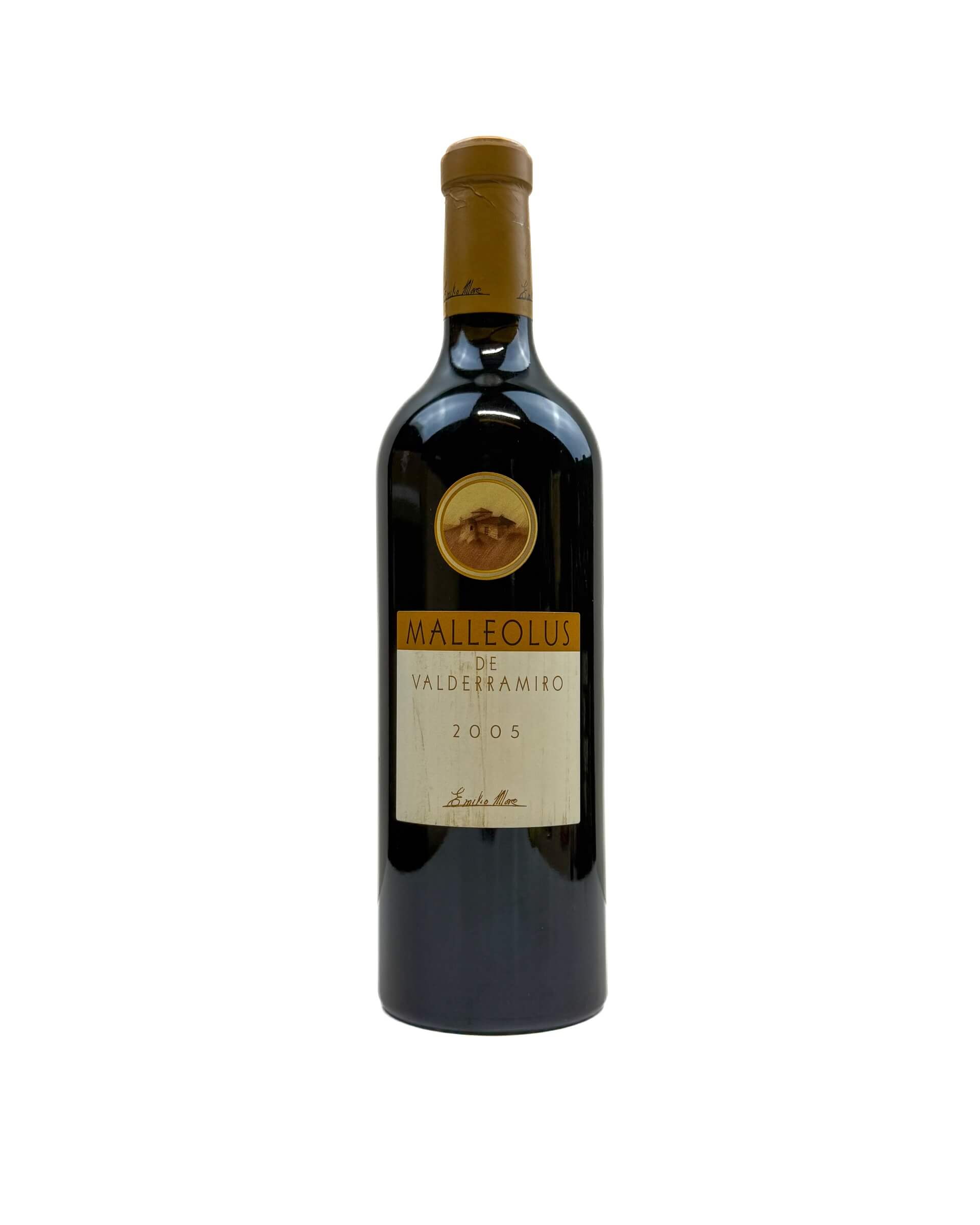
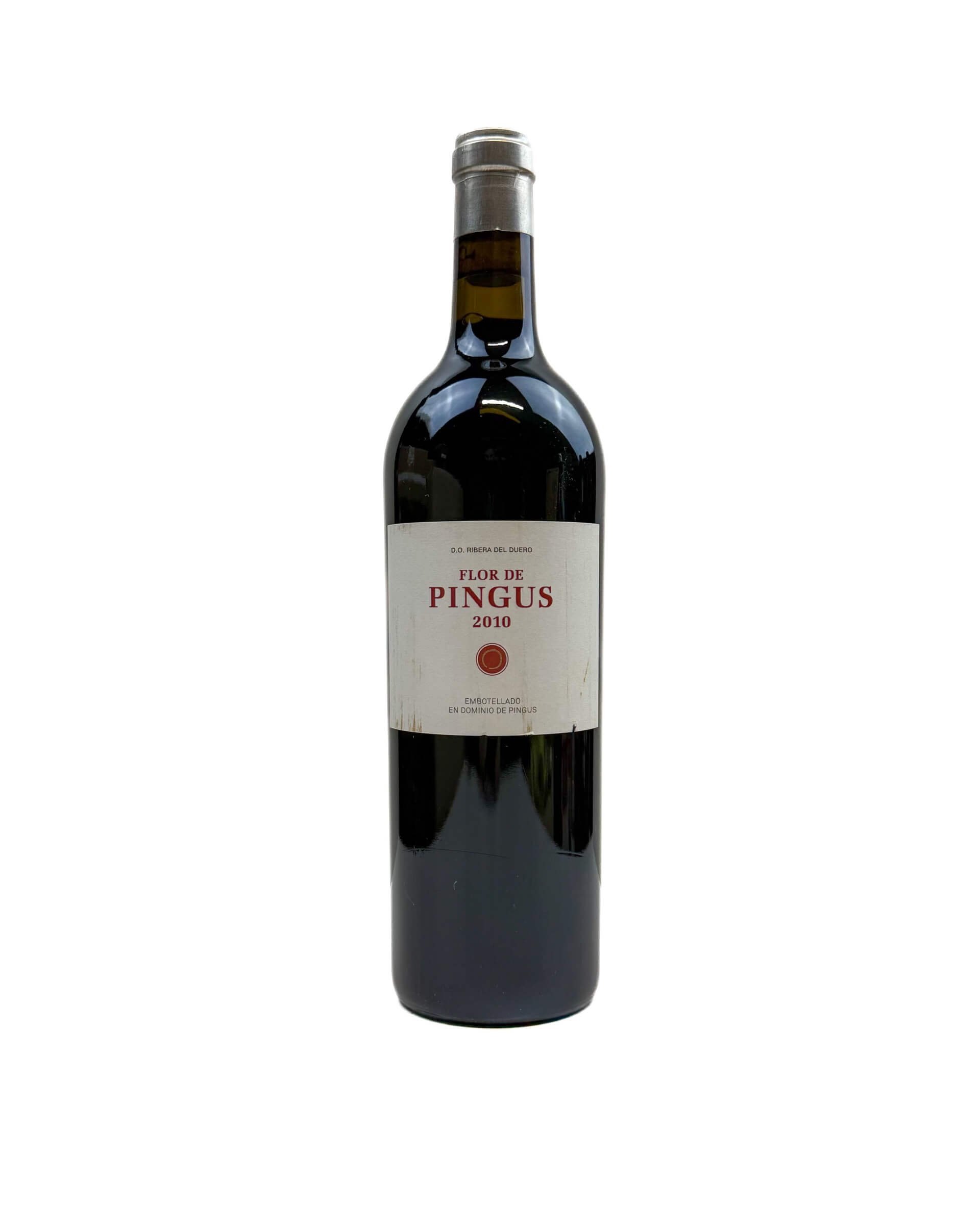
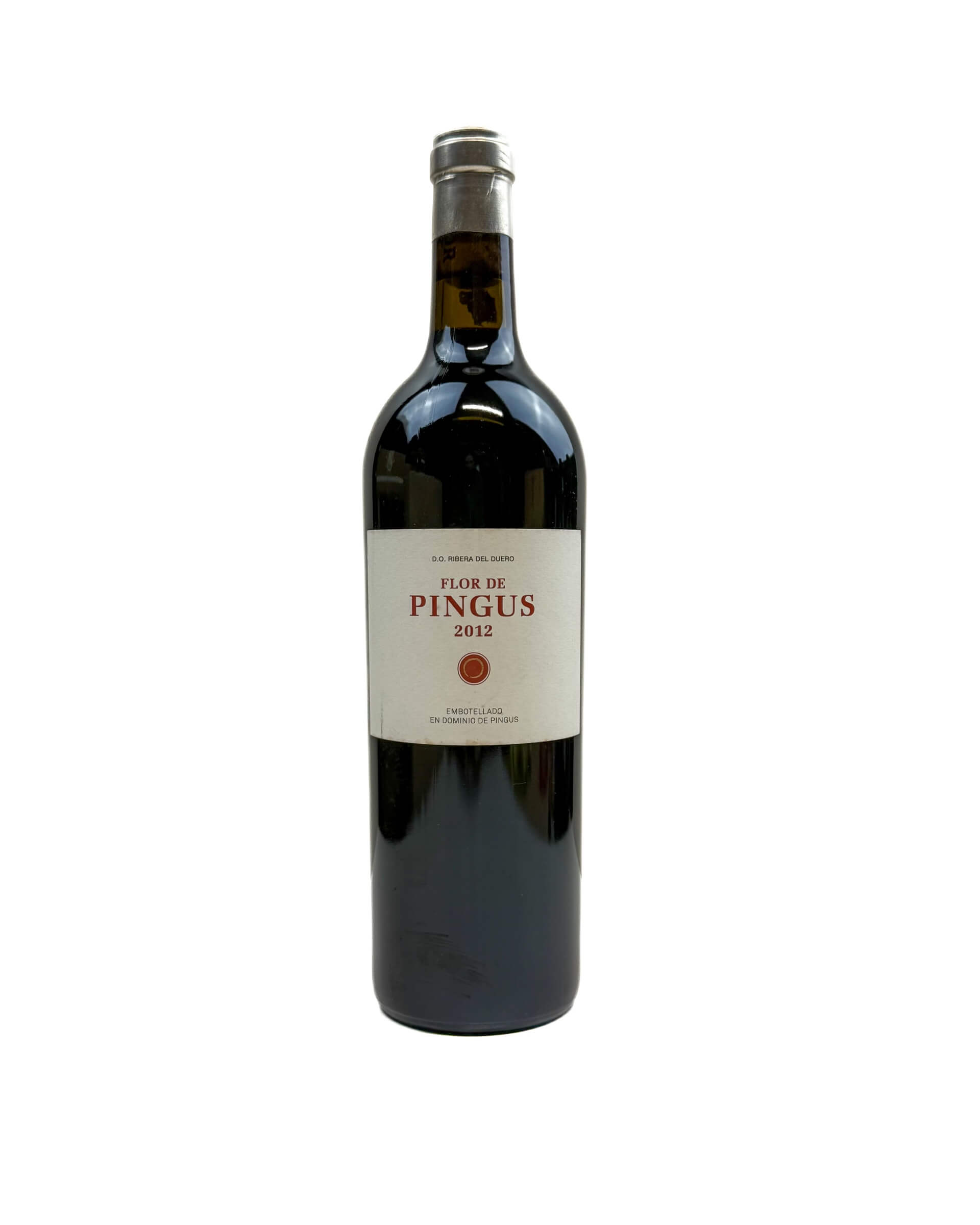
Created in 1995 by Danish winemaker Peter Sisseck, Pingus became an international sensation within its first few vintages. It is 100% Tinto Fino drawn from very old vines — many between 60 and 100-plus years — in the village of La Horra, aged roughly 18–20 months in French oak. Production is tiny, typically fewer than 700 cases, which makes the wine genuinely scarce. Flor de Pingus, sourced from younger vines on the same estate, is the more attainable companion bottling.
Alejandro Fernández almost single-handedly put Ribera del Duero on the international map when Pesquera earned exceptional critical scores in the early 1980s, triggering a wave of investment and attention across the region. Pesquera Crianza remains a benchmark for value — consistently structured, reliable across vintages, and built to age. The estate also produces Tinto Pesquera in Reserva and Gran Reserva, alongside the ultra-premium Janus bottling reserved for exceptional years.
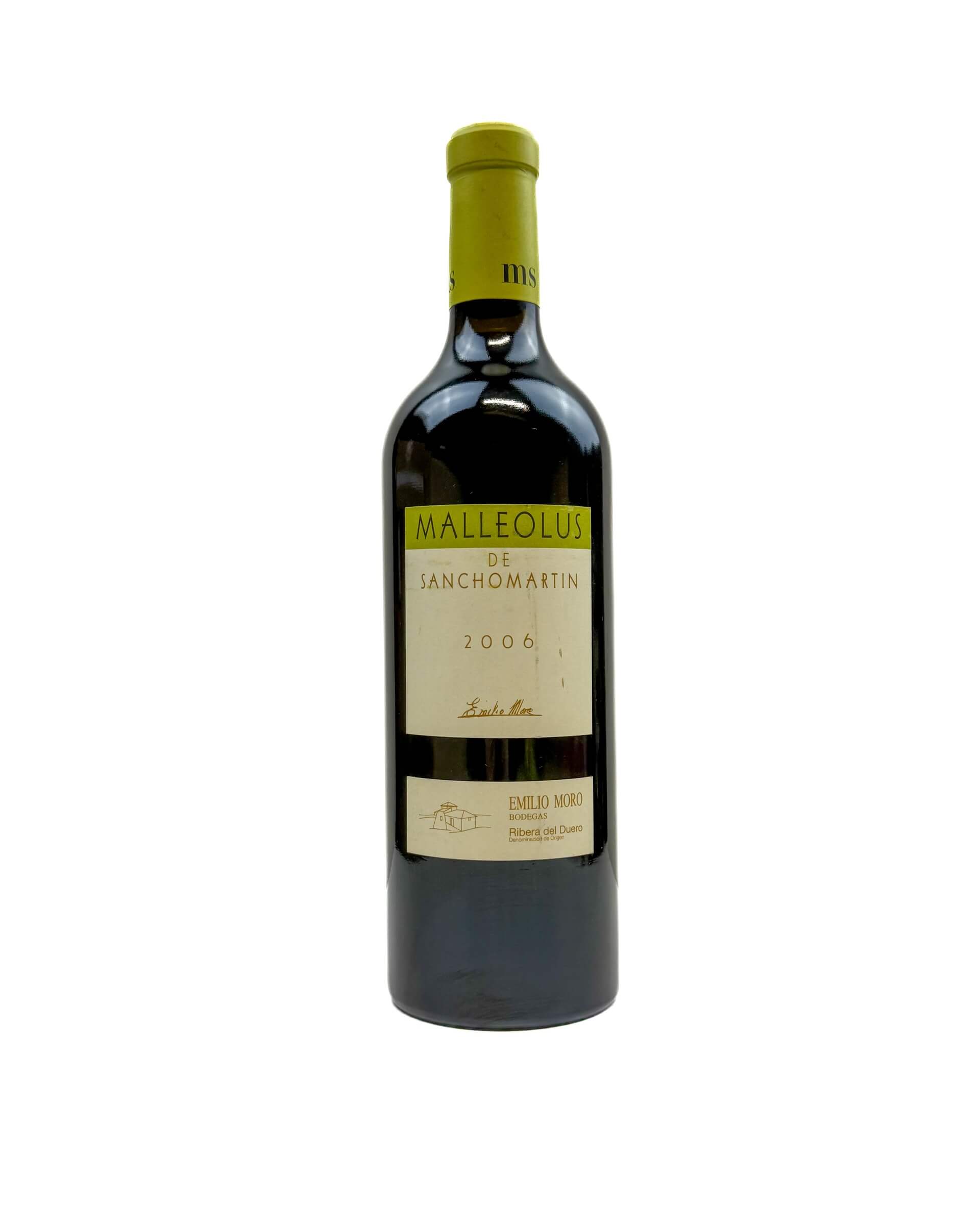
The appellation’s depth lies in its second tier — estates a knowledgeable buyer reaches for once past the two or three famous names. Hacienda Monasterio, Peter Sisseck’s earlier project (he still consults), produces structured, modern-style Tinto Fino from the Pesquera terroir at a fraction of Pingus money, making it one of the smartest entry points to serious bottlings. Pago de Carraovejas pairs ripe, polished fruit with a Cabernet-inflected backbone and has built a near-cult following for its consistency. Emilio Moro, a family estate working old Tinto Fino vines, spans accessible Crianza through the single-vineyard Malleolus range, while Arzuaga offers richly oaked, crowd-pleasing Reservas. None carry the icons’ price tags, yet all reward the buyer who wants benchmark character without prestige-tier outlay.
It is the most common question a Spanish red wine buyer asks, and the search results rarely answer it honestly. Both appellations are built on Tempranillo — Tinto Fino here, plain Tempranillo in Rioja — yet the wines taste meaningfully different. Ribera’s extreme altitude and continental climate produce reds that are darker, firmer in tannin, denser in fruit, and higher in natural acidity, built for long ageing and a more structured palate. Traditional Rioja Gran Reserva, by contrast, leans toward elegance, red-fruit finesse, and a softer, more savoury texture drawn from extended American oak ageing. The lines do blur with modern-style Rioja, which uses more French oak and shorter ageing to land closer to this side of the divide, and many serious collectors simply keep both — drinking their Rioja young while the Castilian reds mature.
The firm tannic structure of Reserva and Gran Reserva makes these reds a wine for the table, ideally one set with rich, fatty protein.
The catalogue skews deliberately toward serious, age-worthy bottles, and the pricing reflects that specialist focus. There are three broad bands to navigate.
The gap between the typical €440 bottle and the prestige tier is real and wide, but it reflects the appellation’s character rather than any gap in our range: this corner of Castilla y León simply produces some of Spain’s most collectable and expensive reds. Our 14-bottle selection is curated around this serious, age-worthy focus. Use the site’s price filter to navigate by budget and the classification filter to separate Crianza from Gran Reserva; availability of specific labels and vintages varies, and full tasting notes and vintage details appear on each product page.
Two forces push prices up. First, the growing conditions are punishing: extreme altitude and a short, severe continental season mean low yields of small, concentrated berries, and the best fruit comes from gnarled old vines that produce very little. Second, the top estates age their wines for years before release — Vega Sicilia Unico spends a decade or more in barrel and bottle — so capital is tied up far longer than for most reds. That said, the appellation is not uniformly costly: estate Crianza starts around €140 in our range, and the €7,500 figure applies only to a handful of icon and library bottles. Most buyers find genuine quality well below the headline prices.
For early drinking on that budget, a traditional Rioja Reserva is the safer pick: extended oak and bottle ageing before release means it arrives more resolved and softer, ready to enjoy now or over the next few years. A €200 spend here, by contrast, buys you a serious Reserva from a strong estate, but its firmer tannin and higher acidity usually want a little more cellar time to integrate — better held than rushed. The practical move is to drink the Rioja over the next three years while a bottle or two of the Castilian red rests for later. If you would rather not wait at all, look at the appellation’s Crianza tier from around €140, which trades some structure for earlier accessibility.
It depends on the classification tier. Joven and Crianza wines are typically best within 5–8 years of the vintage. Reserva wines from top estates peak between 10 and 20 years. At the very top, Vega Sicilia Unico from celebrated vintages such as 1962 and 1970 has been shown drinking well at 50-plus years in auction and critic contexts; in exceptional cases prestige cuvées can evolve for 30 to 40-plus years, and top Gran Reserva from great vintages (2004, 2010, 2016) is conservatively expected to drink through 2040–2055. Always decant a young Gran Reserva for at least 45–90 minutes to let it open and soften.
The region’s canonical pairing is lechazo — Castilian roast suckling lamb — which matches the wine’s tannic power with rich, fatty protein. More broadly, Reserva and Gran Reserva expressions pair beautifully with lamb, beef fillet, venison, game birds, Ibérico ham, and aged Spanish cheeses such as Manchego and Zamorano. The younger Joven and Crianza tiers are more versatile, working with grilled lamb chops, meat tapas, chorizo, or a rich pasta with meat sauce.
Written by the Tour de Wine buying team. Last reviewed: June 2026.
This site is restricted to adults. By entering, you confirm that you are of legal drinking age in your country of residence.