
97+
0,75
2000
Chateau Mouton Rothschild
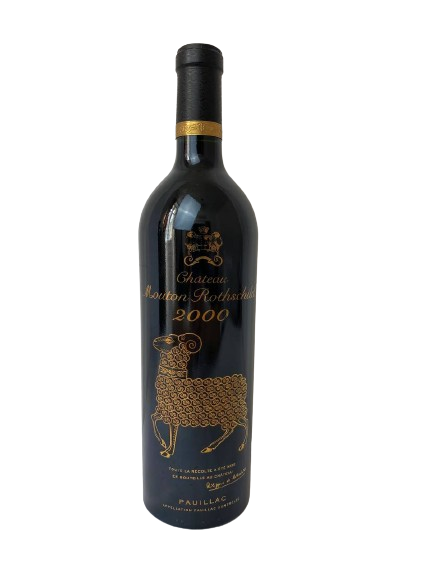
Chateau Mouton Rothschild 2000 0,75L
€ 2 040,00
Wines, producers, regions...
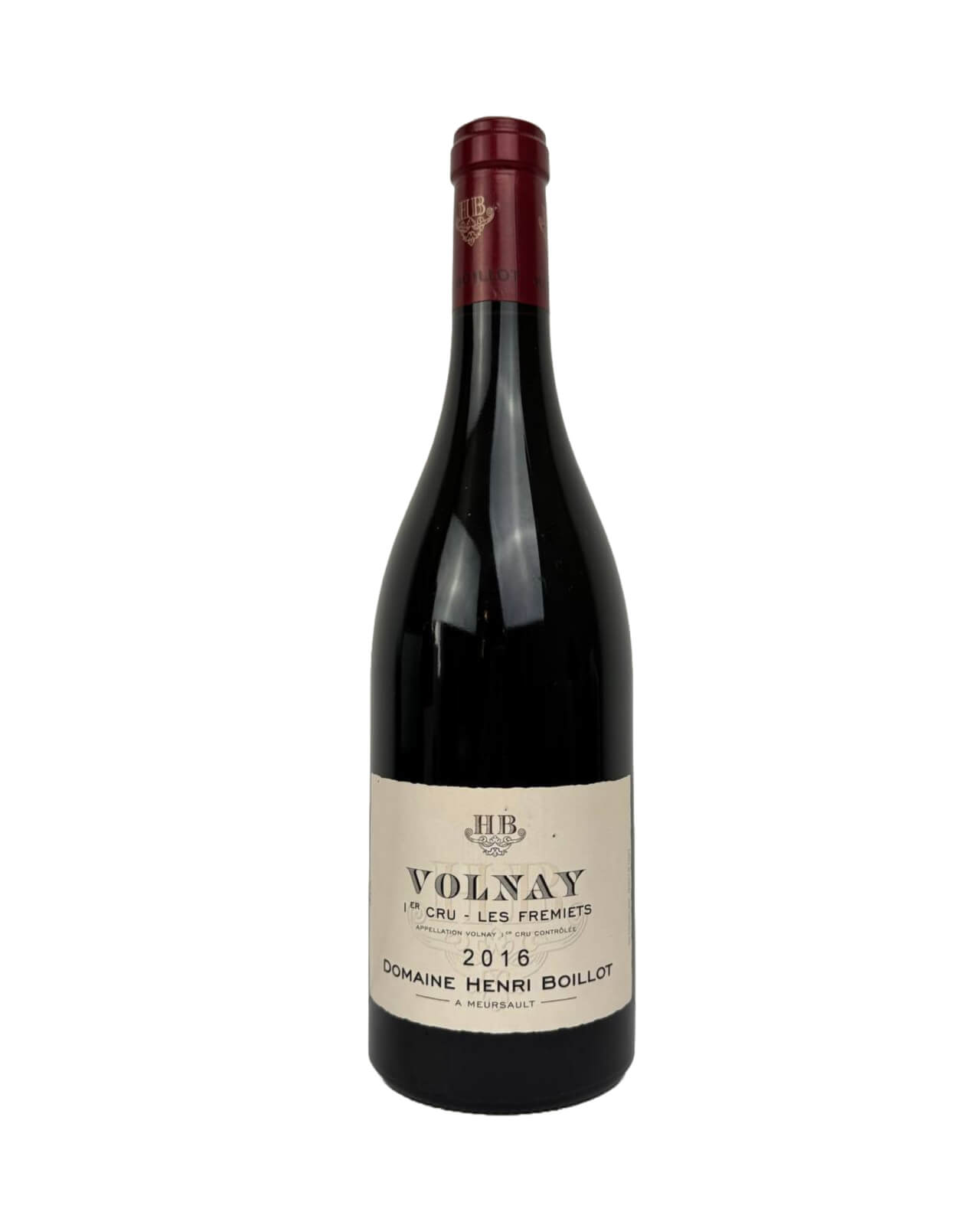
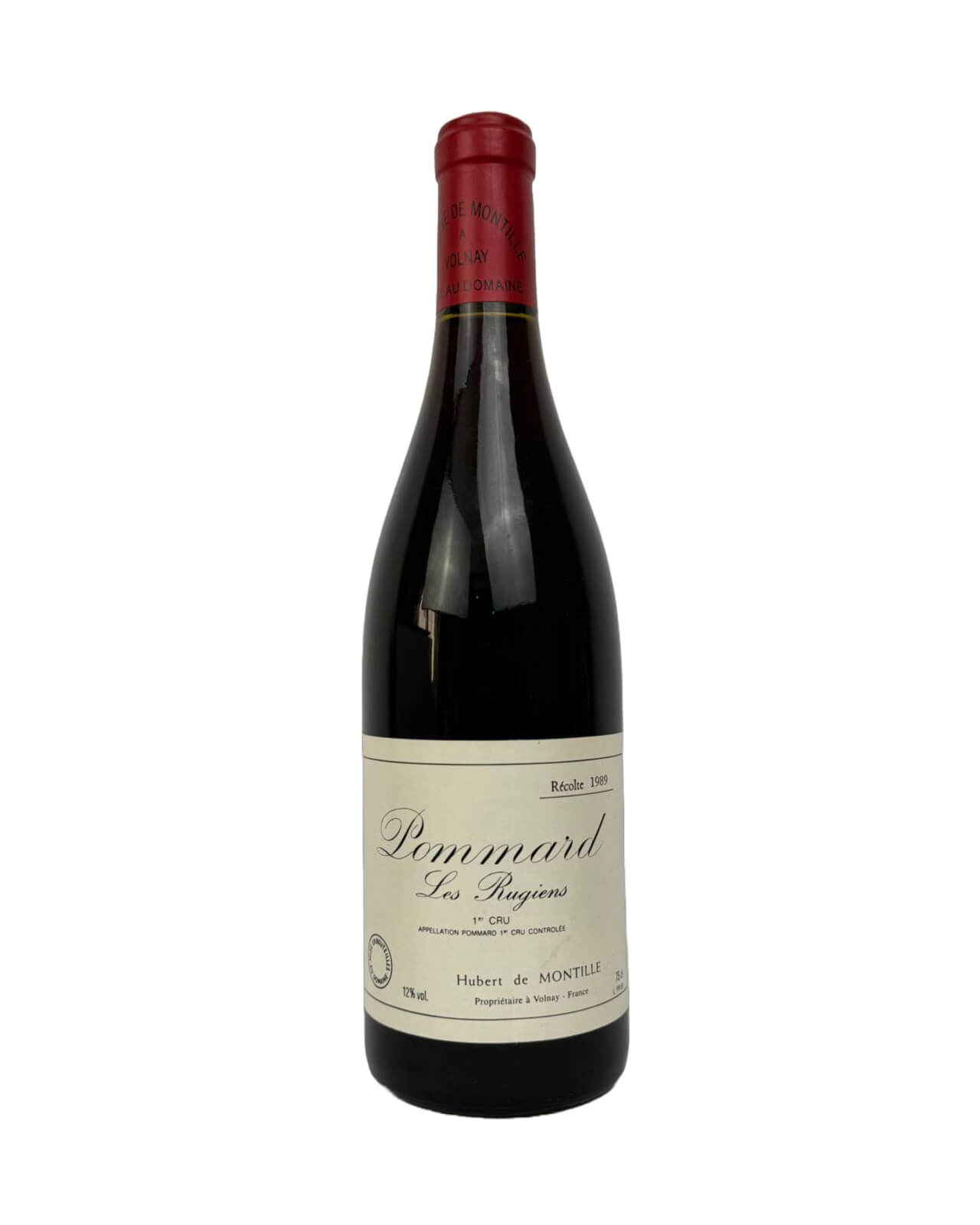
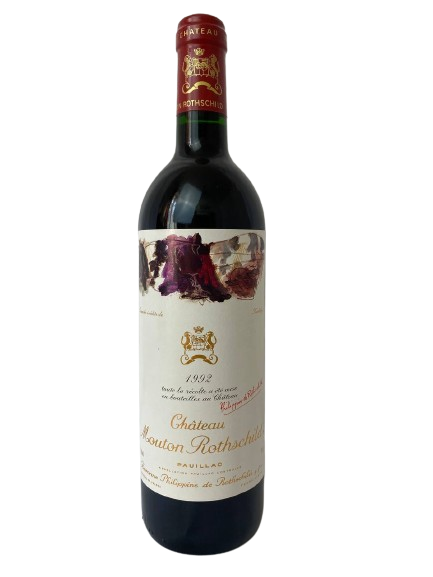

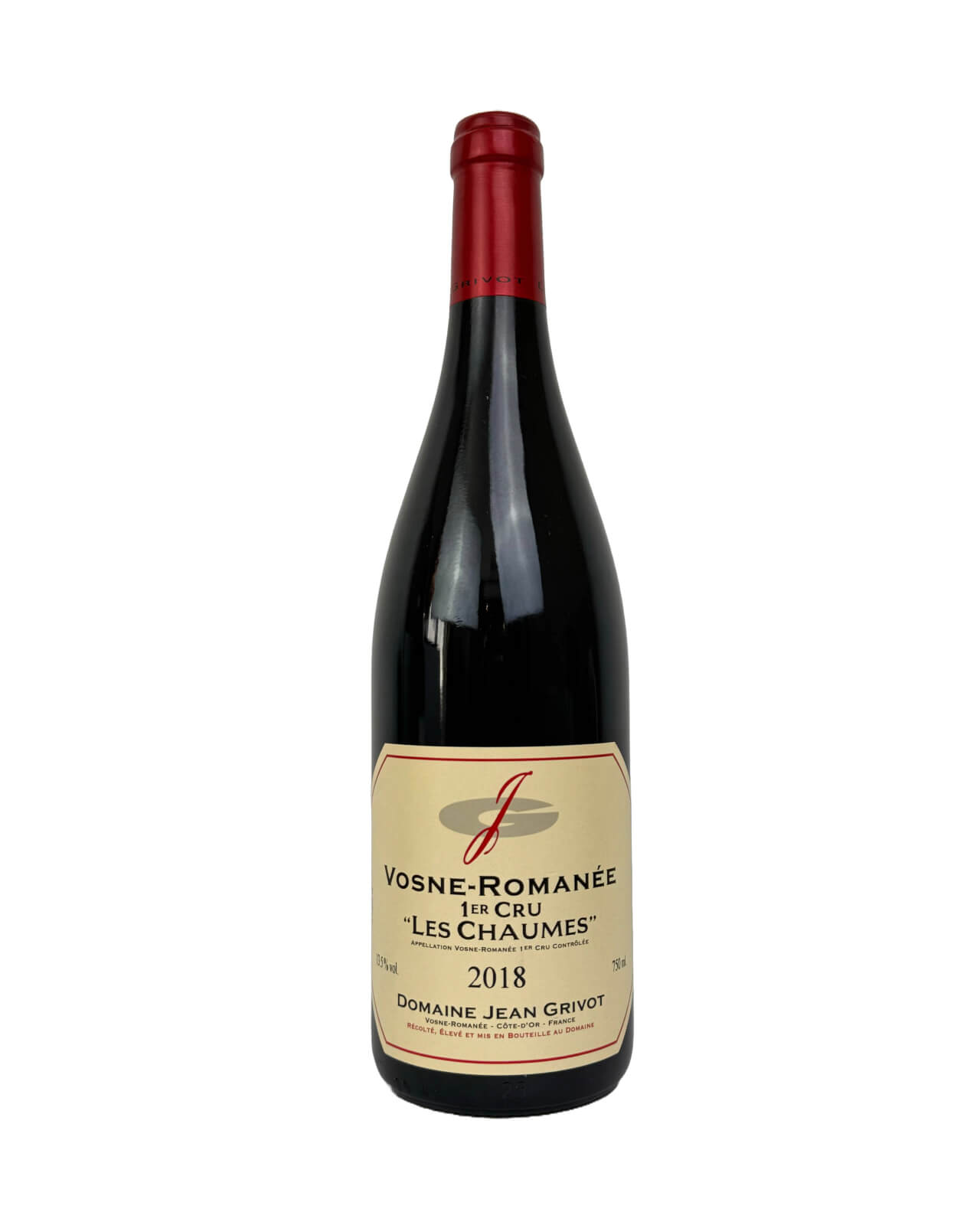
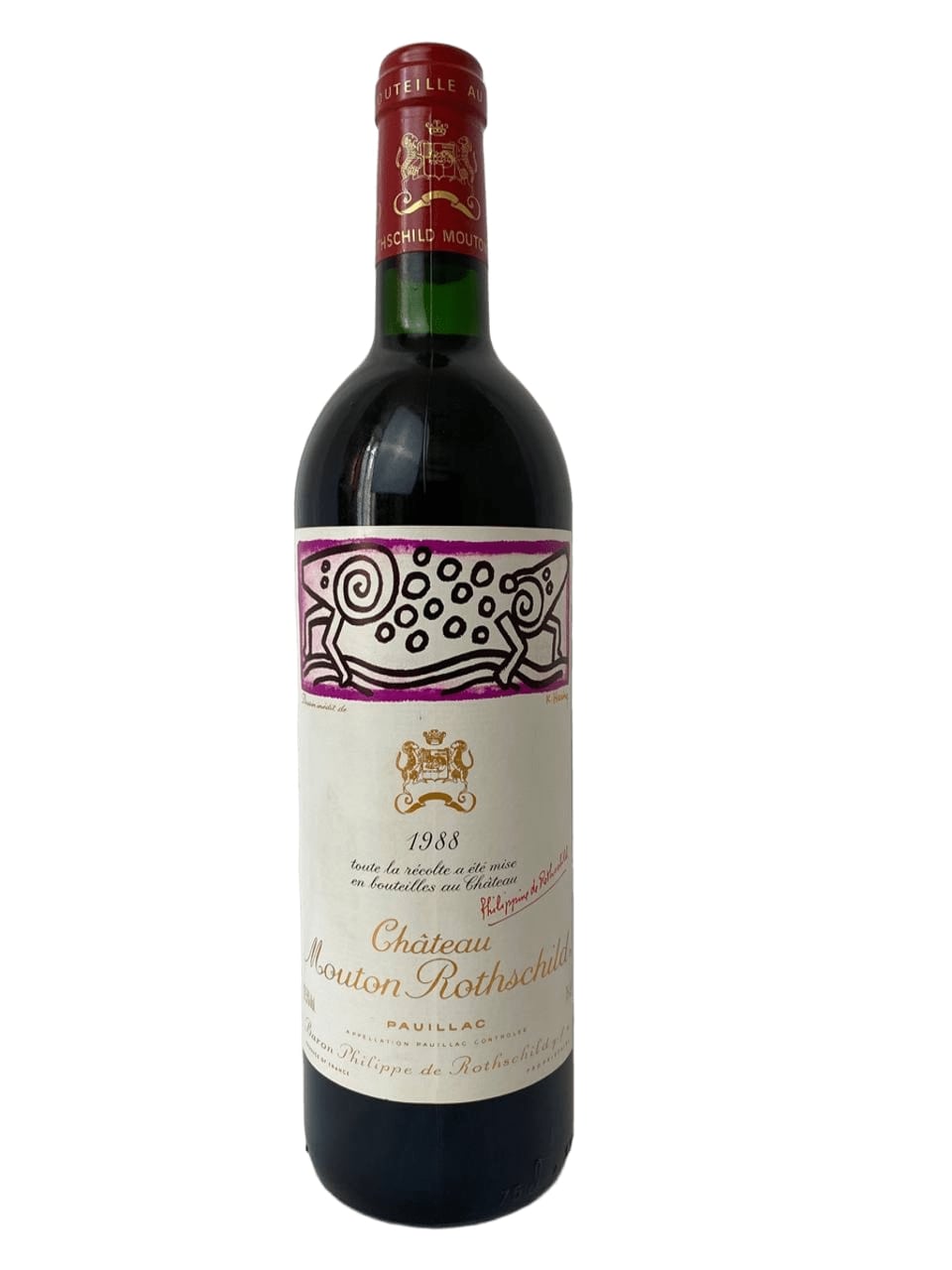
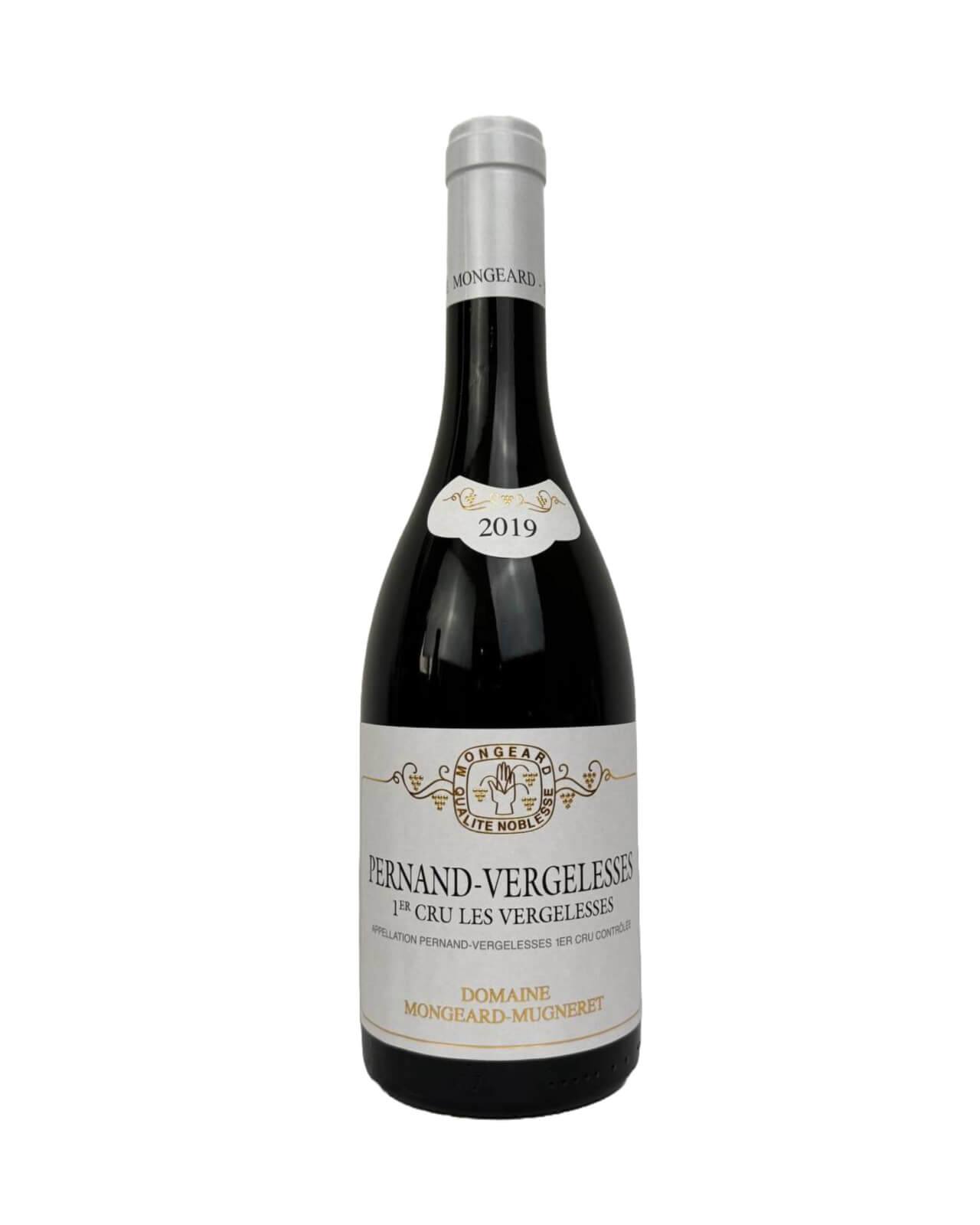
In French wine, premier cru translates literally as “first growth,” and it designates the vineyards, châteaux, and villages ranked at the first level immediately below the apex of their respective classification system. The meaning is precise, but it is also deceptively plural: the same two words carry three legally distinct meanings depending on whether you are buying in Burgundy, Bordeaux, or Champagne. A bottle from one region follows entirely different rules from the same designation in another, and grasping that distinction changes how you read every label in the category.
At Tour de Wine we carry a focused selection of eight bottles at this level, drawn from these three great French regions, with prices starting from around €70. The guide below disambiguates each system in turn, names the vineyards, estates, and growers worth knowing, and gives honest price and serving guidance so you can buy with confidence.
The term is anchored in French wine law, administered through the AOC (Appellation d’Origine Contrôlée) framework overseen by the INAO. In every case it marks a recognised step in a quality hierarchy — but the object being ranked changes completely from region to region. This is where most buyers, and most competing guides, lose the thread. Get the disambiguation right and the entire category becomes legible.
In Burgundy, premier cru is a vineyard designation. The classified unit is the climat — a named, mapped parcel of land — sitting one tier below Grand Cru. There are roughly 640 recognised classified vineyards at this level across the Côte d’Or and Chablis, representing around 10% of total Burgundy production. The label always pairs the village with the vineyard, as in “Nuits-Saint-Georges 1er Cru Les Vaucrains.”
In Bordeaux, Premier Cru Classé is a château classification. In the Médoc it refers to the five great estates elevated to the top of the 1855 ranking; on the Right Bank, the Saint-Émilion equivalent is Premier Grand Cru Classé A. The ranking attaches to the estate and its reputation, not to a single plot of vines.
In Champagne, premier cru is a village rating. Roughly 44 communes hold this status on the historical échelle des crus, sitting between 90% and 99% of the base grape price, one tier below the 17 Grand Cru villages. The distinction is about terroir at the scale of the whole commune.
Burgundy is the spiritual home of this designation, and the quality at this tier reliably rewards the buyer: in blind tastings top climats here regularly hold their own against — and occasionally outscore — lesser Grand Crus in lighter vintages, at a fraction of the price. The gap to Grand Cru is real, but it is far narrower than the difference in cost suggests, which is precisely why a Burgundy at this level so often represents the most intelligent buy in the region. Across the Côte d’Or, single vineyards have been mapped and ranked over centuries.
The reds of the Côte de Nuits are the most structured and age-worthy expressions of Pinot Noir at this level, while the Côte de Beaune adds both elegant reds and the finest dry white Burgundies. A few communes and their standout classified vineyards are worth committing to memory:
The Côte de Nuits is the largest single regional cluster in our catalogue and the heartland of the great classified-vineyard reds, almost all of them built on Pinot Noir.
In the cool north of Burgundy, Chablis produces wines at this level from Chardonnay that are leaner, more saline, and more overtly mineral than their Côte de Beaune cousins — and, crucially for buyers, significantly more affordable than Côte d’Or equivalents. The key climates to know:
All are pure Chardonnay, styled for tension rather than weight, and they drink best between 5 and 12 years from the vintage. For many buyers, a Chablis at this level is the most rewarding entry point into classified-vineyard quality.
The 1855 classification, drawn up for the Paris Exposition, ranked the Médoc’s leading estates by their market standing. Of the 61 châteaux classified, just five were elevated to Premier Cru Classé — the apex of the Médoc ranking, and the reference point for any discussion of first-growth Bordeaux:
On the Right Bank, the equivalent top tier is Saint-Émilion’s Premier Grand Cru Classé A. Under the September 2022 Saint-Émilion classification — the one currently in force — this tier holds just two estates, Château Pavie and Château Figeac, after Château Ausone and Château Cheval Blanc both withdrew from the classification ahead of that revision. These wines are built on Merlot and Cabernet Franc rather than Cabernet Sauvignon. They sit among the great estates of Bordeaux, where the dominant grape in the classed-growth Médoc is Cabernet Sauvignon, typically blended with Merlot, Cabernet Franc, and Petit Verdot.
Champagne classifies neither plots nor estates but entire communes. On the historical échelle des crus scale, the 17 Grand Cru villages sit at 100%, while the roughly 44 rated communes fall between 90% and 99% — a percentage that once determined the price growers received per kilogram of grapes. The meaning here is therefore collective: it describes the rated quality of a village’s vineyards as a whole.
One quirk matters for buyers: a producer is not obliged to print the designation on the label, so the rating is less visible than in Burgundy even though the underlying terroir distinction is entirely real. When stated, it reliably narrows your search to villages whose fruit commands a premium at harvest — a practical buying signal rather than marketing language.
The tier spans powerful Pinot Noir reds, mineral Chardonnays, and fine Champagne — and each style asks for different handling at the table. Match the wine to the dish and the service temperature, and the difference is dramatic:
As a rule of thumb, the older and more delicate the bottle, the cooler and gentler the handling — fragile reds past 15 years often need no decanting at all, only careful pouring off any sediment.
The most useful thing to know before you buy is that the tier is far more accessible than its reputation suggests: it does not have to mean a four-figure bottle. Here is how our eight-bottle selection is priced, stated once for reference:
It helps to think in three buyer situations, each tied to one of those price points above.
An introduction to the tier (entry point). An entry-level Burgundy or a Chablis from a reliable house such as William Fèvre or Louis Jadot — the most accessible route into classified-vineyard quality, ideal as a step up from village-level Burgundy or as an exploratory gift.
A special occasion or curated gift (typical-bottle level). A recognised wine from a respected producer in Gevrey-Chambertin, Volnay, or Nuits-Saint-Georges — for example a Bouchard Père et Fils Volnay Caillerets or a Faiveley Nuits-Saint-Georges Les Saint-Georges: approachable now, yet structured enough to reward a further five to eight years of cellaring.
The collector or investment level (upper end toward the rarest cuvées). Top-vineyard wines in exceptional vintages or from celebrated domaines — a Robert Groffier or Comte de Vogüé Chambolle-Musigny Les Amoureuses, an Henri Gouges Nuits-Saint-Georges Les Vaucrains, or a Pauillac Premier Cru Classé in magnum. These are built for the long term and reward patience.
On vintages: in Burgundy, 2019 and 2020 are the outstanding recent red vintages for age-worthiness, while 2022 and 2023 offer excellent value if you intend to drink within a decade. For Bordeaux Premier Cru Classé, 2016 and 2019 lead the recent cellaring vintages. For buyers ready to step above this level, our Grand Cru wines mark the summit of the pyramid; to browse the wider classified range, see the full 1er Cru selection.
In Burgundy, Grand Cru sits above premier cru in the classification pyramid. Grand Cru wines carry only the vineyard name on the label — Chambertin, Romanée-Conti — with no commune name, while a premier cru always shows the village alongside the climat. Grand Cru accounts for roughly 1.5% of Burgundy’s production; the tier below is around 10%. In Bordeaux the language works in reverse: Premier Cru Classé is the apex of the Médoc ranking, not a step below it.
Less than many buyers expect. In our catalogue the tier opens from around €70 and the typical bottle sits at the €270 median (full pricing is set out in the buyer’s guide above). A well-chosen Burgundy below that median routinely outscores Bordeaux second-growth equivalents in blind tastings at a fraction of the price — and is meaningfully more approachable than most Grand Cru bottles.
A Burgundy red at this level from a good vintage typically peaks between 8 and 18 years, while Bordeaux Premier Cru Classés can develop for 25–40 years. White Chablis and Côte de Beaune whites are best enjoyed within 5 to 12 years of the vintage. Most bottles in this category are built for medium-term ageing rather than immediate drinking.
It depends on the region. In Burgundy, the reds at this level are made exclusively from Pinot Noir and the whites from Chardonnay. In Bordeaux, Médoc Premier Cru Classé châteaux are Cabernet Sauvignon-dominant, while Saint-Émilion Premier Grand Cru Classé relies on Merlot and Cabernet Franc. In Champagne, the bottles may use Chardonnay, Pinot Noir, or Pinot Meunier — or a blend of all three.
Written by the Tour de Wine buying team. Last reviewed: June 2026.
This site is restricted to adults. By entering, you confirm that you are of legal drinking age in your country of residence.