
95
0,75
1995
Chateau Lafite Rothschild
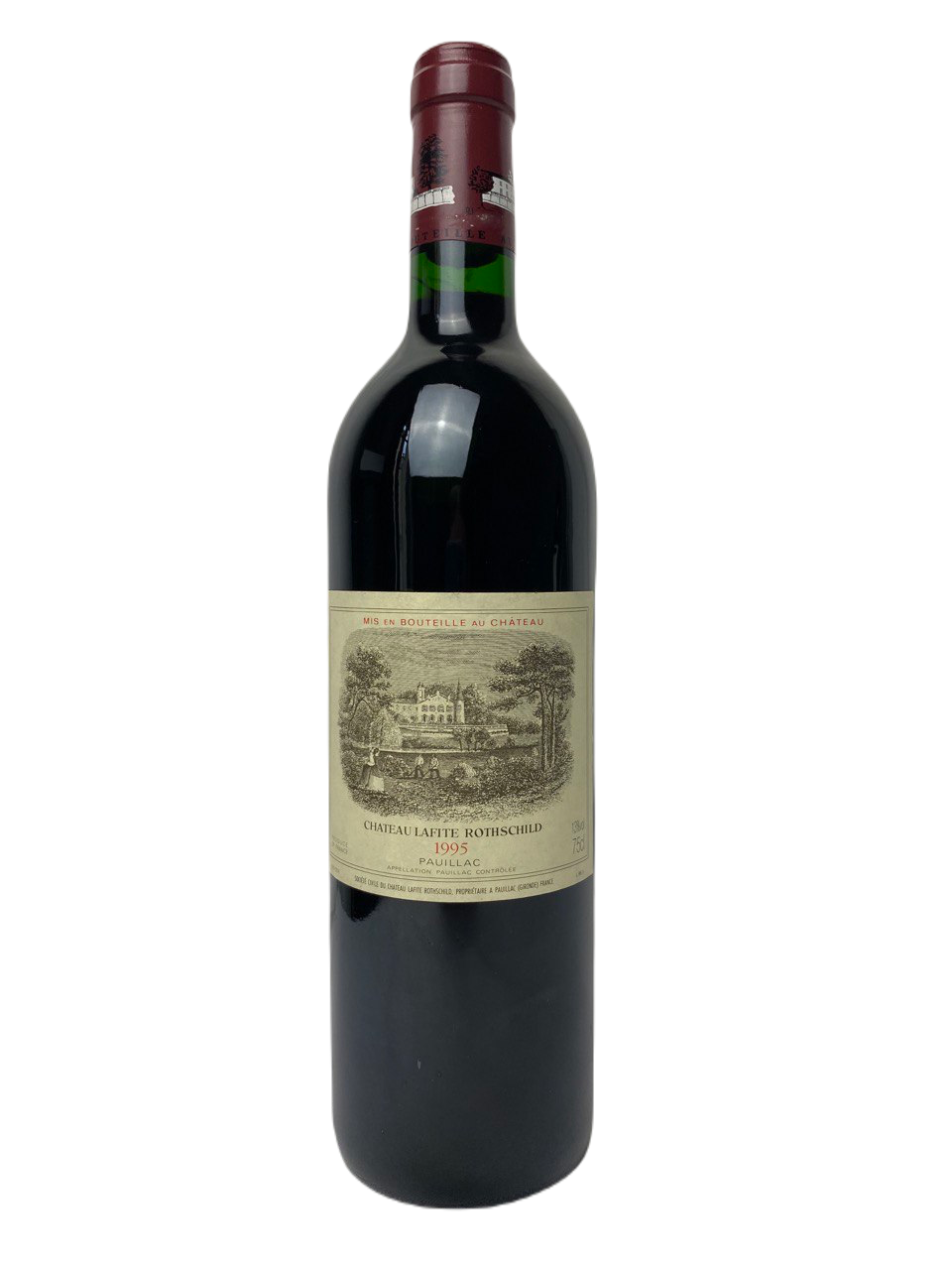
Chateau Lafite Rothschild 1995 0,75L
€ 720,00
Wines, producers, regions...
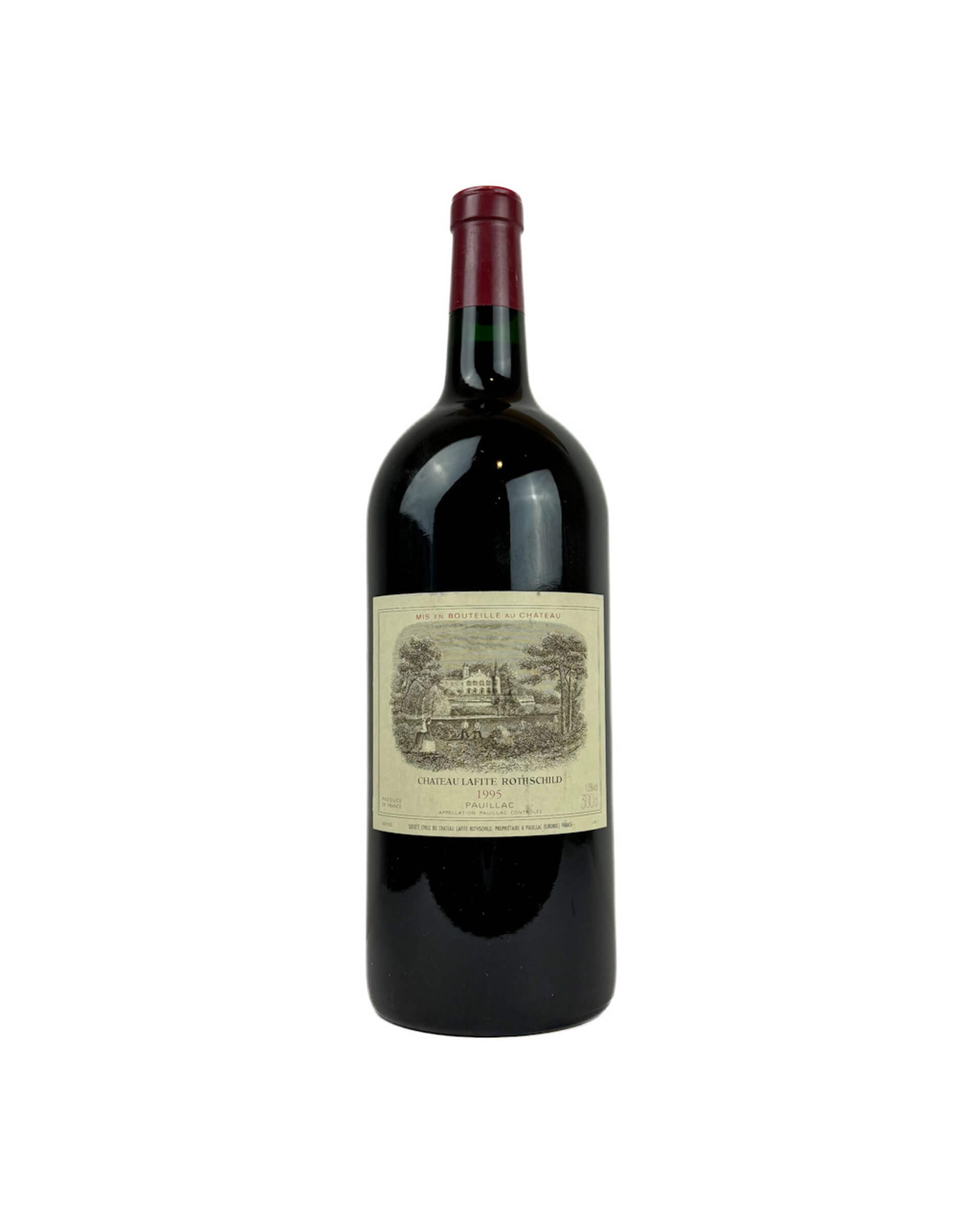
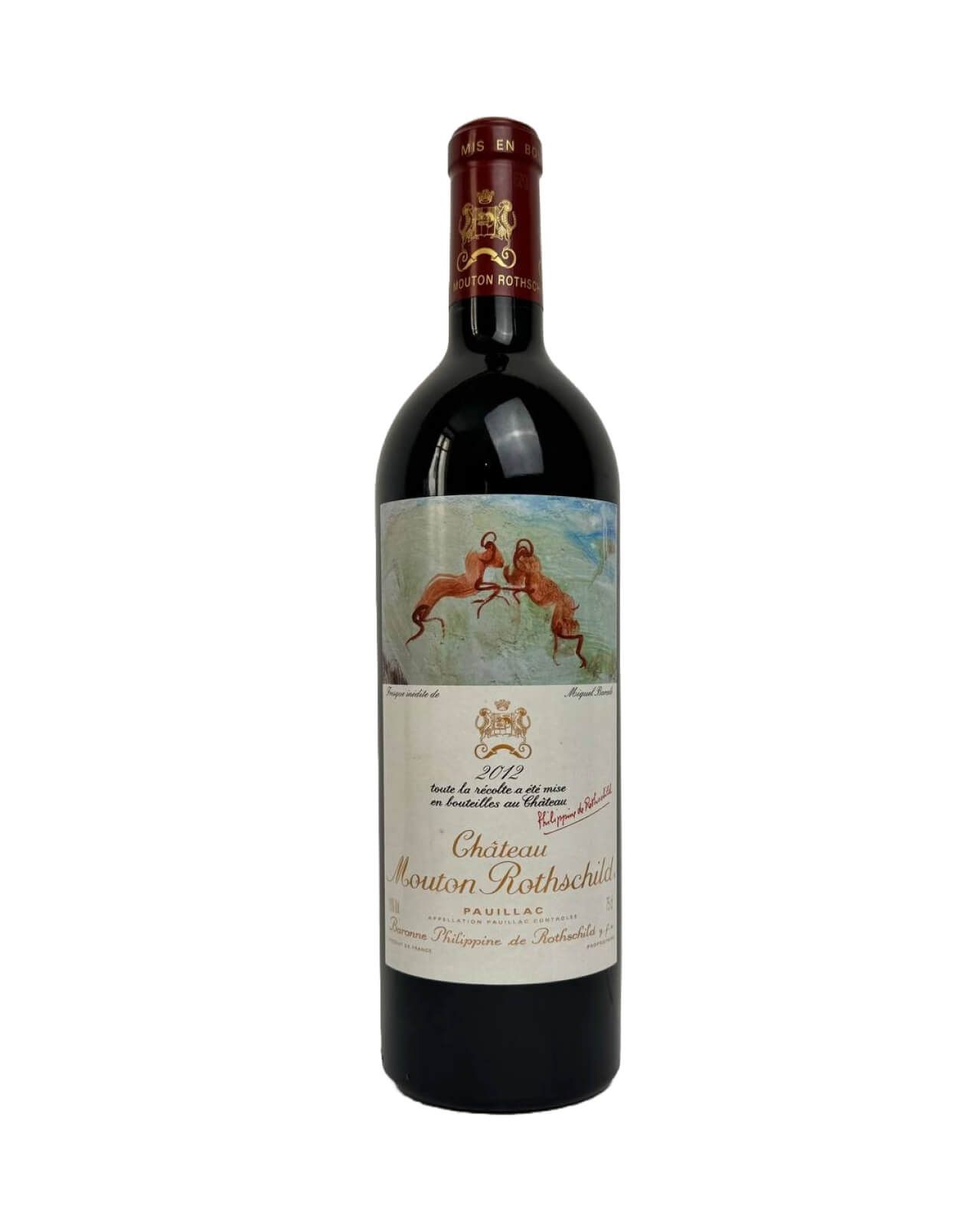
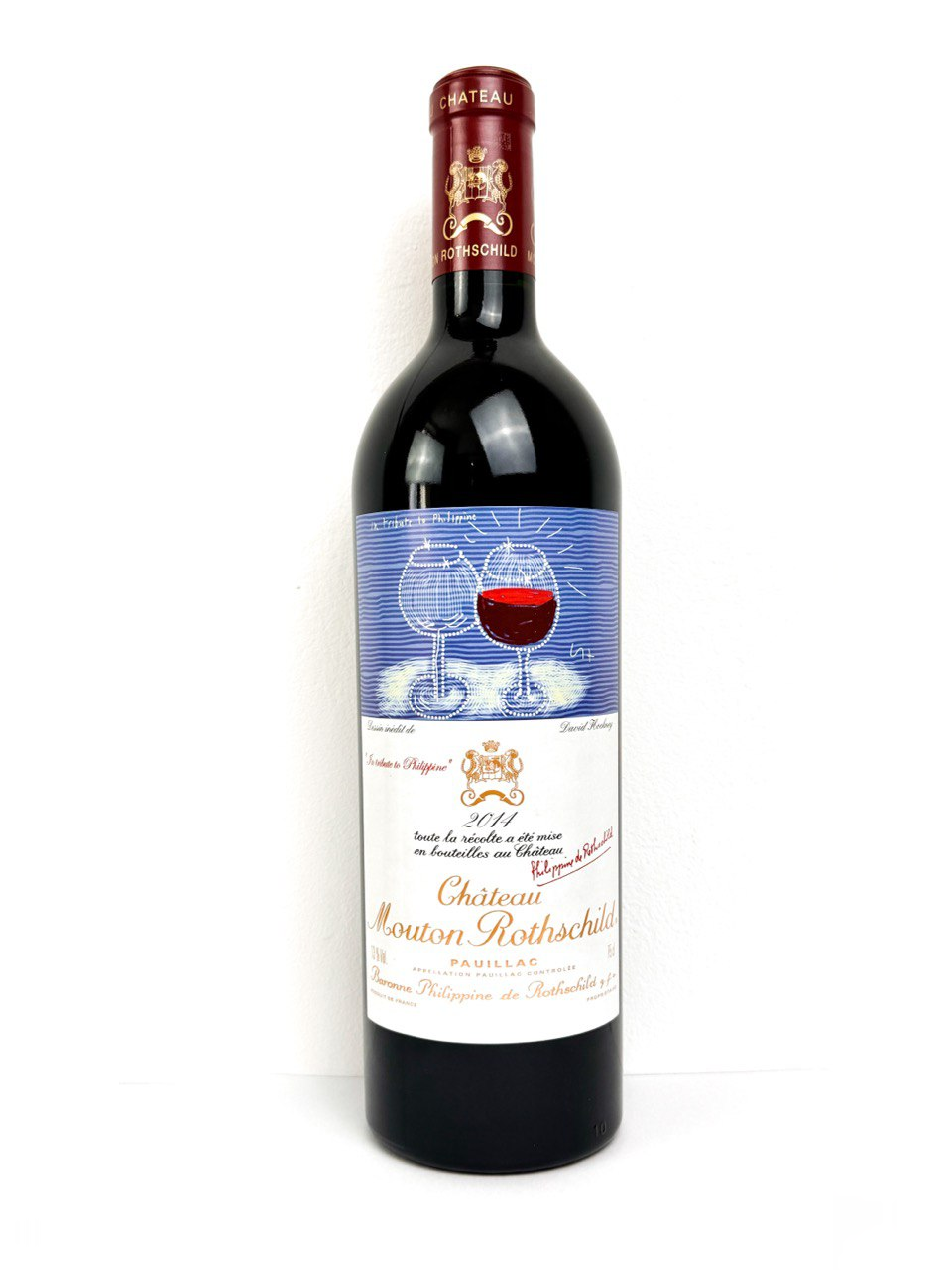
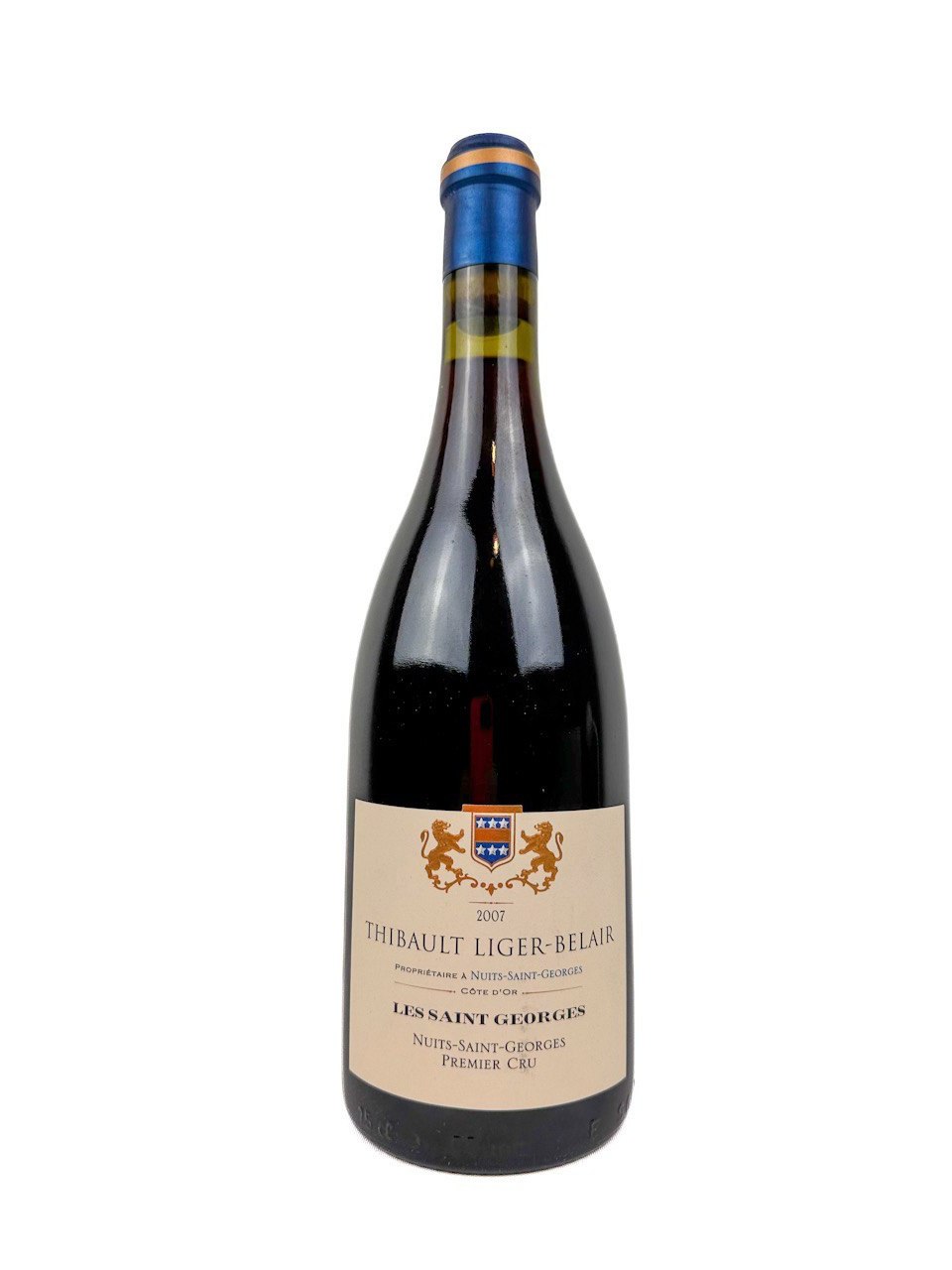
1er grand cru is one of the most prestigious — and most misunderstood — phrases in French wine. The label “premier grand cru” carries genuinely different meanings depending on whether you are reading a bottle from Saint-Émilion or one from Burgundy, and that single distinction trips up even seasoned buyers. On this page, Tour de Wine’s curated selection spans both worlds: the Right Bank’s Premier Grand Cru Classé estates of Saint-Émilion — including stocked names such as Canon and Beau-Séjour Bécot — and the apex Grand Cru vineyards of the Côte d’Or. Prices in this selection start from around €440, with most bottles priced close to €600, climbing to €3,500 for the rarest cuvées. Below, we explain exactly what the classification means, where these wines come from, how they taste, and how to choose the right bottle with confidence.
The confusion at the heart of the 1er grand cru classification is real and worth resolving precisely. In Burgundy, there is no official tier called “Premier Grand Cru.” The apex is simply Grand Cru — a vineyard (or climat) designation, not a château ranking — and one step below sits Premier Cru. A grand cru vineyard in Gevrey-Chambertin or Vosne-Romanée carries the vineyard name alone on the label, with no village name attached. When English-language writing refers to a Burgundian “premier grand cru,” it is almost always a loose shorthand for a Grand Cru parcel.
In Saint-Émilion (Bordeaux), by contrast, “Premier Grand Cru Classé” is a distinct legal classification — the top tier of a three-level system: Grand Cru → Grand Cru Classé → Premier Grand Cru Classé, with the summit sub-divided into A and B. This Saint-Émilion ranking is unusual in that it is reviewed roughly every decade by the INAO; the most recent revision came in 2022. Because the same English phrase serves both systems, separating them is the single most useful thing a buyer can learn before purchasing.
If you want to see how the apex sits relative to the tiers below it, our Grand Cru wines collection makes the hierarchy tangible across both regions.
Saint-Émilion is the heart of the 1er grand cru story for most buyers, and it is the appellation best represented in our catalogue. The vineyards radiate out from the medieval town of Saint-Émilion itself, draped across a limestone plateau and the surrounding côtes, or slopes. Where an estate sits on this terrain shapes its style profoundly — and the classification rewards both the land and the consistency of the wine in the glass. These are the benchmark wines of the Bordeaux wines Right Bank.
The summit of the classification is divided into two grades. The A tier, after the 2022 revision, comprises two châteaux: Pavie and Figeac. (Ausone, Cheval Blanc and Angélus withdrew from the classification in 2021–2022 but remain elite estates.) These A-tier wines are the most coveted and the most expensive bottles in the appellation; from a top vintage they typically reward 15 to 30 years or more of cellaring before reaching their peak. The B tier is broader, and within our catalogue it is led by two estates we know well: Canon, whose position on the limestone plateau gives it the most structured, age-worthy style in our B-tier range, and Beau-Séjour Bécot, a neighbouring plateau estate that tends to show riper, more open fruit in its youth. Both deliver superb quality at a more accessible level than the A tier and generally age gracefully for 10 to 20 years. It is worth knowing that the 2022 revision was legally contested — several châteaux initially declined to display the new rankings — but the classification remains in force and current.
Saint-Émilion Premier Grand Cru Classé estates are predominantly Merlot-dominant blends, typically 60 to 80% Merlot, with Cabernet Franc as the principal co-blender. Cabernet Sauvignon plays only a minor role on the Right Bank, in contrast to the Médoc. The terroir tells in the glass: the cool limestone plateau, where Canon and Figeac sit, produces structured, mineral-driven wines with notable freshness, while the warmer, deeper soils of the côtes give plusher, more generous fruit. Stylistically, these wines show plush, approachable fruit on release and build complexity over 10 to 25 years — typically offering earlier accessibility than Médoc First Growths at an equivalent age, which makes them a forgiving entry point into the world of classified Bordeaux.
For buyers arriving from the Burgundian angle, the picture is clearer once the terminology is straight: the highest classification in Burgundy is Grand Cru — not “premier grand cru” — and it applies to the vineyard, not the producer. There are 33 classified Grand Cru vineyards across the Côte d’Or and Chablis, together representing less than 2% of the region’s total production. That scarcity is precisely what makes these wines the global reference points they are.
A Burgundy Grand Cru label carries only the vineyard name — no village, no “Premier Cru” qualifier. That single line on the label is the clearest mark of the apex. To explore the heart of red Burgundy, browse our Côte de Nuits grand crus, part of the wider Burgundy wines range.
The right temperature, decanting window and table match draw out everything the classification promises.
Honest price context matters when you are committing to bottles of this calibre. Premier grand cru wines in our selection start from around €440, with most bottles priced close to €600. The finest and rarest cuvées — exceptional vintages from top-tier châteaux — climb to €2,700 at the 90th percentile, and the most sought-after bottle in the range reaches €3,500. A small number of bottles begin at €190, though that is the exception rather than the representative entry point. With those anchors in mind, three considerations guide a confident purchase.
Saint-Émilion Premier Grand Cru Classé offers more accessible fruit at a younger age than Médoc First Growths, making it a rewarding choice if you would rather not wait two decades. Burgundy Grand Cru is for those seeking the world’s finest Pinot Noir or Chardonnay, where scarcity and site expression are everything. As a rule of thumb against the price bands on this page: if you are buying to drink within five years, prioritise the B-tier Saint-Émilion estates in the €440 to €600 band; if you are buying to cellar a decade or more, the Burgundy grand crus reaching toward €2,700 and above offer the greater long-term upside.
For Saint-Émilion, 2018, 2019 and 2022 are strong reference years; from Burgundy, 2015, 2019 and 2023 are widely regarded as benchmarks. Younger bottles in the 5-to-8-year range will often benefit from a further 3 to 10 years of cellaring, so check the drinking window noted on each product page before deciding whether to open or to lay down.
Bottles in the €440 to €600 band — around our catalogue median — typically cover B-tier Saint-Émilion estates and entry-level Burgundy grand crus, an excellent place to begin. Above €2,700, rare domaines and exceptional older vintages dominate the selection. If your budget sits a step below the apex, our Premier Cru wines and broader Grand Cru wines collections offer compelling routes into the same regions at gentler prices.
In short: in Burgundy, Grand Cru is the apex (there is no “Premier Grand Cru” above it), whereas in Saint-Émilion “Premier Grand Cru Classé” is the top estate tier above Grand Cru Classé and Grand Cru. A practical way to tell them apart is to read the label: a Burgundy grand cru shows only the vineyard name, while a Saint-Émilion bottle carries both the château name and its classification tier (Premier Grand Cru Classé A or B).
The classification is reviewed approximately every decade by the INAO, and the most recent revision was in 2022. This makes Saint-Émilion unique among the major Bordeaux classifications: the 1855 Médoc ranking, by contrast, has changed only once since it was established — the promotion of Mouton Rothschild to First Growth status in 1973.
In Saint-Émilion, the dominant grapes are Merlot (typically 60 to 80% of the blend) and Cabernet Franc. In Burgundy, Grand Cru wines are either Pinot Noir (the Côte de Nuits reds) or Chardonnay (the Côte de Beaune whites and Chablis). Knowing the grape is a practical clue to a wine’s style and ageing potential before you buy.
Great vintages from leading Saint-Émilion Premier Grand Cru Classé châteaux age for 20 to 35 years. Burgundy Grand Cru Pinot Noirs from fine vintages can develop over 25 to 50 years. The wines in Tour de Wine’s selection — priced from around €440 to €3,500 — span both drink-ready bottles and long-term cellaring candidates, and each product page indicates the drinking window for that specific bottle.
Written by the Tour de Wine buying team. Last reviewed: June 2026.
This site is restricted to adults. By entering, you confirm that you are of legal drinking age in your country of residence.