
99
0,75
2006
Clos Saint Jean
Wines, producers, regions...
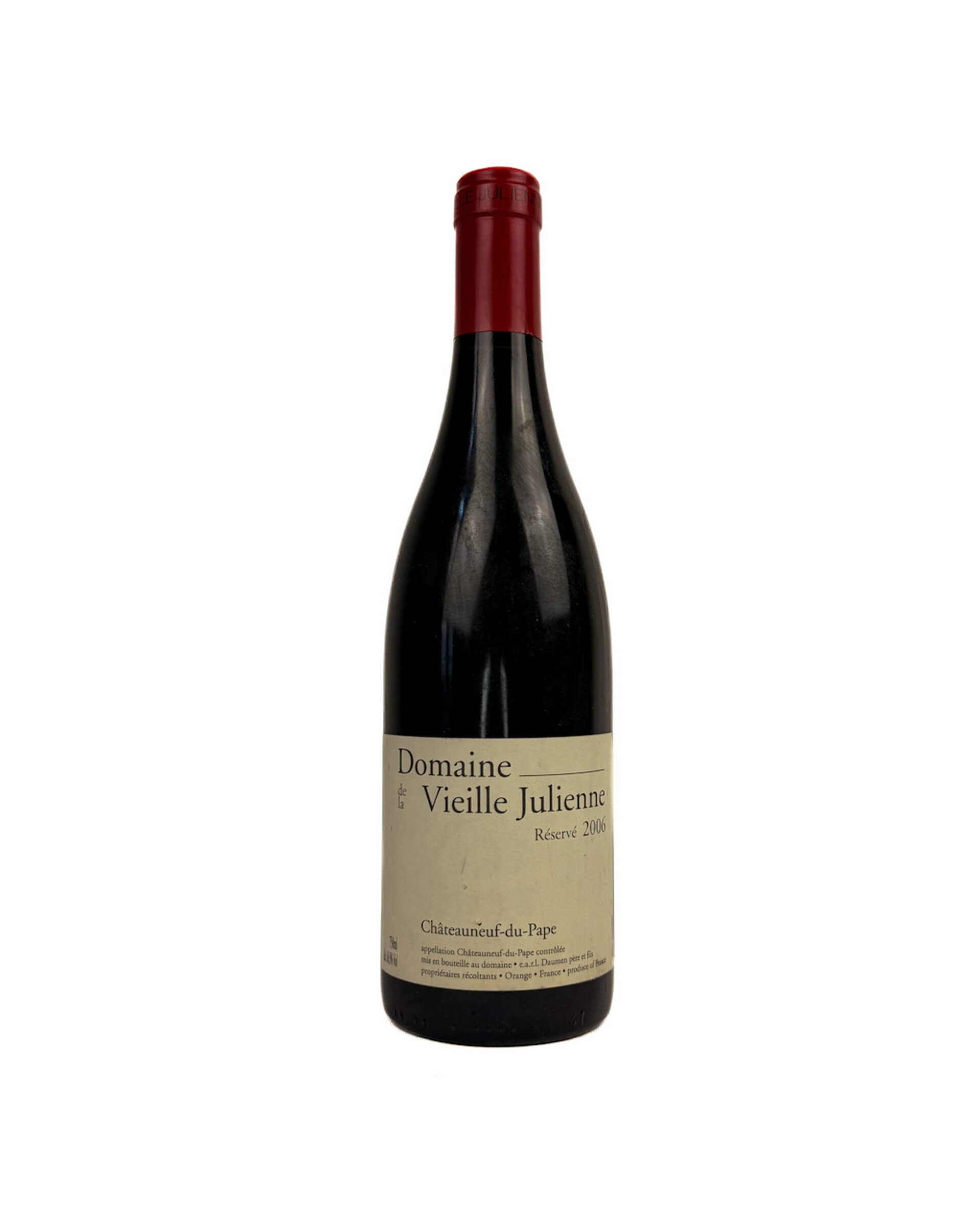
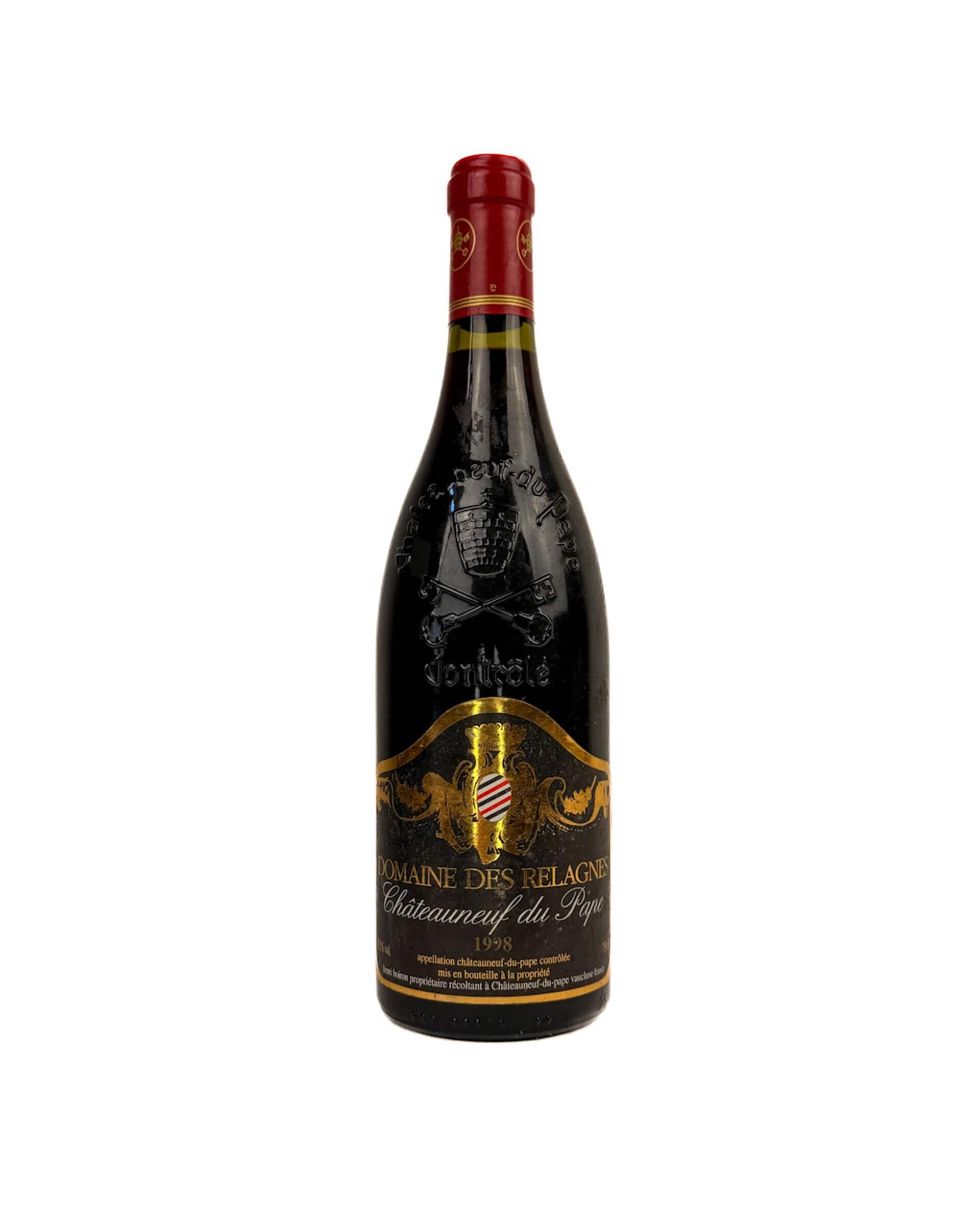
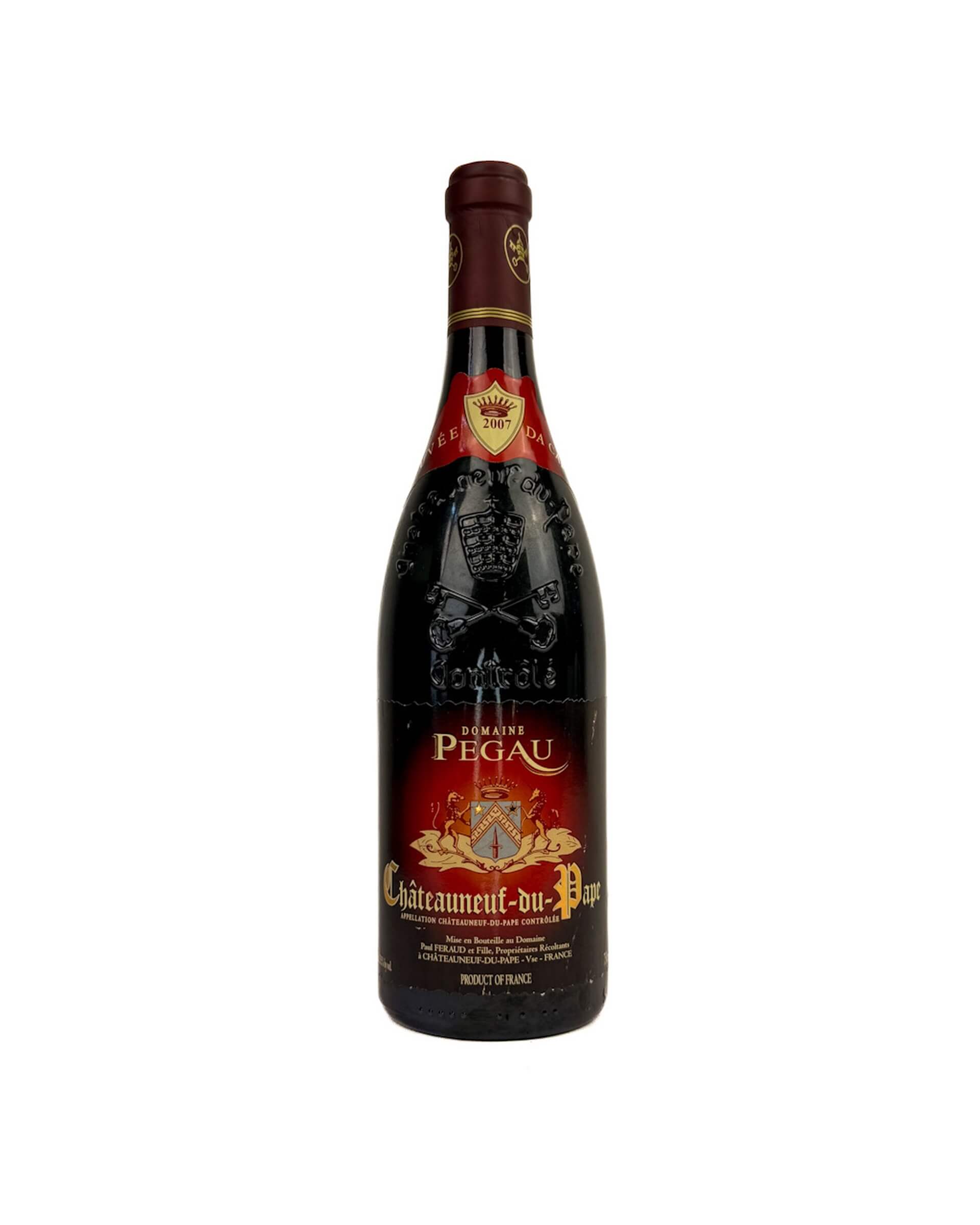
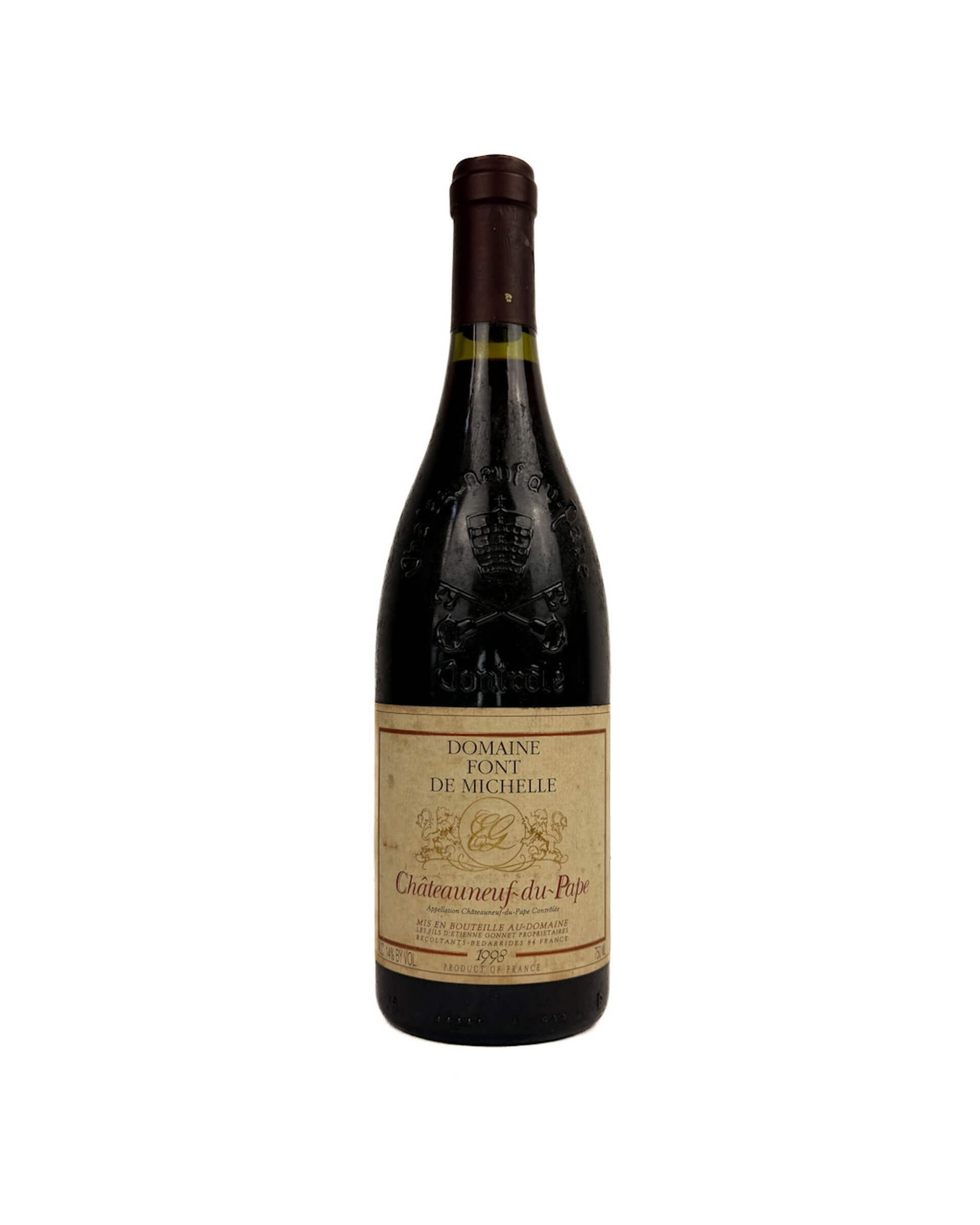
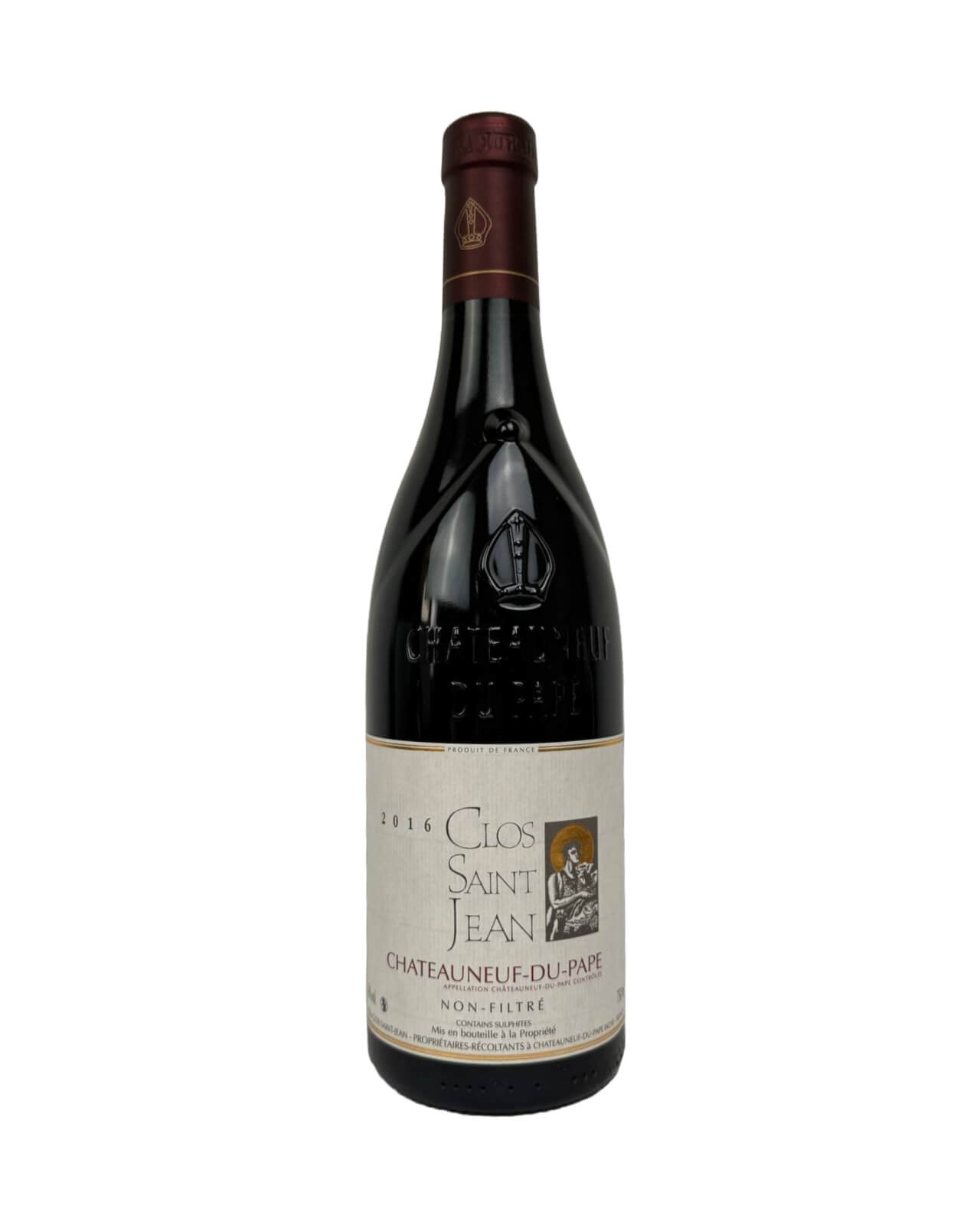
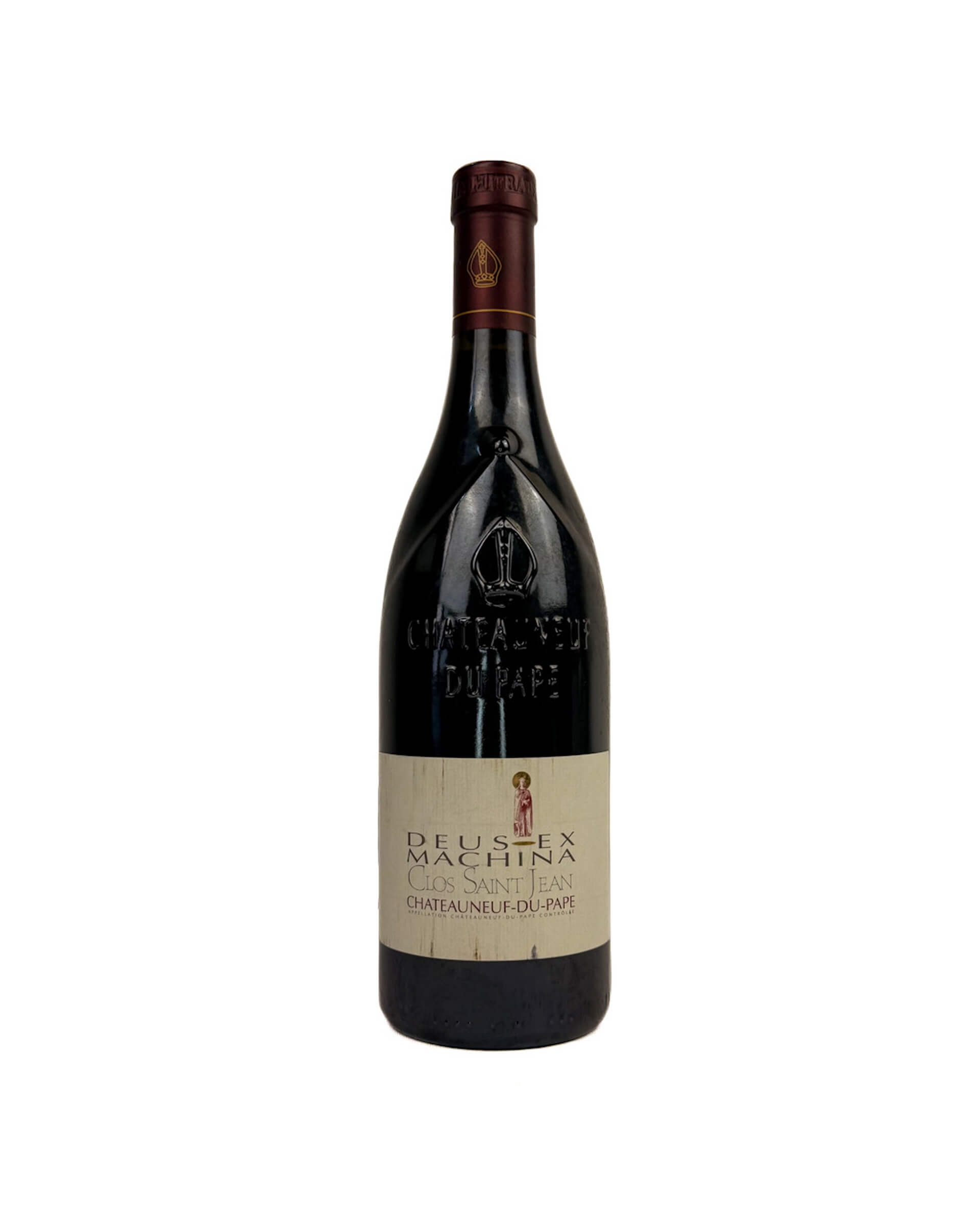
Few names in fine wine carry the weight of AOC Châteauneuf-du-Pape wine, the Southern Rhône’s oldest delimited appellation — formally recognised in 1936 as one of France’s first AOCs — and the reference benchmark for Grenache-led blends grown on a sun-baked plateau of rounded stones north of Avignon. The appellation takes its name from the medieval popes who held court at Avignon in the fourteenth century, building a summer residence — the “new castle of the pope” — above these vineyards; seven centuries of reputation have followed.
What defines Châteauneuf-du-Pape is the marriage of place and blend: warm Mediterranean light, the famous galets roulés that store the day’s heat, and Grenache at the heart of nearly every cuvée, supported by Syrah, Mourvèdre, and a long list of permitted varieties. These are wines built for both immediate pleasure and the cellar — generous and aromatic in youth, capable of profound complexity with age.
When our buying team tasted through the current six-bottle selection, the bottle that settled the range was the 2019 from a galet-heavy parcel: still tightly wound on opening, it unfurled over an hour into kirsch, crushed thyme, and warm stone — the kind of slow reveal that told us it would hold for a decade. We kept it not for its label but for that trajectory, and chose the rest of the range the same way: by what each bottle actually showed in the glass, judged for producer quality, terroir provenance, and honest typicity rather than prestige alone. Explore the bottles below, then read on to choose with confidence.
Châteauneuf-du-Pape covers roughly 3,200 hectares of vines on a plateau in the Vaucluse, just north of Avignon in the Southern Rhône. It was among the very first French appellations granted Appellation d’Origine Contrôlée status, in 1936, and the rules it set remain unusually demanding — a yield ceiling of just 35 hl/ha for reds, versus 42 hl/ha for neighbouring Gigondas and 50+ hl/ha for generic Côtes du Rhône, alongside a minimum alcohol of 12.5% for reds. This is part of why aoc châteauneuf-du-pape on a label tells a buyer something concrete about concentration and ripeness, not just origin. The appellation sits within the broader family of French wine classifications that signal provenance and quality tier.
Thirteen grape varieties are permitted across red and white, but in practice the vast majority of red production is built on the Grenache–Syrah–Mourvèdre core, with Cinsault, Counoise, Vaccarèse, and others playing supporting roles. As a Southern Rhône wine of this calibre, a serious Châteauneuf-du-Pape rewards the same attention a buyer would give a fine Grenache wine from any benchmark region — and its rarity in white form makes that small 7% all the more sought-after.
No single soil defines Châteauneuf-du-Pape. The appellation is mapped across roughly thirteen distinct terroir zones, and the difference between them explains why two excellent bottles from the same vintage can taste so unalike. Soil drives style here at least as much as blend does, which is the single most useful thing a buyer can understand about the region.
The practical takeaway: a Châteauneuf-du-Pape grown on galet-heavy ground will differ fundamentally in weight, extract, and ageing arc from one raised on sand. Neither is more authentic than the other; both are true expressions of the place, and the smart buyer chooses according to the style they prefer rather than a single house reputation.
The famous thirteen-variety ruleset exists to protect the diversity of the appellation’s oldest vineyards, not to describe a typical recipe. In reality, around 90% of red Châteauneuf-du-Pape is built on the GSM core — Grenache, Syrah, and Mourvèdre — with the remaining permitted grapes contributing accent and texture in the cuvées that still use them. Understanding the three principal varieties is enough to read almost any back label intelligently.
Grenache is the heat-tolerant, late-ripening workhorse of the Southern Rhône: naturally high in alcohol, generous in red fruit — cherry, raspberry, dried fig — and round and supple in texture. It is what makes Châteauneuf-du-Pape immediately approachable yet capable of long ageing, and it typically constitutes 70–90% of a red blend. Its thin skin demands careful handling; in lesser years it can turn jammy and heavy, while in great vintages and skilled hands it delivers remarkable complexity and length. A great Grenache wine of this kind is the traditional heart of the appellation — long macerations, old oak foudres, minimal intervention.
Mourvèdre brings tannic structure, dark fruit — blackberry, olive, dark plum — and an earthy, almost meaty quality that offsets Grenache’s roundness and extends ageing potential. It is especially prominent in Beaucastel’s blend, at around 30%, producing one of the appellation’s most age-worthy styles. In warmer vintages it adds power; in cooler years it can show an animal, ferrous edge that needs time to settle.
Syrah contributes colour stability, since Grenache is thin-skinned and can fade, along with black pepper, dark cherry freshness, and mid-palate spine. It rarely exceeds 10–15% of the blend; its role here is supporting rather than dominant — a deliberate contrast to the standalone command it takes in the Northern Rhône.
White Châteauneuf-du-Pape is built primarily on Grenache Blanc, Clairette, Roussanne, and Bourboulenc — rich, textured, and aromatic, golden in the glass, with white peach, almond, and Provençal herbs, Roussanne lending perfume and ageing structure. It accounts for only about 7% of production. The finest whites, such as Beaucastel’s Roussanne Vieilles Vignes and Rayas’s white, rank among the most sought-after white wines in France and can age 15–25 years.
The traditional style — non-destemmed fruit, large old oak foudres, no new oak, long macerations — yields earthy, garrigue-inflected, complex wines that are tannic in youth and genuinely age-worthy, often 10–20 years for the best. Château Rayas, Pégau, Henri Bonneau, and Château Beaucastel are reference points for this camp, and it is here that the appellation’s most profound bottles are found. Because around 93% of Châteauneuf-du-Pape is red wine, this is the style most buyers will encounter first.
The modern or contemporary style — partial or full destemming, shorter macerations, sometimes a little new oak, more overt fruit — gives deeper colour, riper fruit, and earlier accessibility, while still ageing well for 8–15 years. Château La Nerthe, Domaine de la Janasse in its Vieilles Vignes cuvée, and Clos des Papes illustrate the range.
The practical question for the buyer is timing: if you want to drink within five years, lean modern; if you want to cellar for a decade or more, lean traditional.
For the curious enthusiast, entry into our Châteauneuf-du-Pape selection starts from around €45, where you meet genuine expressions of the appellation — GSM blends carrying the characteristic garrigue and Grenache warmth of the Southern Rhône — from producers who have earned their place through consistent quality rather than prestige branding.
For the confident buyer, most bottles in the selection sit near €145. This is the heart of the offer, where serious traditional or contemporary cuvées from reputed estates combine several years of ageing potential with genuine typicity, provenance, and the aromatic complexity that makes the best Châteauneuf-du-Pape worth seeking out.
For the collector, the upper end of the selection reaches €390 for the prestige cuvées built for a decade or more of cellaring. Here, terroir expression, producer philosophy, and vintage concentration converge — wines that reward patience as only the finest Southern Rhône addresses can. Collectors weighing France’s great red regions against one another will find our wider ranges from Bordeaux and Burgundy a useful point of comparison.
A note on vintages: among recent reference years, 2016 and 2019 are widely admired for both power and freshness, while 2020 produced ripe, approachable wines with strong early appeal. When buying to cellar, check that the specific vintage has the structure to reward patience — our team selects only those that do.
All prices are in EUR; Tour de Wine is a French specialist merchant, and this is one corner of our broader range of French wines. Every one of the six bottles here has been chosen for producer quality, terroir provenance, and the ability to represent the appellation with authenticity. The selection is intentionally focused — curated, not exhaustive.
Châteauneuf-du-Pape is the Southern Rhône’s most tightly regulated and historically prestigious appellation. While neighbours such as Gigondas and Vacqueyras also produce Grenache-based blends on garrigue soils, Châteauneuf-du-Pape enforces stricter yield limits, a higher minimum alcohol requirement of 12.5%, a famously long permitted list of thirteen varieties, and a galet-covered plateau north of Avignon that yields wines of unusual concentration and ageing potential. The name recognition alone, earned across seven centuries, places it in a category of its own for global fine wine collectors.
Thirteen varieties are legally permitted — one of the longest lists of any AOC in France. For reds, the principal grapes are Grenache, Syrah, Mourvèdre, Cinsault, Counoise, Vaccarèse, Picpoul Noir, Terret Noir, and Muscardin. For whites, Clairette, Grenache Blanc, Roussanne, and Bourboulenc lead. In practice, the large majority of red Châteauneuf-du-Pape is built on a Grenache core of 70–90%, with Syrah and Mourvèdre supplying structure and colour. The full thirteen-variety framework exists to preserve the diversity of the appellation’s oldest vineyards rather than as a typical blending approach.
Yes, though how long depends on producer style and terroir. A traditional red from a galet-rich site such as Beaucastel, Pégau, or Henri Bonneau will develop beautifully over 12–25 years from a good vintage, while a contemporary, fruit-forward cuvée may be at its best within 5–10 years. Entry-level or lighter vintages drink well from 3–6 years. As a rule, a Châteauneuf-du-Pape from a serious producer priced toward the upper part of our range is worth at least five years in the cellar, and prestige cuvées reward considerably more. The best whites, such as Beaucastel’s Roussanne Vieilles Vignes, can also age remarkably — 20 years or more.
Côtes du Rhône is a broad regional AOC covering wine made across the full length of the Rhône Valley, with wide variation in quality, yield restriction, and permitted grapes. Châteauneuf-du-Pape is a specific, tightly defined appellation with stricter yield limits, minimum alcohol rules, and a long history of producing some of France’s most complex reds from a single plateau of remarkable terroir. A reliable Côtes du Rhône from a quality producer can be excellent everyday drinking; a serious Châteauneuf-du-Pape represents a different level of concentration, ageing potential, and appellation prestige — and is priced accordingly.
Most authentic Châteauneuf-du-Pape reds are sold in a distinctive heavy bottle embossed near the neck with the appellation’s coat of arms — the papal tiara above the crossed keys of Saint Peter — a mark adopted by the local growers’ syndicate and required since 1937. The label must also carry the words “Châteauneuf-du-Pape Appellation Contrôlée,” along with the producer or estate name and the vintage. The embossment is moulded into the glass rather than printed, so it cannot be faked with a sticker; run a finger over the neck to feel the raised tiara and keys. A handful of estates (Château Rayas among them) use plainer bottles, but for the vast majority the embossed seal plus the full appellation wording on the label is the buyer’s simplest authenticity check.
Written by the Tour de Wine buying team. Last reviewed: June 2026.
This site is restricted to adults. By entering, you confirm that you are of legal drinking age in your country of residence.