
95
0,75
2009
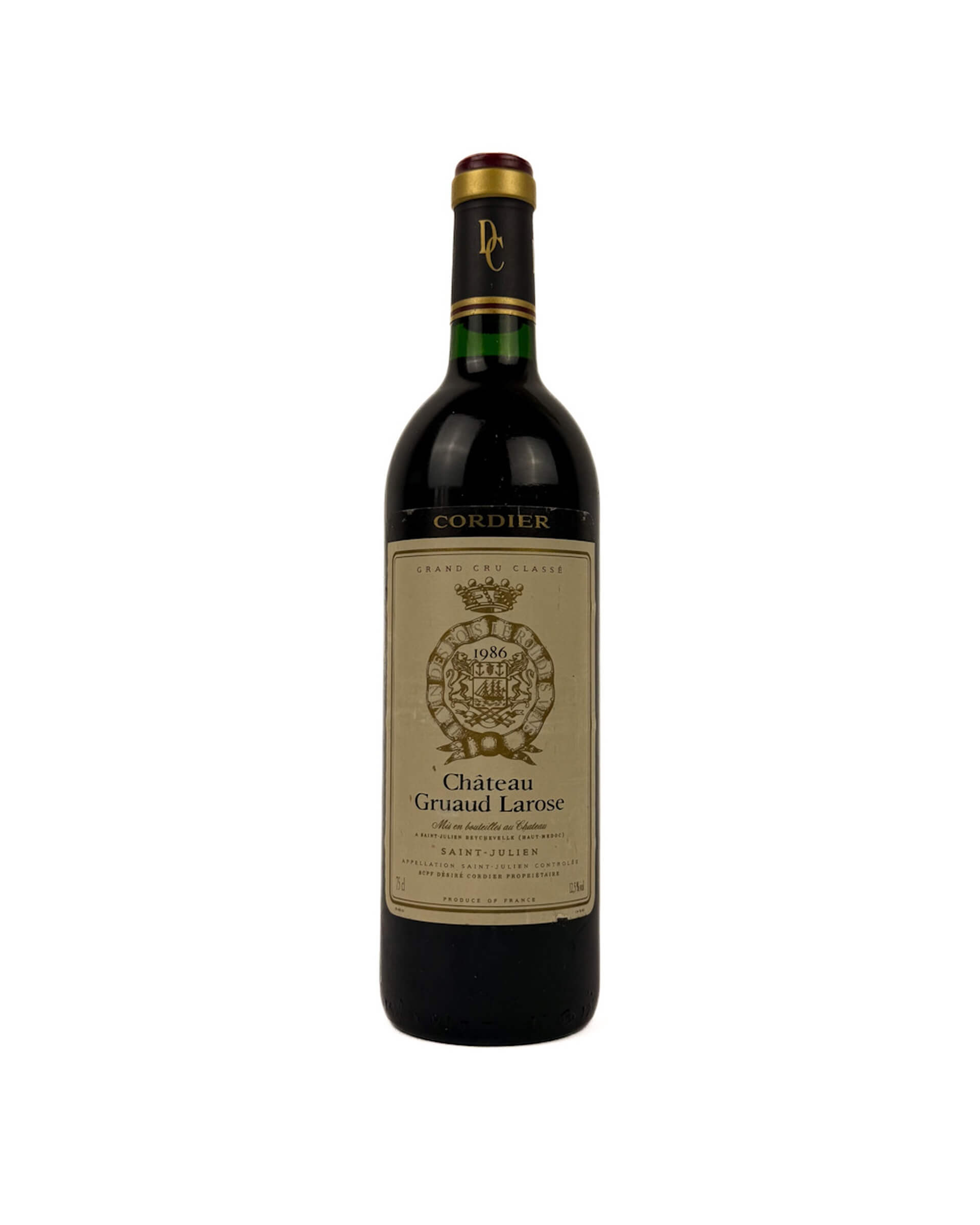
Chateau Gruaud-Larose
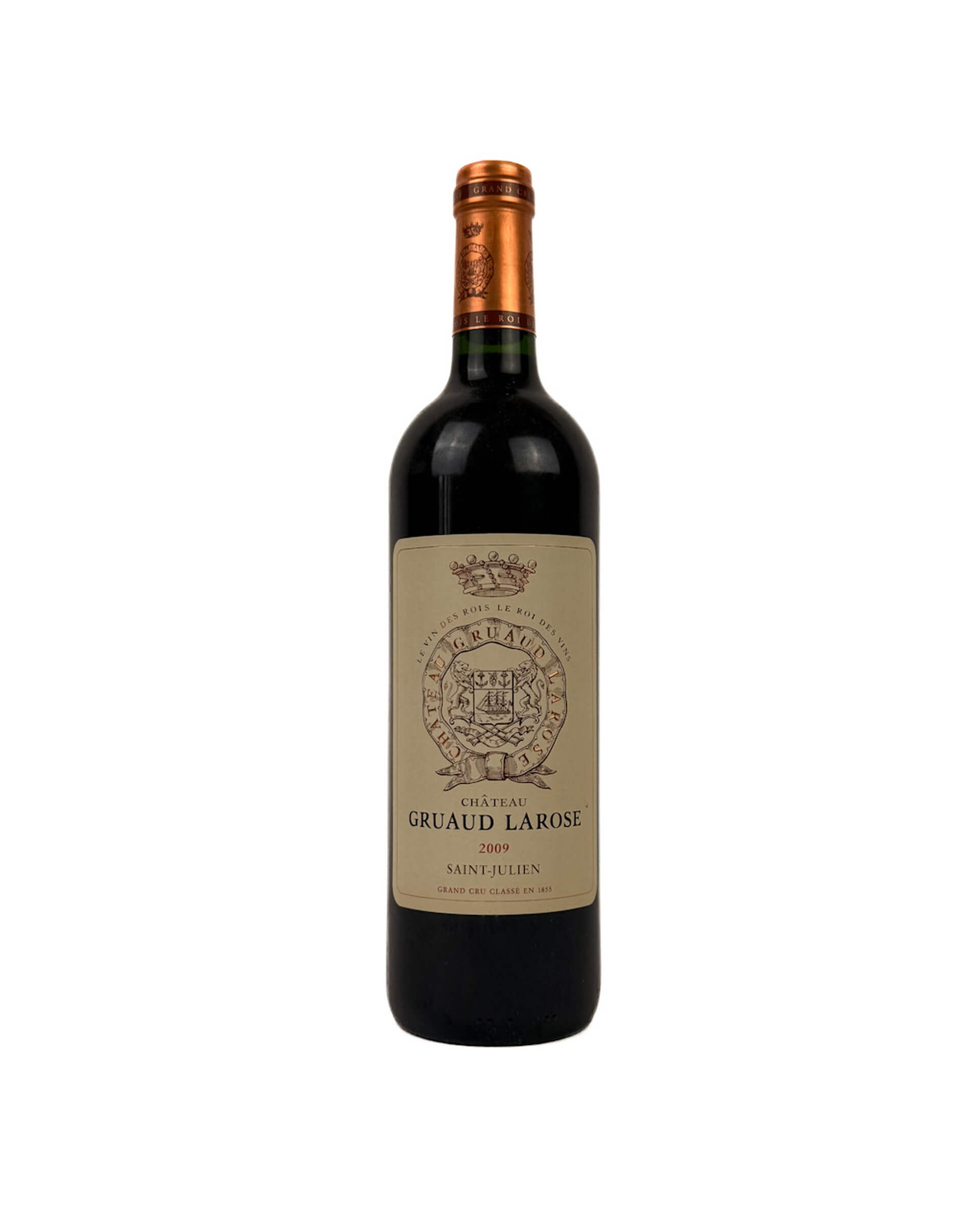
Chateau Gruaud-Larose 2009 0,75L
€ 126,00
Wines, producers, regions...

A 2ème grand cru from Burgundy is one of the most rewarding starting points in fine red wine: a fully certified Grand Cru appellation, but without the dizzying prices of the most coveted summits. Our curated selection of seven bottles draws entirely from the great Grand Cru appellations of the Côte de Nuits and the Côte de Beaune — Charmes-Chambertin, Clos de la Roche, Mazis-Chambertin, Chapelle-Chambertin and Corton — all born of Pinot Noir on the hard limestone soils where the grape finds its most complete expression. This page maps exactly where the tier sits within the Burgundy hierarchy, what to expect in the glass, and what honest EUR prices look like across an active catalogue.
The label “2ème grand cru” does not exist in French law. It is a practical, market-led reading of the internal hierarchy that exists among Burgundy’s Grand Cru appellations, based on renown, market price and real availability. Understanding that distinction is the single most useful step a buyer can take, because it tells you where to place a budget to get the best balance of prestige and accessibility. A deuxieme grand cru in this sense is a genuine, certified Grand Cru — one rung in style and ageing potential above the 1ers Crus, and one rung in price below the stratospheric names at the top.
Burgundy structures its wines in four ascending levels: regional Bourgogne, Villages (communal), 1er Cru, and Grand Cru at the summit. The Grand Cru appellations account for a tiny share of the region’s total output — on the order of 1.5 percent, according to the Bureau Interprofessionnel des Vins de Bourgogne (BIVB) — and each corresponds to a named, INAO-delimited site. There are 33 Grand Cru appellations in Burgundy, the great majority concentrated on the Côte d’Or between the Côte de Nuits and the Côte de Beaune. Crucially, the internal ranking among those 33 crus is fixed by no official numbered classification: it follows custom, historical reputation and the market. For the full picture, see how this category fits within our complete hub of wine classifications.
At the absolute peak sit a handful of names whose market prices escape most enthusiasts: La Romanée-Conti, La Tâche, Chambertin, Musigny, Le Montrachet. Just below them is a group of equally certified Grand Cru appellations of recognised quality, but whose prices stay within reach — Charmes-Chambertin, Chapelle-Chambertin, Clos de la Roche, Mazis-Chambertin, Clos Saint-Denis, Latricières-Chambertin and the great Corton. These crus share the same Grand Cru terroir foundation — hard limestone, east-facing slopes, red clays — yet their lower profile creates relative price accessibility that, to our eyes, makes them the best buys in the whole Burgundian pyramid. To compare across the ladder, browse our Grand Cru wines and the 1er Cru selection a rung below.
It helps to ground a 2eme grand cru bourgogne in real geography and real estates. Several of the appellations in our selection cluster around Gevrey-Chambertin, the northernmost commune at the heart of the Côte de Nuits, which holds nine Grand Cru appellations. Charmes-Chambertin — one of the largest, alongside Mazoyères — gives a silky Pinot Noir packed with ripe red fruit (cherry, raspberry), fine tannins and a delicate floral note; it is more approachable young than Chambertin itself, with a cellaring potential of 10 to 20 years. Mazis-Chambertin is firmer and more structured, showing marked limestone minerality and sweet spice, for a 15-to-25-year hold. Chapelle-Chambertin leans on elegant, perfumed texture and fresh red fruit, prized for finesse rather than power.
Morey-Saint-Denis, often overshadowed by its neighbours, produces Grand Cru of remarkable density. Clos de la Roche is the fullest and most structured of the commune’s Grand Cru: black fruit, damp earth, mushroom and spice, with firm, tightly woven tannins and an excellent 15-to-25-year potential. Further south, Corton is the only Grand Cru appellation dedicated to red wine on the Côte de Beaune — a genuine singularity. Its Pinot Noir is fleshier and more powerful than on the Côte de Nuits, with black fruit, warm spice, leather and earth, and a cellaring potential that can reach 30 years in the greatest vintages. To explore the wider region, see our full range of Burgundy wines.
Pinot Noir is the sole grape of every red Grand Cru in Burgundy: no blending is permitted for these appellations. Its thin skin yields wines that are naturally pale in colour but exceptional in aromatic complexity — red and black fruit according to ripeness, flowers (peony, rose), undergrowth and mushroom, fine spice, and, with age, notes of truffle, leather and light tobacco. It is precisely this varietal transparency that makes Pinot Noir the most sensitive reader of terroir in the world: a Charmes-Chambertin shows silkier and fruitier than the more mineral, structured Clos de la Roche — same grape, radically different profiles. The low yields and the widespread conversion to organic and biodynamic farming among many estates at this level amplify those nuances further. For anyone looking to buy grand cru wine with a clear sense of style, the drinking windows are practical: most expressions reward 8 to 15 years of patience, with the finest holding two decades or more. Browse the full range of our France reds for context.
Vintage shapes expectation as much as appellation does. Three recent Côte d’Or years stand out for buyers building a cellar, each for a concrete reason:
As a rule of thumb, the younger 2019 and 2022 bottlings are still developing in the cellar, while 2015 and older back-vintages are approaching or already within their peak drinking window. Earlier benchmark years such as 2010 occasionally appear in the catalogue and reward serious cellaring, but they are not always in stock.
At this quality level, serving detail genuinely changes the experience. The silky tannins of Grand Cru Pinot Noir call for dishes of character but never brute force. Pour at 14 to 16 °C and avoid over-warming, which mutes the aromatic lift that defines the style. Decanting of 30 to 60 minutes is recommended for younger, still-closed vintages under ten years old; mature bottles need far less. For the table, these wines shine alongside fine red meats — fillet of beef with a morel sauce, roast veal — and delicate game such as woodcock, partridge or hare. Other classic matches:
For buyers new to Burgundy, the 2ème Grand Cru tier is the most sensible entry point into serious Grand Cru, sitting well below the prices of the top-ranked appellations while carrying the same official Grand Cru status. Within our seven-bottle selection, prices begin from around €105, with most bottles priced near €135. The lowest-priced bottles start at €90 — typically current vintages of Charmes-Chambertin or Chapelle-Chambertin from recognised estates that offer an honest introduction to the category. Sought-after cuvées and the finest vintages reach up to €170, and the rarest pieces in the catalogue climb to €235. At every one of these price points you are buying a wine carrying the same official Grand Cru appellation as bottles selling for several multiples more, made from a single named, INAO-delimited site, with low yields and a level of complexity that rewards patience. Our buying advice: fix your drinking window first (open within two to three years, or long-term cellaring), then the style — the suppleness and fruit of a Charmes-Chambertin, the structure of a Clos de la Roche, or the power of a Corton — and finally the budget against your target vintage. To navigate the full hierarchy, compare this tier against our Grand Cru wines, the lower 1er Cru selection, or step back to the broader wine classifications hub.
There is no legal “2ème Grand Cru” in Burgundy: the official hierarchy runs simply through Regional, Villages, 1er Cru and Grand Cru. At Tour de Wine, the term describes the certified Grand Cru appellations whose accessibility-to-prestige ratio is most favourable — Charmes-Chambertin, Clos de la Roche or Mazis-Chambertin, for example — as opposed to price summits such as La Romanée-Conti or Chambertin. These wines genuinely carry the official Grand Cru appellation, one rung above 1er Cru in intensity and ageing potential, while staying within reach.
A Grand Cru sits a full rung above 1er Cru on the official ladder, drawn from a single named site rather than a delimited part of a Villages vineyard. In practice a 2ème Grand Cru offers more concentration, a longer finish and greater cellaring potential than most 1ers Crus. Where a top-name 1er Cru from a famous grower and an accessible Grand Cru appellation meet at a similar price, the Grand Cru usually carries the longer-term ageing advantage, while the 1er Cru may drink more charmingly young — so the better choice depends on whether you are cellaring or opening soon.
Yes, without exception for the red wines. Pinot Noir is the only grape permitted for every red Grand Cru appellation in Burgundy; no blending is allowed. White Grand Cru such as Corton-Charlemagne and Montrachet are made from Chardonnay, but our selection in this category is composed exclusively of red 2ème Grand Cru from Pinot Noir.
Our selection of seven bottles spans both younger, structured vintages from 2019 and 2022 that suit long-term cellaring, and riper, more approachable years such as 2015 that are drinking well now. Availability rotates as stock sells through, so the exact vintages of each appellation — Charmes-Chambertin, Clos de la Roche, Mazis-Chambertin, Chapelle-Chambertin and Corton — change over the season; the current live vintages are always shown on each product page.
Written by the Tour de Wine buying team. Last reviewed: June 2026.
This site is restricted to adults. By entering, you confirm that you are of legal drinking age in your country of residence.