

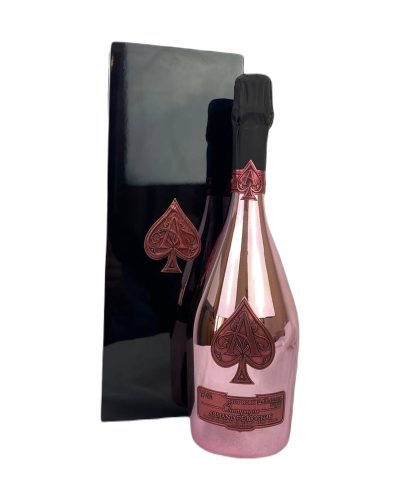
0.75 L
NV
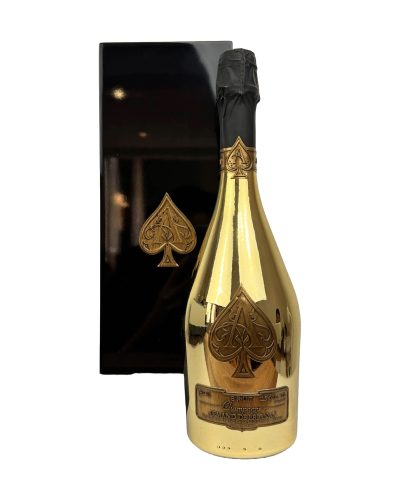
Armand De Brignac
Wines, producers, regions...
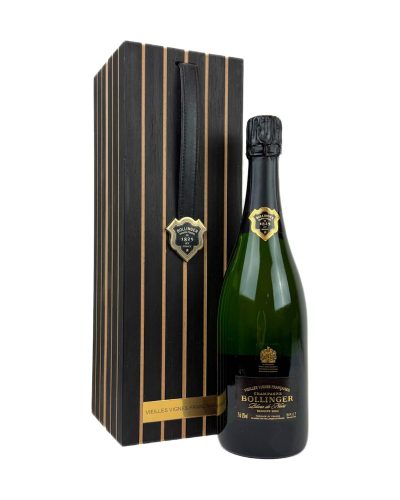
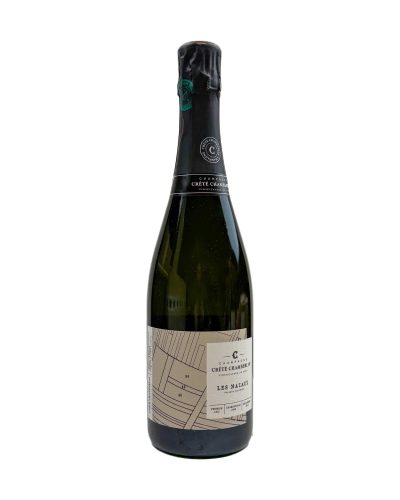
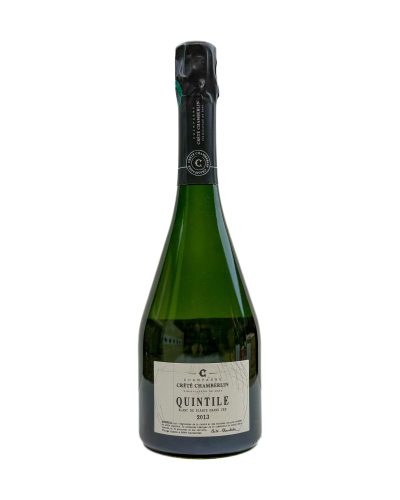
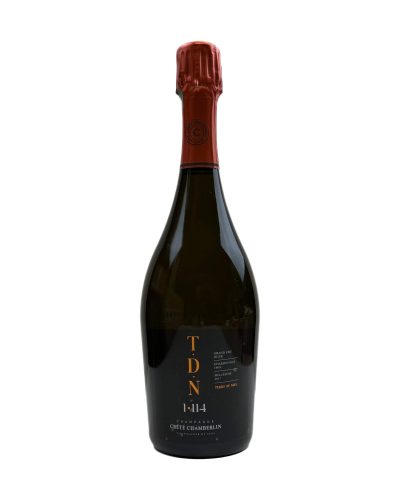
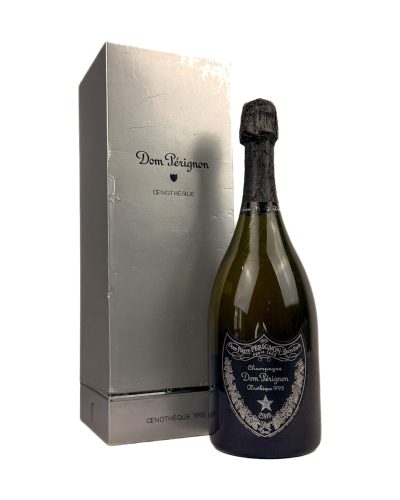
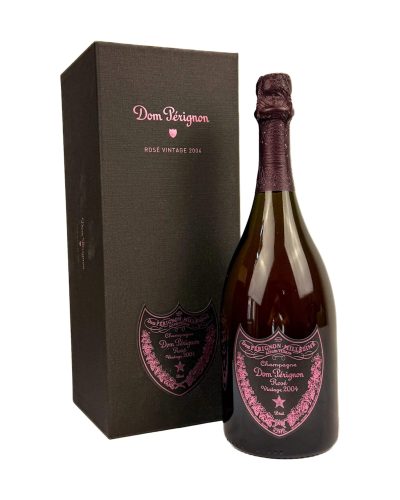
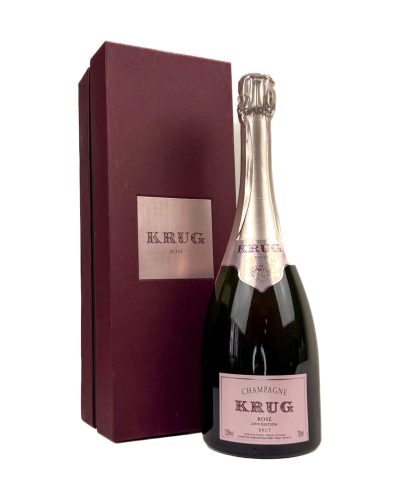
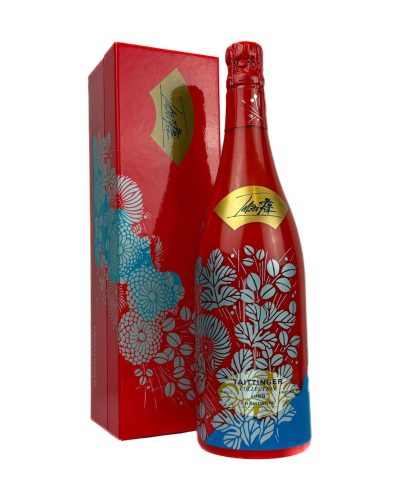
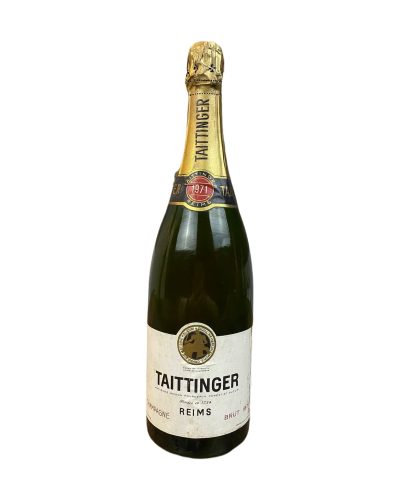
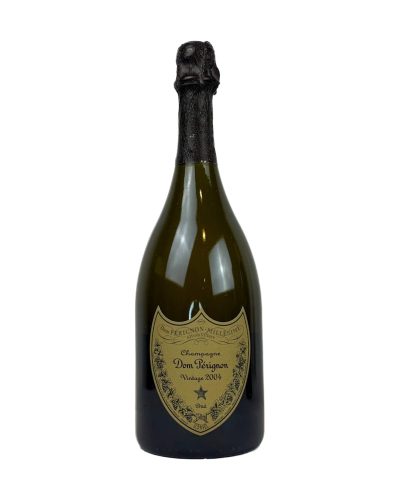
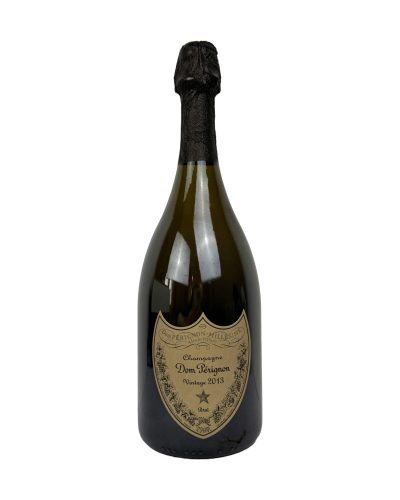
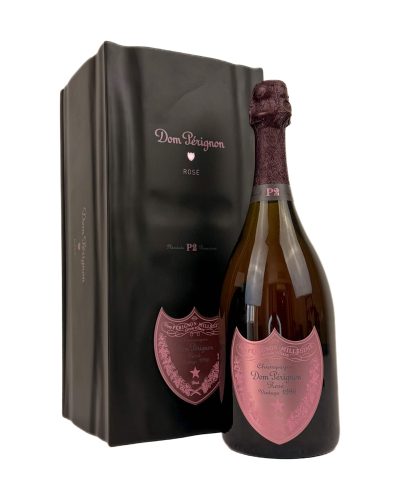
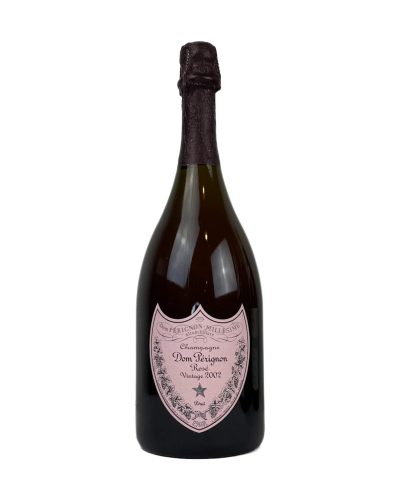
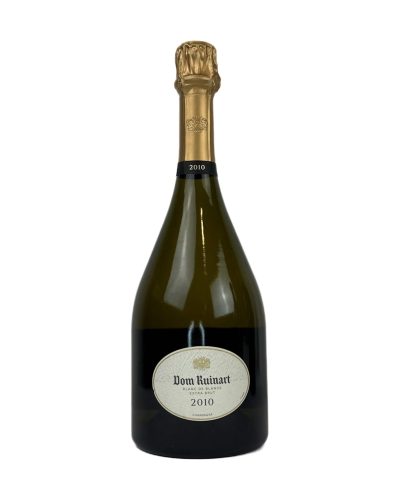
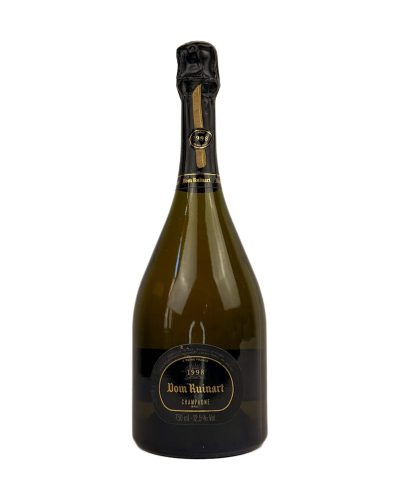
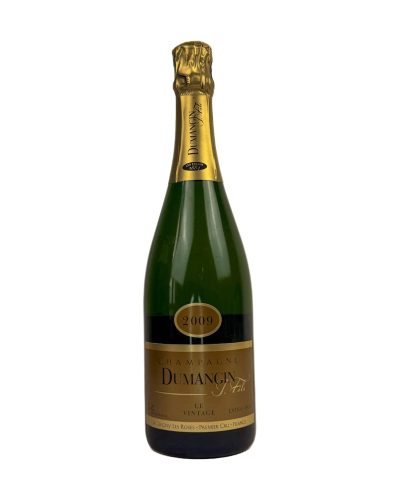
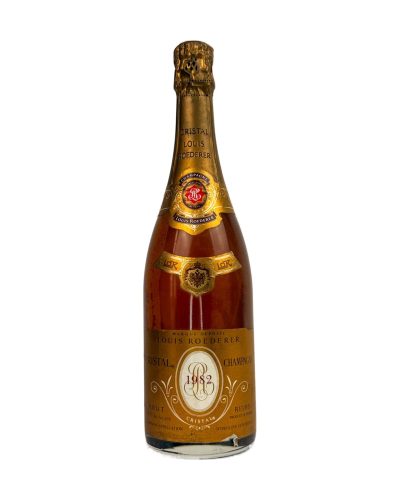
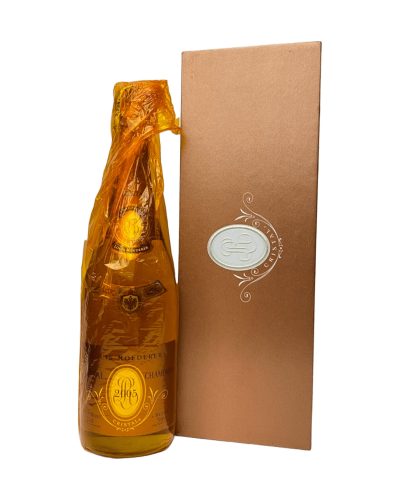
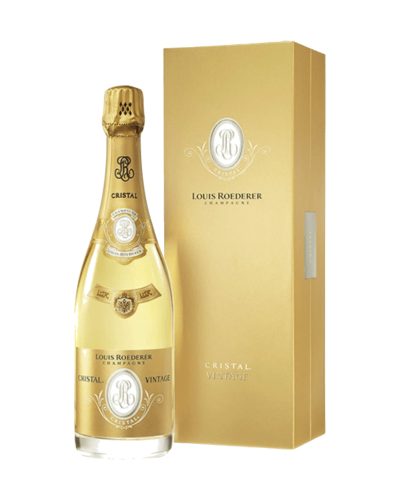
Champagne classification is the way the region ranks its villages and its wines: by the rating of the vineyard, by the style of the cuvée and by the time spent ageing. This page is for buyers who want to understand what a label really says before choosing a bottle, whether it is a gift, a bottle for the cellar or something to open this weekend. The quality rank in Champagne is tied first to the place, and the top tier is Grand Cru champagne.
The Champagne vineyards are rated village by village on the échelle des crus, a scale expressed as a percentage. Villages rated 100% are Grand Cru, those between 90% and 99% are Premier Cru, and the others carry no cru mention on the label. Seventeen villages hold the Grand Cru rating. Unlike Burgundy, the rank belongs to the village, not to a single parcel, and a champagne can only say Grand Cru if all its grapes come from Grand Cru villages.
The wider Champagne range is organised by area too. Chardonnay dominates the Côte des Blancs, which gives tense, chalky wines with a long finish. The Montagne de Reims leans on pinot noir for body and structure. Around Reims you find many of the large houses. The Vallée de la Marne, where pinot meunier does well, completes the picture.
Besides the cru, a champagne is classified by what is in the bottle. Non-vintage cuvées must rest at least 15 months after bottling, including 12 months on the lees. Vintage champagne, made from a single declared year, needs at least 36 months. Many producers keep their wines well beyond these minimums, and the extra time on the lees shows in a finer bubble and a more toasty, brioche-like palate.
Sweetness is the other label code. From the driest to the sweetest you will see Brut Nature (under 3 g/l of sugar), Extra Brut (up to 6 g/l), Brut (up to 12 g/l), then Extra Dry, Sec, Demi-Sec and Doux. Brut is the everyday choice, and it is the style most people mean when they simply ask for champagne. The dosage is added at the end of the process and shapes the taste, not the quality rank. Brut Nature and Extra Brut suit those who like a lean, mineral wine with oysters or sushi.
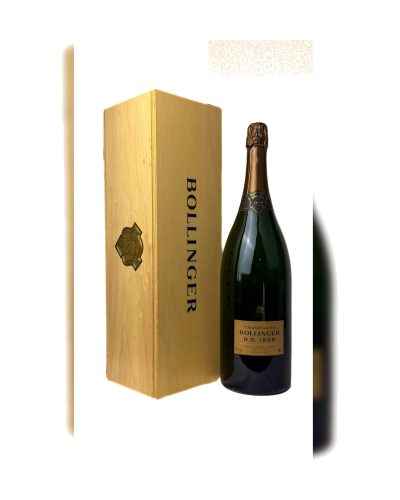
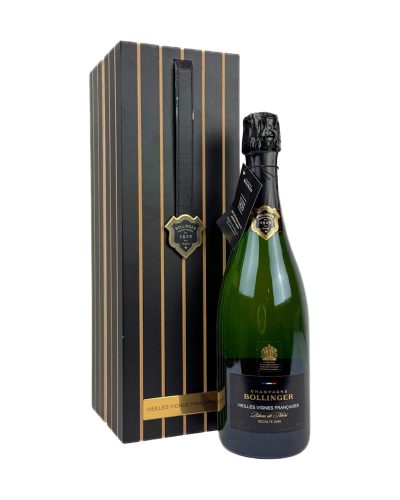
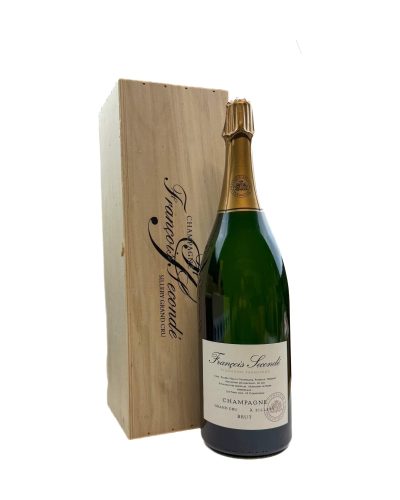
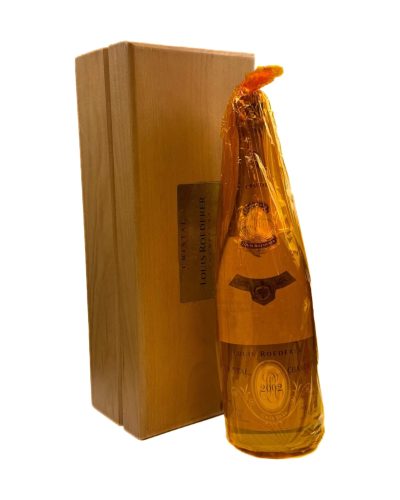
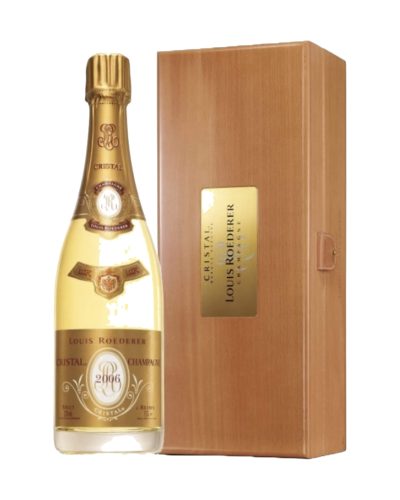
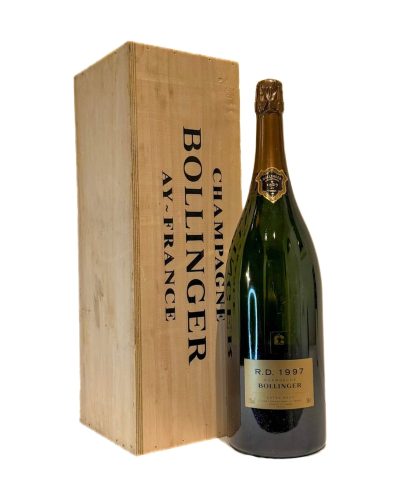
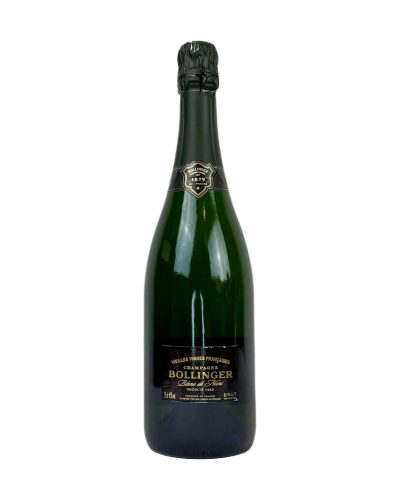
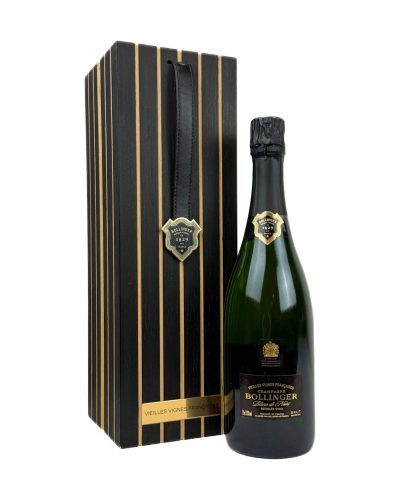
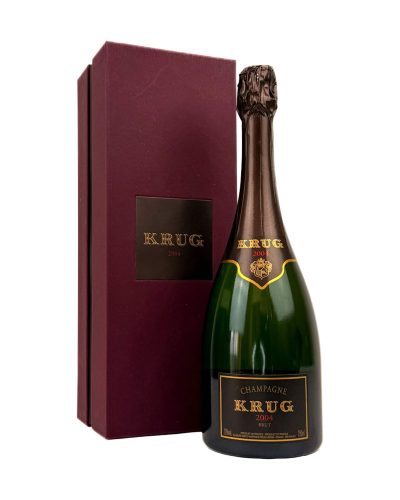
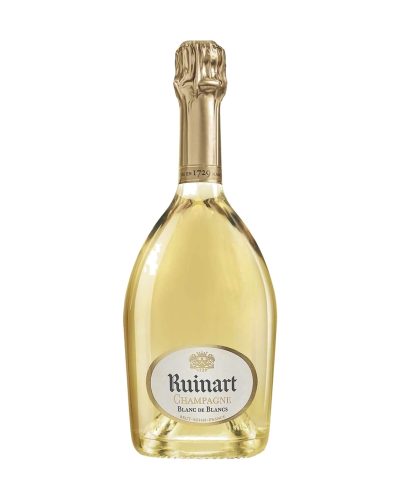
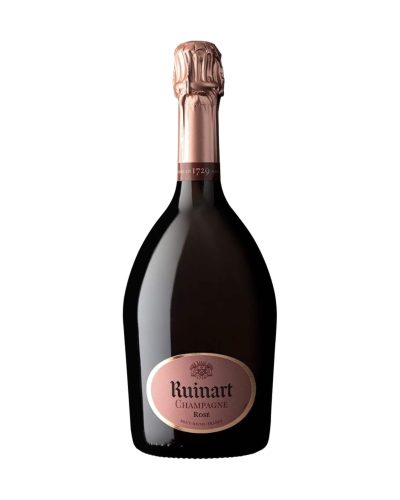
If you want to compare wines by origin rather than by brand, start with the Grand Cru section. It is a good entry point for someone who wants to learn how a village shapes a wine. The houses you will meet across the classifications include Moët & Chandon, Bollinger, Louis Roederer, Ruinart, Krug, Dom Ruinart, Taittinger, Perrier-Jouët and Pommery, along with growers such as Crete Chamberlin and François Seconde. Each works in its own style, so check the dosage, the blend and the vintage before you decide, since two bottles of the same rating can taste very different.
For a gift, a recognised house and a clear style (Brut, vintage or rosé) is the safe route. For the cellar, choose vintage or Grand Cru wines with good acidity and keep them lying down for several years. For drinking soon, a non-vintage Brut will be ready on release.
Serve champagne between 8 and 10 °C, a little warmer for vintage cuvées and older bottles, so the aromas can open. A tulip or white-wine glass shows a champagne better than a narrow flute. Open the bottle slowly, holding the cork and turning the bottle, so that the wine stays calm.
Store bottles away from light and heat, at a steady temperature around 12 °C, lying down if the cork is to stay moist. Once opened, finish the bottle within the evening or keep it a day with a proper stopper. Non-vintage champagne can be enjoyed within a few years of purchase, while a vintage or Grand Cru bottle often rewards patience.
To explore by area, open the Côte des Blancs for chardonnay-led wines, the Montagne de Reims for pinot noir structure, or Reims for the great houses. To see everything at once, return to the full Champagne category.
This site is restricted to adults. By entering, you confirm that you are of legal drinking age in your country of residence.