
N/A
0,75
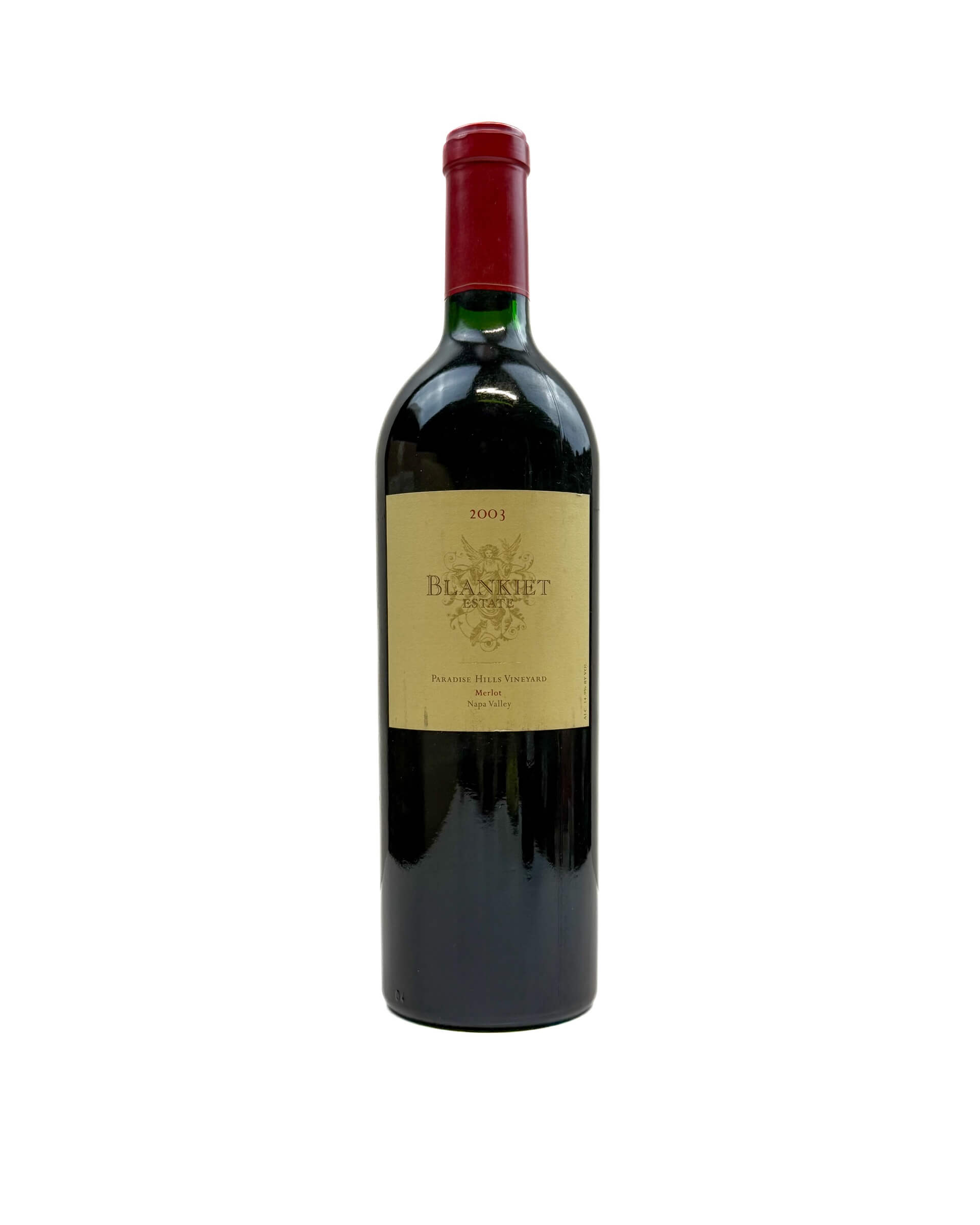
2003
Blankiet Estate
Wines, producers, regions...
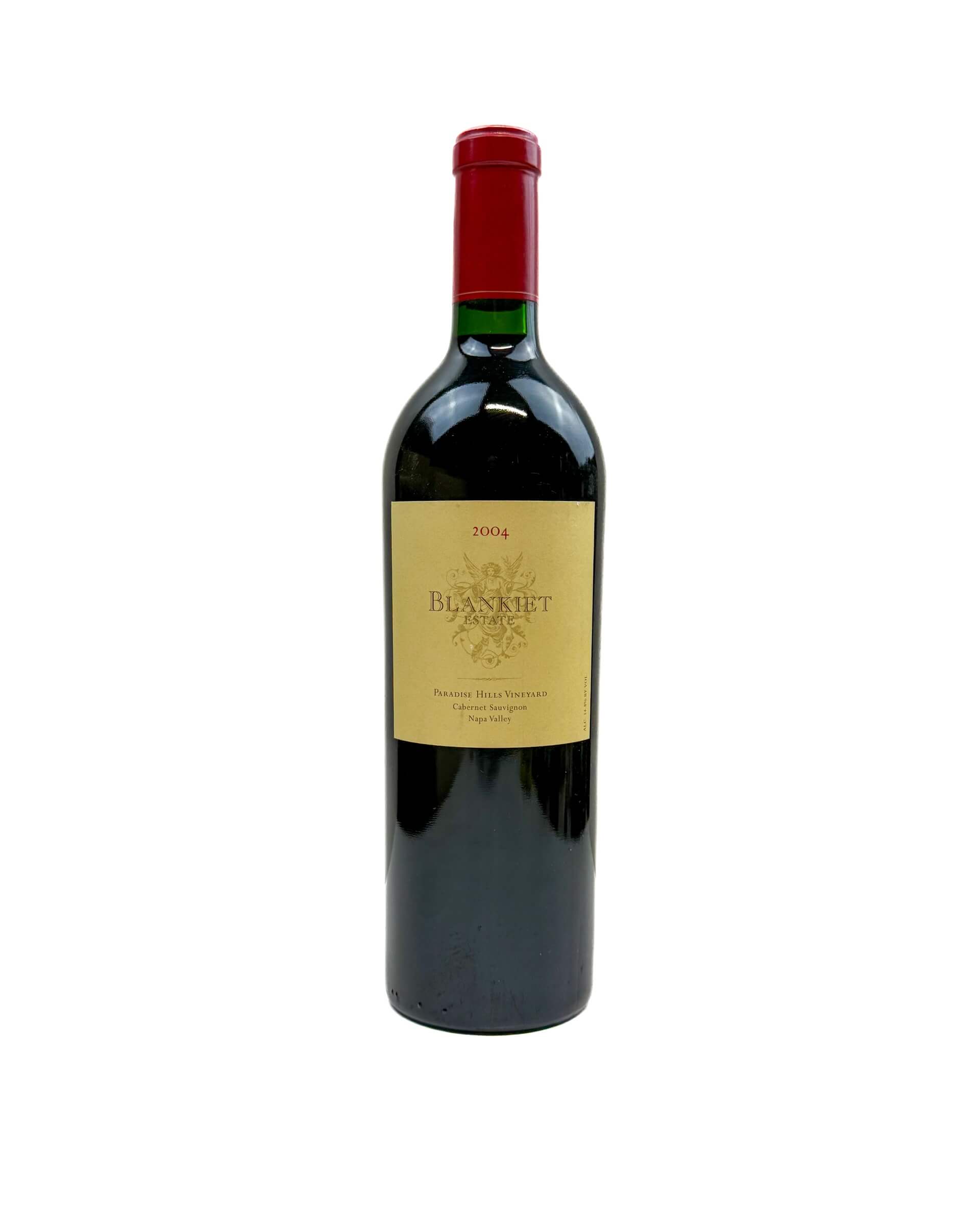
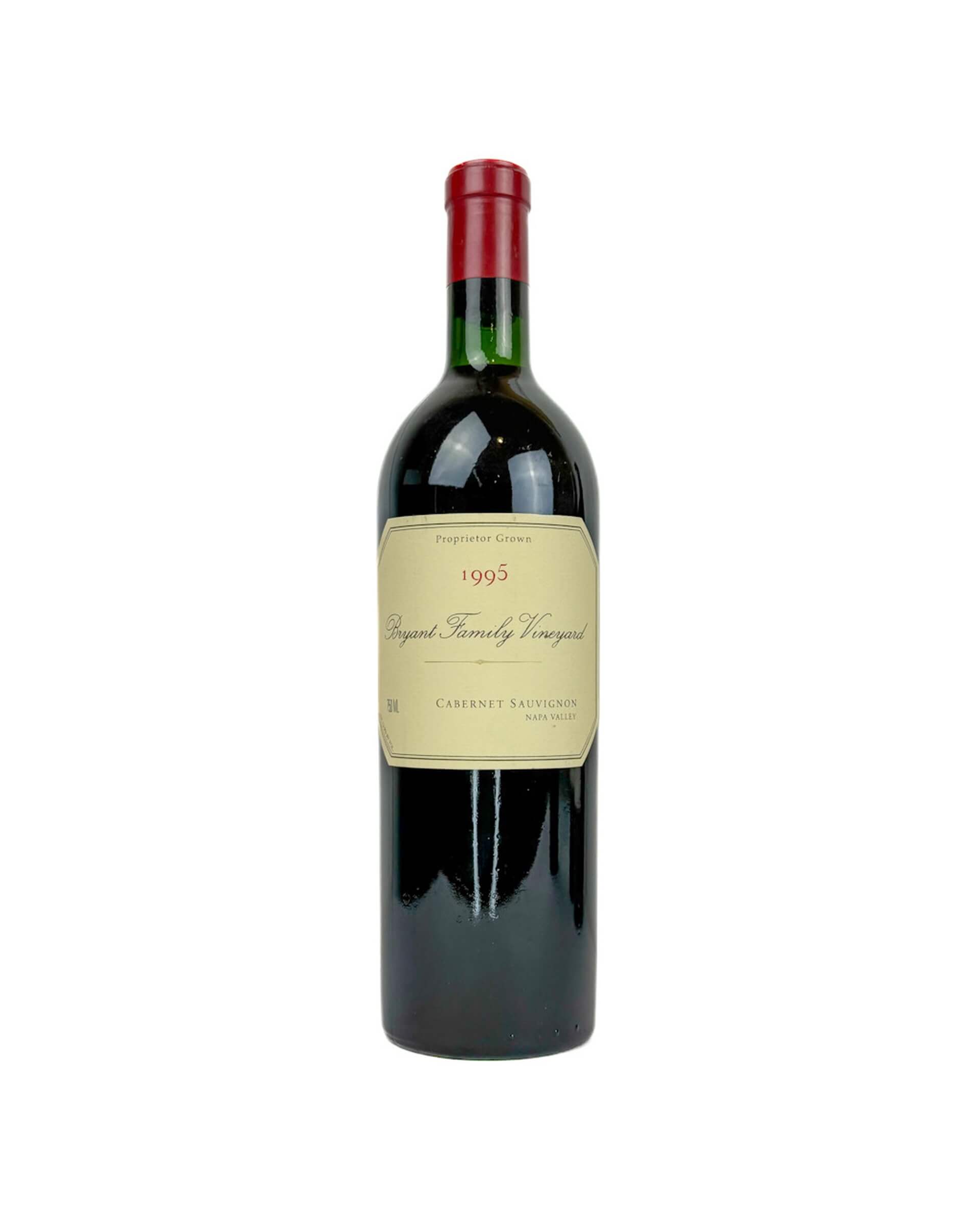
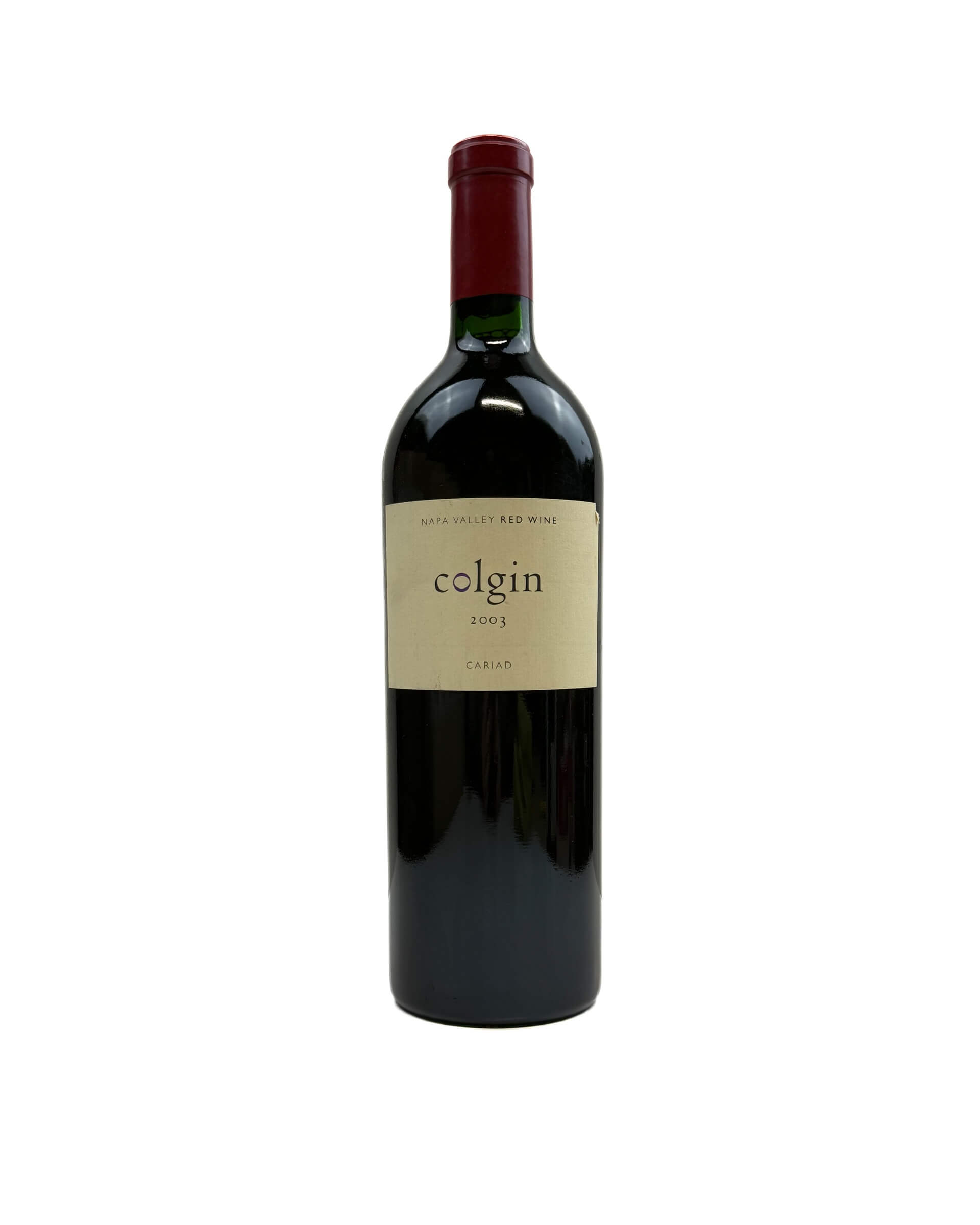
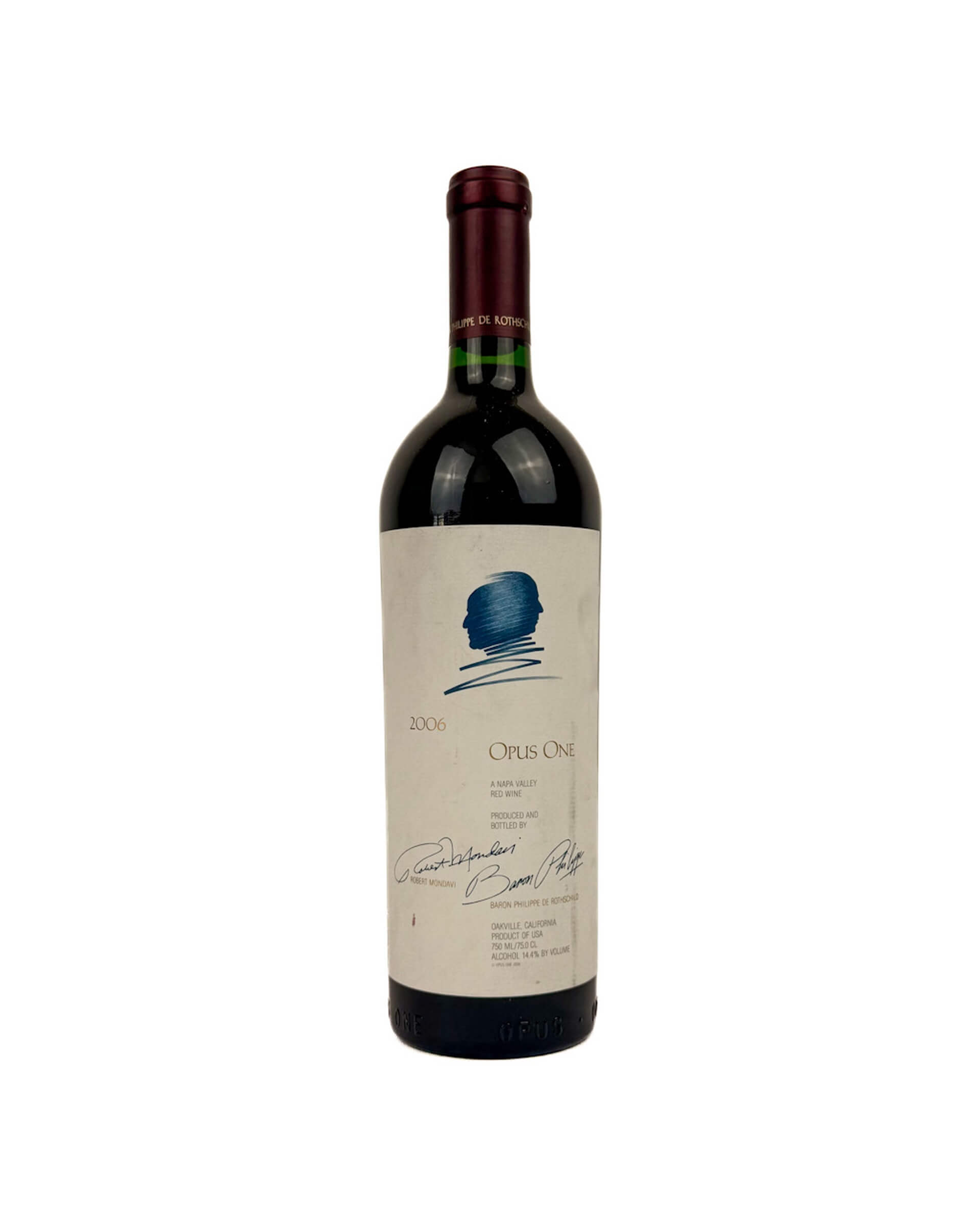
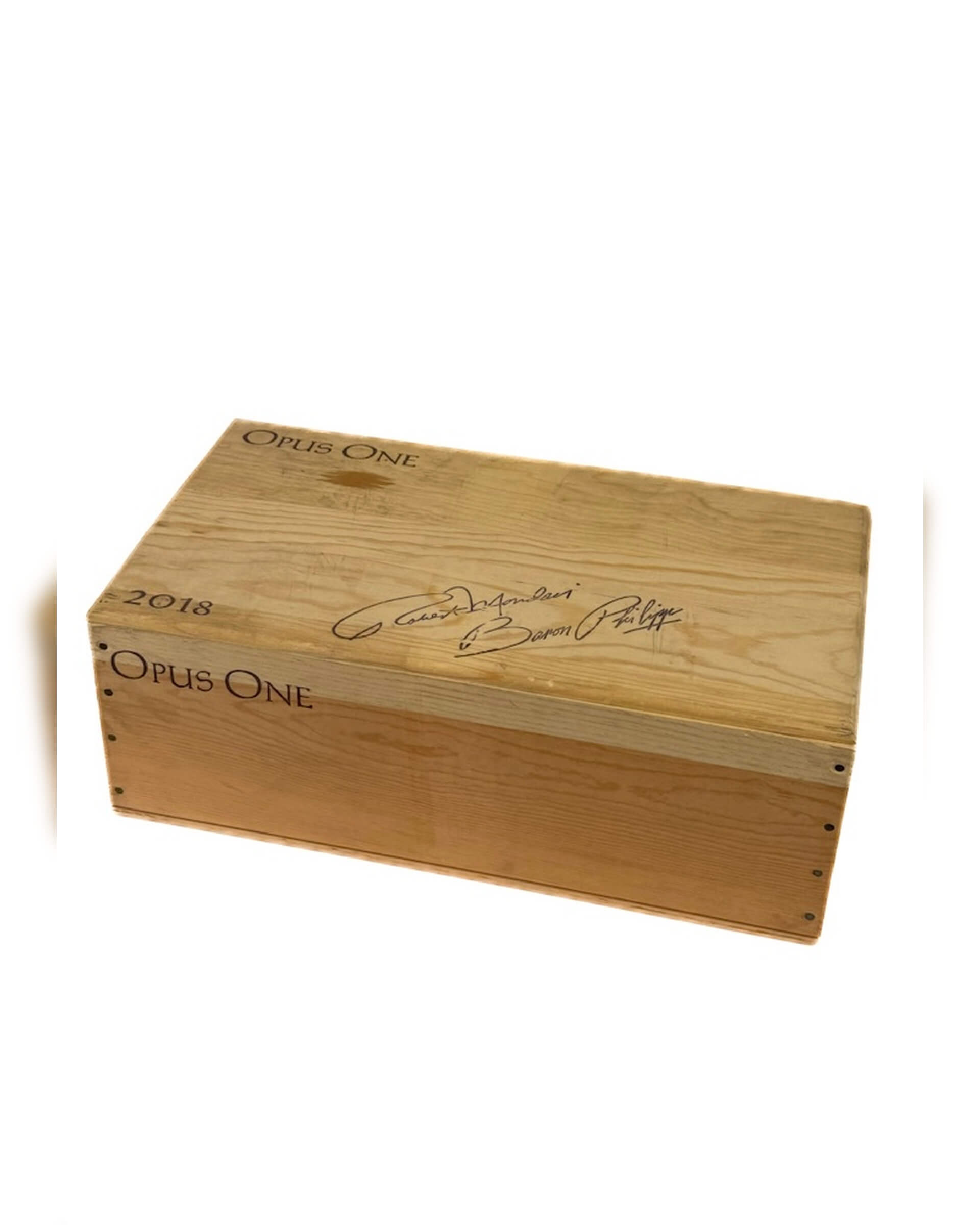
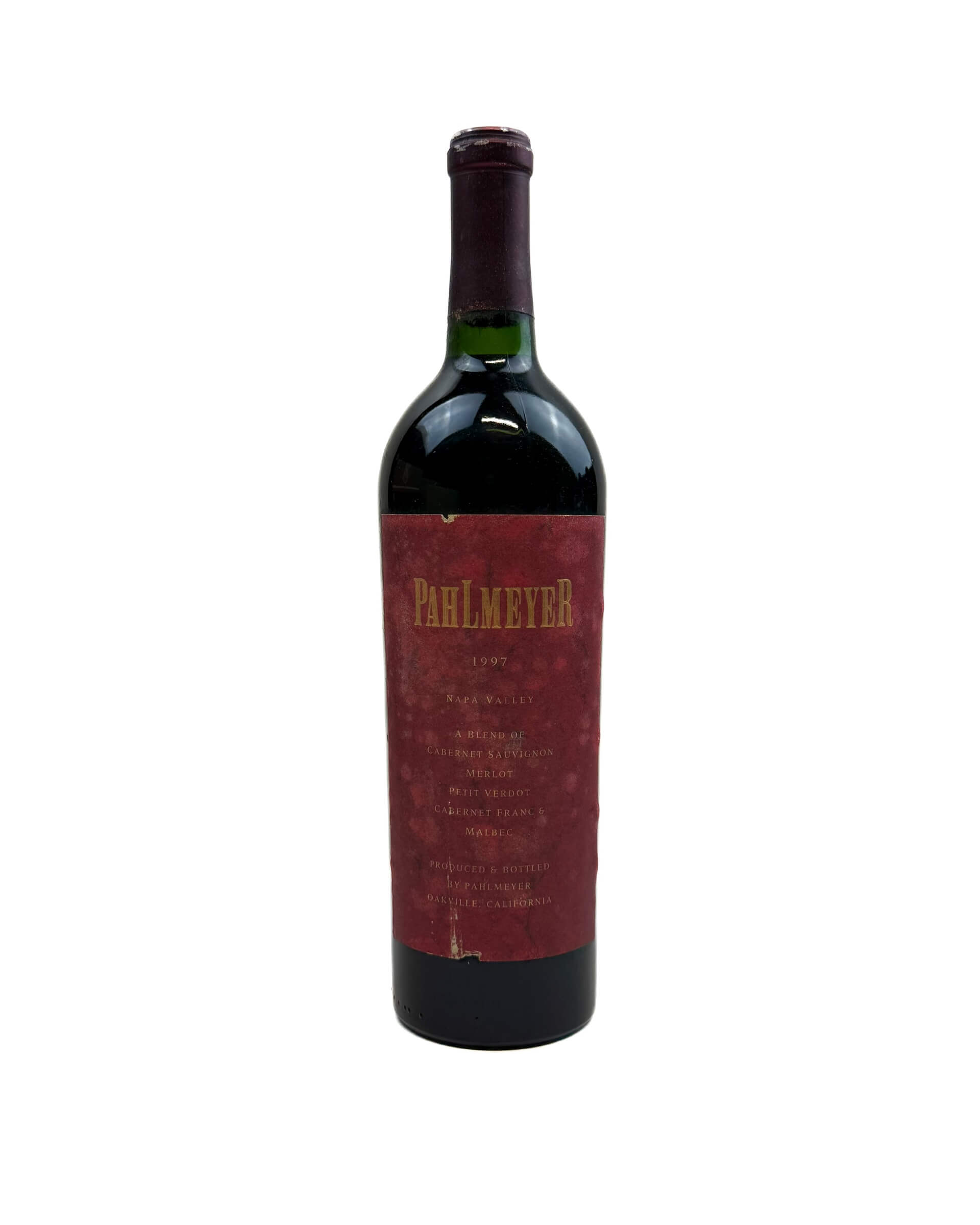
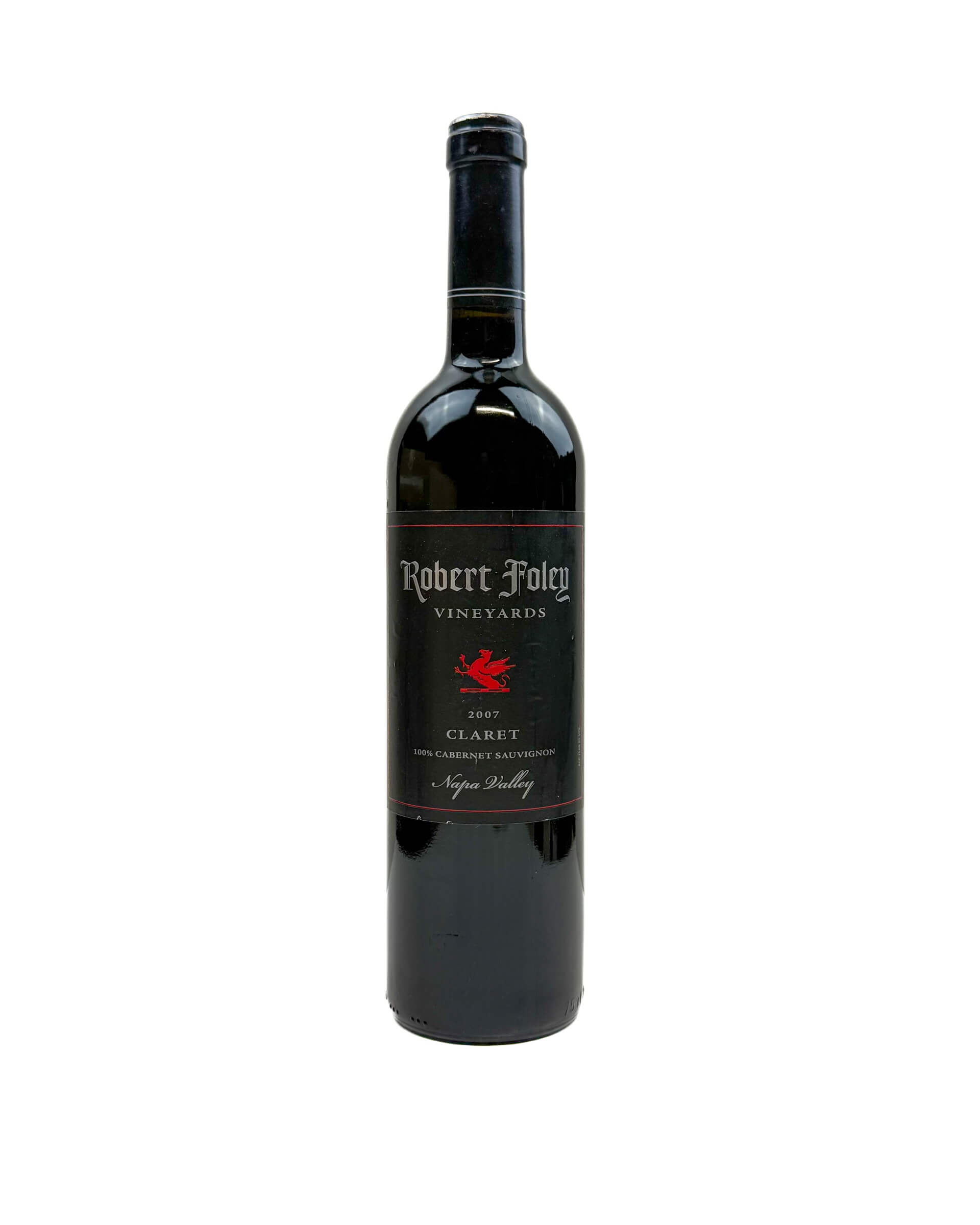
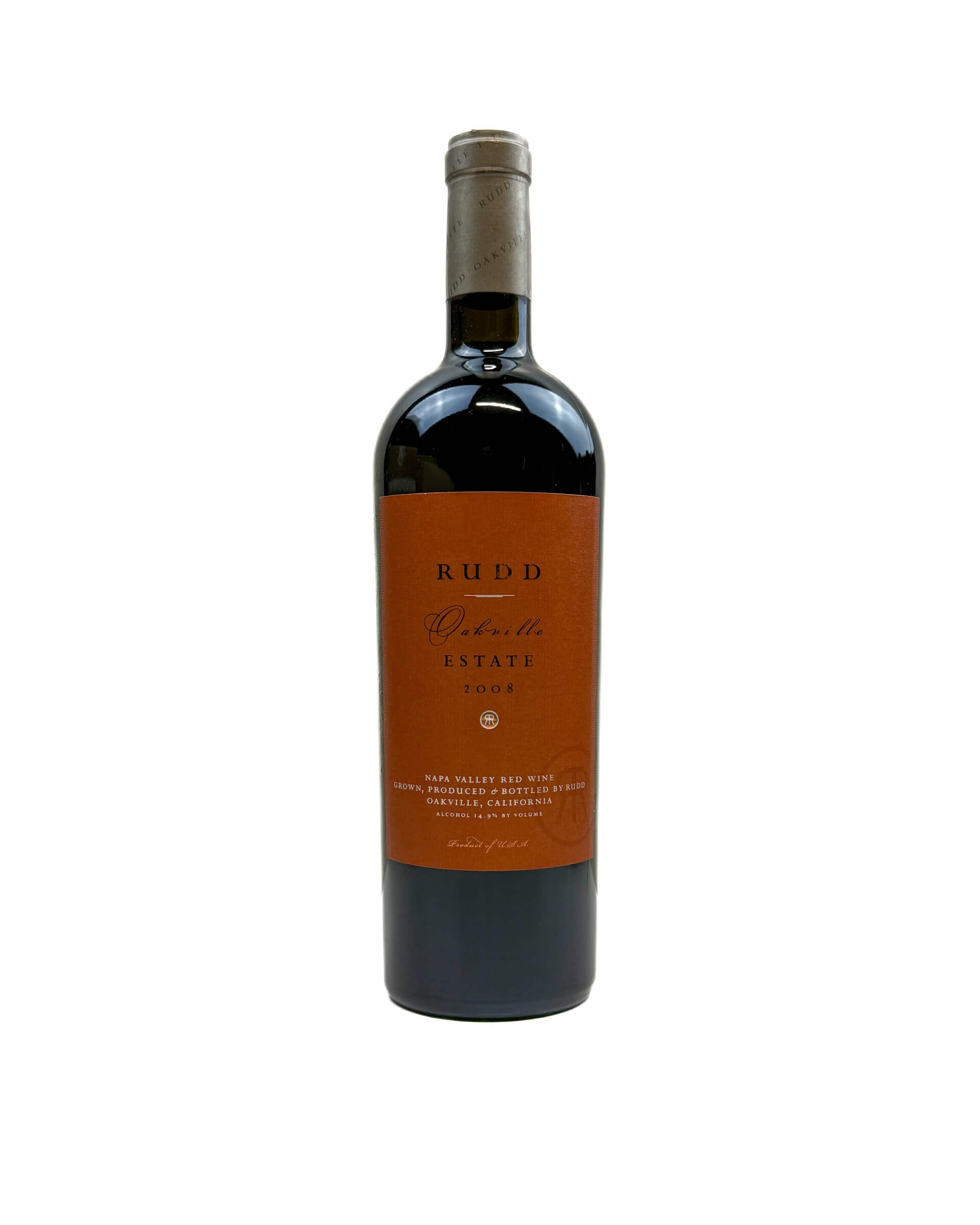
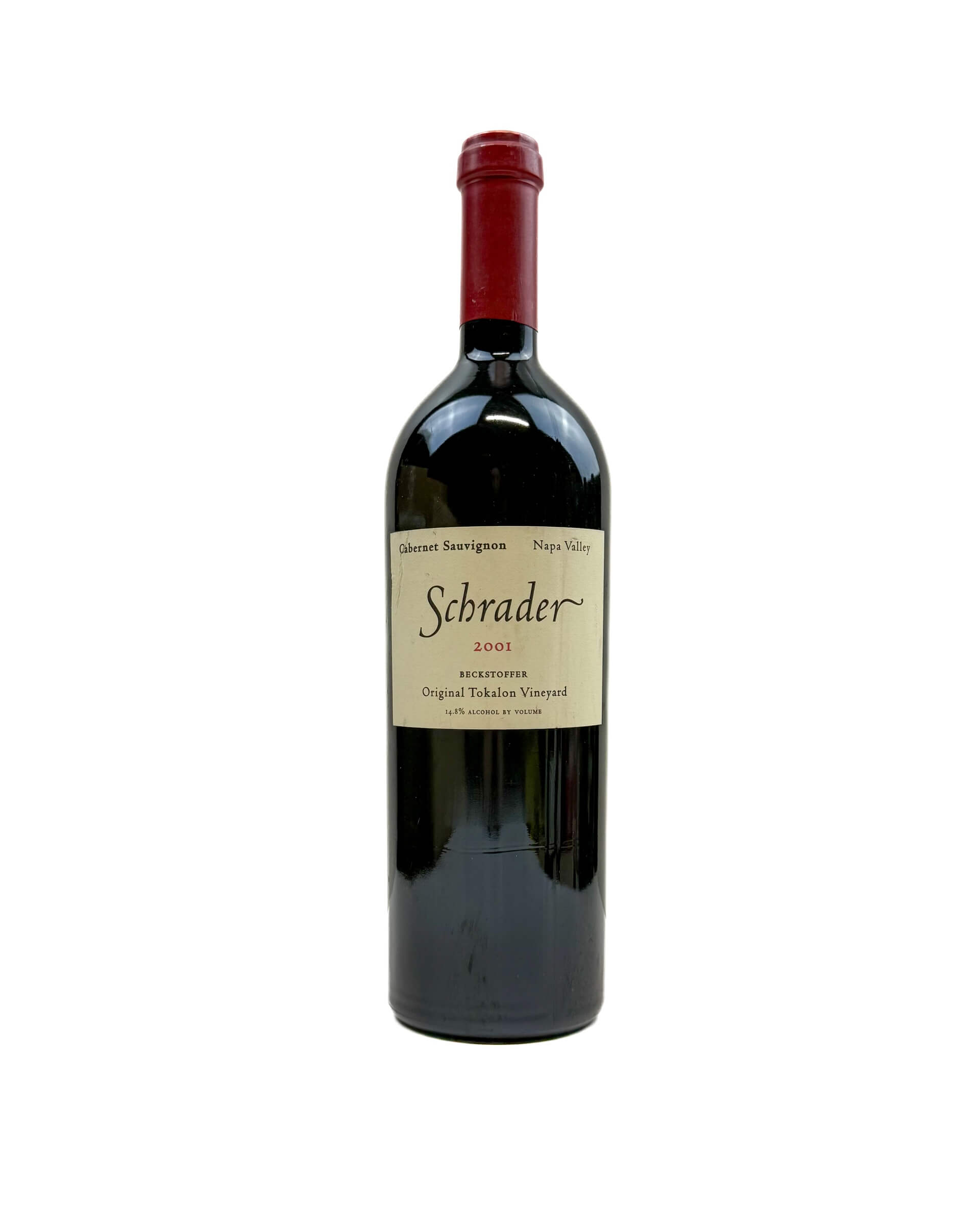
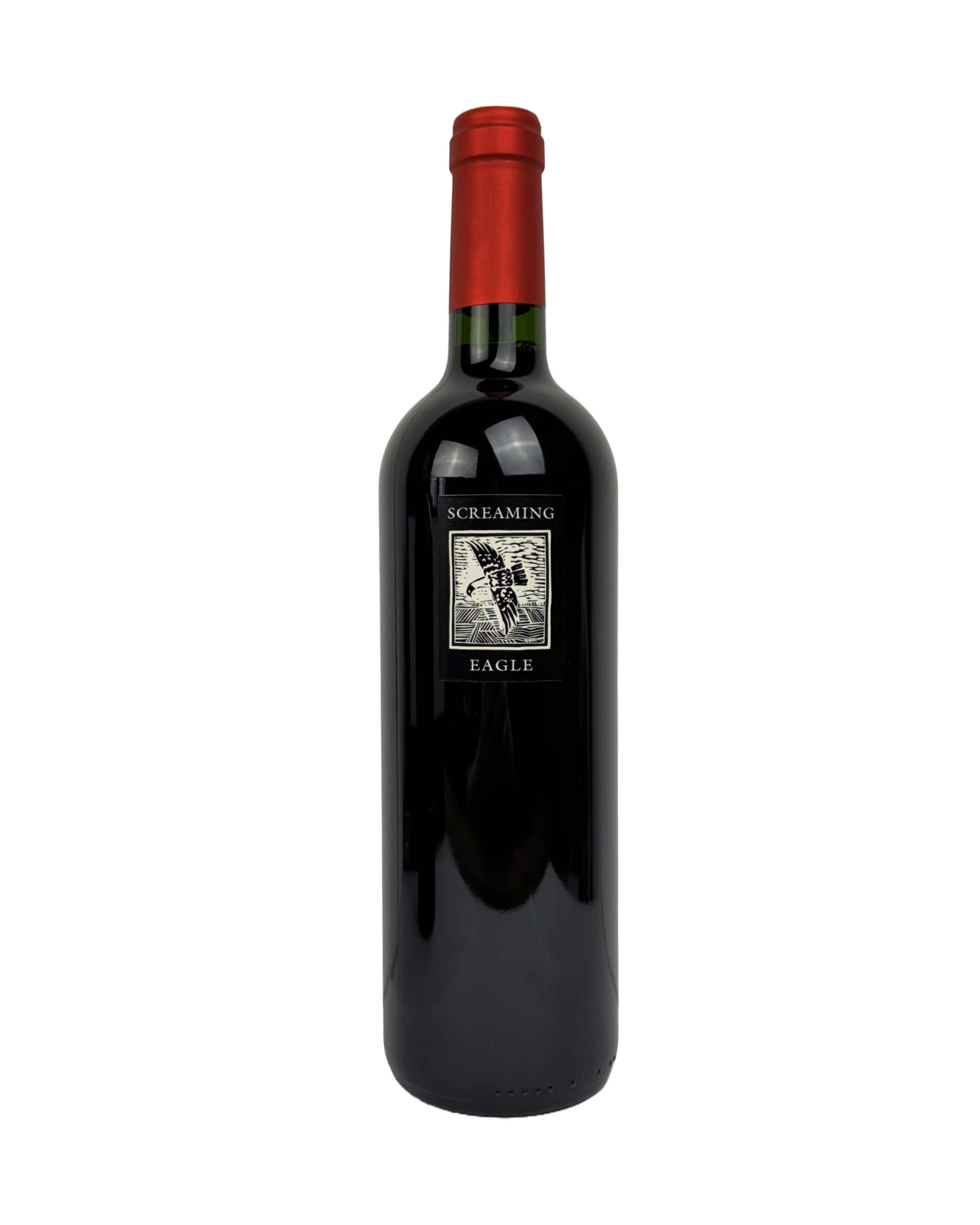
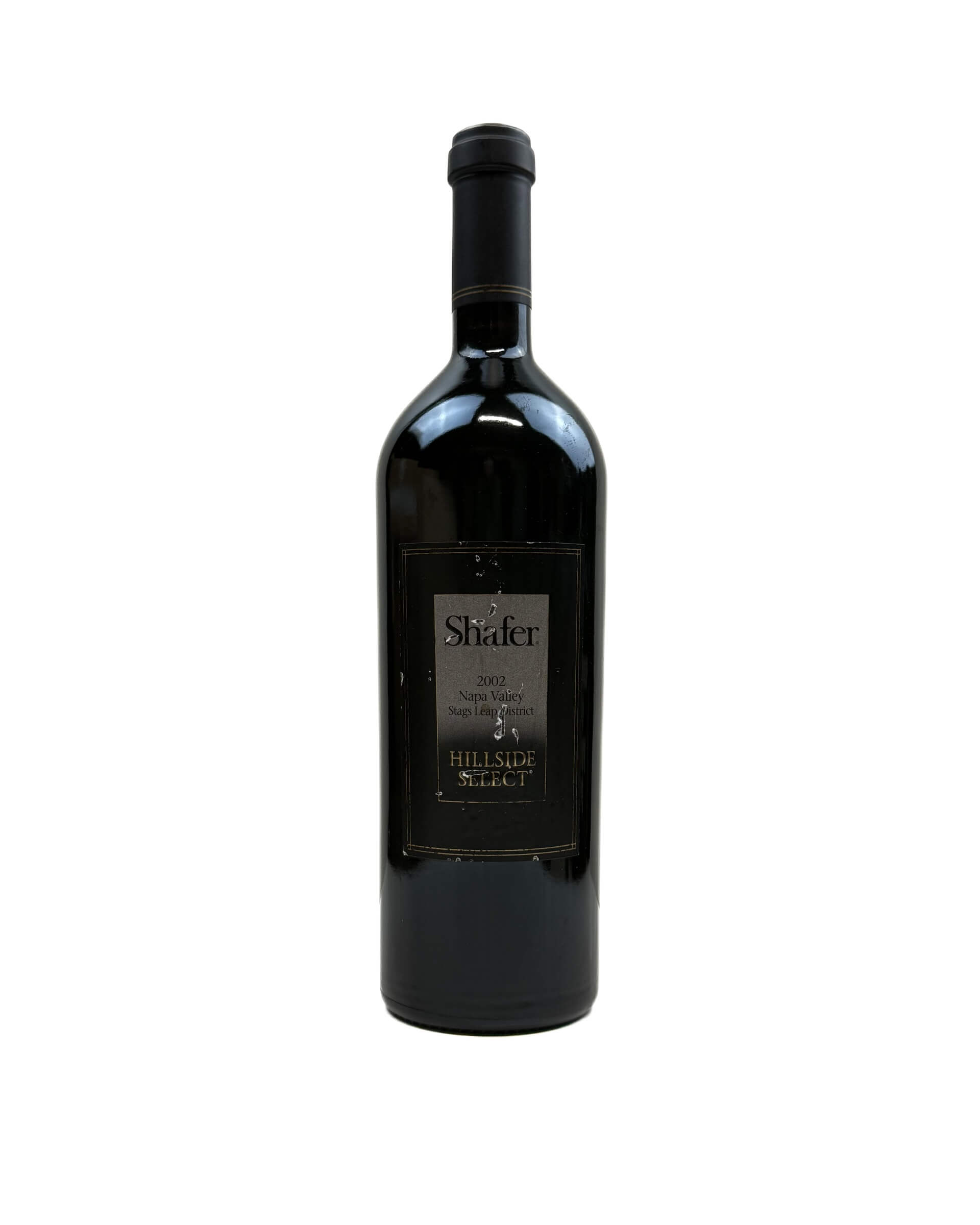
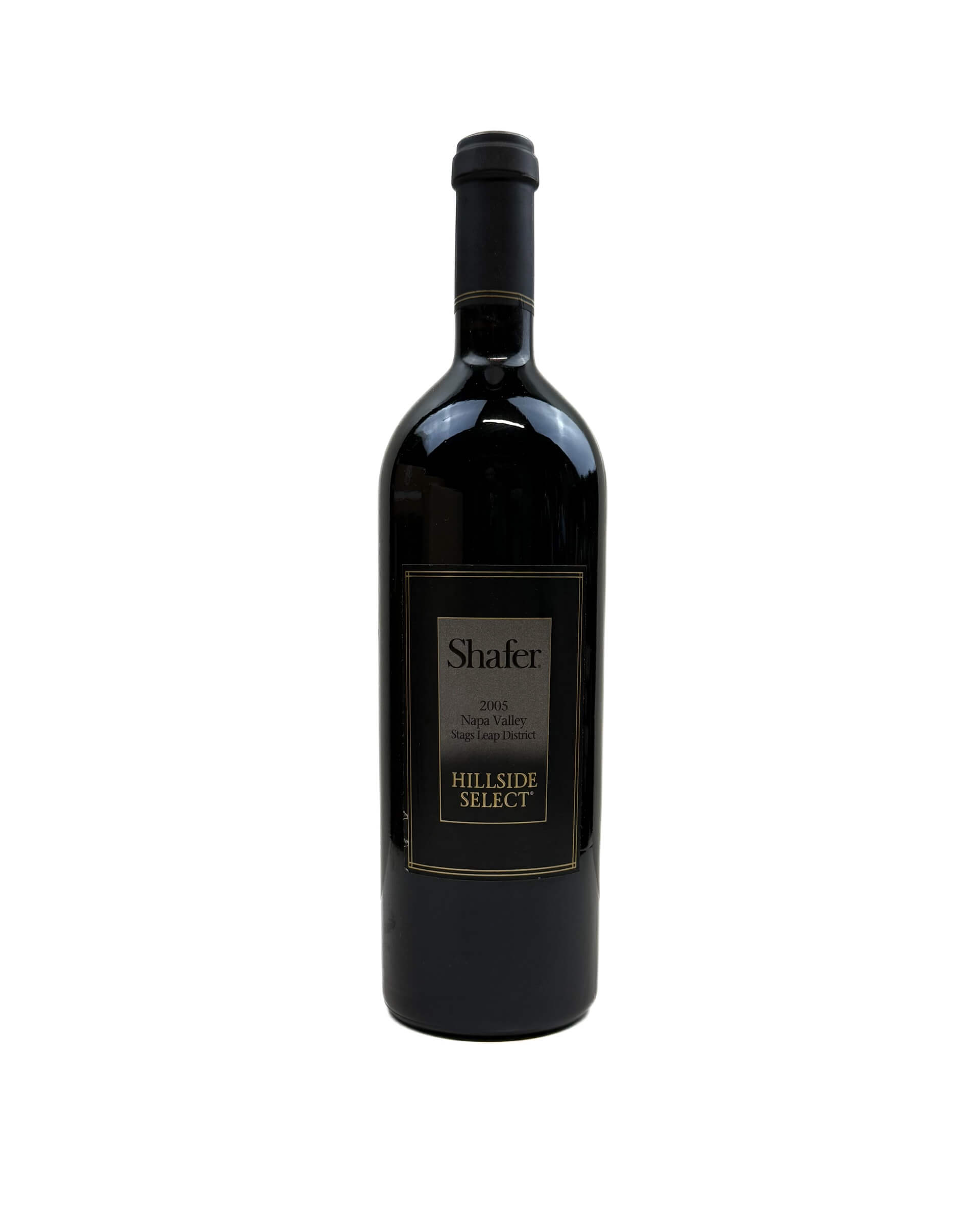
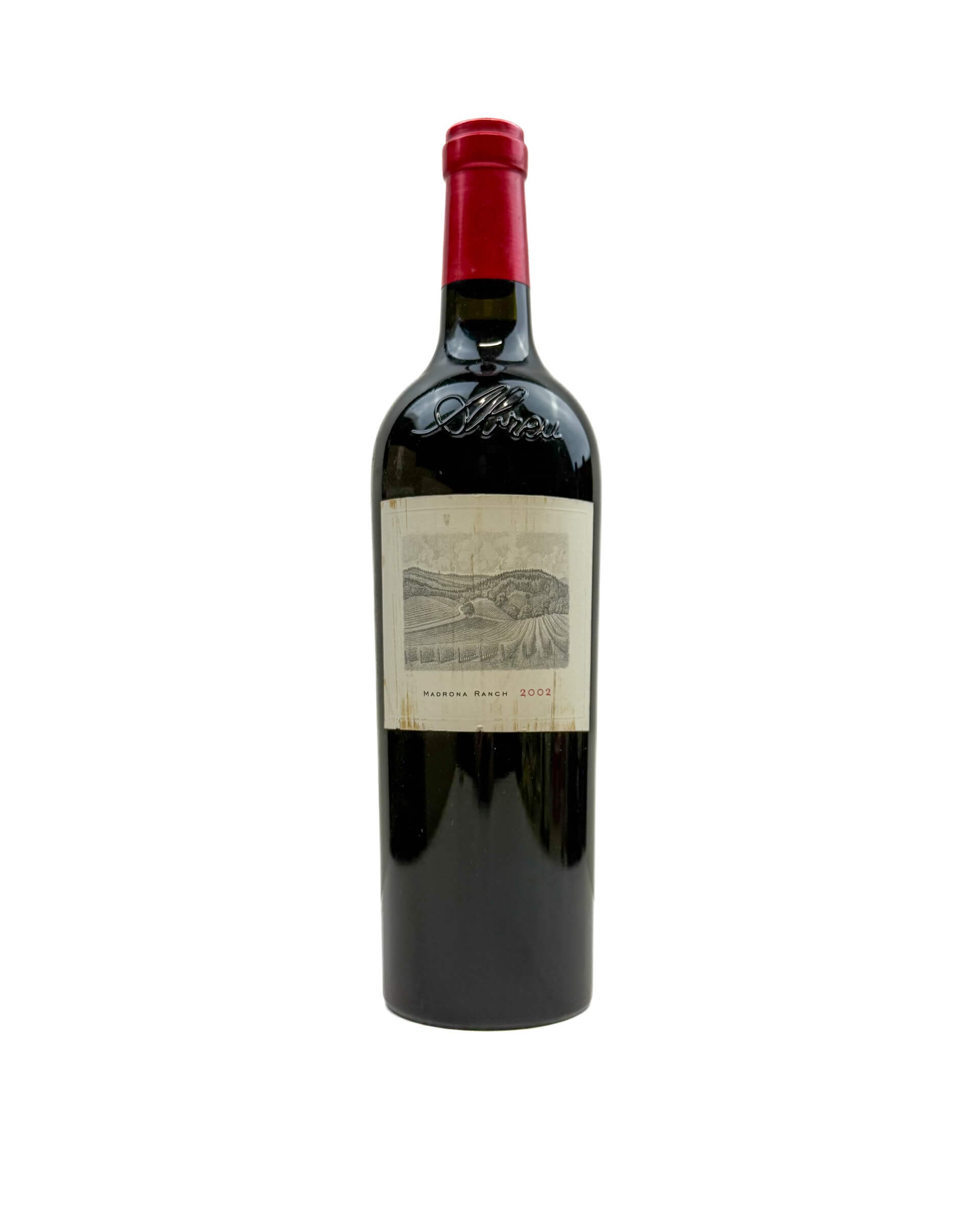
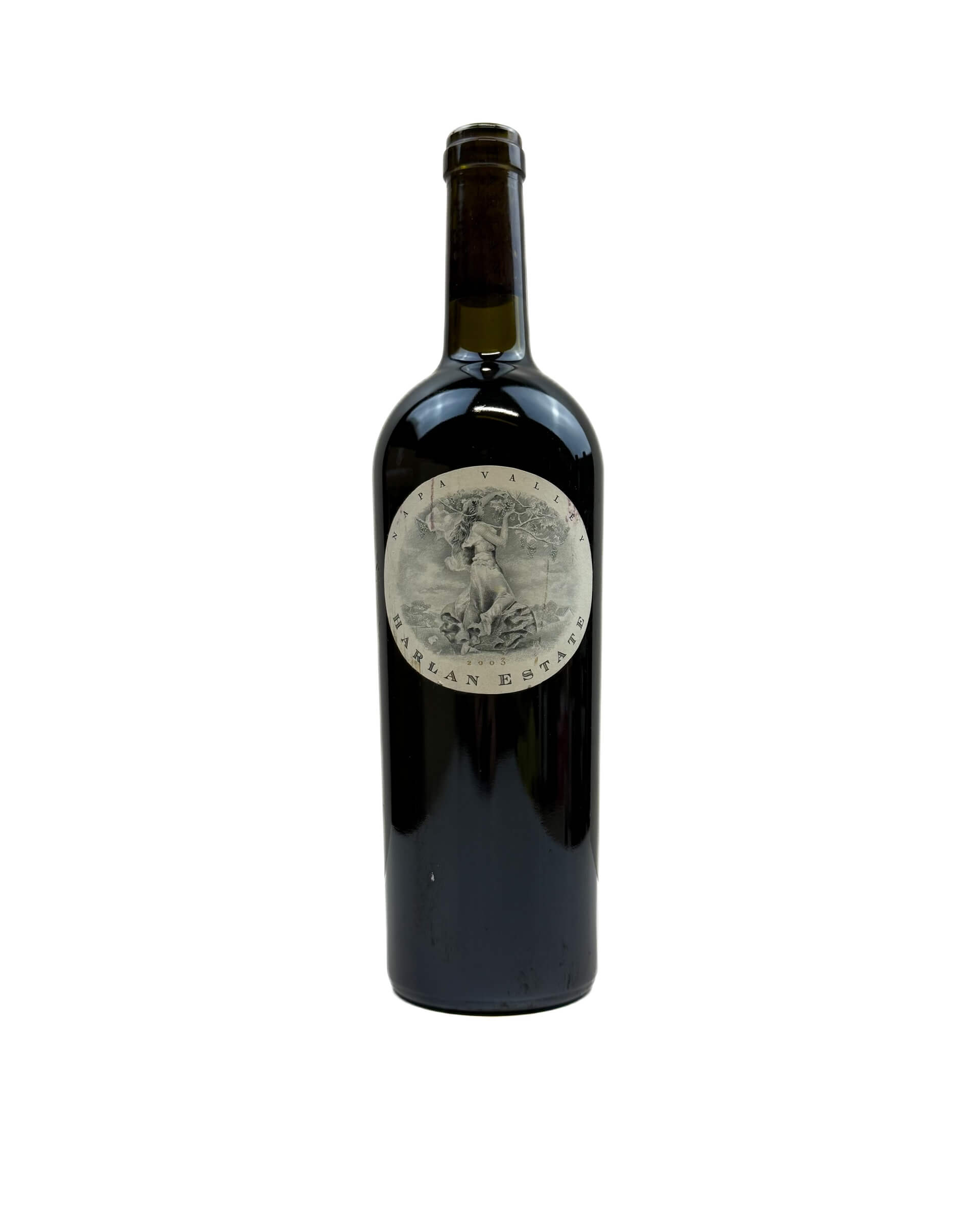
Napa Valley wine earned its global standing the hard way: in 1976, at the blind tasting now known as the Judgment of Paris, a Napa Cabernet placed first ahead of first-growth Bordeaux and forced the wine world to take California seriously. Today this narrow stretch of Northern California is home to roughly 400 wineries across sixteen nested sub-appellations, producing Cabernet Sauvignon that still competes, glass for glass, with the most revered reds of Bordeaux. At Tour de Wine we approach Napa Valley as a specialist French merchant: not with a sprawling supermarket catalogue, but with a tightly curated selection of twenty-one bottles drawn from the valley’s most sought-after producers and sub-appellations.
Because these are collector-grade wines, the pricing reflects it: our Napa Valley bottles run from around €175 to €4,400, with the full tier-by-tier breakdown set out in the price guide further down this page. This is a page for the serious buyer deciding which sub-region, which estate, and which vintage suits them, not for the casual everyday purchase.
Napa Valley is a remarkably compact appellation — a corridor roughly 50 kilometres long, running north to south between two mountain ranges: the cool, marine-influenced Mayacamas to the west and the warmer, volcanic Vaca range to the east. Despite its modest size, no two stretches of the valley grow Cabernet quite the same way. A Mediterranean climate is moderated by morning fogs that roll in from San Pablo Bay and San Francisco Bay, and by diurnal temperature swings that can reach 15°C between a warm afternoon and a cool night.
That daily rhythm is the secret to the valley’s reputation. The long, warm growing season ripens tannins fully and builds the dark, generous fruit Napa is known for, while the cold nights preserve acidity and aromatic lift — the freshness that keeps a powerful wine balanced and age-worthy. Beneath the vines lies a mosaic of volcanic, gravelly and alluvial soils that can change dramatically over just a few kilometres.
Crucially, the Napa Valley AVA contains sixteen official sub-appellations, each producing Cabernet Sauvignon of a distinct character. Understanding those distinctions is precisely what separates a specialist merchant’s curation from a generic retailer’s grid, and it is where any serious exploration of California wines should begin.
The choice of sub-appellation is the single most important decision a Napa collector makes after the estate itself. Each nested AVA carries its own signature of soil, elevation and exposure — and at the price points our selection occupies, those differences are tasted, not merely read about. The four below anchor most of what makes Napa Valley Cabernet so compelling.
Oakville sits on the valley floor mid-valley and produces some of Napa’s most full-bodied and opulent Cabernet Sauvignon. Deep, well-drained alluvial and gravelly loam soils, combined with generous warmth, yield wines of great concentration: dark blackcurrant and cassis fruit wrapped in a velvety, almost plush texture. That accessibility belies their structure — the finest Oakville Cabernets reward two decades or more in the cellar.
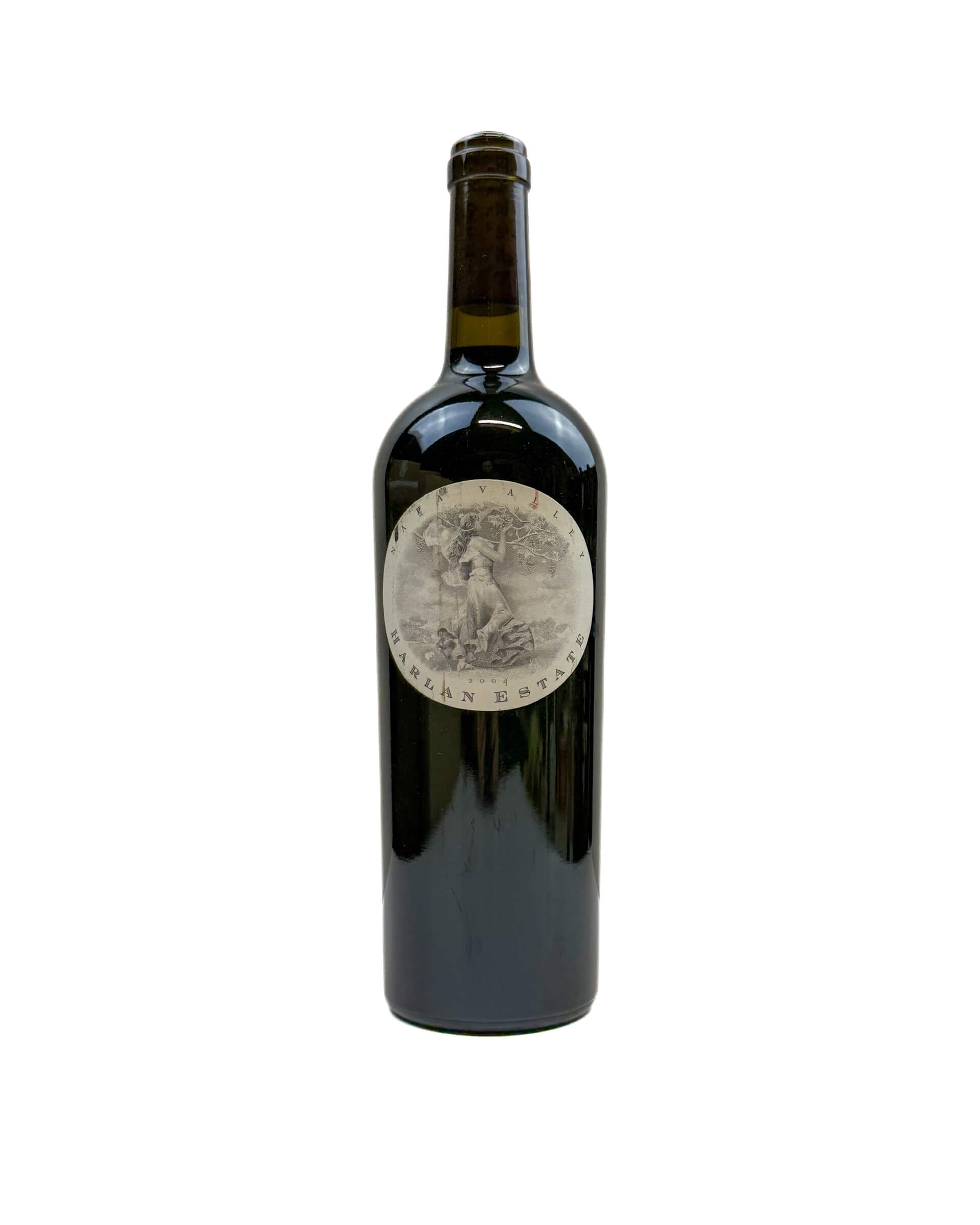
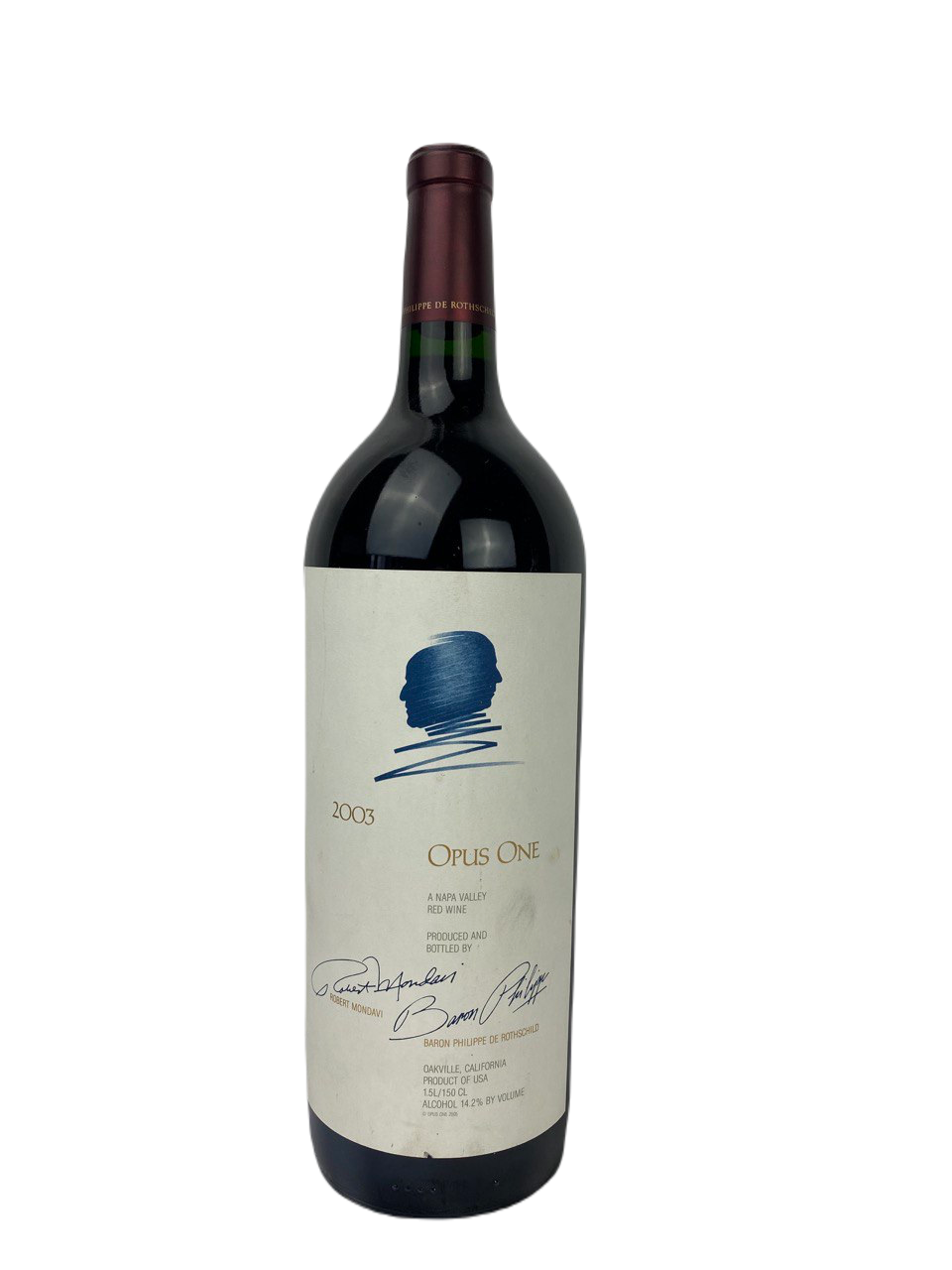
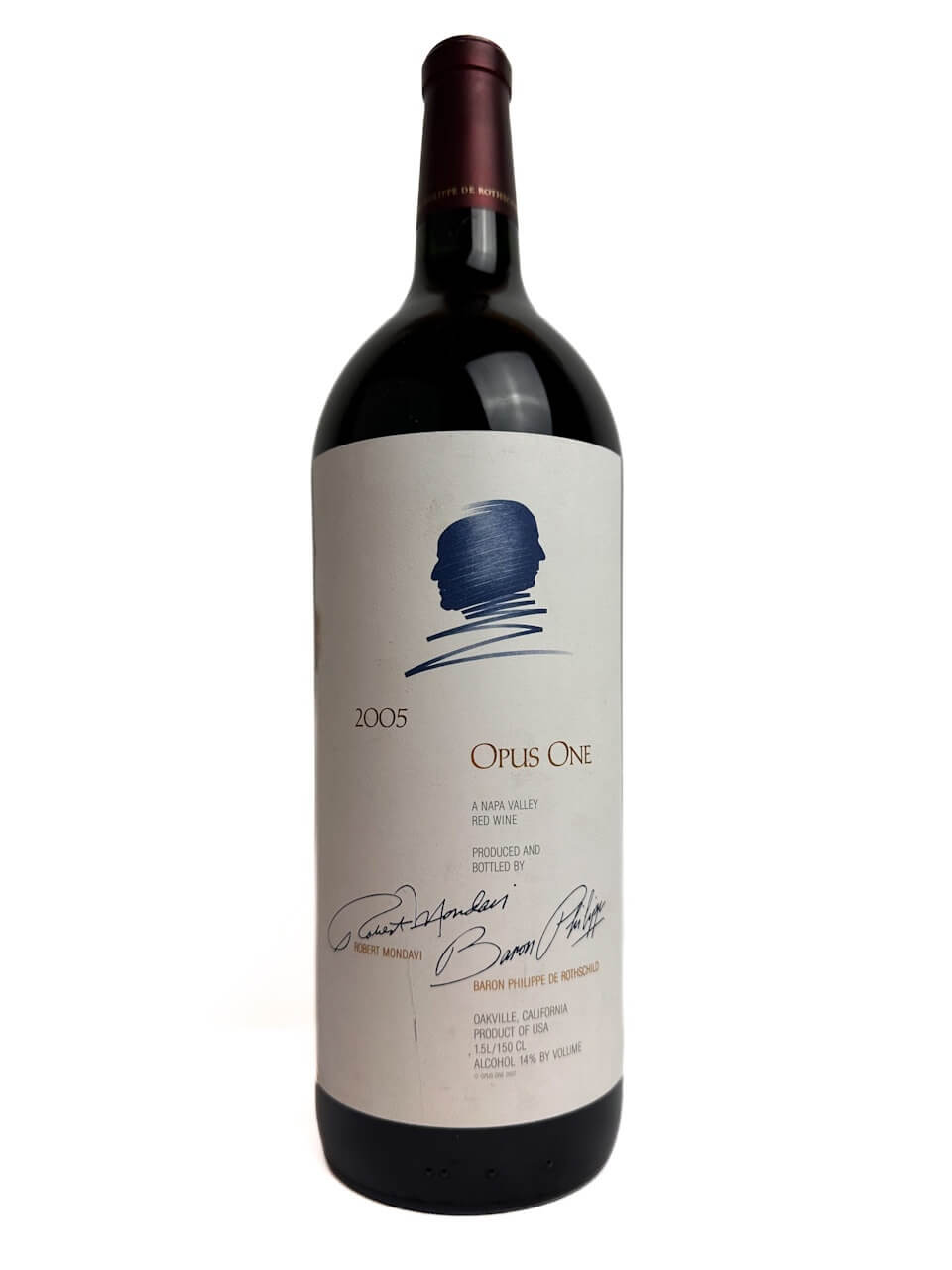
Oakville is also home to several estates we stock and rate among the most collectible in the valley. We list Opus One, the Mondavi–Rothschild partnership, because it is the bottle that most directly bridges Napa power and Bordeaux restraint — the natural reference point for a European buyer testing Napa for the first time. We choose Harlan Estate from the western Oakville hills for the opposite reason: it is among the most structured and ageless wines Napa produces, a hillside counterpoint to the rounder valley-floor style. And we carry Dalla Valle for its Maya bottling, where a meaningful share of Cabernet Franc gives an aromatic, perfumed lift that sets it apart from its bigger, fruit-forward neighbours.
Rutherford is the historic reference point for Napa Valley Cabernet and the source of the famous “Rutherford dust” — a fine, earthy, almost chalky mineral quality drawn from the area’s benchmark soils. The wines here lean elegant rather than massive: structured tannins, red and dark fruit, and graphite and tobacco notes that unfold beautifully over 15 to 25 years. For a European palate raised on classified Bordeaux, Rutherford often feels like the most familiar expression of Napa. From here we stock Inglenook, a historic estate whose recent vintages we selected for delivering that classic earthy, graphite-laced Rutherford profile with old-vine pedigree rather than modern, extracted weight.
In the south-eastern corner of the valley, the Stags Leap District catches afternoon winds off San Pablo Bay that moderate the heat and lengthen the growing season. The result is Cabernet Sauvignon known for silky tannins, bright red-fruit character and a relative approachability compared with Oakville or Rutherford — still genuinely age-worthy, but more pleasurable in its youth. The district earned its global reputation when a Stag’s Leap Wine Cellars Cabernet triumphed at the 1976 Judgment of Paris tasting, a result that reshaped how the wine world saw California — and we stock that estate precisely because it offers a verifiable piece of that history at the more approachable end of our collector range. Alongside it we list Shafer Vineyards for its Hillside Select, which we picked as the district’s most concentrated, cellar-worthy expression for buyers who want Stags Leap silkiness without sacrificing long-haul ageing potential.
Howell Mountain rises above the fog line on the eastern Vaca range, between roughly 430 and 670 metres of elevation, so its vines bask in sunshine while the valley floor sits under morning cloud. Its iron-rich red volcanic ash and tufa soils are poor and well-drained, stressing the vines into small, thick-skinned berries. The result is Cabernet of exceptional concentration, firm tannic structure and remarkable longevity, demanding a decade or more in the cellar before revealing its full character. For collectors chasing the most uncompromising, age-worthy expression of Napa terroir, Howell Mountain is the benchmark.
Calistoga occupies the warm northern end of the valley floor, sheltered by Mount St. Helena and shaped by the same volcanic activity that gives the town its famous hot springs. With less marine fog reaching this far north, days are hotter and nights still cool sharply, ripening dark, spiced fruit on volcanic and sedimentary soils. The wines are powerful and generously fruited, with a roasted, almost smoky depth that thrives under extended barrel ageing — a distinctly warmer, fleshier style than Howell Mountain’s tightly wound, mineral intensity.
While Napa grows a range of varieties, its fame and its finest wines rest overwhelmingly on the Bordeaux red grapes. Understanding the roles each plays — the dominant voice of Cabernet Sauvignon and the supporting hands of Merlot and Cabernet Franc — is the key to reading any Napa label with confidence.
Cabernet Sauvignon accounts for the overwhelming majority of Napa Valley’s most prestigious wines, and the grape arguably reaches its fullest expression in this valley: ripe blackcurrant, cedar, cassis and chocolate, framed by firm tannins that soften into silk over 10 to 25 years. Our Napa selection is centred on Cabernet Sauvignon from the valley’s most respected appellations.
Merlot plays a crucial supporting role in Napa’s celebrated blended wines — often marketed as “Meritage” — adding plush texture and mid-palate flesh to the backbone of Cabernet Sauvignon. A small number of varietal expressions of Merlot from Napa achieve their own distinction: rounder and more immediately accessible than Cabernet, with plum, cocoa and herb complexity.
Cabernet Franc contributes aromatic lift, floral notes and fine tannins to Napa’s Bordeaux-style blends. It is rarely bottled as a single varietal in the valley, but its presence in a blend signals a winemaker’s commitment to complexity and perfume over raw power.
At the €500 tier these are occasion wines, and they deserve a table that matches their weight. Napa Valley Cabernet Sauvignon is built for prime cuts of red meat — rib-eye, rack of lamb, venison — and for aged hard cheeses such as Parmigiano-Reggiano, mature Comté and well-kept Cheddar. A square of dark chocolate after the meal echoes the wine’s own cocoa register. As with any great red wine, the goal is harmony of intensity, not contrast.
Serve Napa Cabernet at 17–18°C in a large-bowl Bordeaux glass. Younger vintages under ten years old benefit from one to two hours in a decanter to settle their tannins, while mature bottles of fifteen years and more need only about thirty minutes. Napa Merlot and the softer blends suit braised lamb shoulder, duck confit and mushroom dishes, and show best a touch cooler, at 16–17°C. Avoid heavy spice and sharp, acidic dressings, which will fight the tannins rather than flatter them.
Napa Valley Cabernet Sauvignon sits firmly at the premium end of the global fine-wine market, and our curation reflects that reality. To help you navigate it, our selection breaks down into three broad tiers.
Entry level (from around €175). The most accessible bottles in the selection — still from respected Napa Valley producers, but representing the valley’s more approachable expressions rather than its most allocated or long-aged releases. These are ideal for a first serious encounter with Napa Cabernet and are usually drinking well within five to eight years.
Mid-range and benchmark (around €500, the catalogue median). This is where our Napa curation is concentrated. At this level a bottle represents the classic expression of its sub-appellation — the mineral structure of Rutherford, the richness of Oakville, the silken elegance of Stags Leap. These are the wines to open at a significant dinner or to begin a short-term cellar with five to ten years of potential ahead.
Collector tier (from around €2,280 up to €4,400). The upper reaches of the selection: allocated releases, exceptional vintages and wines from Napa’s most celebrated, limited-production estates. These are long-term cellaring acquisitions with ageing potential of 15 to 25 years and more from a great vintage. For the European collector weighing Napa against a classified Bordeaux, this is where the two worlds most directly meet on structure, longevity and prestige.
Vintage matters significantly at this level — 2013, 2016, 2018 and 2019 are widely regarded as outstanding in Napa. Our selection reflects current availability from top recent years; contact our team for specific vintage inquiries or allocation waiting lists.
Napa Valley has roughly 18,000 hectares under vine, of which Cabernet Sauvignon alone accounts for close to half — a concentration on a single grape that is unmatched among the world’s premier fine-wine regions. That single-minded focus is why the valley is synonymous with premium Cabernet: full-bodied, structured and capable of extraordinary ageing, supported by acclaimed Merlot-based blends and a small share of other Bordeaux varieties. Its sixteen official sub-appellations, from Rutherford and Oakville on the valley floor to Howell Mountain above the fog line, each express that grape differently, making Napa one of the most terroir-diverse wine regions in the New World.
Our twenty-one-bottle Napa Valley selection runs from around €175 to €4,400, with the median bottle at €500; see our price guide above for the full entry, benchmark and collector tier breakdown.
There is no single answer — each key sub-appellation expresses Cabernet differently. Oakville and Rutherford are the classic benchmarks for power and mineral elegance respectively. Stags Leap District is prized for silky tannins and early accessibility, while Howell Mountain produces the firmest, most age-worthy Cabernets. A serious collector will explore several, and our curation deliberately spans these key appellations. As a practical recommendation: for collectors prioritising longevity above all, Howell Mountain is the benchmark; for early-drinking elegance at the €500 tier, Stags Leap District is the natural starting point.
Well-made Napa Valley Cabernet Sauvignon from a great vintage — 2013, 2016, 2018 and 2019 are widely regarded as exceptional — can develop gracefully for 15 to 25 years in proper cellar conditions. The valley floor appellations such as Oakville and Rutherford tend to reach peak drinkability at 10 to 15 years, while mountain AVAs like Howell Mountain often need 12 to 20 years before their tannins fully integrate. Entry-level bottles around €175 are approachable sooner, at five to eight years.
Written by the Tour de Wine buying team. Last reviewed: June 2026.
This site is restricted to adults. By entering, you confirm that you are of legal drinking age in your country of residence.