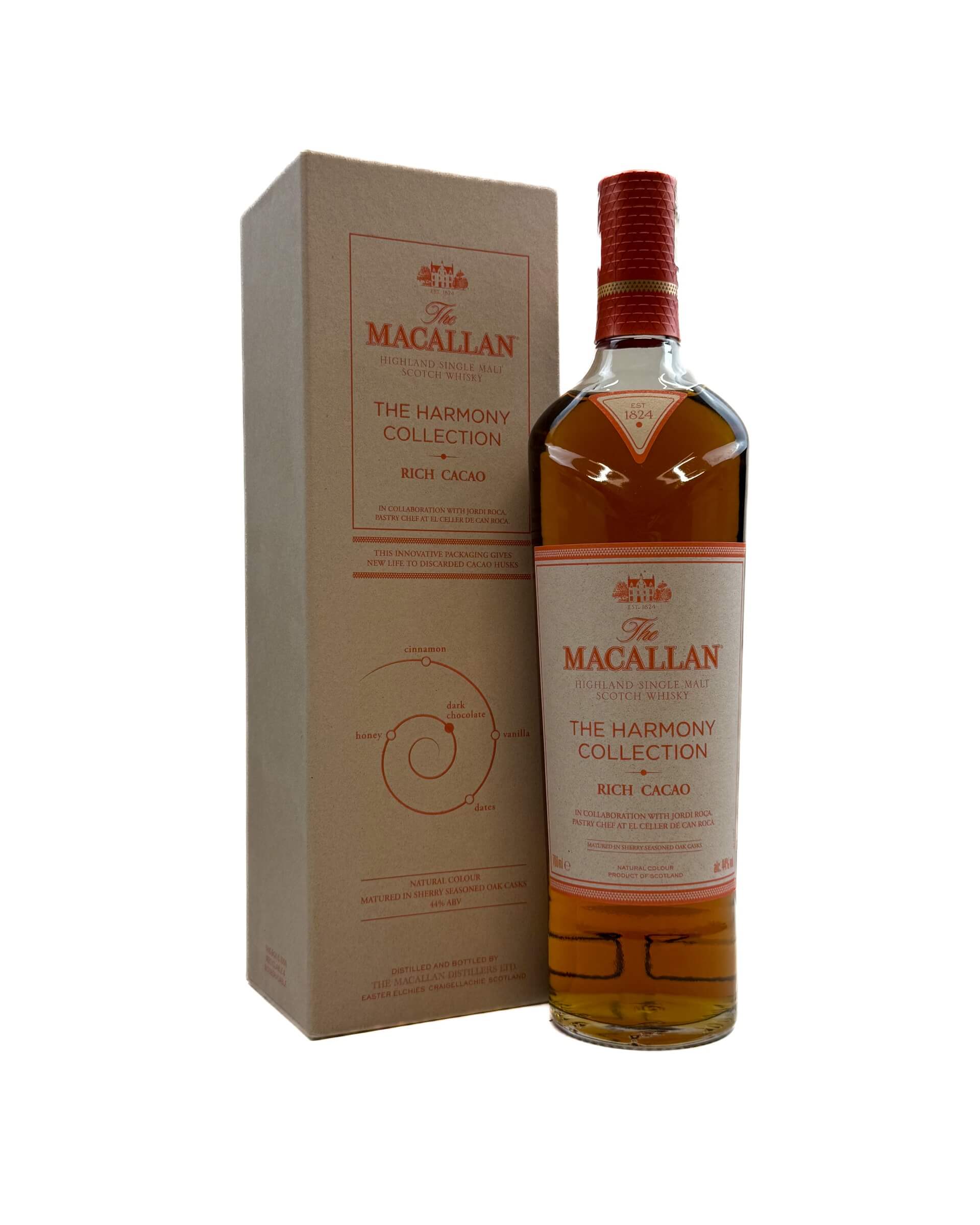
0,7
Brora
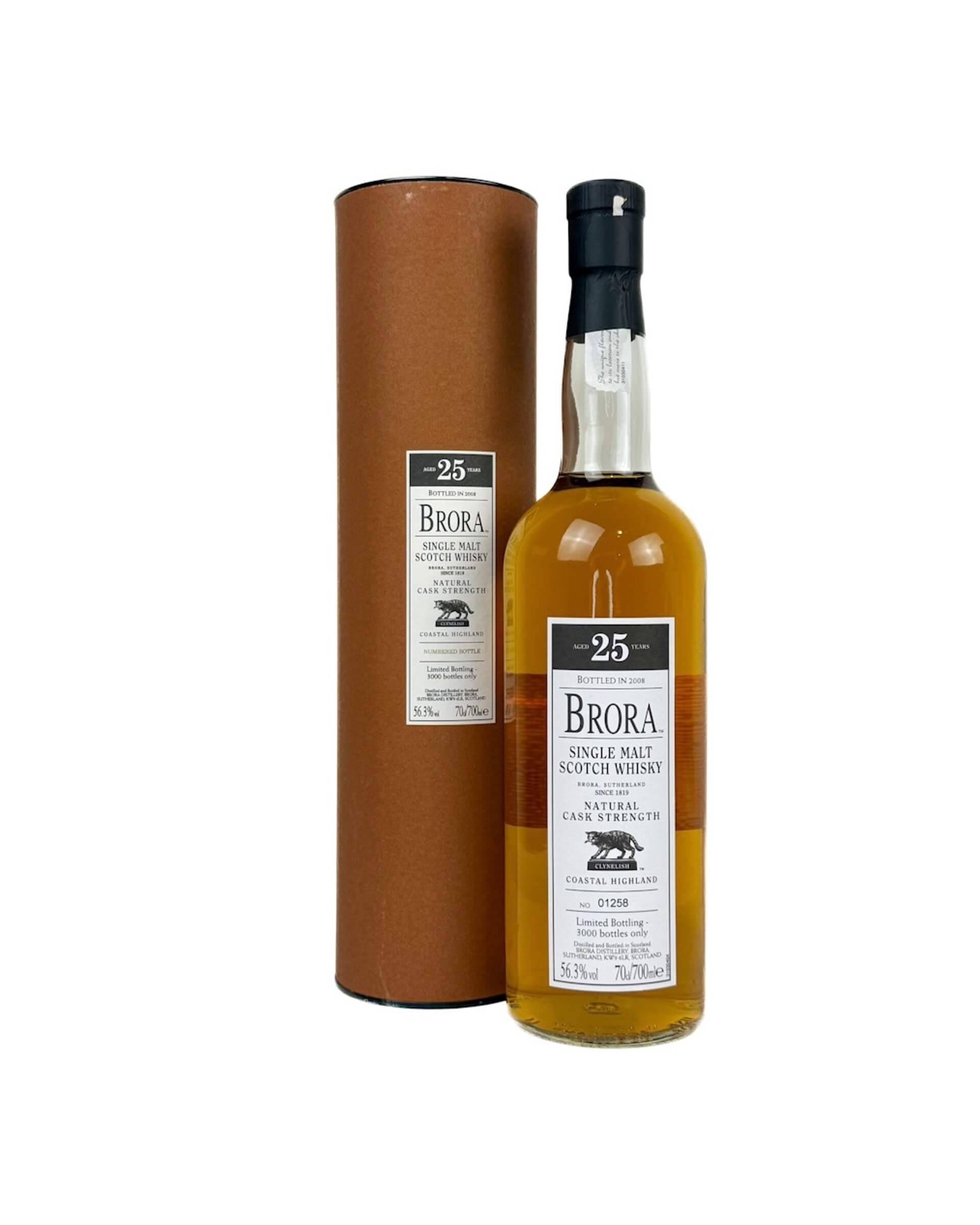
Brora 25 Year Old Cask Strength NV 0,7L
€ 2 400,00
Wines, producers, regions...
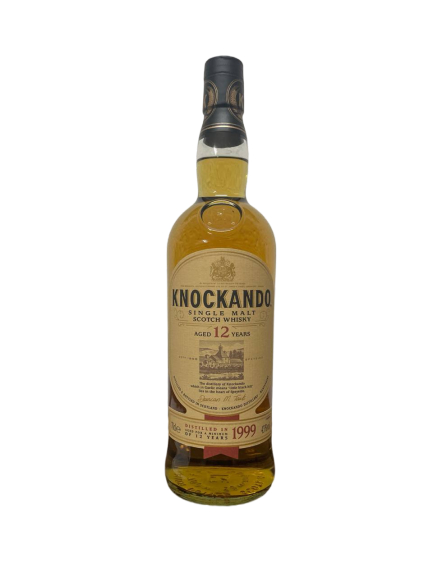
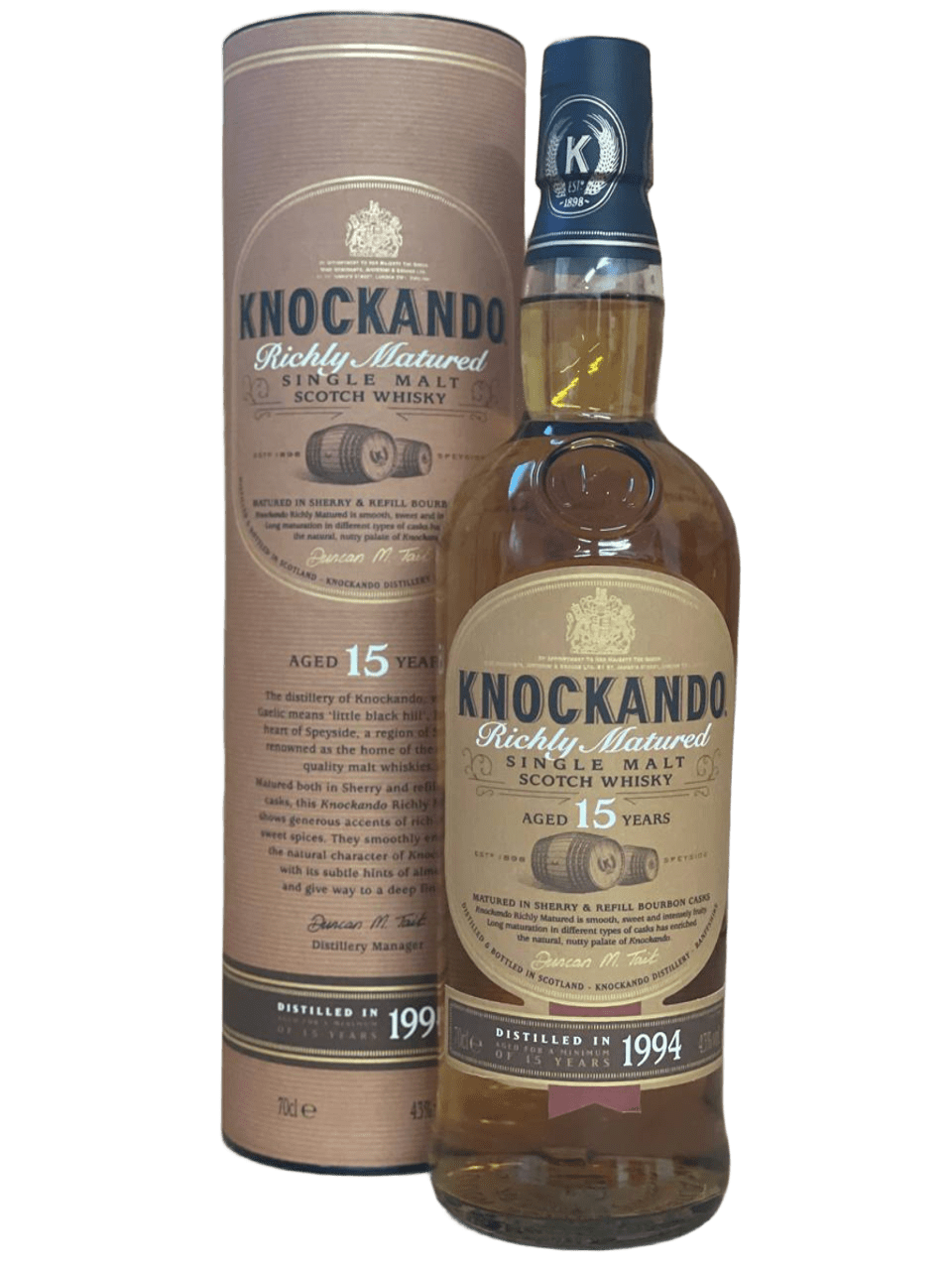
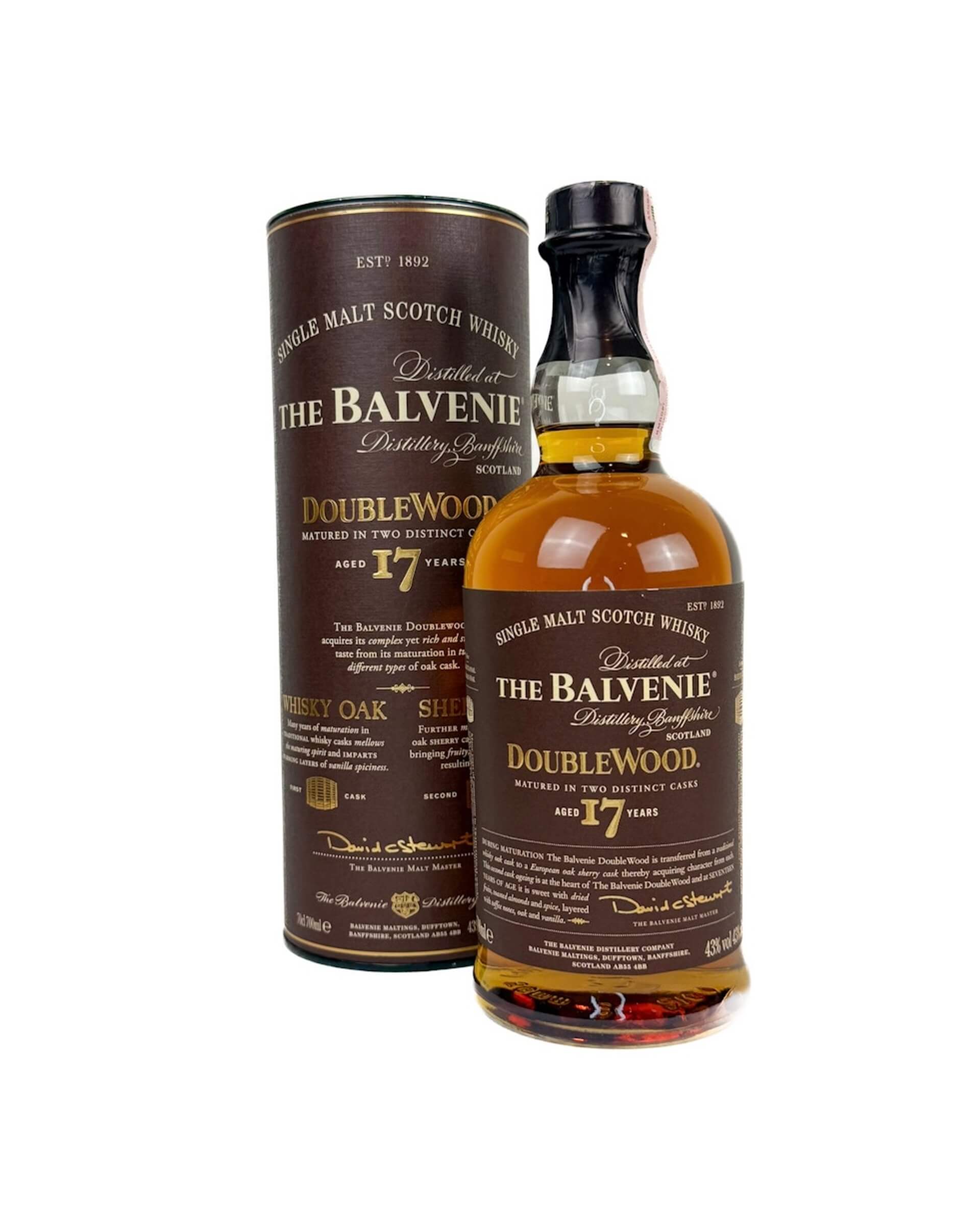
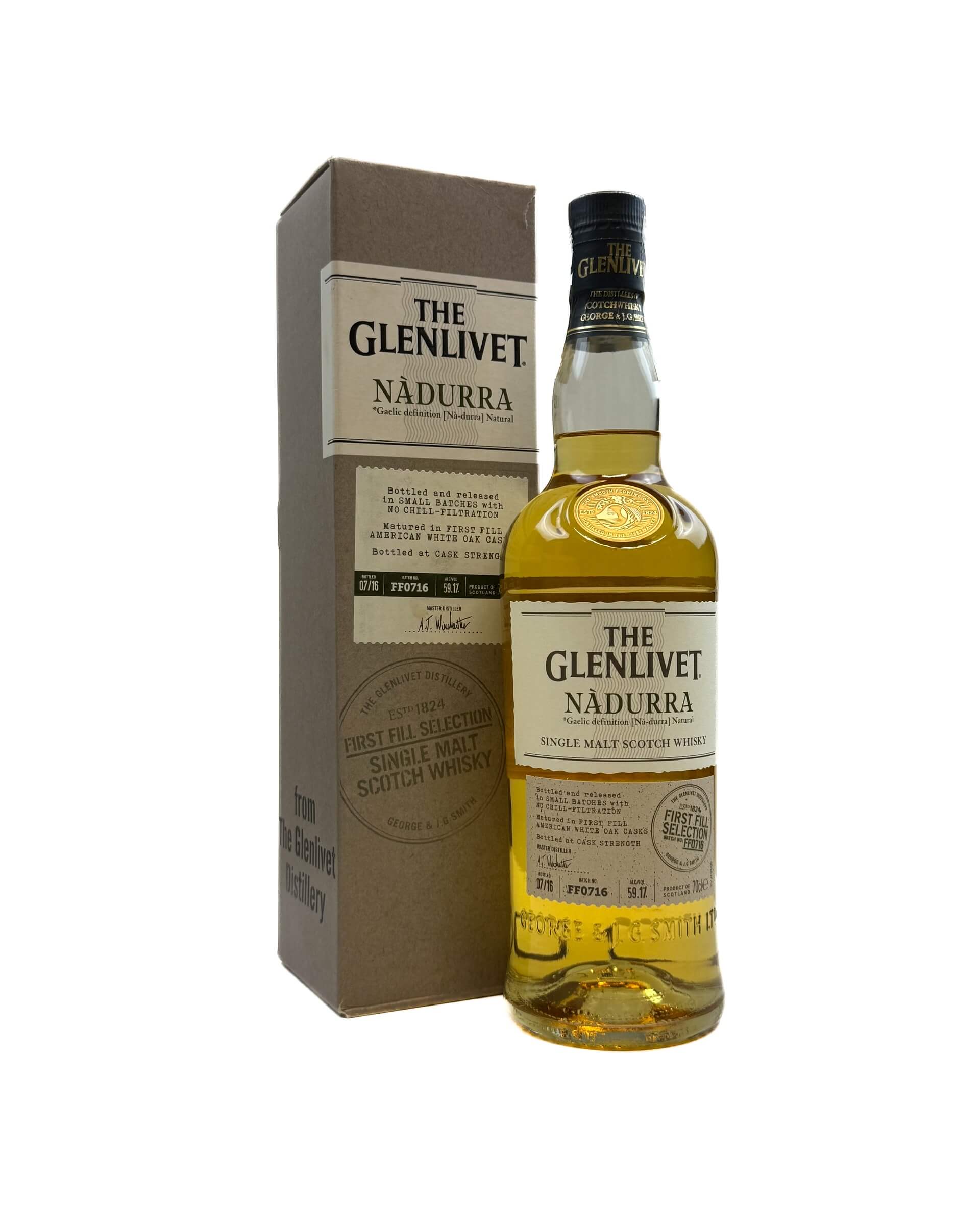
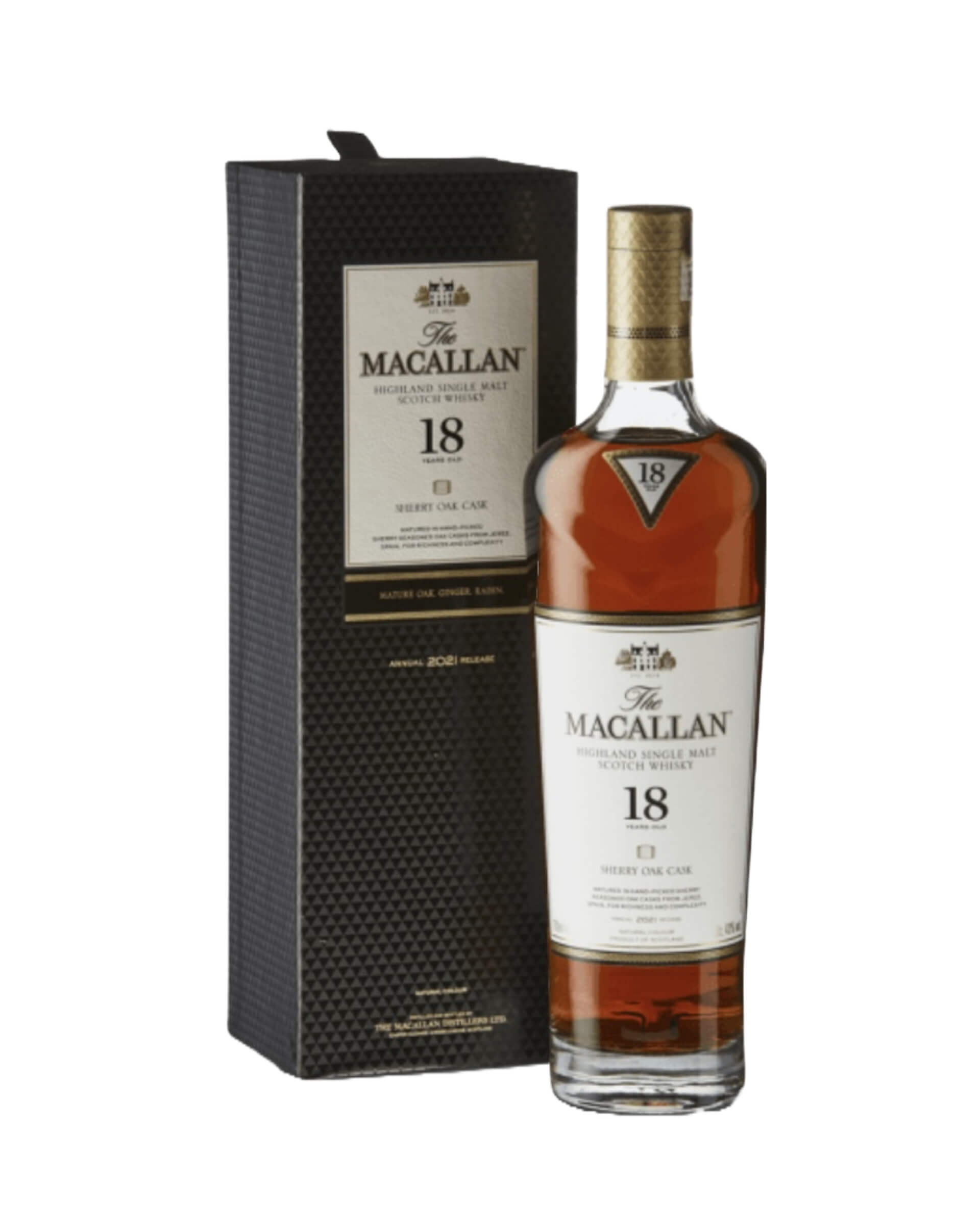
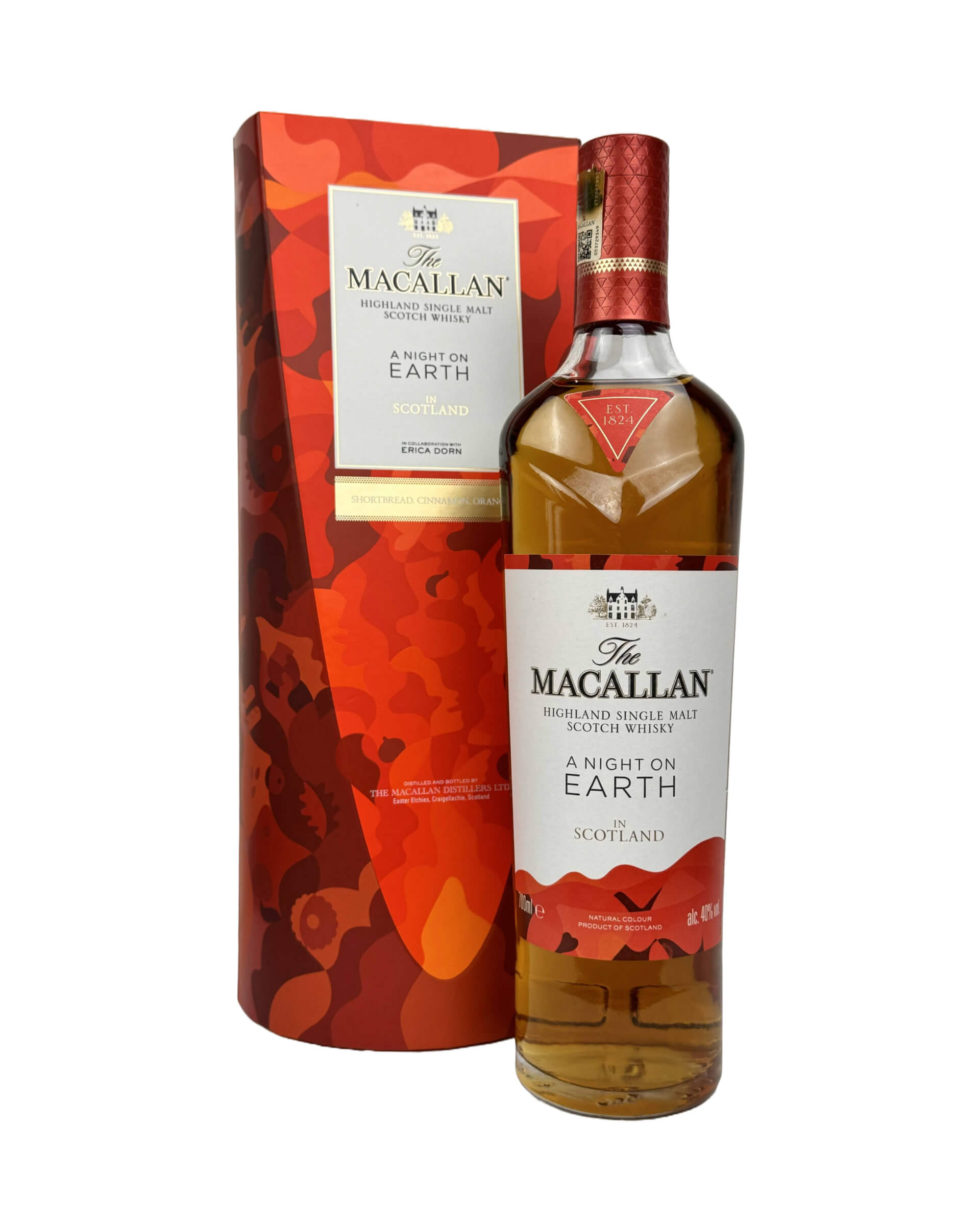
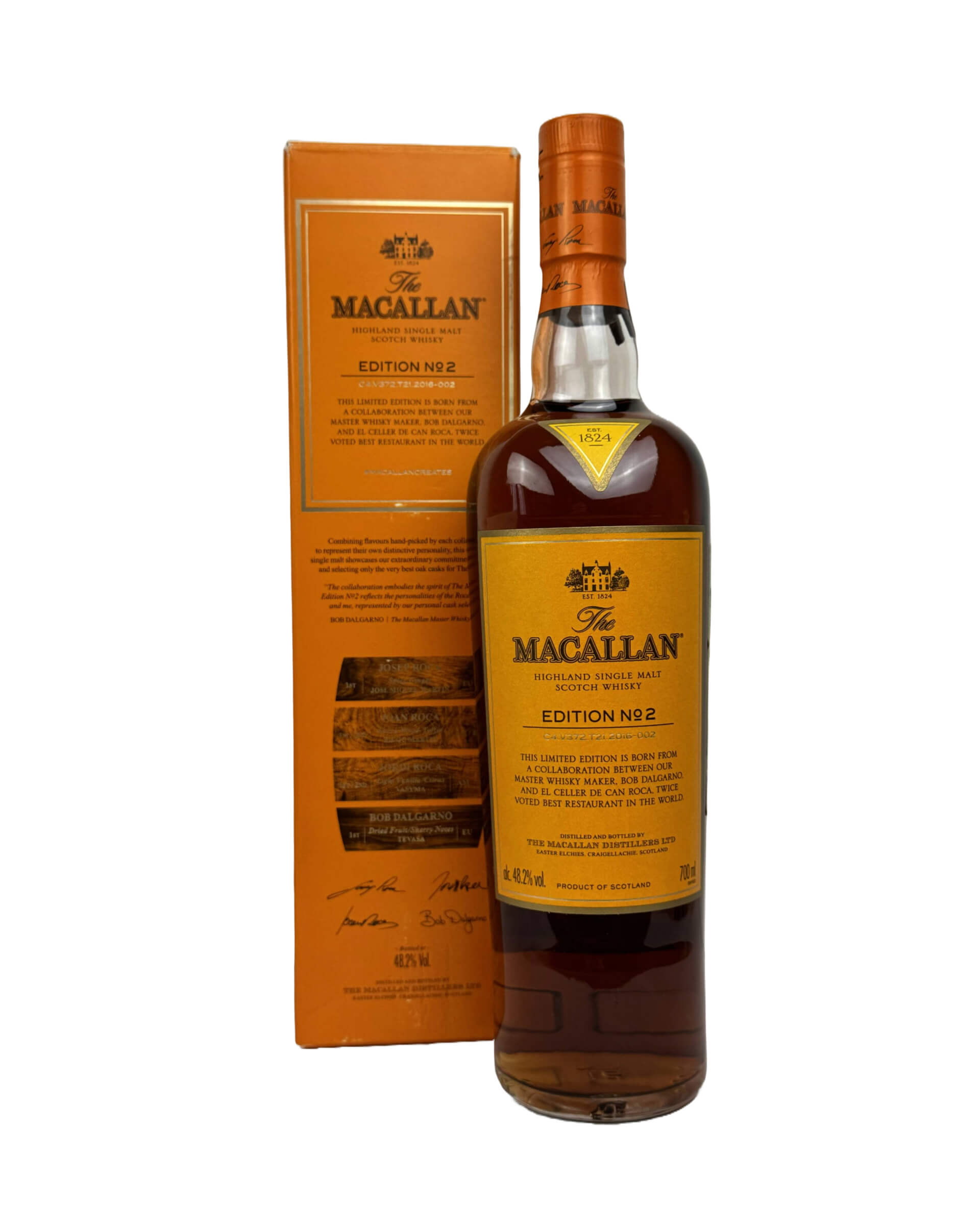
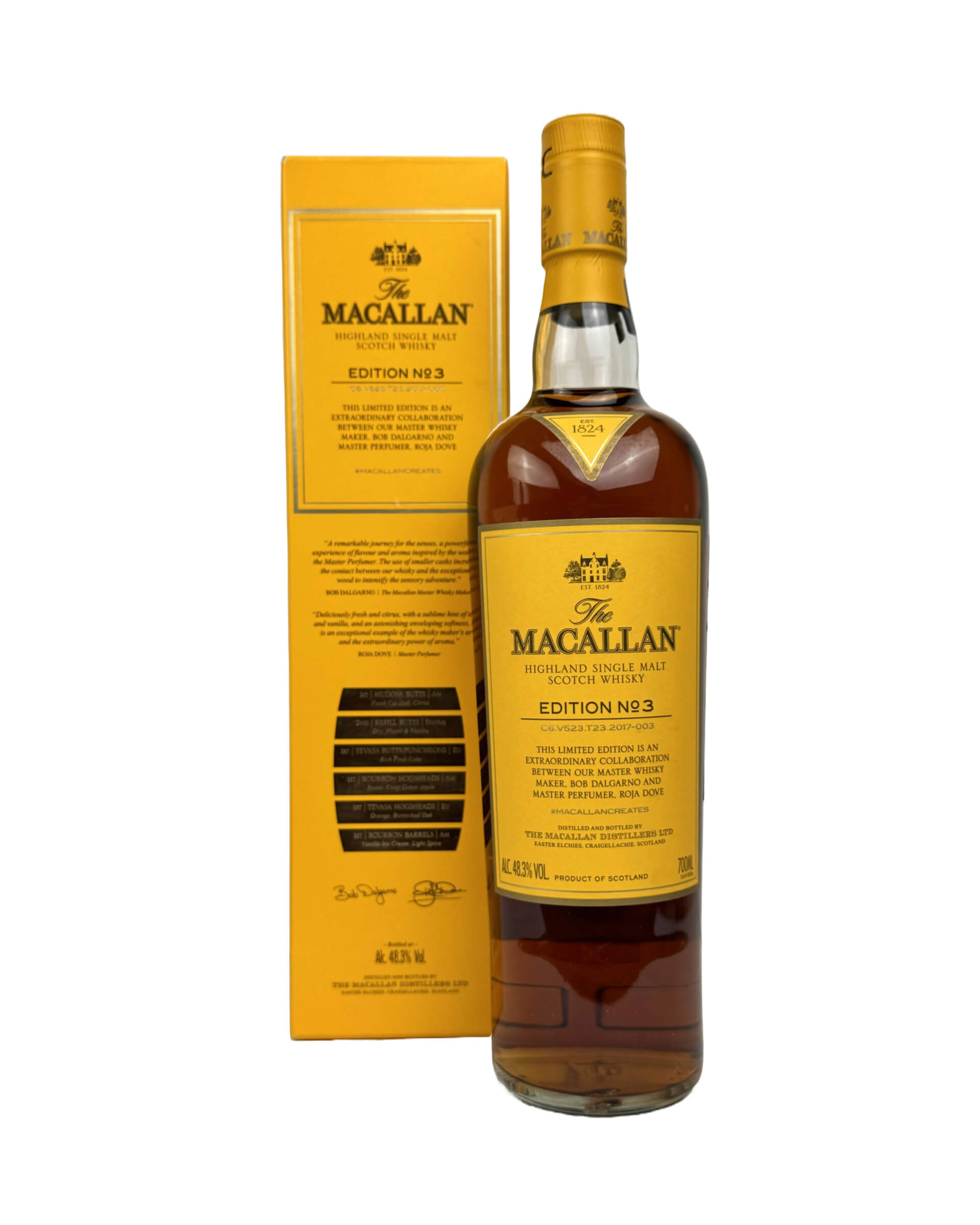
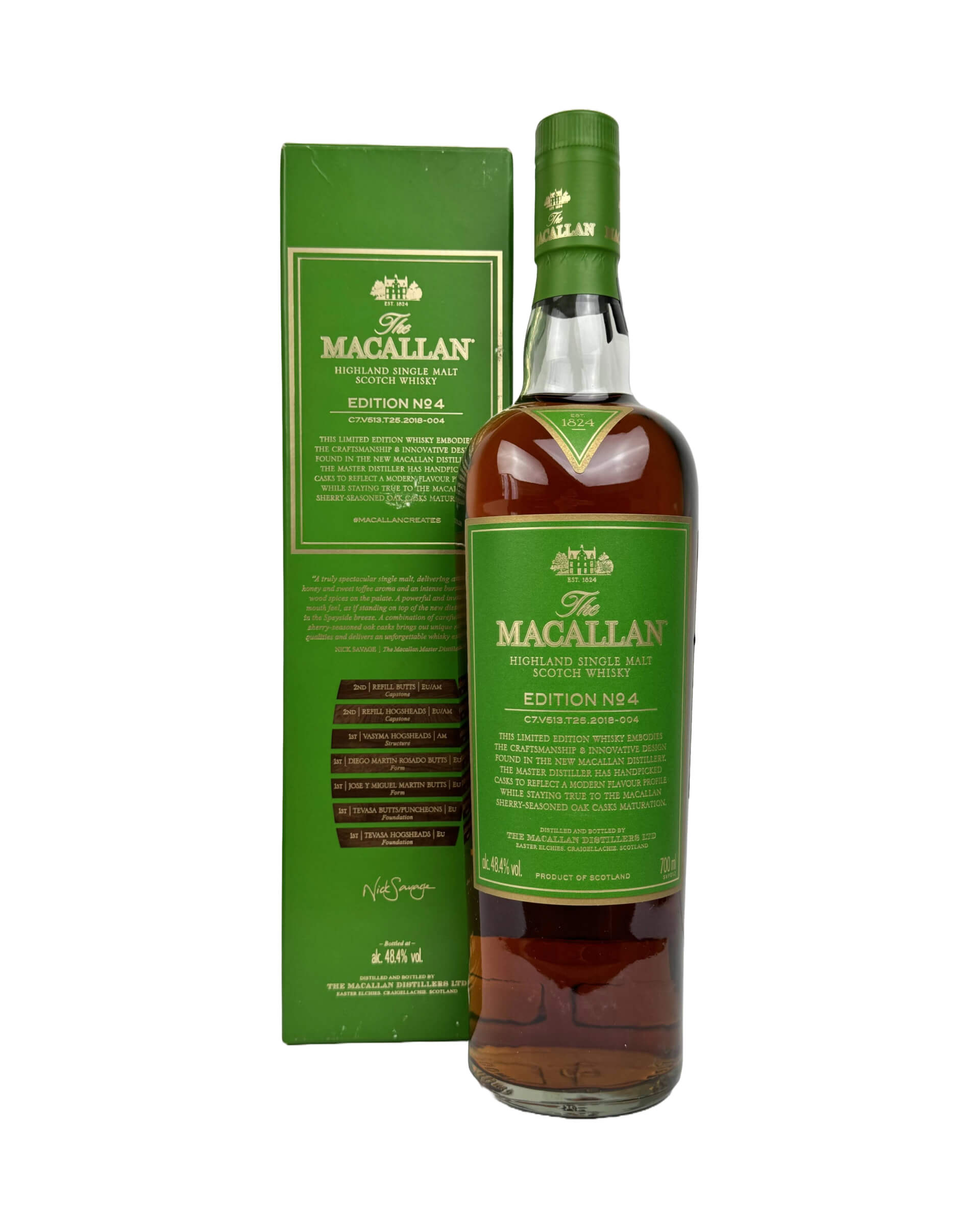
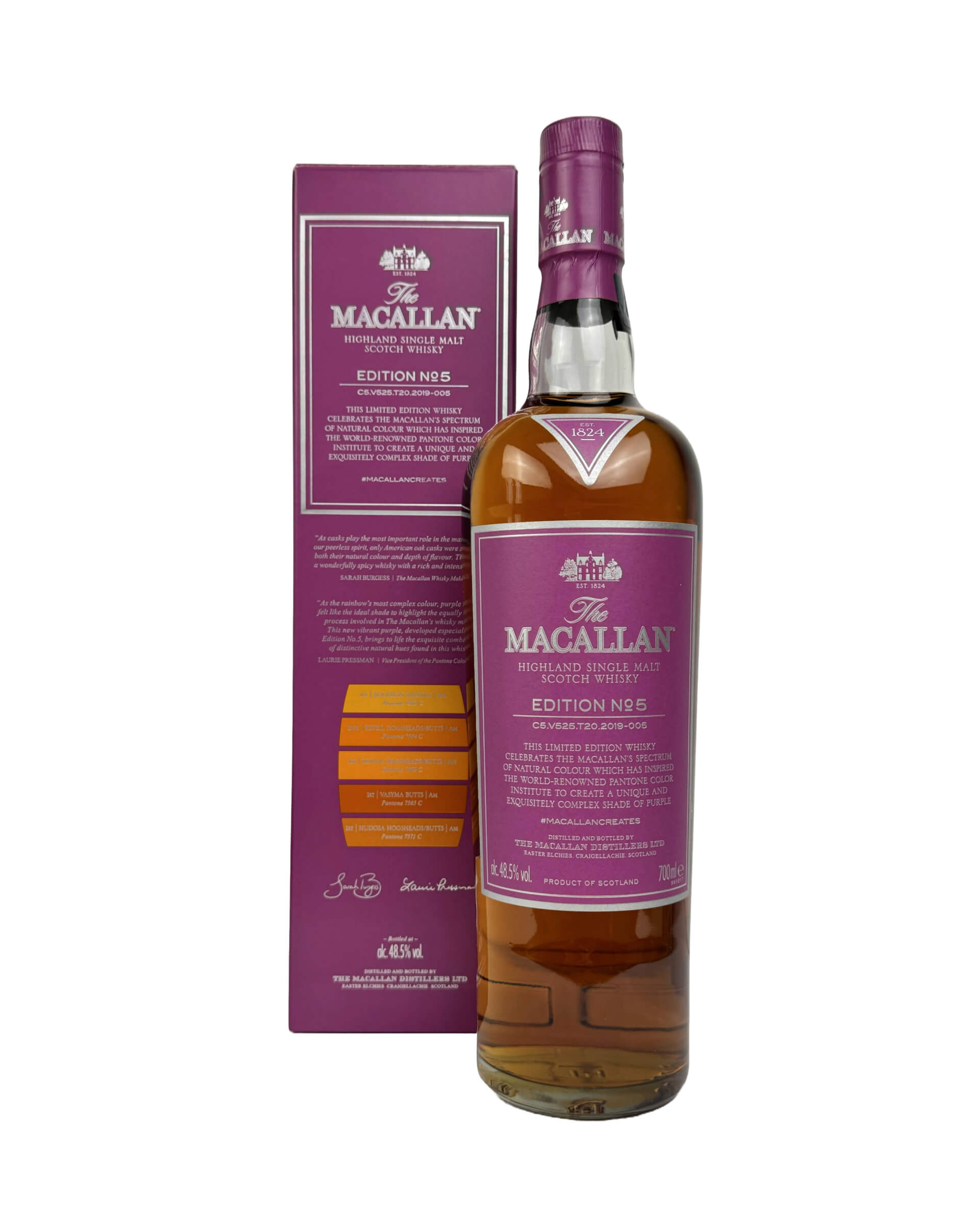

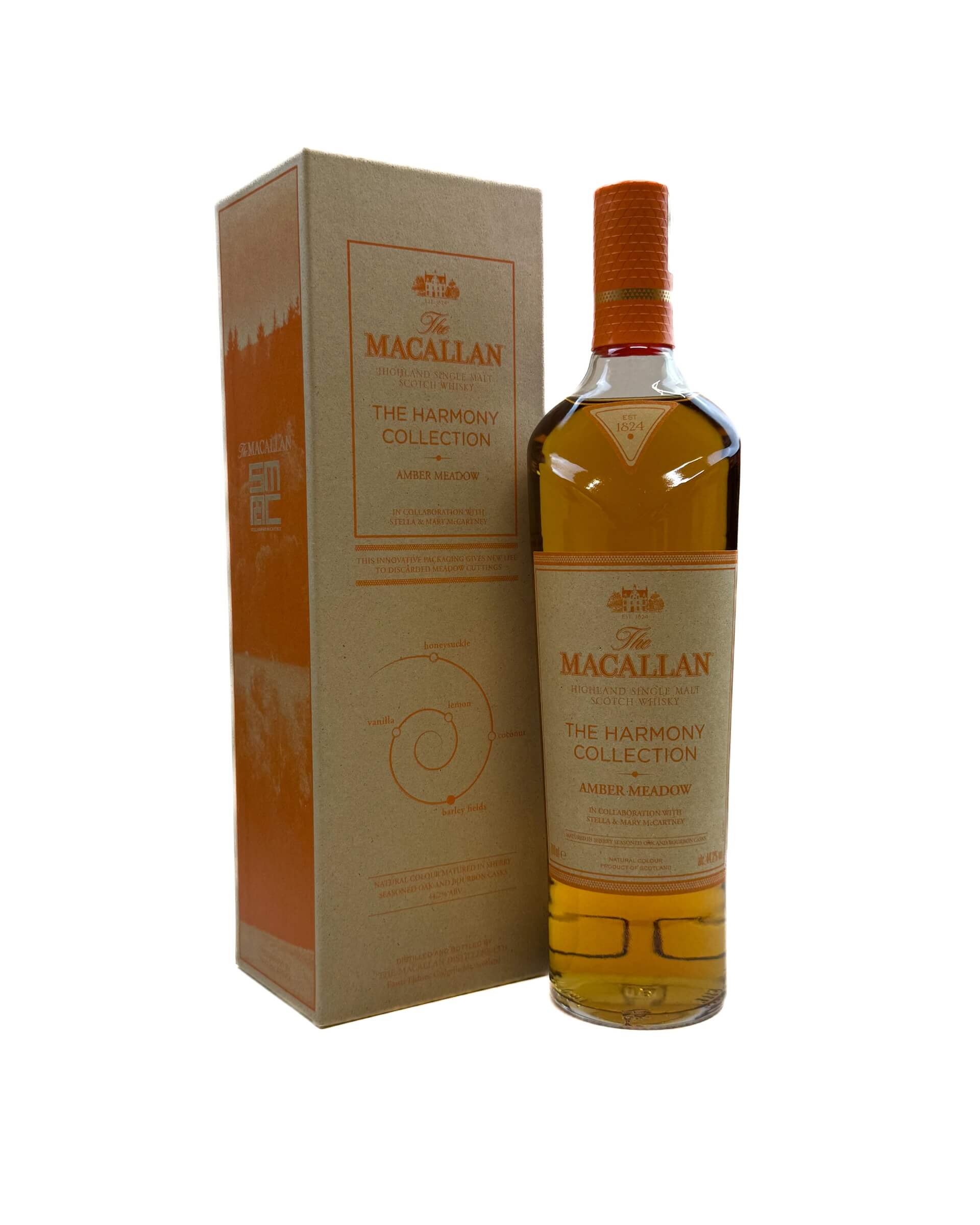
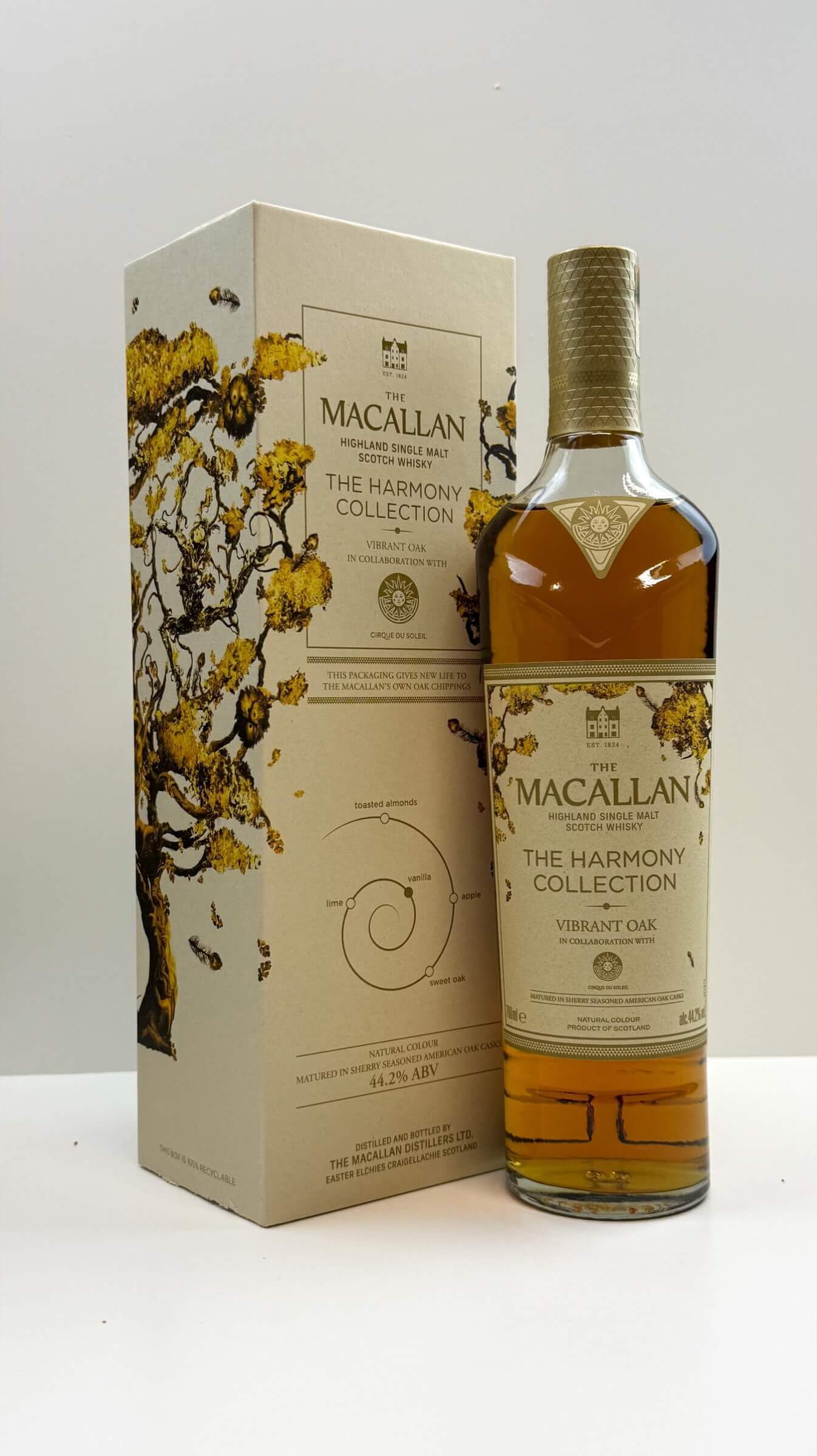
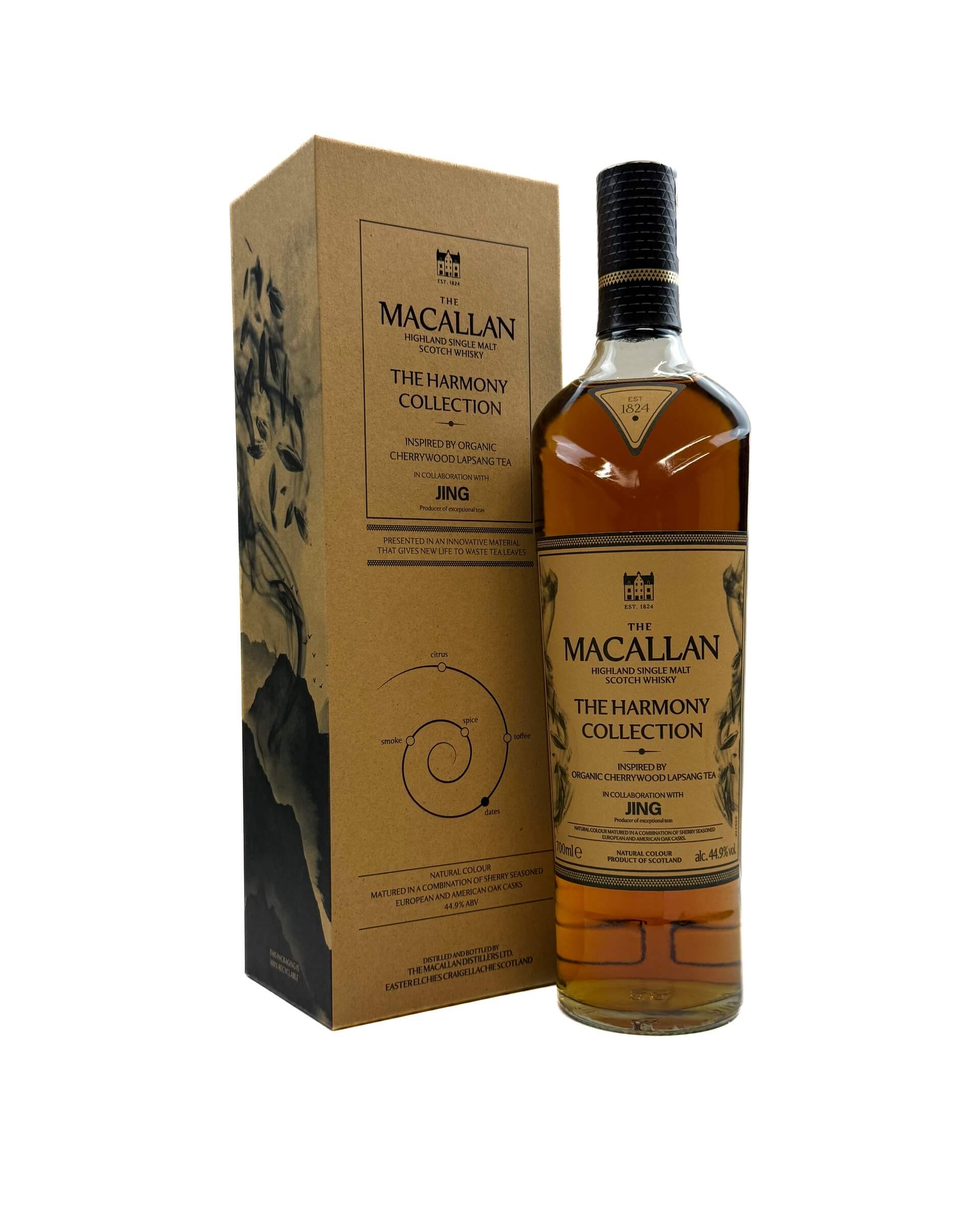
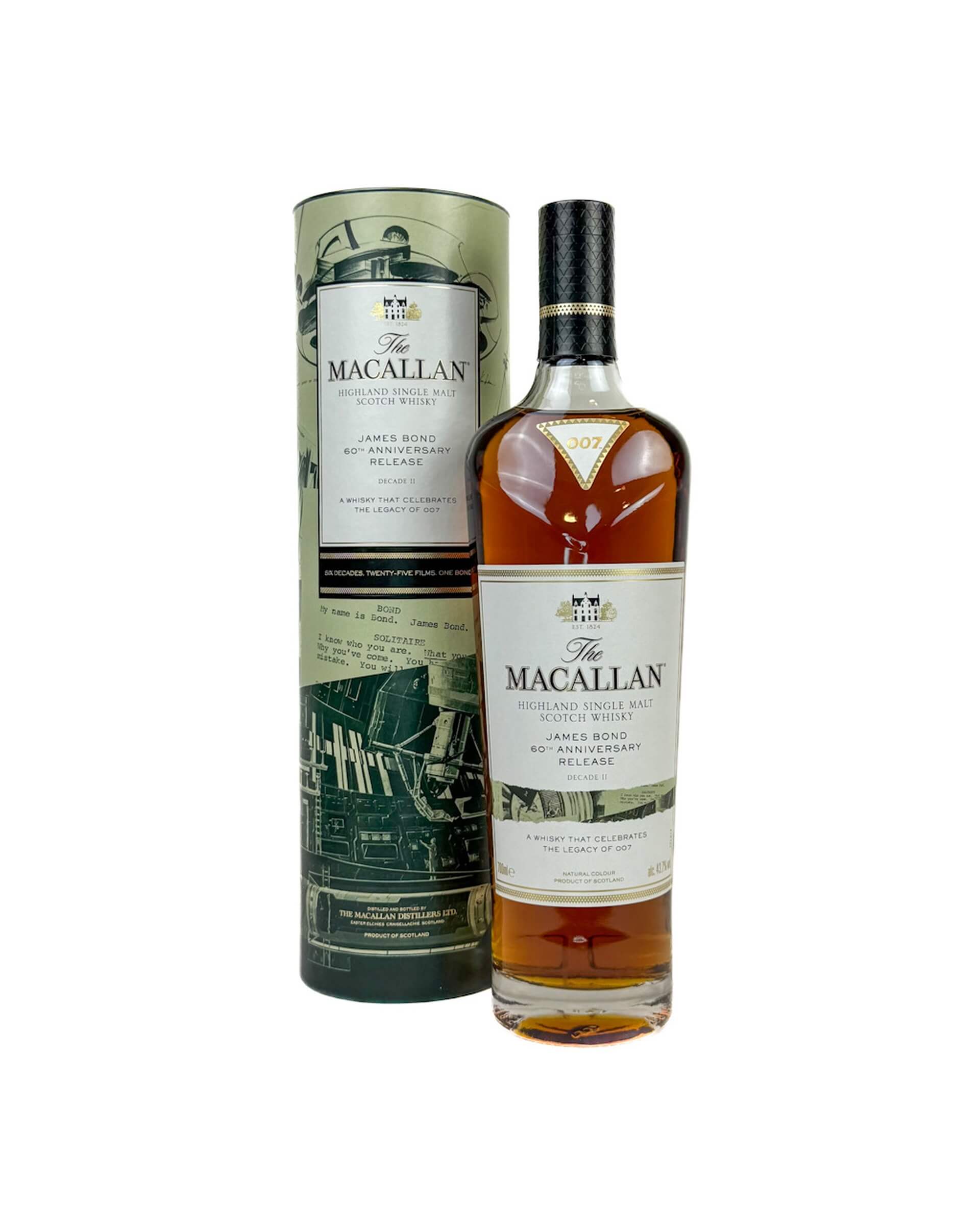
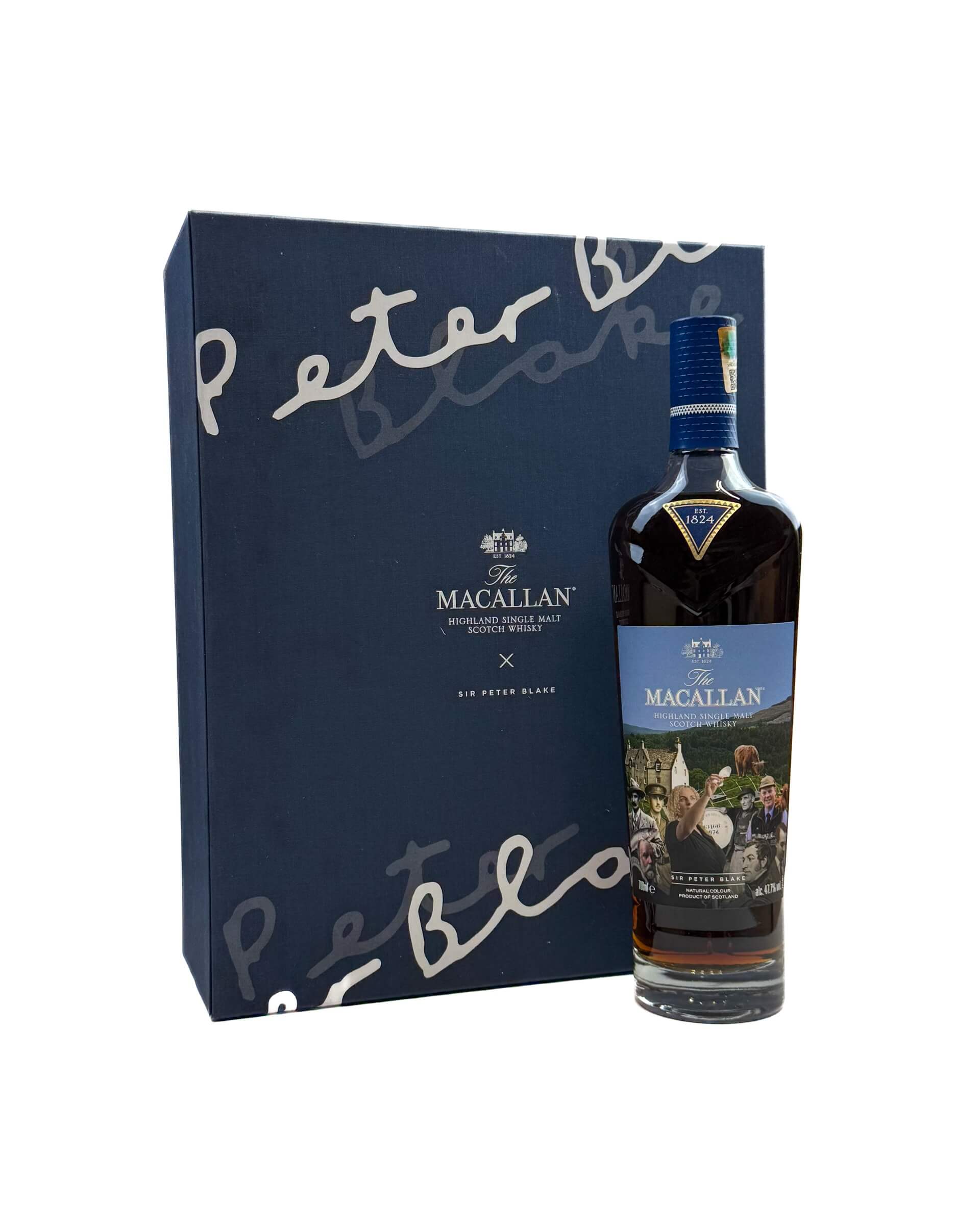
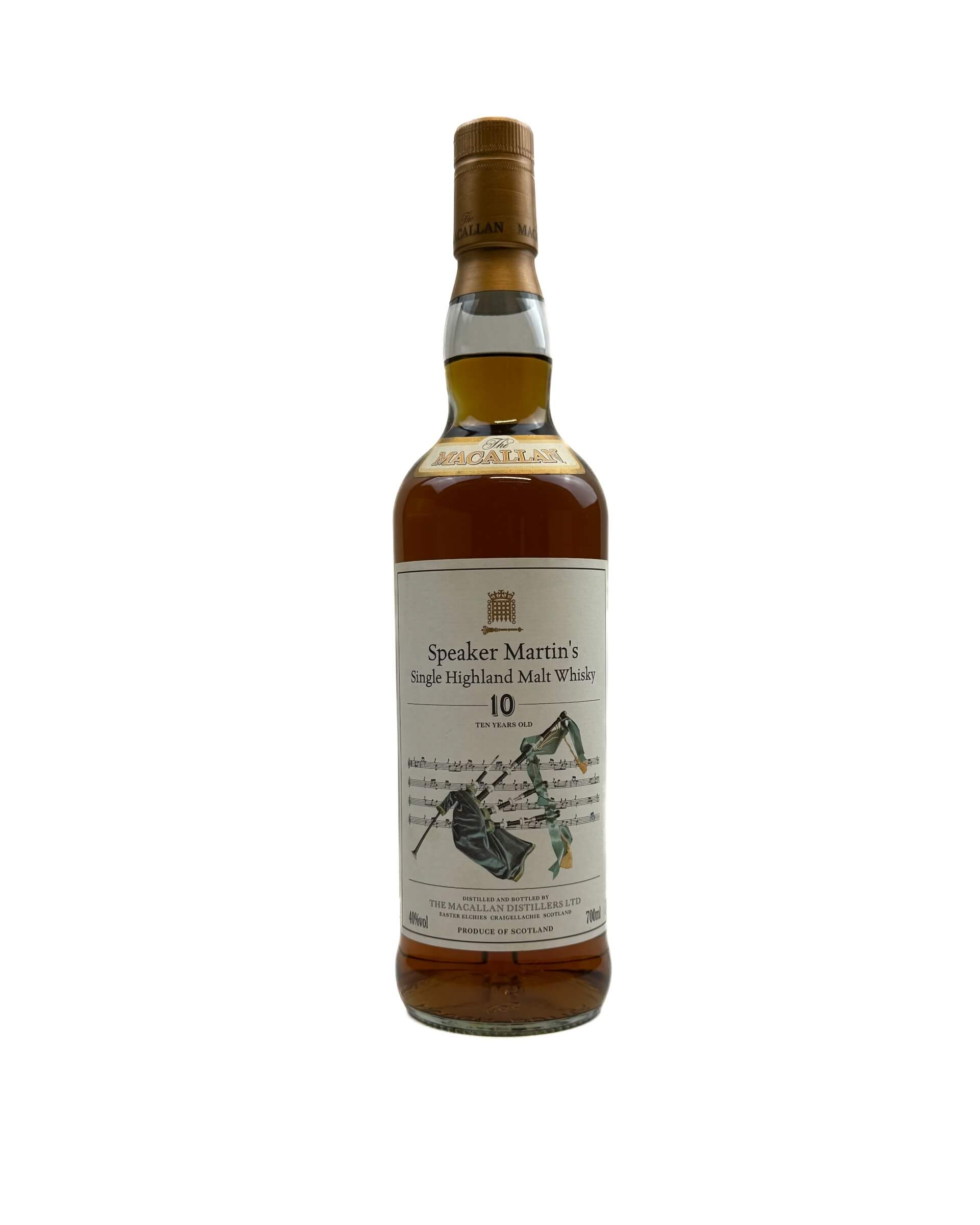
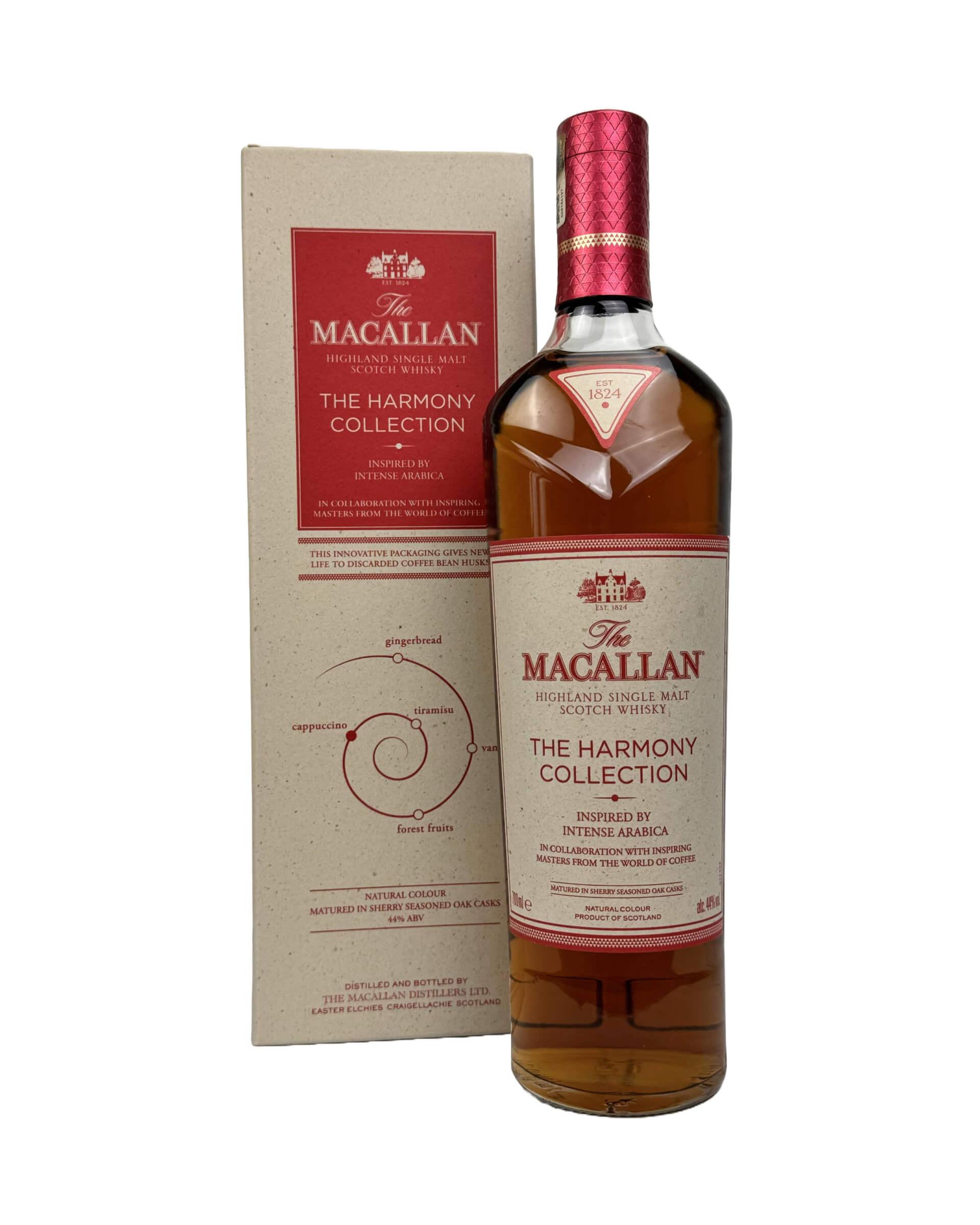
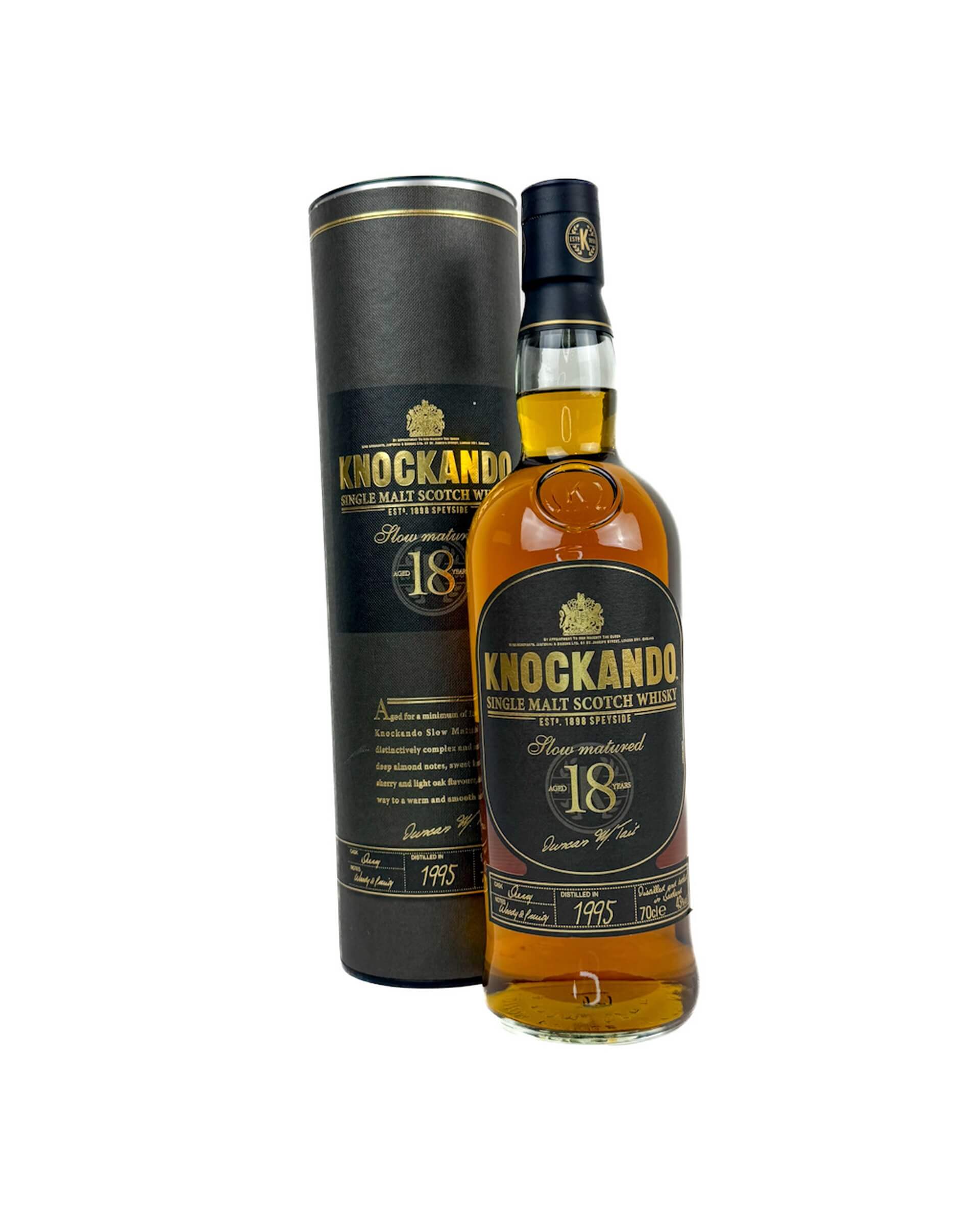
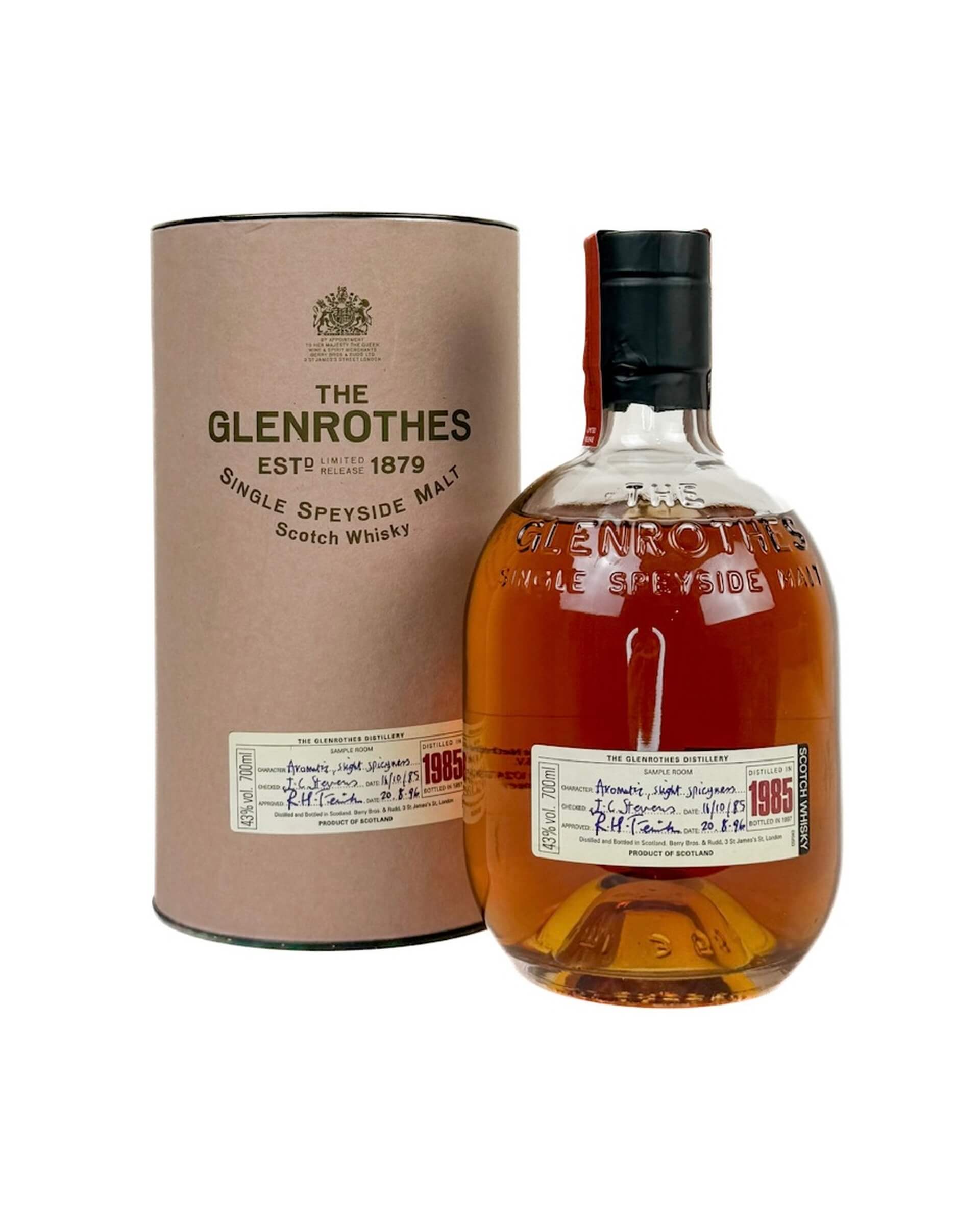

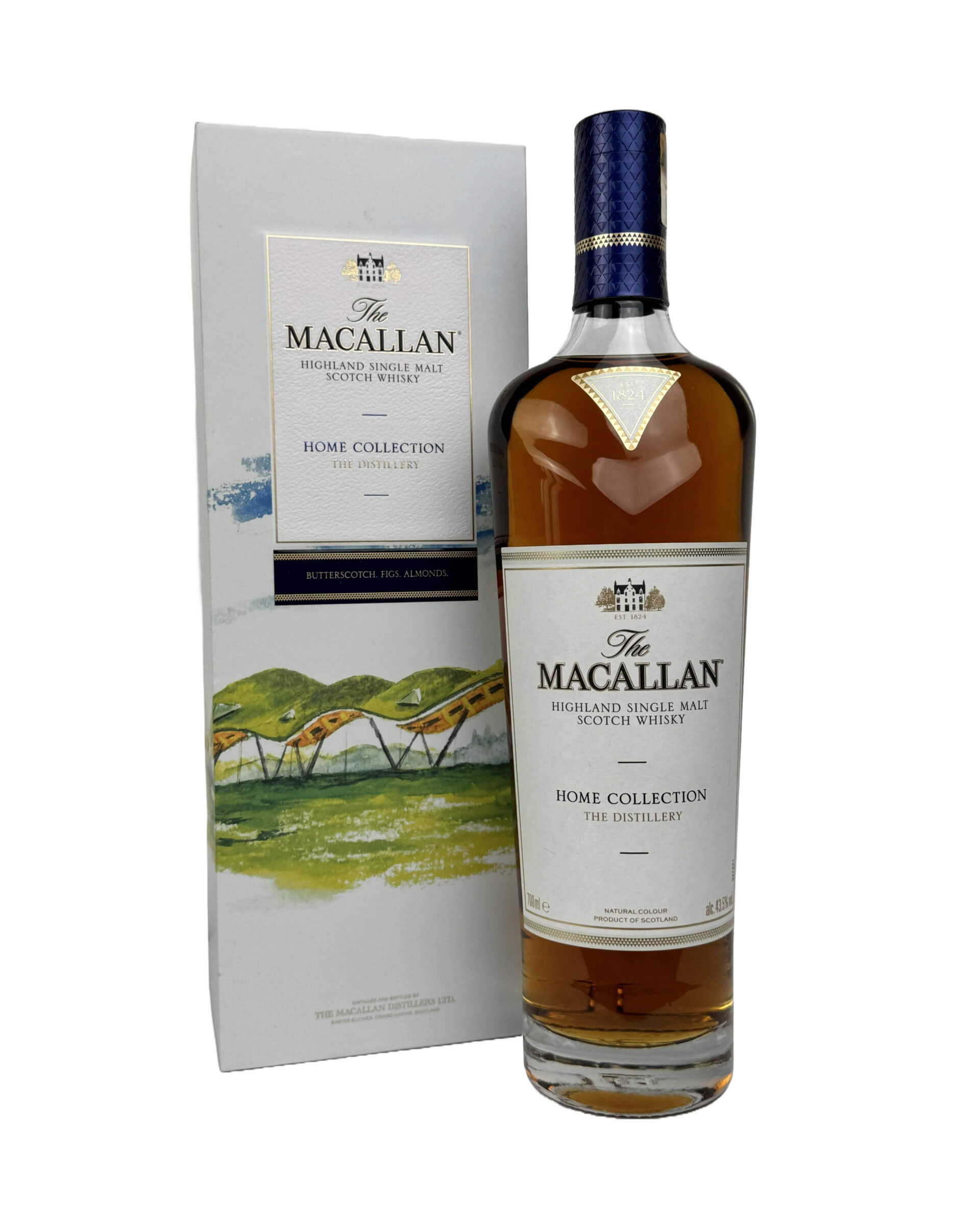
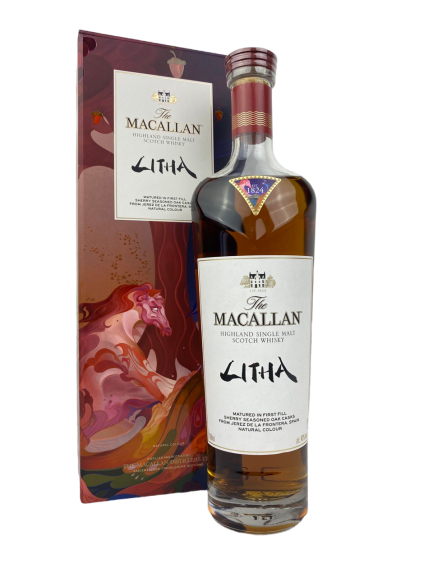
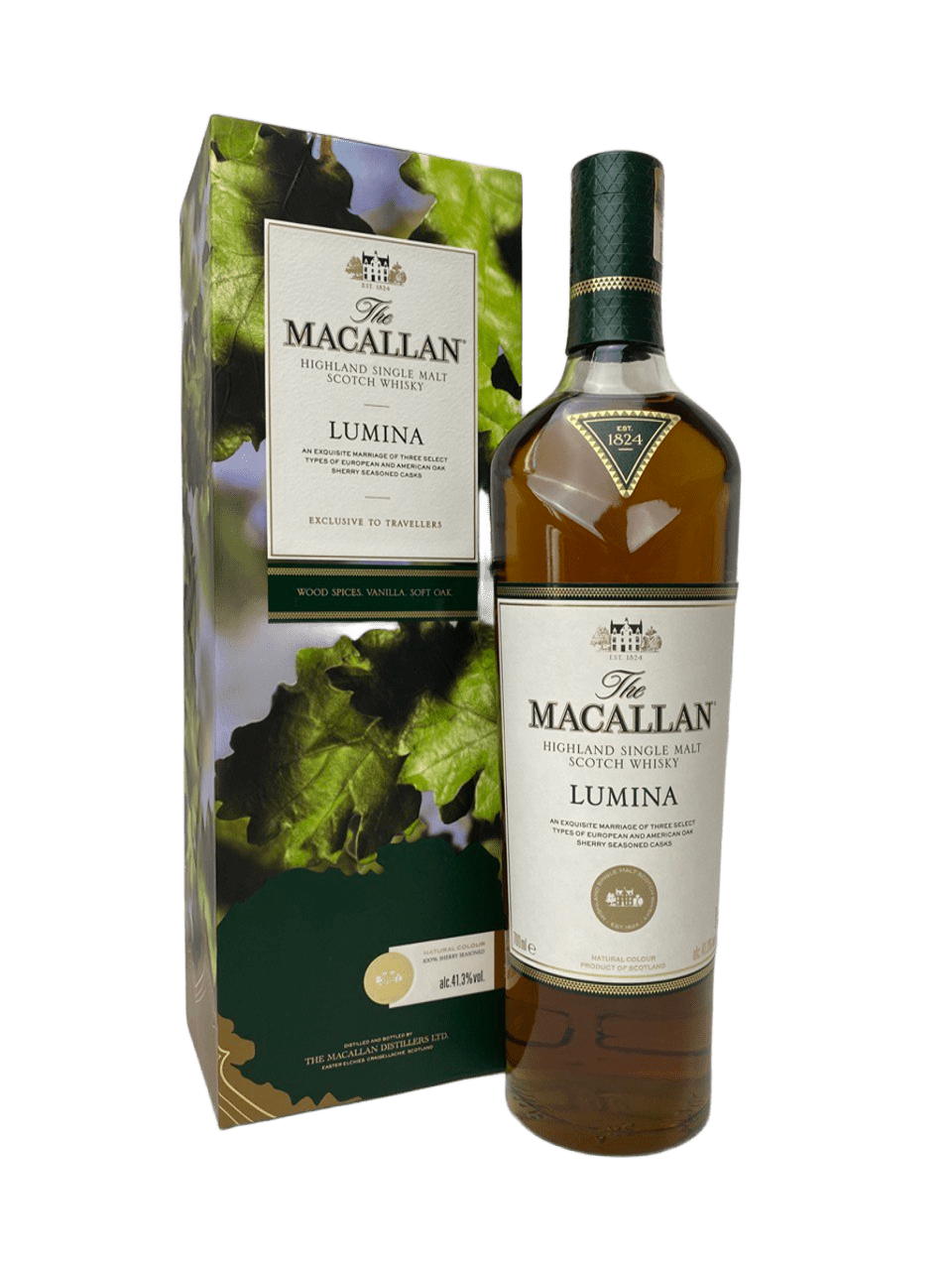
Speyside whisky is responsible for roughly half of all Scotch single malt produced, a compact stretch of northeastern Scotland traced by the River Spey and its tributaries that holds the highest concentration of working distilleries in Scotland. It is the region that gave the world Glenfiddich, Macallan, Balvenie and Glenlivet, and the place where the classic Scotch flavour signature — ripe orchard fruit, honey, soft florals and warm vanilla, with the option of deep sherry-cask spice — was effectively defined. When most people picture a refined, fruit-forward Scotch in the glass, they are picturing a Speyside single malt, even if they have never named the region.
At Tour de Wine we curate 29 Speyside expressions, from approachable everyday drams to rare collector bottles, every one priced in euros for European buyers who would rather not pay US retail plus importation markups. Whether you are exploring your first Speyside scotch whisky or hunting a vintage single cask for a milestone occasion, this guide maps the region, its sub-zones and its price tiers so you can buy with confidence.
Speyside is a legally protected Scotch whisky region, formally recognised in its own right under the Scotch Whisky Regulations of 2009. Geographically it follows the River Spey through Moray and the surrounding glens of northeastern Scotland, a fertile corridor where soft, granite-filtered water, ready barley and cool maturation conditions came together to create the densest concentration of whisky-making in the world. The Scotch Whisky Association recognises around fifty operating distilleries here — the highest concentration in Scotland, and roughly half of the country’s malt distilleries — which is why the region accounts for so much of all Scotch single malt produced.
The house style across the region is remarkably consistent. Producers typically work with lightly peated or entirely unpeated malted barley, draw on that soft local water, favour long fermentations and run the wash through copper pot stills of widely varying sizes and shapes. Taller stills encourage a lighter, more delicate spirit; squatter stills and worm-tub condensers push richer, heavier character. The Spey itself is more than a name on a map — its valley sets the climate, feeds the water sources and links the distilleries into a shared tradition.
What this means for you as a buyer is predictability of a very pleasant kind: a Speyside malt will almost always lead with fruit, sweetness and elegance rather than smoke or brine. The variation lives in the details — cask choice, age and which stretch of the river the spirit comes from.
Speyside is not a single uniform style. The river runs from high, cool moorland down toward the Moray coast, and the distilleries strung along its course fall into informal clusters that taste meaningfully different. Two of these are well worth understanding before you choose a bottle, because they pull the regional character in opposite directions.
This cluster gathers distilleries that sit at higher elevation or along the Speyside–Highland border, where the spirit tends toward a richer, fuller body. Expect a more pronounced malt backbone, a touch of waxy or oily texture, and a depth that takes especially well to sherry-cask maturation. Two distilleries anchor the style: Mortlach, near Dufftown, is famous for its complex 2.81-times partial-triple-distillation regime that builds a notably meaty, sherried weight, while Glenfarclas, family-owned by the Grants since 1865, runs the largest pot stills in Speyside and matures almost entirely in oloroso sherry oak. These are the malts that drink with real gravitas.
It is worth noting the distinction from the broader Highland region of Scotland: these are Speyside drams with a Highland accent, not Highland whiskies proper. If you lean toward structure and substance over delicacy, start with our Highlands expressions, where the catalogue’s most full-bodied bottlings are gathered.
Travel toward the river’s upper reaches and the character lightens. This valley sits at higher, cooler ground, and its distilleries are known for a fresher, more delicate spirit — think cut grass, green apple, meadow flowers and a clean, almost crystalline finish. Two producers define the cluster: The Glenlivet, founded at Minmore in 1824 as the first licensed distillery in the parish, built its name on tall, lantern-shaped stills that yield a famously floral, fruit-forward spirit, while Cragganmore, established in 1869 beside the Strathspey railway, uses unusual flat-topped stills and worm-tub condensers to add a subtle complexity beneath that delicacy. These malts reward a careful nose and a patient palate.
This is Speyside at its most refined and aperitif-friendly, the style to choose when you want elegance over power and brightness over richness. Our Upper Spey Valley malts showcase exactly this lighter, floral expression of the region, and make an excellent entry point for drinkers coming from white wine or lighter spirits.
Beyond geography, the single biggest factor shaping a Speyside single malt is the cask it matures in. Almost every bottle in the region follows one of two dominant maturation paths — ex-bourbon barrels or ex-sherry casks — and knowing which is which lets you match a bottle to your own palate before you ever pull the cork.
Tying both paths together is a unifying house character: little to no peat, a clean and spirit-forward backbone, and an emphasis on fruit and sweetness rather than smoke. That is the through-line that makes a Speyside malt instantly recognisable, whichever cask shaped it. Many premium releases even marry both cask types, layering bourbon brightness over sherried depth.
If you are weighing Speyside against Scotland’s other great regions — the classic “Speyside vs Islay” question — the quickest way to decide is to compare peat, dominant flavour and the price you should expect to pay.
The choice comes down to a single question of taste. If you want elegance, fruit and approachability — a Scotch that charms rather than challenges — choose a Speyside scotch. If you crave bonfire smoke, coastal salt and a dram that fills the room, Islay is your region, and a Speyside malt will feel too gentle by comparison.
Many of our customers ultimately keep one of each on the shelf: a Speyside for relaxed sipping and welcoming guests, an Islay for nights when they want drama. To browse the neighbouring regions and build a rounded Scottish whisky collection, explore our full Scotland range, which sits alongside the wider selection of single malt whiskies.
The best Speyside whisky for you is the one matched to both your palate and your occasion. Our catalogue spans a wide range, so it helps to think in three budget tiers before you decide to buy a Speyside whisky.
Approachable expressions, typically carrying 10- to 12-year age statements and matured in ex-bourbon barrels for a lighter, golden body. These are ideal for newcomers to the region, for everyday drams and for whisky cocktails. The 10th percentile of our catalogue sits at €95 — effectively the floor of curated quality, below which we simply do not stock.
This is the richest band of choice in the catalogue and where most serious buyers land. Expect 15- to 18-year age statements and a genuine mix of cask types, from bright bourbon-matured malts to deep sherried bottlings. The catalogue median sits at €235, the natural reference point for a Speyside single malt of real depth and character.
Here you find rare vintage single casks, age statements of 25 years and above, and strictly limited distillery releases. The top decile of our catalogue begins at €1,000, while the single rarest expression reaches €2,000. These are bottles for landmark anniversaries, significant gifts or considered investment collections.
A whisky gift in the region of €235 works because the unpeated, fruit-forward profile suits both seasoned whisky drinkers and those who normally drink wine, which removes the risk that comes with gifting heavily peated malts. Recognisable names such as Macallan and Balvenie carry instant social weight, yet the bottle inside is far more characterful than any supermarket choice. Gift wrapping and a personalised note are available on request.
Speyside’s aromatic delicacy deserves the right glass. A tulip-shaped nosing glass or a Glencairn concentrates the esters at the rim and lets the fruit and floral notes unfurl — a wide tumbler, by contrast, lets that fragrance escape. The glass genuinely changes how much of the whisky you experience.
Serve at room temperature rather than chilled, since cold mutes the very aromatics that define the region. Taste it neat first, then add a few drops of still water: this opens the spirit, releases fresh waves of honey and orchard fruit, and tames any alcohol heat on cask-strength bottlings. Avoid ice, which dulls and closes the malt.
For food, Speyside’s lightly sweet, fruit-driven profile makes pairing easy. The standout Speyside food pairing options are dark chocolate, mature hard cheeses such as Comté and aged Cheddar, smoked salmon and a bowl of dried fruits and nuts. Steer clear of heavily peated dishes or fiery spice, which compete with the whisky rather than flatter it. Let the dram’s fruit and the food’s richness meet on common ground.
Speyside is a protected Scotch whisky region centred on the River Spey in northeastern Scotland. It is home to around fifty operating distilleries — the highest concentration in Scotland — and produces some of the world’s most celebrated single malts — typically unpeated, with flavours of dried fruit, honey, vanilla and floral notes, shaped by soft granite-filtered local water and predominantly ex-bourbon or ex-sherry oak maturation.
Most Speyside single malts are unpeated or only very lightly peated. The region’s reputation rests on clean, fruit-forward spirit rather than smoky character. If you want pronounced peat, Islay is the natural alternative; if you want an almost entirely smoke-free experience built on honey and orchard fruit, Speyside is exactly the right choice.
Speyside is legally a sub-region of the broader Highlands but holds its own protected designation and a distinct style. Highland whiskies span a wider range — from light coastal drams to heathery, full-bodied malts — while Speyside scotch tends to be more consistently fruit-forward and refined, driven by dense distillery concentration and shared maturation traditions along the river.
Price tracks age and cask scarcity more than name alone, so it pays to read what you are buying. Below the median, price climbs steeply with each extra year of age statement, because mature stock is genuinely rarer; above it, you are increasingly paying for single-cask exclusivity and collector demand rather than extra drinking pleasure. The best value often sits with a well-chosen NAS (no-age-statement) bottling, which can carry older sherried whisky in the blend and out-drink a younger stated-age bottle at the same price. For the sweet spot, aim for a 12- to 15-year sherry-matured expression rather than chasing the highest number on the label.
Tour de Wine’s expertise extends from Speyside single malts to the great wines of France: explore our Burgundy wines and the wider selection of French wines to round out your cellar.
Written by the Tour de Wine buying team. Last reviewed: June 2026.
This site is restricted to adults. By entering, you confirm that you are of legal drinking age in your country of residence.