0.7 L
Knockando
Wines, producers, regions...
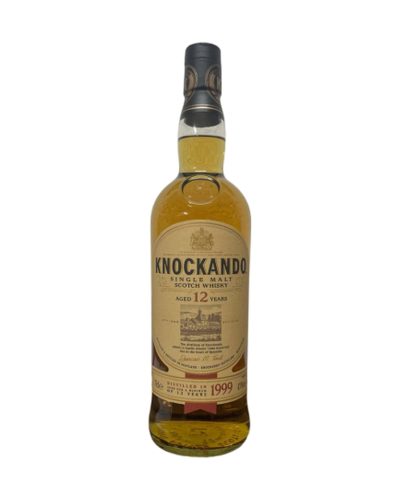
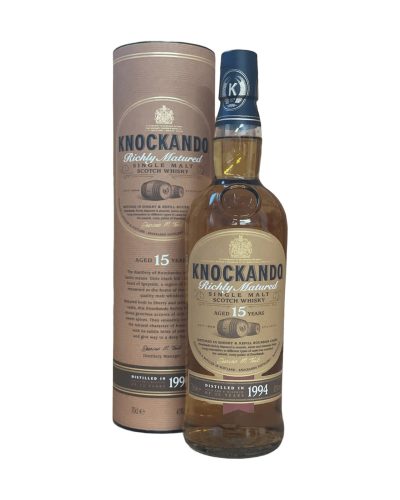
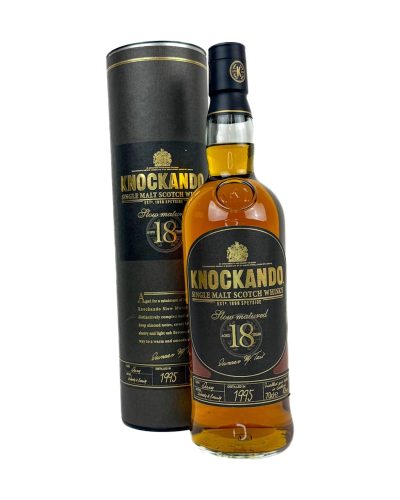
Upper Spey Valley whisky is single malt Scotch from the upper reaches of the River Spey, inside Speyside, the corner of the Scottish Highlands that is home to the densest cluster of malt distilleries in the country. This category is for drinkers who like malts that are soft, fruity and easy to approach, and for anyone looking for a first bottle from a region that is often described as the friendliest entry into Scotch.
The River Spey runs from the Highlands north-east towards the sea, and the whisky districts of Speyside are scattered along it and its tributaries. The upper valley is the stretch nearer the river’s head, where the river is narrower and the country higher and more rural. Here the shop lists single malts from distilleries in that part of the valley, with Knockando as the producer you will meet.
The word single malt carries a precise meaning. The whisky comes from one distillery and is made only from malted barley, water and yeast, distilled in copper pot stills. Scotch whisky as a whole must be aged for at least three years in oak casks and bottled at no less than 40% alcohol by volume. Anything older than that minimum shows on the label as an age statement, which always refers to the youngest whisky in the bottle.
Speyside malts are known for being gentle rather than aggressive. Expect orchard fruit such as apple and pear, honey, vanilla, fresh malt and a soft layer of oak. Heavy peat smoke is not the signature of the region, which is why these bottles suit people who find the smokier island whiskies too assertive. The Knockando malts offered here follow that pattern: round, smooth and balanced, with enough character to hold interest neat and enough softness to remain approachable.
Two things shape what ends up in the glass: the casks and the age. Whisky matured in ex-bourbon barrels tends to taste of vanilla, cream and fresh fruit, while sherry casks add dried fruit, nuts, spice and a deeper colour. A younger expression is fresher and lighter, an older one rounder and more complex, with the oak more present. Neither is better in absolute terms; it depends on what you want to drink and when.
If you are starting out, pick a bottling without too many layers: a clean, fruity malt of moderate age is the easiest way to learn what you like. If you already know Scotch, look at the cask type and the age statement, because they reveal more about the style than the label design does. Check the strength too. Most bottles sit near 40 to 46% alcohol by volume, while cask-strength whisky is much more powerful and is best tasted with a few drops of water.
Pour a measure into a tulip-shaped glass or a small tumbler, at room temperature. Take a first sip neat, then add a few drops of still water: it opens up the aromas and softens the alcohol. Ice numbs the flavours, so it is better left for long drinks. A soft malt like these also works well with a square of dark chocolate, aged hard cheese or dried fruit and nuts after dinner.
Store the bottle upright, away from direct light and heat, and keep the cork or cap tight. Unlike wine, whisky is not stored on its side, since prolonged contact with the cork can damage it. Once opened, a bottle stays in good shape for a long time, though the aromas slowly fade if the level gets low.
This is a small category, so it is worth widening the view. The Speyside category gathers every region of the area and lets you compare how neighbouring valleys differ. If you like a slightly different profile, the Highlands sub-category is the closest sibling, and shows how whiskies from the surrounding countryside compare with those of the Spey itself.
A good way to learn is to taste two bottles side by side, one lighter and one aged in sherry casks, and note which one you reach for first. That simple exercise tells you more about your own taste than any description, and gives you a clear direction for the next bottle, and whichever way you go next, the valley or another part of Scotland.
This site is restricted to adults. By entering, you confirm that you are of legal drinking age in your country of residence.