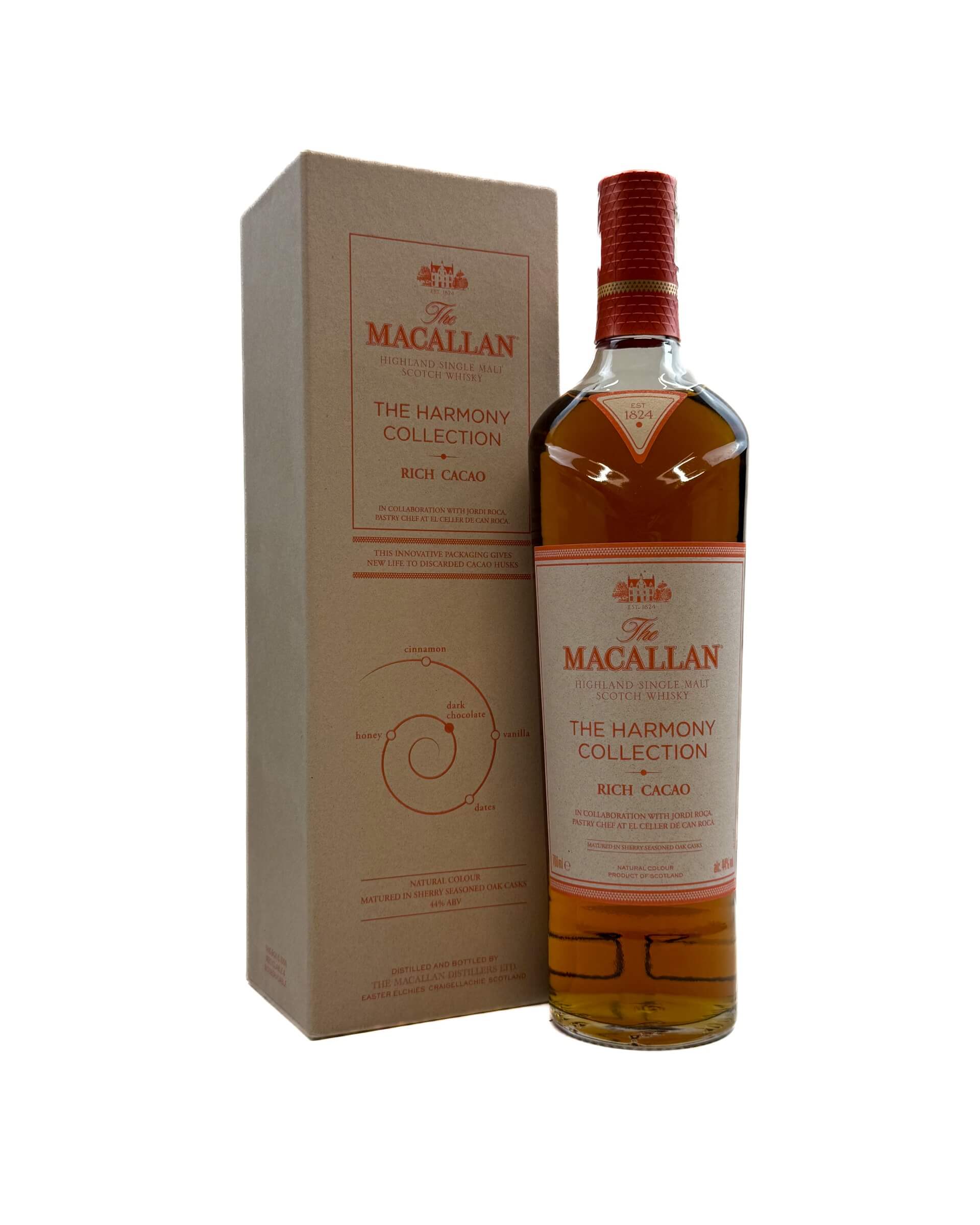
0,7
Brora
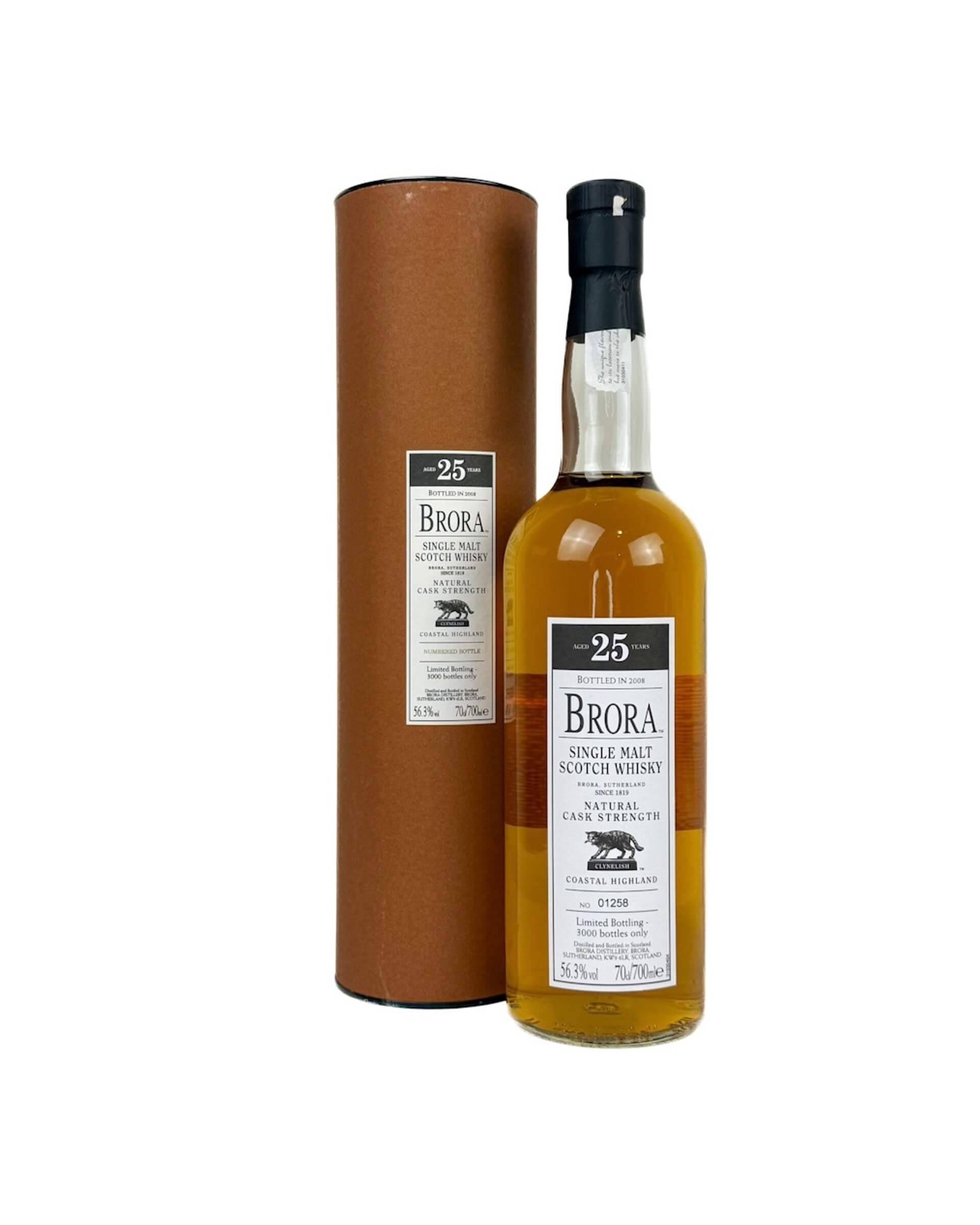
Brora 25 Year Old Cask Strength NV 0,7L
€ 2 400,00
Wines, producers, regions...
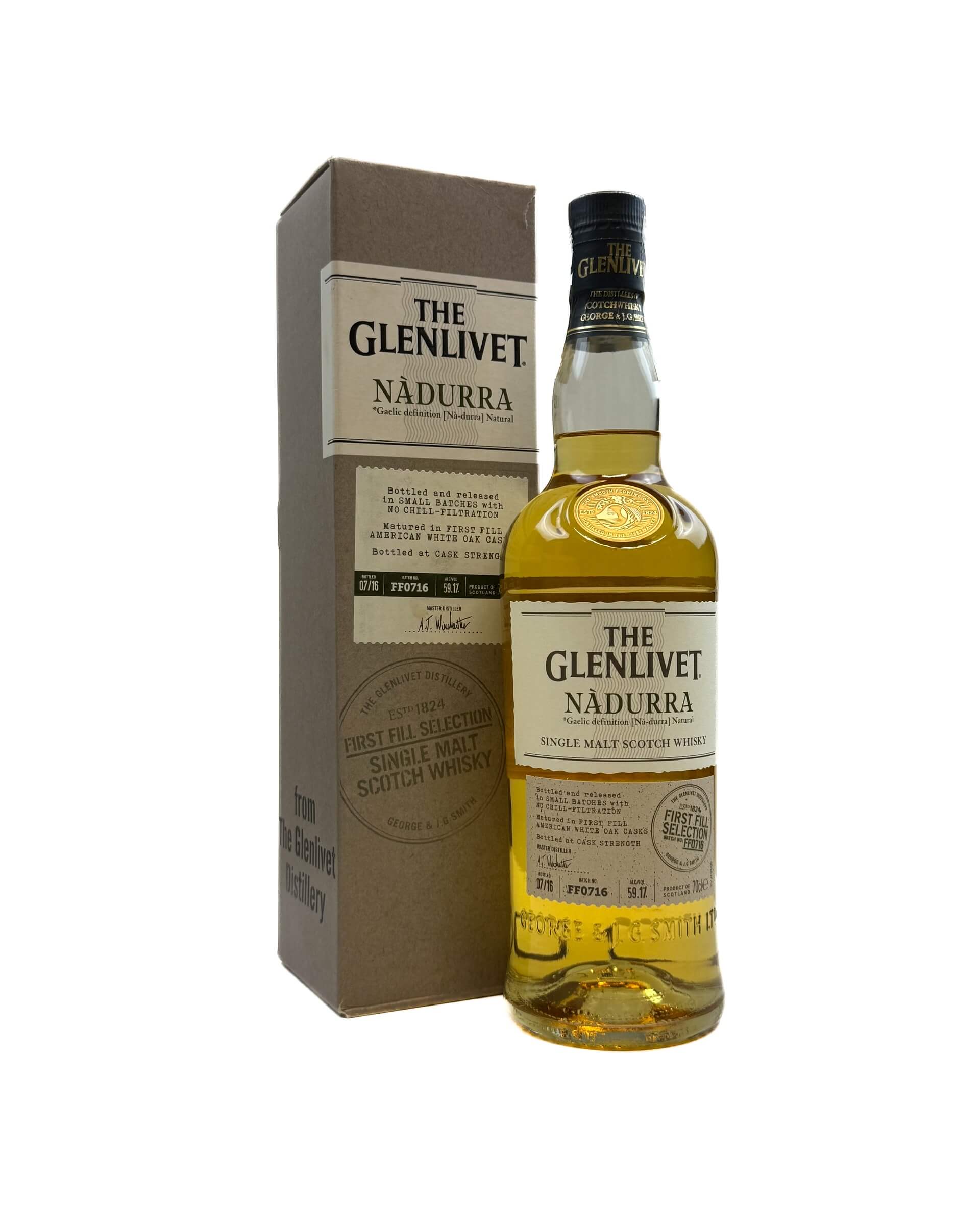
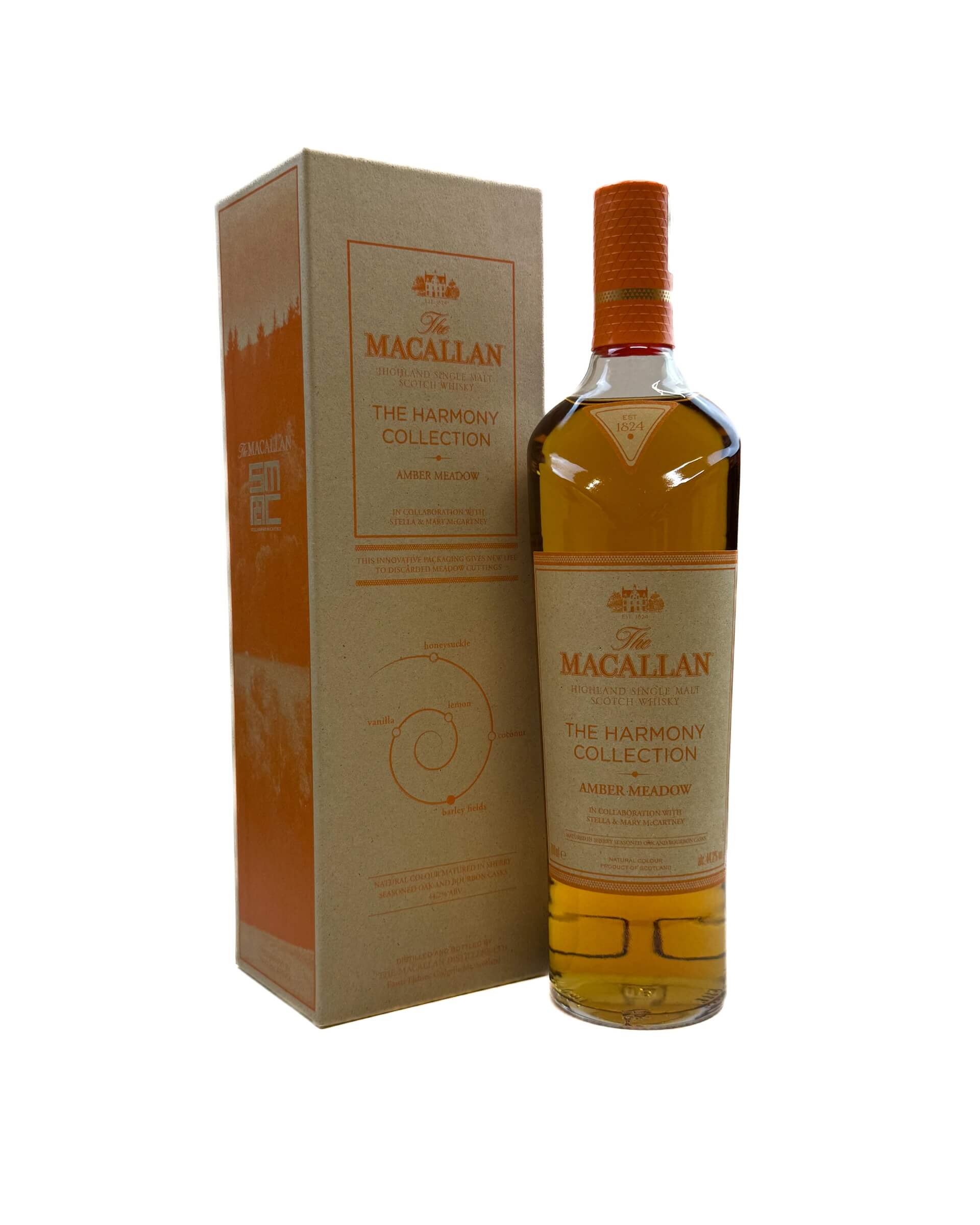
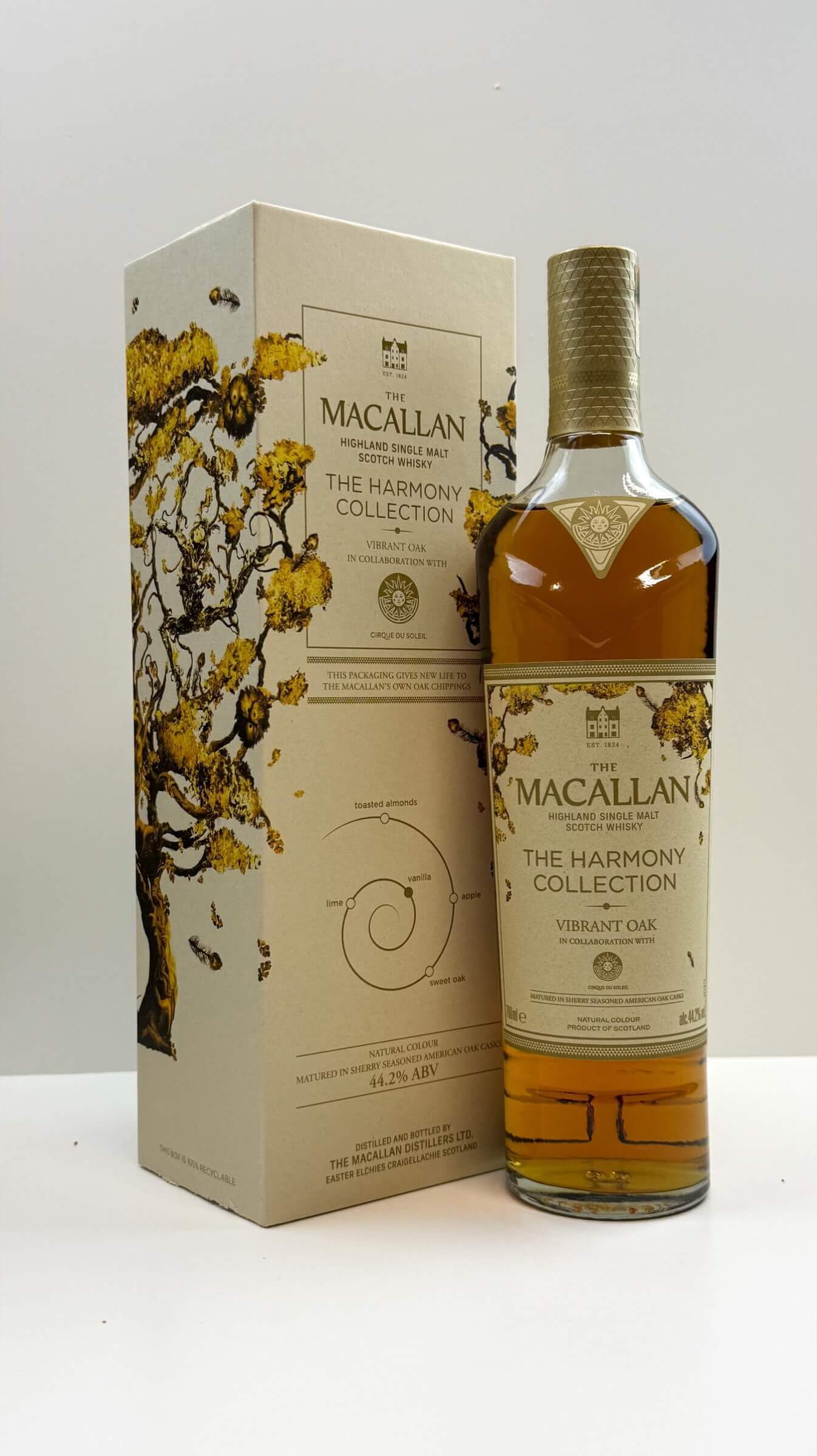
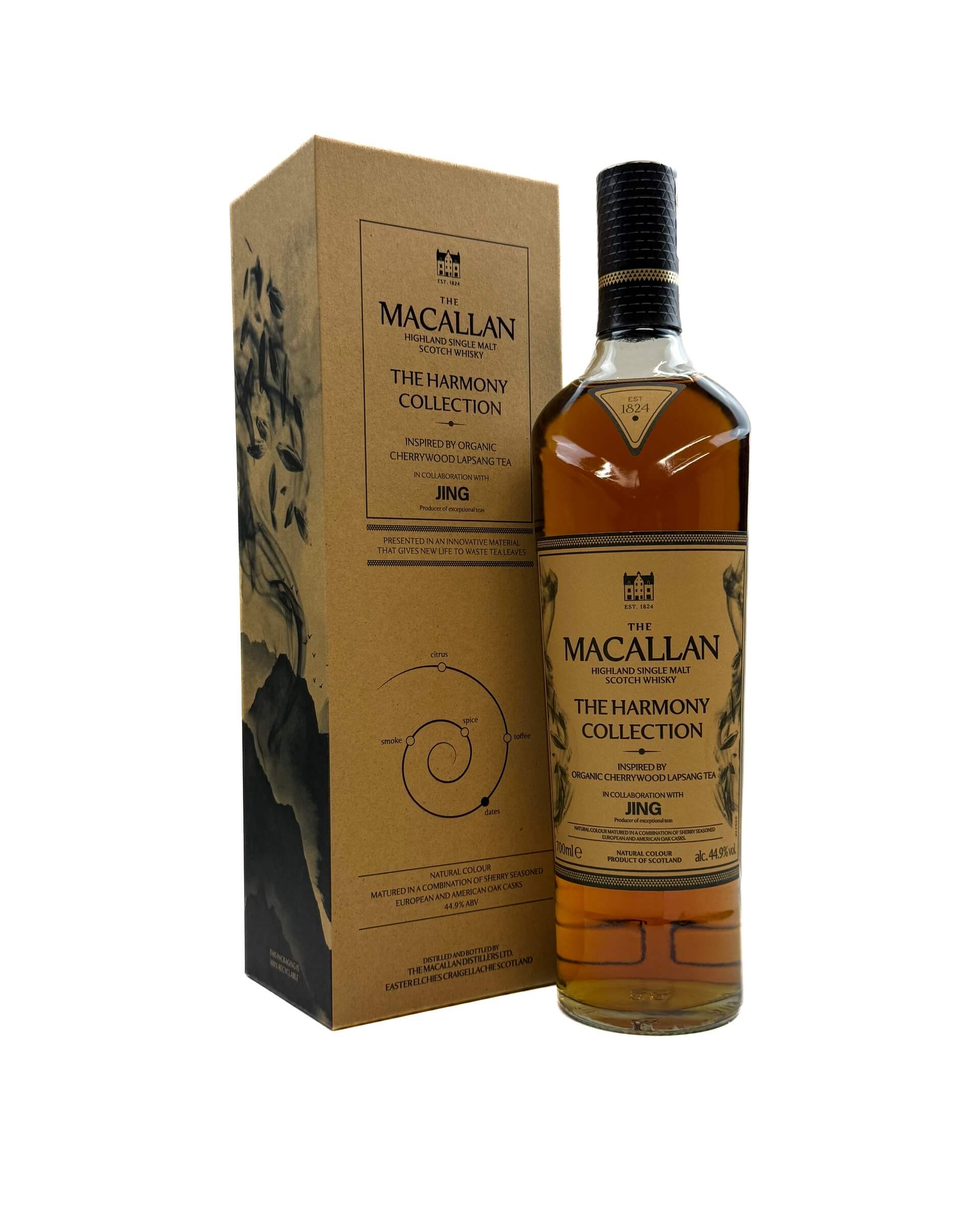
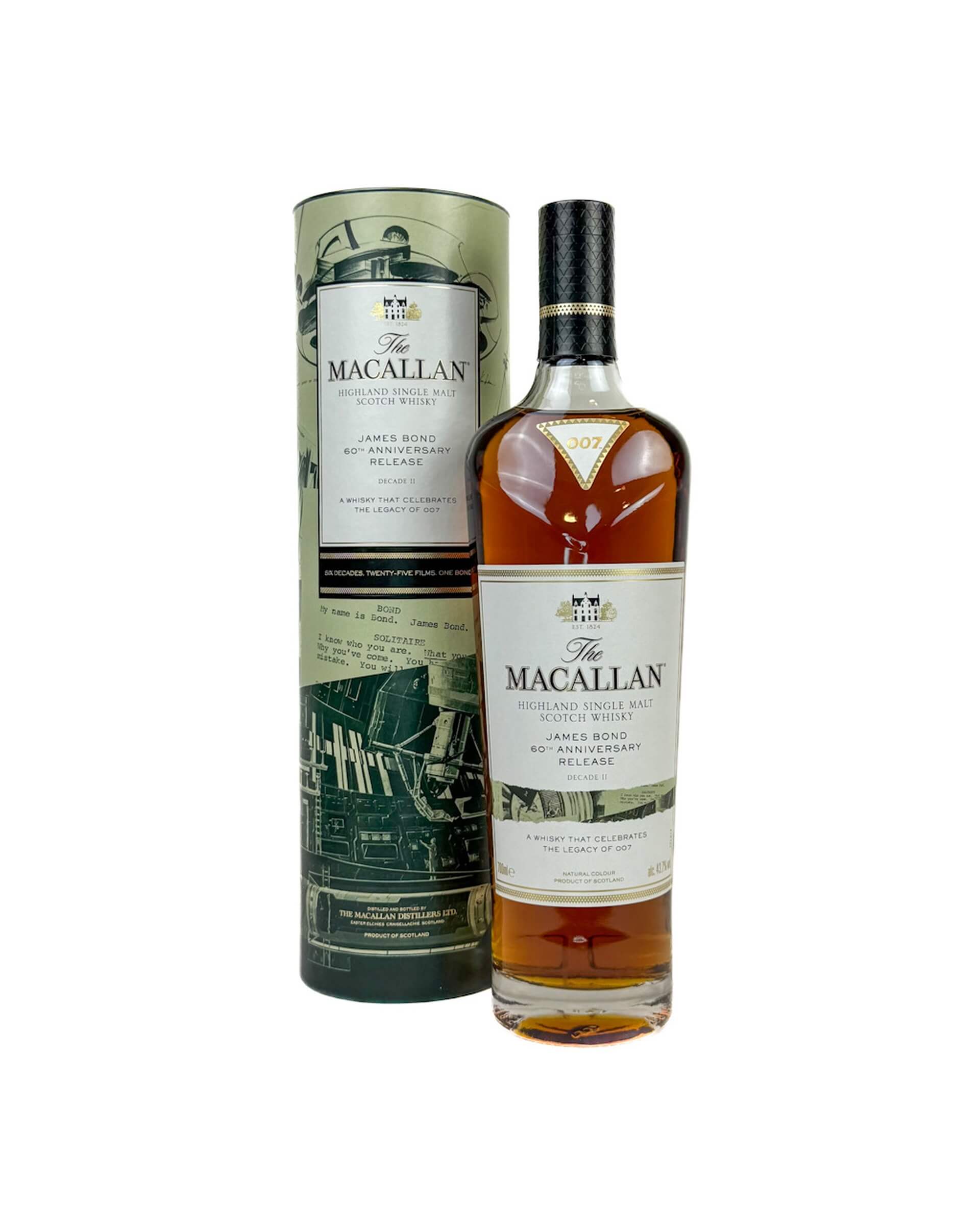
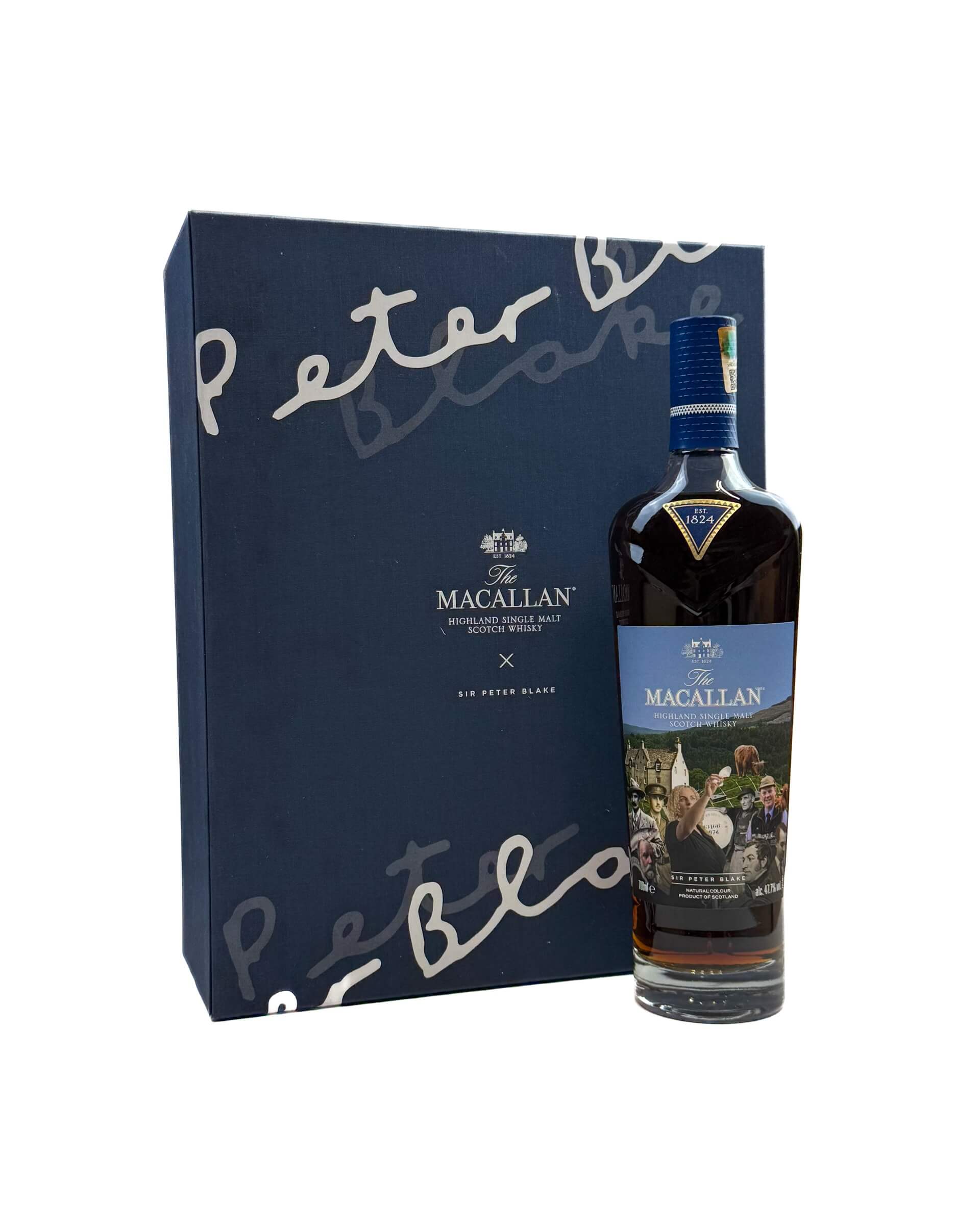
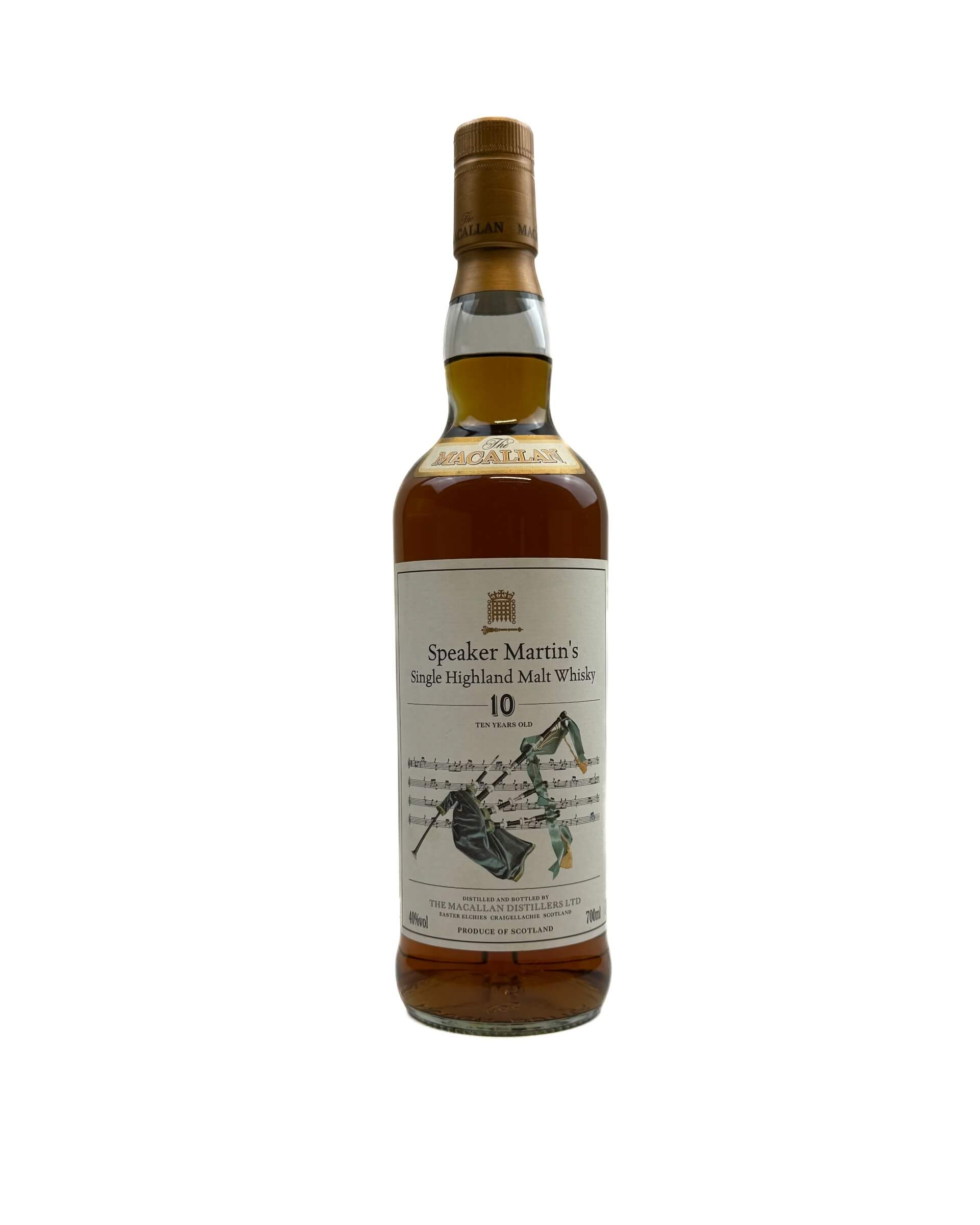

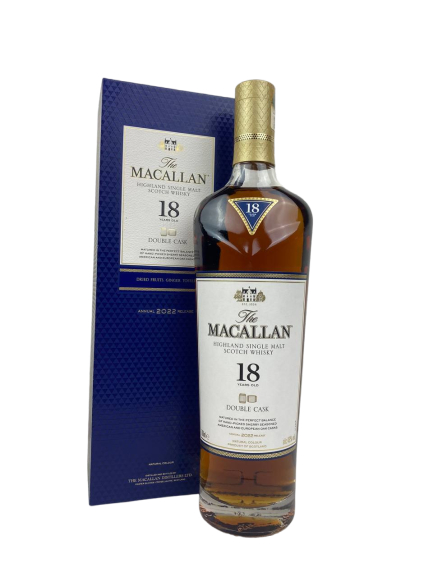
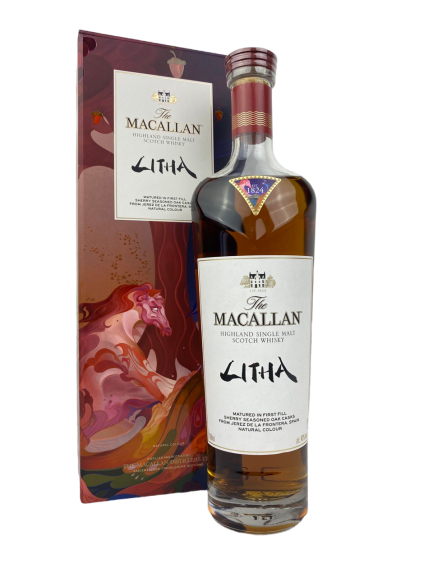
Highland single malt is the most geographically varied of Scotland’s five protected whisky regions, producing styles that range from light, floral Perthshire malts to briny northern coastal drams. Drawn from the Highlands — the largest of Scotland’s whisky regions by land area — it stretches from Perthshire in the south to Caithness on the far northern coast, and from the eastern seaboard to the wild western shoreline. This vast territory has no single flavour signature. Instead it offers a spectrum: honeyed, full-bodied Perthshire malts; briny, maritime drams from the north; and fruity, rounded expressions from the east. If Speyside is defined by consistency, highland scotch whisky is defined by range — there is a Highland bottle for almost every palate.
Tour de Wine curates a tightly edited selection of twelve Highland expressions, priced in euros and shipped with French import provenance. Quality entry-level bottles begin from around €120, with most of the selection priced near €235, while exceptional rare casks and very old vintages reach up to €2,000. Whether you are buying your first Highland dram or adding a collector’s bottle to the cellar, this is a region that rewards exploration. Browse our full Scotland range to see how the Highlands sits alongside Scotland’s other great whisky regions.
The Highlands is one of Scotland’s five protected whisky regions, alongside Speyside, the Lowlands, Campbeltown, and Islay. Historically, Speyside was simply part of the Highlands; over time its dense cluster of distilleries along the River Spey earned it a formally recognised designation of its own. What remains as the Highlands today is still enormous — the entire sweep of mainland Scotland north of an imaginary line running roughly from Dundee to Greenock, excluding Islay and the Islands. It is a region larger than many European countries, home to dozens of operational distilleries spread across mountains, glens, river valleys, and coastline.
Because the Highlands covers such varied terrain, the highland distilleries within it produce no single dominant style. Pot stills range from tall and slender to short and squat, shaping spirits that run from delicate and floral to oily and robust. Most production is unpeated, though a handful of coastal distilleries introduce a gentle smoke. Maturation draws on the widest variety of casks in Scotch whisky — ex-bourbon, ex-sherry, ex-port, ex-Madeira, and specialist wine finishes.
This diversity is not a weakness to apologise for; it is the Highlands’ greatest asset. For the curious buyer who has not yet settled on a flavour identity, no other Scottish region offers so many legitimate starting points under one banner.
Whisky writers informally divide the Highlands into four geographic zones, each with a recognisable character shaped by its terrain, climate, and distilling traditions. Understanding these zones turns a long list of unfamiliar names into a usable map — and helps you predict what a bottle will taste like before you open it.
The far north is shaped by the sea. Distilleries such as Balblair, Clynelish, Old Pulteney, and Wolfburn produce malts marked by maritime freshness, a light brine, and sometimes a heathery, resinous edge. These are among the most distinctive and age-worthy Highland malts: the cool sea air and long northern summers contribute to a slower, more complex maturation that rewards patience in the glass. We keep northern coastal expressions in the mould of Old Pulteney and Balblair in our twelve-bottle selection precisely for that salinity and structure — they give the curated range its briny, maritime end without tipping into Islay-level peat.
Lying close to Speyside, the eastern zone shares some of its neighbour’s character. Distilleries like Glencadam, Glen Garioch, and Royal Lochnagar tend toward fruity, rounded, and accessible malts with a lighter body than their northern counterparts. Their proximity to the Speyside selection makes these the most approachable Highland expressions for drinkers moving between the two regions.
Perthshire is home to some of Scotland’s oldest continuously operational distilleries — Blair Athol, Aberfeldy, Edradour, and Tullibardine among them. The style here is often honeyed and full-bodied, with dried fruit and heathery depth. Ex-sherry maturation is particularly dominant in this zone, lending richness and warming spice to the long-aged expressions for which central Highland whisky is best known. Perthshire malts in the mould of Aberfeldy and Blair Athol anchor the richer, sherried middle of our selection — chosen for the dried-fruit weight and warming spice that buyers expect from a serious Highland dram at the €235 median.
The western seaboard produces a strongly coastal, maritime style, often carrying a distinct light peat and brine character uncommon elsewhere in the Highlands. Oban is the defining distillery of this zone — small-batch production from one of Scotland’s oldest sites, with a style that bridges Highland and Island character. Western Highland whisky is relatively scarce, which only adds to its desirability among collectors.
Because Highland whisky spans such a wide stylistic range, flavour is driven less by a regional house style and more by the cask in which the spirit matures. The guide below maps the dominant maturation paths to the notes you are most likely to find, helping you match a bottle to your own taste.
For all this variety, a unifying Highland character does emerge: pot-still spirit with a clear backbone of malt, generally low to no peat, and an exceptional capacity to take on cask influence without losing its core. That combination is what makes a great highland single malt so satisfying to explore — the spirit is always present, but its dress changes from bottle to bottle.
The quickest way to settle on a region is to compare the three that most buyers weigh against one another, set out below with peat level, dominant flavour, and the entry price from our own catalogue.
The practical question is one of intensity and adventure. If you want a clean, fruity, reliably elegant dram, Speyside rarely disappoints — explore our Speyside selection for that style. If you want big, smoky, coastal whisky, Islay is the destination. And if you want the widest single field to roam — from honeyed Perthshire malts to briny northern coastal drams — highland scotch gives you all of it under one regional name.
This is precisely why so many enthusiasts treat the Highlands as their home base: it never forces a single flavour decision. Whichever direction your palate leans, you can stay within the region and keep discovering. To see the full picture across every Scottish style, browse our full Scotland range.
With twelve curated expressions spanning a wide price range, choosing the right bottle comes down to budget and occasion. The three brackets below correspond to real reference points in our catalogue — the entry price, the median, and the ceiling — so you can see exactly where your money goes rather than relying on round numbers we made up.
The accessible end of the selection begins at around €120. These are approachable expressions, typically carrying 10–12 year age statements and primarily matured in ex-bourbon casks — drawing on the lighter eastern and northern distillery styles such as Glencadam and Balblair. Expect vanilla, light citrus, gentle heather, and fresh malt. Ideal for newcomers to Highland whisky, everyday drams, and introductory gifts. The €120 figure is the tenth percentile of our catalogue — the floor of curated quality in this selection.
The catalogue median sits at €235, and this is where most serious buyers land. This is the richest and widest part of the range: 15–18 year expressions and a variety of cask types — ex-bourbon, ex-sherry, and specialist wood finishes, including richer Perthshire styles in the mould of Aberfeldy and Blair Athol. This is where the flavour complexity that defines Highland whisky reveals itself most fully. For the buyer seeking the best highland whisky for the money, the band around the €235 median is the one to study first.
At the top of the selection sit rare vintage single casks, expressions of 21 years and above, and limited-edition distillery releases — including scarce western-coastal bottlings of the kind Oban is known for. The ceiling of the Highland selection reaches €2,000, which is also the ninetieth percentile of the catalogue — reflecting one or more rare casks anchoring the top of a tightly curated twelve-bottle range. These are purchases for significant occasions, committed collectors, and investment-grade additions to a cellar.
The flavour breadth of the Highlands makes it an unusually safe gift when you do not know the recipient’s taste: where an Islay bottle commits you to heavy peat smoke that not everyone enjoys, a Highland malt around the €235 median offers honeyed, malt-forward character that suits a far wider range of palates. A northern coastal expression in the mould of Old Pulteney or a richer Perthshire malt like Aberfeldy both land comfortably for most drinkers without gambling on a polarising style. When you are ready to buy Highland whisky, you can browse our full catalogue of single malt whiskies for expressions from across Scotland.
The glass matters more than many buyers expect. A tulip-shaped nosing glass or a Glencairn concentrates the Highland’s often complex aromatic range — the heather, honey, citrus, and coastal notes that a wide tumbler simply lets escape. Pour a modest measure and give it a moment to open before nosing.
Serve Highland whisky neat at room temperature first, to read the spirit as the distiller intended. For expressions above 46% ABV, a few drops of still water are well worth adding: gentle dilution opens up ester and floral notes, an effect especially pronounced in honeyed Perthshire-style malts. Avoid ice, which mutes the very aromatics you are paying for.
For Highland whisky food pairing, let the sub-zone guide you. Honeyed Perthshire malts are superb with blue cheese, roasted game, and a drizzle of heather honey. Coastal Northern Highland expressions sing alongside smoked fish, oysters, and aged Comté — the brisk salinity of a northern coastal malt in the Old Pulteney mould cuts cleanly through a French plateau de fruits de mer, a pairing we return to often. Lightly peated western drams, with their faint maritime smoke, stand up beautifully to grilled lamb or smoky charcuterie.
Highland whisky is Scotch single malt produced within Scotland’s Highlands region — the largest of the country’s five protected whisky designations by land area, stretching from Perthshire north to Caithness. Unlike Speyside’s relatively consistent fruity profile, a highland single malt can span a wide range of flavours, from honeyed Perthshire malts to coastal maritime expressions from the far north.
Most Highland single malts are unpeated or very lightly peated. The main exception is the western coastal zone, where distilleries such as Oban produce a subtly smoky expression with maritime character. For heavily peated whisky, Islay is the natural destination; for clean, malt-forward drams with occasional coastal nuance, highland whisky delivers without full smoky intensity.
Speyside is a distinct Scottish whisky region, historically part of the Highlands and now its own recognised designation. Speyside malts tend toward a consistent fruity, elegant profile — apple, honey, dried fruit — shaped by the River Spey’s concentrated distillery community. Highland whiskies span a broader stylistic range, from delicate Eastern Highland malts to richly complex Perthshire expressions to briny northern coastal drams.
Our Highland prices begin at around €120 and run to €2,000, but the figure on the product page is not always the full cost of getting a bottle to your door. Every price we list is in euros and already reflects French import provenance, so for buyers in France there are no surprise customs charges added at delivery. Budget separately for shipping, which depends on the order size and destination, and remember that allocation-led rare casks at the top of the range can move in price between releases — the entry and mid-range expressions around the €120 floor and €235 median are the catalogue-stable part of the selection.
Tour de Wine’s expertise extends from Highland single malts to the great wines of France. If your tastes range beyond Scotch, explore our Burgundy wines and the broader cellar of French wines. Our Highland selection is deliberately small — twelve expressions rather than a sprawling wall of bottles — so that every entry earns its place on age statement, cask quality, and value before we list it.
Written by the Tour de Wine buying team. Last reviewed: June 2026.
This site is restricted to adults. By entering, you confirm that you are of legal drinking age in your country of residence.