
98
0,75
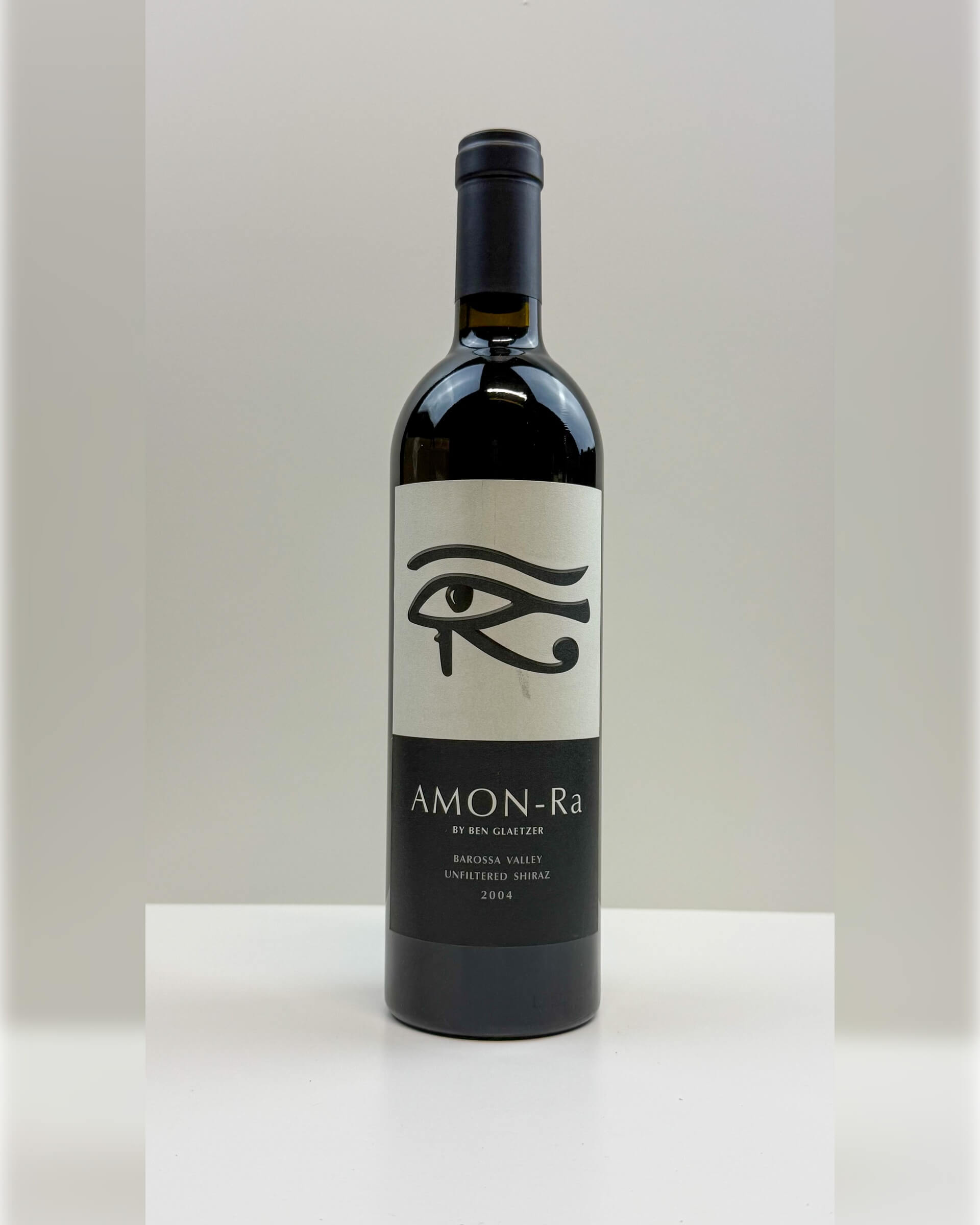
2004
Glaetzer
Wines, producers, regions...
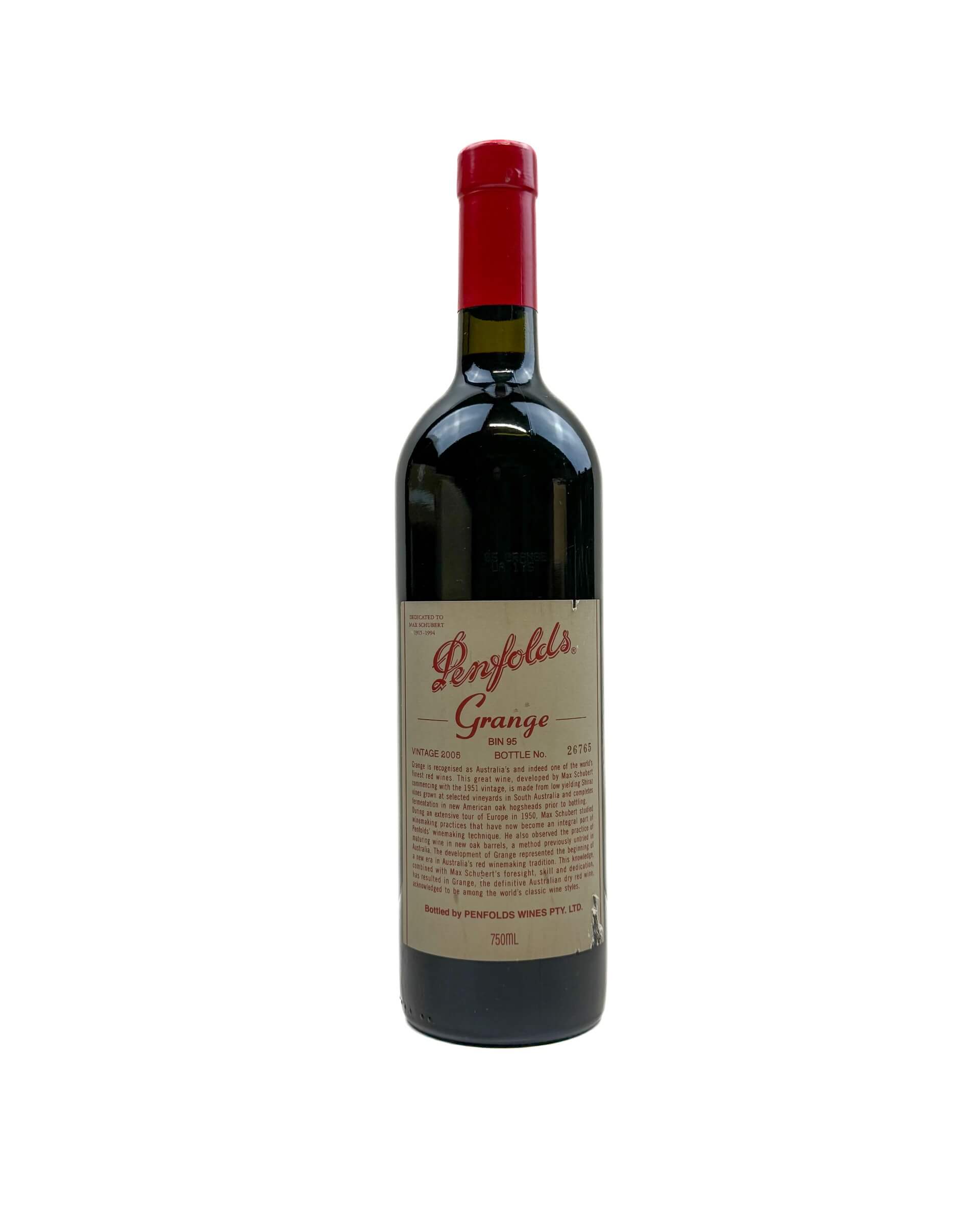
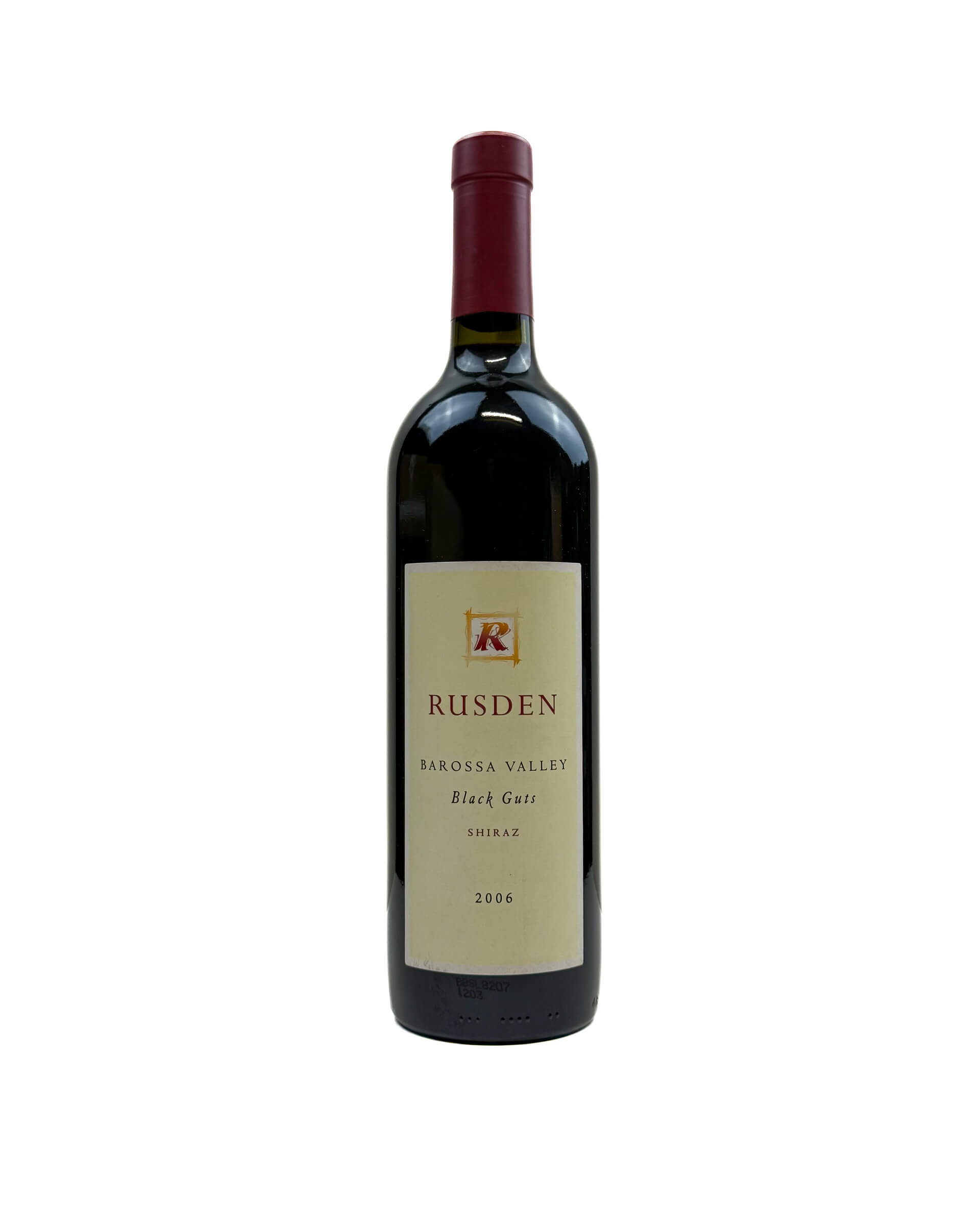
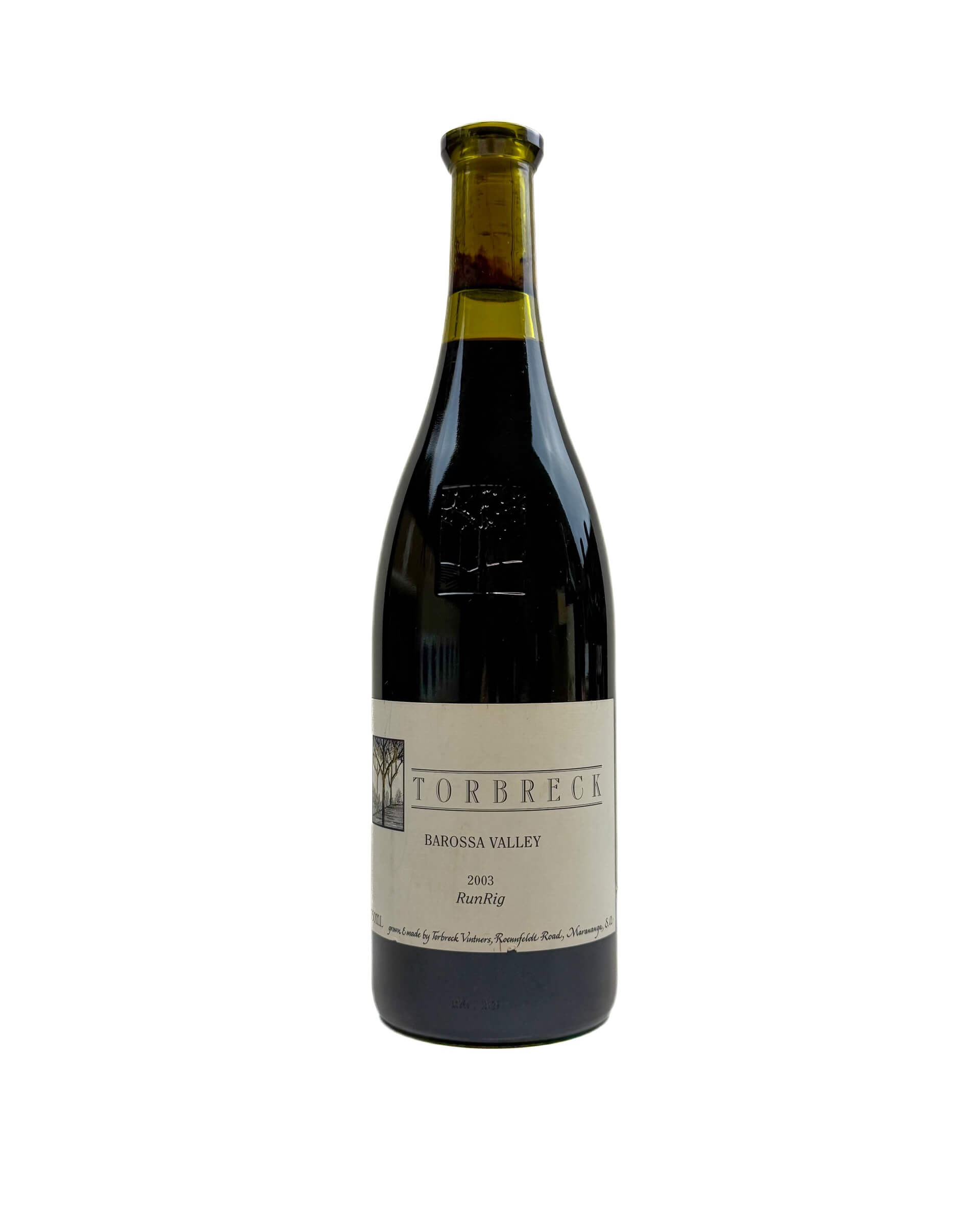
The Barossa Valley is Australia’s most celebrated wine region and the global reference point for Shiraz — a warm, ancient valley in South Australia wines whose pre-phylloxera vine stock sets it apart in world fine wine. Where most great vineyards lost their old vines to the phylloxera louse in the nineteenth century, the Barossa never did, and some of its Shiraz vines have been producing continuously since the 1840s. That unbroken provenance — codified today in the Barossa Old Vine Charter — gives the wines a depth and cellaring potential rooted in measurable vine age rather than reputation alone.
Tour de Wine’s Barossa Valley wine selection is intentionally curated rather than broad: four bottles drawn from the Barossa GI’s finest expressions and chosen through a specialist French fine-wine lens. The curation focuses on the houses that defined the region’s reputation — names such as Penfolds, Henschke, and Torbreck — rather than commercial-volume labels. Prices reflect the collector tier this region commands — the selection starts from around €100, with most bottles at or above €200, and the finest old-vine expressions reaching €350.
The Barossa Valley sits roughly 60 kilometres northeast of Adelaide, a warm, semi-arid basin sheltered by the surrounding ranges. Its soils are ancient and varied — red-brown loam, sandy stretches, and bands of clay — and the long, reliably warm growing season drives full ripeness and concentration into the fruit. This is the climatic foundation of the region’s dense, generous style, and it explains why the Barossa became the benchmark for warm-climate Shiraz worldwide.
The decisive differentiator, however, is biological. The Barossa Valley escaped phylloxera entirely, and as a consequence it holds some of the oldest continuously producing Shiraz vines on the planet — in certain blocks dating to the 1840s and 1850s. These venerable vines crop at very low yields, send their roots deep into the subsoil, and reach a phenological complexity that young plantings simply cannot replicate. The wines they give are irreplaceable: profoundly concentrated, structured for the long haul, and stamped with a provenance no other region can manufacture.
It is also a mistake to treat the Barossa as a single uniform place. The Barossa GI contains two distinct zones — the warm valley floor and the elevated, cooler Eden Valley — and understanding the difference between them is the key to buying the right bottle for your taste and your cellar.
On the valley floor, at roughly 180 to 280 metres of elevation, Shiraz reaches its densest, most powerful expression. Expect deep, opaque colour and aromas of dark plum, blackberry, dark chocolate, leather, and dried spice, framed by firm, polished tannins; the finest examples carry an ageing arc of fifteen to twenty-five years. The region codifies its old-vine heritage through the Barossa Old Vine Charter, which recognises four tiers: Old Vine (35+ years), Survivor Vine (70+ years), Centenarian Vine (100+ years), and Ancestor Vine (125+ years). For a collector this stratification matters directly — older vines yield smaller clusters with more concentrated skins, delivering a flavour intensity and structural complexity that younger-vine material cannot reproduce. It is precisely this provenance that justifies the premium on the top old-vine bottles.
Rising to between 400 and 560 metres, the Eden Valley sits high enough that its cooler nights reshape the wine entirely. Eden Valley Shiraz is markedly more perfumed — violet and white pepper aromatics, brighter acidity, and a leaner, more mineral frame than its valley-floor counterpart. Eden Valley is also the source of some of Australia’s most compelling dry Riesling: steely, citrus-driven, and long-lived, in a style that recalls the Clare Valley and the great dry whites of France. For a buyer who finds the floor’s sheer density too much, the Eden Valley wine is the Barossa GI’s more refined, European-leaning face.
Shiraz is the Barossa Valley’s signature grape and one of the world’s great red wines at the premium tier. The Barossa expression — especially from old-vine material — is full-bodied and generous: dark fruit, mocha, dark spice, and a savoury “meat and earth” quality that sets it apart from the cooler-climate Syrah of the Northern Rhône. Top Barossa Shiraz is built for ten to twenty years of cellaring, gradually unfolding tobacco, leather, truffle, and dried-herb complexity.
The Barossa Valley also holds some of the world’s oldest Grenache and Mourvèdre vines, blended alongside Shiraz in GSM cuvées that rival the finest Châteauneuf-du-Pape in complexity, typically priced well below equivalent old-vine, Grenache-dominant blends from the Southern Rhône. Old-vine Grenache brings bright red-fruit purity and silky texture, Mourvèdre adds savoury, earthy spice, and Shiraz lends spine and depth. For anyone already at home in the Southern Rhône, Barossa GSM is the natural New World counterpart to explore.
Cabernet Sauvignon plays a secondary but important role in the Barossa, both as a rich single varietal — blackcurrant, cedar, tobacco, and firm tannins suited to extended ageing — and as the traditional partner in Shiraz-Cabernet, a distinctly Australian blend with no direct equivalent among the classed-growth reds of Bordeaux, producing wines of real power and longevity.
The density of old-vine Barossa Shiraz calls for dishes of matching weight. It is at its best with prime red meat — rib-eye, rack of lamb, braised short rib, venison — alongside game birds, aged hard cheeses such as mature Comté, Parmigiano-Reggiano, and aged Cheddar, and even dark chocolate above 70% cocoa. Serve it at 17–18°C in a large-bowl Bordeaux glass. Young vintages reward one to two hours of decanting to soften their grip, while older bottles of ten years or more need only 30 to 45 minutes to open without losing their fragile aromatics.
Barossa GSM blends are more food-versatile: lamb shoulder, duck confit, merguez, charcuterie, mushroom-based dishes, and soft-rind cheeses all suit their suppler frame. Serve them a touch cooler, at 16–17°C, with around 30 minutes of air. At €200 to €350 these are occasion wines, and the pairing logic is unforgiving — avoid light fish, sharply acidic sauces, and lean preparations that will clash with the tannin structure rather than flatter it.
The Barossa Valley’s finest wines sit firmly at the collector tier of Australian fine wine, and Tour de Wine’s selection of four bottles is deliberately curated rather than broad — chosen to represent the finest Barossa GI expressions available to a European buyer, not commercial-volume releases. Within that frame it helps to think in two tiers.
The entry tier, from €100, is the way into the curation: still from respected producers, still expressing genuine old-vine Barossa Shiraz character, and the right bottle to open within five to eight years or to pour at a serious dinner where the occasion asks for something well above the everyday. The core and collector tier, around €200 and up to €350, is the heart of the selection. The catalogue median sits at approximately €200 — the producer’s benchmark Barossa expression: concentrated, structured, and built for ten to twenty years of development. The upper end, reaching €350, represents the most limited old-vine and single-vineyard expressions, wines for long-term cellaring and the serious collector’s list.
One vintage note worth carrying into your buying decision: Shiraz from the region’s standout years — 2010, 2012, 2016, and 2019, vintages that combined even ripening with the absence of vintage-spoiling heat spikes — rewards patience significantly. The top expressions should not be opened before eight to ten years unless you intend to decant extensively. The region’s reputation also lets it sit comfortably beside the great Australian appellations across our Australia wines range.
The region is best known for Shiraz — particularly old-vine and ancient-vine Shiraz produced from pre-phylloxera material that is irreplaceable and uniquely Australian. Its old-vine pedigree is formalised through the Barossa Old Vine Charter, established in 2009, which registers vines by age across four tiers from 35 to 125-plus years. The classic profile runs to blackberry, espresso, cured-meat savouriness, and sweet dried spice over a firm tannic frame. The Barossa GI also encompasses the Eden Valley, which produces a more aromatic, cooler-climate Shiraz expression as well as excellent dry Riesling.
Tour de Wine’s Barossa Valley selection starts from around €100 for the most accessible expressions. The majority of the four-bottle curation is priced at or above €200 — the catalogue median — reflecting a focus on benchmark and collector-grade Barossa Shiraz rather than commercial-volume releases. The finest bottles in the selection reach €350, representing old-vine or single-vineyard material from the region’s most respected producers.
Both are the same grape — Shiraz and Syrah are one cultivar — but the two regions produce structurally distinct wines. Northern Rhône Syrah, from appellations such as Hermitage, Crozes-Hermitage, and Cornas, leans cooler-climate: purple fruit, black olive, smoked meat, white pepper, and a mineral, iron-flecked structure underpinned by high natural acidity. Barossa Valley Shiraz favours a warmer-climate profile of denser dark fruit, mocha, dark chocolate, and dried spice, with a rounder tannic structure and more obvious power. Both age magnificently, but the Barossa is typically more approachable early and more overtly rich in fruit weight.
Well-made Barossa Valley Shiraz from a strong vintage can develop for fifteen to twenty-five years in proper cellar conditions. The best old-vine expressions are rarely at their peak before ten years and continue to evolve for two decades or more, as tobacco, leather, truffle, dried herb, and dark earth emerge while the primary fruit integrates. More accessible expressions at the €100 entry point are approachable sooner, from five to eight years. As a rule, the cooler, evenly ripened vintages reward the longest cellaring, while hotter years drink well earlier.
Written by the Tour de Wine buying team. Last reviewed: June 2026.
This site is restricted to adults. By entering, you confirm that you are of legal drinking age in your country of residence.