
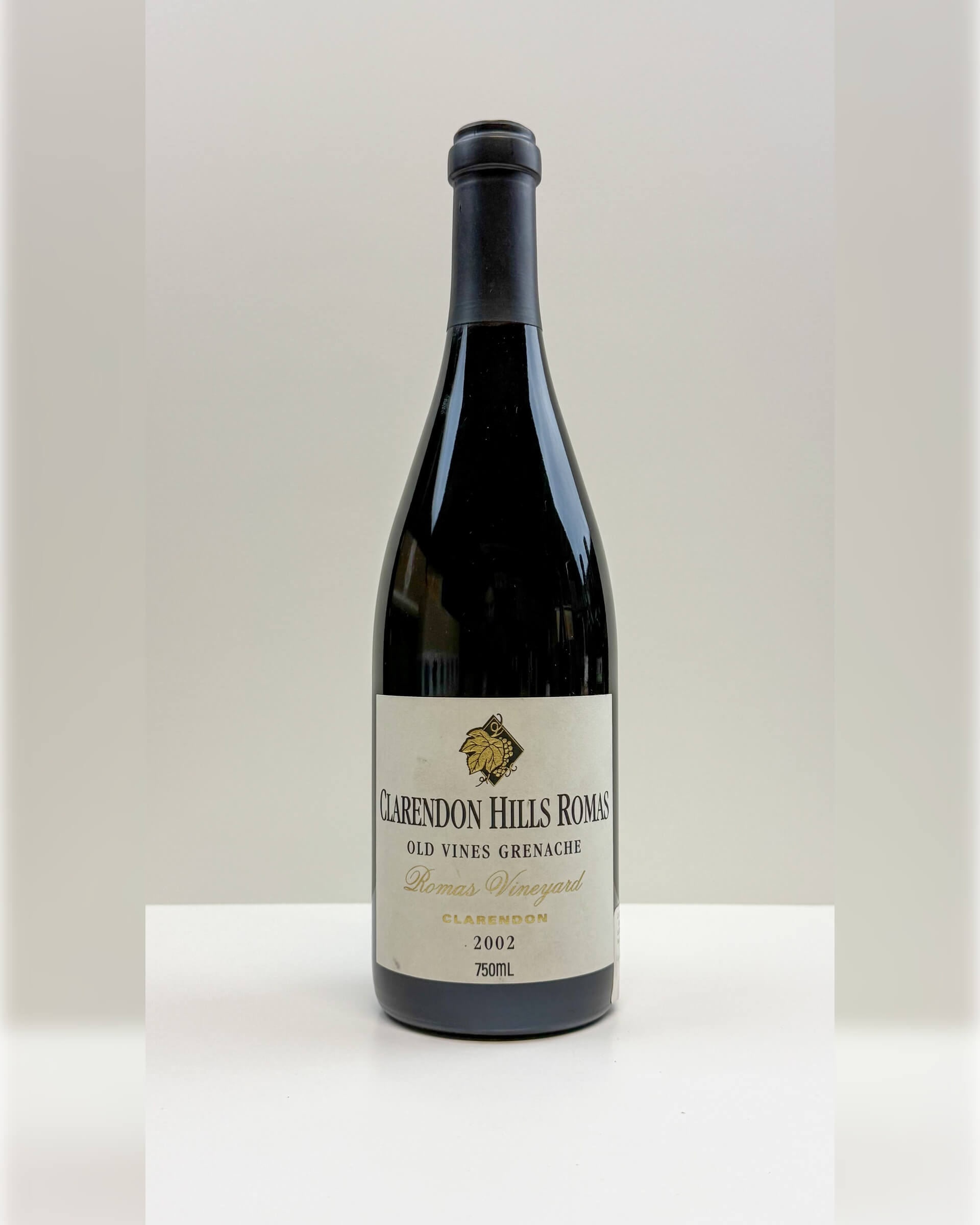
94
0,75
2002
Clarendon Hills
Wines, producers, regions...
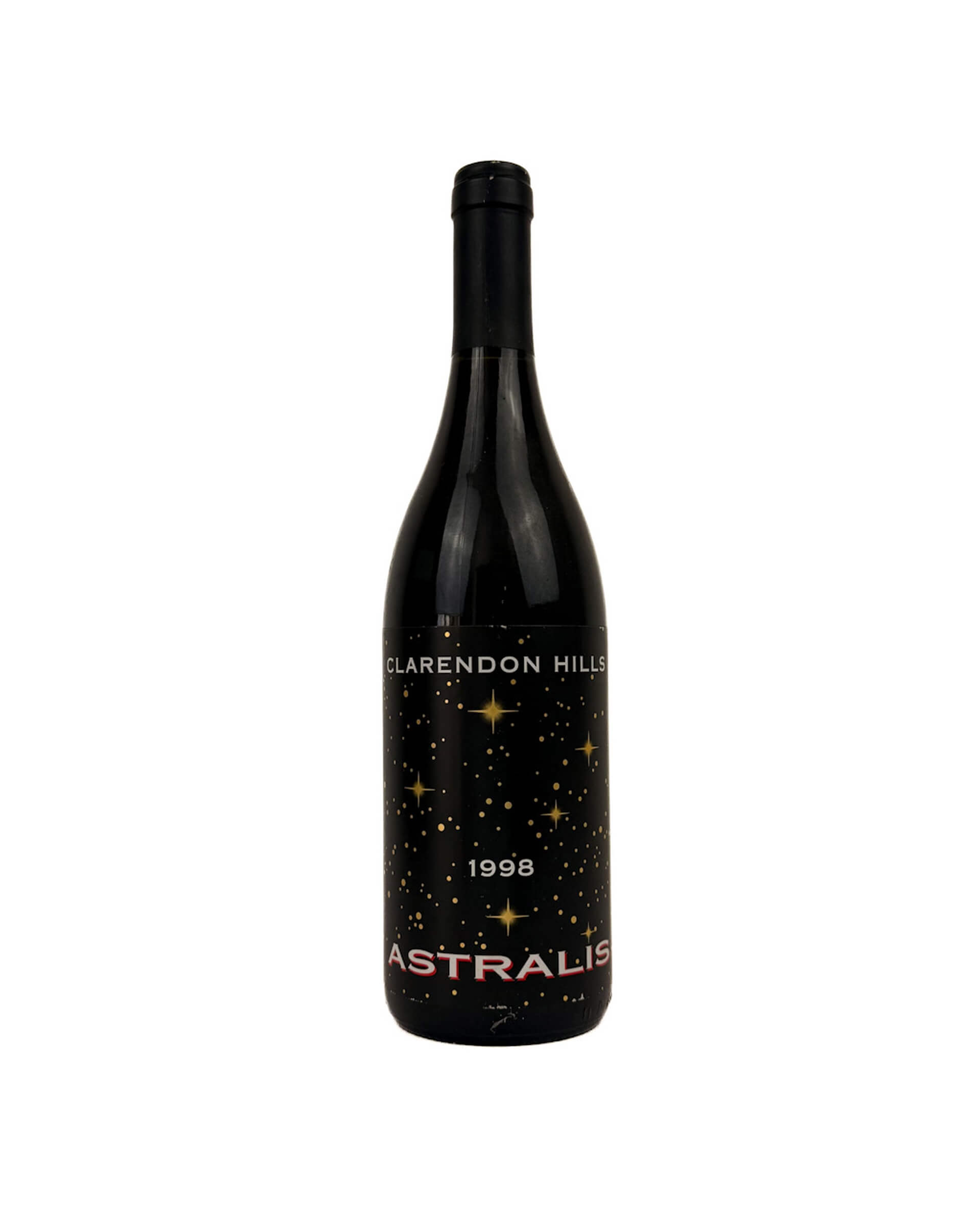
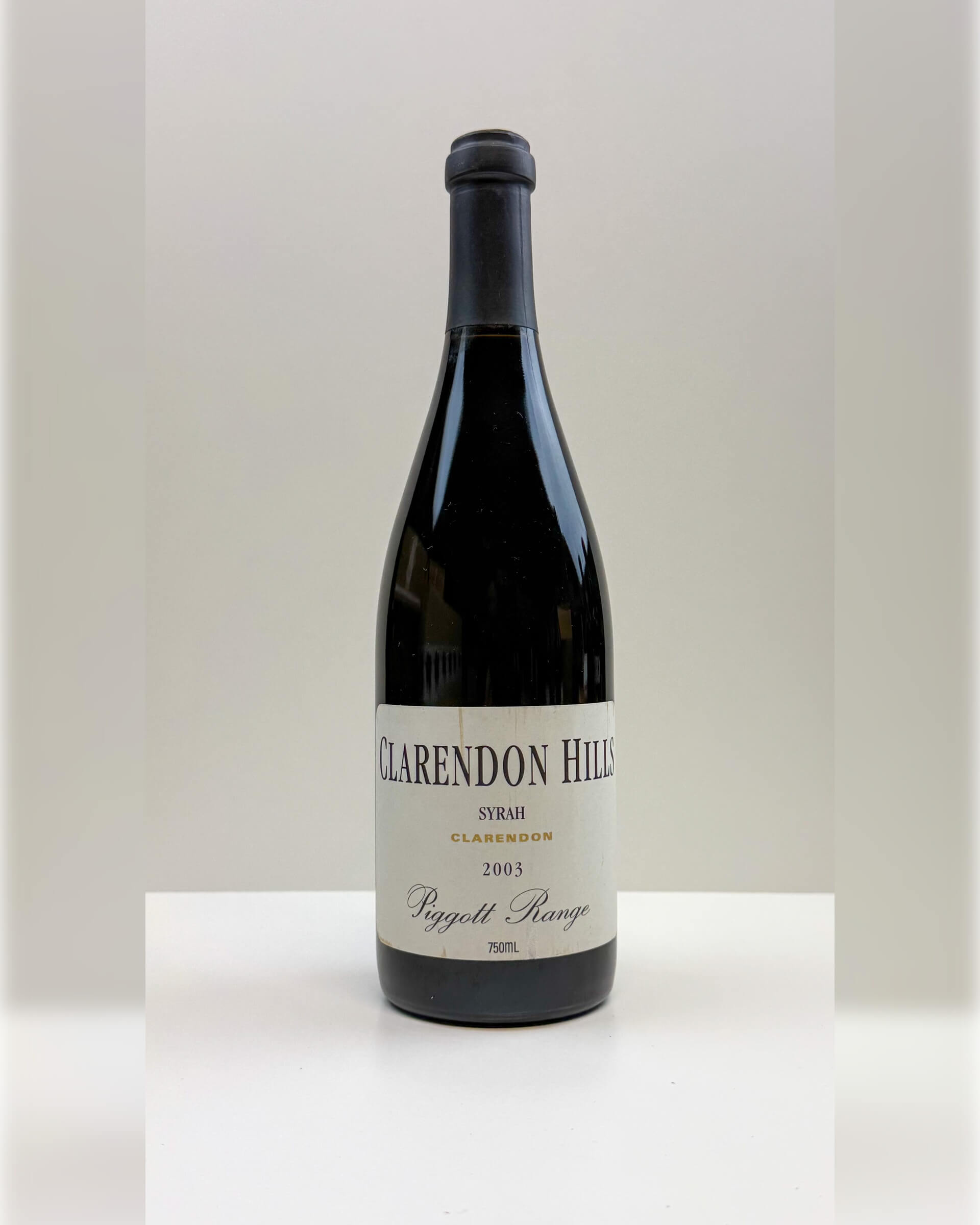
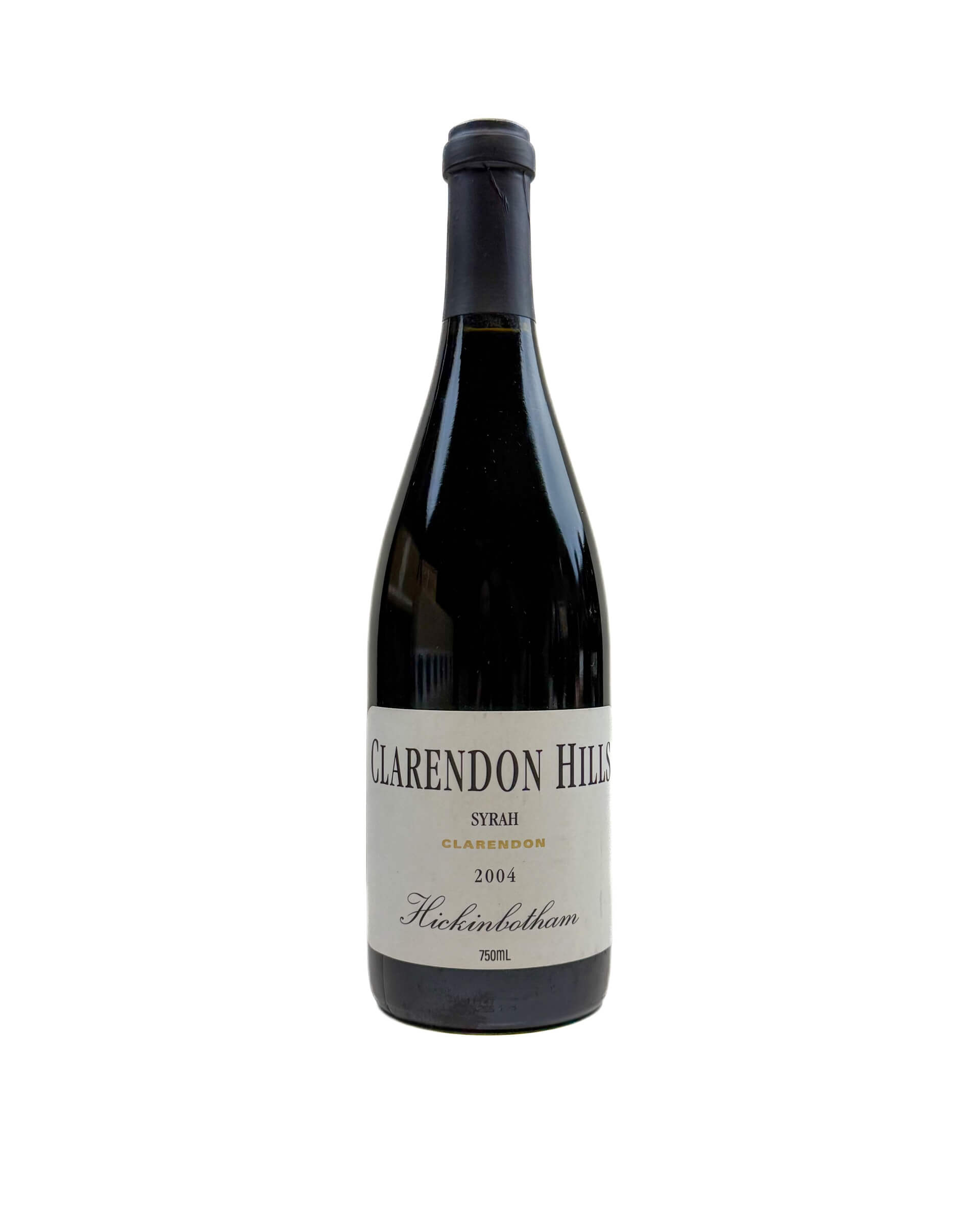
McLaren Vale is South Australia’s most geologically varied appellation, with more than 40 mapped soil types across a single Geographical Indication: a maritime peninsula set roughly 40 km south of Adelaide, where afternoon sea breezes off the Gulf St Vincent temper Mediterranean heat and preserve a freshness the warmer, more continental Barossa Valley cannot replicate. It is a region built on old, ungrafted vines and on a Southern Rhône sensibility expressed in the New World — Grenache and Shiraz that drink with structure, perfume, and length that carries the wine across a decade or more. Within South Australia, no other appellation balances power and freshness quite this way.
At Tour de Wine, our curated four-bottle selection is drawn from the region’s finest expressions, chosen by a specialist French fine-wine team. The range is a collector-grade register rather than casual everyday drinking; the price tiers and what each one buys are set out in detail in the buying section below.
Three factors define the appellation. The first is location. The vineyards sit on the Fleurieu Peninsula, bounded to the west by the Gulf St Vincent, and the cooling afternoon sea breezes that sweep inland moderate daily maximum temperatures and protect natural grape acidity. This maritime moderation is the primary stylistic distinction from the warmer, more continental Barossa Valley a short drive to the north — and it is why the region’s reds retain lift and freshness where other warm-climate Australian wines can feel flat.
The second factor is soil complexity. The GI contains more than 40 distinct soil types across a compact area, from the deep siliceous sands of Blewitt Springs to the red-clay plains around Willunga and the elevated, limestone-influenced soils of Clarendon. This makes it one of Australia’s most geologically varied appellations — and it is the reason two bottles carrying the same regional name, but drawn from different sub-zones, can taste like wines from different countries.
The third factor is vine heritage. Ungrafted Grenache and Shiraz planted by South Australian settlers in the 1850s to 1880s survived because South Australia remained phylloxera-free, protected by geographic isolation and the 1874 quarantine on vine material; the region’s dry-farming conditions have since kept these old vines productive for well over a century, yielding naturally low crops of intensely concentrated fruit. For a buyer seeking premium Australian wine with real terroir complexity and a European stylistic sensibility, this is the correct starting point — and a natural step on from the classics of Australia more broadly.
Because the region’s geology shifts so dramatically within a few kilometres, the most useful way to choose a bottle is by sub-zone. The same grape variety speaks in three different voices across the appellation, and understanding that key turns a confusing shelf of labels into a precise buying decision.
Blewitt Springs rests on deep marine-origin siliceous sands that reach up to 15 metres. The free drainage and low fertility force vines to root deeply, and old-vine Grenache here — typically 80 to 110 years of age — produces wines of surprising delicacy: pale ruby in colour, with aromas of dried rose, sour cherry, pomegranate, and white pepper, silk-fine tannins, and a bright acid line that supports 10 to 15 years in bottle. The profile sits closer to a great Pinot Noir than to a warm-climate red, yet remains unmistakably Grenache, and it is the local style most directly comparable to the finest Grenache of Châteauneuf-du-Pape.
Clarendon climbs to between 200 and 300 metres on the north-eastern edge of the appellation, where cooler nights and limestone-schist soils deliver a markedly different result. Cabernet Sauvignon here is structured, precise, and fine rather than broad — cassis, cedar, and dried herb framed by firm but polished tannins. GSM blends from Clarendon show an aromatic complexity and tension rare for the region, appealing to buyers familiar with Crozes-Hermitage or mid-weight Rhône reds. The comparative freshness of this sub-zone makes its wines among the most age-worthy in the GI.
The central plain around Willunga sits on heavy red-brown clay soils that hold heat and moisture, producing the region’s most opulent and structured Shiraz. Expect deep ruby-black colour, aromas of blackberry, dark plum, dark chocolate, and black pepper, and a dense tannic frame that softens over eight to fifteen years in bottle. This is where the wines most closely approach Barossa Valley in weight and power, yet retains a coastal freshness that keeps the wine from feeling overripe — an ideal cellar acquisition at a meaningful price point.
Grenache is the region’s signature variety, grown here since the 1860s on ungrafted vines that have never known phylloxera. Its style varies meaningfully by sub-zone: Blewitt Springs gives a translucent, floral, high-acid Grenache built for ten to fifteen years of ageing, while the plain soils deliver a richer, more generous expression. For anyone who loves the Southern Rhône, the old-vine Grenache here is the most credible New World equivalent to the finest Grenache-dominant Châteauneuf-du-Pape — a parallel critics such as Jancis Robinson and Andrew Jefford have drawn repeatedly — distinguished by a maritime freshness that sets it apart from warm-climate peers. Drinkers of old-vine European reds and fine Burgundy alike will recognise the same emphasis on perfume and translucency over sheer weight.
Shiraz is the second defining variety, producing wines richer and more opulent than Northern Rhône Syrah, yet shaped by maritime cooling into a more structured style than Barossa Valley Shiraz. Expect dark fruit — blackberry and dark plum — with dark chocolate, black pepper, and spice, and tannins that are dense in youth before resolving into complexity across ten to twenty years in the best examples. At the €200 tier these are collector-grade wines, not early-drinking restaurant pours.
GSM (Grenache-Shiraz-Mourvèdre) is the region’s signature blend, directly analogous to the Grenache-Syrah-Mourvèdre assemblages of the Southern Rhône. Mourvèdre — known locally as Mataro — adds tannin structure, garrigue, leather, and spice that extend the ageing arc beyond what Grenache or Shiraz achieve alone. A well-made old-vine GSM from here is among the most compelling value propositions in premium Australian wine. For buyers already at home with Rhône assemblages, this is the natural entry point. These are, almost without exception, serious red wines for the cellar.
Cabernet Sauvignon, concentrated in Clarendon and the cooler elevated sectors, is a seldom-discussed but rewarding local style: finer and more European in character than the broad generosity of Coonawarra or Margaret River Cabernet, with cassis, dried herb, and cedar cut through by the sub-zone’s limestone-influenced acid structure.
Because the appellation spans such different styles, pairing is best organised by wine type rather than by a single regional rule.
As a rule, the region’s reds almost universally benefit from decanting — even older vintages tend to open progressively rather than fade. Old-vine Grenache can be served at the cooler end of the range, around 15–16 °C, to express its aromatic delicacy, while Willunga Shiraz needs the warmer end of the window to release its tannic structure.
At Tour de Wine, our four-bottle selection starts from around €90 — already a serious Grenache or Shiraz from an established producer expressing the region’s maritime character in full. The houses we stock include Yangarra Estate, the Fleurieu’s leading biodynamic specialist in old-bush-vine Grenache from the Blewitt Springs high country, and d’Arenberg, the historic McLaren Flat estate whose dry-grown Shiraz and GSM have defined the region’s identity for over a century. These entry expressions are not introductory in any apologetic sense: at €90 this is serious wine from one of Australia’s most distinctive appellations, appropriate for a special dinner or as a cellar-building starting point.
The majority of our selection sits near the €200 median, where the most complete expressions are found — old-vine single-vineyard cuvées from Blewitt Springs or Clarendon, GSM blends of collector calibre, and Shiraz built for fifteen years or more of ageing. The finest bottles in our selection reach €220, representing exceptional cuvées from named houses such as Bekkers — the small-production Shiraz and Grenache estate run by viticulturist Toby Bekkers and Burgundy-trained winemaker Emmanuelle Bekkers — or outstanding vintages. At this level the wines compete directly with the finest Southern Rhône reds in global quality terms.
To explore the wider context, browse the full Australia catalogue, or step back up to the South Australia hub where the region sits alongside its neighbouring appellations.
Both are South Australia’s leading wine regions and both excel at Shiraz, but their identities are distinct. Barossa Valley is warmer and more continental, producing dense, powerful Shiraz from some of the world’s oldest ungrafted vines. The coastal appellation receives cooling sea breezes from the Gulf St Vincent that preserve freshness and natural acidity, and it produces world-class old-vine Grenache — a variety Barossa does not match at the same level. The stylistic gap is wide enough to treat them as separate buying decisions.
Yes — old-vine Grenache from Blewitt Springs is among the finest expressions of the variety outside the Southern Rhône, with translucent colour, floral aromatics, sour cherry fruit, fine tannins, and ageing potential of 10 to 15 years in bottle. On deep siliceous sands, with vines aged 80 to 110 years, yields fall to roughly two tonnes per hectare and the concentration is inherent. At Tour de Wine the Grenache starts from around €90, with the most complete cuvées near €200.
Beyond the style-by-style pairings above, one regional combination is worth singling out: a mature Blewitt Springs Grenache from a cooler vintage such as 2017 or 2021, served alongside a 24-month Ossau-Iraty AOP with black-cherry jam, where the sheep’s-milk richness and the wine’s sour-cherry acidity meet without either overwhelming the other. As a general rule every style benefits from decanting — even 20 to 30 minutes can transform a closed young wine into something generous and expressive.
The comparison is legitimate and frequently drawn by wine professionals. Both are Grenache-dominant blends from Mediterranean-influenced warm climates, with Mourvèdre — Mataro in Australia — providing structure and aromatic complexity. The Australian blend tends to show more direct fruit generosity and a slightly softer tannic frame, while Châteauneuf-du-Pape typically carries greater mineral austerity. For a buyer who loves Southern Rhône reds, a well-made example is a rewarding and considerably more affordable entry point.
Written by the Tour de Wine buying team. Last reviewed: June 2026.
This site is restricted to adults. By entering, you confirm that you are of legal drinking age in your country of residence.