
84
0,75
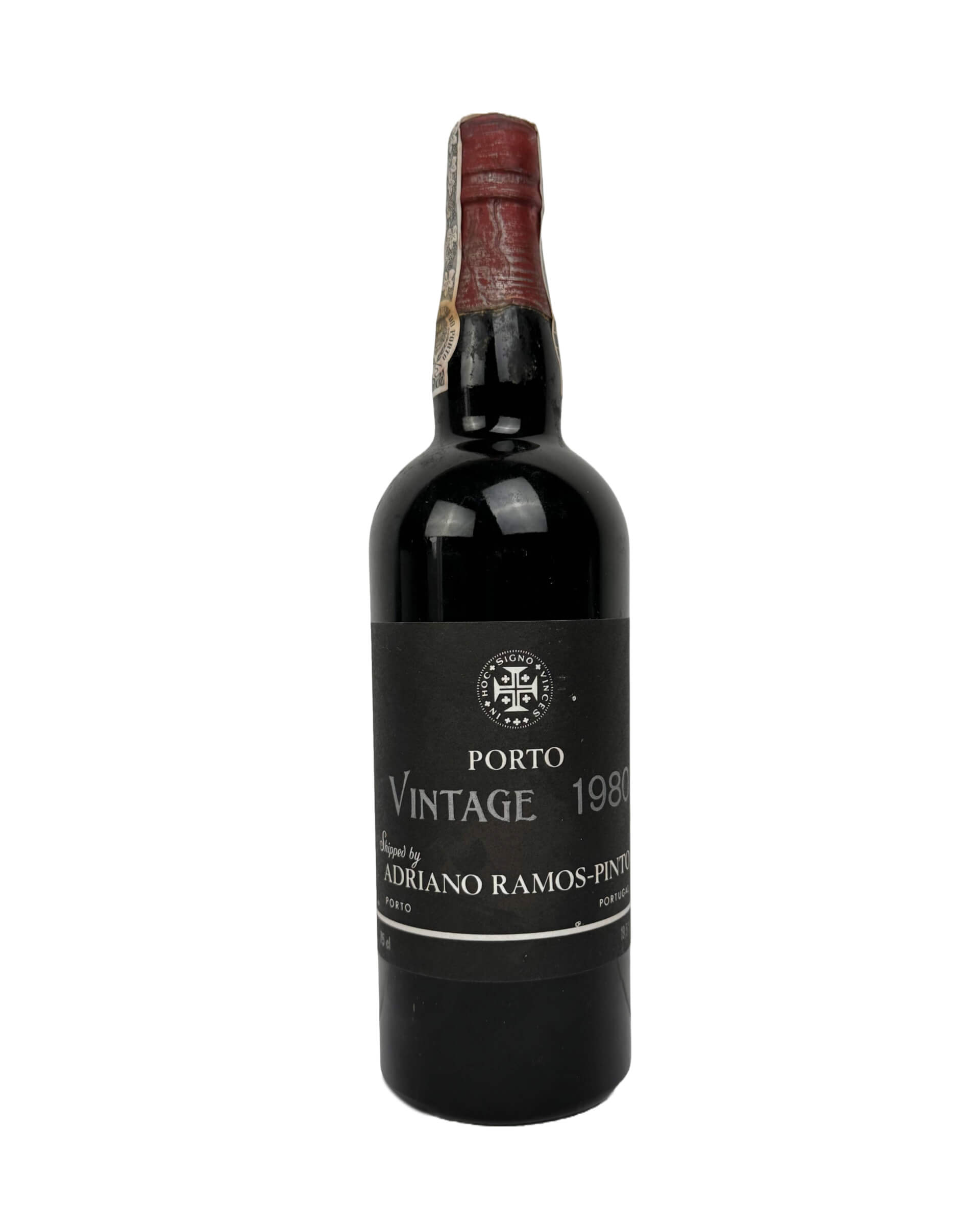
1980
Adriano Ramos-Pinto
Wines, producers, regions...
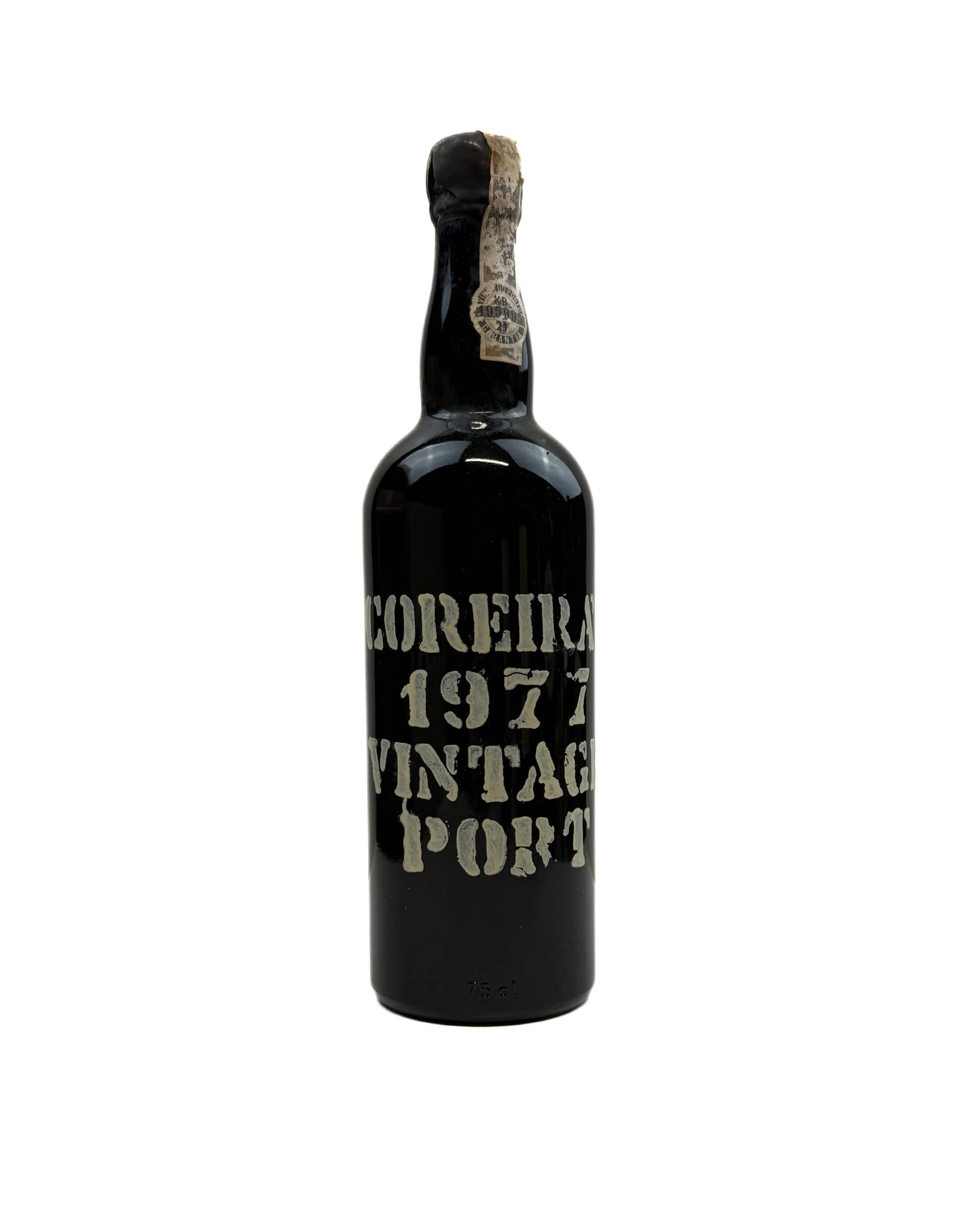
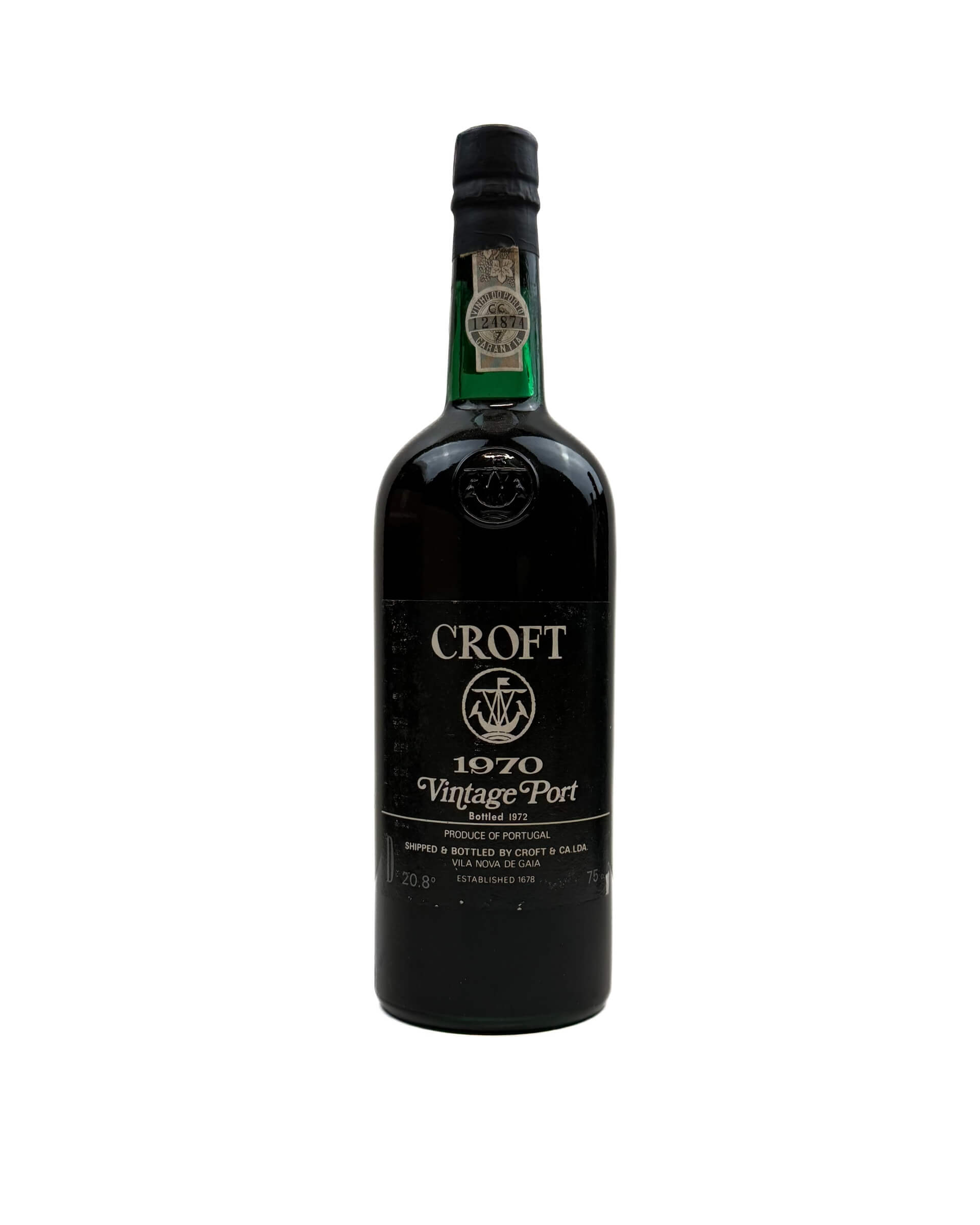
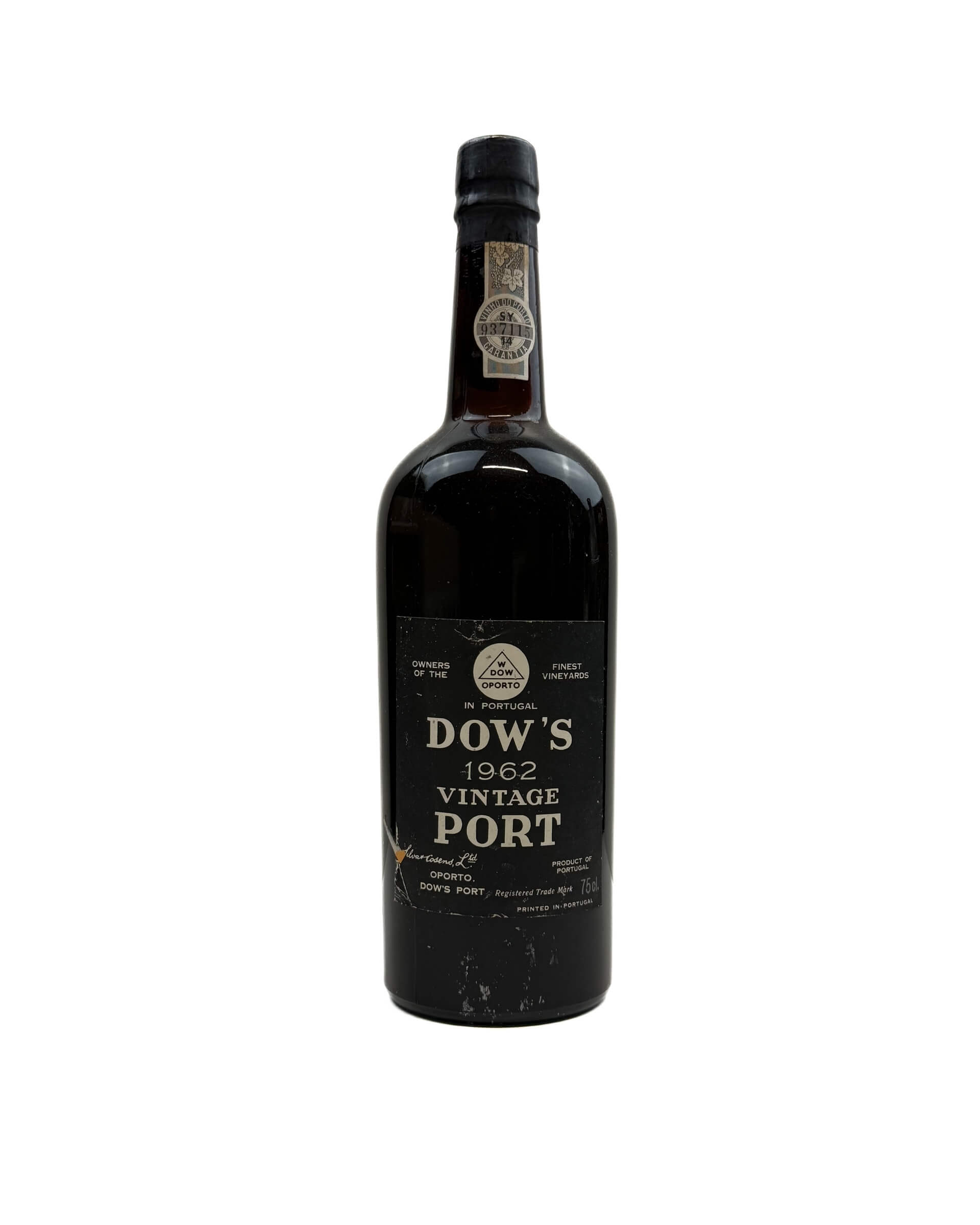
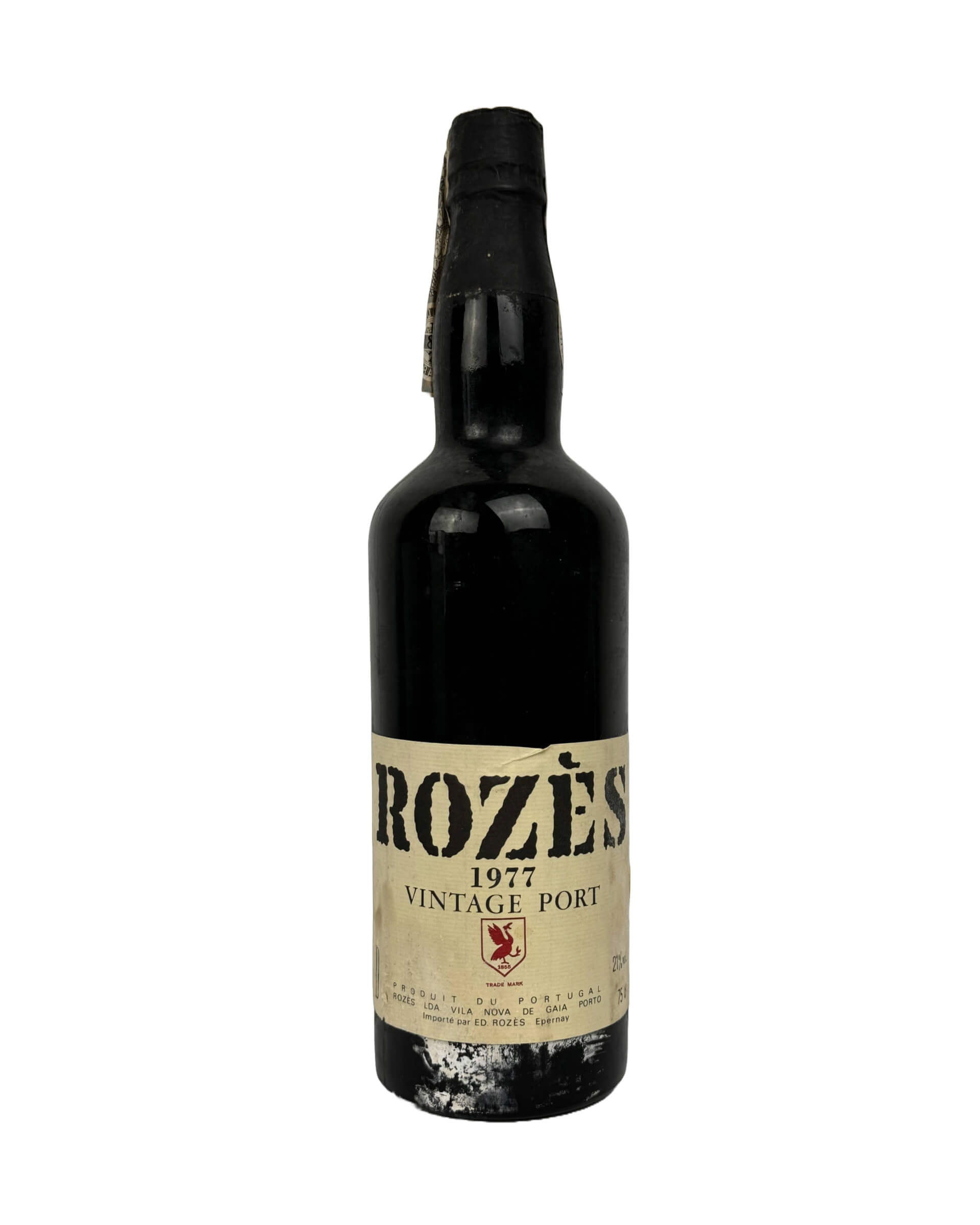
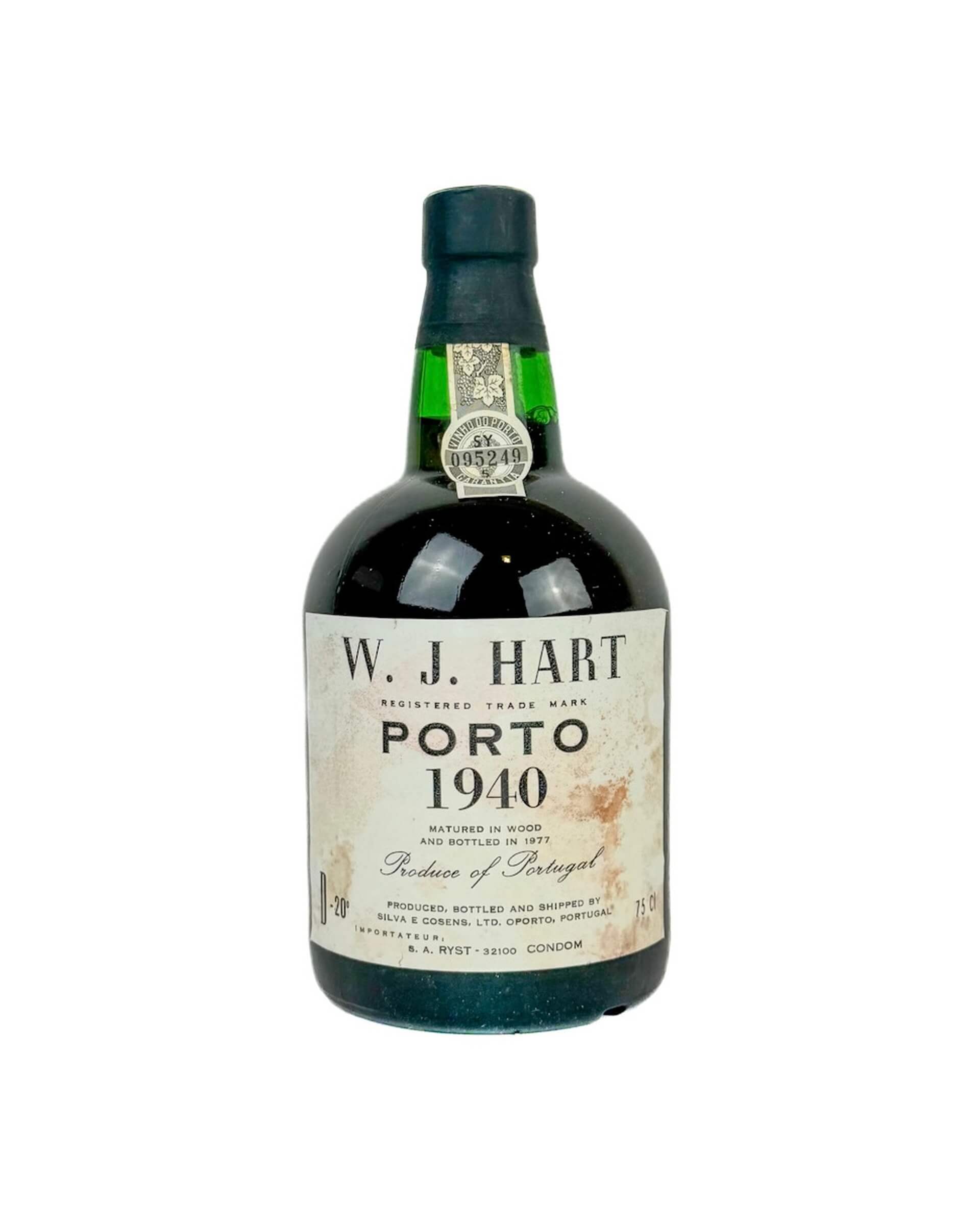
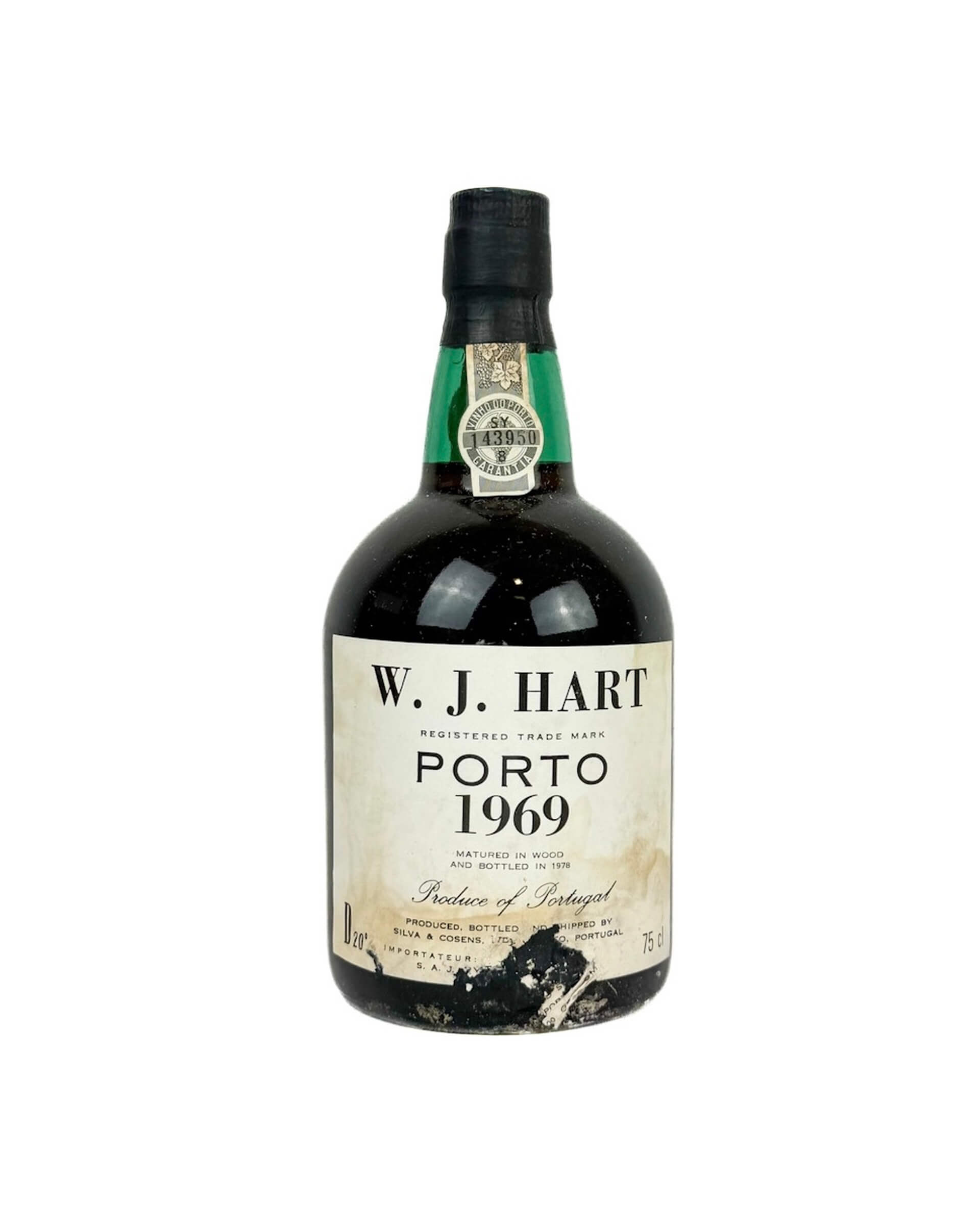
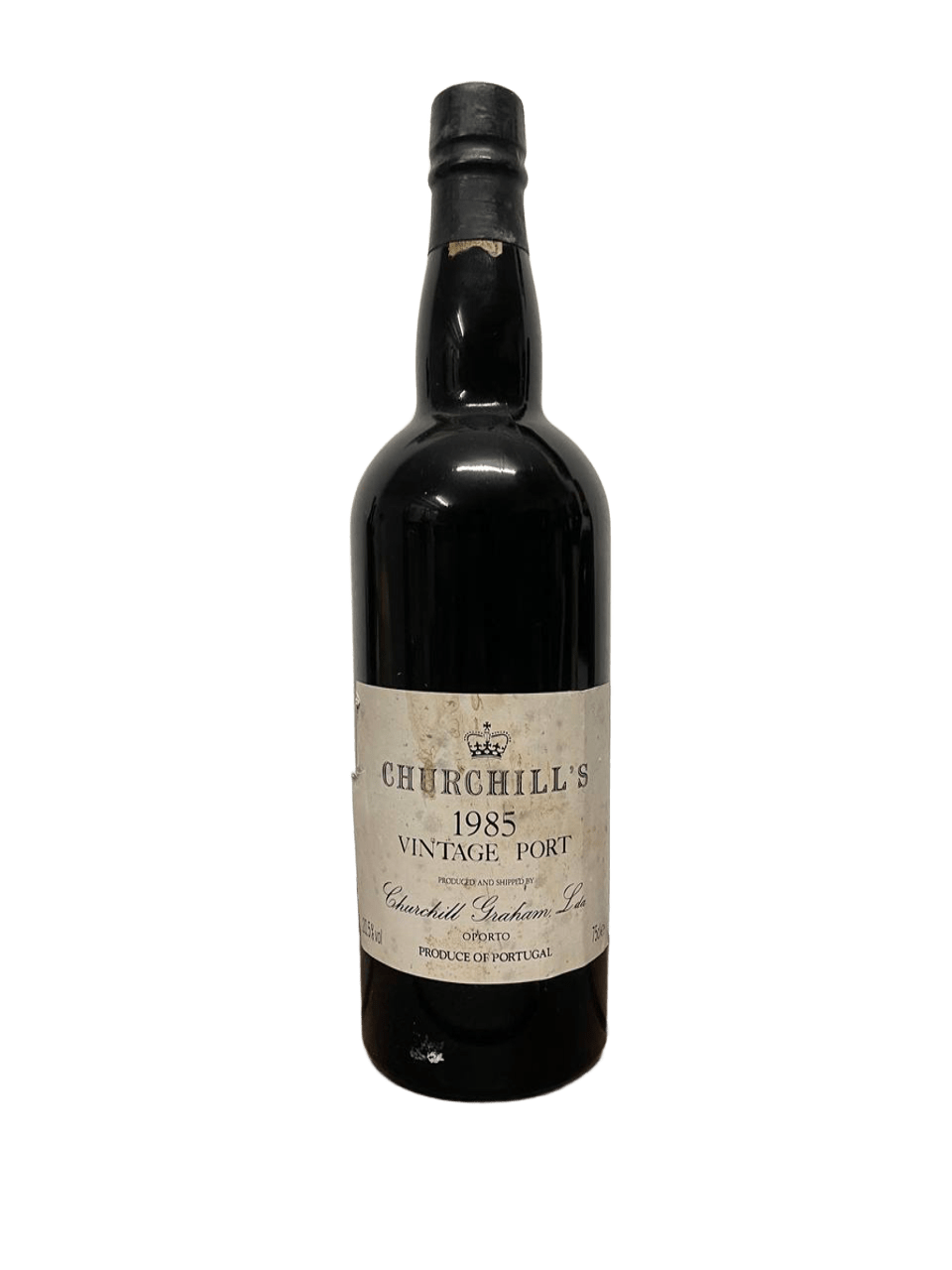
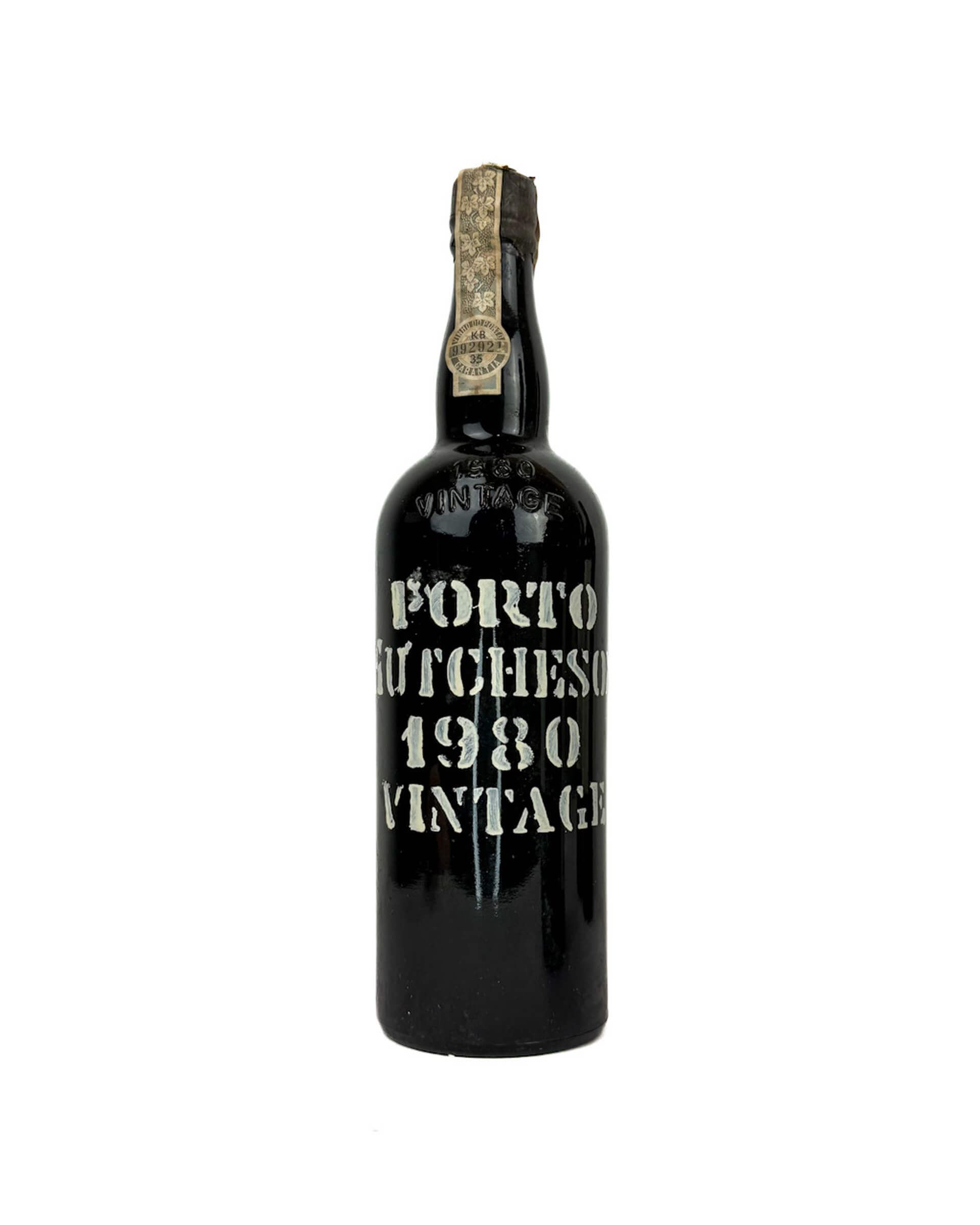
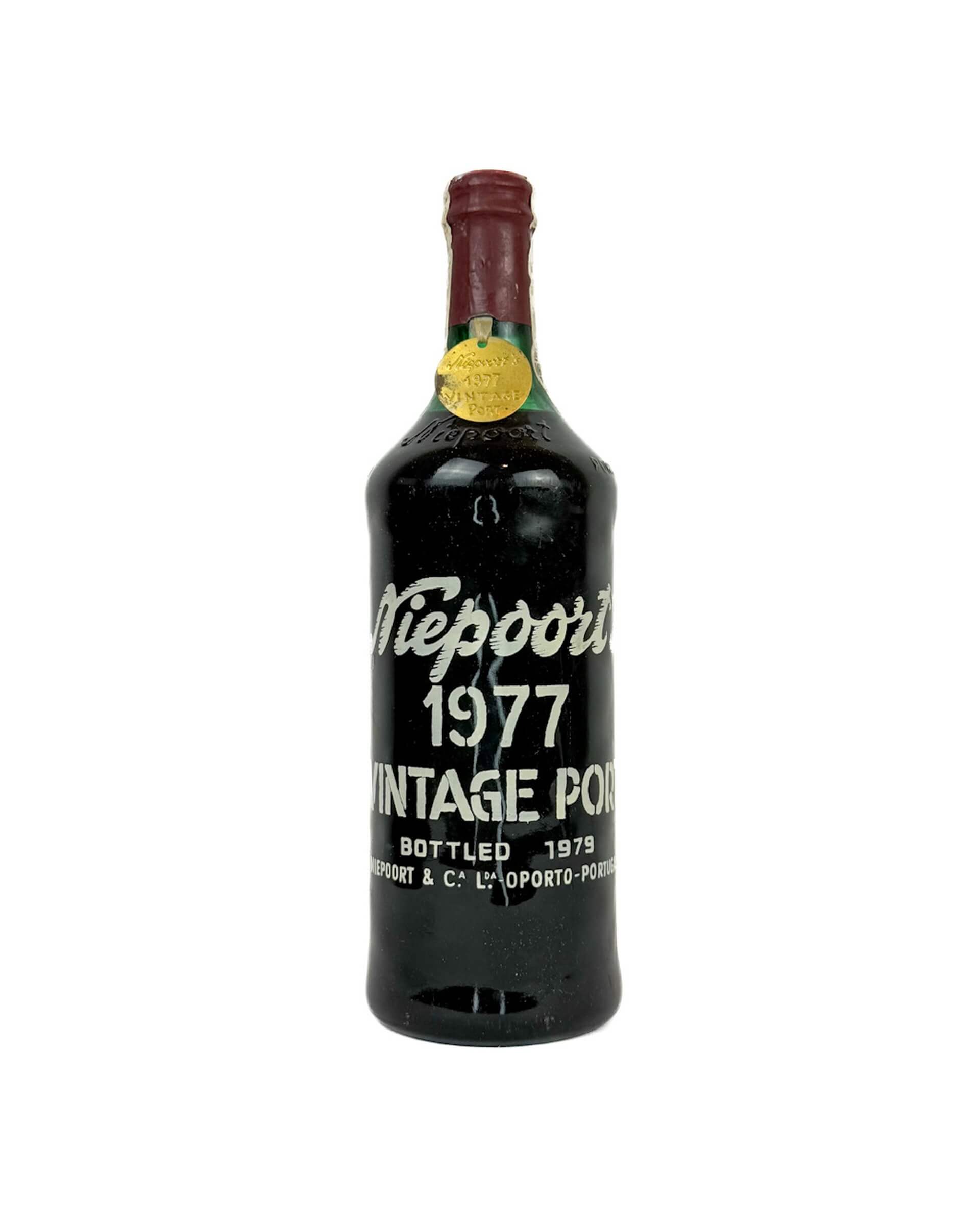
Douro wine is one of the most compelling stories in European fine wine: a single, vertiginous river valley in northeast Portugal that produces both the world’s most celebrated fortified wine, Port, and a fast-emerging portfolio of structured, age-worthy dry reds. Carved out of slate by the Douro river and farmed on hand-built terraces, the valley delivers wines of deep, schist-driven concentration; its standout 2017 and 2019 vintages produced some of the longest-lived dry reds the region has made. For anyone exploring Portuguese red wine seriously, the Douro is the place where ambition, indigenous grapes, and dramatic terroir meet.
At Tour de Wine, our selection focuses on the region’s finest dry Douro Valley wine — estate-bottled reds built for the table and the cellar — while our Porto wines category covers Port and fortified styles separately. The range runs from around €100 at entry, with most bottles near €175, and up to €400 for the rarest cuvées. The Douro sits within our wider Portugal wines collection, part of the full wine catalogue.
The Douro is a roughly 250-kilometre river valley running through the mountainous northeast of Portugal. The valley’s cooler, Atlantic-influenced western edge begins around Mesão Frio and reaches back toward the hot, arid country near the Spanish border. The river rises in Spain as the Duero — flowing through Ribera del Duero — before crossing into Portugal, where it becomes the Douro and runs west to the Atlantic at Porto; the two great Iberian river wine regions share the same waterway, though their grapes and styles are entirely distinct. The Douro was also the world’s first demarcated and regulated wine region, formally delimited in 1756, a heritage that still anchors its identity today.
The Denominação de Origem Controlada (DOC) recognises three sub-zones, and each tells you something useful about a bottle before you taste it. Baixo Corgo, the western and downstream zone, is the coolest and wettest, the most productive area for white wine and lighter, earlier-drinking reds. Cima Corgo, the central heart, is the prestige zone: it is home to most of the great quintas and Port lodges, and its concentrated, structured reds carry the longest ageing potential. Douro Superior, in the east, is the hottest and driest sub-zone — historically planted for Port but increasingly prized for intense, powerful dry reds as investment in single-quinta viticulture rises.
What unites all three is schist (xisto): thin, poor, well-drained slate soil that forces vine roots deep in search of water, suppressing yields and concentrating fruit. The landscape of terraced vineyards, or socalcos, carved into these schist slopes was designated a UNESCO World Heritage Site in 2001 — a recognition of both its cultural significance and the sheer human effort behind every vine.
Until the 1980s, the Douro was known almost exclusively as the source of grapes for Port. The finest single-quinta dry reds were largely consumed within Portugal and rarely reached international markets. The revolution began when a small group of estate owners started vinifying their best parcels as unfortified dry reds rather than selling the fruit to Port shippers. The Roquette family at Quinta do Crasto, Dirk Niepoort at Niepoort, and the Ferreira and Sogrape lineage were among the names that proved the Douro could make serious dry wine, not just fortified wine.
The result was effectively a new category: structured, long-ageing dry wines made from the same ancient varieties that produce the finest vintage Port, but fermented to dryness and matured in French oak. Quinta do Crasto’s Vinha da Ponte, for example, regularly draws scores of 95+ points from major critics — the kind of single-vineyard pedigree that put the category on collectors’ radar. In our buying experience, the best Cima Corgo Reservas compare favourably with mid-tier Bordeaux on concentration and cellaring potential. This is the heart of our selection — dry Douro red wine built for food and the cellar. Port and fortified styles remain a distinct world, and you will find them gathered in our Porto wines category.
The Douro’s quality rests on a quintet of indigenous red varieties, each playing a defined role in the blend. Understanding them is the single most useful buying signal for an enthusiast investing in a serious bottle.
The prestige variety. Small-berried and low-yielding, it is intensely aromatic — violets, blackberry, dark stone fruit — and produces the most structured and age-worthy reds in the valley. It is the dominant grape in vintage Port and in the finest single-quinta dry reds, commanding the highest planting and winemaking attention. A great Touriga Nacional-led Douro wine can comfortably age for twenty years or more.
The most widely planted variety in the Douro. Broader, more perfumed, and more immediately approachable than Touriga Nacional, it is a key blending component in both Port and dry reds. It rounds out the austere backbone of Nacional with generous, fragrant fruit and lends mid-palate breadth to a finished blend.
The Douro’s name for Tempranillo — the same grape that defines Ribera del Duero across the border in Spain. It adds spice, body, and dark cherry fruit, ripens reliably, and lends approachability when a wine is young. It appears frequently in entry- to mid-tier blends and bridges the Douro to the wider Iberian fine-wine conversation.
Full-bodied and round, ripening early and traditionally planted on the valley’s lower, warmer slopes for Port production. At higher altitude it over-ripens and loses freshness, which is why it features less in prestige single-quinta reds. It contributes softness and ripe fruit, filling out the mid-palate of a blend and adding an immediate, fleshy generosity that complements the firmer varieties around it.
Rare, complex, and late-ripening, capable of wines of notable complexity and longevity. Its low yields make it commercially challenging, so its presence in a blend is a marker of ambitious, traditional viticulture. Note too that Douro DOC rules permit white wine from varieties such as Rabigato, Viosinho, Gouveio, and Malvasia Fina — a growing category of aromatic, mineral dry whites — though our selection centres on reds.
A quinta (literally “farm”) in the Douro context means an estate with its own vineyards, winery, and bottling facility — the Portuguese equivalent of a Bordeaux château. A single-quinta bottling carries the name of the property and expresses a specific terroir rather than a regional blend. This matters because the Douro’s schist terroir varies dramatically across the valley: altitude, aspect, sub-zone, vine age, and soil depth all produce measurably different wines even within the same appellation.
Names worth knowing include Quinta do Crasto, one of Portugal’s most awarded estates in the Cima Corgo; Quinta do Vallado, an organically minded Cima Corgo property with an old-vine emphasis; Niepoort and its Quinta do Nápoles, an international reference point for Portuguese wine excellence; and Quinta da Romaneira, a very large Douro Superior estate known for premium single-quinta reds. Our selection prioritises estate-bottled wines from quintas in the Cima Corgo — the heart of the Douro’s finest terroir — and you can explore our Porto wines to see how the dry and fortified styles relate.
Tour de Wine’s Douro selection runs from around €100 at entry, with most bottles near €175, and up to €400 for rare cuvées. Here is what to expect at each tier, with honest serving guidance.
Douro wines in our catalogue begin from around €100. At this tier, expect well-composed blends of Touriga Nacional, Touriga Franca, and Tinta Roriz from good quintas, matured in a mix of French and Portuguese oak, or in stainless steel for freshness. These are genuine drinking wines — a world away from supermarket blends — that reward three to eight years of cellaring and a thirty-to-forty-five-minute decant before serving.
The median price across our Douro selection is near €175. Here you are looking at Reserva and single-quinta selections from top Cima Corgo estates: higher Touriga Nacional concentration, extended maceration, and twelve to eighteen months in French oak. These wines have the structure to develop over ten to twenty years and stand comfortably alongside good Bordeaux for gifting or laying down. For current cellaring the 2017 and 2019 vintages are the standouts; 2021 is a promising, more approachable style that drinks well earlier.
The upper end of the catalogue reaches €400 for the finest, most limited single-quinta and old-vine bottlings — concentrated wines with twenty years or more of potential from some of the Douro’s most carefully tended parcels. At this level the wine is as age-worthy as a classified Bordeaux growth and deserves the same patience: decant for one to two hours if drinking young, or cellar for a decade.
Serving guidance: all Douro reds show best at 16–18°C. Young, tannic examples under eight years old benefit from forty-five to ninety minutes of decanting, while older vintages of fifteen years or more should be decanted carefully — or poured straight from the bottle — to preserve their sediment. For broader context, browse our full red wine selection or compare the Douro against classic Bordeaux for concentration and age-worthiness.
The tannic backbone and dense dark-fruit character of Douro red wine make it a natural partner for robust, savoury cooking. Our buyers have found the following pairings work consistently across the estates in this selection:
Both come from the same Douro Valley DOC and are made from the same indigenous grapes — Touriga Nacional, Touriga Franca, Tinta Roriz, and others. The fundamental difference is fermentation. Port is a fortified wine: grape spirit (aguardente) is added part-way through fermentation to halt the process and preserve natural sweetness. Douro table wine is fermented fully to dryness, with no added spirit. Douro reds are dry, full-bodied wines for food; Port is a sweet, higher-alcohol wine for dessert or aperitif. Our Douro category covers dry table wines, while Port and fortified styles are listed separately under Porto.
Touriga Nacional is widely regarded as the Douro’s prestige variety, contributing intense aromatics, deep colour, powerful tannin, and exceptional ageing potential, and it draws the highest critical attention. That said, the finest Douro wines are often blends: Touriga Nacional supplies structure and perfume, Touriga Franca adds generosity and breadth, and Tinta Roriz brings spice and approachability. Single-varietal Touriga Nacional bottlings exist and can be extraordinary, but a well-composed blend from a top quinta can rival or surpass them in complexity and balance.
Entry-level Douro reds from good quintas usually drink well from three to eight years after the vintage. Reserva and single-quinta selections from top Cima Corgo estates are built for ten to twenty years of development. The very finest bottlings — concentrated old-vine selections from the Cima Corgo or Douro Superior — can evolve for twenty-five to thirty years or more, comparable to a classified Bordeaux or a great Barolo. Our catalogue spans from around €100 for earlier drinking to €400 for long-term cellaring.
The Douro’s dry-wine revolution is recent — it took shape only in the 1980s and 1990s — and international collector awareness has not yet fully priced in the region’s quality. Wines that rival mid-tier Bordeaux or Ribera del Duero in concentration, structure, and age-worthiness are still available for considerably less. In our buying experience, a Cima Corgo Reserva at our roughly €175 median sits at a similar critic score to a Pauillac trading at close to twice that — a gap we see first-hand each time we restock. That gap is real, and as critics and collectors pay greater attention to Portugal we expect it to narrow.
Written by the Tour de Wine buying team. Last reviewed: June 2026.
This site is restricted to adults. By entering, you confirm that you are of legal drinking age in your country of residence.