
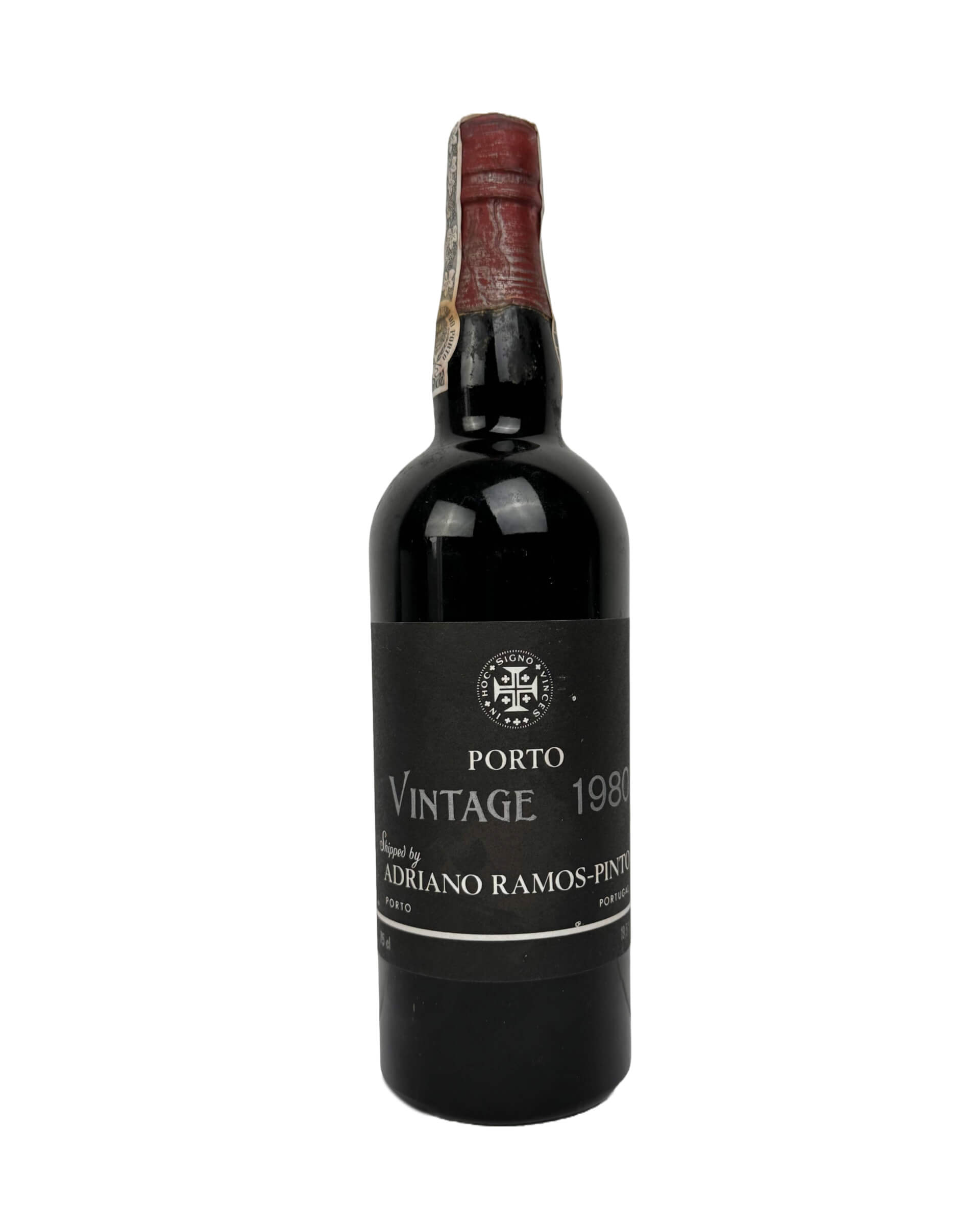
84
0,75
1980
Adriano Ramos-Pinto
Wines, producers, regions...
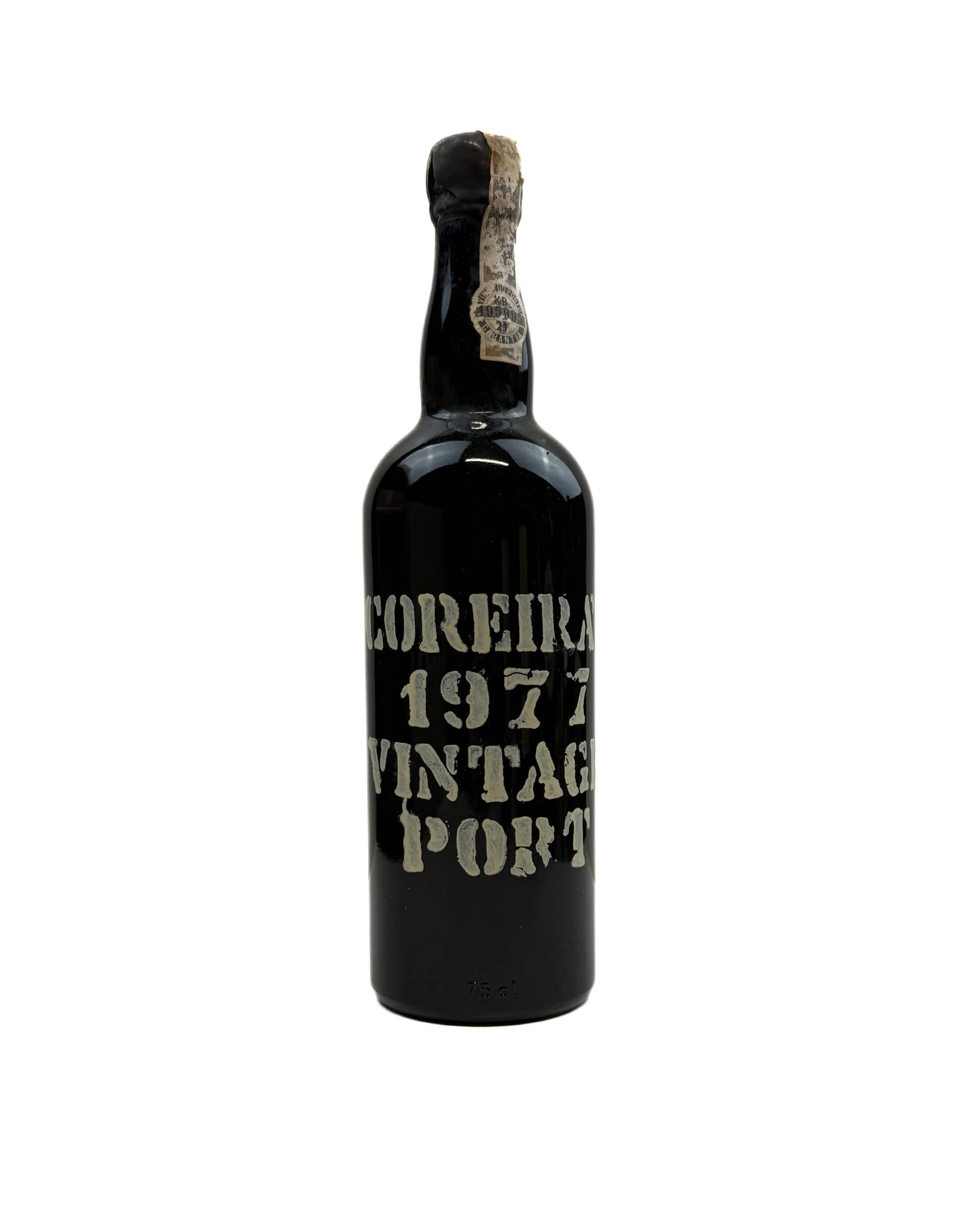
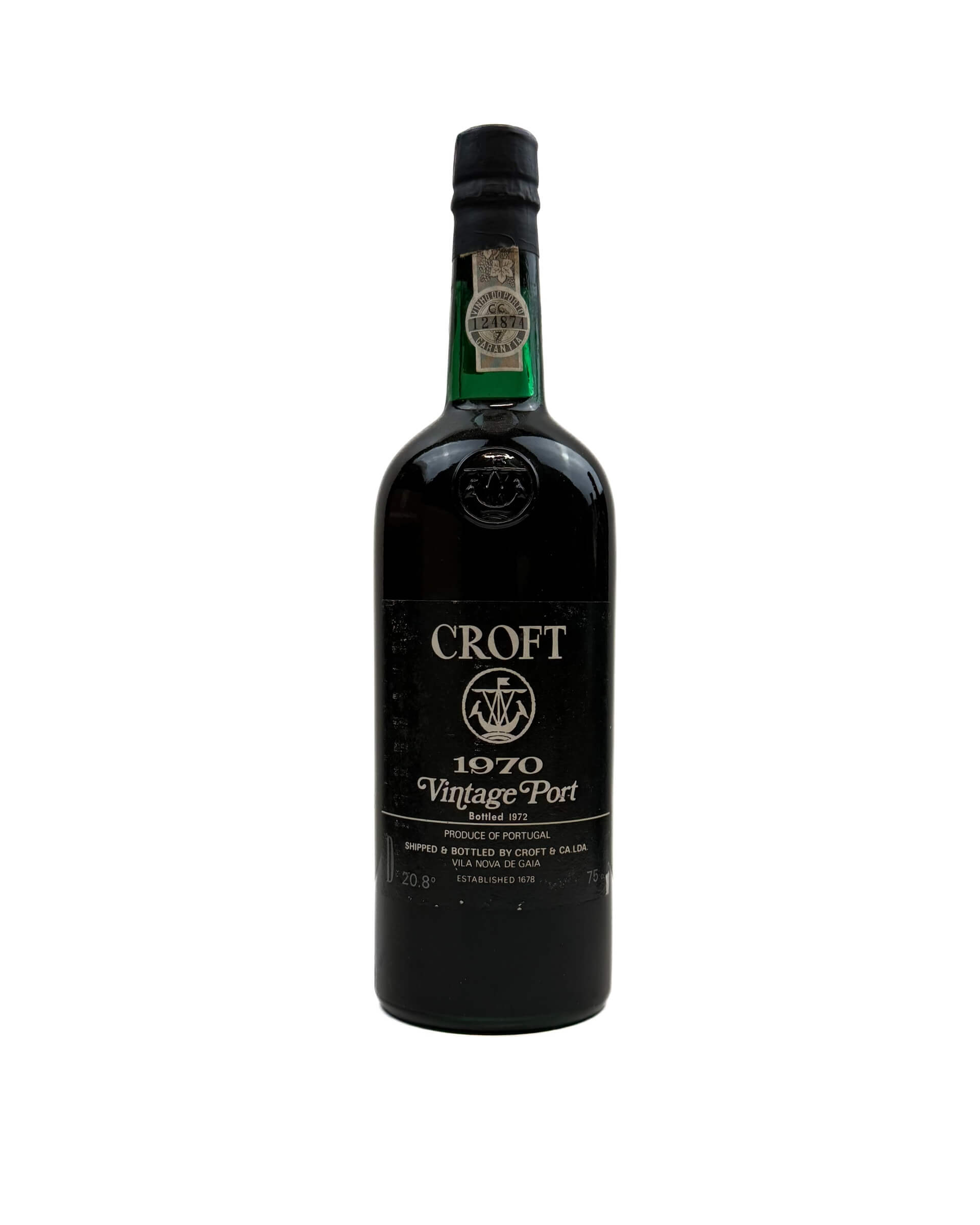
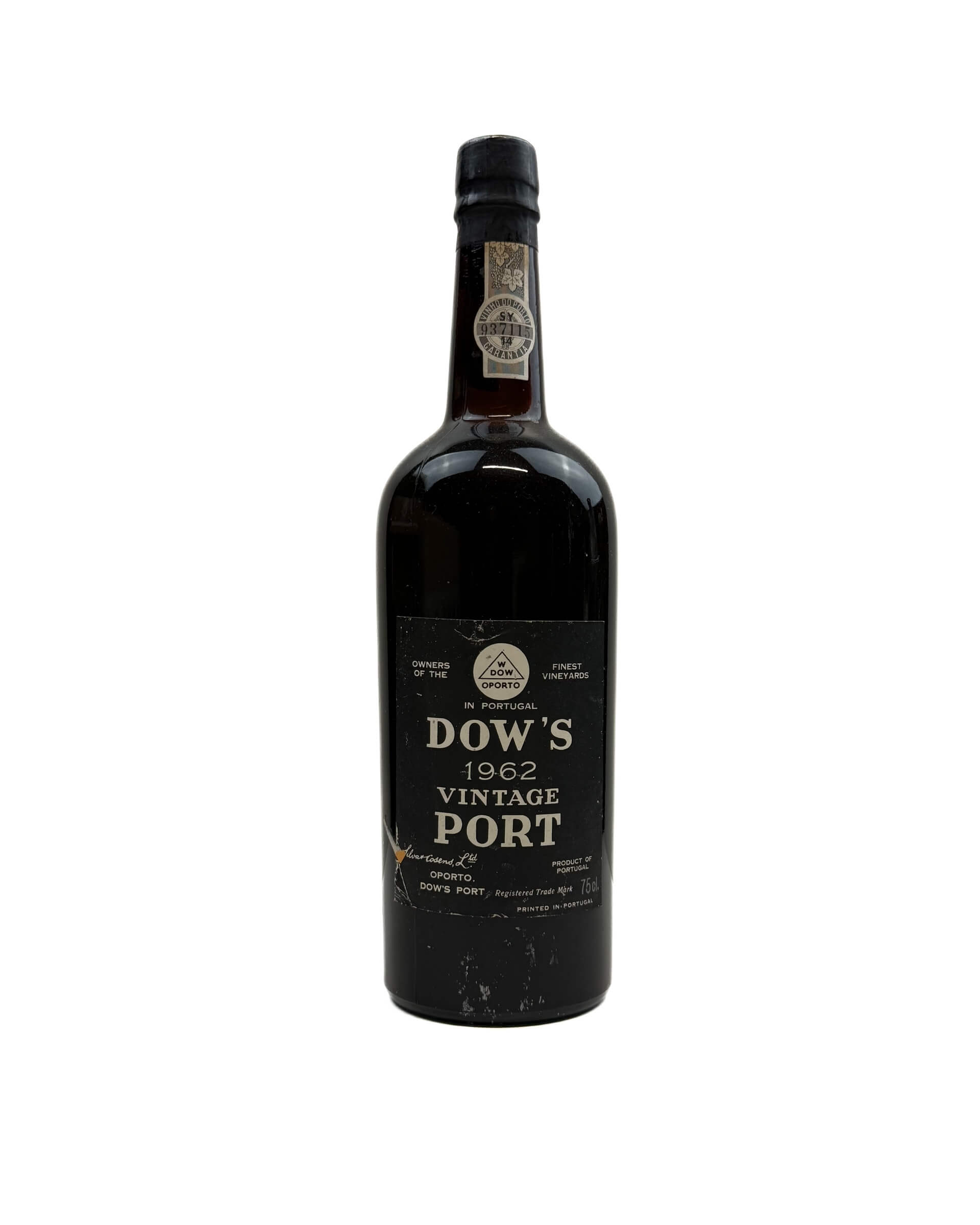
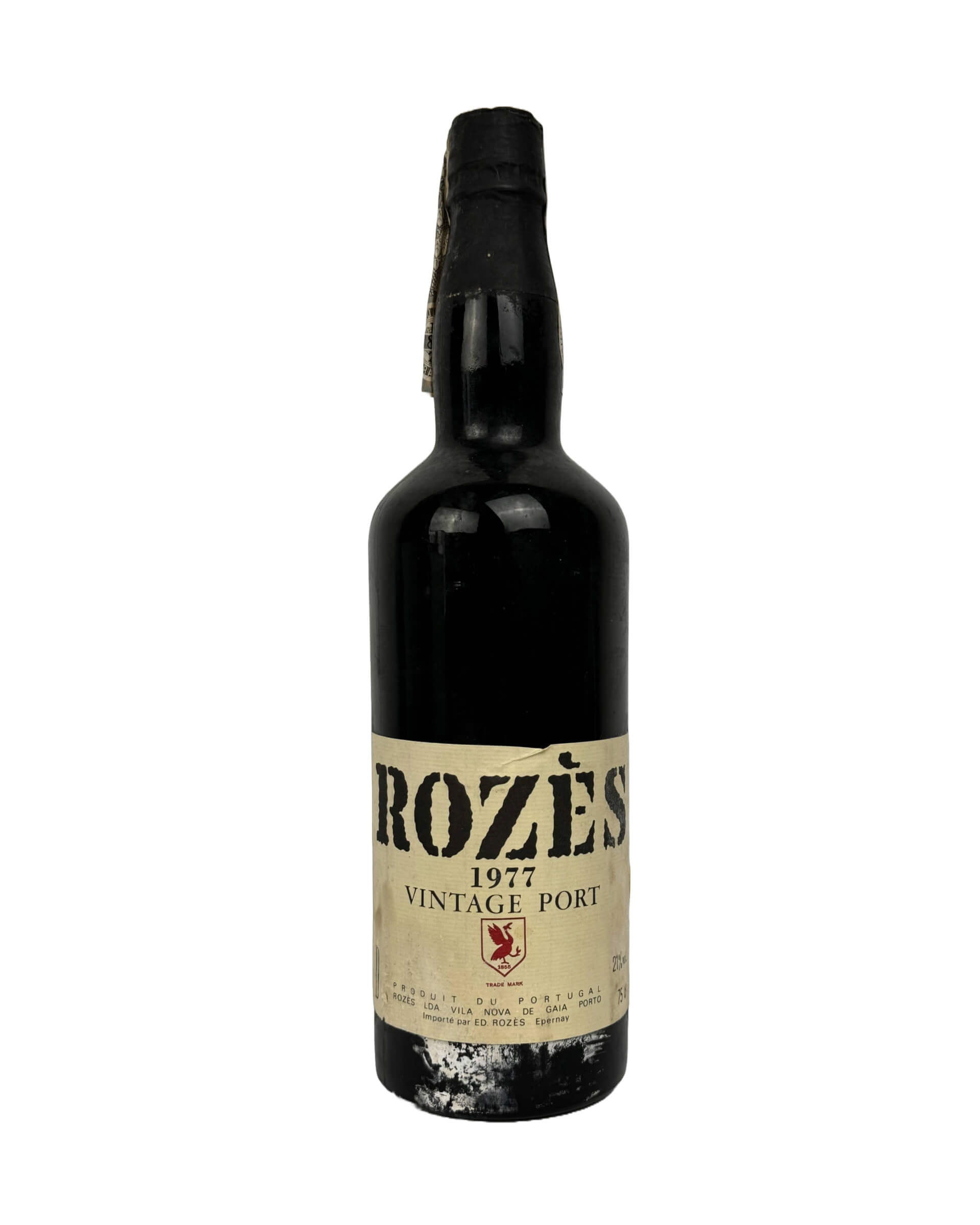
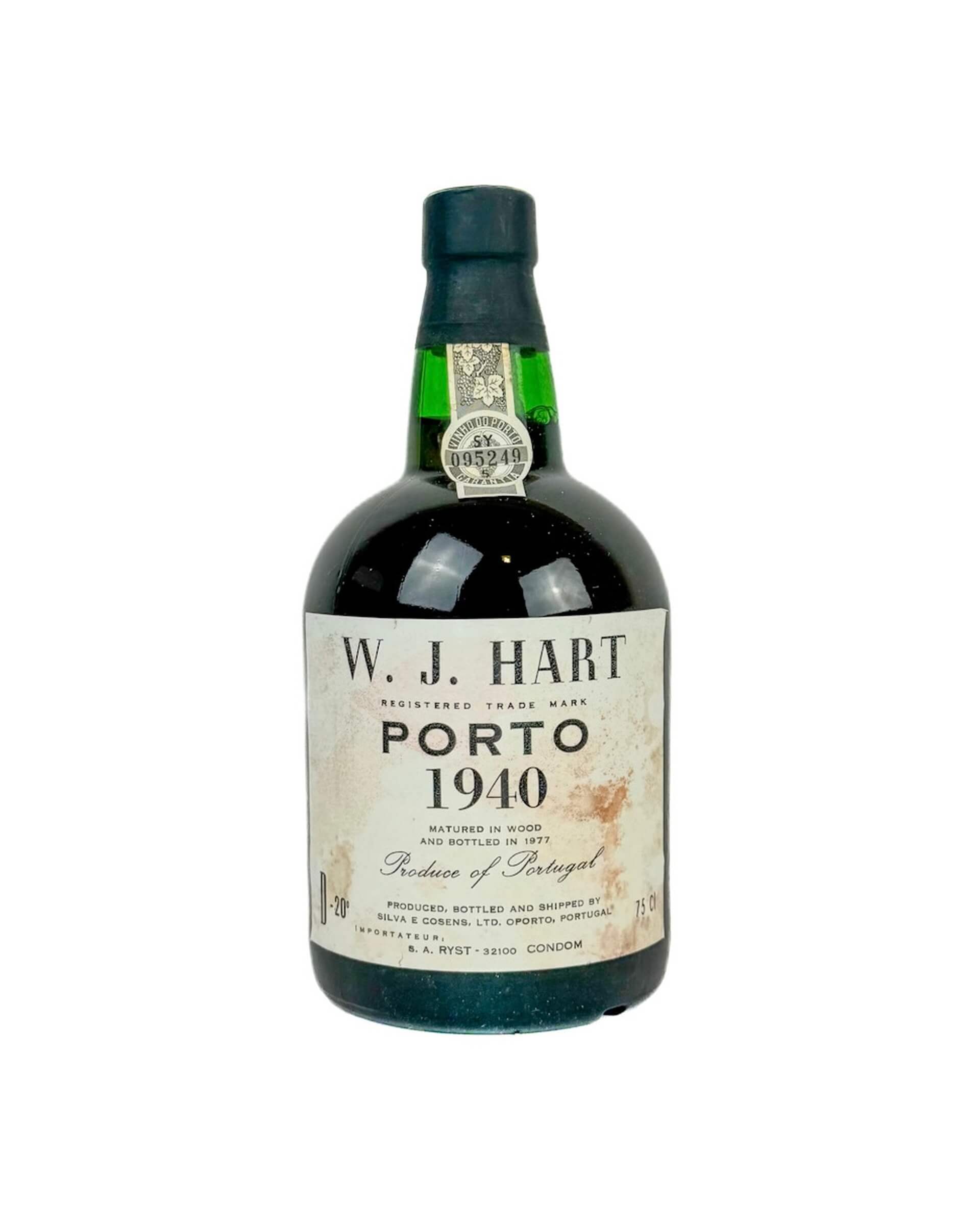
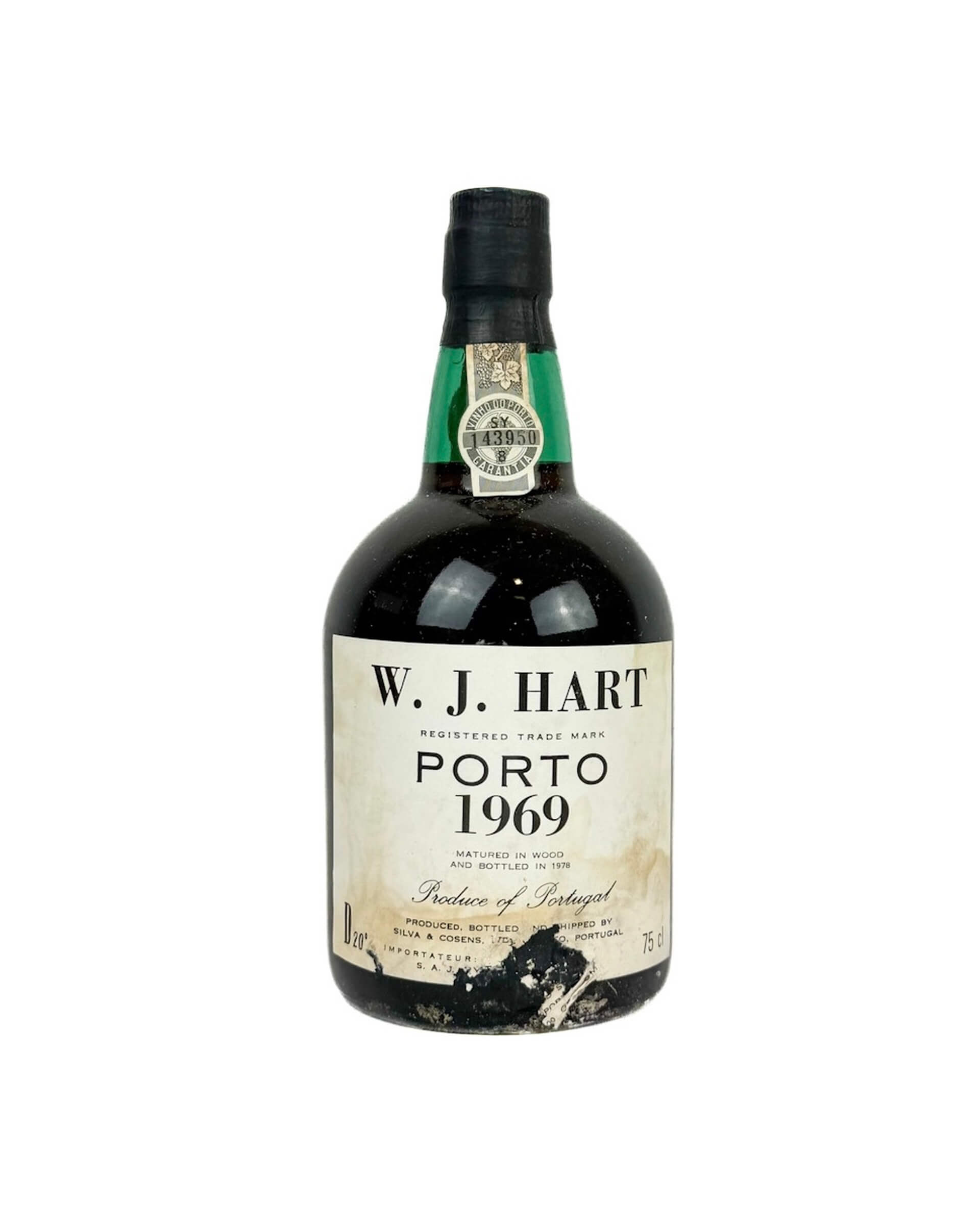
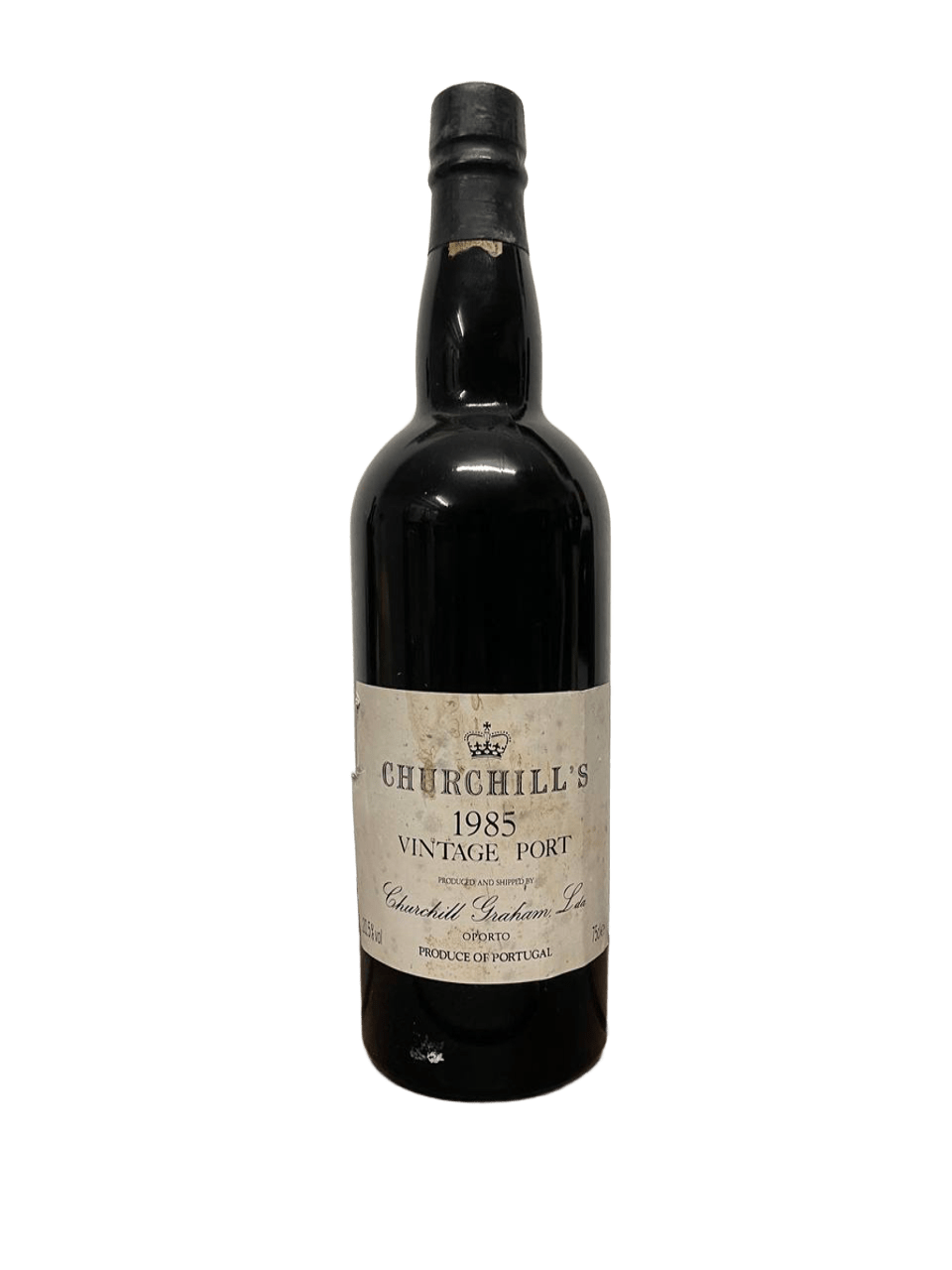
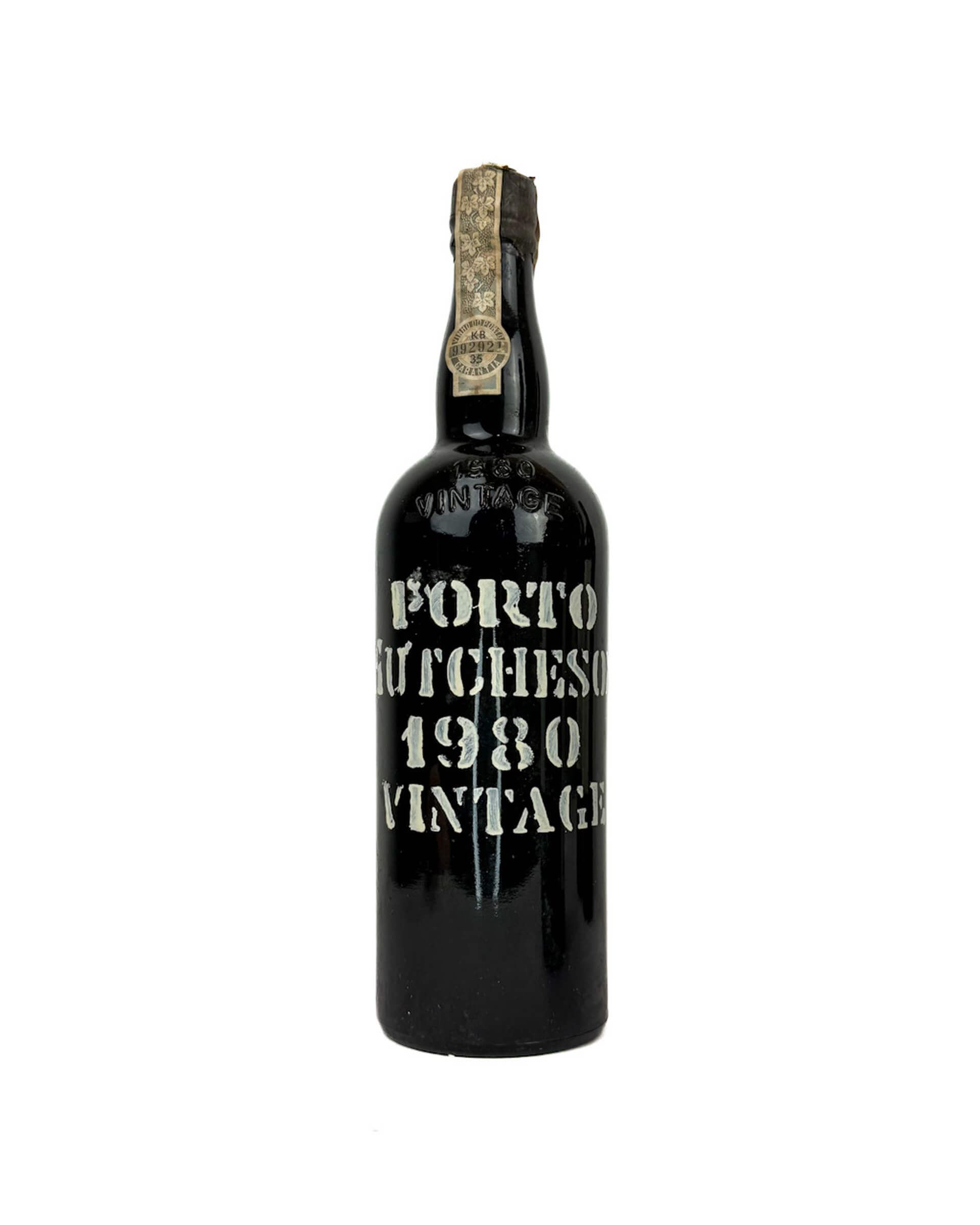
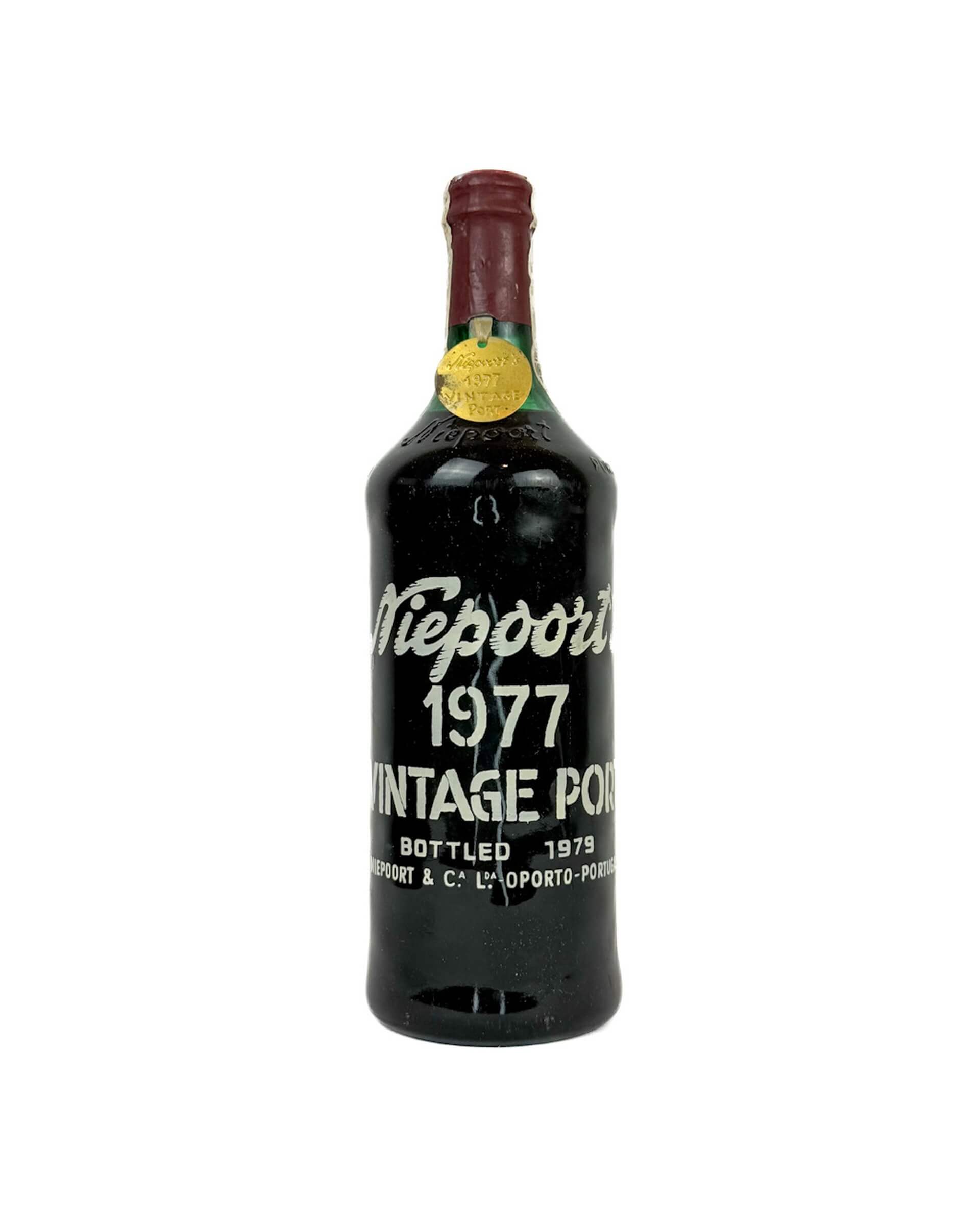
Few wines carry the weight of history and ceremony that Port wine does. Known the world over simply as porto, it is the legendary fortified wine of northern Portugal — a wine born on impossibly steep, schist-terraced slopes above the Douro river, then matured in riverside lodges where few other fortified styles can match its potential for forty to sixty years of bottle ageing. Tour de Wine’s porto selection is a specialist curation of premium and rare bottlings — drawn from houses and quintas such as Graham’s, Taylor Fladgate, Niepoort, Ramos Pinto, Quinta do Crasto and Quinta do Noval — spanning structured Ruby Reserve and Late Bottled Vintage to aged Tawnies, single-harvest Colheitas and declared Vintage Port. Graham’s and Taylor Fladgate anchor the classic Vintage and aged-Tawny tradition, Niepoort and Ramos Pinto are renowned for nuanced Colheitas and 20-Year Tawnies, while Quinta do Crasto and Quinta do Noval represent the single-quinta movement that has reshaped the modern Douro.
This is not a supermarket shelf. Our porto wine range sits firmly in the collector and connoisseur tier, with bottles from around €100 to €400, sourced through the kind of relationships a French fine-wine merchant builds over years. To explore the wider region, browse our Portugal wines or the parent Douro wines from the same valley, or step up to the full wine catalogue for the complete range.
The word porto refers to far more than a city. Porto DOC is the protected appellation that governs the production, classification and commercialisation of Port wine: the rules of grape sourcing, fortification, ageing and labelling that turn fruit grown on the Douro’s terraces into the fortified wine the world knows. Understanding the appellation is the first step to buying well.
The geography of porto wine is unique in the wine world and explains why “Port” and “Porto” are used interchangeably. The grapes are grown in the Douro Valley — the prestige fruit comes from the warmer, drier Cima Corgo and Douro Superior sub-zones, where old vines cling to terraces of broken schist. The young wine is then traditionally shipped downriver to the lodges (armazéns) of Vila Nova de Gaia, on the south bank of the Douro facing the city of Porto, where the cooler, humid coastal air shapes its long oxidative ageing. Vineyard in the mountains, cellar by the sea: no other wine is defined by this two-part journey.
It is vital not to confuse Porto DOC with Douro DOC. The Douro DOC governs the dry, unfortified table wines of the same valley — wines fermented to dryness at natural alcohol levels — while Porto DOC governs the sweet, fortified styles. Both draw on the same indigenous grapes and the same schist terroir. If you are looking for dry reds rather than fortified bottles, explore our Douro dry wine selection; this Porto category is dedicated to Port and fortified styles exclusively.
The single biggest source of confusion when buying port wine is the style taxonomy. Two wines can both say “Port” on the label and offer entirely different experiences. Here is what actually drives the choice between bottles in our selection.
Ruby Port is the entry style: young, fruit-forward and minimally oaked, with vibrant dark fruit — blackberry, cherry, plum — intended for near-term drinking, usually within two to three years of release. It is the base for casual service and for mixing, from a simple Port and tonic to a Port spritz.
Ruby Reserve, sometimes labelled Premium Ruby, steps up the fruit selection and the winemaking care. Expect richer, more concentrated dark fruit with better structure and length — a meaningful improvement on basic Ruby without the ageing commitment of the styles below.
Late Bottled Vintage (LBV) is ruby port wine taken seriously: wine from a single declared harvest year, aged four to six years in large oak vats before bottling. Unfiltered “Traditional” LBVs are the most ageworthy and complex; filtered LBVs are ready to drink on release. LBV delivers genuine vintage character at a far more accessible price than a full declared Vintage — the natural answer for buyers drawn to vintage port wine but not yet ready to cellar one for decades.
Vintage Port is the pinnacle. Made only from a single exceptional harvest that the Port houses formally “declare,” it is aged just two to three years in large vats, bottled unfiltered, and then requires fifteen to forty years or more of bottle ageing to reach full development. Single Quinta Vintage Port is the estate-level equivalent — a single property’s harvest, declared in years when the house does not declare a full Vintage — often offering comparable quality at a gentler price. Notable declared years to look for include the widely declared 1994, 2000, 2011 and 2016 vintages, alongside 2003 and 2017; our Vintage and Single Quinta stock is drawn from these and other classic declarations, several already a decade or more into their bottle development.
Aged Tawny carries an indication of average age — 10, 20, 30 or 40 Year — reflecting a blend of multiple harvests matured in small oak barrels. As the wine oxidises slowly it shifts from deep red toward an amber-tawny hue, developing dried fig, apricot and raisin, walnut, hazelnut and orange peel. Unlike Vintage, tawny port wine is served lightly chilled. A 20-Year Tawny is a sweet spot of complexity and value for gifting; a 40-Year Tawny is a contemplative wine that rivals the world’s finest dessert wines.
Colheita is the connoisseur’s secret: a single-harvest Tawny aged in small barrels for a minimum of seven years — and often far longer, twenty, thirty or even fifty years — with the vintage year printed on the label. It bridges the single-year identity of a Vintage with the oxidative complexity of an aged Tawny, and is frequently underpriced relative to its quality. Because a Colheita is the product of one harvest rather than a multi-vintage blend, it retains a distinct single-year character that a standard aged Tawny, blended for consistency, deliberately smooths away.
White Port is made from authorised white varieties such as Rabigato, Viosinho, Gouveio and Malvasia Fina, in dry, semi-dry and sweet styles. Aged White Port, kept in barrel for several years, develops a fascinating nutty, oxidative complexity. Served cold as an aperitif — especially as “Porto Tónico,” with tonic, ice and mint — it has become one of Portugal’s signature summer drinks. Rosé Port is a modern addition: fermented briefly on the skins for colour, light and fruit-forward, made for casual aperitif service over ice and ideal for newcomers to the category.
Great port wine is built on indigenous Douro grapes, and the same varieties define the valley’s finest dry reds. Knowing them deepens your reading of any bottle.
Because these same grapes are used for Douro DOC table wines, a porto wine buyer who enjoys a Touriga Nacional-dominant Douro red will recognise familiar aromatics in a Ruby Reserve or Vintage Port grown on the same schist terraces. If you also collect dry reds, our wider red wines selection sets these Douro varieties alongside the great reds of France and beyond.
Our selection is built for buyers who want quality, not bargain ruby blends. Here is how the price tiers map to styles and occasions, using the real figures from the current catalogue. To buy port wine online with confidence, match the tier to the moment.
Tour de Wine’s Porto selection opens from around €100. At this entry point you are not buying a mass-market Ruby: bottles here are typically Ruby Reserve, Traditional LBV or entry aged Tawny selections from quality houses and individual quintas — wines for serious drinking, aperitif service or gifting to someone who appreciates the difference. This is already a meaningful step above the entry-level blends sold elsewhere for a fraction of the price.
Most bottles sit near the catalogue median of around €175. This is the natural home for a 20-Year Tawny from a top lodge, a Colheita from a notable year, or a Single Quinta Vintage Port that offers genuine vintage character below the price of a full declared Vintage. At €175 you have a bottle to impress a serious collector, anchor a formal cheese and dessert course, or give as a standout gift — too serious for a casual wine shop, yet accessible enough to enjoy now rather than cellar for twenty years. Buyers who know classified Bordeaux pricing will recognise this as remarkable value for the depth on offer.
The upper end of the catalogue reaches €400 — the finest available, whether a declared Vintage Port from an exceptional year already several decades into its bottle development, or a very old Colheita or 30-to-40-Year Tawny of extraordinary complexity. At this level Port rivals the world’s greatest dessert wines and aged spirits. Decant aged Vintage Port carefully — two to four hours minimum — or serve from the bottle to preserve the sediment; old Tawnies and Colheitas should be opened an hour before service and poured lightly chilled at 10–12°C.
A word on gifting. Port is one of the world’s great gifting wines: it travels well, keeps for weeks to months after opening (Tawny especially), and carries real cultural prestige. A 20-Year Tawny or a named Colheita around the €175 mark makes an exceptional milestone gift, while a Vintage Port toward the €390 to €400 range is a fitting choice for a dedicated collector.
The reward for buying well is in the glass — provided you serve each style at its best. Temperature, in particular, transforms a Port.
For the table, the pairings are some of the most rewarding in wine. Vintage Port meets its classic match in Stilton or Gorgonzola, and shines with 70%+ dark chocolate, roasted walnuts and salt-crusted almonds. A 20- or 30-Year tawny port wine sings alongside tarte Tatin, crème brûlée, pecan pie, almond cake or aged Comté, the caramel and dried-fruit notes building natural bridges. Colheita handles richly savoury flavours — foie gras, truffle, aged Gouda, walnut bread — while White Port partners fresh goat’s cheese, seafood canapés, olives and air-dried ham, or simply tonic, ice and mint on a summer evening.
Both come from the Douro Valley and share the same indigenous grapes — Touriga Nacional, Touriga Franca, Tinta Roriz and others. The difference is the method: Port is fortified, made by adding grape spirit (aguardente) during fermentation to halt it early and preserve natural sweetness, reaching 19–22% ABV; Douro table wine is fermented to dryness at natural levels, typically 13–15% ABV, with no added spirit. Port is sweet and high in alcohol, suited to dessert and aperitif service; Douro reds are dry, food-friendly wines closer in spirit to fine claret. Our Porto category covers the fortified styles, while the Douro wines category covers the dry table wines.
The distinction is ageing method and timeline. Tawny Port is matured for years or decades in small oak barrels, oxidising slowly into an amber wine of dried fruit, hazelnut, walnut and orange peel, then blended and bottled ready to drink. Vintage Port comes from a single exceptional declared harvest, ages briefly in large vats, is bottled unfiltered, and is built to develop in the bottle for fifteen to forty years or more before it peaks. Tawny is the approachable, immediately gratifying style; Vintage is the collector’s wine that rewards patience. Both appear in our selection, from around €100 to €400.
For most buyers entering our selection, the strongest first purchase is a Traditional (unfiltered) Late Bottled Vintage or a Ruby Reserve from around €100: both give you genuine declared-harvest or selected-fruit character, are ready to enjoy now, and pair beautifully with chocolate and blue cheese. If you would rather have something to open across several weeks, step up toward the €175 median for a 20-Year Tawny or a named Colheita — served lightly chilled, these reward unhurried drinking and make an outstanding gift. In short: an LBV or Ruby Reserve to drink with a meal, a 20-Year Tawny or Colheita to keep open and sip. Both anchors come from established houses such as Graham’s, Taylor Fladgate and Niepoort.
Our declared Vintage and Single Quinta Vintage stock is built around classic universally declared years — chiefly 1994, 2000, 2011 and 2016, with further bottles from 2003 and 2017. Several of these are already a decade or more into their development, and the oldest declared Vintages, priced toward the €390 to €400 top of the catalogue, are drinking close to their peak. Because individual bottles move in and out of stock, the live category page always reflects the exact years currently available; the FAQ here describes the shape of the range rather than a fixed inventory.
As set out in the styles guide above, a Colheita is a single-harvest Tawny carrying one vintage year on the label, while a 10- or 20-Year Tawny blends many harvests to a consistent house style. One practical detail worth adding: under IVDP (Instituto dos Vinhos do Douro e do Porto) rules, the specific harvest year must appear on every Colheita label, and the wine is bottled to order from cask — so two Colheitas of the same age can taste markedly different depending on the year and how long each spent ageing. Over the decades a Colheita evolves as a single living wine, whereas a blended Tawny is engineered to taste the same each time it is bottled.
It depends strongly on style. A 20- or 30-Year Tawny stays in excellent condition for four to six weeks once opened and refrigerated, because the oxidative ageing it has already undergone makes it robust. Ruby and Ruby Reserve are best within one to two weeks; White Port keeps two to three weeks refrigerated. Vintage Port, once decanted, should ideally be finished the same evening or within 24 hours, as its unfiltered complexity fades quickly after air exposure. This longevity is exactly why Tawny styles are the most practical choice for anyone who wants a glass of Port without committing to a whole bottle at once.
Written by the Tour de Wine buying team. Last reviewed: June 2026.
This site is restricted to adults. By entering, you confirm that you are of legal drinking age in your country of residence.