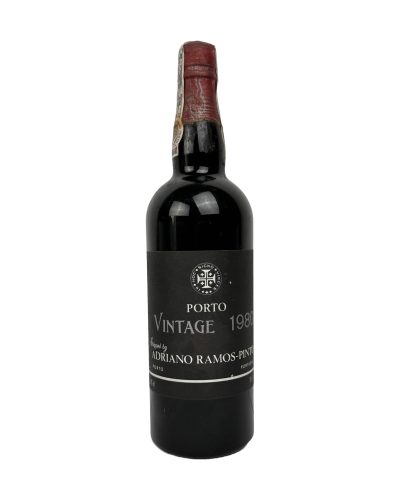
0.75 L
1980
Adriano Ramos-Pinto
Wines, producers, regions...
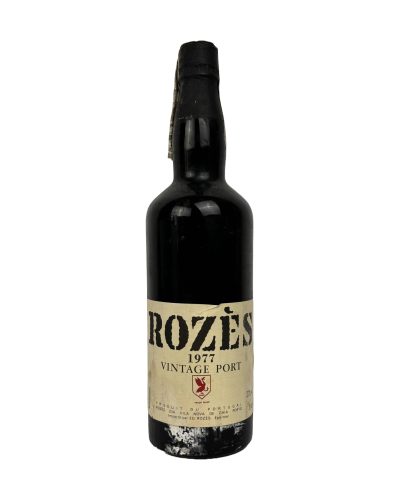
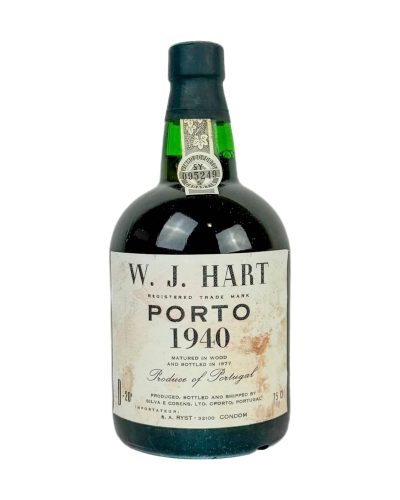
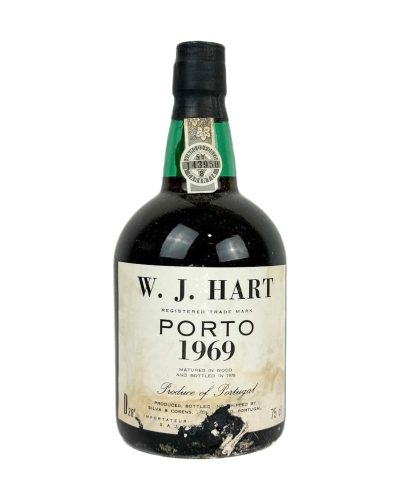
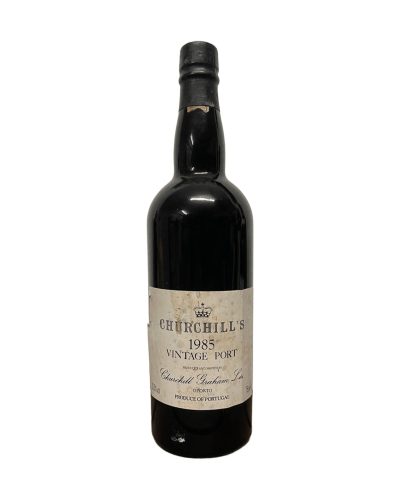
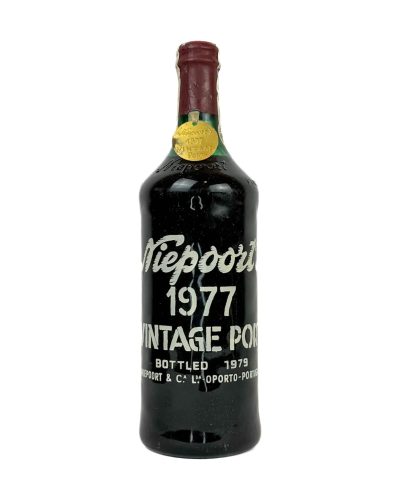
Tinta Barroca is a red grape from Portugal’s Douro Valley, and this page is for anyone who wants to buy wines in which it plays a part, whether that is a bottle of port for the end of a meal or a Douro red for the cellar. It is rarely printed in large letters on the label, so a grape page like this one is the easiest way to find the houses that use it and to compare them side by side.
Tinta Barroca ripens early and gives dark, soft wine with generous, ripe fruit and moderate acidity. That profile explains its long career in the Douro, where it is one of the varieties traditionally blended into port. It seldom works alone. Growers usually combine it with Touriga Nacional, Touriga Franca and Tinta Roriz, each of which brings something different: structure, perfume, colour or backbone. Tinta Barroca contributes the roundness and the sweet-fruited centre of the blend.
Some Douro producers also use it in dry red wines, again in a blend. If you enjoy generous, soft reds with dark fruit, it is a grape worth following. For a wider view of the other varieties we list, start from the Grapes overview.
Most bottles here carry the appellation Porto. Port is a fortified wine: grape spirit is added during fermentation, which stops the yeast, keeps natural grape sugar in the wine and raises the alcohol. The grapes come from the Douro, and the wine is aged before release. The label tells you which style you are buying, and that matters more than the grape when you choose.
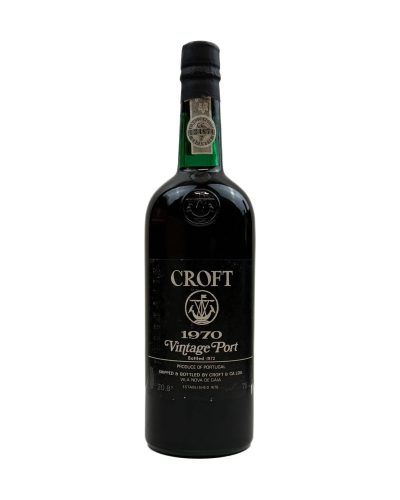
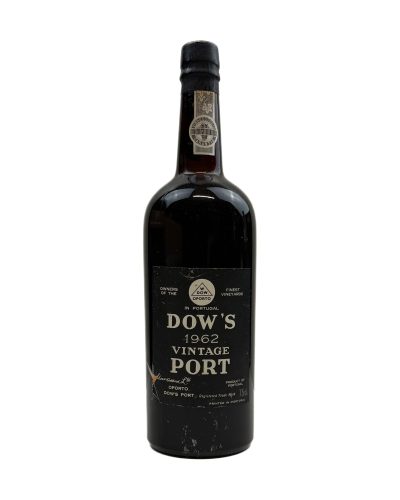
The producers listed here will be familiar to anyone who follows the Douro: Dow’s, Croft, Niepoort, Churchill Graham and Adriano Ramos-Pinto, along with Rozes and W.J Hart. Each house has its own habits. Some lean towards structured, long-lived wines, others towards a softer and more immediate style. Because the grape is almost always one component among several, comparing two houses from the same category is the quickest way to see how a blend changes the character of the glass.
Open any bottle for its producer, style and flavour profile, and use the filters to narrow by producer or type. If you are new to the Douro, pick a house you already know and then try a neighbour on the list.
For a gift, a tawny with an age statement is the safest choice. It is ready to drink, it keeps well once opened and it suits both people who know port and those who do not. A vintage port makes a more personal present, especially when the year means something to the recipient, but remember that it needs time in the cellar and a decanter on the day.
For the cellar, look at vintage port and at the best Douro reds. Store the bottles lying down, in the dark, at a steady cool temperature, and keep vintage port very still before you serve it.
To enjoy now, choose ruby, Late Bottled Vintage or tawny. They are made to be opened without waiting. A fortified wine lasts longer than a table wine once open: close a ruby or Late Bottled Vintage and finish it within a few weeks, and a tawny will usually hold a little longer.
Serve ruby and vintage port at cool room temperature, around 16 to 18 degrees, and tawny slightly cooler. Use a small glass, pour a modest measure and let the aromas open. Vintage port often has sediment, so decant it carefully.
At the table, ruby and vintage port go well with strong cheeses and dark chocolate, while tawny suits nut tarts, caramel desserts and a plate of dried fruit. Many people simply sip a glass of tawny after dinner with coffee.
Once you know what Tinta Barroca brings, try other red varieties to see how the style differs. Fruit-driven reds in the shop include Grenache and Malbec, while Mourvèdre offers a darker, firmer profile. For a lighter, more aromatic red, look at Pinot Noir, and for a structured Italian alternative, Nebbiolo and Sangiovese are the natural next steps. Each page gathers its own bottles, so you can move from one grape to the next and build your own comparison.
This site is restricted to adults. By entering, you confirm that you are of legal drinking age in your country of residence.