
N/A
3
1982
Bersano
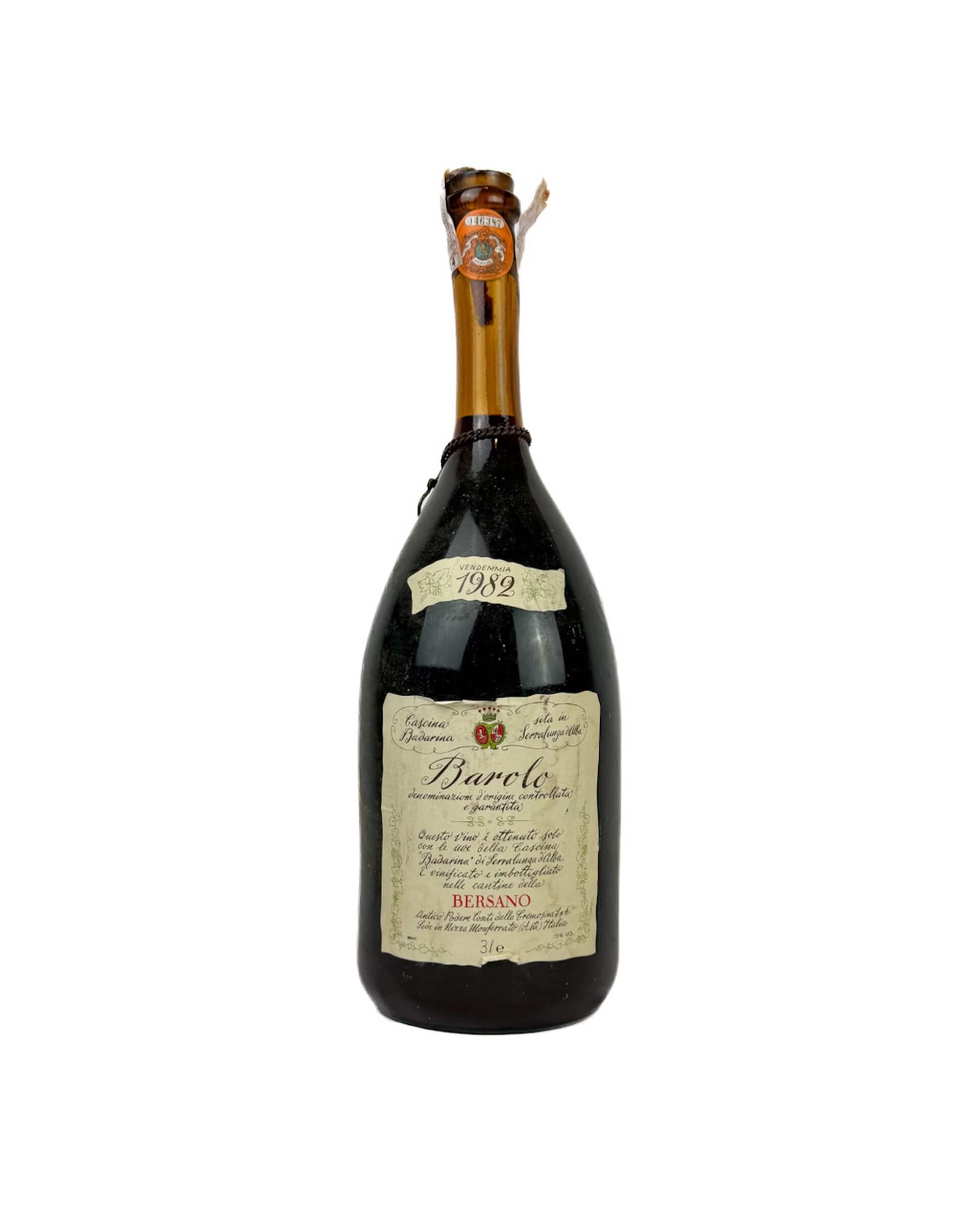
Barolo Bersano Badarina 1982 3L
€ 504,00
Wines, producers, regions...
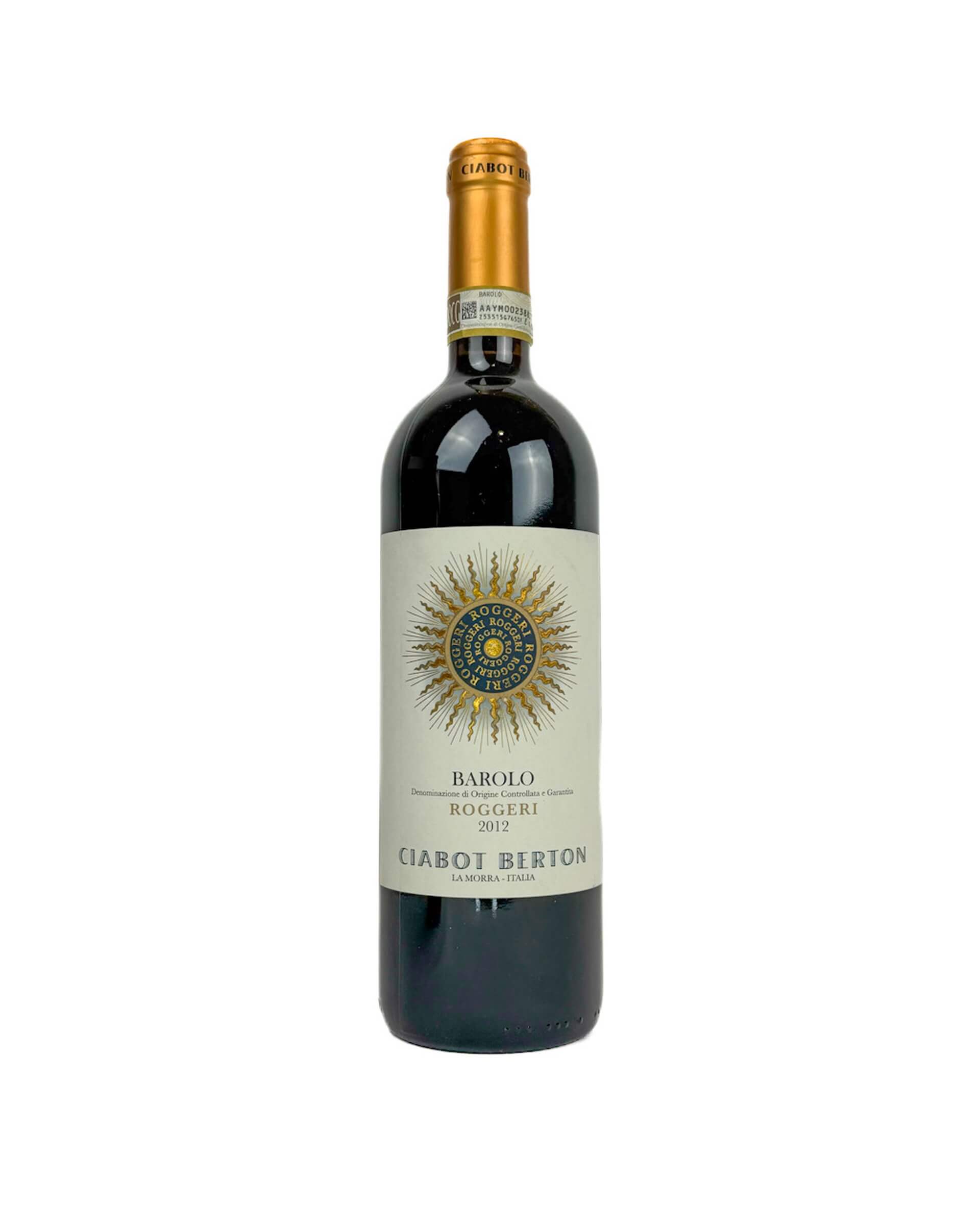
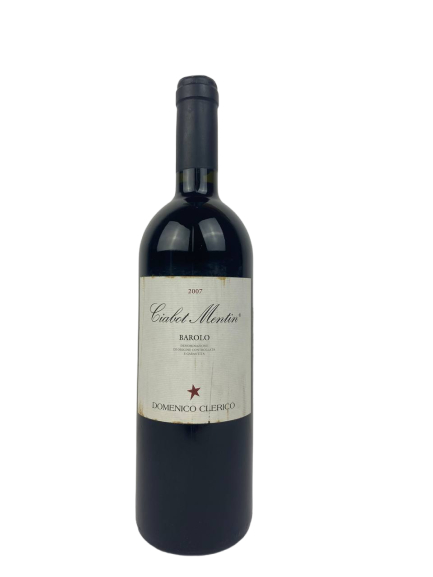
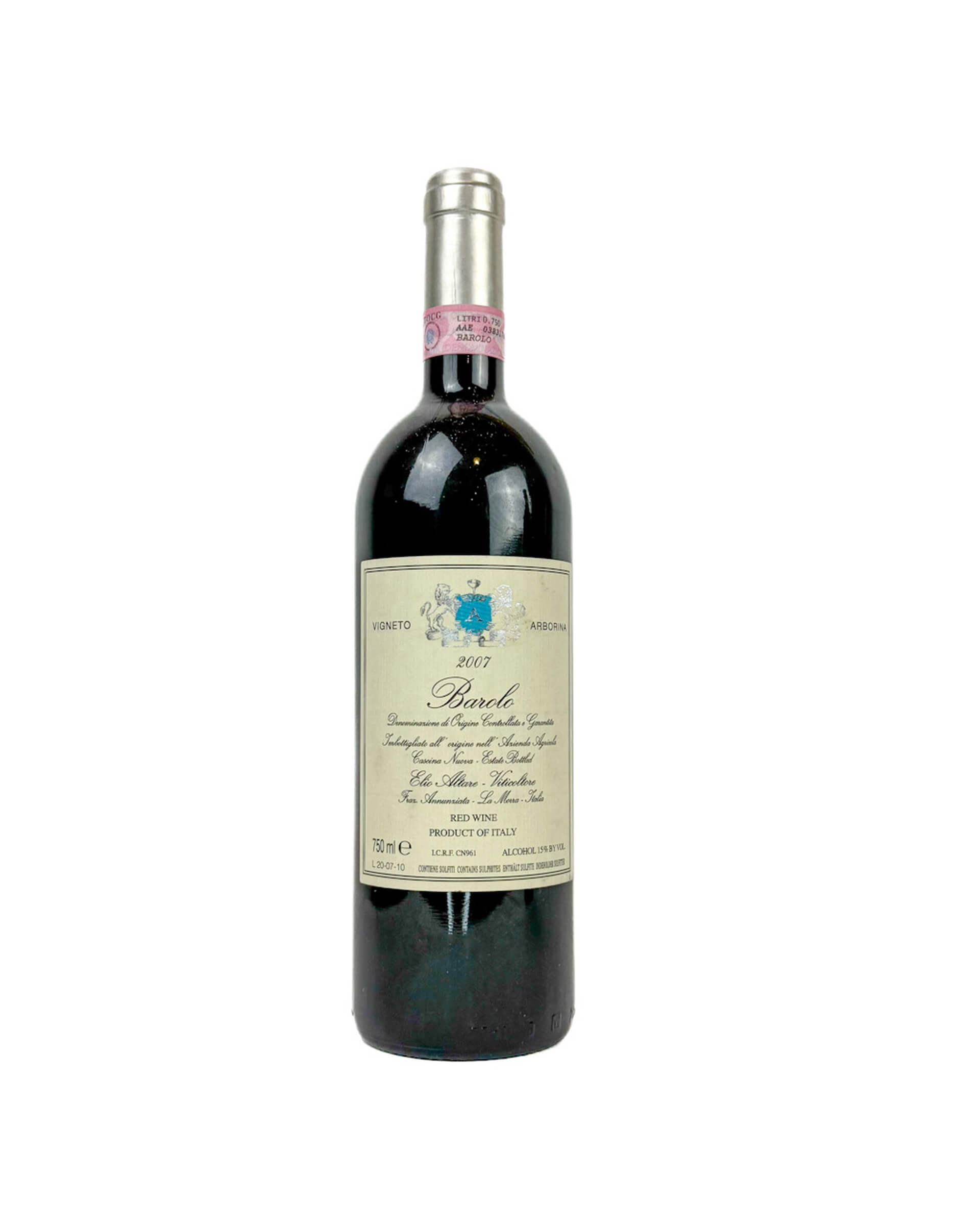
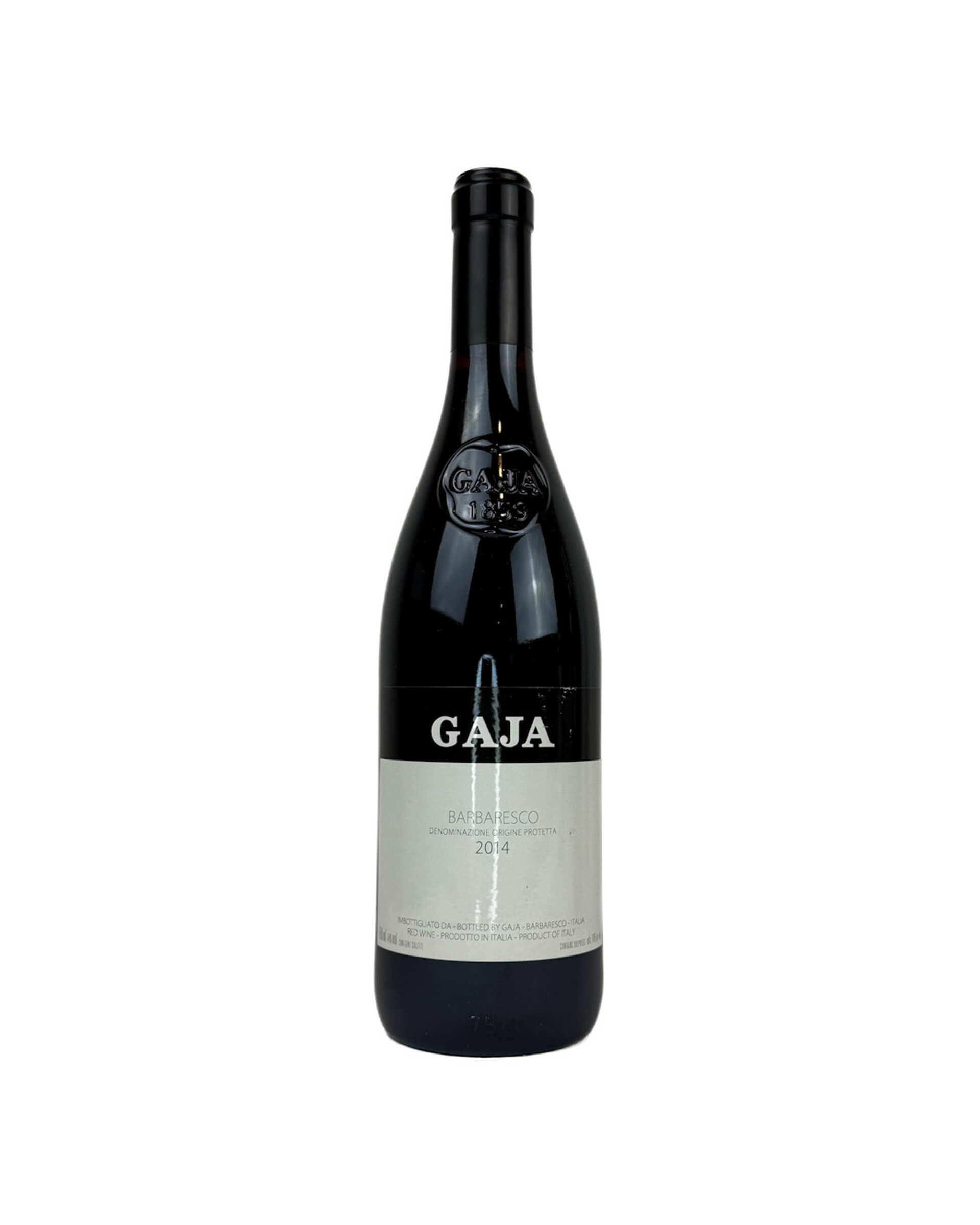
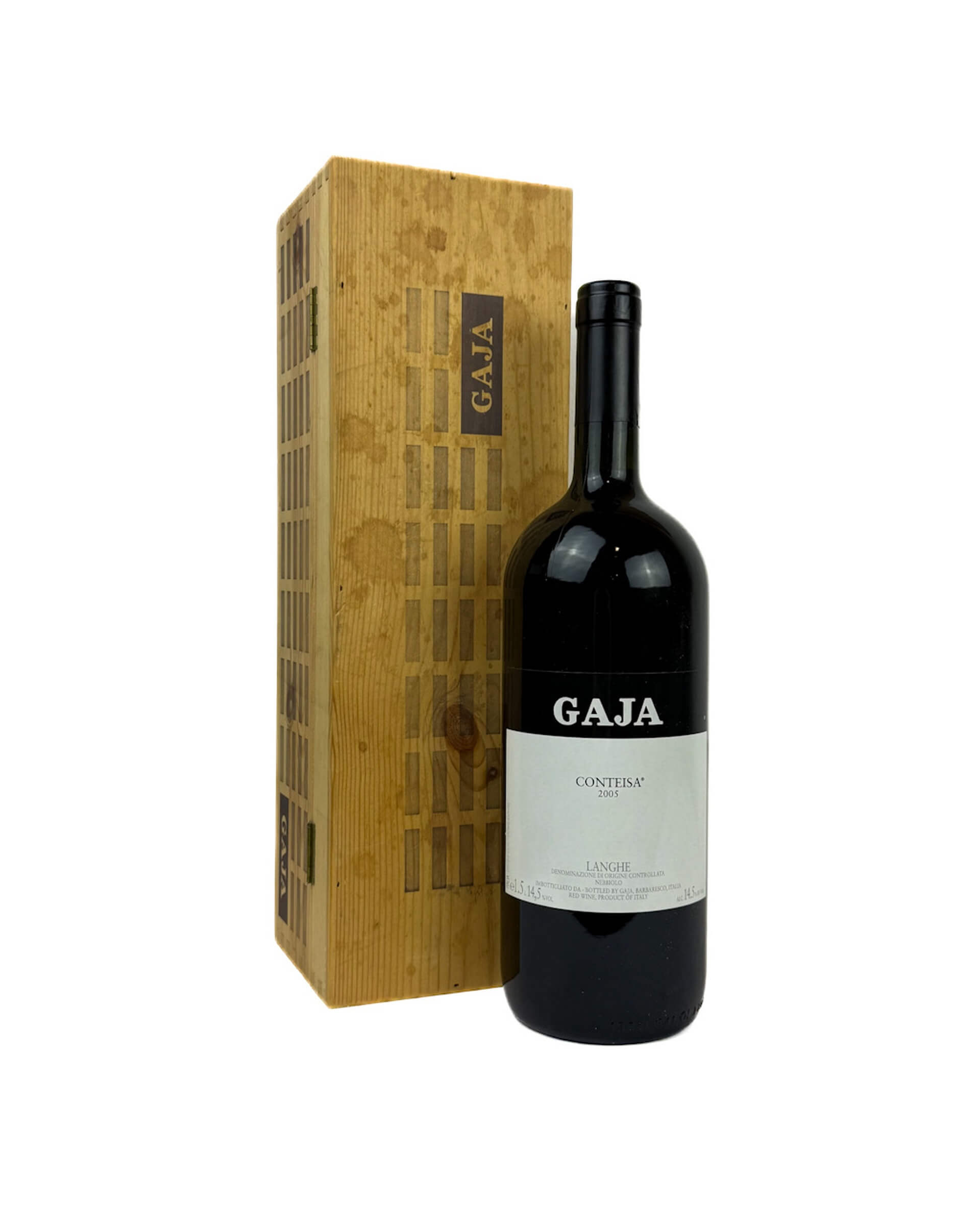

Nebbiolo is the most structurally ambitious red grape of Piedmont — a variety capable of producing wines that evolve gracefully across two and even three decades, from the firm, tannic power of Barolo to the more aromatic refinement of Barbaresco. Barolo Riserva is legally held back longer before release than almost any other DOCG red in Italy, a five-year minimum that tells you everything about the patience this grape demands. The grape’s name is thought to derive from nebbia, the Italian word for fog — a reference to the autumn mists that settle over the Langhe hills as the late-ripening berries finally come in.
At Tour de Wine we list a Nebbiolo wine selection of eight bottles chosen to cover every tier of the appellation ladder, from accessible Langhe Nebbiolo at around €95 to collector-tier Barolo, all sourced directly within Europe. We deliberately keep the range tight rather than stocking dozens of near-identical village Barolos: our buying team tastes through each vintage and lists only the bottles that show clear varietal character and a drinking window we can stand behind. For the wider context of the country that owns this grape entirely, explore our Italy wines collection, of which Nebbiolo is one of the undisputed jewels — and which sits within our broader range of red wines.
Nebbiolo is the defining red grape of Piedmont in north-west Italy, grown almost exclusively in the Langhe hills around Alba and in the northern Piedmontese sub-zones of the Novara and Vercelli hills. It is notoriously demanding in the vineyard: it buds early, ripens late — often not until mid-to-late October — and is acutely sensitive to site. Only the best south- and south-west-facing slopes of Barolo and Barbaresco reliably achieve the full ripeness the grape demands, which is why genuinely great Nebbiolo comes from such a small corner of the world.
The resulting wines share a beautifully paradoxical sensory profile: a pale garnet colour, unusually light for a wine of such power, combined with extremely firm tannins, bracing natural acidity, and a complex aromatic spectrum of dried rose, tar, sour cherry, tobacco, truffle, liquorice, and iron. Across all of its major appellations Nebbiolo is bottled 100% pure — there is no blending in Barolo or Barbaresco. For drinkers who already love the pale, high-acid, terroir-transparent style of Burgundy, the closest stylistic cousin is Pinot Noir; both prize transparency and longevity over sheer colour and weight.
Nebbiolo produces no truly notable wines outside a handful of Piedmontese zones, and it is this scarcity, allied to its quality, that places it alongside Brunello di Montalcino at the very summit of Italy’s fine wine auction market.
The single most useful way to understand Nebbiolo is as a ladder of appellations that doubles as a ladder of price and style: Langhe Nebbiolo for accessibility, Barbaresco for elegance, Barolo for power and longevity, and the northern DOCGs for character of their own.
Langhe Nebbiolo is the broadest DOC in the Nebbiolo family. The wines can come from younger vines or from plots outside the Barolo and Barbaresco DOCG boundaries — and often from parcels within those boundaries where vine age or yields do not qualify for DOCG status. The result is genuine Nebbiolo character — tart cherry, rose petal, firm structure — at a meaningfully lower price than Barolo or Barbaresco, usually released earlier and approachable within three to five years. It is the smart starting point for anyone new to the grape who wants the real variety before committing to DOCG prices. Within the broader Italian context, you will find it among our Italy wines.
Barbaresco is the DOCG centred on the three communes of Barbaresco, Treiso, and Neive, on the right bank of the Tanaro river south-east of Alba. Nebbiolo here grows on Tortonian soils — younger, more compact calcareous marls — at slightly lower altitudes than Barolo, producing wines that are typically more aromatic, a touch less tannic, and approachable earlier. The DOCG requires a minimum of two years’ total ageing, of which nine months in oak, with Riserva at four years. Key single-vineyard sites include Asili, Rabajà, Santo Stefano, and Montestefano. Barbaresco is often called Barolo’s more graceful counterpart — an imprecise shorthand, but the stylistic tendency toward elegance and earlier accessibility is real, and genuinely useful for a buyer deciding between the two.
Barolo is the DOCG in the Langhe hills south-west of Alba, centred on eleven communes including Barolo, Castiglione Falletto, Serralunga d’Alba, La Morra, and Verduno. It requires three years’ minimum total ageing, of which eighteen months in oak — five years for Riserva — and is bottled exclusively as 100% Nebbiolo. The geology divides broadly into two families: the older Helvetian soils of Serralunga d’Alba and Castiglione Falletto, which are harder and more compact and yield wines of imposing structure and extraordinary longevity; and the younger, lighter Tortonian soils of La Morra and Barolo village, which give more aromatic, earlier-accessible expressions. Since 2010 the 170-plus officially registered MGAs (Menzioni Geografiche Aggiuntive, or single-vineyard sub-zones) appear on labels — invaluable when comparing bottles, because a Barolo from a Serralunga d’Alba MGA will need more time than a La Morra MGA from the same producer and vintage. As Italy’s most prestigious red wine appellation, alongside Brunello di Montalcino, Barolo forms the centrepiece of our selection and sits, of course, among our red wines, as it is bottled only as a red.
North of the Langhe, in the Novara and Vercelli hills near the Sesia river, Nebbiolo — locally called Spanna — produces Gattinara DOCG and Ghemme DOCG, wines of distinctly different character. The volcanic soils here, rich in porphyry and granite, yield a Nebbiolo that is more aromatic, lighter in body, and earthier, with a mineral, almost iron-like note quite distinct from the Langhe style. Gattinara was among the first wines elevated to DOCG status in Piedmont, in 1990, and is historically associated with the Travaglini estate. Both appellations permit small proportions of Uva Rara or Vespolina, making them technically distinct from the pure-Nebbiolo standard of Barolo and Barbaresco. They are well worth seeking out as differentiated expressions of the same grape — and as a gentler entry for buyers who find young Barolo tannins too demanding.
Closer to the Langhe, on the left bank of the Tanaro opposite Alba, the sandier soils of Roero DOCG produce 100% Nebbiolo wines (Roero Rosso) that are lighter, more perfumed, and markedly earlier-drinking than Barolo, typically at prices below Barbaresco. For a buyer priced out of Barolo but unwilling to leave the Langhe, Roero is the most natural value-tier alternative: recognisably Nebbiolo in its dried-rose and red-cherry aromatics, but ready years sooner and far easier on the wallet.
The traditional school favours long skin maceration, often thirty to sixty days or more, followed by ageing in large Slavonian oak botti of five thousand to twenty thousand litres, with minimal new-oak influence. Wines in this lineage carry formidable tannic structure in youth and often need ten to twenty years after release to fully integrate. When they finally open, they offer incomparable depth: tar, dried rose, tobacco, truffle, iron, and forest floor. These are bottles bought with long-term cellaring in mind — and on tasting, the marker we look for is a tannin that is dense but fine-grained rather than green, the sign of a wine built to soften rather than dry out.
The modern, more internationally styled approach uses shorter macerations of ten to twenty days and ageing in French barriques, frequently new, producing wines with denser, more immediately expressive dark fruit and a softer mid-palate. This direction was brought to international prominence in Barbaresco and the Langhe from the 1990s onwards. Such wines are earlier-accessible, often a pleasure within seven to ten years of the vintage with proper decanting, which makes them the bottles our team tends to recommend to a buyer who wants Nebbiolo on the table within the decade rather than the one after.
Neither style is superior — the right choice depends entirely on when you intend to open the bottle. Each Tour de Wine product page carries our own note on the producer’s style and a suggested drinking window, so you can match the bottle to the occasion before you buy.
Nebbiolo’s high acidity and firm tannins make it a magnificent partner for rich, savoury Piedmontese cooking, but the right match shifts as you move up the appellation ladder.
For serving temperature, pour Langhe Nebbiolo and younger Barbaresco at 16–17 °C, and Barolo DOCG and aged expressions at 17–18 °C. Decanting is essential across the board: 30–60 minutes for Langhe Nebbiolo and approachable Barbaresco; two to three hours minimum for young Barolo under ten years; and just 30–45 minutes, handled gently to preserve sediment, for older Barolo of fifteen years and beyond. Avoid pouring Barolo straight from a freshly opened bottle — even twenty minutes of air will open up a closed young wine and soften its initial grip.
The simplest way to navigate the selection is by three tiers, each tied to a real price point and a clear intention.
The real gap between the typical bottle near €230 and the prestige tier around €420 reflects the genuine jump in price between village-level Barolo or Barbaresco and named-MGA or Riserva expressions — but the selection remains accessible at the entry, where €95 already buys true Nebbiolo character. Our eight-bottle selection spans this full range, and the price filter and appellation notes on the category page let you navigate by budget, occasion, and intended drinking window.
Both Barolo and Barbaresco are made from 100% Nebbiolo grown in the Langhe hills of Piedmont, and the key differences are geographic, regulatory, and stylistic. Barolo DOCG covers eleven communes south-west of Alba and requires three years’ minimum total ageing — five for Riserva — producing the fuller-bodied, more tannic, longer-lived expression of the grape. Barbaresco DOCG covers three communes south-east of Alba and requires only two years’ minimum ageing, four for Riserva, tending toward more aromatic, more elegant wines that open somewhat earlier. Neither is categorically better; the choice is about style preference and when you plan to open the bottle. Many collectors keep both: Barbaresco for mid-term pleasure, Barolo for the long haul.
Supply is genuinely limited. The Barolo DOCG is a single zone of eleven communes covering roughly 2,000 hectares of vineyard, which yields only on the order of 12–14 million bottles a year — a small figure relative to global demand for a wine of this reputation. The mandatory three-year minimum ageing — five for Riserva — means producers carry significant cellar stock before a bottle can legally be sold, and that financing cost is built into the price. Nebbiolo’s late ripening and site sensitivity mean only the best vineyard positions yield DOCG-qualifying fruit, so yields are naturally low. Decades of strong critical recognition have sustained collector demand from the United States, Europe, and Asia. Our Barolo and broader Nebbiolo selection starts from around €95 for entry expressions, with most bottles priced near €230 and the rarest cuvées reaching €610.
Start with a Langhe Nebbiolo or an approachable Barbaresco from a recent vintage, roughly in the €95 range. Both deliver the grape’s defining character — tart cherry, dried rose, high acidity, and firm but manageable tannins — without the full weight of a young Barolo. Decant for at least 30–45 minutes before serving, and pair with mushroom pasta or braised lamb so the acidity works for you rather than against you. Once you are comfortable with the varietal style, a village-level Barolo from La Morra or the Barolo commune, made by a modernist producer, is an excellent bridge to the fuller traditional style.
The standout modern vintages for Barolo are 2010, 2015, 2016, and 2019. In our team’s experience the 2016 is the standout of the past two decades — the marked night-to-day temperature variation through August and September preserved acidity while concentrating flavour, giving wines of exceptional structural freshness that are at or approaching their plateau now. The 2015 is fully open and drinking beautifully. The 2010 has entered its window but will continue to evolve for many years. The 2019, now arriving on shelves after the mandatory ageing requirement, is structured and fresh, with ten to fifteen years of further cellaring ahead. Always check the vintage information on each Tour de Wine product page before purchasing.
Written by the Tour de Wine buying team. Last reviewed: June 2026.
This site is restricted to adults. By entering, you confirm that you are of legal drinking age in your country of residence.