
99
0,75
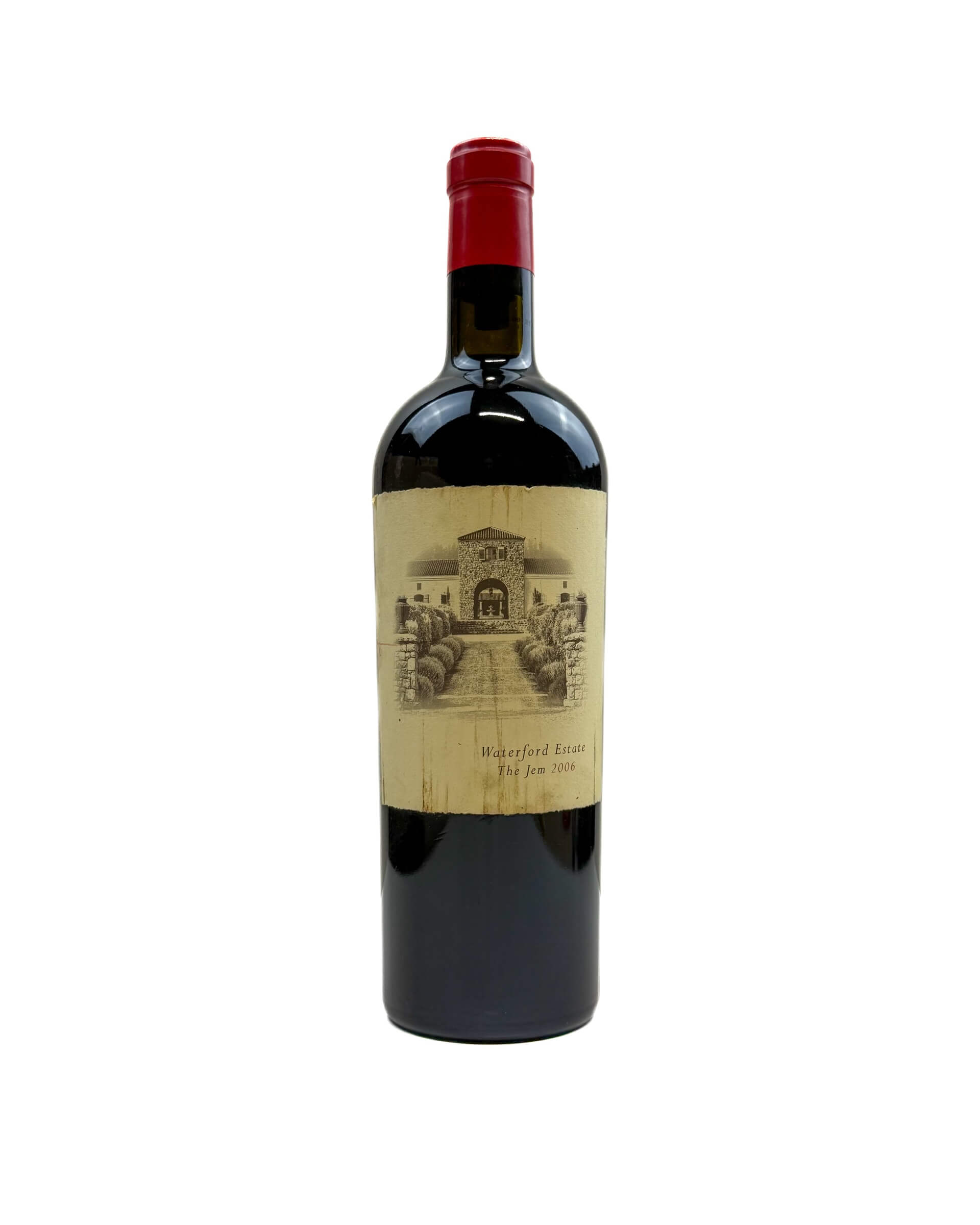
2006
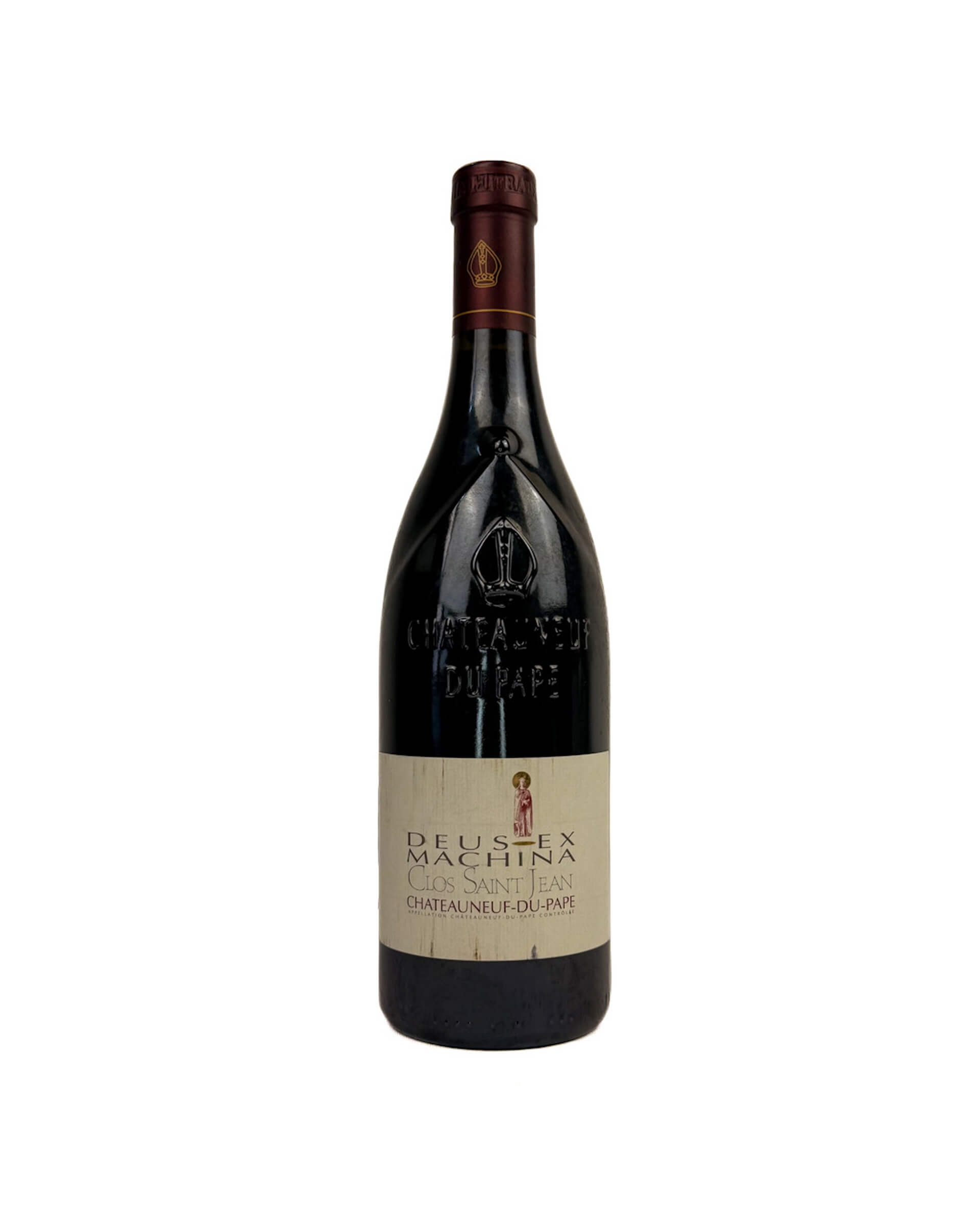
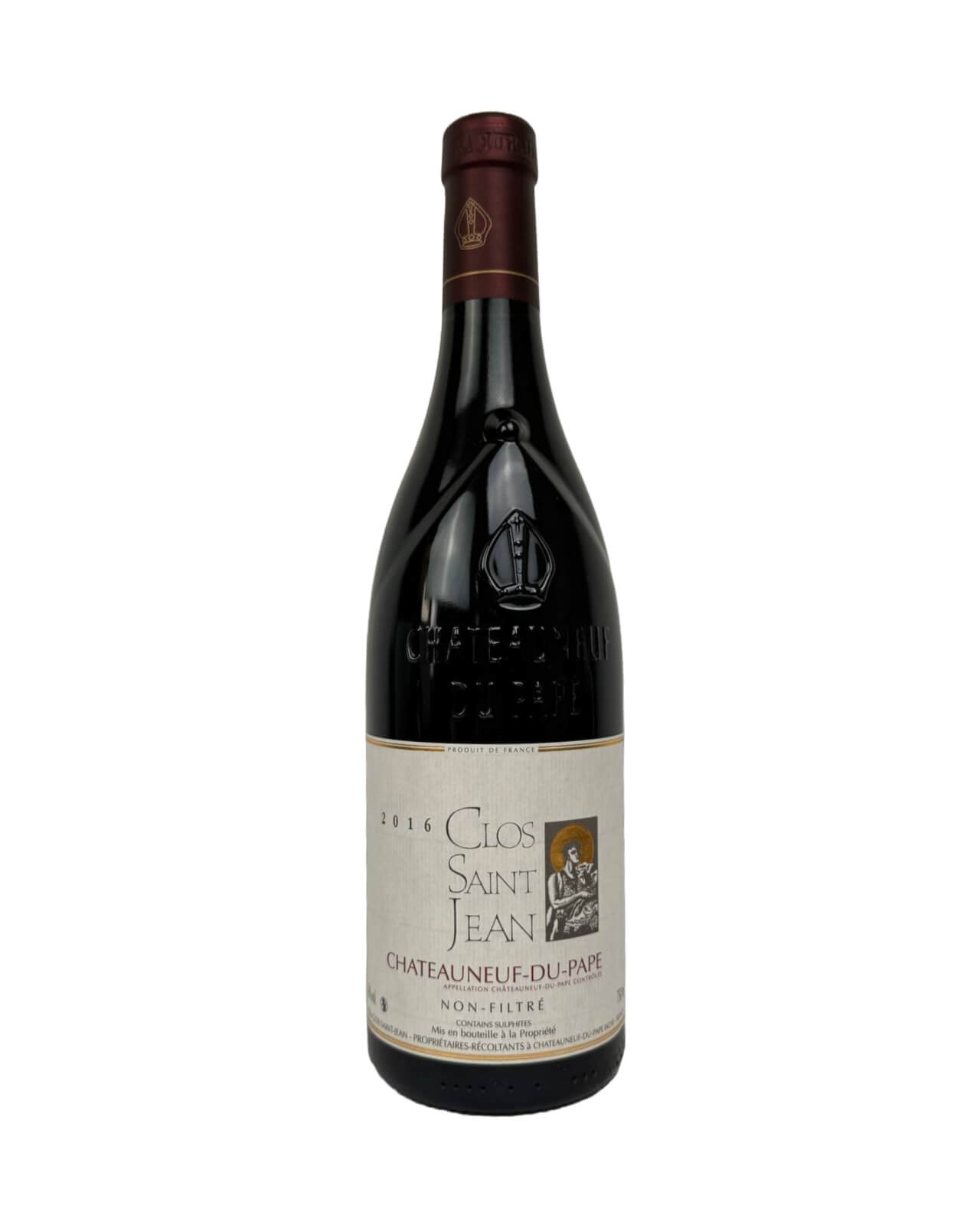
Clos Saint Jean
Wines, producers, regions...
Mourvèdre is one of the most exacting red grapes in the Mediterranean: thick-skinned, drought-resistant, the last variety to be picked in many Provençal vineyards, and capable of extraordinary longevity when it is grown somewhere hot enough to ripen it fully. Push it too far north and it turns green and astringent; give it sun, heat, and limestone and it becomes one of the great structural red grapes of France and Spain. This is the grape behind Bandol rouge and the backbone of the finest GSM blends — and our grape selection gathers seven references that show exactly what it can do.
Mourvèdre lives a double, almost triple life. It is the sovereign of Bandol, the one appellation on earth where it is the mandatory dominant variety, and the structural spine of the great blends of the Southern Rhône — Châteauneuf-du-Pape, Gigondas, Côtes du Rhône. Cross the Pyrenees and it answers to a different name entirely, Monastrell, the grape behind the dense, sun-drenched reds of Jumilla and Yecla. Across these territories, Tour de Wine’s curated selection of seven mourvèdre references runs from accessible Southern Rhône blends to rare, aged Bandol, all part of our broader wine catalogue.
If you want to understand the mourvèdre grape, start with one fact: it ripens late and demands sustained heat. It is one of the final red varieties harvested in Provence, and when the season fails to deliver enough warmth, the result is harsh, green-edged tannin rather than the dark, savoury depth the grape is prized for. Its skins are thick and deeply pigmented, giving wines among the most intense ruby-purple colours in the red spectrum — one reason it contributes so much to blends. The mourvèdre wine taste is unmistakably savoury and structured, and it stands as the meaty, earthy counterpoint to the softer, sweeter reds of the same regions.
Mourvèdre vs syrah is the comparison buyers ask most. Both are dark, structured, tannic varieties, but syrah is more overtly peppery and violet-scented, while mourvèdre is meatier, more earthy and mineral, with a wilder, gamier register. Crucially, mourvèdre demands considerably more heat to reach full ripeness, which is why it dominates only in the warmest pockets of the Mediterranean while syrah travels more easily into cooler climates.
No region is more bound up with this grape than Bandol. If there is a single place a buyer should associate with serious mourvèdre wine, it is this small stretch of the Provence coast, where the variety achieves a structure and ageing capacity found nowhere else.
AOC Bandol, in the Var department of Provence, is the only appellation in the world where mourvèdre must be the dominant variety in red wine. The law sets a minimum of 50% mourvèdre, but the serious estates push far beyond it, typically working at 70–90% and sometimes 100%. Red Bandol must also spend a minimum of 18 months ageing in wood and is not released until the spring of the third year after harvest — an unusually long statutory élevage that gives even entry-level bottles a head start on development and helps explain the wine’s remarkable structure.
The terroir is built for the grape: limestone-clay hillsides rising in an amphitheatre from the Mediterranean near Toulon and Marseille, swept by the dry Mistral and blessed with exceptional sunshine hours. Here mourvèdre ripens fully every single vintage — a feat it simply cannot manage further north. The wines are inky and dense, with meaty tannins and a saline minerality drawn from the coastal limestone, and they rank among the longest-lived reds of the French Mediterranean, typically reaching their peak between ten and twenty years from the vintage. Benchmark estates include Domaine Tempier, Château Pradeaux, Domaine de la Bégude, and Château de Pibarnon. Two of these sit in our own selection: Domaine Tempier’s Bandol rouge, whose Cuvée Classique shows the appellation’s signature black-olive-and-leather core wrapped around tannins that still need a decade, and a Château Pradeaux bottling that is among the most uncompromising — austere and almost tarry in youth, it is a wine our buyers cellar rather than open. As a French-provenance grape above all, mourvèdre sits naturally within our wider range of France wines.
Bandol is also celebrated for rosé, made principally from mourvèdre alongside clairette and cinsault. This is a fuller-bodied, more structured pink than the Provence rosé norm — copper-salmon in colour, with savoury herb, peach stone, and garrigue, and the substance to cellar for three to five years. It is a gastronomic rosé in the mould of Tavel — the Rhône appellation known for full-bodied, serious pinks built for the table — rather than a simple summer apéritif, and Domaine Tempier’s rosé is the classic demonstration of that ageing potential. This duality is useful to know for any buyer who meets Bandol as both a red and a rosé appellation.
Beyond Bandol, mourvèdre’s influence is felt most through blending — and through a second identity that confuses more buyers than any other grape in the Mediterranean.
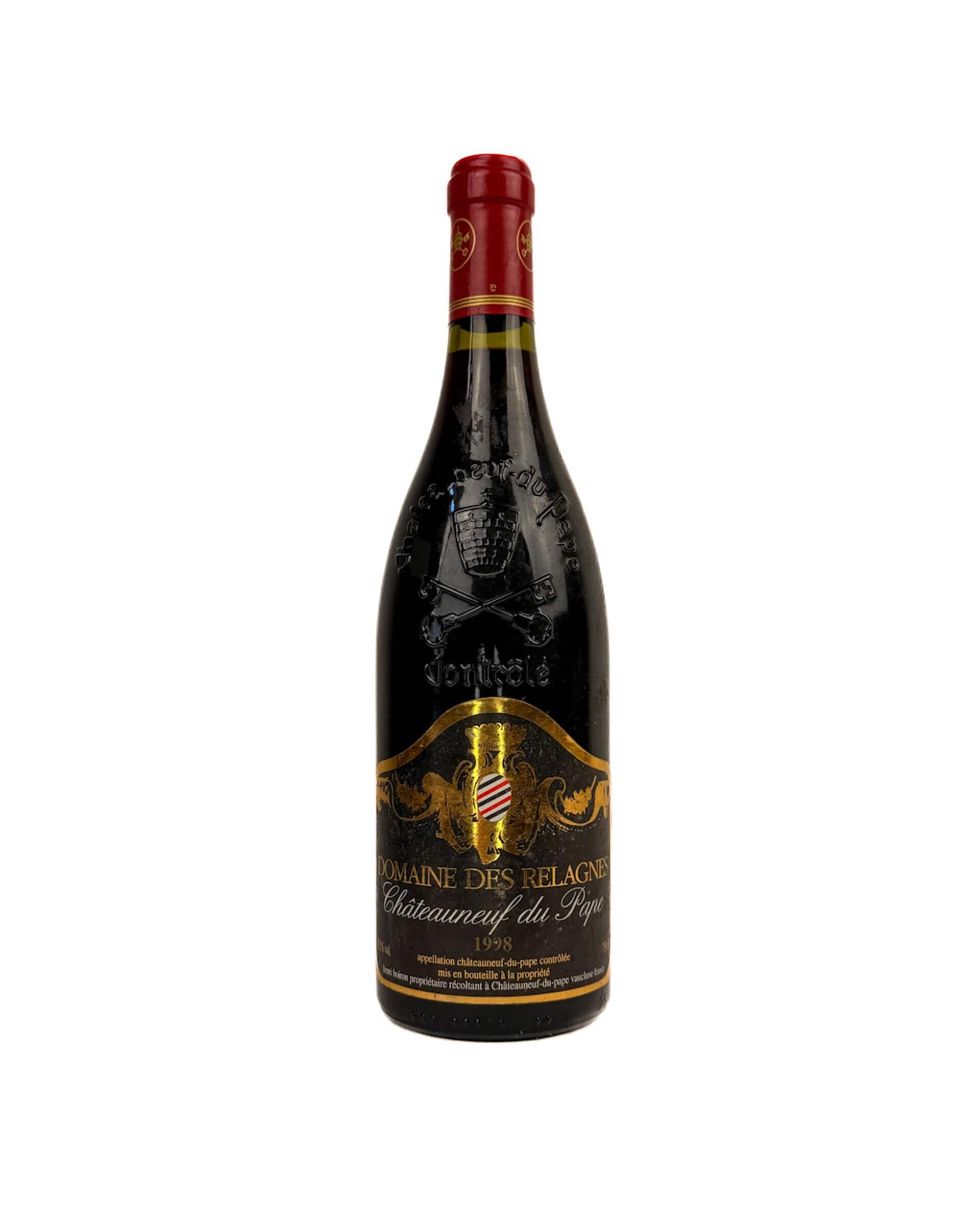
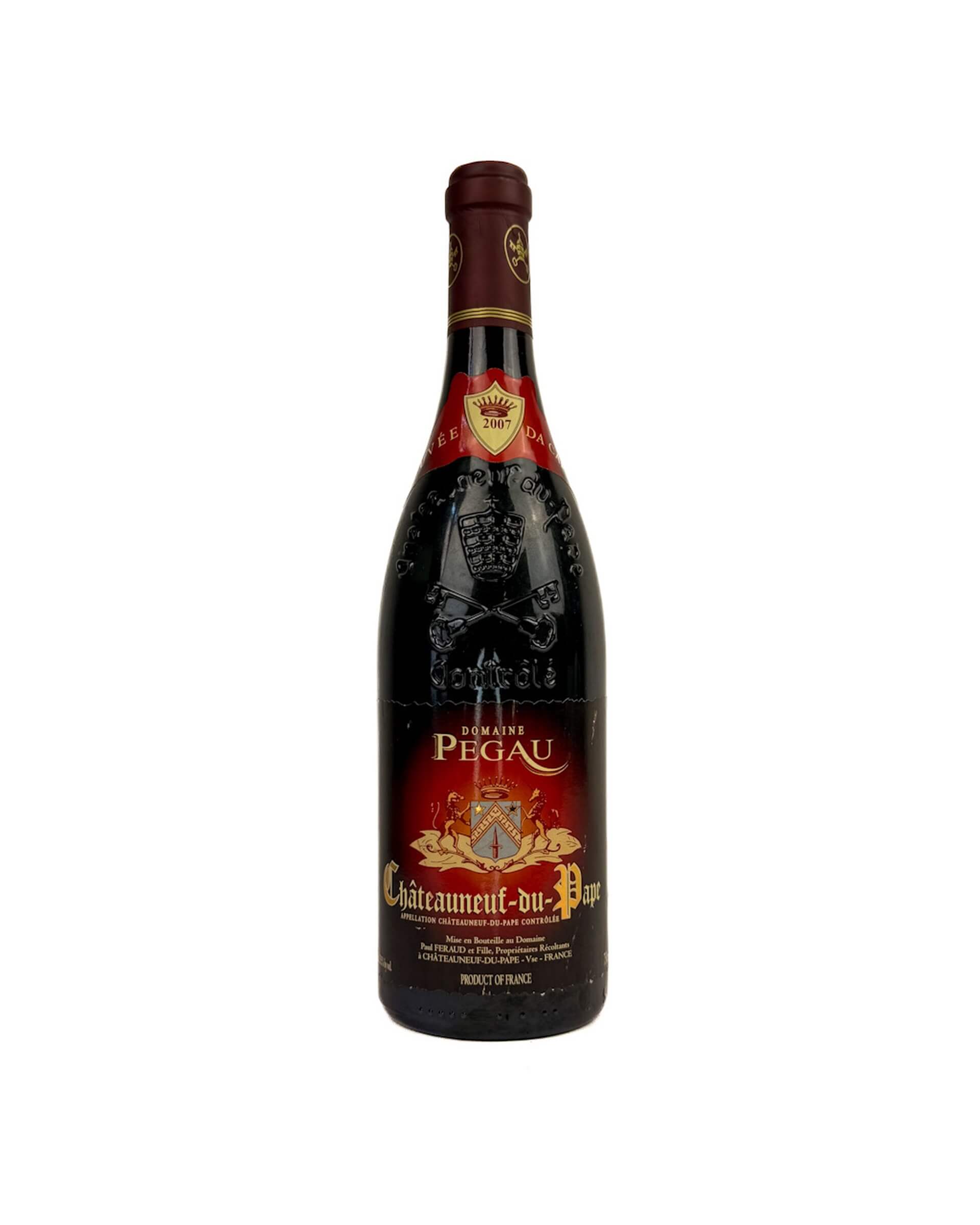
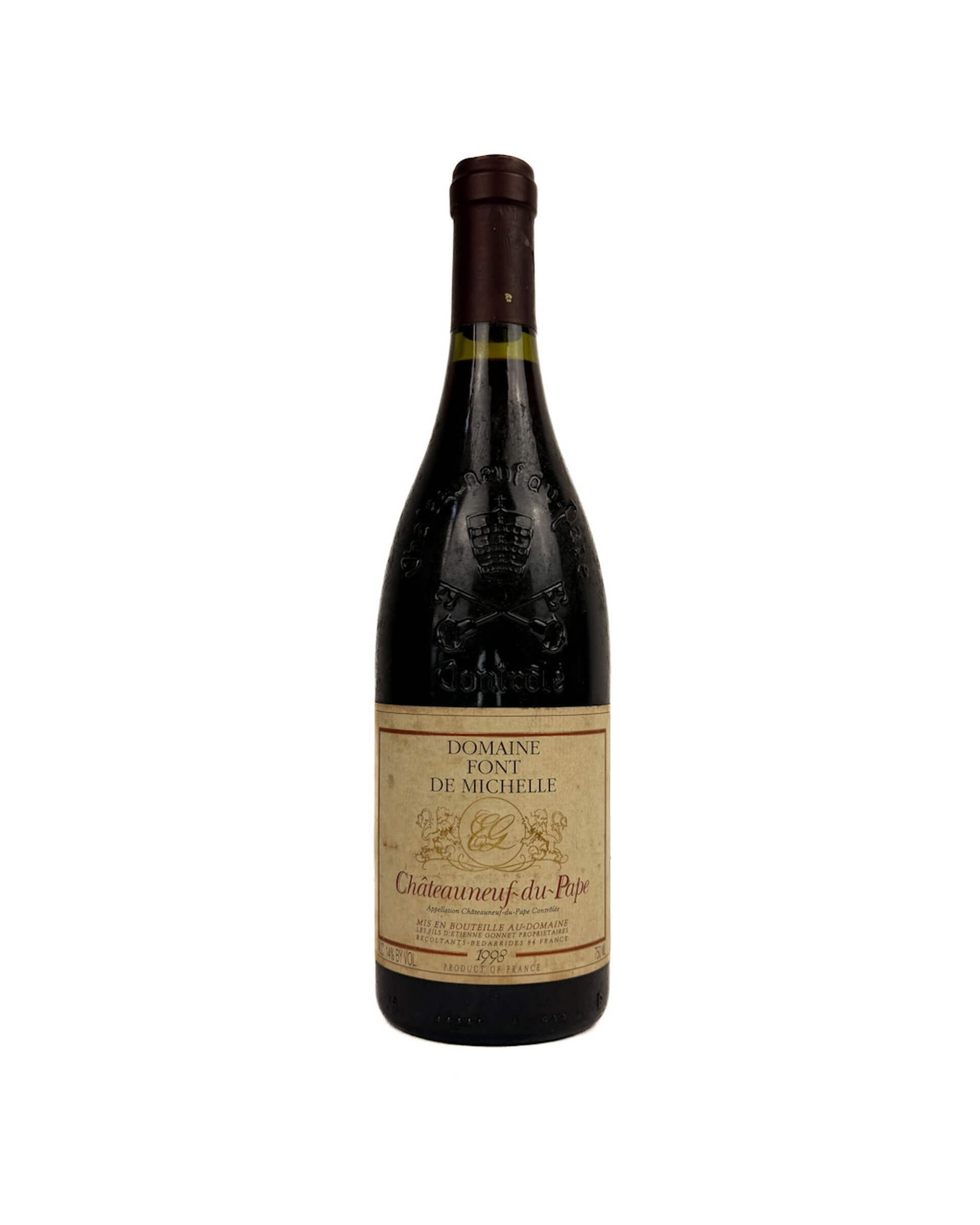
In Châteauneuf-du-Pape, mourvèdre is one of the thirteen permitted varieties, and at estates such as Château Beaucastel — which uses it at around 30% in its flagship blend — it supplies the inky depth, the tannic architecture, and the decade-long cellaring potential that separate a serious Châteauneuf from a lighter, grenache-dominant bottling. In Gigondas, Vacqueyras, and Côtes du Rhône Villages, mourvèdre plays the same supporting role, adding colour, tannin, and longevity; a higher proportion in the blend is often the surest signal of a wine built for the cellar rather than for early drinking. It is a natural starting point for anyone exploring our structured red wines.
Cross into southeastern Spain and the grape changes its name to Monastrell. The same variety drives the monastrell wine of Jumilla, Yecla, Alicante, and Murcia, and the contrast with Bandol is instructive. Jumilla in particular produces some of the most compelling expressions of mourvèdre outside France: old vines on limestone and clay, very low yields, and alcohol naturally elevated to 14–16% by the extreme inland heat. The style is plush and dark-fruited, with less of Bandol’s saline austerity but exceptional concentration for the money. Yecla is not simply more of the same: its vineyards sit at roughly 400–800 m altitude, which tempers the alcohol slightly and adds freshness, making its Monastrell a touch more lifted and aromatic than Jumilla’s densest expressions. Alicante runs warmer again — though note that Alicante Bouschet is an entirely different grape, a name that can easily mislead. For any buyer who has seen “Monastrell” on a Spanish label and “Mourvèdre” on a French one and wondered whether they are the same: yes, identical variety, different climate and tradition.
Mourvèdre’s savoury weight and grippy tannins make it a classic partner for rich, slow-cooked meat and game. The structure that can feel austere on its own becomes an asset against fat, char, and gamey intensity, which is why mourvèdre food pairing leans firmly toward the roasting tray and the braising pot rather than anything delicate.
For red mourvèdre, serve in the 16–18 °C band — the warmer end for a young, tannic Bandol that needs coaxing open, the cooler end for a mature bottle already integrated. Reach for a wide Bordeaux or Rhône bowl: mourvèdre needs generous volume for its meaty, leathery aromatics to lift. Decanting is strongly recommended for Bandol rouge under twelve years old, where 60 to 90 minutes of air softens the chewy tannins and draws out the fruit. For older bottles of fifteen years and beyond, pour gently and skip the extended decant — fine sediment is likely, and the wine no longer needs the air.
Tour de Wine’s selection of seven mourvèdre bottles spans the full range of what this grape can offer, from accessible GSM-blend expressions to rare, aged Bandol from serious estates. With only seven references, the curation is deliberate: every bottle has been chosen for appellation credibility and producer quality rather than for breadth. To buy mourvèdre wine well, it helps to match your intention to one of three buyer profiles.
The curious explorer enters the selection from around €45 — serious mourvèdre-forward blends from the Southern Rhône that illustrate the grape’s dark fruit, meaty character, and structural density without the grand-appellation premium of Bandol. It is the most affordable honest route into the variety.
The committed enthusiast will find that most bottles in the selection sit near the catalogue median of €145. This is the bracket of named Bandol estates and mourvèdre-dominant blends from recognised producers — the level that unlocks genuine ageing potential of ten to fifteen years and authentic appellation character. Buyers weighing a structured, cellar-worthy red against a softer alternative might also compare it with the firmer, age-worthy reds of Cabernet Franc or the rounder, more approachable style of Merlot.
The collector looks to the top of the selection, from €375 up to a maximum of €390: the rarest cuvées, likely aged-release or single-lieu-dit Bandol from benchmark estates — wines that reward fifteen to twenty-five years of patient cellaring and represent the ceiling of what mourvèdre can achieve. One practical point on value: because the statutory élevage means Bandol arrives already partway through its development, a higher entry price buys fewer years of waiting before the wine is drinking well — whereas the cheaper Southern Rhône GSM blends ask you to provide the cellar time yourself.
Vintage note: for Bandol rouge, outstanding recent vintages include 2015, 2016, 2019, and 2020. The warm years produce the generous, deeply structured wines that define the appellation’s personality and age the longest.
Yes — mourvèdre and Monastrell are identical varieties. Mourvèdre is the French name used in Provence, especially Bandol, and across the Southern Rhône; Monastrell is the Spanish name used in Jumilla, Yecla, Alicante, and Murcia. The same grape is also known as Mataro in parts of Australia and California. So if you see “Monastrell” on a Jumilla label and “Mourvèdre” on a Bandol rouge, you are looking at one grape grown in different climates under different winemaking traditions.
Mourvèdre is one of the latest-ripening red varieties in the Mediterranean. Its thick skins and compact bunches need sustained, intense heat throughout the season to develop fully; without it, the grape yields green, astringent tannins and lacks the dark fruit and meaty complexity that define great Bandol or Jumilla. That is why it thrives only in the warmest parts of Provence, southern Spain, and pockets of California and Australia, and why it rarely appears as a dominant variety in cooler regions.
Bandol rouge carries one of the longest mandatory pre-release ageing requirements of any French AOC: a minimum of 18 months in wood, with the wine held back until the spring of the third year after harvest. That statutory head start gives even entry-level bottles a structural advantage and translates into genuine cellaring windows. Serious estates such as Domaine Tempier and Château Pradeaux typically peak between ten and twenty years from the vintage, with top cuvées continuing to evolve for twenty-five years and more. The tannic structure that makes young Bandol austere is precisely what underpins its exceptional cellaring potential.
In a Grenache-Syrah-Mourvèdre blend, mourvèdre is the structural architect. Grenache contributes ripe, warm fruit and alcohol; syrah adds peppery aromatic lift and colour; mourvèdre provides deep colour, firm chewy tannins, meaty-mineral complexity, and longevity. A GSM with a higher proportion of mourvèdre is built for the cellar, while a grenache-dominant blend is more approachable young. When choosing a Southern Rhône blend, check the grape breakdown — a high mourvèdre percentage signals a wine intended for eight to fifteen years of ageing.
Written by the Tour de Wine buying team. Last reviewed: June 2026.
This site is restricted to adults. By entering, you confirm that you are of legal drinking age in your country of residence.