
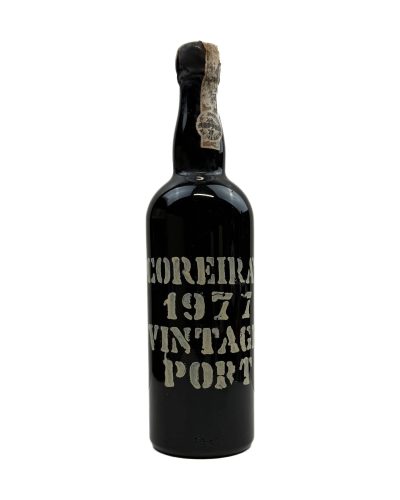
0.75 L
1977
Coreira's
Wines, producers, regions...
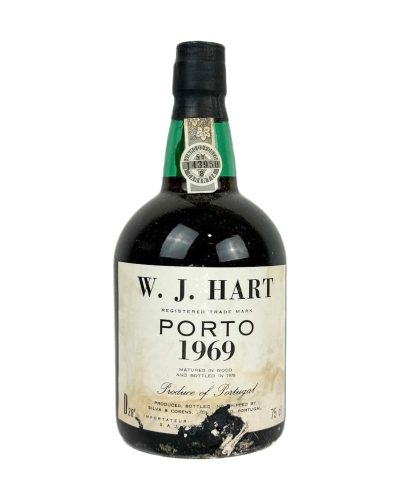
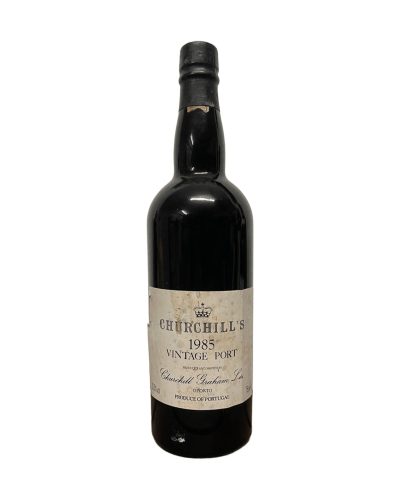

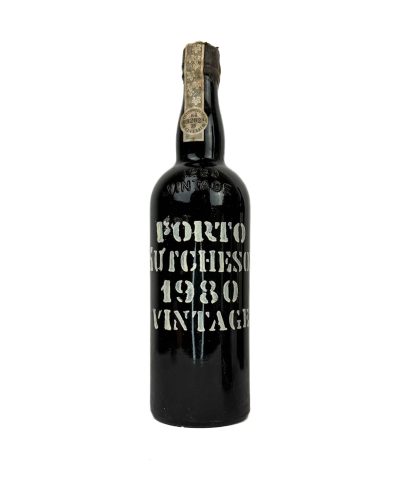
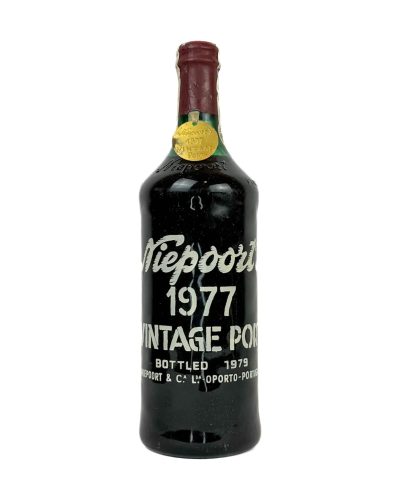
Tinta Roriz is the Douro name for the red grape that Spain calls Tempranillo. In northern Portugal it is one of the main varieties of the Douro valley, and it is one of the traditional grapes behind port. This page is for anyone who wants to see what the grape does in a glass, whether they are building a port cellar, looking for a gift or simply curious about a variety that goes by two names.
Tinta Roriz gives colour, structure and a steady tannic frame, with red and dark fruit on the nose and a savoury, slightly spicy side as the wine matures. It rarely stands alone in the Douro. Winemakers blend it with Touriga Nacional, Touriga Franca and Tinta Barroca, and each grape adds something: perfume, depth, freshness or softness. Tinta Roriz is often the backbone that holds the others together.
Its other name is worth knowing. In Spain the same grape is Tempranillo, the base of many Spanish reds. In Portugal you will meet it as Tinta Roriz in the Douro and as Aragonez elsewhere in the country. The vine is the same, but the climate, the soil and the way it is vinified change the wine a great deal.
The wines in this category are ports, labelled under the Porto appellation. Port is a fortified wine from the Douro valley: fermentation is stopped by adding grape spirit, which keeps natural sweetness and brings the strength up. The wines then age in barrel or bottle, and the style depends on how that ageing is done.
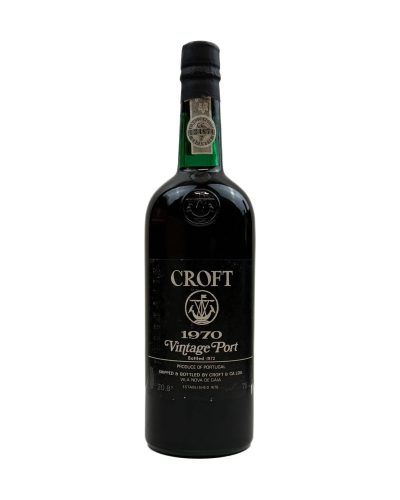
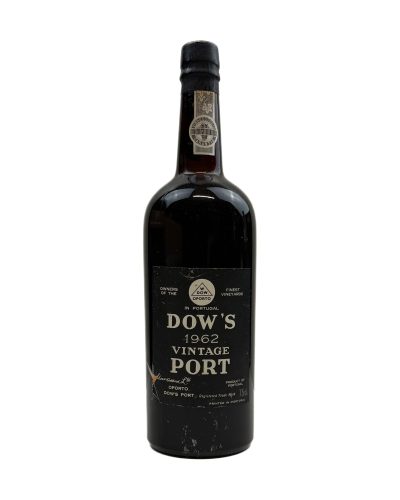
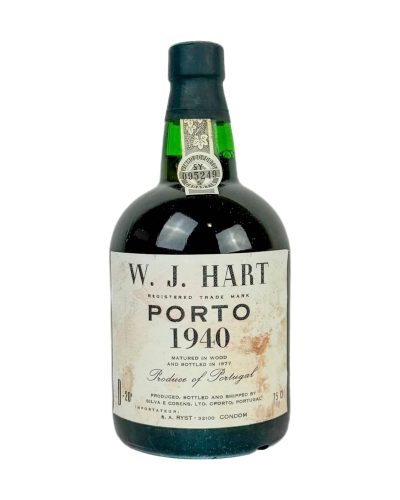
The houses represented here are Dow’s, Croft, Niepoort, Churchill Graham, Feist, Hutcheson, W.J Hart and Coreira’s. They give you several styles and house signatures, so you can compare how the same grape, within different blends, turns out under different hands.
Start from the occasion. For a dinner gift, a tawny with a stated age is easy to give, since it needs no decanting and is ready as soon as it is opened. For a cellar, look at vintage port, which rewards patience and gains complexity over many years. To enjoy now at a lower commitment, a ruby or a Late Bottled Vintage is the practical choice.
Check the label: the producer, the style (ruby, tawny, LBV, vintage), the vintage or the age indication, and the grape list when it is given. Not every port lists its grapes, so read the details of each bottle before you decide.
Serve ruby and LBV at cellar temperature, a little below room temperature, and tawny slightly cooler, around 12 to 14 °C. Use a small tulip-shaped glass so the aromas gather. Vintage port throws a deposit and should be stood upright for a day and decanted gently before serving.
Store bottles on their side in a cool, dark place without sudden temperature swings. Vintage port is best finished within a few days of opening. Tawny and LBV hold for longer once opened, provided the bottle is closed and kept cool. Port pairs well with blue cheese, dried fruit, dark chocolate and nut desserts, and a tawny is lovely with crème brûlée.
If you like the structure of Tinta Roriz, browse the full list on the Grapes page, where every variety has its own category. For another firm, tannic red, try Cabernet Sauvignon or Nebbiolo. For a softer, rounder profile, look at Merlot or Grenache. Malbec offers deep colour and dark fruit, and Sangiovese brings the freshness and savoury character of central Italy.
Whichever you choose, the idea is the same: learn what each grape contributes, then pick the bottle that suits your table.
This site is restricted to adults. By entering, you confirm that you are of legal drinking age in your country of residence.