
87
0,375
2000
Chateau Coutet
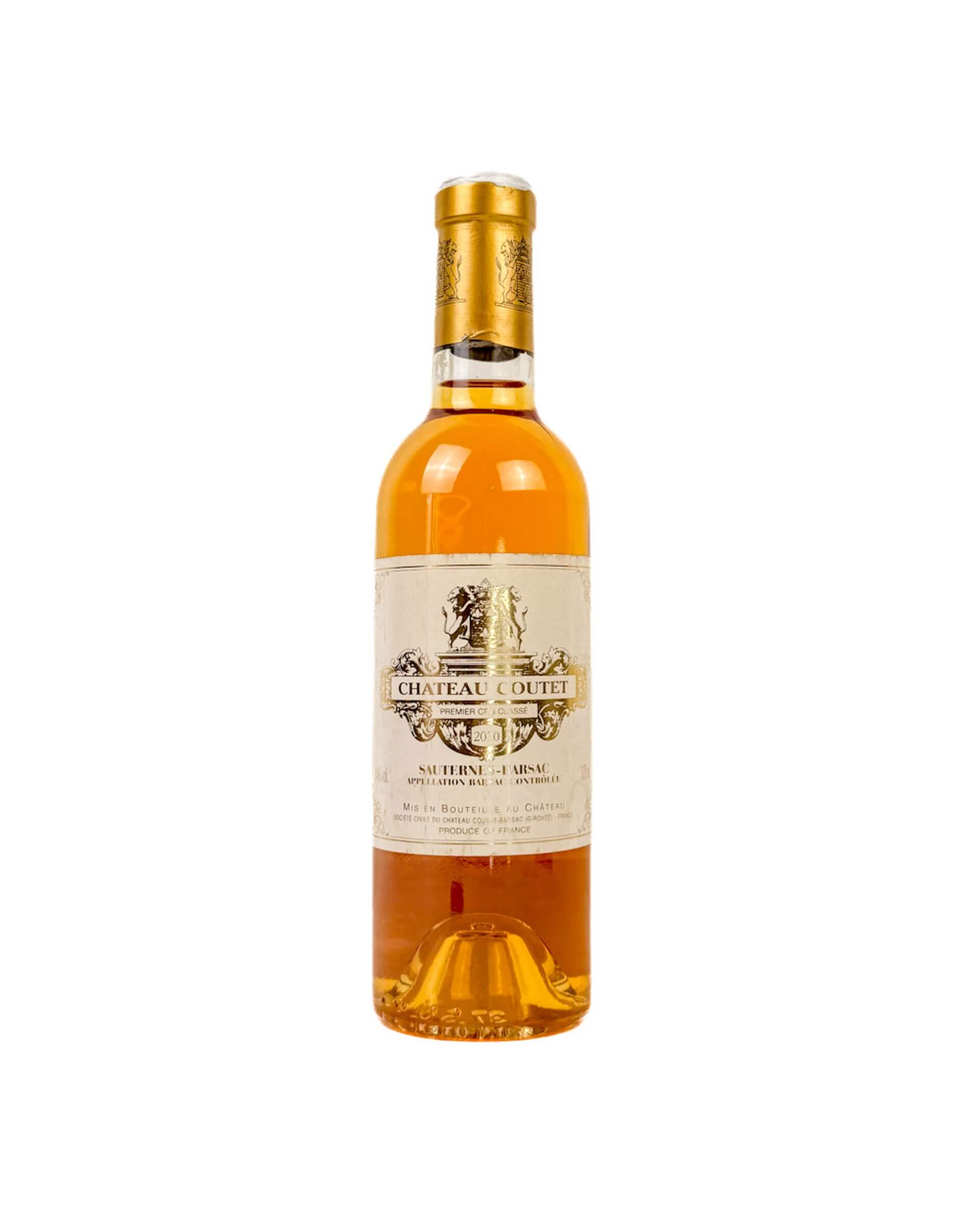
Chateau Coutet 2000 0,375L
€ 30,00
Wines, producers, regions...
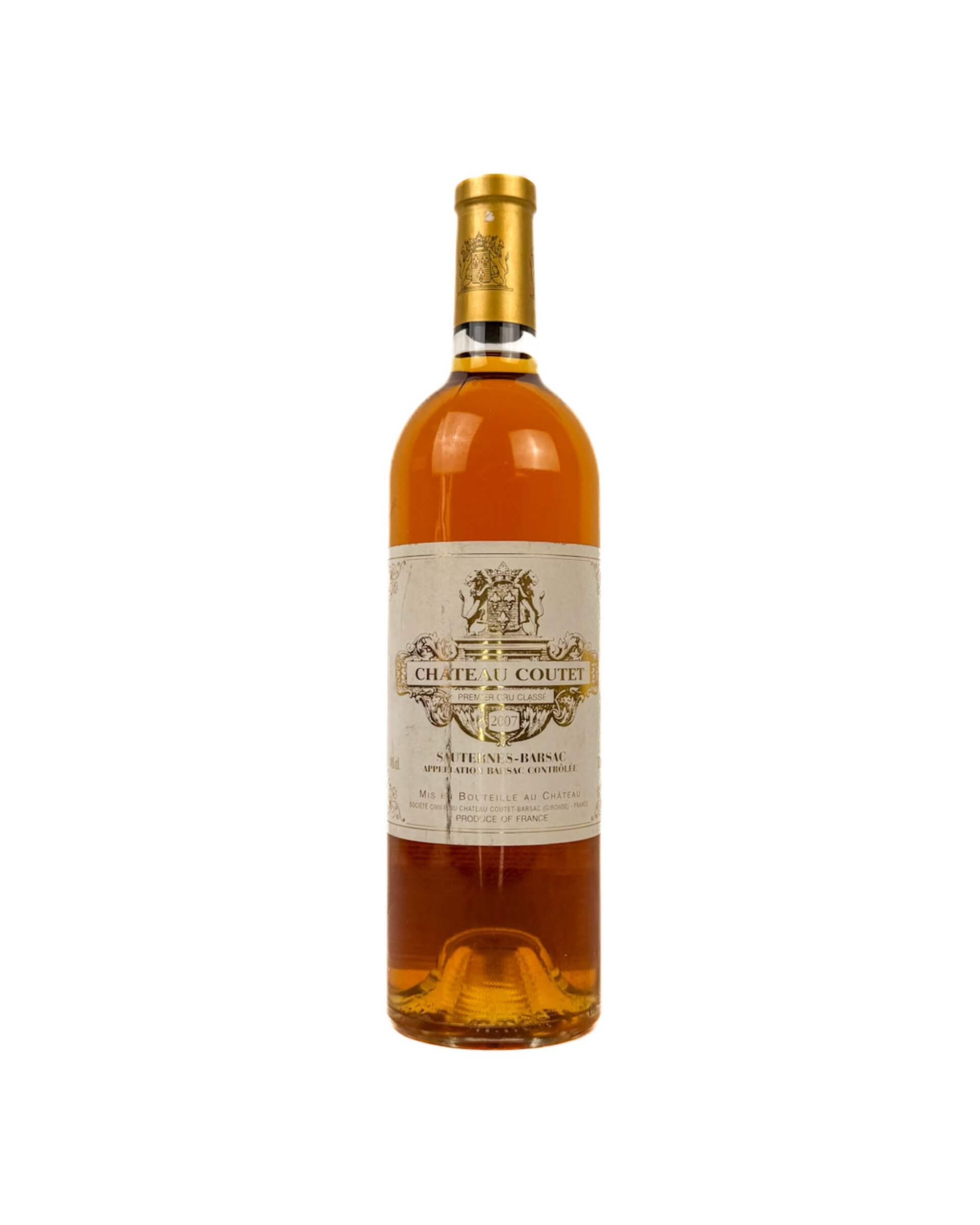
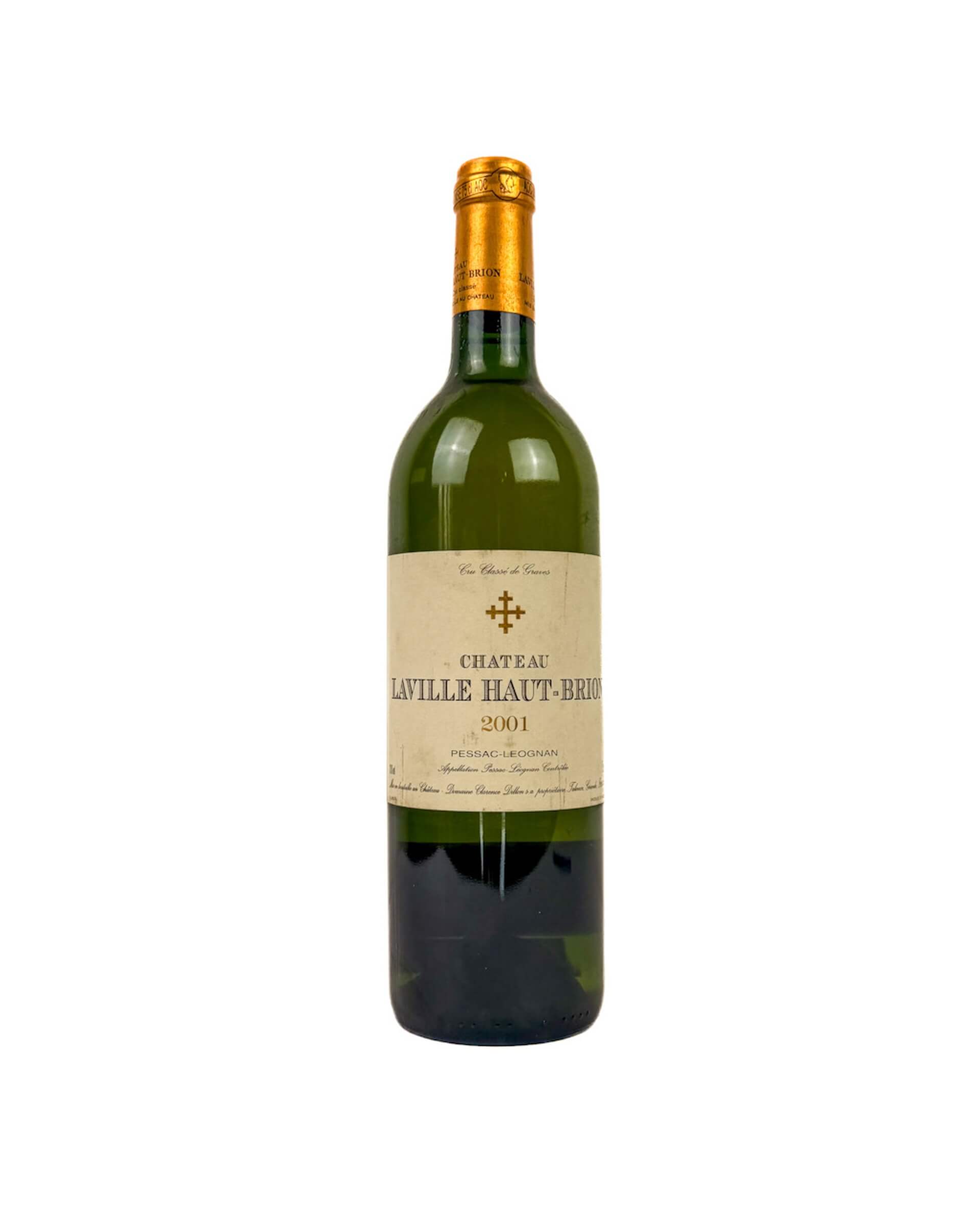
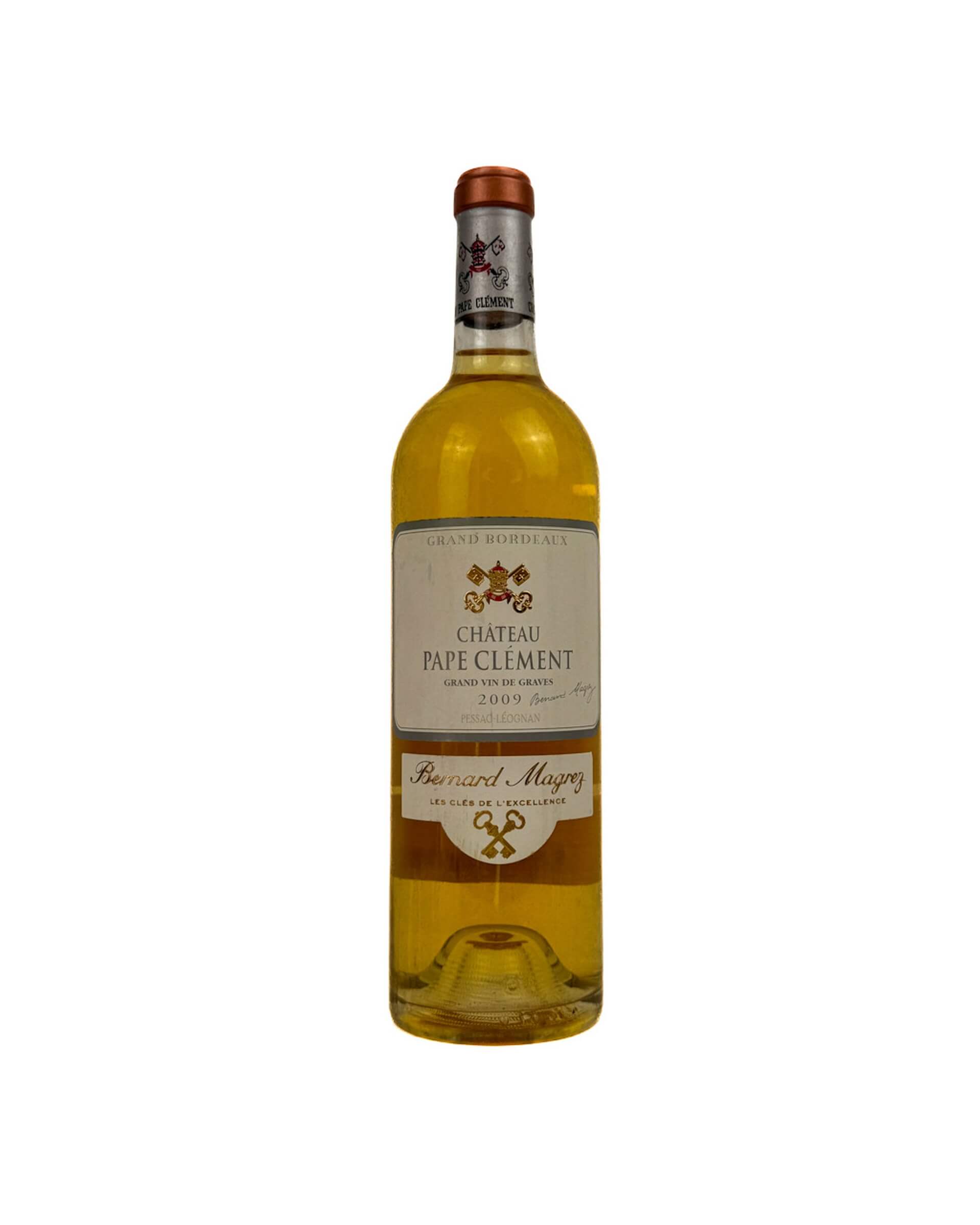

Sémillon is one of the wine world’s great quiet performers: a green-skinned grape of Bordeaux origin whose waxy, lanolin-rich texture and capacity for extraordinary longevity make it the structural backbone of serious dry white Bordeaux and the grape behind the immortal sweet wines of Sauternes and Barsac. A sémillon wine rarely shouts in youth — its complexity is earned through barrel fermentation and time in bottle — yet at maturity, top Pessac-Léognan examples such as Haut-Brion Blanc are documented to evolve over fifty years and routinely earn scores in the high 90s from the major critics. Tour de Wine is a French specialist whose Sémillon selection centres on the appellations where this grape reaches its most complex, age-worthy dry expression.
The range runs from accessible dry Bordeaux wines made for early pleasure to prestigious Pessac-Léognan cuvées built for the cellar — wines layered with beeswax, lemon curd, white peach and, with age, toasted hazelnut. Browse the selection above, then read on to understand what defines the grape, how to read a blend, and how to choose the right bottle for your table or your cellar.
The sémillon grape is a thin-skinned, early-ripening variety of Bordeaux parentage. That thin skin makes it uniquely susceptible to Botrytis cinerea, the noble rot that creates Sauternes and Barsac — yet the same grape, managed for low yields in an appellation like Pessac-Léognan, also produces bone-dry whites of remarkable depth. Few varieties wear two such different crowns so convincingly.
This is why young Sémillon can seem surprisingly neutral and why aged Sémillon surprises everyone. The contrast with its blending partner is instructive: where Sémillon offers weight, beeswax and a long ageing platform, Sauvignon Blanc brings aromatic lift, citrus freshness and structural acidity. The semillon sauvignon blanc partnership is among the most complementary in all of viticulture — each grape supplies precisely what the other lacks.
For a wine merchant and a serious buyer, this is the main event. Dry white Bordeaux wine built on Sémillon is one of the most undervalued categories in fine wine, and the grape’s textural richness is precisely what lets these wines age for decades. The selection here is weighted toward the appellations that take this style most seriously, from the classified châteaux of Pessac-Léognan to the fresher, more immediate wines of the wider Graves and Entre-Deux-Mers.
The southernmost part of the Graves, Pessac-Léognan sits on deep gravel beds over clay and limestone — geology that delivers exceptional drainage and a mineral character entirely its own. It holds the only classification for dry white Bordeaux, and its châteaux produce Sémillon-dominant blends of remarkable complexity.
The buying insight that no encyclopaedia entry will give you: top pessac-léognan white remains strikingly undervalued against Grand Cru white Burgundy. A bottle priced like a village Meursault can be a wine of comparable — sometimes greater — complexity and longevity. These estates sit alongside the classified Grand Cru tradition of Bordeaux in pedigree, even if the white classification is its own quiet hierarchy.
Beneath the Pessac-Léognan classification, the broader Graves appellation and the high-volume Entre-Deux-Mers zone produce dry Sémillon-based whites that are more immediately accessible: higher Sauvignon Blanc proportions, lighter oak, and a fresher, more aromatic profile for early drinking. These are the wines that introduce the style — approachable within two to four years, food-versatile, and far less demanding than the top cuvées.
This distinction is the single most practical piece of buying guidance for the grape: Pessac-Léognan is classified, age-worthy and Sémillon-dominant; Entre-Deux-Mers is accessible, Sauvignon Blanc-leaning and best enjoyed young. Both belong to the wider world of France wines, but they answer entirely different questions about when and how you intend to drink the bottle. (For context, Sémillon’s ageing power is not unique to France: in Australia’s Hunter Valley the grape is bottled bone-dry at 10–11% alcohol and entirely without oak, yet after five to fifteen years it develops toasted bread, honey and preserved-lemon complexity — a vivid illustration of how far the variety can travel in bottle, though Tour de Wine’s selection stays focused on its French expressions.)
Sémillon’s most famous identity is sweet, and a complete picture of the grape demands it. In the right autumn conditions, that thin skin invites noble rot, concentrating the fruit into some of the most age-worthy wines on earth.
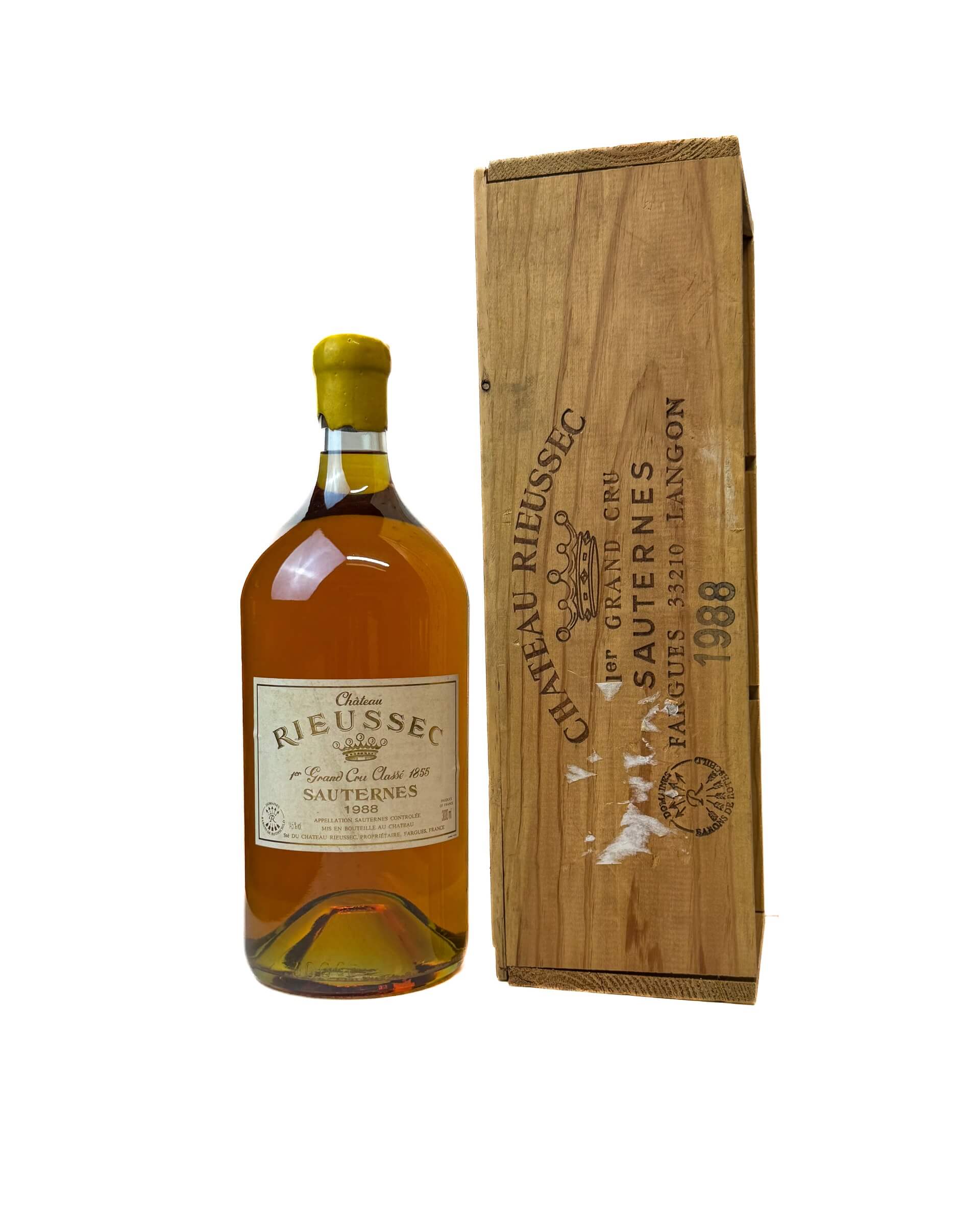
In Sauternes and Barsac, Botrytis cinerea shrivels the berries and concentrates their sugars and glycerol while adding its own distinctive notes of apricot, marmalade, saffron, ginger and beeswax. The world’s most famous example, Château d’Yquem, is typically around 80% Sémillon, with Sauvignon Blanc making up the balance; the proportions vary by vintage, but Sauvignon Blanc consistently contributes freshness to the blend. Great Sauternes can age for fifty years or more, deepening from honeyed gold to burnished amber.
If sweet wine is your goal, the dedicated Bordeaux wines collection is the place to explore Sauternes and Barsac in full. This page acknowledges that side of the grape and then turns back to its purpose: buyers who want dry, savoury complexity should stay here and explore the Pessac-Léognan and dry white Bordeaux selection above.
Few white grapes reward thoughtful pairing as generously as Sémillon, precisely because its weight and round texture behave so differently across its styles and ages.
This is a specialist premium selection rather than a broad price ladder, and the catalogue is honest about that. Whether you are buying your first serious white Bordeaux or adding a benchmark-château cuvée to the cellar, the right choice follows directly from how — and when — you intend to drink it.
The curious explorer. The Sémillon selection opens from around €45, where genuine dry white Bordeaux character begins — accessible wines with real regional identity, early-drinking appeal, and enough Sémillon weight to start understanding what makes the grape distinctive. A handful of bottles sit lower, from a minimum of €25, but €45 is where appellation character and winemaking intent reliably take hold.
The enthusiast seeking Pessac-Léognan depth. The great majority of bottles are priced near €350, the level at which serious barrel-fermented Pessac-Léognan and classified dry white Bordeaux live. These are wines with genuine site-specific character, ageing potential of ten to twenty years, and the waxy, hazelnut complexity that makes mature dry Sémillon one of the most rewarding whites in France. Many drinkers find this the most satisfying place to commit to the grape.
The collector. At the upper end — around €360 at the 90th percentile, reaching up to €420 for the most prestigious cuvées — you find benchmark-château Pessac-Léognan in limited quantities, built for the cellar and designed to evolve over fifteen to twenty-five years. The closeness of the median (€350) and the 90th percentile (€360) tells its own story: this selection is weighted decisively toward the premium end, with the majority of bottles at or above €350. For collectors who value the classified-estate tier, these wines belong in the same cellar conversation as 1er Cru Bordeaux. All prices are in euros, reflecting the European market at source (figures as of June 2026; see individual product pages for current pricing).
Sémillon is a bone-dry, medium-to-full-bodied white grape with a distinctively round, almost waxy texture that sets it apart from the crisper styles of Sauvignon Blanc or Chardonnay. In youth — especially in accessible dry white Bordeaux — it shows lemon curd, white peach and fig, with a subtle oiliness that gives the palate a pleasing weight. With barrel fermentation and time in bottle, the profile deepens toward toasted hazelnut, beeswax, honey and white truffle, a complexity that can rival aged white Burgundy. In Sauternes and Barsac, botrytis concentrates its natural richness into apricot, marmalade and saffron. Above all, it is a grape whose full personality only reveals itself with age.
The two grapes are almost perfectly complementary. Sémillon supplies body, weight and the textural richness that allows a wine to age — its low acidity and waxy character give the blend its longevity. Sauvignon Blanc brings aromatic lift, citrus freshness and structural acidity that Sémillon alone lacks. In a typical Pessac-Léognan white, Sémillon accounts for 50–80% of the blend. The proportions matter as a buying signal: a high-Sémillon blend will age longer and show more wax and weight, while a higher Sauvignon Blanc proportion will be more aromatic and earlier-drinking.
It depends on style and age. Young, accessible dry Sémillon from Entre-Deux-Mers or generic Bordeaux Blanc pairs beautifully with seafood — grilled sea bass, mussels, turbot, or a simple lemon-dressed fish. Barrel-fermented Pessac-Léognan, with its weight and toasted hazelnut character, calls for richer fare such as sole with beurre blanc, lobster in cream sauce, roast capon or mature Comté. Aged Pessac-Léognan is a wine for the best of the table: wild mushroom dishes, white truffle, roasted turbot or aged hard cheese. Sweet Sauternes-style Sémillon is famously matched with foie gras, Roquefort and fresh fruit tarts.
Entry-level dry Sémillon from Bordeaux Blanc or Entre-Deux-Mers is usually best within three to five years of harvest — it is made for fresh, early-drinking appeal. Barrel-fermented Pessac-Léognan is a different proposition: these wines often close down three to five years after release and re-emerge after seven to ten years in considerably better shape, developing their full complexity of hazelnut, beeswax and honeyed stone fruit over fifteen to twenty-five years. The greatest expressions, such as Haut-Brion Blanc and La Mission Haut-Brion Blanc, are documented to evolve over fifty years or more. Patience is the defining virtue of serious dry Sémillon — opening a bottle too young is the most common mistake buyers make.
Written by the Tour de Wine buying team. Last reviewed: June 2026.
This site is restricted to adults. By entering, you confirm that you are of legal drinking age in your country of residence.