
98
0,75
1996
Vega Sicilia
Wines, producers, regions...
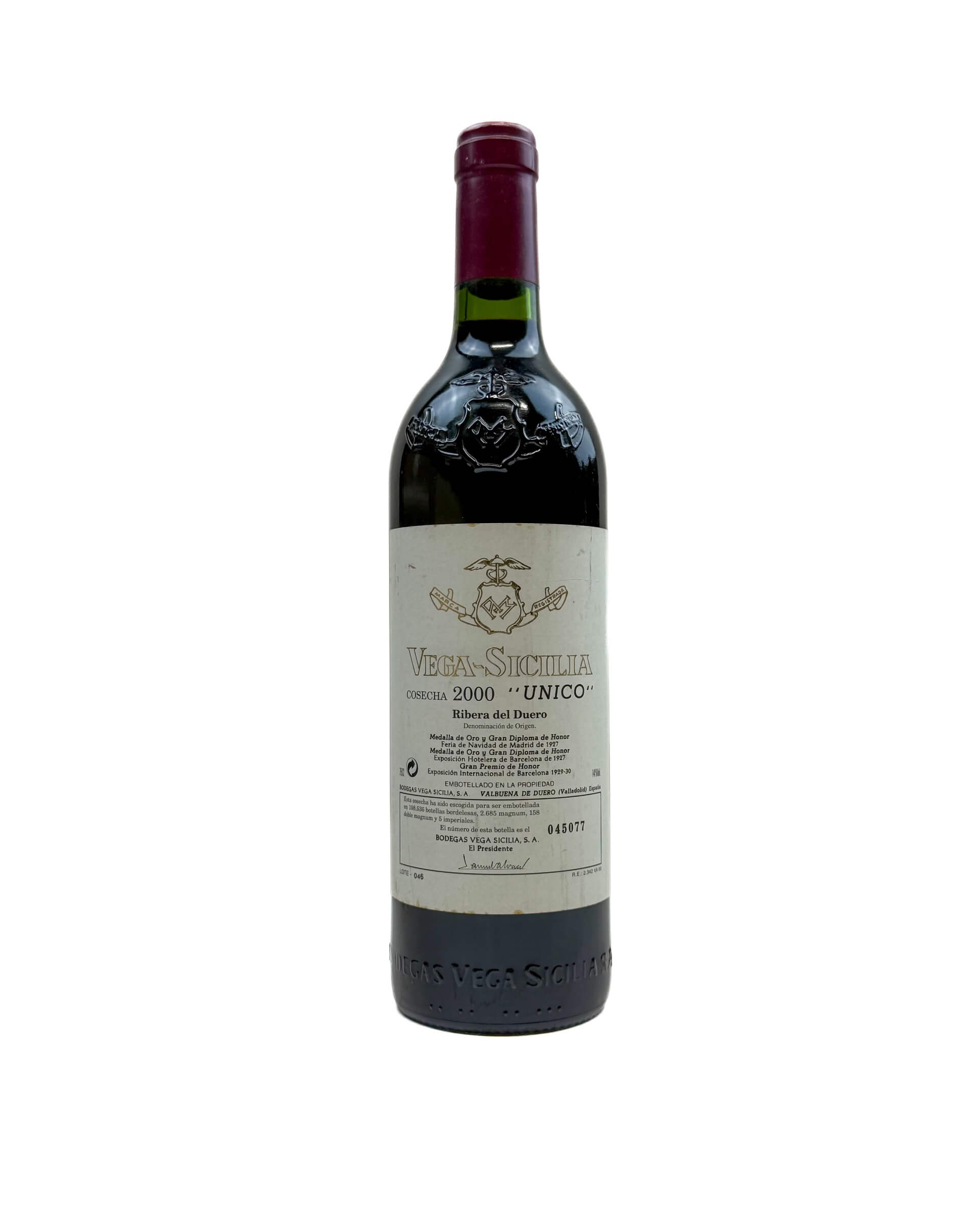
Tinto Fino is the local biotype of Tempranillo behind the great reds of Ribera del Duero, grown between 750 and 900 metres up on the high Castilian plateau where the nights turn cold even in high summer. It is a biotype, not a separate grape, yet centuries of adaptation to this extreme altitude have produced a structured red whose altitude-driven acidity and tannin architecture make it one of the longest-lived wines produced on the Iberian peninsula. Among the prestigious red grape varieties in our collection, few reward patience like this one.
On this page our buying team sets out everything a serious buyer needs: how the Tinto Fino biotype differs from the Tempranillo you may know from Rioja, the sub-zones of the Ribera del Duero and how they shape the wine, the Joven-to-Gran Reserva ageing scale that explains both style and price, the estates that built the appellation’s fame, and a practical buying guide anchored to the real prices of our five-bottle selection — starting from around €410.
Tinto Fino is the local biotype of Tempranillo in Ribera del Duero. It is genetically the same grape that Rioja calls Tempranillo, that Toro names Tinta de Toro and that Catalonia knows as Ull de Llebre — but adapted over centuries to the harsh conditions of the Castilian meseta. At 750 to 900 metres of altitude, with a day-to-night temperature swing of 15 to 20 °C, the vine develops a thicker skin, higher natural acidity and tighter tannins than the Tempranillo grown on the lower, warmer plains of Rioja. The Tinto Fino versus Tempranillo difference, then, is one of terroir and adaptation rather than botany.
In the glass this translates into a deep, almost opaque garnet robe on age-worthy vintages; a nose of black cherry, blackberry, graphite, leather and damp earth; and a palate built on firm, structuring tannins with a long, spiced finish. You may also see the label read Tinta del País — another regional name for the same vine. It is worth remembering that on a Spanish label, “Tinto Fino”, “Tinta del País” and “Tempranillo” all point to one and the same grape.
The Ribera del Duero is a 115-kilometre corridor running east to west along the river Duero, spanning the provinces of Burgos (dominant), Soria, Segovia and Valladolid. The average vineyard sits at 750 to 900 metres on the meseta. Scorching summer days, with peaks of 38 to 40 °C, give way to very cool nights — that 15-to-20 °C swing slows ripening, concentrates aromatics and preserves the grape’s natural acidity. Clay-limestone soils dress the slopes, while rolled pebbles and alluvial silt line the riverbanks. The Denominación de Origen was officially recognised in 1982. Buyers exploring the wider style will find more in our red wines collection.
The Burgos sub-zone, around Aranda de Duero and Peñaranda de Duero, produces the most structured and most tannic expressions of all — this is where the plots of Pingus lie, at La Horra. The estate of Vega Sicilia, by contrast, sits at Valbuena de Duero in Valladolid province, where the eastern fringe of Soria and the margins of Valladolid give slightly more aromatic, less muscular wines, with fruit that is more approachable in youth. It is worth noting that the Duero flows on into Portugal to become the Douro: the two great Iberian wine regions share the very same river.
For a buyer, this geography offers an actionable rule in warm vintages. The Atlantic-influenced northern edge of Burgos, around La Horra, tends to preserve freshness and acidity even in hot years such as 2017 or 2022, holding the wines in balance. The hotter Soria margin to the east, by contrast, can over-ripen in those same vintages, yielding heavier, lower-acid wines. When shopping a warm year, lean toward bottlings sourced from the cooler northern villages.
The appellation’s ageing classification is the key to reading the gap in both style and price across our five-bottle selection. Each tier sets a regulated minimum time in oak and in bottle before release:
Our Tinto Fino selection is concentrated on Reserva and Gran Reserva bottlings, which explains its pricing — a median near €440. The greatest cuvées, such as Vega Sicilia Único or Pingus, step beyond the ordinary classifications through ageing regimes of their own: Vega Sicilia Único can spend around ten years maturing at the estate before release. For buyers who think in terms of tiers of distinction, the same logic of patience and pedigree governs our Grand Cru wines.
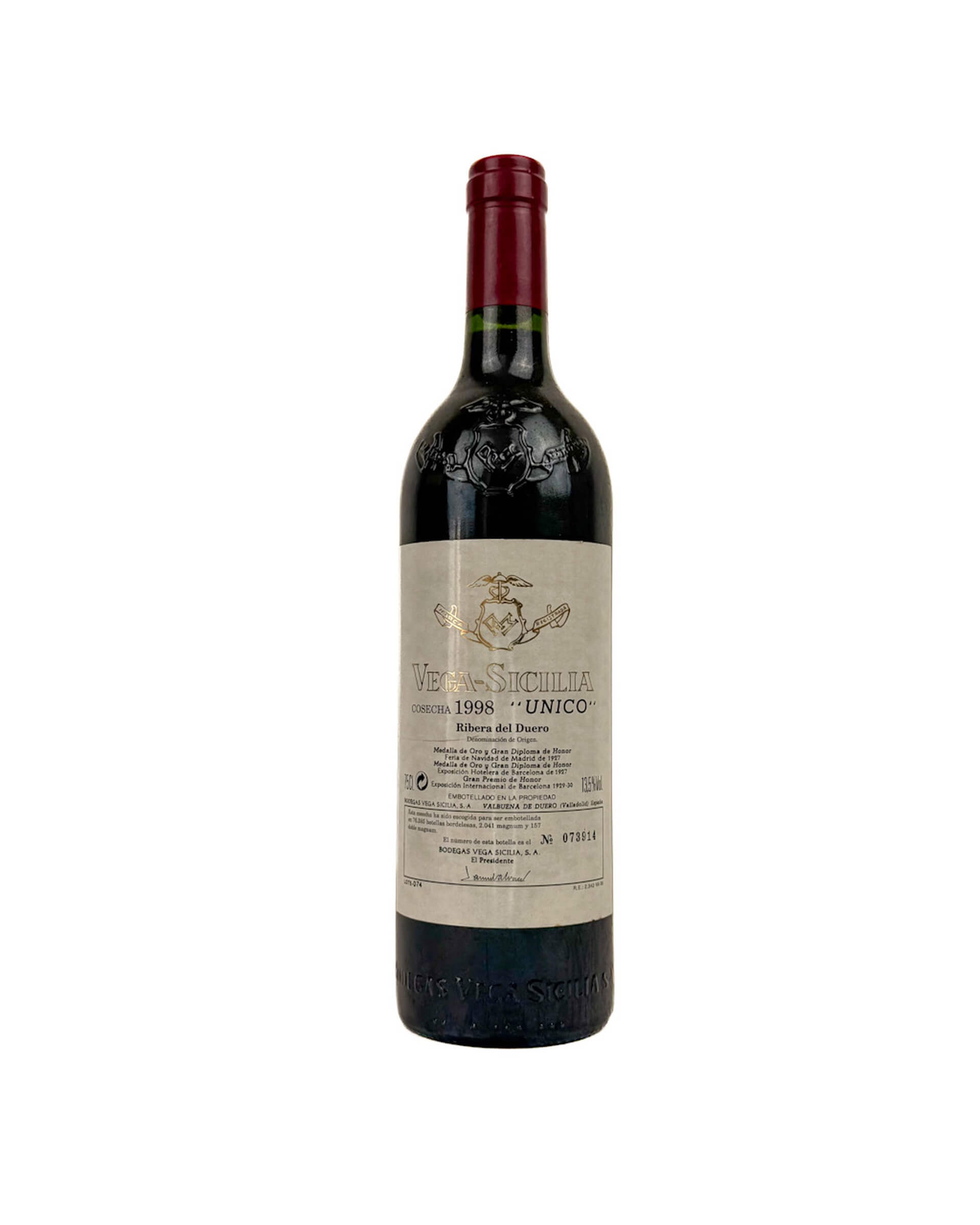
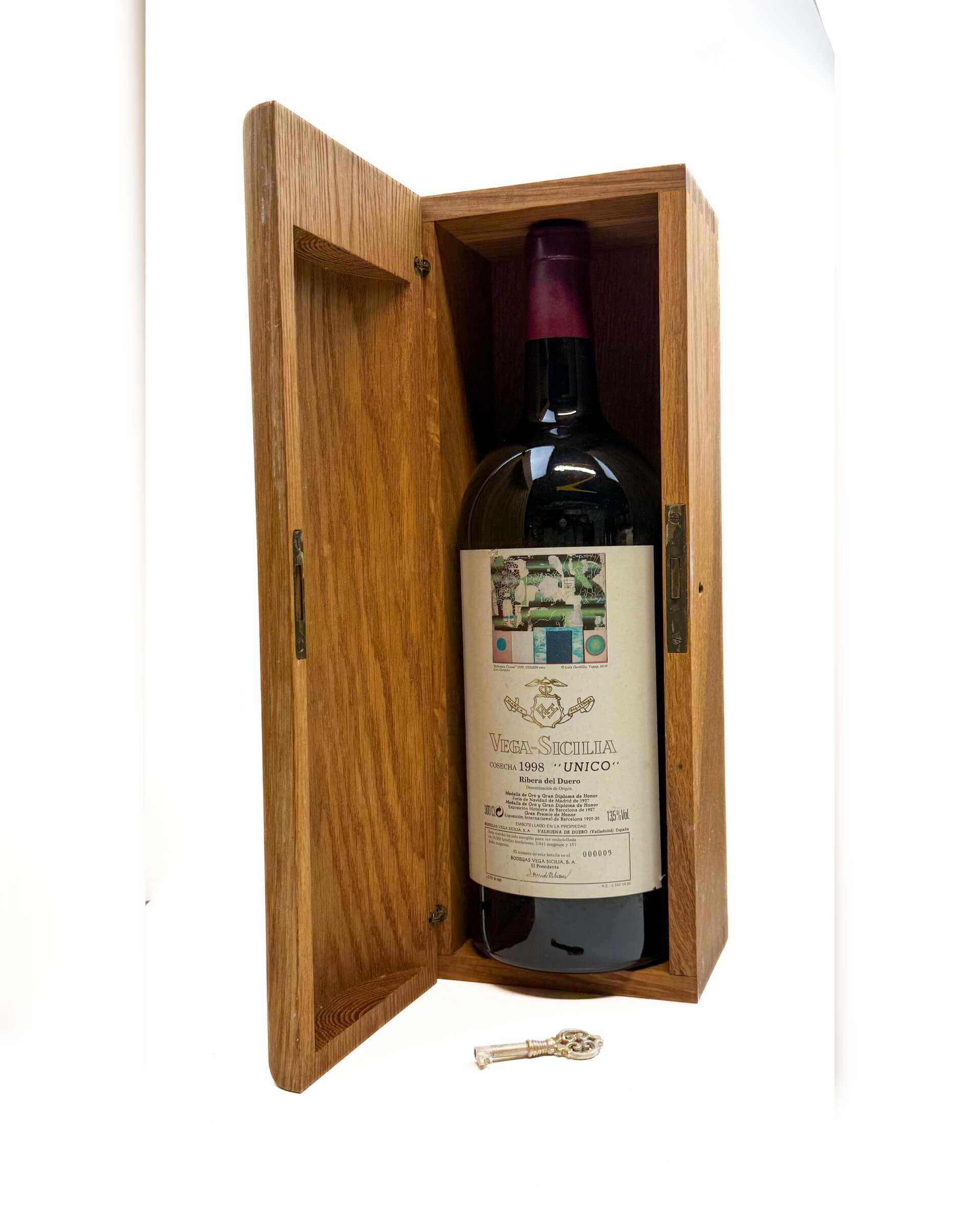
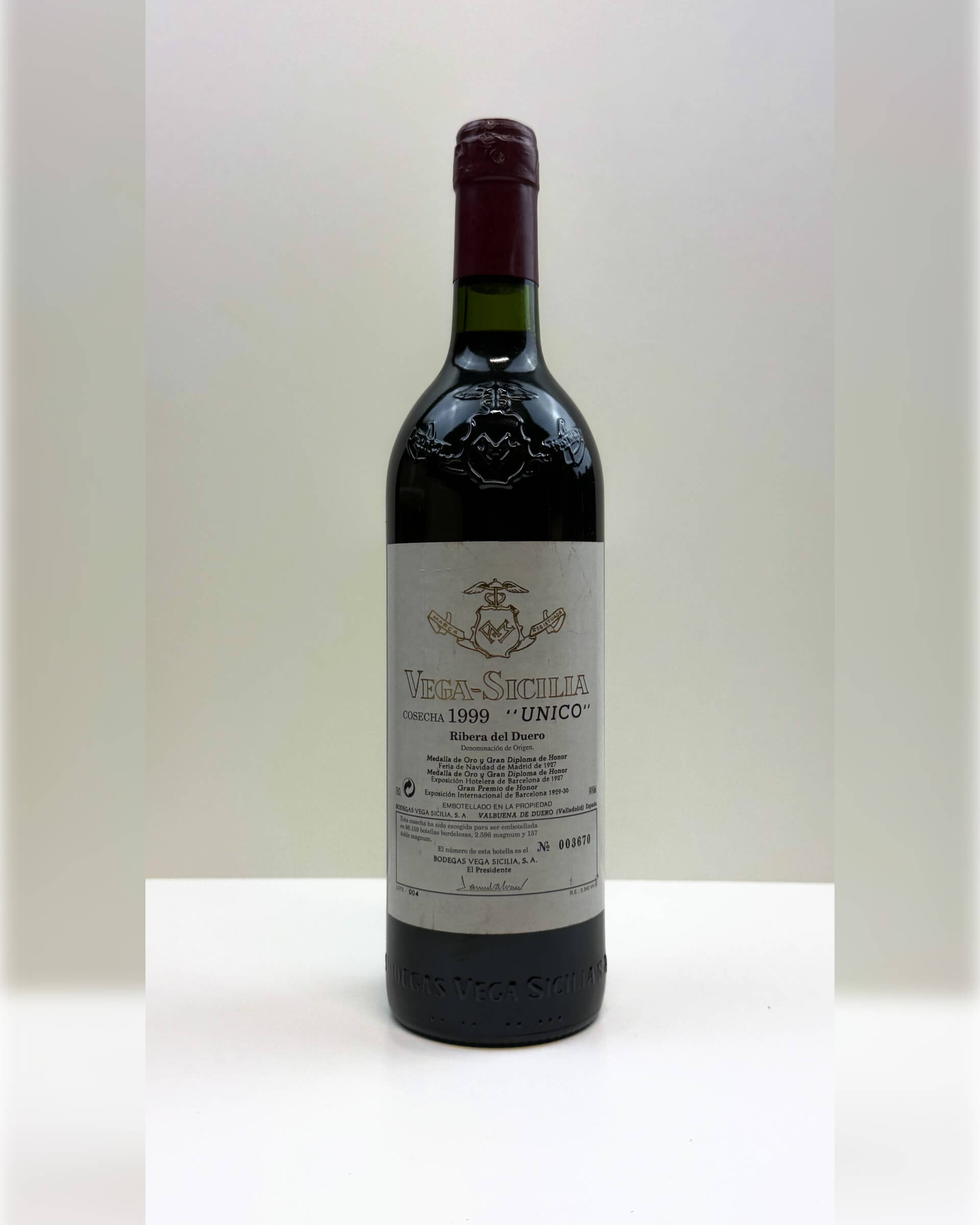
Founded in 1864, Vega Sicilia is one of the very few Spanish wines recognised worldwide as a collector’s reference. Único is aged for around ten years before release in the great vintages, a period that includes extended maturation in bottle; it blends Tinto Fino with Cabernet Sauvignon, is made in very limited quantities and can cellar for thirty to forty years. Valbuena 5°, the estate’s second wine, is released after five years and offers an entry point into the Vega Sicilia style. Among the celebrated recent vintages, 2012, 2016 and 2018 stand out — bottles from these years are ones to keep, or to open only after two to three hours of decanting.
Peter Sisseck, a Danish winemaker who settled in the Ribera in 1990, vinifies Pingus from very old vines of sixty to one hundred years in the village of La Horra, in the province of Burgos. Only a few hundred cases are made each year, aged for eighteen to twenty months in new French oak. Flor de Pingus is the companion cuvée, drawn from younger vines — more accessible, yet of a remarkable level of quality. These bottles reach rarity prices justified by their confidential production and international renown.
Aalto was founded by Mariano García, who spent three decades as technical director of Vega Sicilia; the top cuvée Aalto PS, made only in the strongest years, carries dense, polished tannins and dark-plum fruit that reward a decade in bottle, with 2010 and 2016 standing among its most complete vintages. Pesquera, the work of Alejandro Fernández, was a pioneer of the 1980s, championed early by the critic Robert Parker; its style is more rustic and earthbound than the polished Vega Sicilia register — leather, dried herb and firm acidity rather than seamless oak. Emilio Moro offers its best value in the mid-tier Emilio Moro cuvée from estate vines, a supple, fruit-forward red that serves as the most accessible way into the house style before stepping up to the Malleolus bottlings. Together these names show how varied the Ribera del Duero can be once you look beyond its two icons.
Tinto Fino is a wine of the Castilian table, and the right match shifts with the level of ageing:
Four markers tell you most of what you need to know. First, the grape name — “Tinto Fino” or “Tinta del País” signals true Ribera del Duero origin. Second, the classification — Crianza, Reserva or Gran Reserva indicates both style and age. Third, the vintage — for the Ribera, look to 2012, 2016 and 2018 for great occasions. Fourth, the estate name — Vega Sicilia, Pingus or Aalto signals a level of quality recognised across the world.
Based on the real figures of our active catalogue, our Tinto Fino bottles start from around €410, with most of the selection near €440. The great collector cuvées — Vega Sicilia and rare vintages — rise to as much as €3,500 for the most sought-after references. The entry point and the tenth percentile coincide at €410, and the median of €440 sits very close to it, which tells you this is a homogeneous, ultra-premium selection at its base, with a clear step up toward the rarest bottles at the top.
A practical note: the whole of the Tour de Wine Tinto Fino selection is oriented toward high-level wines for the cellar, so plan proper storage — 12 to 15 °C, 70 to 75 % humidity — before investing at this level. To browse beyond this grape, explore our full range of wines.
Tinto Fino is the local biotype of Tempranillo, adapted over centuries to the extreme conditions of the Castilian plateau — 750 to 900 metres of altitude and an intense day-to-night temperature swing. This produces tighter tannins, higher natural acidity and a darker robe than Tempranillo grown on the lower plains. On a Spanish label, “Tinto Fino”, “Tinta del País” and “Tempranillo” all name the same grape.
For a buyer, the reputation matters most on the secondary market. Vega Sicilia Único has historically held and appreciated in value far more steadily than most other Spanish icons, behaving like a blue-chip cellar asset rather than a speculative one, while younger labels such as Pingus saw sharper early price spikes after their first acclaimed releases. The wider quality story is just as relevant: critics widely document a dramatic, appellation-wide jump in consistency from the mid-1990s onward, so vintages from 1995 and later are generally the safer buy than older bottles trading on name alone.
It depends on the level of ageing and the estate. A Crianza drinks well within three to eight years of the harvest. A Reserva can evolve for ten to eighteen years. A Gran Reserva from a great vintage such as 2012, 2016 or 2018 gains complexity over twenty to thirty years. Vega Sicilia Único and Pingus are built for thirty to forty years; opening them before fifteen is possible but premature.
Tinto Fino shares with Pinot Noir a remarkable capacity for long ageing and a high natural acidity that sustains its evolution in bottle. Its tannic structure, on the other hand, sits closer to Cabernet Sauvignon in the great vintages of Ribera del Duero. In practice this means the best Ribera bottles drink with Burgundian aromatic lift in their first decade and Bordeaux-like tannic grip in the next, which is why collectors so often cellar them across both windows rather than choosing one.
Written by the Tour de Wine buying team. Last reviewed: June 2026.
This site is restricted to adults. By entering, you confirm that you are of legal drinking age in your country of residence.