
87
0,375
2000
Chateau Coutet
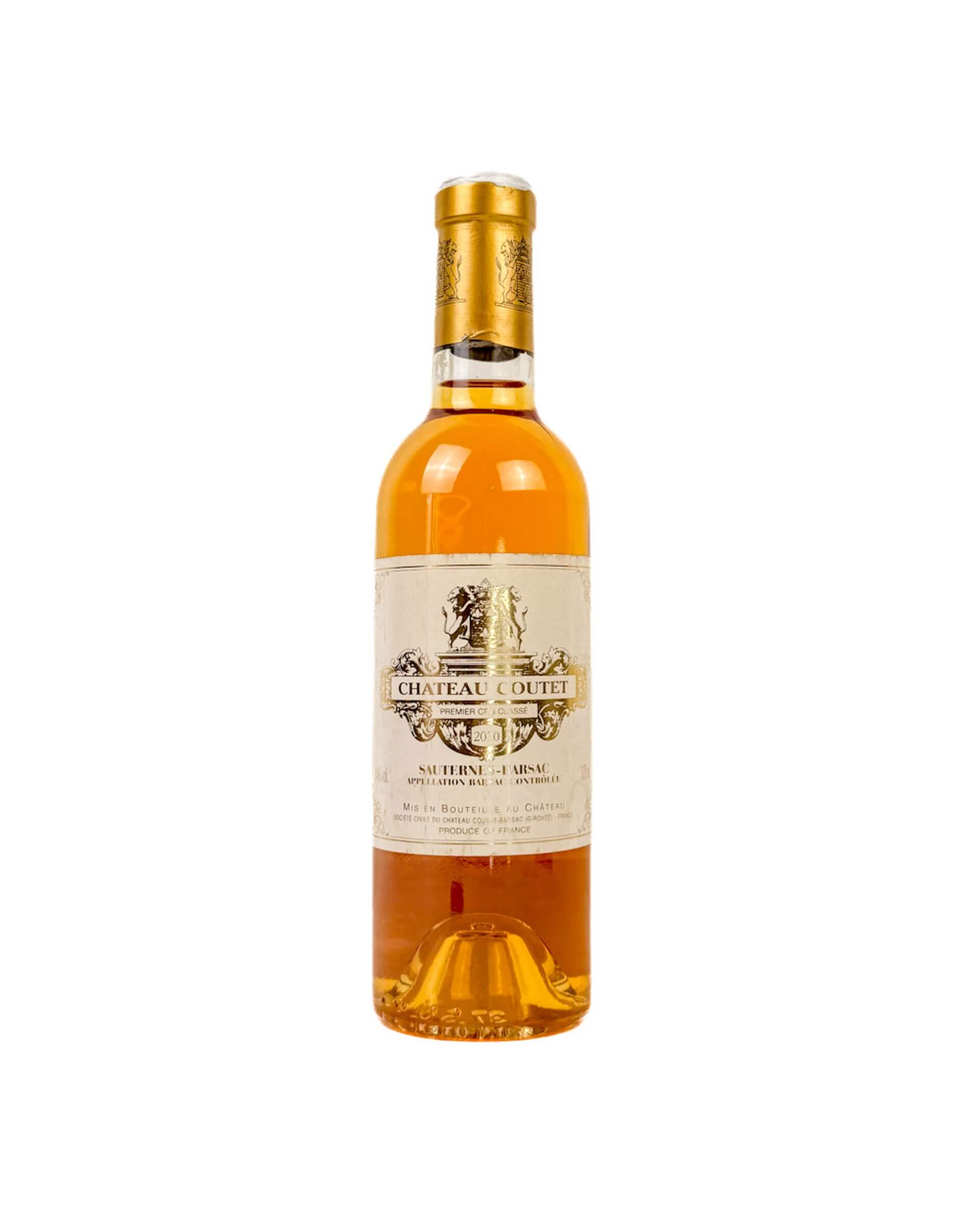
Chateau Coutet 2000 0,375L
€ 30,00
Wines, producers, regions...
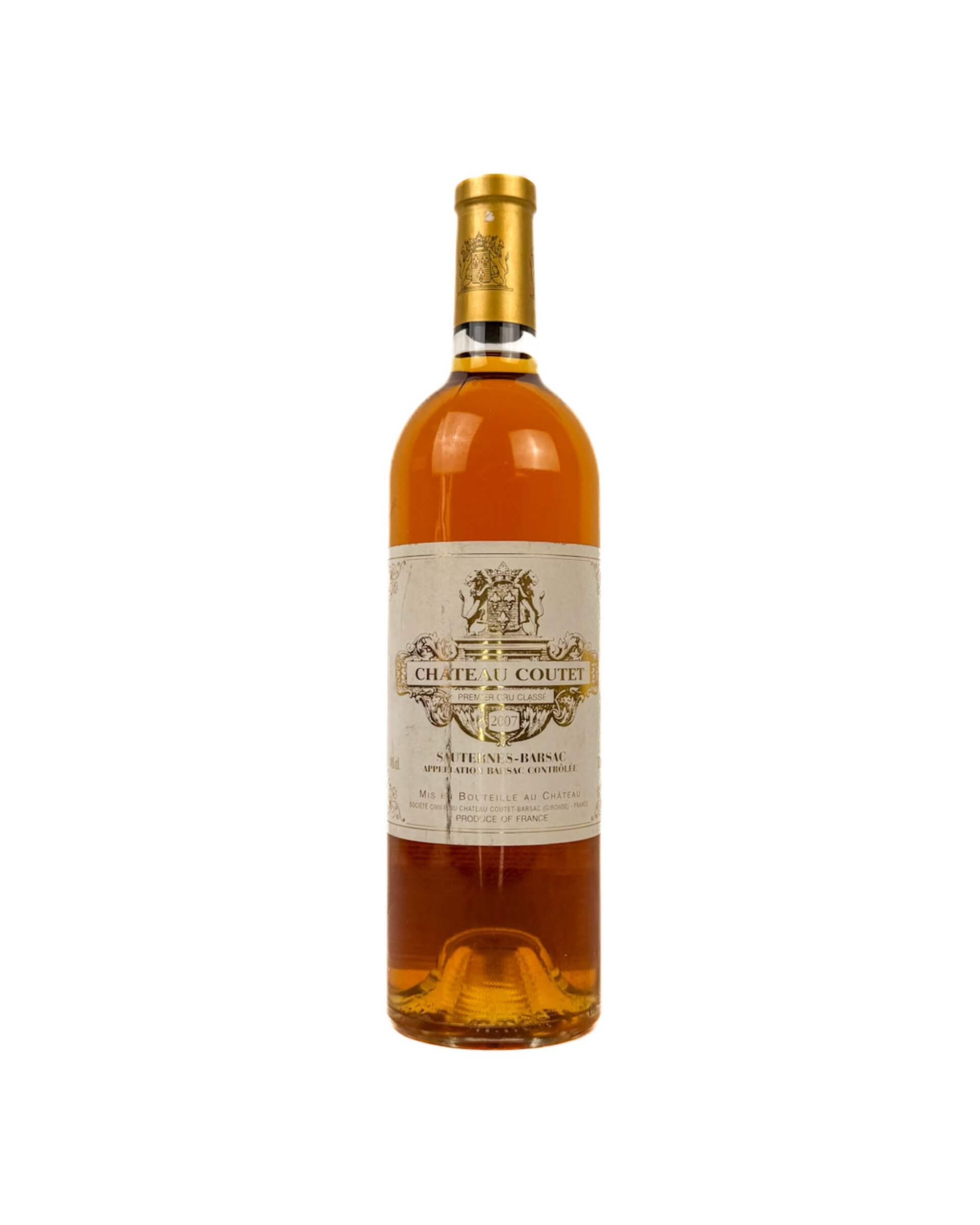
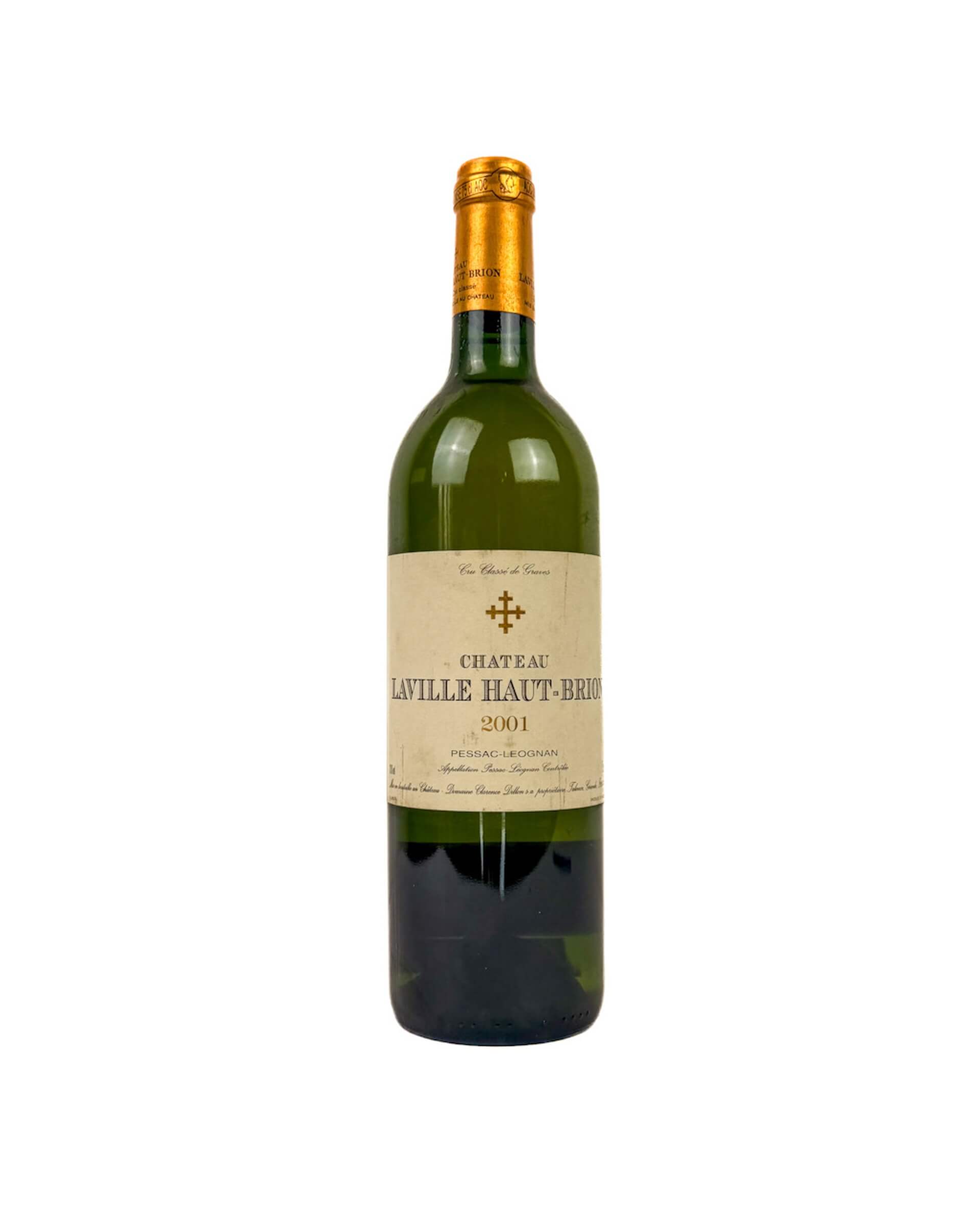

Muscadelle is Bordeaux’s most aromatic white grape — and one of its best-kept secrets. Rarely bottled alone, it is the variety that lends a distinctive floral, honeyed lift to white Bordeaux blends and supplies a portion of the exotic complexity behind great Sauternes. A wine made with Muscadelle, or showing it prominently on the label, is almost always more perfumed and floral than its neighbours: think elderflower, orange blossom, honeysuckle and white peach where Sauvignon Blanc offers citrus and Sémillon offers wax. At Tour de Wine we keep a small, specialist selection of bottles where the Muscadelle grape genuinely features, whether as the aromatic accent in a dry Bordeaux Blanc or as a contributing voice in a botrytised sweet wine.
A word of clarification before you read on, because the name causes endless confusion. Despite the shared first syllable, Muscadelle is unrelated to Muscadet — a Loire Valley grape (Melon de Bourgogne) — and unrelated to the Muscat family of aromatic varieties. It is a distinct Bordelais cultivar with its own personality. Read on for what Muscadelle adds to a wine, where to find bottles that show it off, and how to choose from our selection.
So what is Muscadelle, exactly? It is a green-skinned, early-ripening white variety native to the Bordeaux region of South-West France. DNA parentage analysis (notably the work of Vouillamoz and colleagues in Wine Grapes) confirms it as a distinct Bordelais cultivar with no Muscat parentage whatsoever — the phonetic resemblance to Muscat and Muscadet is pure coincidence. As a grape variety, Muscadelle is prized for one thing above all: aromatic intensity. Here is what defines it.
The list below sets out the three grapes most often muddled together — they share only syllables, not lineage.
The single most useful thing to understand about Muscadelle is that it does two genuinely different jobs in Bordeaux. In dry white wines it is an aromatic accent, used at very low proportions for floral lift. In the great botrytised sweet wines of Sauternes and Barsac, its fragility becomes an asset and it contributes exotic spice and richness. These are separate buying frames, and most merchants never distinguish them. Here is how each works.
In Pessac-Léognan, Graves and Entre-Deux-Mers, Muscadelle’s role is the aromatic accent — always junior to Sémillon and Sauvignon Blanc, but audible to any nose paying attention. A Bordeaux Blanc carrying 8% Muscadelle shows a lifted floral note — elderflower, orange blossom — that the other two grapes simply cannot supply. It is the spice in the blend, not the spine. Plantings in the dry appellations are deliberately limited: the grape’s botrytis susceptibility makes it a management risk, and its aromatics turn discordant at high proportions in a dry wine.
If a perfumed, floral style of dry white is what you are after, look for Muscadelle on the label among our Bordeaux wines — it is a reliable marker of an aromatic cuvée.
In Sauternes and Barsac, Muscadelle’s susceptibility to Botrytis cinerea becomes a virtue rather than a liability. Noble rot concentrates sugars, glycerol and aromatics in the thin-skinned berries more dramatically than in thicker-skinned varieties, and the grape’s natural honey and musk character amplifies magnificently into ginger, marmalade, orange zest and exotic spice. In practice most châteaux keep Muscadelle to no more than about 5–6% of their Sauternes and Barsac blends, alongside the structural Sémillon and the lifting Sauvignon Blanc.
These sweet wines sit at the heart of the South-West, and you will find them among our broader range of France wines, where Bordeaux’s whites stand alongside the country’s other classic regions.
Bordeaux is Muscadelle’s home, but it is not the only place the grape’s voice can be heard — and in one or two of them, it speaks louder than it ever does in the Gironde. In Monbazillac and Bergerac Sec, Muscadelle is regularly blended at higher proportions than the roughly 5–6% it reaches in classified Bordeaux, making the grape’s character noticeably more prominent.
In the South-West France appellations of Bergerac and Côtes de Duras — the Dordogne country east of Bordeaux, on similar limestone and clay soils — Muscadelle appears as a named blending variety in the white wines, sometimes at higher proportions than it reaches in Bordeaux’s stricter classified appellations. Bergerac Sec (dry) and Monbazillac (sweet) both include it in the permitted blend alongside Sémillon and Sauvignon Blanc.
In Australia’s Rutherglen region (north-east Victoria), a grape long called “Tokay” was for decades assumed to be related to Hungary’s Tokaji. DNA analysis (carried out by Australian and Californian researchers and published around 2000) revealed it was in fact Muscadelle — which led producers to progressively rename the style “Topaque” from 2007, under the Australia–EU wine agreement that took effect in 2010, ending the confusion with Hungarian Tokaj.
Because Muscadelle wears two very different stylistic hats, its food pairings split cleanly between dry and sweet. The grape’s floral, honeyed, faintly musky signature rewards thoughtful matching — it loves aromatic herbs and gentle sweetness, and resents anything that bullies its delicacy.
Our Muscadelle selection is deliberately compact and weighted toward the serious end. Because the grape so rarely headlines a bottle, every wine here earns its place by showing genuine Bordeaux or South-West France character. The buying guidance below is anchored to the real prices in our catalogue, in euros, as a French merchant pricing at source.
Be clear-eyed about the shape of the range. With only four bottles, this is a curated specialist selection, not a broad warehouse. The price spread runs from €25 to €360, with three of the four bottles sitting between €310 and €360: this is a premium, expert-chosen range. The prestigious Sauternes and Pessac-Léognan estates that feature Muscadelle frequently carry the classified pedigree you can also explore through our Grand Cru and 1er Cru pages — useful context when weighing a serious bottle. If you are entering the style, begin at €25; if you are seeking prestige or cellar-worthy wines, the rest of the selection sits between €310 and €360.
No — Muscadelle is a completely separate grape from both Muscadet and Muscat, despite the phonetic similarity. Muscadet (also called Melon de Bourgogne) is a Loire Valley grape, grown chiefly in the Pays Nantais around the city of Nantes, producing the crisp, light, mineral dry whites known as Muscadet sur Lie. Muscat is a large family of aromatic varieties — Muscat Blanc à Petits Grains, Muscat of Alexandria — grown across the Mediterranean for both dry and sweet wines. Muscadelle is a distinct Bordelais variety with no genetic relationship to either, planted mainly in the Gironde and Dordogne departments of South-West France. The confusion is common among newer buyers and stems entirely from the shared “musca-” syllable.
In Sauternes and Barsac, Muscadelle is a minor but distinctive blending partner to Sémillon and Sauvignon Blanc, in practice rarely exceeding about 5–6% of the blend. Its primary contribution in the botrytised sweet-wine context is aromatic: honey, orange blossom, exotic spice and ginger notes that amplify under noble rot. Sémillon provides the structural richness, glycerol and longevity; Sauvignon Blanc provides freshness and lift; Muscadelle adds the aromatic top note that makes the bouquet of a great Sauternes so hypnotically complex. Most top châteaux use it at 1–5%, and the most prestigious cuvées (Château d’Yquem, Château Climens) use it at very low levels or not at all, relying on the structural grapes for their depth.
In dry Bordeaux Blanc blends, Muscadelle contributes floral, aromatic notes that set the wine apart from a simpler Sauvignon Blanc–Sémillon pairing: elderflower, white blossom, honeysuckle, orange blossom and white peach. Even at 5–8% of the blend, its presence reads on the nose as a lifted floral quality — not Sauvignon Blanc’s citrus and herb, nor Sémillon’s wax. In botrytised sweet wines (Sauternes, Monbazillac) the same aromatics turn concentrated and exotic: honey, musk, apricot jam, marmalade and spice. On the palate it adds a soft, slightly oily texture and gentle sweetness in youth. It is not built for linear acidity or age-defying structure — it offers aromatic lift and textural richness, best experienced in a well-made blend where its qualities complement the wine rather than carry it.
Outside Sauternes and Barsac, where Muscadelle is always a minor component, the appellations most likely to show prominent Muscadelle character are the South-West France designations of Bergerac and Monbazillac, where the grape can account for a higher share of the blend than in the stricter Bordeaux classifications. Among dry wines, bottles from small-production Bordeaux Blanc or Bergerac Sec producers who specifically highlight Muscadelle on the label are the most reliable route. Tour de Wine’s selection is intentionally small and curated — four bottles, each representing the grape in a genuine Bordeaux or South-West France context. Browse the selection above, or explore the broader Bordeaux and France wine pages for related styles.
Written by the Tour de Wine buying team. Last reviewed: June 2026.
This site is restricted to adults. By entering, you confirm that you are of legal drinking age in your country of residence.