
95, 97
0,75
2016
Chateau Grand-Puy-Lacoste
Wines, producers, regions...
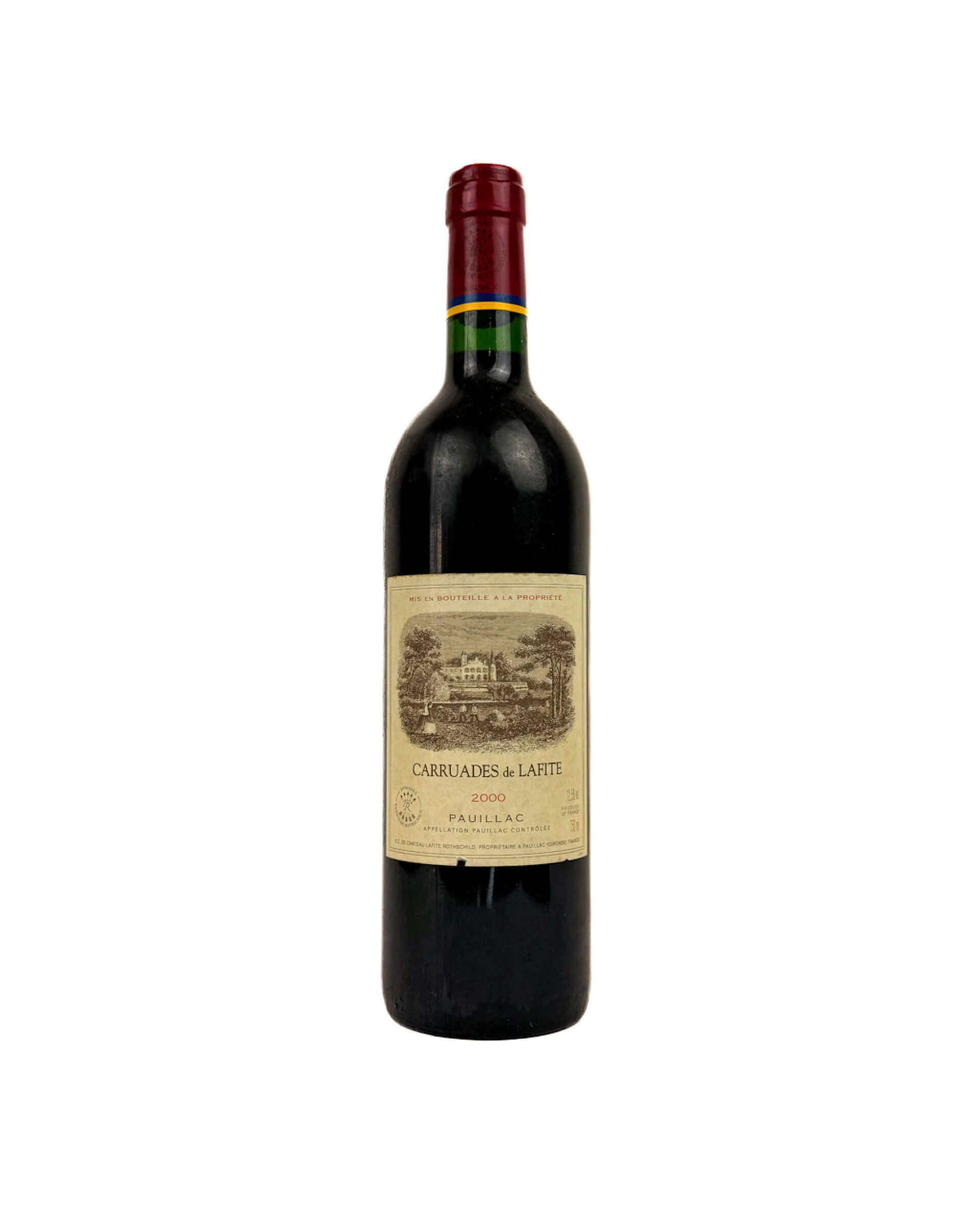
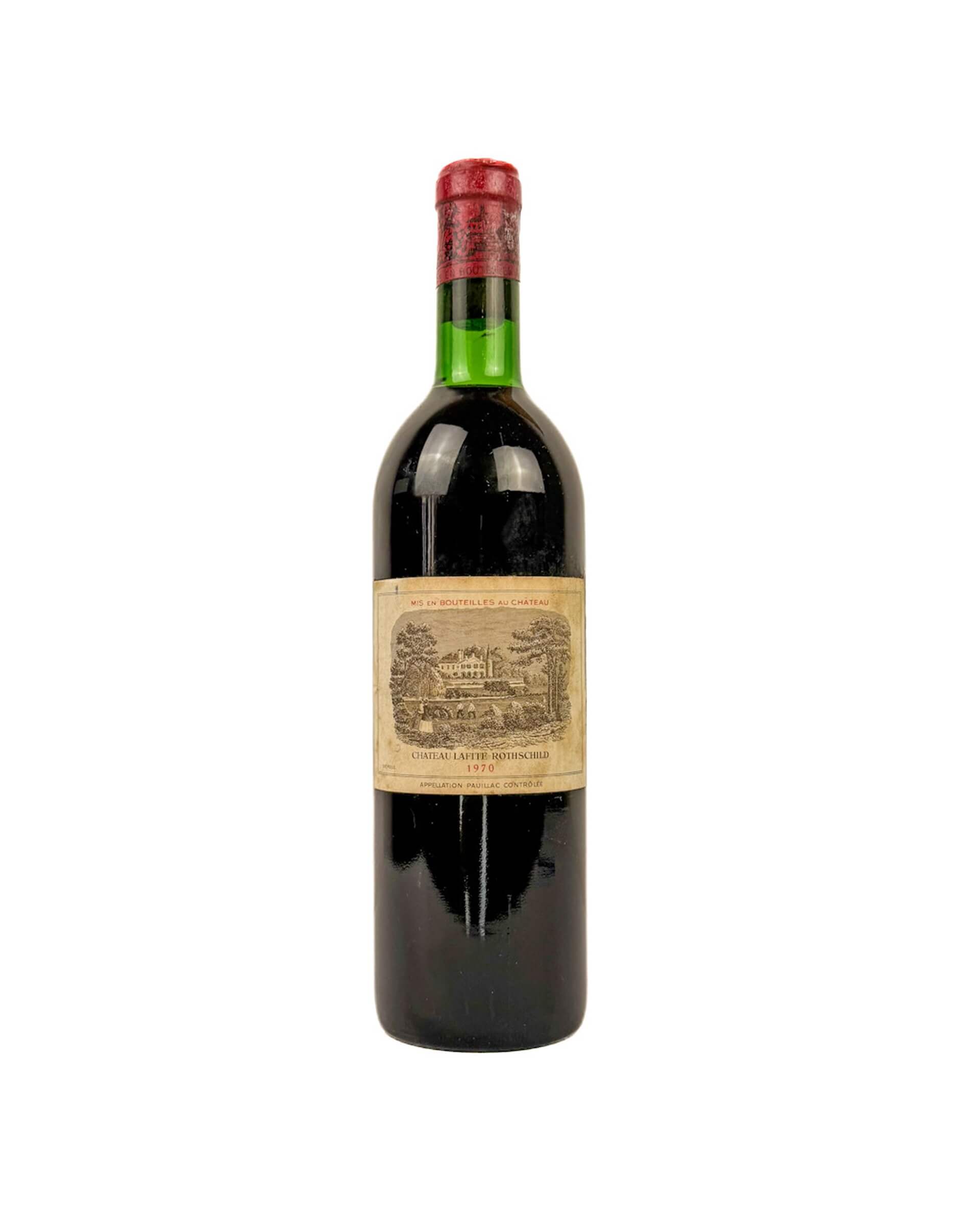
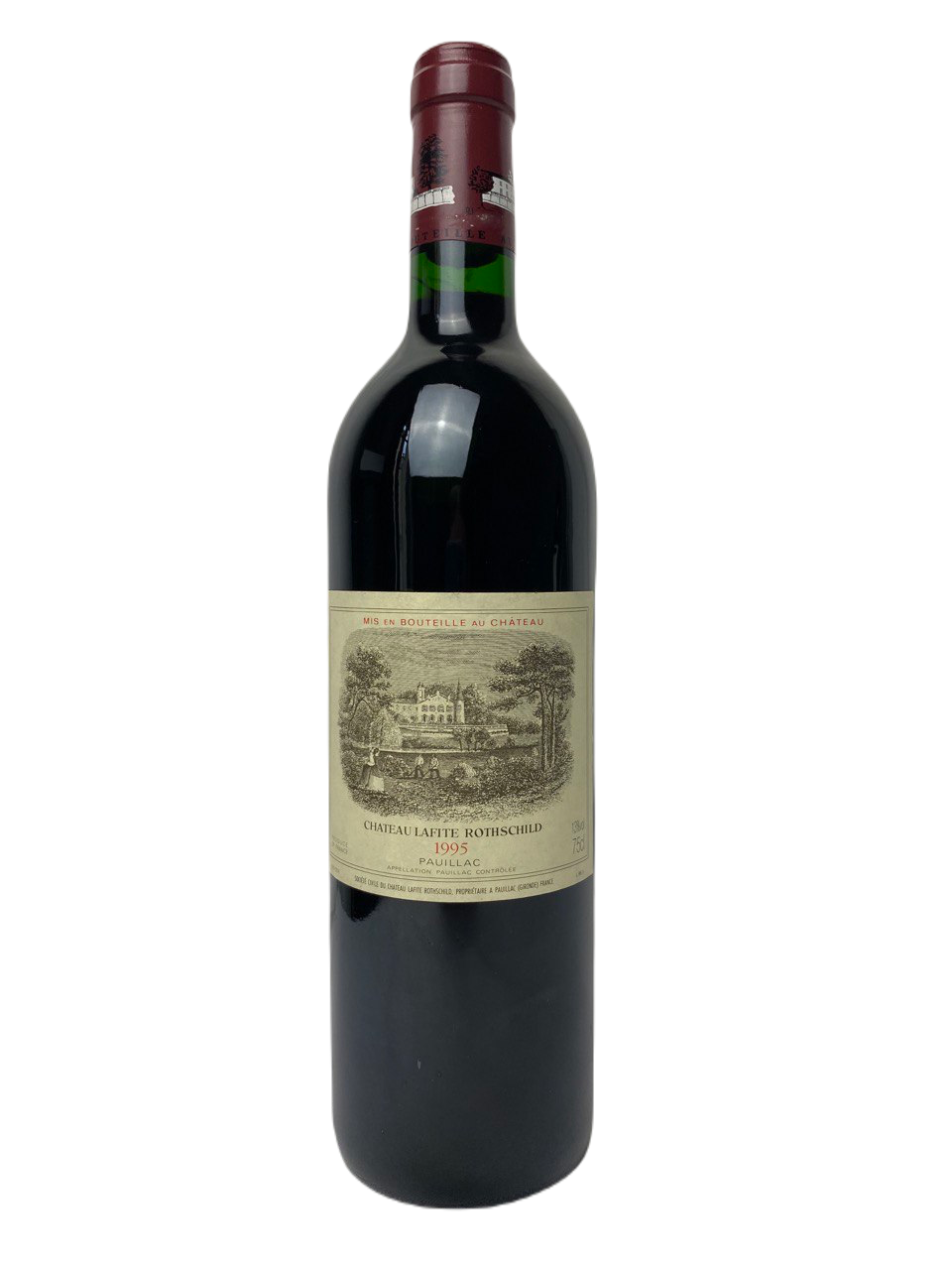
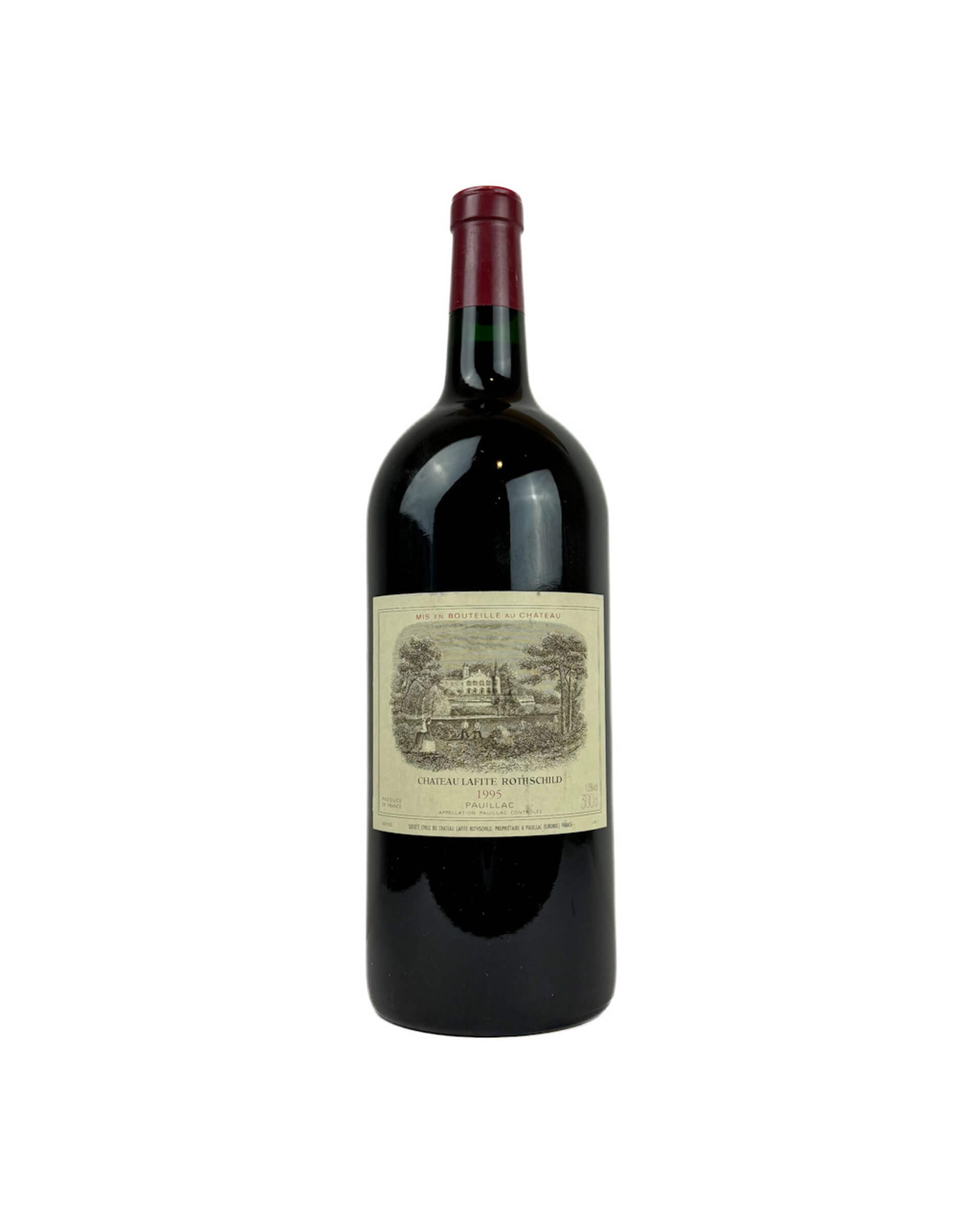
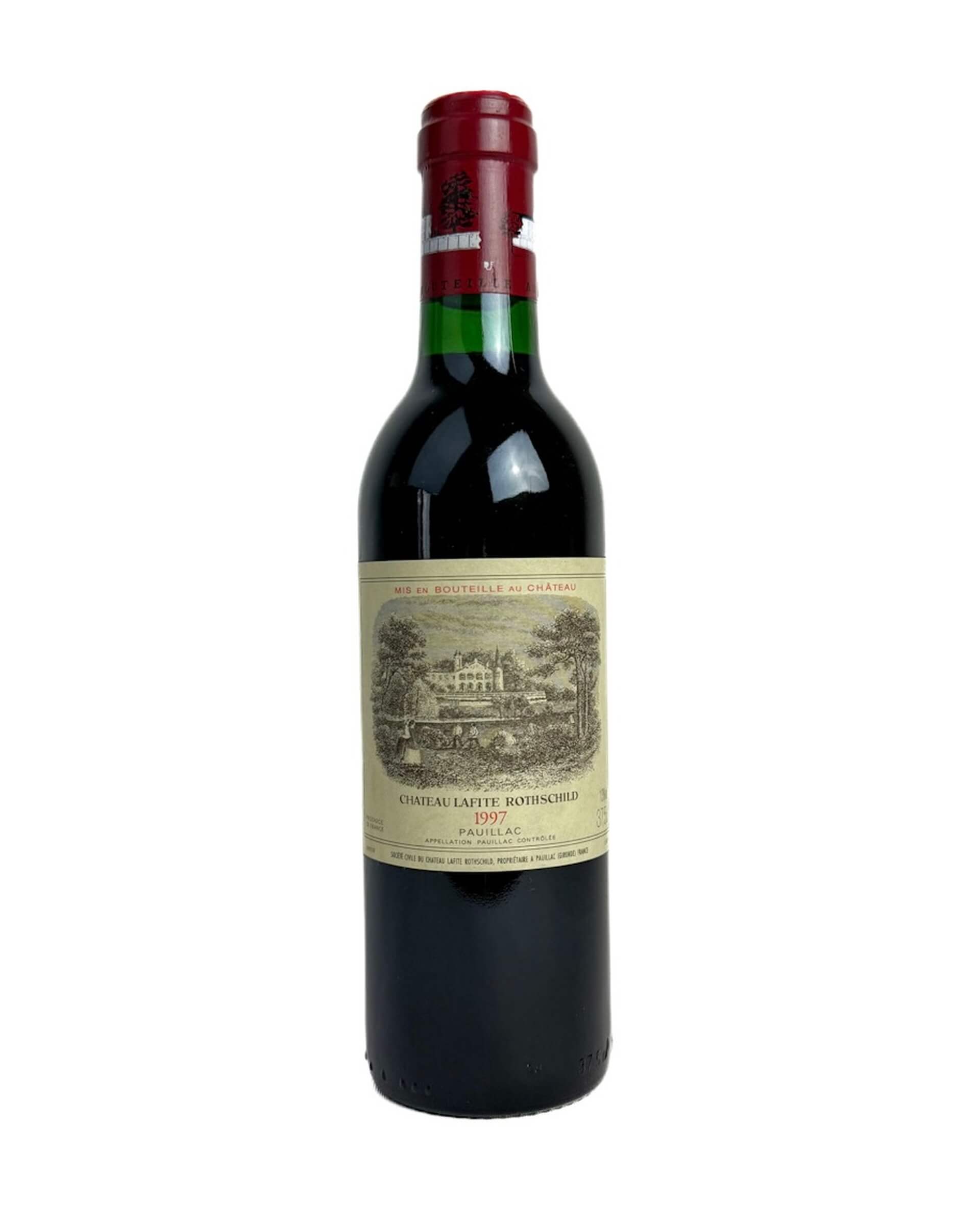
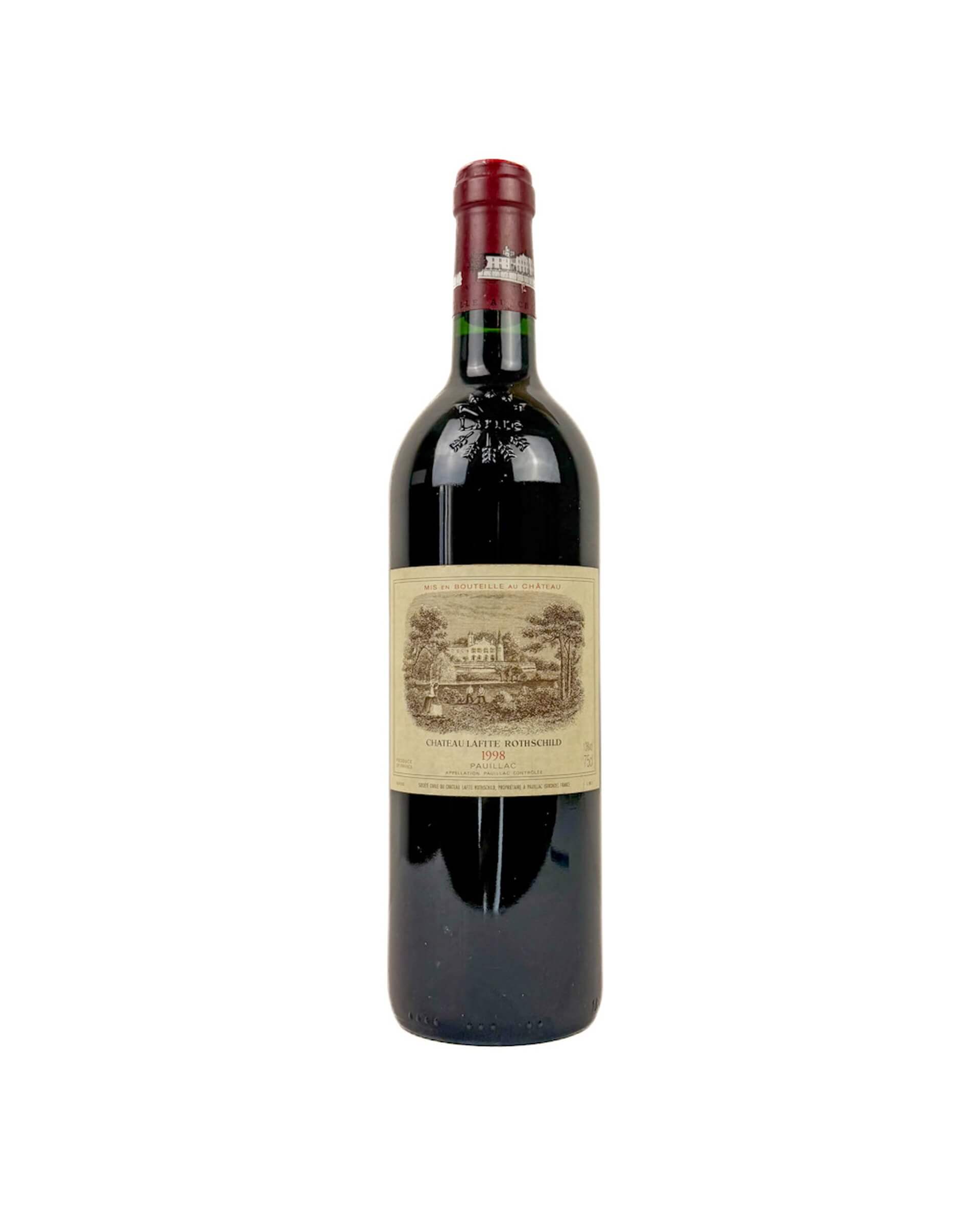
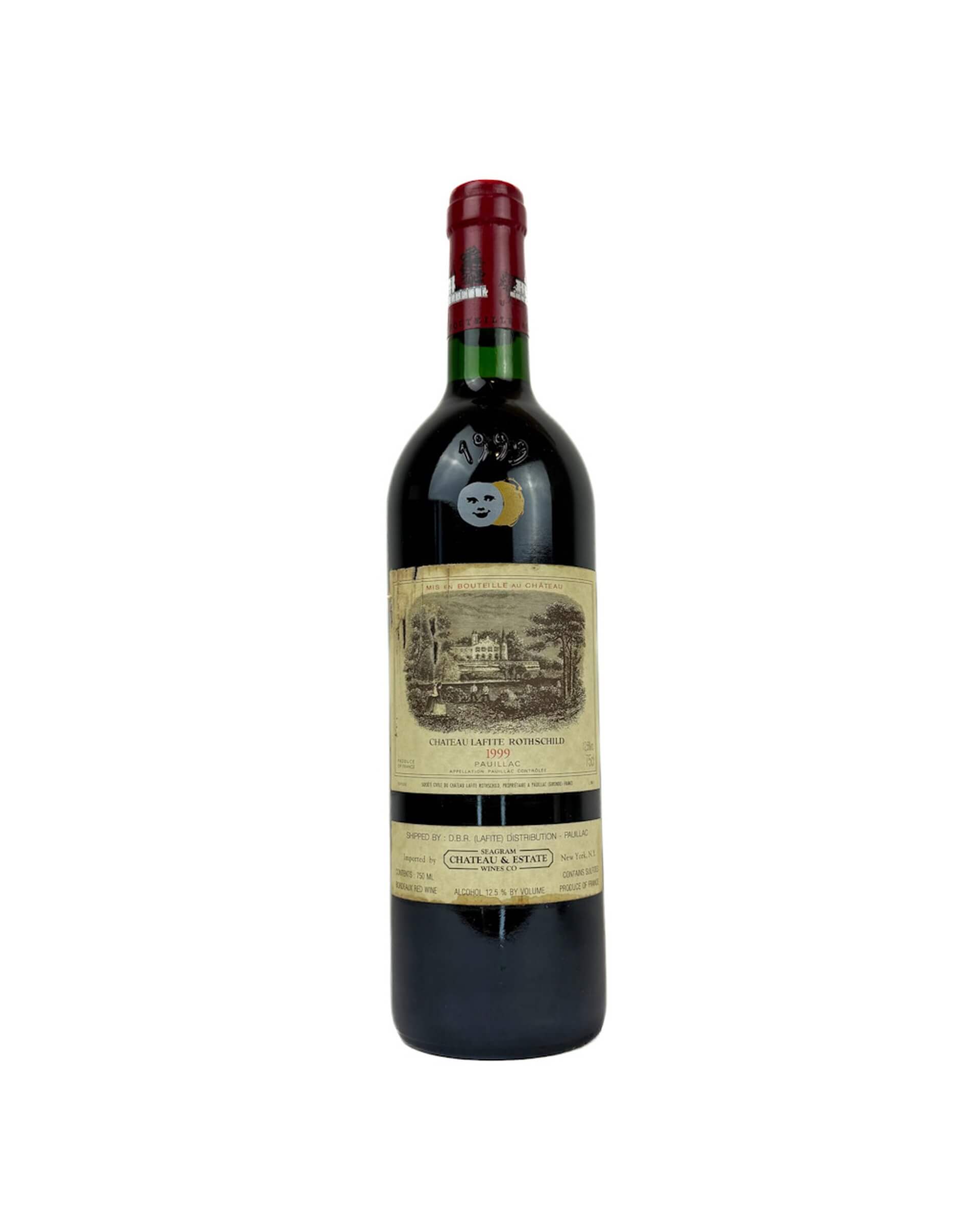
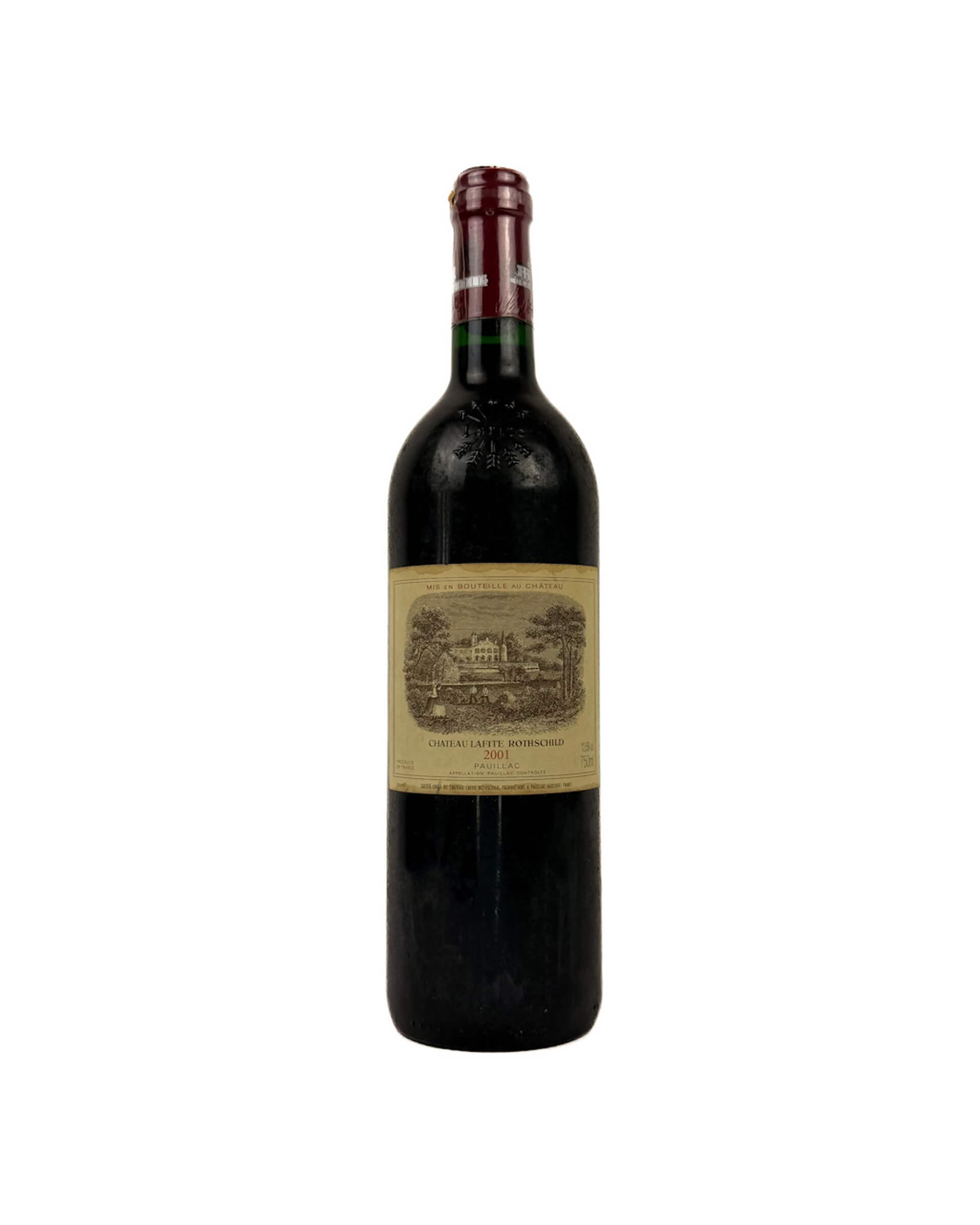
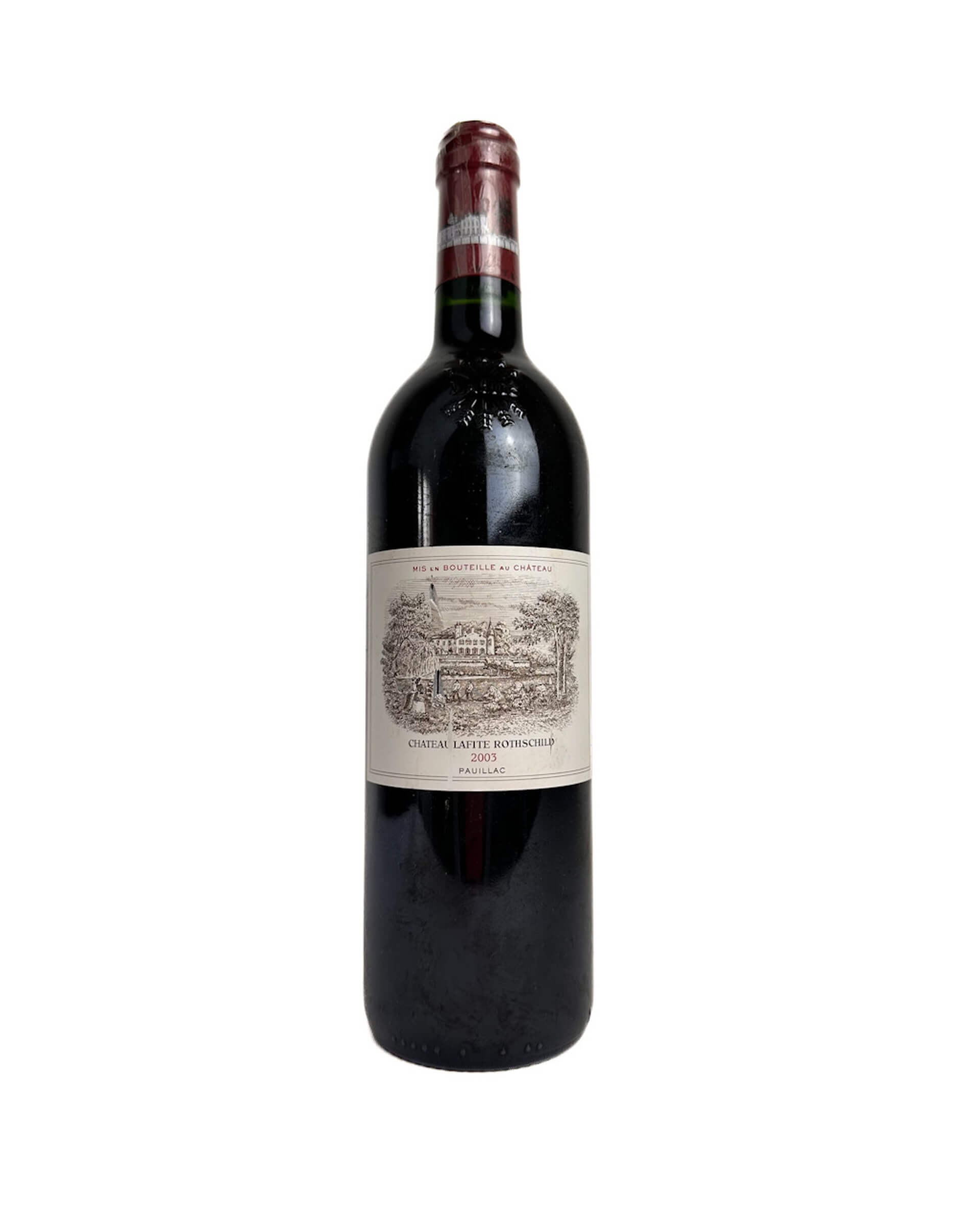
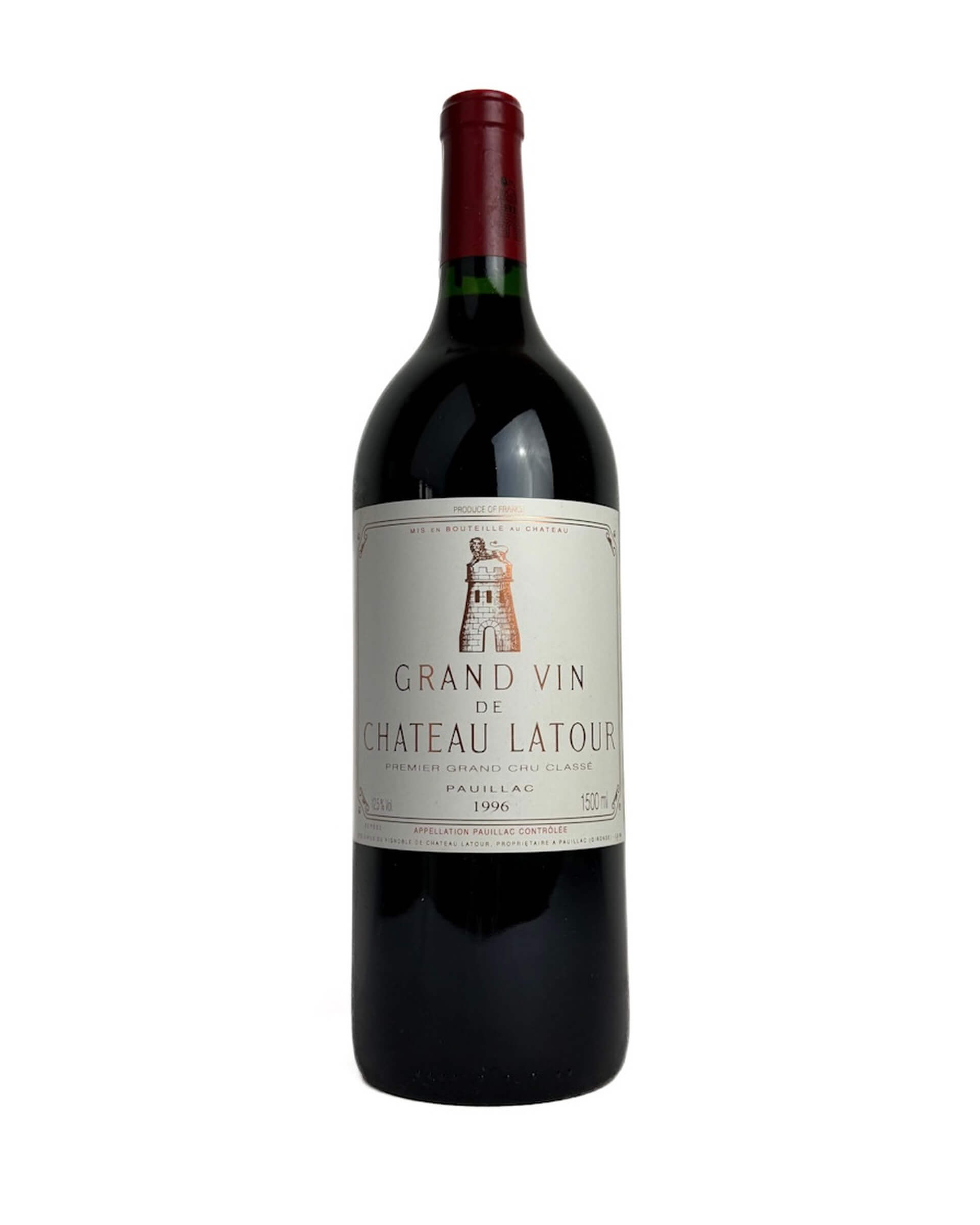
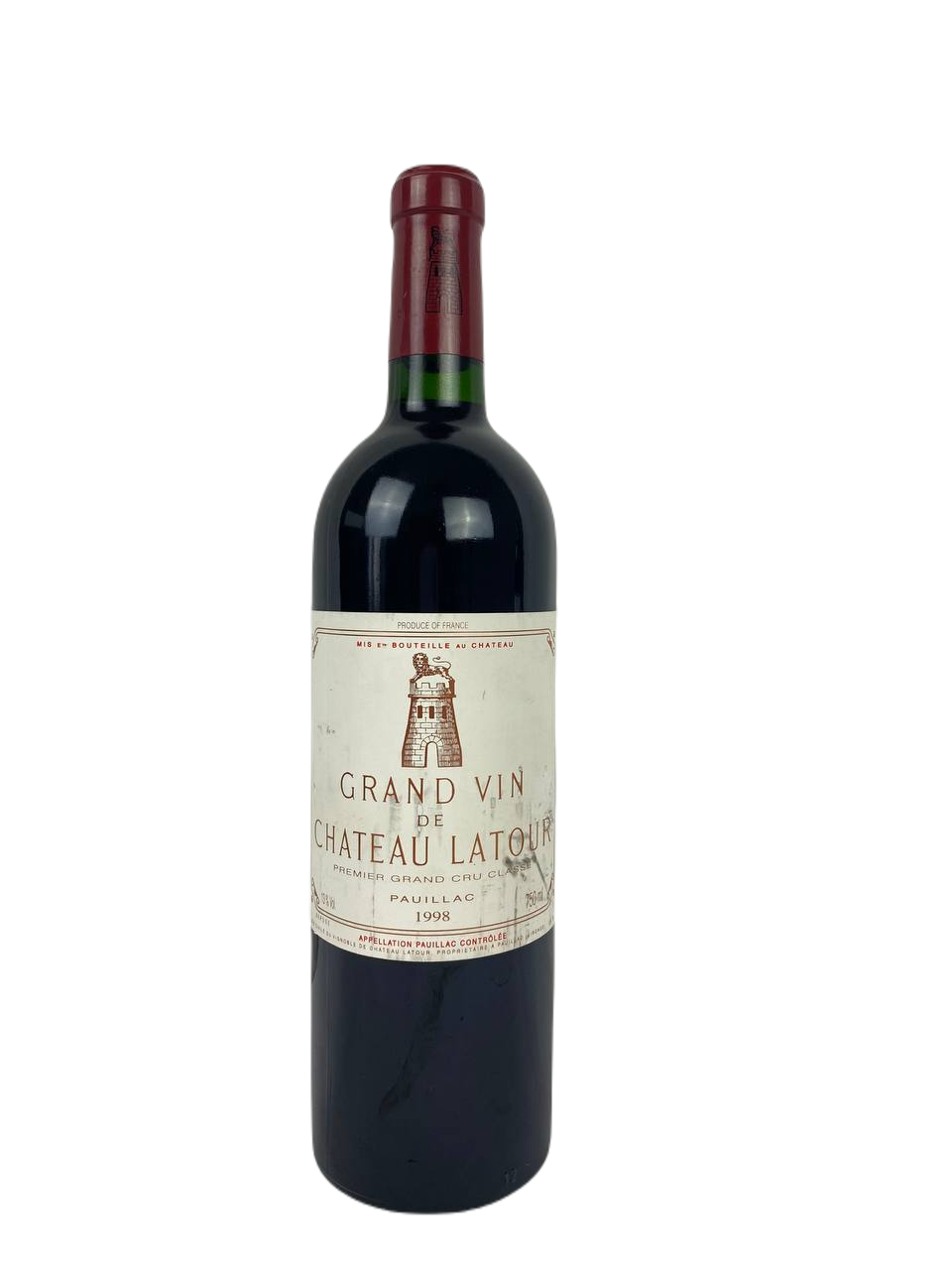
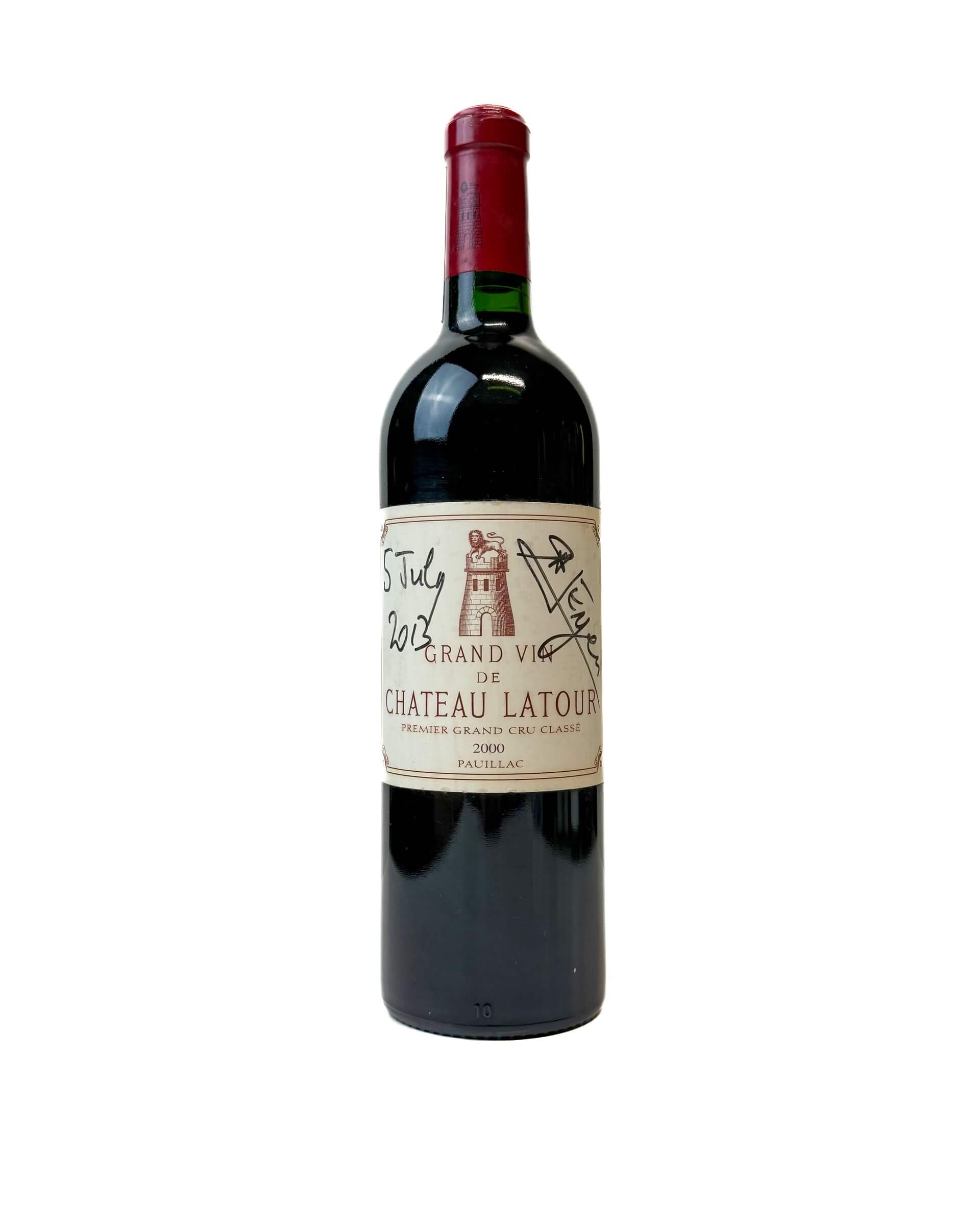
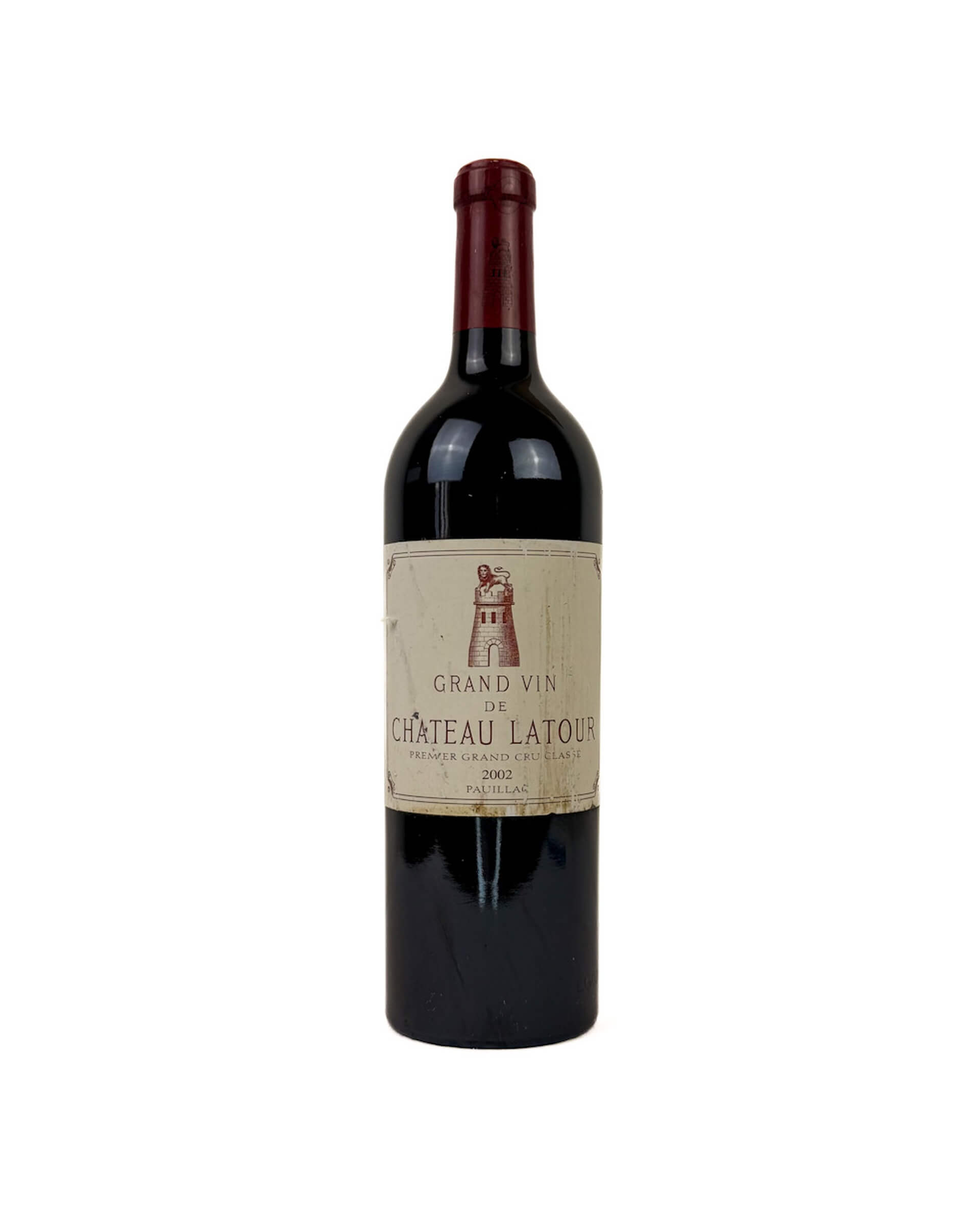
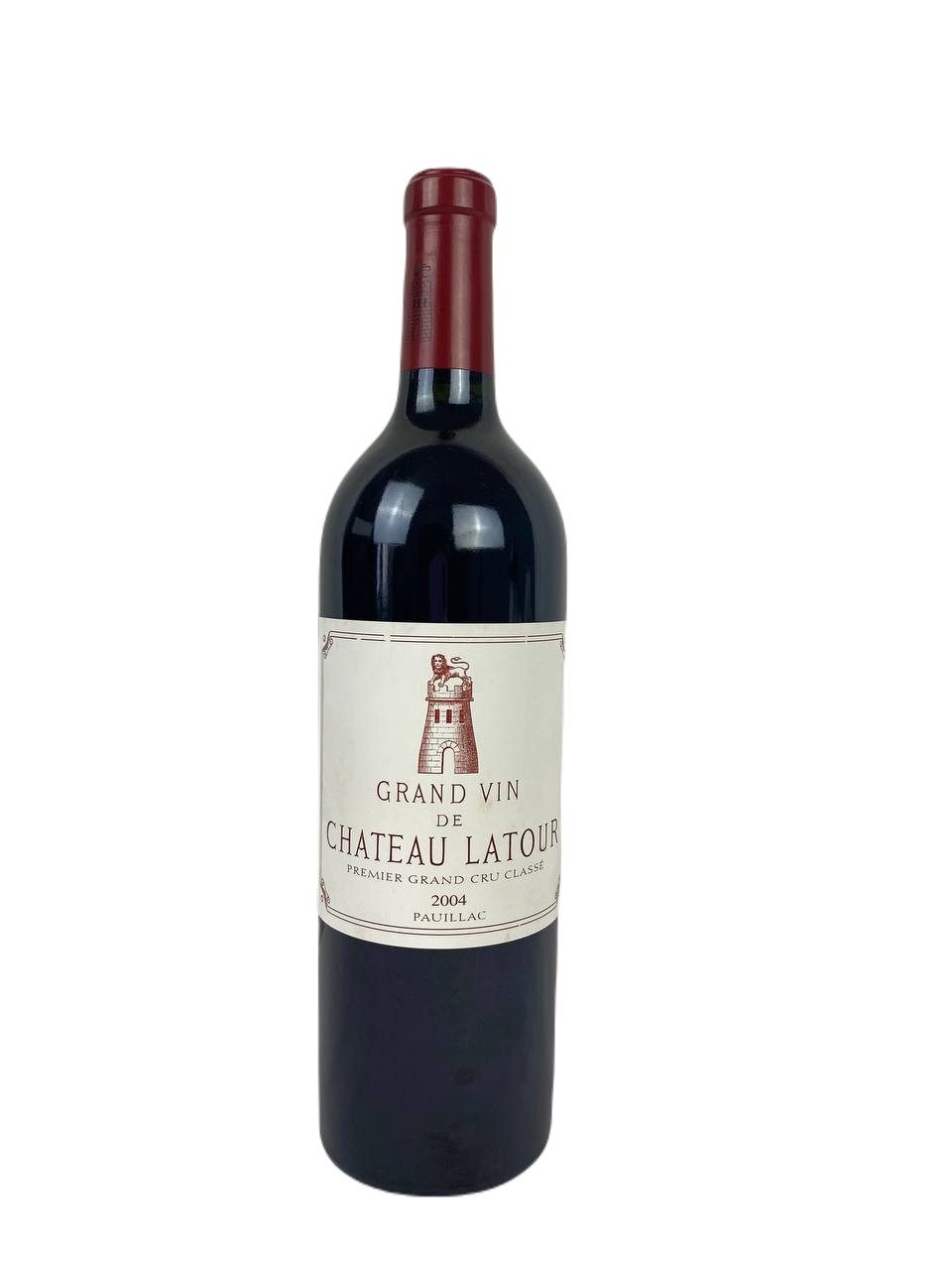
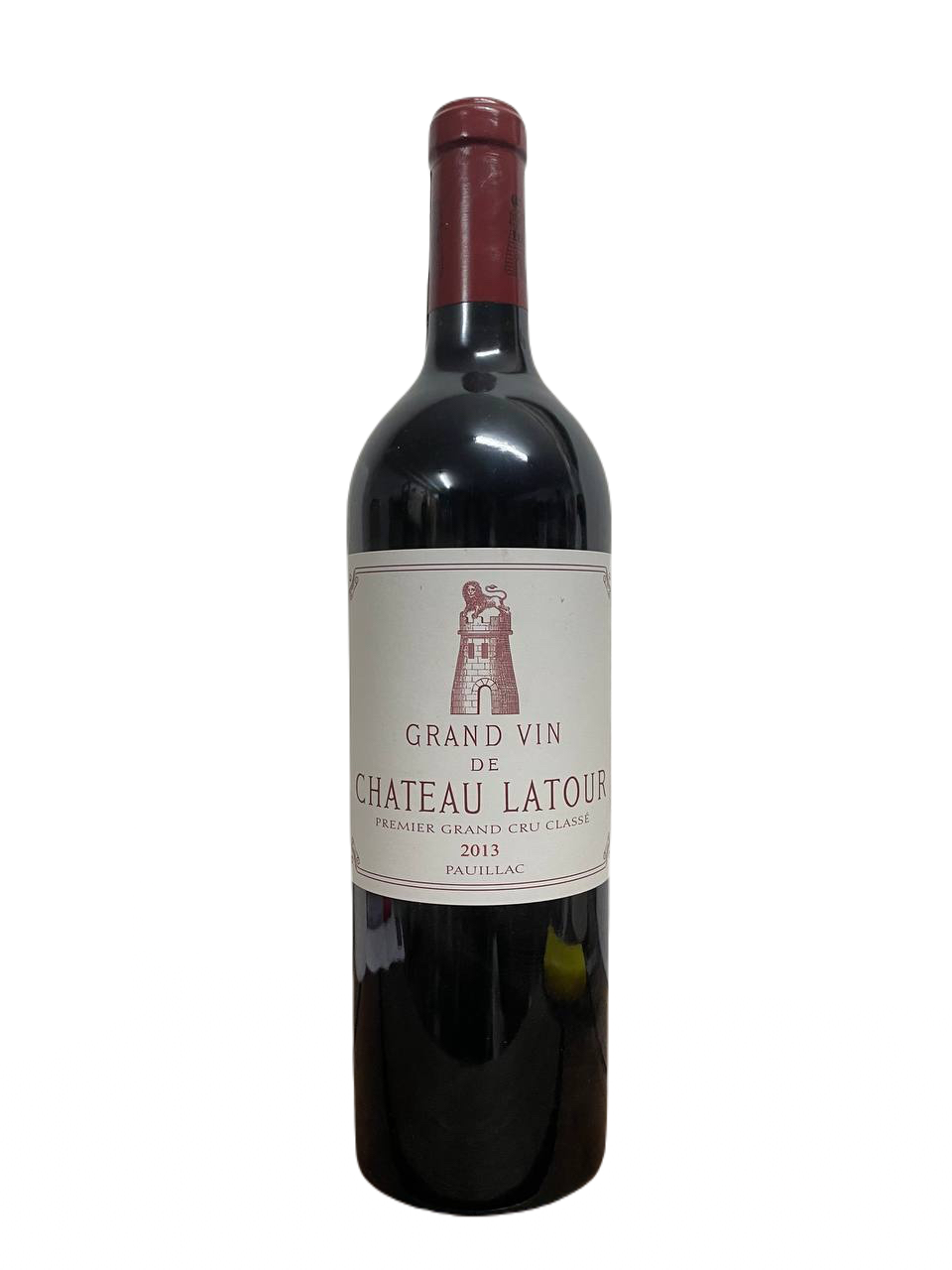
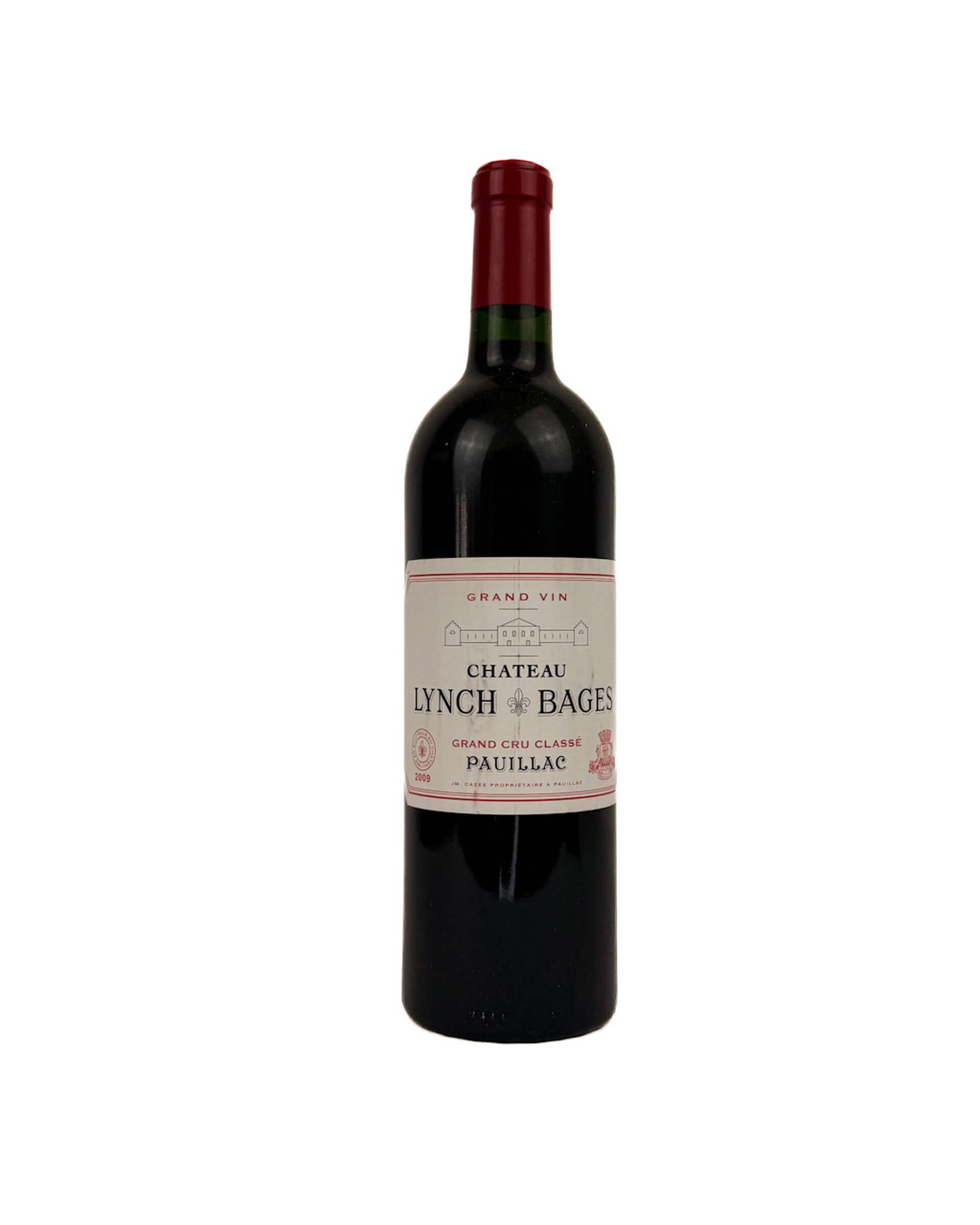
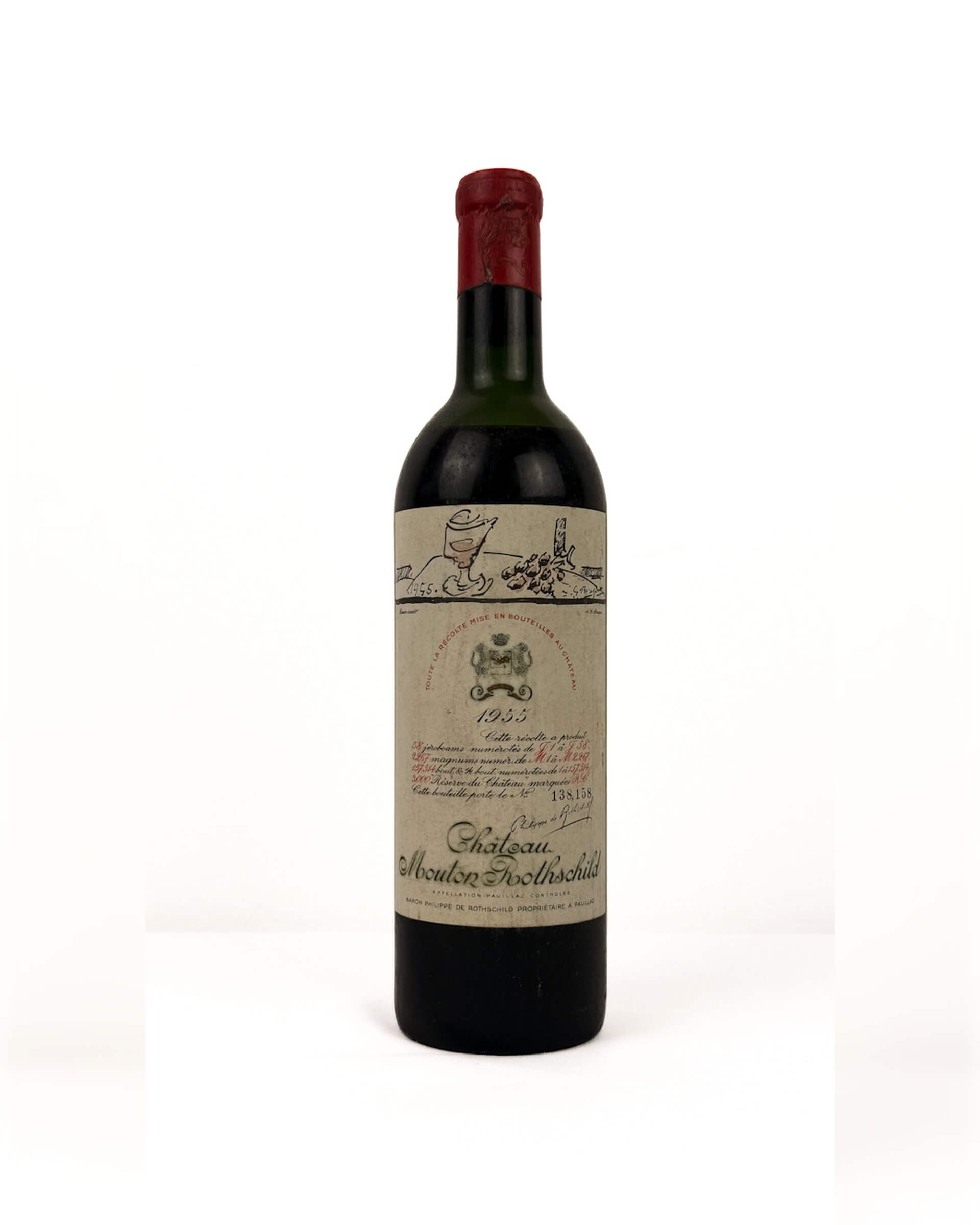
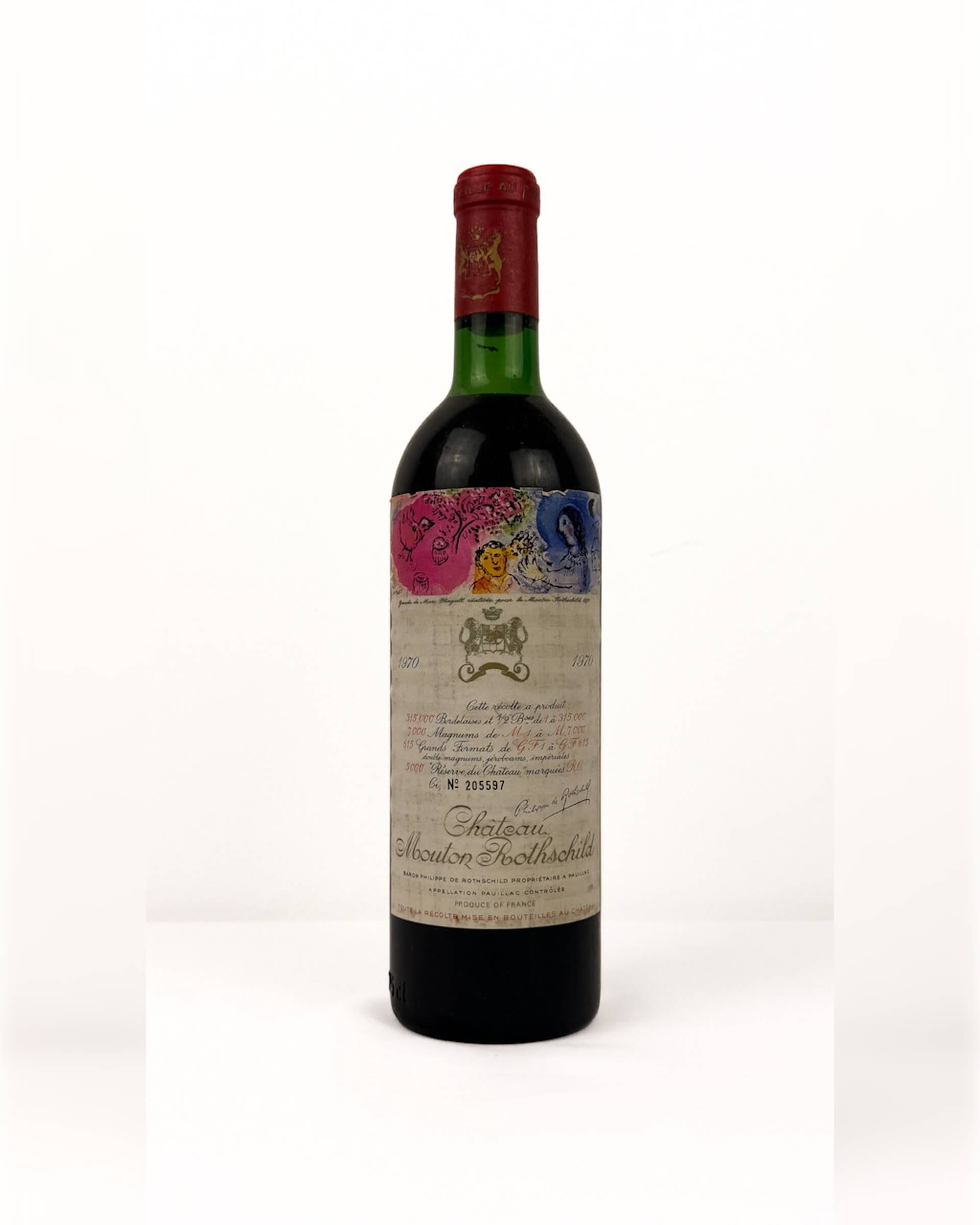
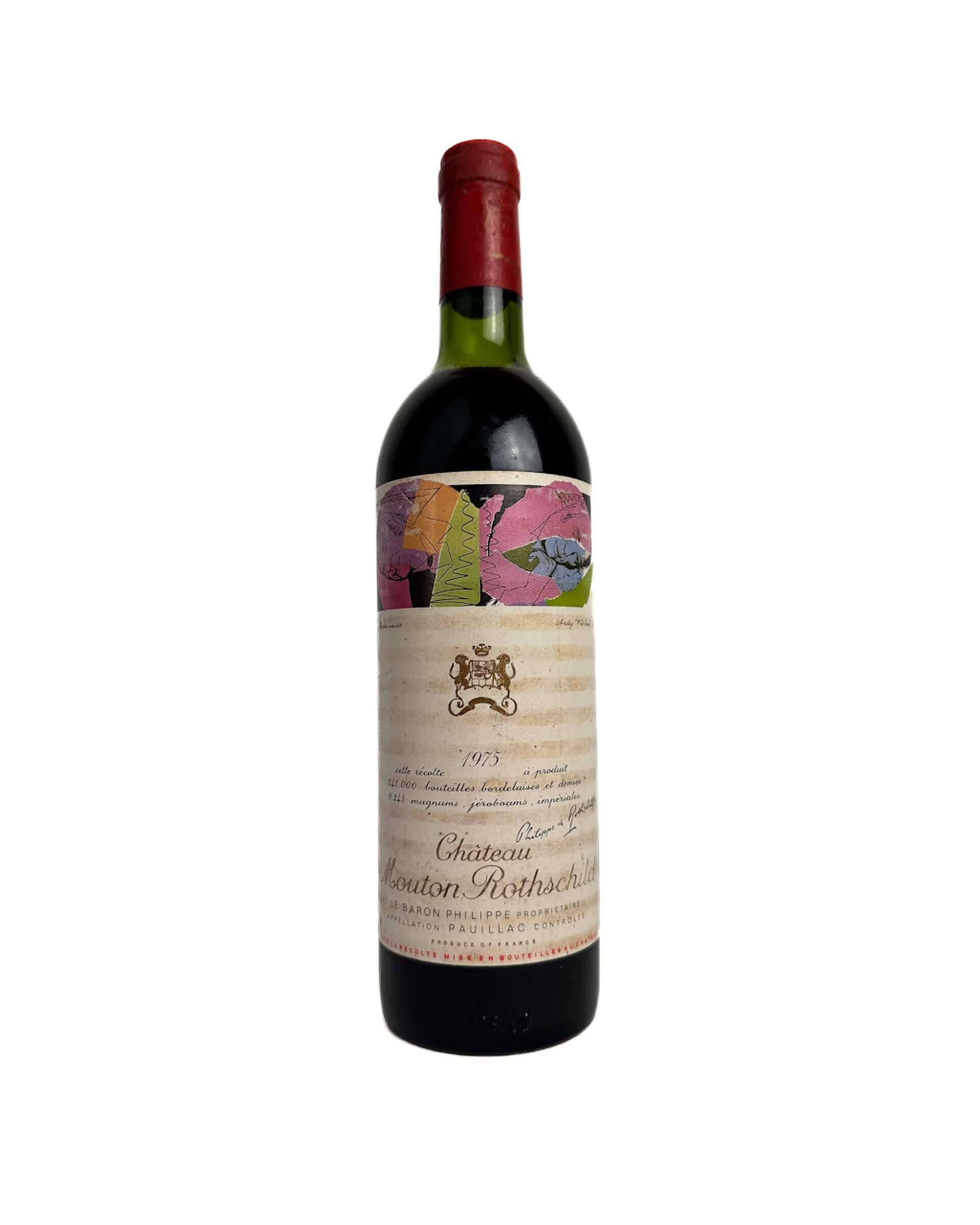
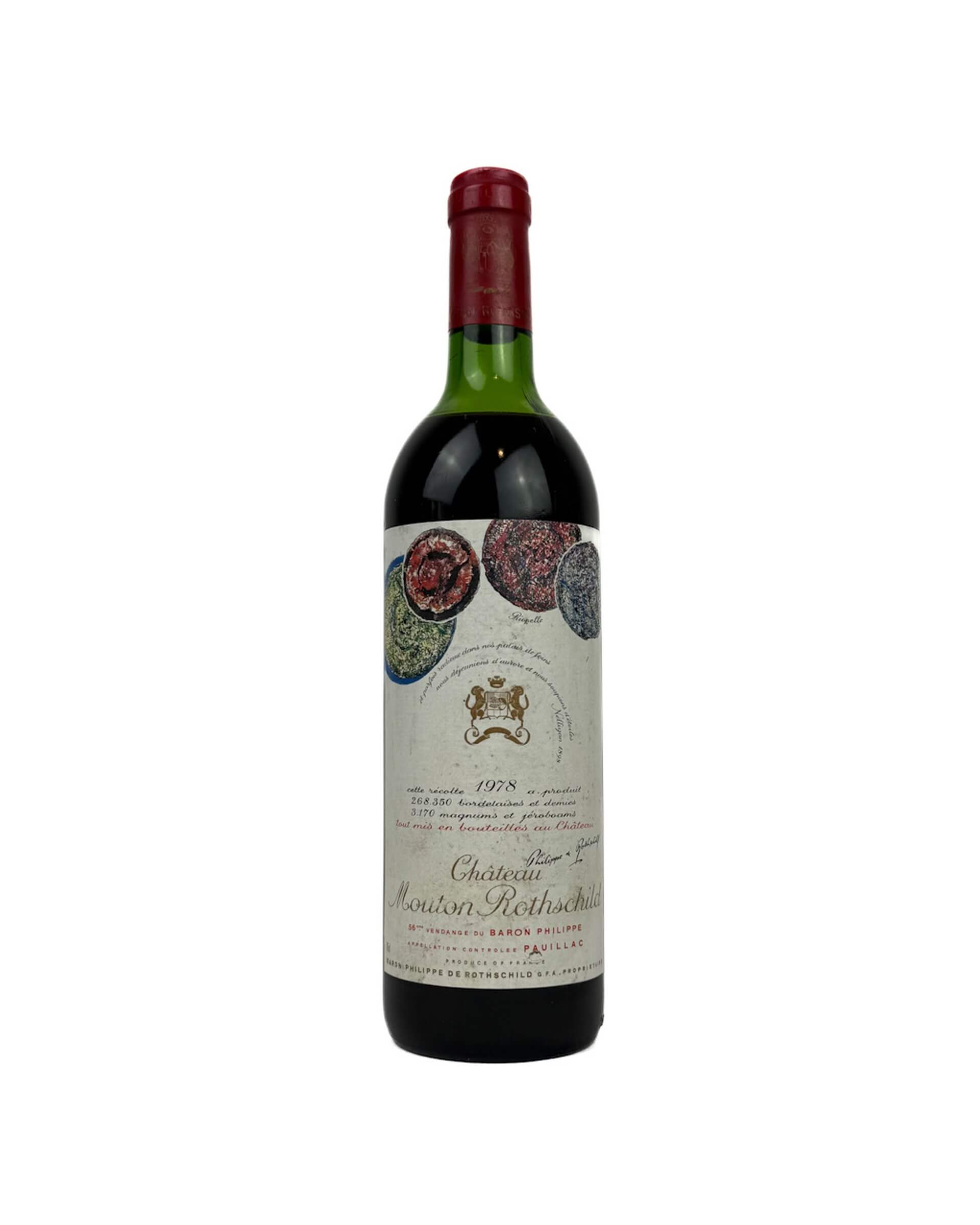
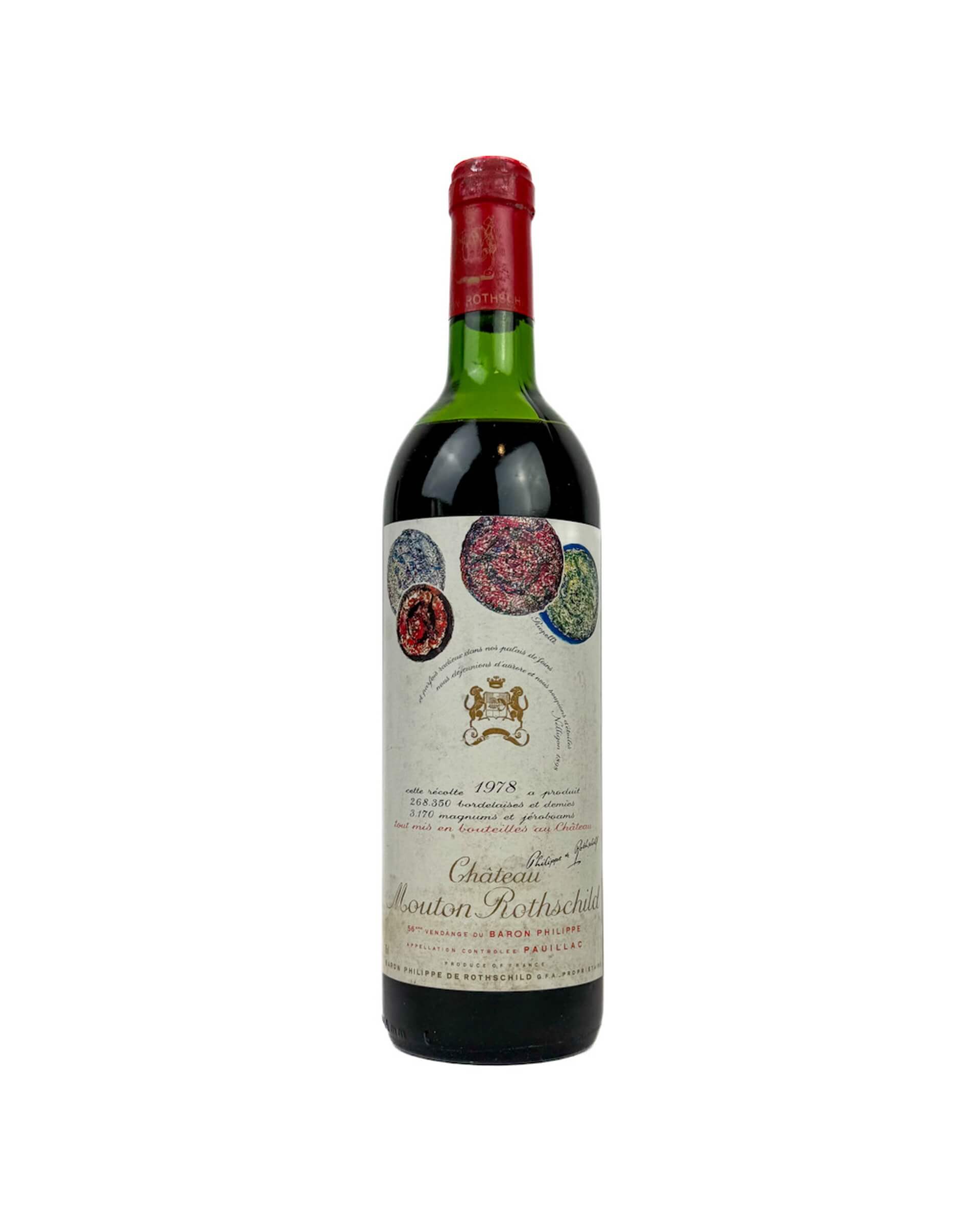
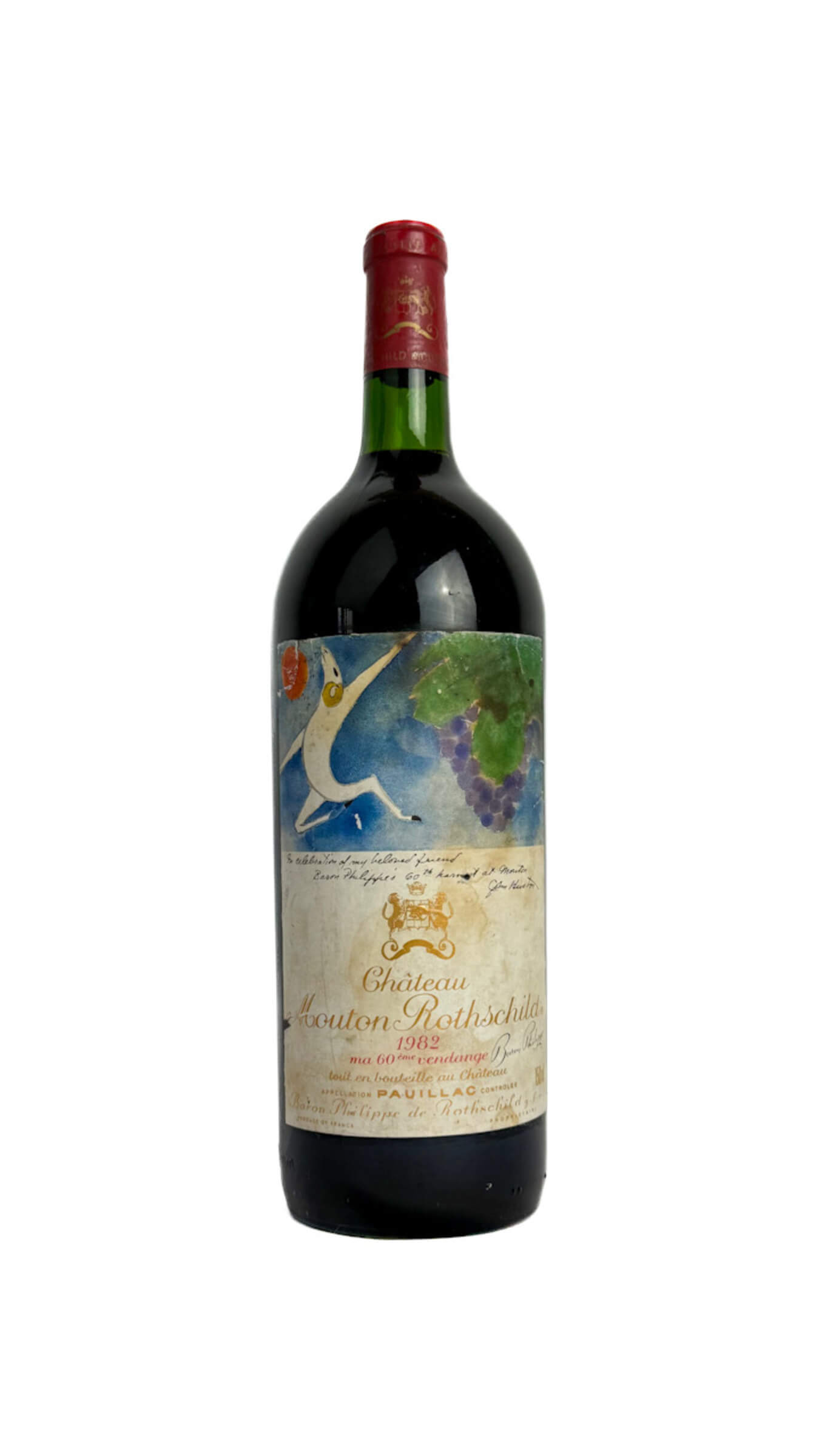
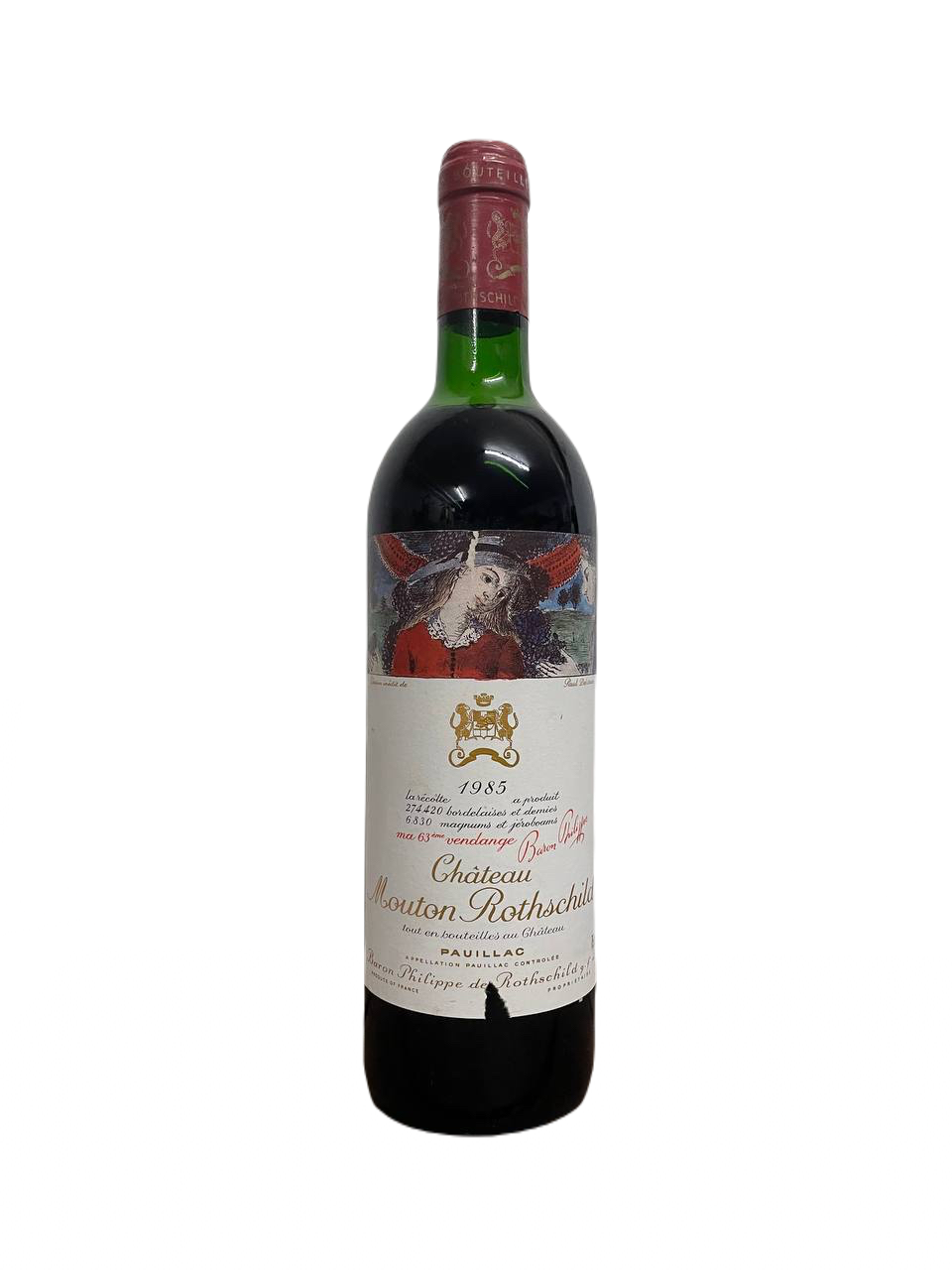
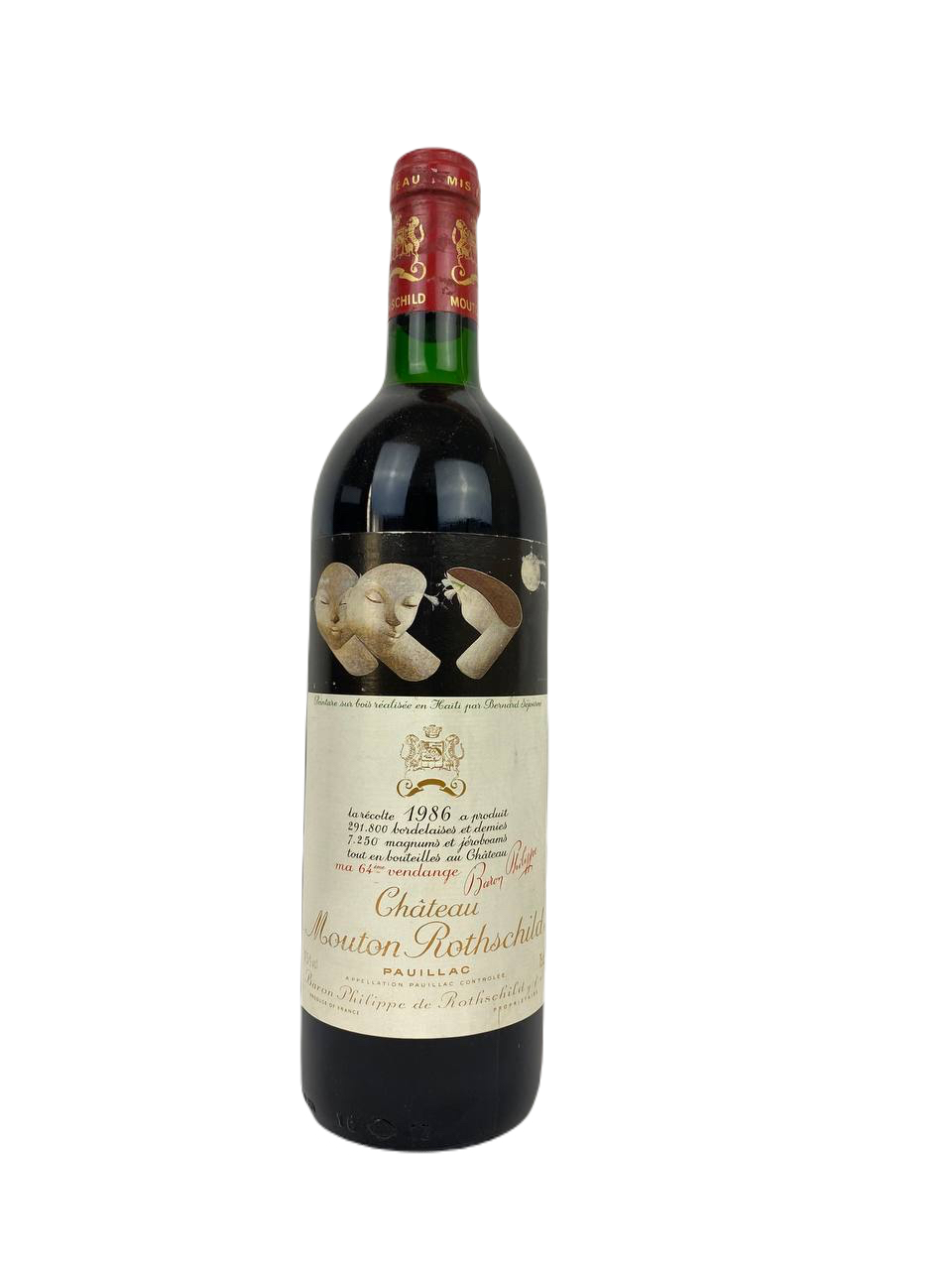
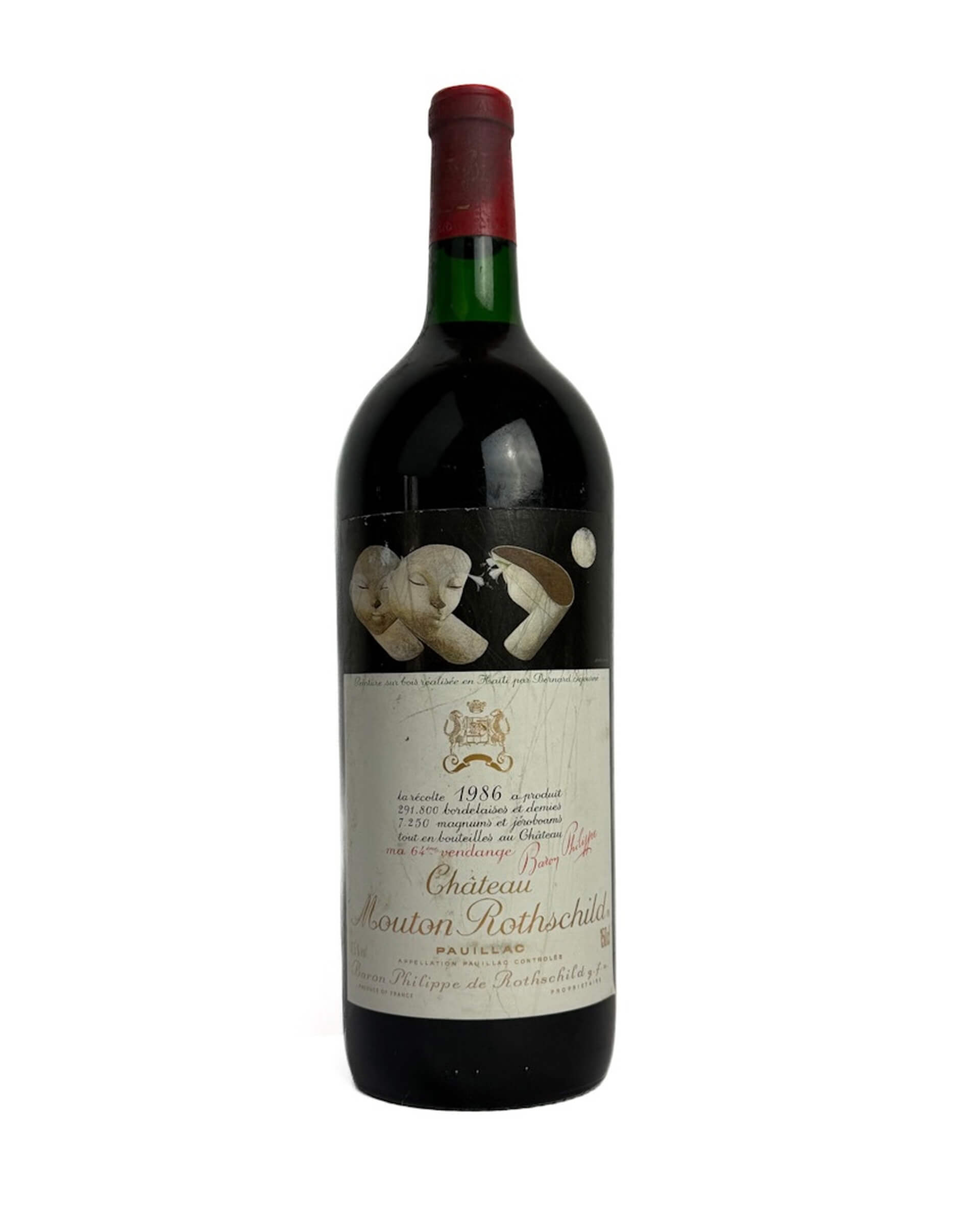
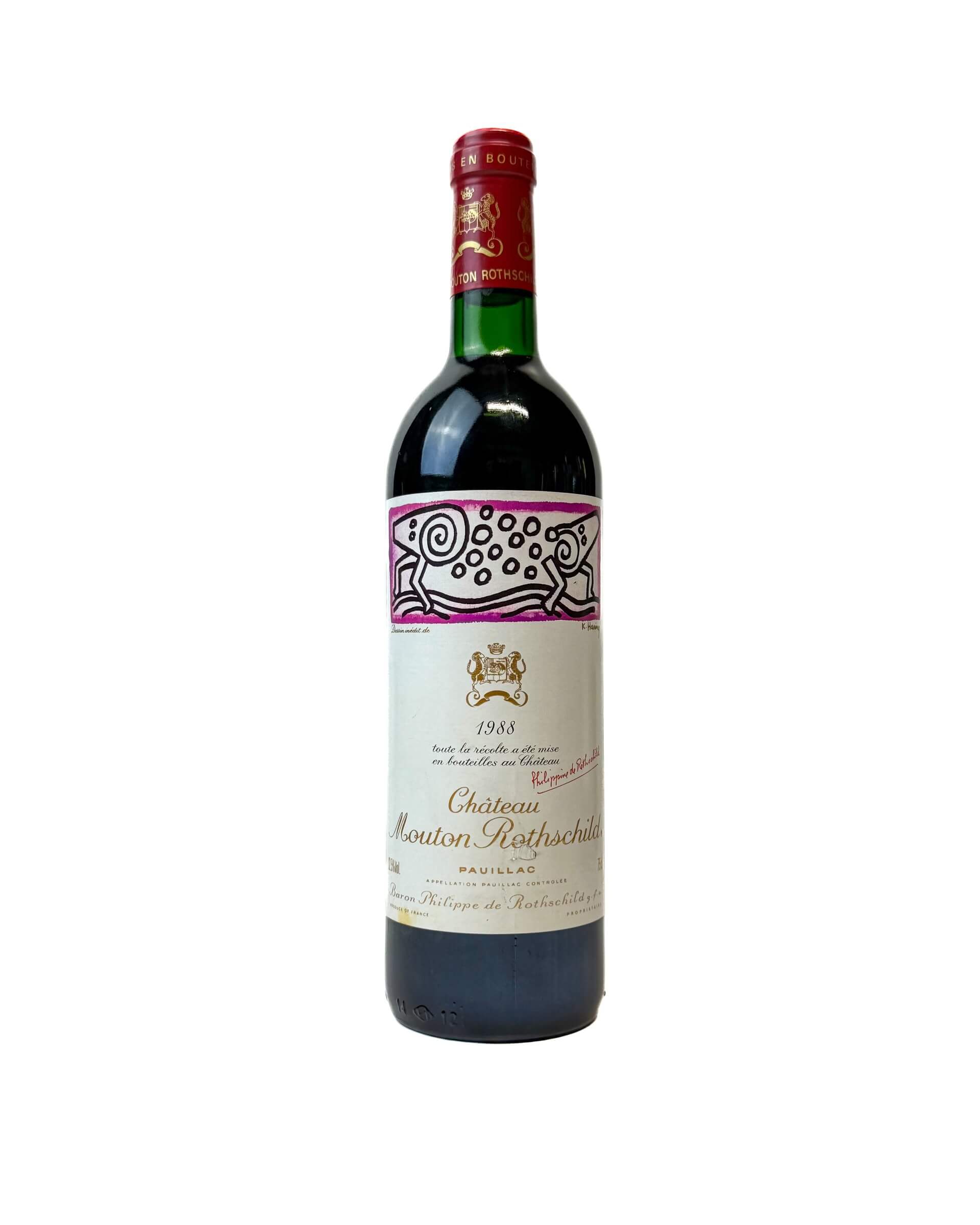
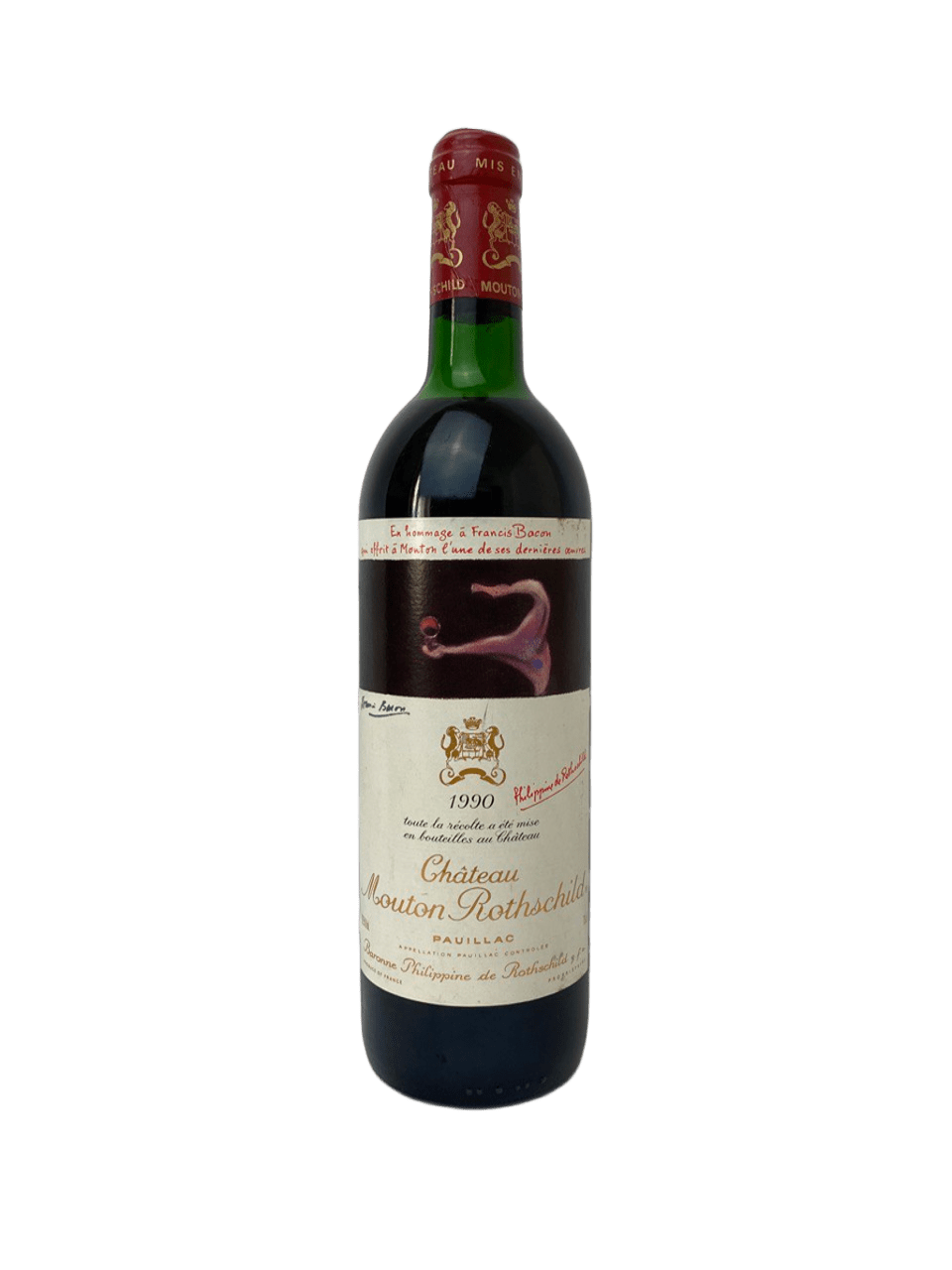
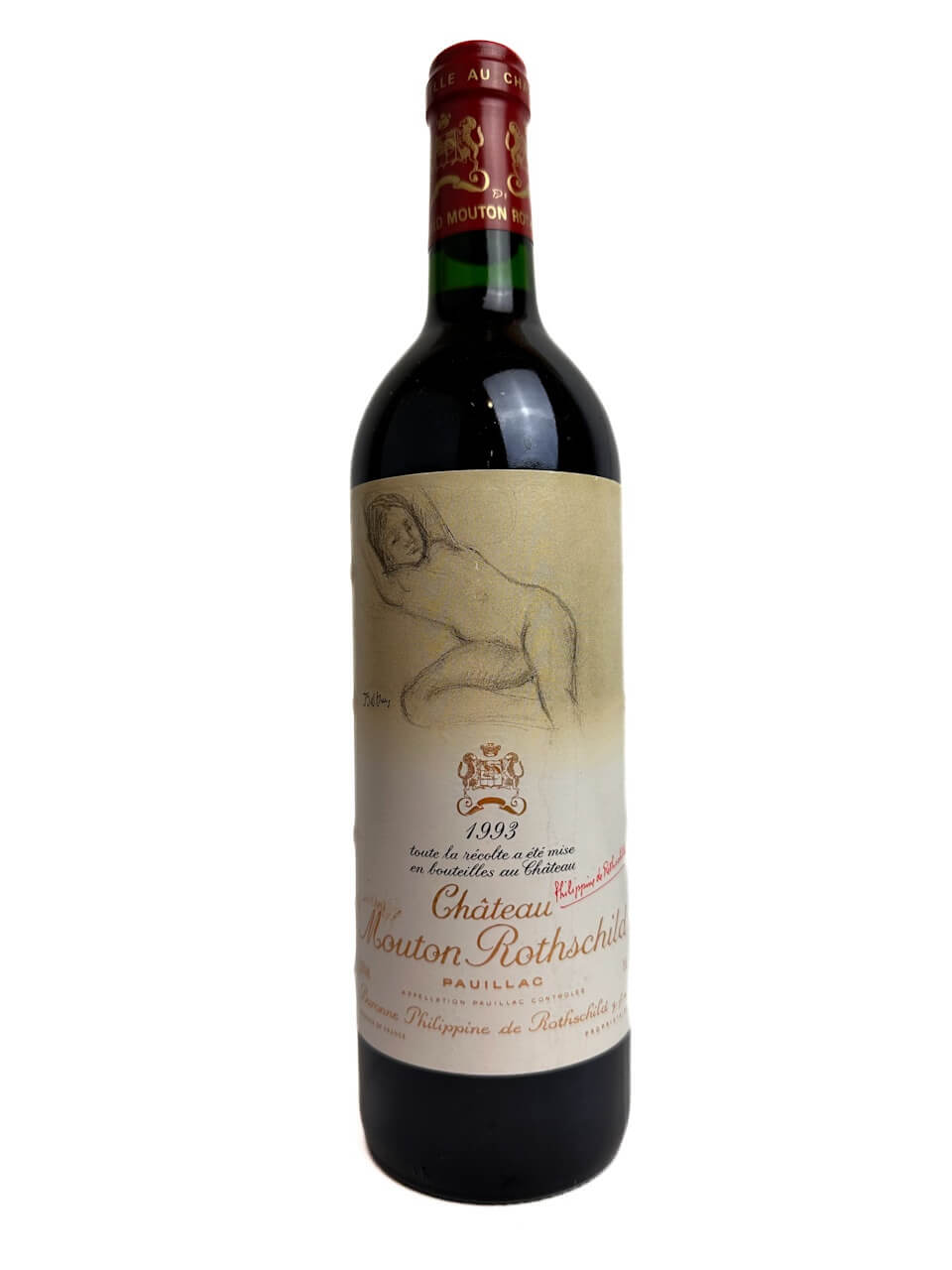
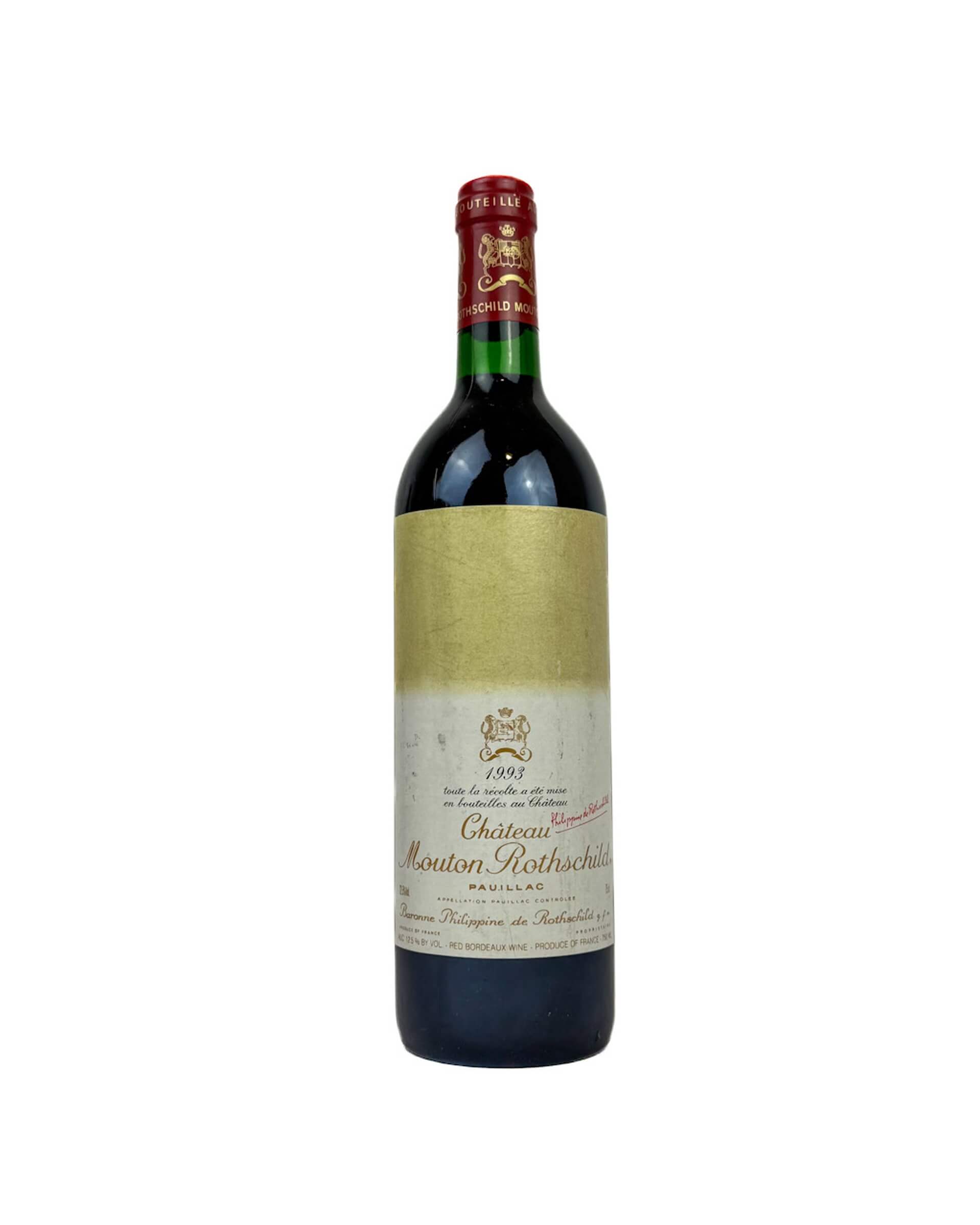
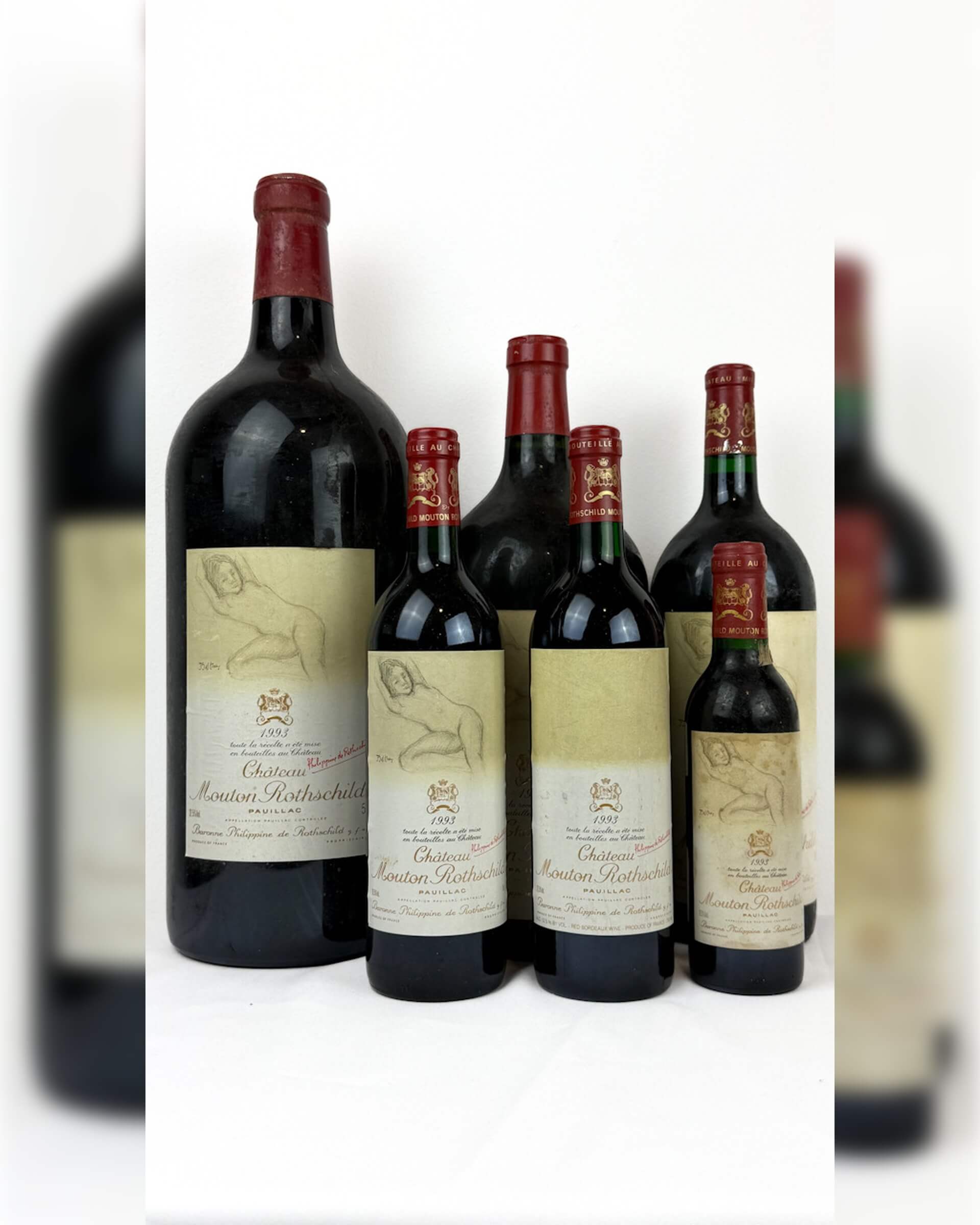
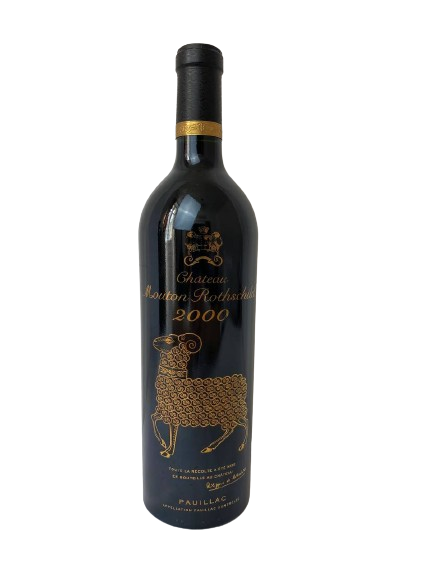
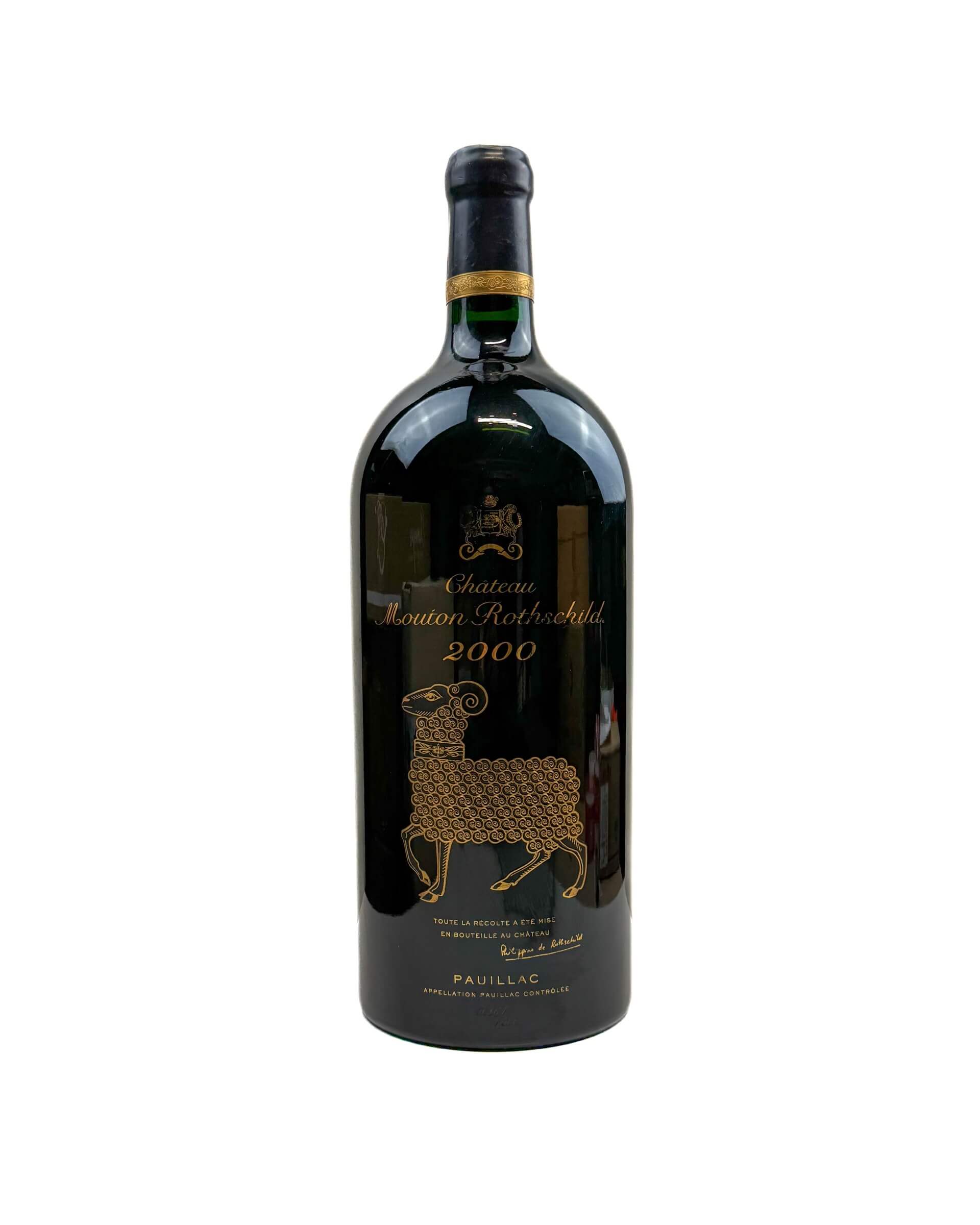
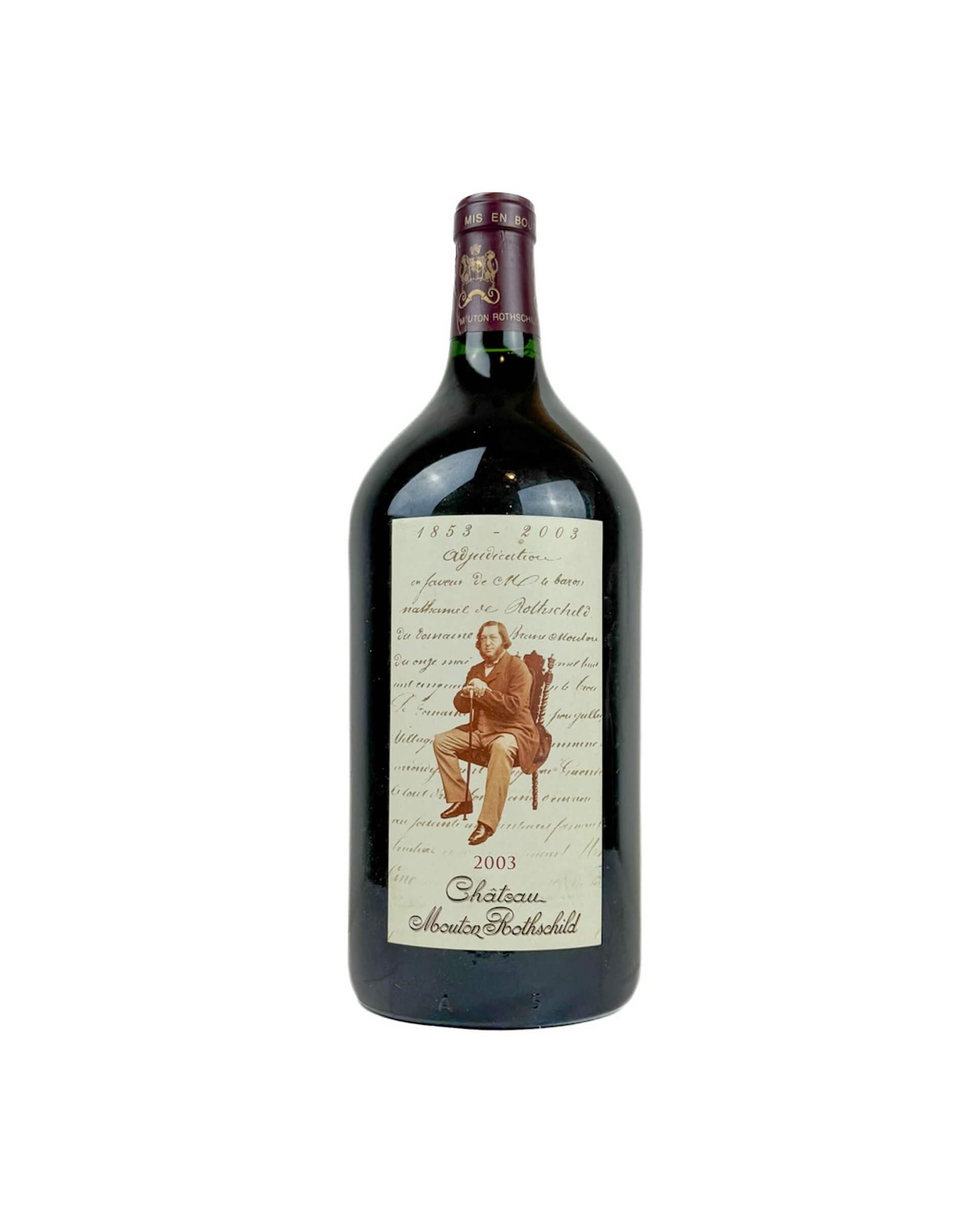
Pauillac is the most decorated commune in the Médoc, and for many collectors it is the beating heart of the entire Bordeaux conversation. Sitting on the gravelly left bank above the Gironde estuary, this small appellation produces some of the most age-worthy, structured red wines on earth. Pauillac wine owes its reputation to an extraordinary concentration of prestige: the commune holds three of Bordeaux’s five First Growths and eighteen classified growths in total — three First, two Second, one Fourth and twelve Fifth Growths — more classified châteaux than any other single village in the Médoc. At Tour de Wine we curate a focused selection of 57 Pauillac bottles, spanning accessible classified-growth vintages through blue-chip collector cuvées. This page sets out what defines the style, how its three gravel plateaux shape flavour, what the 1855 classification really means, how to pair and serve these wines, and what to expect on price in euros.
Pauillac wine is, almost without exception, a Cabernet Sauvignon-led red blend. The grape thrives on the commune’s warm gravel, and it typically forms the backbone of the wine — commonly in the region of 70 to 85 percent of the blend, with the balance made up by supporting varieties that round out and complete it. Each blending partner plays a defined role:
The hallmark of Pauillac is unmistakable: blackcurrant and cassis, cedar and pencil shavings, graphite, tobacco and a mineral, almost lead-pencil edge that tasters describe as “graphite” or “pencil lead.” That high proportion of Cabernet Sauvignon is precisely what gives the wines their famously firm, gripping tannic structure. It also explains their patience: serious classified Pauillac generally needs eight to fifteen years minimum for those tannins to integrate, and the very best bottles reward far longer. The contribution of Cabernet Franc is easy to overlook but vital — it is the aromatic seasoning that separates a great Pauillac from a merely powerful one.
Everything that makes Pauillac wine distinctive begins underground. The Médoc rests on deep beds of Günzian gravel — rounded stones washed down over millennia — laid over a clay-limestone subsoil. Gravel is the secret: it drains freely so vines are never waterlogged, and it retains the day’s heat, radiating warmth back at night to ripen Cabernet Sauvignon fully even in this northerly latitude. Poor, stony soil also forces the vine to push its roots deep, concentrating the fruit.
Within Pauillac’s roughly 1,200 hectares of AOC vineyard, three distinct gravelly plateaux give rise to recognisably different styles:
The estuary itself is the final piece. Pauillac’s position beside the broad waters of the Gironde moderates temperature extremes, buffering frost and heat alike. That maritime influence is a key reason the commune delivers such consistent vintage quality, and why Pauillac has earned its place at the summit of fine Bordeaux. The appellation is formally recognised by the CIVB (Conseil Interprofessionnel du Vin de Bordeaux), and its First Growths have repeatedly drawn perfect 100-point scores from leading critics in landmark years.
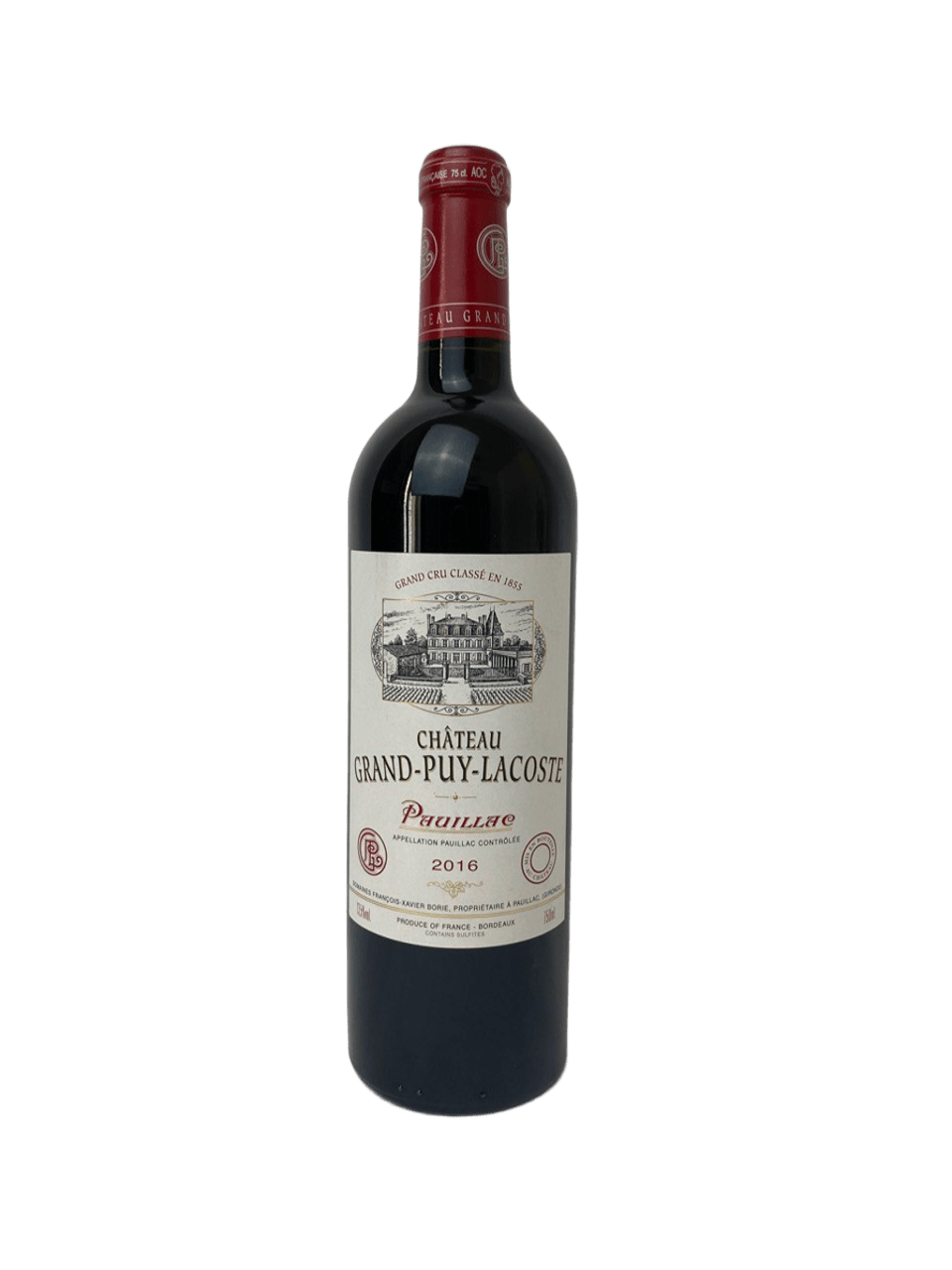
No commune in the Médoc carries more weight in the famous 1855 Classification than Pauillac. When Napoleon III commissioned the ranking for the Exposition Universelle, brokers placed an exceptional cluster of Pauillac estates among the elite, and the village still holds more classified growths than any of its neighbours. In total, Pauillac counts eighteen classified growths: three Premier Crus — Châteaux Lafite Rothschild, Latour and Mouton Rothschild — alongside two Deuxièmes Crus, one Quatrième Cru and twelve Cinquièmes Crus. The two Second Growths are the celebrated neighbouring estates Pichon Longueville Baron and Pichon Longueville Comtesse de Lalande, while the deep bench of Fifth Growths includes some of the appellation’s most sought-after names — Lynch-Bages, Grand-Puy-Lacoste and Pontet-Canet chief among them, all wines that routinely outperform their rank.
One historical footnote defines the appellation’s prestige: in 1973, Château Mouton Rothschild was promoted from Second to First Growth — the only revision ever made to the 1855 ranking, secured after decades of campaigning by Baron Philippe de Rothschild. We name these estates as context for the appellation’s stature rather than a promise to stock every one; availability of the most iconic labels is always limited and vintage-dependent. To see what is in the cellar today, browse our live selection and explore related 1er Cru and broader Grand Cru classifications across Bordeaux and beyond.
One of the joys of these wines is how dramatically they evolve. A young classified bottle and the same wine at twenty years old can taste like two different creatures, which is why understanding the drinking window matters as much as choosing the château. These wines are rarely at their best when young — patience is rewarded handsomely here.
In youth, Pauillac wines are brooding and primary: dense black fruit, pronounced cassis, firm and sometimes austere tannins, and bright acidity that holds everything in tension. Secondary complexity has not yet arrived. These bottles almost always benefit from one to two hours in a decanter to soften the grip and coax out the fruit before serving.
Tannins silken with age and the wine trades raw power for finesse, while a fan of secondary aromas emerges — tobacco, leather, truffle, dried herbs, cigar box and that signature graphite. Peak drinking windows vary widely by producer and vintage, but at maturity the convergence of graphite, truffle, sweet leather and fully resolved tannin gives a savoury, layered, long-finishing palate that few other red wines sustain.
Pauillac’s tannic structure and savoury depth make it a classic partner for rich, roasted meats. The pairing has deep regional roots: Pauillac lamb (agneau de Pauillac) carries its own protected designation, and the match of local lamb with local wine has been the standard in Médoc kitchens for generations. A rack served pink is the textbook regional pairing. Beyond lamb, the appellation’s firm grip and dark fruit reward generous, fatty, flavour-forward dishes.
What to avoid: delicate white fish and cream-heavy sauces, both of which are simply overwhelmed by Pauillac’s tannin and concentration. Serve these wines at 16–18 °C, and always decant younger vintages to let the structure relax.
Buying Pauillac well means matching the bottle to the occasion and the drinking window rather than simply reaching for the most famous label. Our 57-strong selection spans a wide range, and the figures below are drawn directly from the live Tour de Wine catalogue so you know exactly where each tier sits. Every price is in euros, sourced with full provenance.
A single introductory bottle opens the range at €75, but that is the exception rather than the rule: the typical floor for classified-estate Pauillac sits from around €135. Think of €75 as one specific entry bottle and €135 as the realistic starting point for properly classified labels. This is where you find crus bourgeois and younger vintages of classified estates — an ideal starting point for first-time buyers or for anyone wanting to drink within the next few years rather than cellar for a decade. Approachable recent vintages such as 2015 sit well in this tier.
The median price across our Pauillac selection is near €475. This is the heart of the range, where mature vintages of fifth-growth châteaux and well-chosen second-growth bottles at accessible entry years live. Celebrated years such as 2010 and 2016 — both rated outstanding for the left bank — tend to sit here when they come from the Fifth Growths. For most serious collectors, this is the band that represents genuine, properly classified Pauillac at a fair price.
At the top, the 90th percentile of the catalogue reaches €2,700 — blue-chip territory of Premier and Deuxième Cru in mature vintages, typically the great years such as 2005, 2009 and 2010 that critics scored at or near perfection — while the rarest single bottle in our cellar climbs to €14,750. These are investment-grade and special-occasion purchases, sourced direct from the estate or via trusted brokers with full chain-of-custody documentation. To widen your search, explore the full France collection and the wider Petit Verdot blending-grape range that defines the Médoc style.
Pauillac is an AOC appellation within the Haut-Médoc, on the left bank of the Gironde estuary in Bordeaux. It produces exclusively red wines dominated by Cabernet Sauvignon, blended with Merlot, Cabernet Franc and Petit Verdot. It contains more 1855 classified châteaux than any other Bordeaux commune, including three Premier Crus.
At Tour de Wine, Pauillac starts from €75, with accessible bottles from around €135. The mid-range of the catalogue sits near €475, and prestige classified growths reach €2,700 and beyond, with exceptional rare vintages priced up to €14,750. All prices are quoted in euros.
Most classified Pauillac benefits from at least eight to fifteen years of cellaring before its tannins fully integrate. Entry-level and crus bourgeois can be enjoyed earlier, at three to five years, especially with one to two hours of decanting. Premier Crus in great vintages may need fifteen to twenty-five years to reach their peak.
The classic pairing is Pauillac lamb, the town’s own protected designation. More broadly, reach for roast beef, game birds, duck and aged hard cheeses. Avoid delicate fish and cream-based sauces, which are overpowered by Pauillac’s firm tannic structure.
Written by the Tour de Wine buying team. Last reviewed: June 2026.
This site is restricted to adults. By entering, you confirm that you are of legal drinking age in your country of residence.