
99
0,75
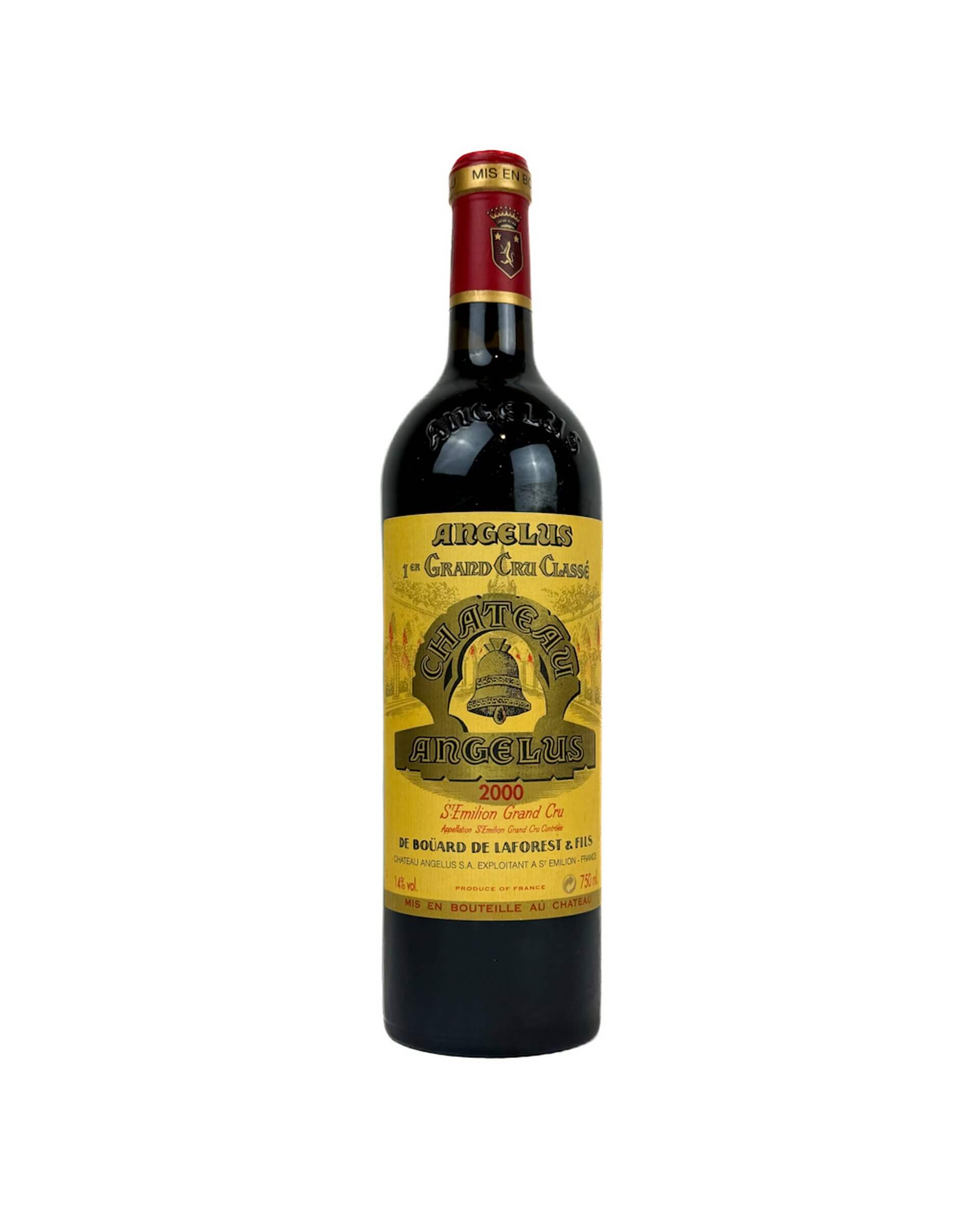
2000
Chateau Angelus
Wines, producers, regions...
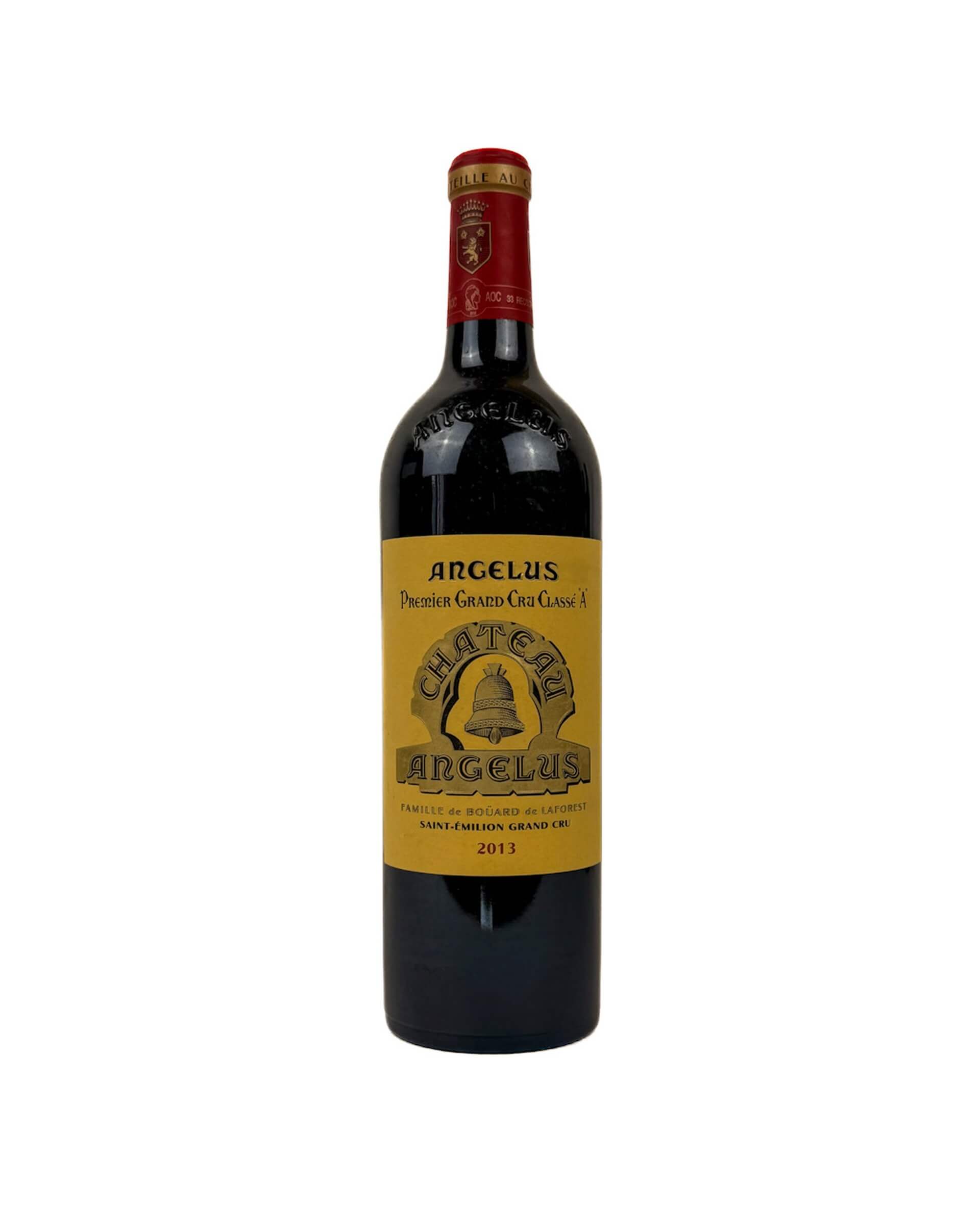
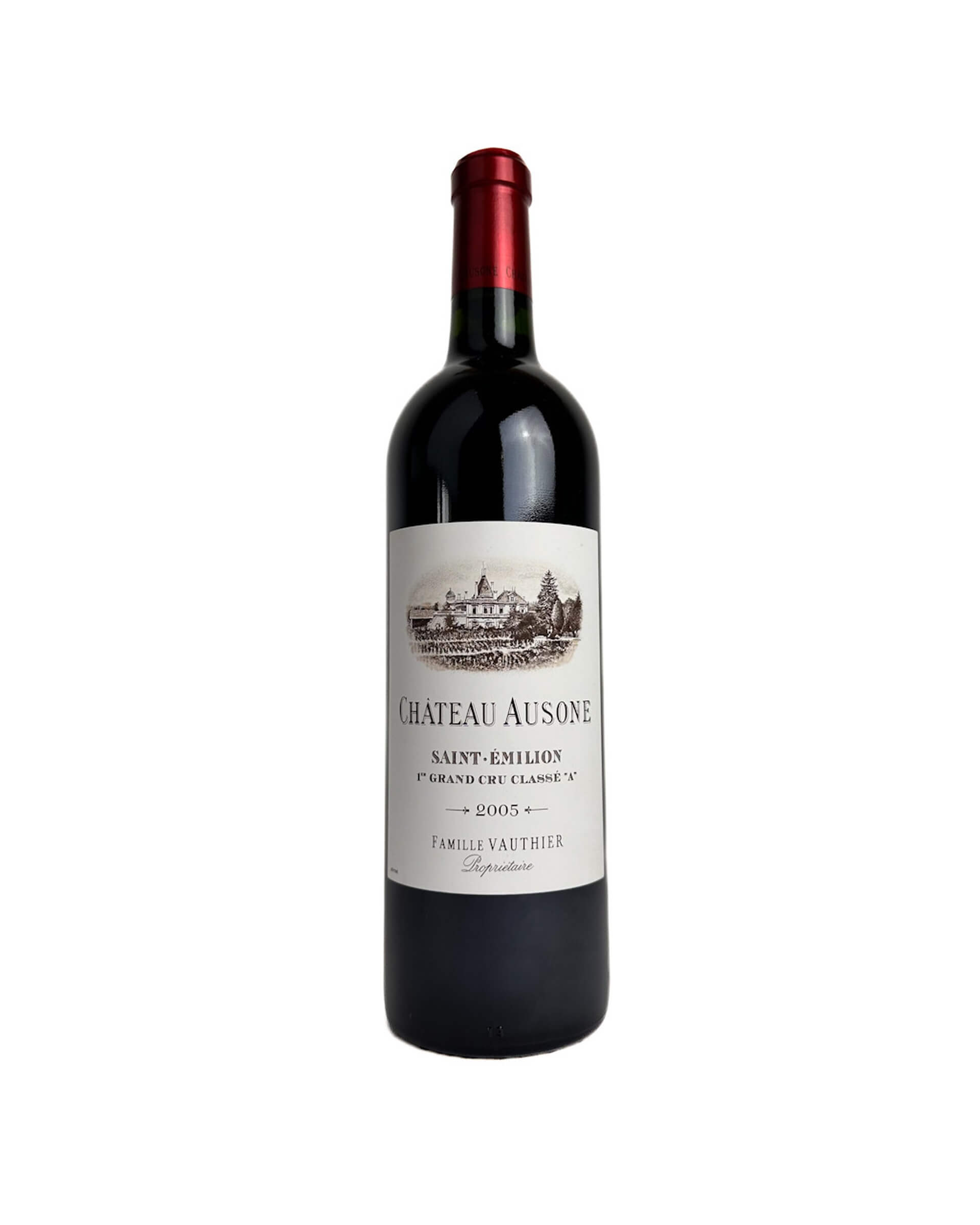
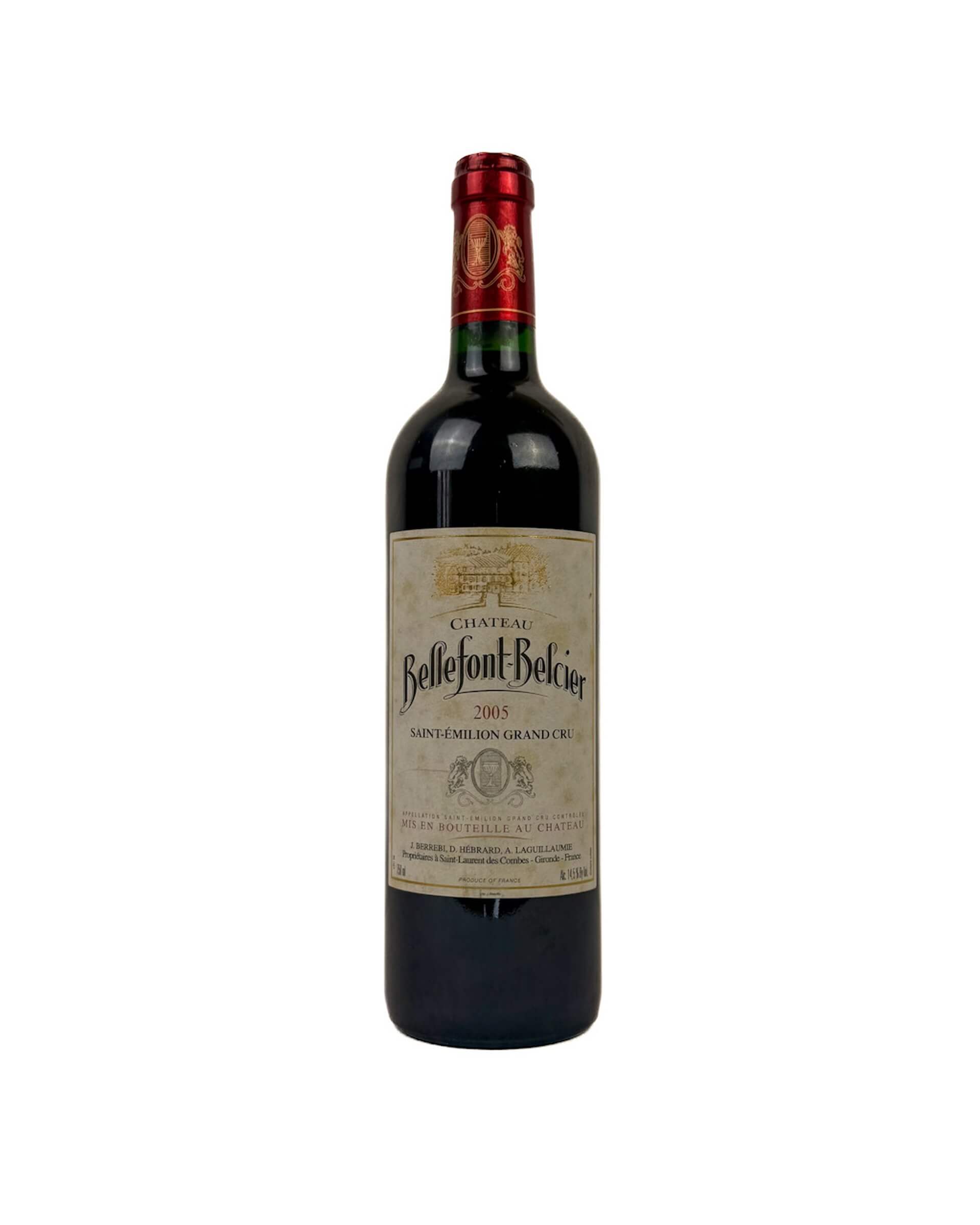
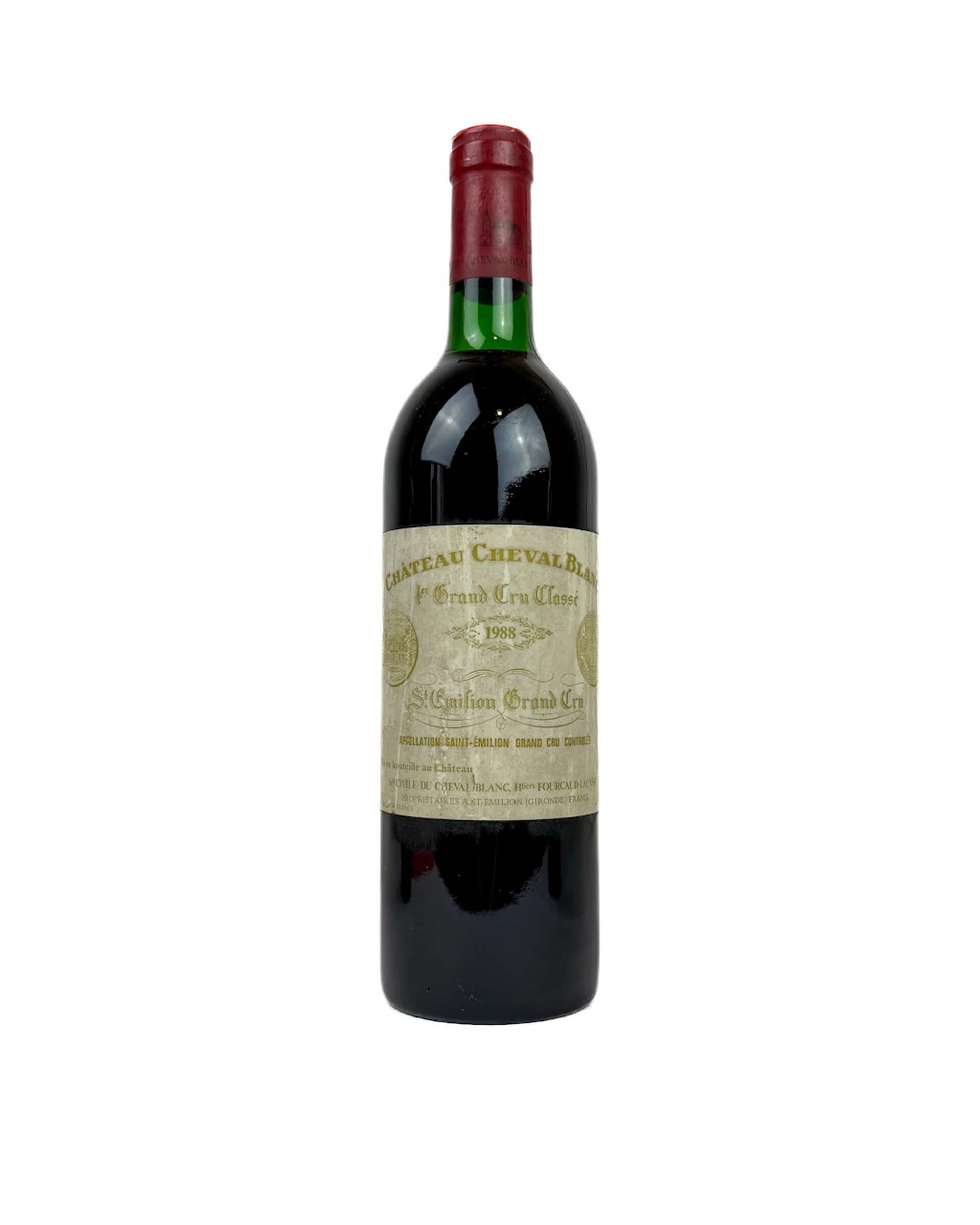
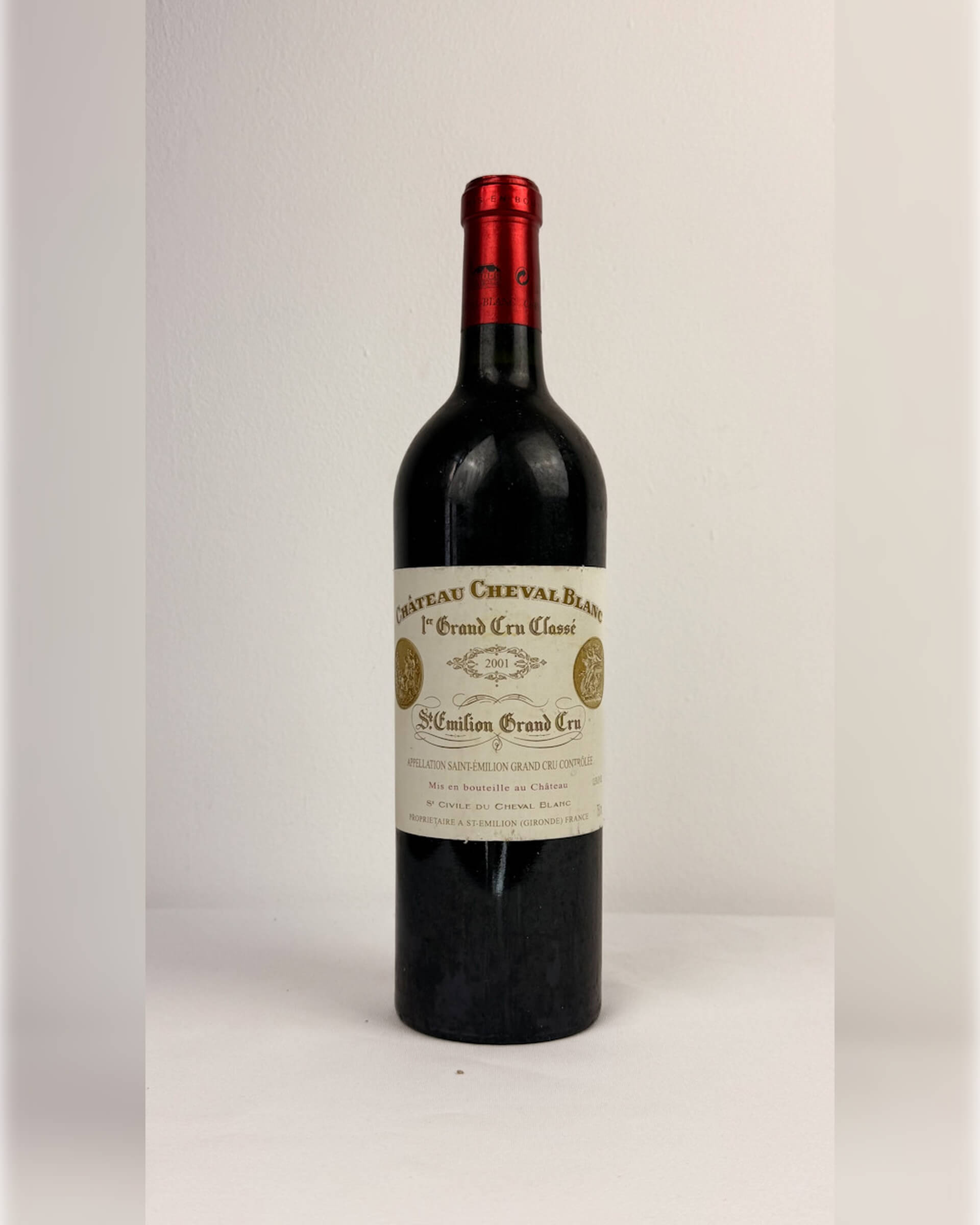
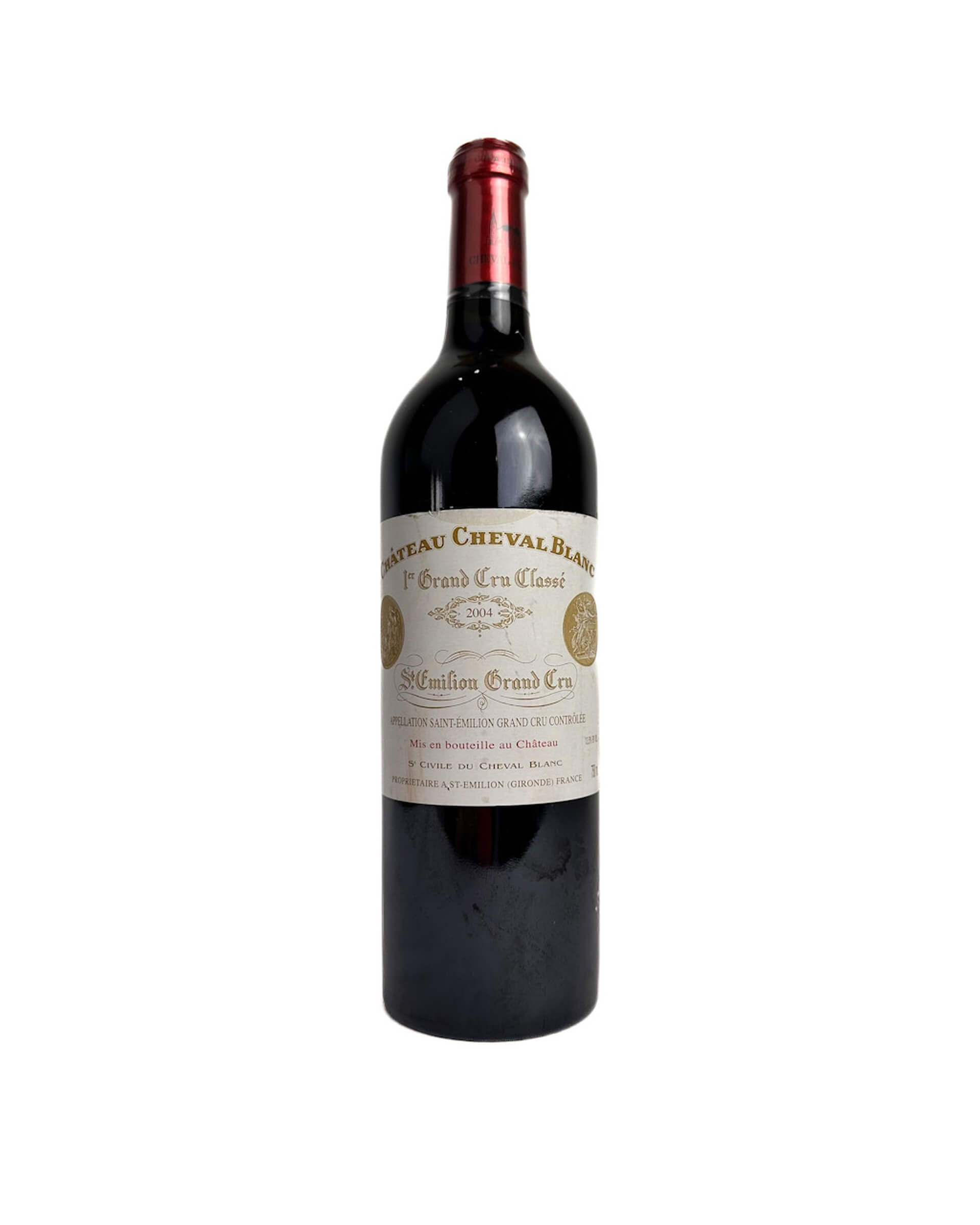
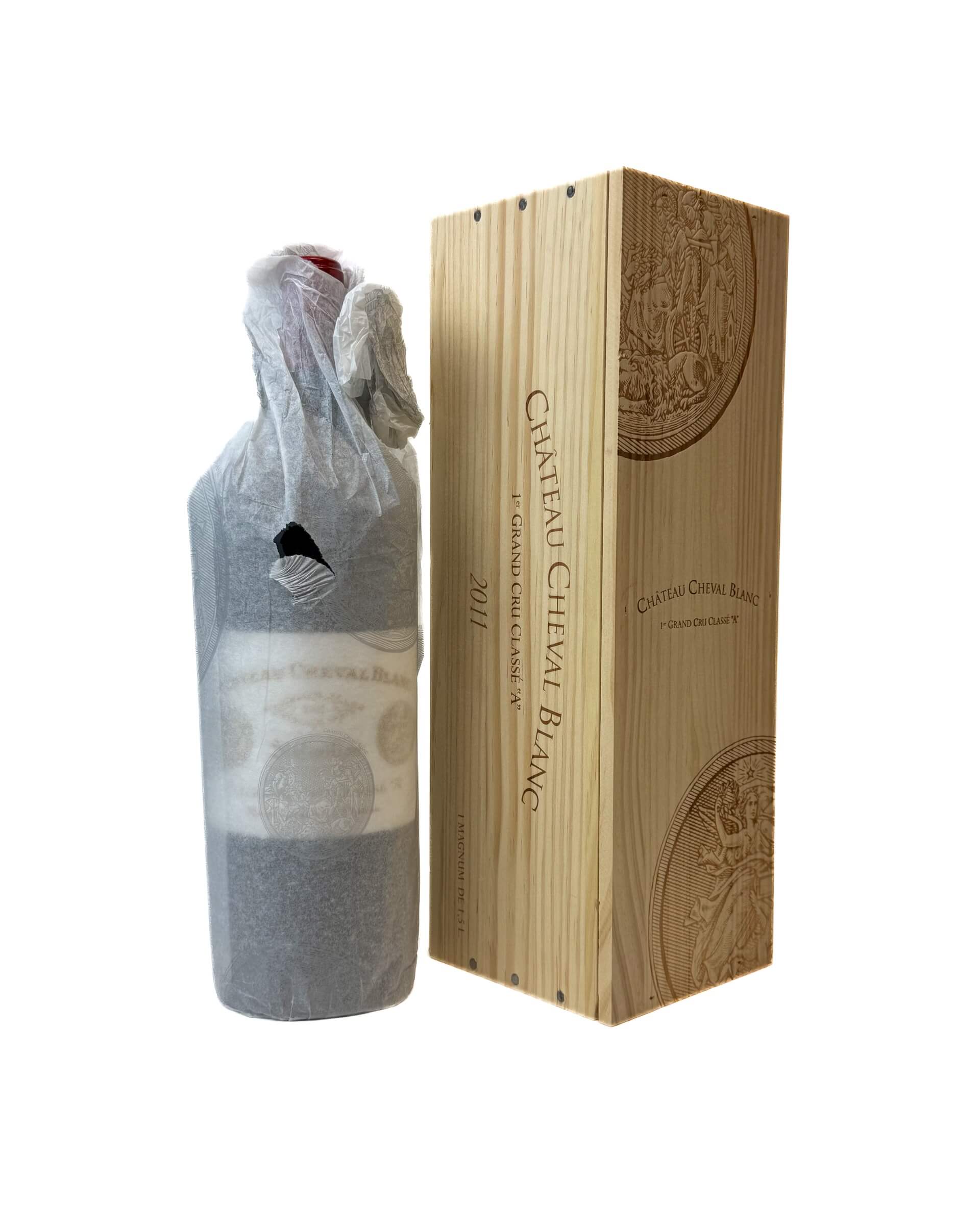
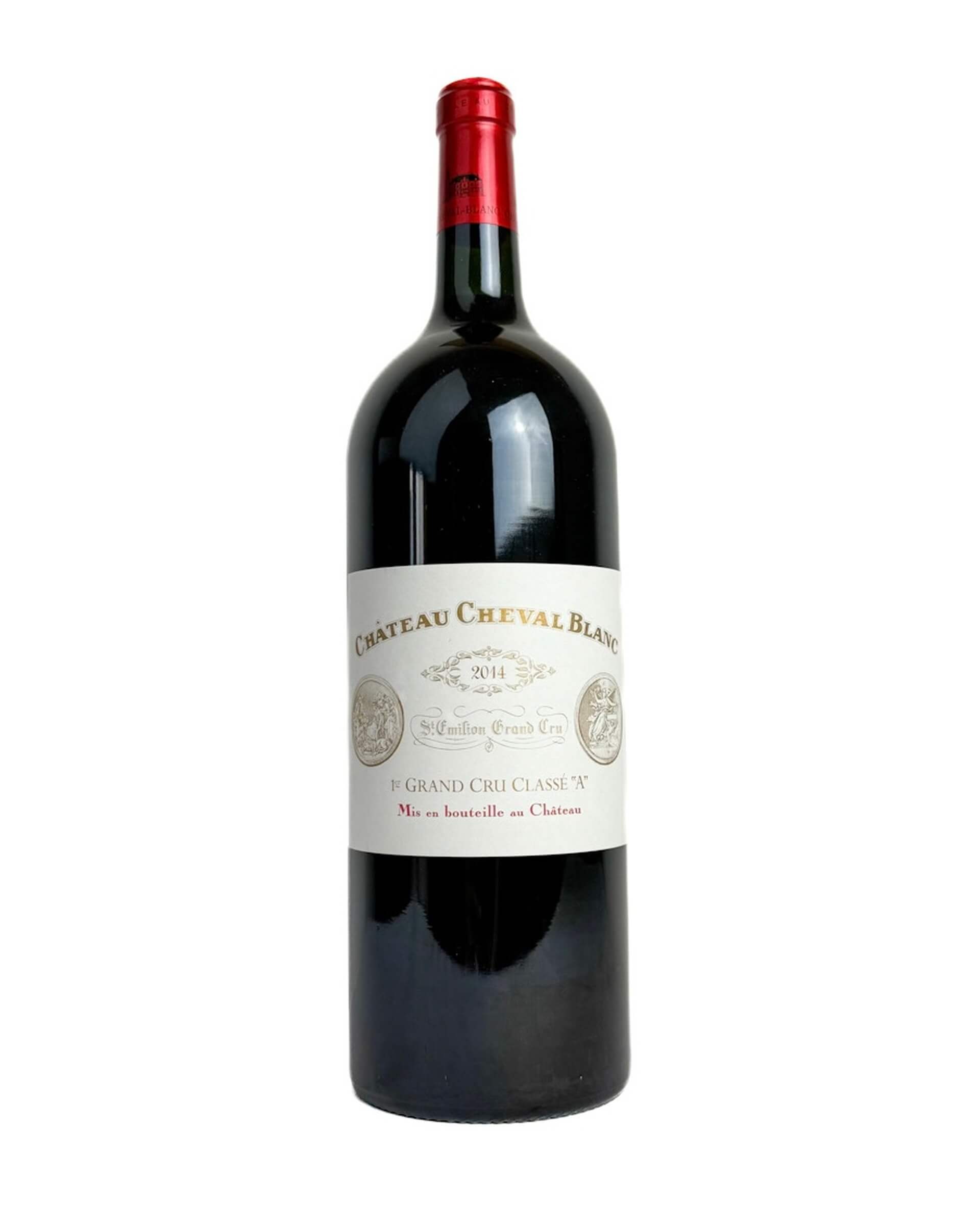

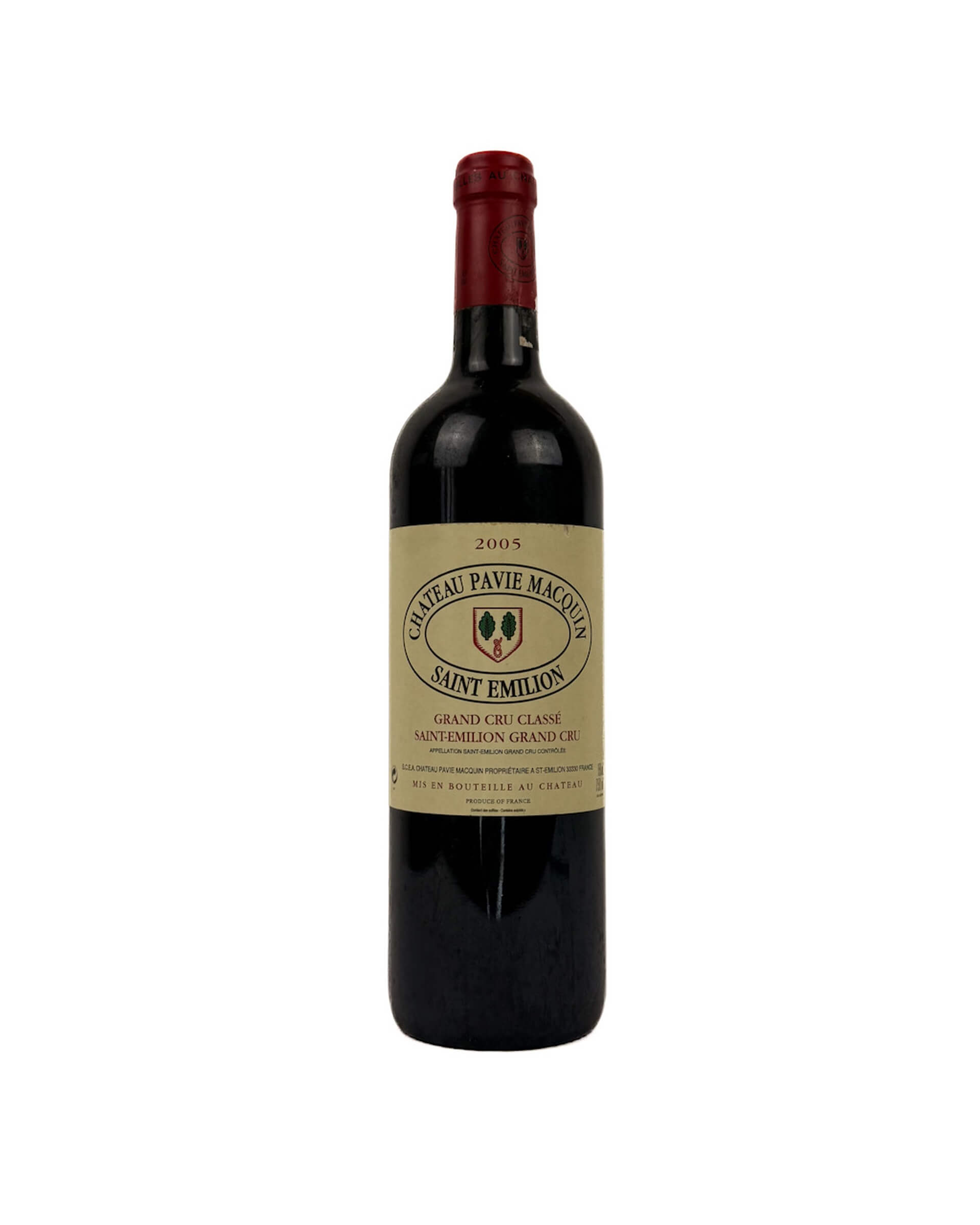
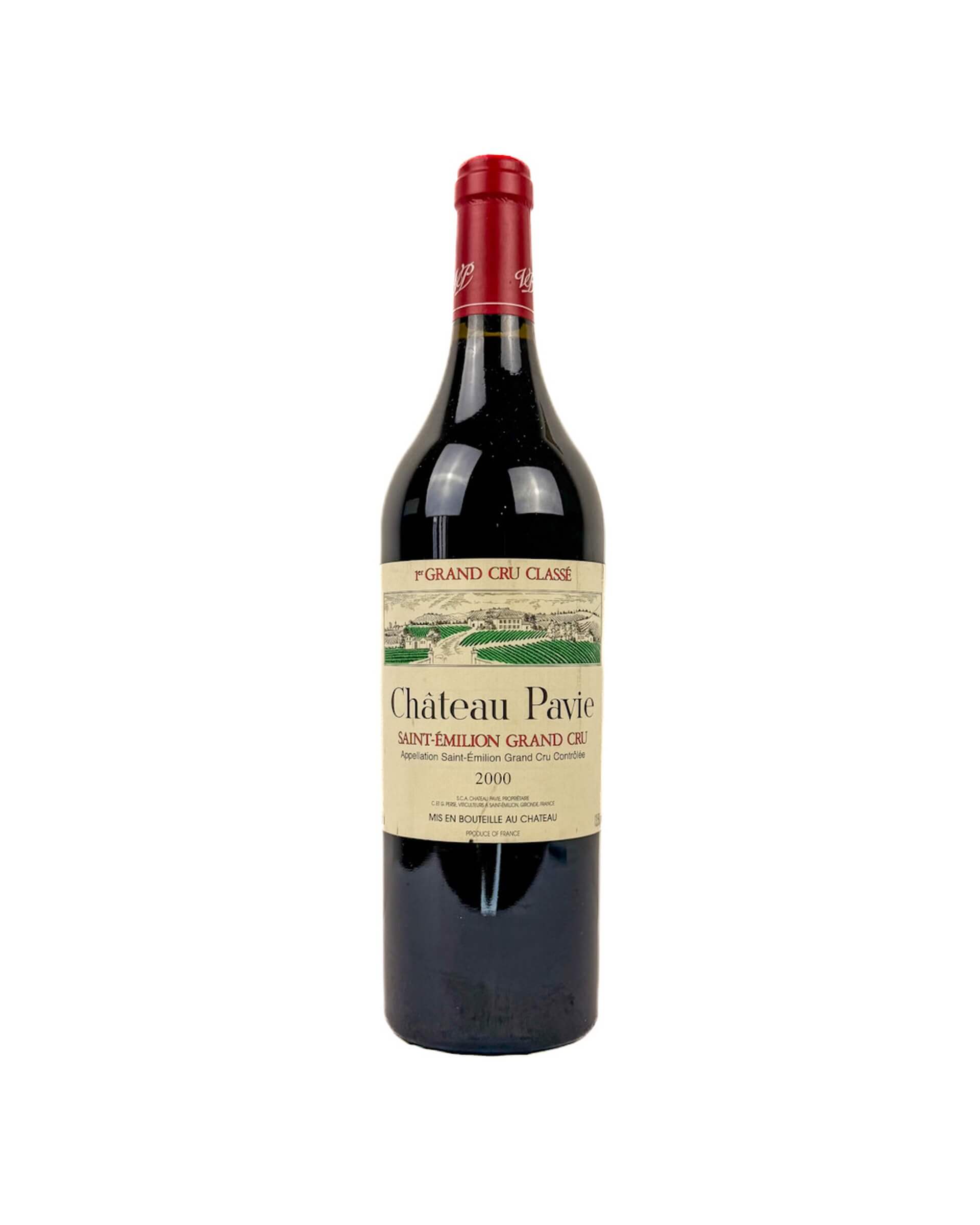
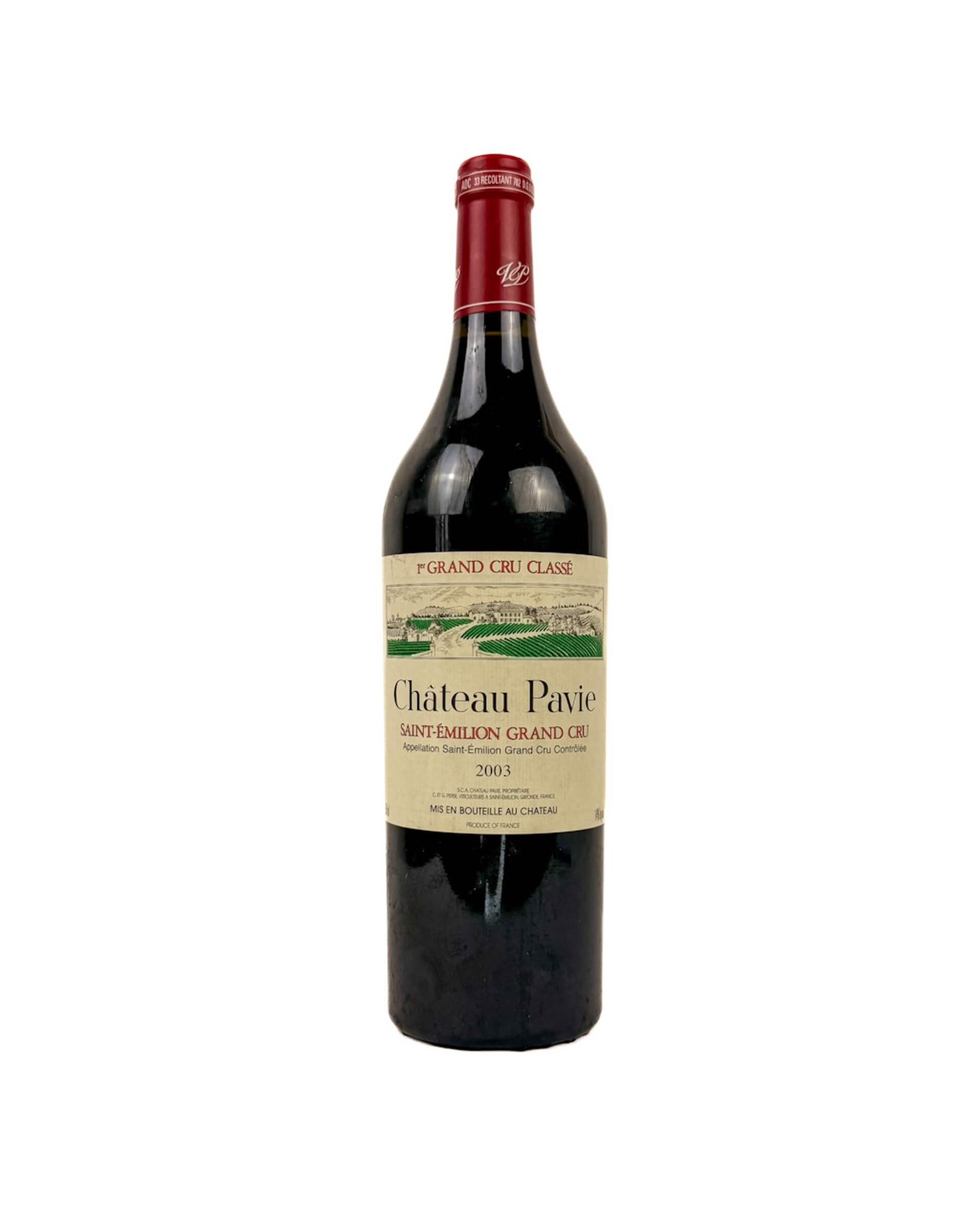
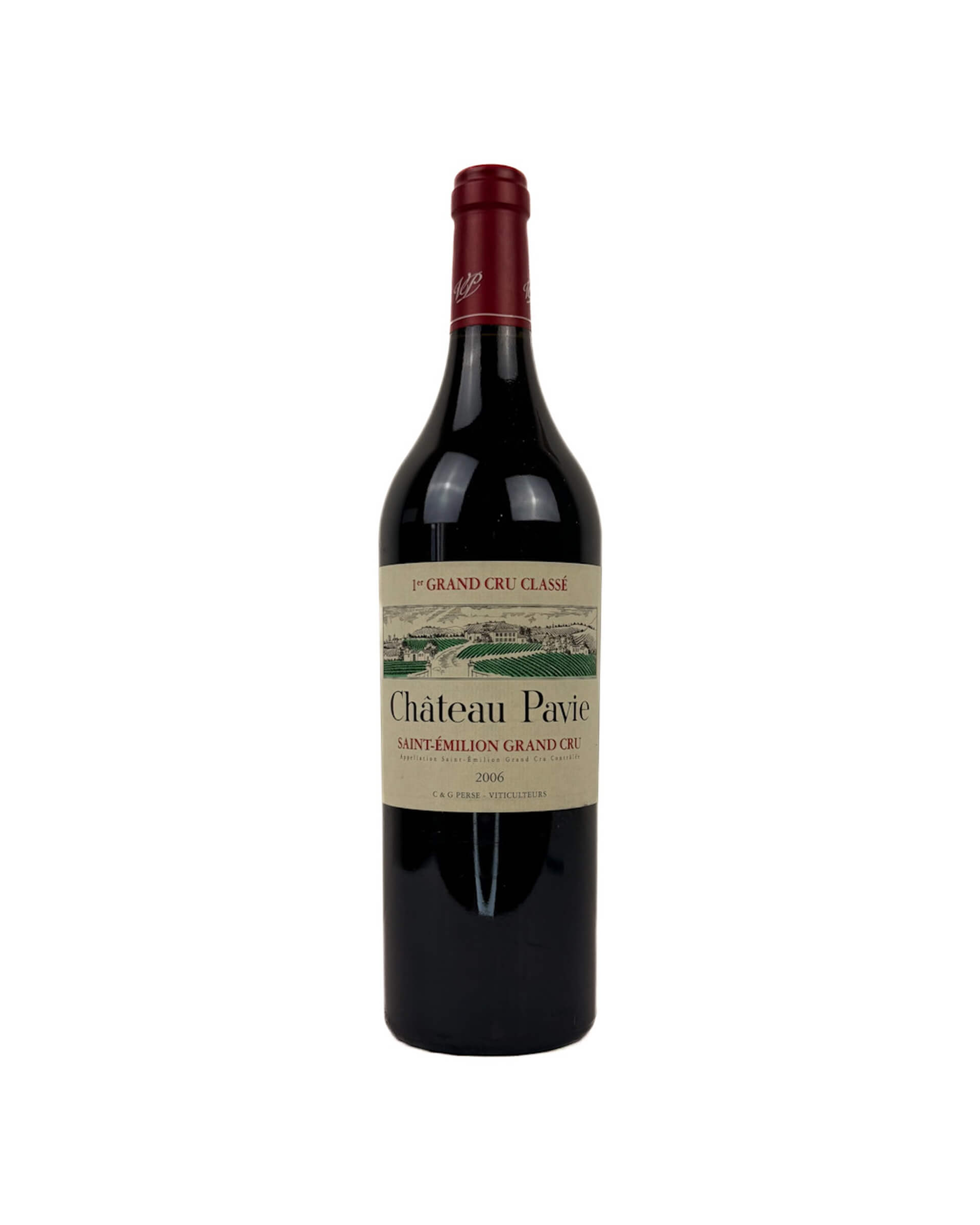
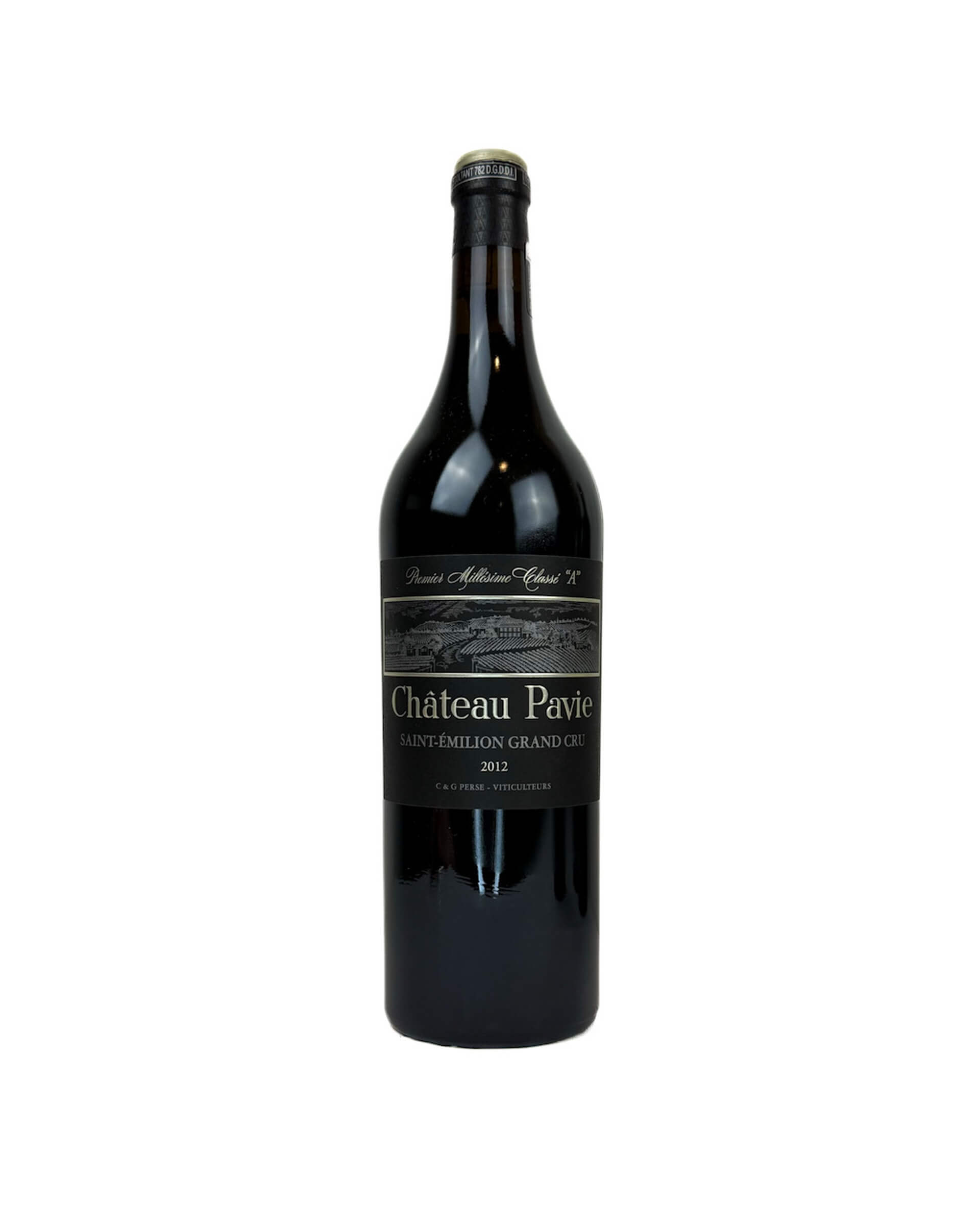
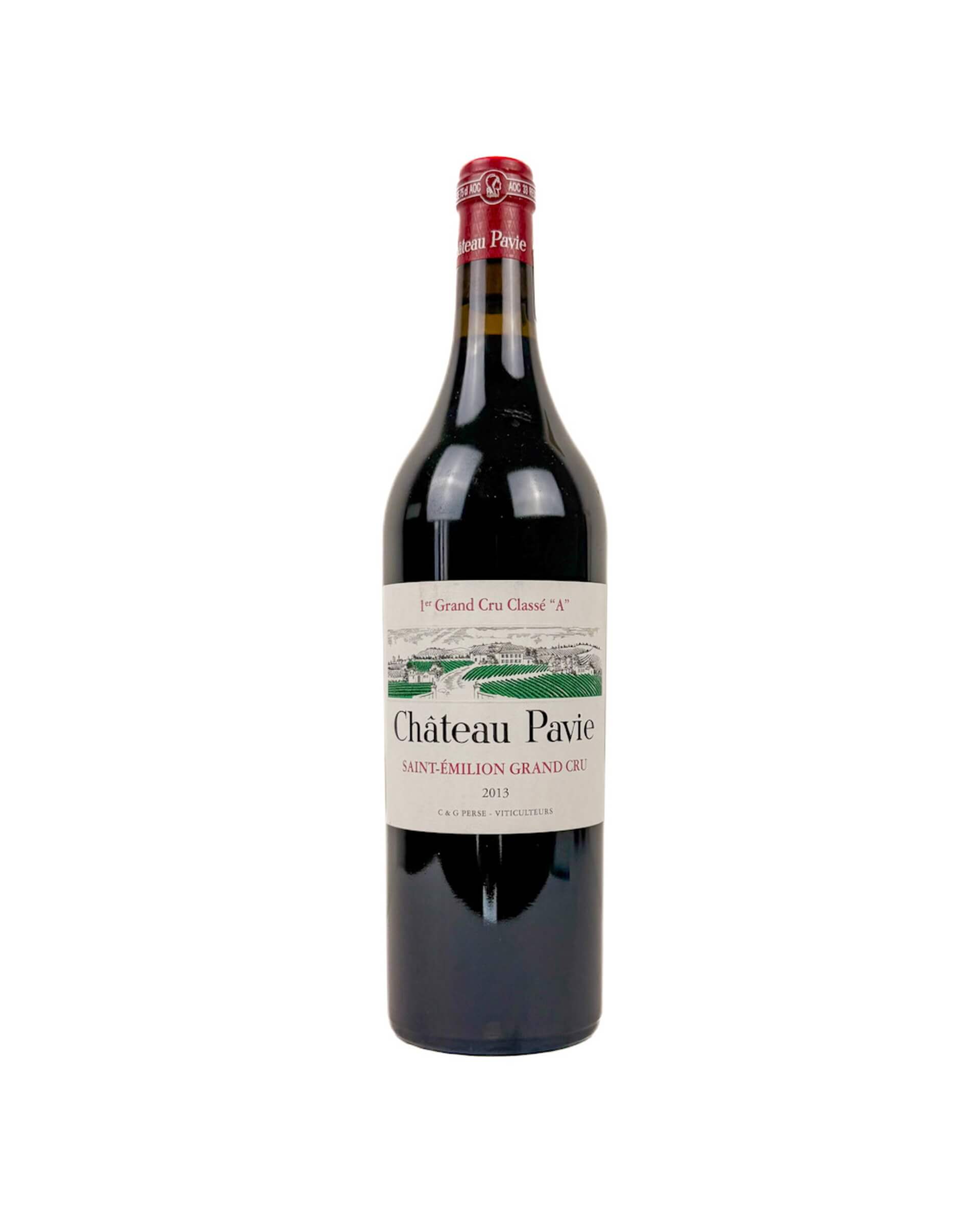
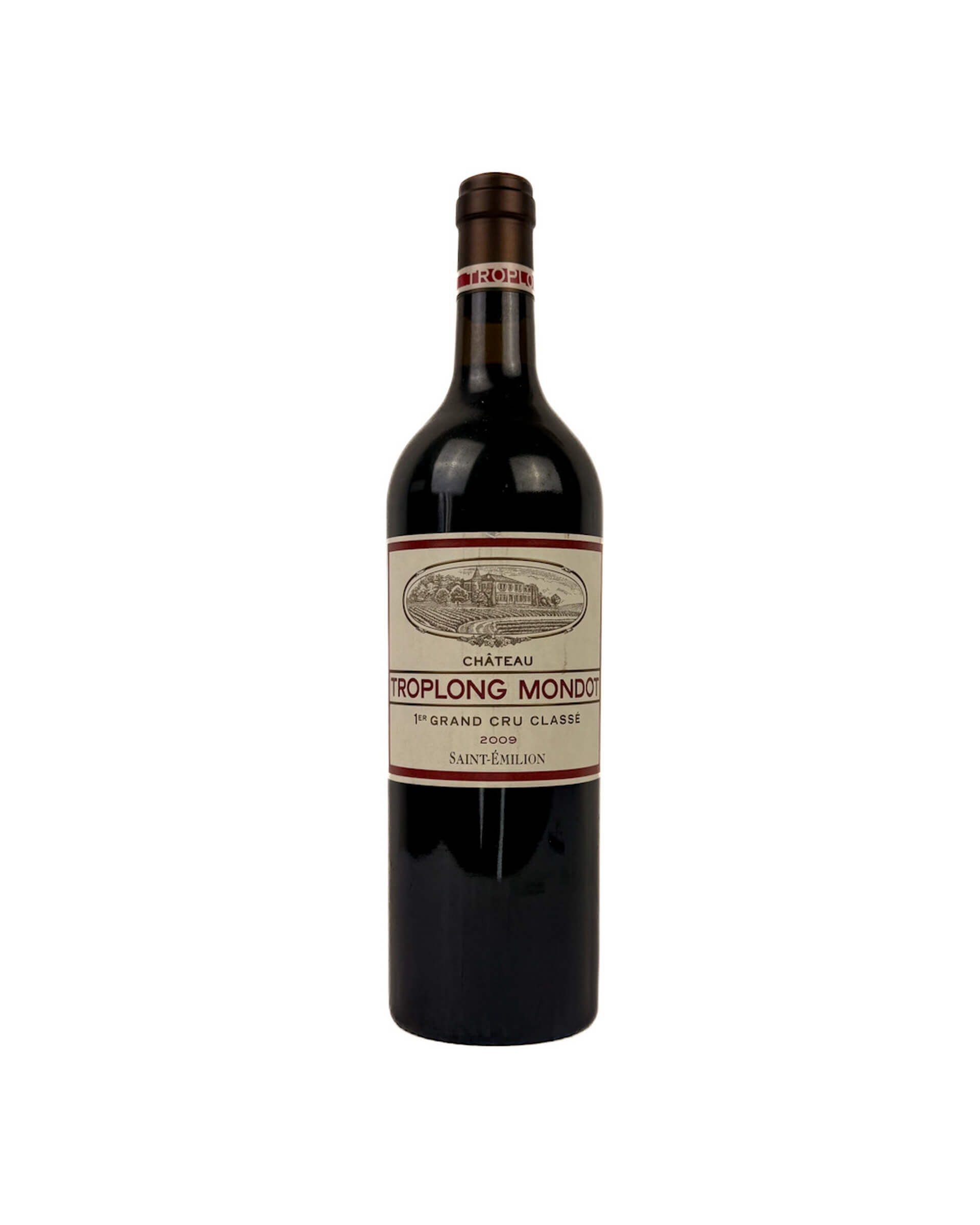
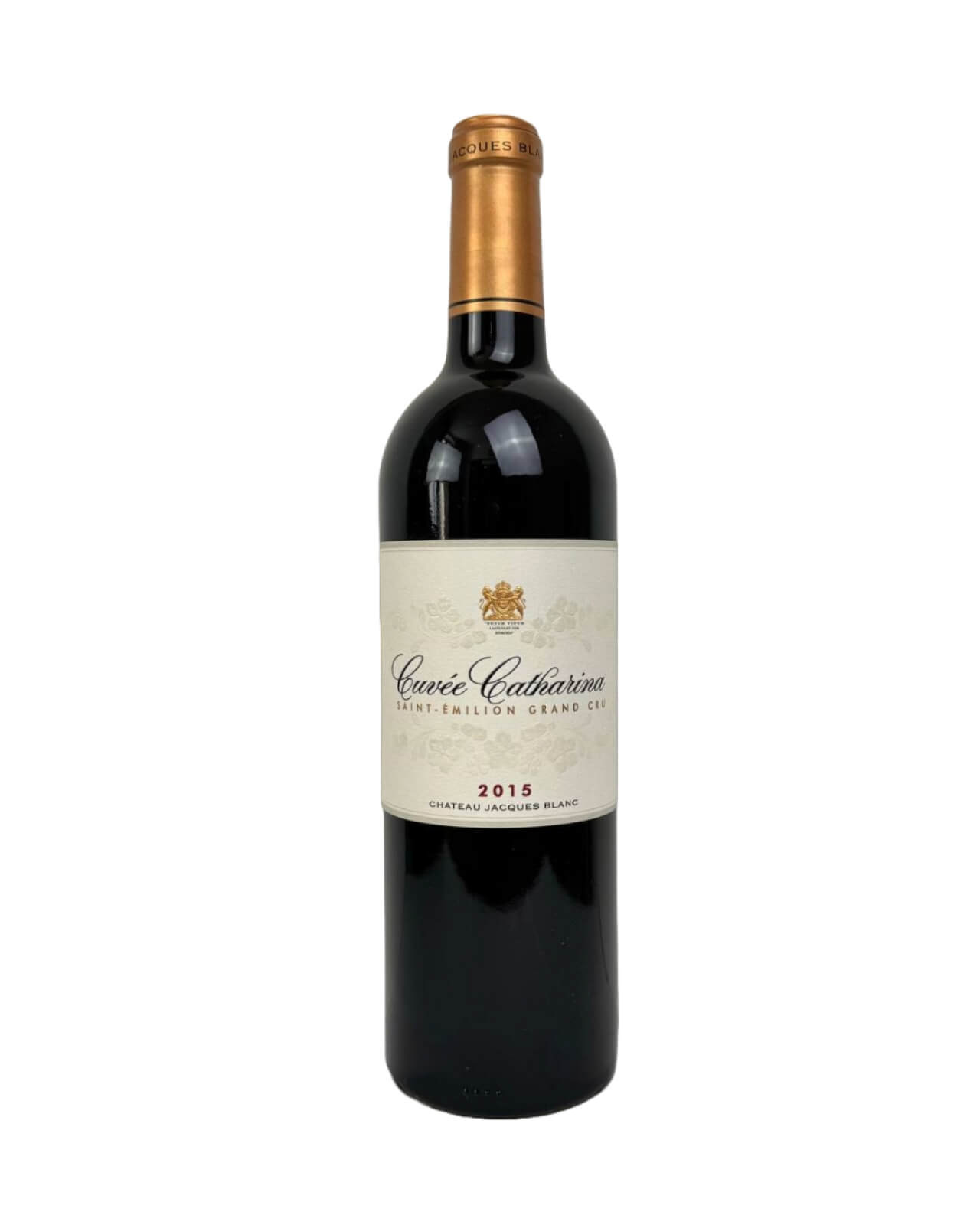
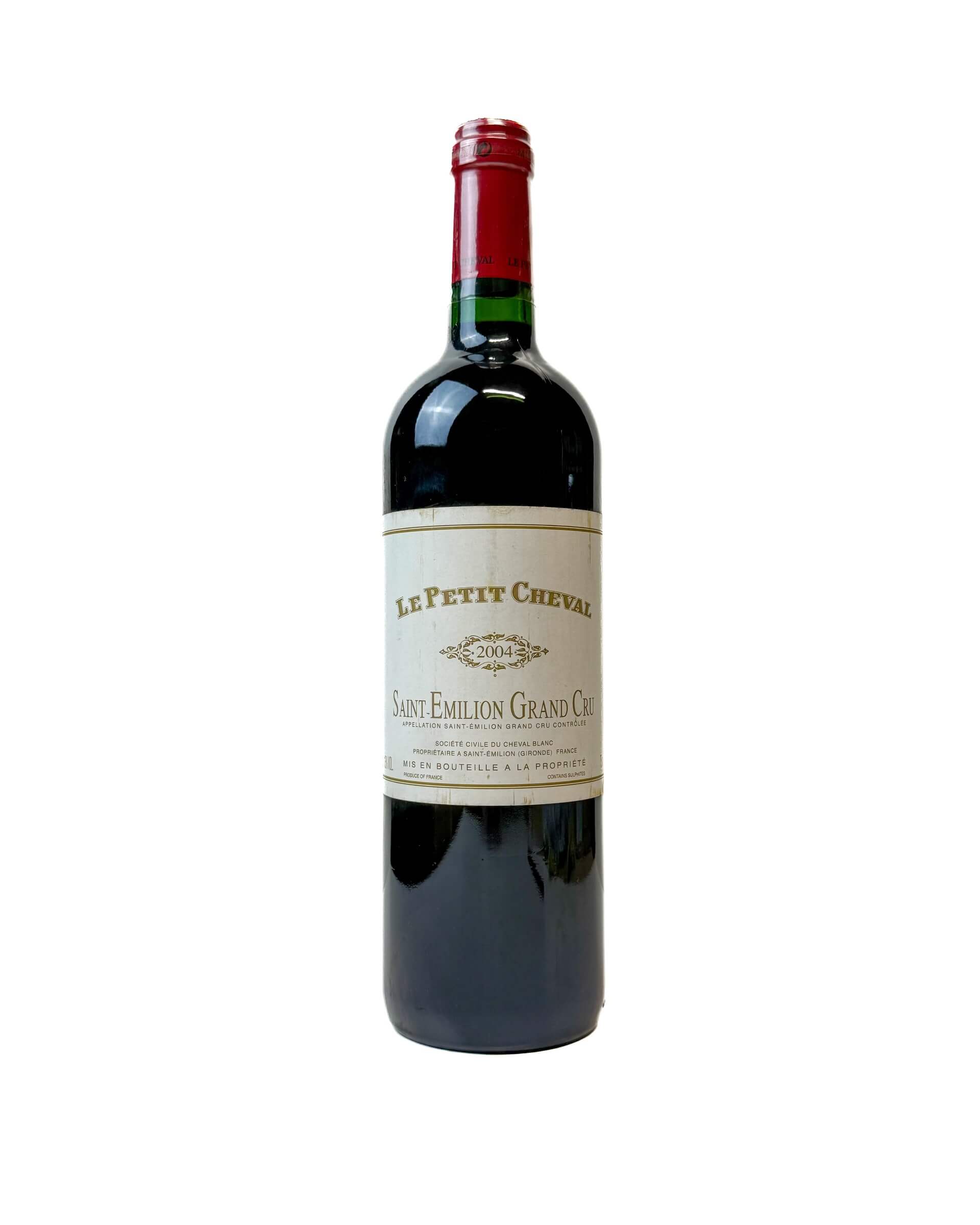
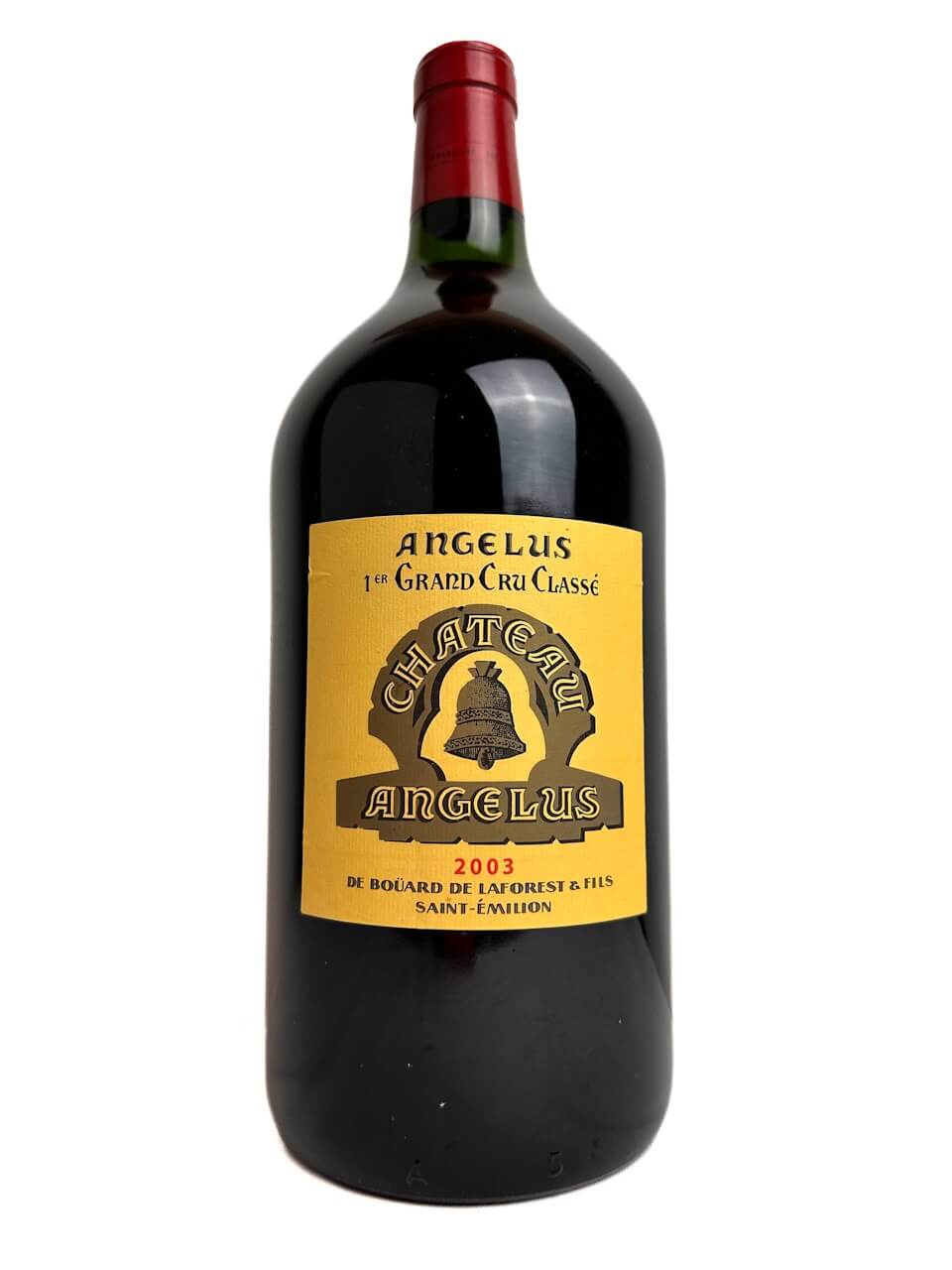
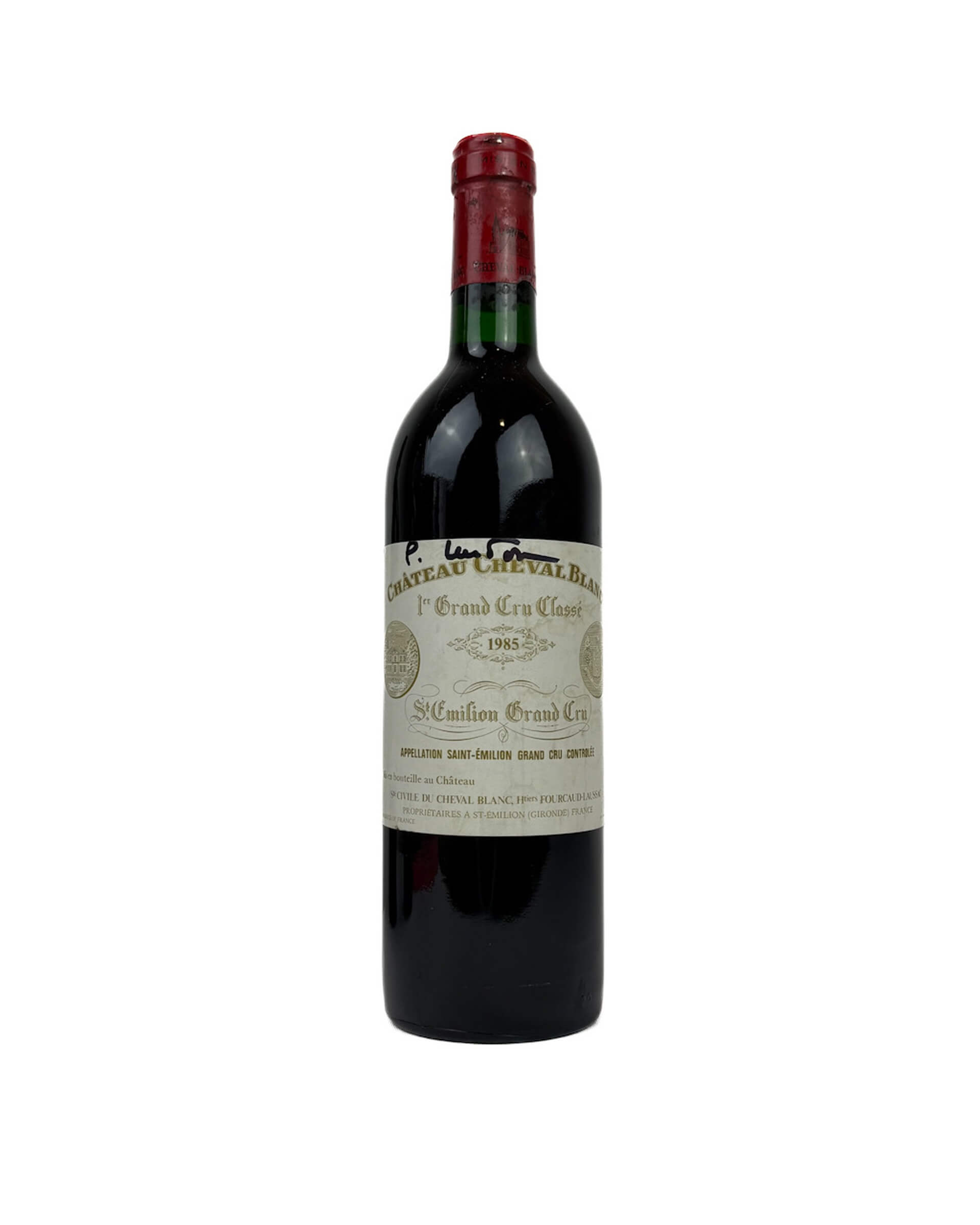
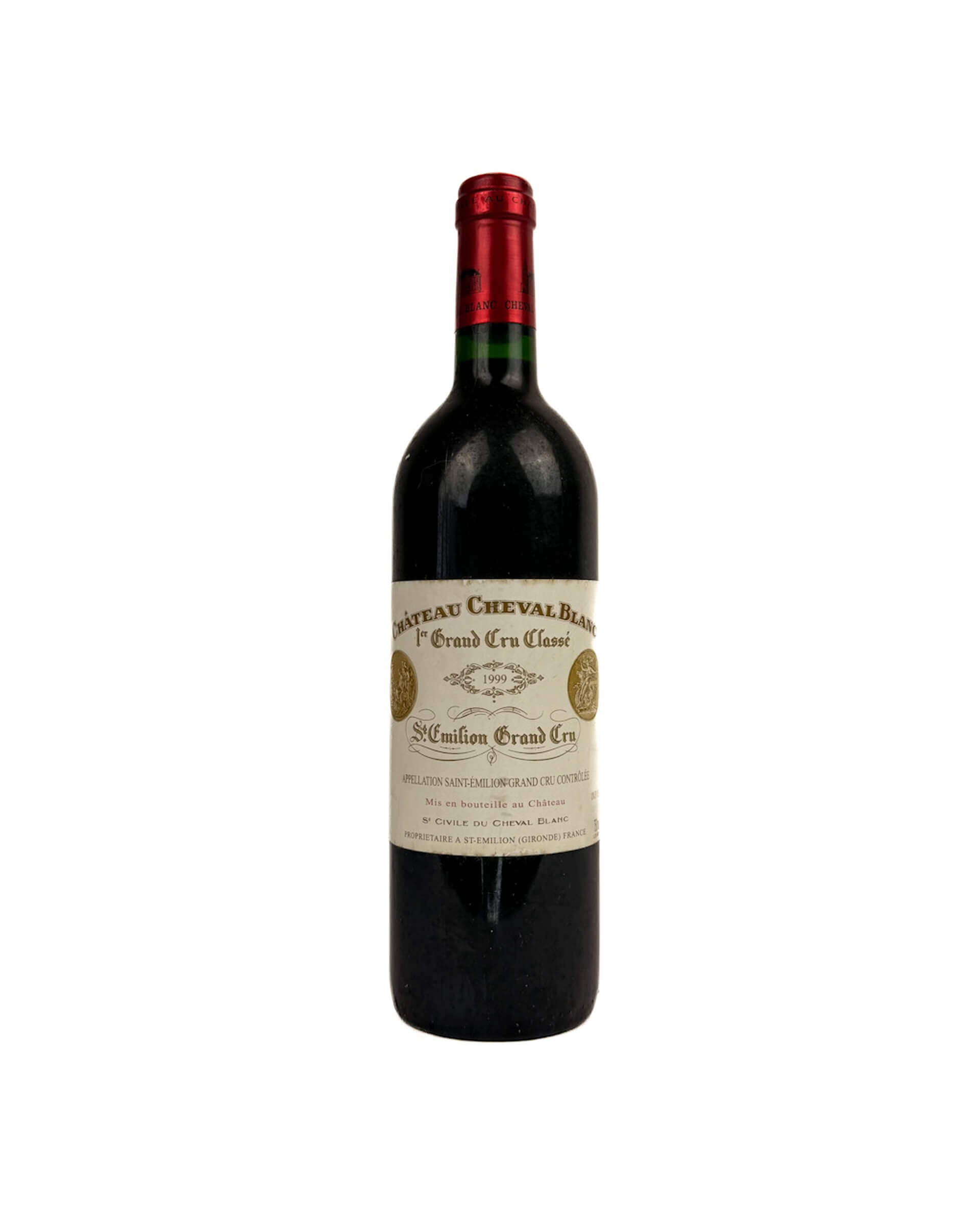
Saint-Emilion is the defining red-wine appellation of Bordeaux’s Right Bank, set on gently rolling slopes on the Right Bank, north of the Dordogne river and northeast of Libourne, near the city of Bordeaux itself. Where the Left Bank builds its reputation on Cabernet Sauvignon, Saint-Emilion wine is Merlot’s homeland: plush, perfumed, and supremely ageworthy, framed by a medieval village that has earned UNESCO World Heritage status. It is also one of the few corners of right bank Bordeaux with its own decennial classification, revised roughly every ten years rather than fixed for life. The Tour de Wine cellar holds 33 Saint-Emilion bottles, spanning accessible Grand Cru AOC reds through to Premier Grand Cru Classé landmarks. Whether you are buying your first Right Bank red or adding a collector cuvée, the curated product grid below is your starting point.
The signature of Saint-Emilion wine begins with Merlot, which typically makes up 60 to 90 percent of the blend depending on the terroir zone. Merlot is what gives these wines their round, plush, generous fruit and silken texture — the hallmark of the Right Bank and the clearest point of difference from the firmer, more austere Cabernet Sauvignon-led wines of the Médoc. Around it, two supporting grapes do the structural work:
The classic flavour profile runs to ripe plum, black cherry, violet, truffle and warm spice, carried on a tannic texture noticeably silkier than a Pauillac or a Margaux. Ageing potential is real: Saint-Emilion wines at Grand Cru Classé level typically reward six to fifteen years in the cellar, while the finest Premier Grand Cru Classé estates can evolve gracefully for decades. Explore more by grape via our Merlot and Cabernet Franc collections.
The difference between a wine from the limestone plateau and one from the clay-gravel plain below can be as stark as the gap between Chambolle-Musigny and Gevrey-Chambertin in Burgundy — same appellation, entirely different character. Saint-Emilion divides broadly into two great terroir families, and understanding them is the single most useful thing a buyer can know before choosing a bottle.
The plateau calcaire — the limestone plateau — carries shallow clay-limestone soils over solid limestone bedrock. Drainage is excellent and the vines work for their living, producing wines of finesse, mineral precision and exceptional ageing potential. This is home to some of the appellation’s most revered names, including Château Ausone and Château Bélair-Monange, where Merlot and Cabernet Franc share the blend in elegant balance.
The côtes — the clay-limestone slopes falling away from the plateau and the gravel-and-clay plain stretching toward Pomerol — offer deeper, more varied soils. Here sits Château Cheval Blanc, on a rare seam of sand and gravel that favours Cabernet Franc, on a soil profile that mirrors the famous blue clay responsible for the almost pure Merlot of Château Pétrus across the Pomerol border (a neighbouring appellation, not part of Saint-Emilion). As a rule, côtes wines lean toward lush, generous fruit and rounder tannins, while plateau wines prize structure and precision. If you want immediate pleasure, look to the côtes; if you want a wine to cellar, the plateau rewards patience. Both belong firmly to right bank Bordeaux and to the wider story of red wine from France.
The Saint-Emilion classification is unique in Bordeaux. Unlike the 1855 Médoc ranking, which has stood almost unchanged for well over a century, the Saint-Emilion grand cru classification is formally revised on a roughly decennial cycle — with revisions in 1969, 1985, 1996, 2006, 2012 and most recently 2022 — meaning estates can genuinely be promoted or demoted on the strength of recent performance. It is a living hierarchy, and that dynamism is part of what collectors find compelling.
There are three classified tiers worth knowing:
Beneath these sits the base Saint-Emilion Grand Cru AOC, a broad appellation open to any qualifying producer — easily confused with the classified tiers but distinct from them. We share the classification here as context to help you weigh price against prestige, not as a promise that every classified château sits in our cellar at any given moment. To browse by rank, see our Grand Cru and 1er Cru selections.
The same appellation delivers two quite different drinking experiences depending on age, and knowing which you prefer is the surest route to the best Saint-Emilion wine for your table or your cellar.
In its youth, Saint-Emilion bursts with fresh plum and black cherry, violet florals and a lively mid-palate, the tannins still soft and welcoming. A Grand Cru at this age benefits from thirty to sixty minutes in a decanter to unwind. These wines are approachable without extended cellaring, and the entry range of our catalogue suits this style perfectly — ideal for discovering the Right Bank without committing to a long wait.
With age comes a second life. Secondary aromas of truffle, dried fig, tobacco leaf, earth and spice emerge as the primary fruit recedes, and the tannins melt into a seamless, lingering finish. The greatest Premier Grand Cru Classé estates often peak between fifteen and twenty-five years. For prized bottles at the upper end of the price range, we recommend professional storage to protect both the wine and its long-term value.
Because it is built on Merlot rather than Cabernet Sauvignon, Saint-Emilion wine offers broader food affinity than the firmer reds of the Left Bank — its plush fruit and supple tannins flatter a wide table. Classic matches include:
The lighter, more aromatic Grand Cru styles from the côtes pair beautifully with duck liver (foie gras) and fine charcuterie. What to avoid: very delicate white fish, light cream sauces and sharply acidic dishes, all of which are overwhelmed by the wine’s fruit weight and body. Serve at 16–18 °C, and always decant young classified wines to let them show their best.
Saint-Emilion spans an extraordinary range, from everyday Right Bank reds to some of the most coveted bottles in the world. To help you buy Saint-Emilion wine with confidence, here is exactly what to expect across the 33 bottles in our catalogue, with honest euro anchors at each level. All prices are in euros, sourced directly at origin.
Accessible Saint-Emilion makes the perfect introduction to the Right Bank style. These are wines in the lower tier of the appellation — often Saint-Emilion Grand Cru AOC bottles or younger vintages from smaller classified estates — ideal for first-time buyers, everyday occasions or simply exploring the region without a major commitment. The 10th percentile of our catalogue sits at €120, with the most affordable bottle starting at just €75.
The catalogue median of €475 represents serious Grand Cru Classé Saint-Emilion from recognised estates and quality vintages. For many collectors this is the fair price for genuine classified Right Bank Bordeaux bought direct from a European source. Wines at this level offer real complexity, mid-term ageing potential of roughly five to twelve years, and the full expression of limestone-plateau or côtes terroir. Vintages to know: among recent years, 2018, 2019, 2020 and 2022 are widely regarded as outstanding on the Right Bank and worth seeking out, while 2017 and 2021 are lighter and best enjoyed earlier.
The 90th percentile of our catalogue, at €2,850, enters Premier Grand Cru Classé territory: bottles from top-tier estates in exceptional vintages, or mature classified wines sitting in their ideal drinking window. The rarest cuvées in the cellar reach €13,900. These are investment-grade and milestone-occasion purchases, and Tour de Wine sources them at origin with full provenance documentation. To continue exploring the region, browse the broader Bordeaux wines hub and our France collection.
All three are Bordeaux, but the divide is grape and bank. The Médoc, on the Left Bank, is built on Cabernet Sauvignon — firmer, more structured and slower to open. Saint-Emilion and its neighbour Pomerol both sit on the Right Bank and lead with Merlot, giving plusher, rounder wines. The difference between the two is subtler: Pomerol is generally richer and more opulent on its clay soils, while Saint-Emilion shows greater range, from mineral, age-worthy plateau wines to generous côtes styles, and it has a formal classification that Pomerol lacks entirely.
At Tour de Wine, Saint-Emilion starts from €75, with accessible bottles around €120. The mid-range of the catalogue sits near €475 for genuine Grand Cru Classé wines. Premier Grand Cru Classé estates from top vintages reach €2,850 and beyond, with the rarest cuvées priced up to €13,900. All prices are in euros.
Saint-Emilion Grand Cru is a separate, higher-tier AOC within the same appellation, and its wines must meet stricter yield and quality requirements. Within Saint-Emilion Grand Cru, the classified tiers — Grand Cru Classé and Premier Grand Cru Classé — represent the appellation’s finest estates, subject to reclassification on a decennial cycle (most recently in 2022).
For drinking soon, look to a softer year such as 2017 or 2021, which are approachable younger and need less patience. For cellaring or a benchmark bottle, the standout recent vintages are 2018, 2019, 2020 and 2022, all widely rated as excellent on the Right Bank. Whatever the year, serve Saint-Emilion at 16–18 °C and decant young classified wines for thirty to sixty minutes; older Premier Grand Cru Classé bottles benefit from a gentle decant off any sediment rather than a long aeration.
Written by the Tour de Wine buying team. Last reviewed: June 2026.
This site is restricted to adults. By entering, you confirm that you are of legal drinking age in your country of residence.