
99
0,75
2000
Chateau Margaux
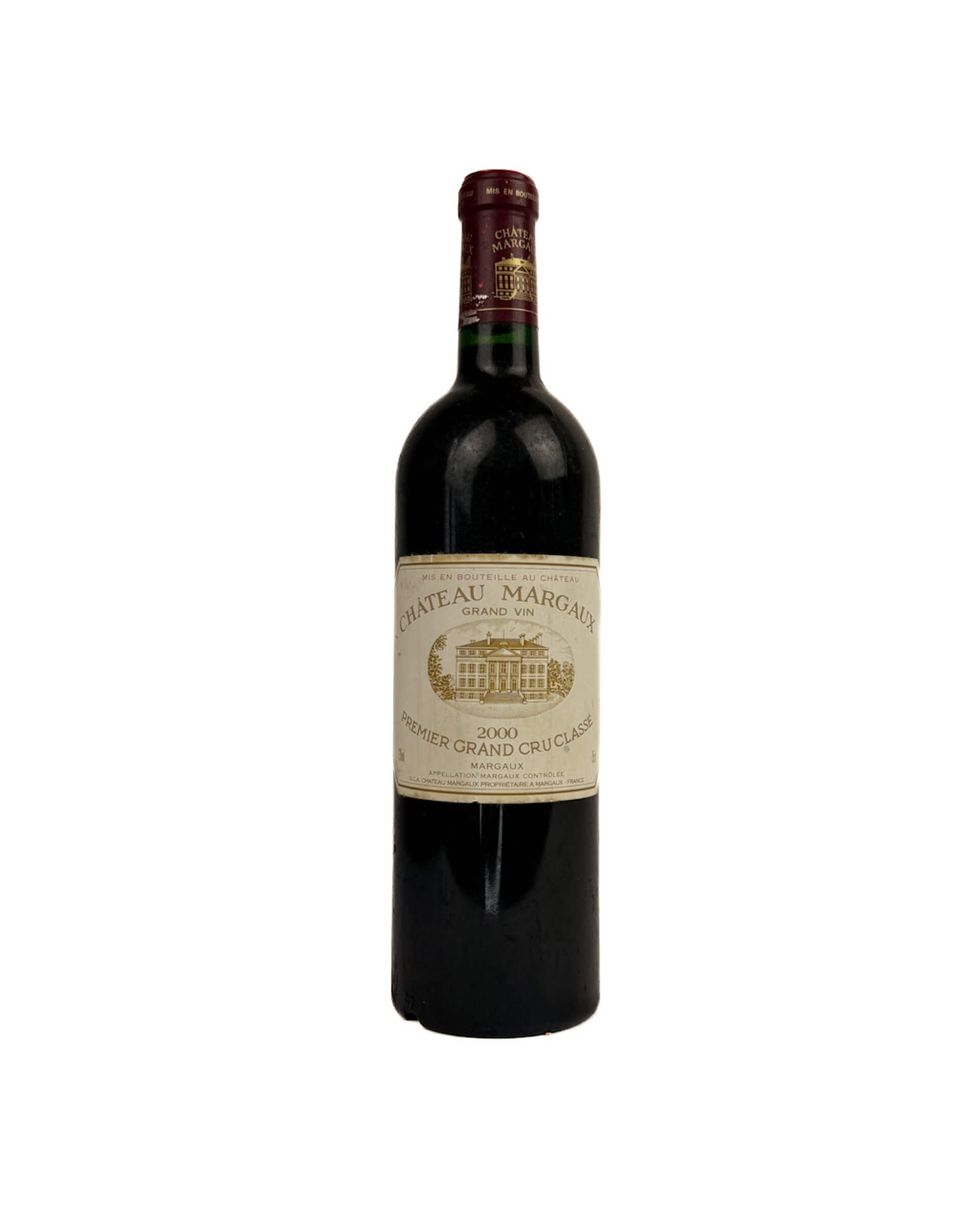
Chateau Margaux 2000 0,75L
€ 990,00
Wines, producers, regions...
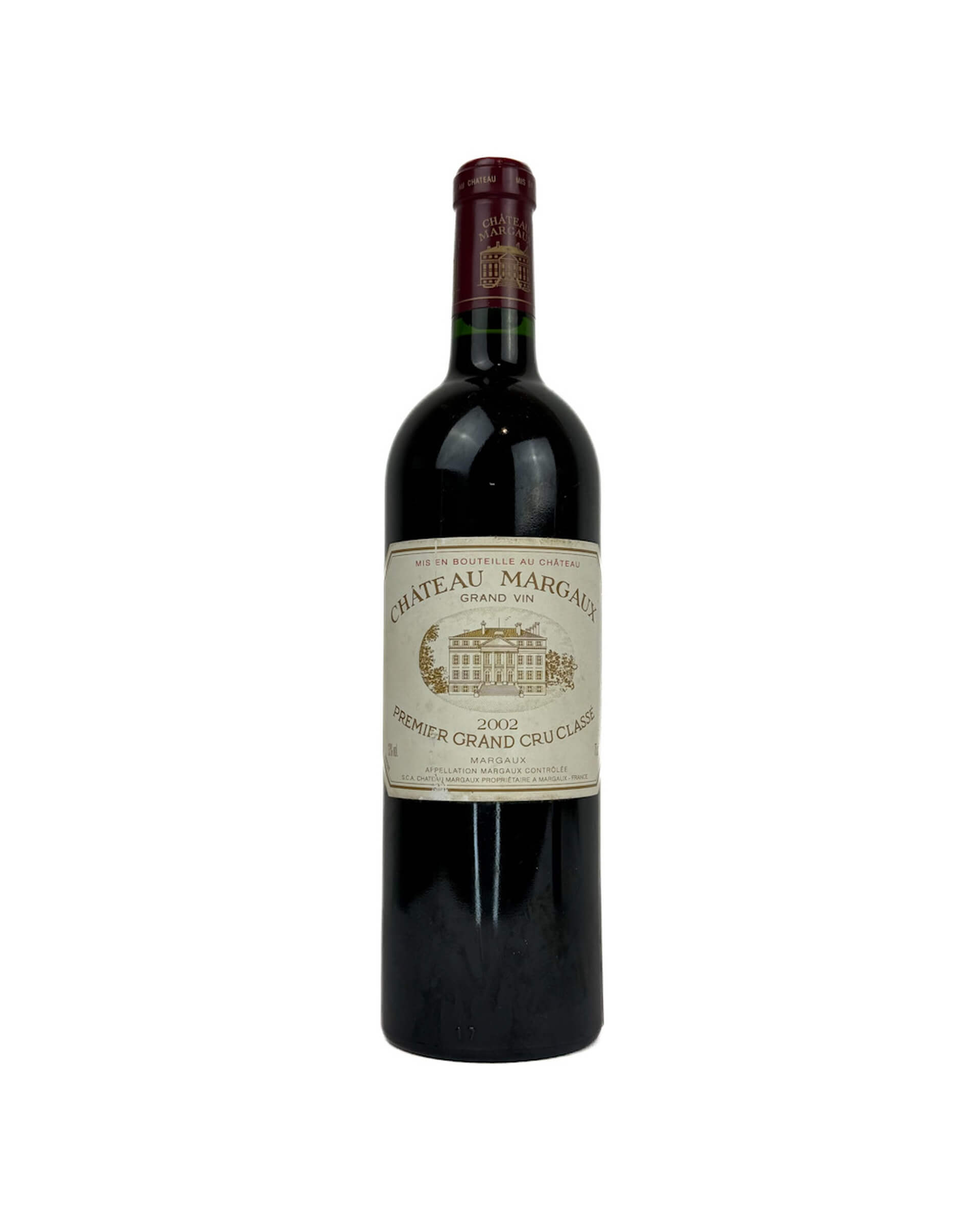
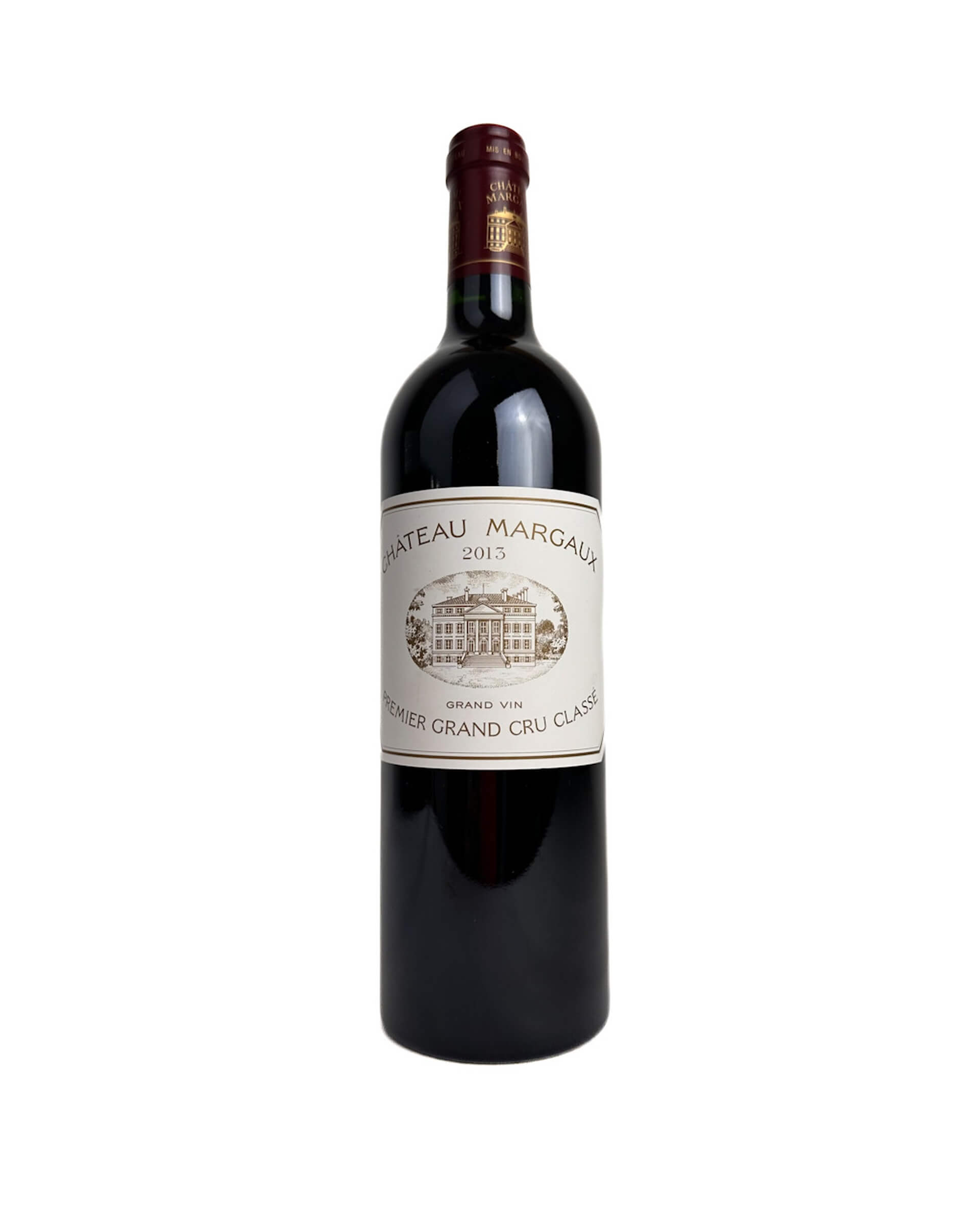
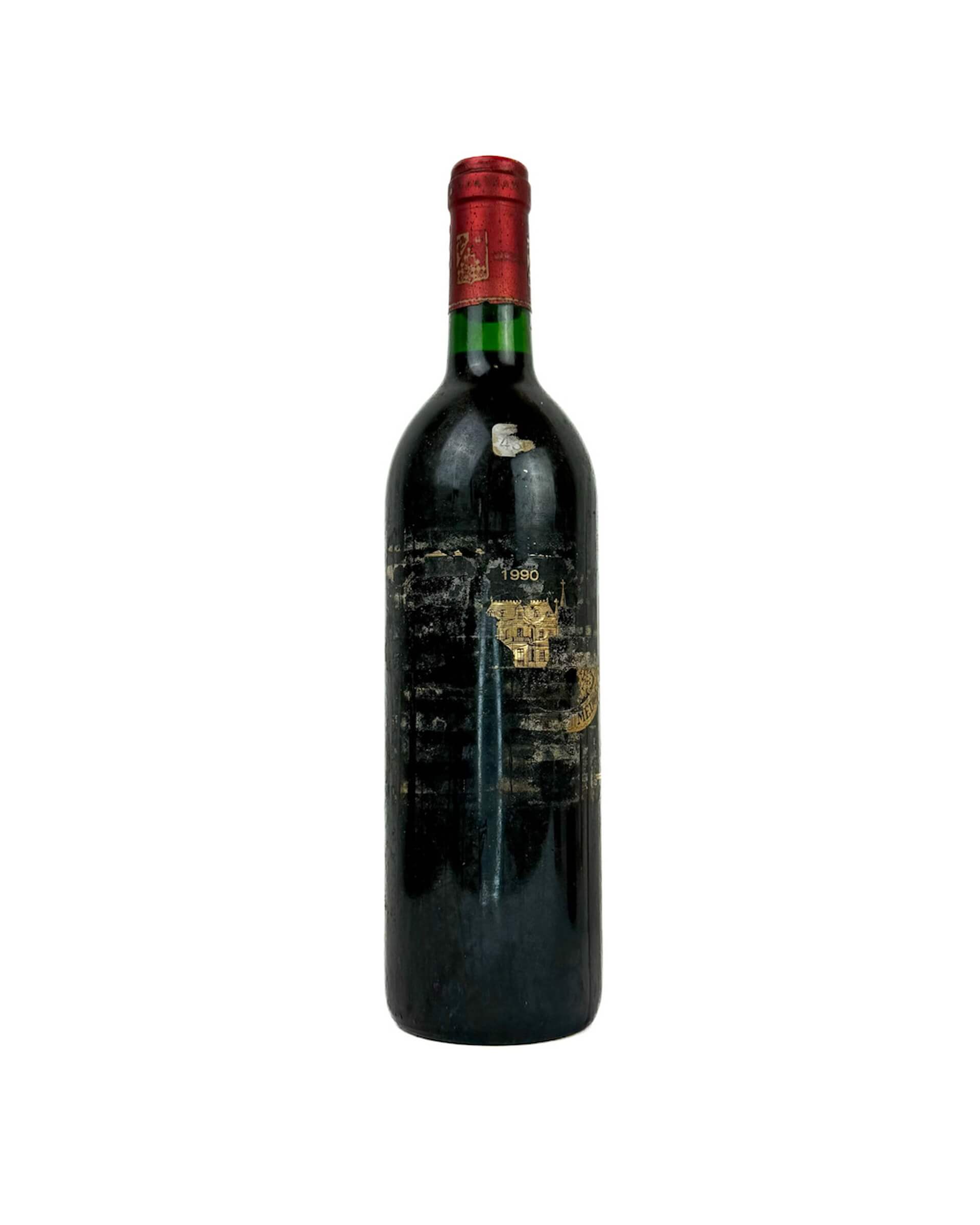
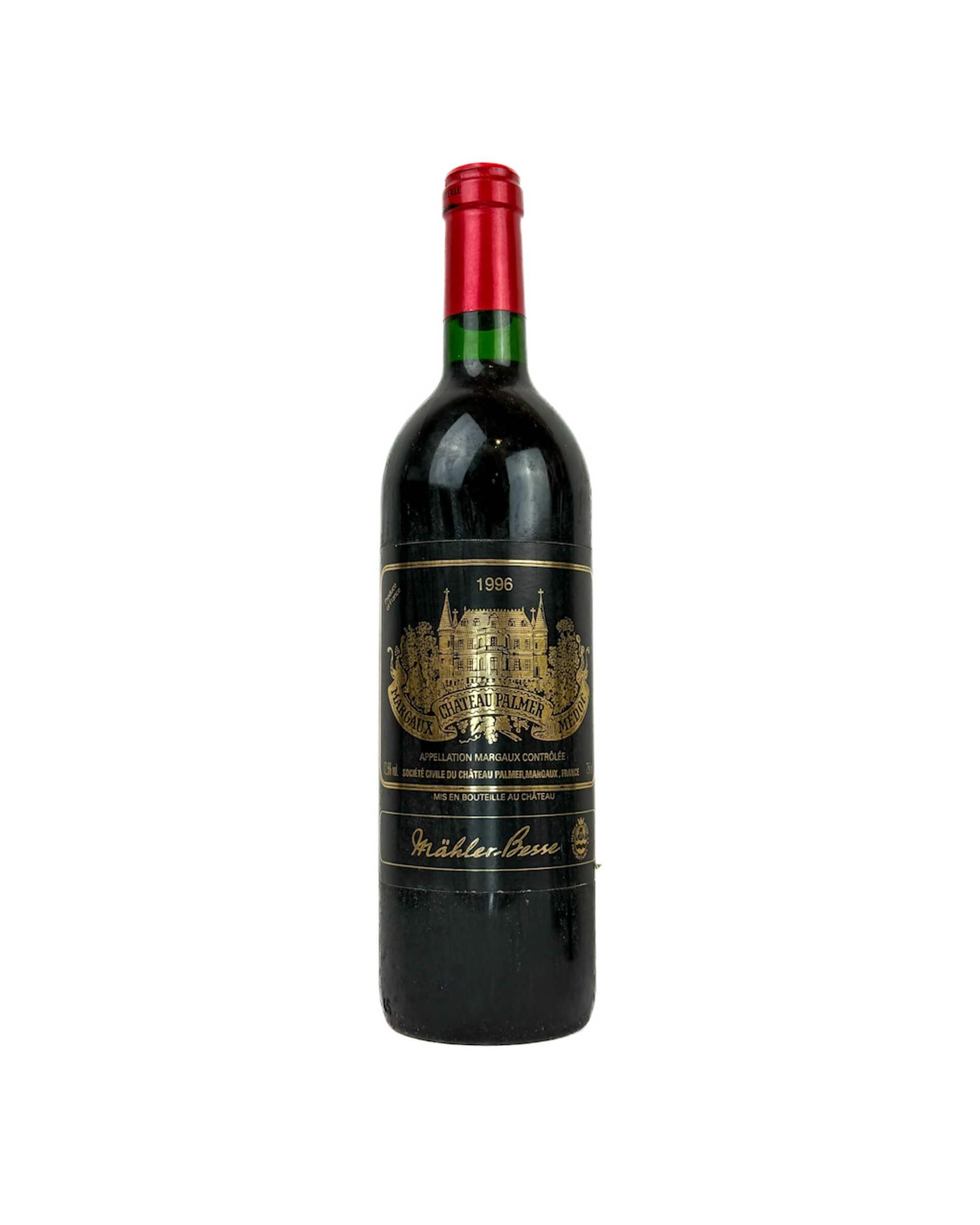
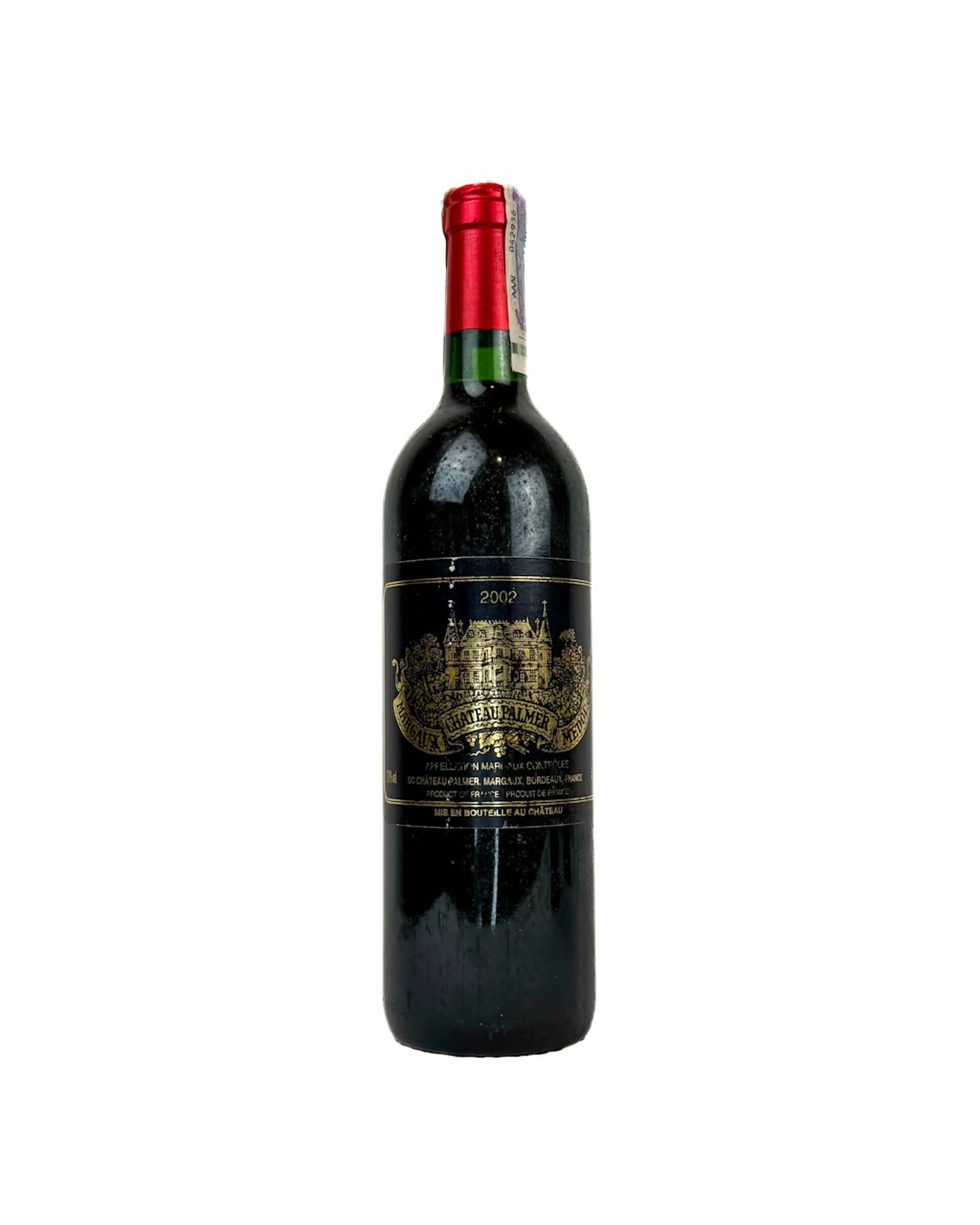
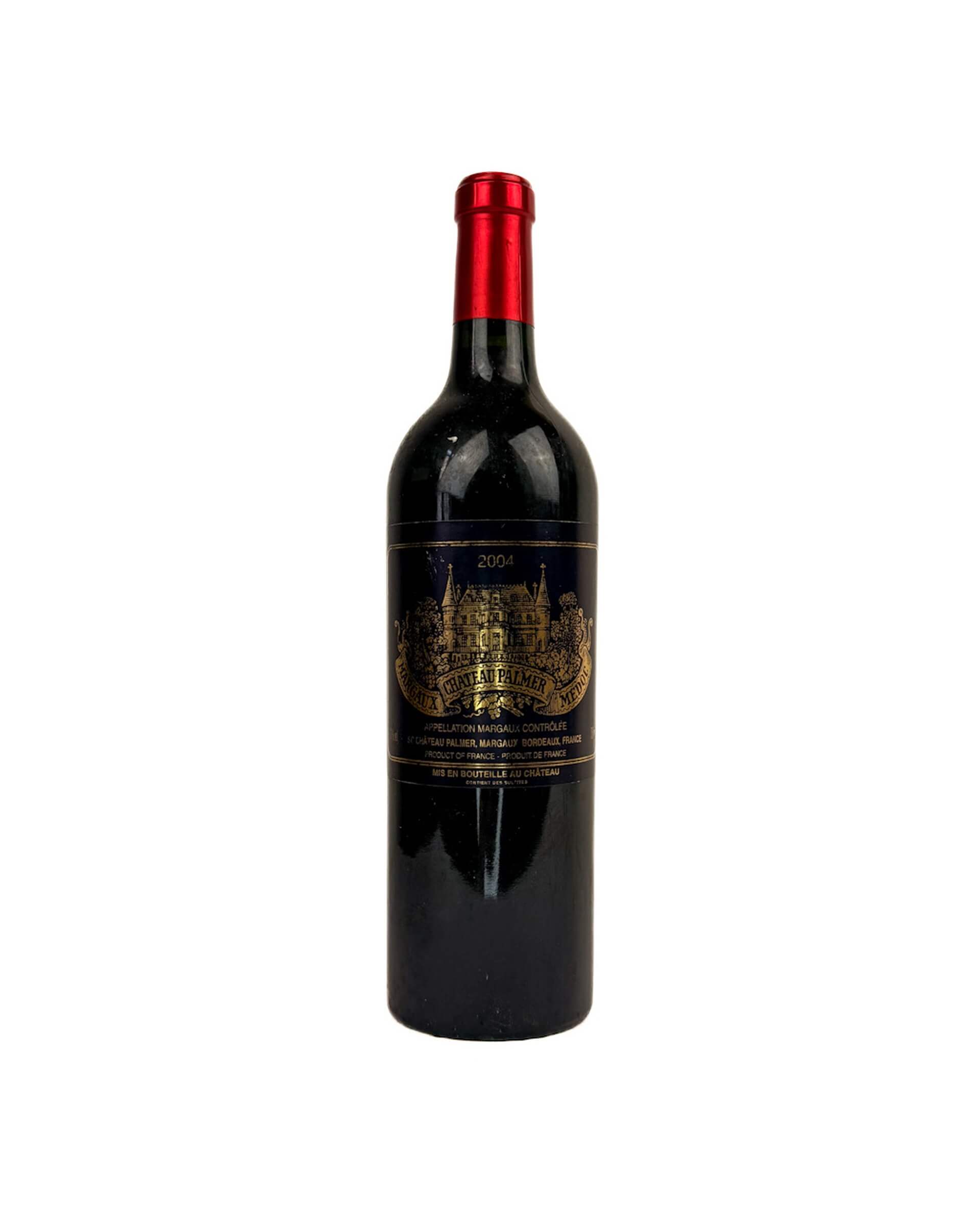
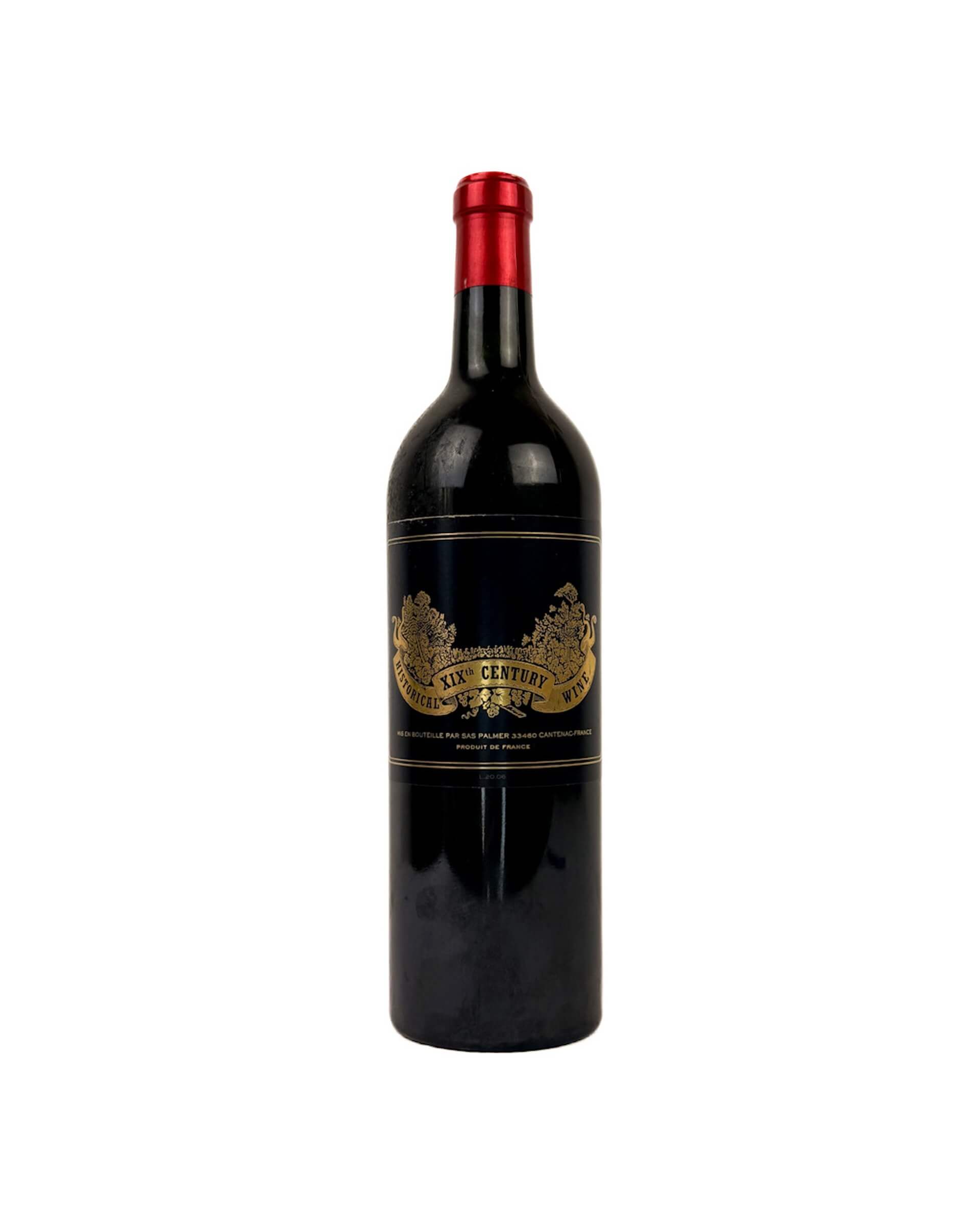
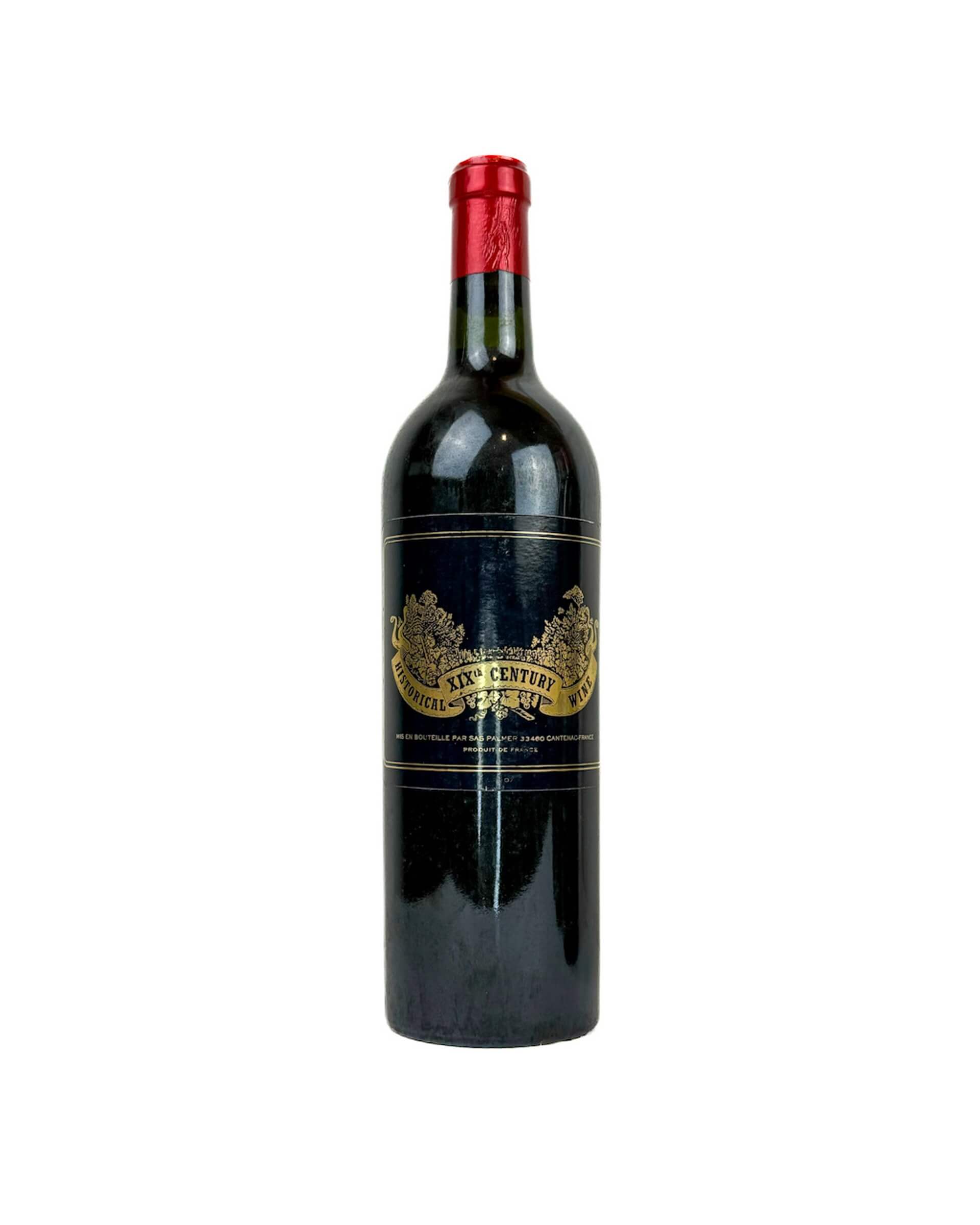
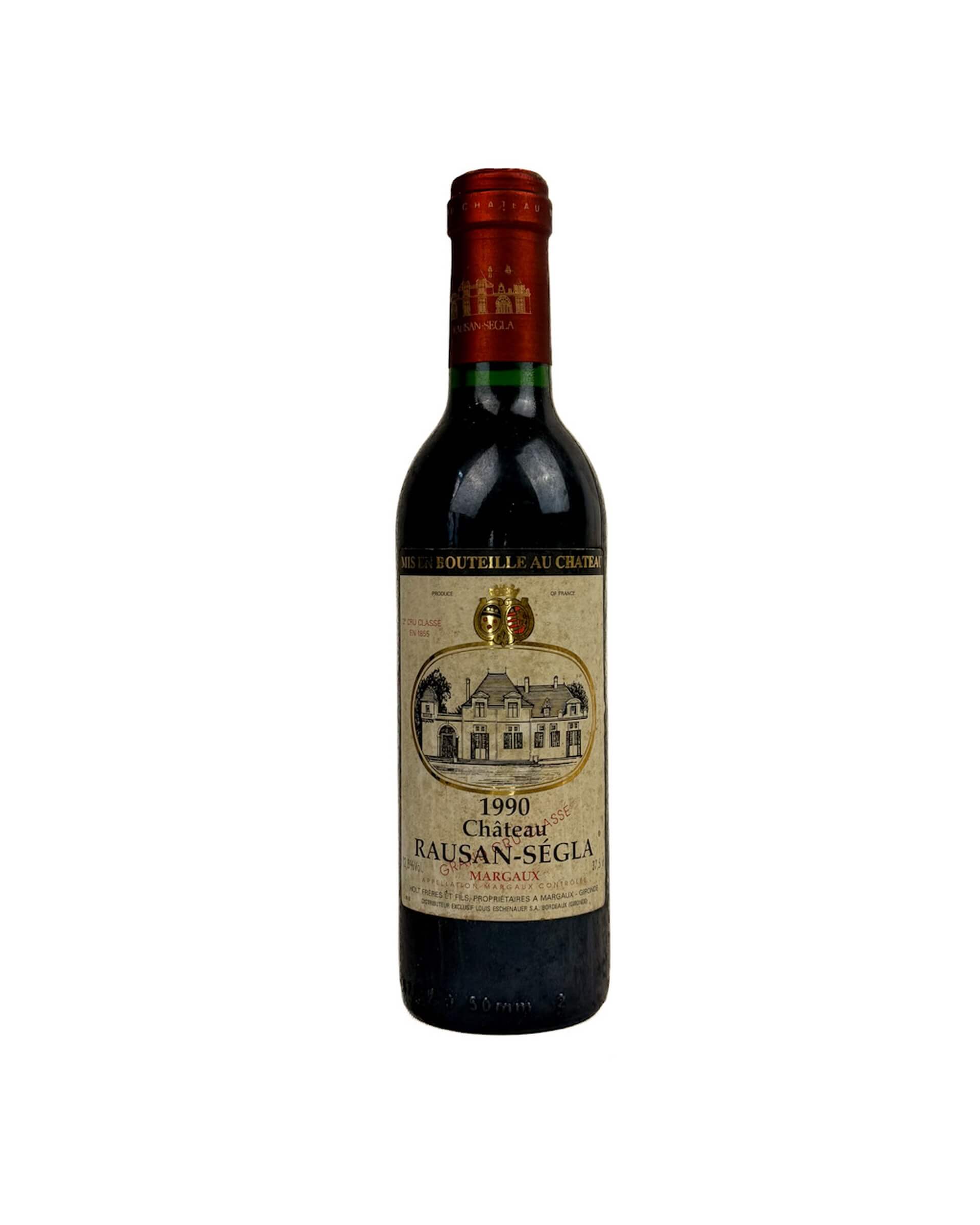

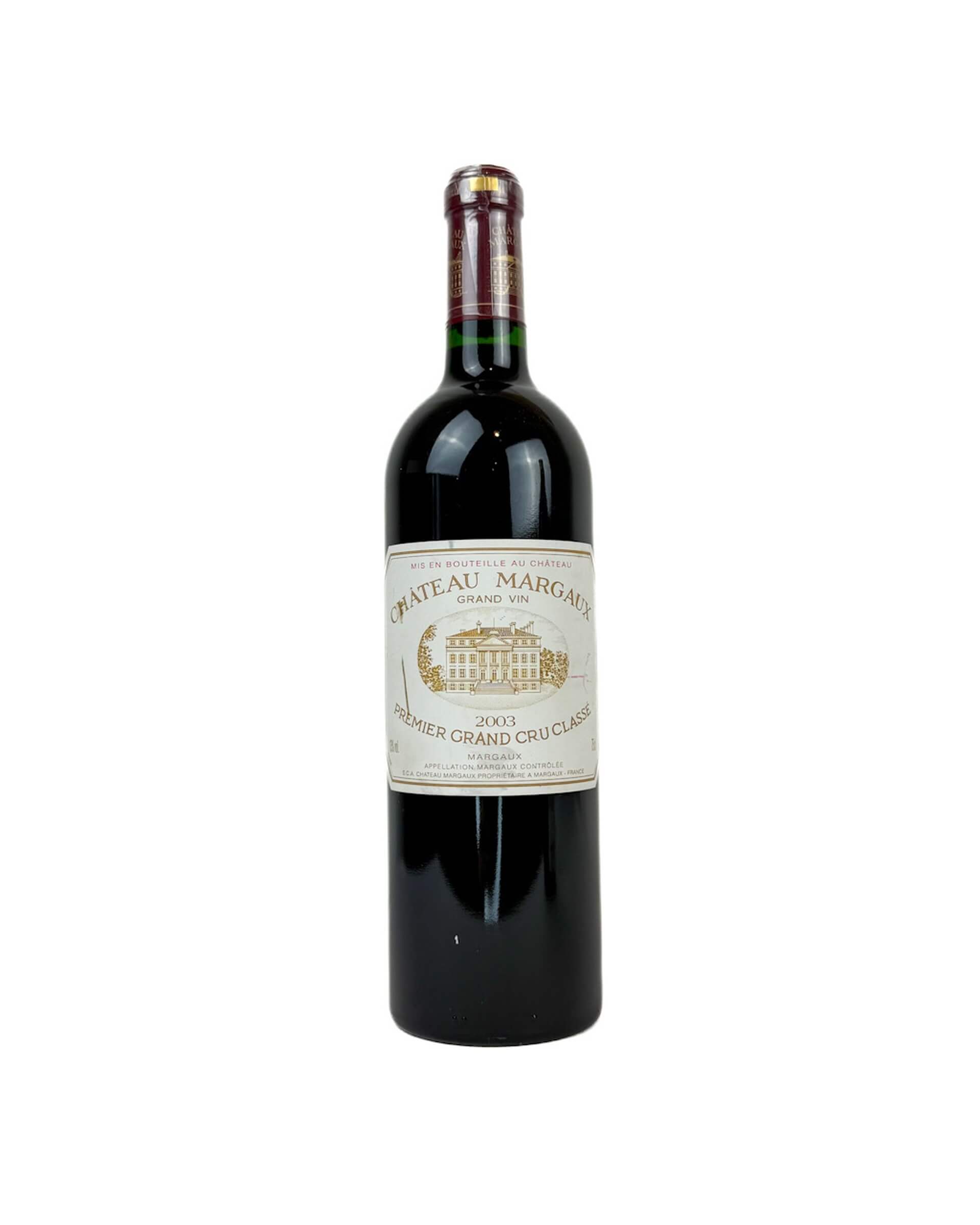
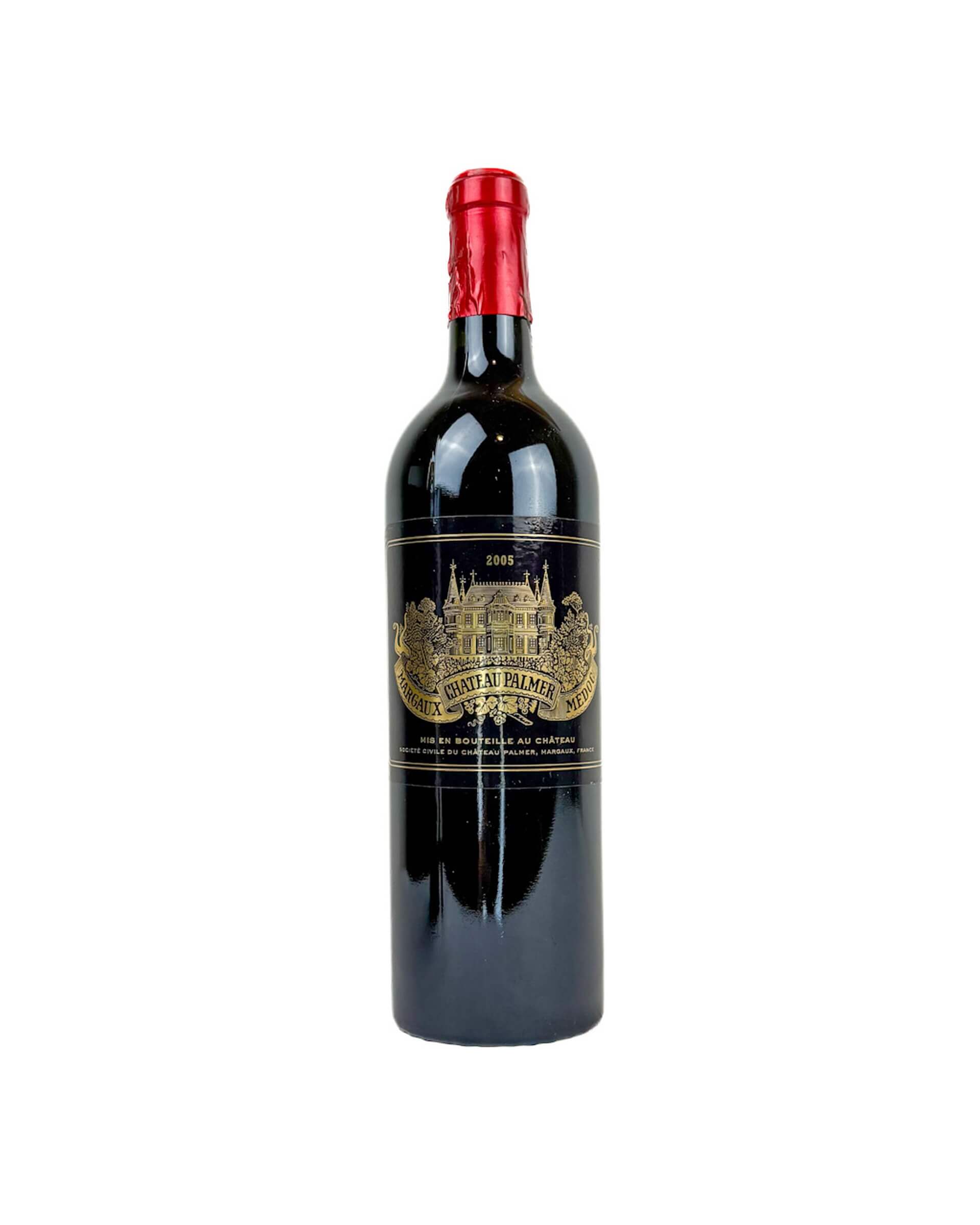
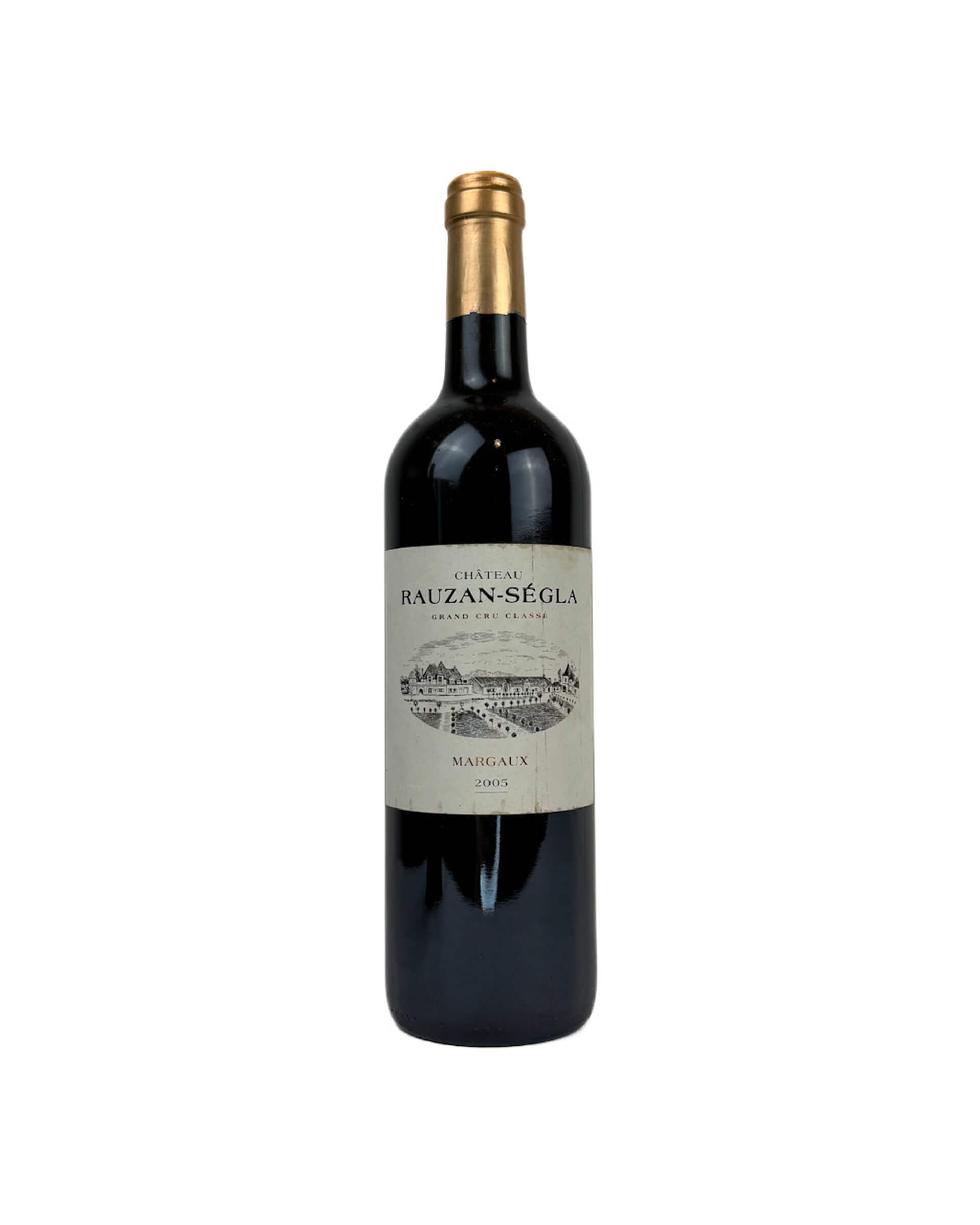
Margaux is the most perfumed appellation of the Médoc, an AOC in the southern Haut-Médoc on the Left Bank of Bordeaux wines. Where the great communes to the north build their reputation on raw power, the wine here is prized for finesse, aromatic lift, and silkiness of tannin — the style that sets Margaux apart from Pauillac. The appellation spans five villages — Margaux, Cantenac, Soussans, Arsac, and Labarde — the broadest communal reach of any Médoc AOC. Its name is inseparable from Château Margaux, the appellation’s sole First Growth and one of the most collectible wines on earth, yet the name belongs to a far wider France wine region of classified estates. The 16-bottle selection spans from accessible Third Growths to a single First Growth cuvée; filter by price or vintage above.
Like all classed-growth Médoc, the wine is built on Cabernet Sauvignon, the variety that gives the appellation its structure, backbone, and capacity to age for decades. A typical blend from the appellation runs roughly as follows:
The hallmark profile layers violets, black cherry, blackcurrant, cedar, and tobacco over a fineness of tannin that distinguishes it from the more austere Pauillac style to the north. That singular aromatic precision comes from the marriage of fine gravelly soils, the moderating influence of the Atlantic and the Gironde estuary, and a relatively warm southern-Médoc microclimate. Compared with Napa Cabernet, these wines carry markedly less alcoholic weight and oak sweetness and far greater aromatic lift; set against Pauillac, they reach drinkability several years earlier because the tannins are finer-grained from the outset rather than needing a decade to resolve.
The defining signature of Margaux is its soil: deep, fine Günzian gravel laid over a sandy-clay subsoil. This gravel is finer-textured than the coarser banks of Pauillac, and that physical difference is the reason the appellation produces wines of greater aromatic delicacy and silkier tannin. The free-draining gravel forces vine roots deep, concentrating the fruit while the topsoil reflects warmth onto the ripening bunches.
Margaux is unusually spread out, covering five communes — Margaux itself, home to the historic village and château, alongside Cantenac, Soussans, Arsac, and Labarde — across roughly 1,500 hectares of planted vineyard. This is the widest communal footprint of any Médoc AOC, and it explains why the appellation’s wines vary so much in style. On the central plateau around Margaux and Cantenac, vineyards sit on the deepest, most homogeneous gravel banks and yield the most precise, perfumed wines. Towards the periphery, in parts of Arsac and Soussans, soils are shallower and sandier, tending to produce lighter, earlier-drinking styles.
The Gironde estuary plays a quiet but decisive role, moderating temperature, reducing frost risk in spring, and tempering the summer heat spikes that trouble appellations further inland. For a buyer, the practical takeaway is simple: because terroir varies so meaningfully within a single AOC, both price and style range widely even among classified châteaux. Margaux belongs to the broader family of Bordeaux red wine, but it speaks with its own accent.
Margaux holds more 1855 classified châteaux than any other Médoc commune — 21 estates in total. The roll call comprises one Premier Cru (Château Margaux, the appellation’s sole First Growth), five Deuxièmes Crus, ten Troisièmes Crus, three Quatrièmes Crus, and two Cinquièmes Crus. The 1855 Classification ranks estates by historical reputation and market standing, and to this day it remains the buyer’s primary orientation tool when navigating the appellation: the higher the growth, the greater the historical prestige and, broadly, the price.
Château Margaux, the lone 1er Cru, is the appellation’s defining reference point — consistently among the world’s most collectible wines, renowned for extraordinary aromatic complexity and multi-decade ageing potential. Naming it clearly matters, because it resolves a common confusion: “Château Margaux” is one estate, while “Margaux” is the whole appellation that shares its name. Below the First Growth, the Deuxième Cru tier — Rauzan-Ségla, Rauzan-Gassies, Durfort-Vivens, Lascombes, and Brane-Cantenac — offers the most accessible entry into genuine classified quality, and is where many buyers find the best value for the money. Among these, our buying team’s current best-value pick is Rauzan-Ségla: since the early 1990s it has been the most consistent overdeliverer of the group, pairing classic perfumed elegance with a structure that holds for two decades, and it typically lands a tier below the First Growth in price while drinking close to it in the strong 2015, 2016, and 2018 vintages. Brane-Cantenac is the team’s pick for earlier drinking — its softer, more openly fruited style is approachable younger. Of the five, Rauzan-Gassies has historically been the most variable and the one we recommend buying by vintage rather than on the name alone. The wider world of classified Bordeaux is gathered in our Grand Cru selection. All of this is orientation, not a stock guarantee — the catalogue evolves with each new release and vintage.
In youth, these wines show a deep ruby colour and expressive black fruit — blackcurrant, blackberry, and black cherry — lifted by the violet and rose-petal florals that are the appellation’s signature. The Cabernet Sauvignon tannins are present and grippy, but more refined than in Pauillac at the same age. A classified bottle under eight years old benefits from 45 to 90 minutes of decanting to open the aromatics and soften the structure. Even at this early stage, it is the aromatic lift, rather than sheer weight, that marks the wine out.
With age, secondary and tertiary complexity emerges: tobacco leaf, cedar box, graphite, leather, dried herbs, and a lingering mineral precision on the finish. The tannins integrate into what is arguably the silkiest texture of any Médoc commune. In outstanding vintages such as 2015, 2016, 2018, and 2019, Premier Cru and top Deuxième Cru wines can peak some 20 to 35 years from harvest, rewarding patient cellaring. More modest years are often at their best and most approachable between eight and twelve years, making them ideal for nearer-term drinking.
The pairing logic here differs from the rest of the Médoc in one practical way: because the tannic weight is lighter than Pauillac’s, the wine partners dishes of medium rather than heavy intensity without being flattened — think a 150 to 200 gram serving of red meat rather than a slab of dry-aged rib. The other lever is aroma: the violet-and-cedar signature rewards dishes that echo it with floral, herbal, or dried-spice notes rather than simply matching protein to alcohol. The classic affinities are:
That lighter tannic load also lets the wine handle roast veal or pork fillet gracefully, giving it broader protein affinity than the heavier Médoc communes. What to avoid: delicate white fish, high-acid tomato-dominant sauces, and rich cream sauces, all of which clash with the wine’s aromatic delicacy. Serve at 16–18 °C, and always decant classified bottles — particularly those under ten years of age, when the tannins are still tightening the aromatics.
Accessible Margaux sits at the lower tier of the Tour de Wine catalogue: younger vintages from smaller classified châteaux, or wines from the broader Margaux AOC that carry the appellation’s character without First Growth pricing. The catalogue’s 10th percentile sits at €130, with the most affordable bottle starting at €65. This tier suits first-time buyers exploring the appellation or anyone seeking a considered gift. Expect the hallmark violet-and-blackcurrant character, approachable within three to five years of harvest and all the better for a decant before serving.
The median price across the Tour de Wine Margaux selection is €290 — mid-classification territory covering quality Deuxième and Troisième Cru estates from recognised vintages. This is the most frequent purchase point for buyers who want genuine classified Margaux character: structured tannin, aromatic complexity, and mid-term ageing potential of roughly eight to fifteen years. At this level the catalogue draws on châteaux with established quality records across multiple vintages, the dependable heart of the appellation.
The 90th percentile of the catalogue, at €825, enters serious classified territory — Premier and top Deuxième Cru estates from leading vintages, or mature bottles approaching their drinking window. The rarest bottle currently in the catalogue reaches €840. These are milestone-occasion or cellaring purchases. The gap between the 90th percentile (€825) and the maximum (€840) is narrow, which matters in practice: at this level buyers face a short, decision-ready shortlist rather than the long ladder of escalating prices found in appellations with a wider prestige-price spread. To buy online with euro pricing throughout, browse the grid above; for the wider region see our full Bordeaux wines range, and for First Growth framing the 1er Cru selection.
Margaux is an AOC in the southern Haut-Médoc on Bordeaux’s Left Bank, spanning five communes — Margaux, Cantenac, Soussans, Arsac, and Labarde. It produces exclusively red wines led by Cabernet Sauvignon, blended with Merlot, Cabernet Franc, and Petit Verdot. The appellation holds 21 châteaux classified in 1855, including the sole First Growth Château Margaux, and is celebrated for Bordeaux’s most perfumed, finely structured reds.
Château Margaux is a single estate — the appellation’s only Premier Cru Classé First Growth — and its wines rank among the most collectible in the world. Margaux wine, without a château name, refers to any wine made within the broader Margaux AOC, which encompasses 21 classified châteaux and many other domaines across five communes. The Tour de Wine catalogue covers the wider appellation, not exclusively one estate.
At Tour de Wine, Margaux wine starts from €65, with accessible bottles around €130. The mid-range of the catalogue sits at approximately €290, representing genuine classified-growth quality. Prestige and collector bottles from top vintages reach €825, with the rarest cuvée in the current catalogue at €840. All prices are quoted in euros.
It depends on what you want from the bottle. If you are buying to drink rather than cellar, our team’s value pick across the current selection is Rauzan-Ségla and Brane-Cantenac in the 2015 and 2016 vintages — both overdeliver at the Second Growth tier and sit well below First Growth pricing. For pure cellaring, hold the 2018 and 2019 Premier and top Deuxième Cru bottles, which are the years most likely to reward fifteen-plus years of patience. The one tier we would buy by vintage rather than by name is the more variable Second Growth Rauzan-Gassies. The current catalogue runs to 16 bottles spanning these vintages, so availability in any single year is limited; château-specific notes and the live vintage in stock appear on each product page.
Written by the Tour de Wine buying team. Last reviewed: June 2026.
This site is restricted to adults. By entering, you confirm that you are of legal drinking age in your country of residence.