99+
0,75
2009
Chateau L'Eglise-Clinet
Wines, producers, regions...
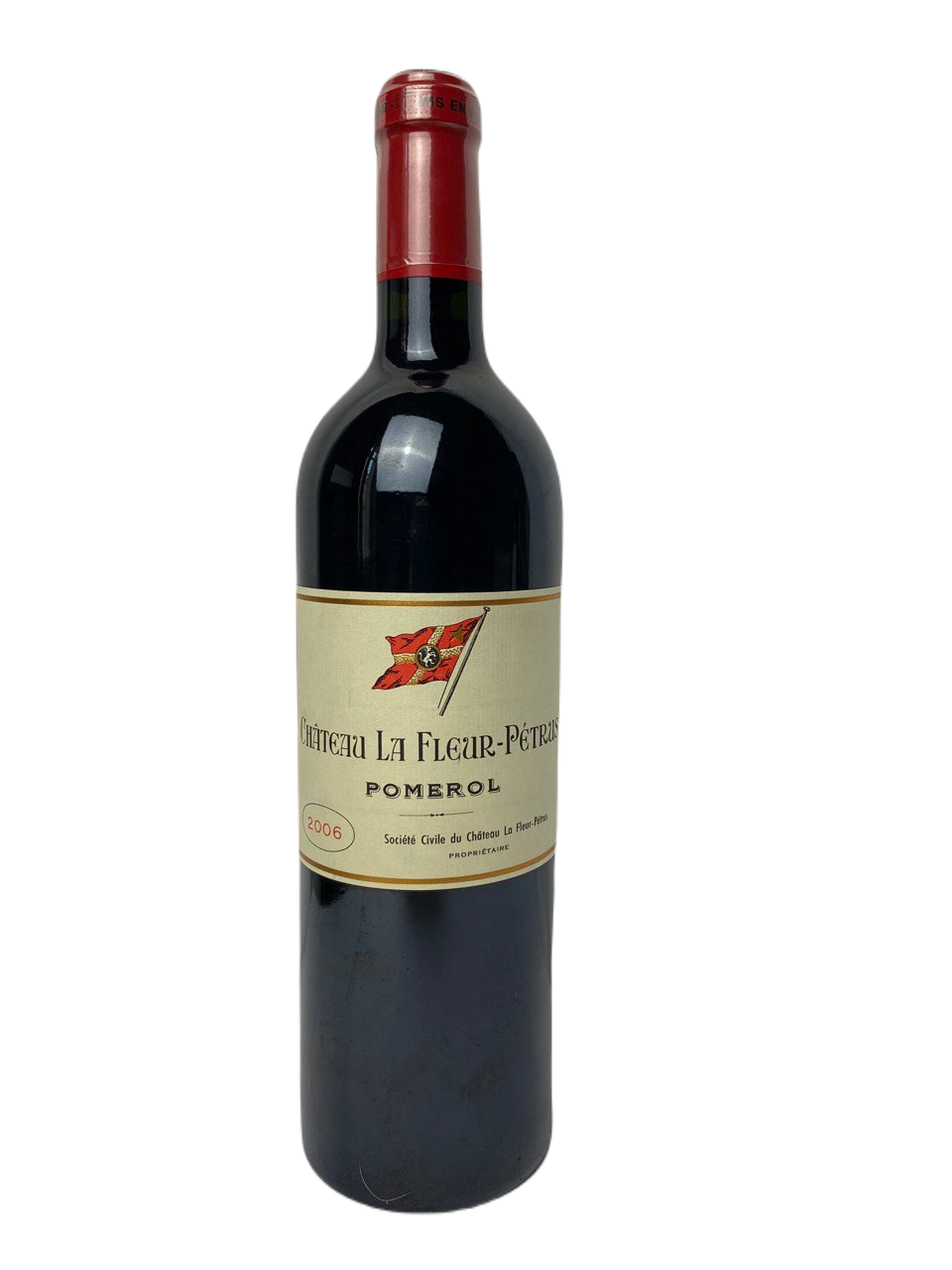
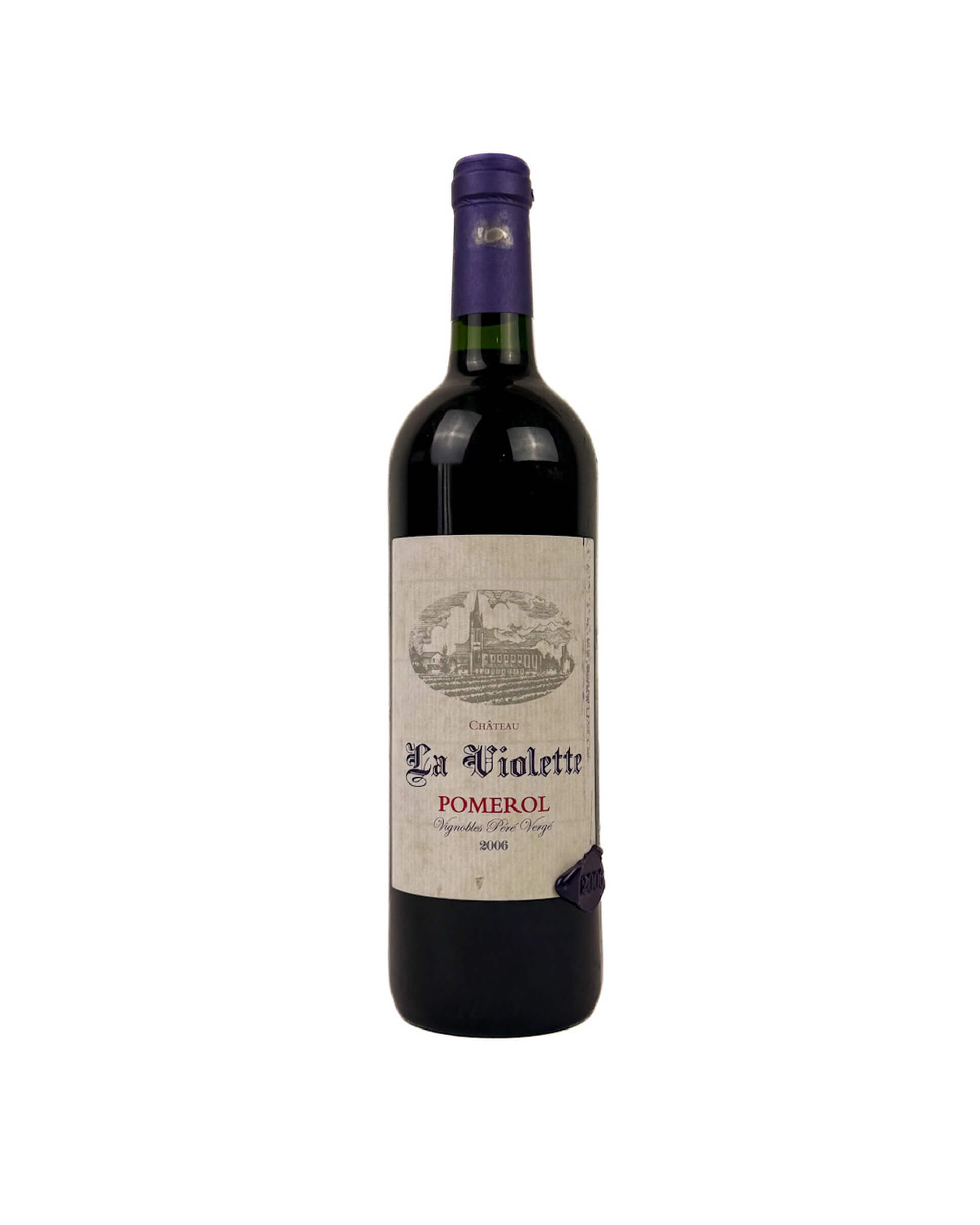
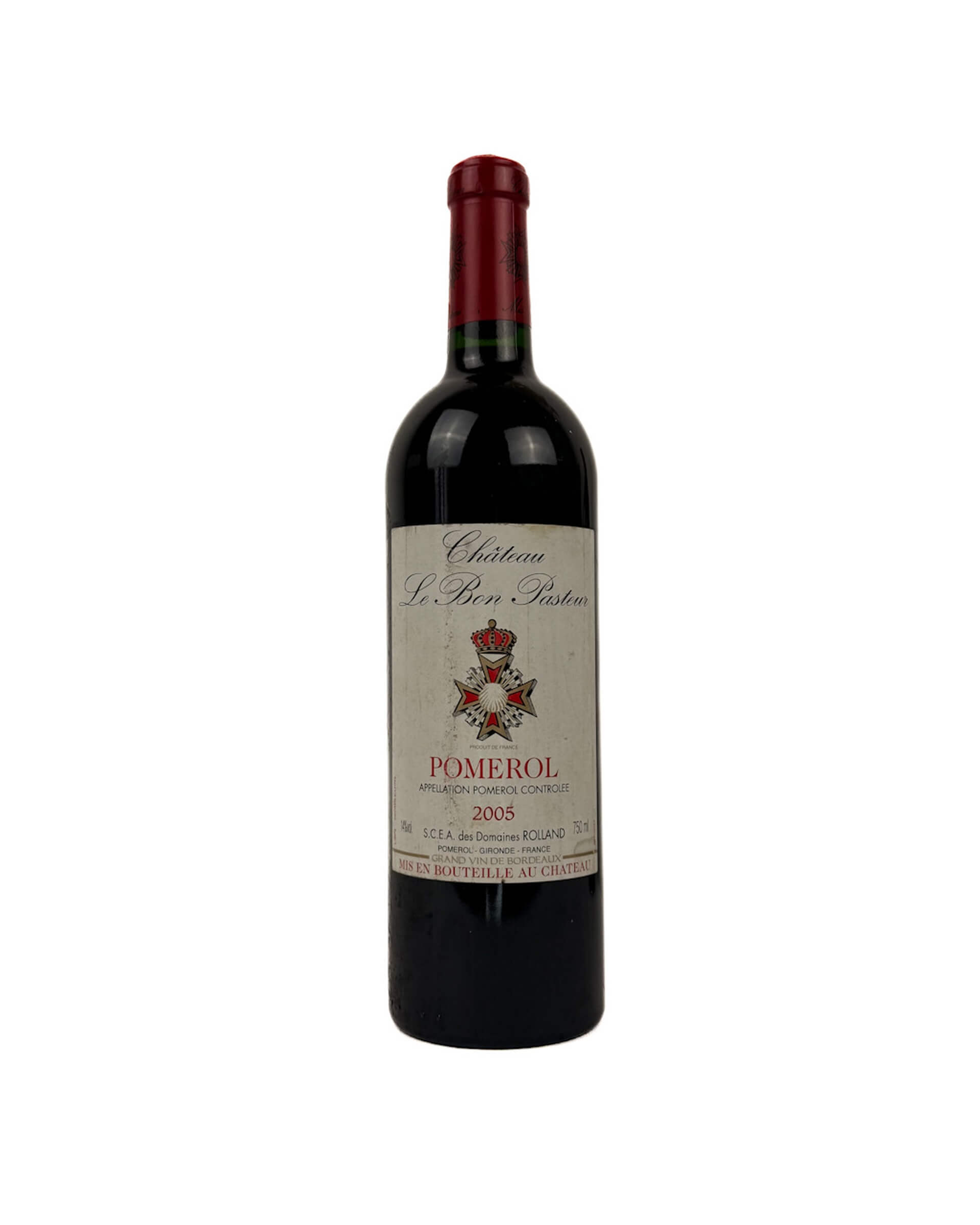
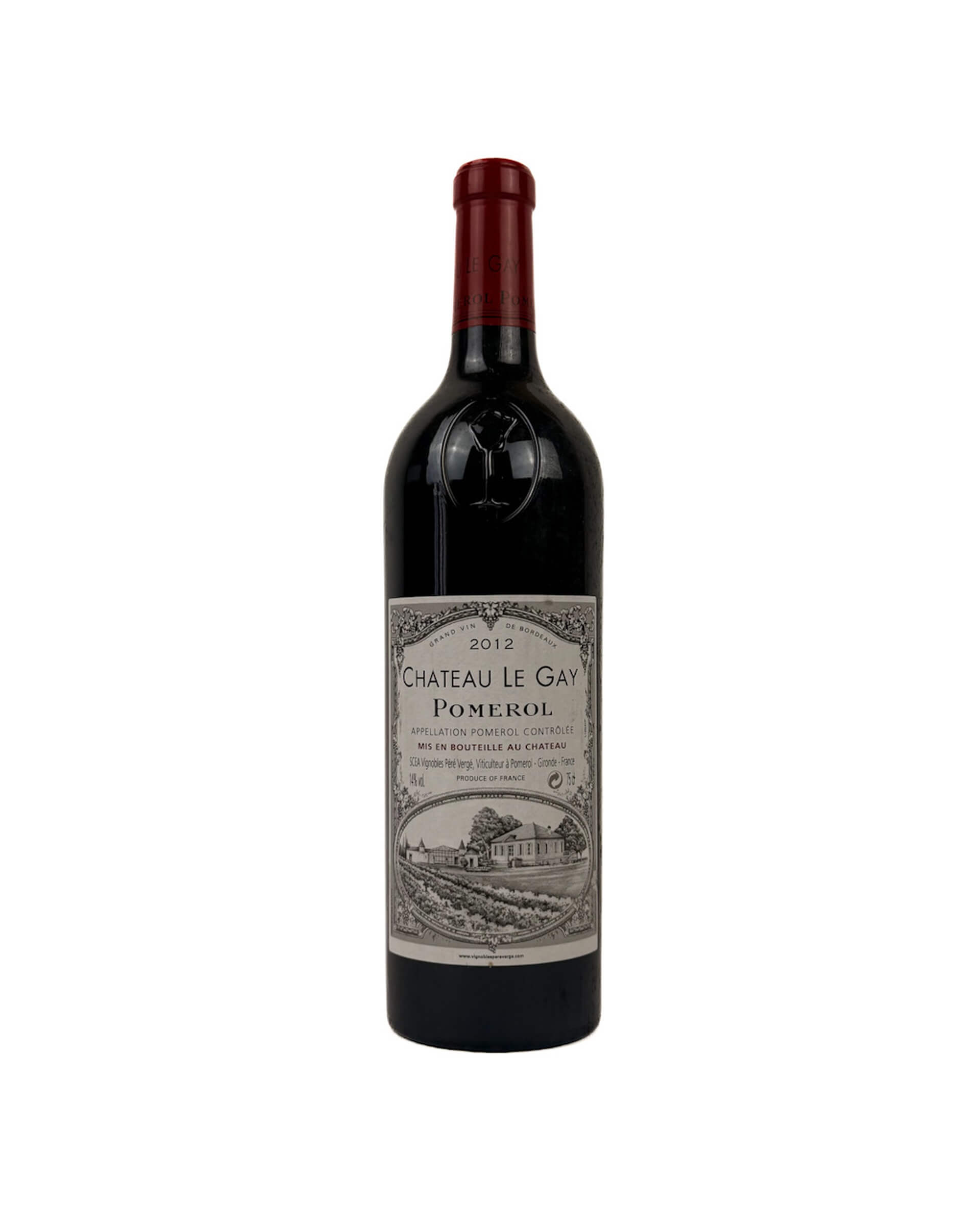
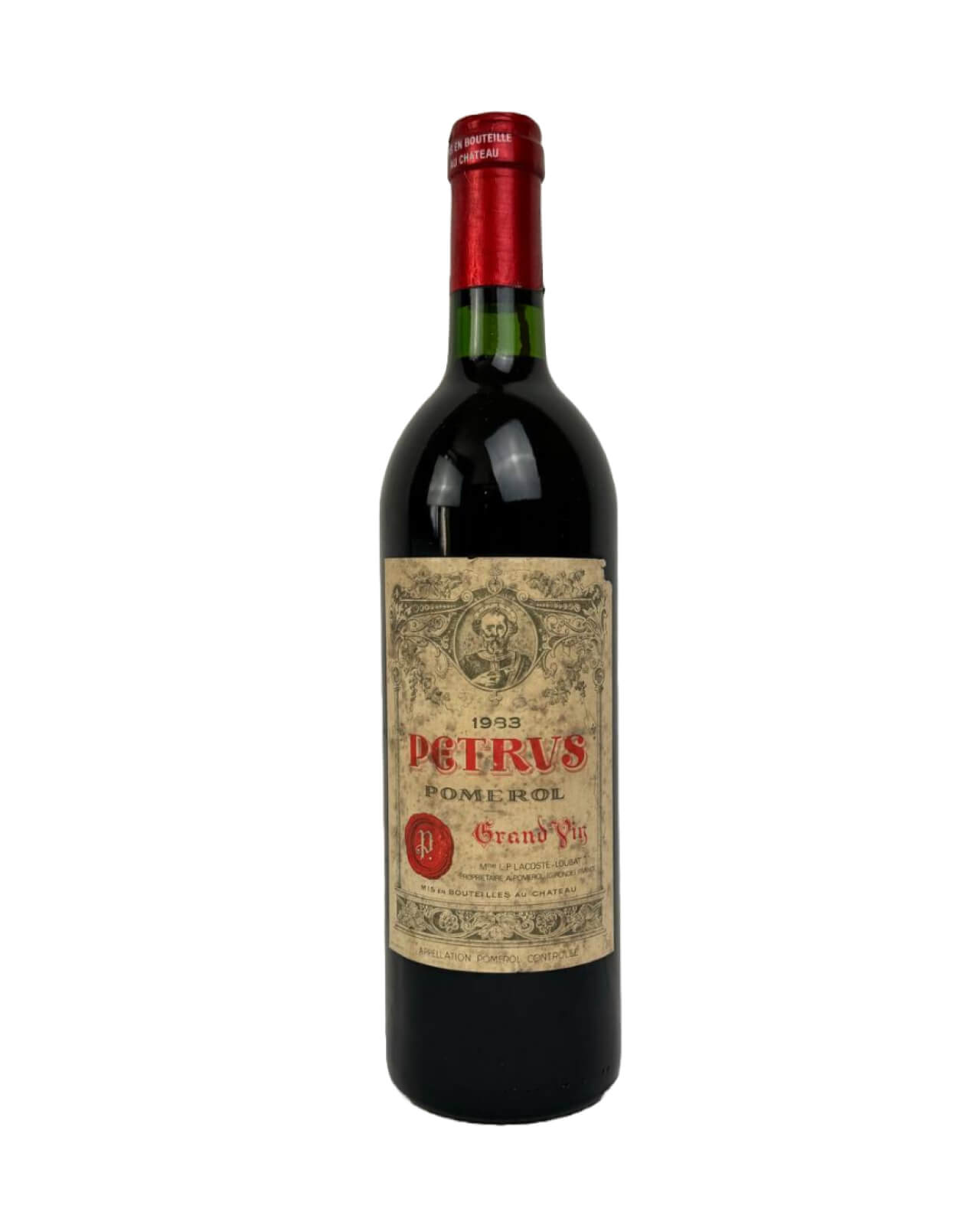
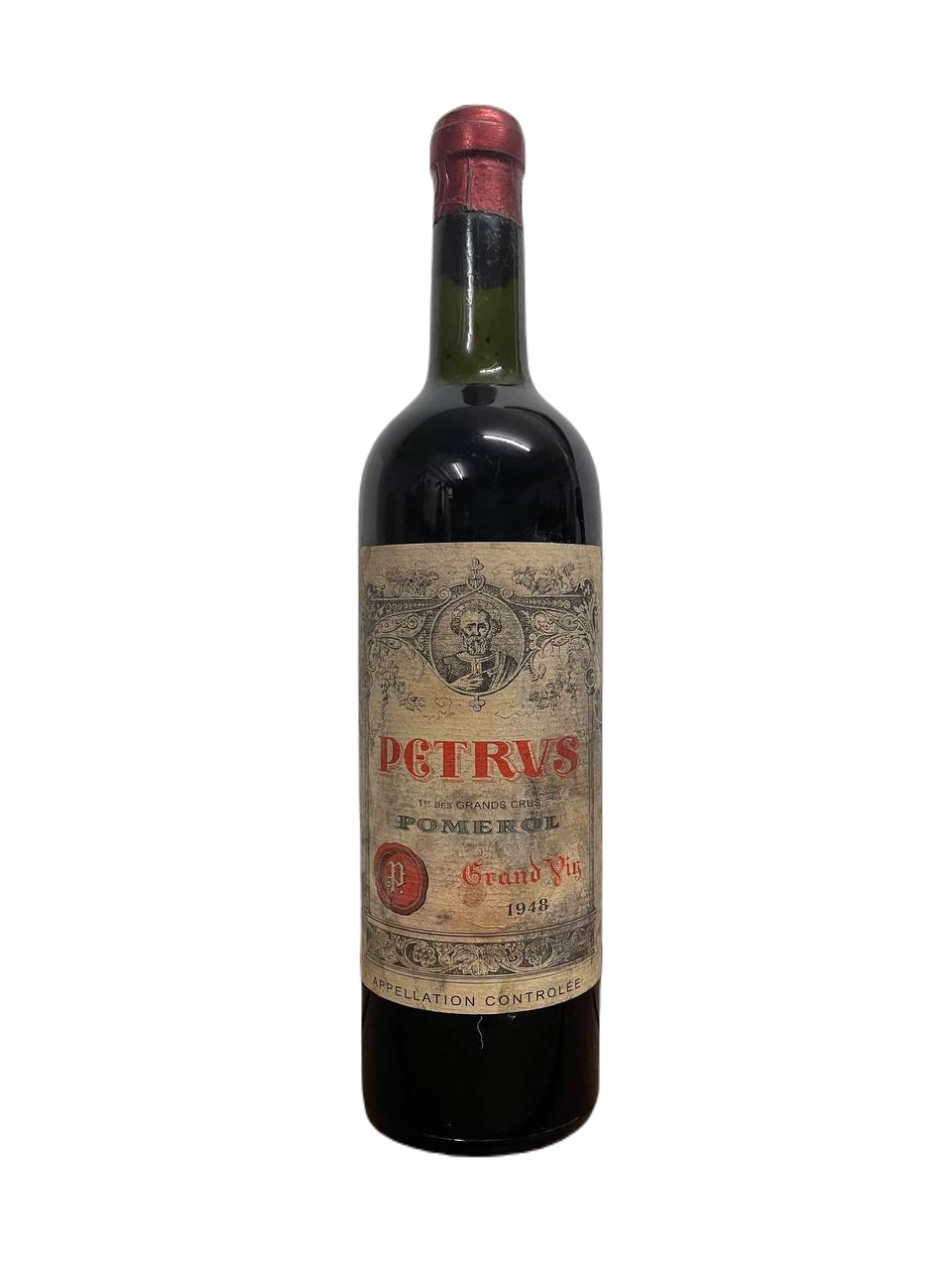
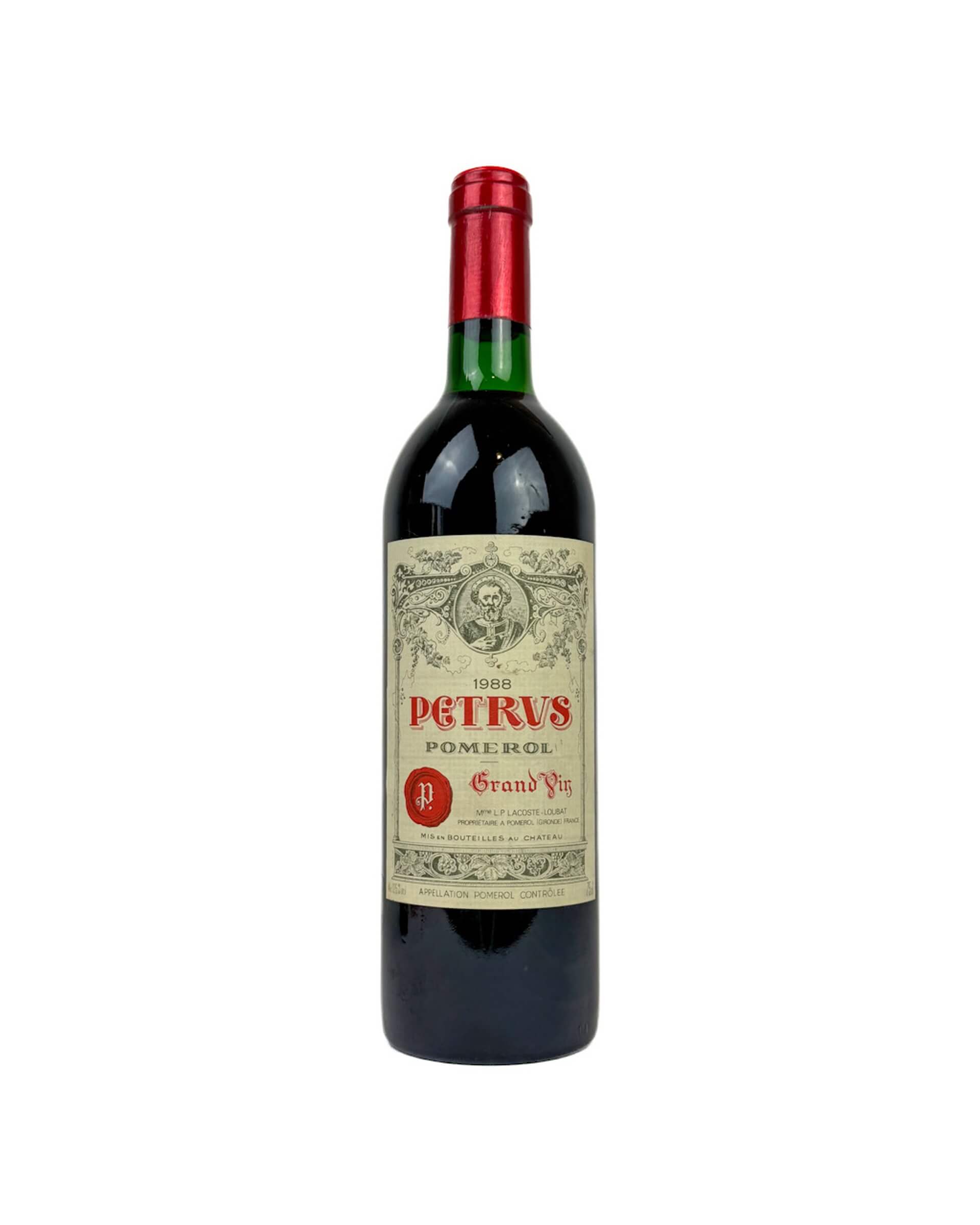
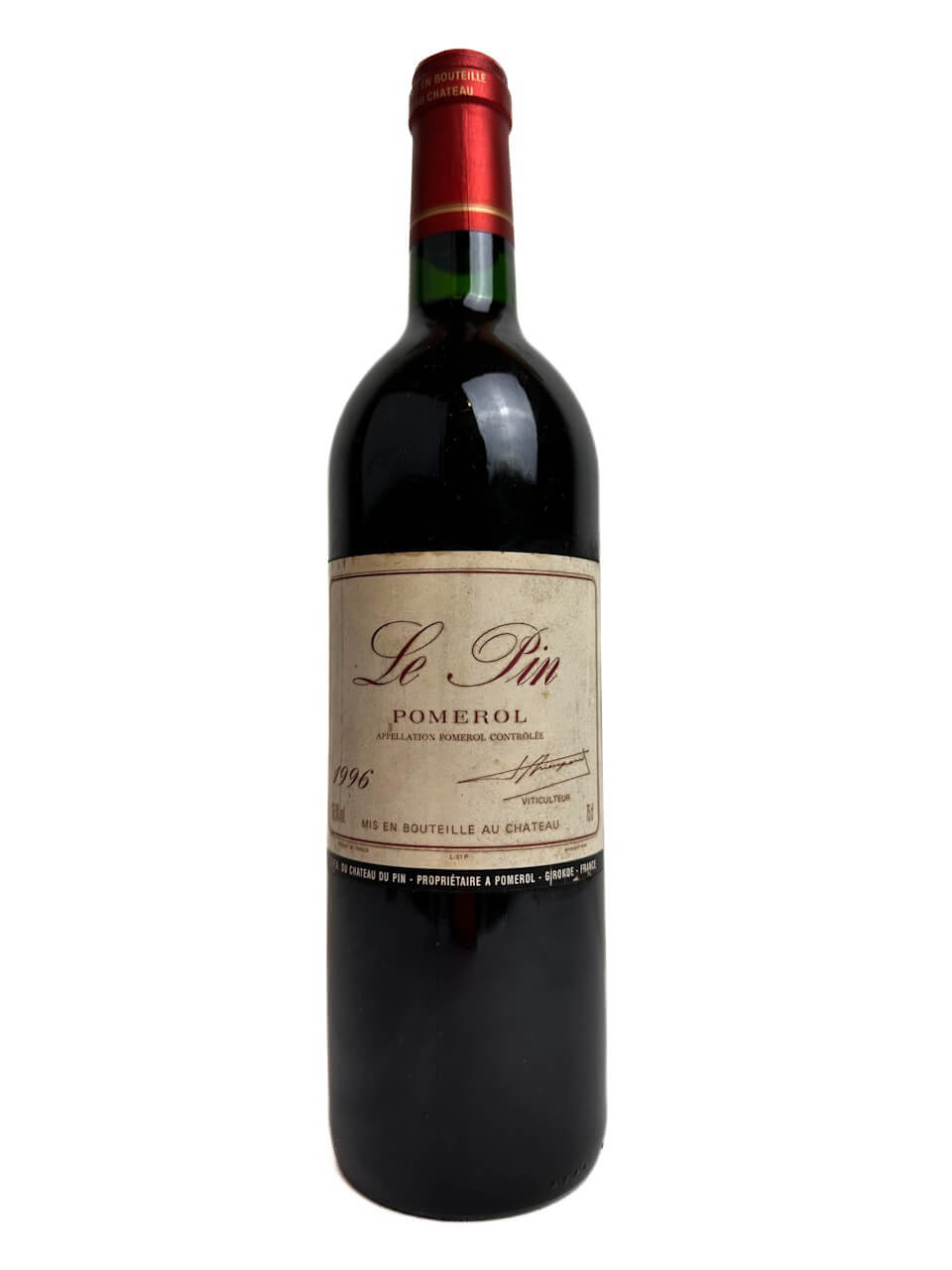
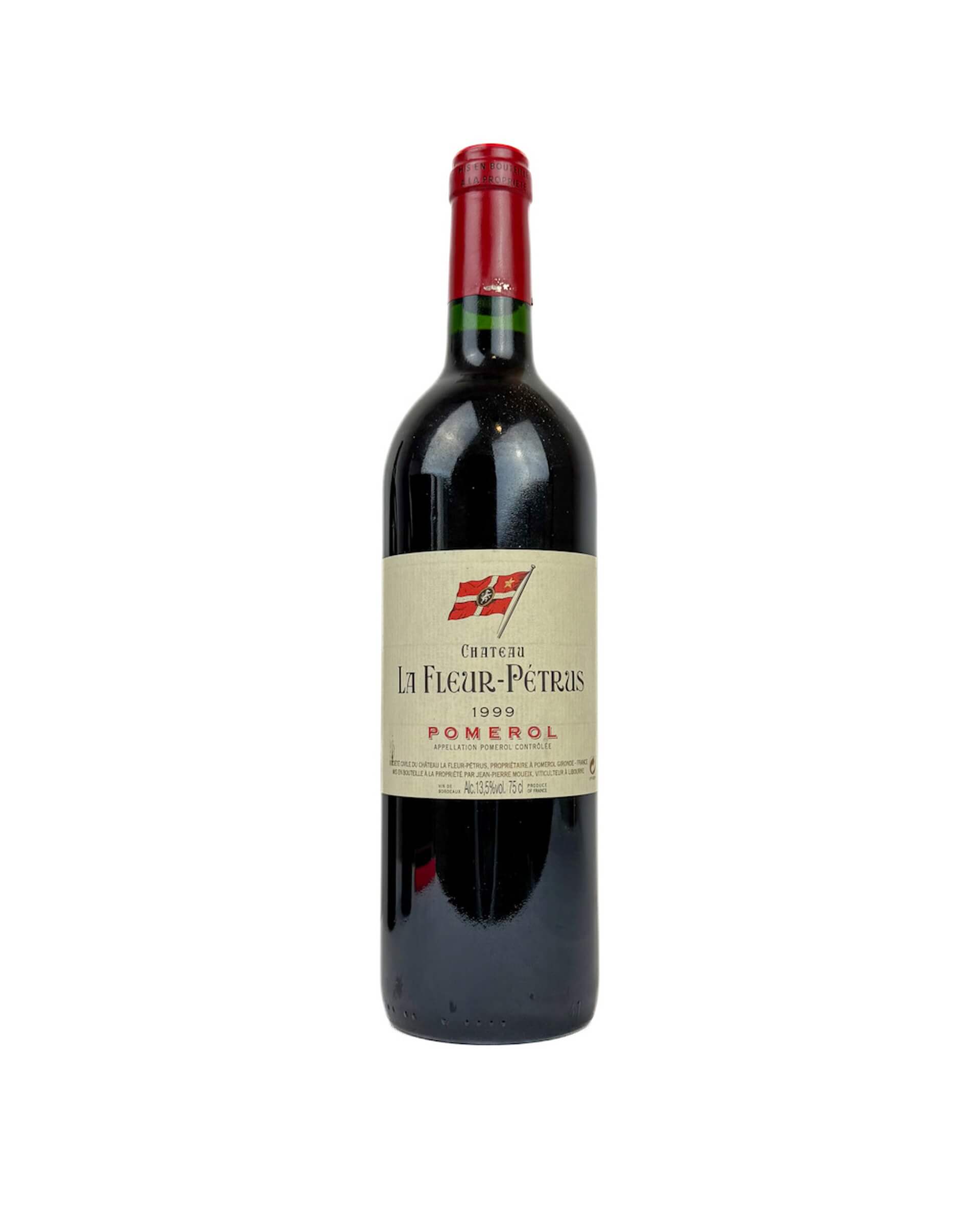
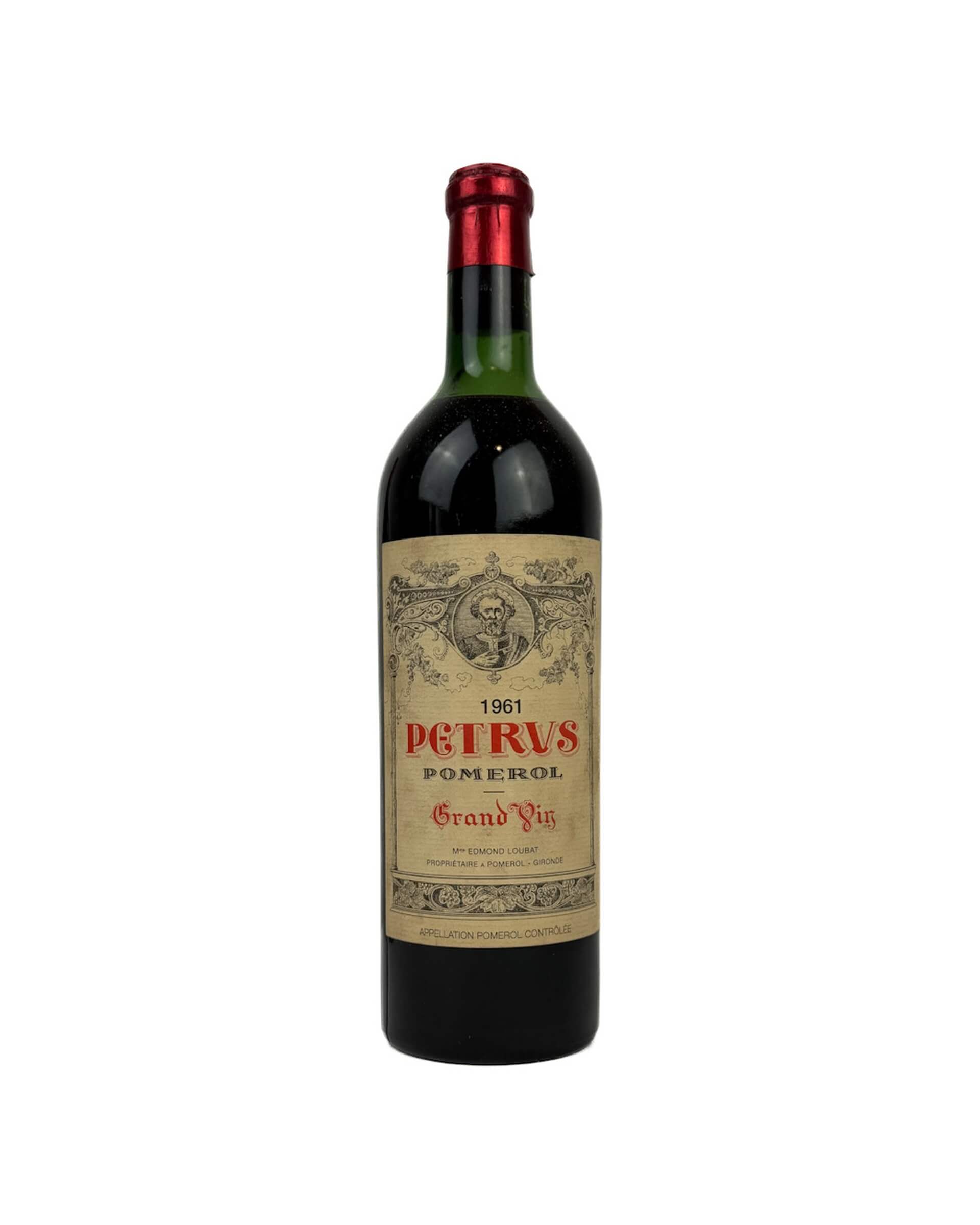
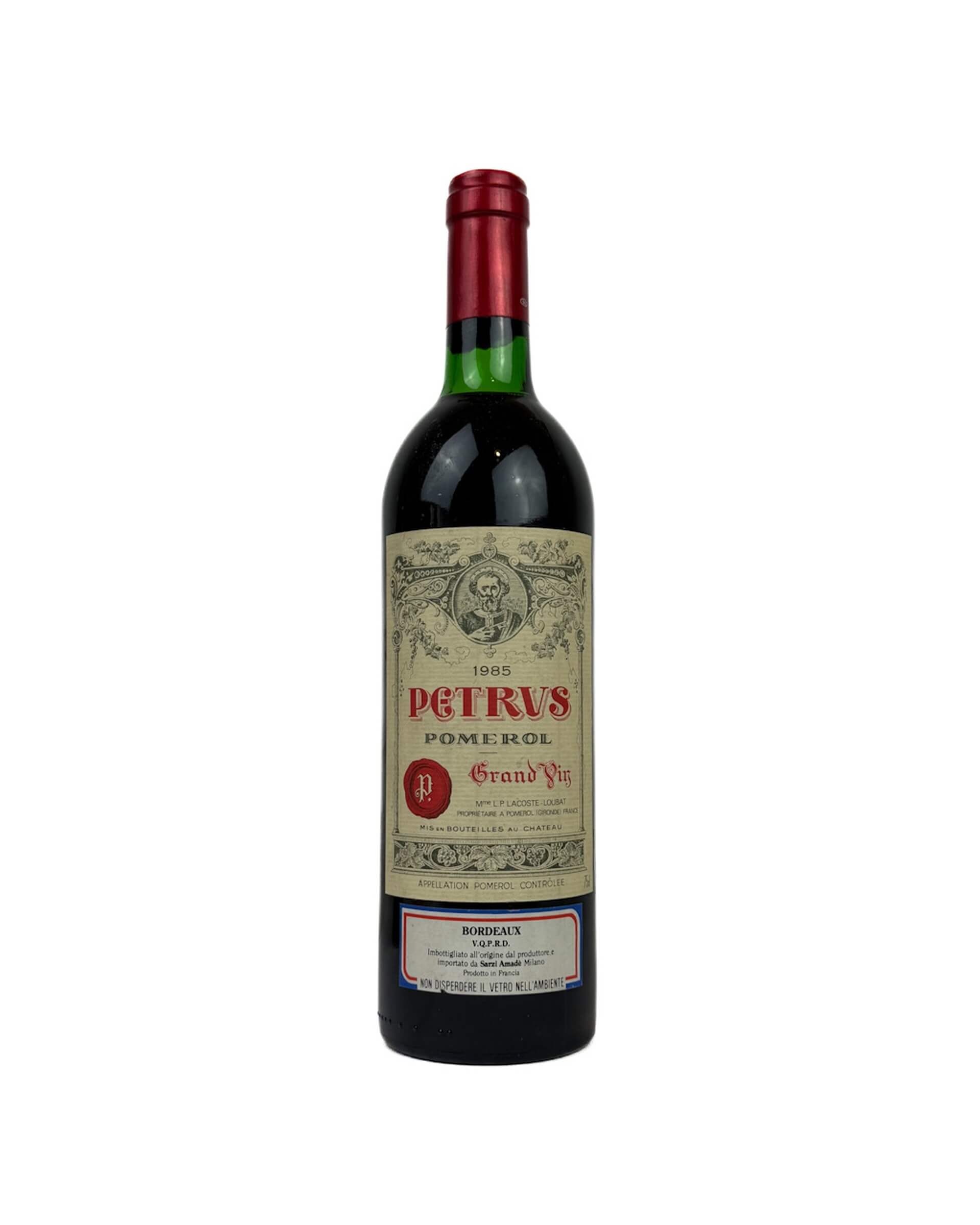
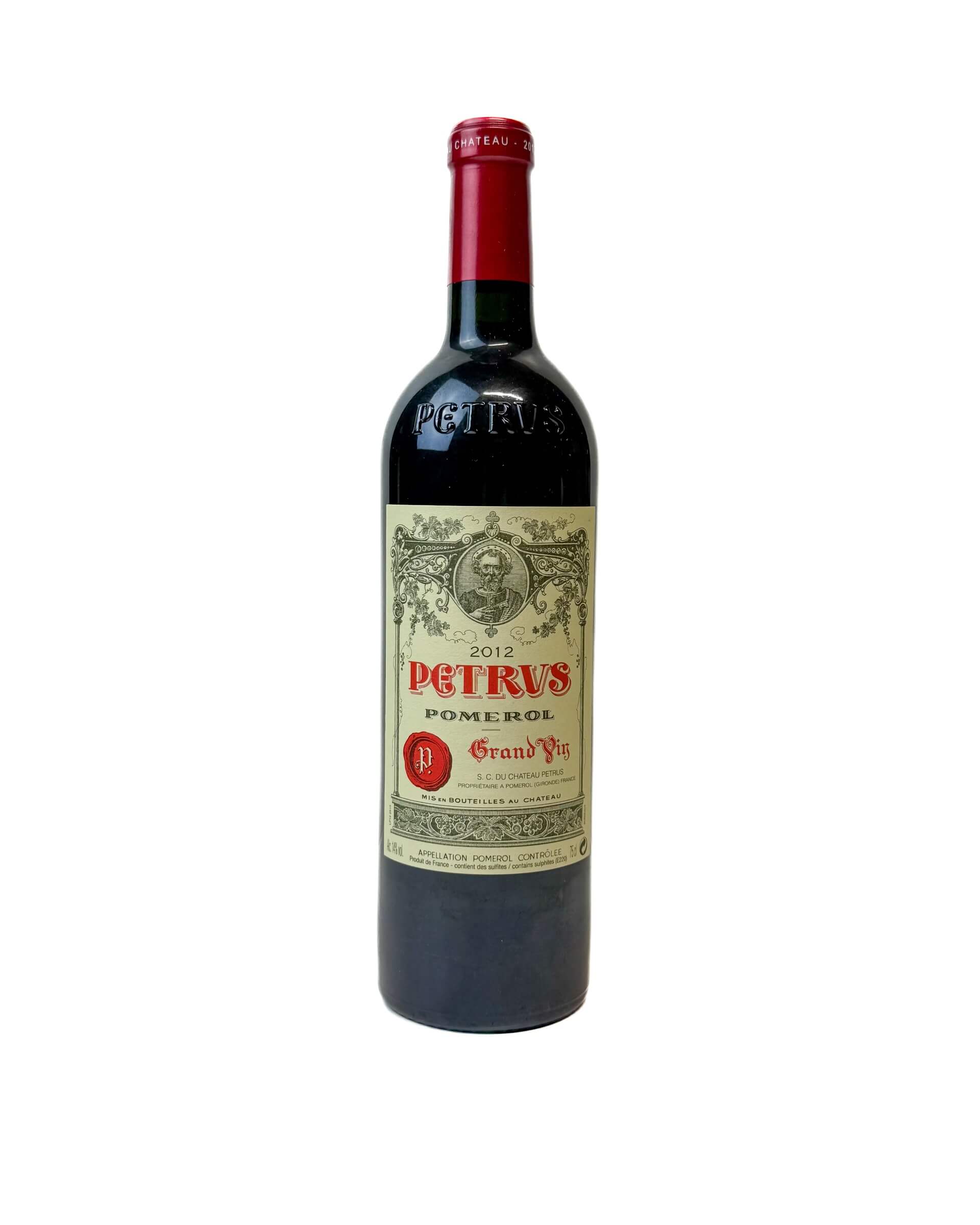
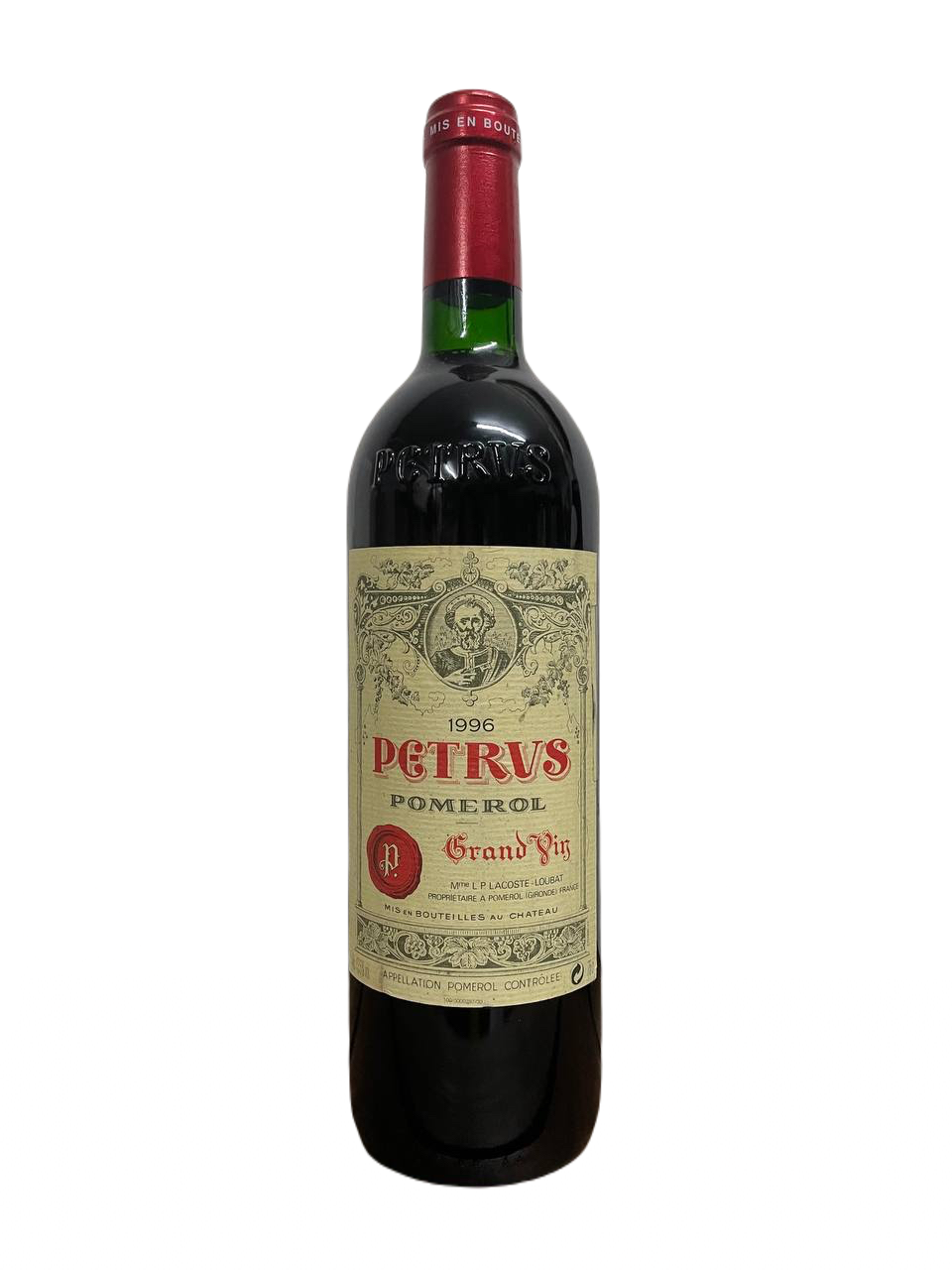
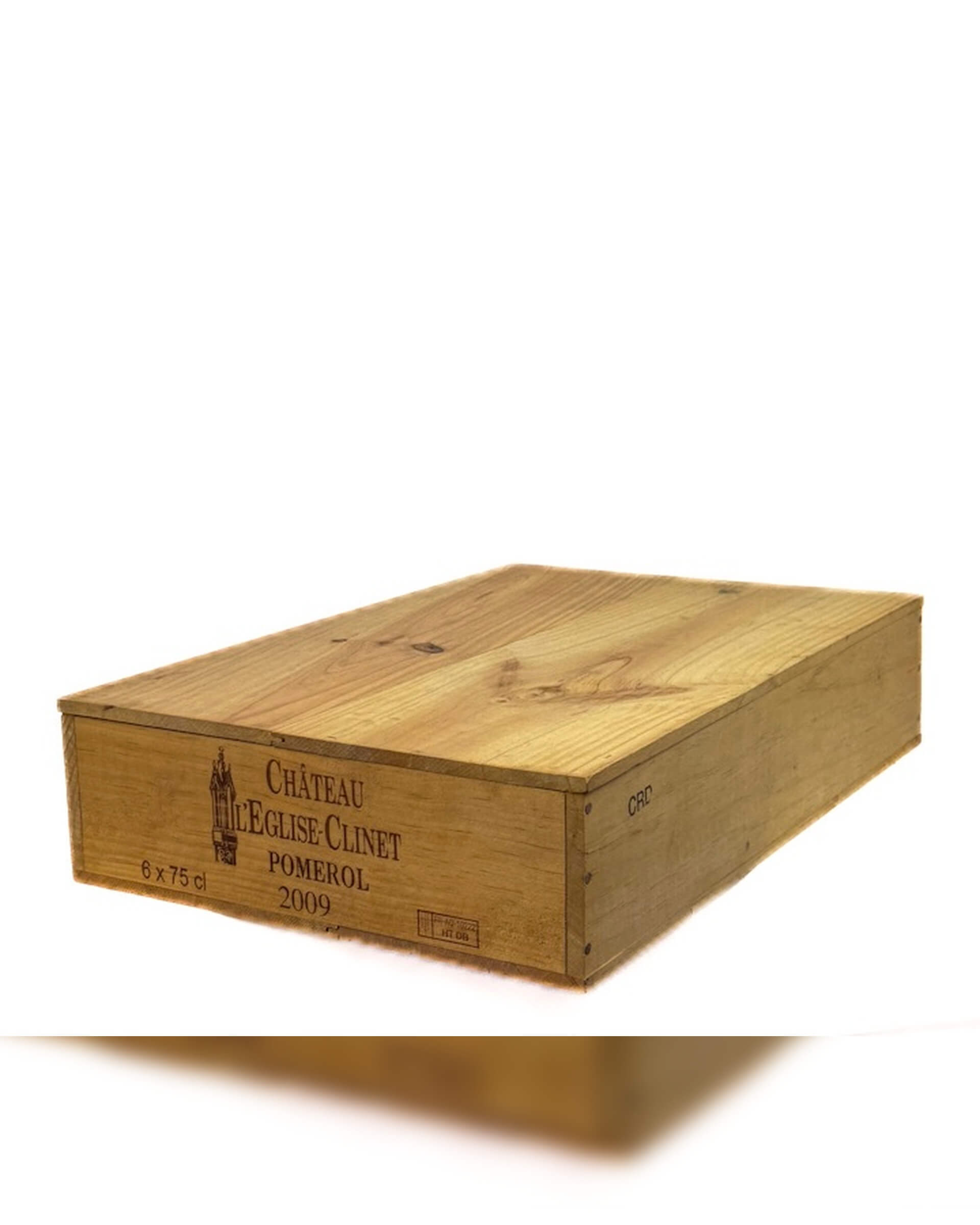
Pomerol is Bordeaux’s smallest major appellation, lying immediately north of Saint-Emilion on the Libournais plateau. Spanning only around 800 hectares, Pomerol wine is the home of Petrus and carries among the highest per-bottle price floors of any Bordeaux AOC — a tight cluster of the most sought-after red wines on earth. Unlike the great Bordeaux wines of the Left Bank, this right bank Bordeaux appellation carries no official classification — there is no 1855-style ranking and no Grand Cru Classé system — which makes producer track record and vintage knowledge essential before you buy. Pomerol rewards the serious collector and the experienced enthusiast working up the Right Bank ladder from Saint-Emilion. The Tour de Wine catalogue currently holds 15 Pomerol bottles, spanning approachable fringe-estate wines and benchmark clay-plateau cuvées. Explore the live product grid below.
Pomerol is, at heart, a Merlot story. Across the appellation, Merlot is the overwhelmingly dominant grape, typically making up 80–100% of the blend, with Petrus planted to near-pure Merlot. The deep clay soils of the plateau allow Merlot to reach a concentration and textural plushness that the gravel of the Médoc cannot deliver, giving Pomerol Bordeaux its signature velvet density. Cabernet Franc is the key secondary variety, lending aromatic lift, peppery spice, and structural backbone — and at a handful of estates it plays an unusually prominent role.
The hallmark flavour profile runs to ripe plum, black cherry, violet, dark chocolate, espresso, black truffle, and a distinctive note of iron — the iron character often attributed directly to the crasse de fer subsoil beneath the plateau. The greatest plateau Pomerols peak at 15–30 years from top vintages, while fringe and entry-level bottles are far more accessible in their youth. To explore the defining grapes further, browse our Merlot and Cabernet Franc collections.
The Pomerol plateau is a low rise reaching roughly 40 metres above sea level — barely a few metres above the surrounding Libournais plain — yet its quality is written into the ground beneath it. The centre of the plateau is underlain by the crasse de fer — a dense, iron-rich clay subsoil that retains moisture, keeps the root zone cool through summer, and is credited with the concentration, density, and distinctive mineral-iron finish of the greatest plateau wines. Directly beneath Château Petrus’s 11.5-hectare vineyard lies the famous blue clay (argile bleue), a water-retaining clay that produces Merlot of extraordinary richness and longevity — the geological reason Petrus commands the prices it does.
Toward the edges of the appellation, the soils shift to gravel and sandy-clay, transitioning in the direction of Saint-Emilion and Lalande-de-Pomerol. Wines from this outer fringe are earlier-drinking, with more red-fruit character and less density — and, crucially, they sit at meaningfully lower price points, which is where the entry tier of our Pomerol catalogue lives. The entire Pomerol AOC covers only about 830 hectares — far smaller than Pauillac (roughly 1,200 ha) or Saint-Emilion (around 5,400 ha) — and the finest clay-iron terroir accounts for only a fraction of that. With production volumes structurally constrained by the appellation’s tiny size, scarcity is real rather than manufactured, and it underlies the appellation’s price floor.
For the wider regional picture, see our France selection and our full range of red wine.
Pomerol is unique among the major Bordeaux appellations: it has never been officially ranked. Where Pauillac sits within the 1855 Médoc classification and Saint-Emilion operates an official Grand Cru Classé system, Pomerol’s reputation has been built estate by estate, vintage by vintage. For the buyer, this means producer track record, soil position on the plateau, and vintage quality matter more here than any label hierarchy. The names below are offered as factual context, not a ranking.
Tour de Wine’s 15-bottle Pomerol catalogue sits within this landscape — not every icon, but a curated cross-section from approachable fringe wines to plateau benchmarks. To compare classifications across the Right Bank, browse our Grand Cru and 1er Cru collections.
Wines from the sandy-gravel and clay-gravel fringe estates are typically approachable at four to eight years from the vintage. Red cherry and plum dominate the palate, tannins are round and already integrated, and a 30–45 minute decant brings out their full aromatics. These are a well-chosen entry point for buyers exploring the appellation for the first time, and this is where the lower end of the Tour de Wine catalogue sits, beginning from €95.
Great plateau wines from top vintages close tightly after release and need a minimum of eight to twelve years before they begin to open. At their peak, between 15 and 30 years, secondary complexity emerges — truffle, espresso, dark chocolate, dried violet, and iron — and the finish lengthens to a minute or more, carrying persistent iron and dried-violet tones. Cellaring at 12–14 °C cellar storage temperature in vibration-free conditions is essential for bottles in the upper catalogue tier, and once they do open, decanting two to three hours in advance is recommended.
Pomerol’s plush, Merlot-dominant texture and its truffle-and-iron mineral register give it broad food affinity, with a classic pairing palette that is earthy and rich. Young plateau wines with closed tannins are best alongside red meat cooked medium-rare; mature bottles ask for simpler preparations that let the wine lead. The pairings below cover both ends of that spectrum.
For young, closed plateau wines, decant one to two hours ahead and avoid lean white fish and very acidic dishes; for mature Pomerol of 15 years and beyond, keep the food simple and let the bottle be the focal point. Serve at 16–18 °C.
Choosing a Pomerol comes down to one honest question: are you buying for the appellation’s style now, or for the cellar? The Tour de Wine catalogue reflects a genuinely two-tier market — a small number of accessible fringe-estate bottles alongside a majority of serious clay-plateau wines — so prices do not climb in a smooth ladder. The three bands below are drawn directly from live catalogue figures, and every price is in euros.
One structural point shapes how the top tier is bought. The benchmark plateau estates allocate almost exclusively through en primeur — the Bordeaux futures system in which a vintage is sold in the spring following the harvest, roughly two years before it is bottled and shipped. Petrus and Le Pin are effectively obtainable only through their en primeur campaigns or later on the secondary market, never as freely stocked bottles. Tour de Wine sources through the Place de Bordeaux négociant network that distributes these allocations, which is how specific cuvées and vintages reach the catalogue at all. The practical implication for buyers: if you want a particular plateau estate in a particular year, securing it early in the campaign is often the only route, and waiting for it to appear on the open shelf usually means paying a secondary-market premium later.
The most accessible bottles in the Tour de Wine Pomerol catalogue start at €95, with the 10th percentile of the range at €98. These are wines from estates on the outer plateau and sandy-gravel fringe — genuine Pomerol AOC, full Merlot-dominant character, and more approachable in their youth. They are the right starting point for a buyer who wants the appellation’s style without committing to a long cellaring programme. Even here, the small size of the appellation means allocation is never guaranteed.
The median price across the Tour de Wine Pomerol catalogue is €1,875, reflecting the appellation’s inherently premium, production-constrained nature. At this level, buyers are looking at clay-plateau estates in recognised vintages: serious, age-worthy Pomerol with the full mineral-and-truffle complexity the appellation is famous for — wines to lay down for 10 to 15 years. In practice this band covers cuvées from the calibre of Vieux Château Certan, La Conseillante, and L’Evangile in strong years such as 2015, 2016, and 2019, and from this tier upward every bottle ships with documented provenance and storage history.
The 90th percentile of the catalogue sits at €3,300, entering the territory of top-plateau estates in exceptional vintages, with the rarest bottles reaching €7,000. At this level purchases are investment-grade: buyers should expect full chain-of-custody provenance, professional storage history, and a clearly defined drinking window. Tour de Wine sources direct from négociant and estate. These bottles represent the appellation at its most concentrated, longest-lived, and most sought-after.
Vintage matters as much as estate on the Right Bank, and Pomerol’s Merlot-led wines respond sharply to the growing season. The notes below cover key Pomerol vintages from the past fifteen years, with an indicative drinking-window assessment to guide cellaring decisions. Specific availability varies across the Tour de Wine catalogue.
As a rule of thumb, 2015, 2016, 2019, 2020 and 2022 reward patient cellaring at the plateau estates; 2021 is the value pick for earlier drinking, while fringe-estate wines from warmer, more generous years such as 2018 are the most approachable in the nearer term.
Both are Right Bank, Merlot-led appellations, but they diverge in style, price, and structure. Pomerol’s iron-rich blue-clay plateau gives denser, plusher, more mineral wines with a longer cellaring curve, where Saint-Emilion — far larger at around 5,400 hectares against Pomerol’s 830 — spans a wider range of soils and styles, from earlier-drinking limestone-plateau wines to powerful gravel cuvées. Saint-Emilion also operates an official Grand Cru Classé ranking, while Pomerol has none, so Pomerol pricing leans more heavily on individual estate reputation. In practice, top Pomerol tends to command higher prices and reward longer ageing than equivalent Saint-Emilion.
At Tour de Wine, Pomerol starts from €95, with entry bottles around €98. The mid-range of the catalogue sits near €1,875, reflecting the appellation’s small production and clay-plateau terroir. Prestige plateau estates reach €3,300 and above, with the rarest cuvées priced up to €7,000. All prices are in euros.
No — Pomerol is unique among the major Bordeaux appellations in having no official classification. There is no Grand Cru Classé system and no 1855-style ranking. Reputation is built through producer track record, soil position on the iron-clay plateau, and vintage quality. This makes buying from a knowledgeable, specialist merchant especially important.
Fringe-estate Pomerol is approachable at four to eight years with a 30–45 minute decant; plateau wines from top vintages need a minimum of twelve years before they open and peak between 15 and 30 years in cellar storage at 12–14 °C, vibration-free. Great plateau Pomerols from the benchmark estates — Petrus, Lafleur, Le Pin — can then develop for 30 years or more from the strongest years.
Written by the Tour de Wine buying team. Last reviewed: June 2026.
This site is restricted to adults. By entering, you confirm that you are of legal drinking age in your country of residence.