
100
0,75
1989
Chateau Haut-Brion
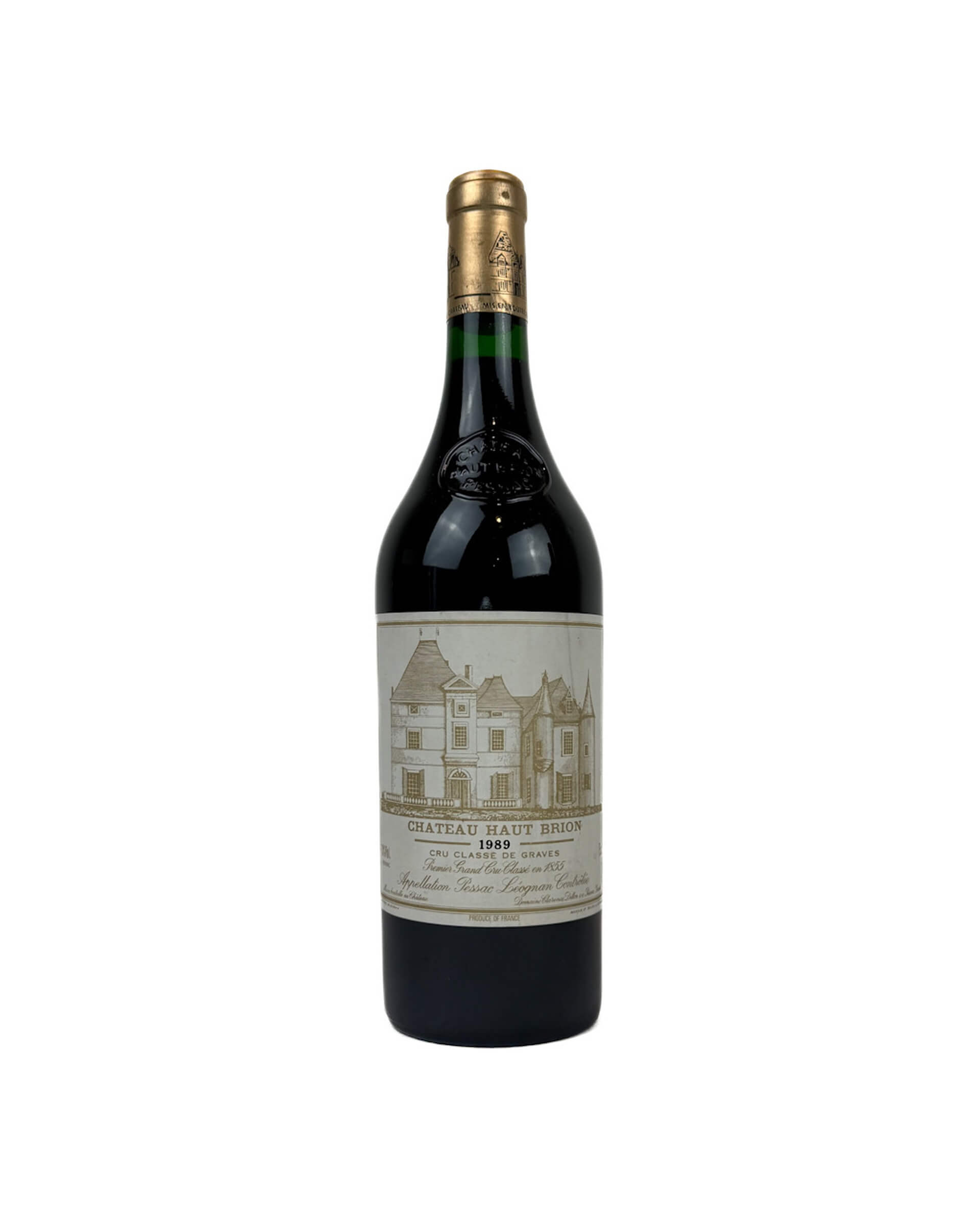
Chateau Haut-Brion 1989 0,75L
€ 2 160,00
Wines, producers, regions...
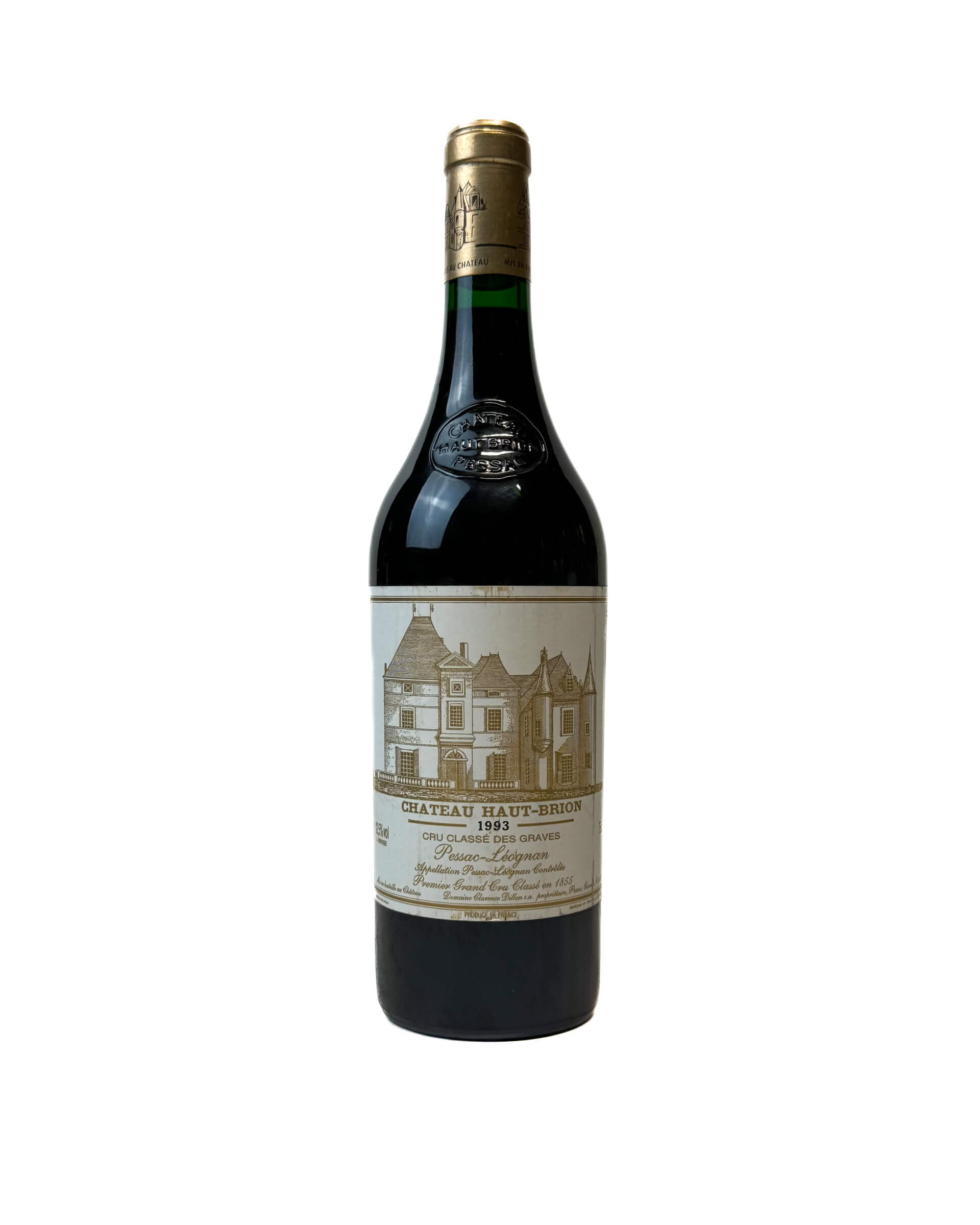
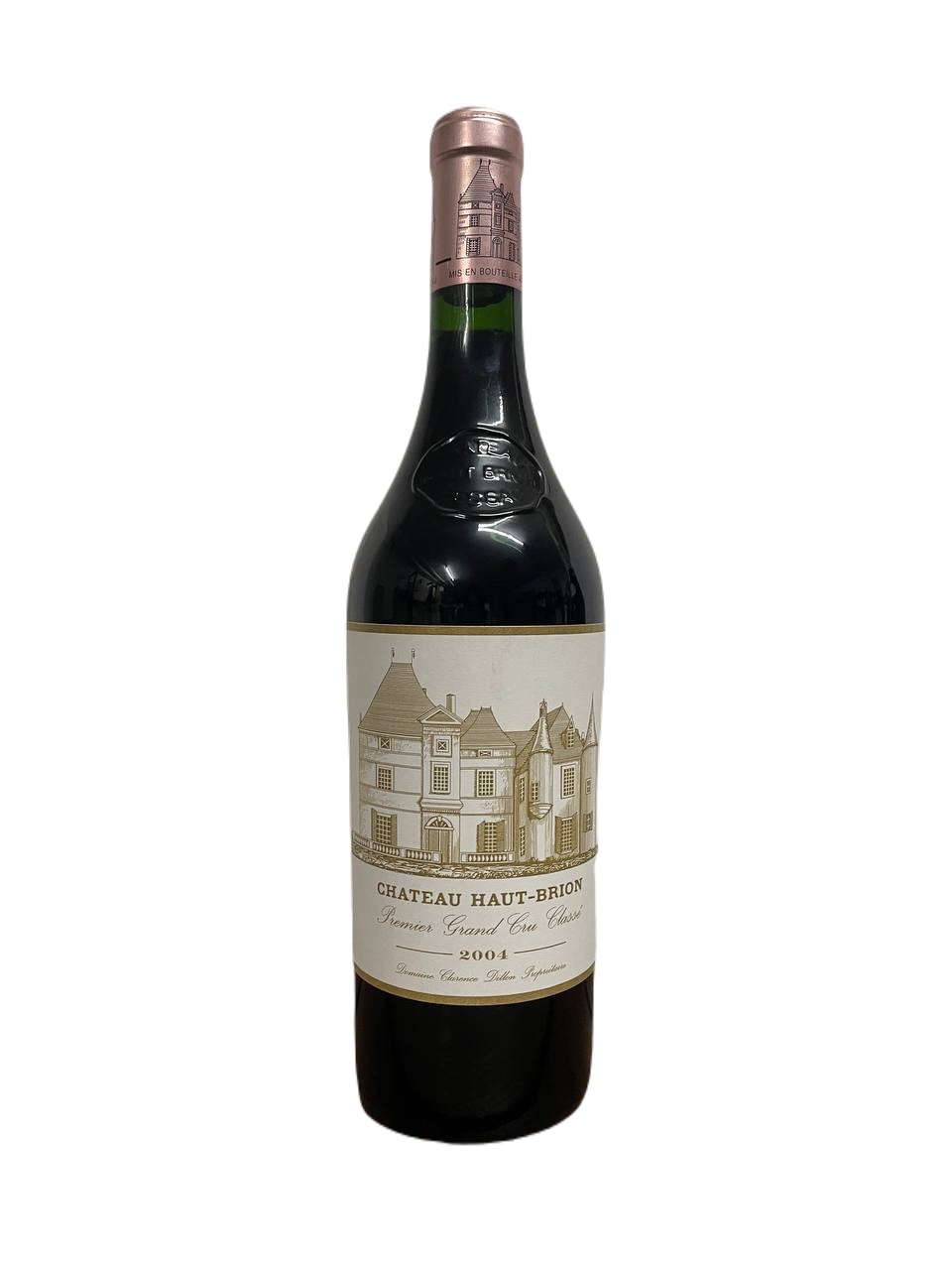
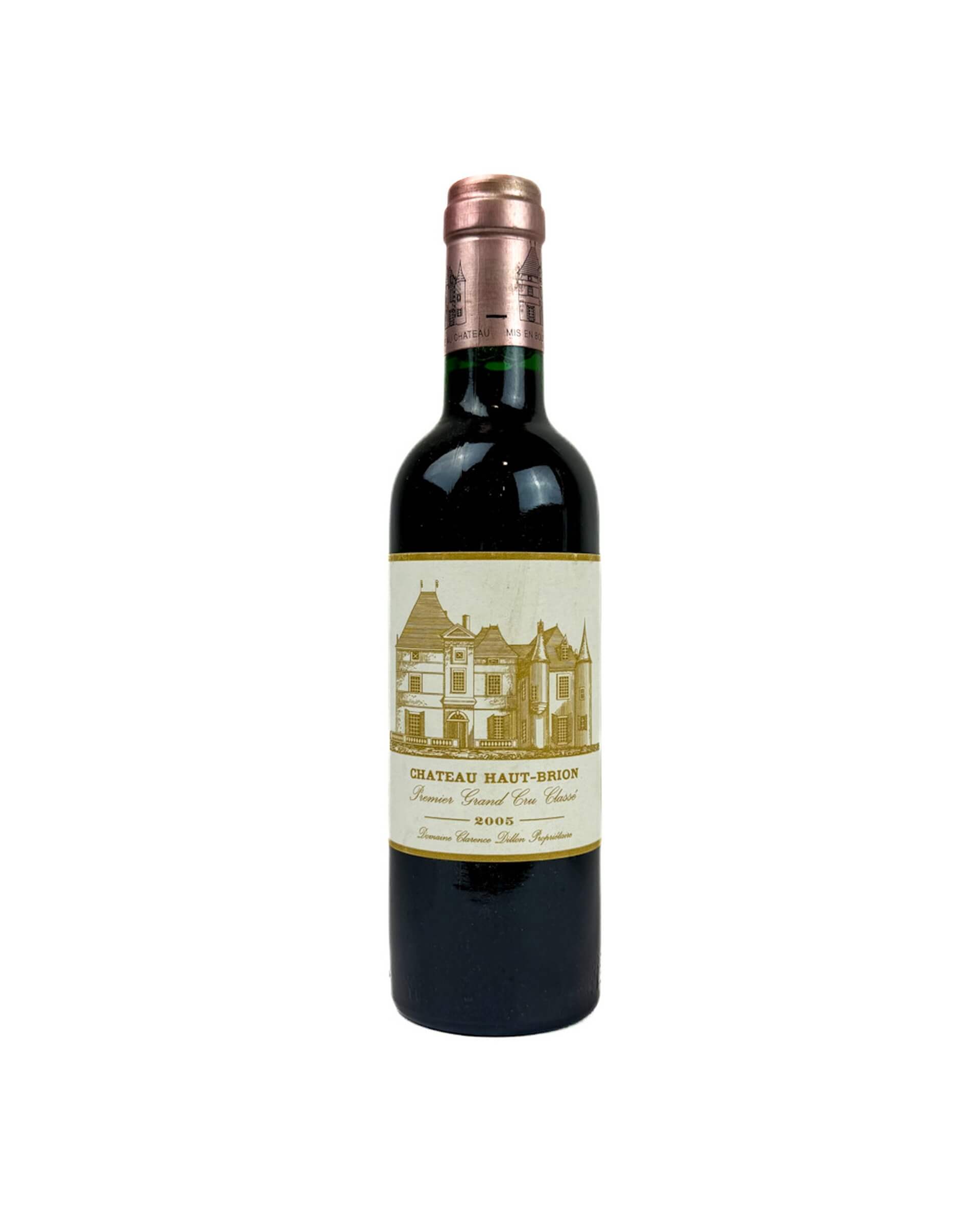
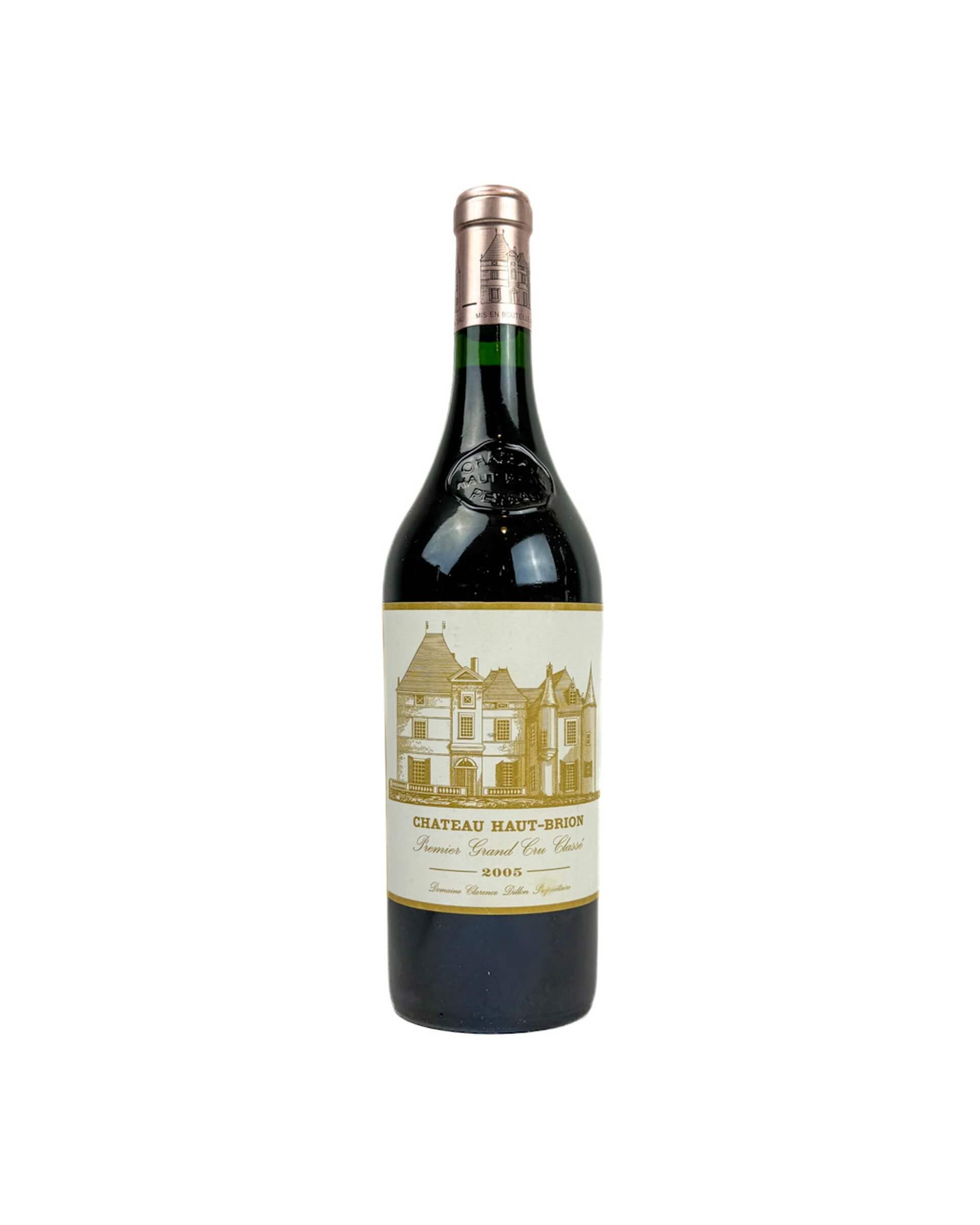
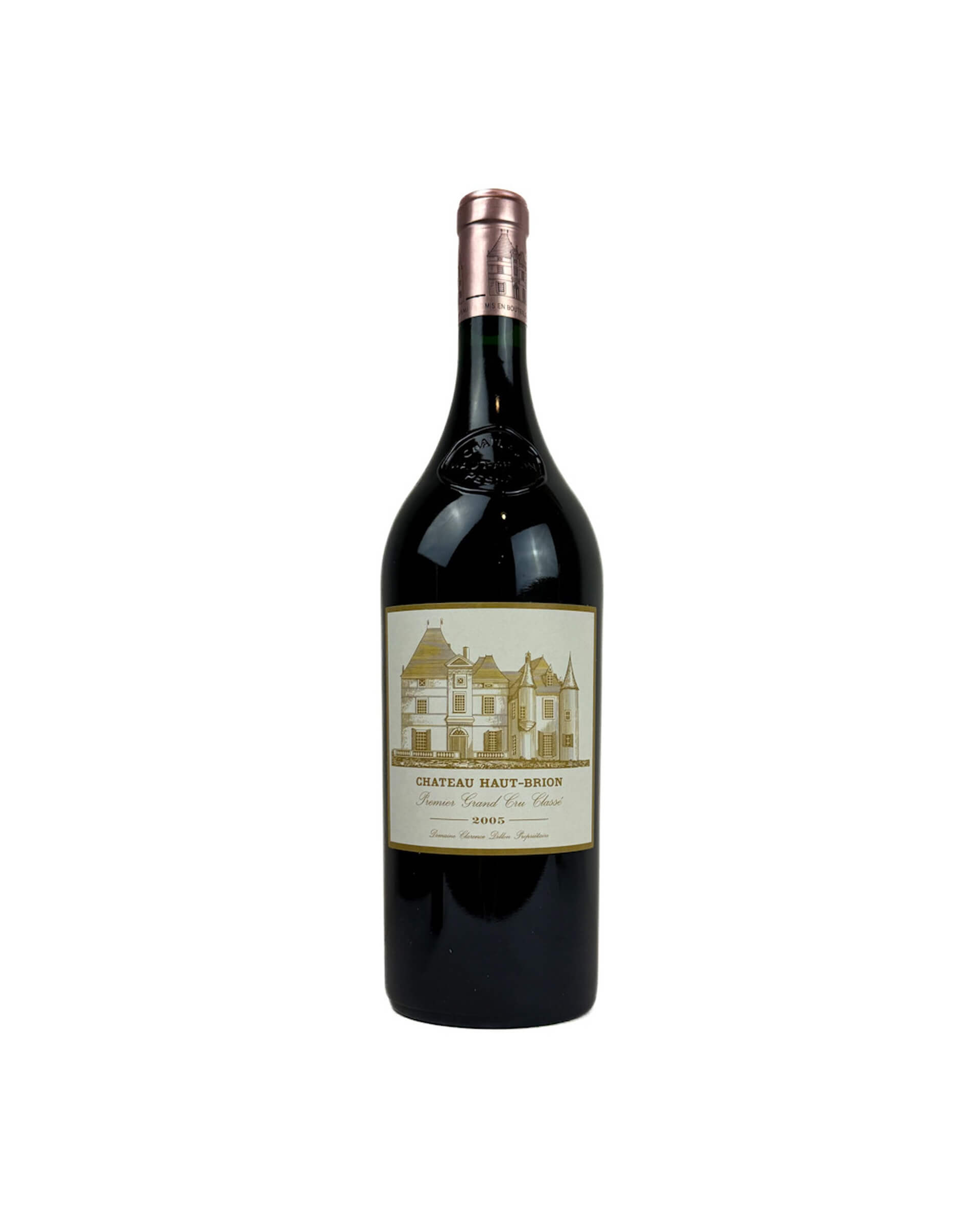
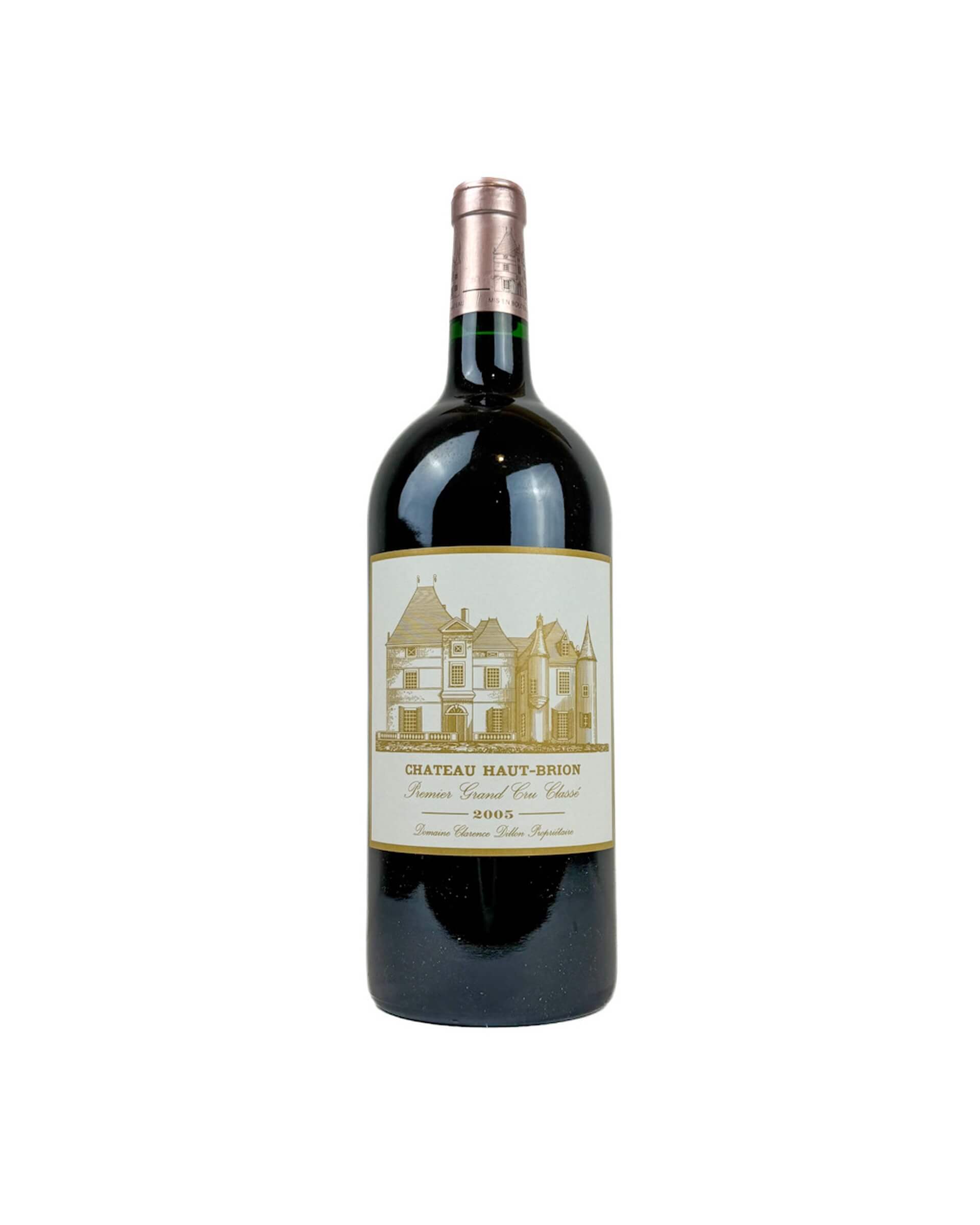
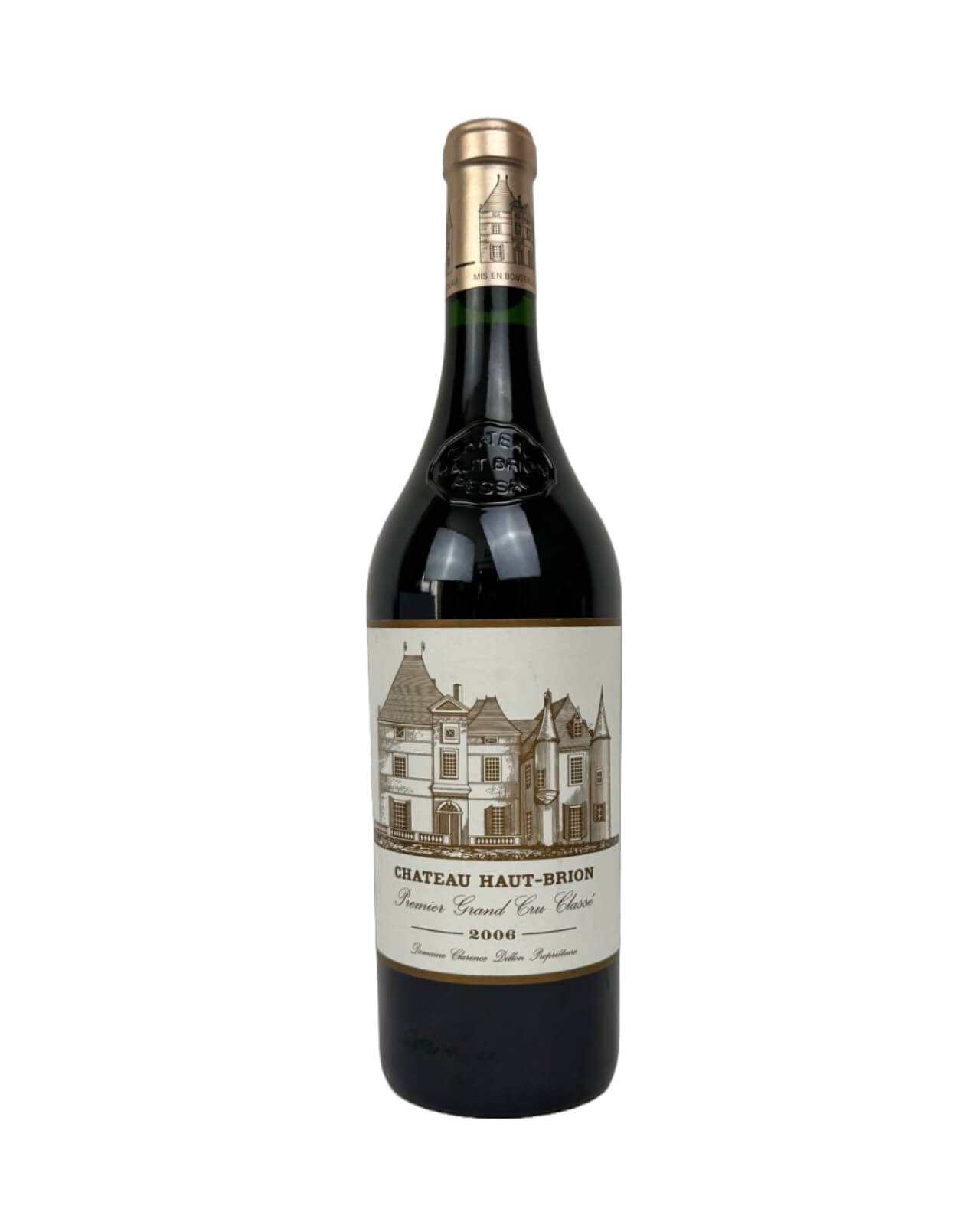
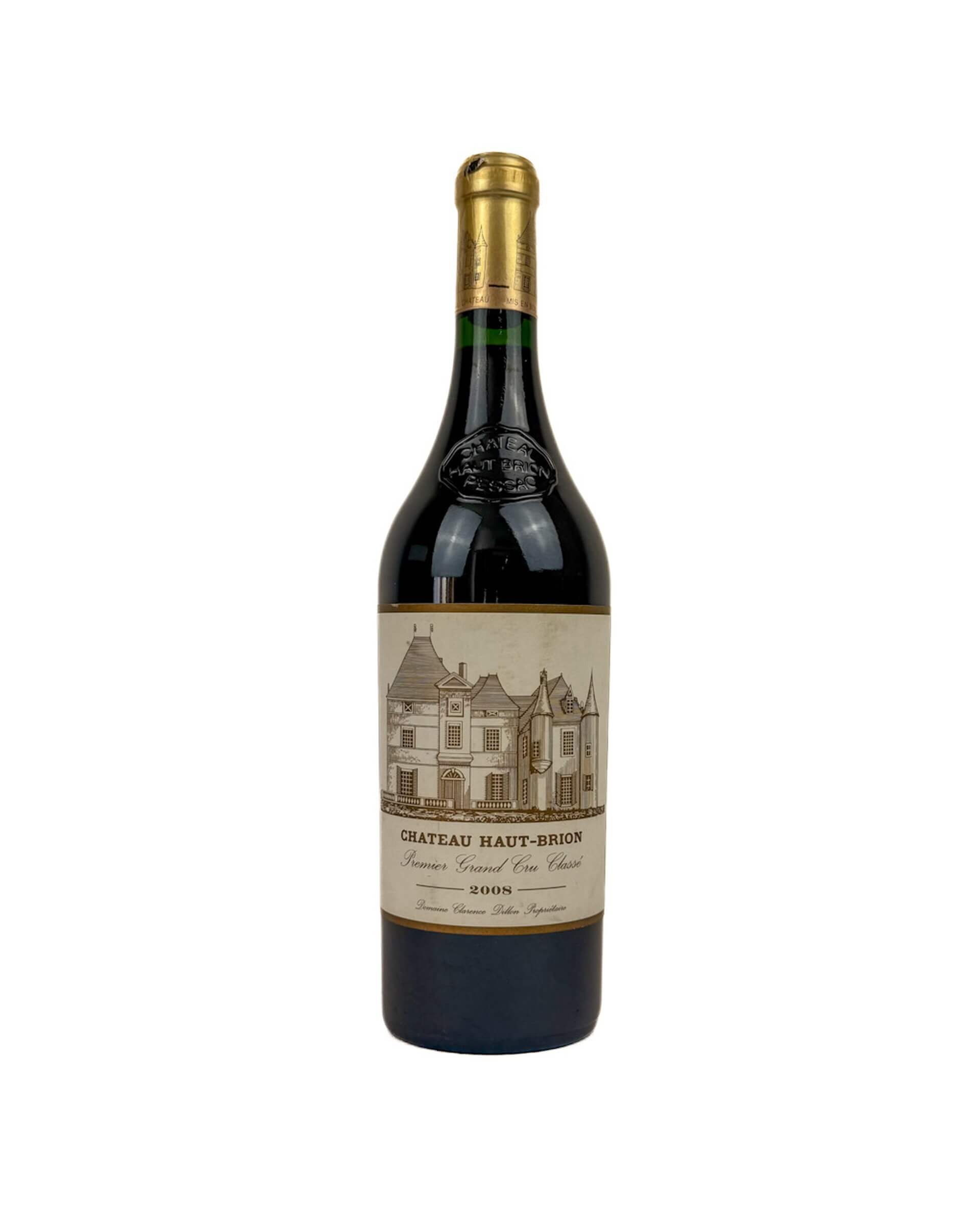
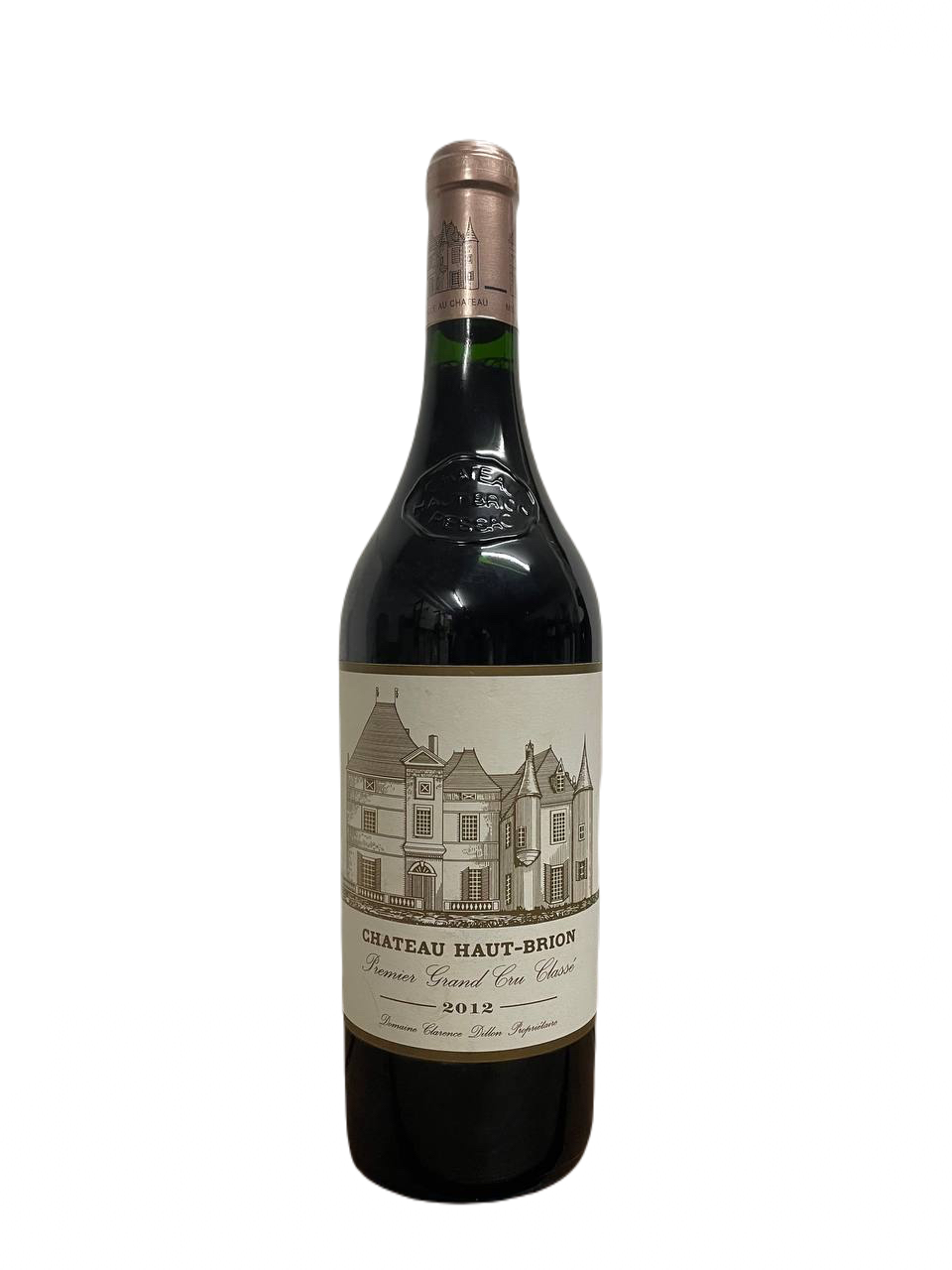
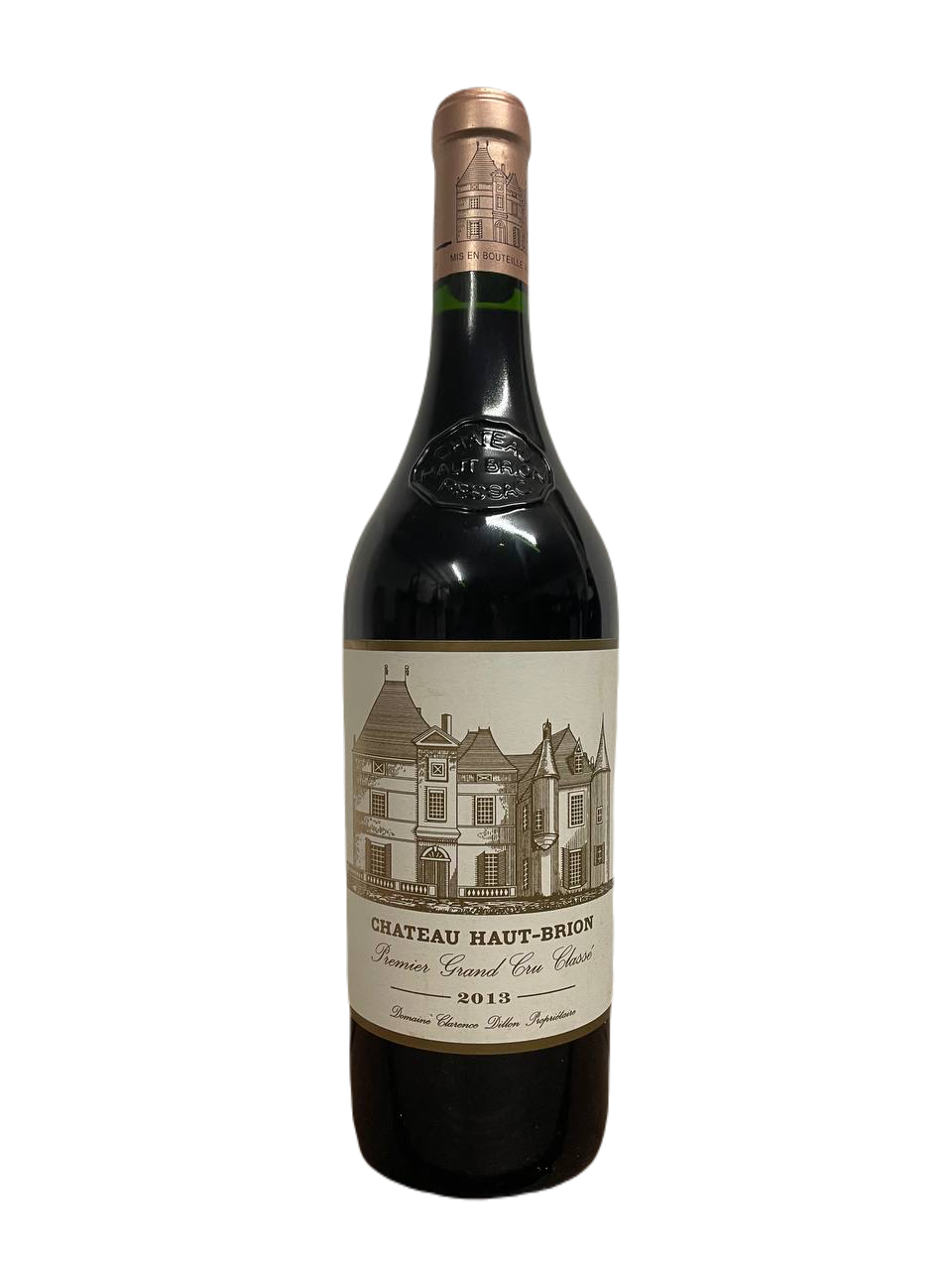
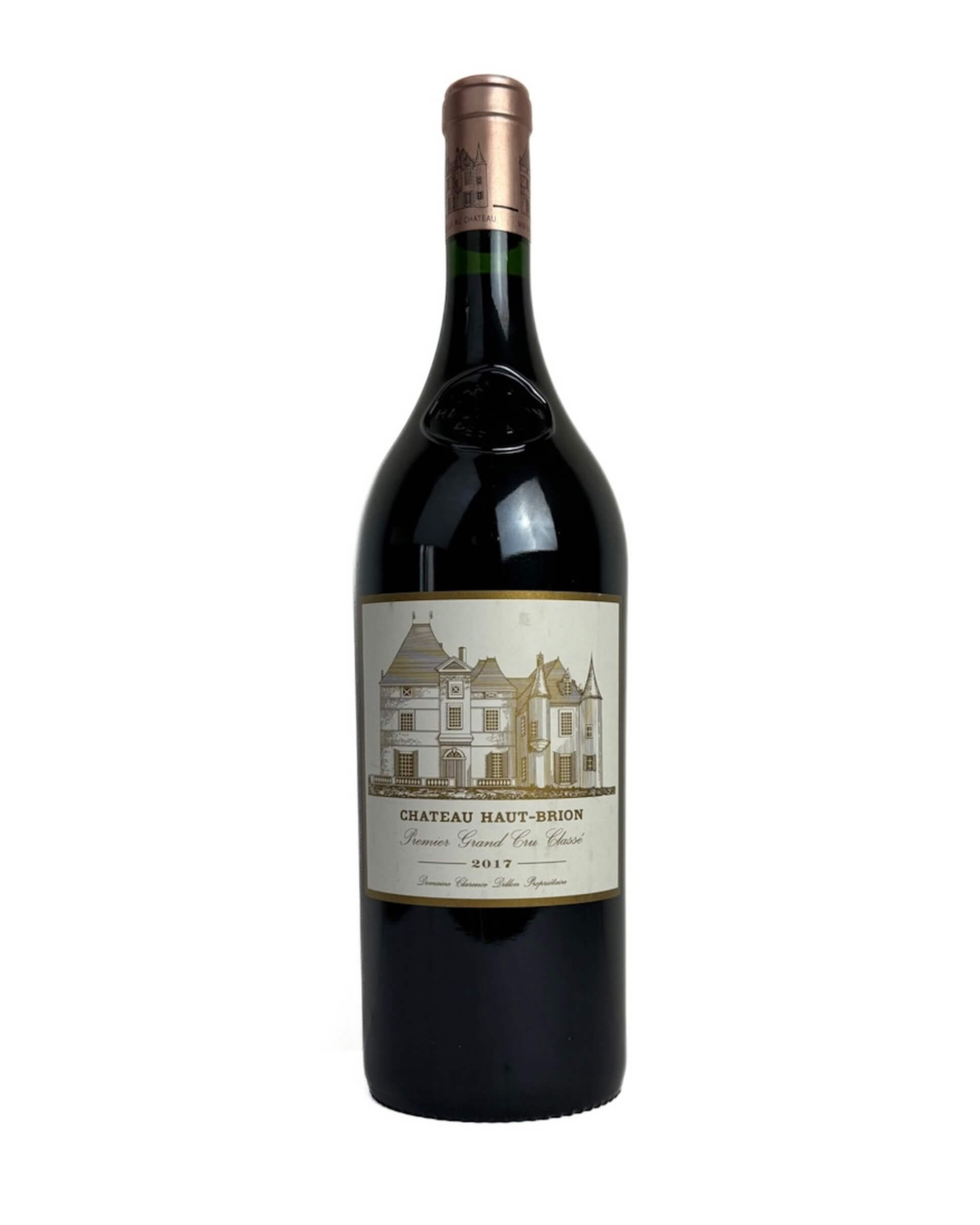
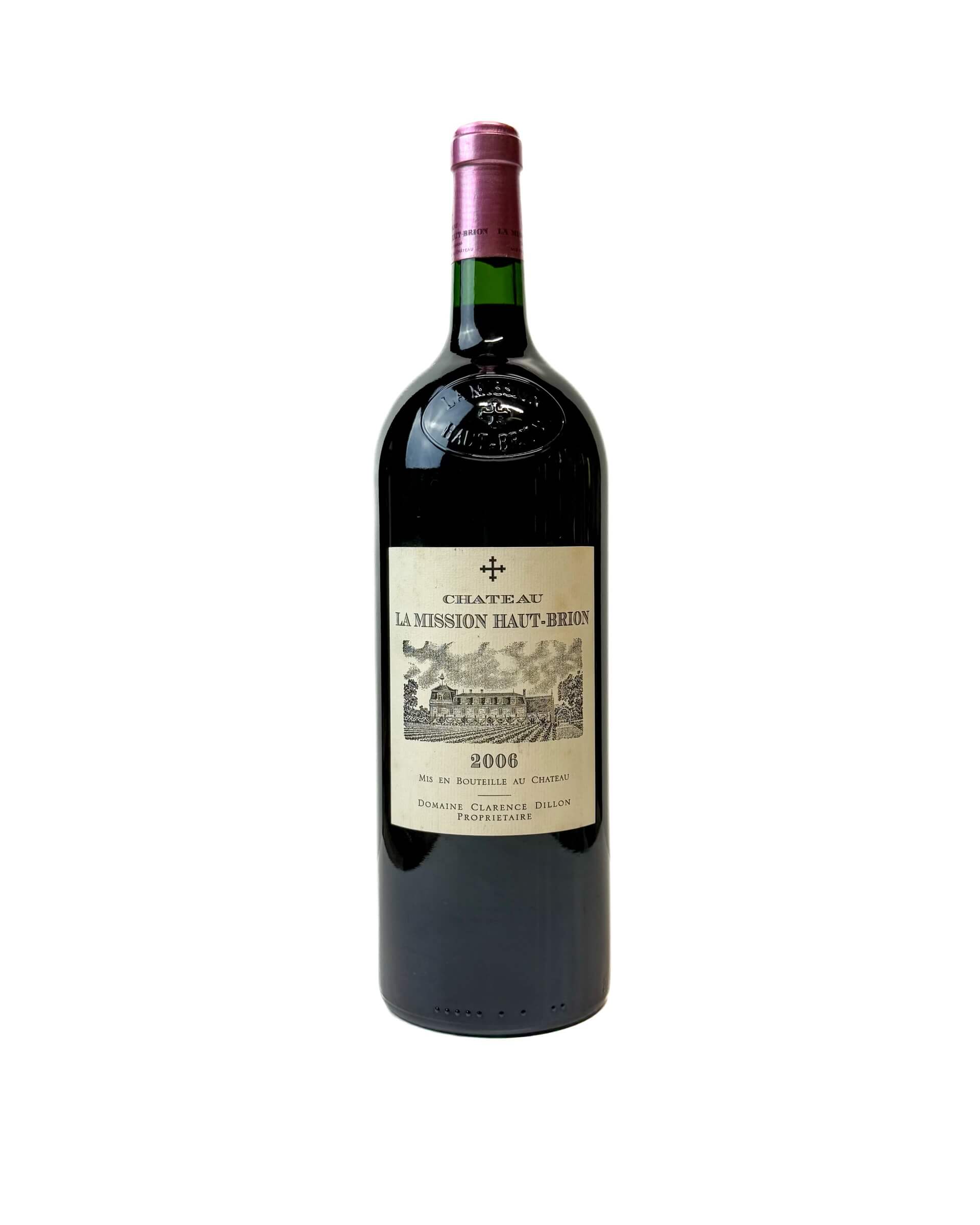
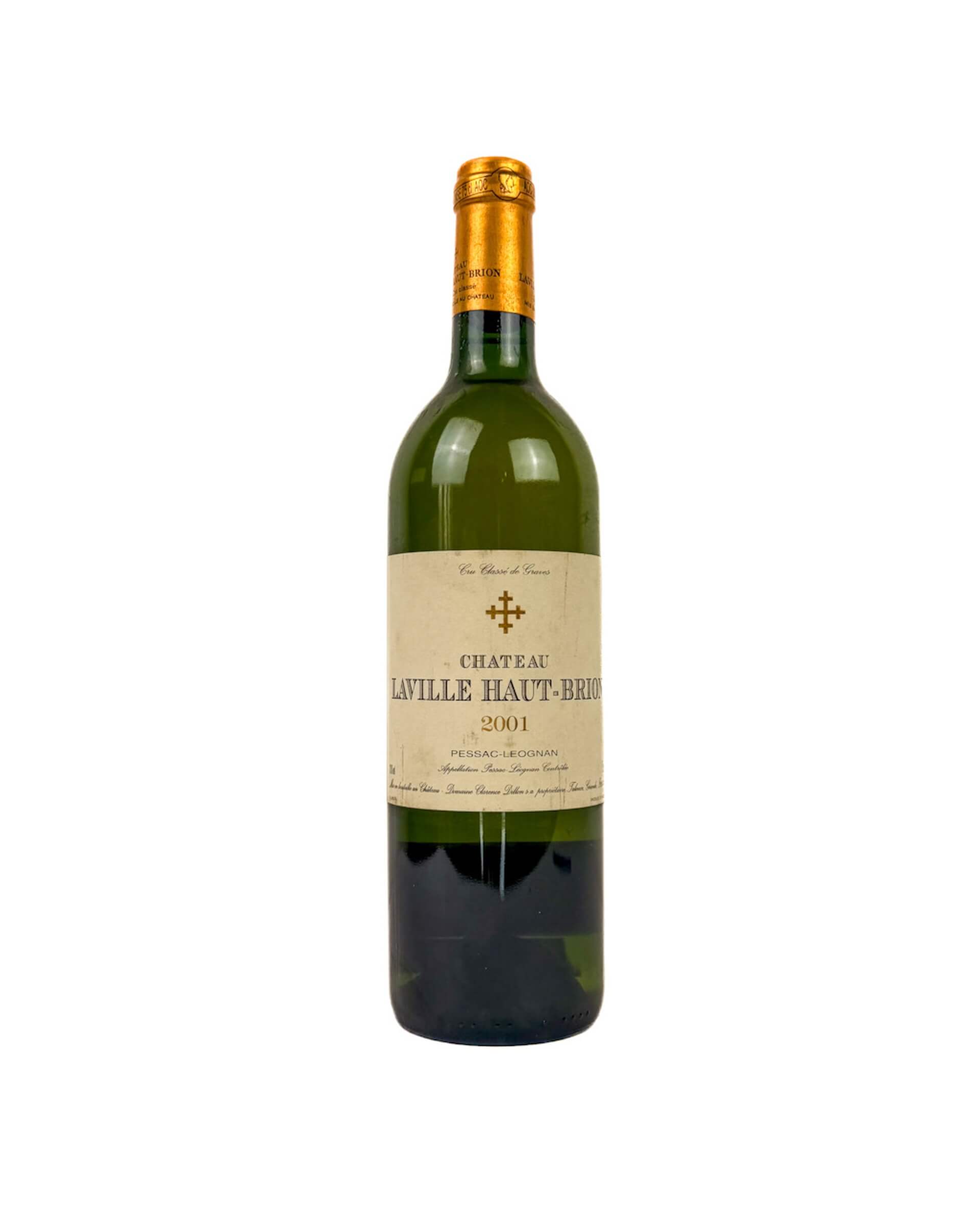
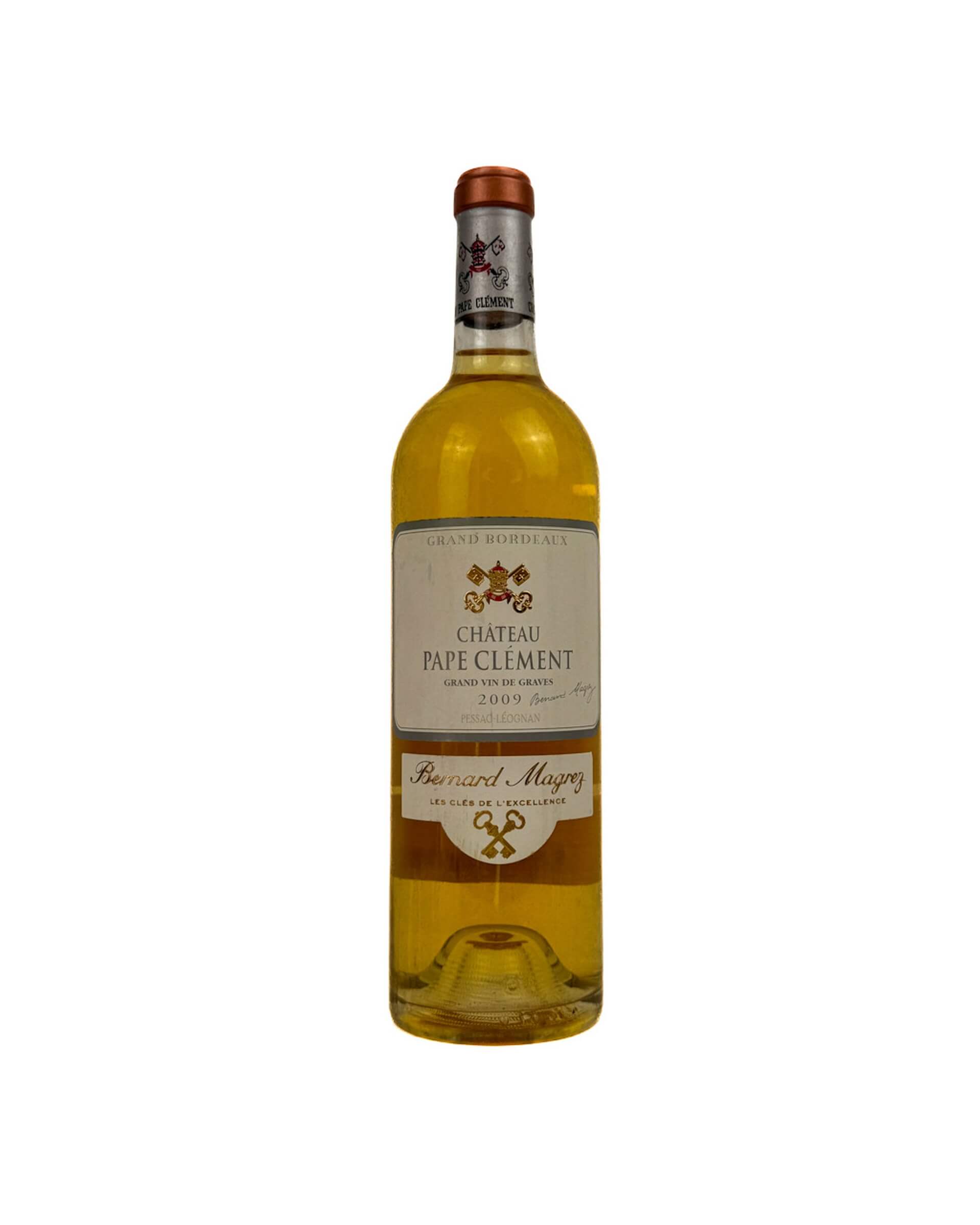
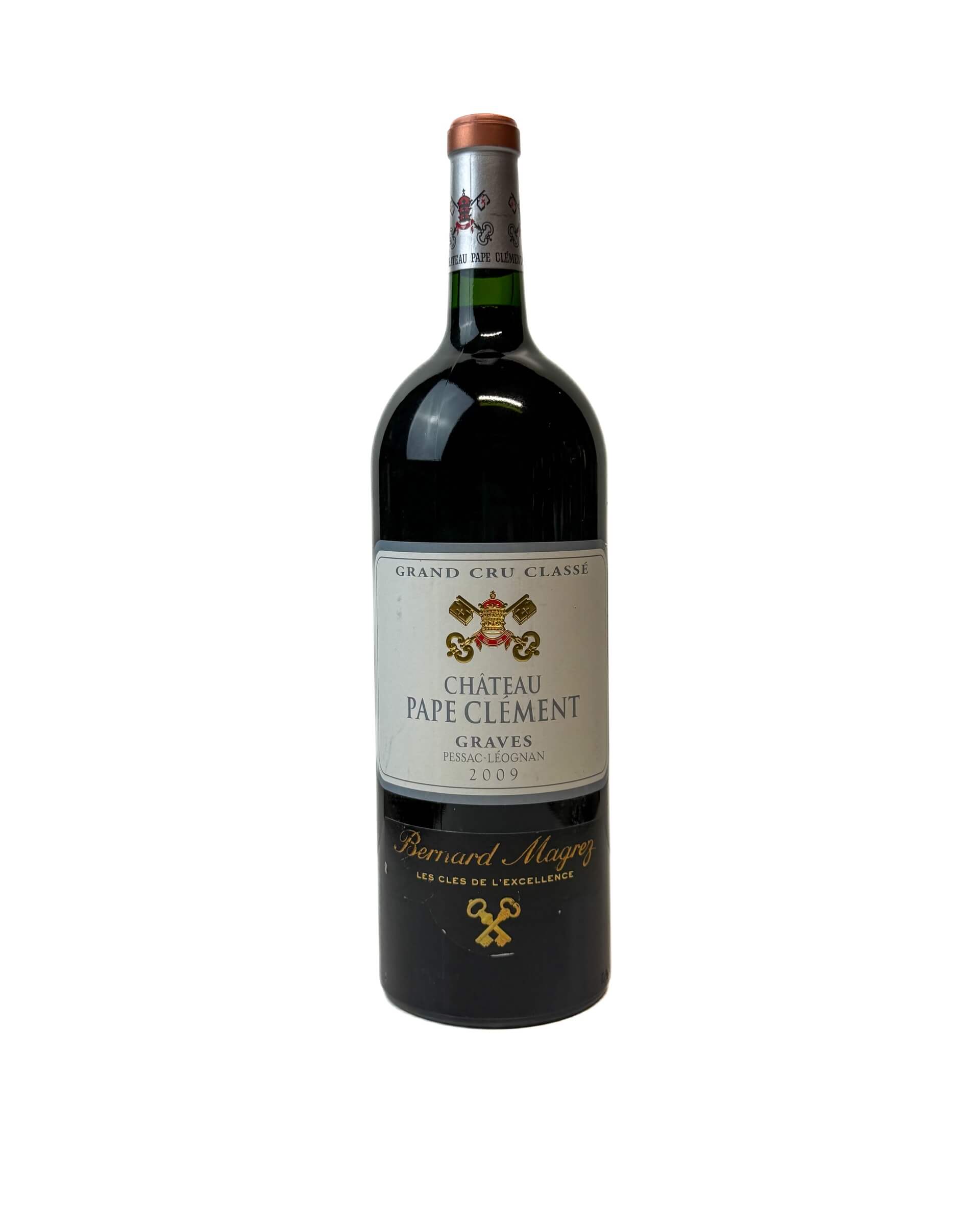
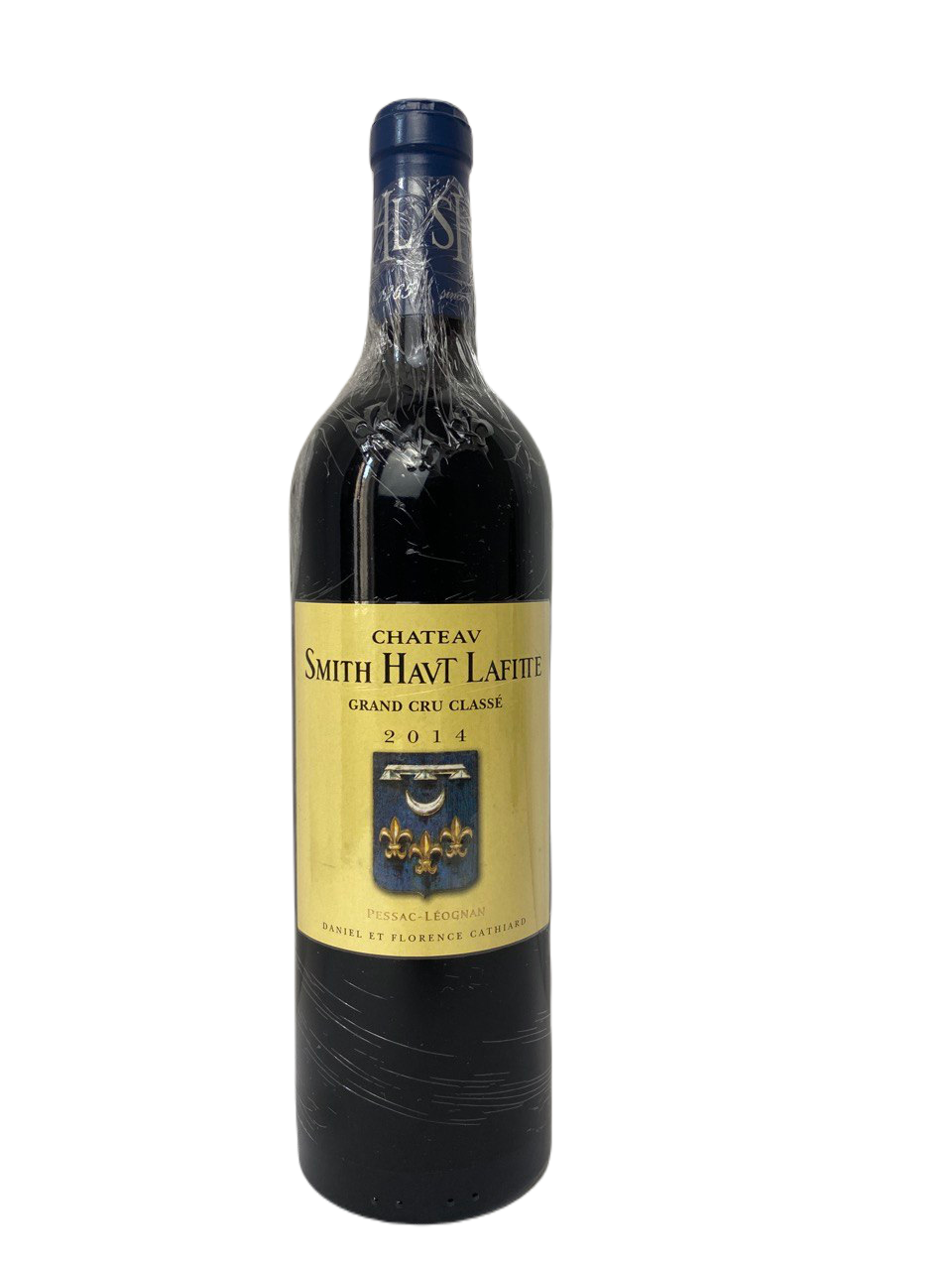
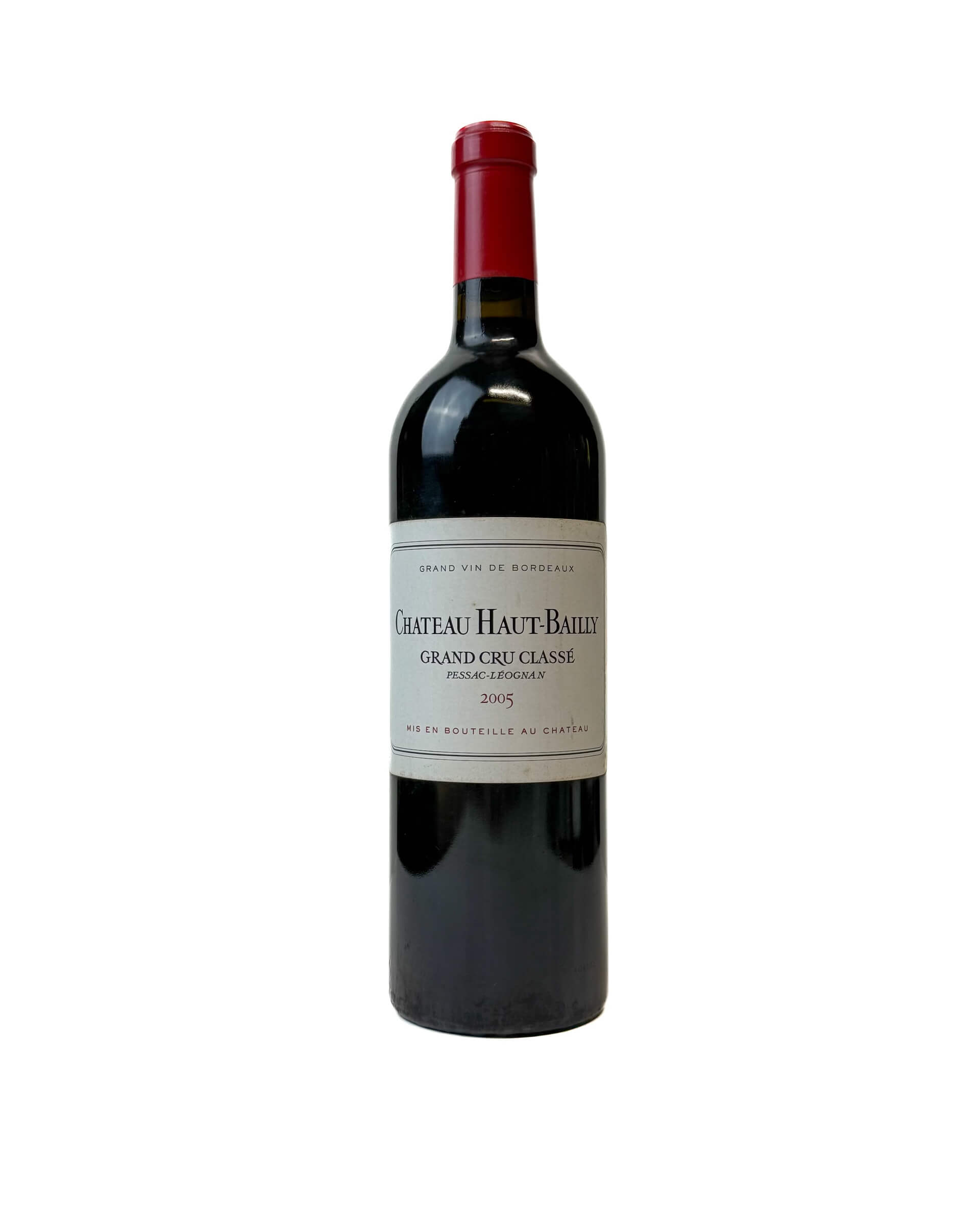
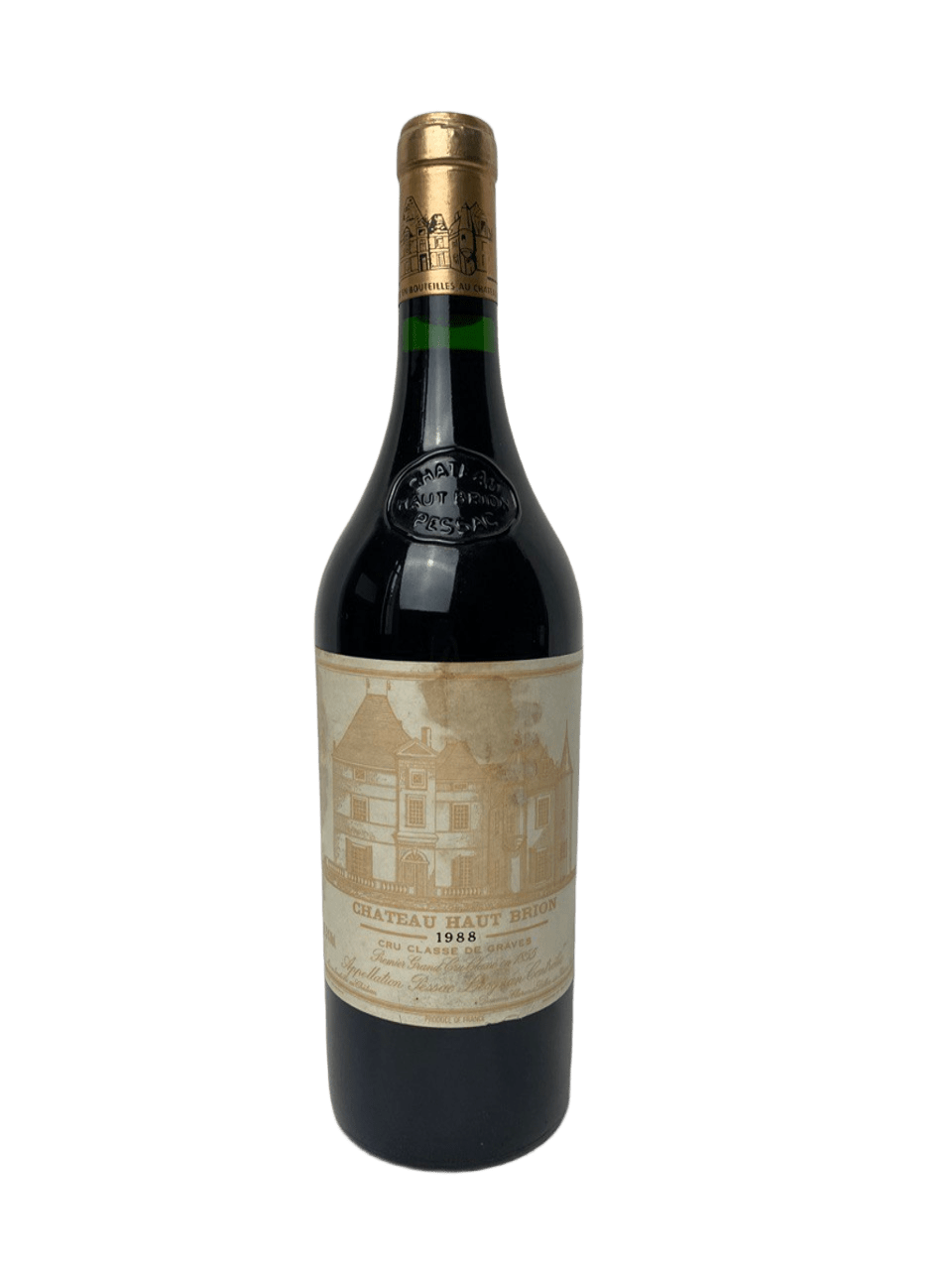
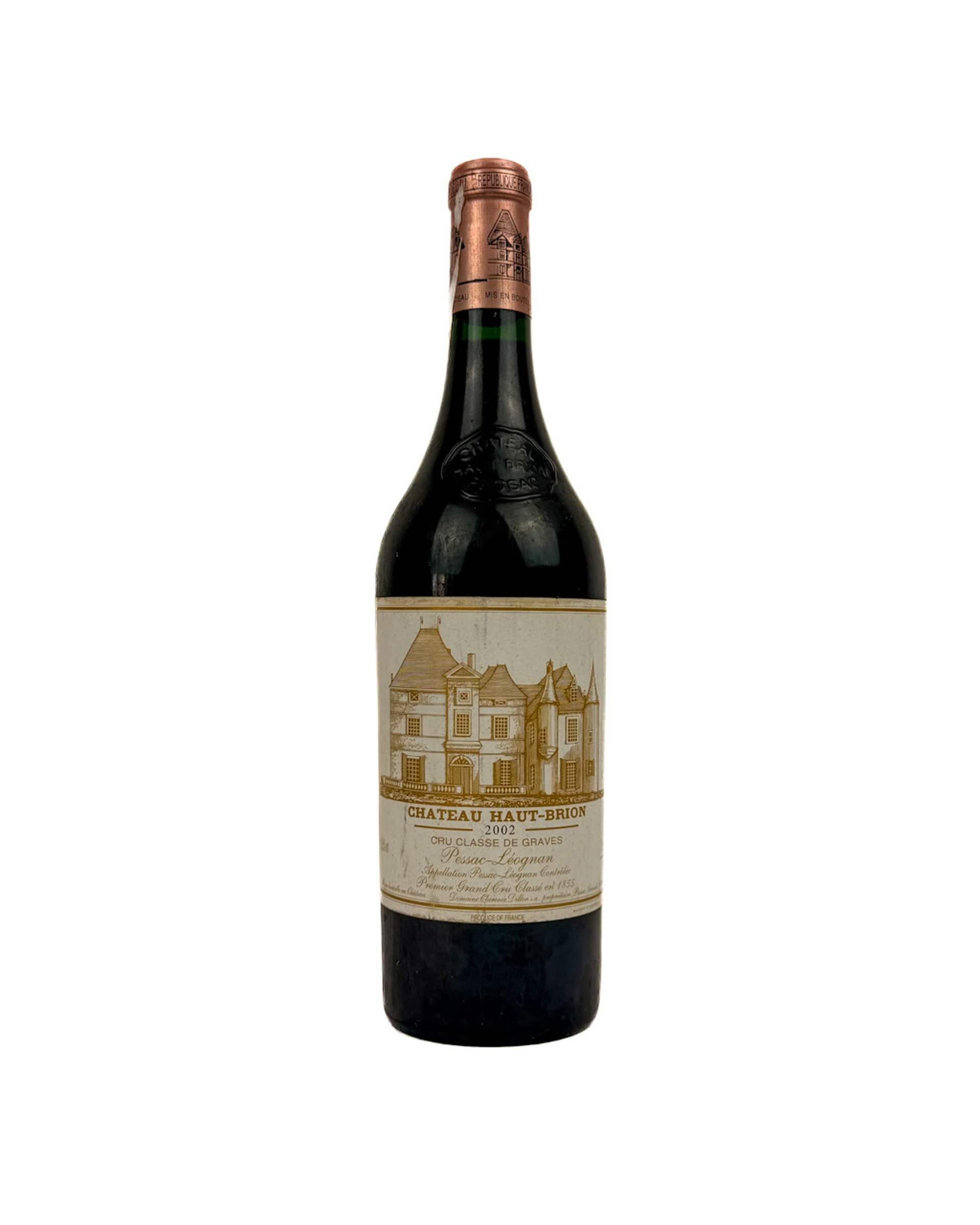
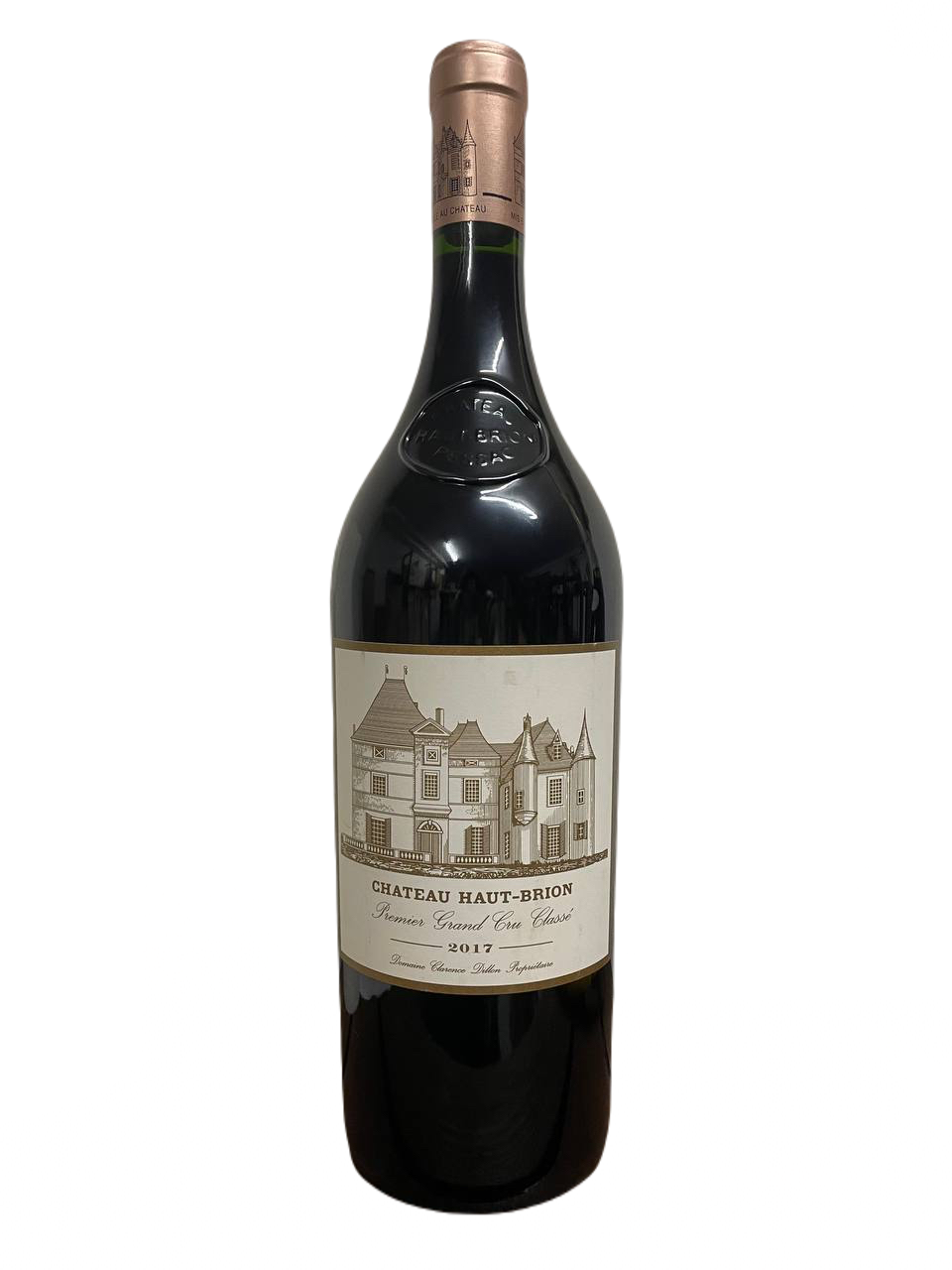
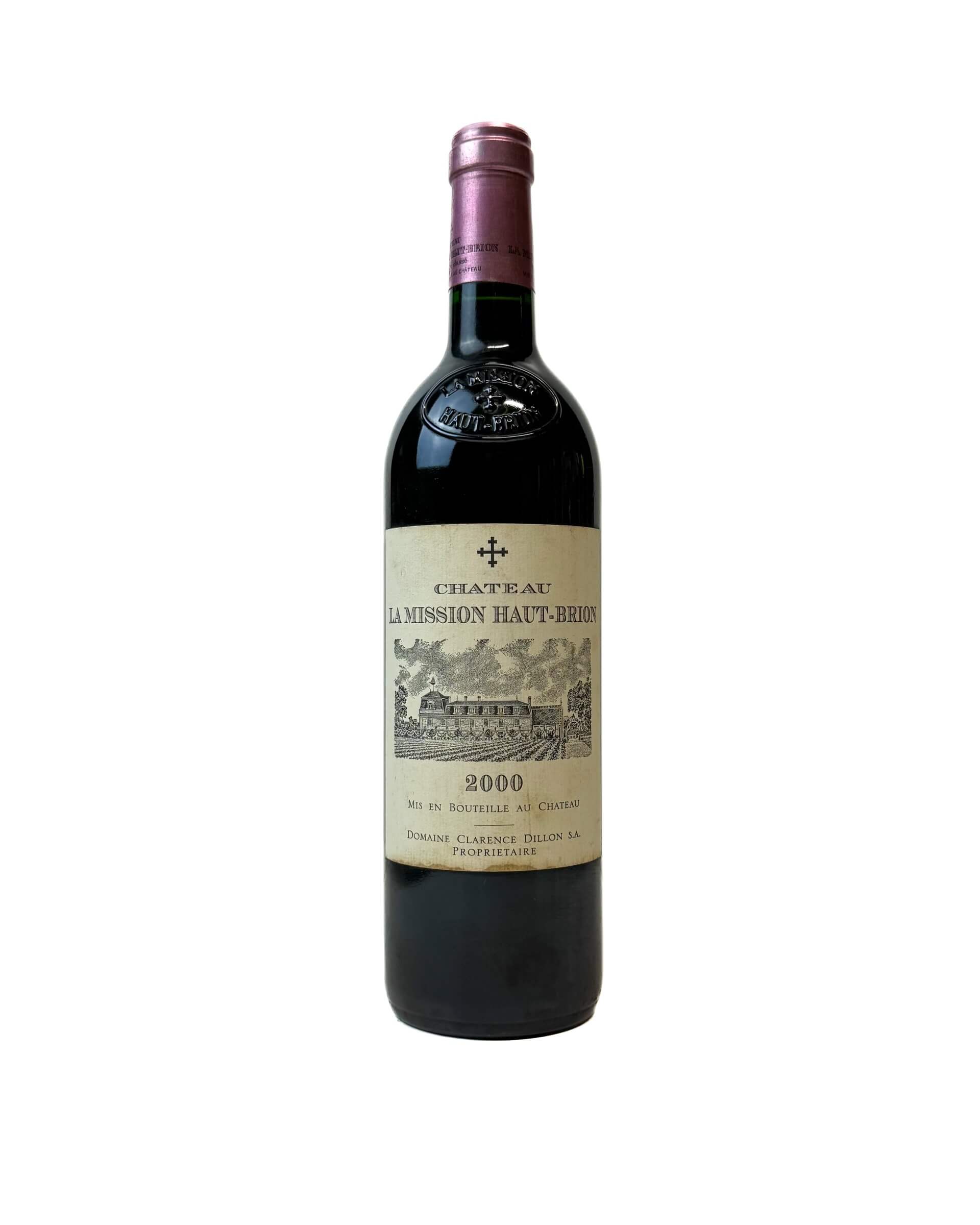
Pessac-Léognan is an appellation tucked into the southern suburbs of the city of Bordeaux, within the larger Graves region, and it is the only Bordeaux AOC whose classification covers both colours — the same classified châteaux produce both red and white wines. It is also home to Château Haut-Brion, the only estate ranked a First Growth in the 1855 classification despite sitting well outside the Médoc, and it is the single appellation boundary within which all sixteen Crus Classés de Graves sit. Our Pessac-Léognan wine selection spans 22 bottles, from accessible classified estates to landmark prestige cuvées, all priced in euros. On this page you will find what defines the appellation, its gravel terroir, the 1959 Crus Classés de Graves classification, tasting notes for both reds and whites, food pairings, and honest price guidance to help you buy with confidence.
Pessac-Léognan wine is built on the gravel soils of the northern Graves, and its identity rests on doing two things brilliantly at once. The reds are Cabernet Sauvignon-dominant — typically 55–70% — with Merlot as the secondary partner and Cabernet Franc and Petit Verdot in support. The hallmark profile is tobacco, graphite, red and black fruit, firm mineral grip, and a smoky, gravelly character that is unique to Graves and instantly recognisable to those who know Pessac-Léognan Bordeaux. The whites are made from Sémillon and Sauvignon Blanc, often in near-equal proportions, delivering grapefruit and citrus tension in youth that mellows toward lanolin and beeswax with age — among the longest-lived dry whites in France.
The defining characteristic of the appellation is this duality: both colours are produced at the very highest level within the same AOC, frequently by the same classified estate. A typical classified red blend looks like this:
Explore the grapes behind these wines in our Cabernet Sauvignon and Merlot collections.
The terroir of Pessac-Léognan is, quite literally, written into the name of the wider region: graves means gravel. Deep Günzian and Mindel gravel beds, laid down by ancient rivers over a clay-limestone subsoil, are the foundation of everything. Free-draining and heat-retaining, these gravel mounds force the vine to root deep and warm the grapes through the day — exactly the conditions late-ripening Cabernet Sauvignon needs to reach full maturity. The same drainage and the cool clay beneath also nourish the long-lived whites, which is why one plot can yield two great wines.
To the south and west lies the vast Landes pine forest. It acts as a natural windbreak and humidity buffer, protecting the vineyards against frost and tempering the worst of summer heat — giving Pessac-Léognan a freshness the warmer Médoc communes can struggle to match. The AOC covers ten communes in all, five of them principal: Pessac, closest to the city and home to Château Haut-Brion, with neighbouring Talence; Léognan, the heart of the classified estates; Martillac at the southern limits; and Cadaujac. Each shades the wine’s profile through slightly different gravel depths and drainage. Set against the broader Graves AOC to the south, Pessac-Léognan is the northern, classified, more structured sub-zone — the appellation’s most serious expression.
One of the most useful things to understand before buying Pessac-Léognan is its classification, because it works differently from the famous 1855 Médoc system. The Crus Classés de Graves were established in 1959 and classify châteaux separately for red and white. A single estate can therefore hold a Cru Classé for its red, its white, or both — a flexibility the single-track 1855 ranking never allowed. Sixteen châteaux are classified in total: all hold a red Cru Classé, and nine also hold a white Cru Classé — Bouscaut, Carbonnieux, Domaine de Chevalier, Couhins, Couhins-Lurton, Olivier, Malartic-Lagravière, La Tour-Martillac and Laville Haut-Brion. Notably, Château Haut-Brion is not classified for its white: Haut-Brion Blanc is a celebrated non-classified dry white, while the white classification in that stable belongs to Laville Haut-Brion.
Château Haut-Brion occupies a unique position. It is the only Graves estate included in the 1855 Médoc classification — ranked a Premier Cru Classé, or First Growth — which makes it doubly classified and explains its towering reputation and price. For buyers, classified status is a practical signal: it points to vineyard pedigree, a long track record, and a corresponding price premium. It is a reliable shortcut when navigating the catalogue. For more on the wider ranking system, see our 1er Cru and Grand Cru selections.
Pessac-Léognan red wines reward patience, but they also offer real pleasure across a wide drinking window. The way they show changes dramatically with age, so it helps to know what stage a bottle is at before you open it.
In youth, these wines lead with firm Cabernet tannins, bright blackcurrant and plum fruit, and that distinctive smoky, gravelly mineral signature already pushing through. Secondary complexity has not yet arrived, so the structure can feel taut. This is where decanting earns its keep: one to two hours in a decanter softens the grip and opens the aromatics. Many accessible classified examples drink beautifully in this window.
With a decade or more, the secondary register unfolds — cigar box, dried tobacco, graphite, leather and earthy minerality layered over the fruit. The tannins fully integrate, and the wine gains remarkable elegance and length. The top châteaux, including Haut-Brion, La Mission Haut-Brion and Pape Clément, can peak between 15 and 30 years in great vintages, holding their freshness far longer than most expect.
Classified Pessac-Léognan white wine carries a Cru Classé designation at only nine estates, and white accounts for a small fraction of the appellation’s total declared volume — which is exactly why it remains undervalued relative to comparable white Burgundy. Volumes are tiny, yet at its best it rivals the greatest dry whites in the world. The blend is Sémillon and Sauvignon Blanc: Sémillon brings body, wax and lanolin richness, while Sauvignon Blanc contributes citrus, freshness and aromatic tension. The balance shifts from château to château, giving each white a distinct personality.
Ageing is where these wines truly separate themselves. Classified Pessac-Léognan whites can evolve for 15–25 years and beyond. Young examples are all vivid grapefruit, white flowers and mineral cut; in a benchmark estate such as Malartic-Lagravière, a white with ten to fifteen years of age moves toward honeyed complexity, beeswax and grilled hazelnut, gaining a creamy, smoky depth on the finish. Serve them at 10–12 °C and resist the urge to over-chill, which mutes the Sémillon richness. For contrast, browse our broader red wines collection — though in Pessac-Léognan, the whites deserve at least equal billing.
The reds want savoury, the whites want the sea — and having both styles from a single classified appellation gives unusual flexibility at the table.
For the reds:
For the whites:
Pessac-Léognan rewards buyers who understand where the value sits. Our 22-bottle catalogue runs from genuinely approachable classified estates to landmark collector bottles, so it helps to know which tier matches your goal — a first taste, a serious cellar addition, or a once-in-a-decade occasion. All prices below are real catalogue figures in euros.
The tenth percentile of our Pessac-Léognan range begins around €300, with the lowest-priced bottle at €85. These are younger vintages of classified estates or accessible crus from the outer communes — ideal for a first genuine Cru Classé de Graves experience or a premium gift. The 2020 vintage is a strong, approachable entry point here: ripe and structured, but already generous enough to enjoy. Drink within five to eight years, or hold a little for early secondary character to emerge.
The median price of the catalogue sits near €390. This is the heart of the range: maturing vintages of respected classified châteaux such as Malartic-Lagravière, Carbonnieux and Olivier, at a level that represents genuine value for the quality on offer. The classic 2016 and 2018 reds are the standout vintages to look for at this tier — both built for the long haul and now entering their stride. It is the most commercially active tier for serious wine lovers who already know what classified Graves delivers.
The ninetieth percentile of the catalogue reaches €1,800, covering top-vintage bottles from the great Pessac-Léognan estates — La Mission Haut-Brion, Haut-Brion and Pape Clément in exceptional years. The rarest bottles climb to €4,850. These are significant cellar investments or landmark occasion purchases, sourced with full provenance documentation. Browse the wider Bordeaux wines hub or our France selection for context across the region.
Nine estates hold a Cru Classé for both colours under the 1959 Crus Classés de Graves: Bouscaut, Carbonnieux, Domaine de Chevalier, Couhins, Couhins-Lurton, Olivier, Malartic-Lagravière, La Tour-Martillac and Laville Haut-Brion. Pessac-Léognan is the only Bordeaux appellation whose classification covers both red and white, which is what makes these dual-classified estates distinctive. Note that Château Haut-Brion is classified for its red only — its acclaimed white, Haut-Brion Blanc, is not part of the Graves classification.
Pessac-Léognan is the northern, classified, higher-quality sub-zone of the Graves appellation, which broke away as its own AOC in 1987. All sixteen classified Graves châteaux lie within its boundaries. As a result, wines from this AOC are generally more structured, more ageworthy and more expensive than those labelled simply Graves or Bordeaux.
At Tour de Wine, Pessac-Léognan starts from €85, with the most accessible classified bottles priced around €300. The catalogue’s mid-range sits near €390, and prestige estates in mature vintages reach €1,800 and beyond, with the rarest bottles at €4,850. Every price is quoted in euros.
Yes — classified Pessac-Léognan whites, made primarily from Sémillon and Sauvignon Blanc, are among the longest-lived dry whites in the world. Top estates such as Haut-Brion Blanc and Laville Haut-Brion can evolve for 20–30 years, shifting from vivid citrus and mineral to a complex register of beeswax, toasted hazelnut and cream.
Written by the Tour de Wine buying team. Last reviewed: June 2026.
This site is restricted to adults. By entering, you confirm that you are of legal drinking age in your country of residence.