
87
0,375
2000
Chateau Coutet
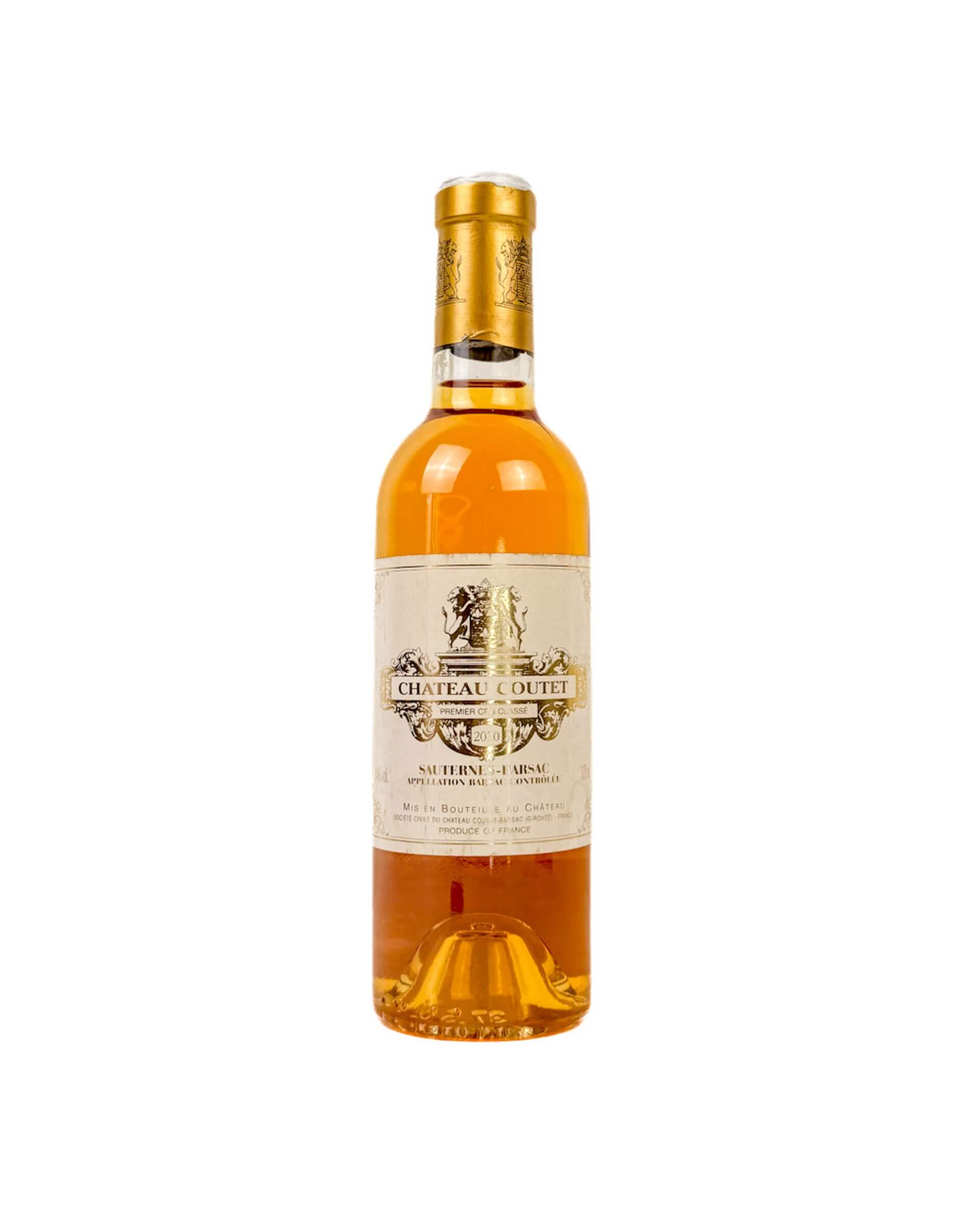
Chateau Coutet 2000 0,375L
€ 30,00
Wines, producers, regions...
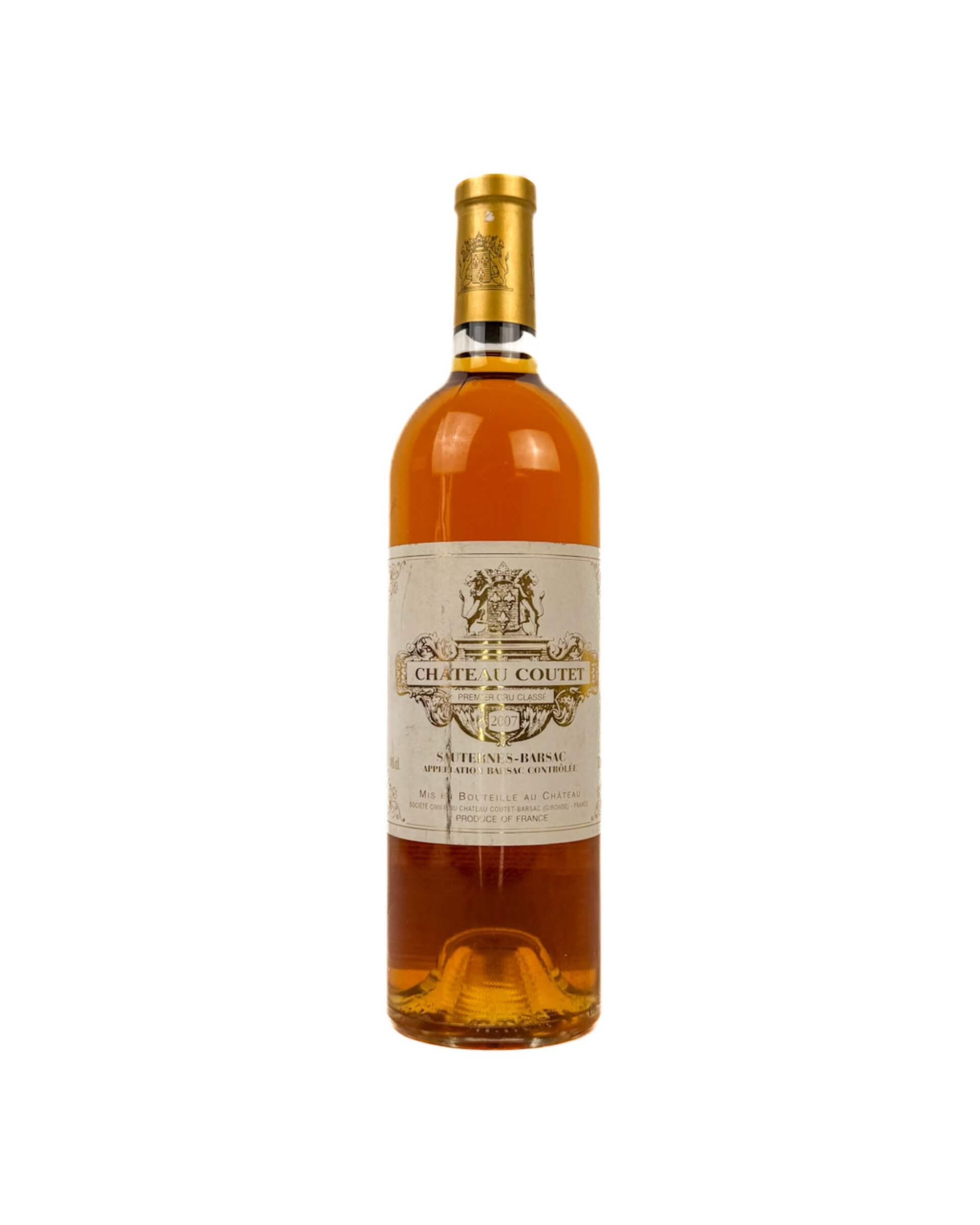
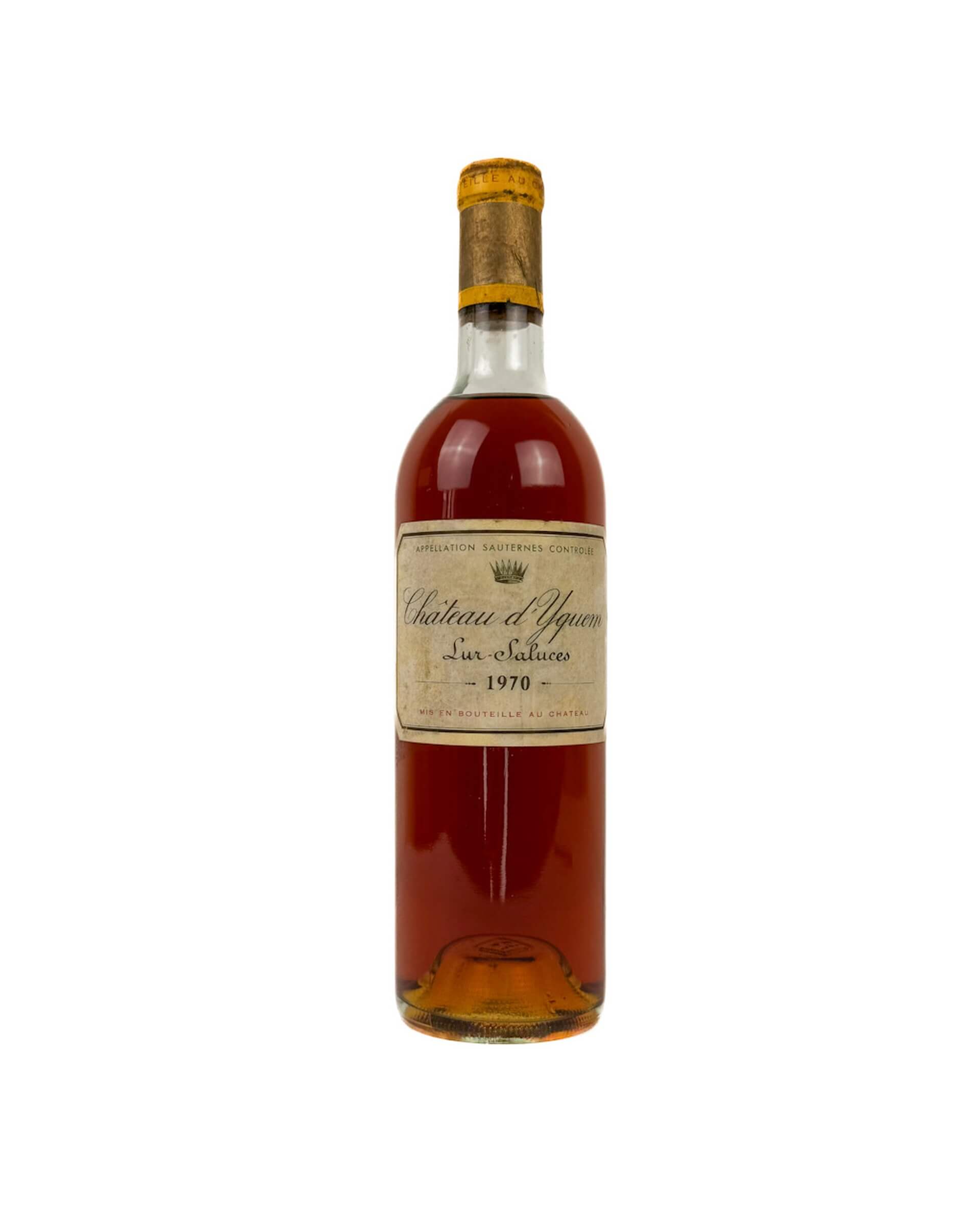
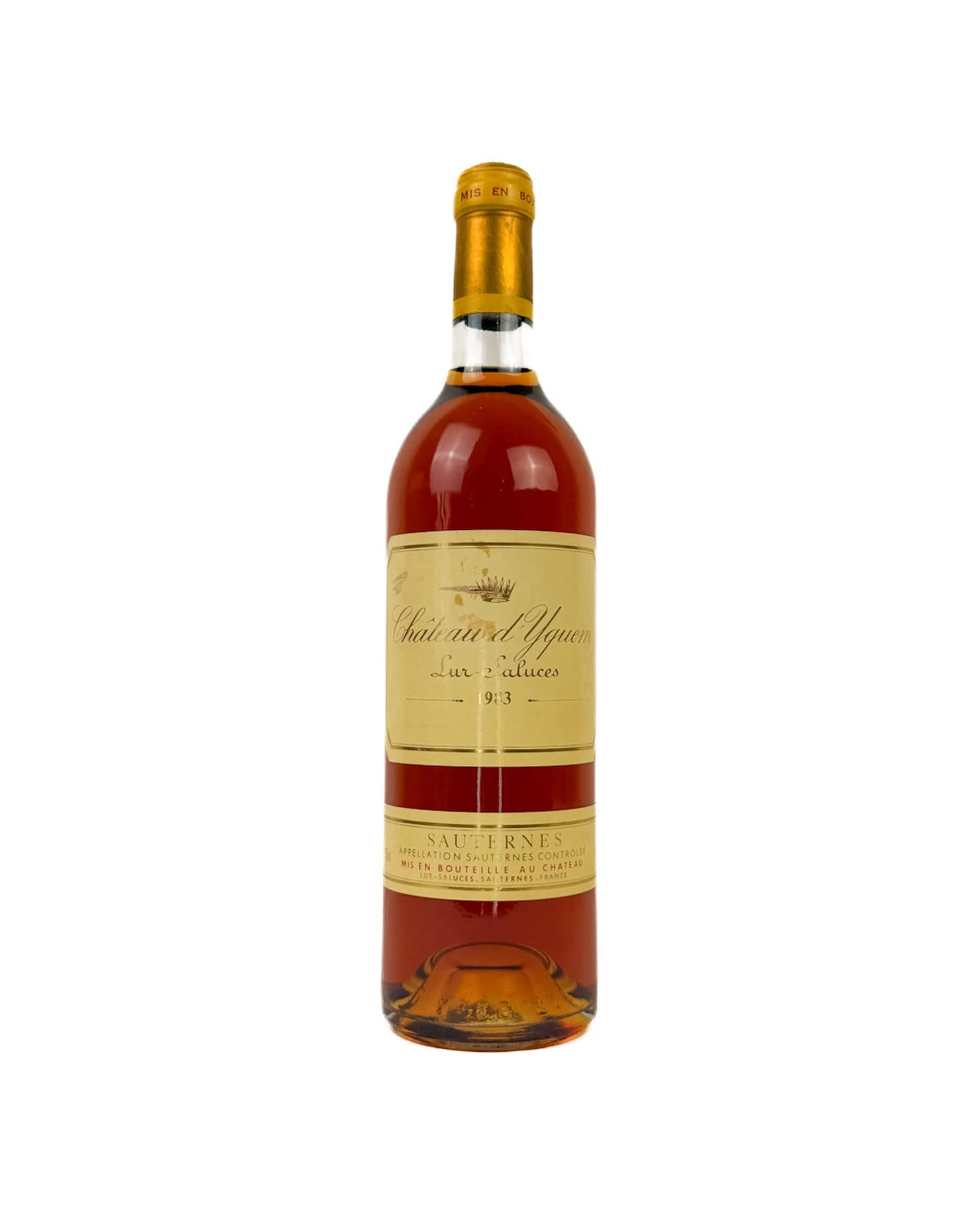
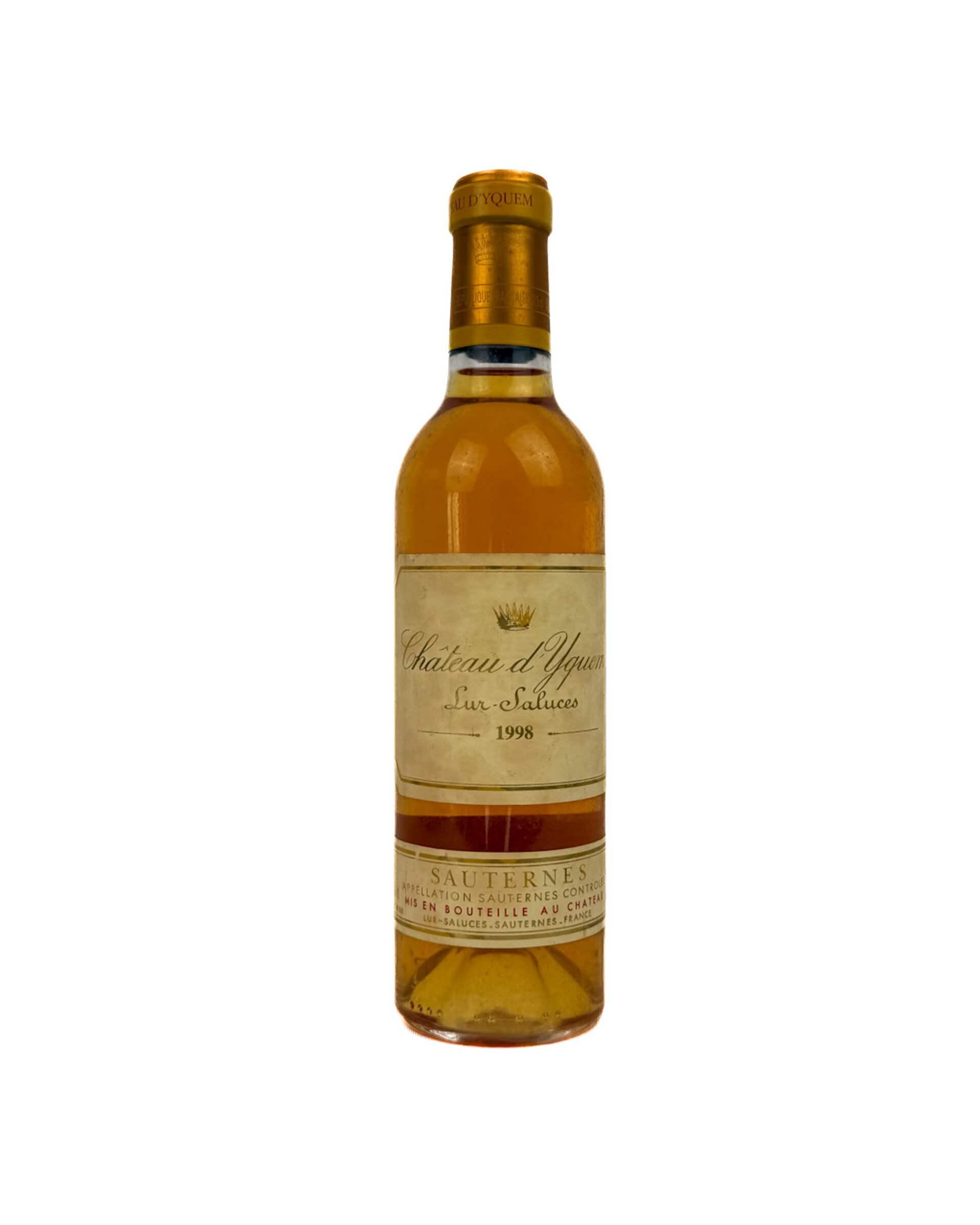
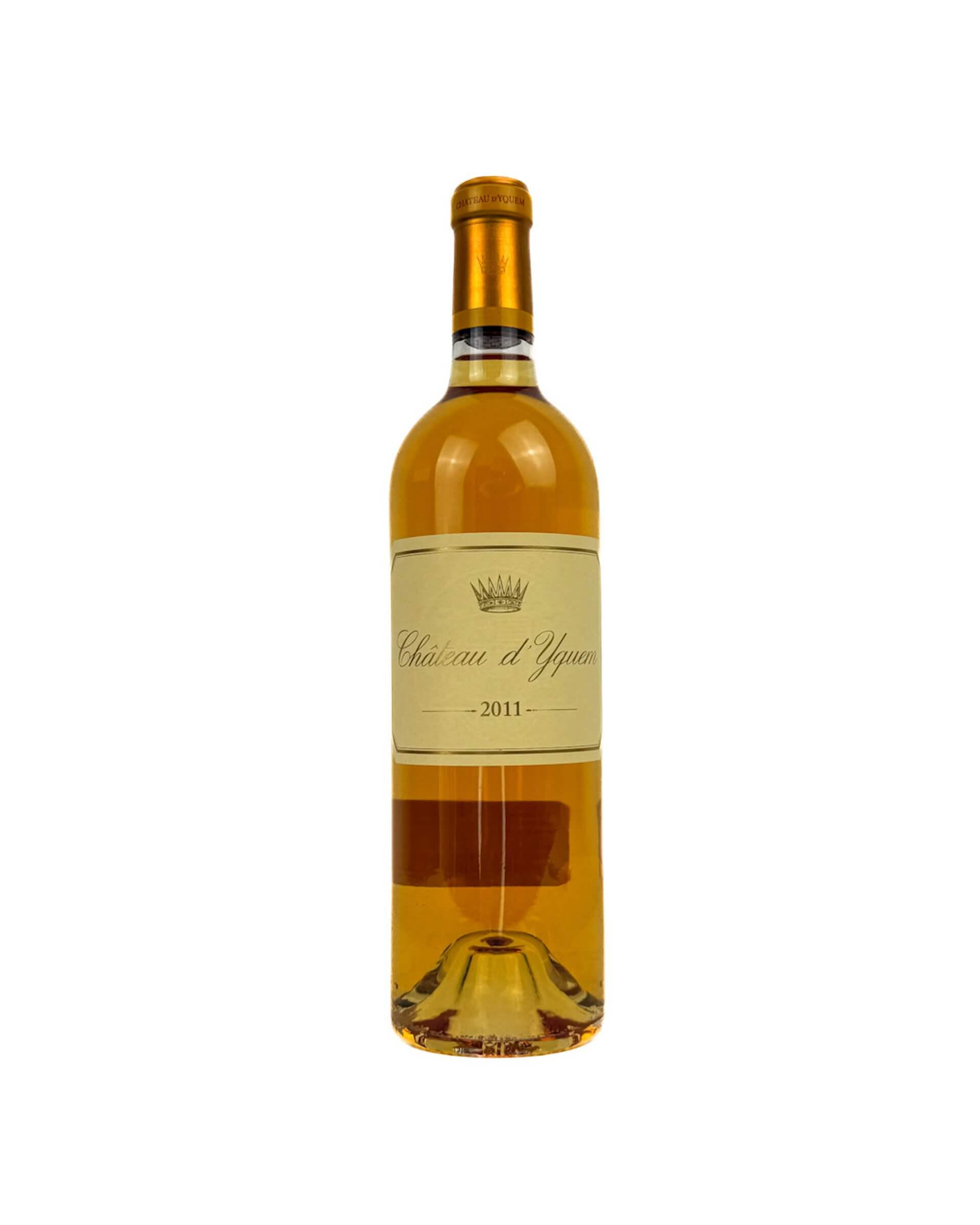
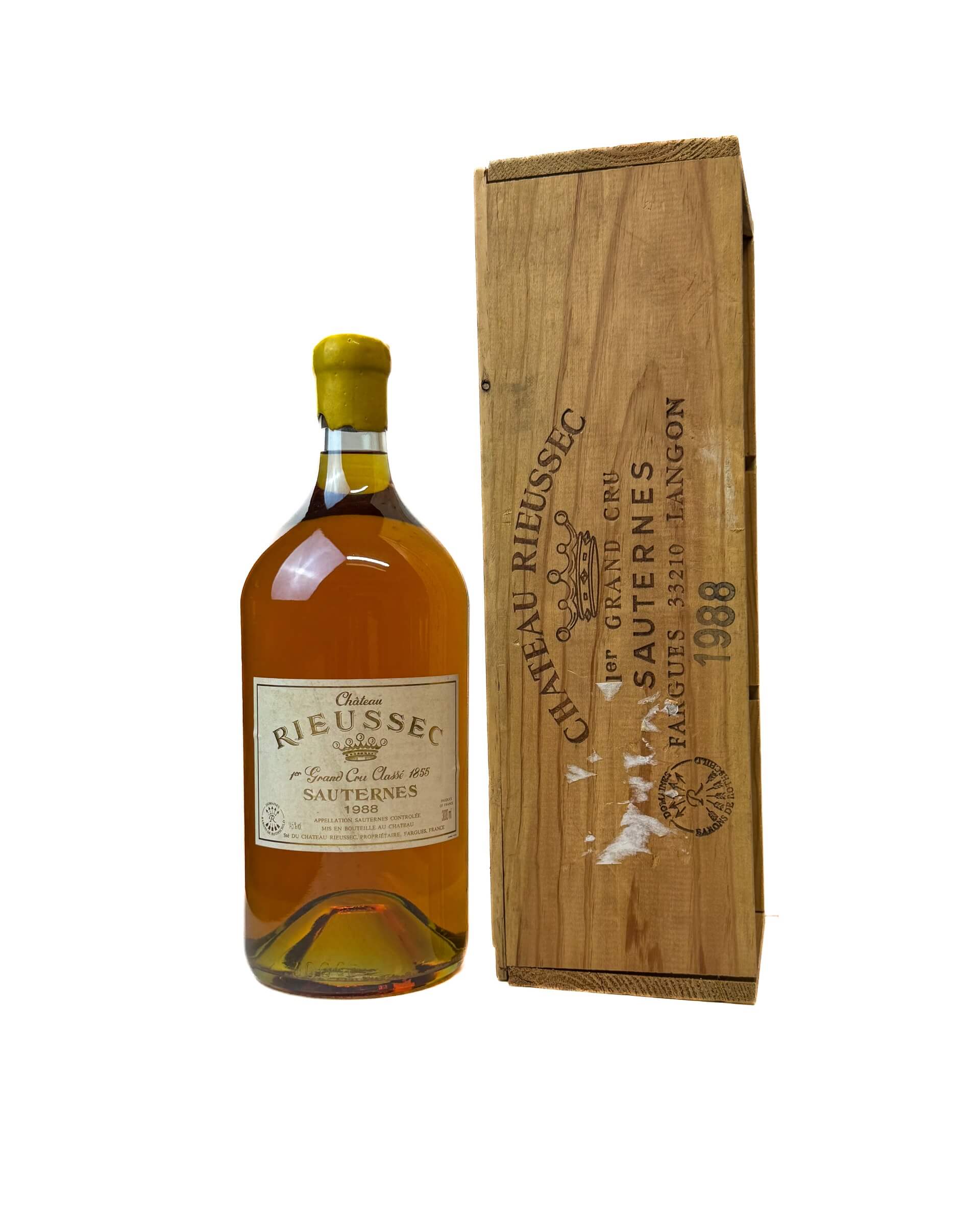

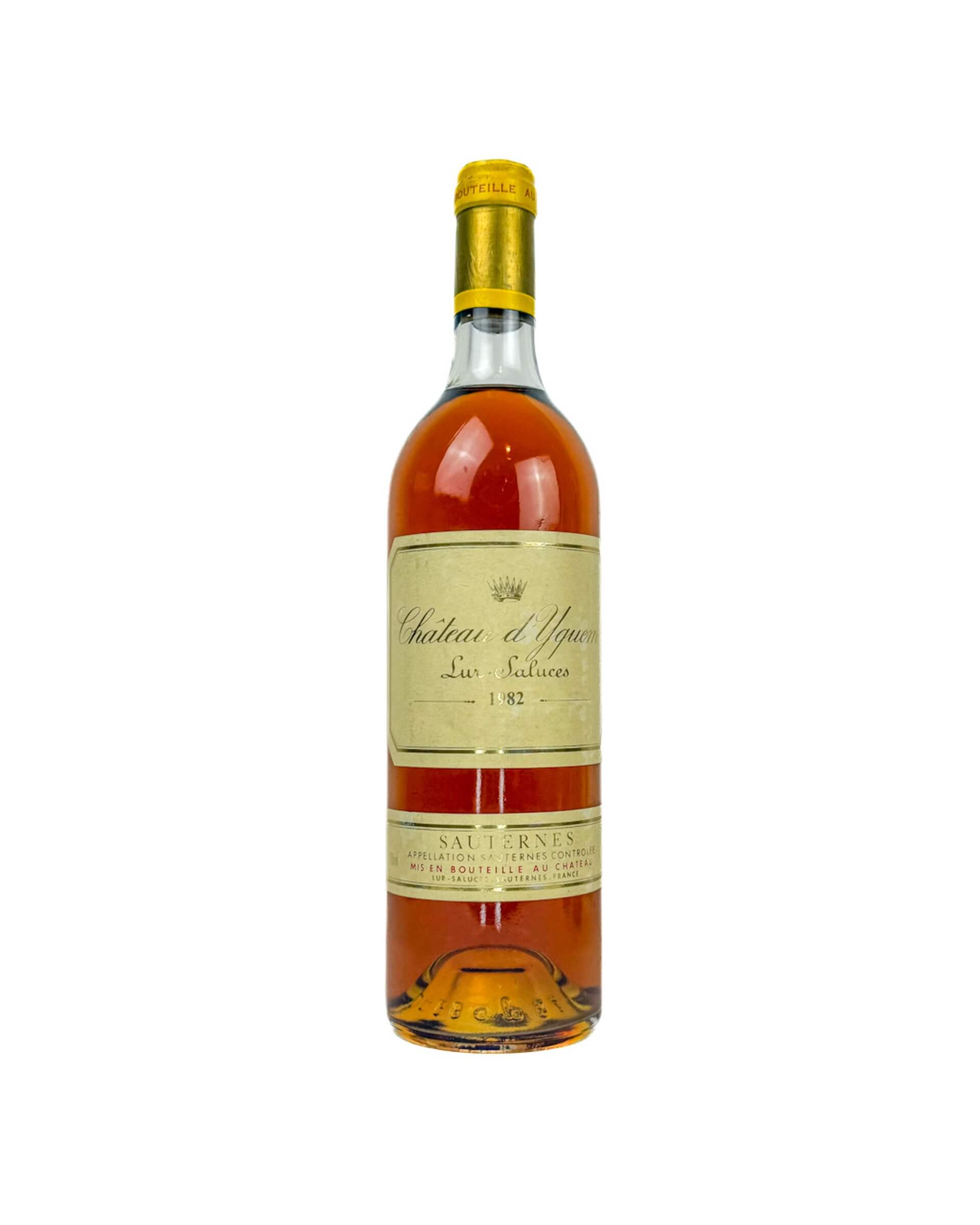
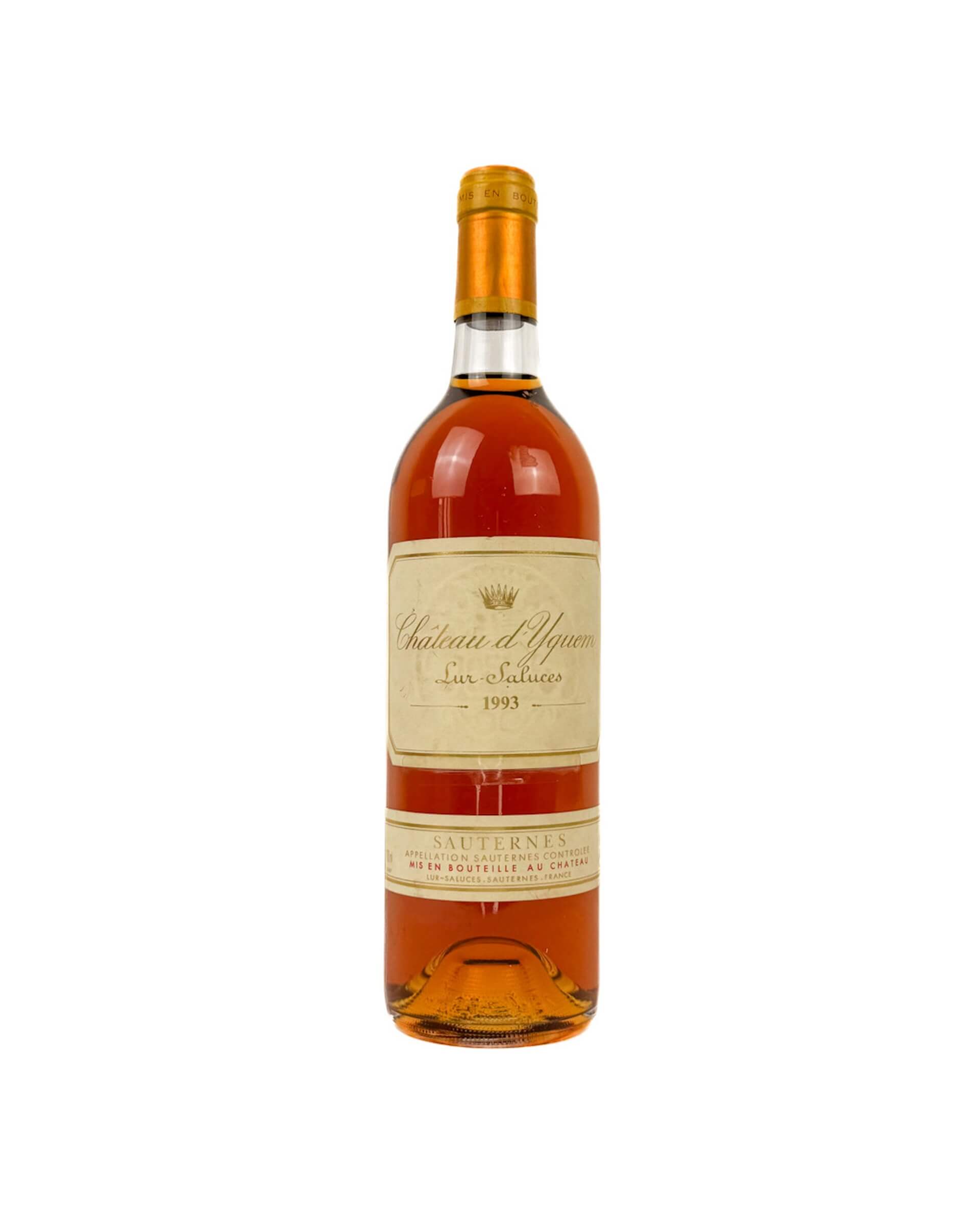
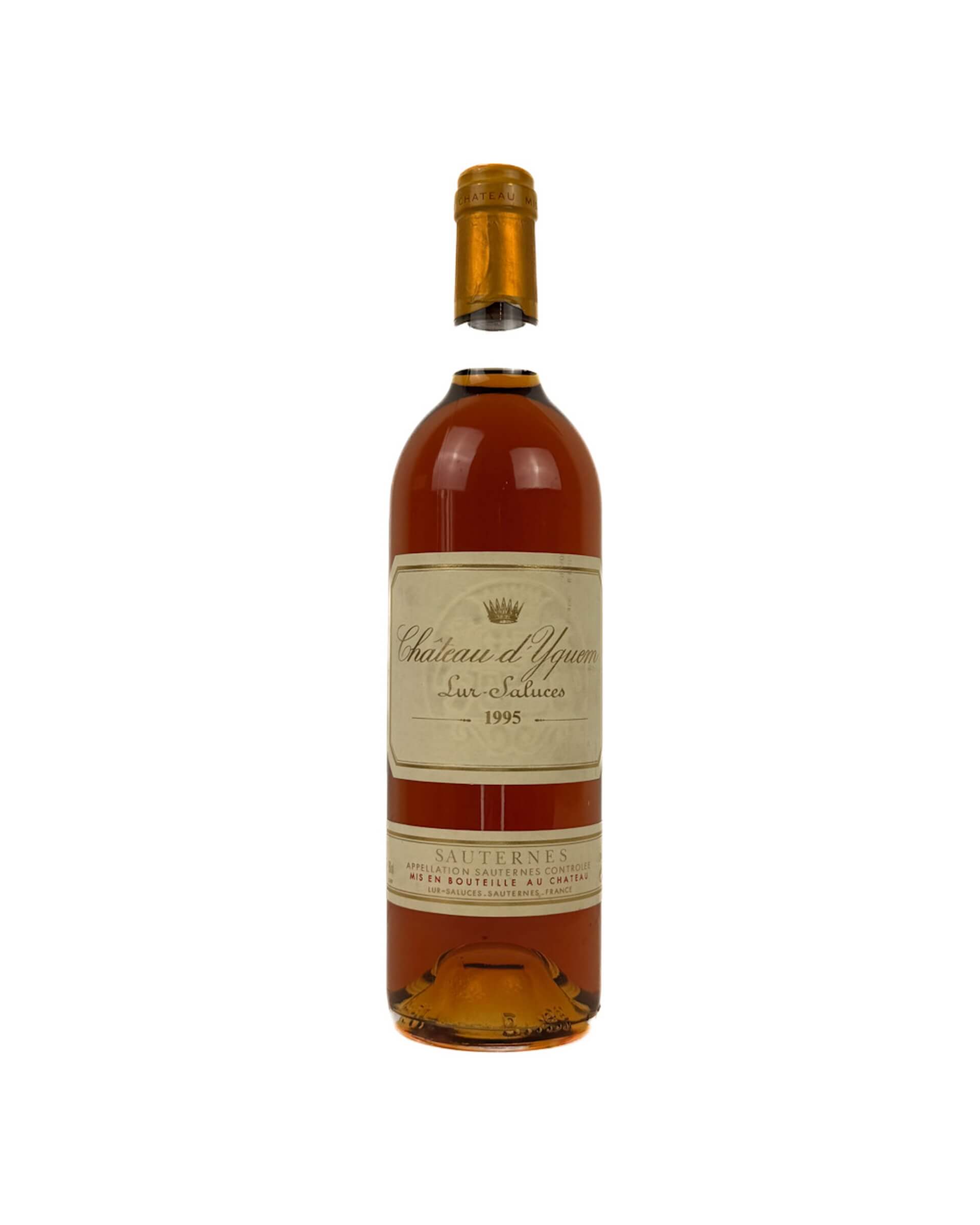
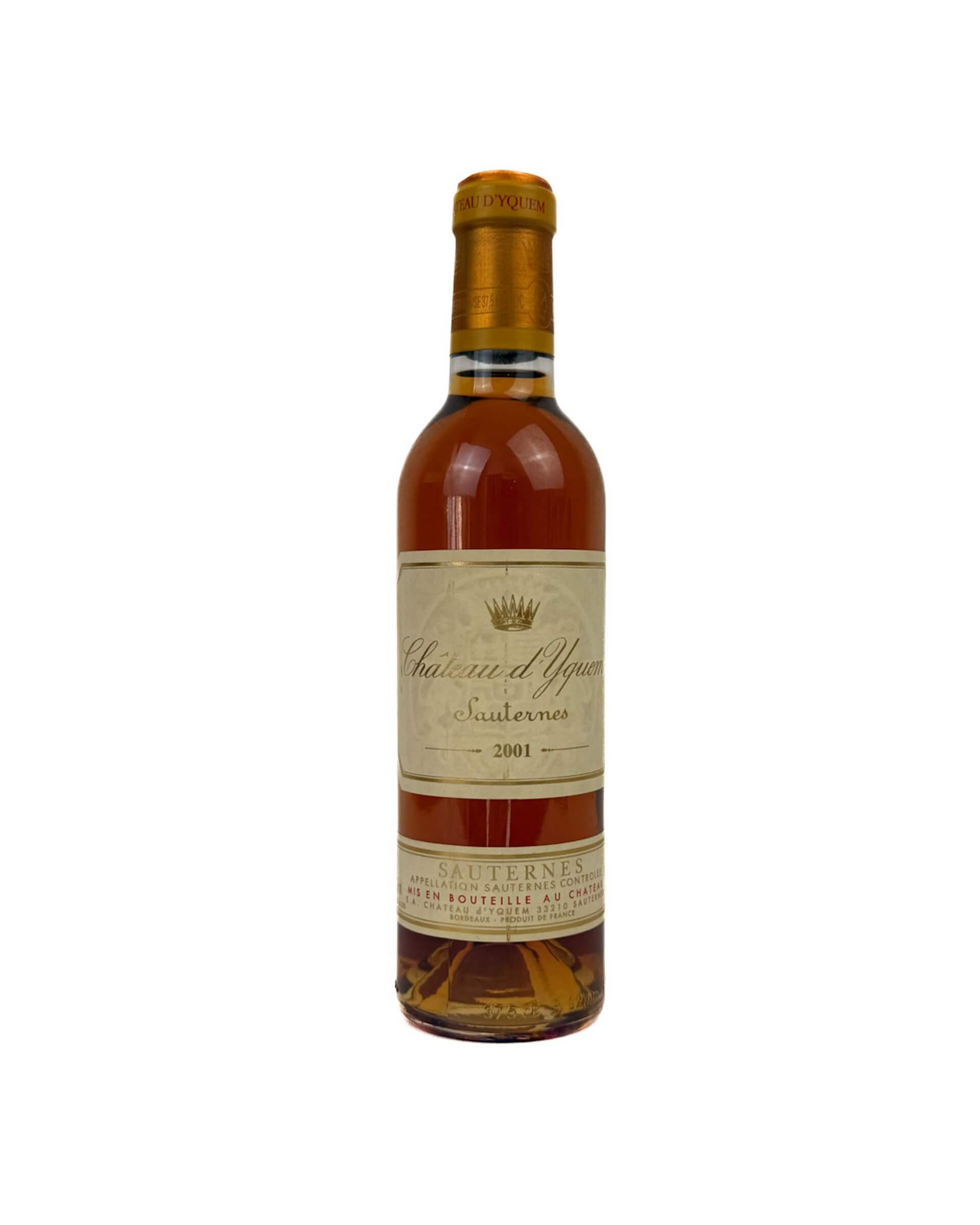
Sauternes is Bordeaux’s great sweet wine — a golden, botrytis-affected white made within five communes of the southern Graves, where the morning mists of the Ciron River conjure the noble rot that defines the style. It is among the most labour-intensive wines in France: top estates send pickers through the vineyard in five or more successive passes across a single harvest, selecting only the berries fully shrivelled by noble rot — where most dry-white Bordeaux is brought in with a single machine pass. Produced from Sémillon, Sauvignon Blanc, and Muscadelle, it ranges from generous, honeyed amber wines to the rarest cuvées in all of fine wine. Our Sauternes selection at Tour de Wine gathers 15 bottles in euros, from around €45 for an approachable style up to €8,300 for the most exceptional and rare cuvées, every price shown in euros and drawn from real catalogue listings.
Whether you discovered Sauternes wine over a plate of foie gras, on a restaurant list, or through the legend of Château d’Yquem, this page is built to guide the choice. Below you will find how noble rot works, the five communes and their terroir, the distinction between Sauternes and Barsac, the 1855 classification decoded as a buying tool, food pairings that go far beyond dessert, a buyer’s guide by price tier, and cellaring windows for every level of the appellation.
Three elements converge to make Sauternes unlike any other sweet wine in the world — a fungus, a river, and a precise blend of grapes.
The Sauternes appellation is not a single village but five communes: Sauternes, Barsac, Preignac, Bommes, and Fargues. Each has slightly different terrain, drainage, and proximity to the Ciron, and those differences shape the wines. Vineyards nearer the confluence of the Ciron and the Garonne — above all in Barsac — tend toward lighter, more citrus-driven styles, while the gravel-and-clay hillsides further in, around Sauternes, Fargues, and Bommes, give richer, more concentrated wines. The named classified estates are spread across these communes, which is why a great Sauternes wine carries the imprint of a very specific patch of ground.
Elevation and slope matter more here than the gentle landscape suggests: the best-drained gravel rises shed excess autumn rain and let botrytis advance cleanly, while the lower, cooler ground catches the river mist that starts the whole process.
One of the most useful things a buyer can know is that Barsac is both a commune within the Sauternes AOC and an appellation d’origine contrôlée in its own right. A producer based in Barsac, on the right bank of the Ciron, may legally label the wine as either “Barsac” or “Sauternes” — a genuine dual-appellation rule rather than marketing. In the glass, a fine Barsac wine tends to show a lighter body and brighter citrus-peel definition, while a wine labelled Sauternes is typically fuller and more unctuous. Neither is superior; they are two expressions of the same noble-rot tradition.
For a buyer, the practical takeaway is simple: choose a Barsac wine for freshness and aperitif-friendly poise, and Sauternes for weight, depth, and long cellaring.
The 1855 classification of Sauternes and Barsac, drawn up alongside the famous Médoc ranking, established three tiers that still guide buyers today. Reading the tier on a label tells you a great deal about expected concentration, ageing potential, and price. The hierarchy is also where the Grand Cru wines and Premier Cru wines of Bordeaux find their context — and where Château d’Yquem stands entirely alone.
It is worth dwelling on Château d’Yquem: it is the only estate in the entire classification placed above the Premiers Crus, the single Premier Cru Supérieur, and it remains the reference point against which every other bottle in the appellation — and arguably the best Sauternes wine of any vintage — is measured.
Sauternes wine is far more versatile at the table than its reputation as a dessert wine suggests; the secret is its rare combination of sweetness, glycerol weight, and bracing acidity. Sauternes food pairing works best when the wine is set against fat, salt, or stone-fruit flavours.
Serve Sauternes at 8–10 °C — slightly colder than most whites — to keep the sweetness in balance and the acidity fresh. A medium white-wine glass is ideal; avoid an oversized Burgundy bowl, which exaggerates the sweetness at the expense of lift.
If you want to buy Sauternes wine with confidence, it helps to match price to purpose. The best Sauternes wine for you depends on whether you are exploring the appellation, pairing for a dinner, or building a cellar. Entry bottles in our selection start from around €45 at the 10th percentile, while across our 15-bottle selection the median sits at €360 — a figure pulled upward by a curation weighted toward classified Premiers and Deuxièmes Crus rather than generic AOC bottlings — and the rarest allocations reach €8,300.
Unclassified and generic Sauternes AOC wines offer lighter sweetness and less botrytis intensity than the classified estates, and are best drunk within five years of the vintage. They are the right choice for first-time buyers, restaurant gifts, or pairing experiments. Our catalogue’s entry point starts from around €45 (the 10th percentile), with the single most accessible bottle at €25.
Classified estates from the Deuxièmes Crus Classés tier deliver concentrated botrytis character with a 10–20 year drink window. These are the most commercially active bottles for serious wine lovers who want the real thing without committing to Premiers Crus prices, showing genuine apricot, marmalade, and ginger concentration.
Great estate wines from Rieussec, Suduiraut, Guiraud, and their peers carry 20+ years of cellaring potential and extraordinary complexity, and represent what most experienced collectors consider the benchmark range for the appellation. Most bottles in our catalogue sit near €360 (the median), reflecting this focus on classified estates. They sit naturally alongside our Bordeaux wine selection of dry reds and whites.
Château d’Yquem and exceptional vintage allocations from the finest Premiers Crus in great years are once-in-a-decade wines; the rarest bottles in our catalogue reach €8,300. These are a significant cellar investment or a landmark-occasion purchase, with every price shown in euros so the cost is clear before you commit.
Few wines reward patience like Sauternes wine. High residual sugar — typically 120–150 g/L in a Premier Cru — acts as a natural preservative, while the bound sulphur formed during botrytis infection adds antioxidant protection through long ageing, so the right drink window depends almost entirely on classification tier.
Among recent vintages, 2021 and 2019 are strong and built to age — both benefited from dry, sunny late seasons that allowed clean botrytis to develop without rain dilution, locking in fresh acidity for the long haul. From older vintages, 2009, 2001, and 1990 are drinking beautifully now from a good cellar: 2001 is widely regarded as the finest Sauternes vintage since 1990, with exceptional sugar concentration at harvest, while the warm 2009 and the long-lived 1990 have both reached a generous, secondary stage of development. The 90th-percentile bottles in our catalogue — from €440 upward — are precisely the wines that reward patience; buying young and holding is the most cost-effective strategy for these classified estates.
Sémillon leads the blend because of how its skin behaves, not just how it tastes. Its grapes have thin skins and grow in tight clusters, which makes them unusually susceptible to Botrytis cinerea — the fungus can take hold cleanly and evenly, exactly what a Sauternes producer needs. Sauvignon Blanc and a small share of Muscadelle are added for balance and aromatic lift, but they botrytise less reliably, which is why they play supporting roles. When you buy a bottle and see a high Sémillon percentage on the back label, you are looking at the variety doing the structural and concentrating work behind the wine.
This is the buyer’s risk that makes great Sauternes scarce. In years when the Ciron does not generate enough autumn mist, or when rain disrupts the dry afternoons botrytis needs, the rot develops poorly or turns to destructive grey rot. Rather than release a weak wine, the most exacting estates declassify the fruit or skip the vintage entirely — Château d’Yquem famously declared no wine at all in years such as 1992 and 2012. For a buyer this is a quality signal: an estate that occasionally produces nothing is one you can trust to bottle Sauternes only when the conditions truly deliver.
Yes — Sauternes AOC is by definition a sweet white wine produced from botrytis-affected grapes, and there is no dry Sauternes AOC. Some producers make a dry white under a separate label outside the appellation, notably Château d’Yquem’s “Y”, but this falls outside the Sauternes designation. For a dry white from the wider region, Pessac-Léognan or Entre-Deux-Mers would be the appropriate appellations, both part of French wines.
At Tour de Wine, Sauternes starts from around €45, with most bottles in our selection priced near €360 — reflecting our focus on classified estate wines rather than generic AOC production. Exceptional and rare cuvées reach up to €8,300. All prices are shown in euros and reflect real listings in our current catalogue. To explore further afield, the sweet-and-savoury contrast also makes a fine counterpoint to the reds of Burgundy.
Written by the Tour de Wine buying team. Last reviewed: June 2026.
This site is restricted to adults. By entering, you confirm that you are of legal drinking age in your country of residence.