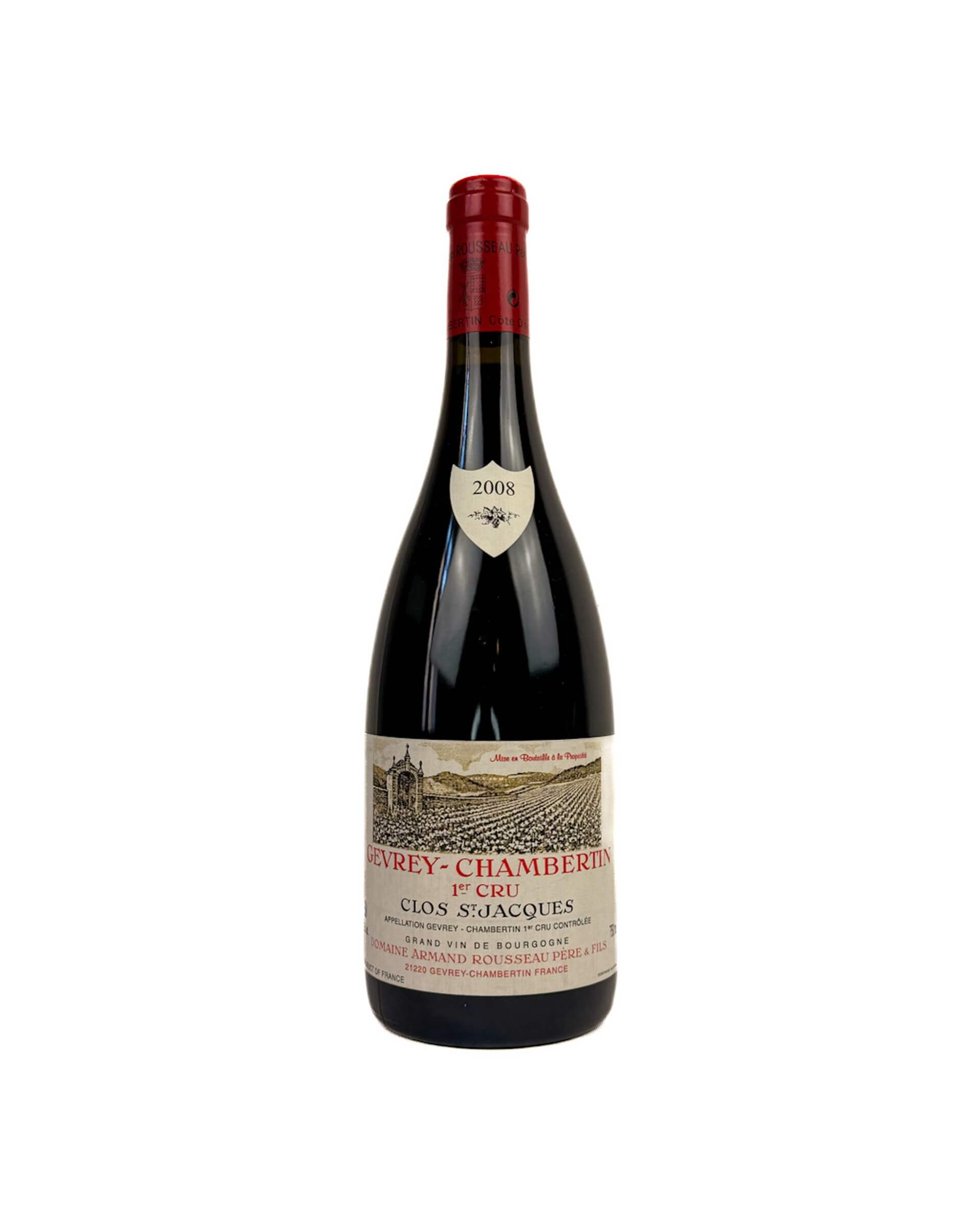
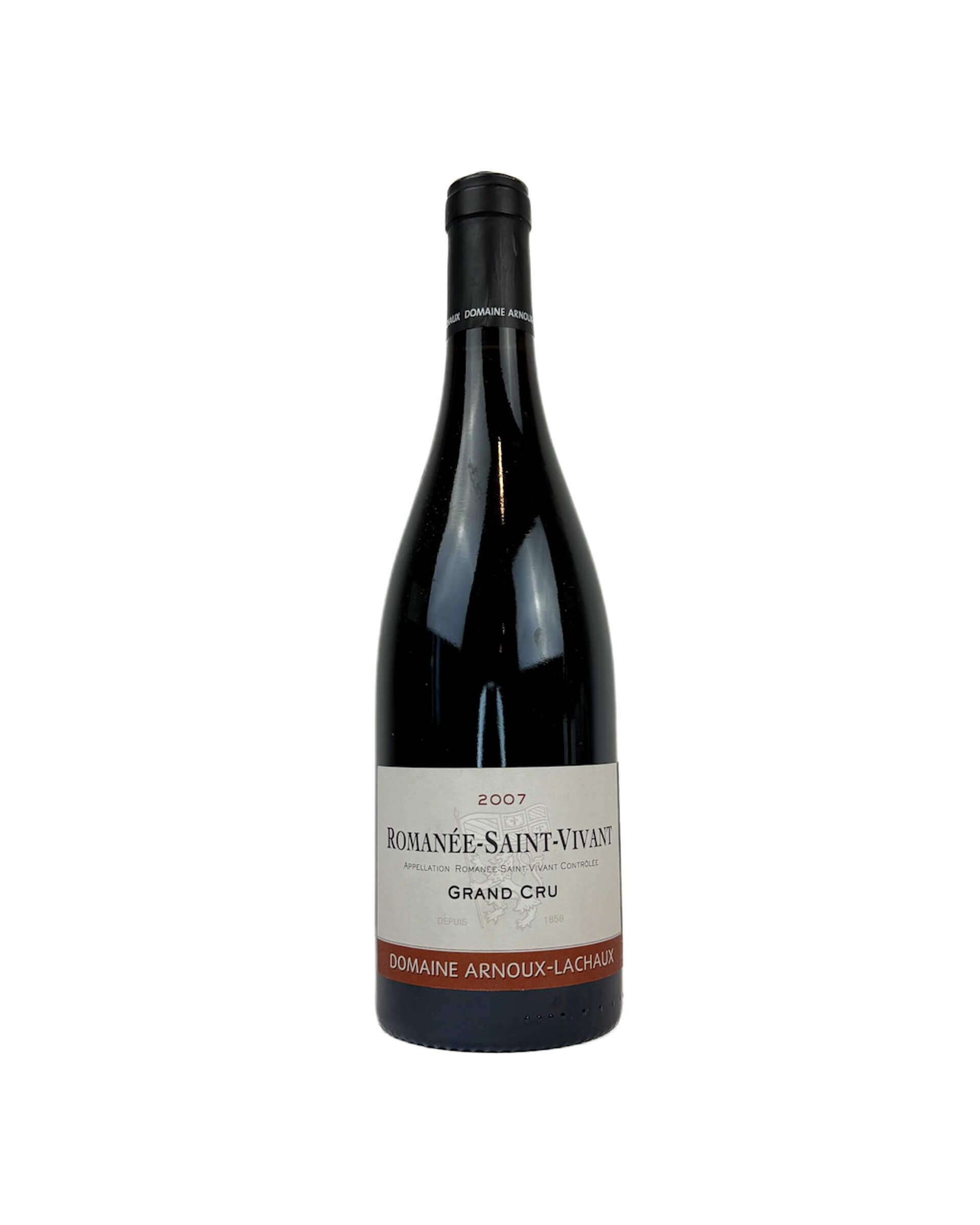
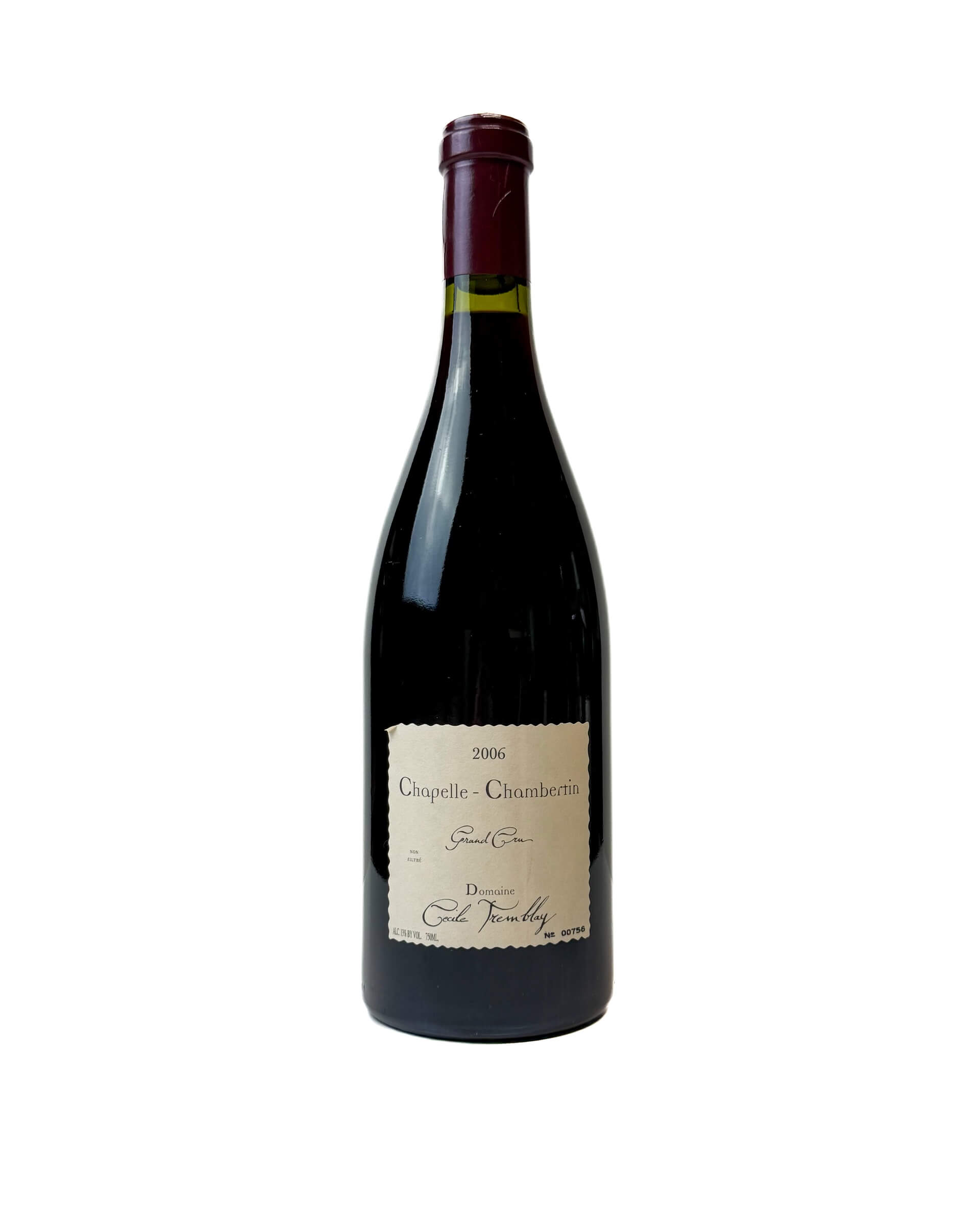
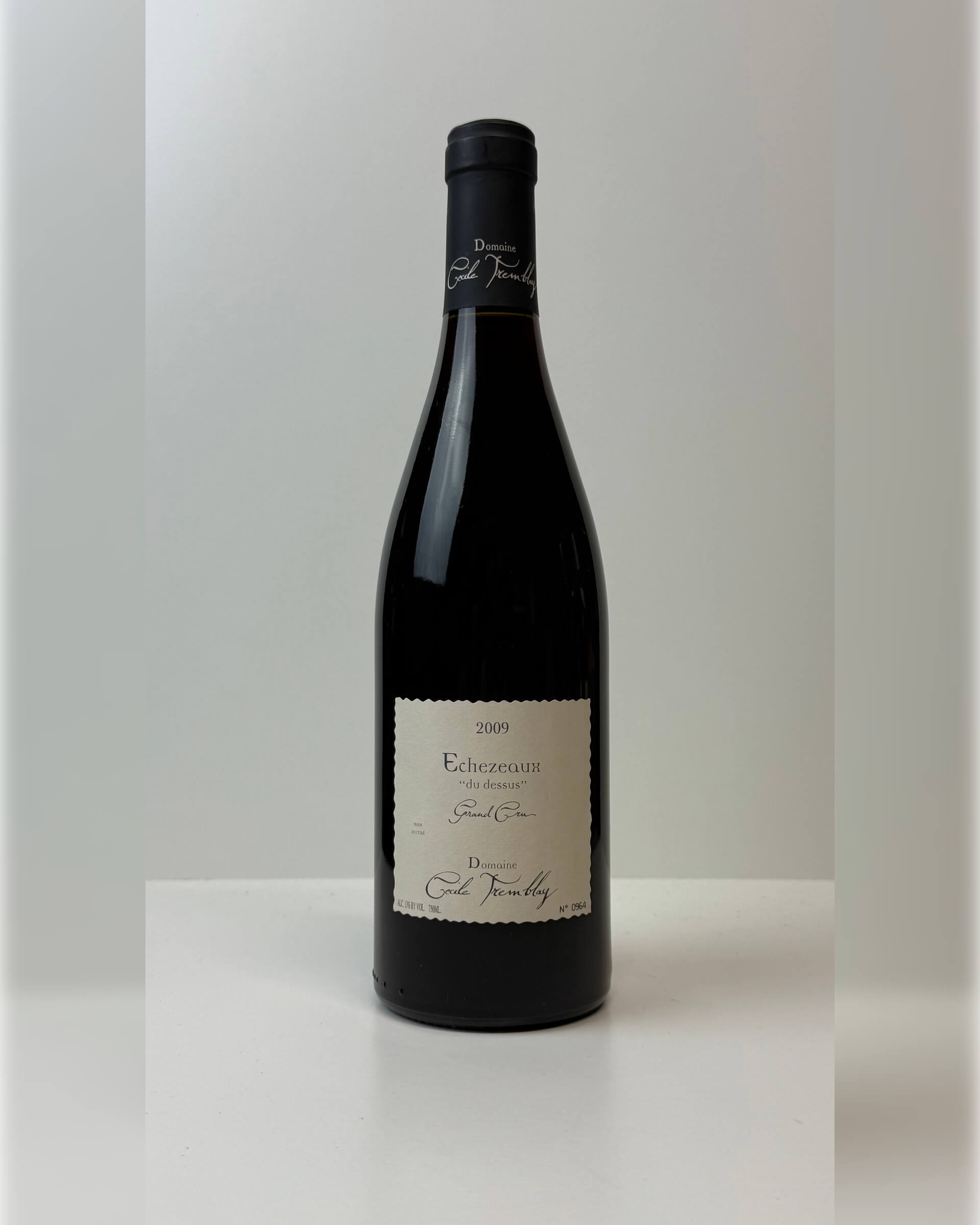
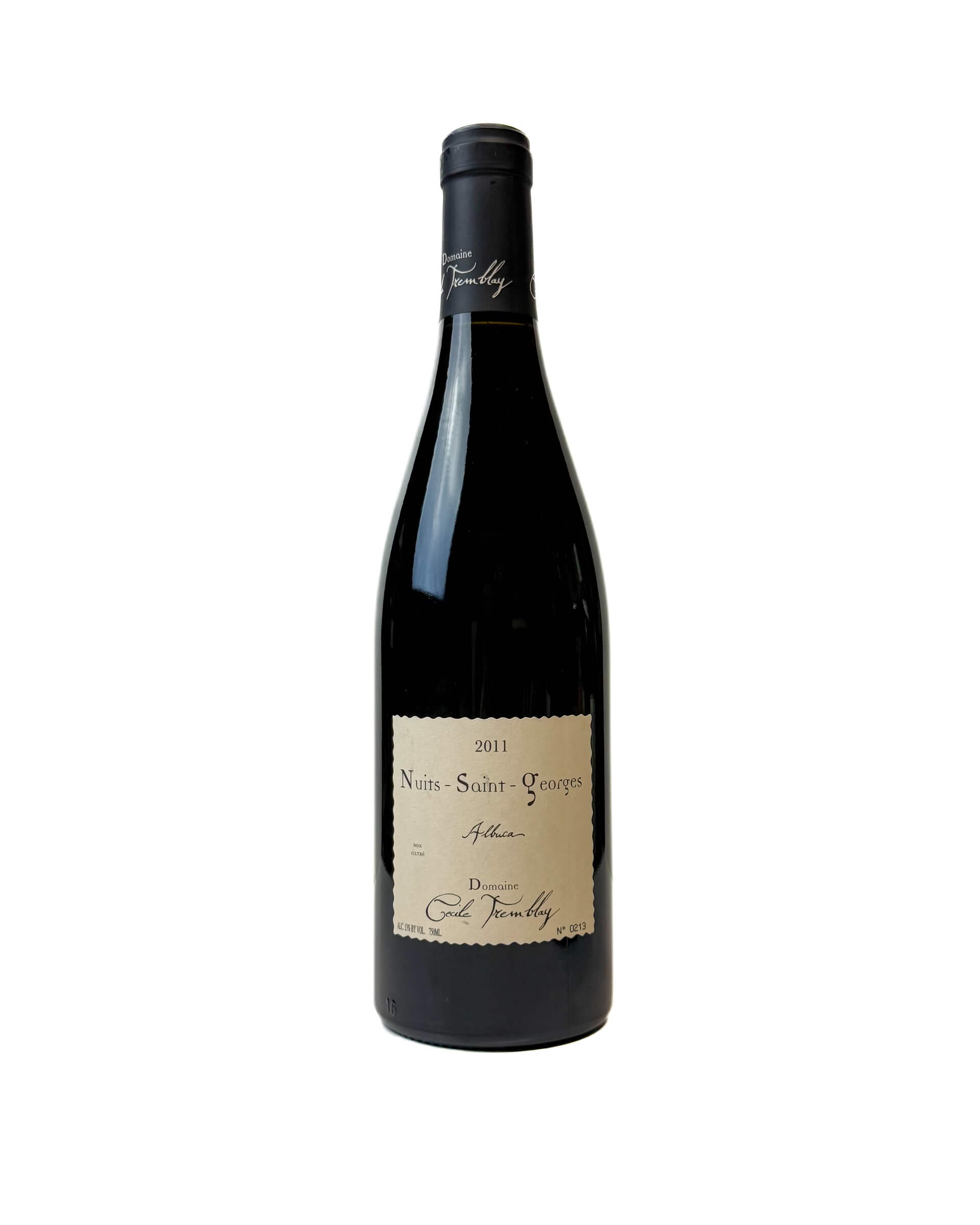
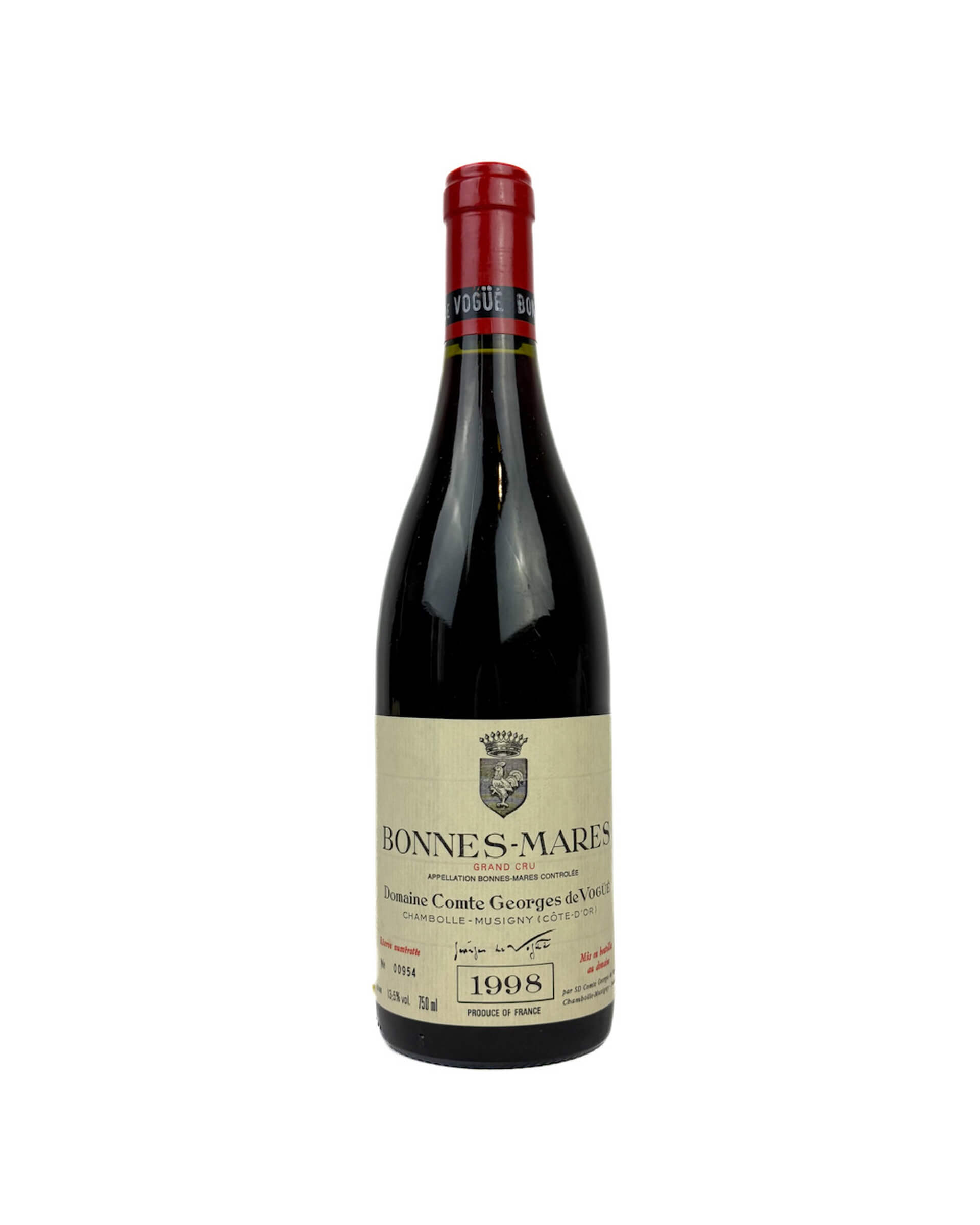
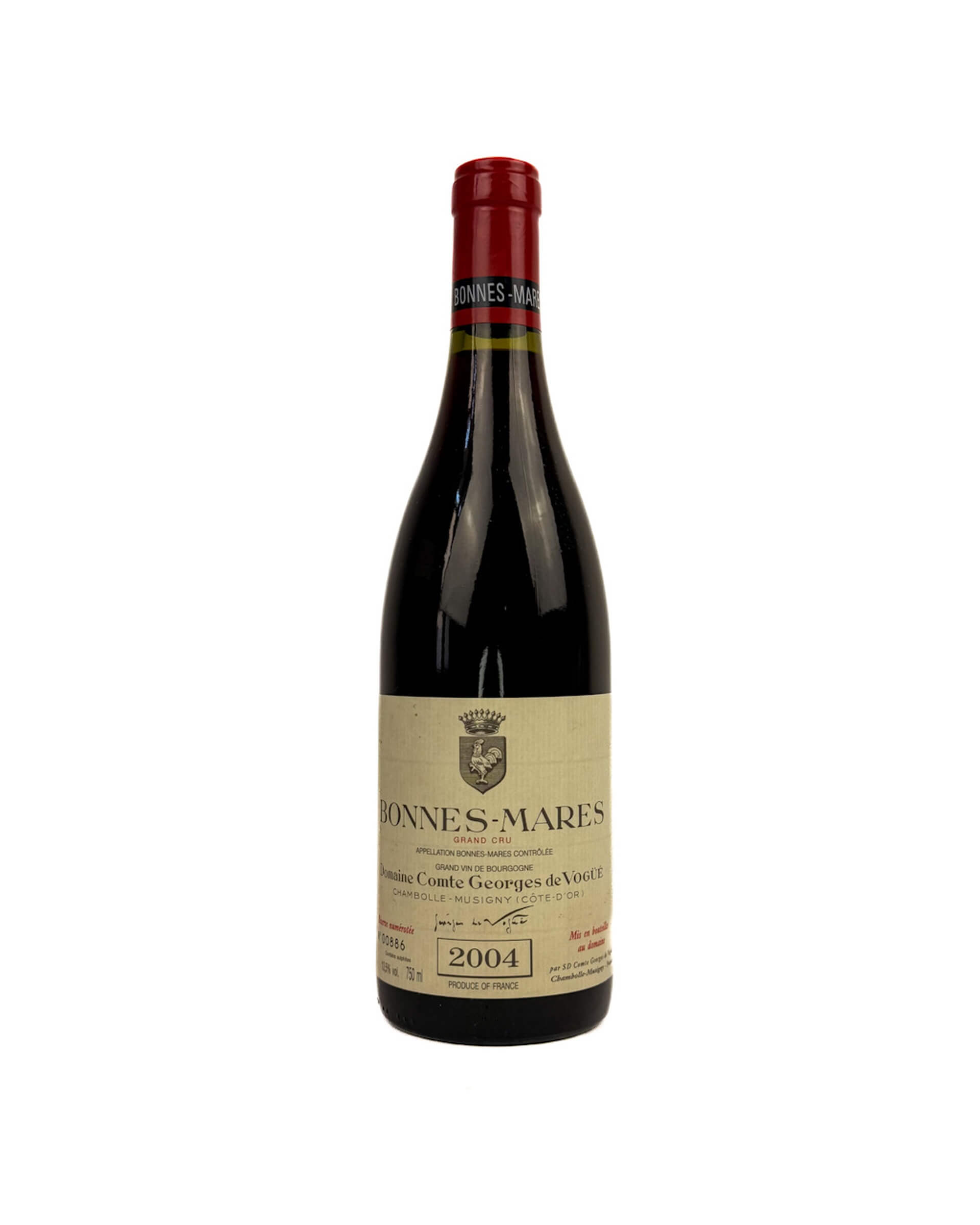
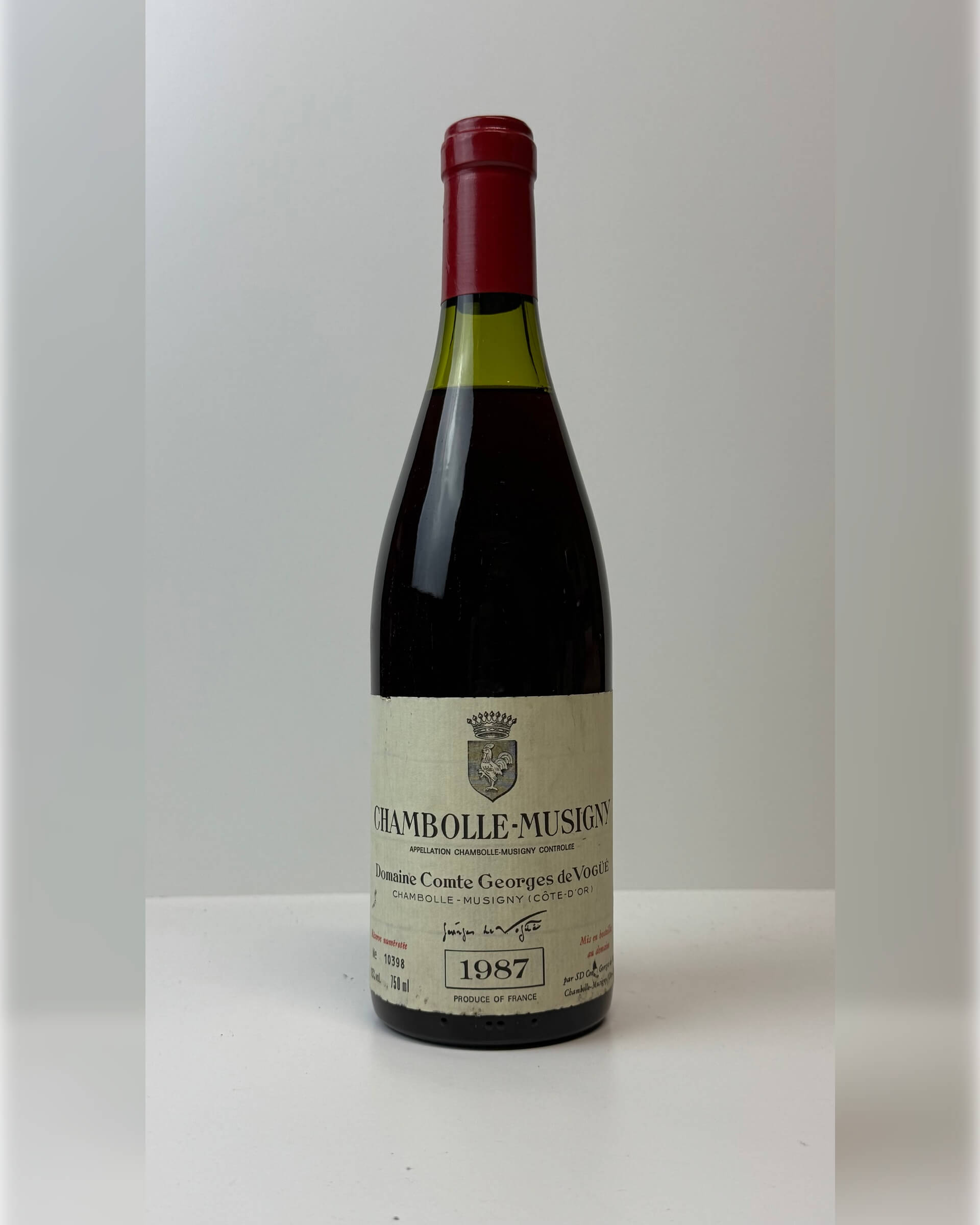
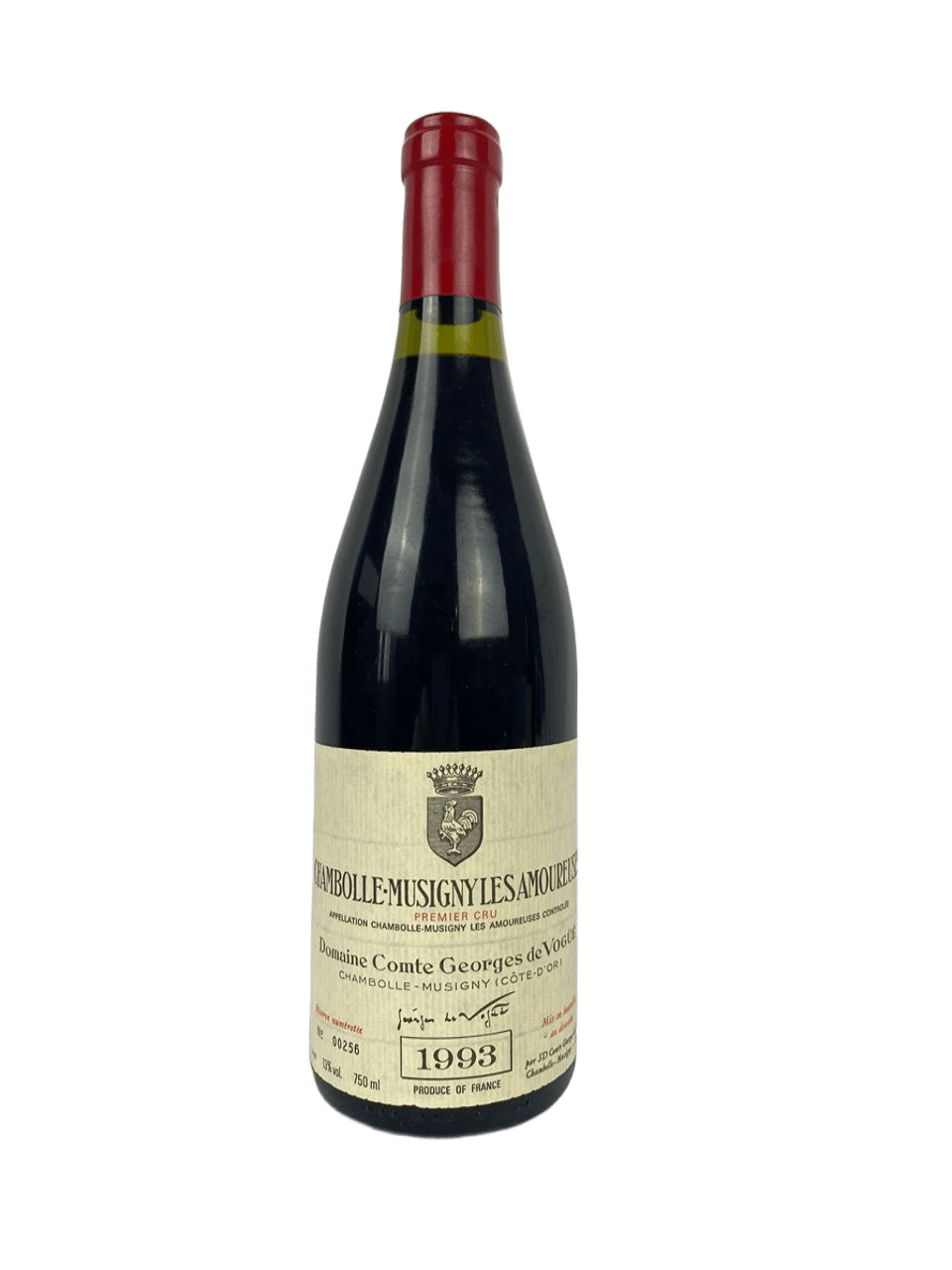
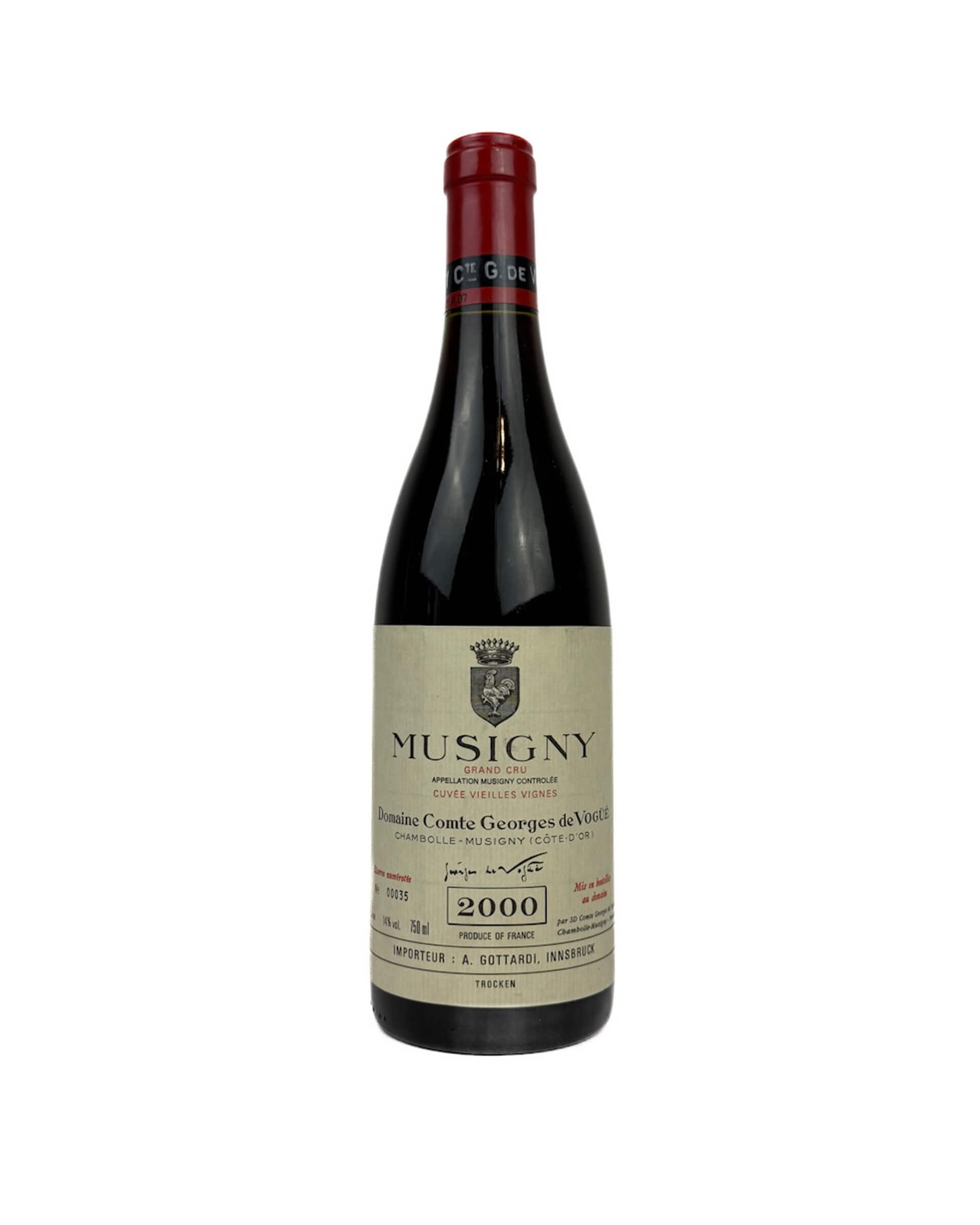
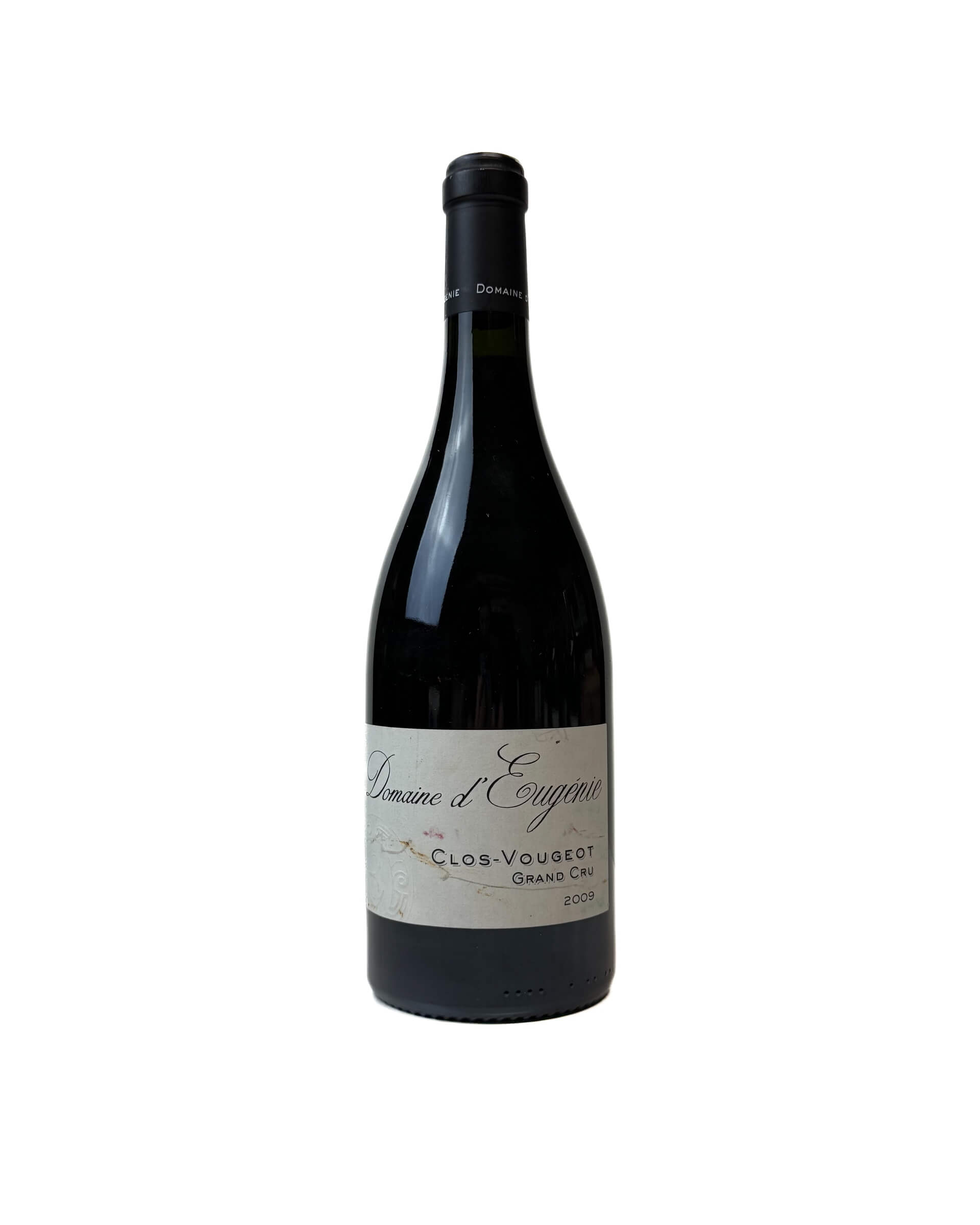
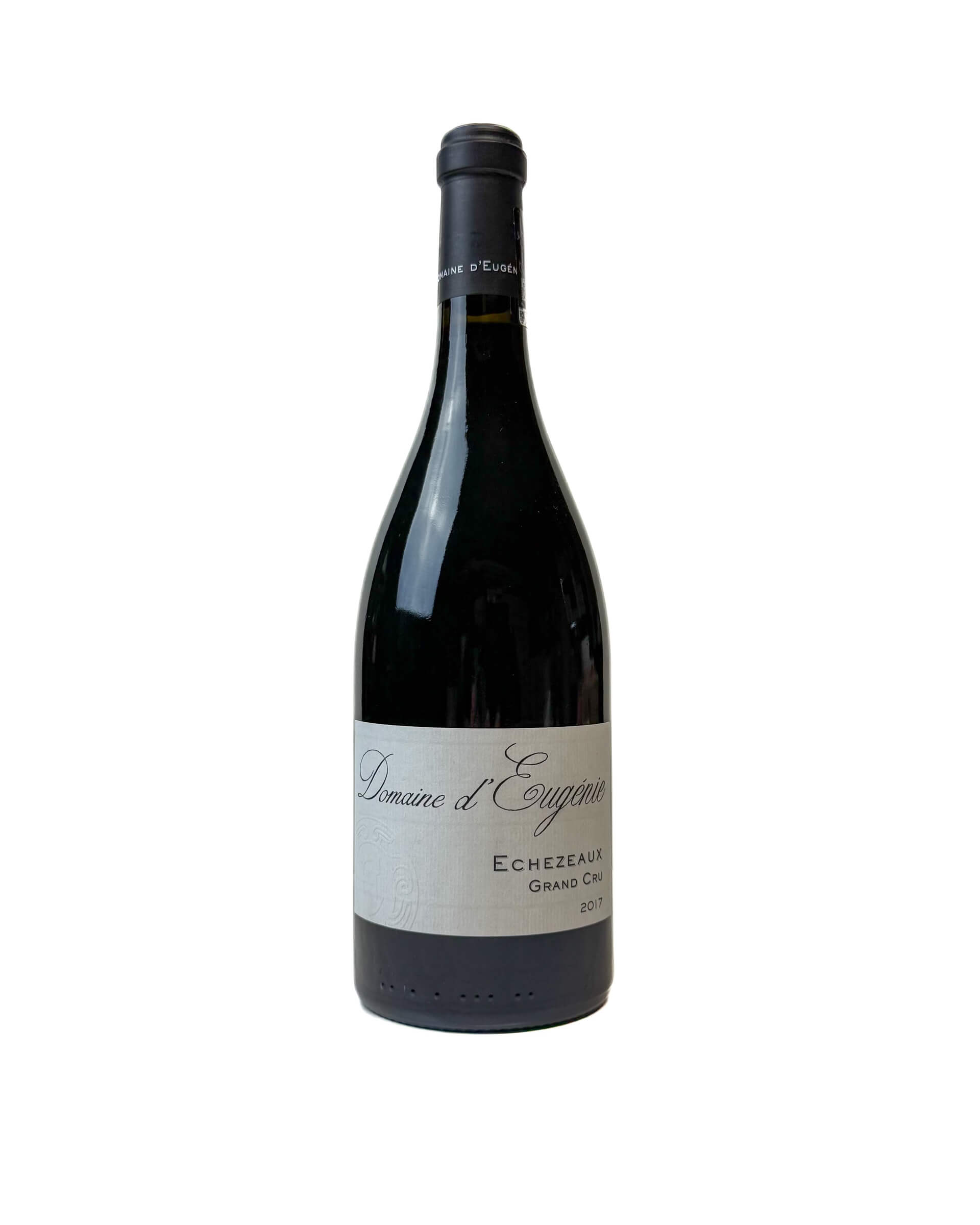
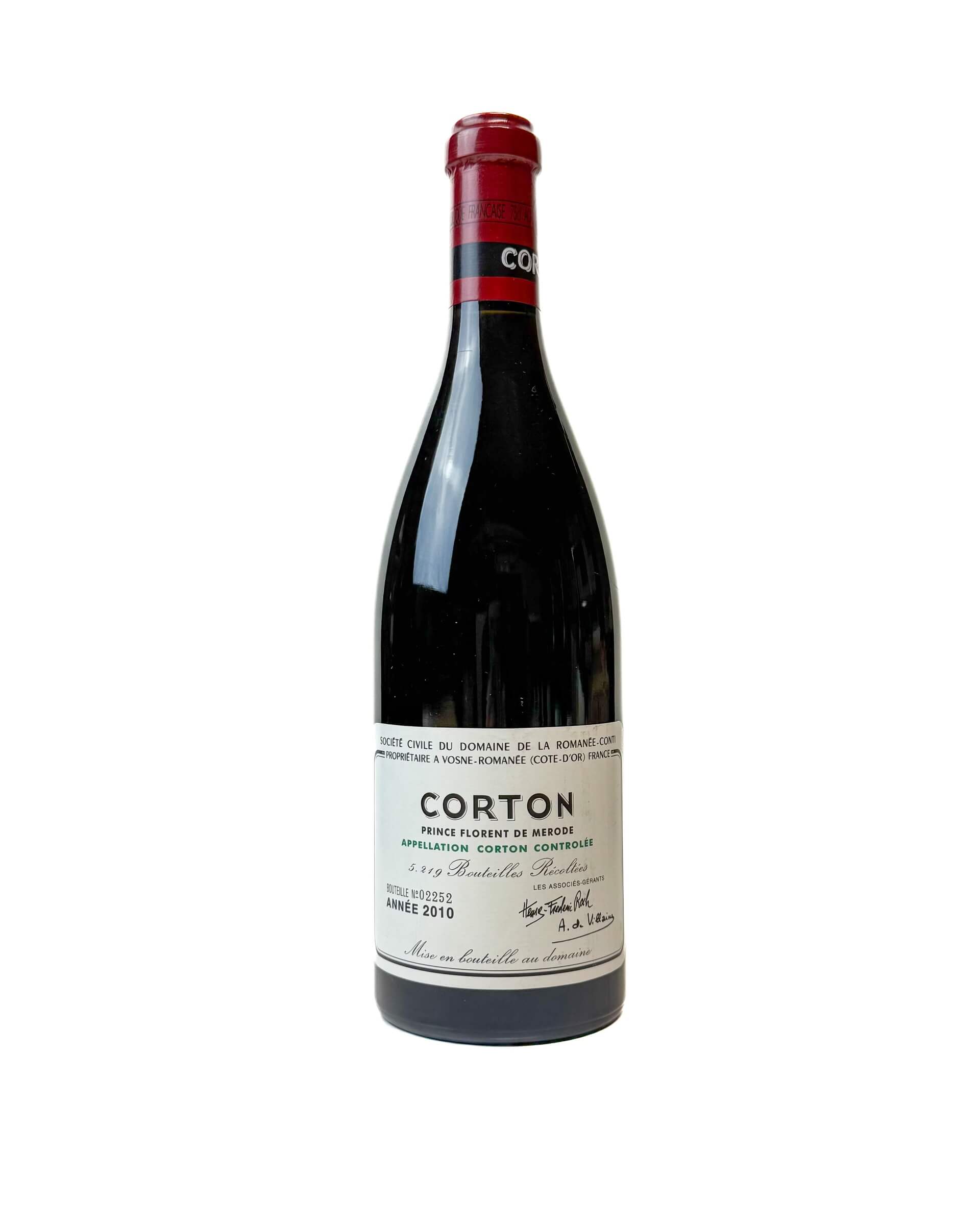
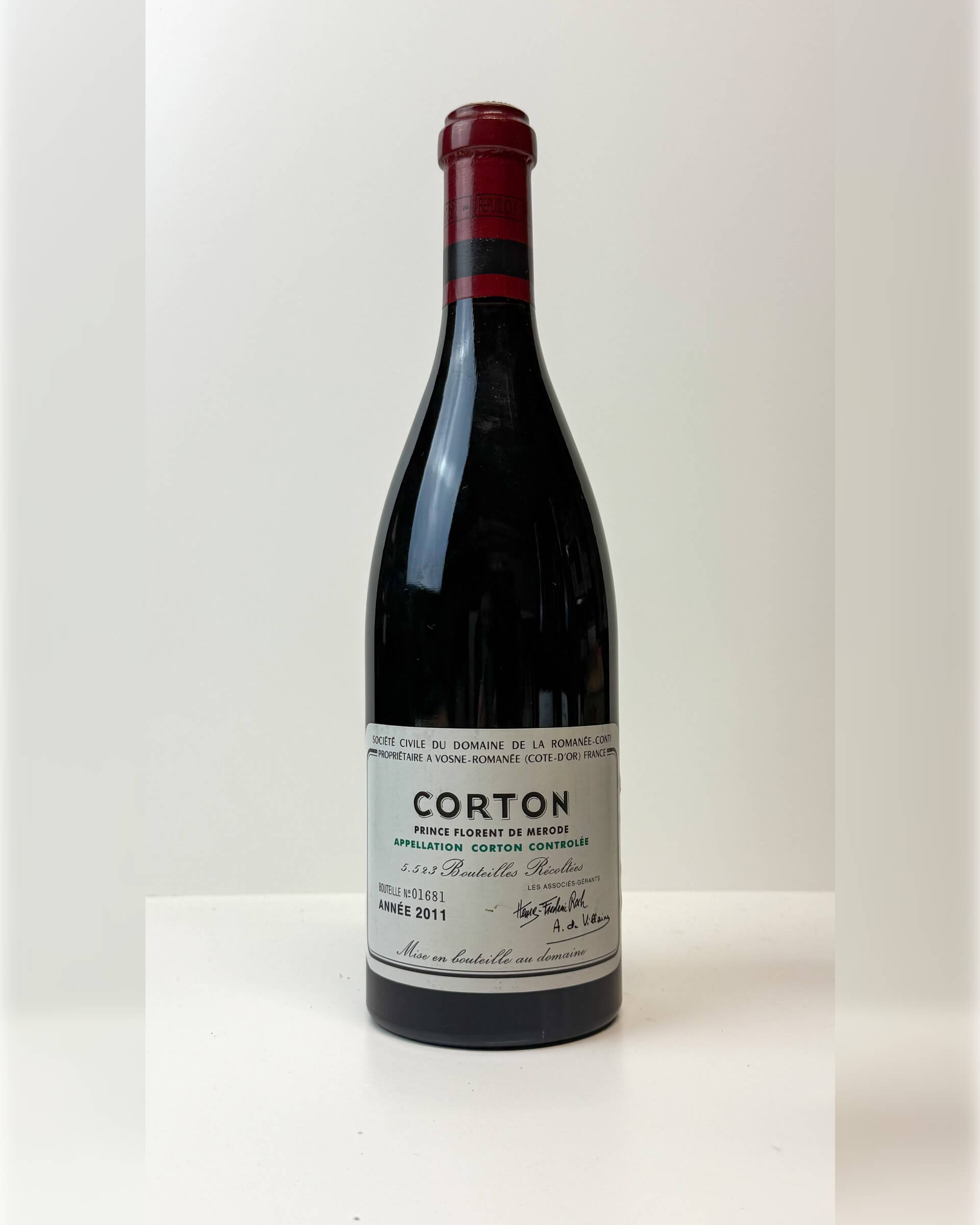
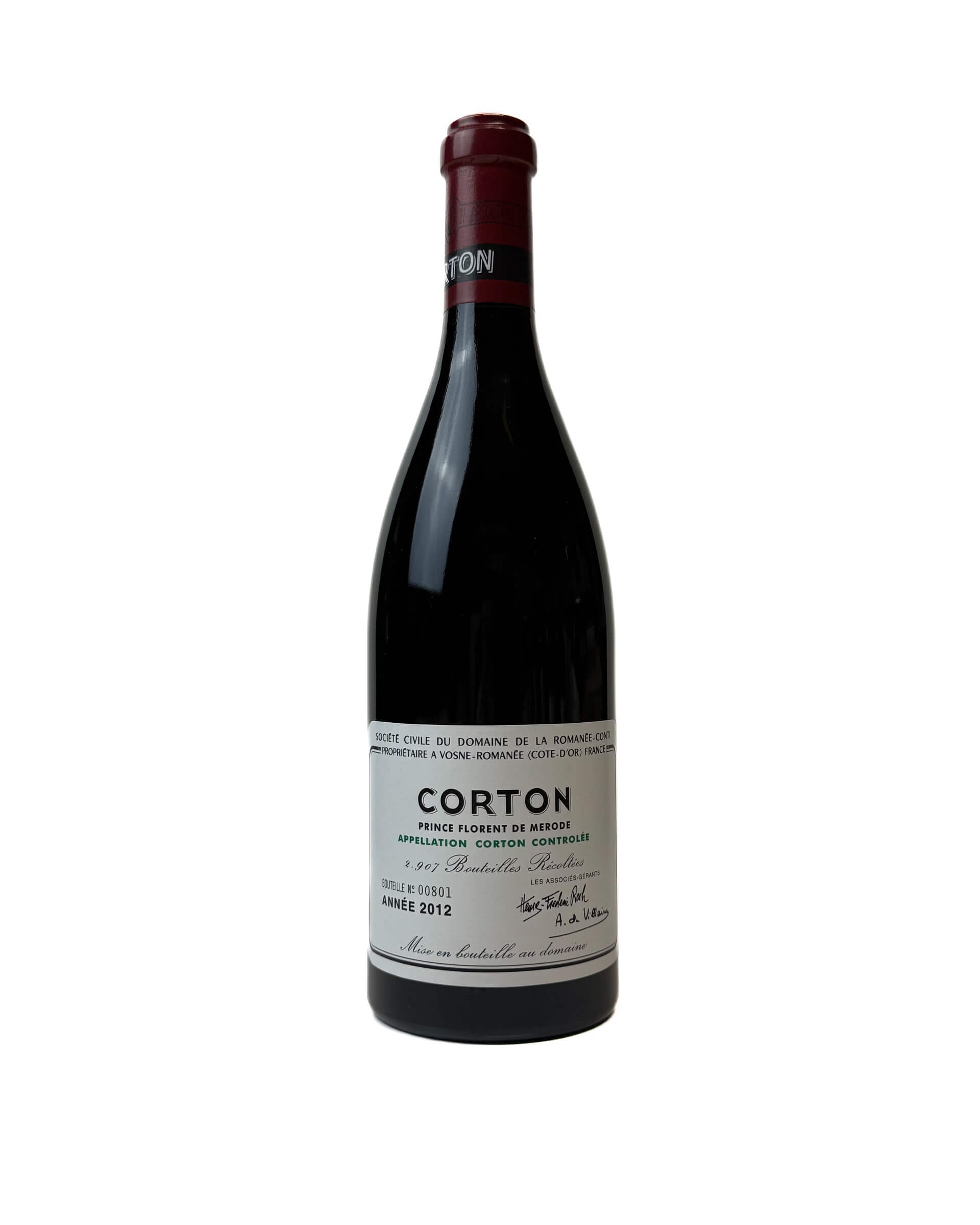
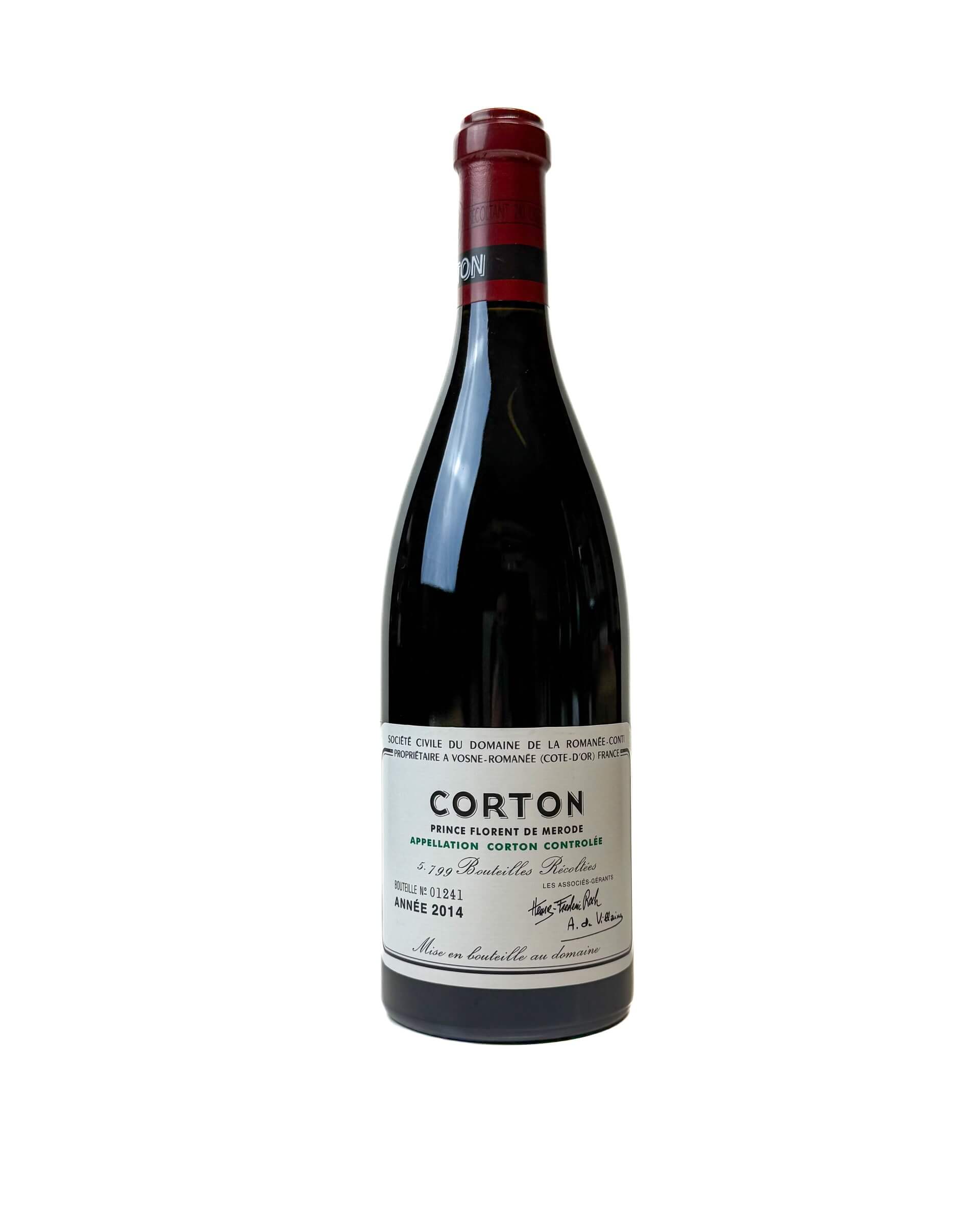
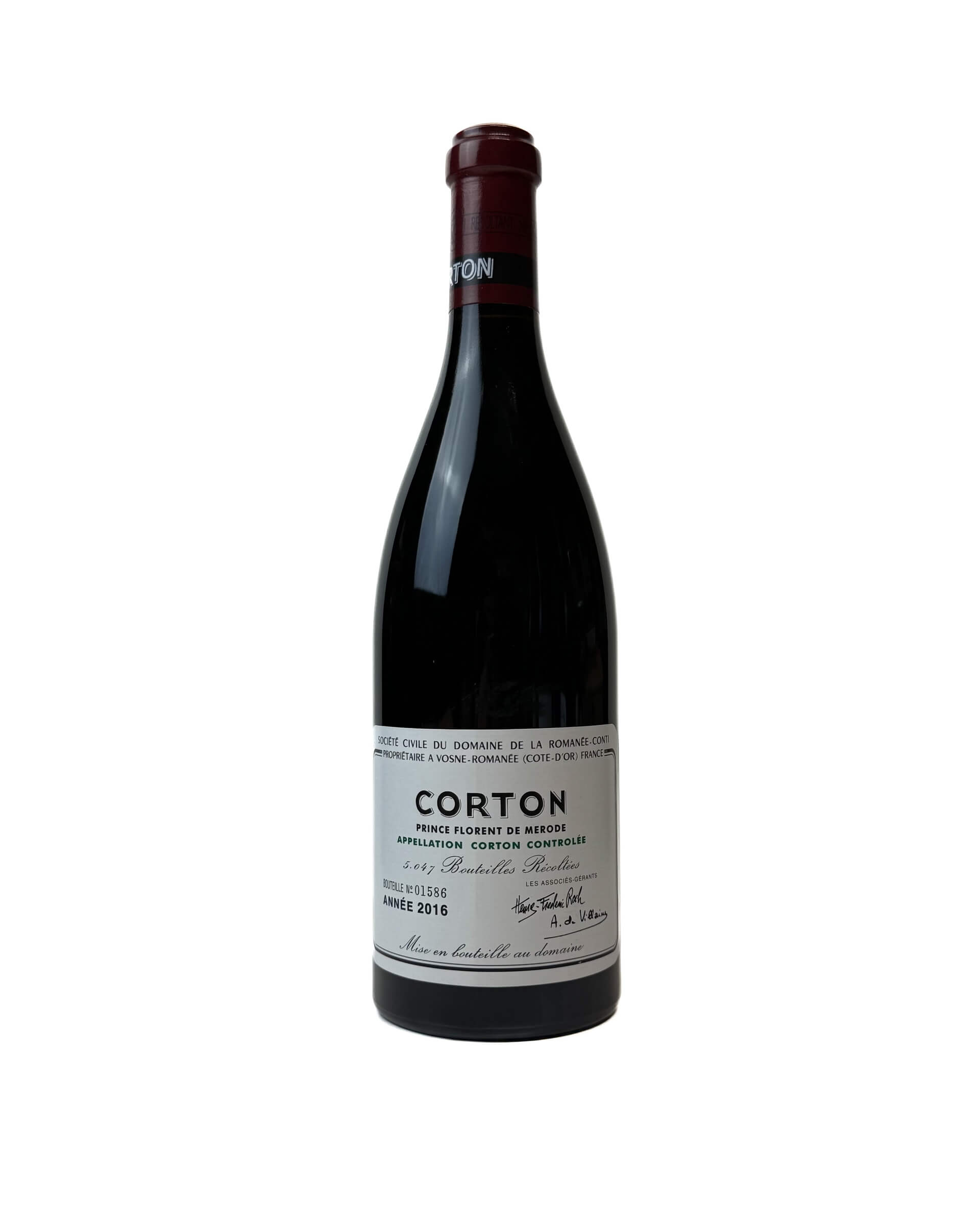
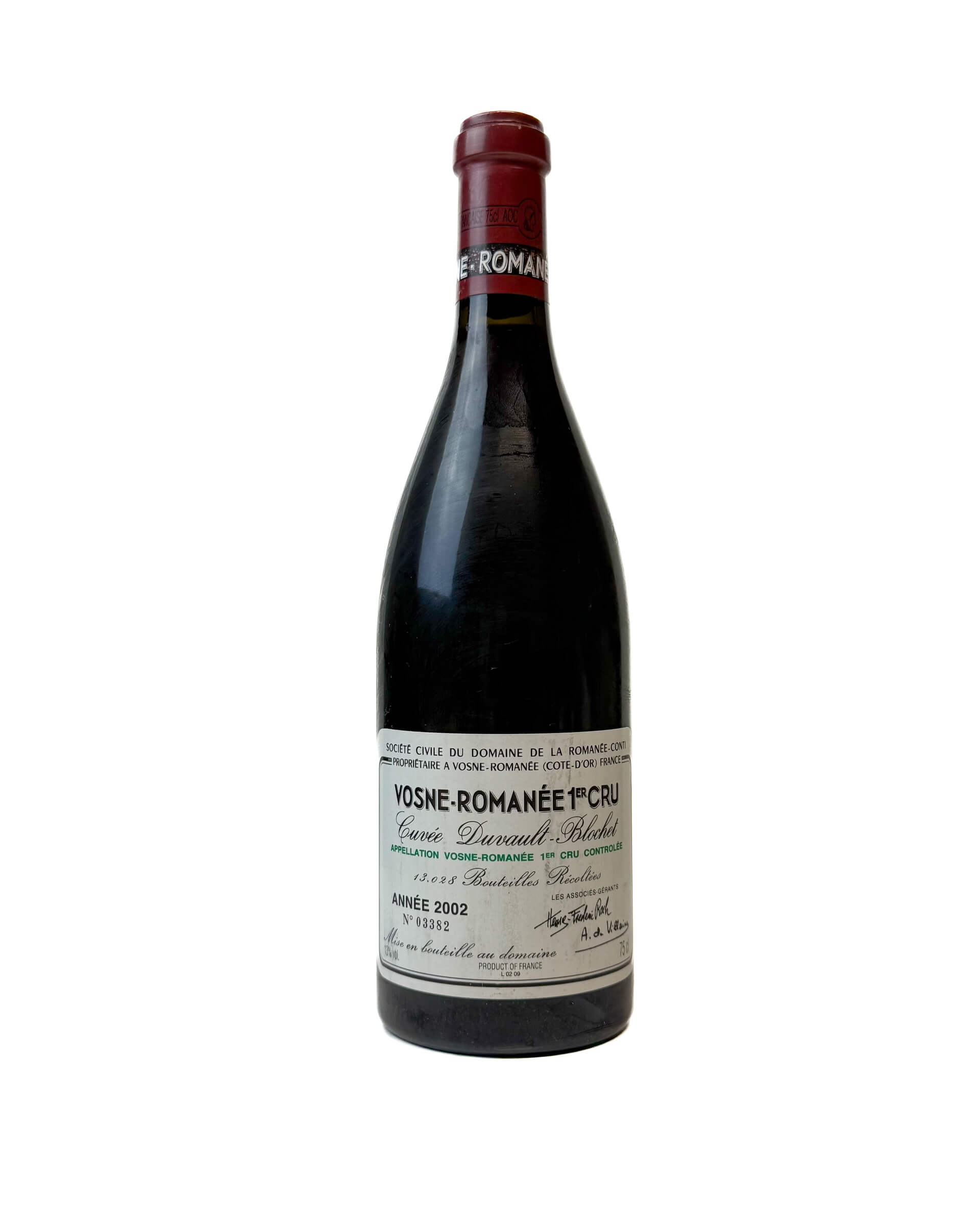
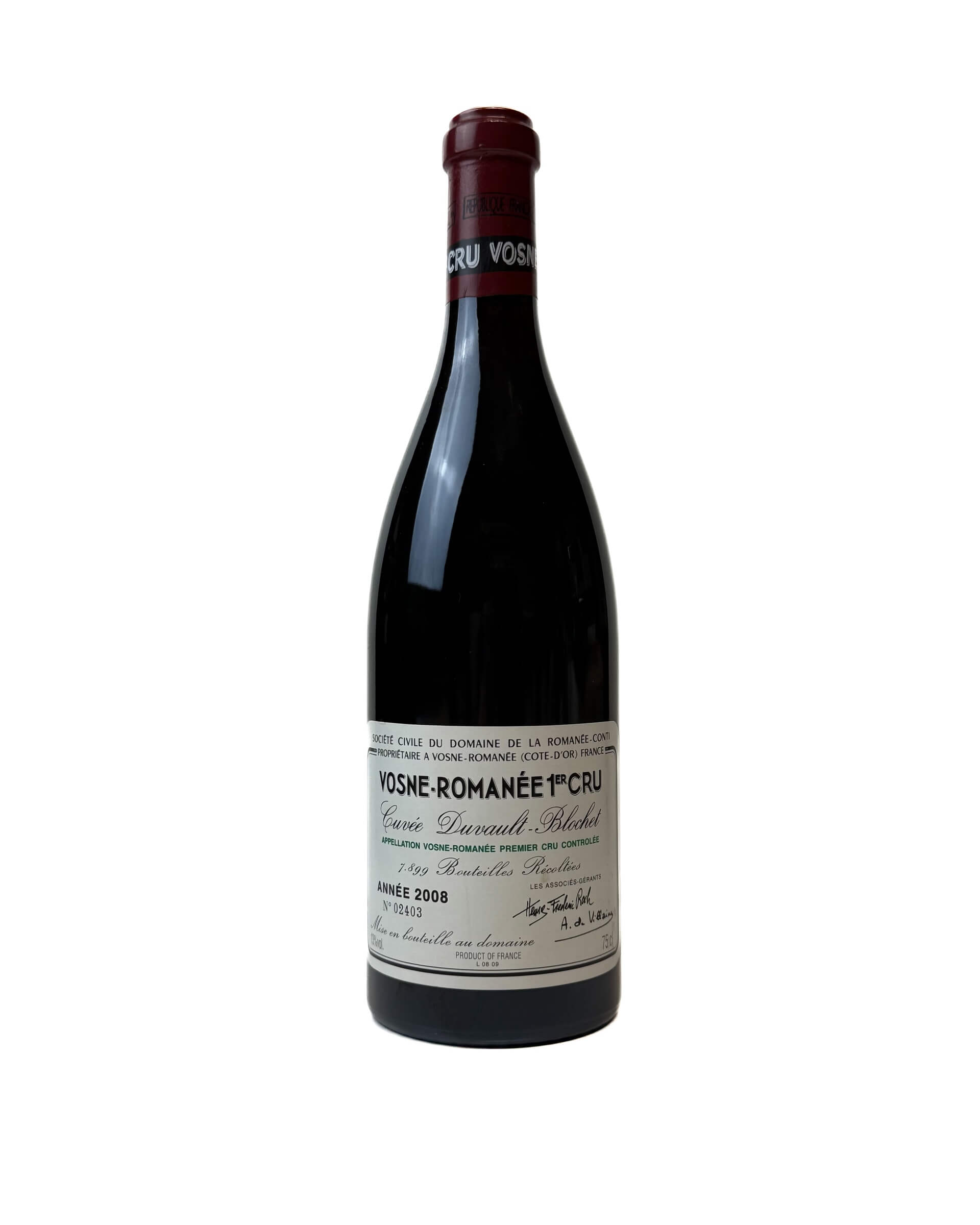
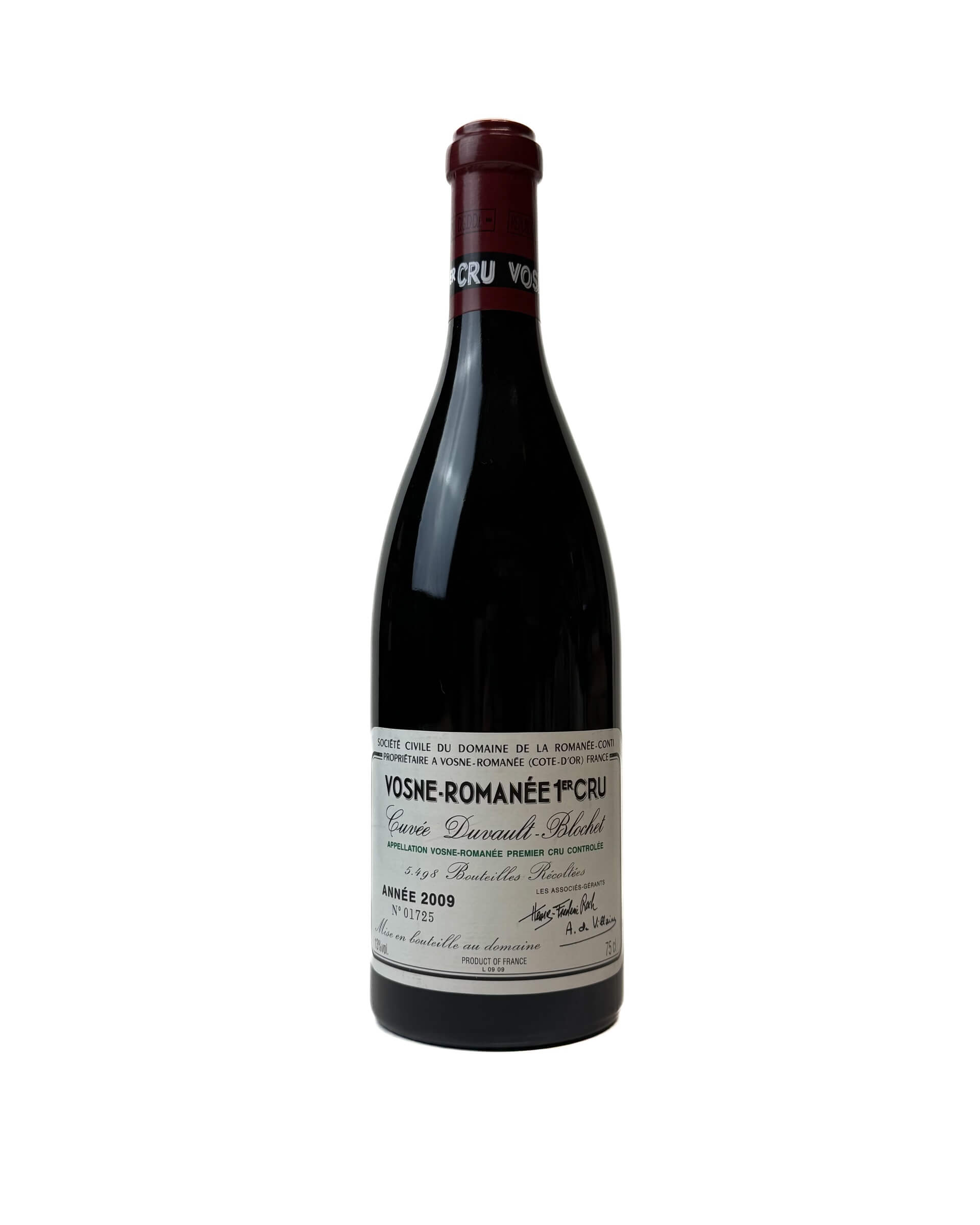
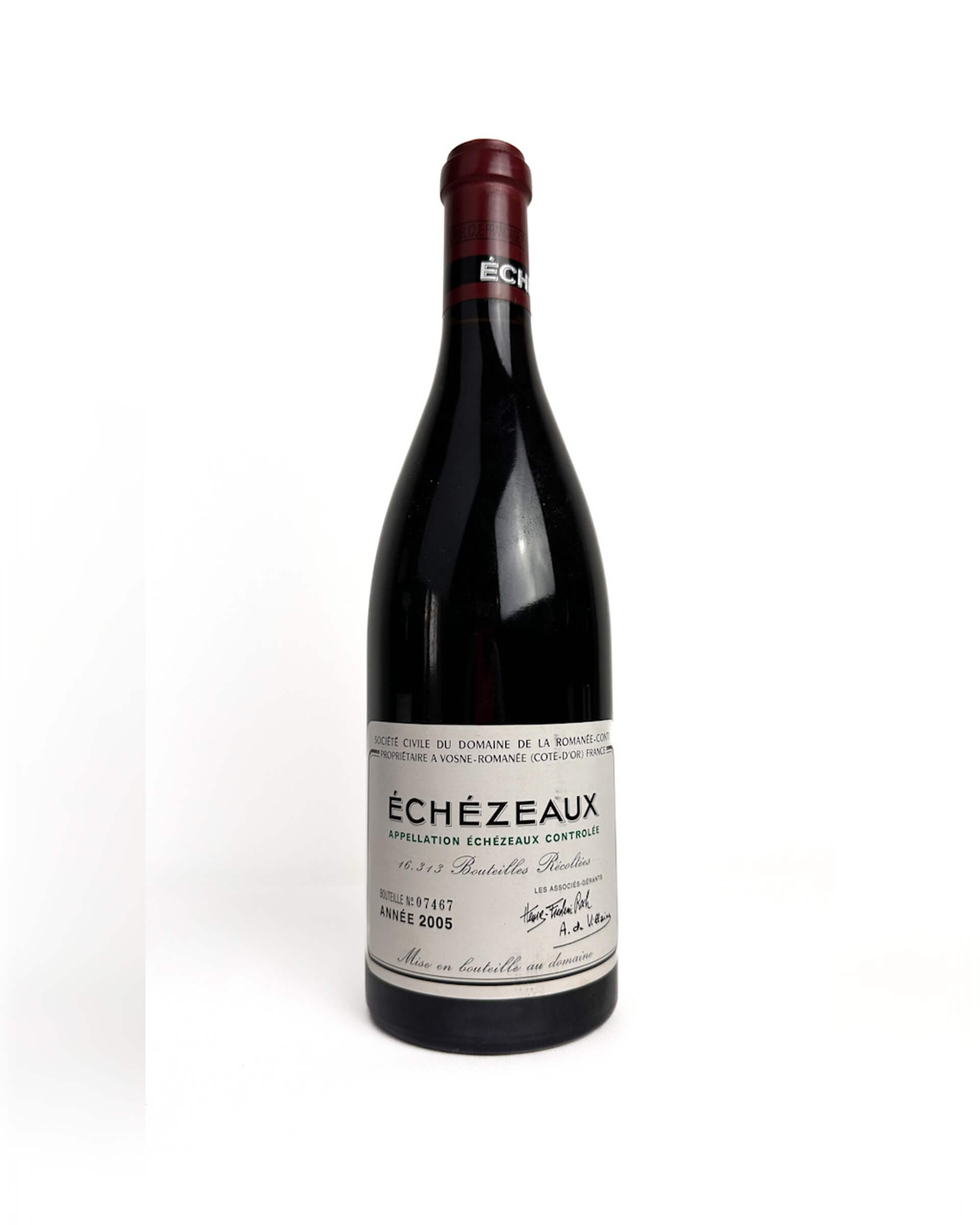
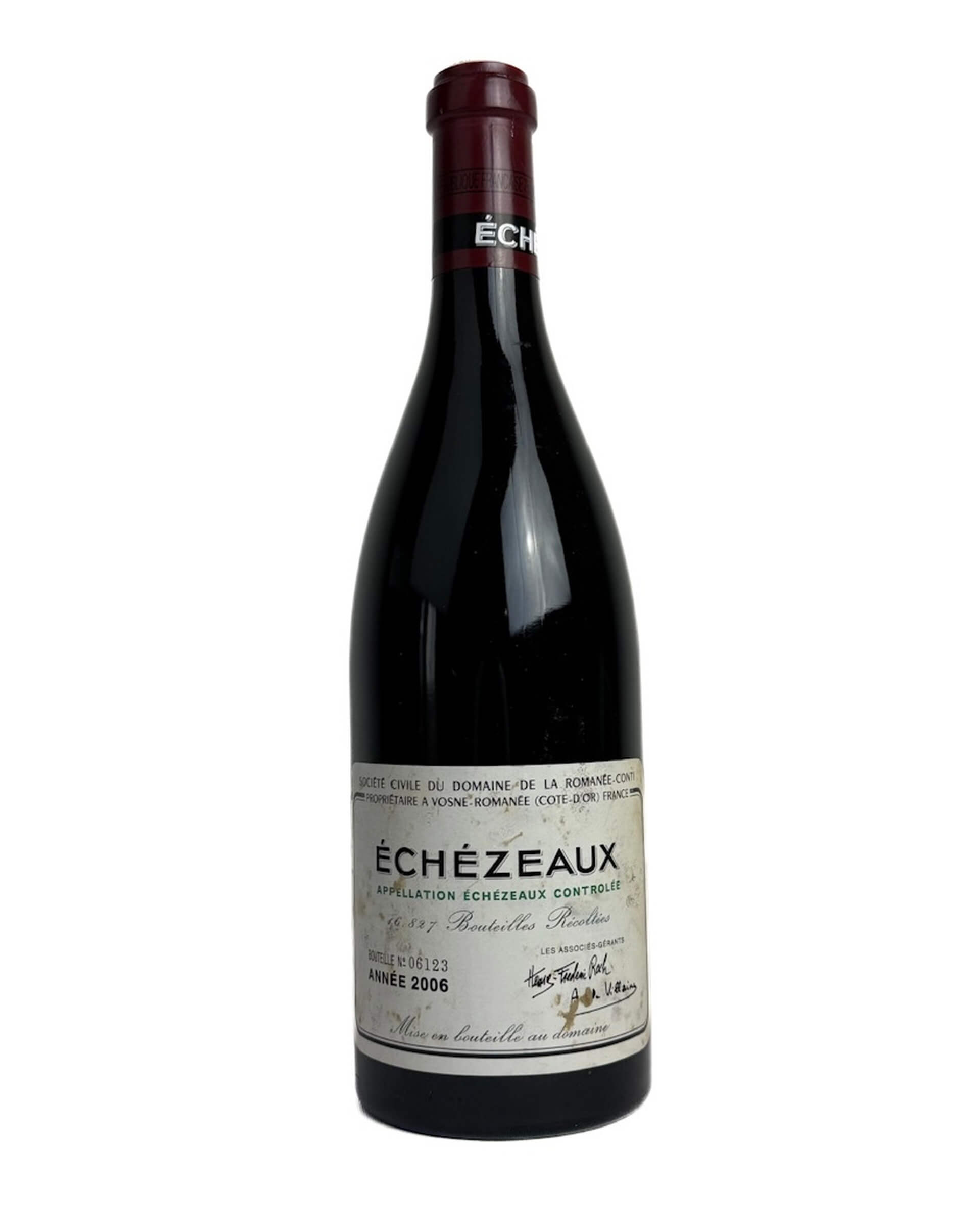
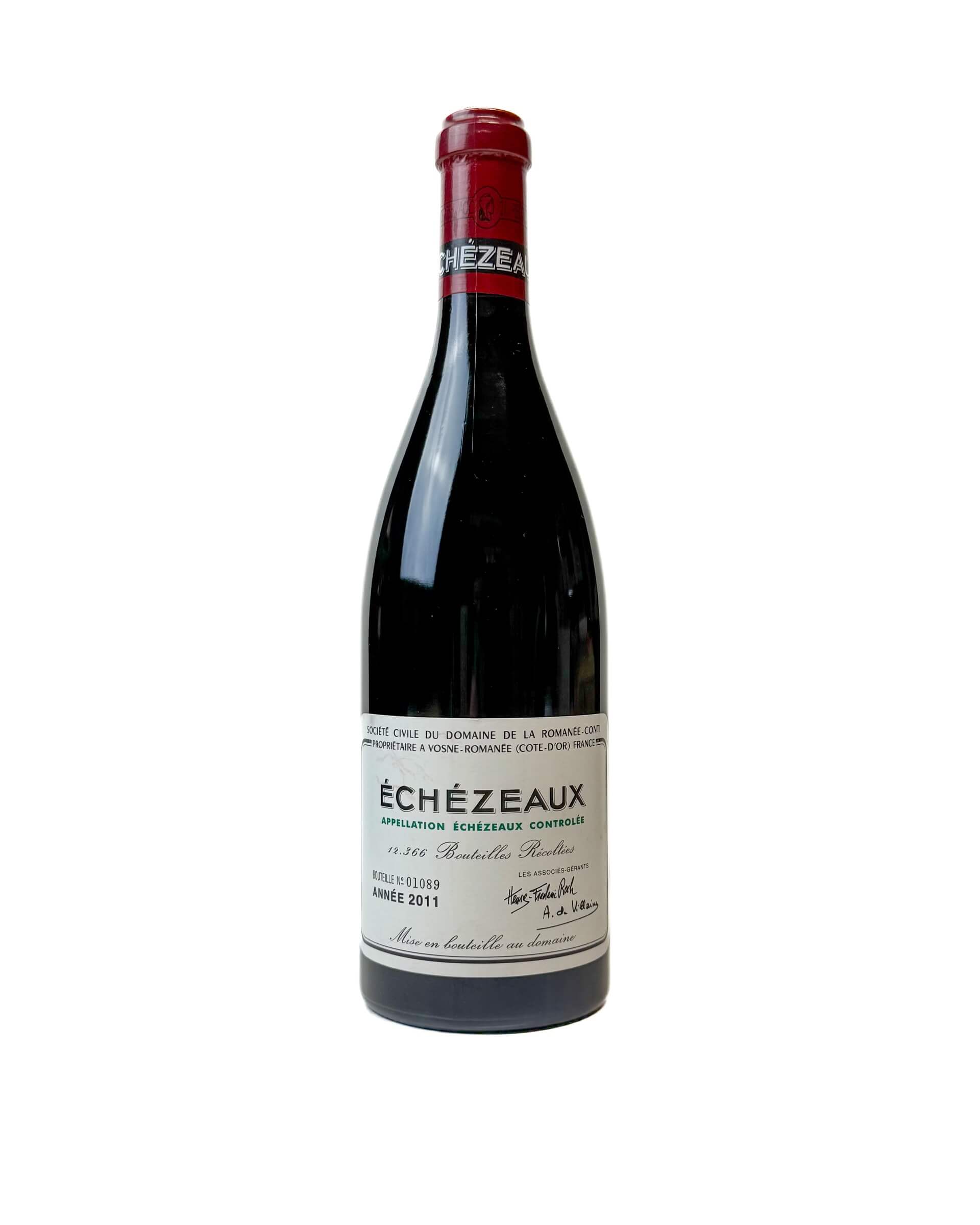
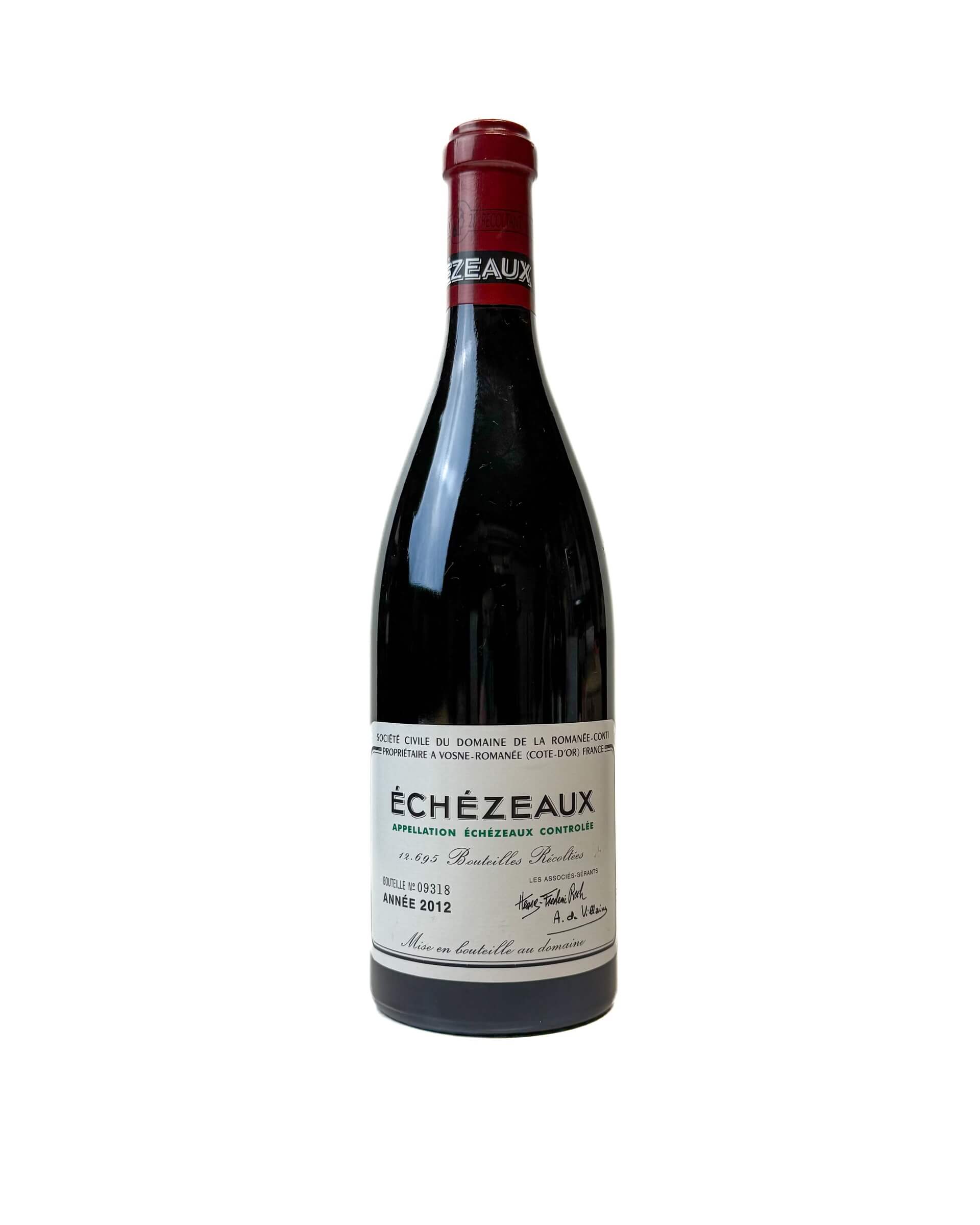
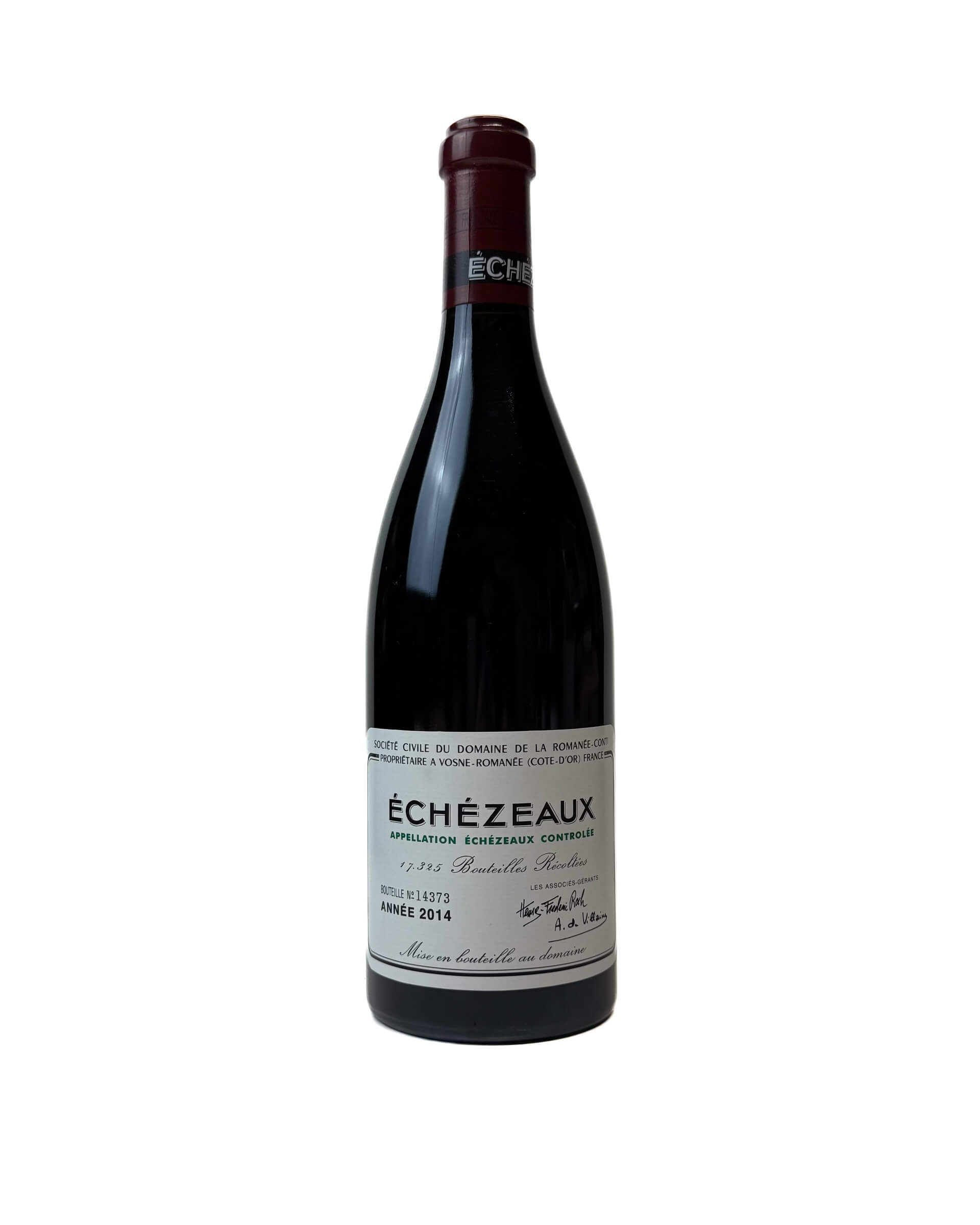
Burgundy wine is, for many collectors and lovers of fine wine, the most beguiling expression of Pinot Noir and Chardonnay on earth — a region in eastern France where a single hillside can yield two utterly different bottles from two patches of vines a few metres apart. Burgundy is not a wine of scale or spectacle but of nuance, patience and place. Few regions tie greatness so tightly to a precise plot of ground.
At Tour de Wine we curate Burgundy with the seriousness it demands. Our selection spans 313 bottles, from approachable village reds to allocated Grand Cru cuvées that take decades to reveal themselves, with benchmark growers such as Armand Rousseau, Domaine Leflaive, Mugnier and Coche-Dury among the names you will recognise. Whatever your level of experience, this page is your map to the region — its hierarchy, its sub-regions, its grapes and its prices — so you can buy with confidence.
What Makes Burgundy Wine Different
The defining idea in Burgundy is the climat: a single, named vineyard parcel whose boundaries have been recognised for centuries and whose limestone-and-clay soils, exposure and micro-slope give the wine a character no neighbouring plot can replicate. Burgundy’s climats were inscribed on the UNESCO World Heritage list in 2015, formal recognition that these are cultural landmarks as much as farmland. This obsession with site is why Burgundy is overwhelmingly a region of single-varietal wines.
Red Burgundy wine is made almost entirely from Pinot Noir, a thin-skinned, temperamental grape that transmits terroir with rare transparency. White Bourgogne wine is Chardonnay, ranging from steely and mineral to rich and nutty. Gamay holds sway only on the region’s southern Beaujolais fringe. Because the great vineyards of the Côte d’Or are tiny and cannot be expanded, supply is fixed and scarcity is built into the system — the root cause of both Burgundy’s prestige and its prices.
Understanding the Burgundy Wine Quality Hierarchy
Burgundy’s classification is a pyramid, and understanding it is the single most useful thing an intermediate buyer can learn. Each rung up the ladder means a smaller, more specific piece of land — and a higher price, longer ageing potential and greater rarity.
- Régionale (e.g. Bourgogne AOC): the broad base, sourced across the region. Fresh, fruit-forward, ready early — the everyday face of Burgundy.
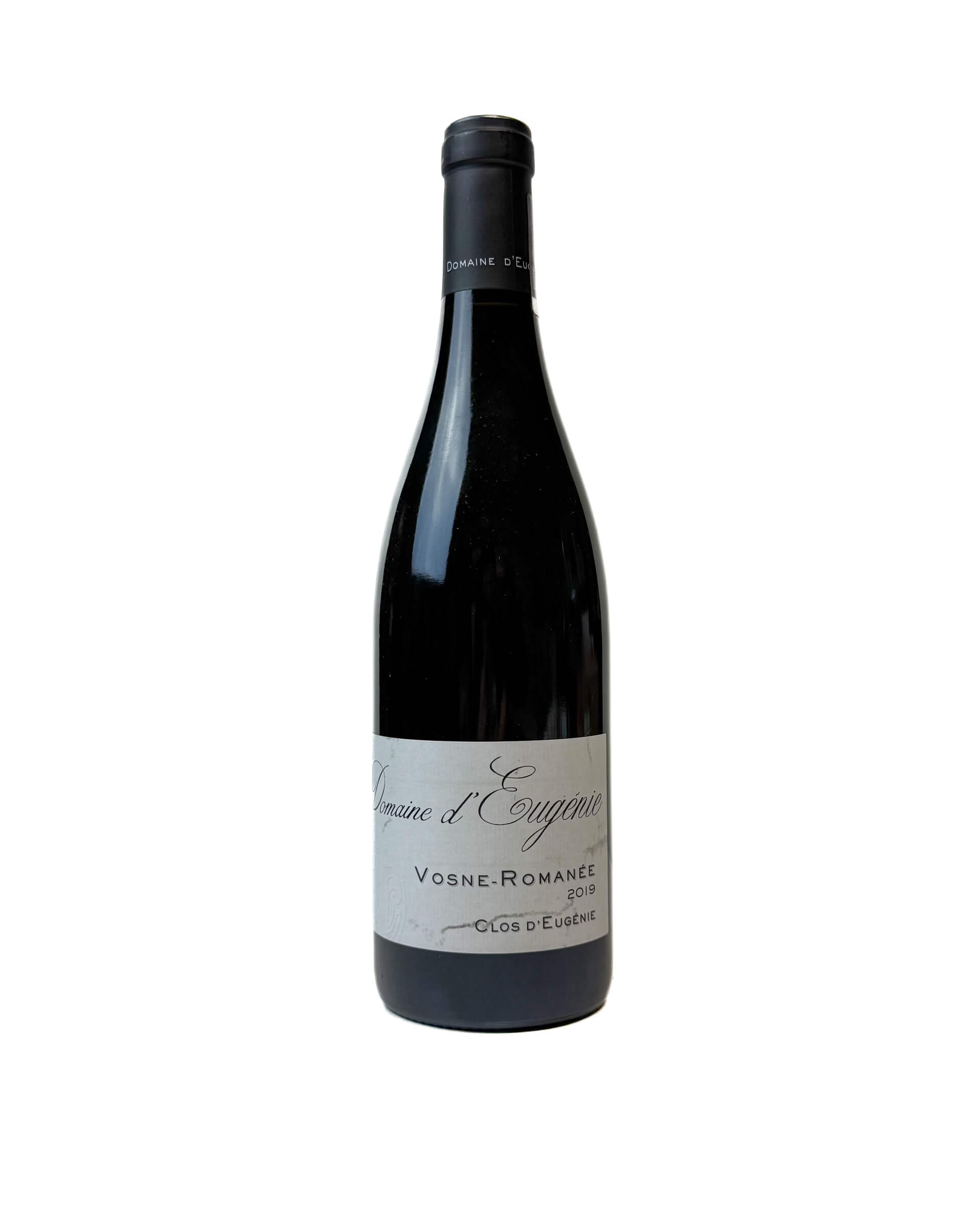
- Village (e.g. Gevrey-Chambertin): wines from the vineyards around a single commune, expressing a recognisable local style. The sweet spot for value.
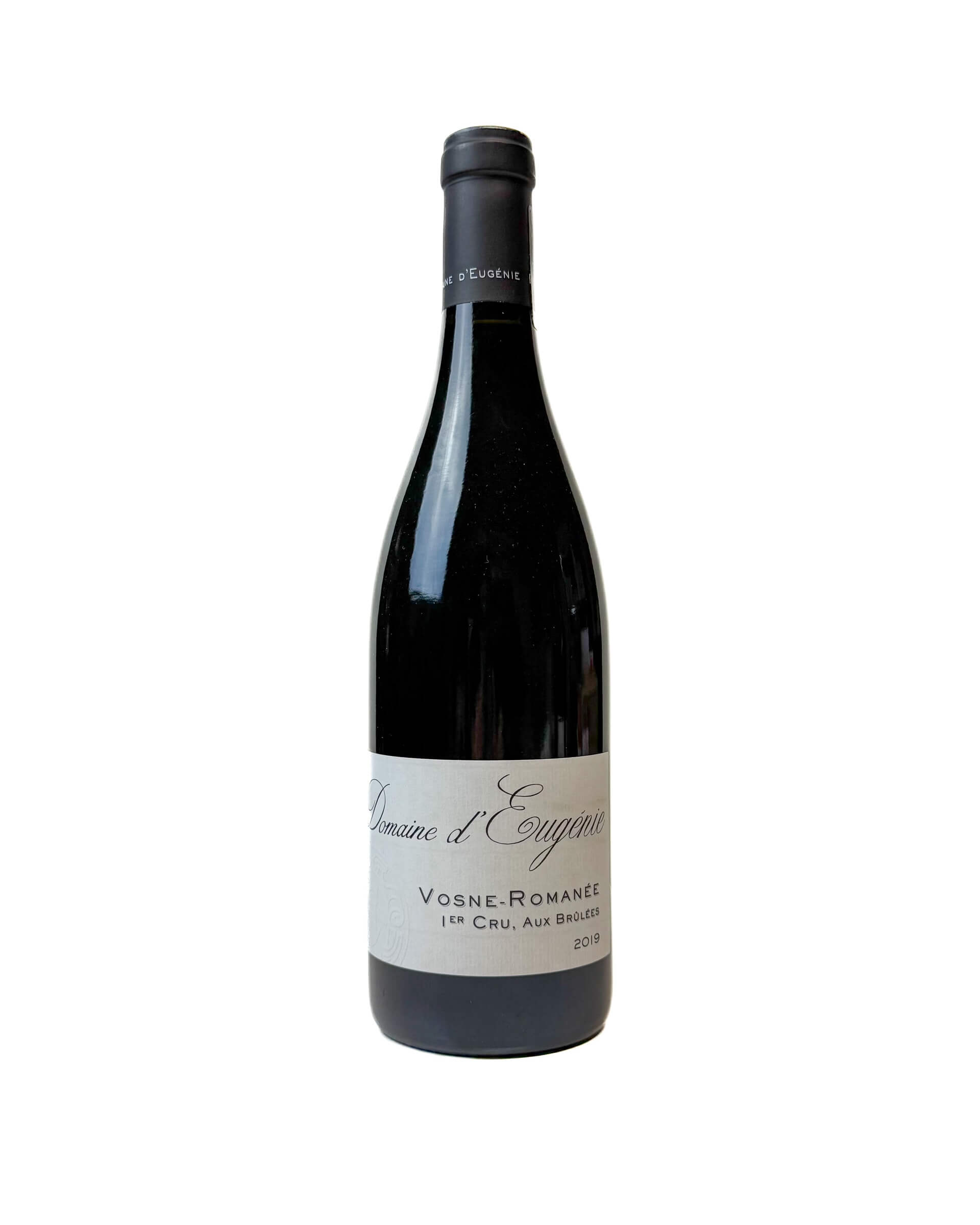
- Premier Cru (e.g. Gevrey-Chambertin Les Cazetiers): superior named plots within a village, more concentrated and structured, built to age 10–15 years.
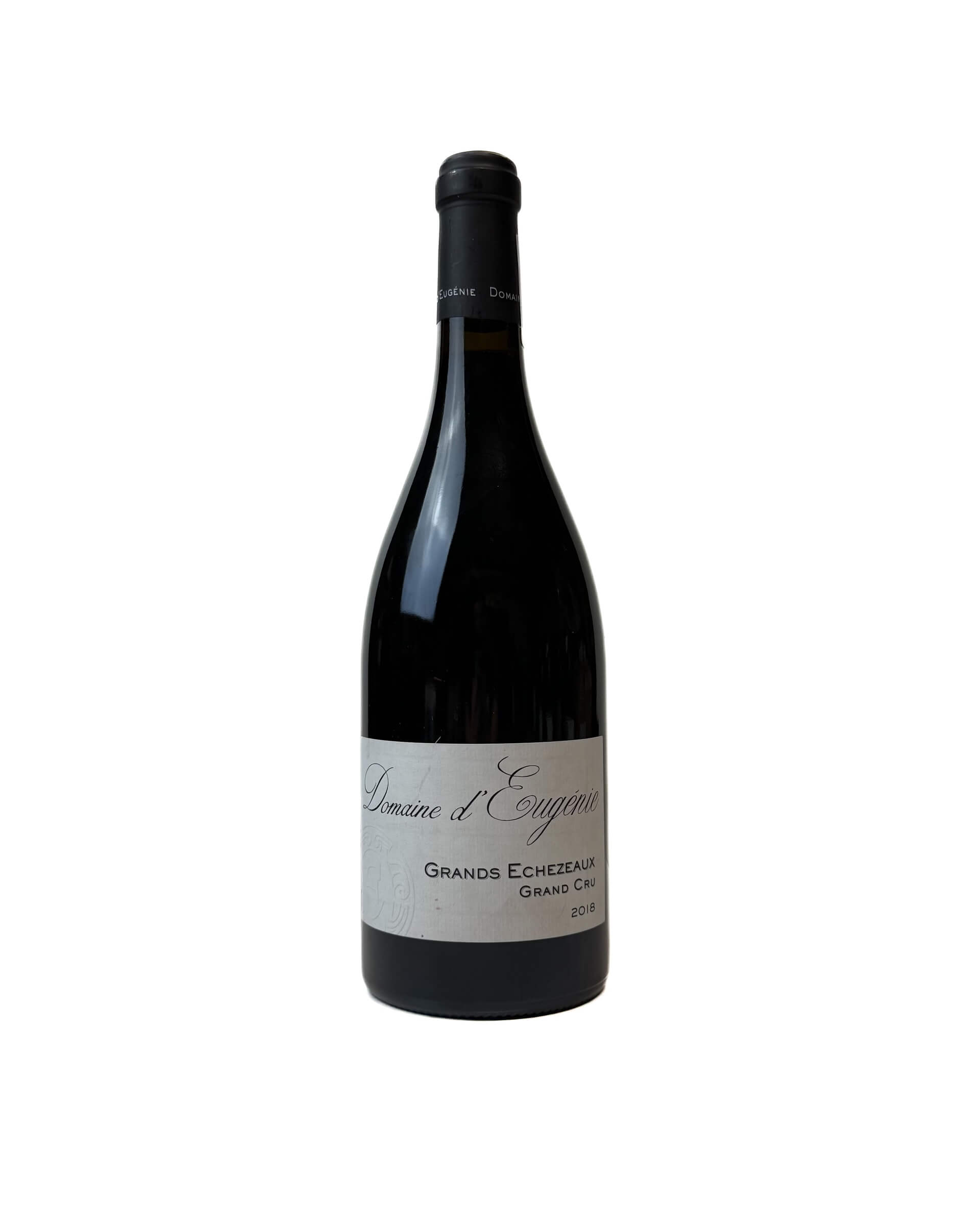
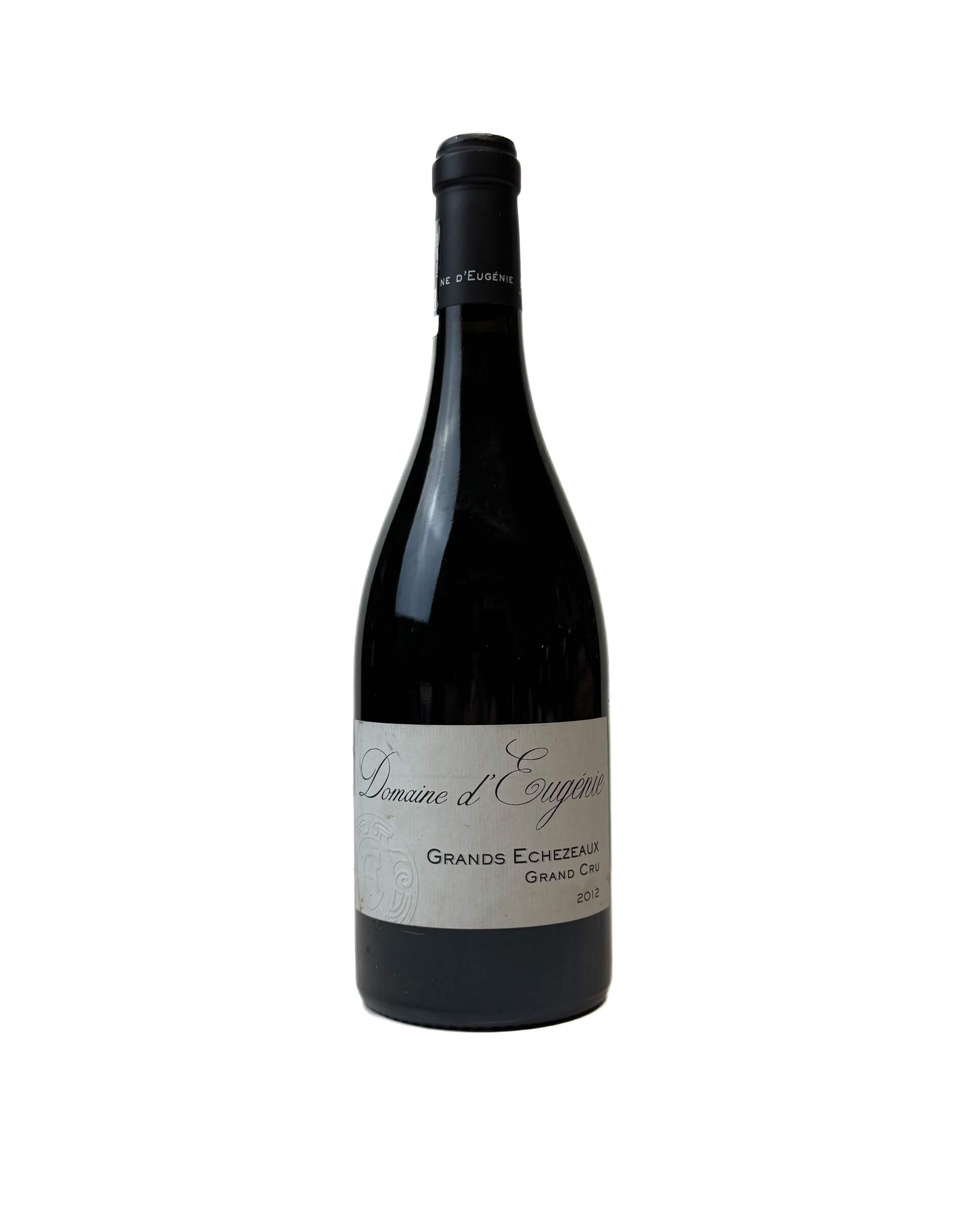
- Grand Cru (e.g. Chambertin): the apex — a handful of legendary climats producing only a few thousand bottles a year. Profound, age-worthy and scarce.
A practical rule: if you want to drink within three to five years, a fine Village or Premier Cru often delivers more pleasure per euro than a tightly wound young Grand Cru that needs a decade to open.
The Sub-Regions — Where Your Bottle Comes From
Burgundy stretches from Chablis in the north to the Mâconnais in the south, but its beating heart is the Côte d’Or, the “golden slope” that splits into two halves. Knowing which half a wine comes from tells you most of what you need to know about its style.
Côte de Nuits — Red Burgundy’s Heartland
The Côte de Nuits is where red Burgundy reaches its most powerful and long-lived expression, and it forms the core of our selection with 245 bottles. This narrow strip of slopes is home to Gevrey-Chambertin, Morey-Saint-Denis, Vosne-Romanée and the most exalted Grands Crus of all — the domaines of Armand Rousseau in Gevrey and Jacques-Frédéric Mugnier in Chambolle are touchstones for the style. The wines are deeply structured, with dark cherry, truffle, iron minerality and dried-rose perfume, and the finest Grands Crus reward cellaring for 10 to 25 years. The 2019 and 2020 vintages were both outstanding here, combining ripeness with the freshness that long ageing demands.
Côte de Beaune — Elegance and the World’s Finest Whites
The Côte de Beaune is the southern half of the Côte d’Or, and its personality is gentler. Its reds — from communes such as Pommard and Volnay — tend to be silkier and more approachable young than those of the Côte de Nuits. But the Beaune side is most celebrated for white Burgundy: Puligny-Montrachet, Chassagne-Montrachet and Meursault set a stylistic standard that Chardonnay producers worldwide openly cite as their reference point. The benchmark whites here come from domaines such as Domaine Leflaive in Puligny and the famously precise Coche-Dury in Meursault, while Volnay’s reds are defined by growers like the Marquis d’Angerville.
The Grands Crus Worth Knowing
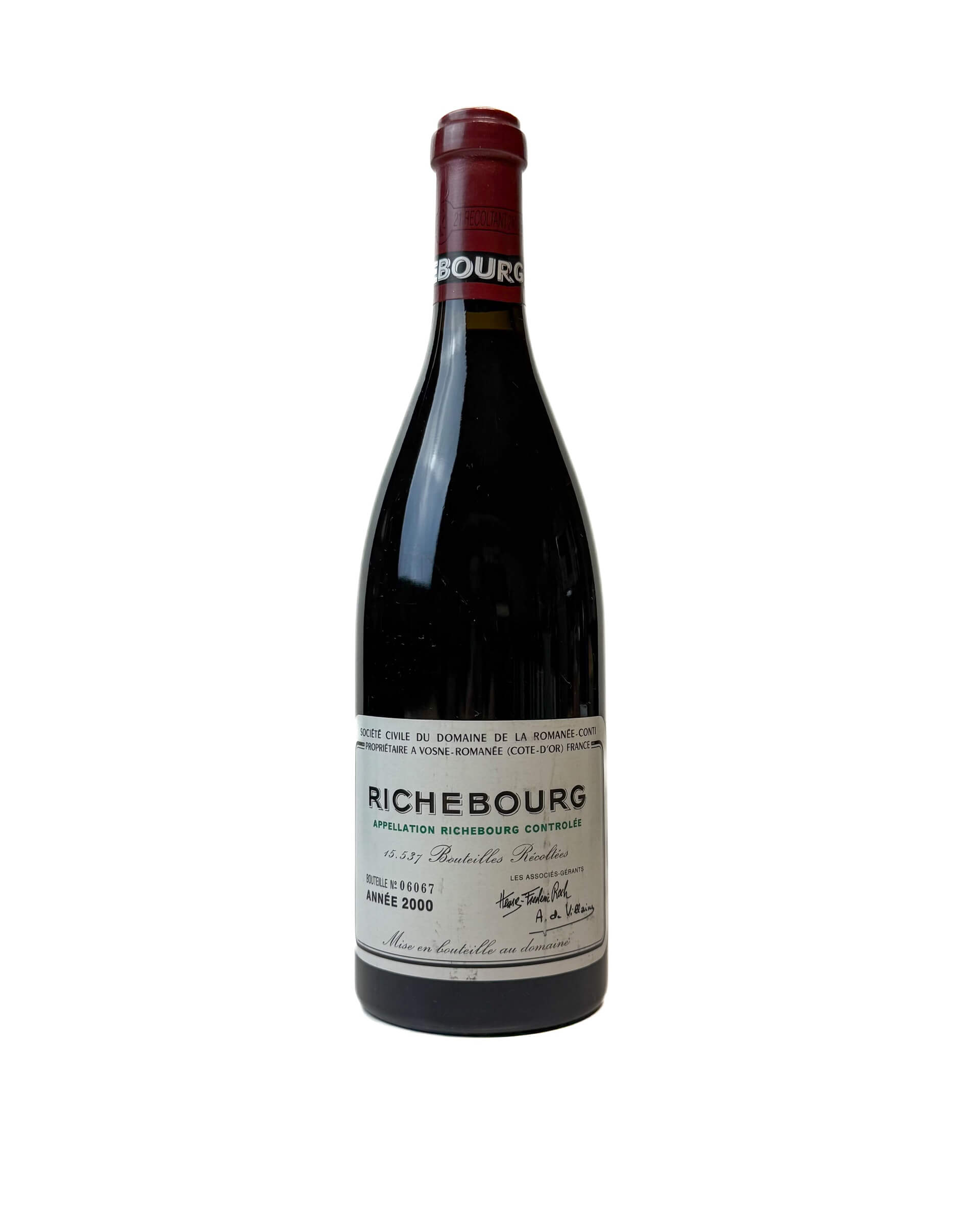
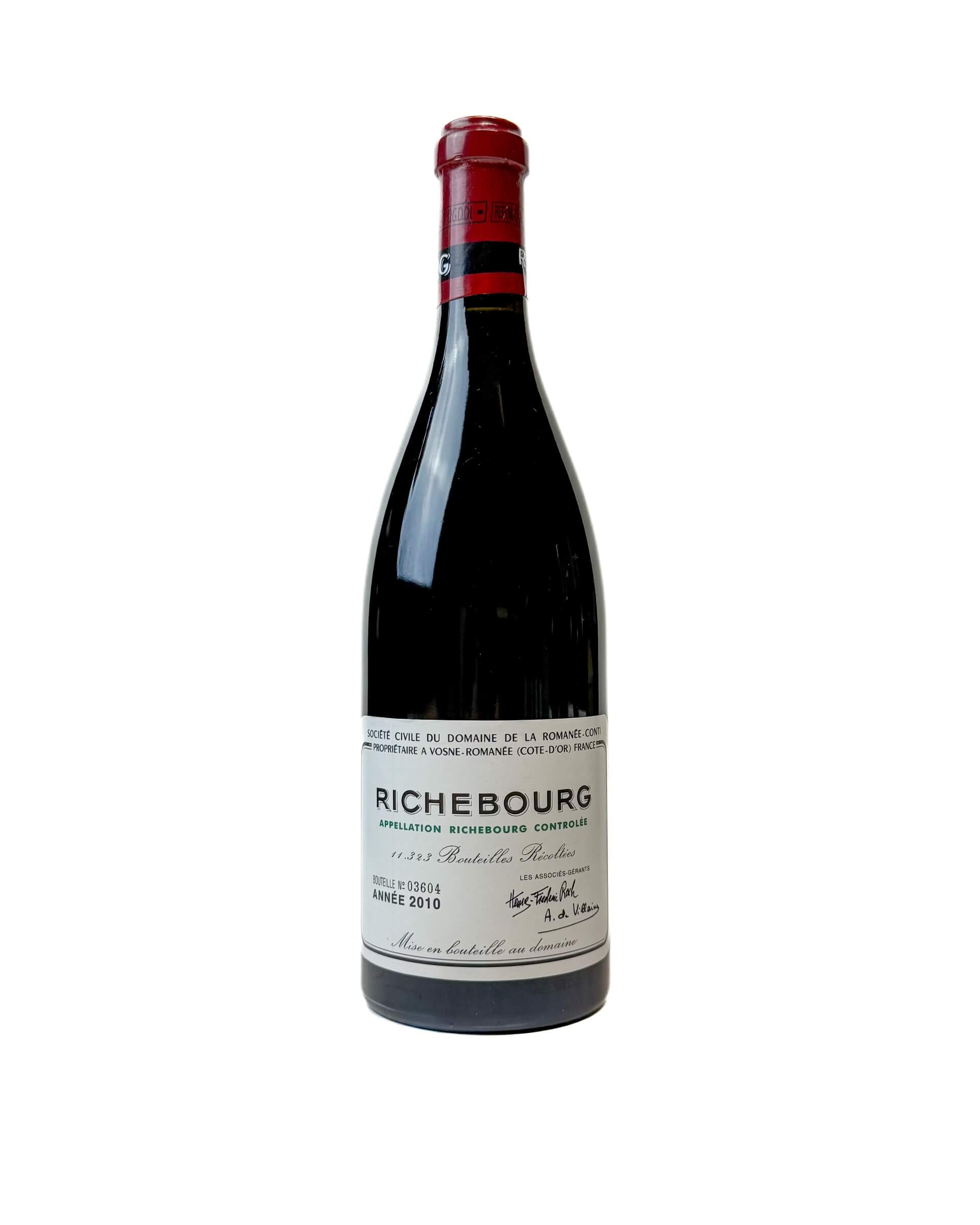
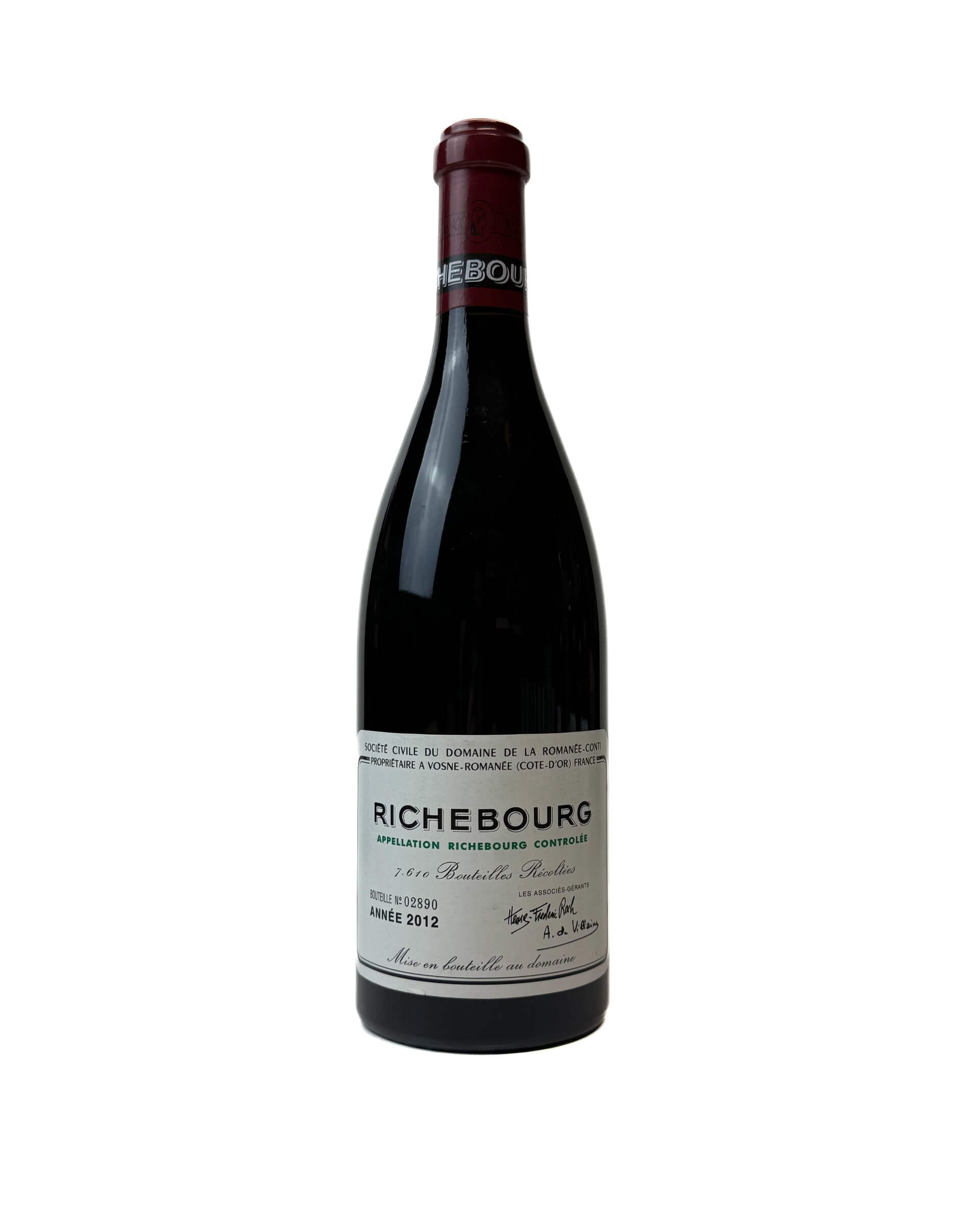
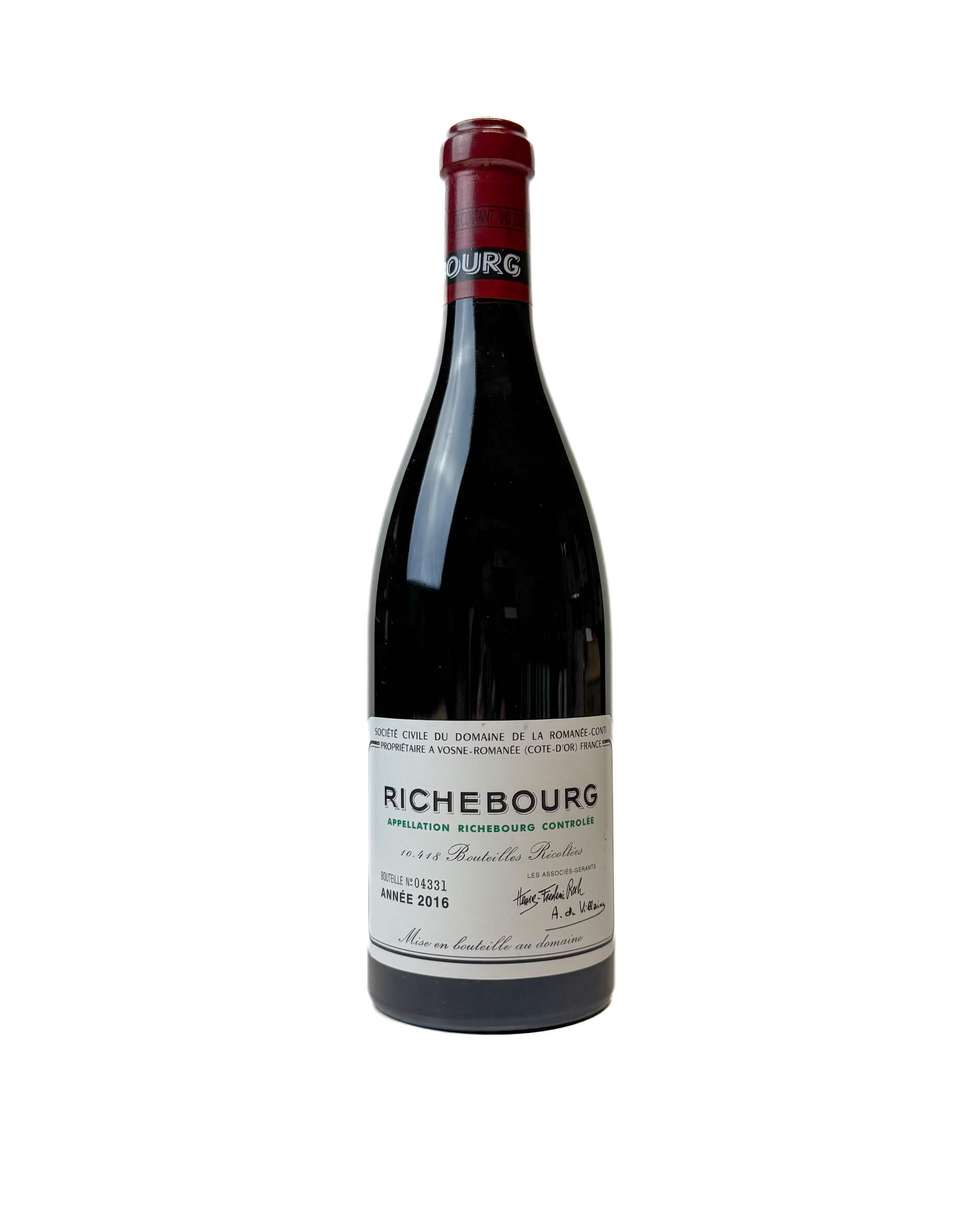
A Grand Cru climat earns its name through a particular alchemy of micro-slope, drainage and centuries of patient vine selection, all concentrated into a tiny, fiercely guarded parcel. Two names stand at the summit: Chambertin, the muscular, brooding king of Gevrey, and Richebourg, the opulent, velvety jewel of Vosne. For sheer aromatic complexity, in our experience few villages anywhere rival Vosne-Romanée, whose Grands Crus consistently top global auction results and whose tiny annual production keeps demand far ahead of supply.
The Grapes of Burgundy — Pinot Noir and Chardonnay
Pinot Noir is the soul of red Burgundy: pale in colour but intense in flavour, offering red cherry, violet, forest floor and a fine iron minerality. Its expression shifts with the slope — broad-shouldered and powerful in the Côte de Nuits, more perfumed and silken in the Côte de Beaune. Because Pinot Noir hides nothing, it is the most honest mirror of terroir in the wine world, which is precisely why the grape and the region are so deeply intertwined. Explore our wider Pinot Noir selection of 304 bottles to taste how Burgundy compares with other origins.
Chardonnay is Burgundy’s second voice and arguably its most influential export. White Bourgogne wine ranges from the taut, oyster-shell minerality of the north to the buttered-hazelnut richness of a great Meursault, always underpinned by bright acidity that sets it apart from sun-drenched New World styles. For white Burgundy, 2020 and 2022 are recent vintages worth seeking out, both prized for ripe fruit balanced by firm, age-worthy acidity. The region’s everyday white grape, Aligoté, rounds out the picture with its crisp, lemony freshness — the traditional base of a kir.
Food Pairings and Serving Burgundy Wine
Few wines are as flattering at the table as Burgundy, precisely because its elegance complements rather than overpowers a dish. Match the weight of the wine to the weight of the plate and you rarely go wrong.
Red Burgundy pairs beautifully with:
- Duck à l’orange and roast game birds such as quail or pheasant
- Herb-crusted lamb and slow-braised beef
- Mushroom risotto and earthy autumn vegetables
- Aged soft cheeses, above all Époisses and a well-matured Comté
White Burgundy is at home with:
- Dover sole, turbot and other delicate white fish
- Lobster thermidor and richly sauced shellfish
- White-truffle dishes and creamy poultry
- Fresh goat’s cheese and tender spring asparagus
Serve reds at 15–17°C and decant young Grands Crus for 45 to 60 minutes; pour whites cooler, at 12–14°C, to keep their acidity bright and their aromatics precise.
How to Choose and Buy Burgundy — Price Guide
Prices in fine Burgundy climb steeply with the classification ladder, and our 313-bottle selection spans the full spectrum. Use the three tiers below to set your expectations honestly before you filter by budget.
- Entry tier — from around €210: Village and Régionale appellations, including bottles from the Côte Chalonnaise and the Hautes-Côtes. Bright, expressive and best enjoyed within three to five years. (A handful of everyday bottles start lower still, from €15.)
- Classic tier — around €800 (the collection’s median price): the heart of the selection, spanning serious Village and Premier Cru wines plus the more accessible Grands Crus. As a median, this is the typical mid-point of the range, not a ceiling — wines sit either side of it. These reward cellaring of five to fifteen years.
- Collector tier — the top of the market: the rarest cuvées, allocated Grands Crus from Chambertin, Richebourg and Vosne-Romanée, built to evolve for decades. Prices here climb to €3,350 at the 90th percentile and beyond, with the rarest single bottles reaching up to €43,000.
Across this range you will find both reds and whites; for the broader French context you can also browse our wider France collection. Whatever your budget, our buying team is here to guide you to the right bottle.
Frequently Asked Questions
What is the difference between red and white Burgundy?
Red Burgundy is made from Pinot Noir, while white Burgundy is made from Chardonnay. Both come from the same region and share the same classification system. The Côte de Nuits produces predominantly red wine, whereas the Côte de Beaune produces both outstanding reds and the world’s most revered white Burgundies.
Why is Burgundy wine so expensive?
Burgundy’s vineyards are tiny, fragmented and impossible to expand. The finest Grand Cru plots yield only a few thousand bottles a year for the entire world, and vintage variation adds further scarcity. Prices at the top of the range — reaching up to €43,000 for the rarest cuvées — reflect investment-grade rarity as much as quality.
How long does Burgundy wine age?
Village wines and Régionale appellations are usually at their best within five to eight years of the vintage. Premier Crus can develop for 10 to 15 years, while Grands Crus from Chambertin or Richebourg often need 10 to 20 years to open and can continue evolving for 30 years or more.
Should I match the food to the wine’s classification?
Yes — pairing by tier is the practical way to get the most from a bottle. A Village Volnay or Bourgogne Rouge is built for everyday cooking, so reach for it with a midweek roast chicken or a mushroom tart. Save a Premier Cru for a more considered dish, such as duck or rack of lamb. A Grand Cru deserves an occasion and a composed, sauce-led plate that gives its complexity room to show; pouring one alongside fast food or heavily spiced cooking simply masks what you have paid for.
Written by the Tour de Wine buying team. Last reviewed: June 2026.