
94, 96
0,75
2006
Chateau La Fleur-Petrus
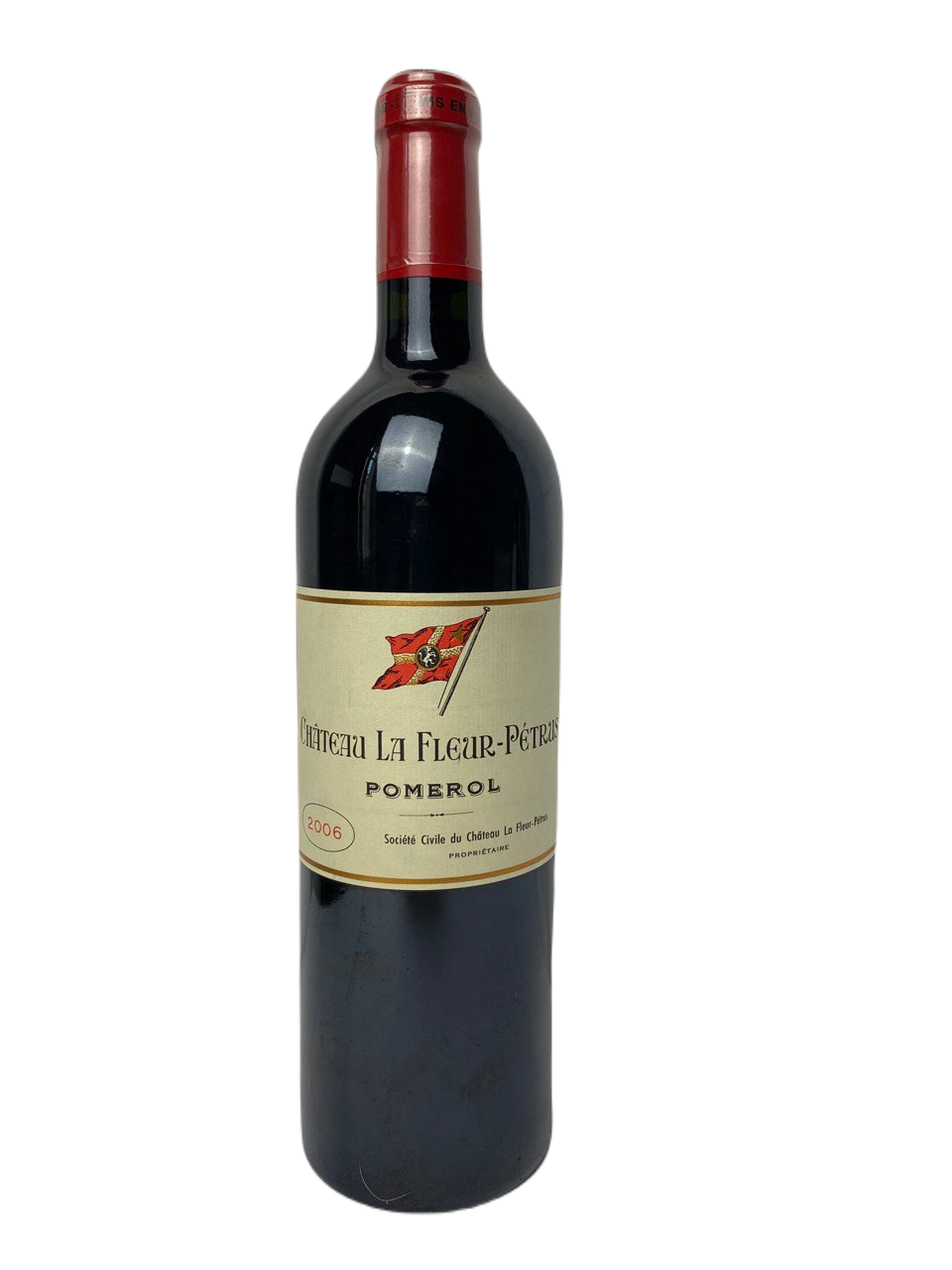
Chateau La Fleur-Petrus 2006 0,75L
€ 240,00
Wines, producers, regions...
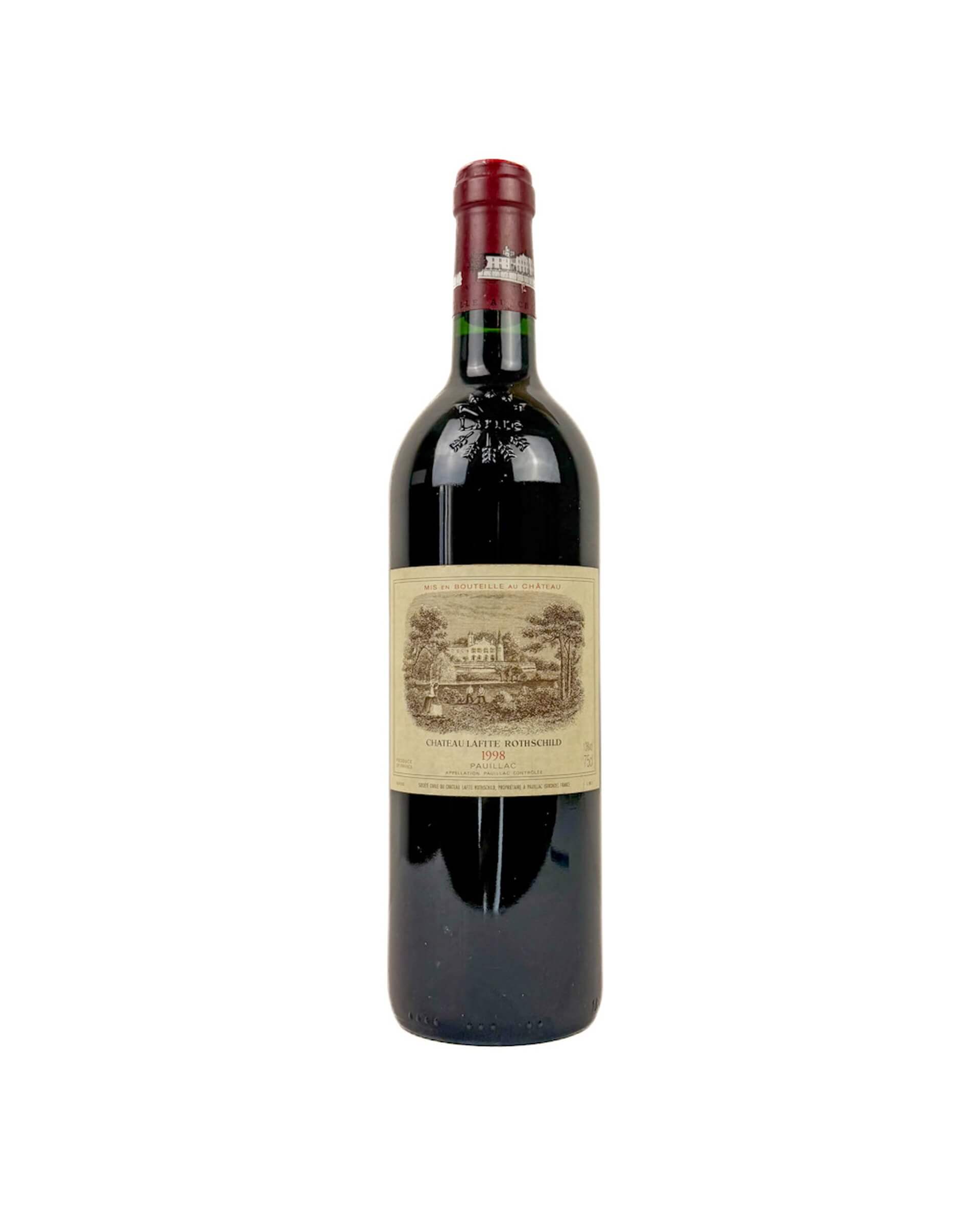
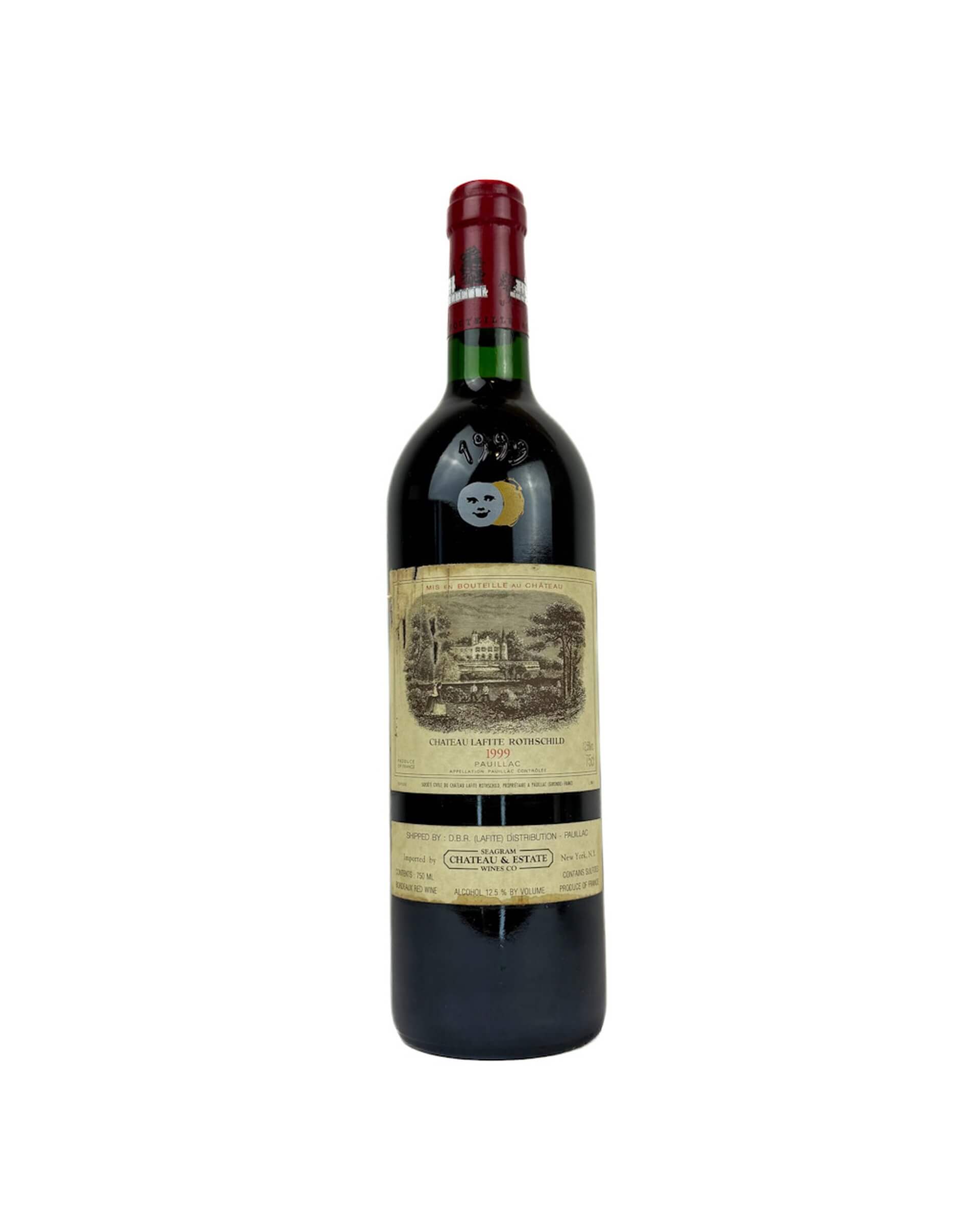
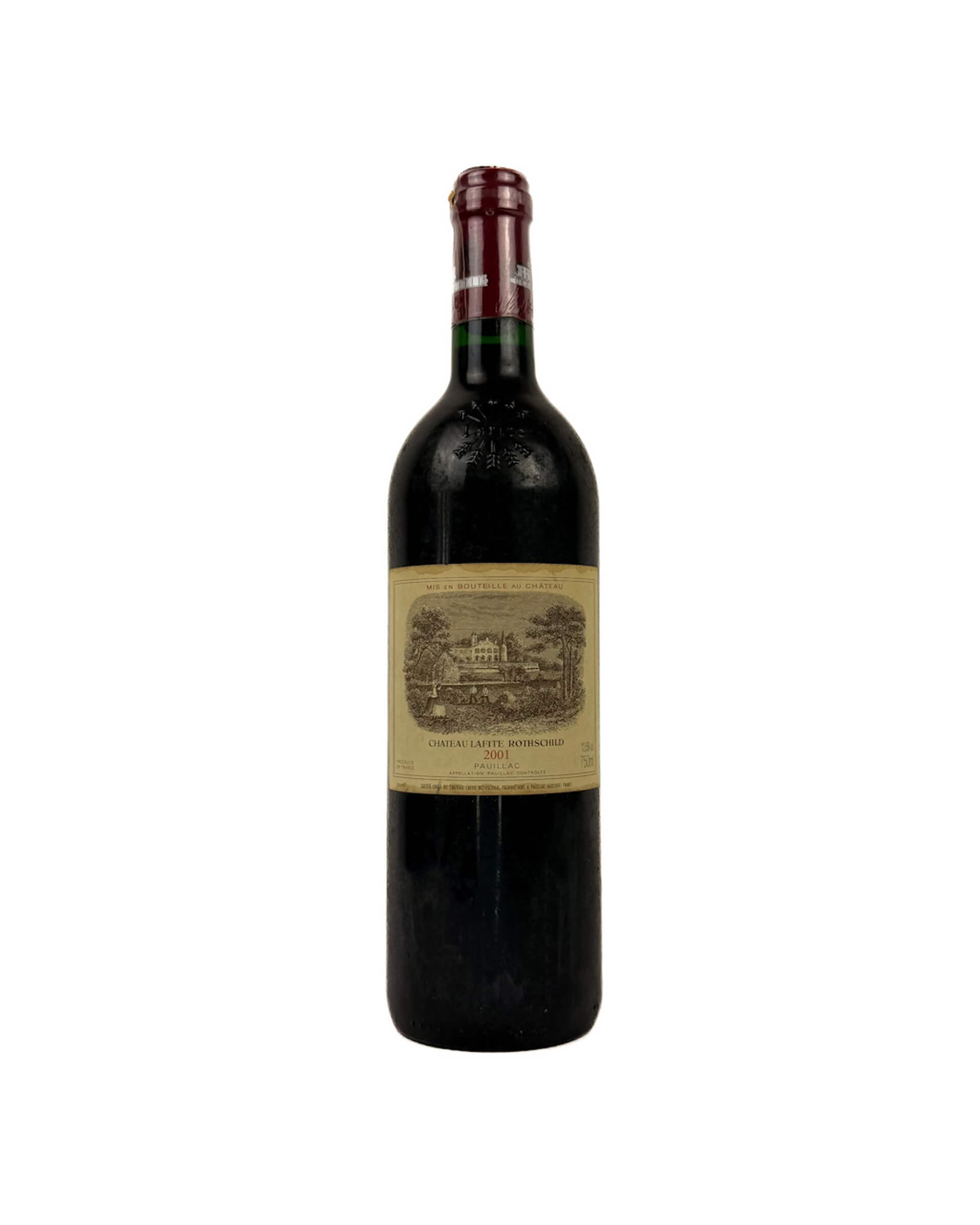
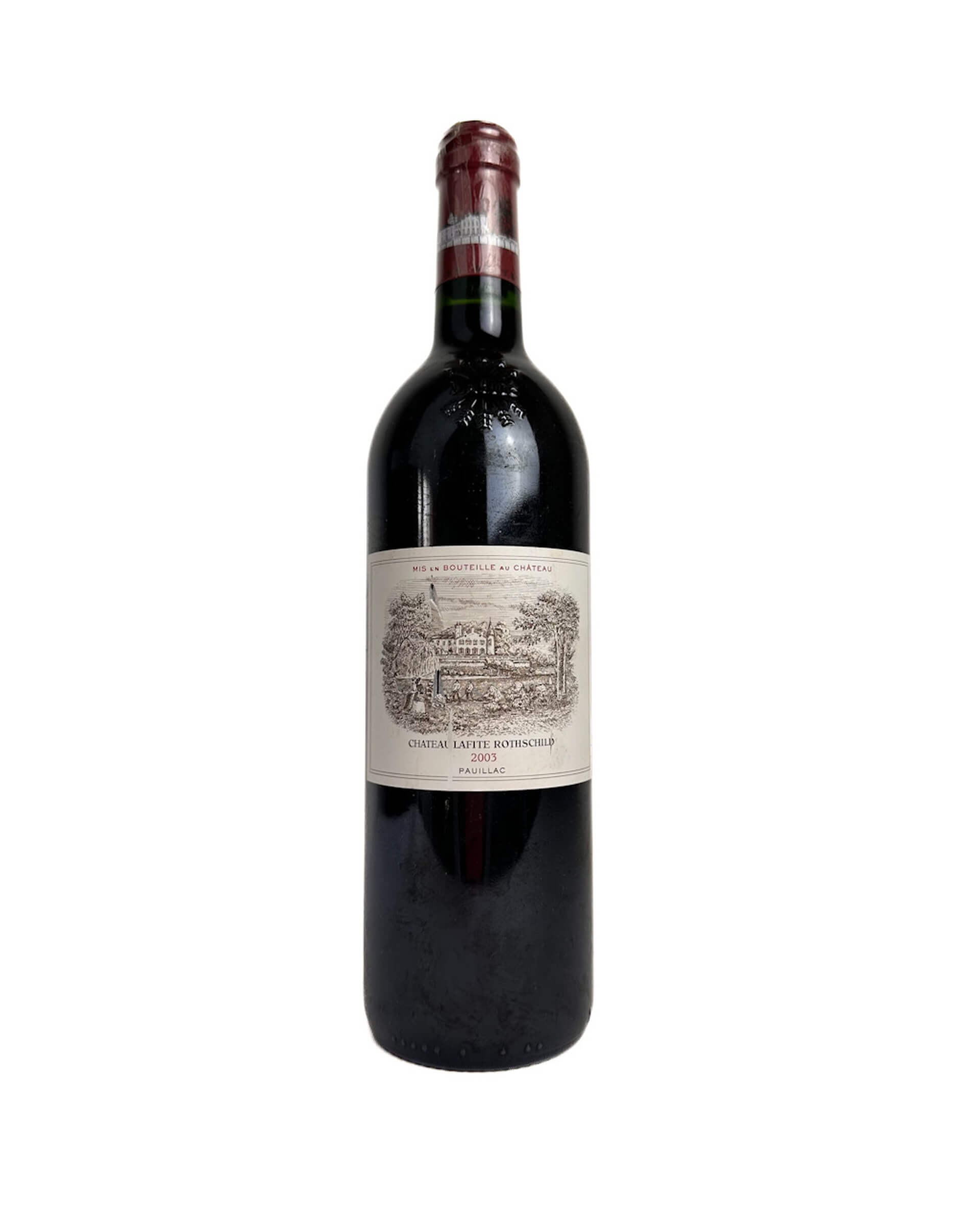
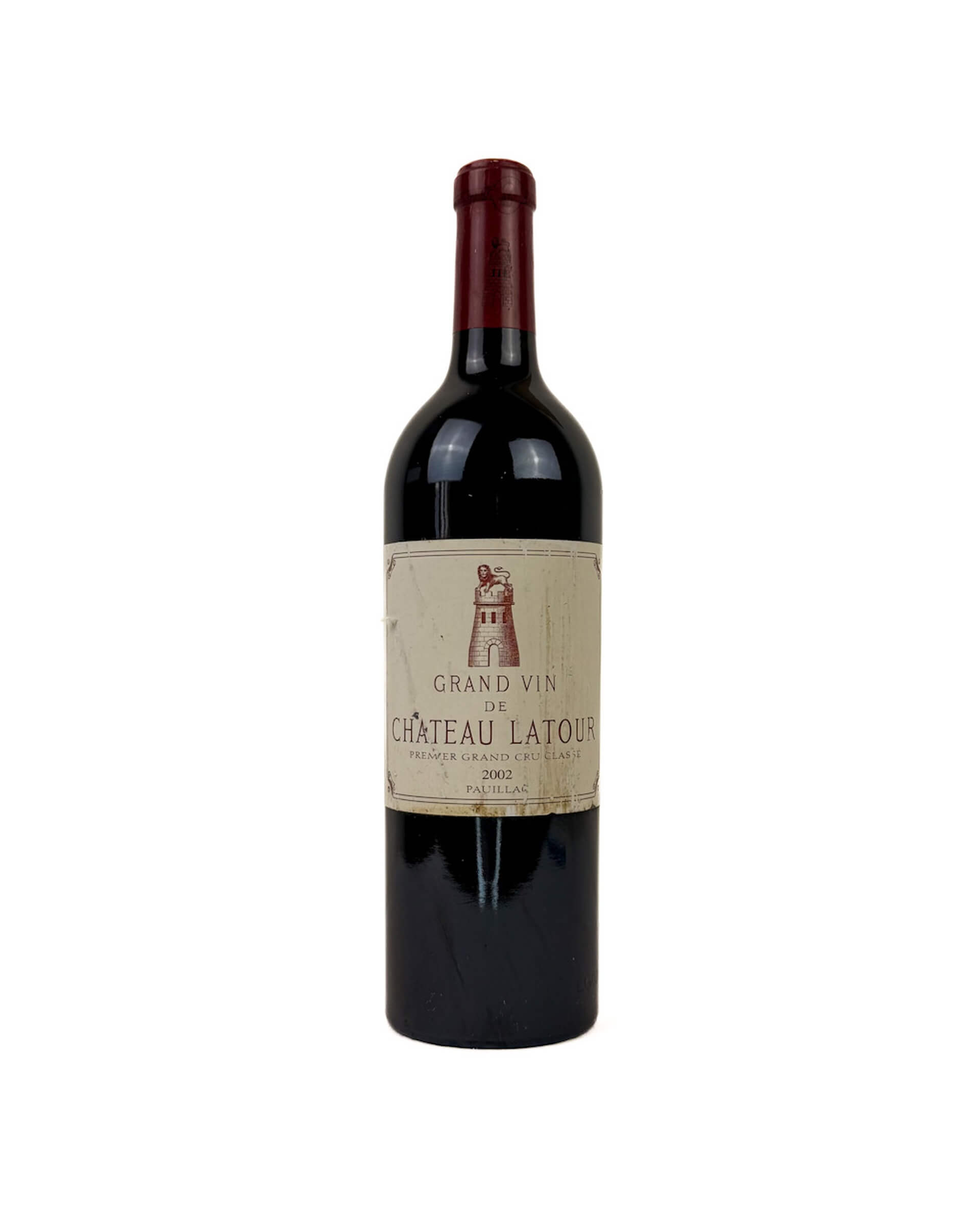
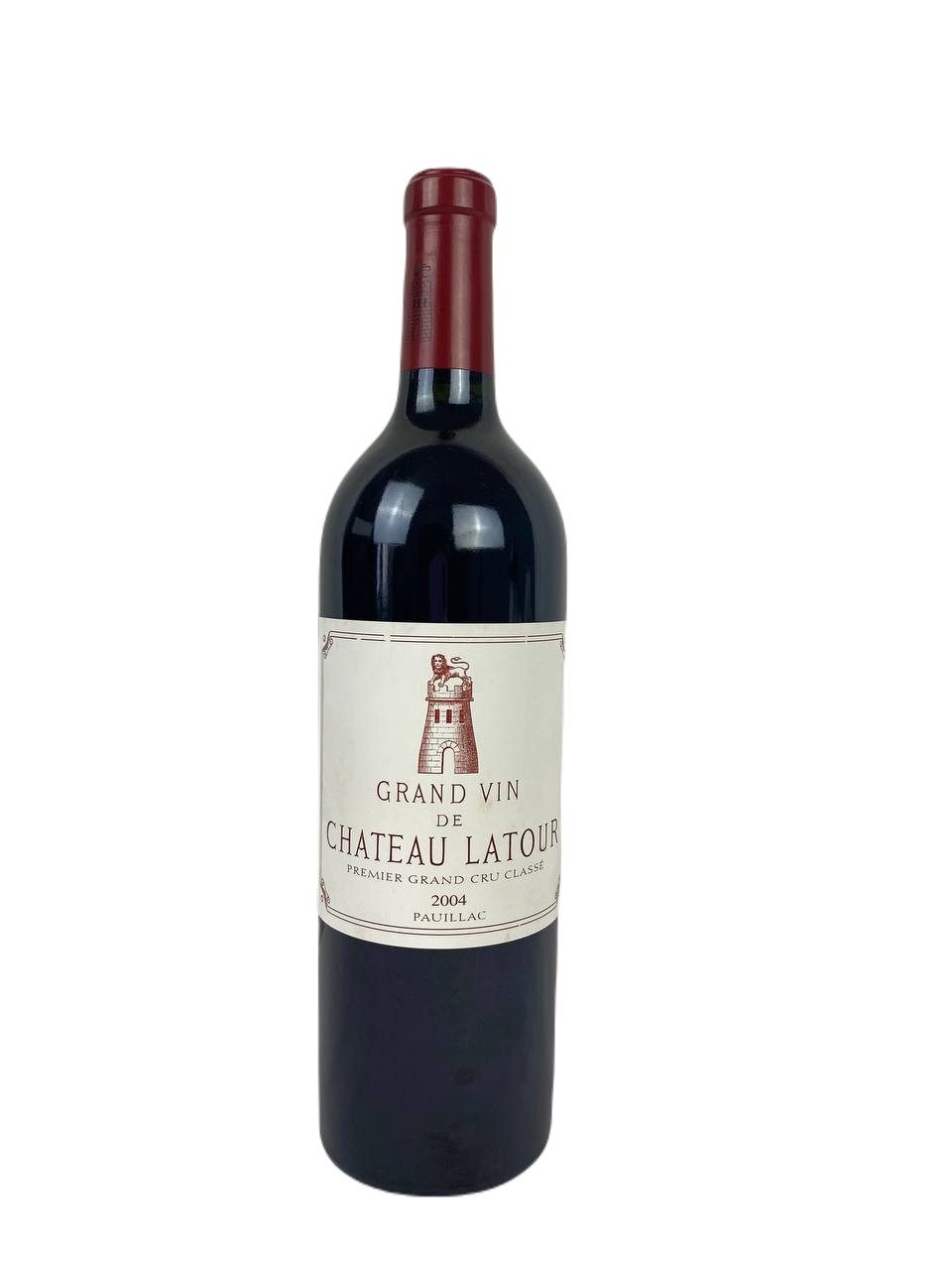
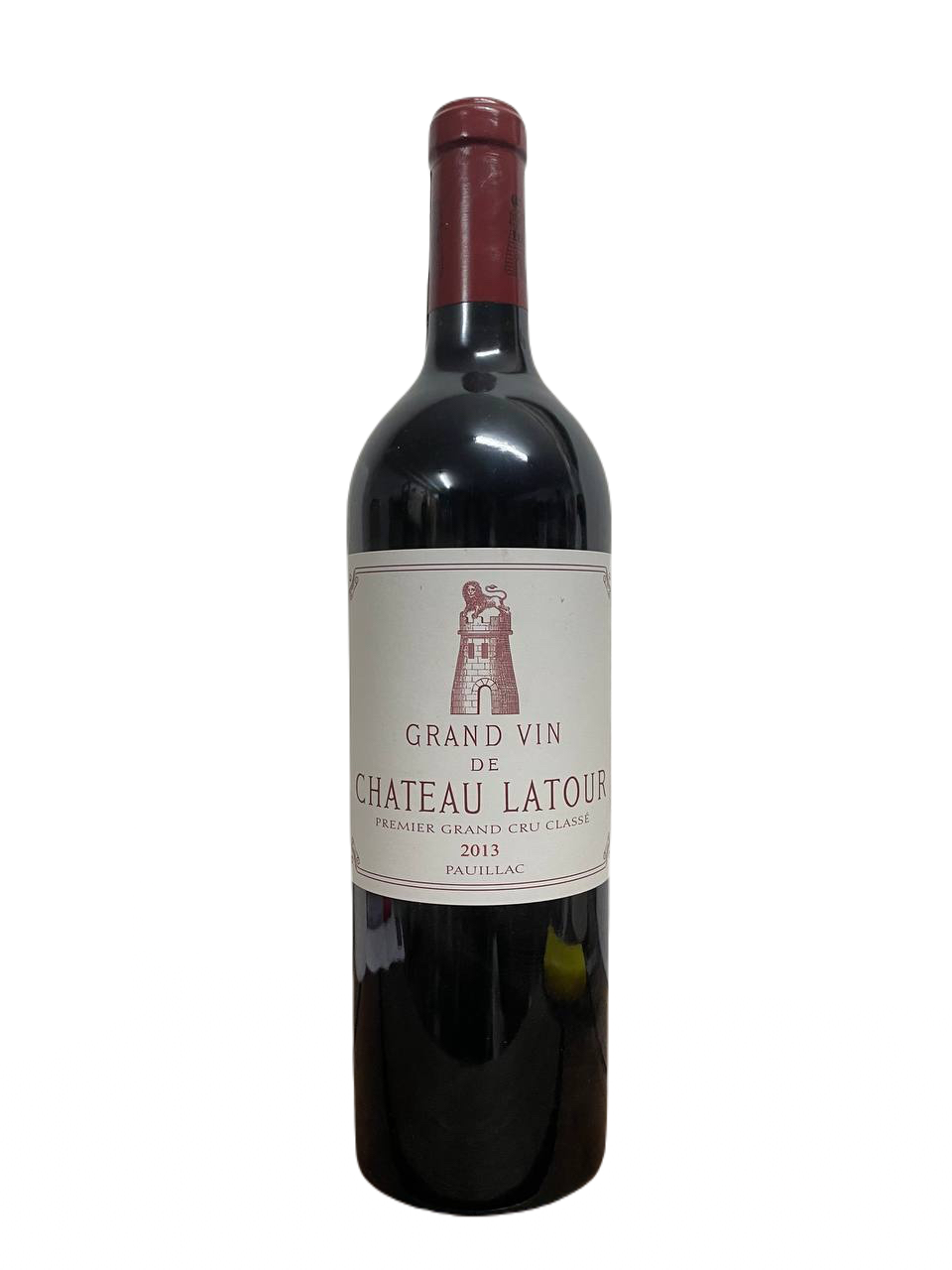
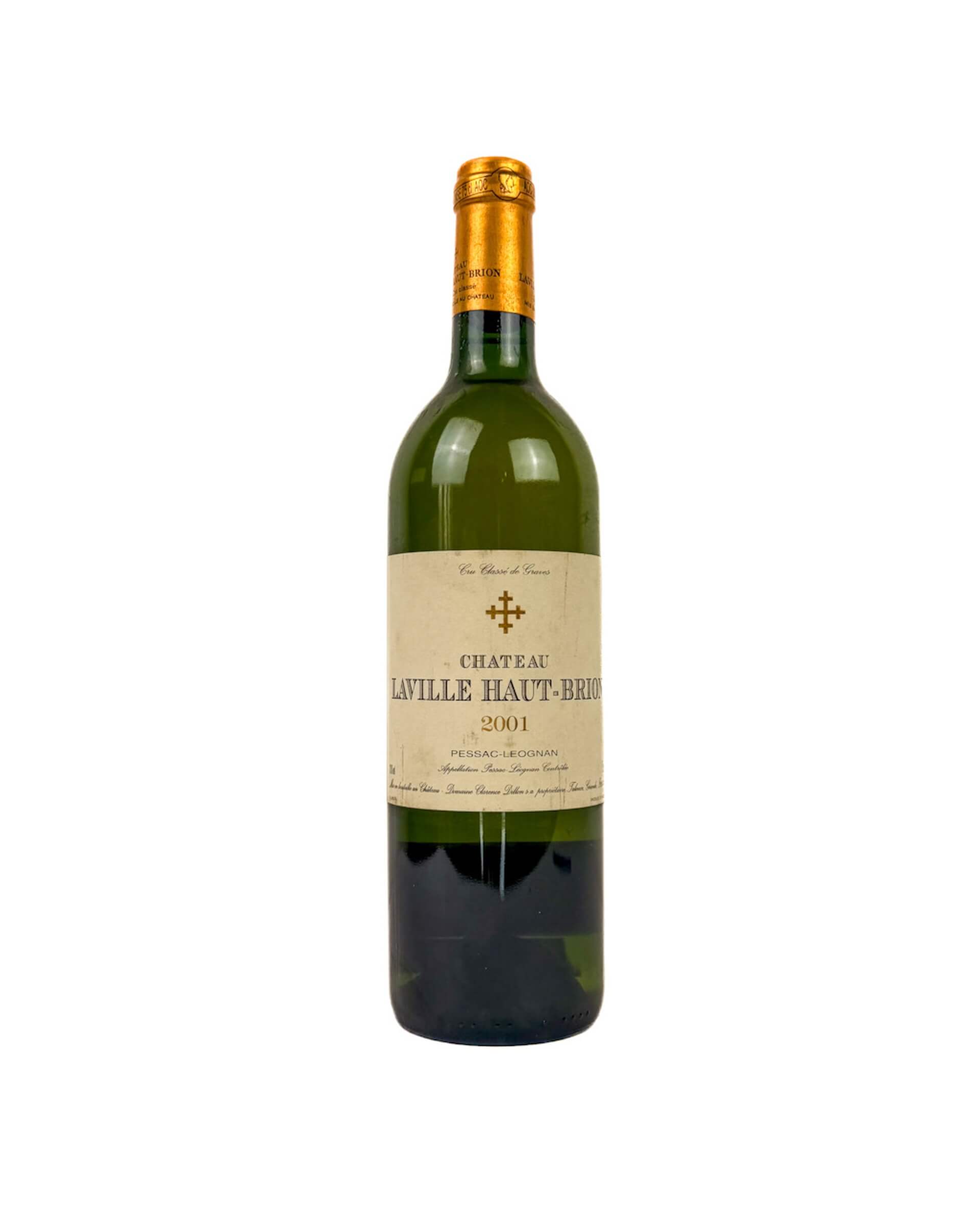
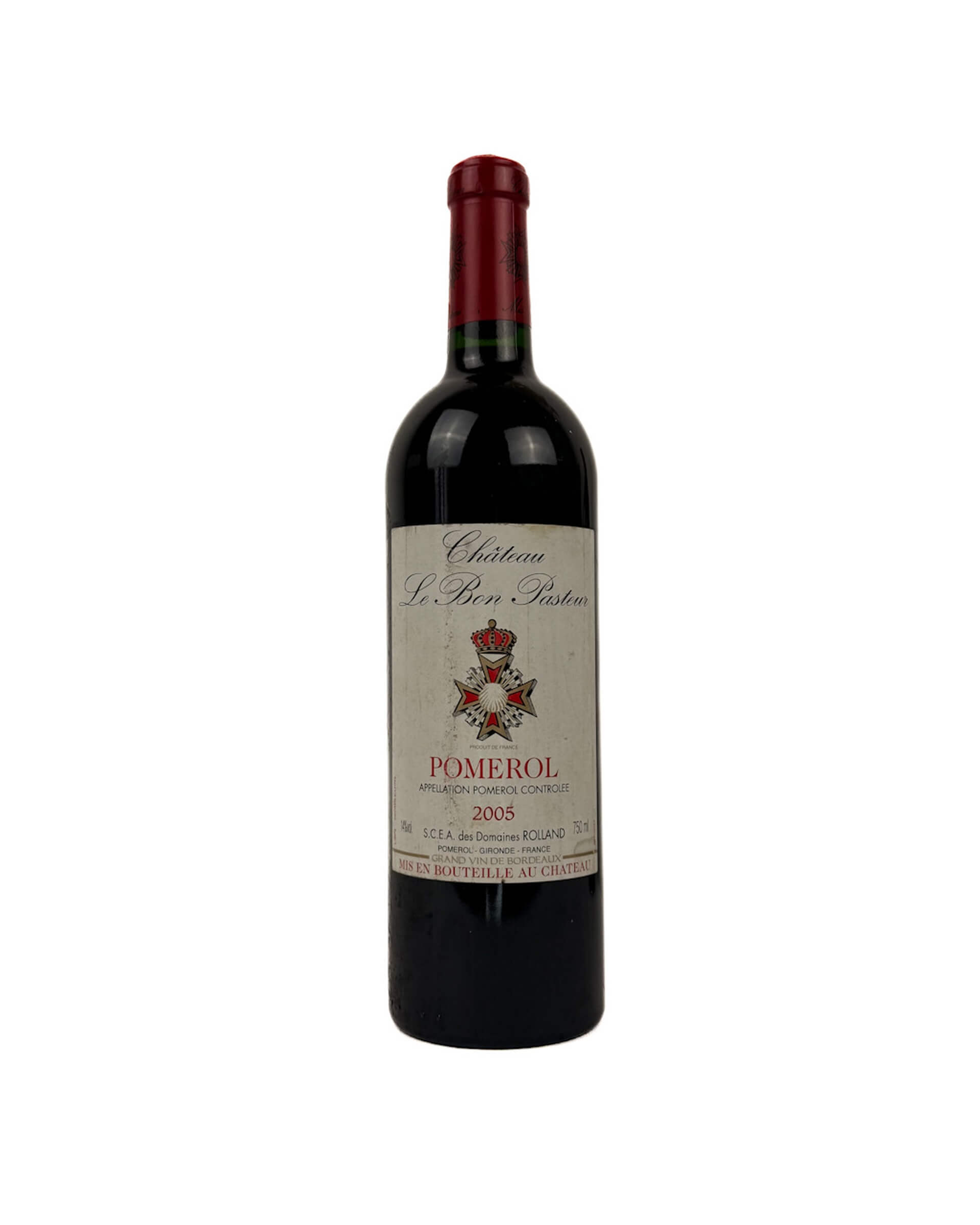
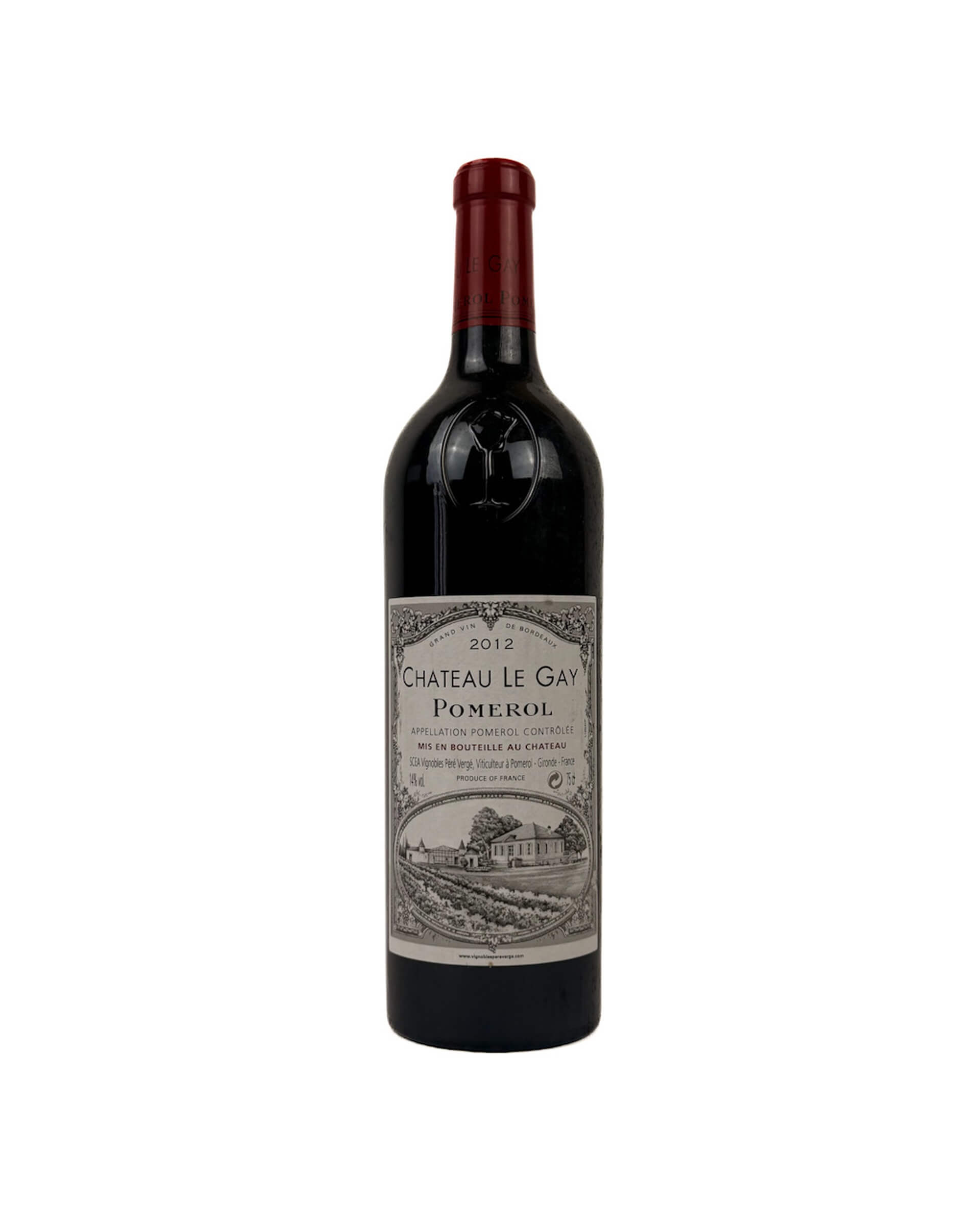
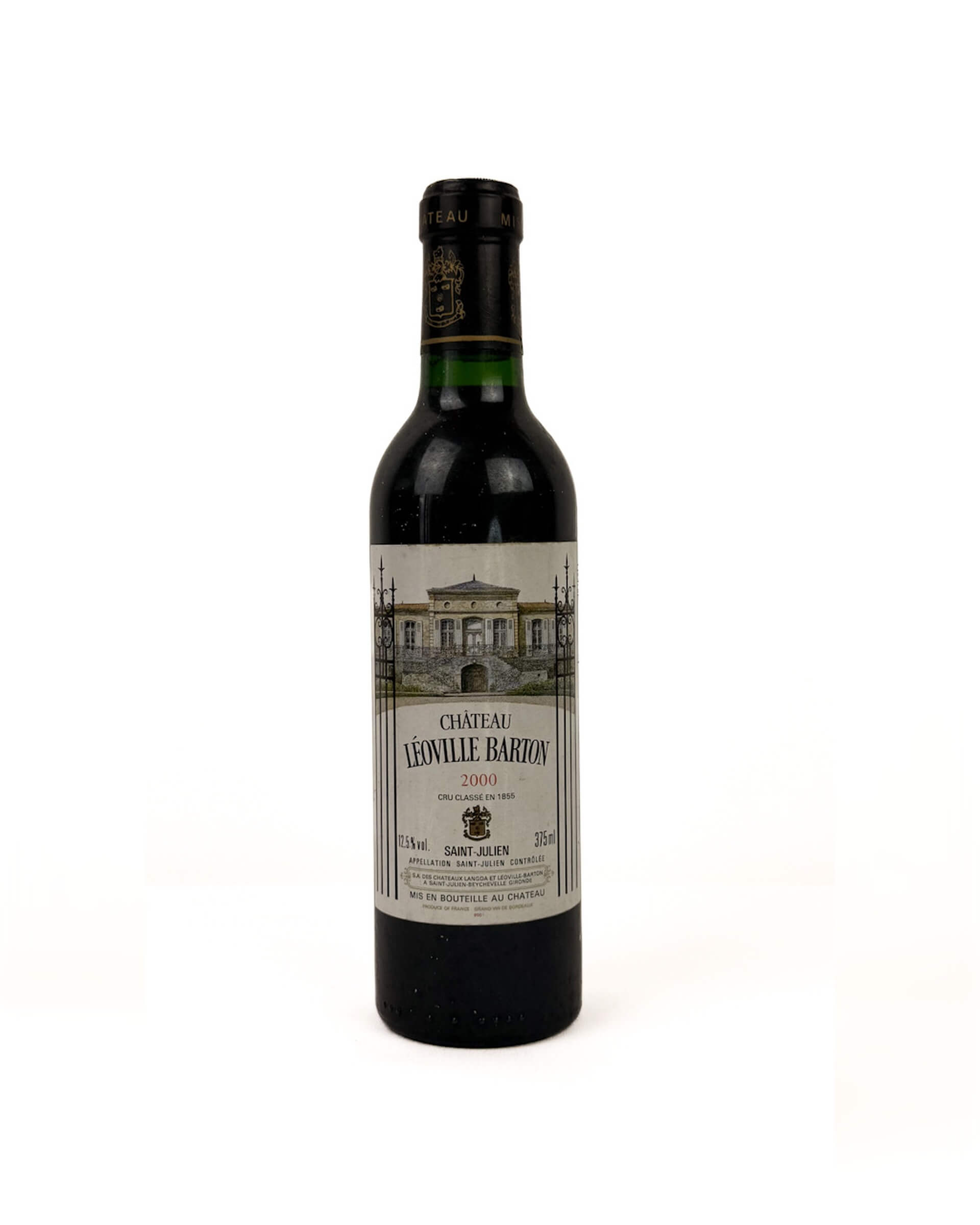
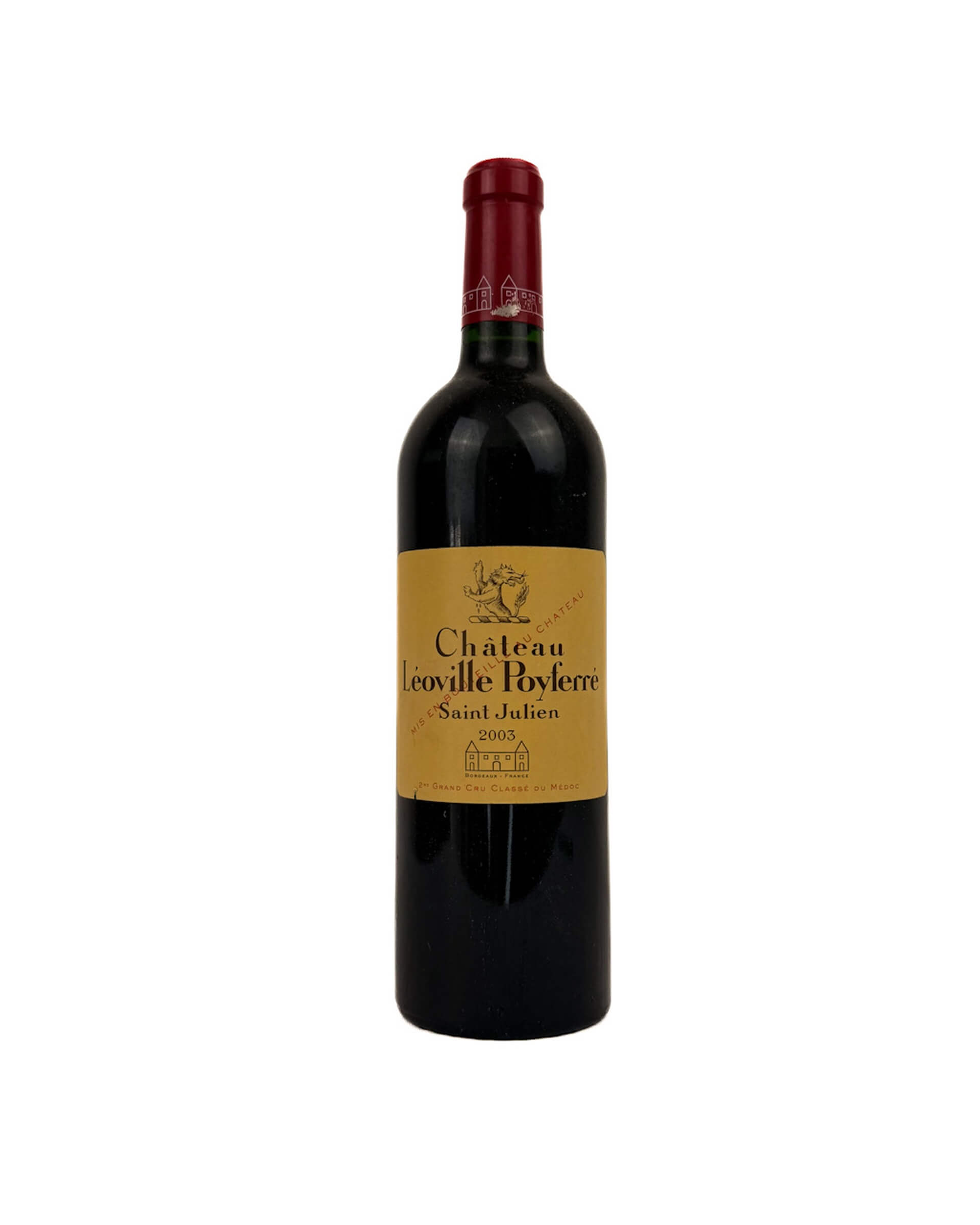
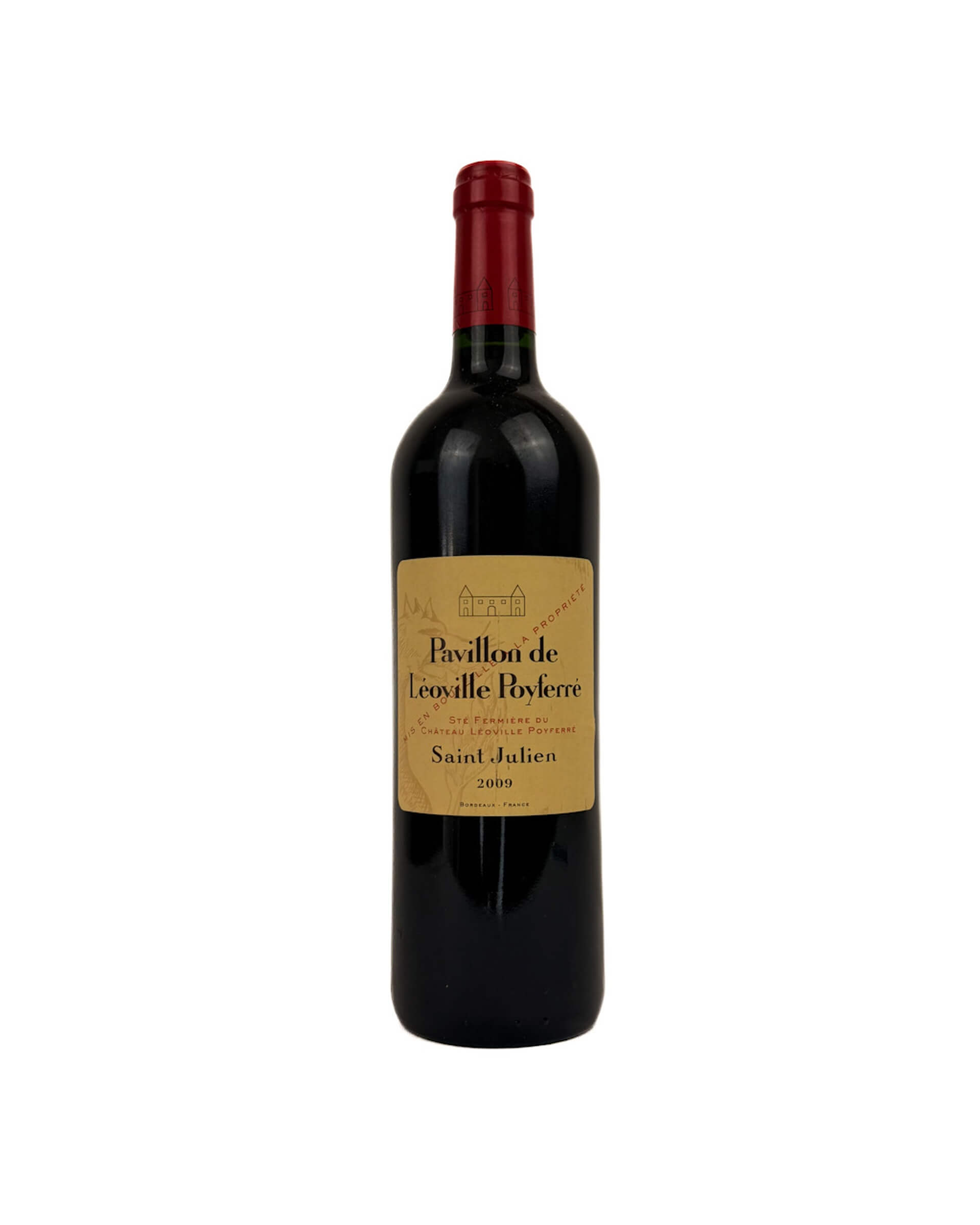
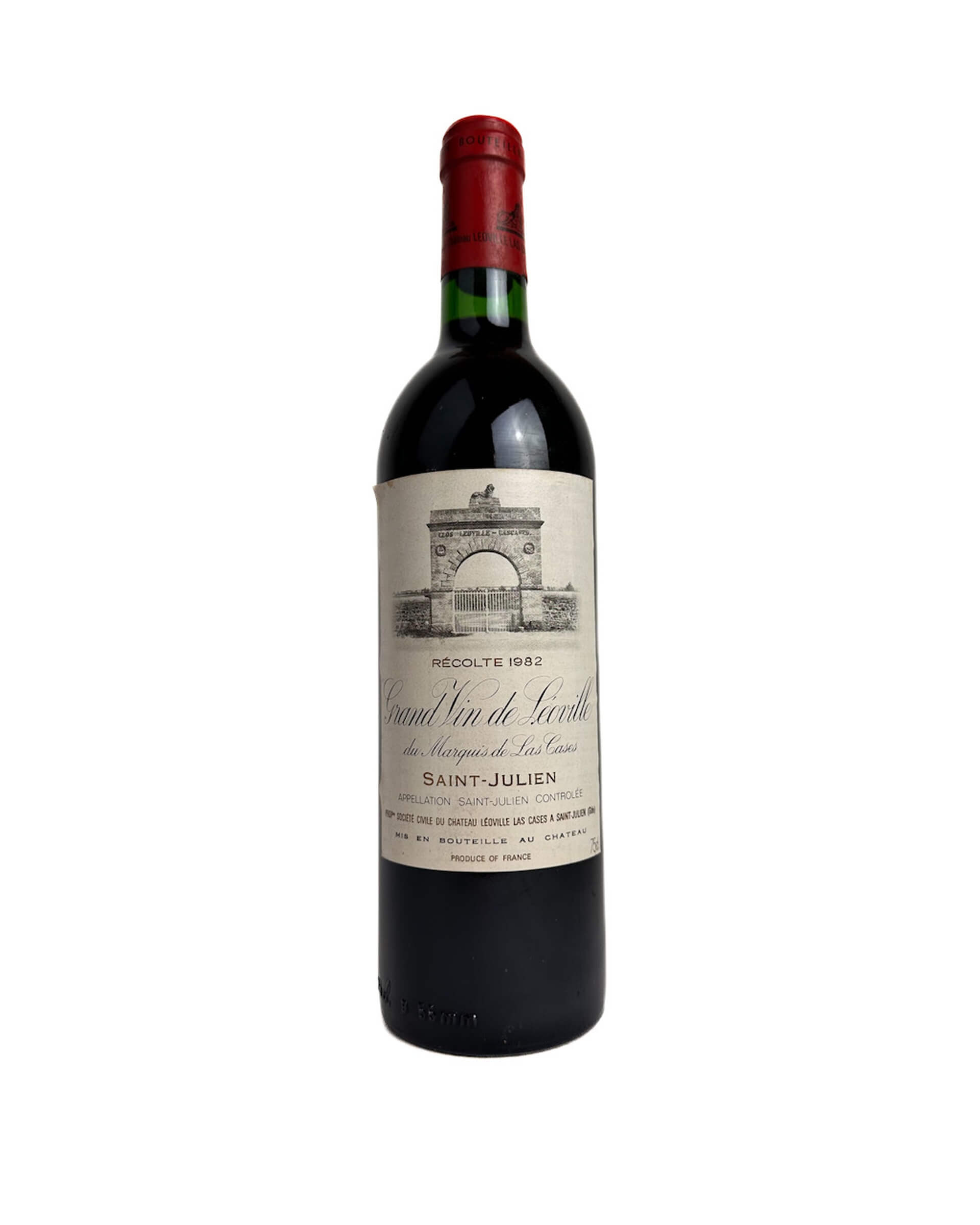
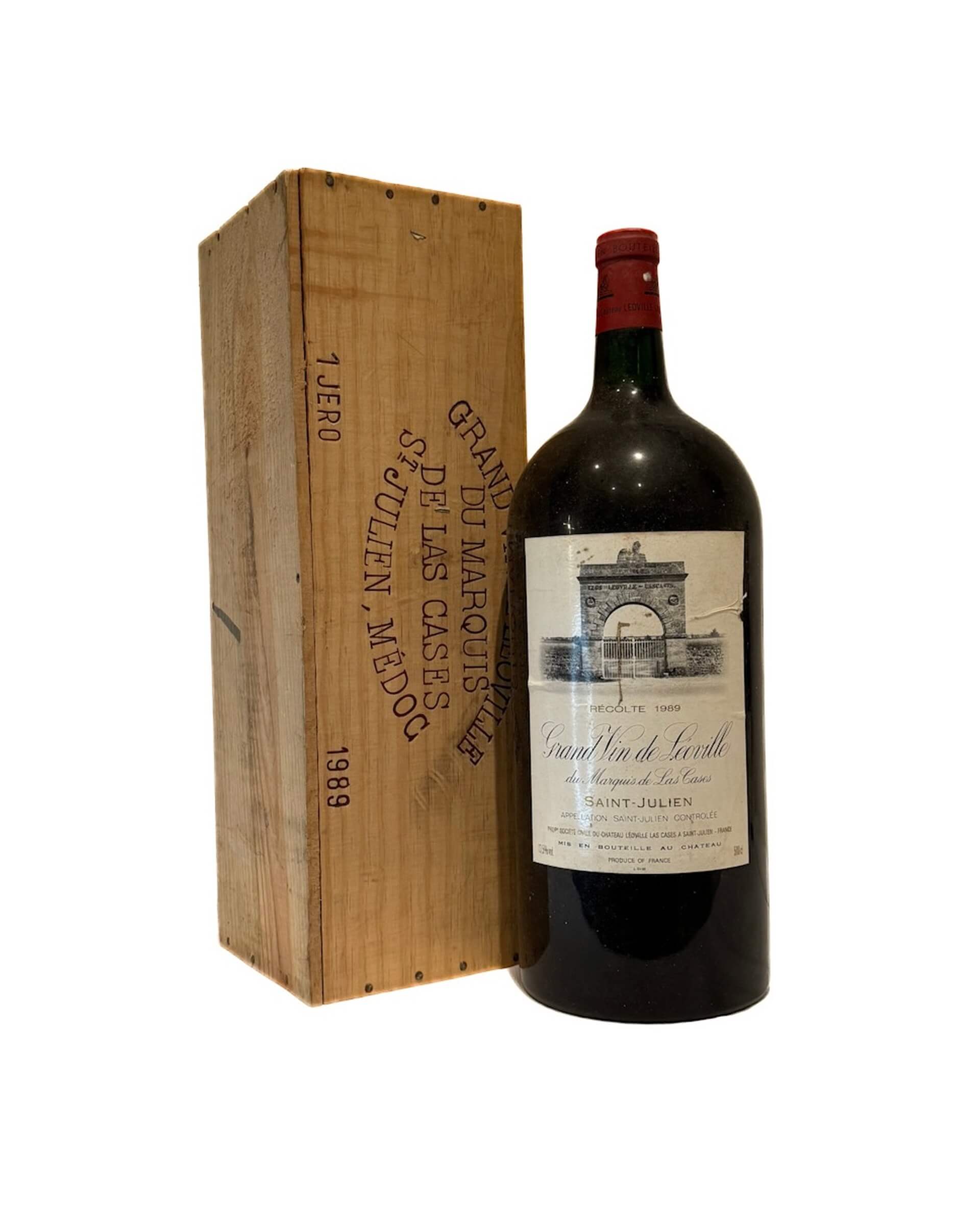
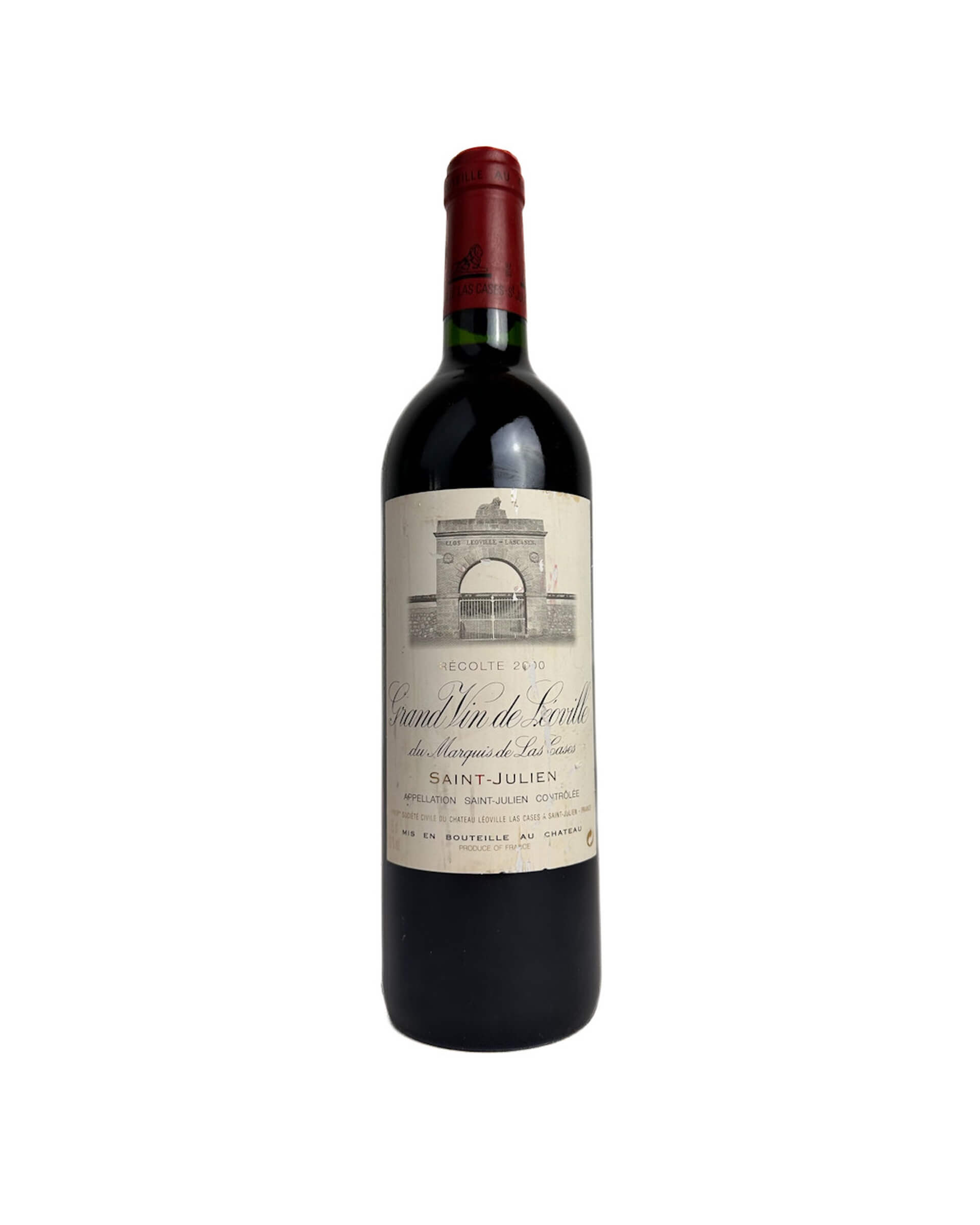
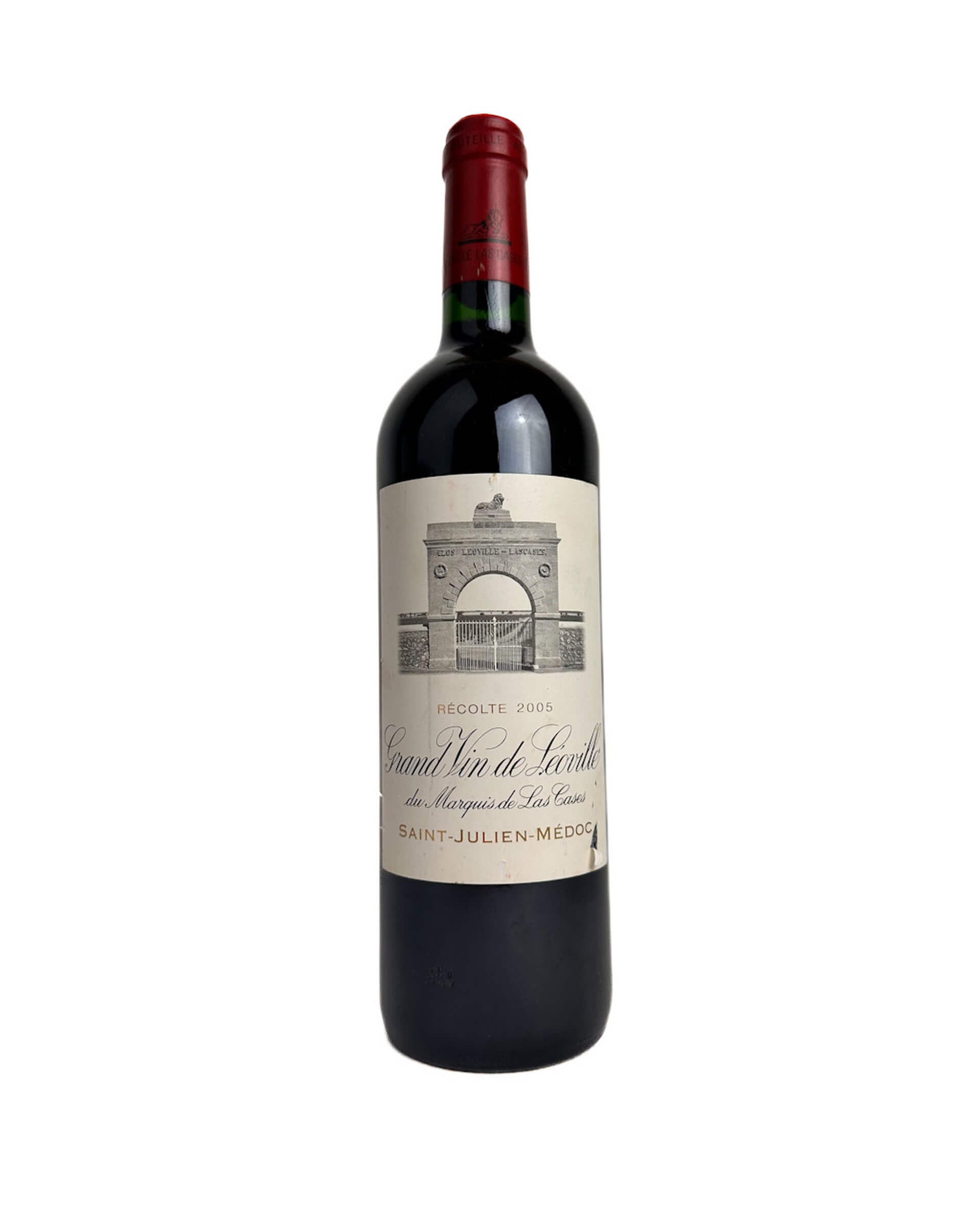
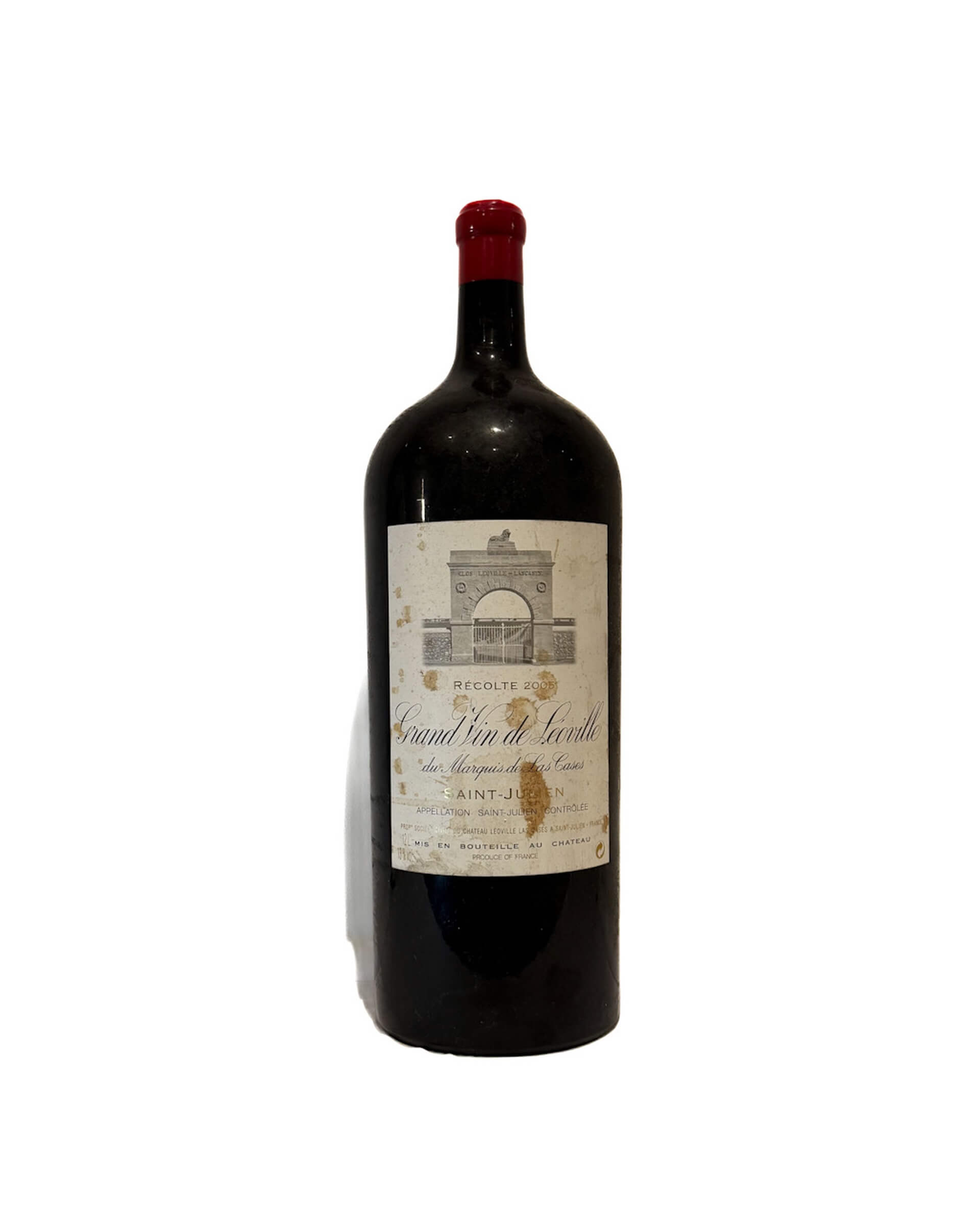
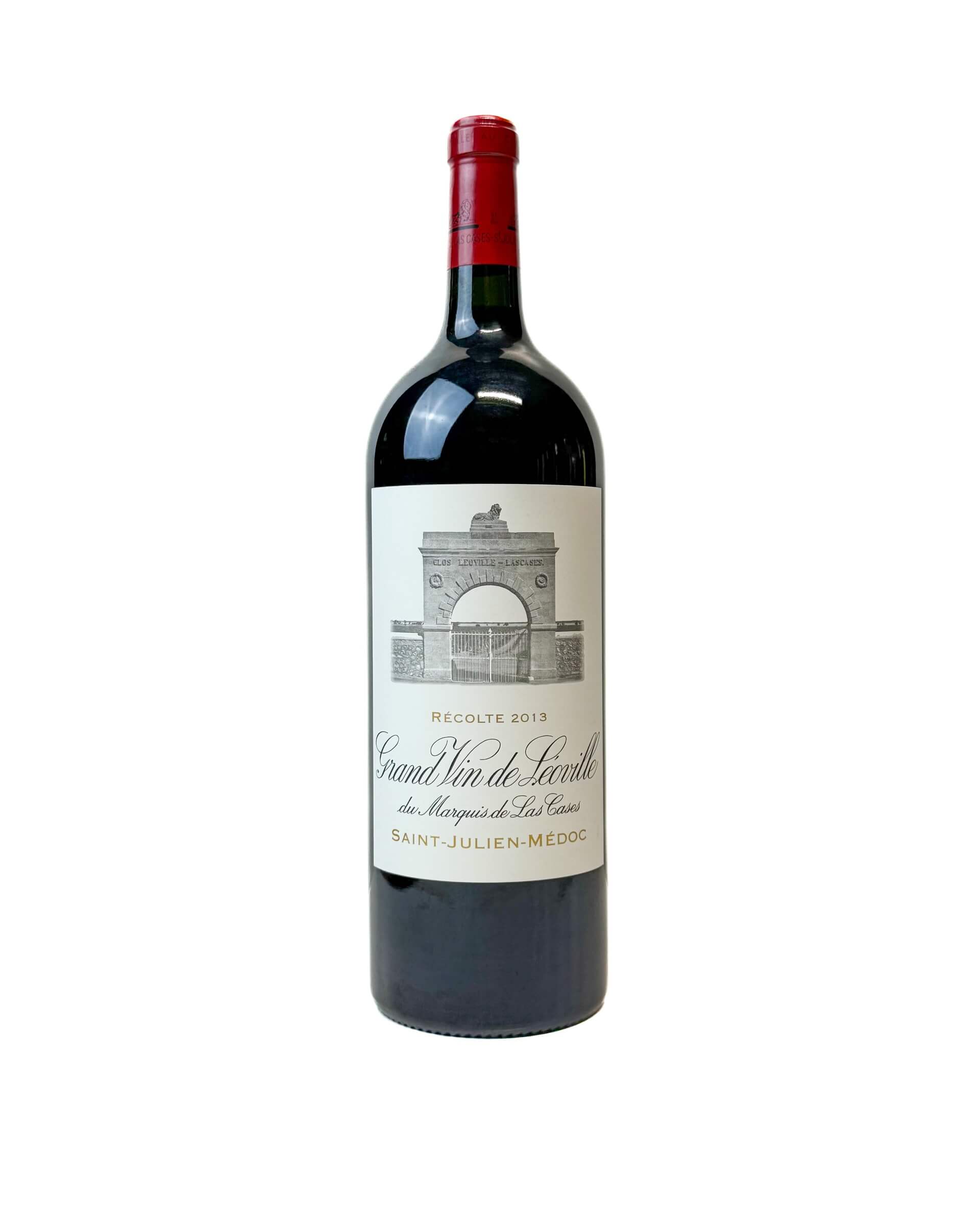
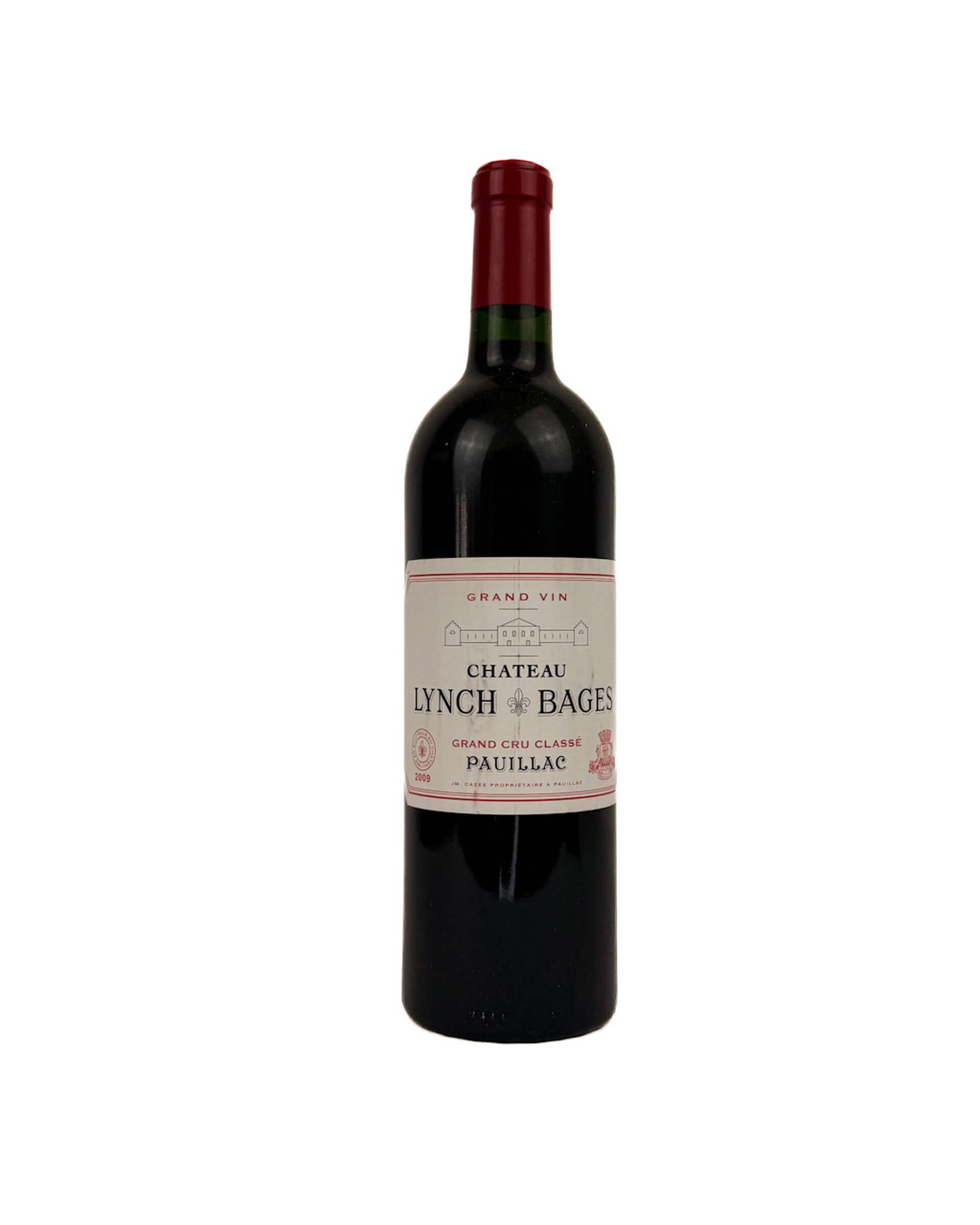
Bordeaux wine is the region that built the modern fine-wine market: its 1855 Classification, drawn up for the Paris Exposition Universelle, remains the oldest wine ranking still in commercial use, and its leading châteaux dominate fine-wine auction turnover to this day. From the gravel terraces of the Médoc to the limestone plateau of Saint-Émilion, Bordeaux has shaped how the world thinks about structure, longevity, and the art of the assemblage. At Tour de Wine we hold 178 bottles across nine genuine appellations, so whether you already know your Pauillac from your Pomerol or are simply curious why these names command such reverence, this page is built to both inform you and help you buy with confidence.
Our Bordeaux selection runs to 178 bottles across nine genuine appellations, spanning from around €110 for an accomplished entry-level Classed Growth to upwards of €2,500 for First Growths and rare cuvées, with truly exceptional vintages reaching far higher. If you are ready to buy Bordeaux wine that will reward both the table and the cellar, you will find Left Bank power, Right Bank silk, and golden sweet wine all gathered here, each linked through to its own appellation collection.
The single most useful thing to understand before buying is that Bordeaux is split by water into two distinct halves, and the difference is as much about taste as geography. The Left Bank — the Médoc and Pessac-Léognan, sitting west of the Gironde estuary — is built on deep gravel soils that ripen Cabernet Sauvignon beautifully. The result is structured, firmly tannic wine with dark cassis fruit, cedar, and graphite that can age for decades.
The Right Bank, centred on Saint-Émilion and Pomerol, leans on clay and limestone that favour Merlot. These wines are rounder and plusher, full of plum, mocha, and velvet, and they tend to be approachable younger. Neither bank is better; they simply answer different questions. Do you want a tightly wound wine to lay down, or a generous one to open over dinner this year?
Bordeaux’s reputation is built on its appellations, and the character of any bottle is written first by where its grapes grew. The Bordeaux wine region holds dozens of designations, but a handful of elite communes account for nearly all the world’s truly collectible wine. Below are the appellations we stock, each with its own signature and a direct link to the collection.
Pauillac is the engine room of the Left Bank and home to three of the five 1855 First Growths. Built on deep gravel and dominated by Cabernet Sauvignon, Pauillac wine is the most uncompromising expression of Bordeaux: dense cassis and blackcurrant, pencil-lead minerality, and structured tannins that demand patience. These are age-worthy wines, the Premiers Crus of which can evolve for thirty years or more. With 57 bottles, it is our largest single Bordeaux selection. Shop our Pauillac selection to explore the appellation in depth.
On the Right Bank, Saint-Émilion grows Merlot and Cabernet Franc across a famous limestone plateau and the gravel and clay slopes beneath it. The wines are generous and rounded — ripe plum, fig, dark chocolate, and warm spice — and many are approachable young while the finest still reward a decade or two of cellaring. The appellation’s own hierarchy crowns its best estates Grand Cru Classé and, at the summit, Premier Grand Cru Classé. We list 33 bottles here. Explore Saint-Émilion for everything from village wines to the great châteaux.
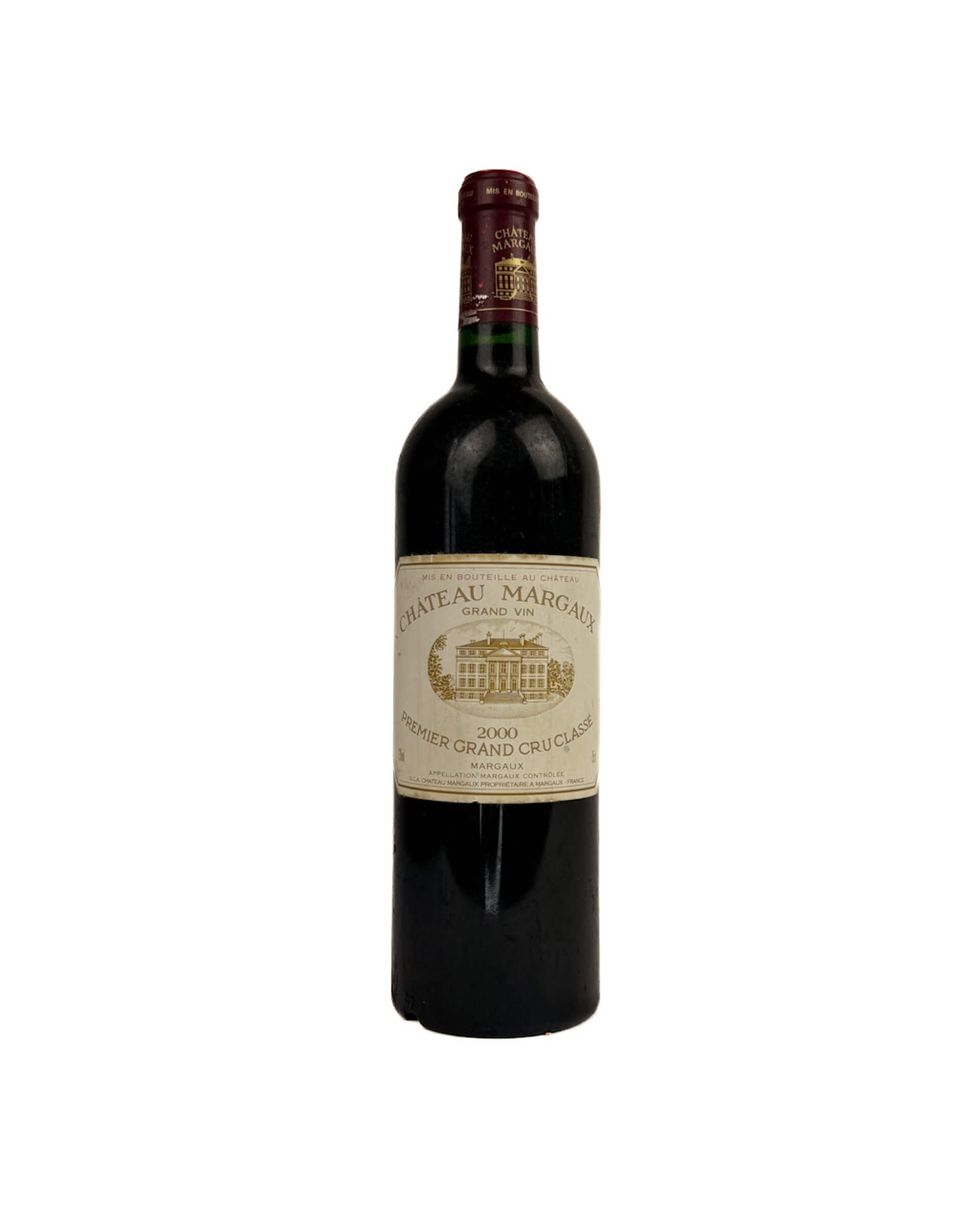
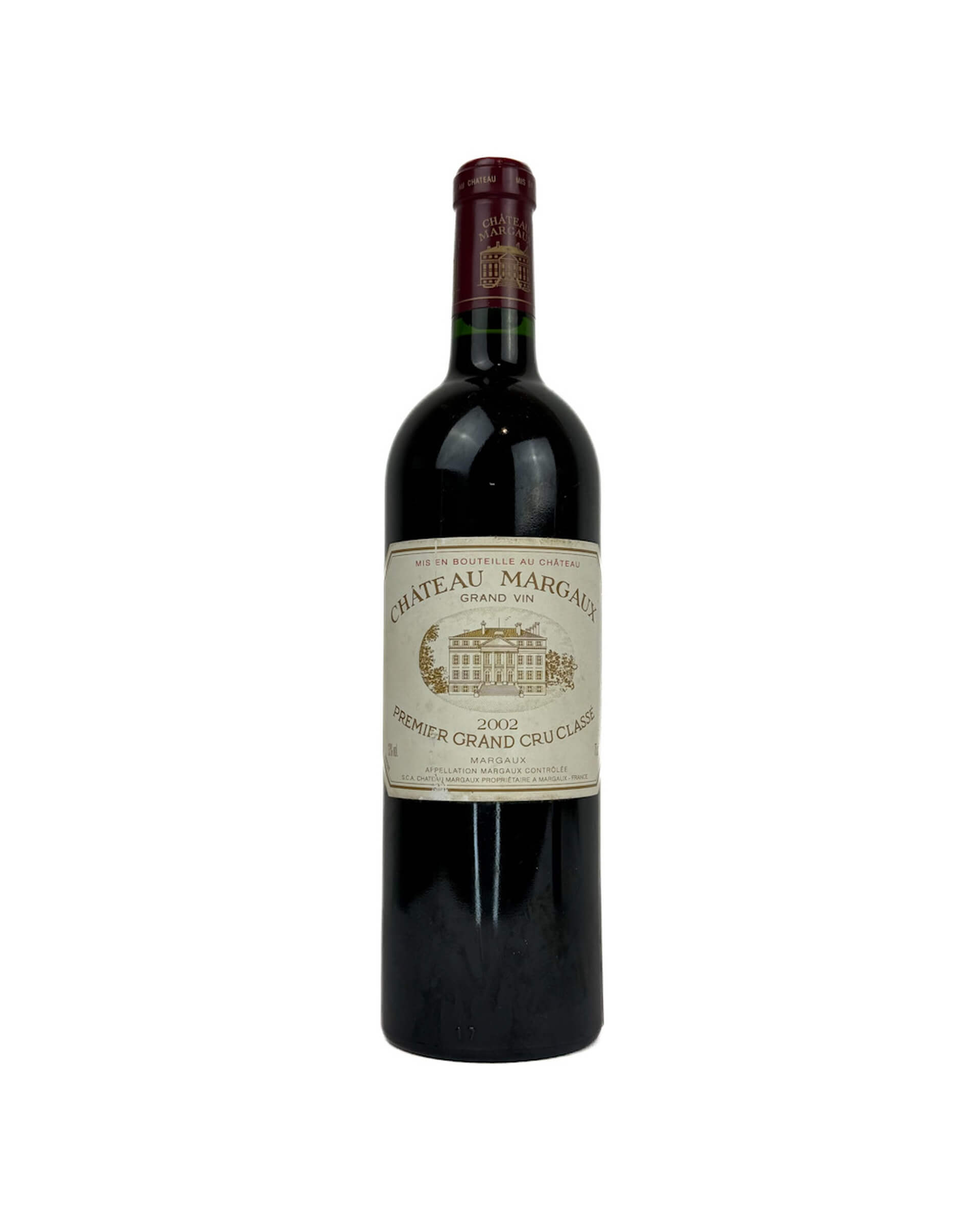
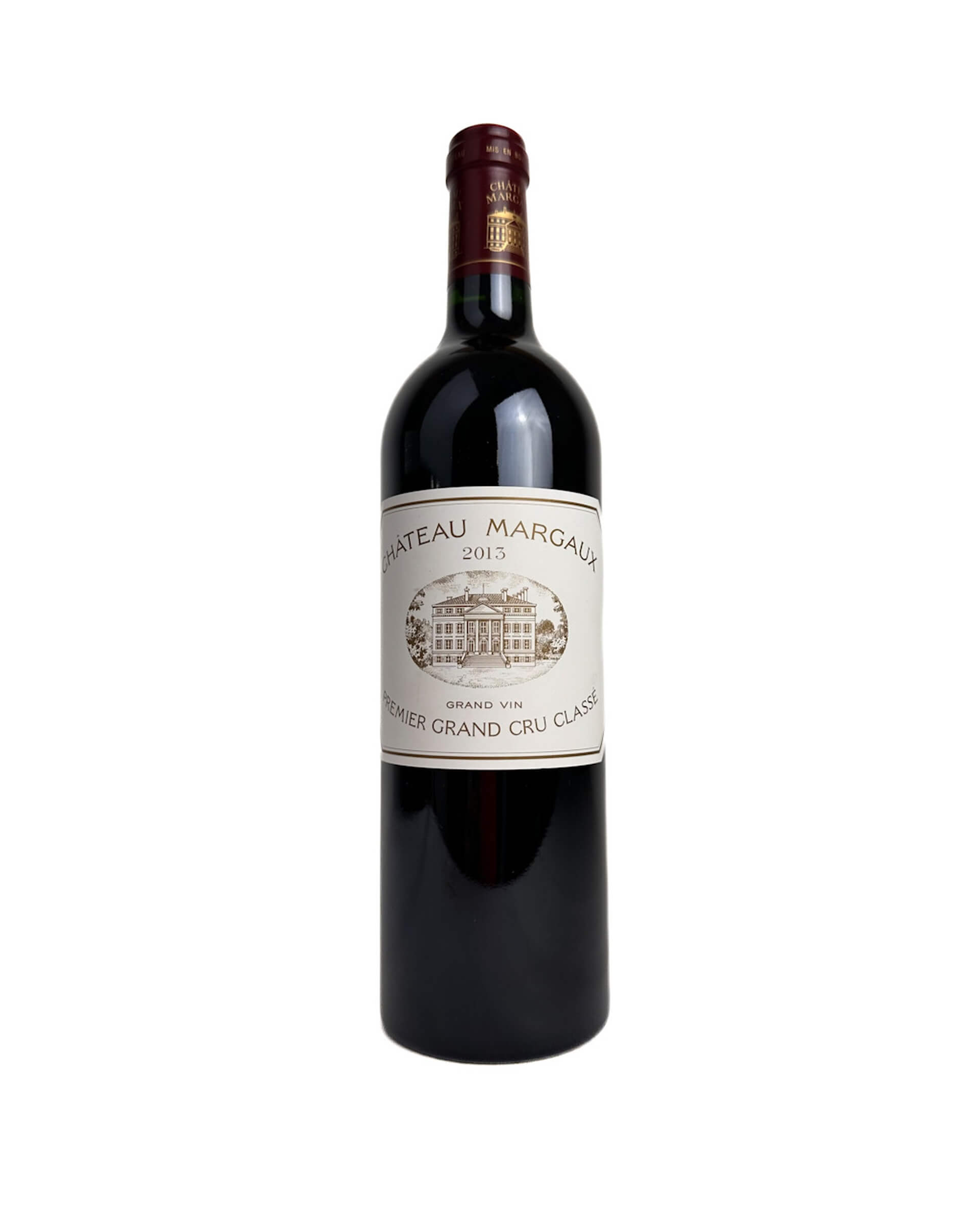
If Pauillac is power, Margaux is grace. This Left Bank commune is famed for the most perfumed and delicate style in the Médoc, where Cabernet Sauvignon on lighter, more gravelly soils gives wines of violet and rose-petal lift over silky tannins. Margaux wine rewards those who prize finesse over sheer muscle, yet the best bottles age effortlessly. We stock 16 bottles. Browse Margaux to find the most elegant face of Bordeaux.
Saint-Julien is the Médoc’s most reliable commune, sitting stylistically between Pauillac’s power and Margaux’s elegance. Almost entirely composed of classed growth estates, it offers some of the surest value on the left bank: cedar, cassis, and tobacco wrapped in balanced structure that drinks well across a long window. Saint-Julien is the appellation we most often recommend to buyers wanting classed-growth quality without First Growth prices. We list 17 bottles. Shop Saint-Julien for dependable Bordeaux.
Just south of the city, Pessac-Léognan is the only Bordeaux appellation celebrated equally for red and white. Its gravel soils produce smoky, savoury Cabernet-led reds, but it is also the heartland of serious dry white bordeaux: a barrel-fermented bordeaux blanc of Sauvignon Blanc and Sémillon capable of ageing for fifteen years — a style most merchants ignore entirely. With 22 bottles, our range covers both colours. Discover Pessac-Léognan for reds and rare whites alike.
Pomerol is the smallest of the great Bordeaux appellations and one of the most coveted. On its Right Bank clay soils, Merlot reaches a profound, velvety intensity — think plum, truffle, and iron — and tiny yields make the wines genuinely scarce. The appellation has no official classification, yet it is home to Pétrus, whose tiny annual production of roughly 2,500–3,000 cases and consistent three-figure-per-bottle pricing make it among the scarcest collectible wines in the world. The result is concentrated Pomerol wine that frequently sells on allocation at the château level, which is why our 15-bottle holding represents a genuine find. Explore Pomerol while stock lasts.
No Bordeaux page is complete without Sauternes, the region’s incomparable golden sweet wine — and an appellation almost every merchant overlooks. Made principally from Sémillon with Sauvignon Blanc, it depends on botrytis, the noble rot that shrivels the grapes and concentrates their sugars. The wines are honeyed and luscious — apricot, marmalade, and saffron — yet balanced by bright acidity, and they can live for decades. We stock 15 bottles. Shop Sauternes for one of the world’s greatest dessert wines.
Few things confuse buyers more than the words bordeaux grand cru, because Bordeaux uses several overlapping classification systems. Read correctly, though, the label on a bottle is a reliable signal of both prestige and price. The famous 1855 classification ranked the top Médoc reds into five growths and classified Sauternes separately (with Château d’Yquem as Premier Cru Supérieur), and both still hold remarkable authority today, while Saint-Émilion, Graves, and the Cru Bourgeois du Médoc run their own parallel hierarchies. Here is what the key tiers tell you as a buyer:
Vintage matters more in Bordeaux than almost anywhere, because its maritime climate swings sharply from year to year. The reference below distils recent benchmark vintages into when to cellar and when to pour — a quick orientation for buyers chasing the best Bordeaux wine for a given budget.
Bordeaux wine was made for the table, and matching the bank to the dish turns a good bottle into a memorable meal. Serve the reds at 16–18°C and decant younger Classed Growths an hour ahead.
To buy Bordeaux wine well is to match the bottle to the occasion rather than chasing the most famous label. Finding the best Bordeaux wine for you starts with budget and intent: a weeknight bottle, a dinner-party showpiece, or a cellar investment are three very different decisions. Across our 178-bottle catalogue, prices begin near €110 for entry-level Classed Growths and rise to €2,500 and beyond for the rarest wines — and most bottles sit close to €390, the typical price point for serious Grand Cru Classé and Classed Growth wines from the great appellations.
Use these tiers as a guide, then narrow by appellation and vintage above:
For wines that reach €2,500 and beyond, provenance is part of the product. Every bottle in our Bordeaux range is sourced directly from the châteaux or through established négociants, and held in our temperature-controlled facility until dispatch.
Bordeaux red wines are blends, not single-variety wines. On the Left Bank, Cabernet Sauvignon dominates, supported by Merlot, Cabernet Franc, and small amounts of Petit Verdot and Malbec. On the Right Bank, Merlot leads with Cabernet Franc as the key partner. White Bordeaux is built from Sauvignon Blanc and Sémillon, sometimes with a little Muscadelle.
The Gironde estuary and its tributaries divide the region in two. The Left Bank — including Pauillac, Margaux, and Saint-Julien — sits on well-drained gravel ideal for Cabernet Sauvignon, producing structured, tannic, long-ageing wines. The Right Bank — Saint-Émilion and Pomerol — has clay-limestone soils that suit Merlot, yielding rounder, plummier wines that often drink well earlier.
It depends on the tier. Entry-level Bordeaux AOC and Bordeaux Supérieur are best within three to six years. Classed Growths from Pauillac or Saint-Émilion Grand Cru Classé can evolve comfortably for 15 to 30 years in proper cellar conditions — around 12–14°C, 70% humidity, and no vibration. Strong vintages such as 2016, 2018, and 2020 reward patience the most.
Grand Cru means different things by appellation. In the 1855 Médoc Classification, the five tiers from Premiers to Cinquièmes Crus are called Crus Classés rather than Grand Cru. In Saint-Émilion, “Grand Cru” is a base classification while “Premier Grand Cru Classé” (A or B) marks the elite. In Sauternes, Château d’Yquem holds its own Premier Cru Supérieur status. Tour de Wine stocks wines across all of these classifications.
Written by the Tour de Wine buying team. Last reviewed: June 2026.
This site is restricted to adults. By entering, you confirm that you are of legal drinking age in your country of residence.