
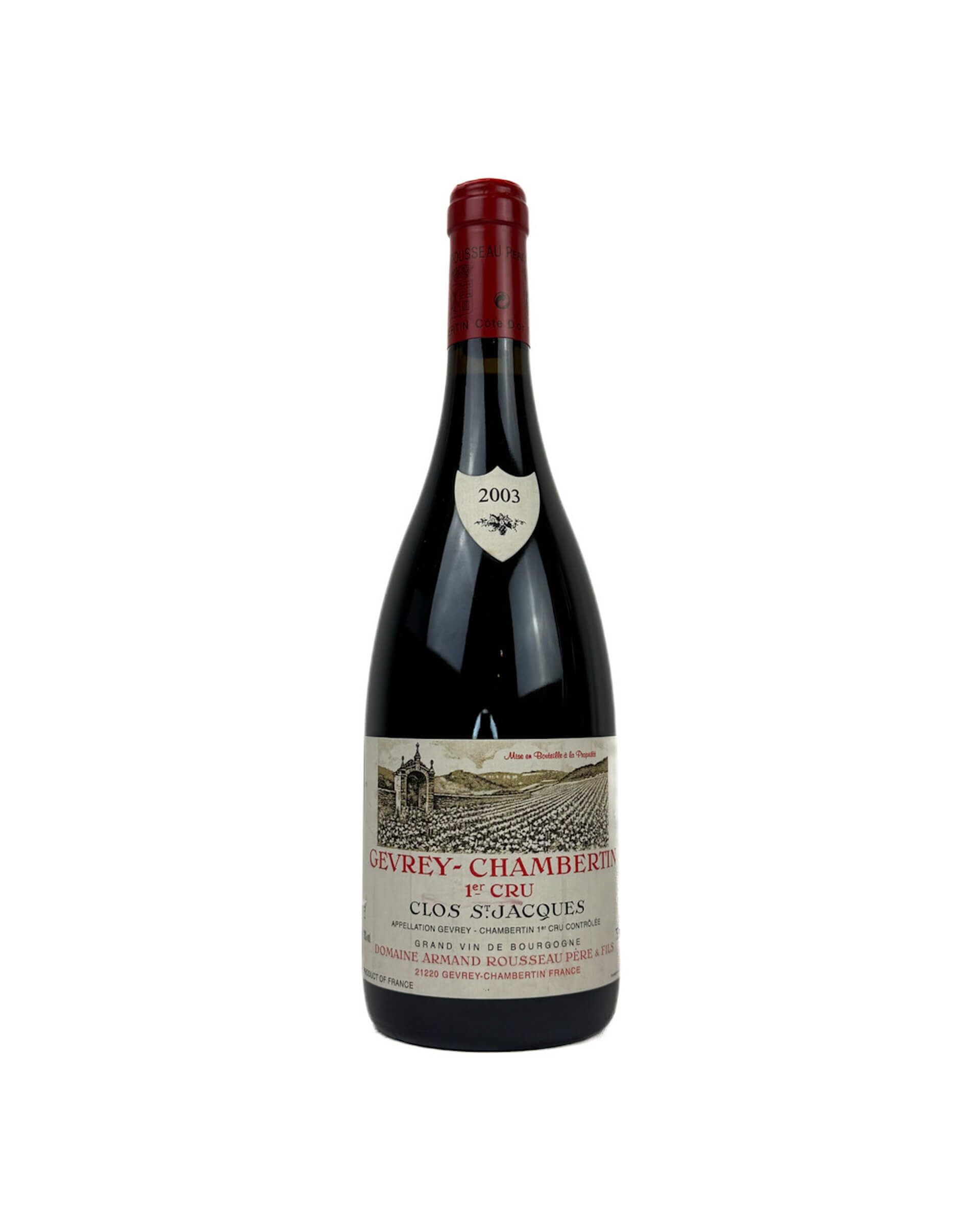
96
0,75
2003
Domaine Armand Rousseau
Wines, producers, regions...
Explore our curated collection of over 650 fine wines from France, Italy, Spain, and beyond — from iconic Grand Cru Burgundies to bold New World reds.
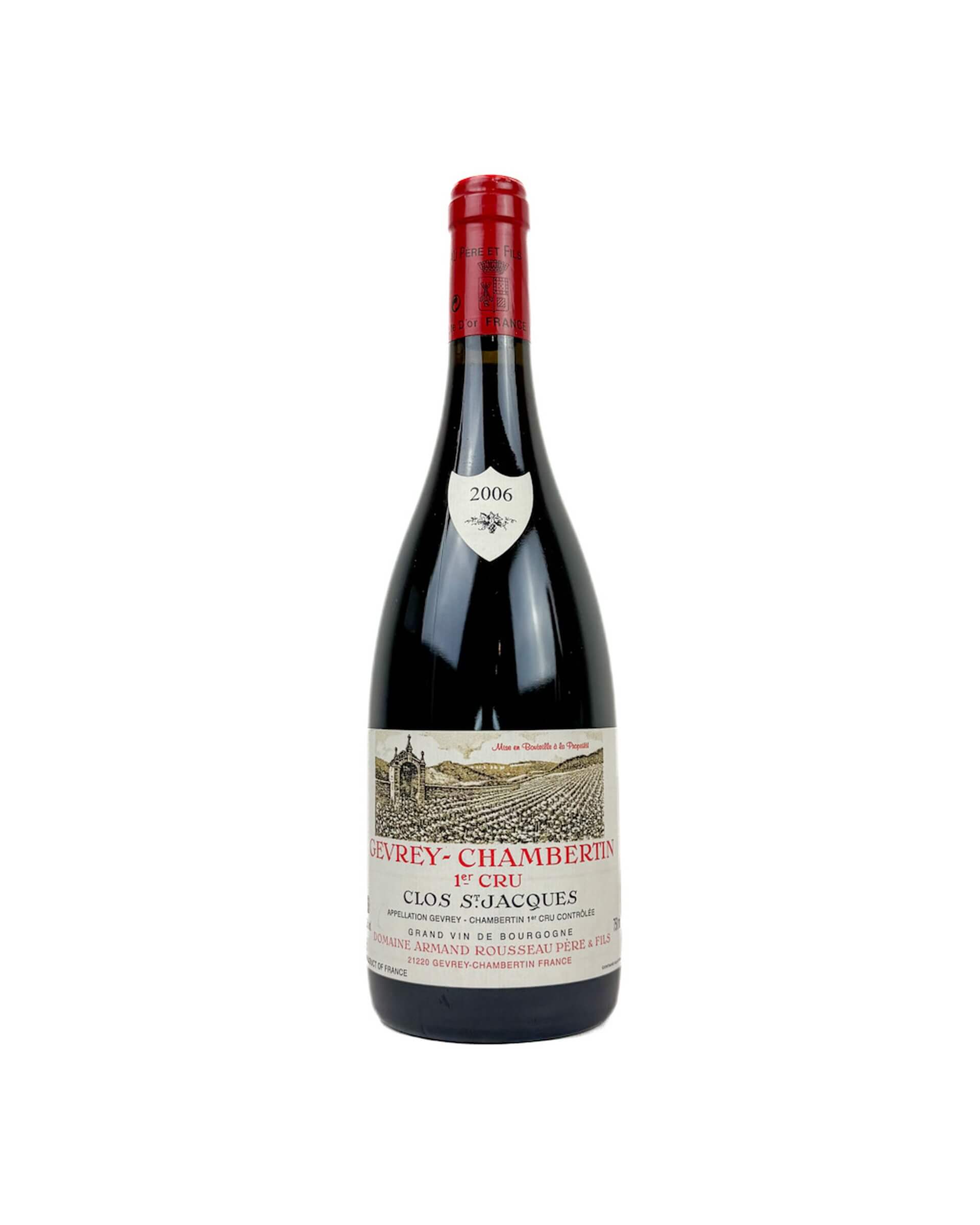
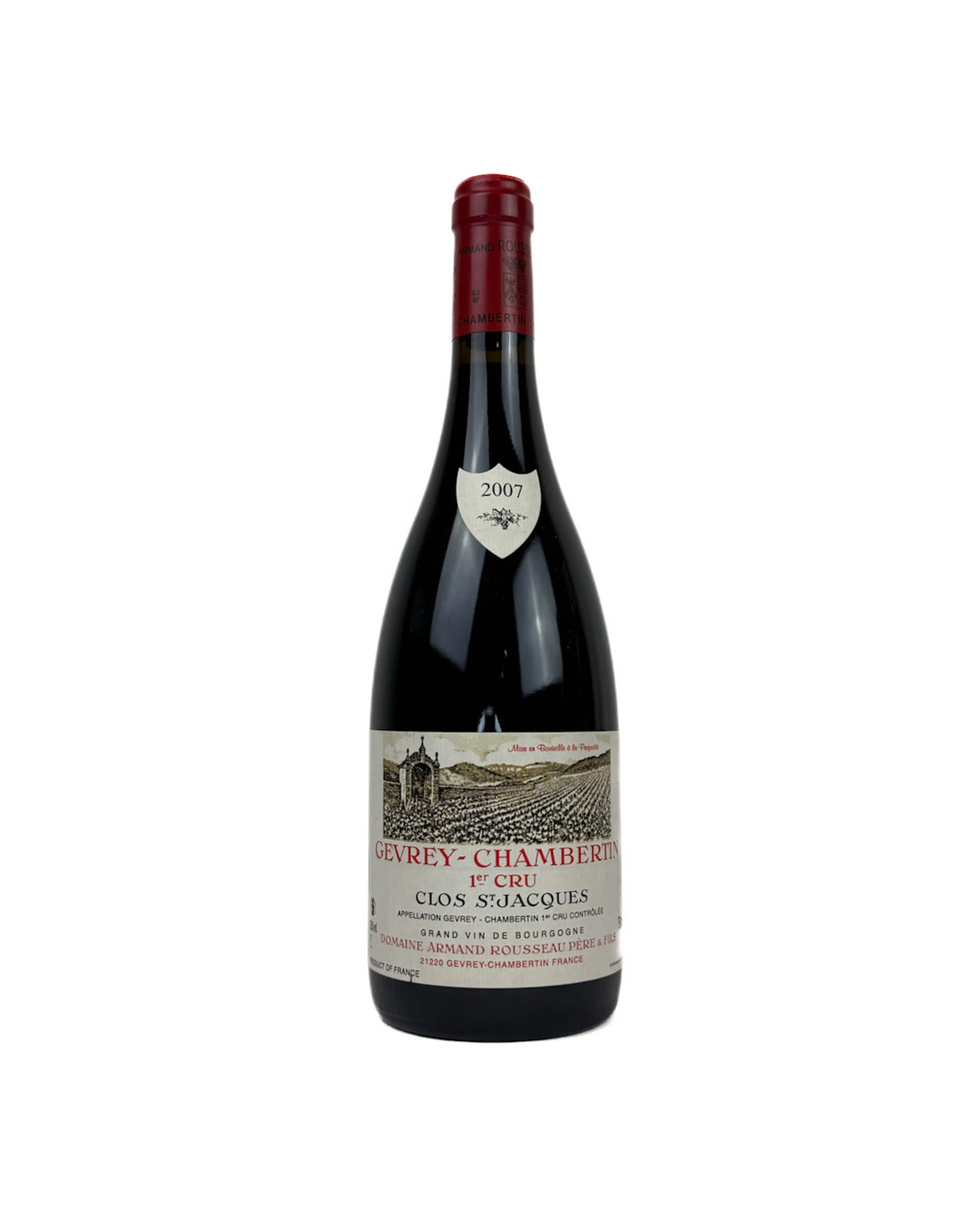
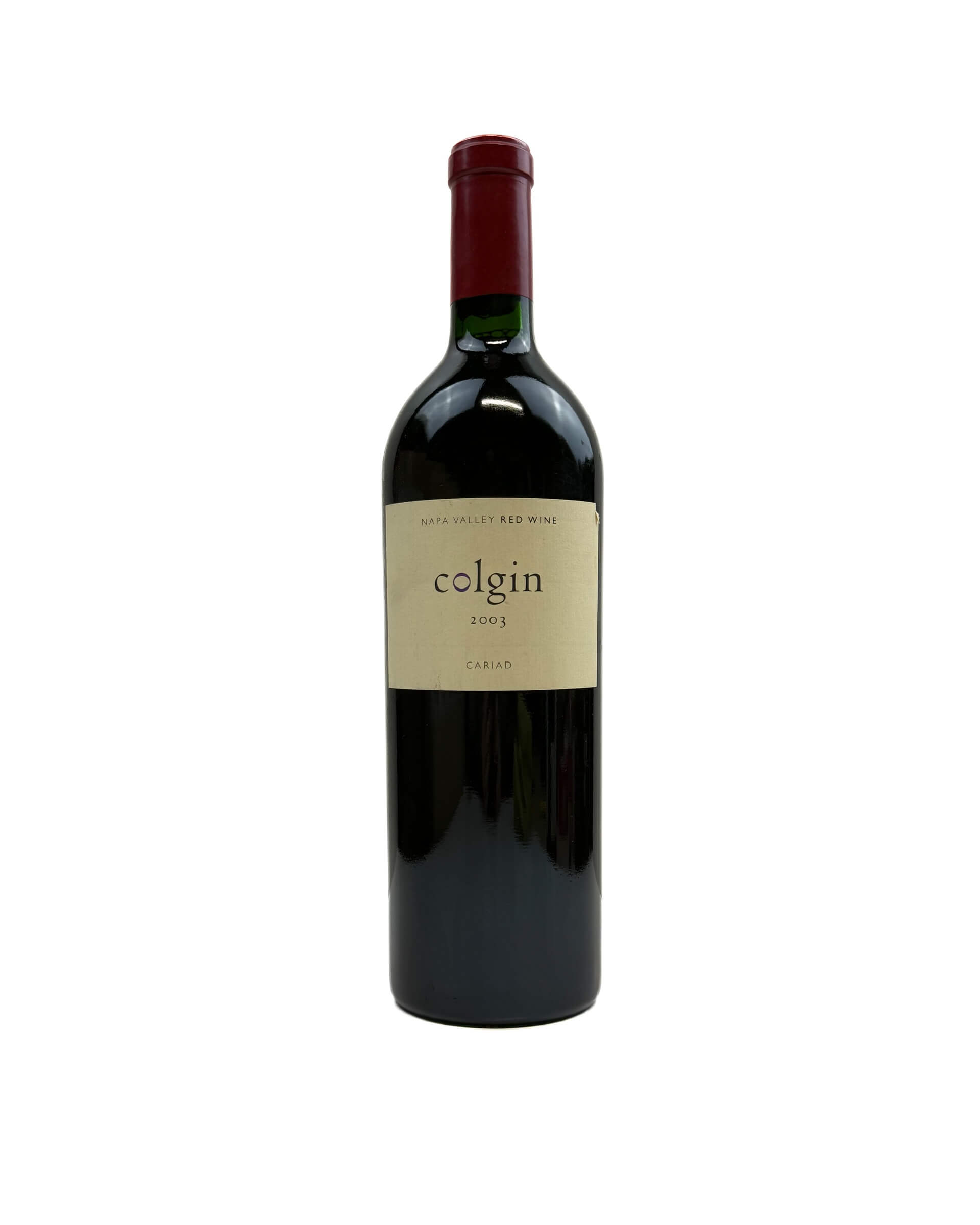
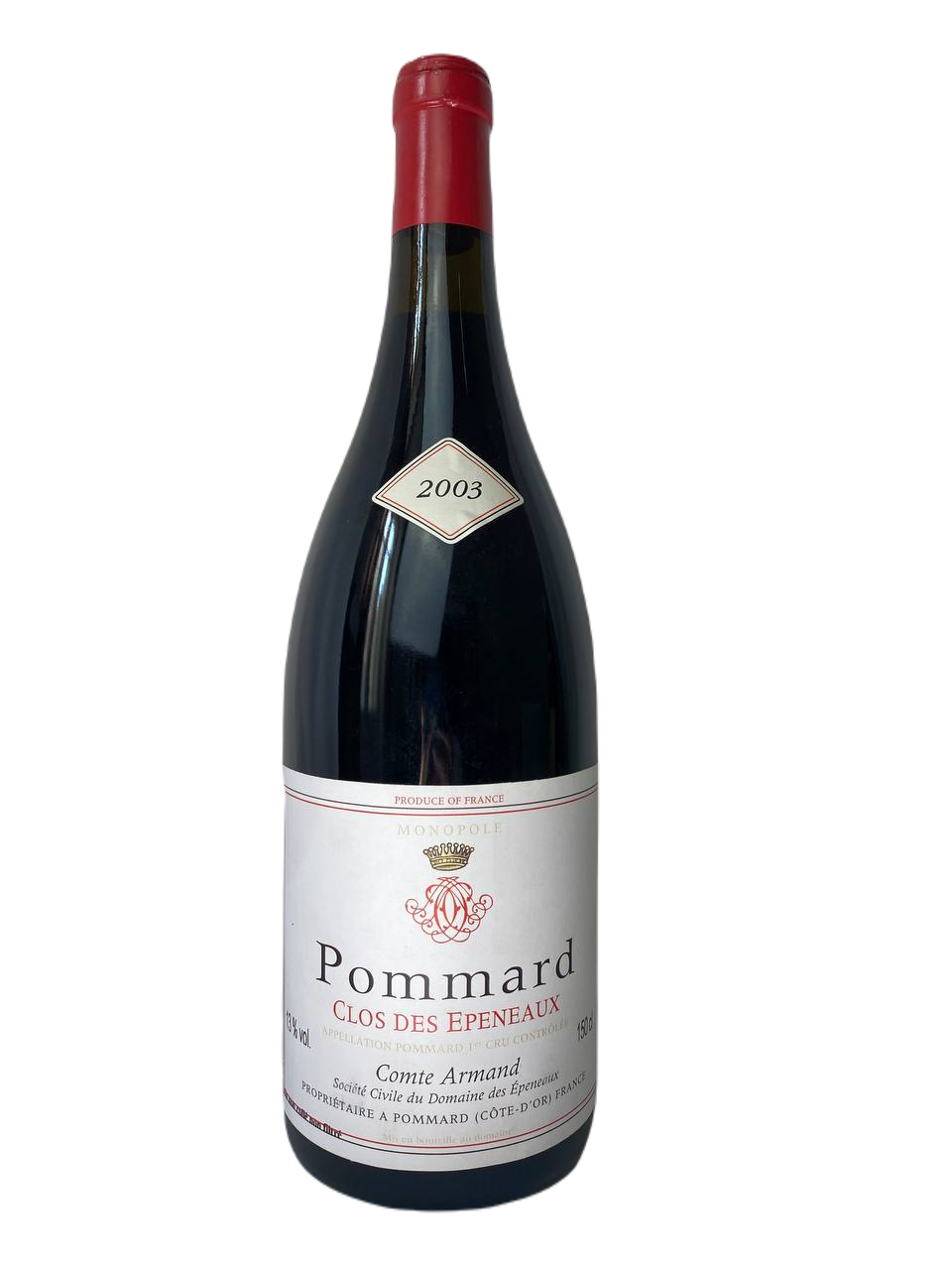
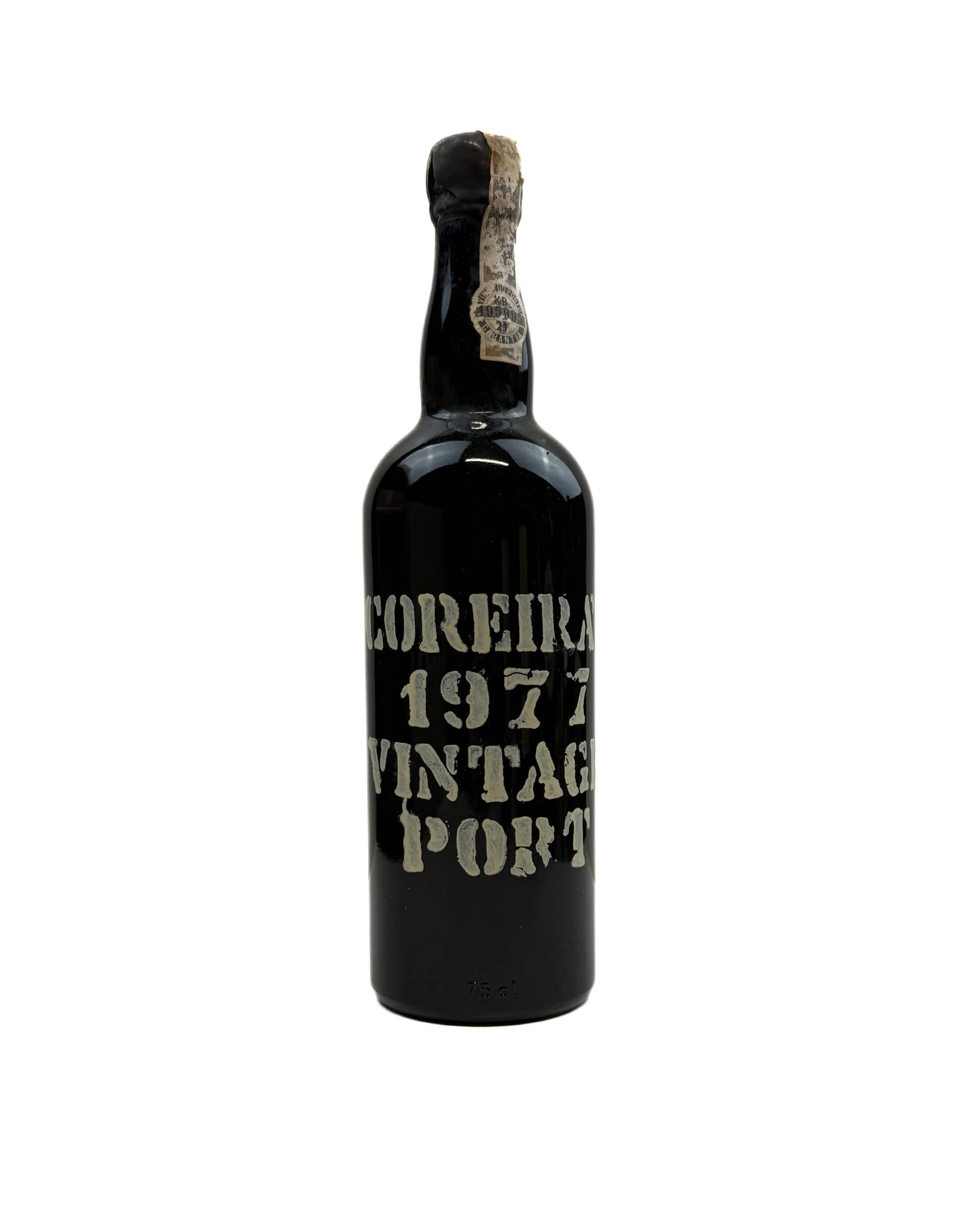
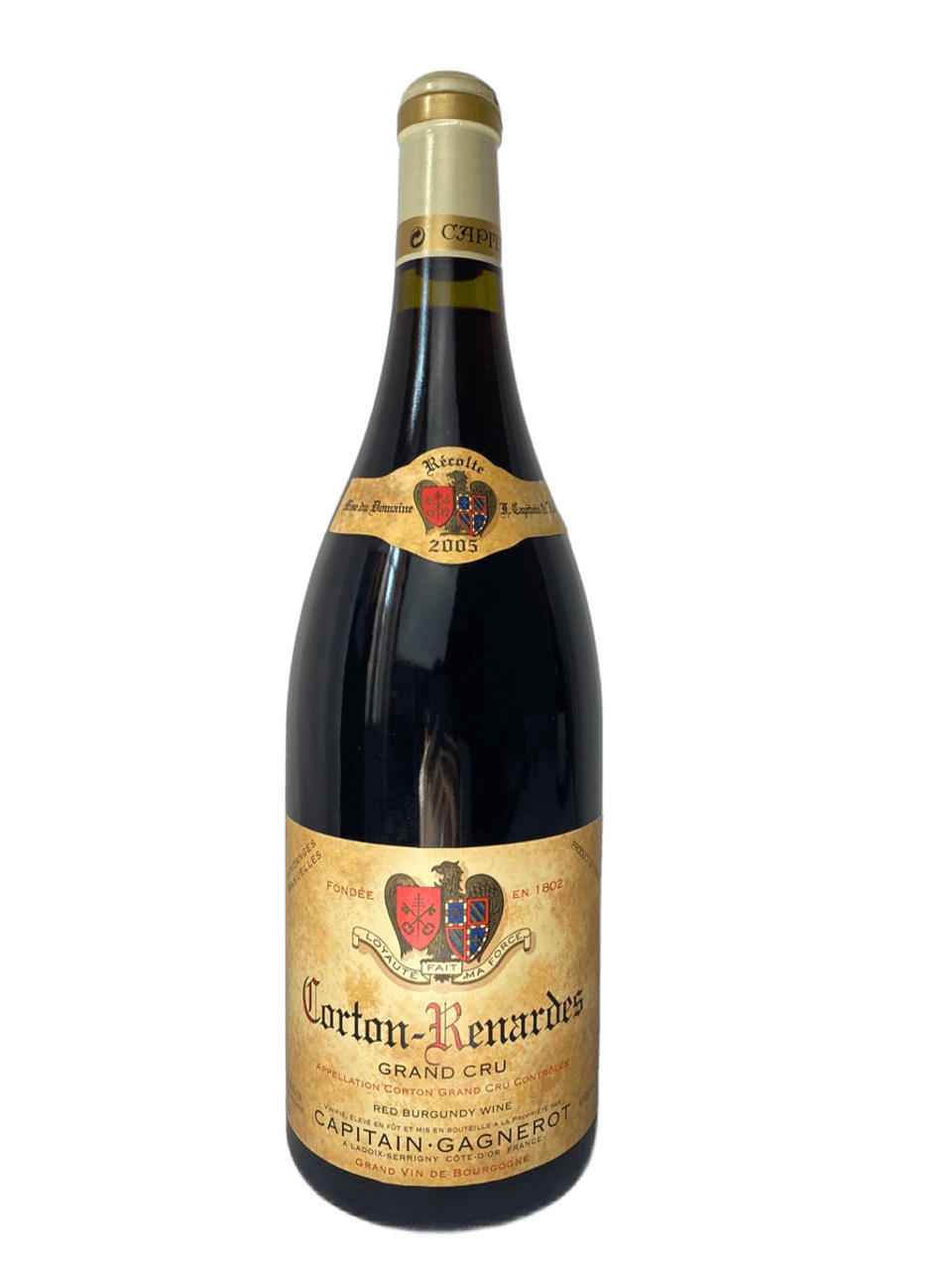
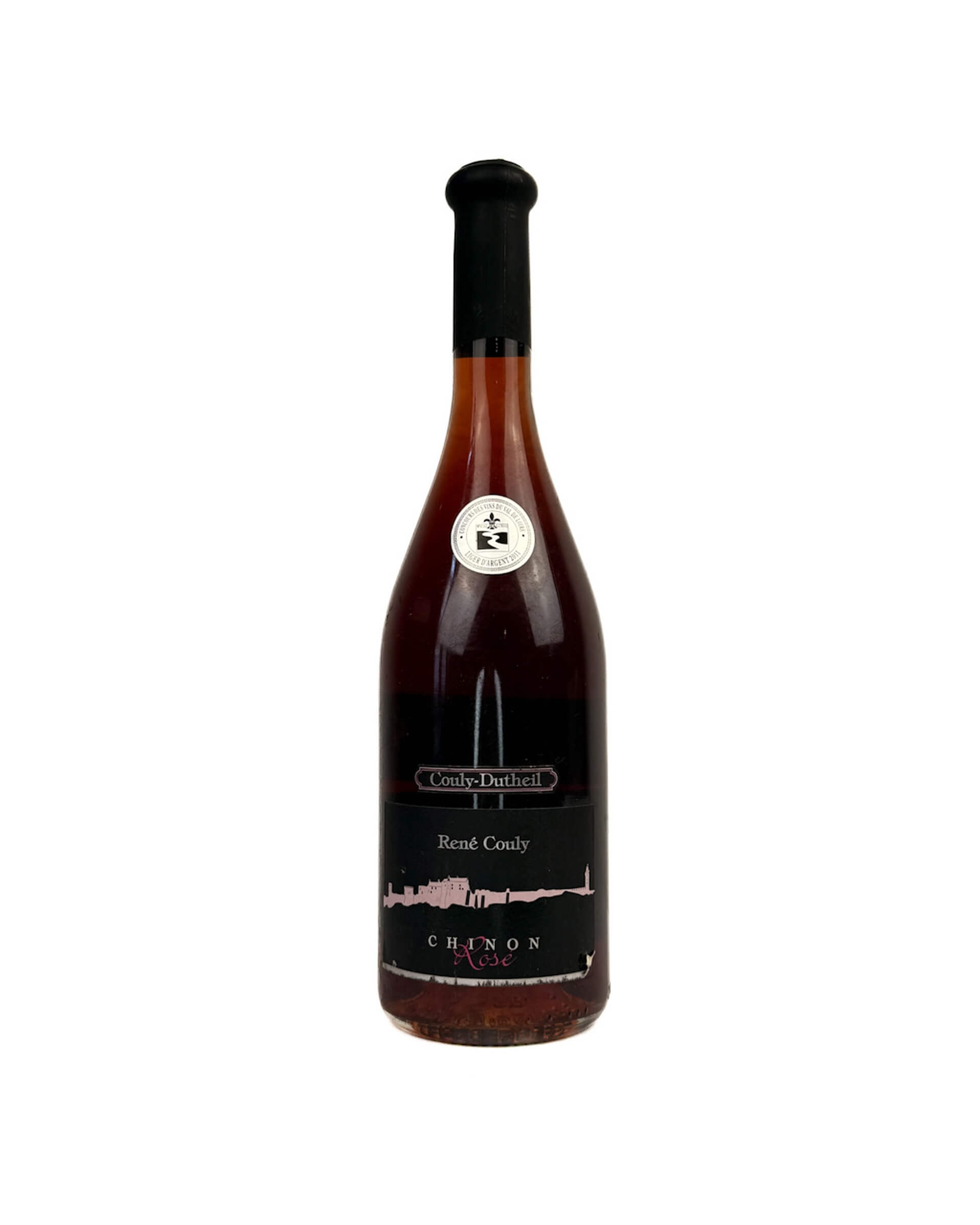
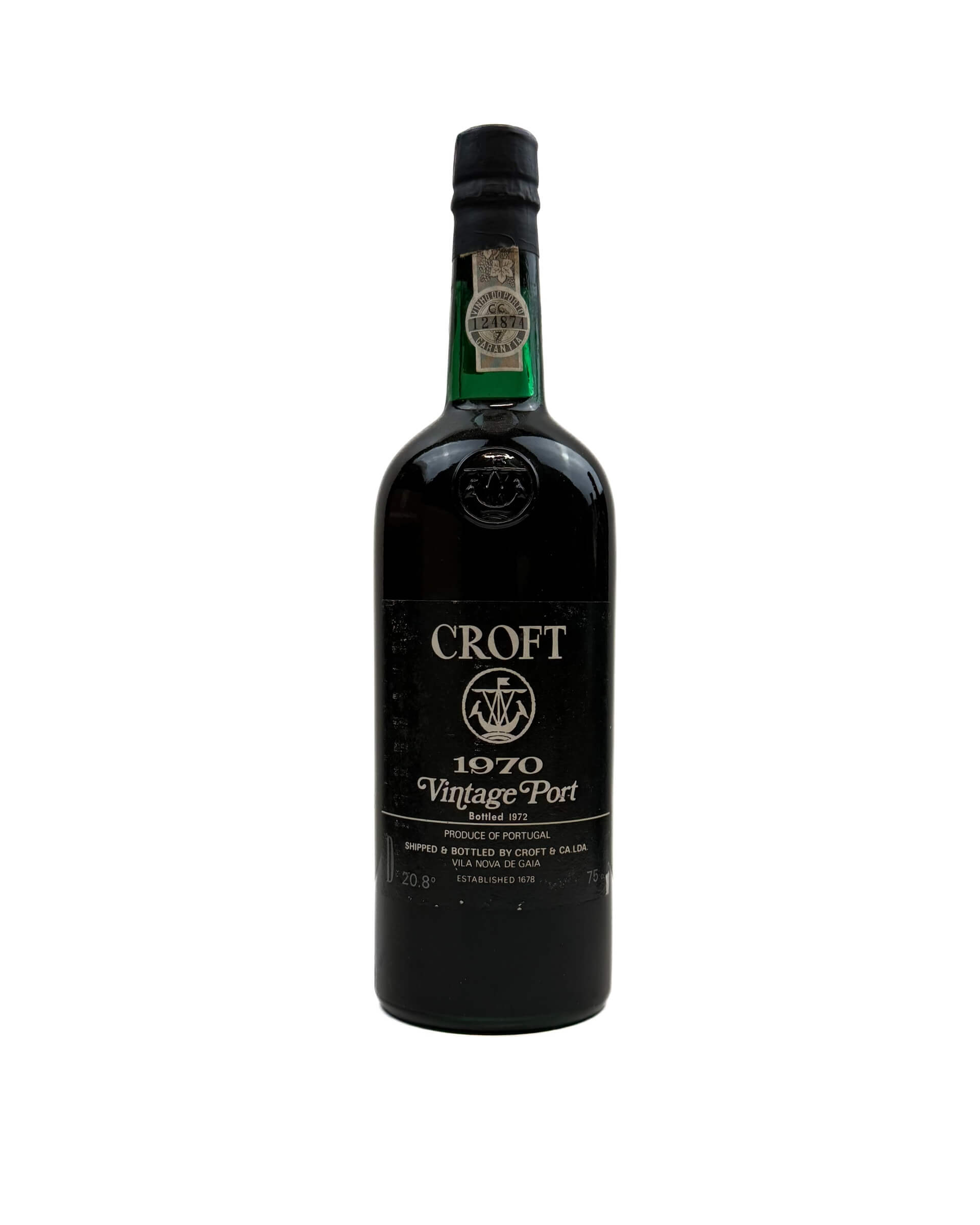
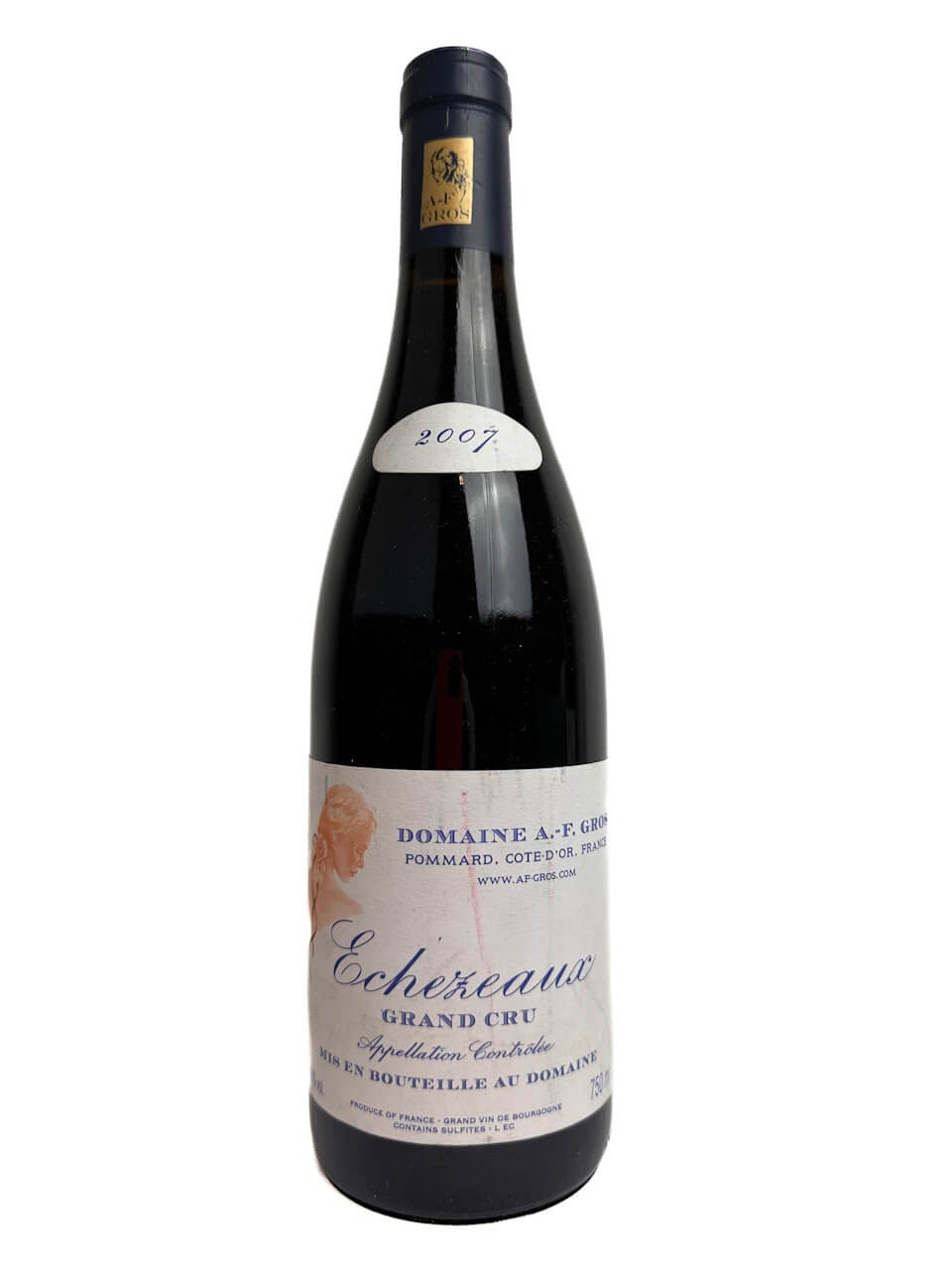
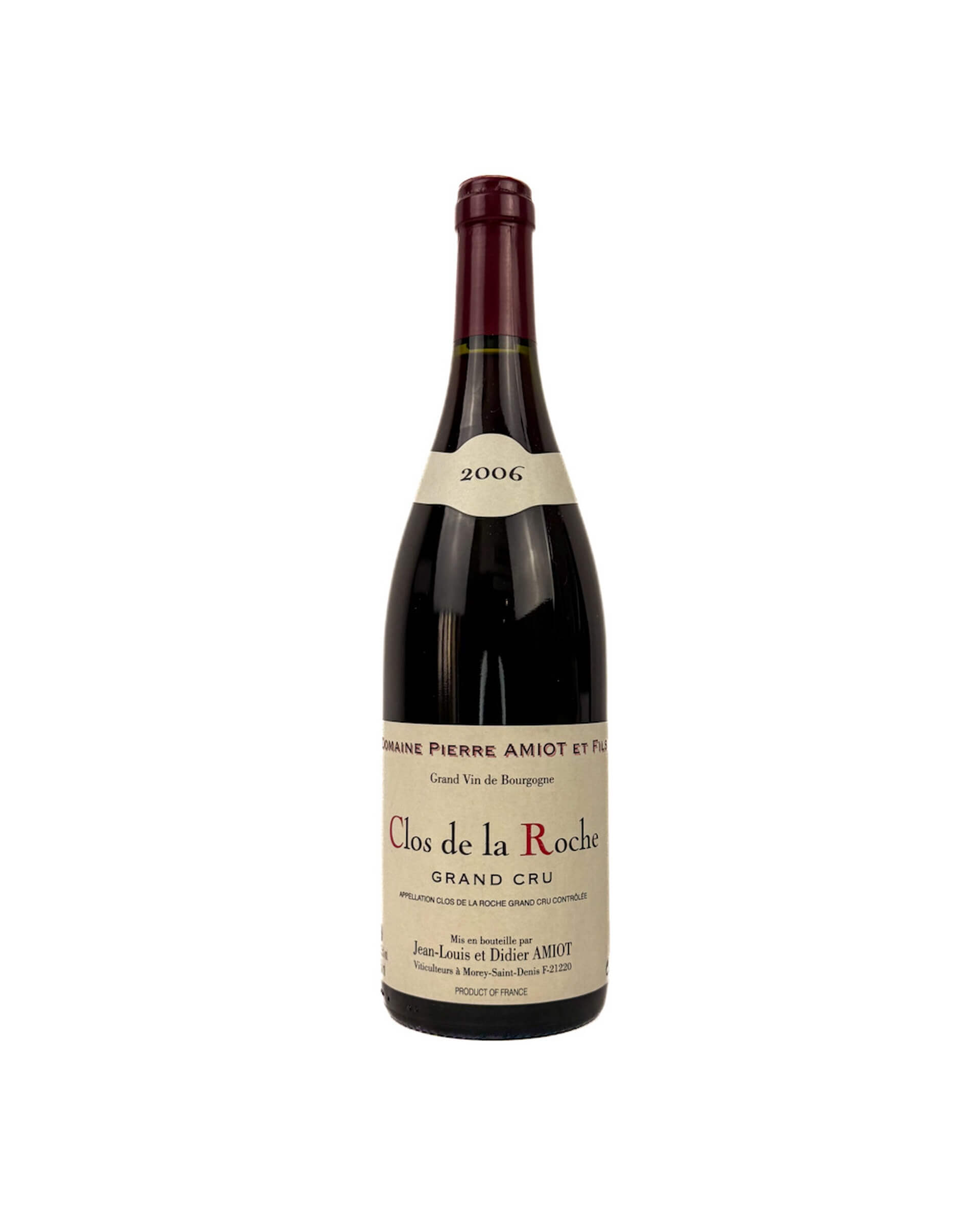
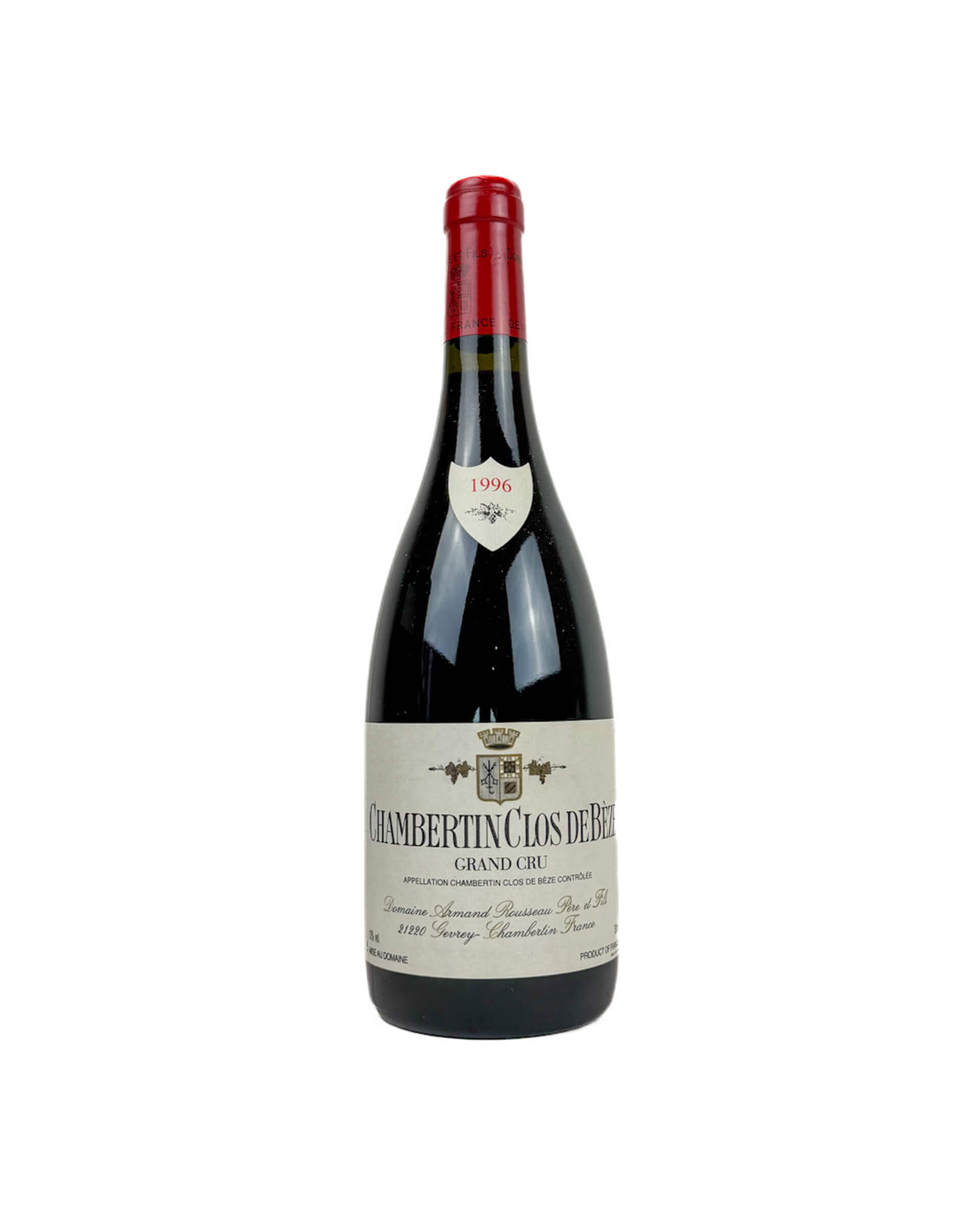
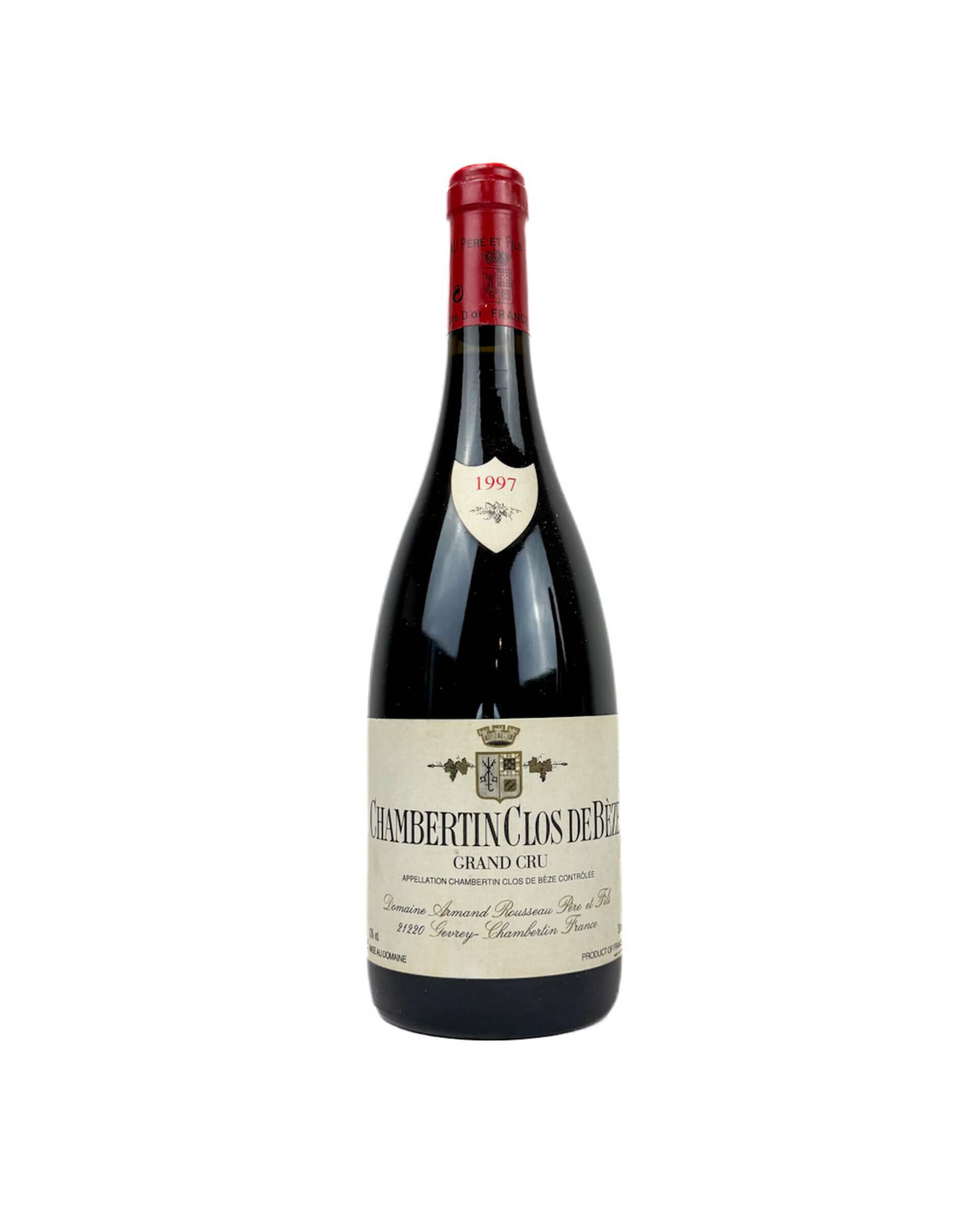
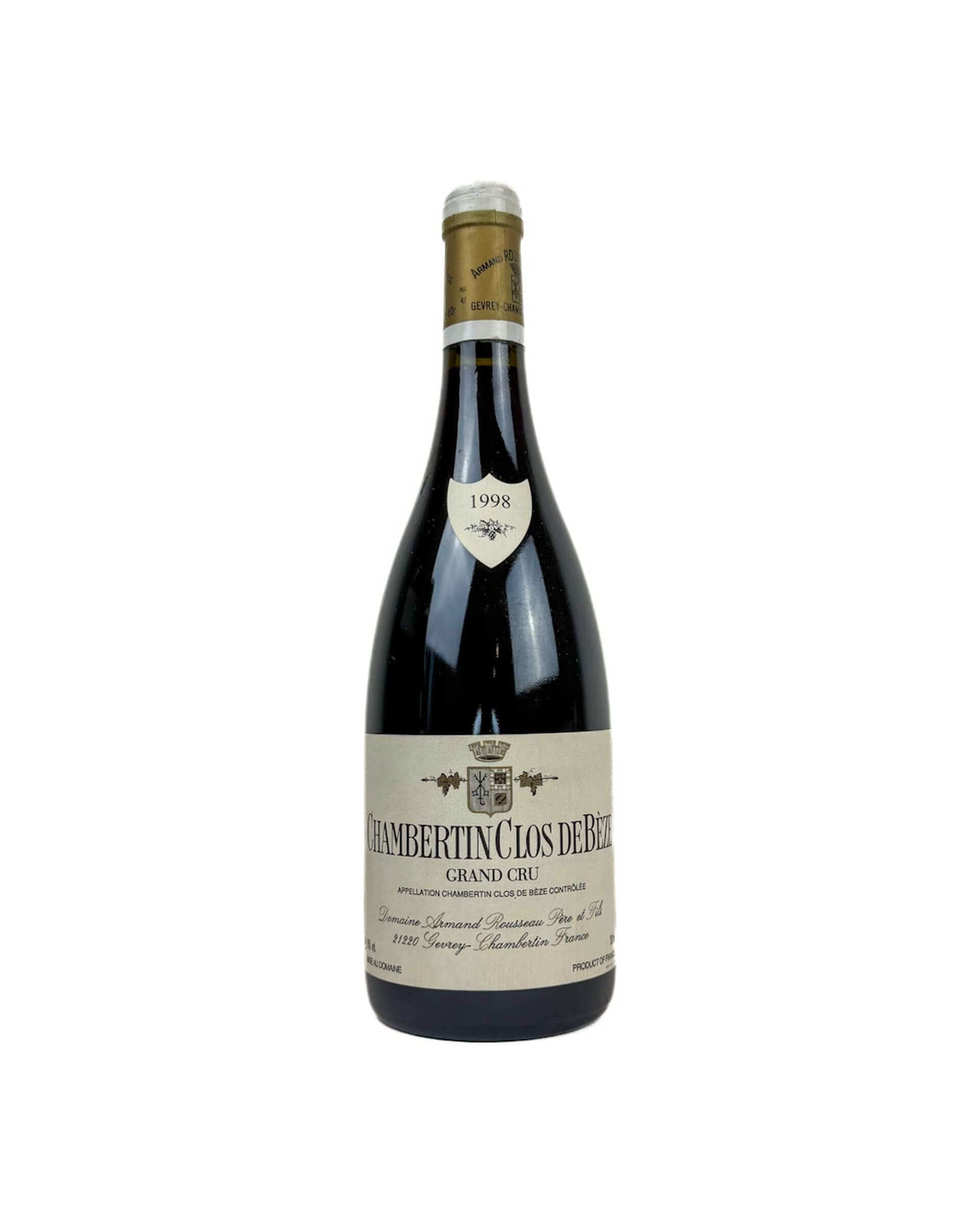
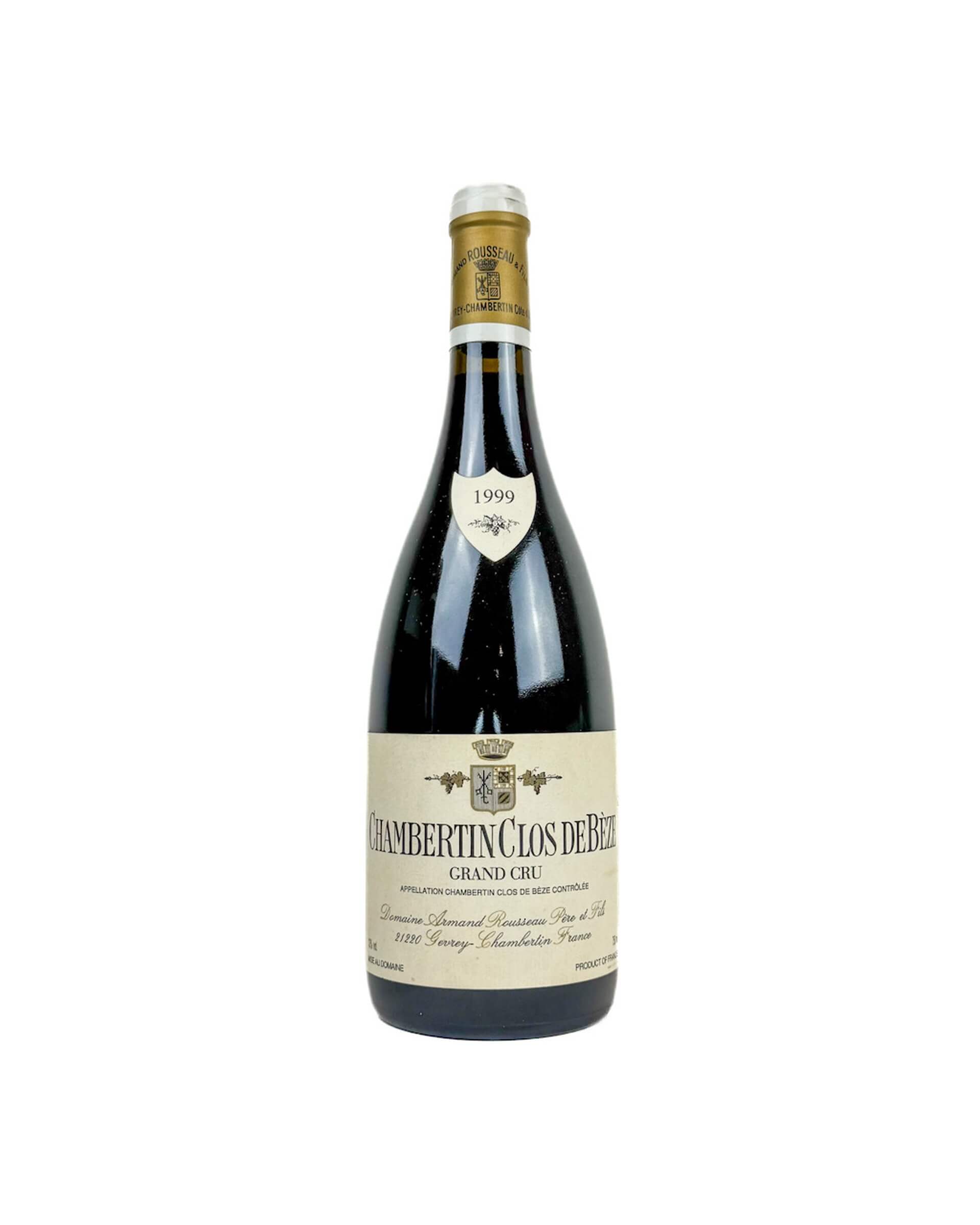
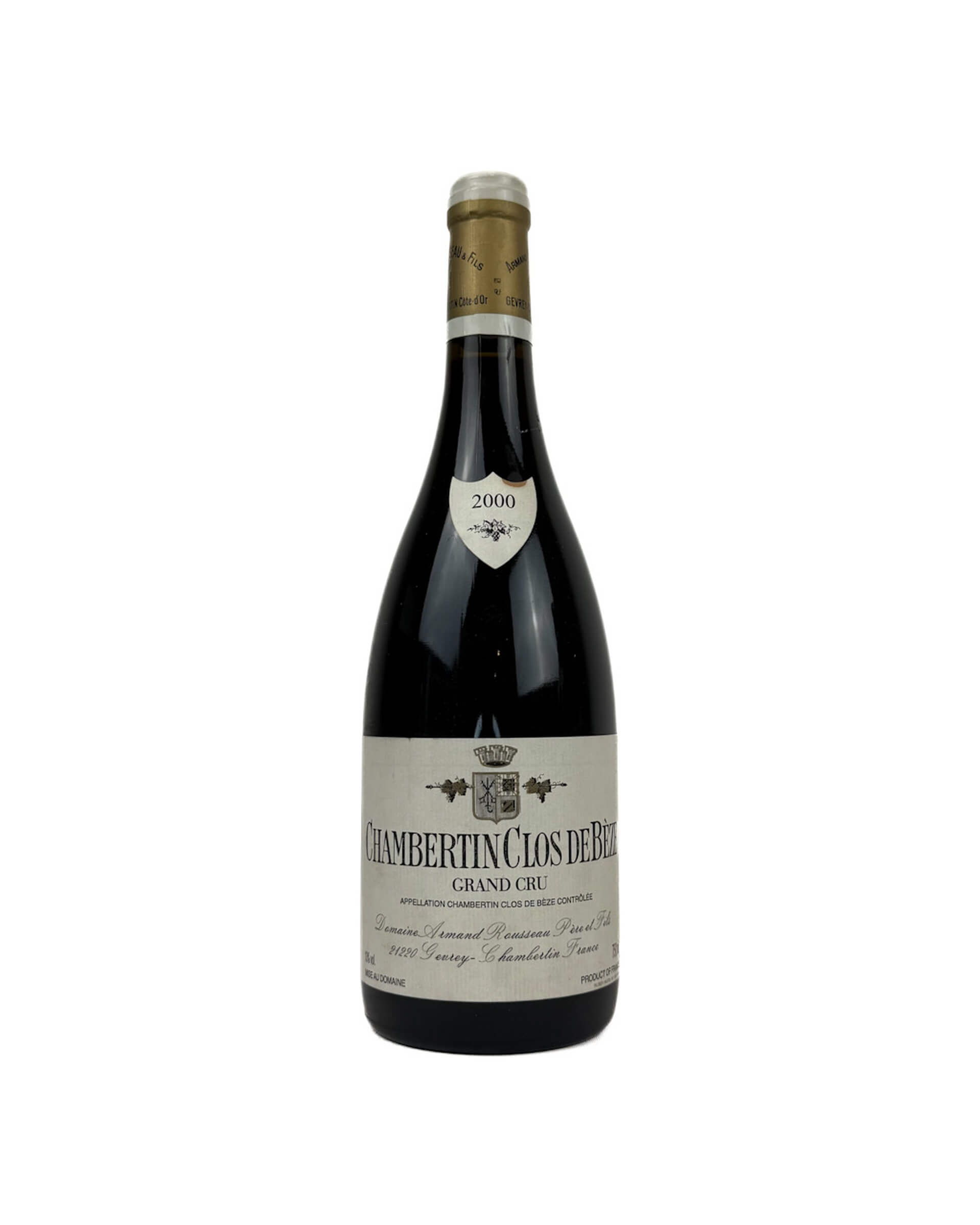
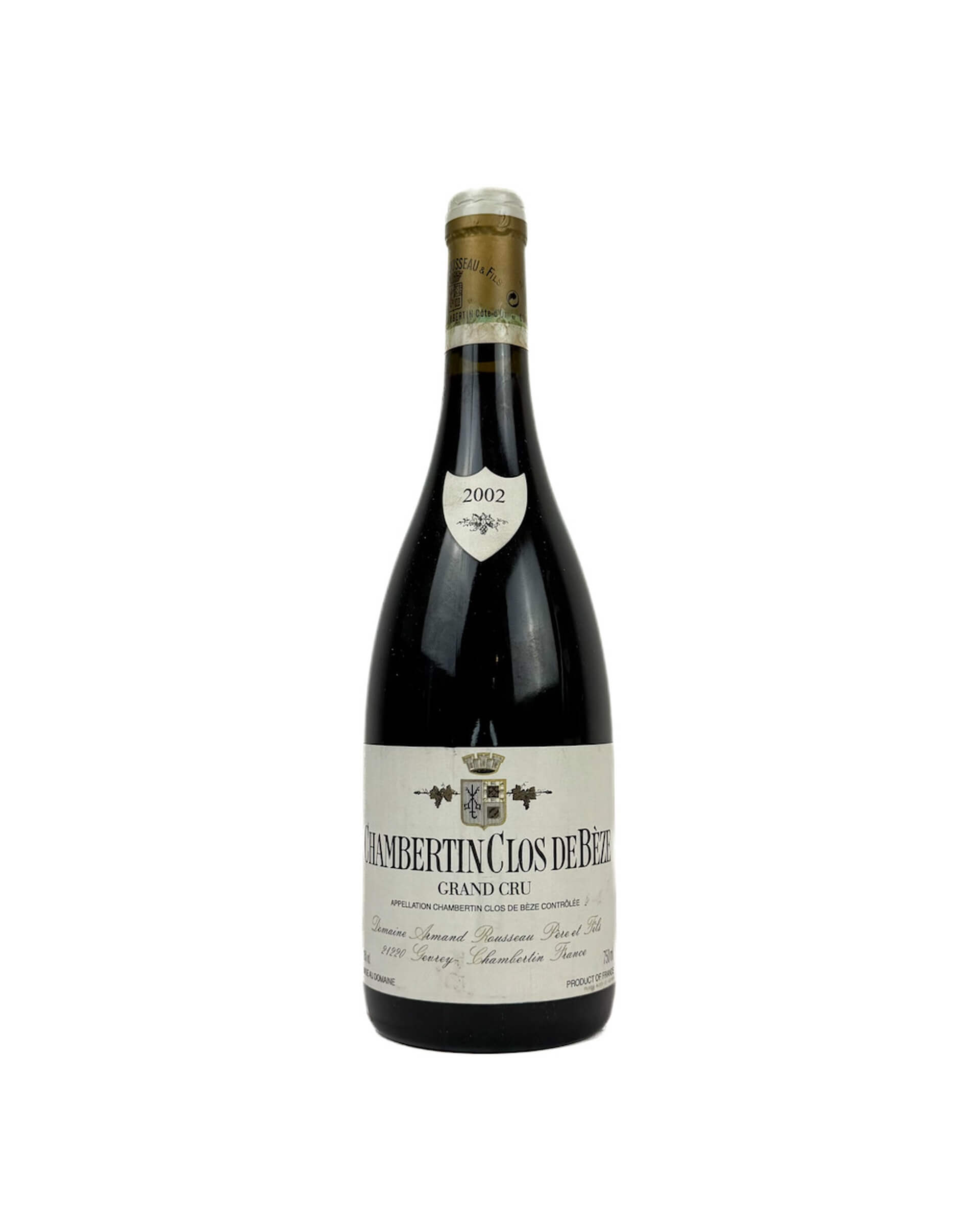
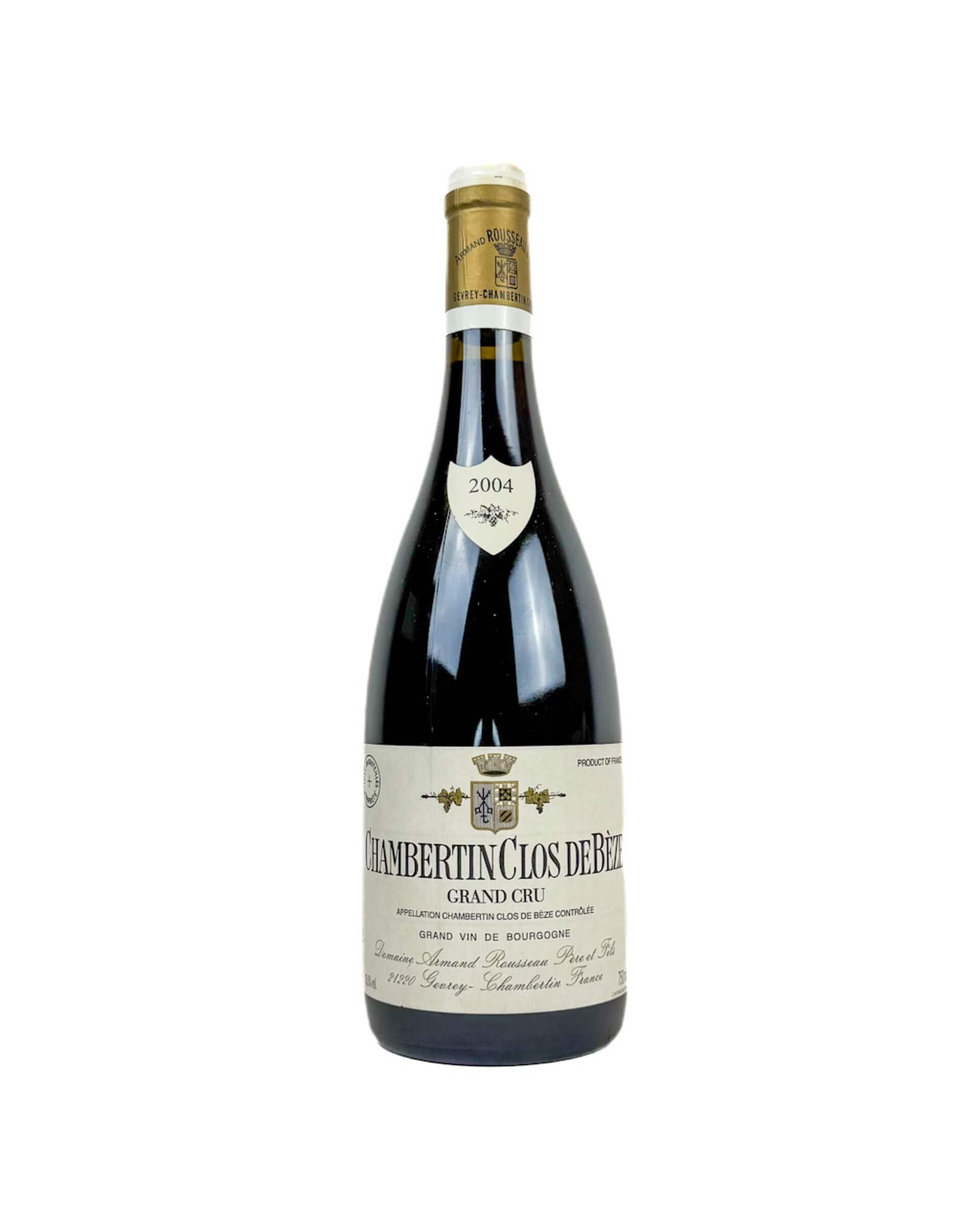
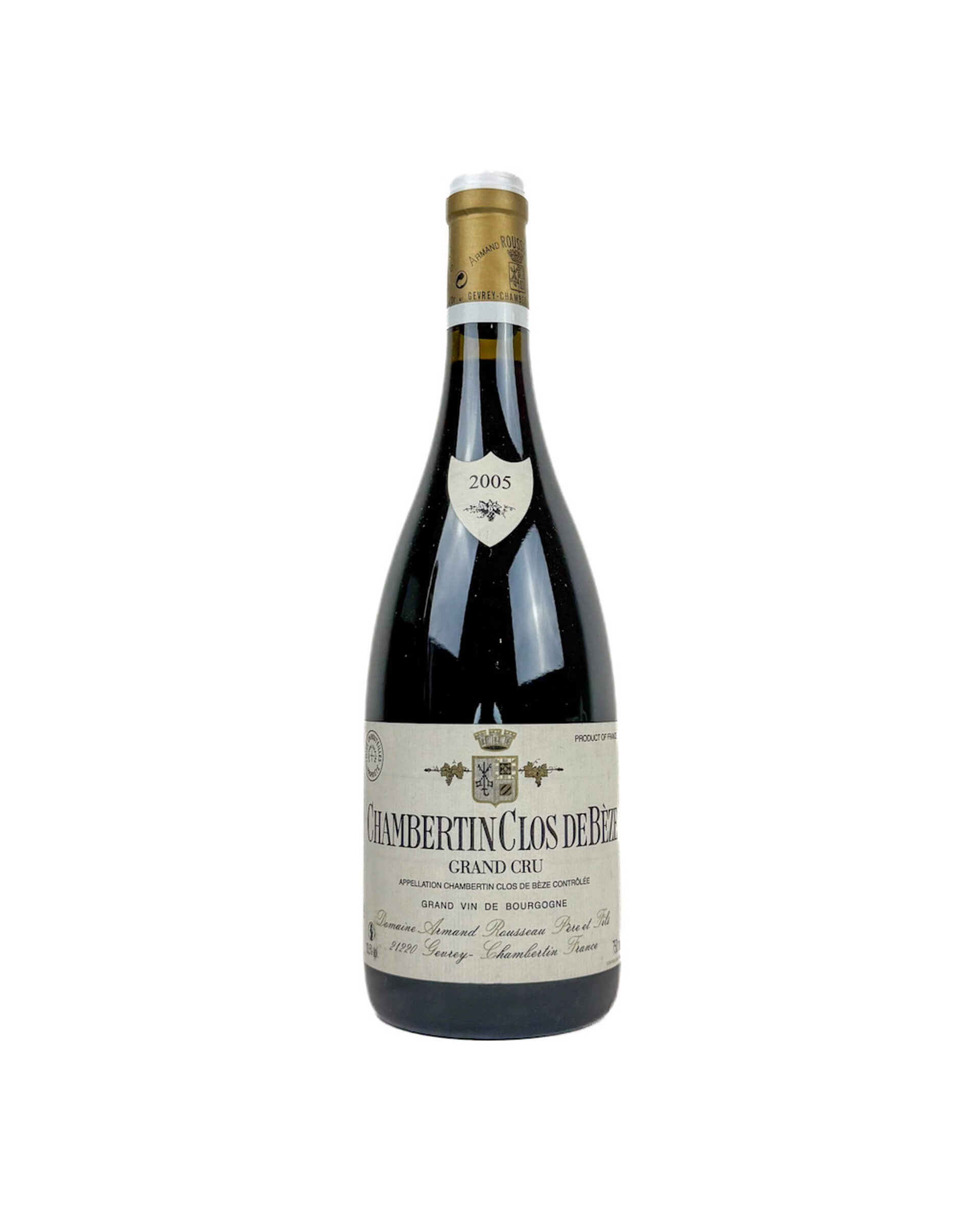
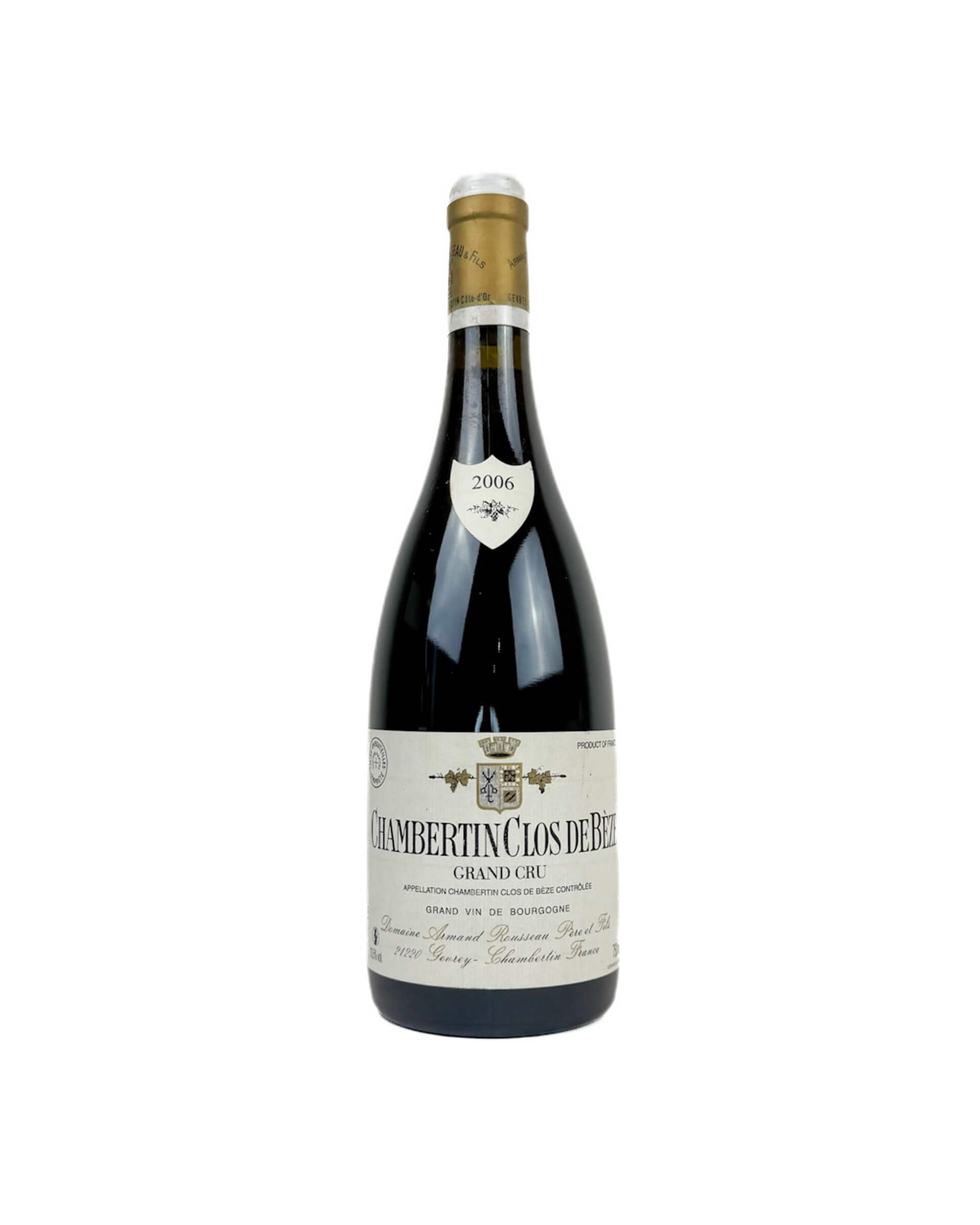
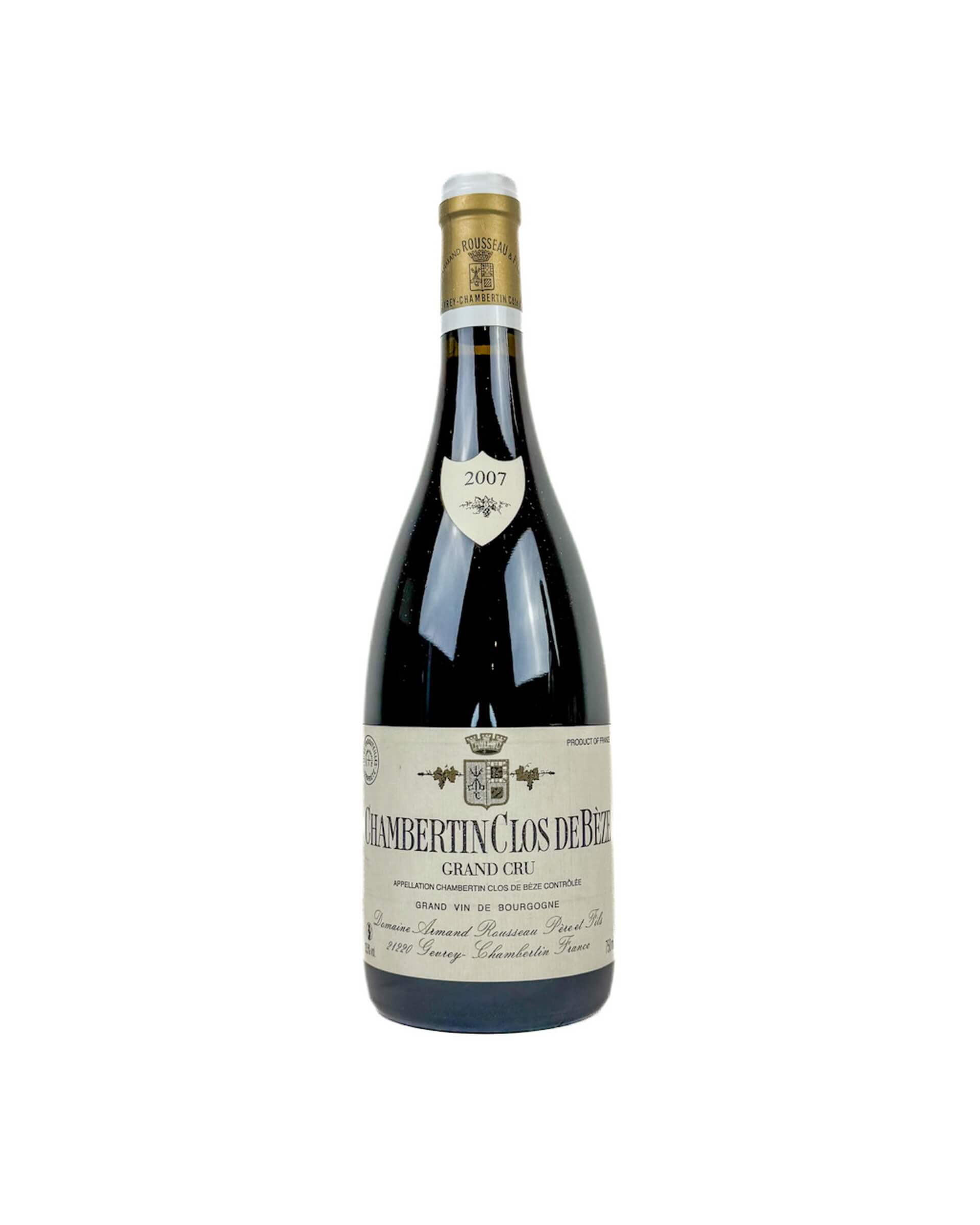
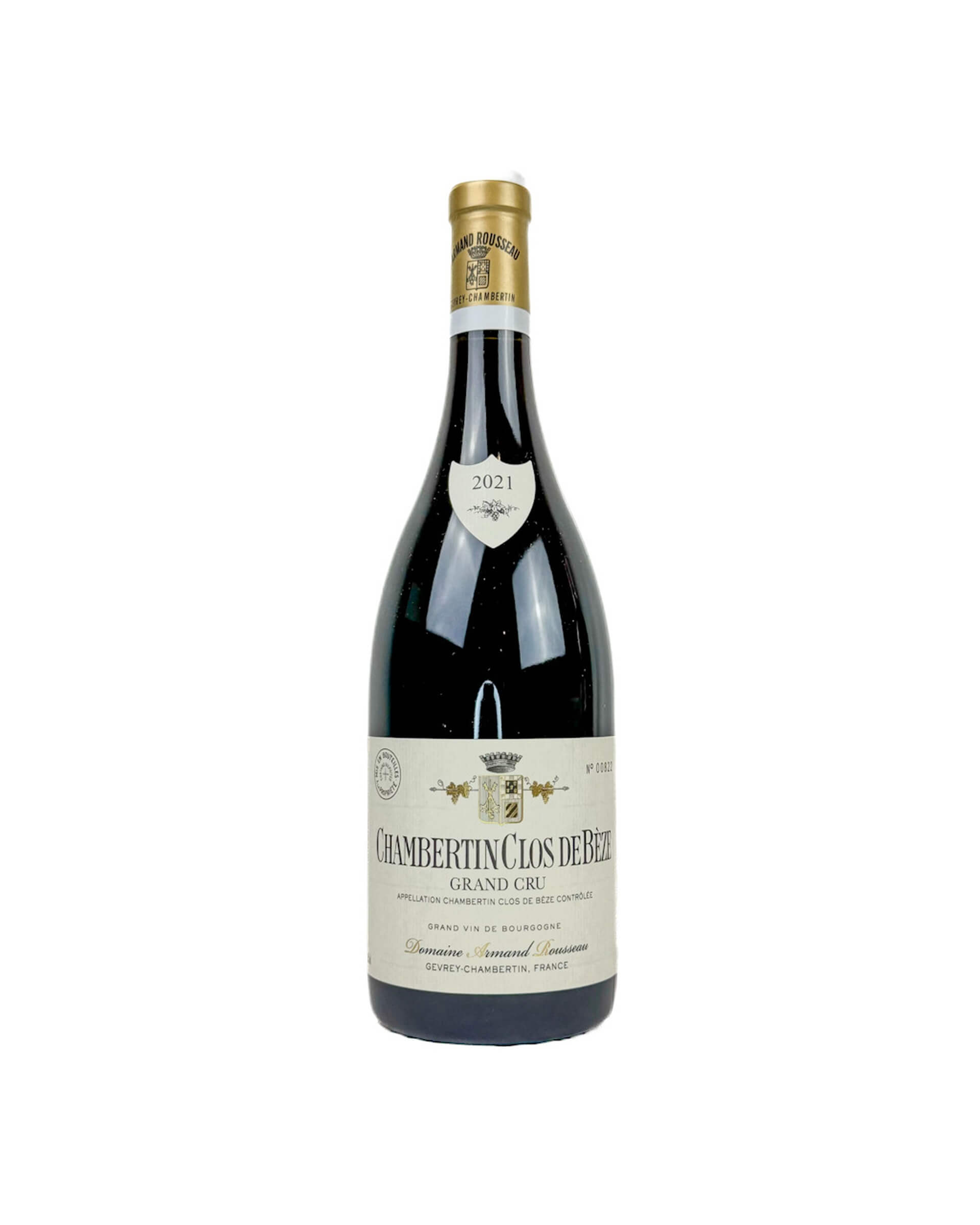
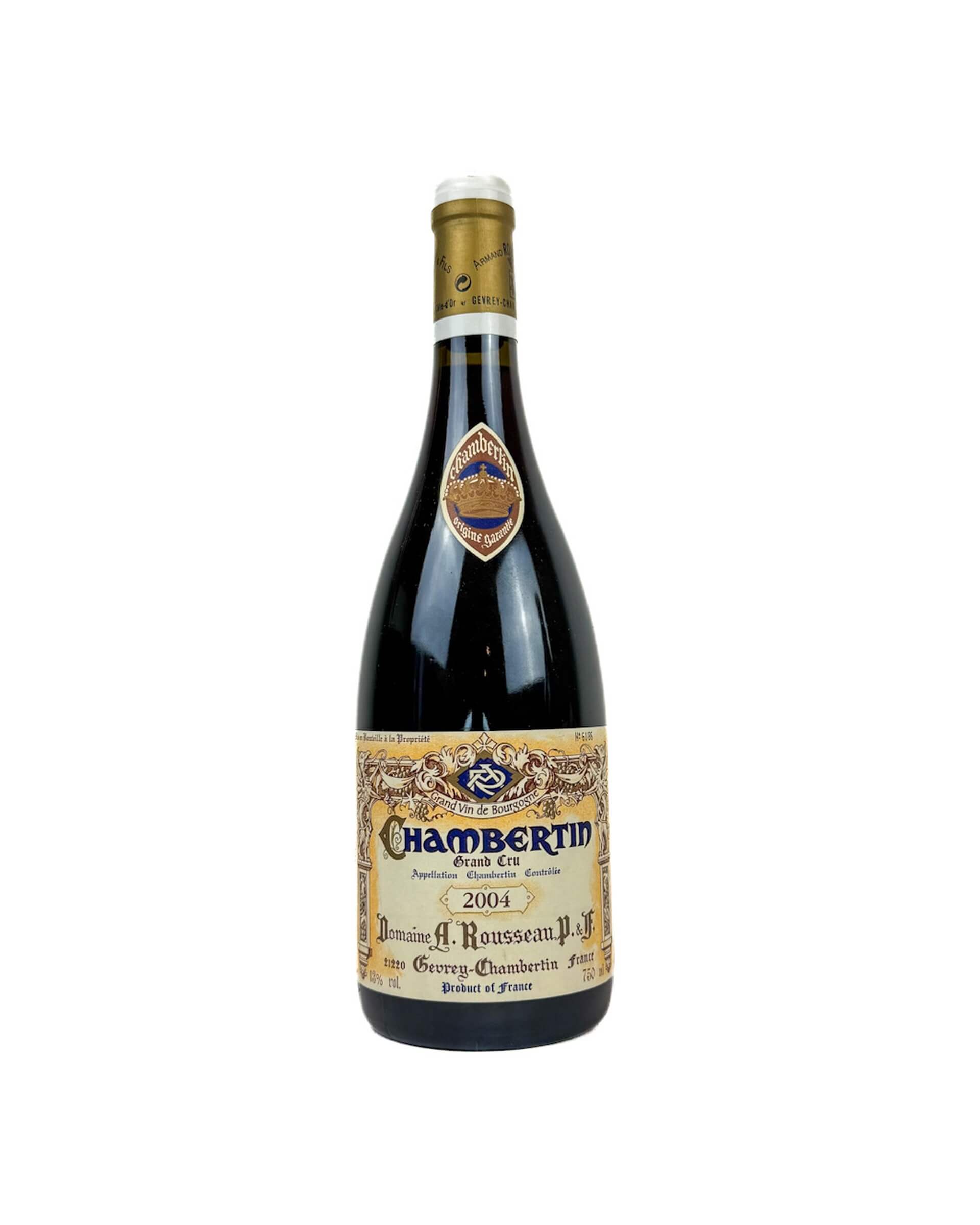
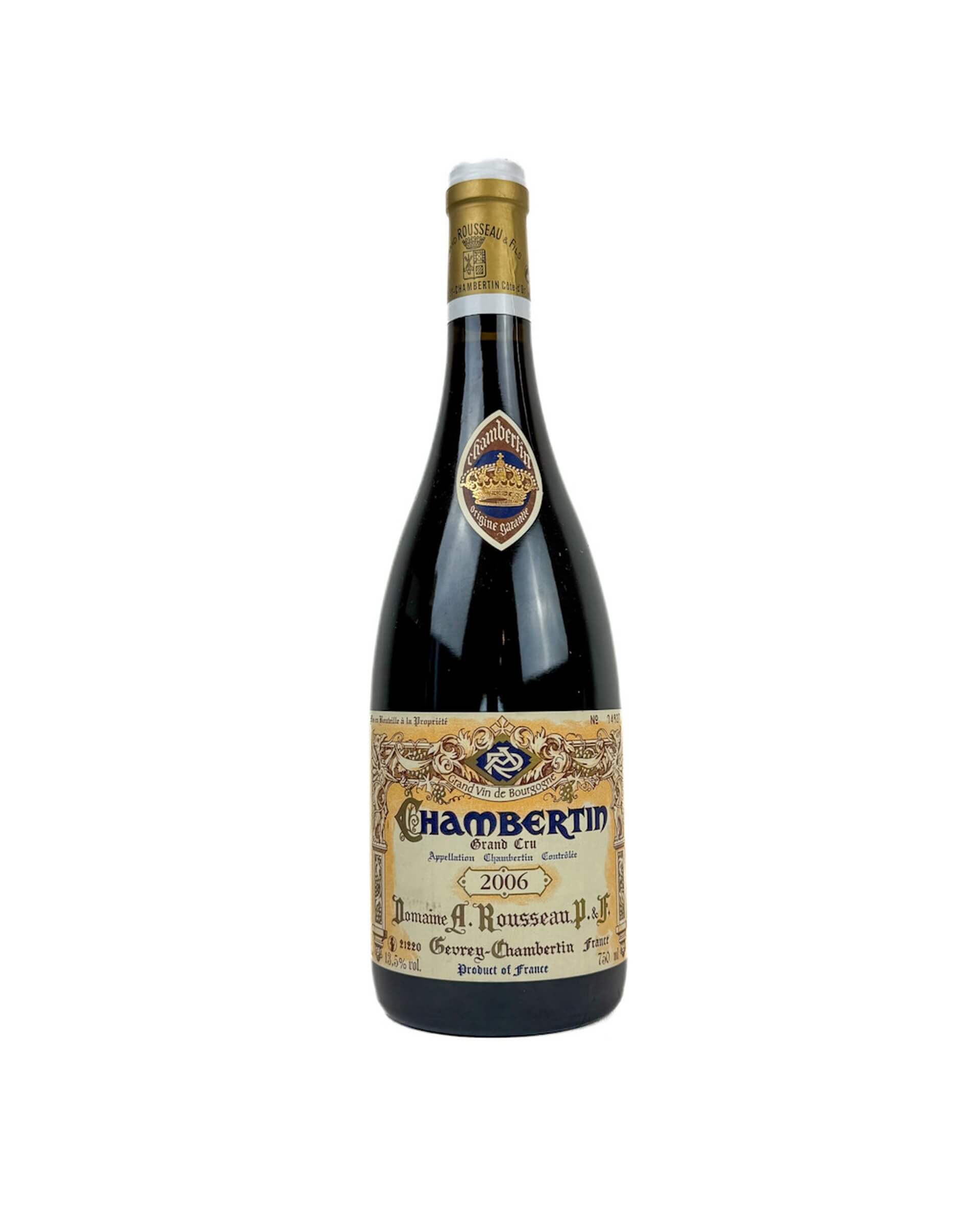
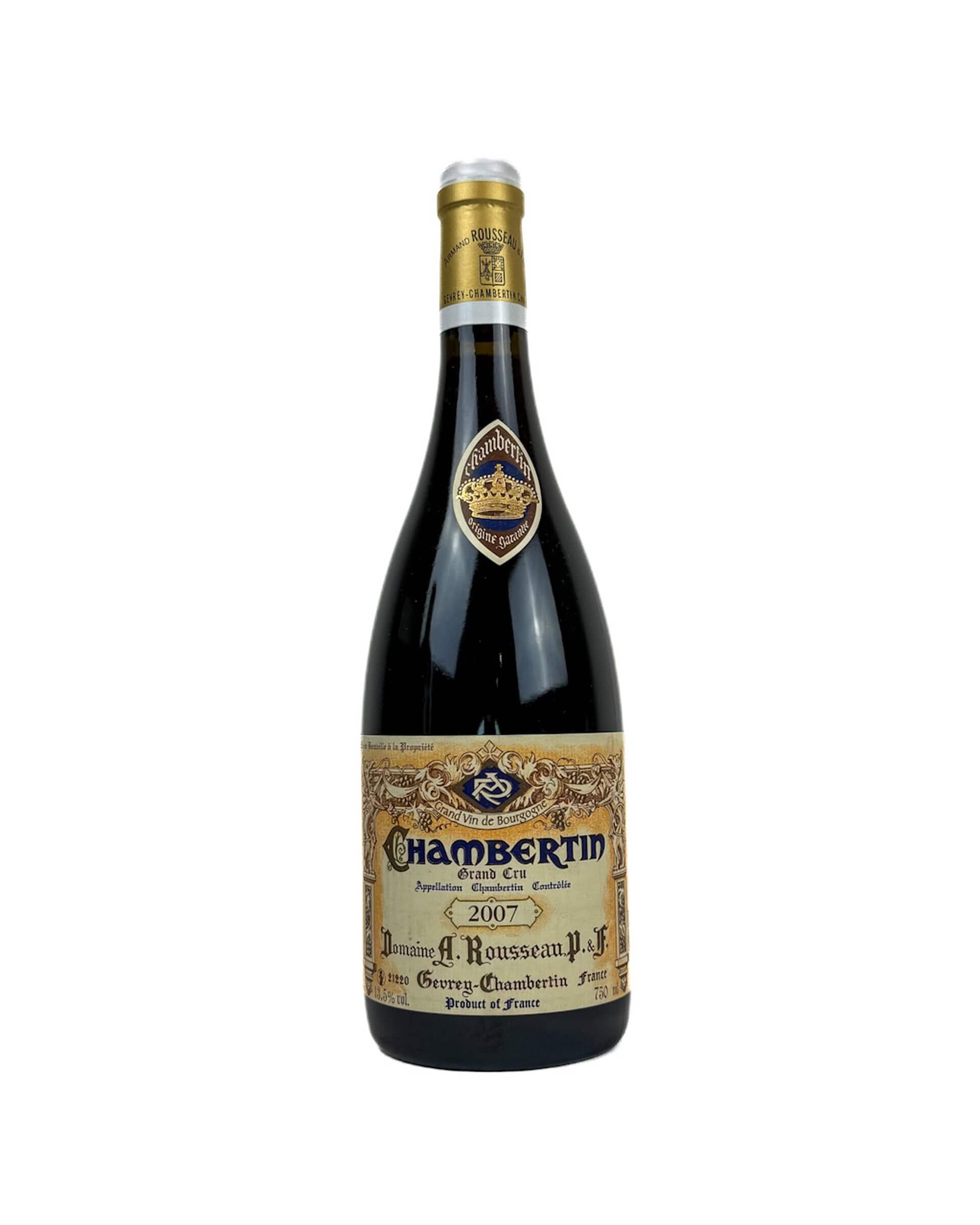
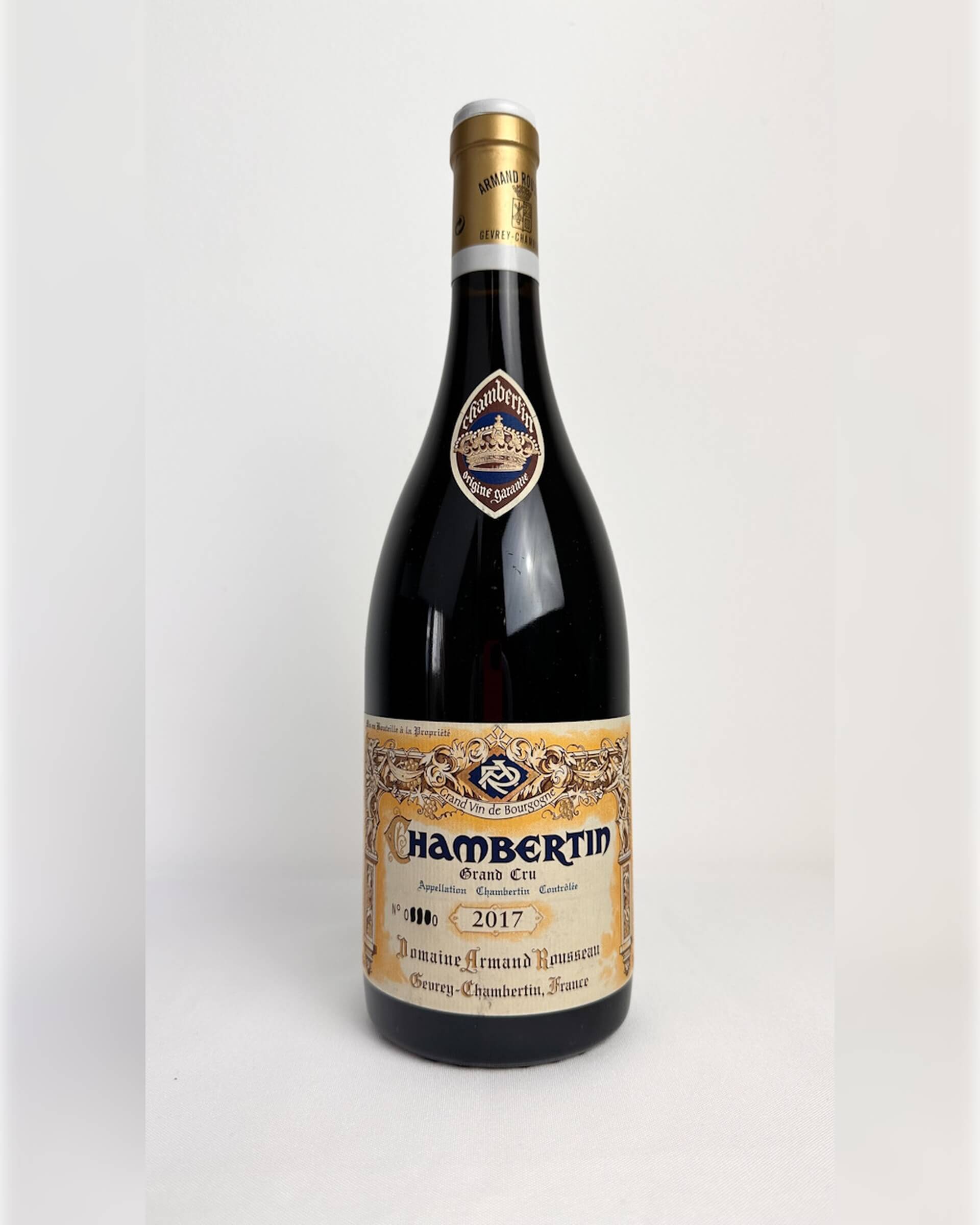
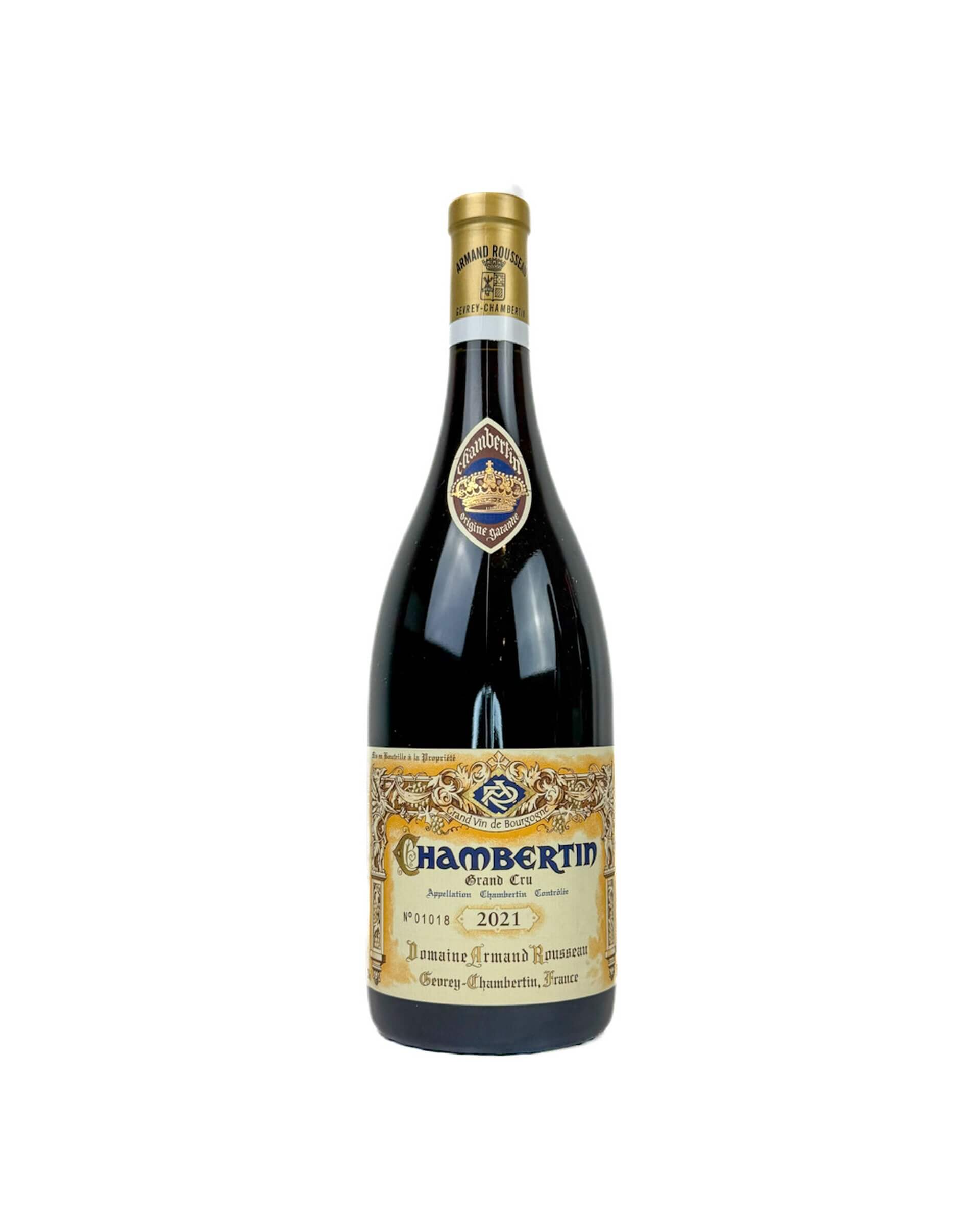
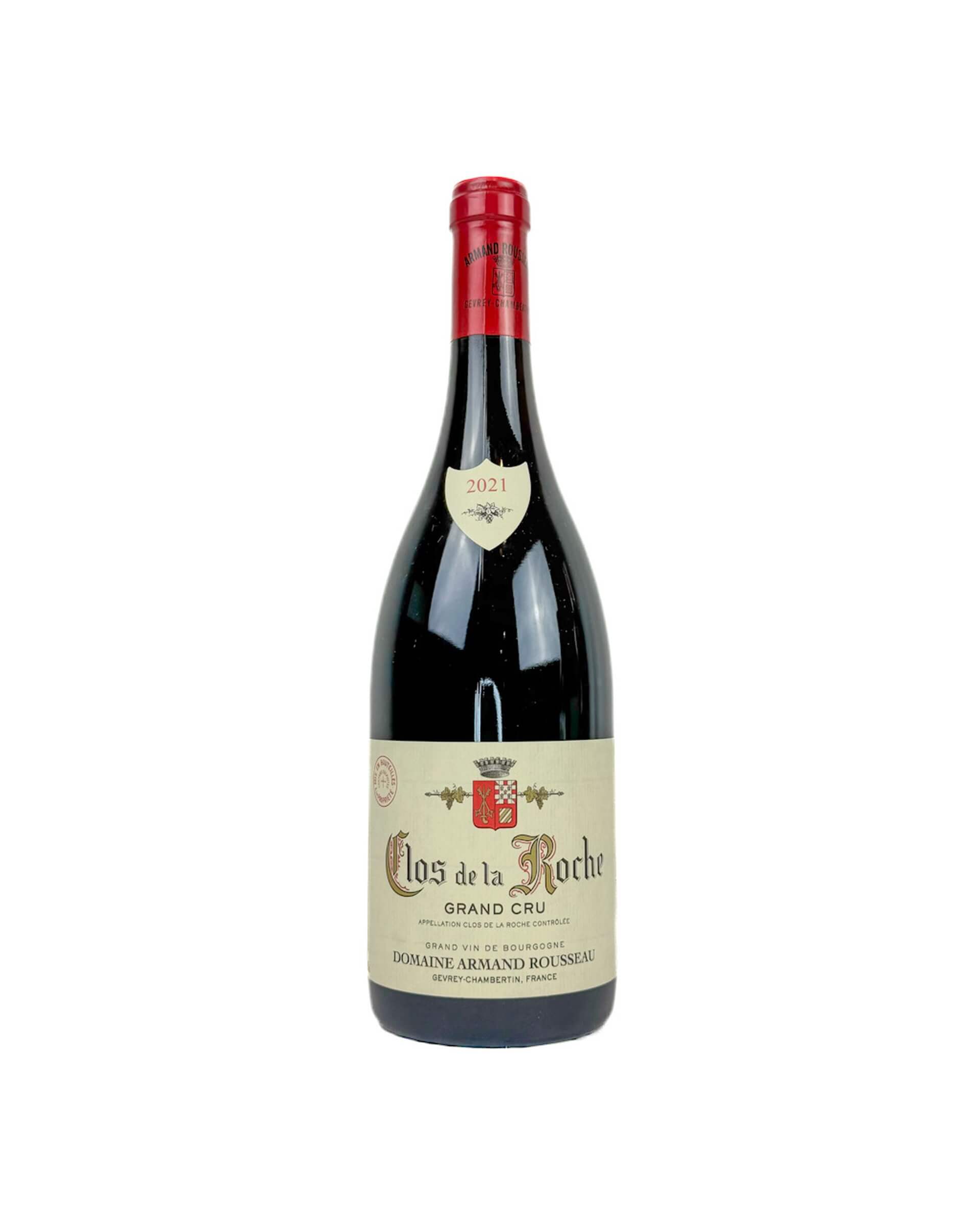
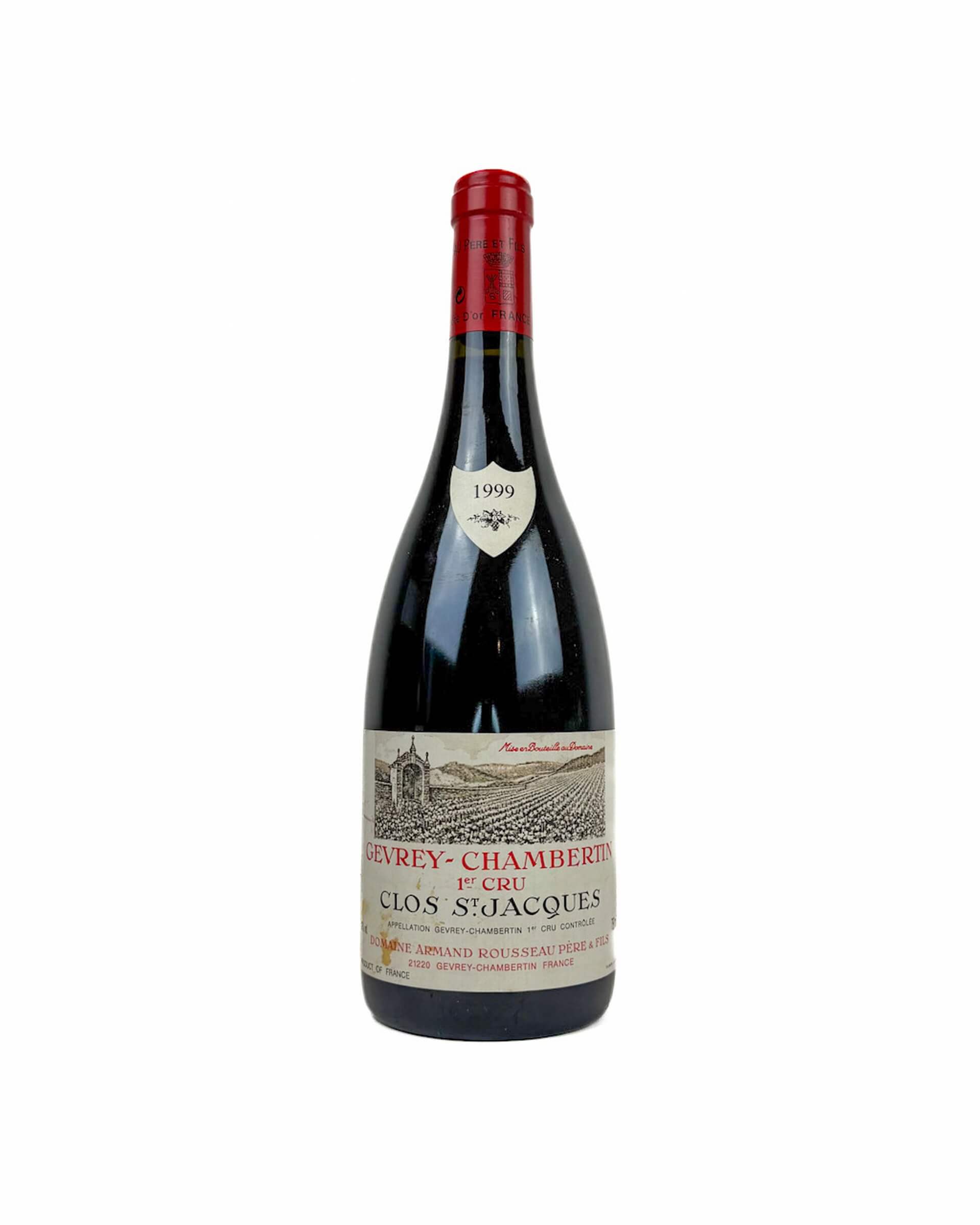
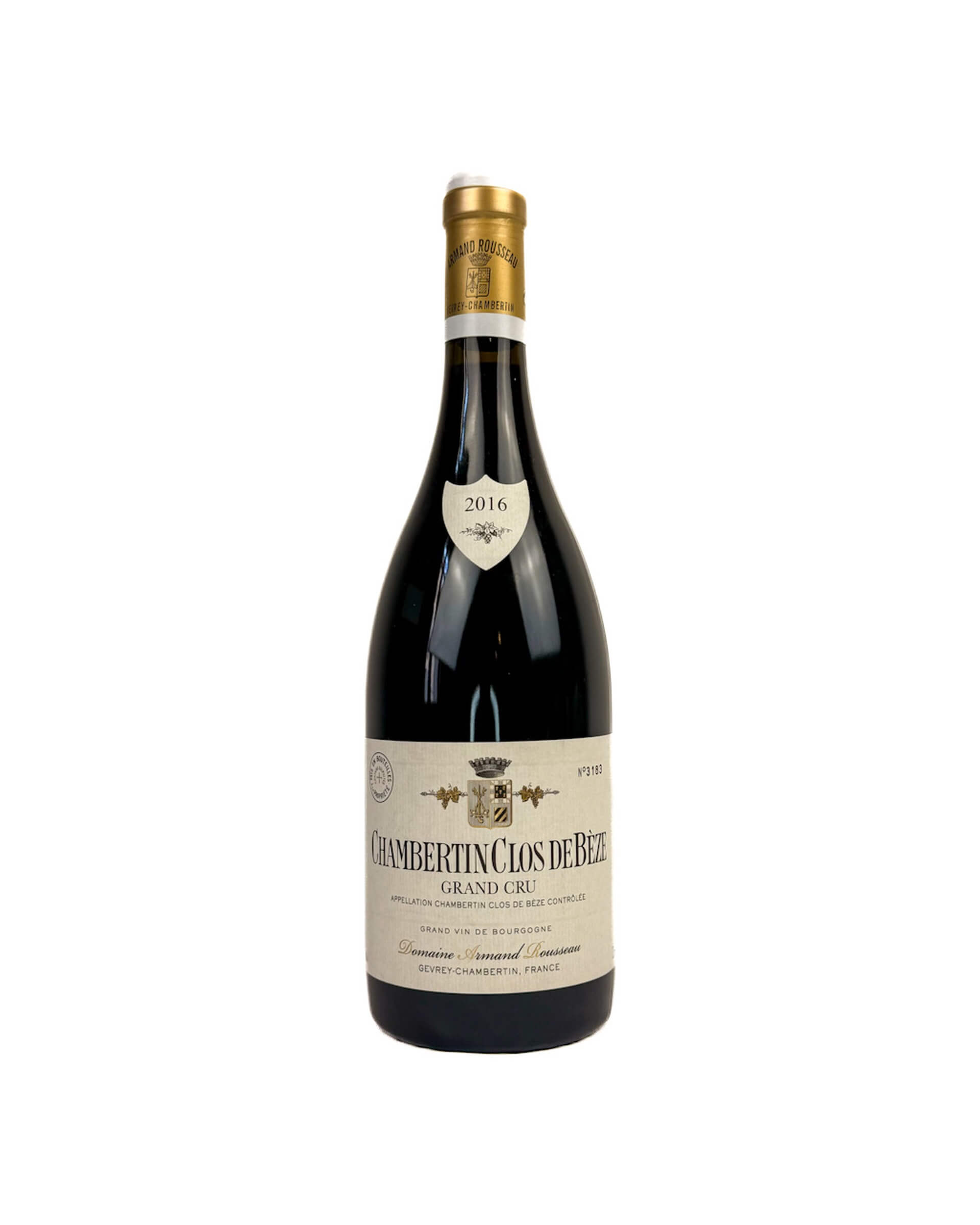
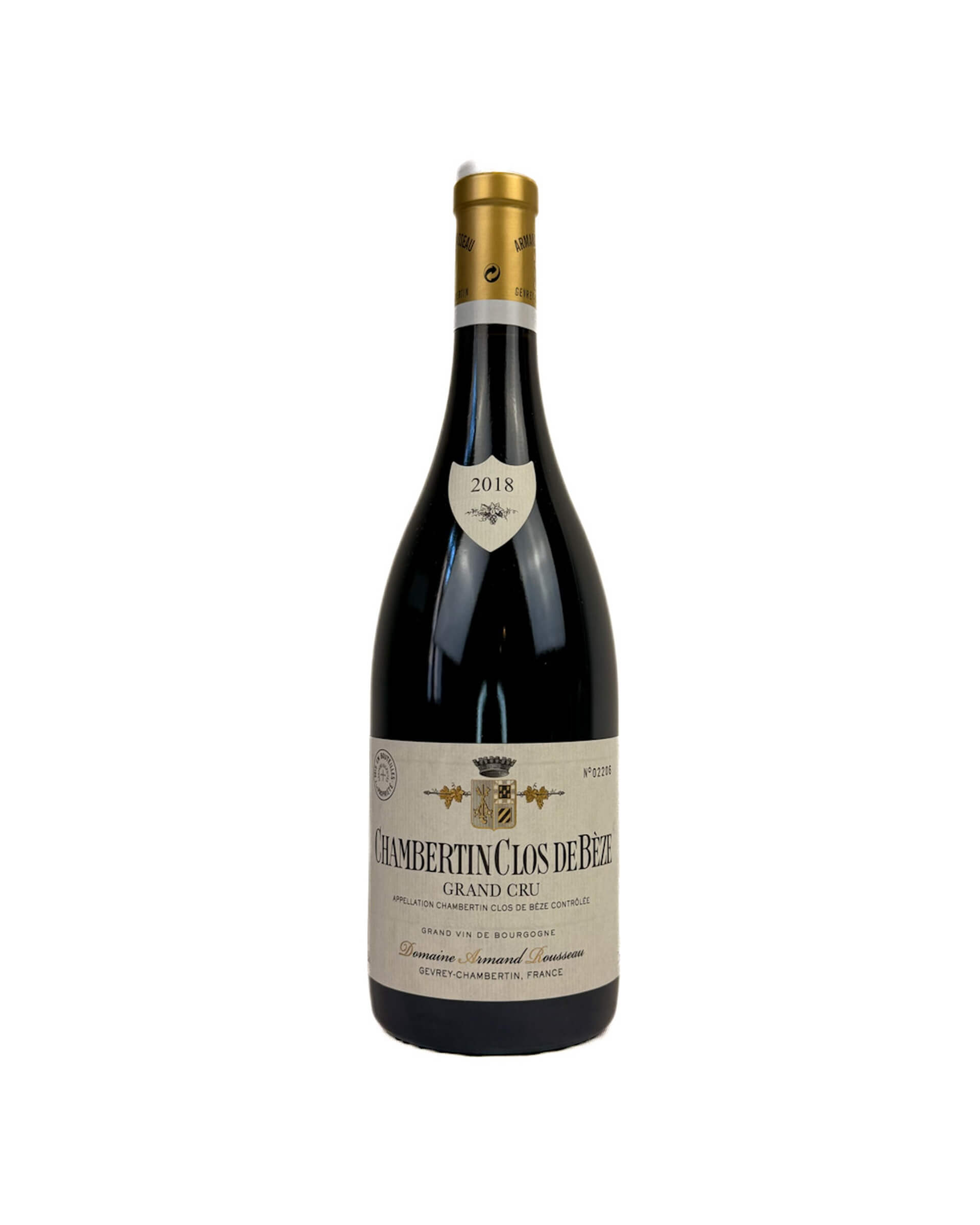
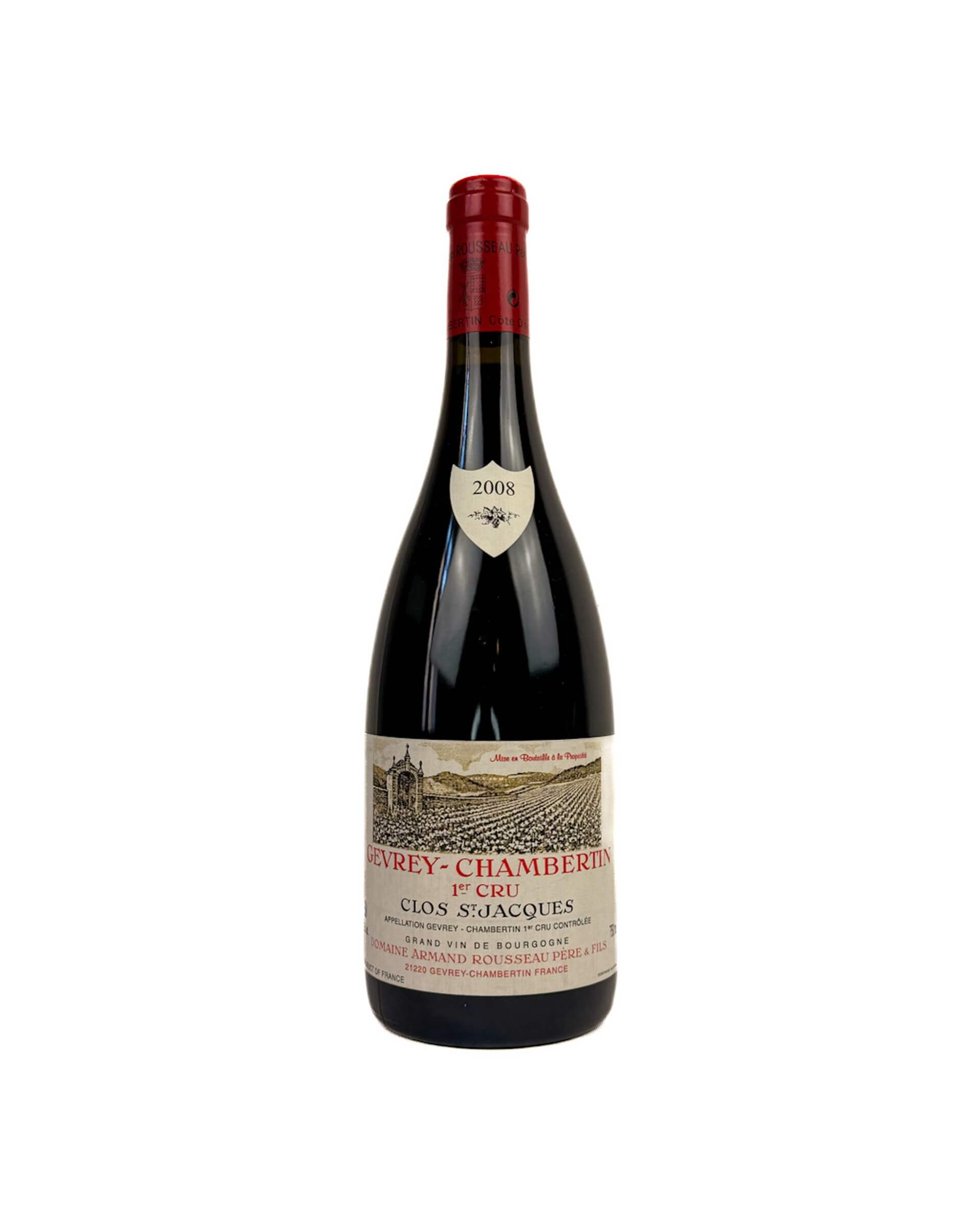
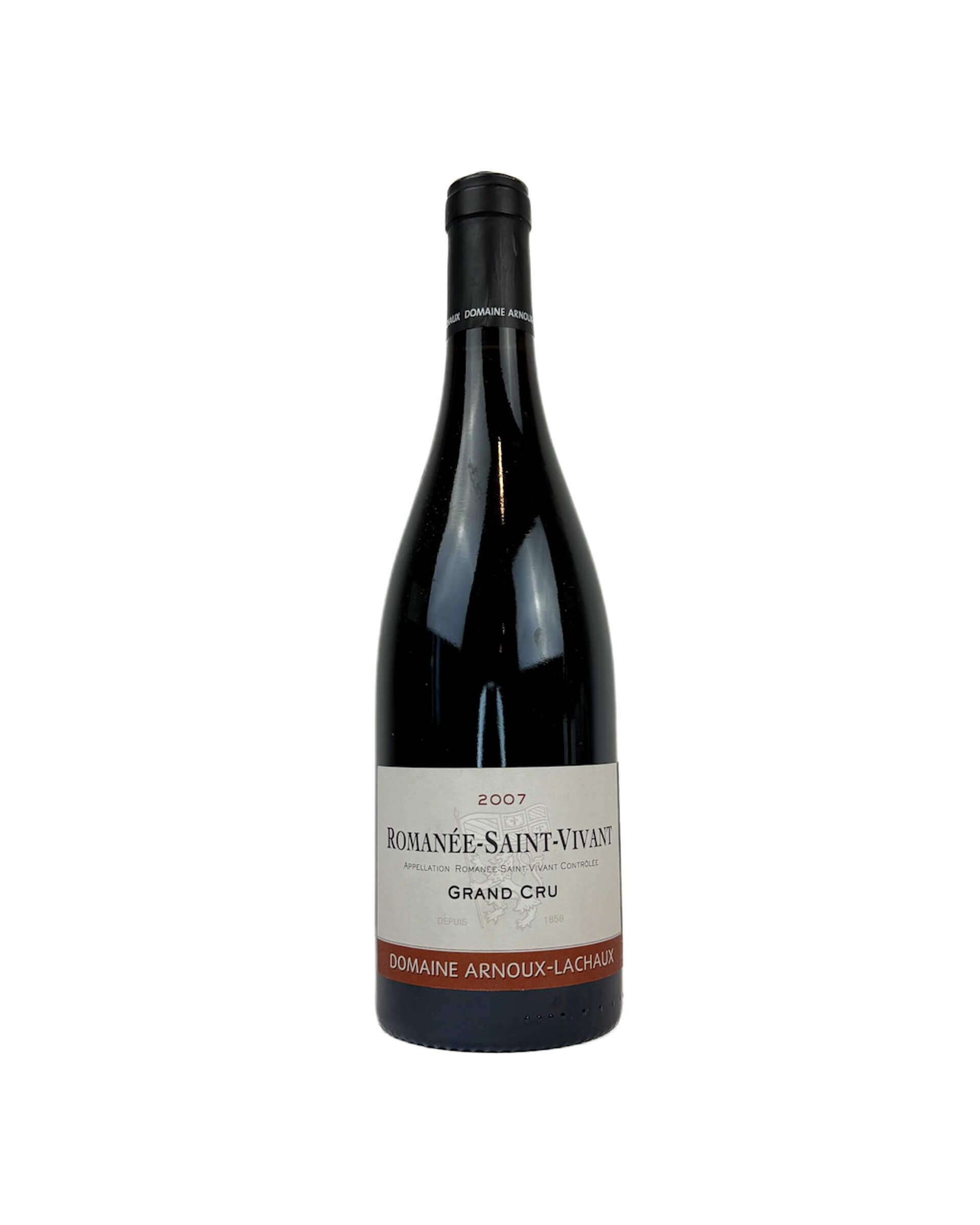
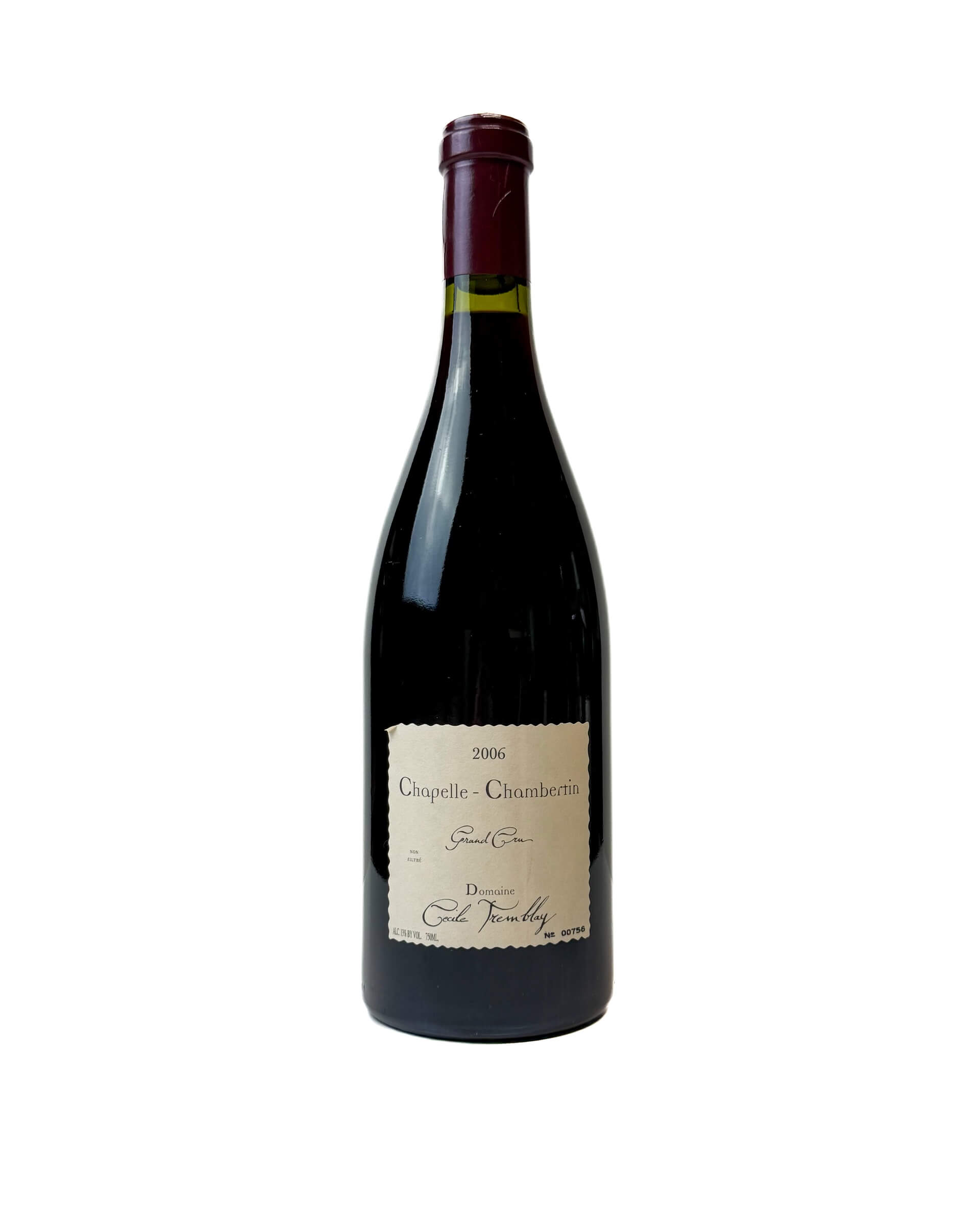

Every wine in our cellar earns its place through one shared standard: provenance you can trace from the bottle back to a specific plot of land. Tour de Wine is a French fine-wine specialist, and our catalogue of 650 bottles is built around that conviction rather than around mass-market labels. More than three-quarters of the selection comes from France — from the limestone slopes of Burgundy to the gravel terraces of Bordeaux — with carefully chosen additions from Italy and a handful of benchmark New World estates.
When you buy wine online with us, you are not browsing a warehouse of interchangeable brands. You are working through a curated cellar selected the way a sommelier would build one: by appellation, by grape, and by vintage. Use the navigation to explore by type, by region, or by grape variety, and let this guide help you decide which path suits the bottle you are looking for.
At its simplest, wine is fermented grape juice — but the gulf between an ordinary bottle and a memorable one comes down to four factors that no marketing can fake. The first is grape variety, which sets the basic palette of aromas and structure. The second is terroir: the soil, slope, and climate that shape how those grapes ripen. The third is vintage, the weather of a single growing season captured in the glass. The fourth is the producer’s philosophy — the dozens of choices made in the vineyard and cellar that turn good fruit into a wine with identity. Once you understand these levers, every label starts to make sense. Most bottles fall into one of four broad types:
For first-pass navigation, region is the most practical filter — but within an appellation, producer choice and vintage year matter just as much, and a classified-growth buyer weighs all three together. A French wine carries centuries of codified knowledge about which grape belongs on which slope, and our catalogue is organised so that geography becomes the natural entry point. Below are the origins represented in the cellar, from the dominant French heartland to the curated international additions.
France accounts for 507 of our 650 bottles, and three zones do most of the heavy lifting. Burgundy wine is built on Pinot Noir and Chardonnay grown across the village climats of the Côte d’Or, where a few hundred metres can change everything. Bordeaux wine works in blends — Cabernet Sauvignon-led on the Left Bank, Merlot-led on the Right — while the Loire and Rhône supply the supporting appellations, from crisp Chenin Blanc to peppery Syrah.
With 67 bottles, Italy is our second origin. The focus falls on Tuscany — home of Sangiovese-based Brunello di Montalcino — and on Piedmont, the land of Nebbiolo and Barolo. These wines are chosen to the same provenance standard as the French selection, not bought in as mass-market imports.
The remaining origins are curated additions to a French-centred cellar: 29 bottles from the USA, where Napa Valley sets the Cabernet benchmark; 20 from Spain, led by Rioja’s Tempranillo; 11 from Portugal’s Douro; 9 from Australia’s Barossa Valley; and 3 from Argentina. Each is admitted on the same provenance standard applied to our French sourcing: a named single estate, a recognised appellation or AVA, and a traceable vintage record — never a négociant blend bought purely on price.
If you already know your palate, grape variety is the most dependable first filter. It tells you more about how a wine will taste than almost any other word on the label. The table below covers the varieties that anchor our selection — start here, then refine by region.
Browse the full grapes category to navigate variety-first, or go straight to our Pinot Noir selection — at 304 bottles, it is the deepest single varietal in the cellar.
Grand Cru is one of the most used and least understood phrases in fine wine. In France it is not marketing language: classification systems are legally defined and, in Burgundy, tied to specific named plots of land rather than to a producer’s reputation. Burgundy recognises 33 Grand Cru vineyards, each named within its own AOC, sitting above the Premier Cru climats and village-level wines. Bordeaux works differently, ranking estates through the famous 1855 Cru Classé classification of the Médoc and Sauternes. In both cases a classification signals enforced yield limits, ageing rules, and an expected quality floor — a meaningful guide, though never an absolute guarantee. The Tour de Wine cellar holds 245 Grand Cru bottles, and you can filter the full classifications view or jump straight to the Grand Cru tier.
Good food and wine pairing is less about rigid rules than about matching weight, texture, and acidity. The pairings below are organised by region and grape, with the sensory reason each match works rather than a vague “pairs well with.”
Buying wine online removes the pressure of a shop floor but adds the challenge of choosing without seeing the bottle. These five steps turn a 650-bottle cellar into a short, confident shortlist.
The right service brings a good wine to life and a great wine to its full height. A few degrees and the right glass shape make a measurable difference, especially with the structured red wine and mineral white wine styles that fill our cellar.
Red wine is fermented in contact with the grape skins, which give it colour, tannin, and body. White wine is made from white grapes, or from red grapes with the skins removed before fermentation, so it stays pale and fresh. Rosé sits between the two in the glass: a pale pink wine with the strawberry-and-citrus lift of a white but a faint red-fruit echo underneath. That balance comes from limiting how long the juice rests on red skins, so it takes colour and flavour but little tannin.
Wines built to age carry high tannin (red Burgundy, Bordeaux, Barolo), high acidity (white Burgundy, Loire Chenin Blanc), or significant residual sugar (Sauternes). These components act as natural preservatives, letting the wine evolve for years. Wines low in tannin and acidity — most rosé, light whites, and fruit-forward reds — show best within one to three years of the vintage.
Both are vineyard classifications, not producer brands, but Grand Cru sits one tier higher. A Grand Cru is its own standalone appellation — you will see only the vineyard name on the label, such as Chambertin or Corton, with no village name attached, because the site alone guarantees the pedigree. A Premier Cru is ranked below it and is always tied to its village: the label reads “Gevrey-Chambertin 1er Cru Les Cazetiers,” pairing the commune with the specific climat. In practice the Grand Cru plots occupy the best mid-slope exposures with the deepest claim to consistency, command the highest prices, and most reward cellaring; Premier Cru offers much of the character at a more accessible level. Our catalogue lets you filter both tiers directly so you can compare them side by side.
The vintage is the year the grapes were harvested. It matters because the weather across that growing season directly shapes ripeness, acidity, and structure. In regions such as Burgundy and Bordeaux, the gap between a great vintage like 2015 or 2019 and a difficult one can change both how the wine tastes and how much it is worth over time.
Written by the Tour de Wine buying team. Last reviewed: June 2026.
This site is restricted to adults. By entering, you confirm that you are of legal drinking age in your country of residence.