
97
0,75
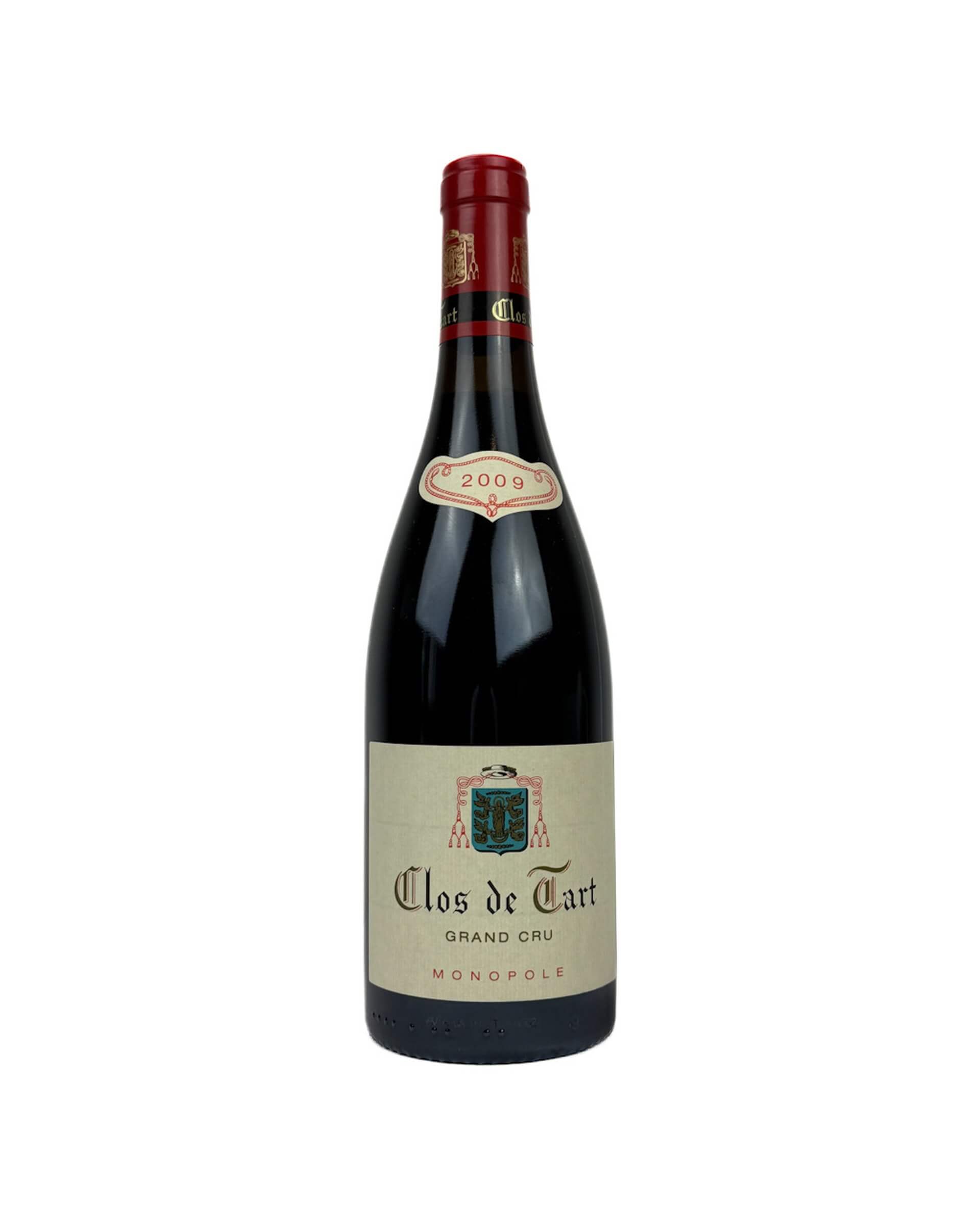
2009
Domaine du Clos de Tart
Wines, producers, regions...
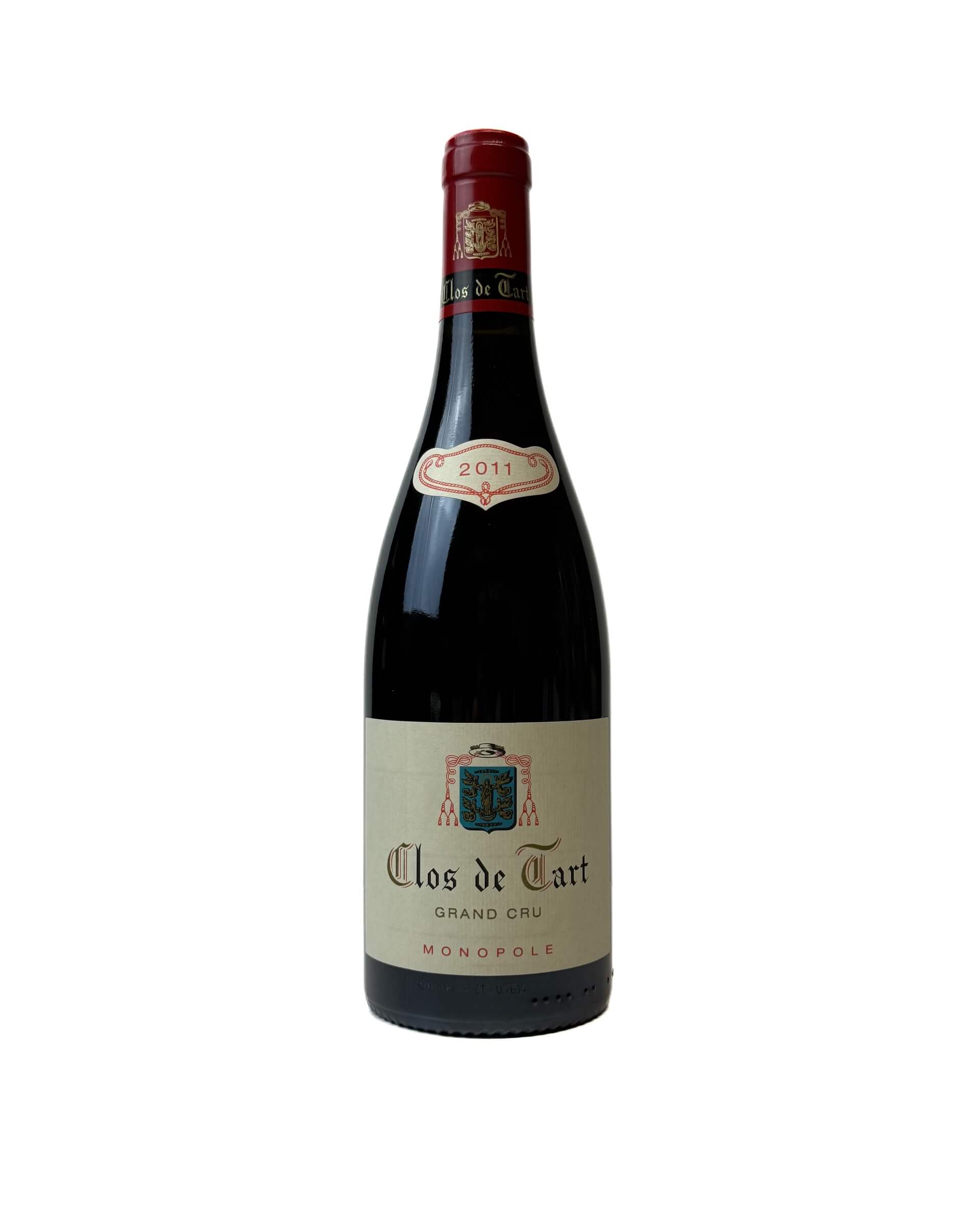
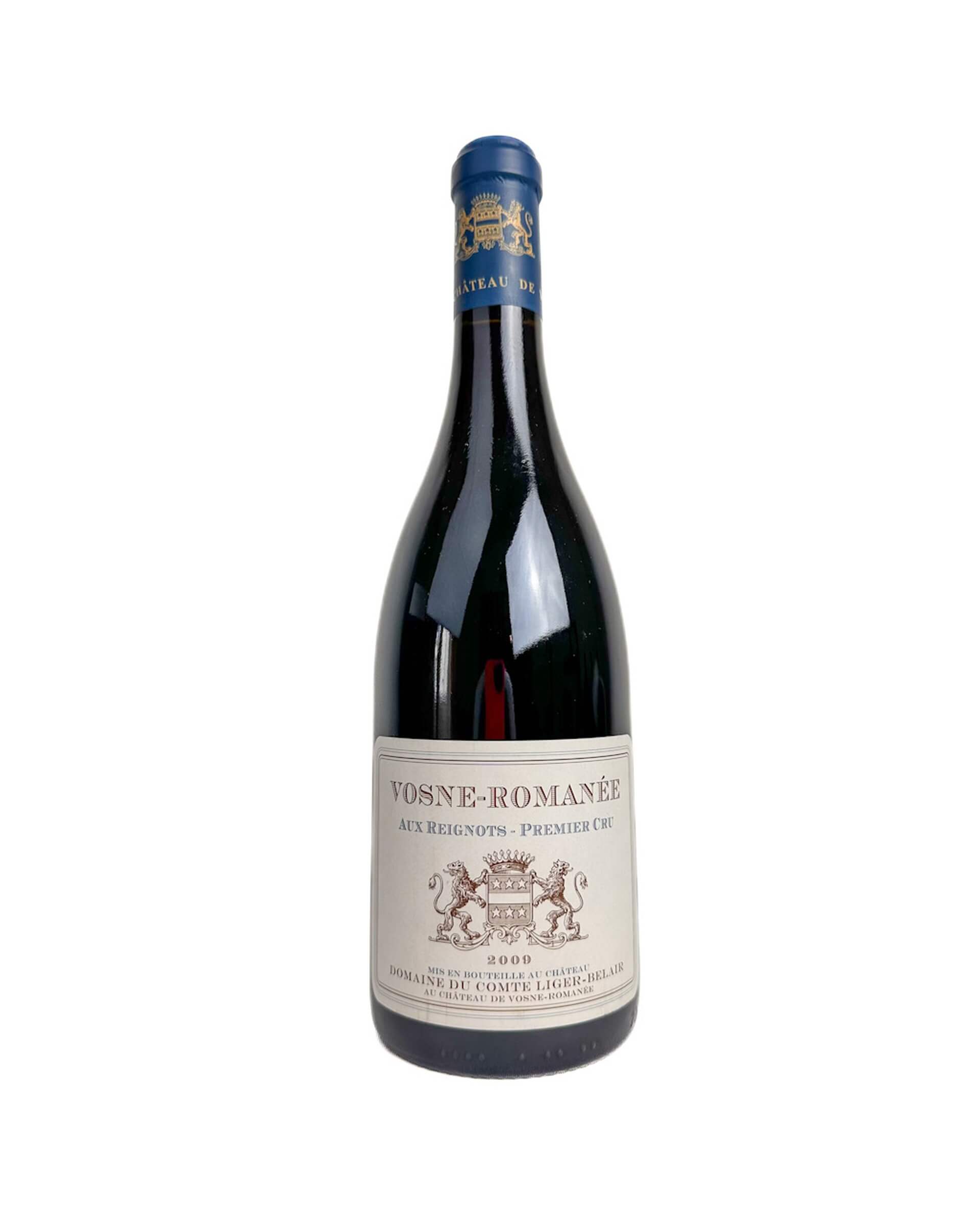
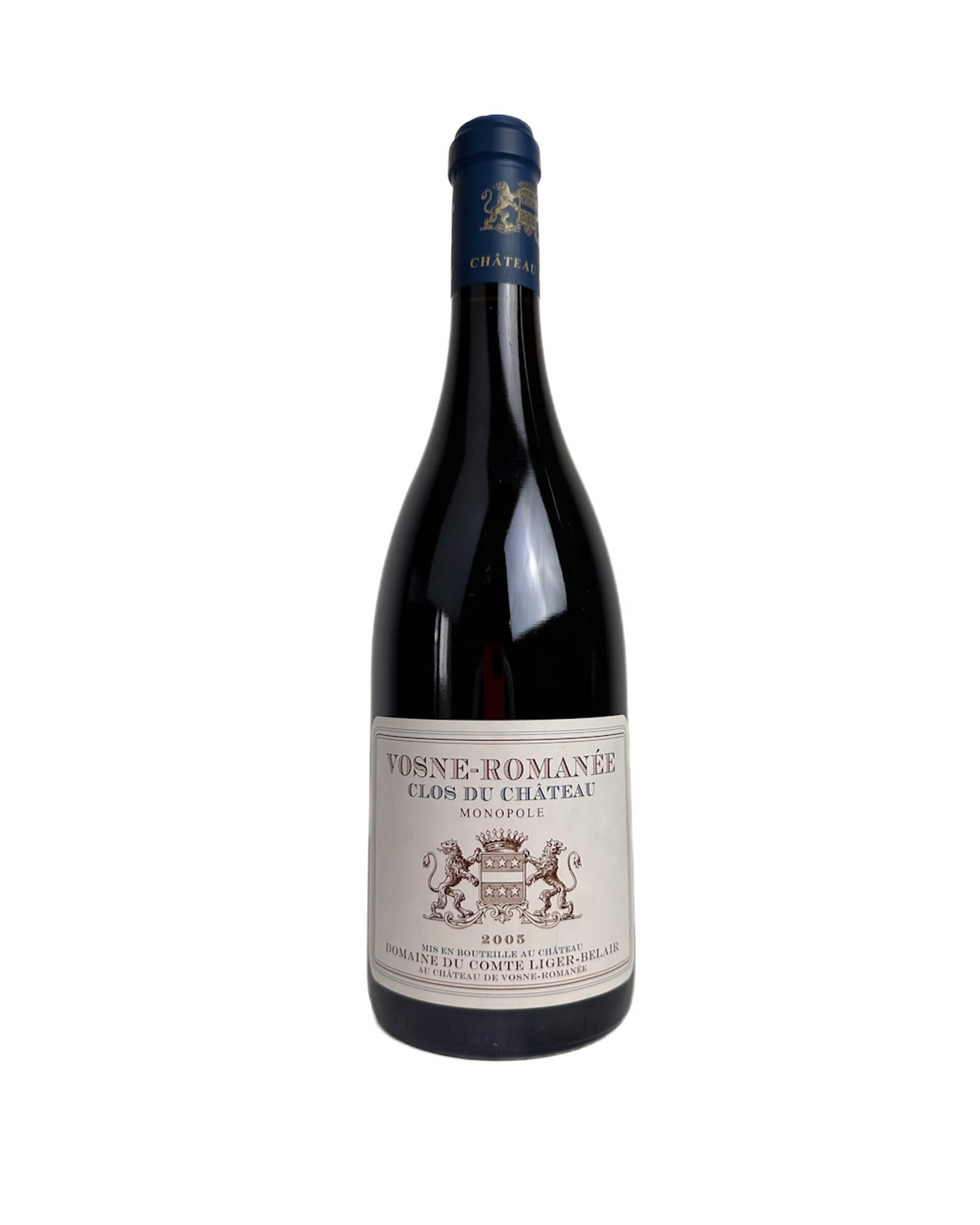
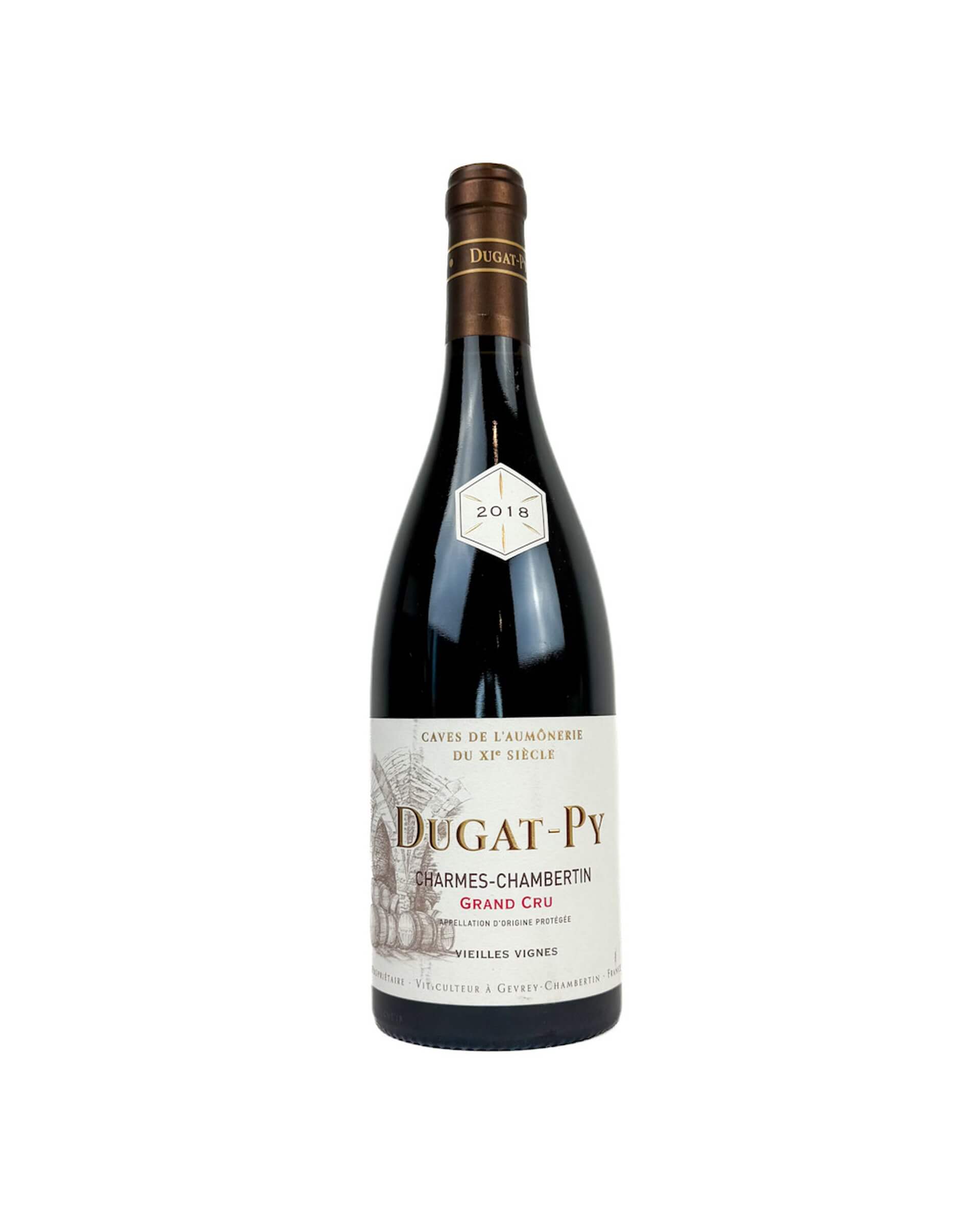
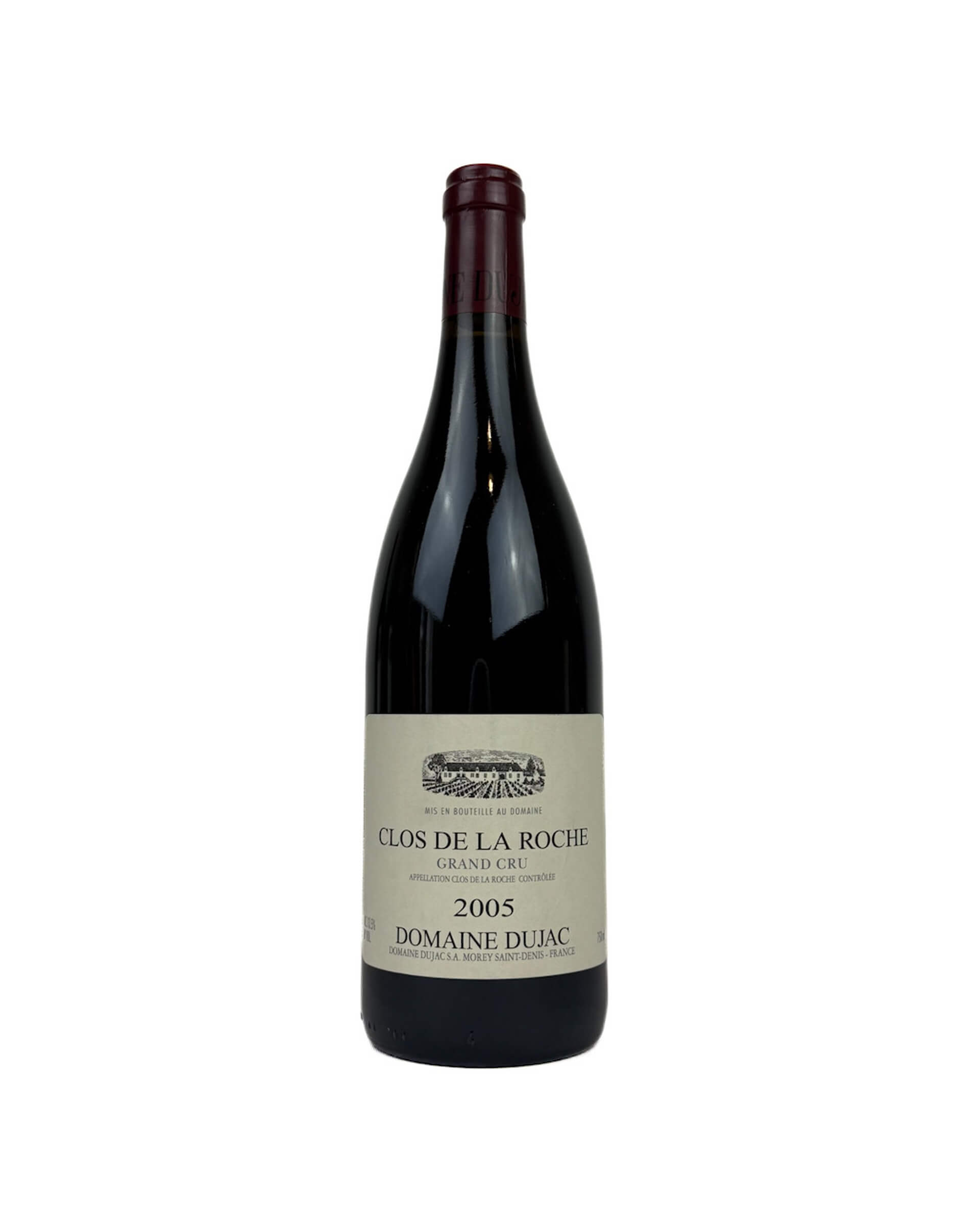
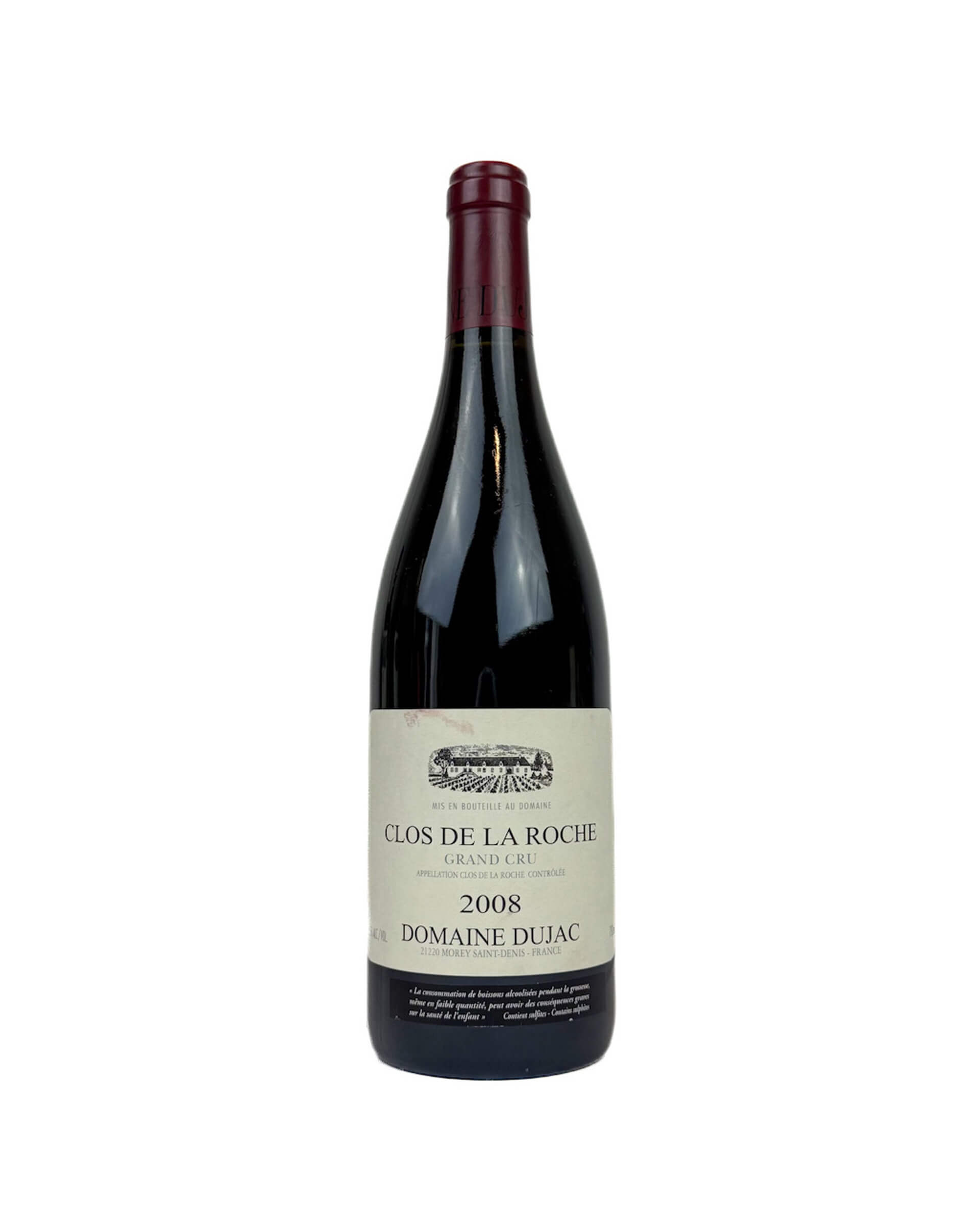
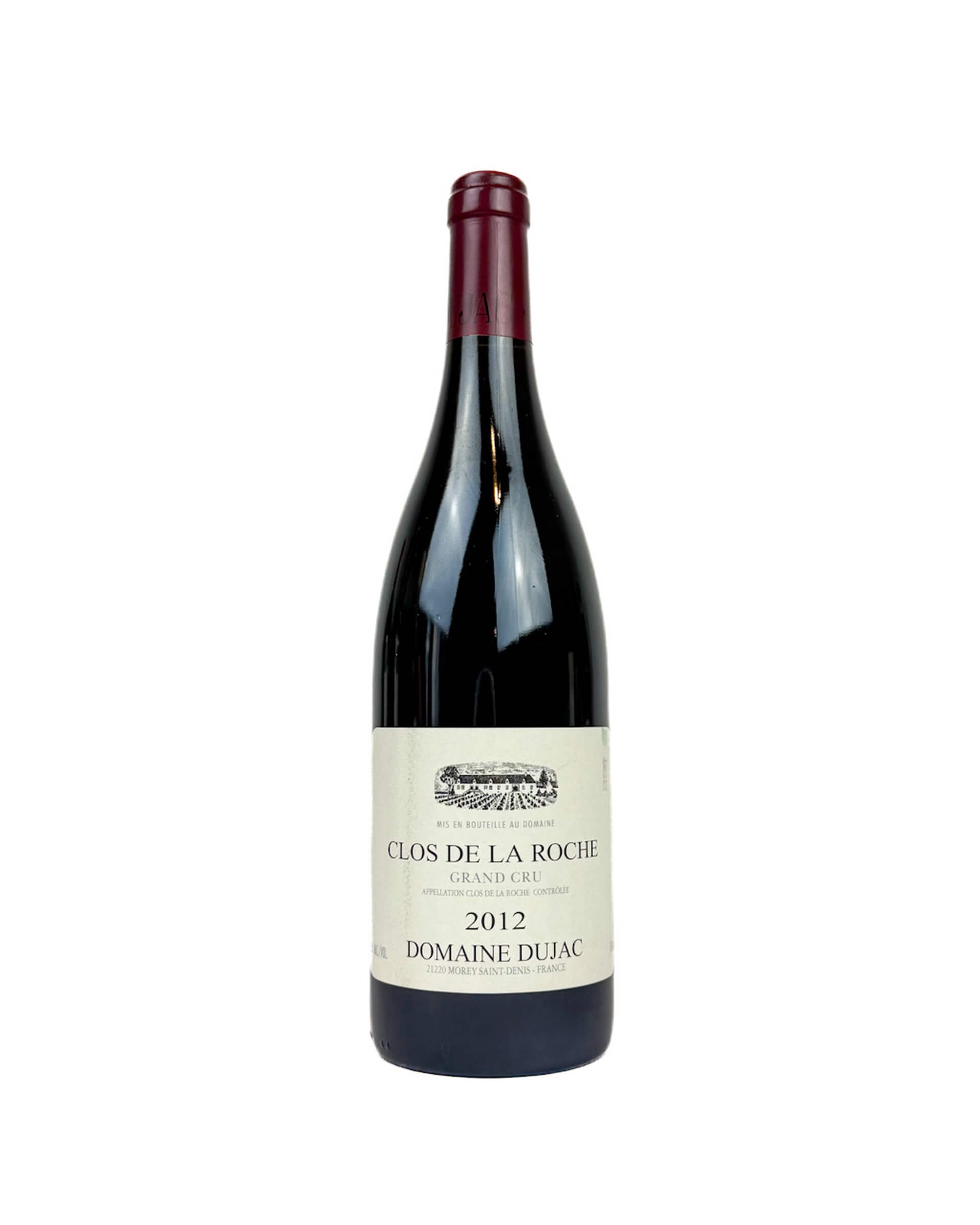
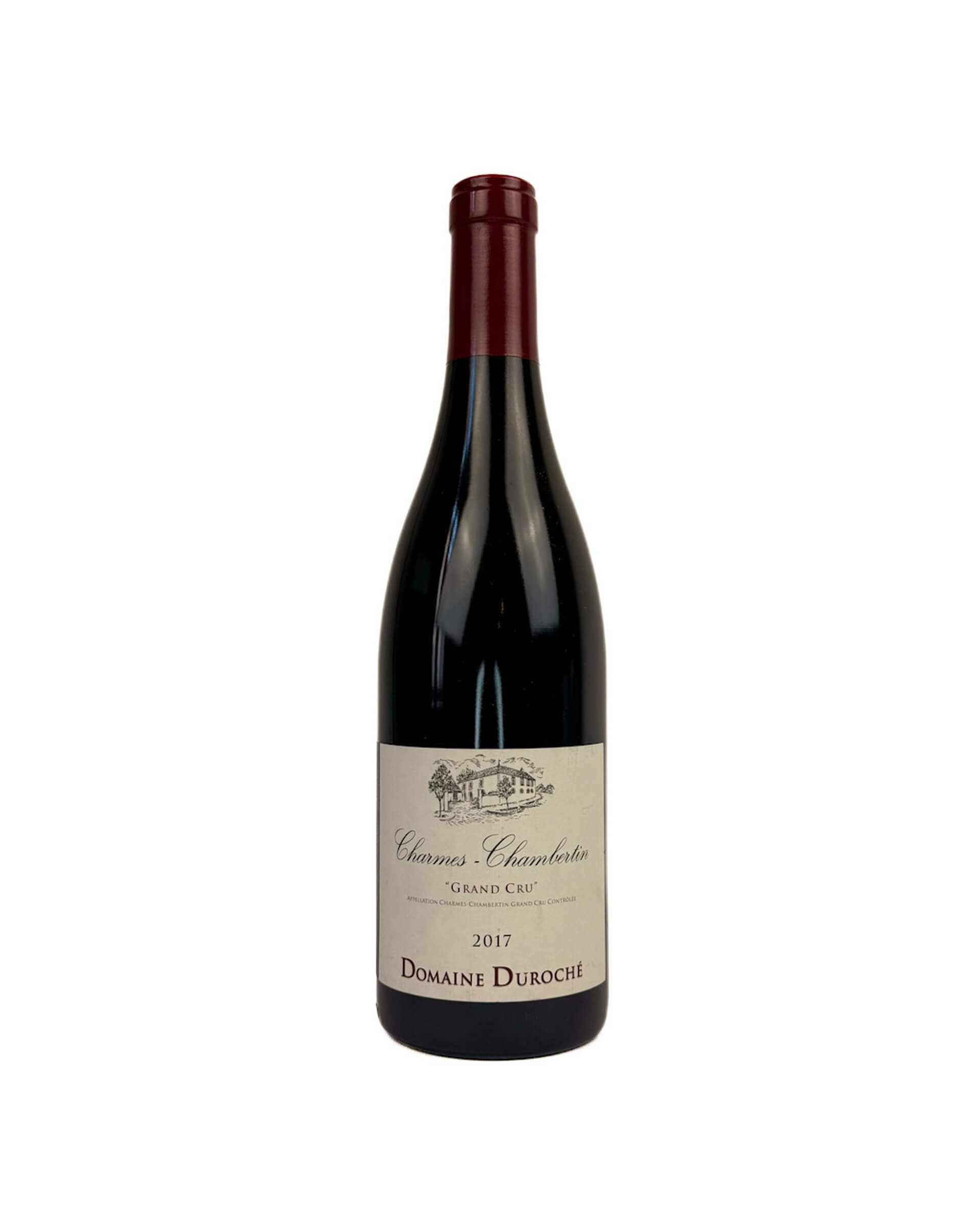
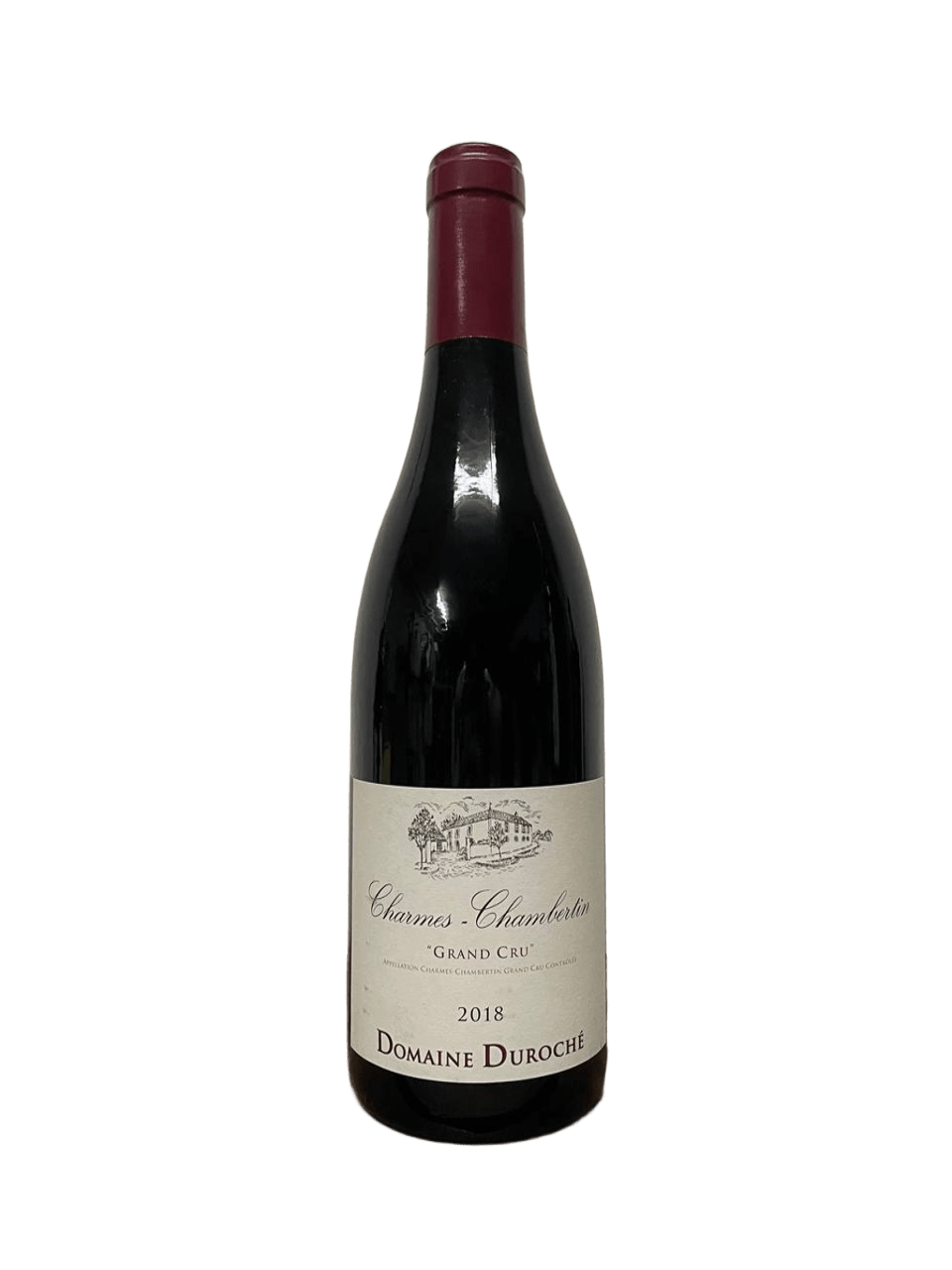
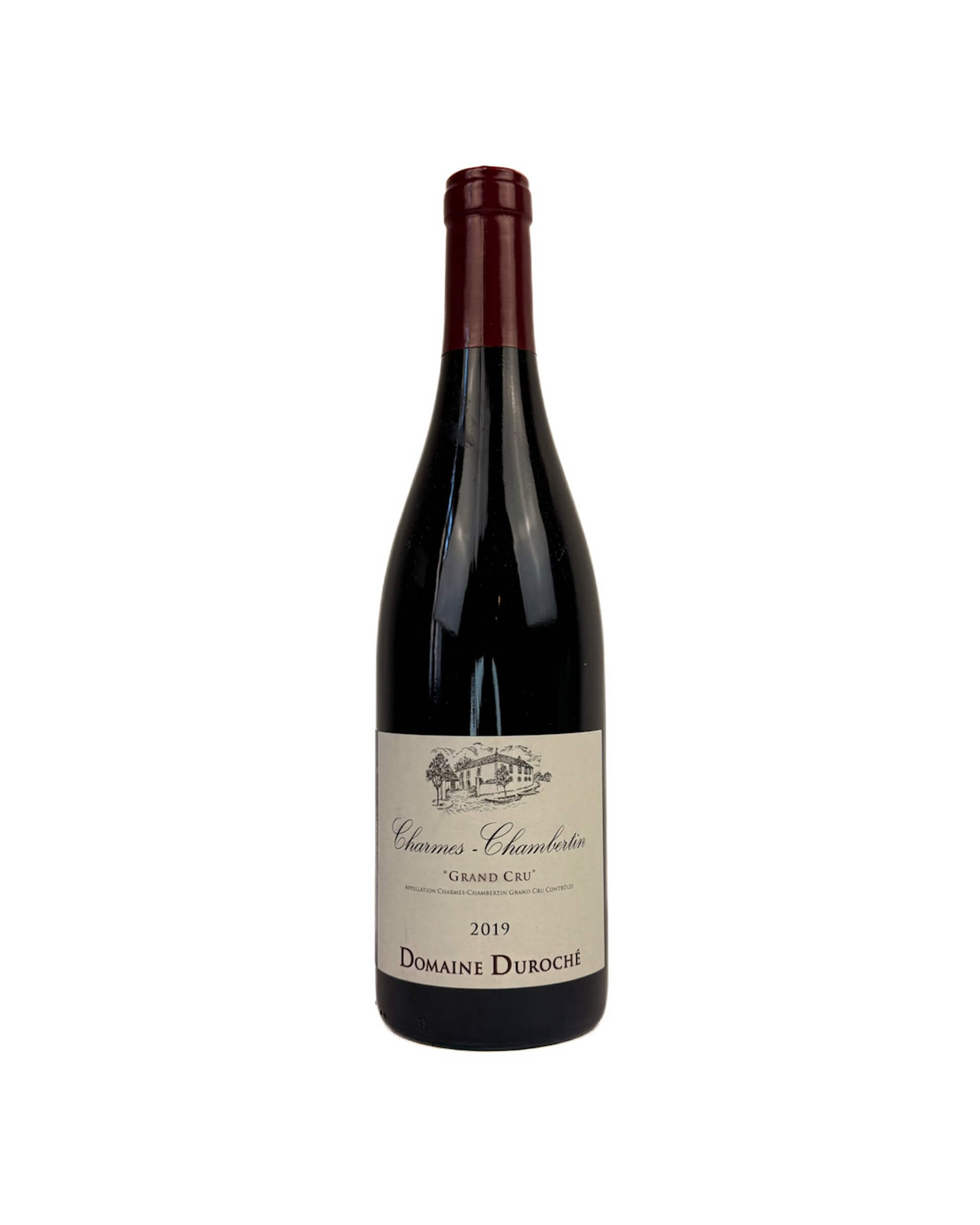
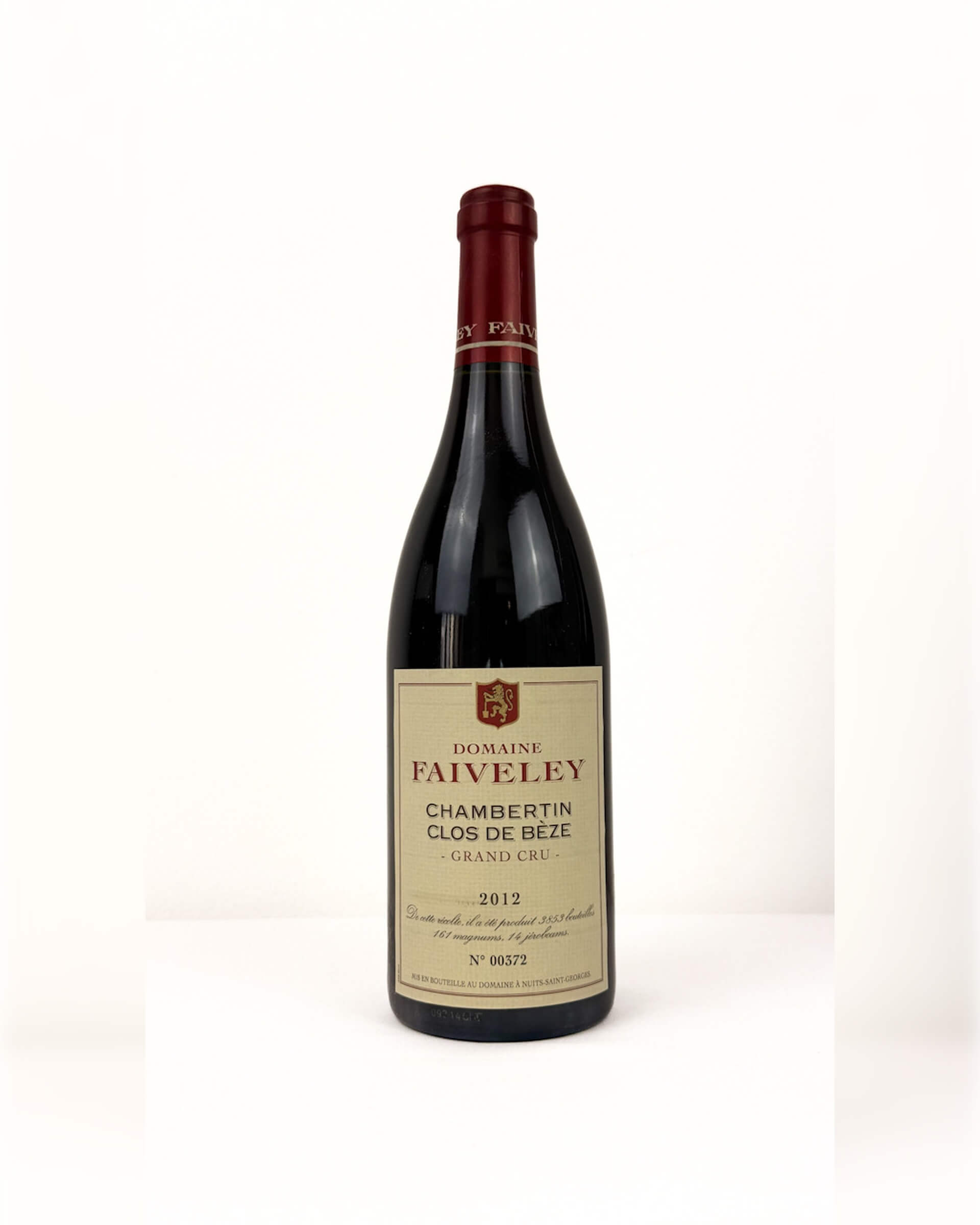
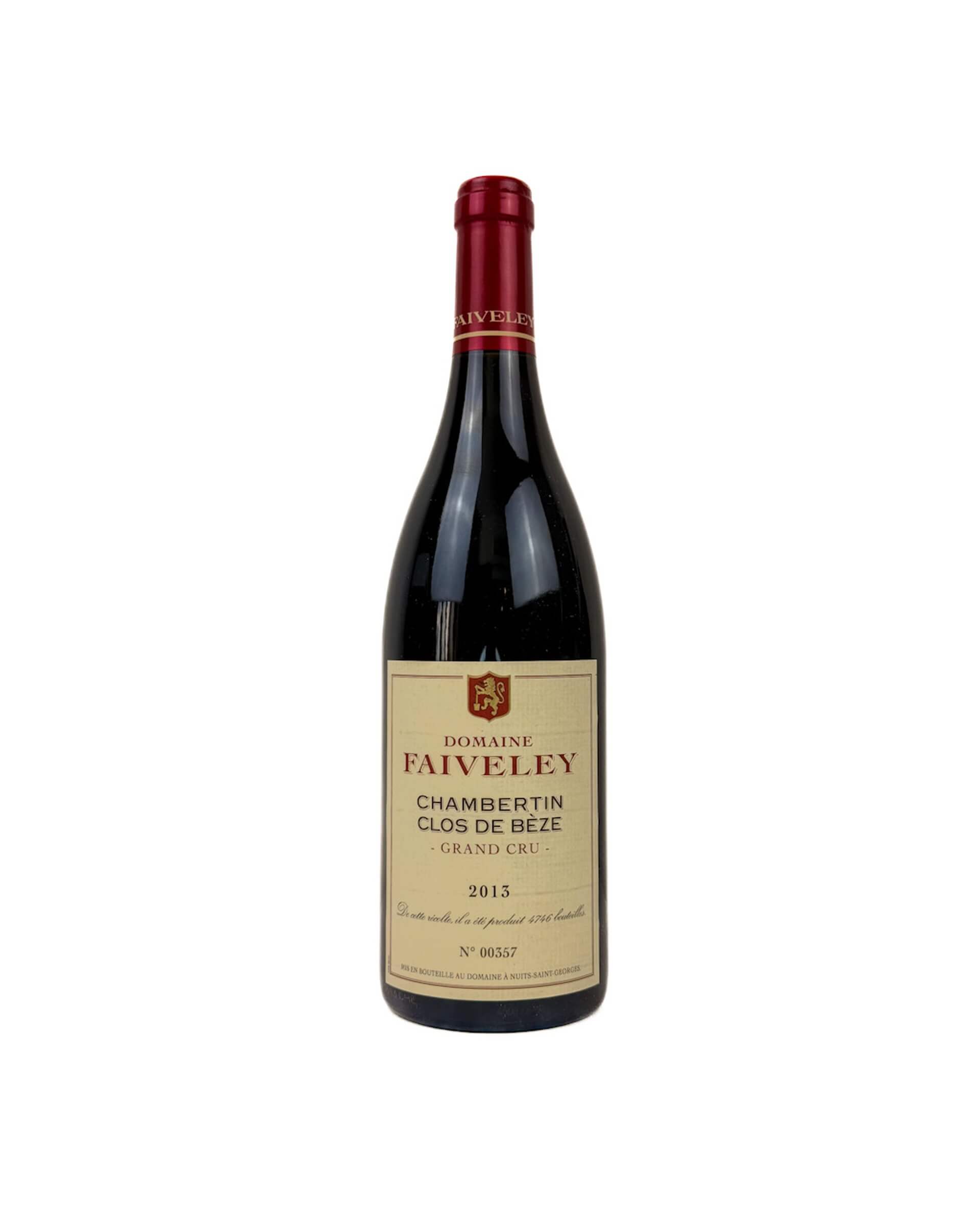
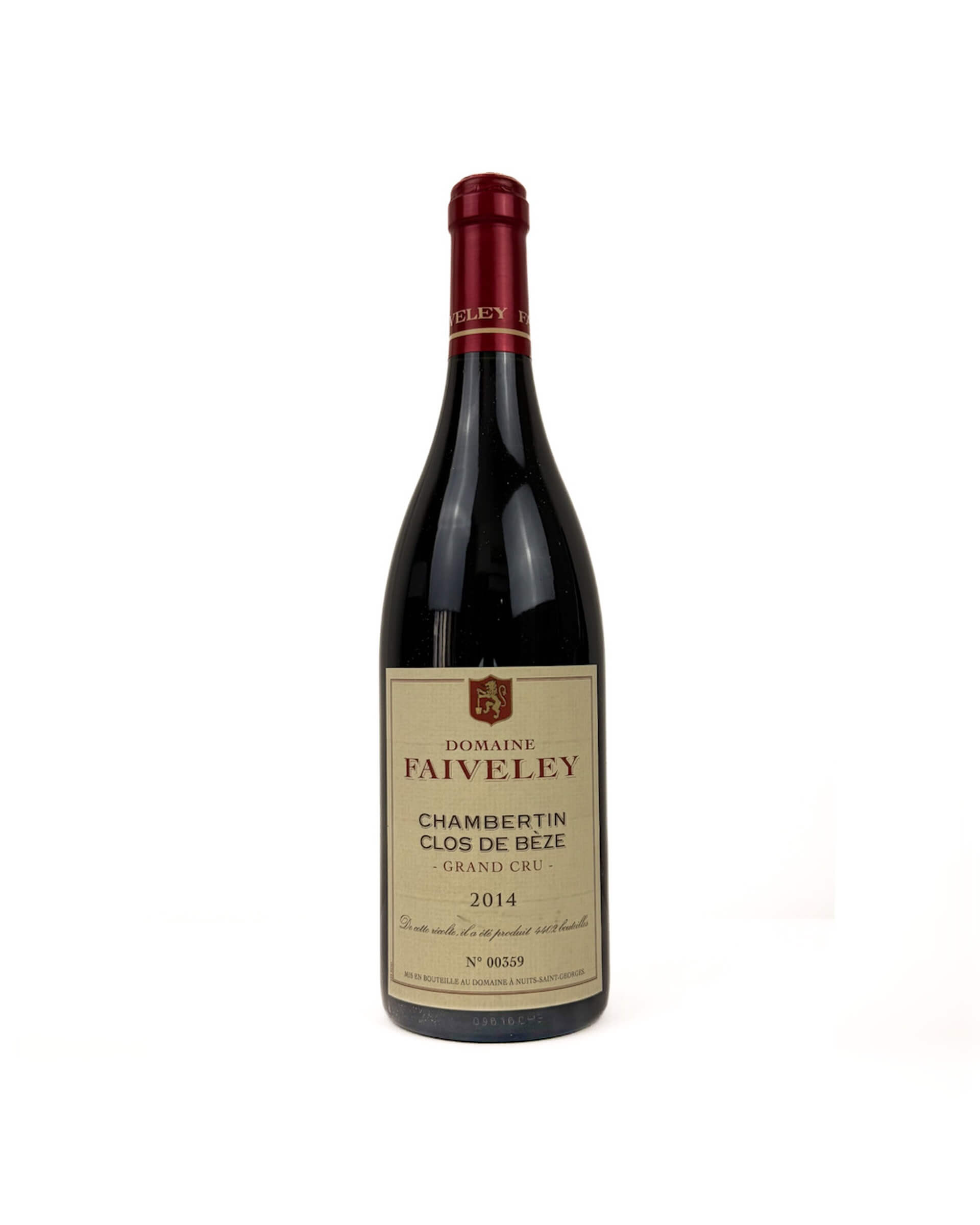
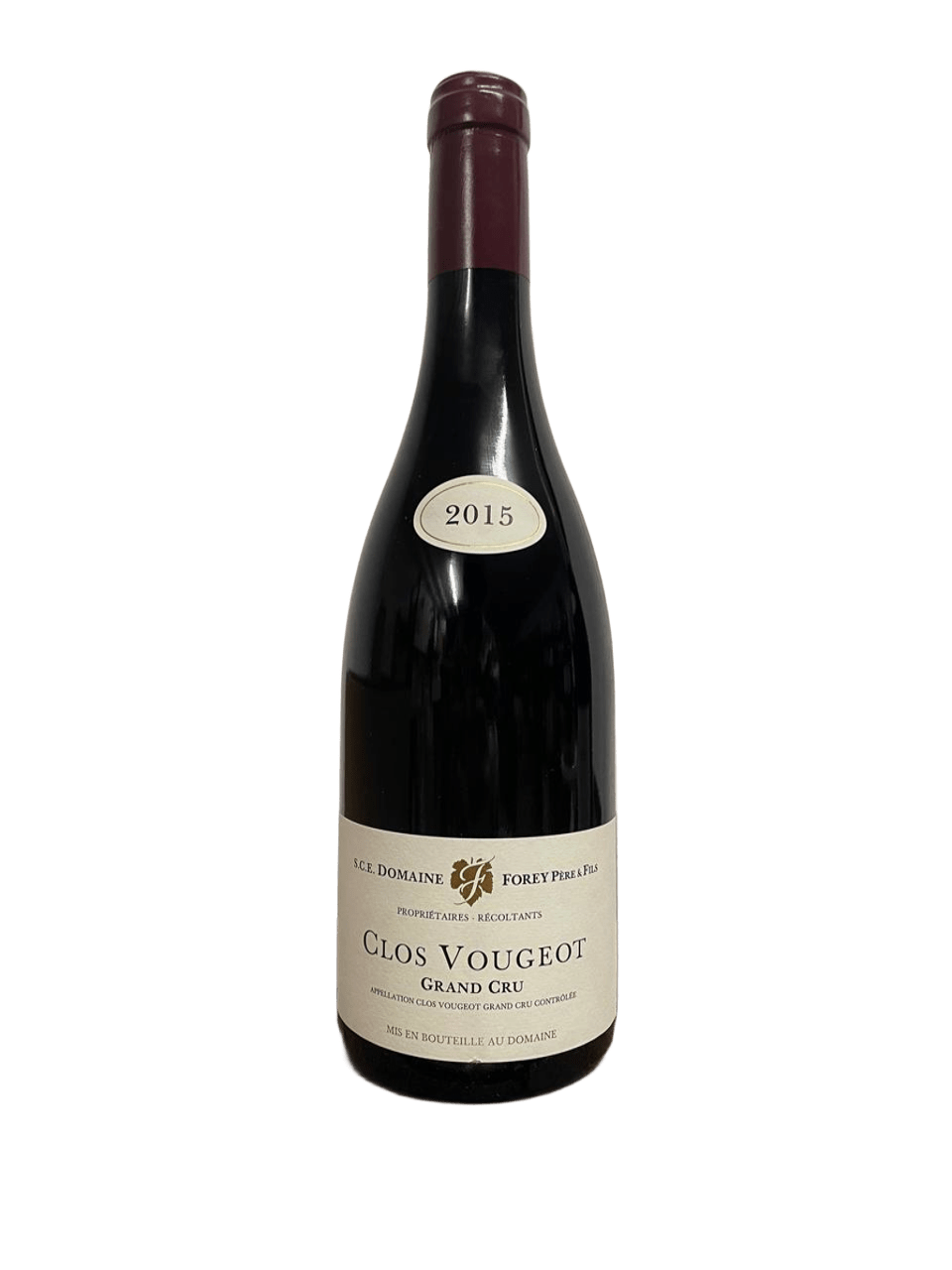
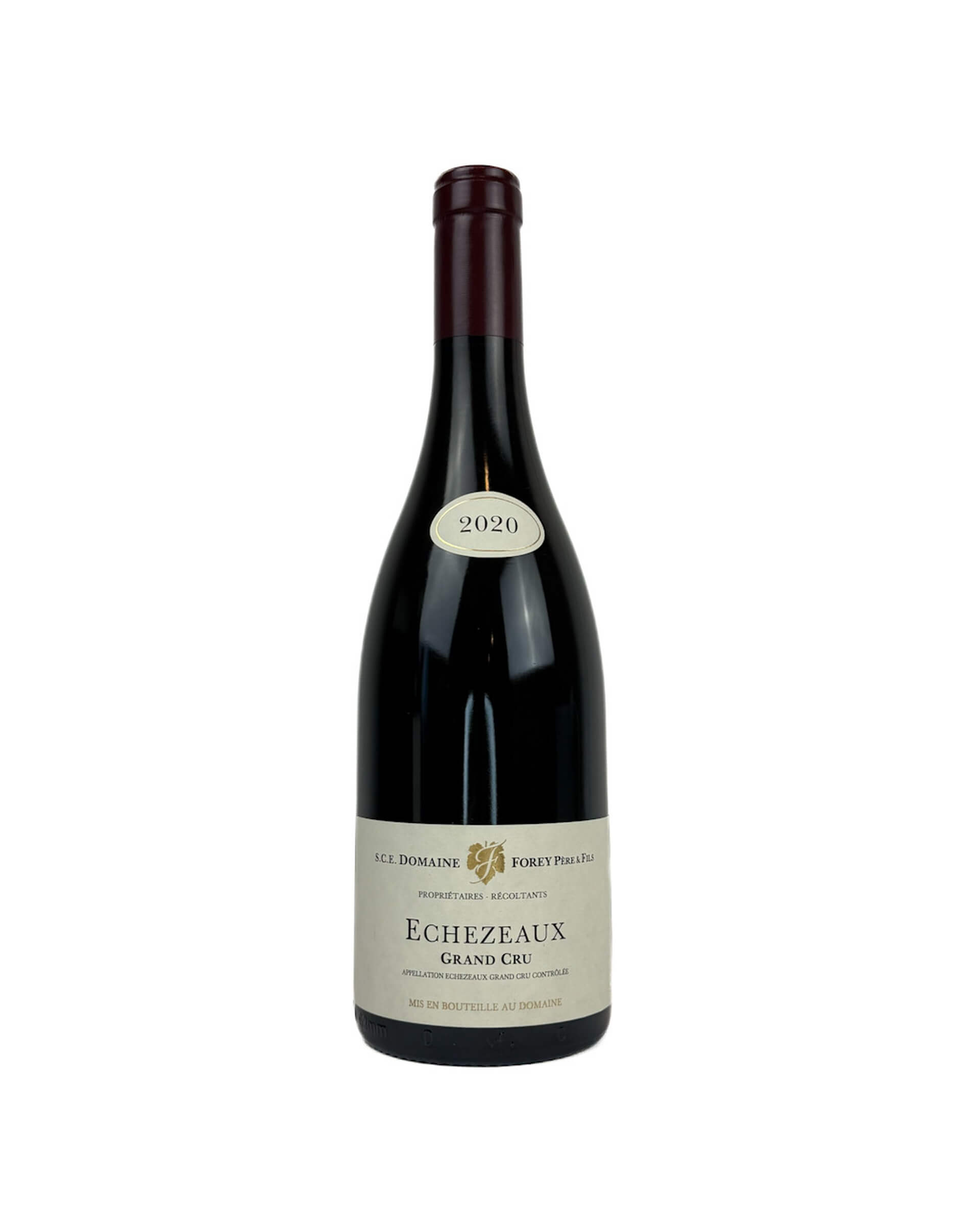
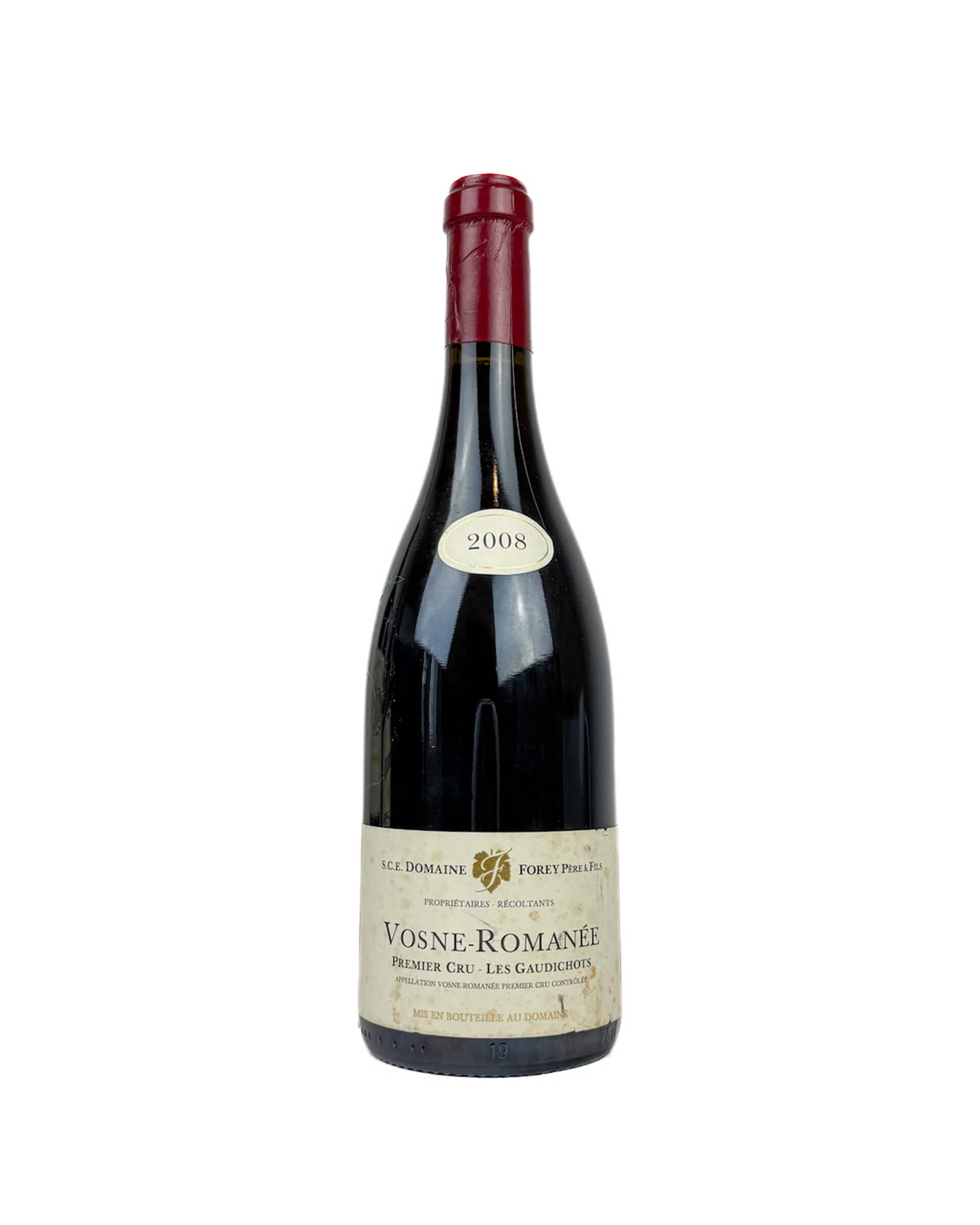
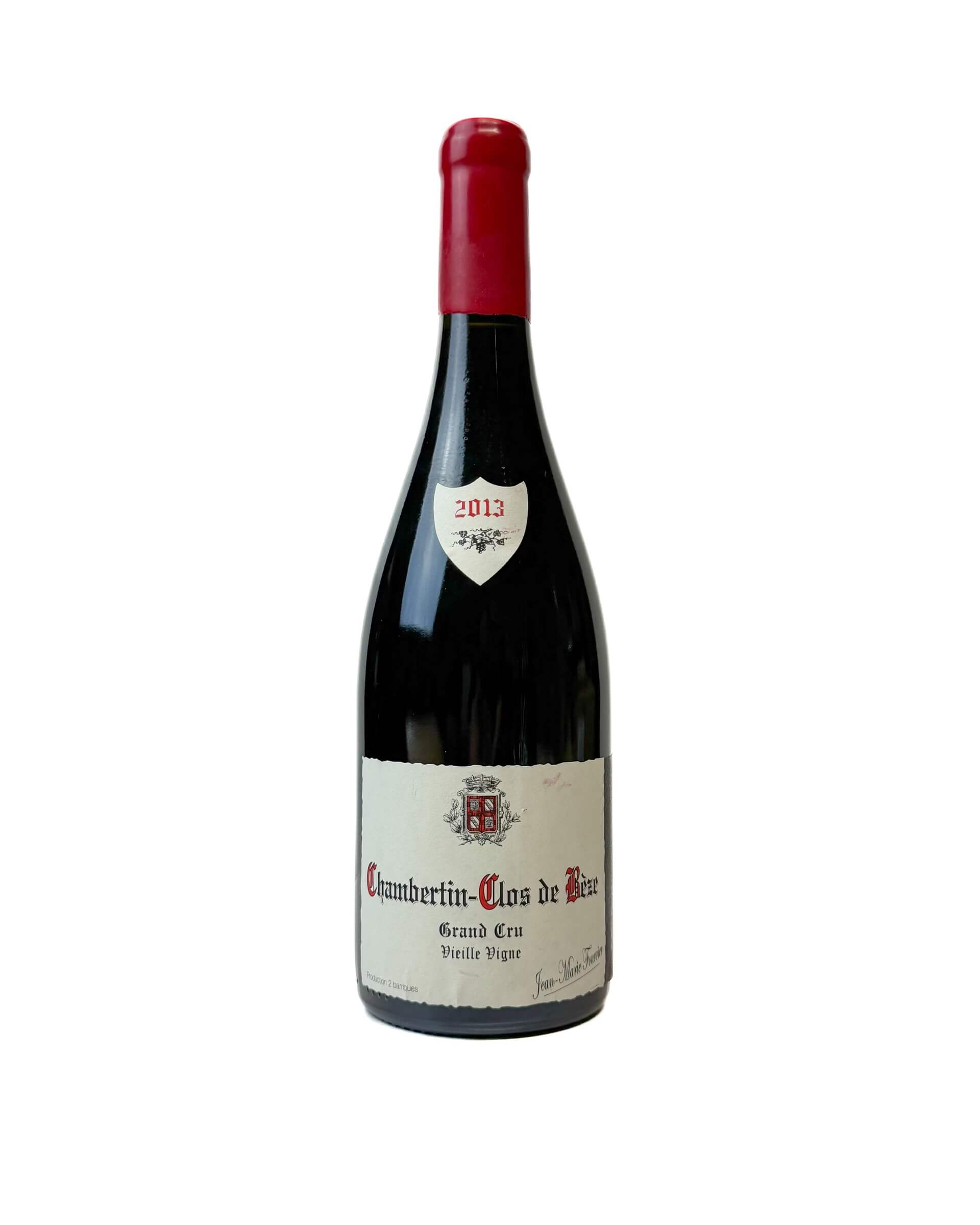
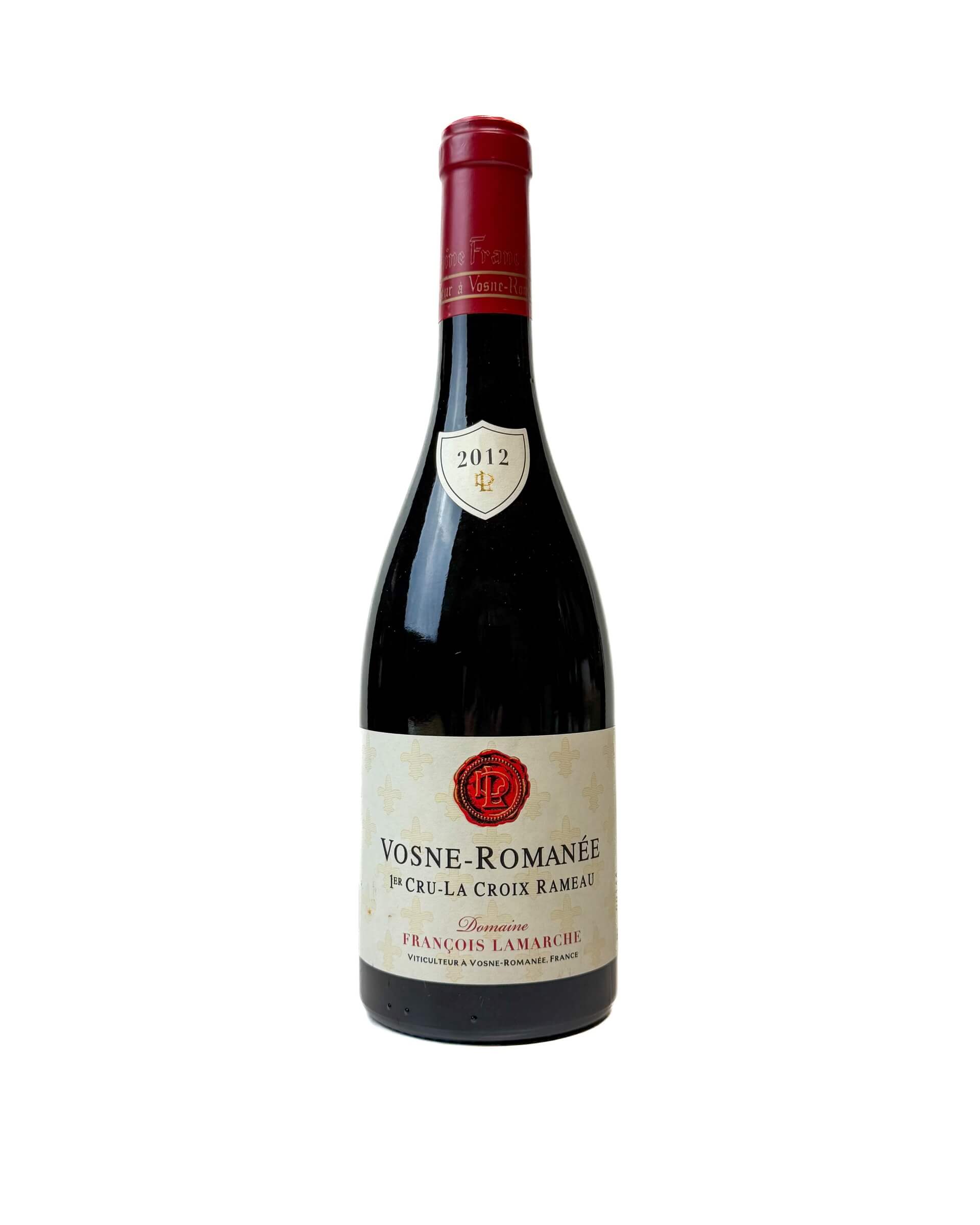

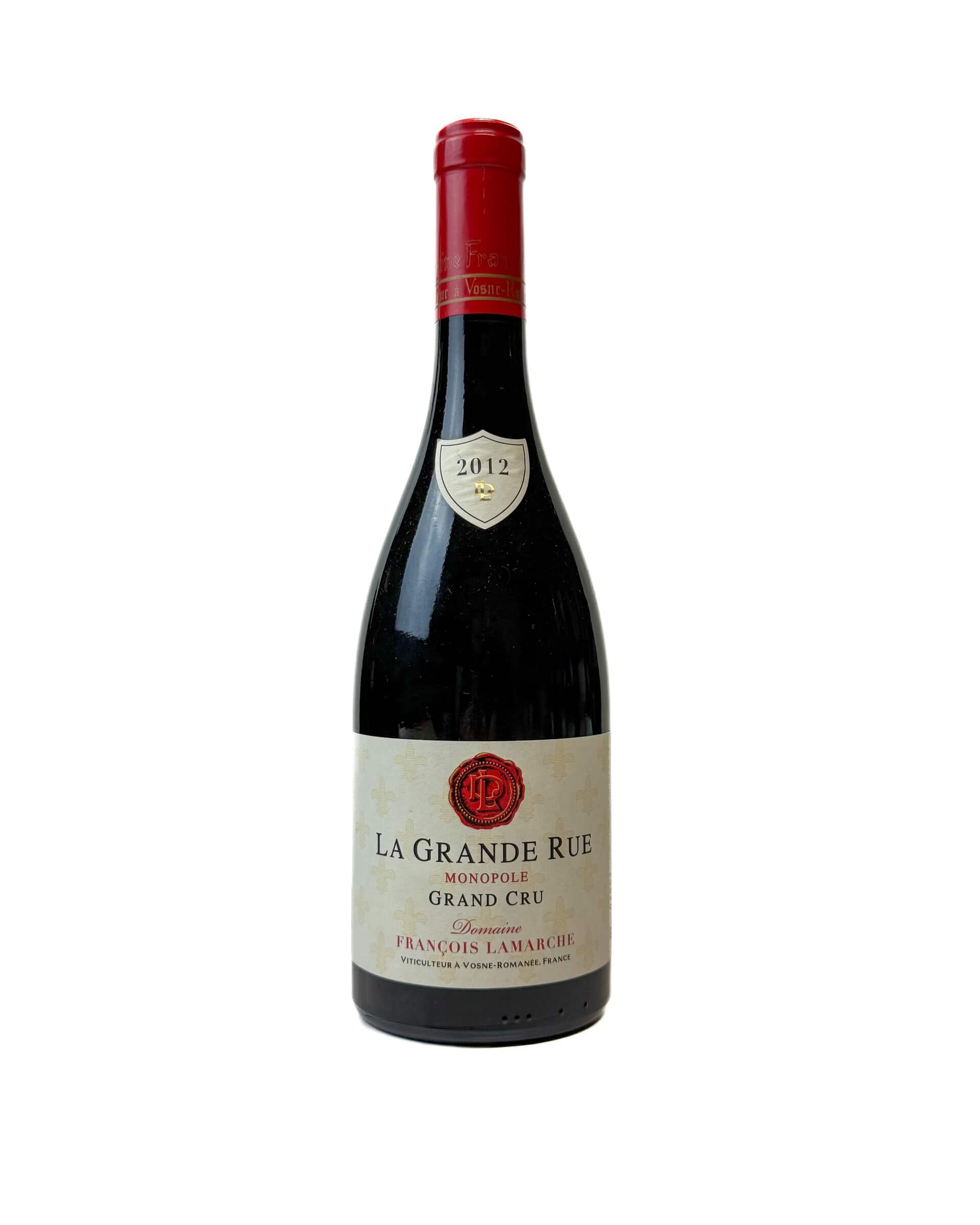

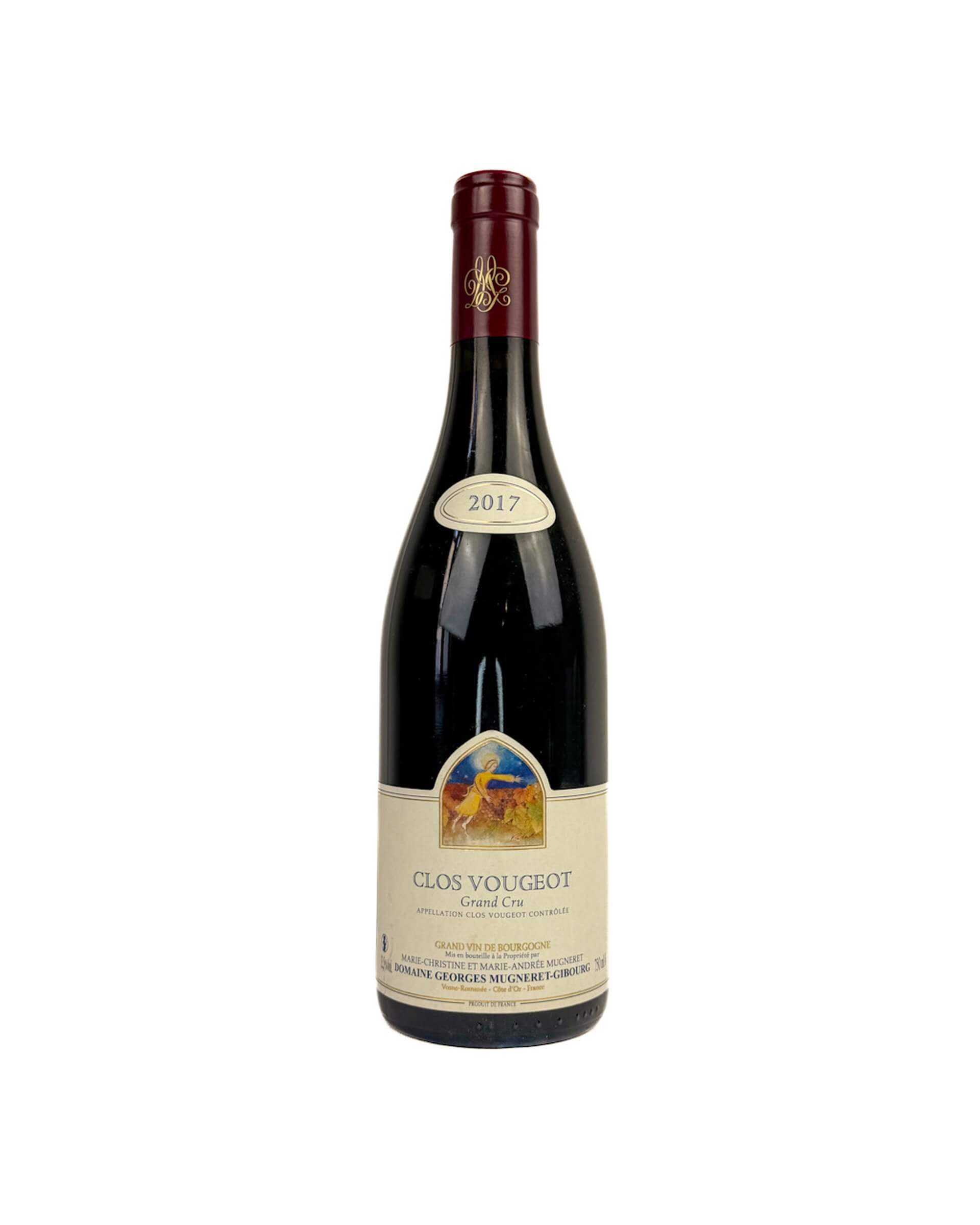
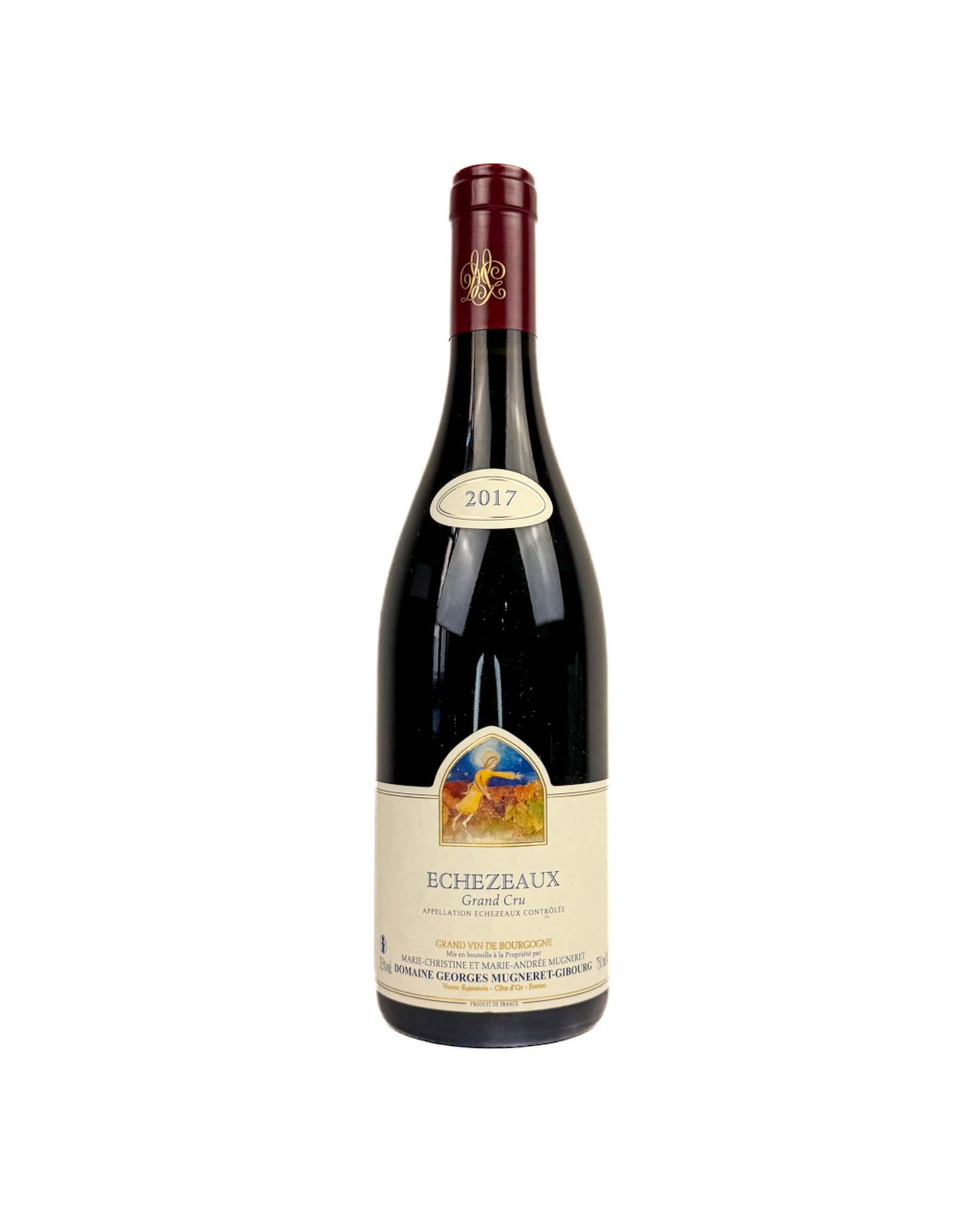
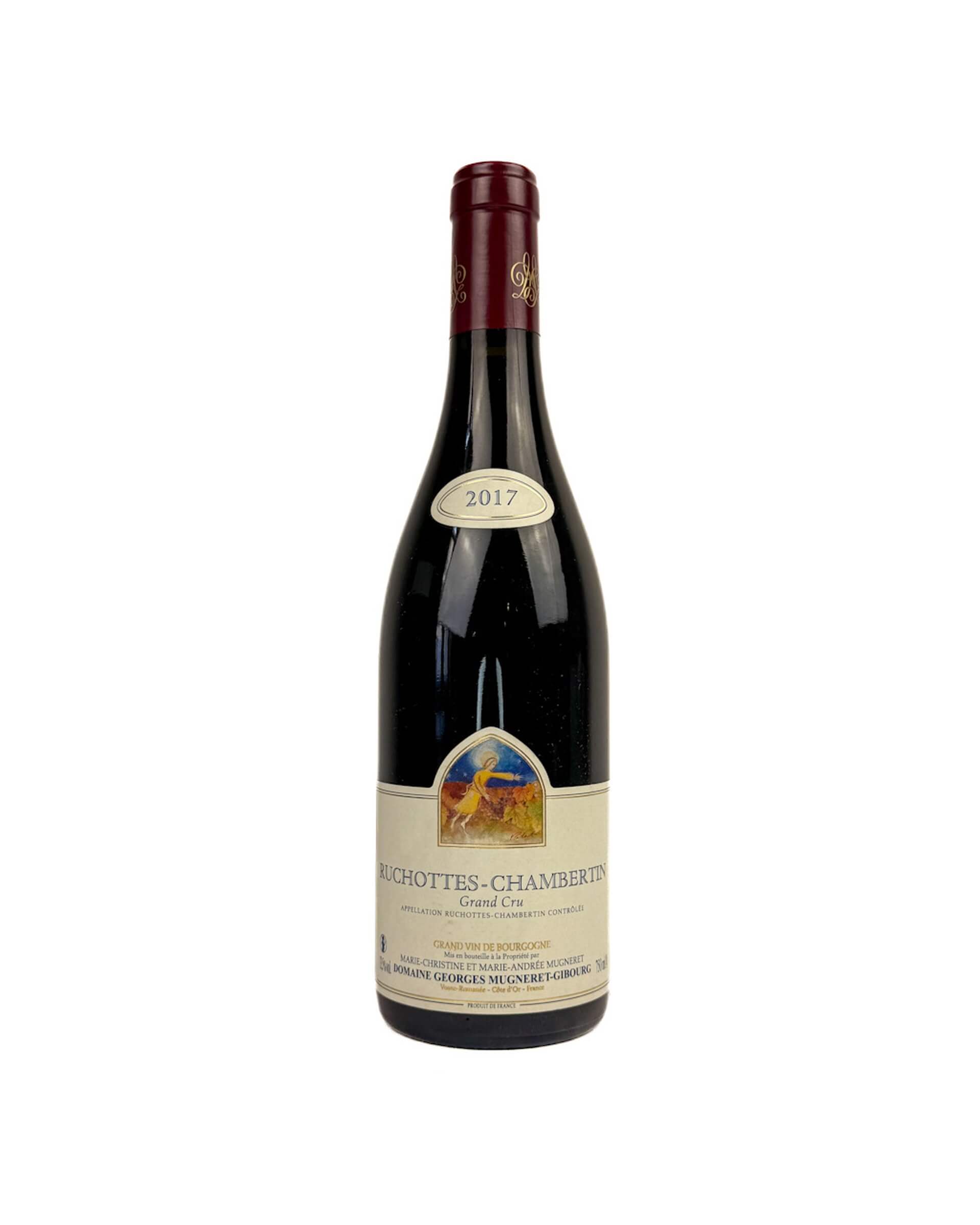
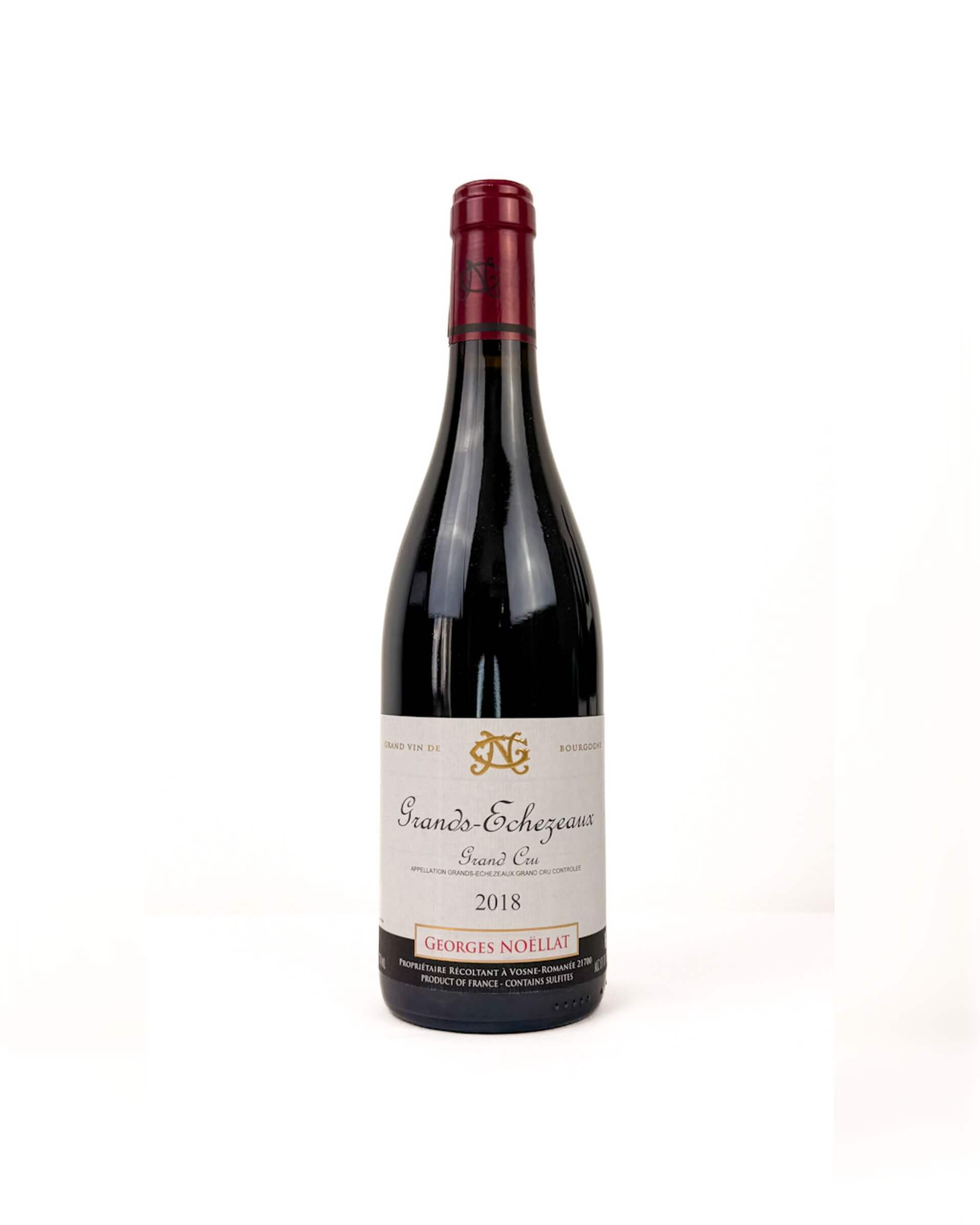
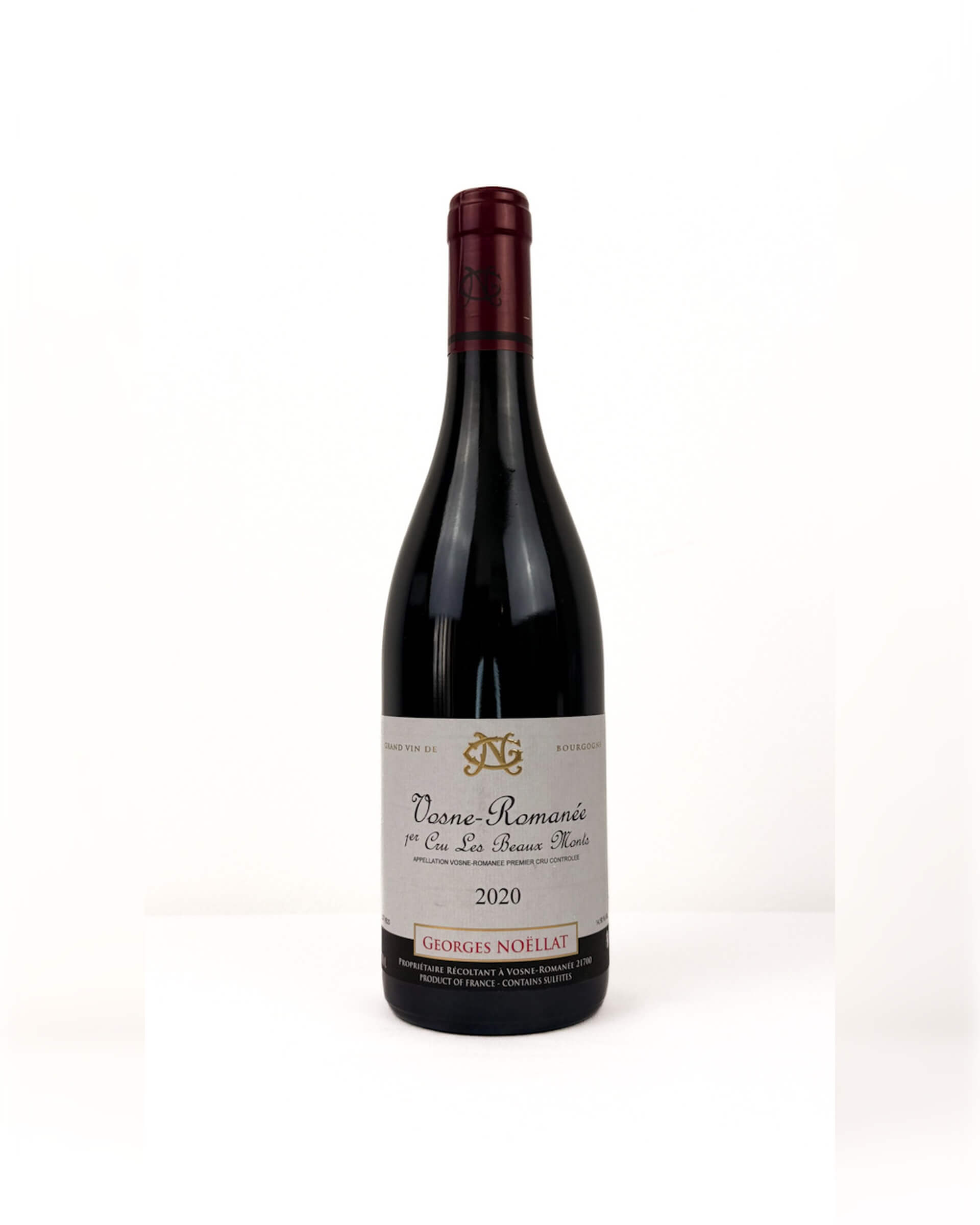
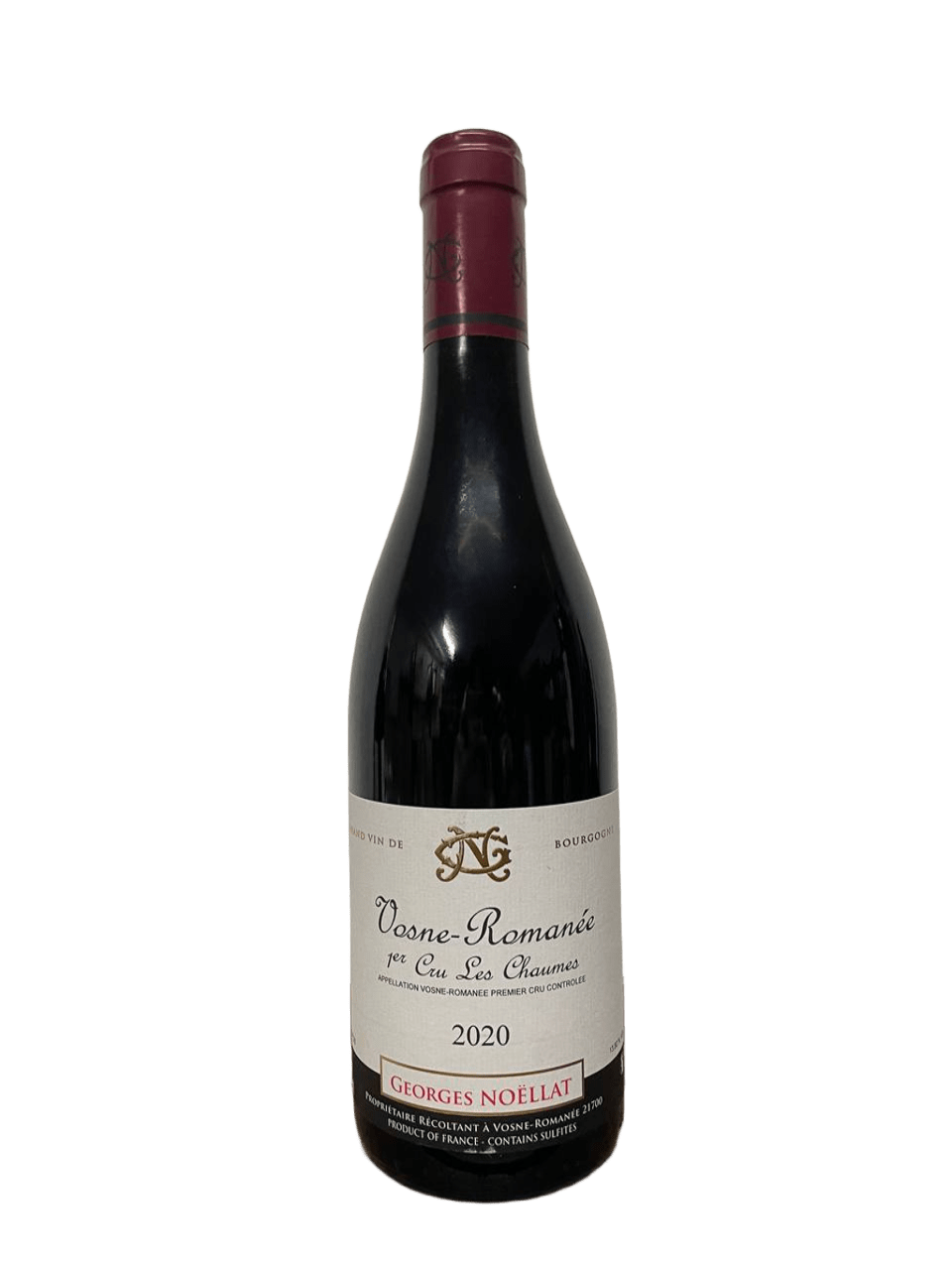
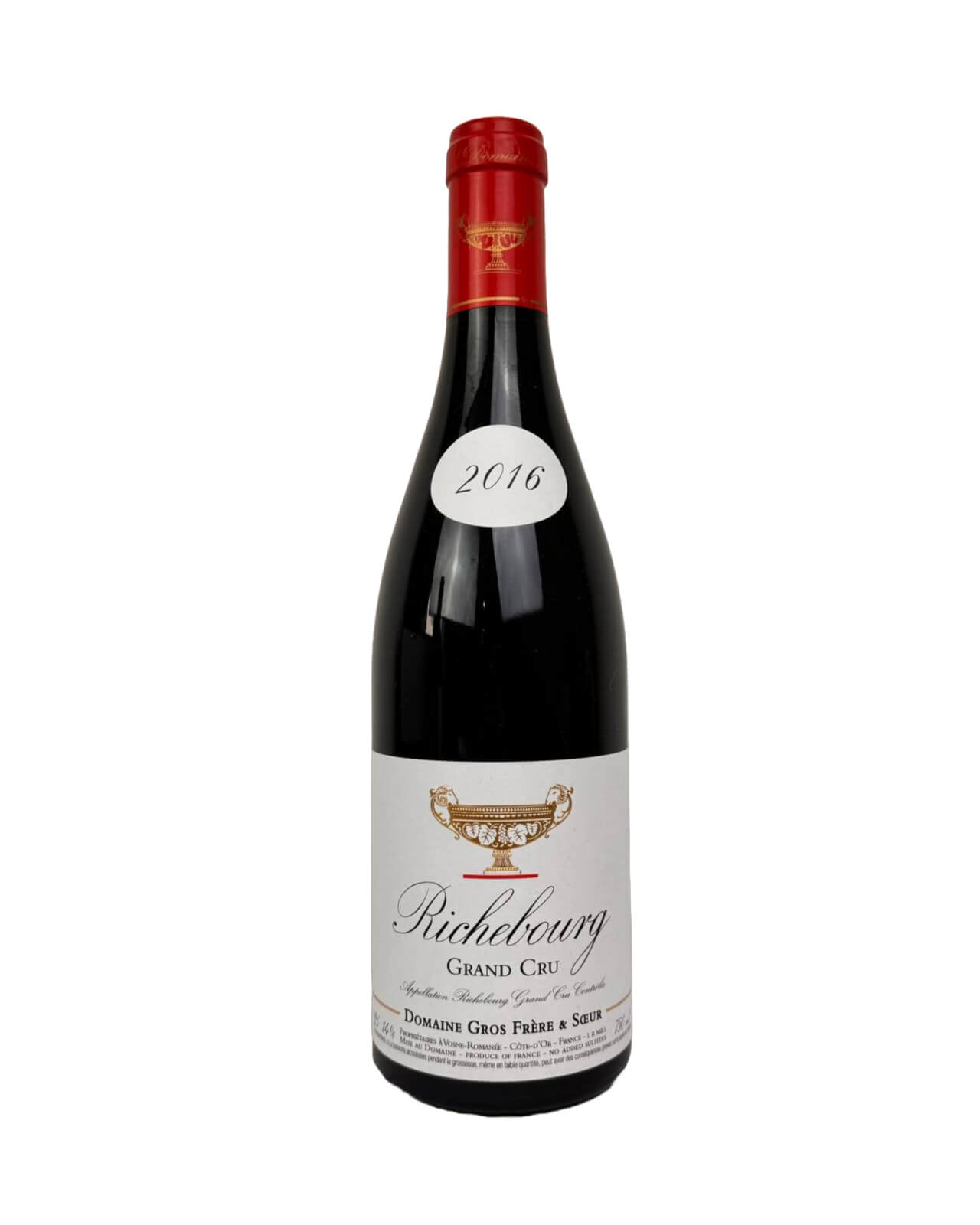
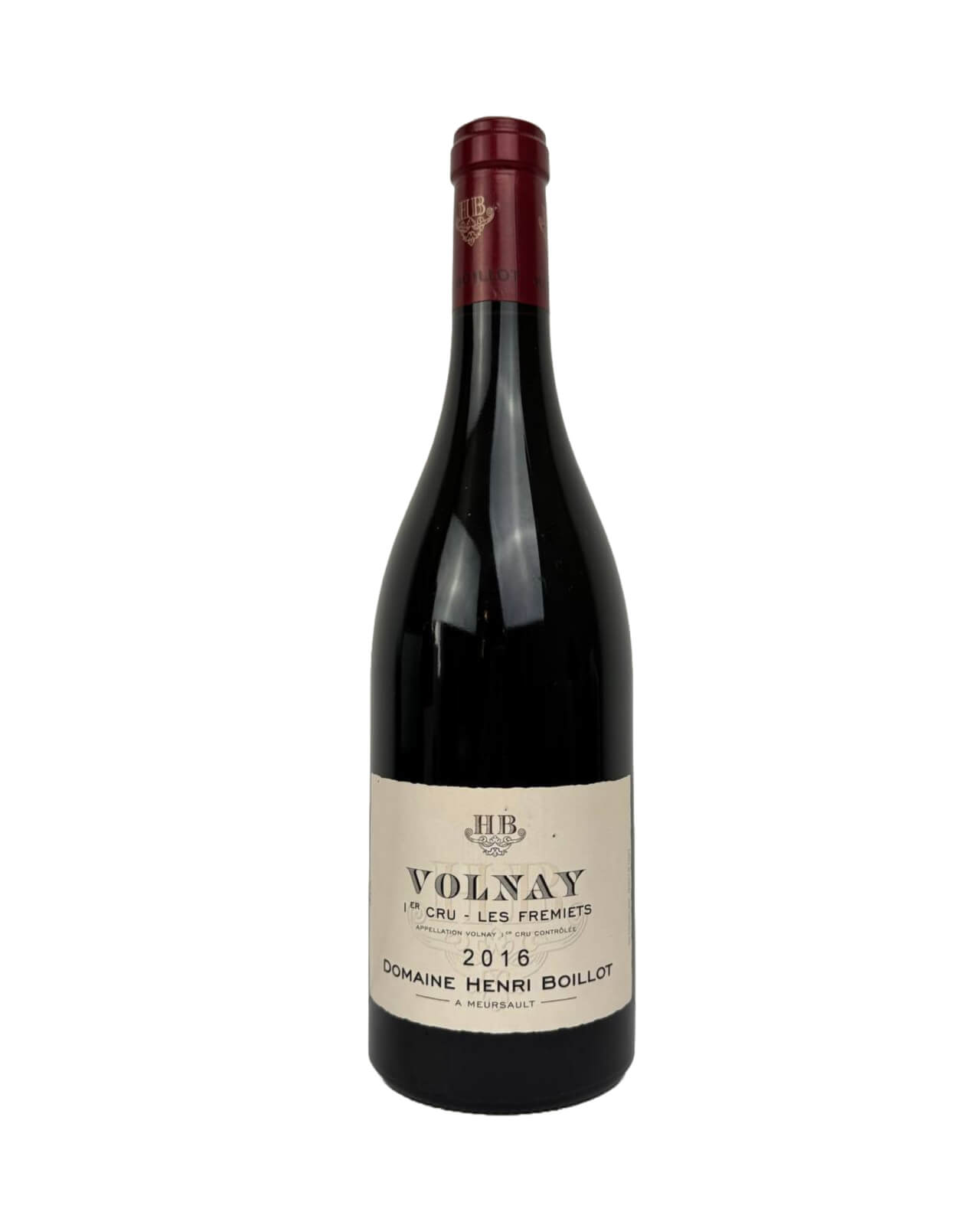
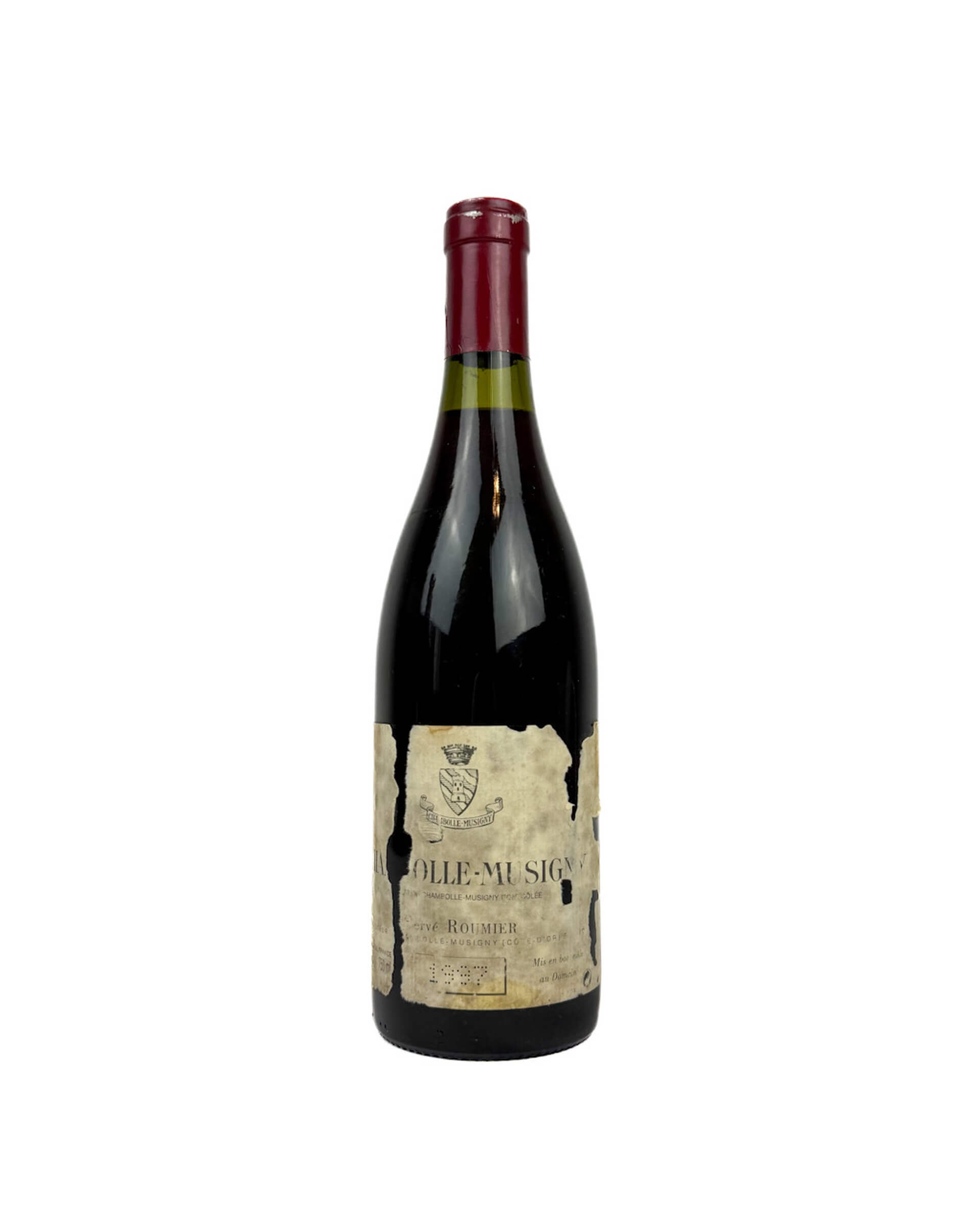
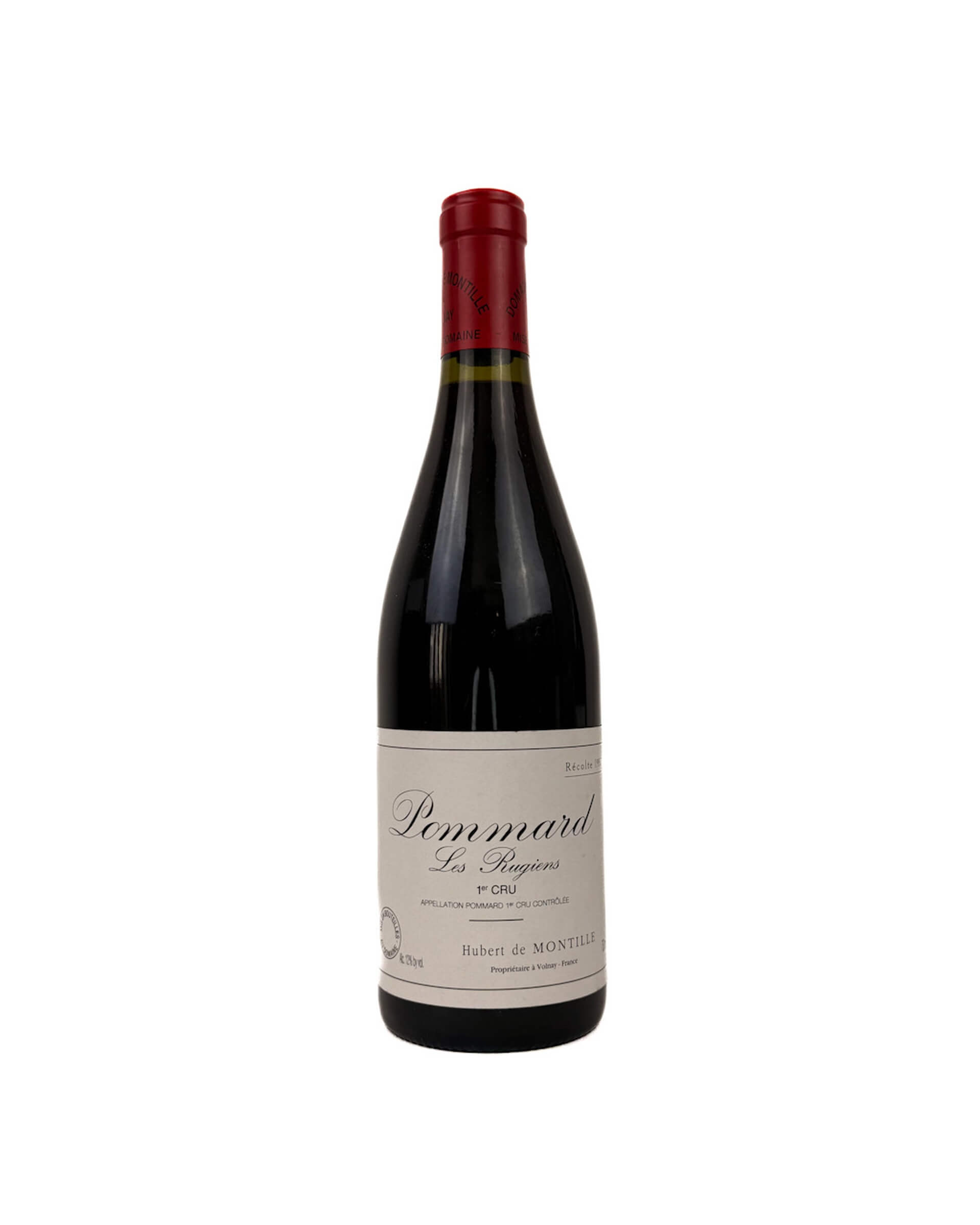
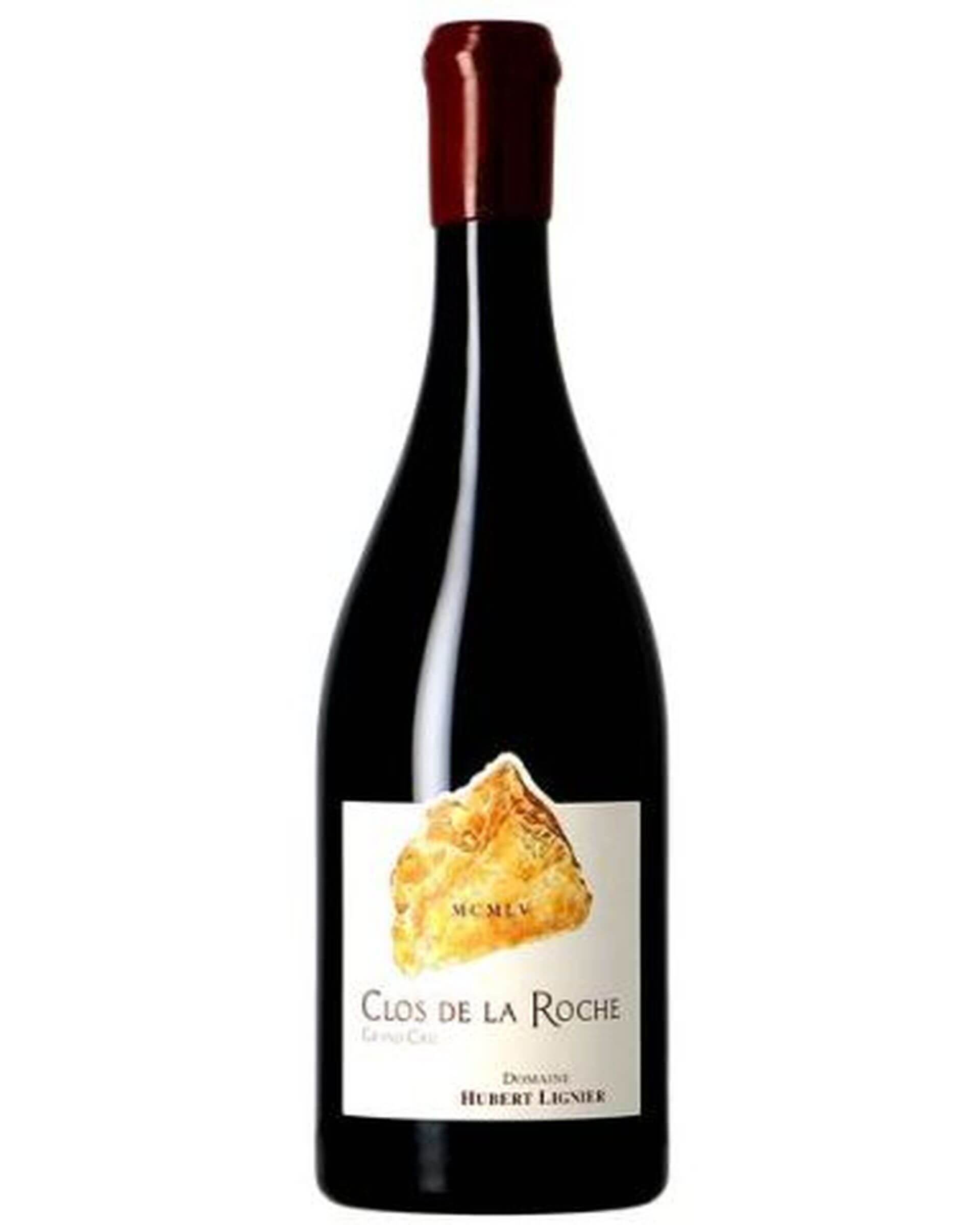
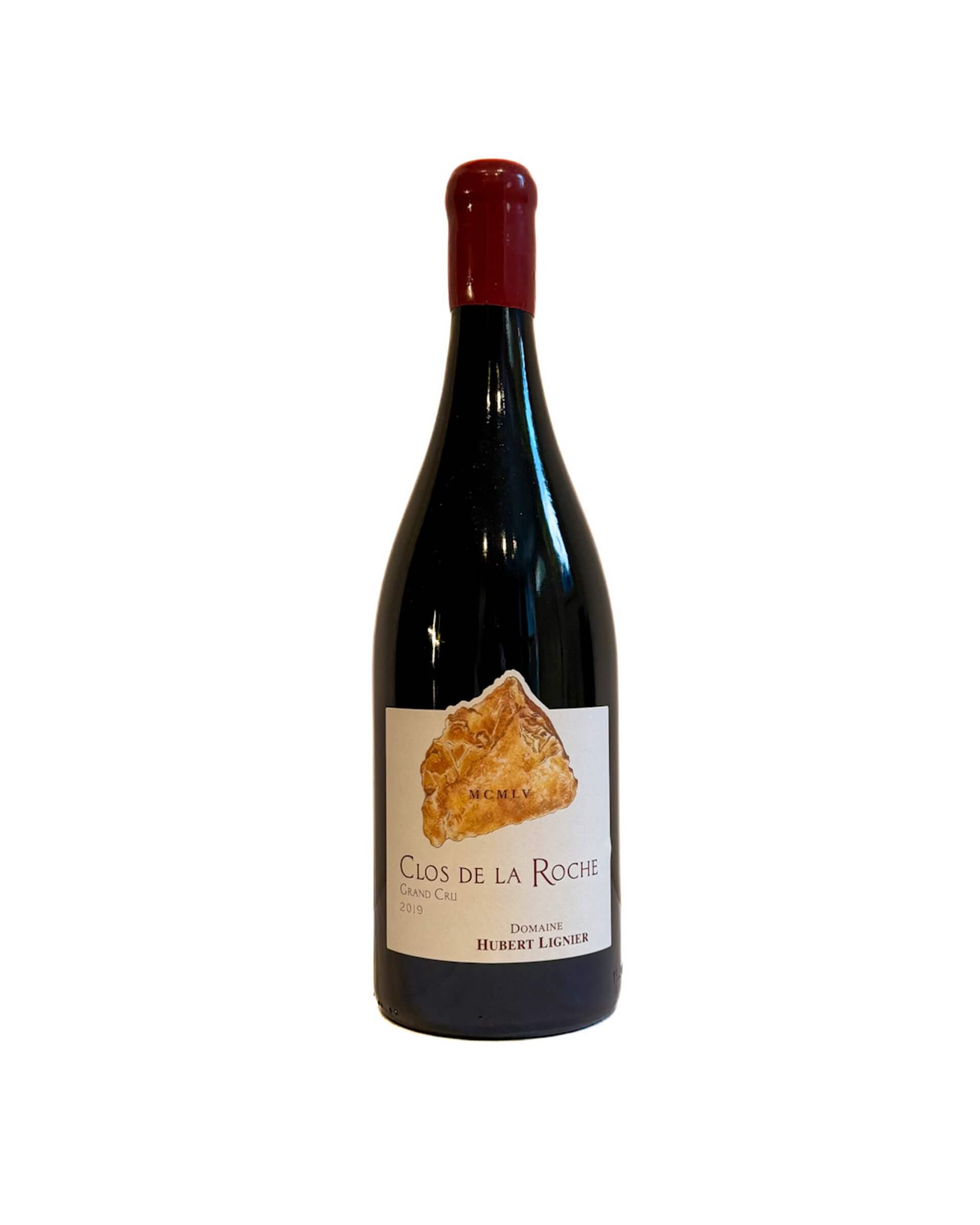
Pinot Noir is the most revealing red grape in the world — a thin-skinned, restless variety that translates a vineyard’s soul into the glass more faithfully than any other. It accounts for the great majority of Burgundy’s red production, yet Grand Cru vineyards make up only about 1.4% of the region’s total area, which is why the finest bottles are so scarce and so prized. A great example is pale in the glass and weightless on entry, yet capable of perfume and finesse that linger for decades.
At Tour de Wine our heart beats in Burgundy, the spiritual home of Pinot Noir and the benchmark against which every other expression is measured. Burgundy pinot noir is where this grape achieves its highest, most articulate voice — village by village, climat by climat. Our 304-bottle selection is built around that heartland, then widened to take in Champagne, Alsace, Alpine Italy and a considered handful of New World cuvées for context.
Browse the collection above to see the full range, or read on for a complete guide to the grape, its regions, its classifications, and how to choose the right bottle for your table or your cellar.
Pinot Noir is an old, genetically unstable variety — so prone to mutation that it has spawned an entire family of siblings, including Pinot Gris and Pinot Blanc, which are colour mutations of the same vine. This restlessness is part of its character: it ripens early, carries thin skins and low pigment, and demands cool climates and patient growers. Plant it in the wrong place and it sulks; plant it in the right one and it sings.
The taste profile is defined by elegance rather than power. Expect a pale-to-medium ruby colour, bright acidity, and soft, fine-grained tannins — a world away from the dense, brooding structure of bigger reds. Despite its perfumed, fruit-driven aromatics, the wine is almost always made dry; the impression of sweetness comes from ripe fruit, not residual sugar. Its core characteristics include:
Young village wines show freshness and immediate red-fruit charm; the finest Grand Cru bottles trade that exuberance for layered, slow-revealing complexity. Understanding that spectrum is the key to buying this grape well.
Pinot Noir is grown across the cool corners of the wine world, but its expression shifts dramatically with latitude, altitude and soil. Below are the regions that matter most, beginning where the grape reaches its zenith.
If this grape has a capital, it is the Côte d’Or — a thin ribbon of limestone slopes where centuries of observation have mapped the land into individually named vineyards. Burgundy’s four-tier classification is codified under French AOC law administered by the INAO (Institut national de l’origine et de la qualité), which is why a label here describes a place rather than a brand. The northern half, the Côte de Nuits, produces the most structured and age-worthy reds:
To the south, the Côte de Beaune offers rounder, more approachable reds — Volnay for its silky charm, Pommard for its rustic backbone. Crucially, Burgundy classifies its wines by place, not producer, in four ascending tiers: regional Bourgogne, Village, Premier Cru and Grand Cru. That hierarchy is the single most useful tool a Pinot Noir buyer can learn.
Pinot Noir’s reach extends well past still red wine. It is one of the three pillars of Champagne, lending body and red-fruit depth to non-vintage blends and standing alone in single-varietal Blanc de Noirs. In Alsace, the grape produces a lighter, cool-climate red with floral lift and bright acidity — long overlooked, increasingly serious, and among the more accessible doors into the variety in our range.
Known as Pinot Nero across the border, the grape finds its most compelling Italian voice in the Alpine vineyards of Alto Adige/Südtirol. High elevation and cool nights yield wines of bright acidity, mineral precision and pure red fruit. Explore our Italian wines for these elegant, often underpriced Alpine expressions.
Outside Europe, the grape has found a few natural homes. Oregon’s Willamette Valley, planted heavily to Dijon clones, sits closer to Burgundy in weight and restraint than to California’s riper style. New Zealand’s Central Otago delivers intense, fruit-forward wines with silky tannins. These regions are worth knowing, but Tour de Wine’s focus remains firmly Old World: our cellar is built around Burgundy and the rest of France, with New World cuvées kept as context rather than the core of the selection. If you are exploring beyond Europe, filter the collection above by region to see which New World bottles we currently stock.
Because Burgundy ranks vineyards rather than brands, the classification on the label tells you more about the wine inside than almost any other clue. The four tiers are set by INAO under French AOC law, and Grand Cru — the rarest rung — represents only about 1.4% of the region’s vineyard area. Learning the hierarchy, and what each tier delivers in flavour, ageing and price, is the fastest route to confident buying. The figures below are drawn from our live catalogue of 304 bottles, priced in EUR.
The lesson behind these numbers is simple: in Burgundy you are buying a place. A modest grower’s Grand Cru parcel can outshine a famous name’s village wine, because the dirt — the climat — does much of the talking.
Few red wines are as forgiving and versatile at the table as Pinot Noir. Its high acidity and gentle tannins make it a natural partner for a wide range of dishes, while its delicacy rewards thoughtful serving.
When pairing food, lean into earthy, savoury and gently rich dishes that echo the wine’s own register:
Temperature and air make or break a great Pinot Noir. Serve it too warm and the alcohol dominates; too cold and the aromatics close down. As a guide:
Whatever the tier, reach for a large Burgundy-style bowl: the wide surface captures and concentrates Pinot Noir’s signature perfume.
The question every newcomer asks — “is a bottle really worth €800?” — deserves an honest answer. Price tracks rarity of place and ageing potential, not marketing. The price points for each tier are set out in the classification breakdown above; what matters here is matching tier to occasion, because the style shifts as much as the price does.
For those exploring other styles, our broader red wine collection offers a natural next step. All prices are in EUR; Tour de Wine is a French specialist merchant shipping across Europe, and our 304-bottle selection is curated to map the grape from honest entry-level to the very summit of Burgundy.
Pinot Noir is made as a dry red wine in virtually all serious expressions. The impression of sweetness comes from the grape’s naturally high red-fruit character — ripe cherry, raspberry and strawberry — rather than from residual sugar. Wines from warmer climates such as New Zealand or California can taste fuller and rounder, but they remain technically dry.
The two are stylistic opposites. Pinot Noir is thin-skinned, pale, light-bodied, high in acidity and soft in tannin — the delicate, food-flexible choice that lives and dies by its terroir and vintage. Cabernet Sauvignon is thick-skinned, deeply coloured, firmly tannic and built for long cellaring. Pinot rewards attention to site; Cabernet rewards patience and air.
For a first serious Burgundy, a Chambolle-Musigny or a Volnay village wine shows the grape’s silky, perfumed side in an accessible style. Gevrey-Chambertin offers more structure and weight for those who want power alongside finesse, while Vosne-Romanée is the logical next step toward Grand Cru complexity. The first two sit in the Côte de Nuits and the wider Burgundy category — browse those sub-categories to filter our stock by appellation and find the village wines we currently carry.
Village Burgundy is usually at its best within the first 5–8 years. Premier Cru can reward 10–20 years of cellaring, and Grand Cru from top domaines — Chambertin, Musigny, Romanée-Conti — can develop for 30–50 years. The decisive factor in ageing potential is the vineyard site, not simply the producer’s name.
Written by the Tour de Wine buying team. Last reviewed: June 2026.
This site is restricted to adults. By entering, you confirm that you are of legal drinking age in your country of residence.