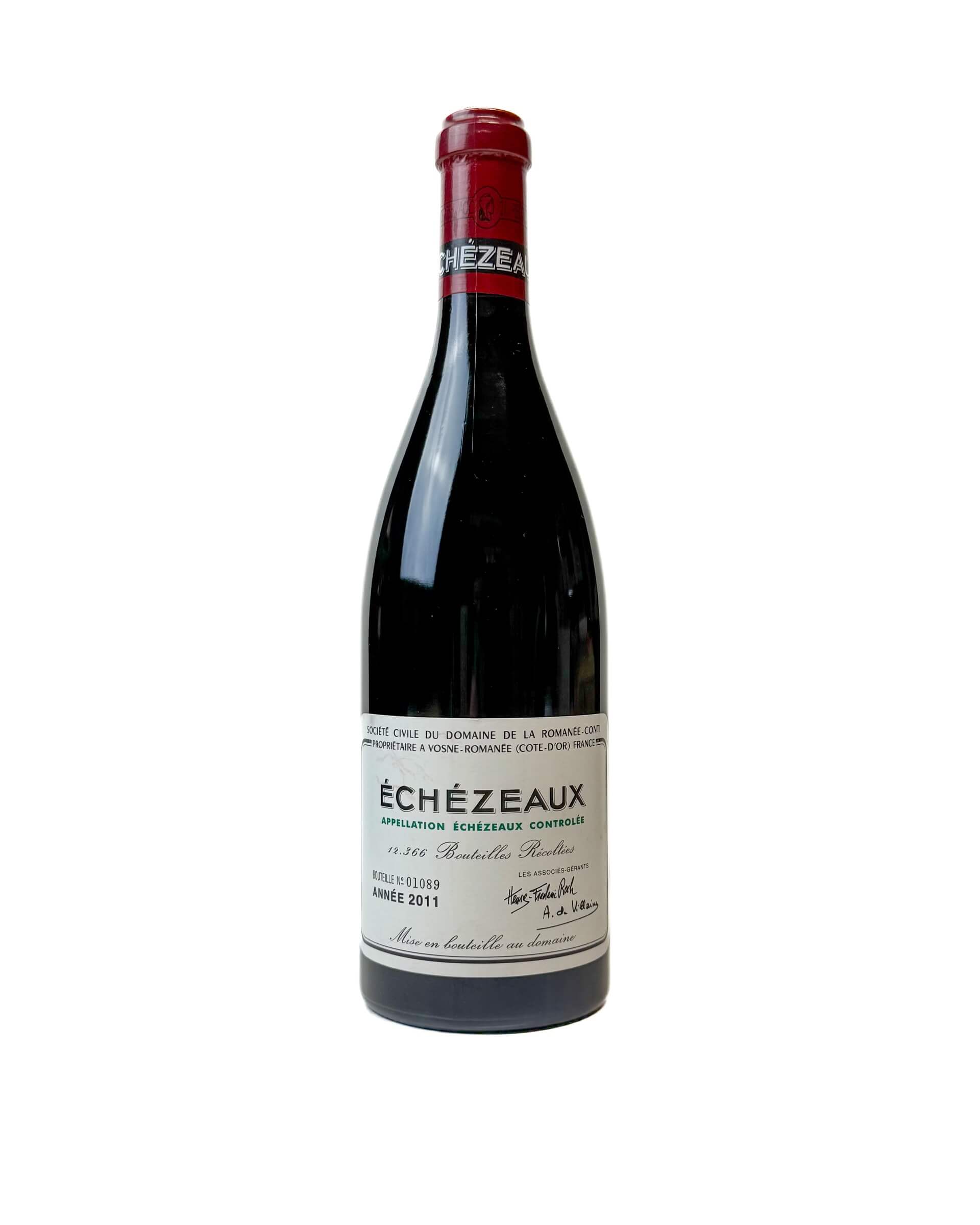
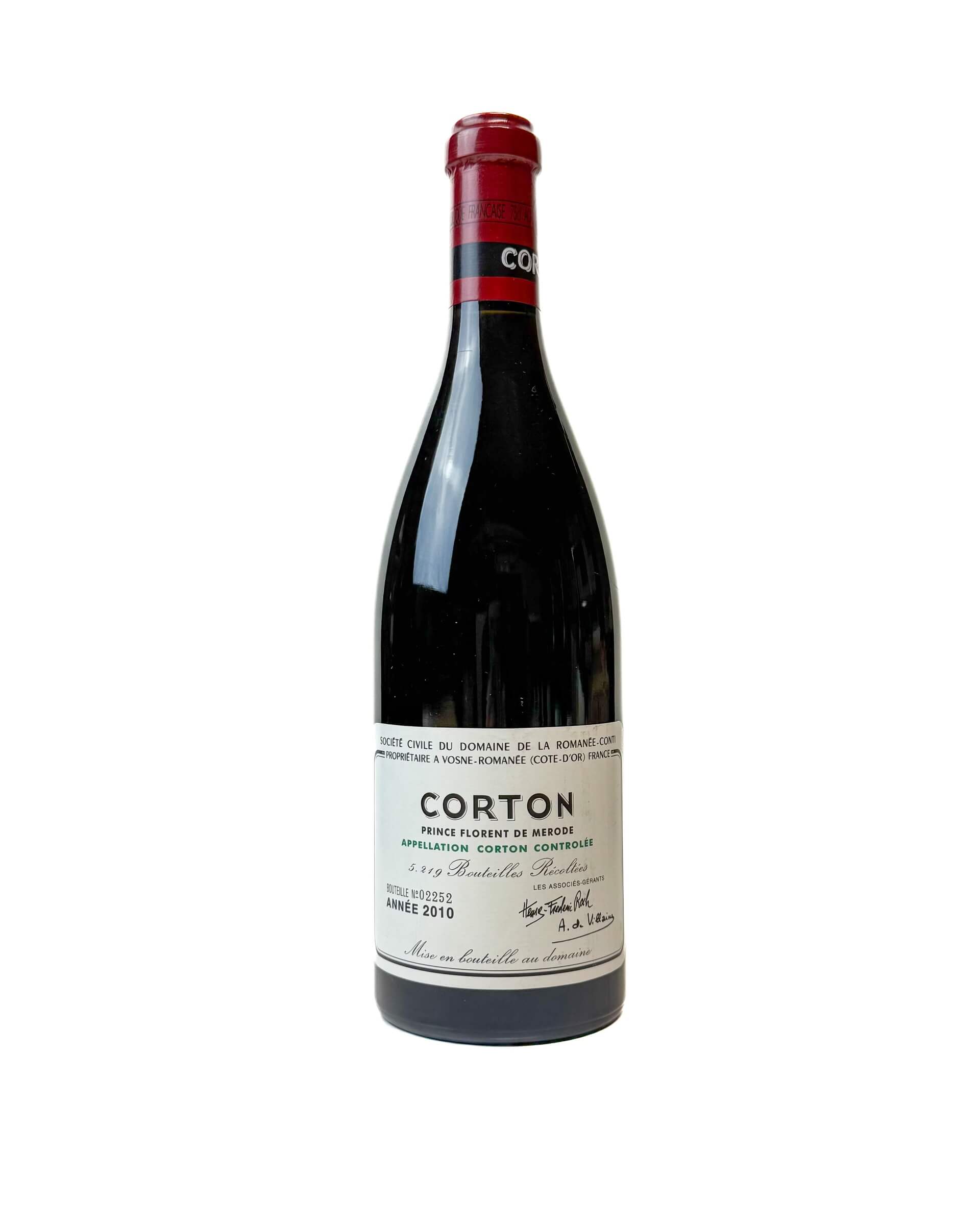
90, 92
0,75
2010
Domaine Romanee-Conti
Wines, producers, regions...
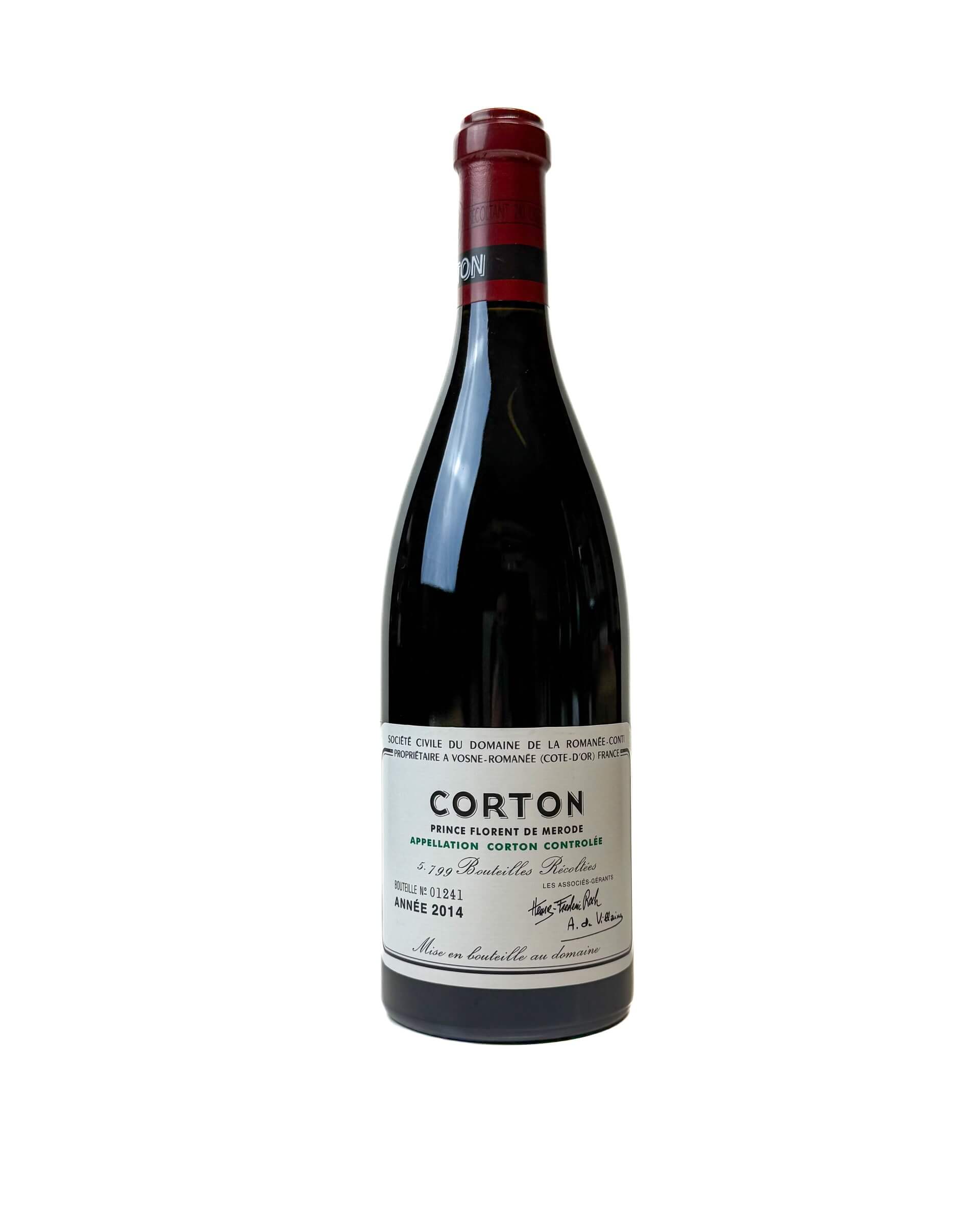
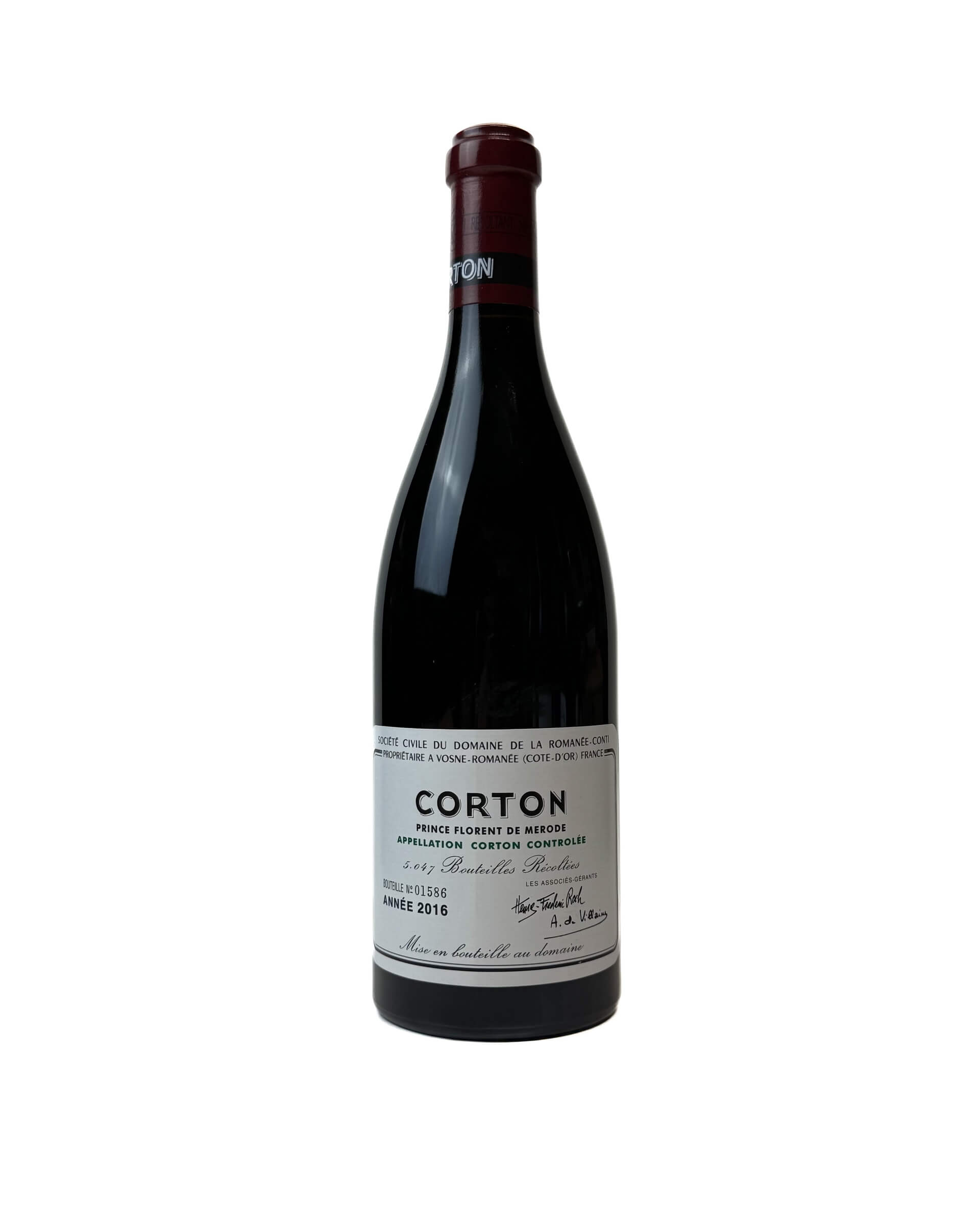
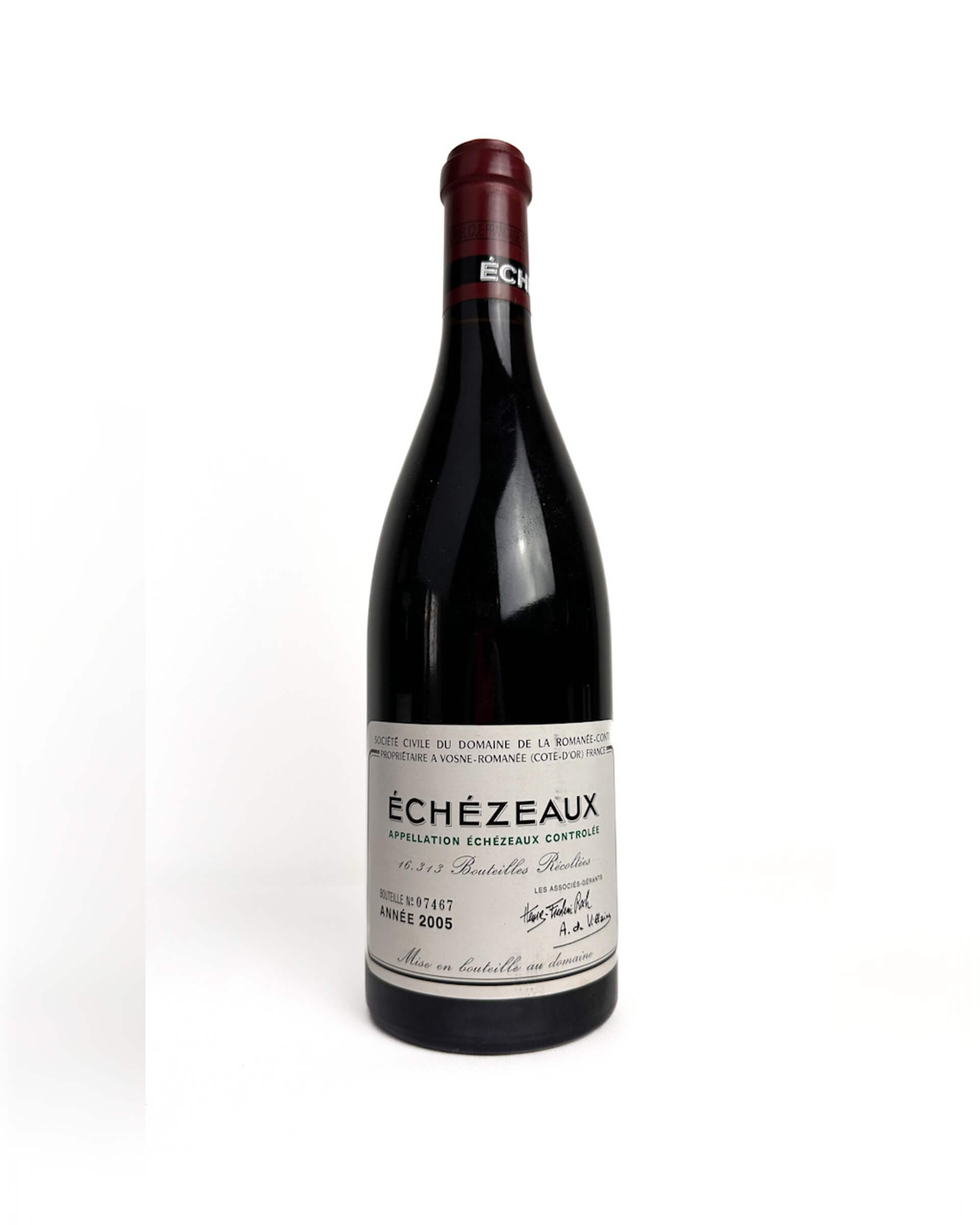
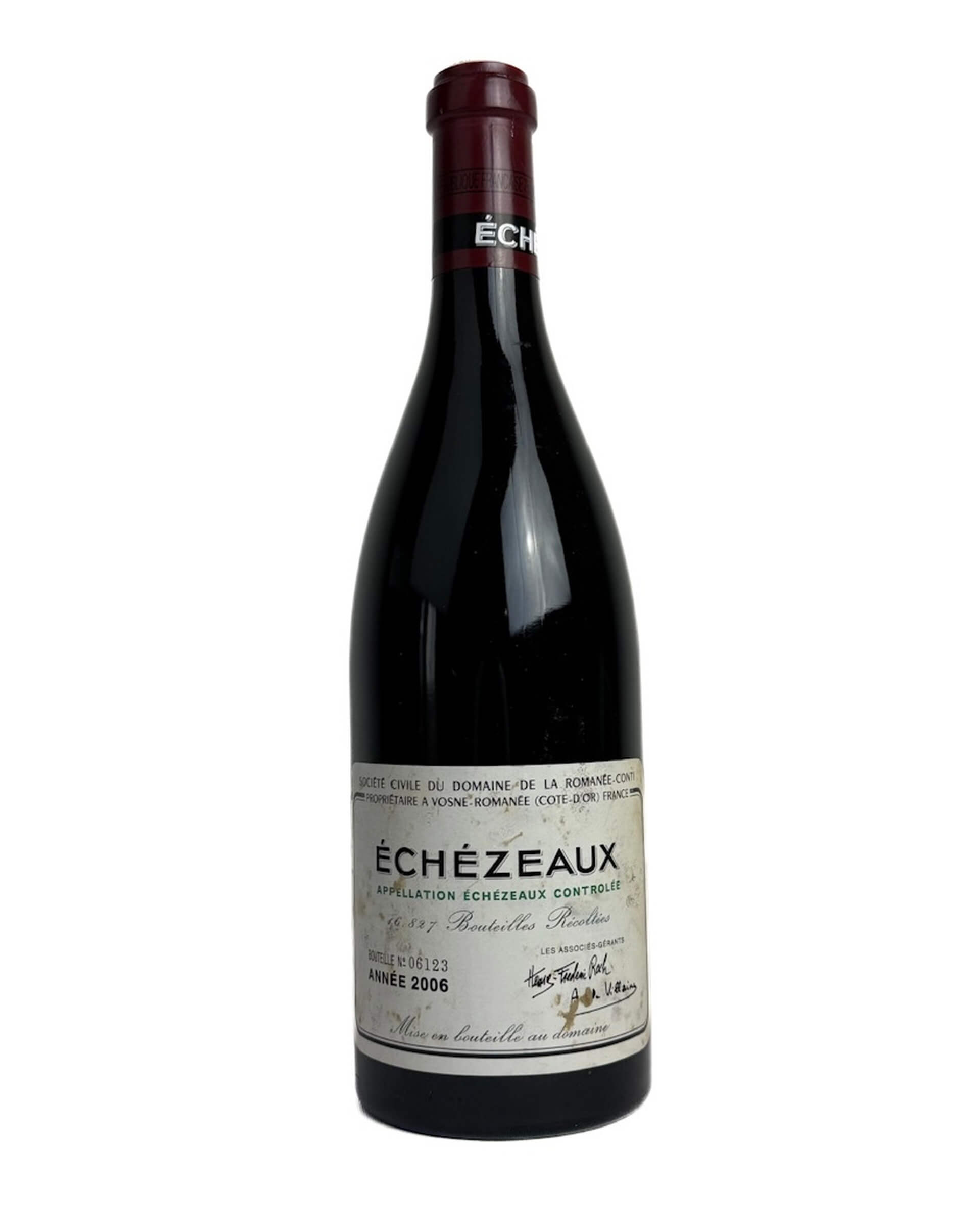
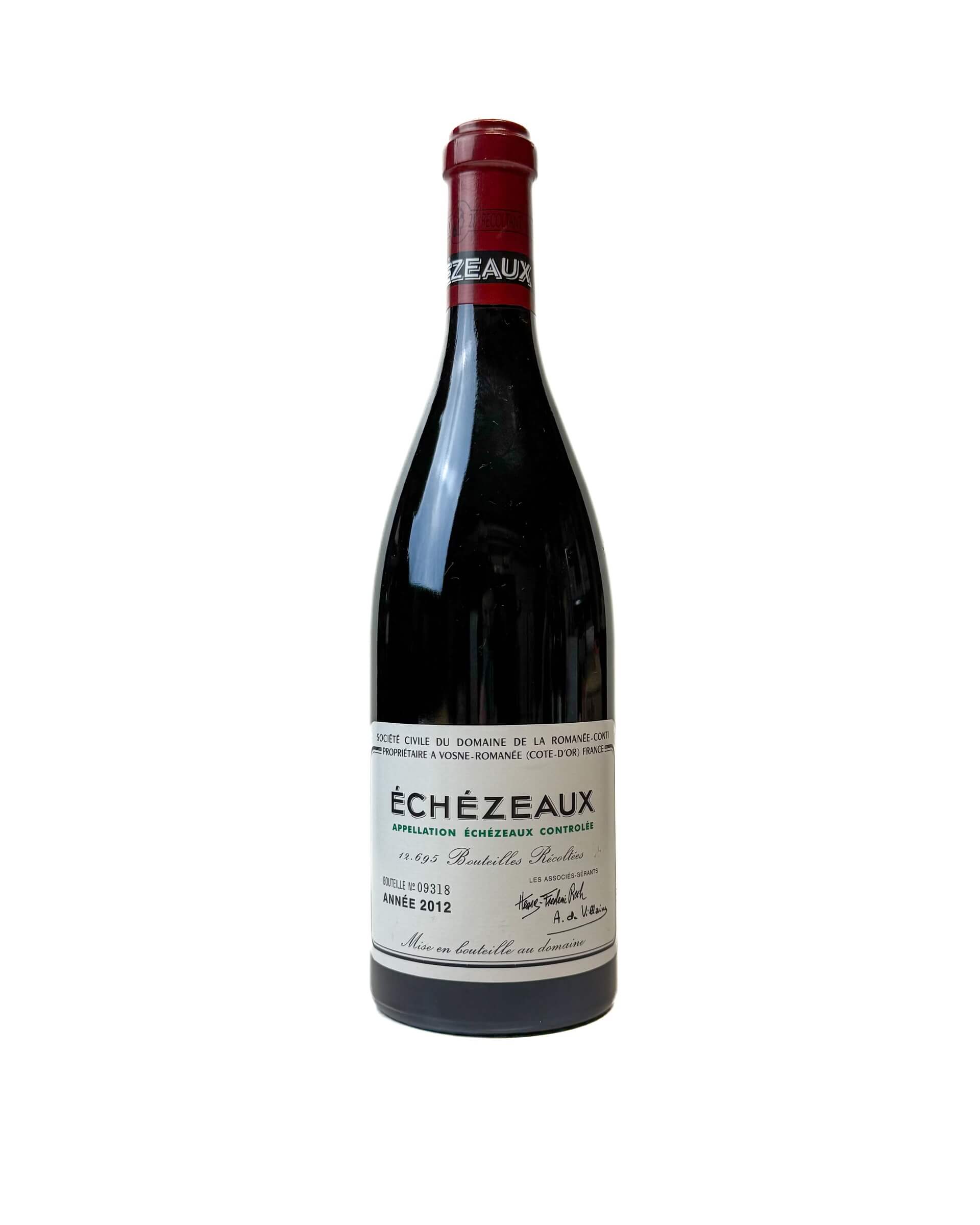
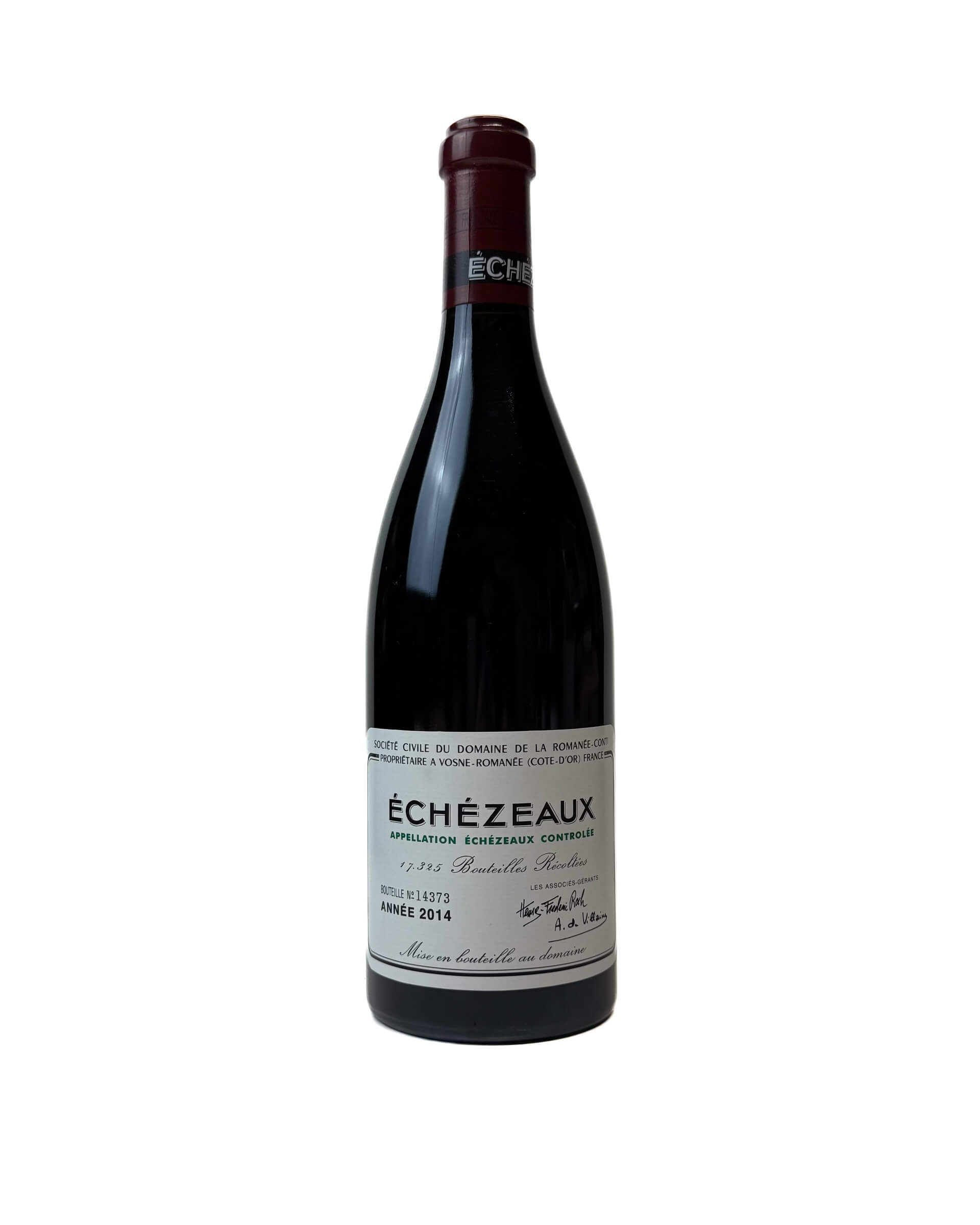
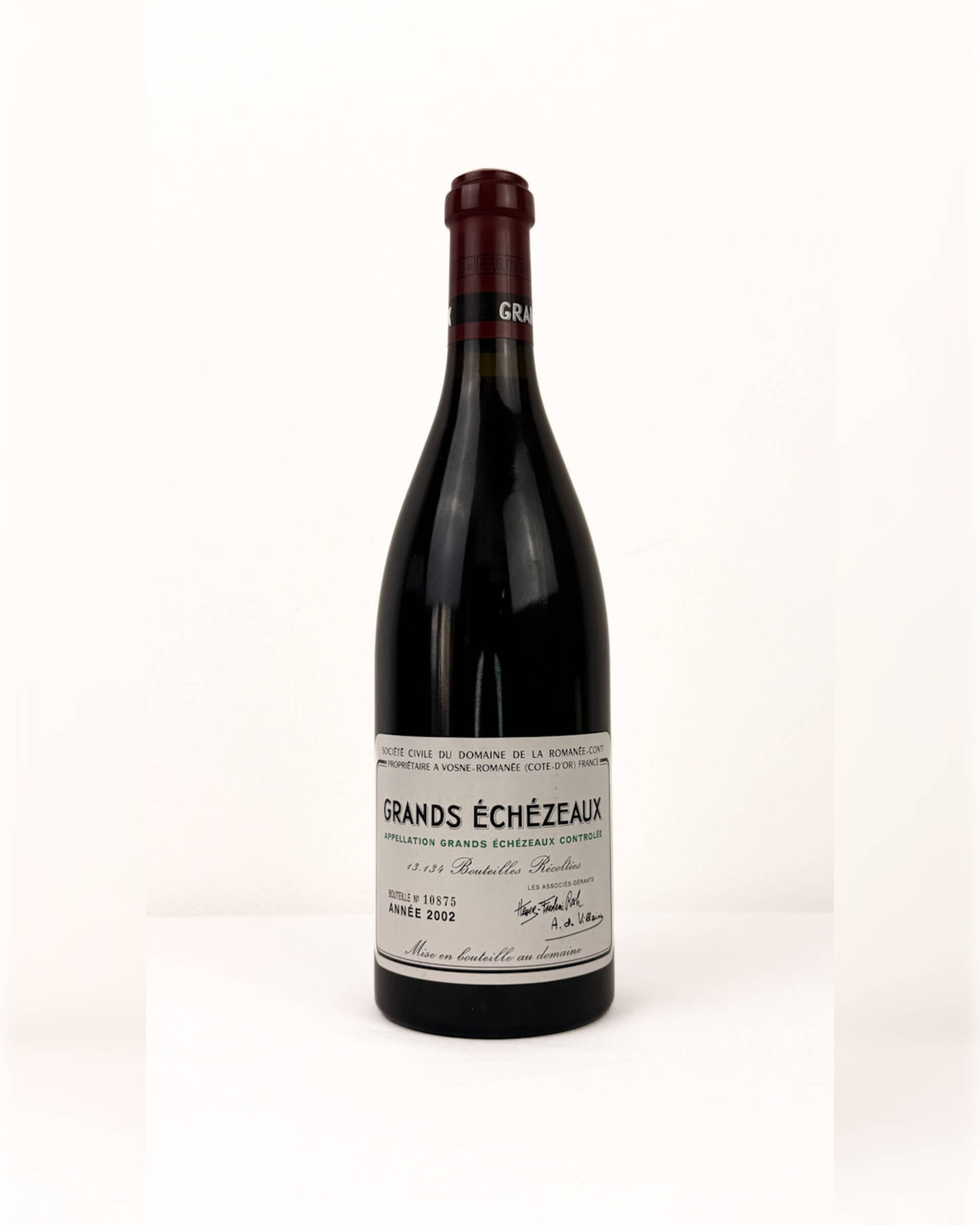
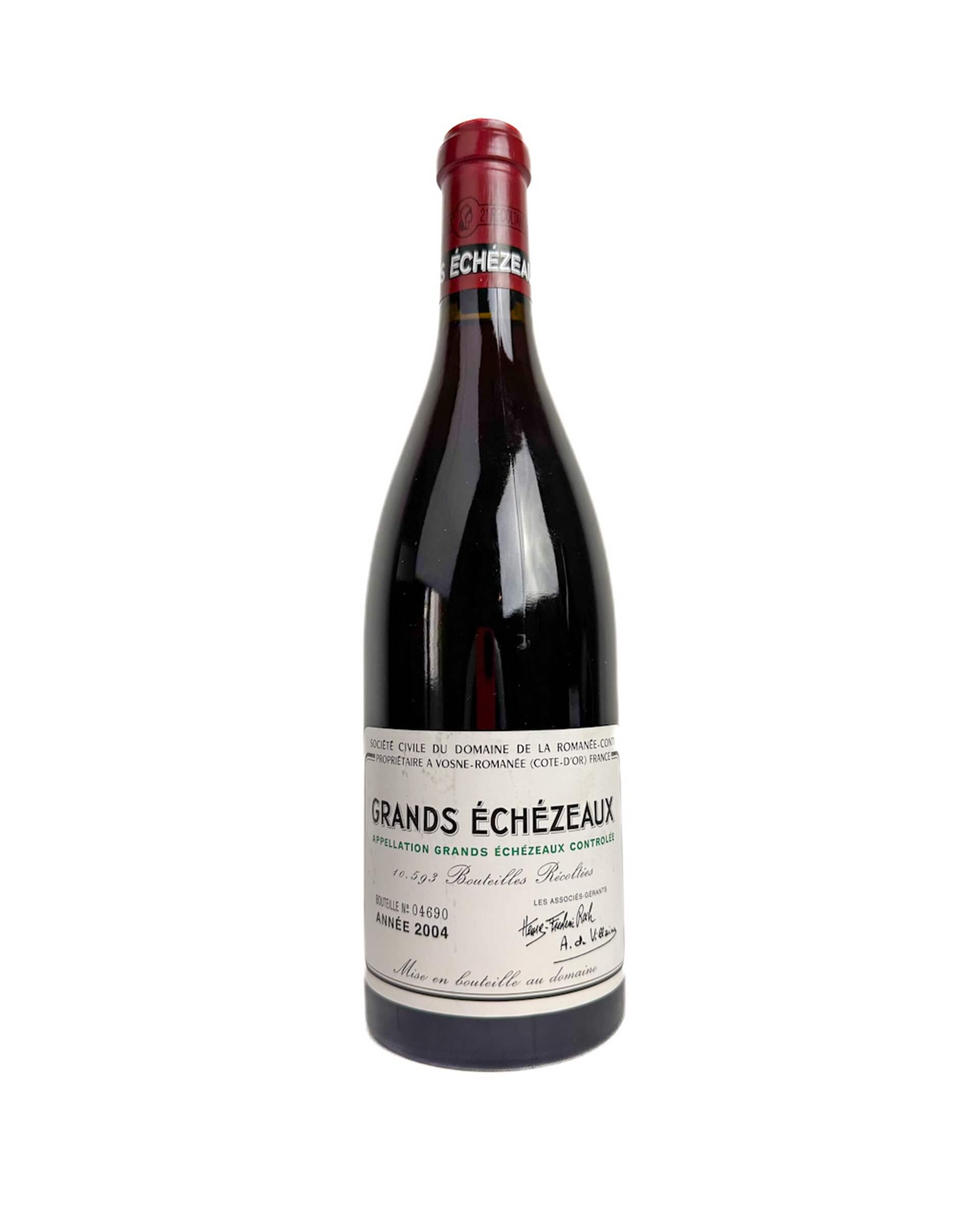
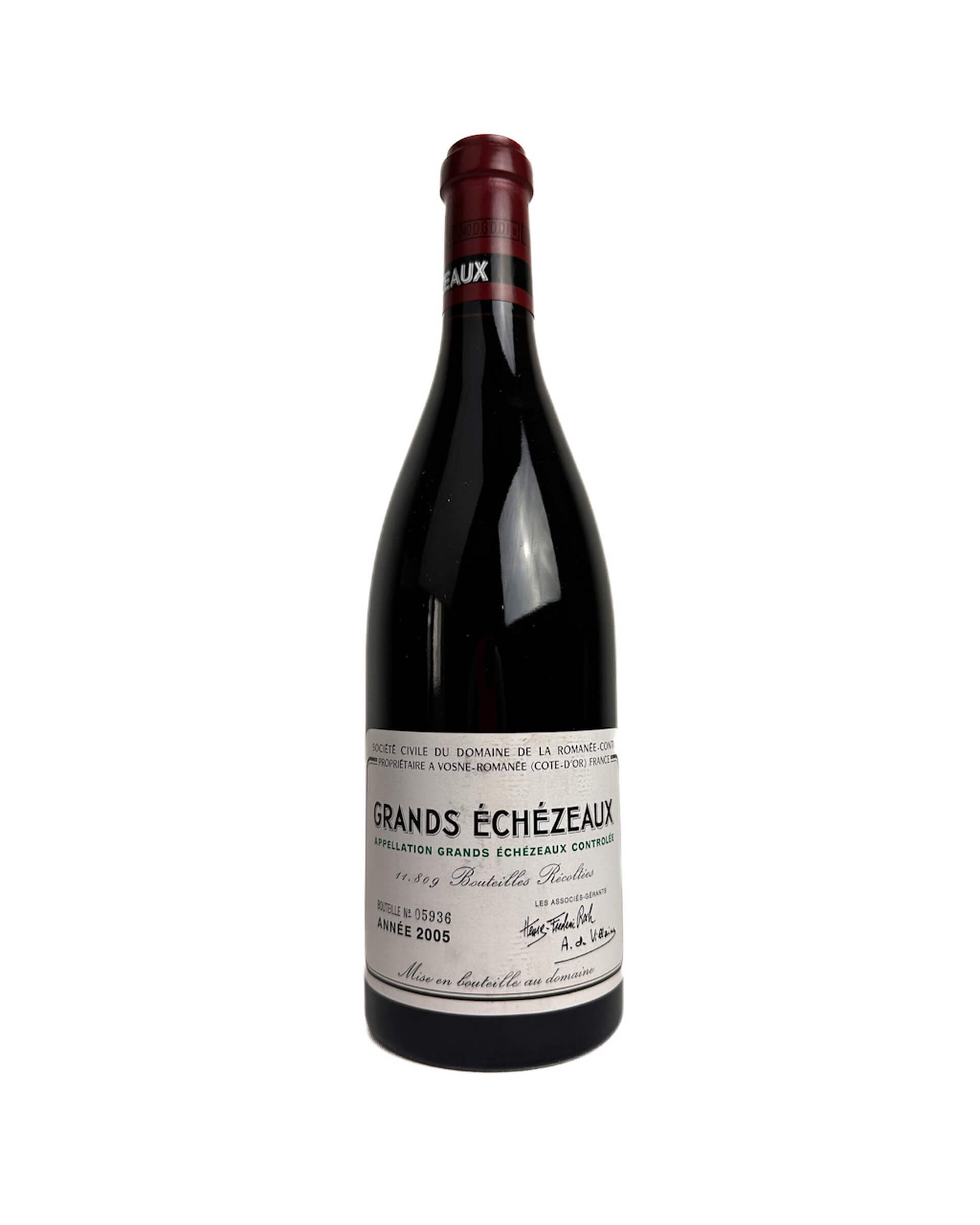
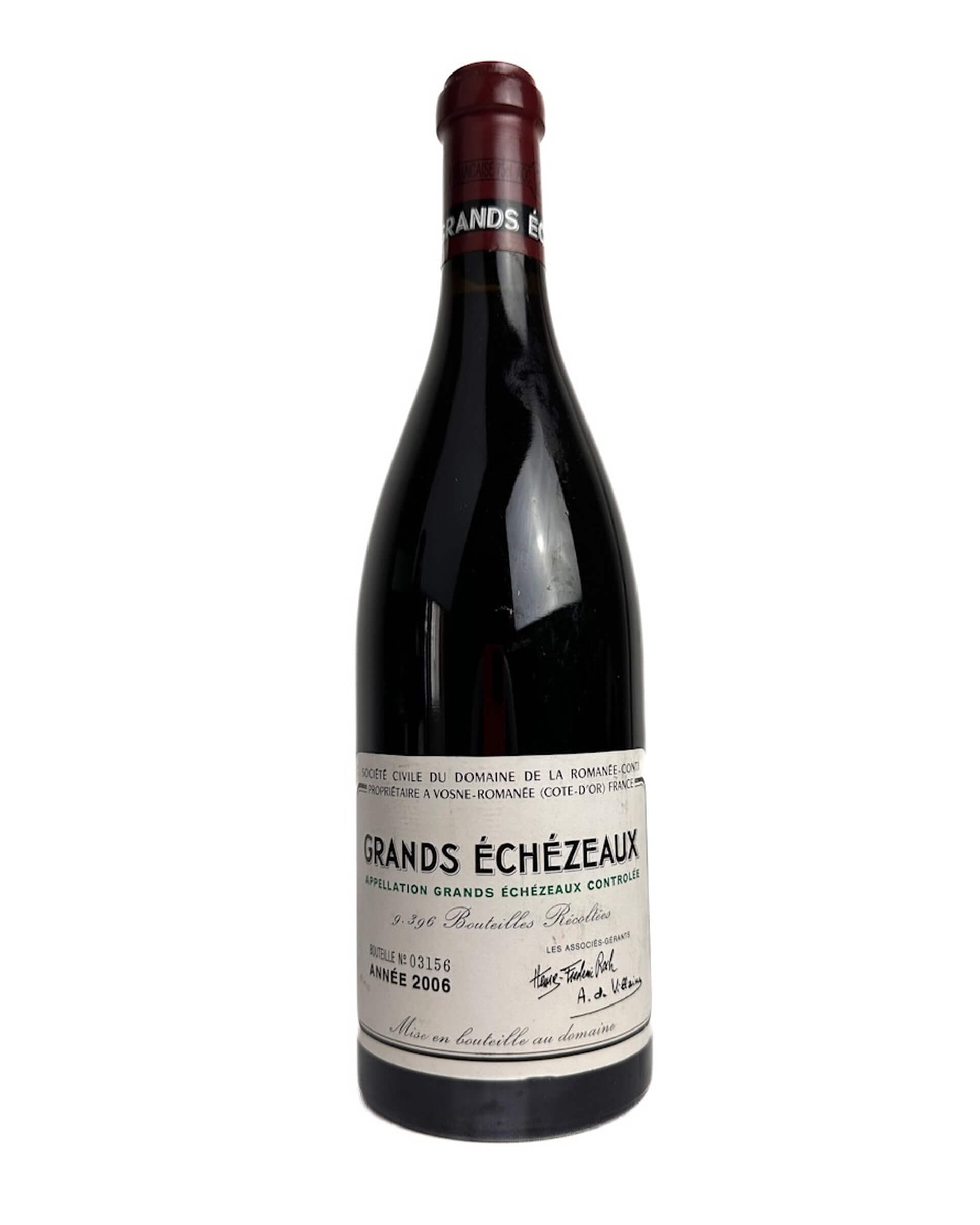
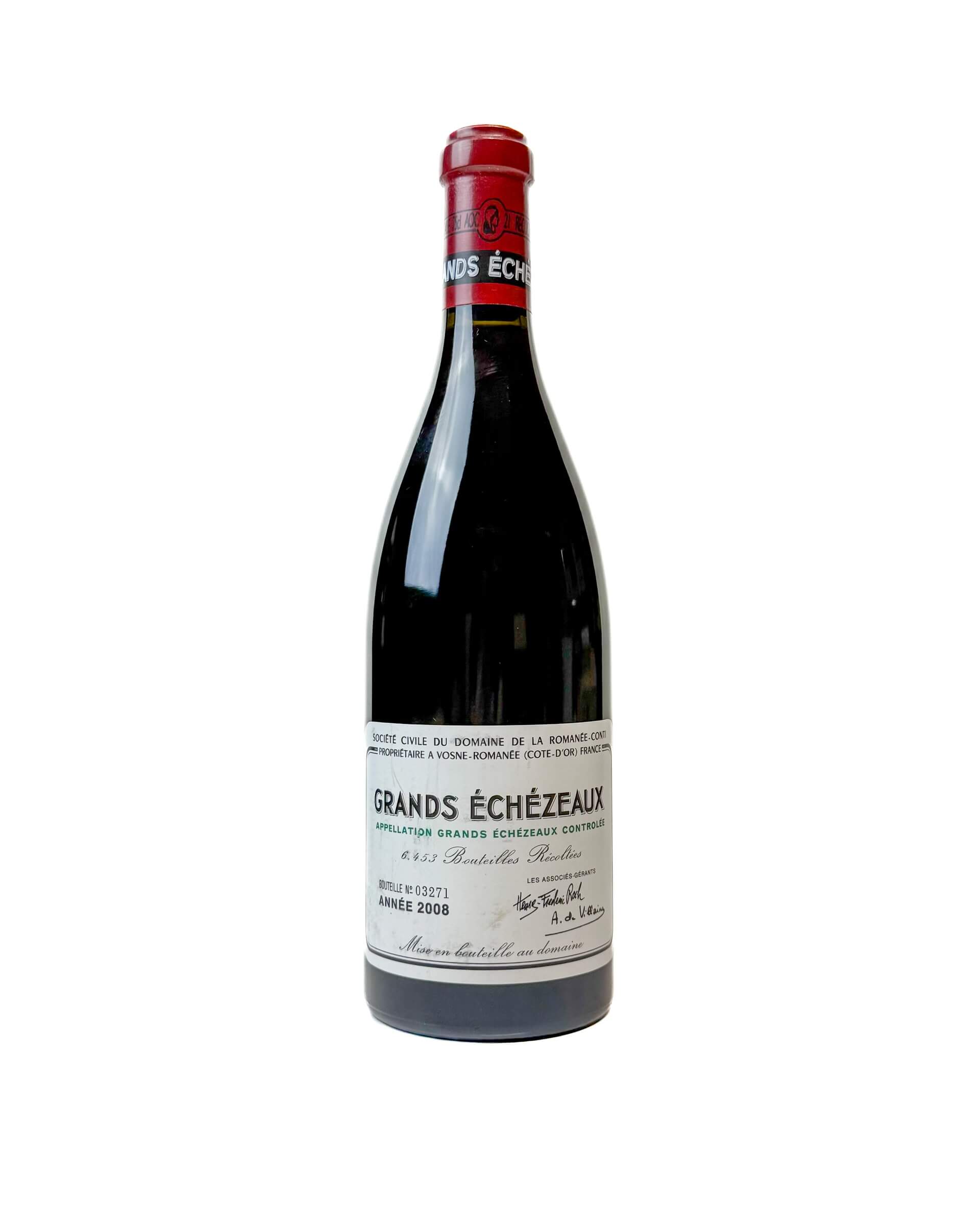
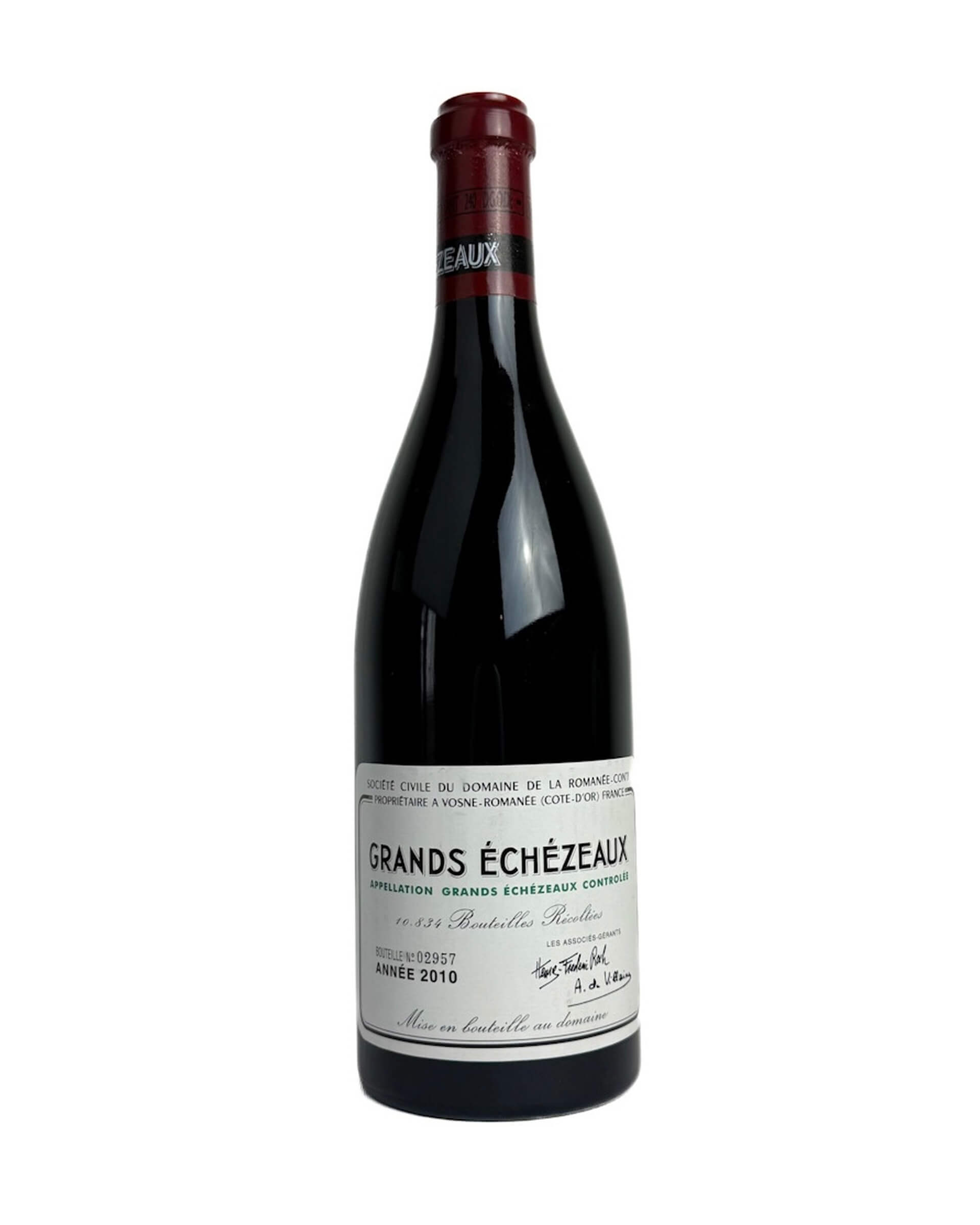
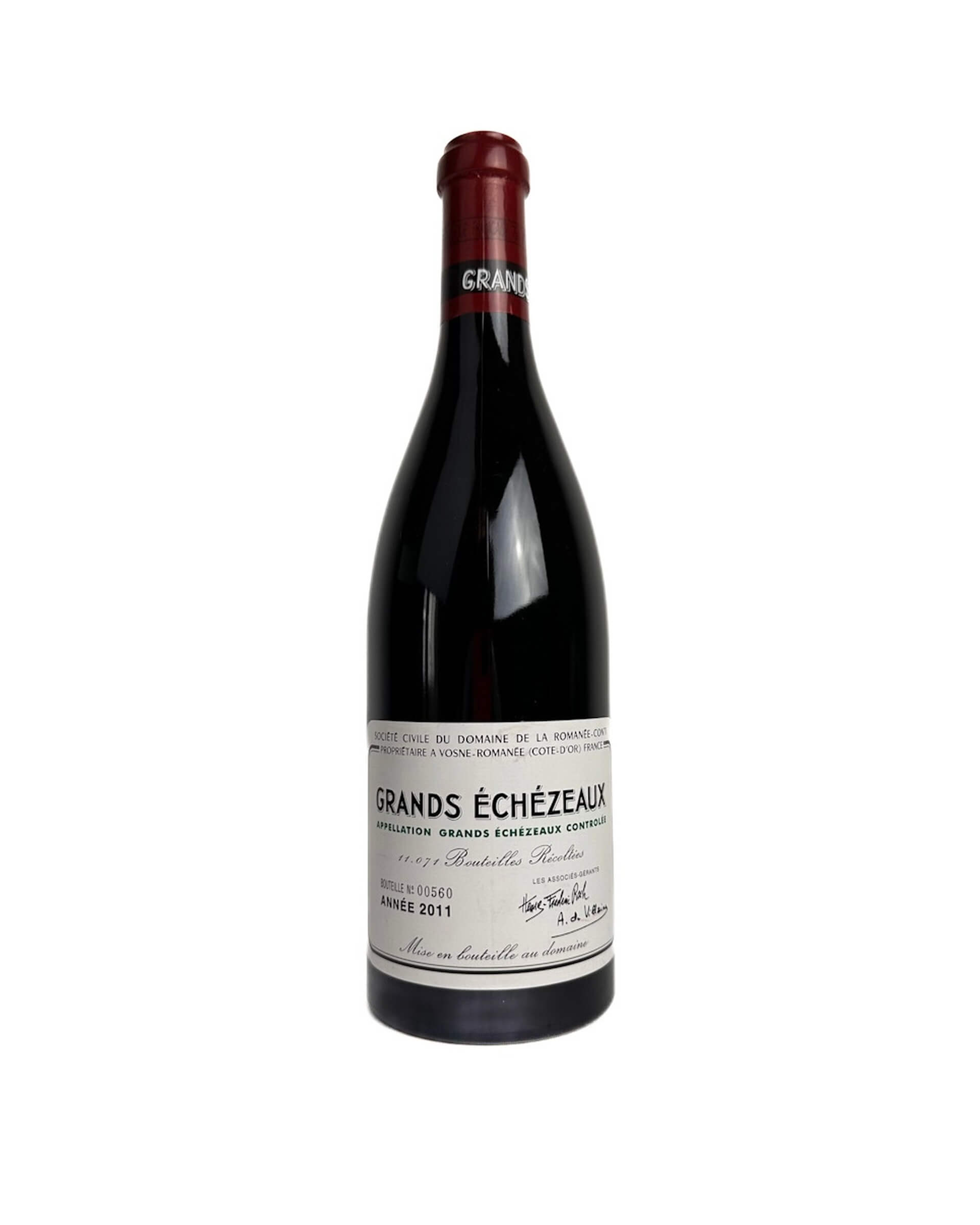
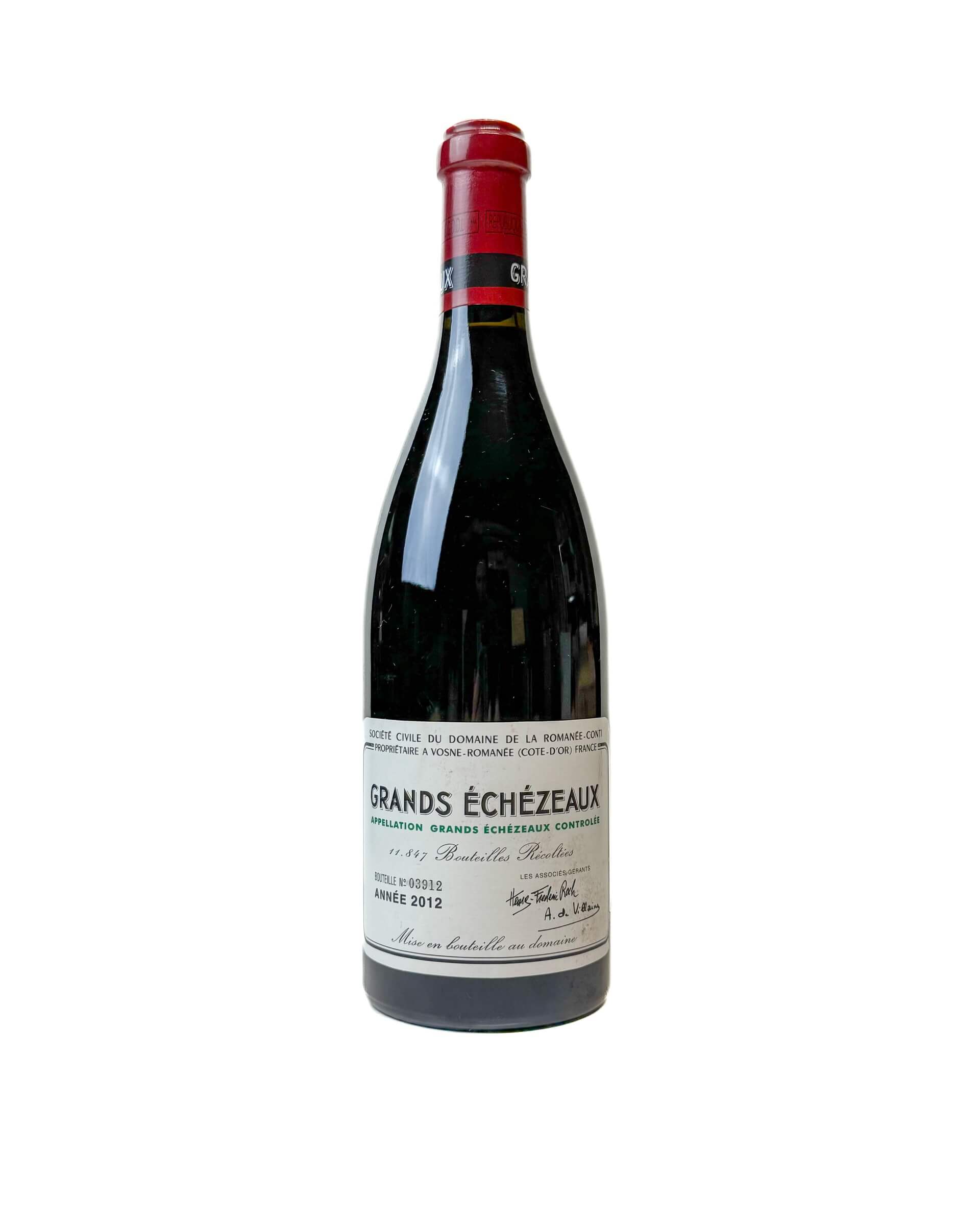
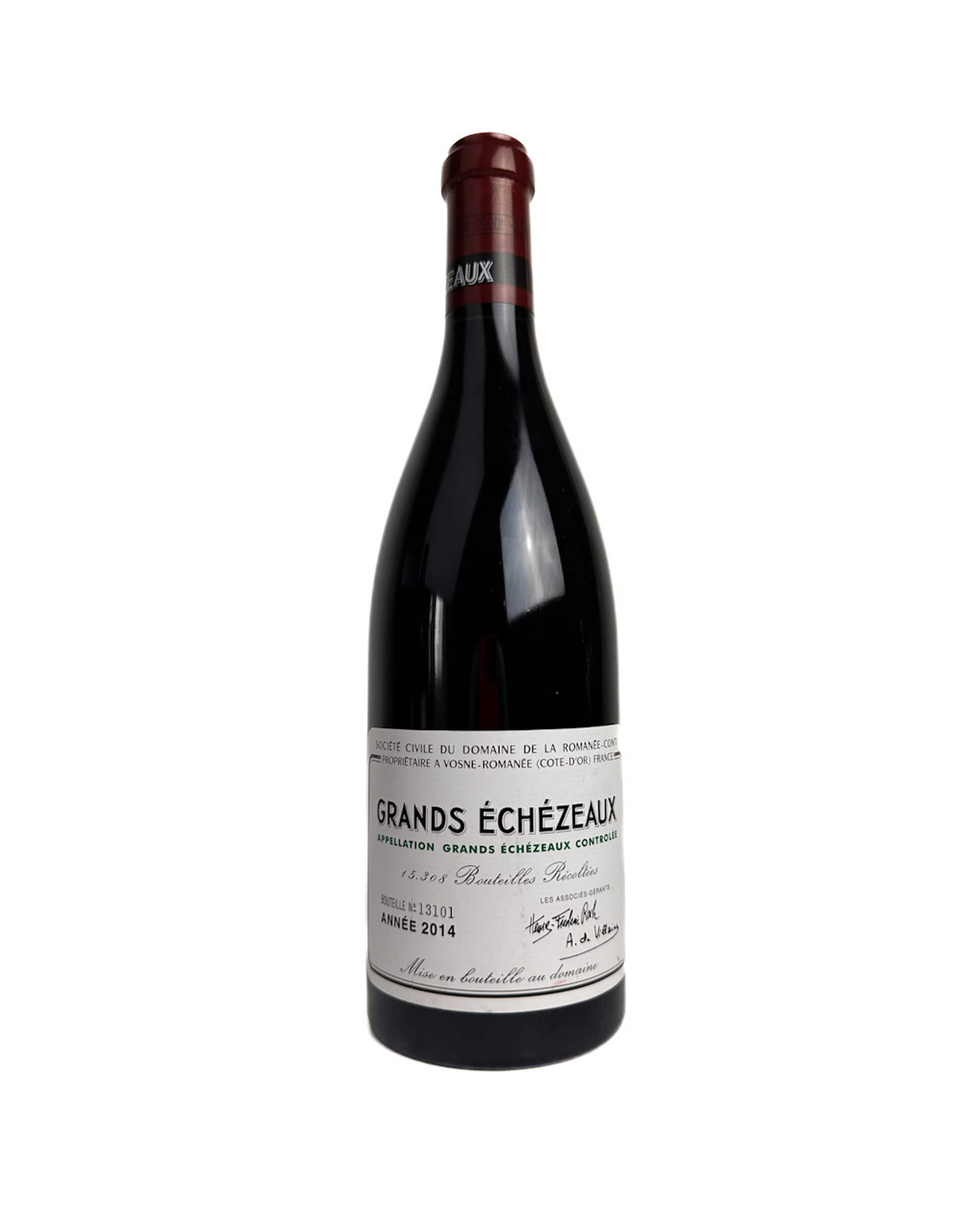
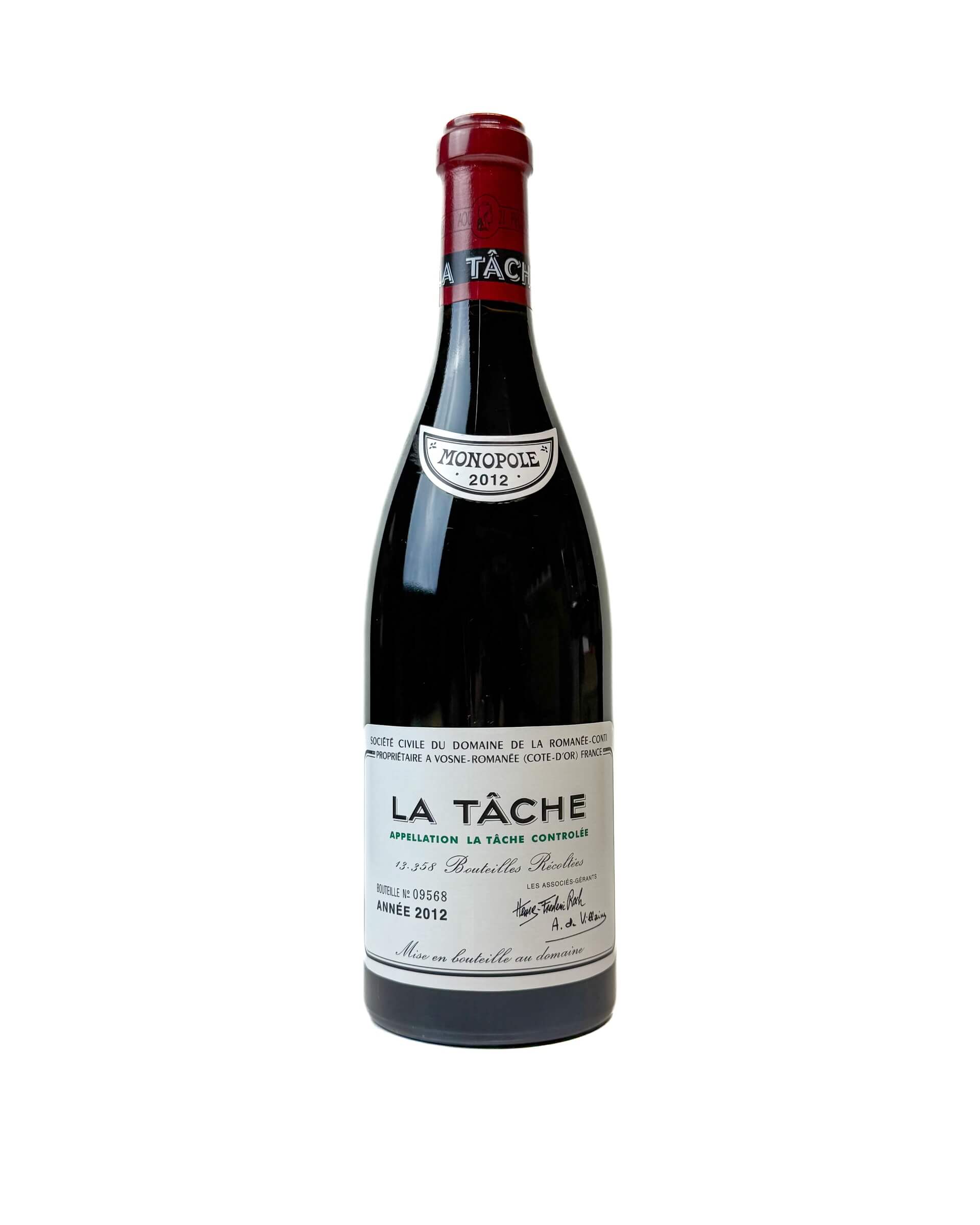
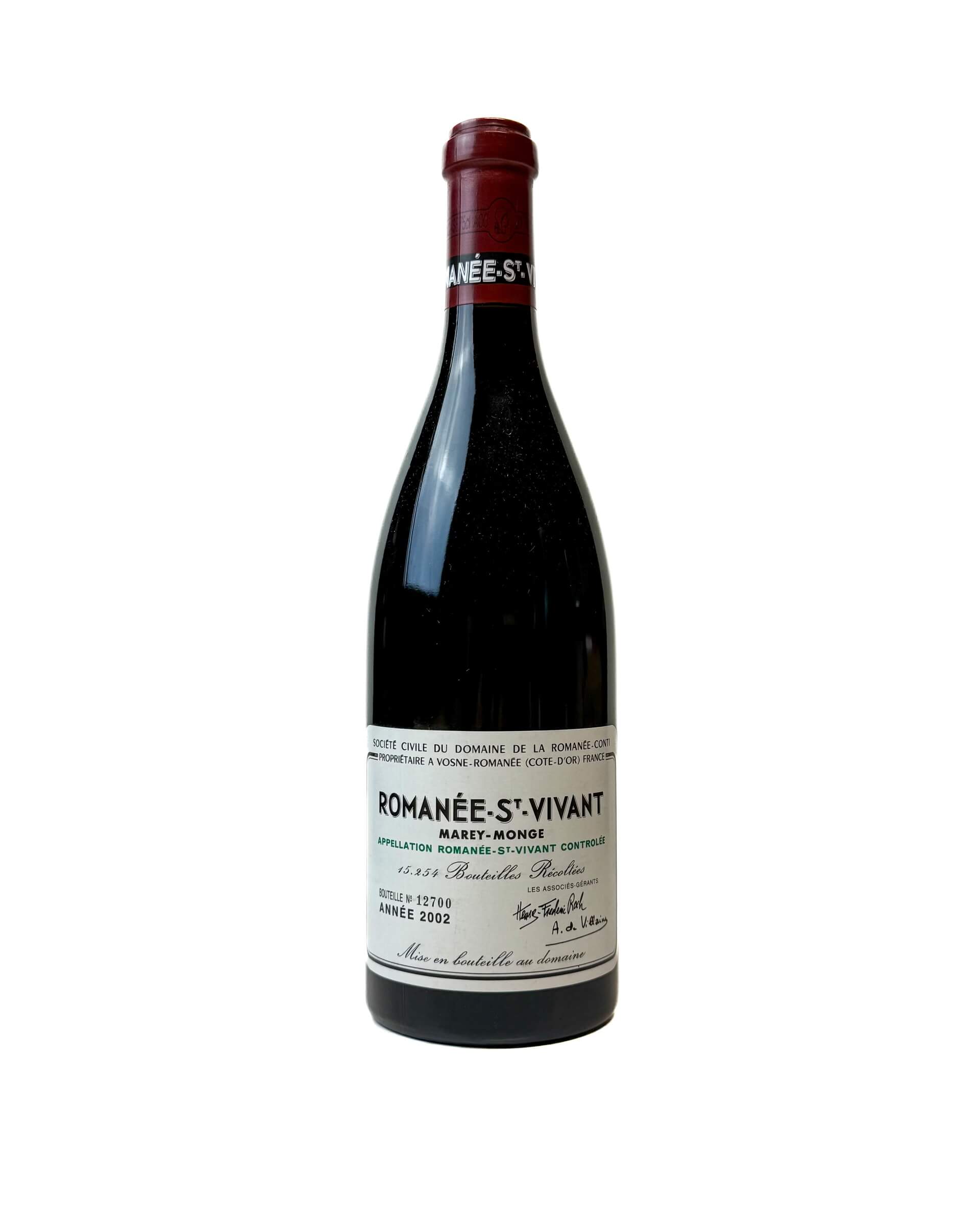
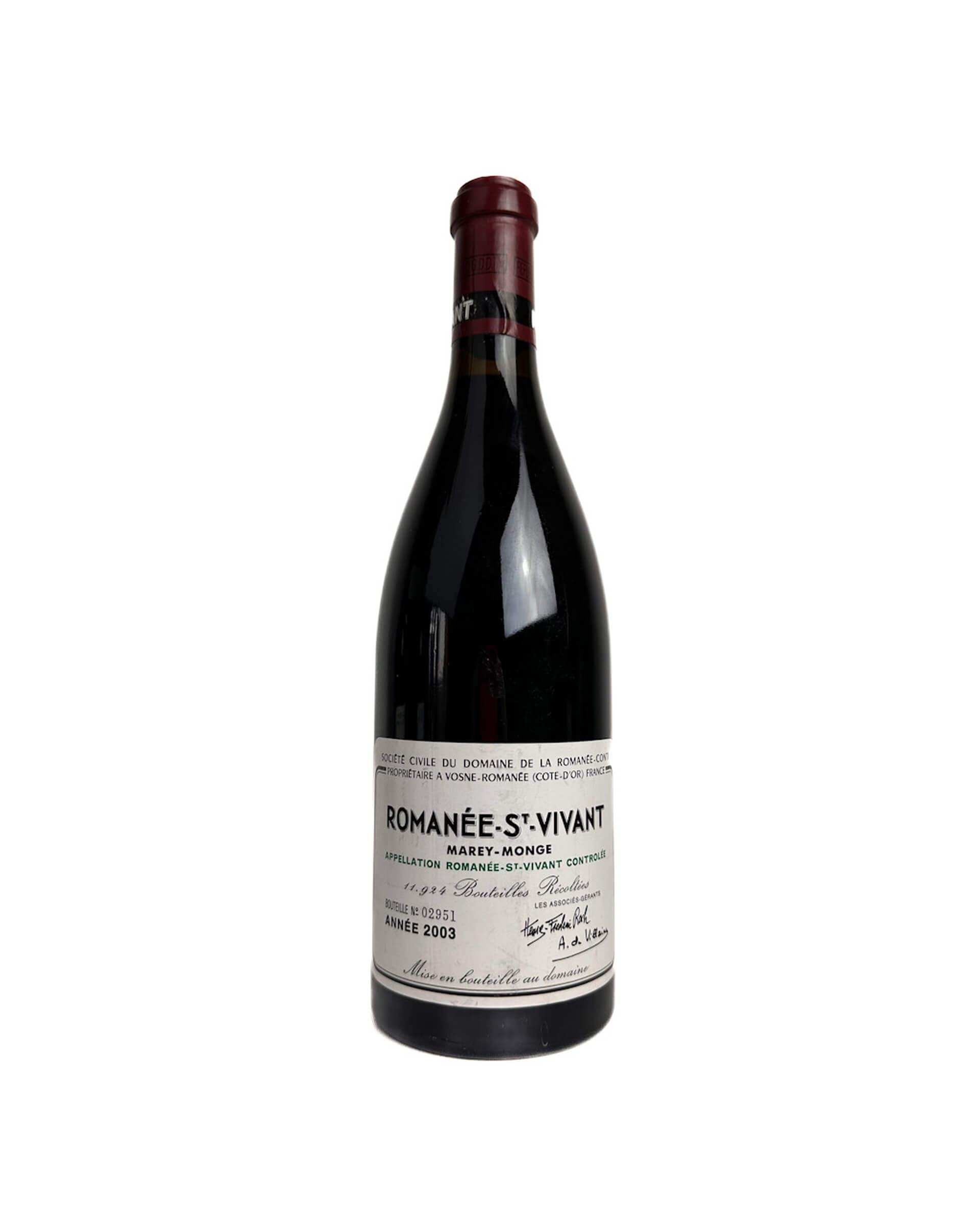
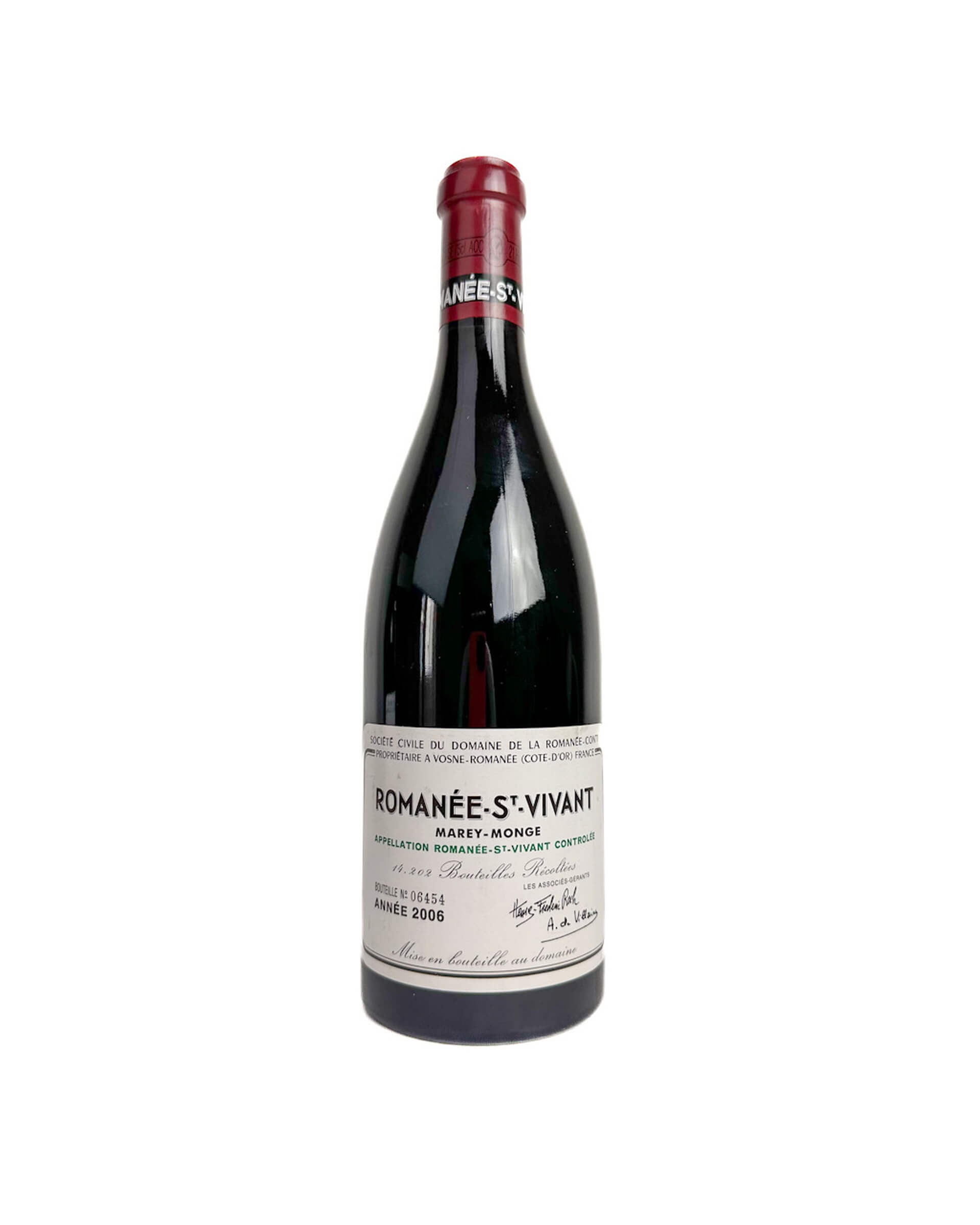
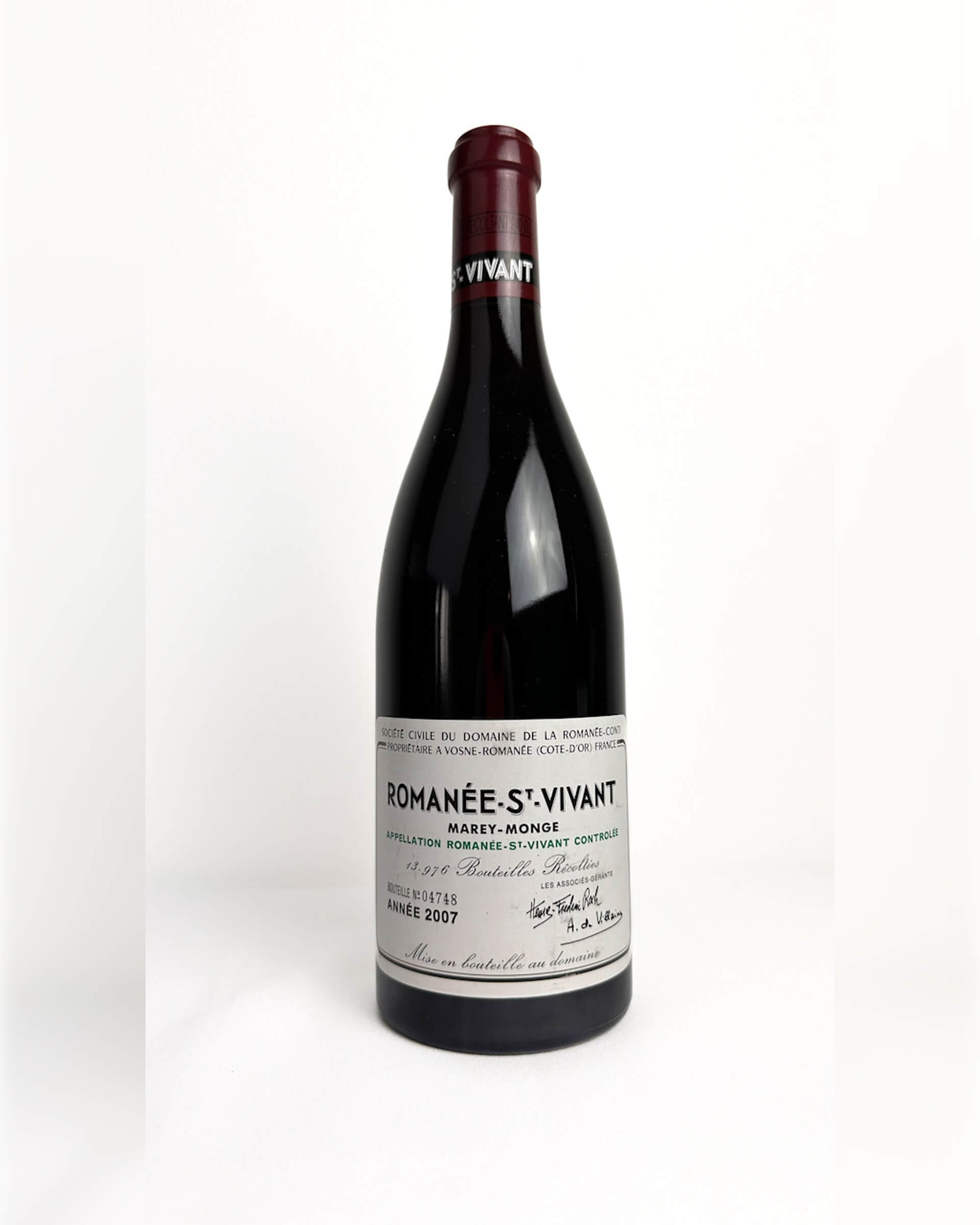
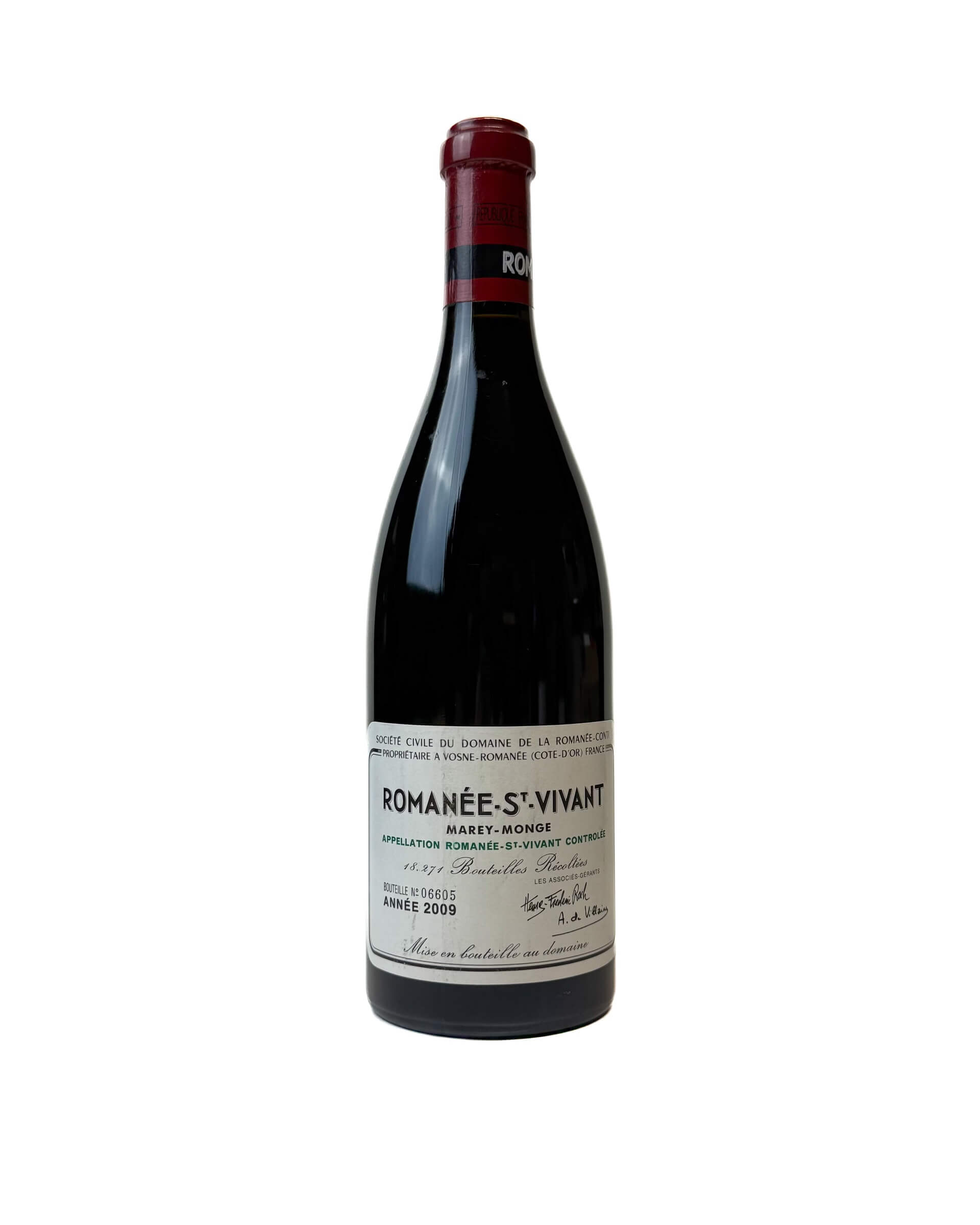
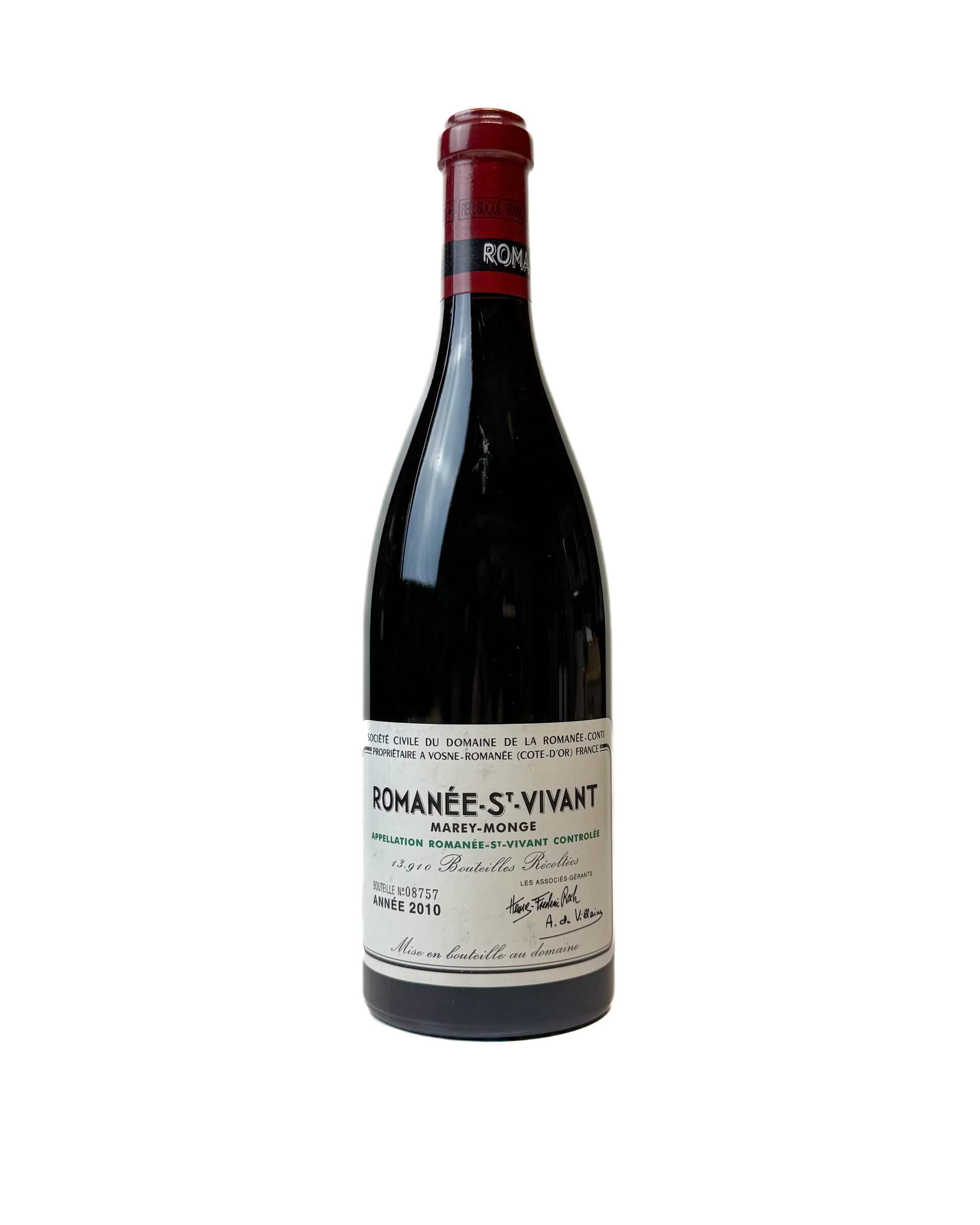
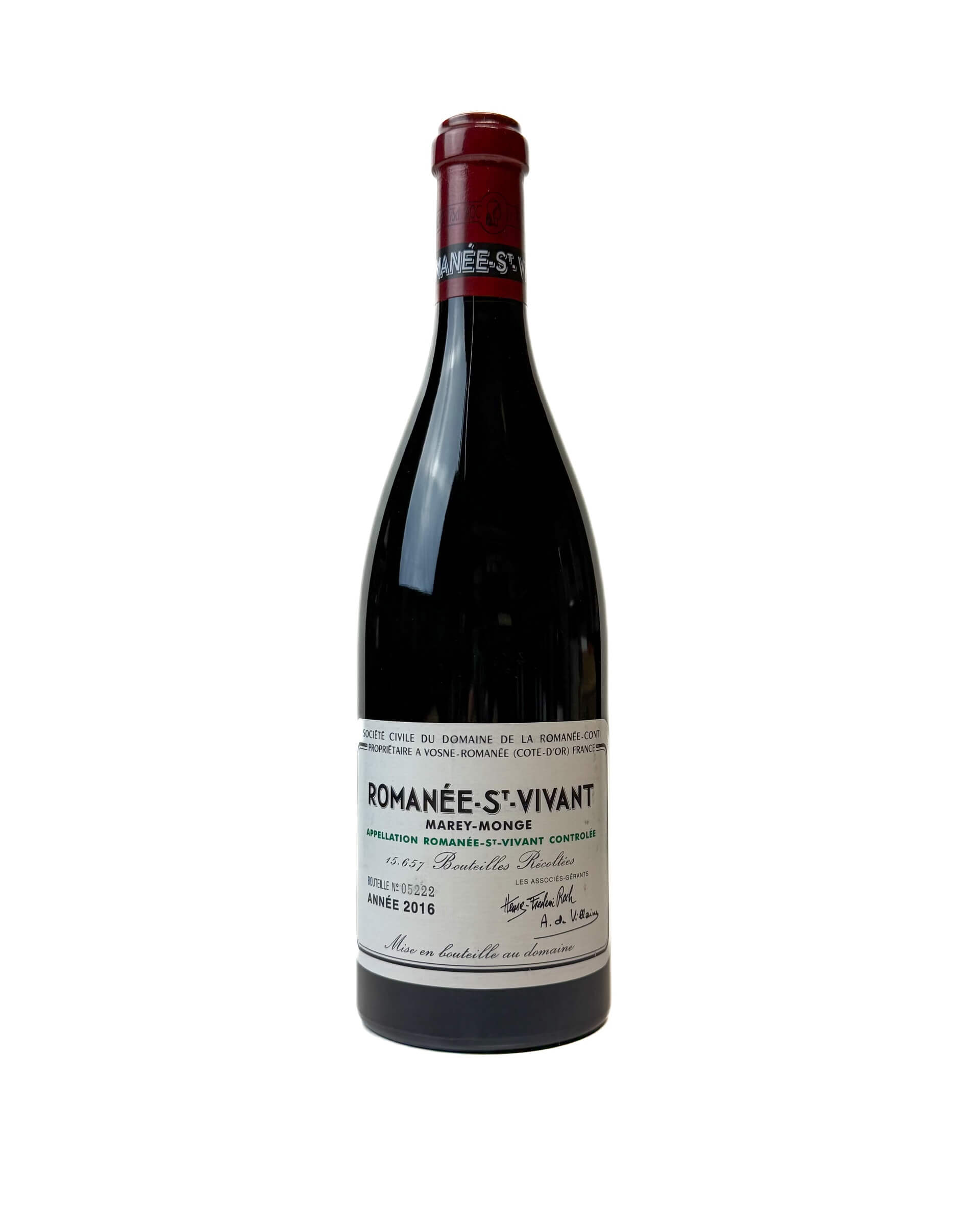
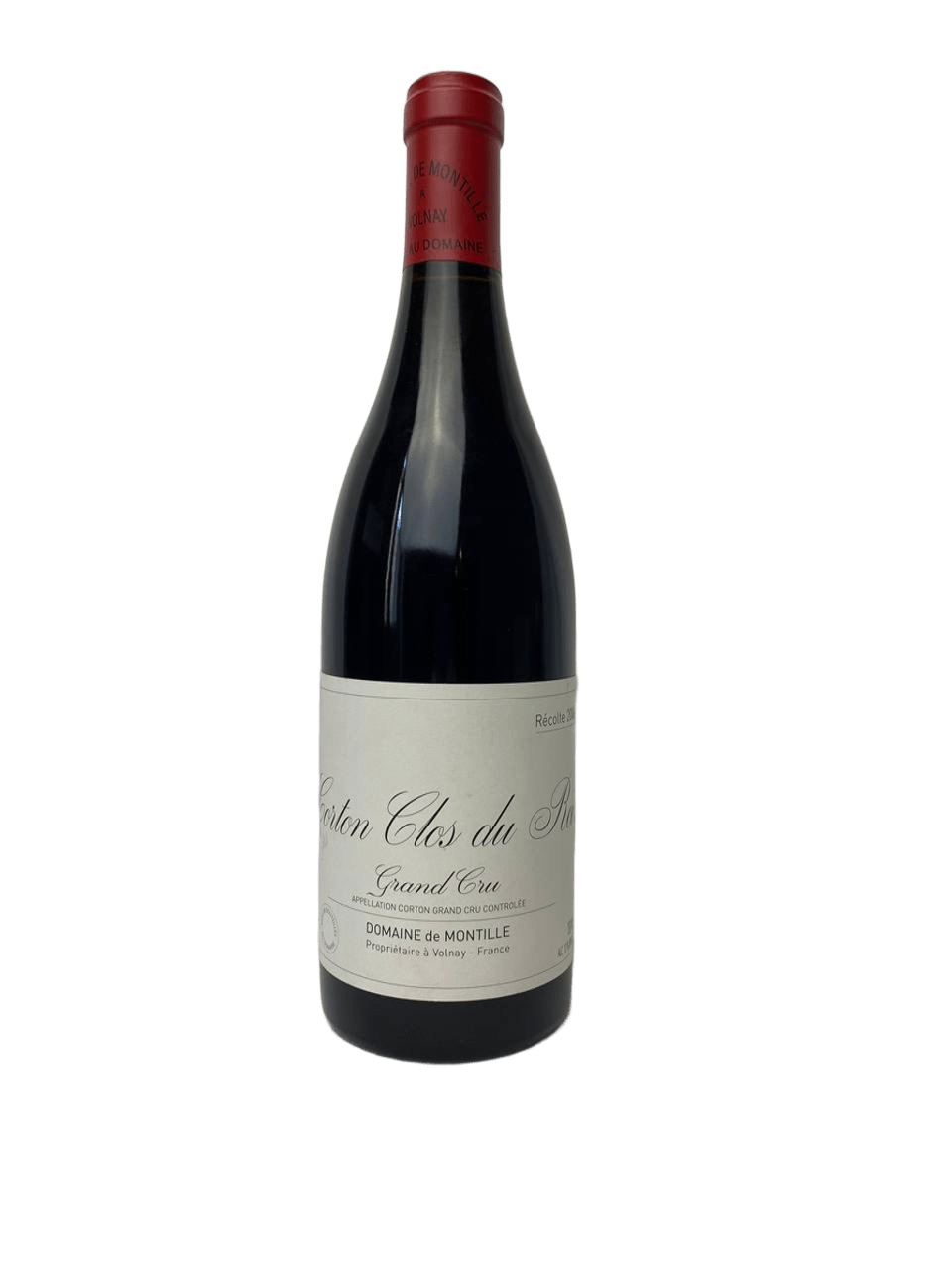
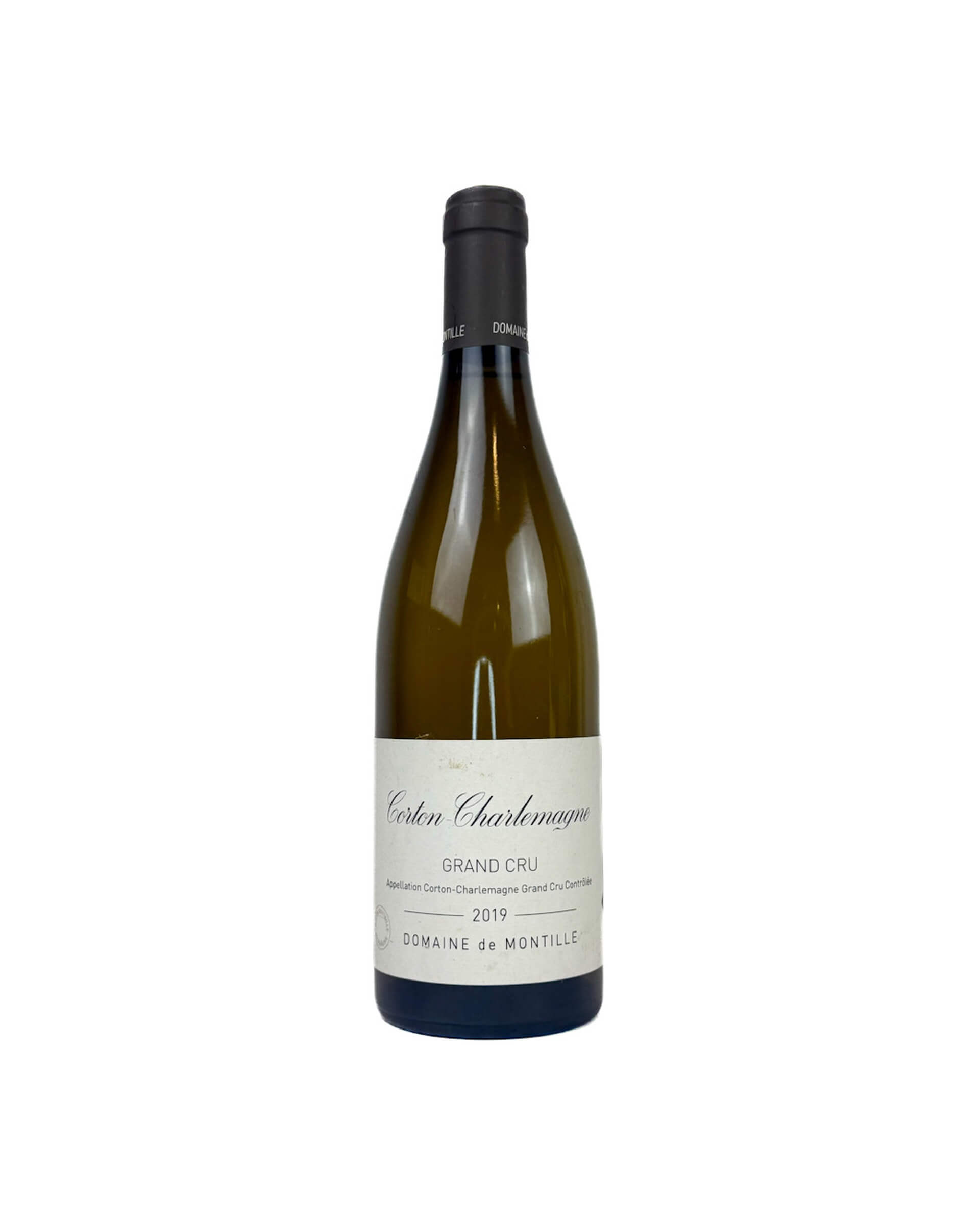
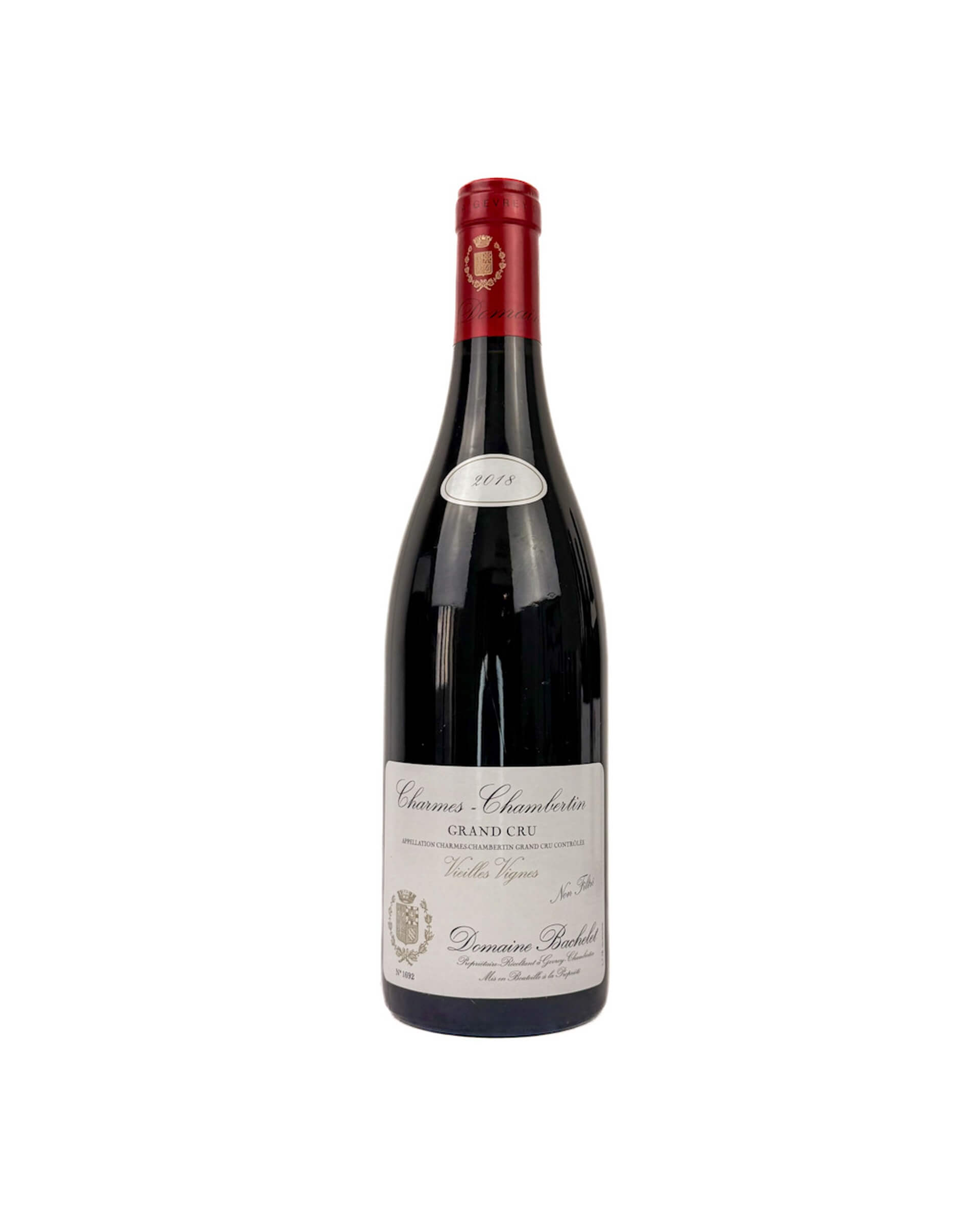
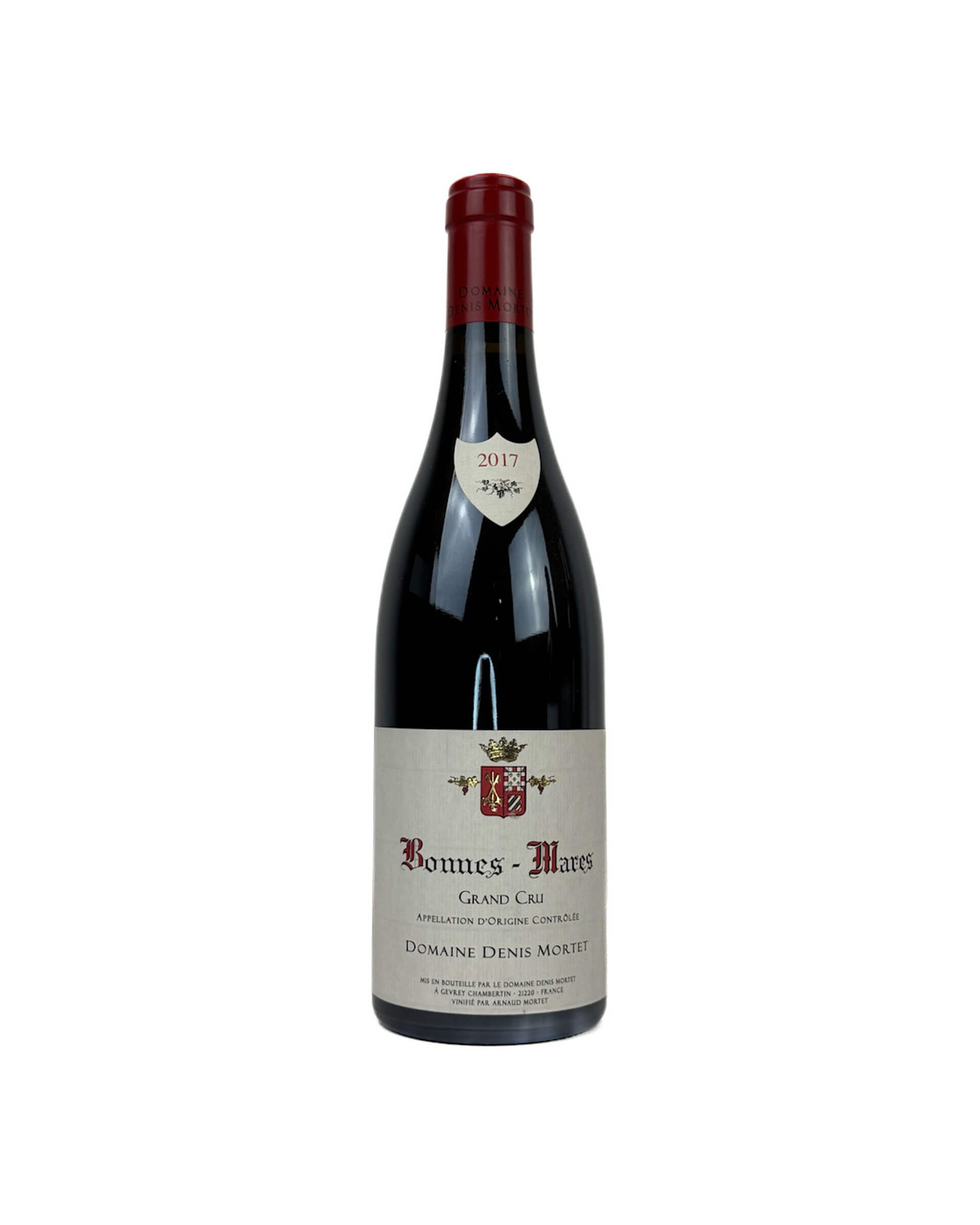
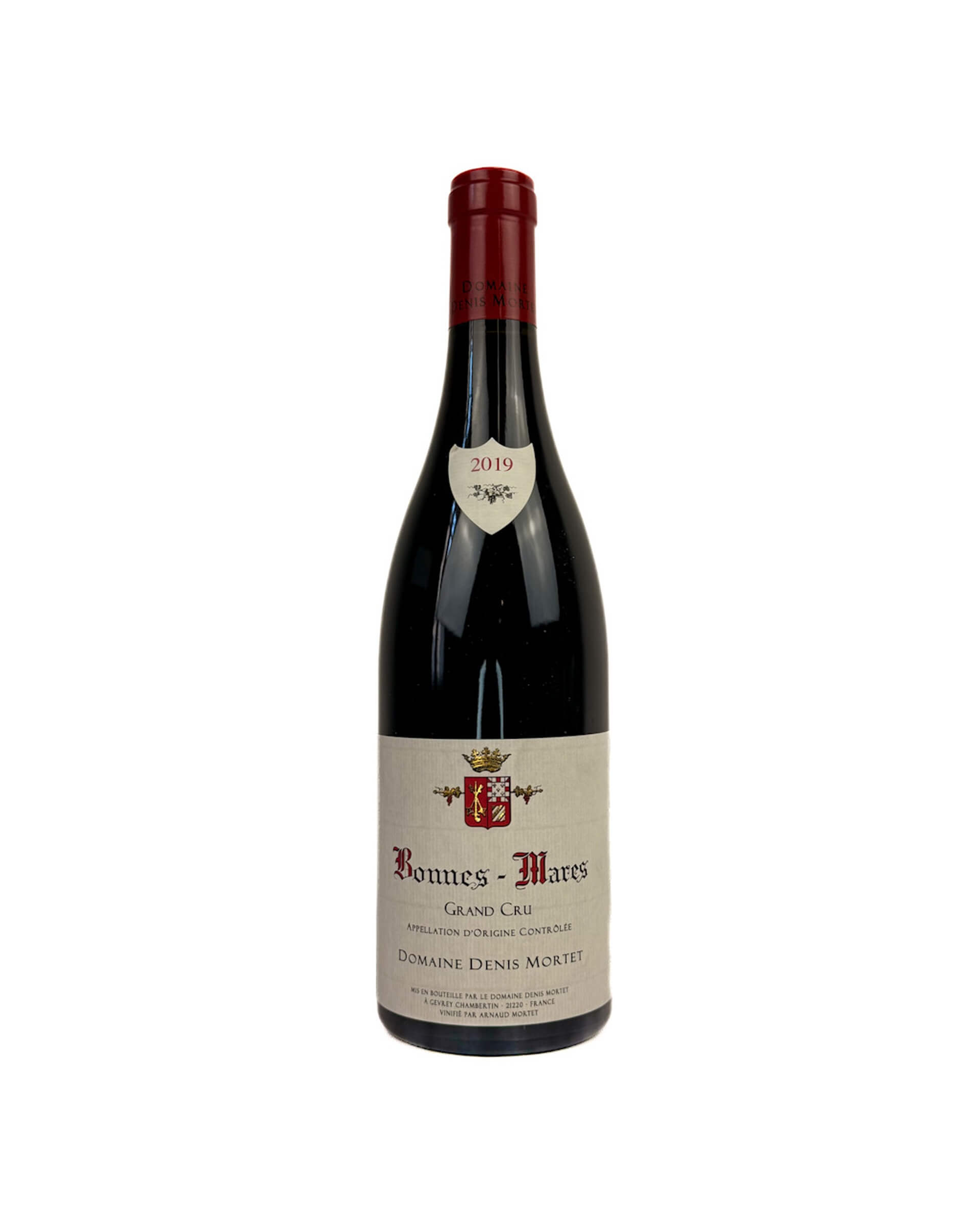
A grand cru is the highest expression of place in French wine — a designation reserved for the small handful of vineyards, villages or estates judged to consistently produce the finest possible expression of their terroir. The term literally means “great growth,” and while every serious collector recognises it, few realise that it means something quite different in each region: Burgundy classifies individual plots of land, Bordeaux classifies estates, Champagne classifies whole villages, and Alsace classifies named hillside vineyards. Our cellar holds 245 grand cru selections drawn from these regions, from around €280 for an entry-level classified bottle to most selections clustering near €1,000, with the rarest cuvées reaching far higher. This guide explains what the term means region by region, then helps you choose and buy with confidence.
At its heart, a grand cru classification is about the land, not the producer. When the French speak of a “great growth,” they are describing a specific climat — a parcel of soil, slope and exposure — whose character has proven exceptional across generations. The label rewards where the grapes grew, which is why the same producer can make a humble village wine and a towering grand cru from vineyards a few hundred metres apart.
The reason the definition feels confusing is that it is genuinely region-specific. In Burgundy, grand cru sits at the very apex of the pyramid and refers to a delimited plot of vines. In Bordeaux, the term attaches to an estate, and — crucially — “Grand Cru” on its own is actually a lower Saint-Émilion tier, sitting beneath “Grand Cru Classé” and “Premier Grand Cru Classé.” In Champagne, grand cru is a village rating, and in Alsace it marks a named hillside site. One word, four systems.
To put its rarity in perspective: grand cru accounts for less than 2% of all Burgundy production. When you open a grand cru wine, you are drinking from a tiny, jealously guarded fraction of the world’s most celebrated vineyard land.
Burgundy is where the concept reaches its purest form. Here, 33 grand cru climats are classified at the parcel level, each producing wines of singular identity from just two noble grapes: Pinot Noir for the reds and Chardonnay for the whites. The parcels are small — a typical climat covers only around five to six hectares, and some, such as the 1.8-hectare Romanée-Conti, are single-owner monopoles farmed entirely by one estate.
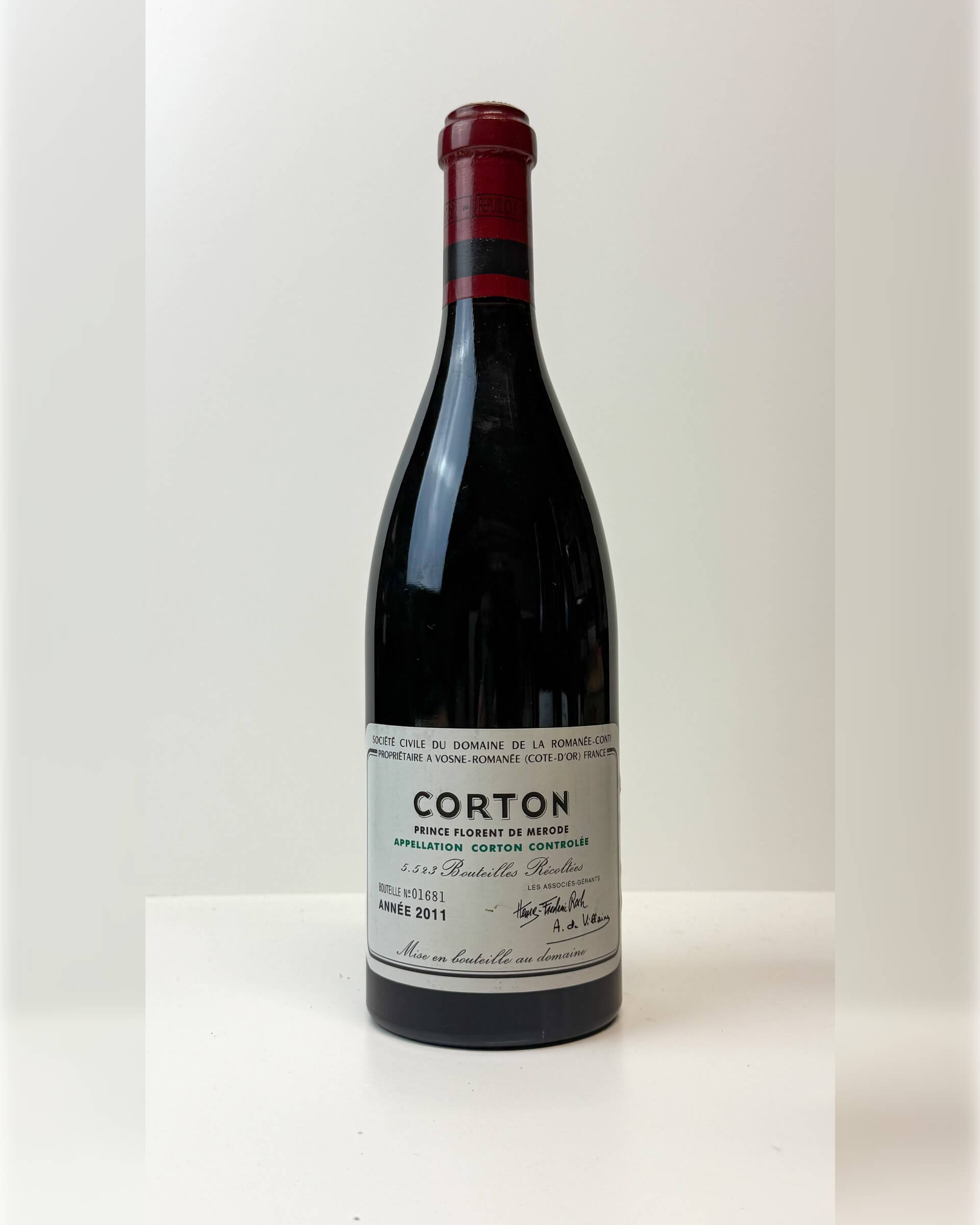
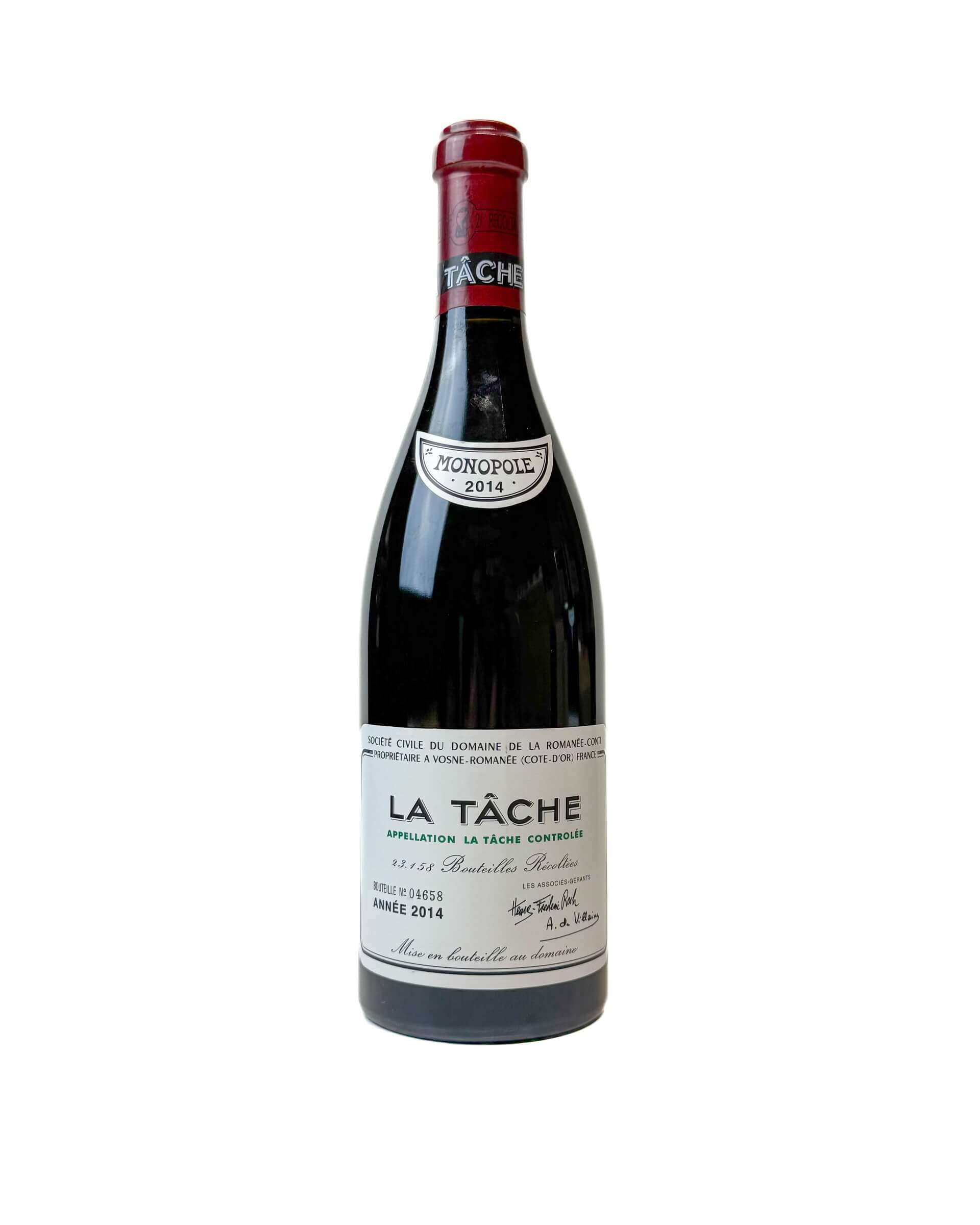
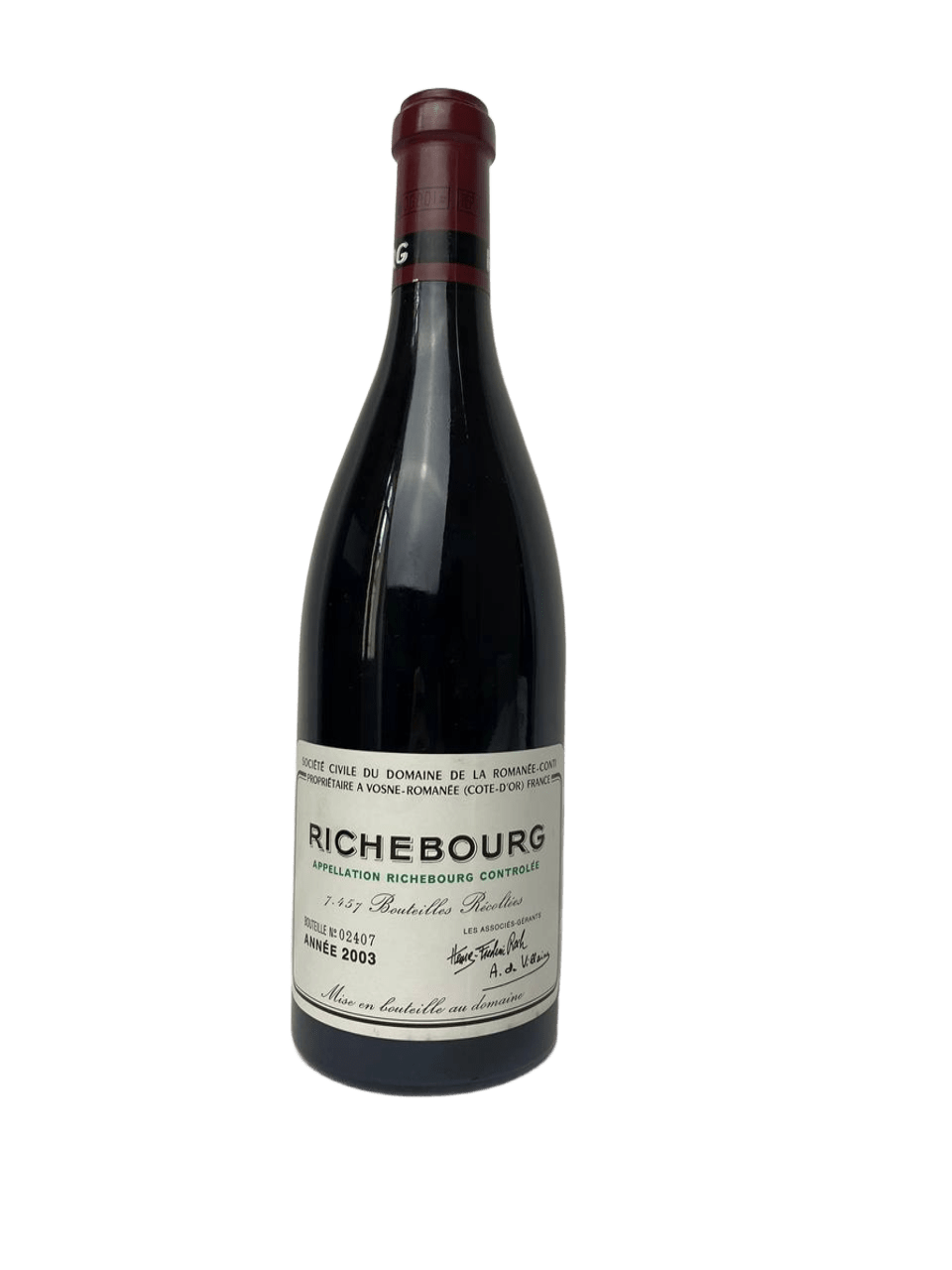
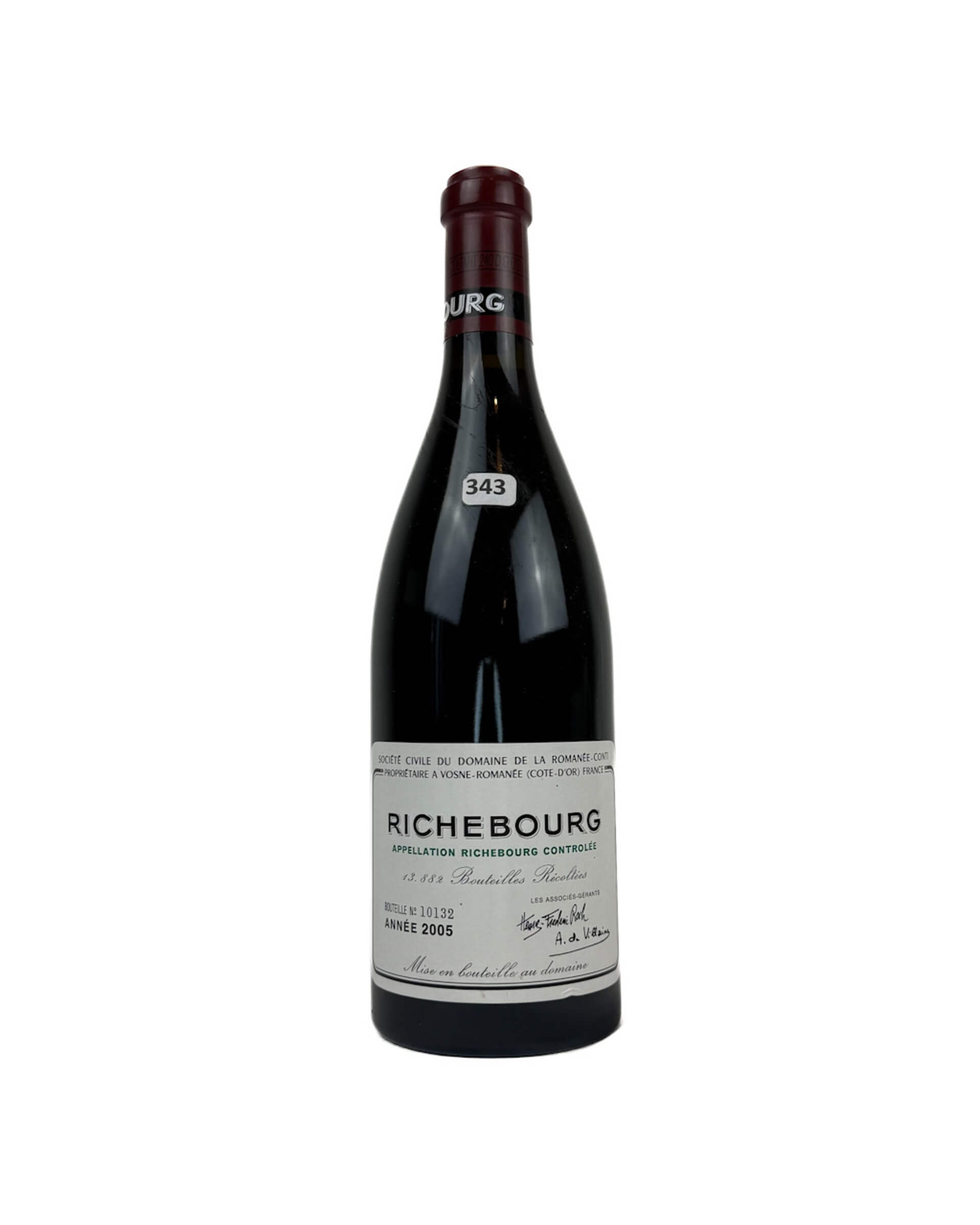
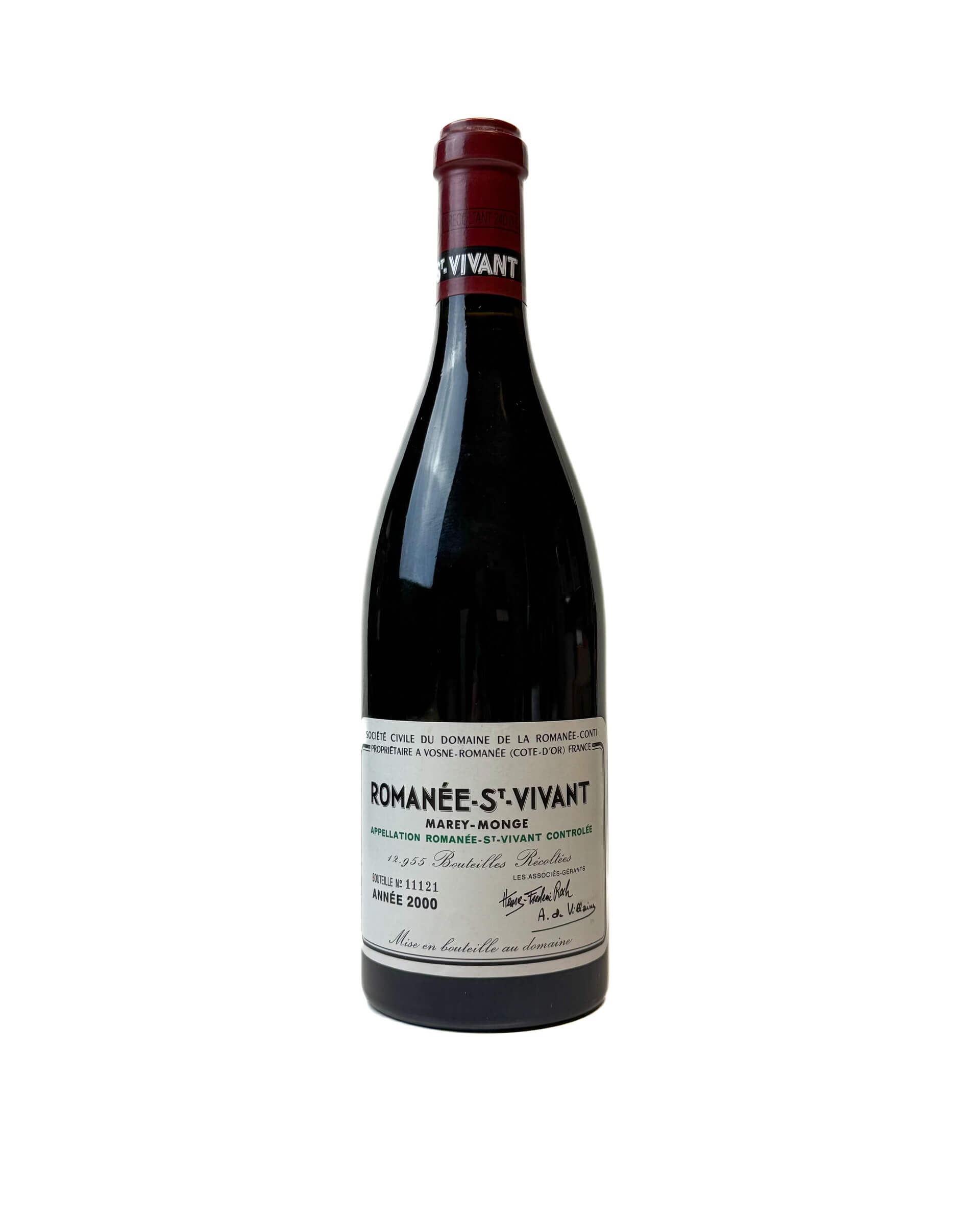
The northern half of the Côte d’Or is red-wine country, and its classified plots are among the most coveted bottles on earth. Gevrey-Chambertin alone holds nine grand crus, led by Chambertin and Chambertin Clos de Bèze, with Chapelle-Chambertin, Mazis-Chambertin and Latricières-Chambertin alongside them. Morey-Saint-Denis gives us Clos de la Roche, Clos Saint-Denis and the walled monopole Clos de Tart. Chambolle-Musigny contributes the ethereal Musigny and the powerful Bonnes-Mares, while Vougeot is defined by the historic Clos de Vougeot. Above all sits Vosne-Romanée, home to Romanée-Conti, La Tâche, Richebourg, Romanée-Saint-Vivant, Grands-Échézeaux and Échézeaux. Romanée-Conti alone yields only around 5,000 to 6,000 bottles a year from its 1.8 hectares, making it among the most allocation-constrained wines in the world.
Every one of these is Pinot Noir, and they share a signature of power married to aromatic complexity, with cellaring potential routinely running 15 to 30 years and beyond. Explore the Côte de Nuits grand crus to see the appellation that defines red Burgundy at the summit.
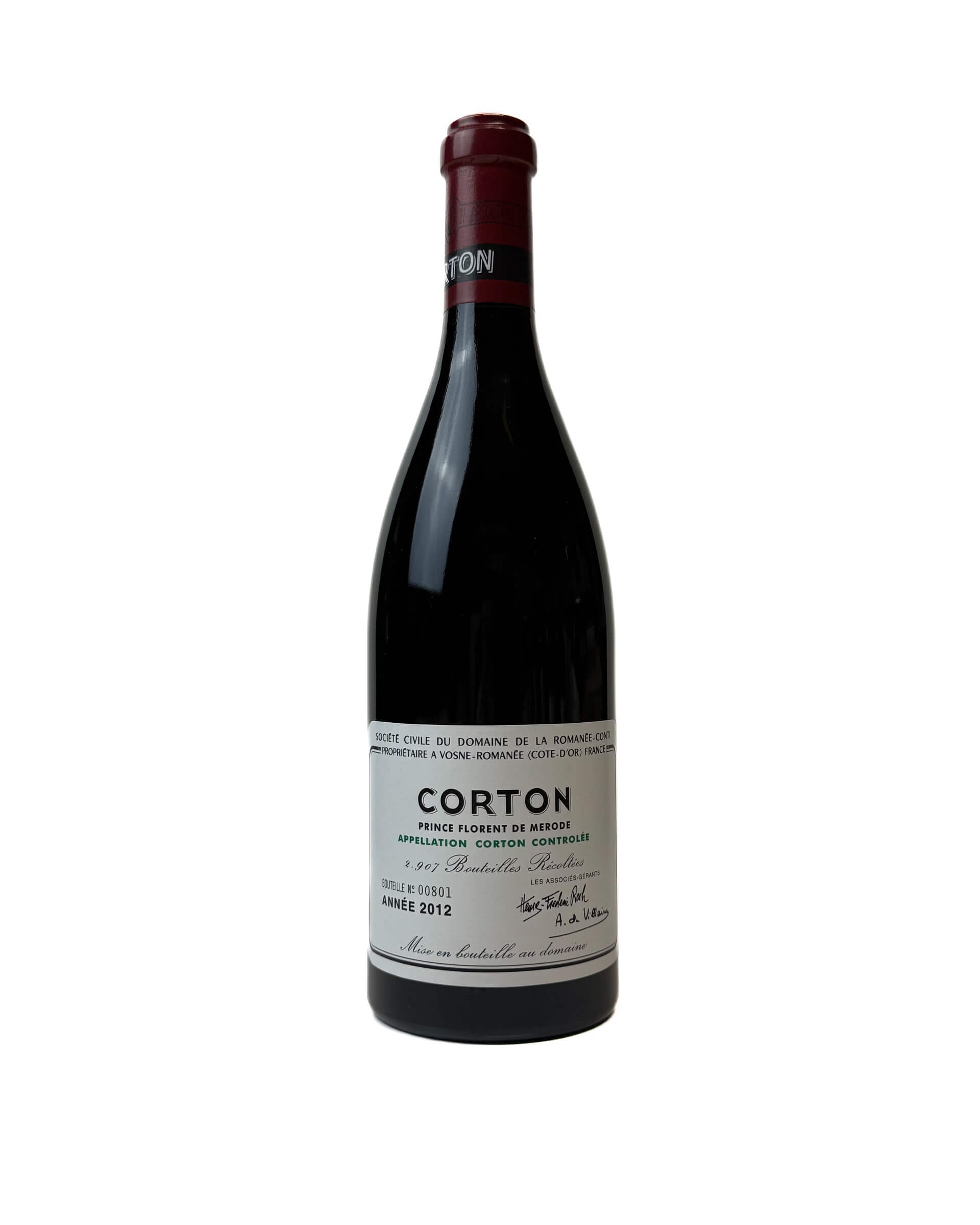
Travel south into the Côte de Beaune and the classified vineyards turn predominantly white. The Montrachet family — Montrachet itself, Chevalier-Montrachet, Bâtard-Montrachet, Criots-Bâtard-Montrachet and Bienvenues-Bâtard-Montrachet, straddling Puligny and Chassagne — is the most sought-after dry white wine in Burgundy, with Montrachet itself among the most expensive whites on the secondary market. Corton-Charlemagne produces majestic, age-worthy Chardonnay, while the broader Corton hill is unusual in carrying both red and white classified status. This is the practical buying distinction that catches many newcomers: the Côte de Nuits is almost exclusively red, while the Côte de Beaune is predominantly white.
Further north, Chablis Grand Cru stands apart with seven named climats — Les Clos, Vaudésir, Bougros, Grenouilles, Preuses, Blanchot and Valmur — all Chardonnay grown on Kimmeridgian limestone. The result is mineral, flinty and taut, outstanding with shellfish and typically the most accessibly priced of Burgundy’s classified whites — often a fraction of the cost of a comparable Côte de Beaune bottle of similar age. Browse the full range of Burgundy wines to compare red and white at every level.
Bordeaux uses “grand cru” language in two parallel systems, and understanding the difference is the key to buying well. On the Left Bank, the 1855 Classification ranks estates from Premier Cru down to Cinquième Cru — five growths in all. The five First Growths are Château Margaux, Lafite-Rothschild, Latour, Haut-Brion and Mouton Rothschild. A useful nuance: these wines are labelled “Cru Classé,” not literally “Grand Cru,” yet they represent the pinnacle of Médoc Cabernet Sauvignon. The 1855 list is famously static, barely changed in well over a century.
On the Right Bank, Saint-Émilion runs three tiers — Grand Cru, Grand Cru Classé and Premier Grand Cru Classé, the last split into categories A and B. The most recent Premier Grand Cru Classé A wines include Château Figeac and Pavie, with the historic peaks of Cheval Blanc, Ausone and (in neighbouring Pomerol, technically unclassified) Pétrus standing apart at the very top. These are Merlot and Cabernet Franc wines, and unlike the 1855 list, the Saint-Émilion classification is revised roughly every decade — most recently in 2022.
To see how these estates sit alongside one another, explore our Bordeaux selection across both banks.
Champagne handles the term differently again: here the rating belongs to an entire village, not a single plot or estate. Under the historic Échelle des Crus, seventeen communes earned the full 100% rating, grouped here by sub-zone and dominant grape:
Because style follows geography, the village on the label tells you about the source: a Côte des Blancs cuvée will lean taut and mineral, while a Montagne de Reims bottling leans richer and broader. A bottle from one of these villages may be vintage or non-vintage, and house style still varies considerably, so the commune indicates origin rather than guaranteeing a single flavour.
Alsace is the grand cru region most often overlooked, and that makes it one of the smartest places to buy. There are 51 classified grand cru sites strung along the foothills of the Vosges mountains, and only four grape varieties may carry the designation: Riesling, Gewurztraminer, Pinot Gris and Muscat.
The famous sites read like a tour of the range — Schlossberg above Kaysersberg, the steep volcanic Rangen at Thann (the southernmost grand cru), Hengst at Wintzenheim and Brand at Turckheim. Style shifts dramatically with the underlying soil: granite sites yield lean, tense, mineral Riesling, while limestone and clay give richer, broader Pinot Gris. These are serious cellar candidates too — a fine Alsace Riesling grand cru can age gracefully for 15 to 25 years, offering aromatic complexity at prices that remain remarkably accessible next to Burgundy.
These wines reward thoughtful pairing and correct serving temperature. A few degrees too warm or too cold can mute even the greatest bottle. The guidance below covers the main styles in our cellar.
Honest pricing is the best place to start. Grand cru wines in our cellar begin from around €280 for entry-level classified bottles, with the majority of selections priced near the €1,000 mark. Top-tier wines — exceptional vintages and sought-after domaines — reach €3,750 and above, while the rarest cuvées in the cellar climb to €43,000. The full catalogue of 245 selections spans this entire spectrum, so there is a credible entry point at almost every level of ambition.
Three considerations should shape your choice:
If a grand cru sits beyond your budget for a given occasion, the natural step down is to our Premier Cru wines, which deliver much of the same terroir character — often from the very same villages — at gentler prices.
In Burgundy, Grand Cru sits at the apex of the classification pyramid, one step above Premier Cru. Grand cru wines carry only the vineyard name on the label — Chambertin or Romanée-Conti, for example — while premier cru wines pair the village name with the climat. In practice, the top vineyards yield wines of greater concentration, complexity and ageing potential, and carry significantly higher prices. In Bordeaux the language is reversed: there, Premier Grand Cru Classé A is the highest tier, sitting above Premier Grand Cru Classé B and Grand Cru Classé.
No. Burgundy’s Côte de Beaune produces some of the world’s greatest white grand crus — Montrachet, Bâtard-Montrachet and Corton-Charlemagne are all Chardonnay — and Chablis Grand Cru is white as well. Champagne Grand Cru can be a Blanc de Blancs (100% Chardonnay), a Blanc de Noirs or a blend, while Alsace Grand Cru spans Riesling, Gewurztraminer, Pinot Gris and Muscat. Red dominates only in the Côte de Nuits and on Bordeaux’s classified estates.
Most grand cru wines are built for the long term. Entry-level bottles around the €280 mark are often approachable from 8 to 12 years of age, while the finest examples from Burgundy and Bordeaux in great vintages can evolve for 30 to 50 years under proper cellar conditions. Alsace Riesling ages comfortably for 15 to 25 years.
The variation reflects terroir, producer reputation, vintage quality and rarity. A Chablis Grand Cru from a dependable producer occupies a very different price point from a Gevrey-Chambertin by a celebrated domaine, which is in turn worlds apart from a bottle of Romanée-Conti.
Written by the Tour de Wine buying team. Last reviewed: June 2026.
This site is restricted to adults. By entering, you confirm that you are of legal drinking age in your country of residence.