
93, 95
0,75
2013
Domaine Patrice Rion
Wines, producers, regions...
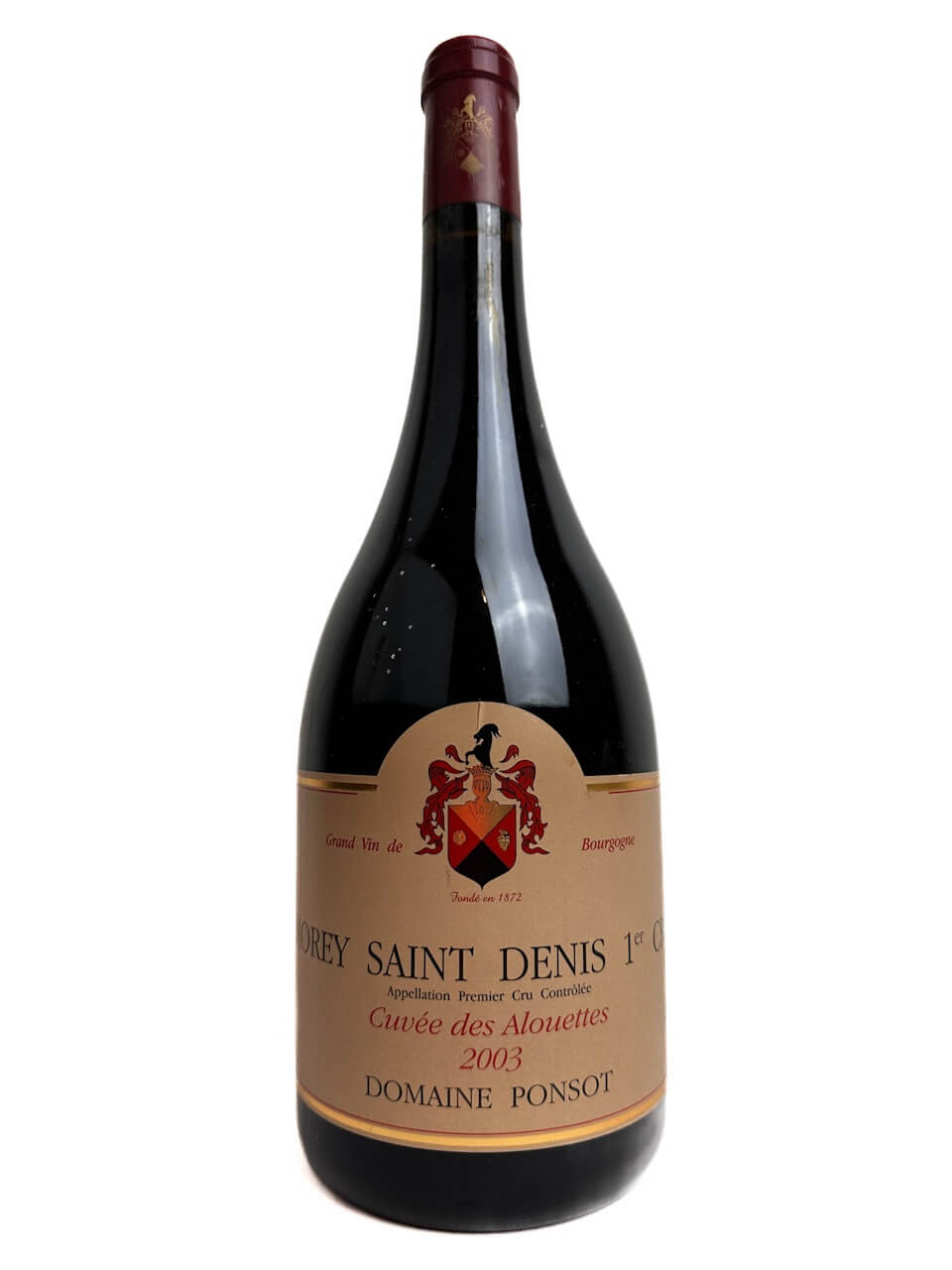
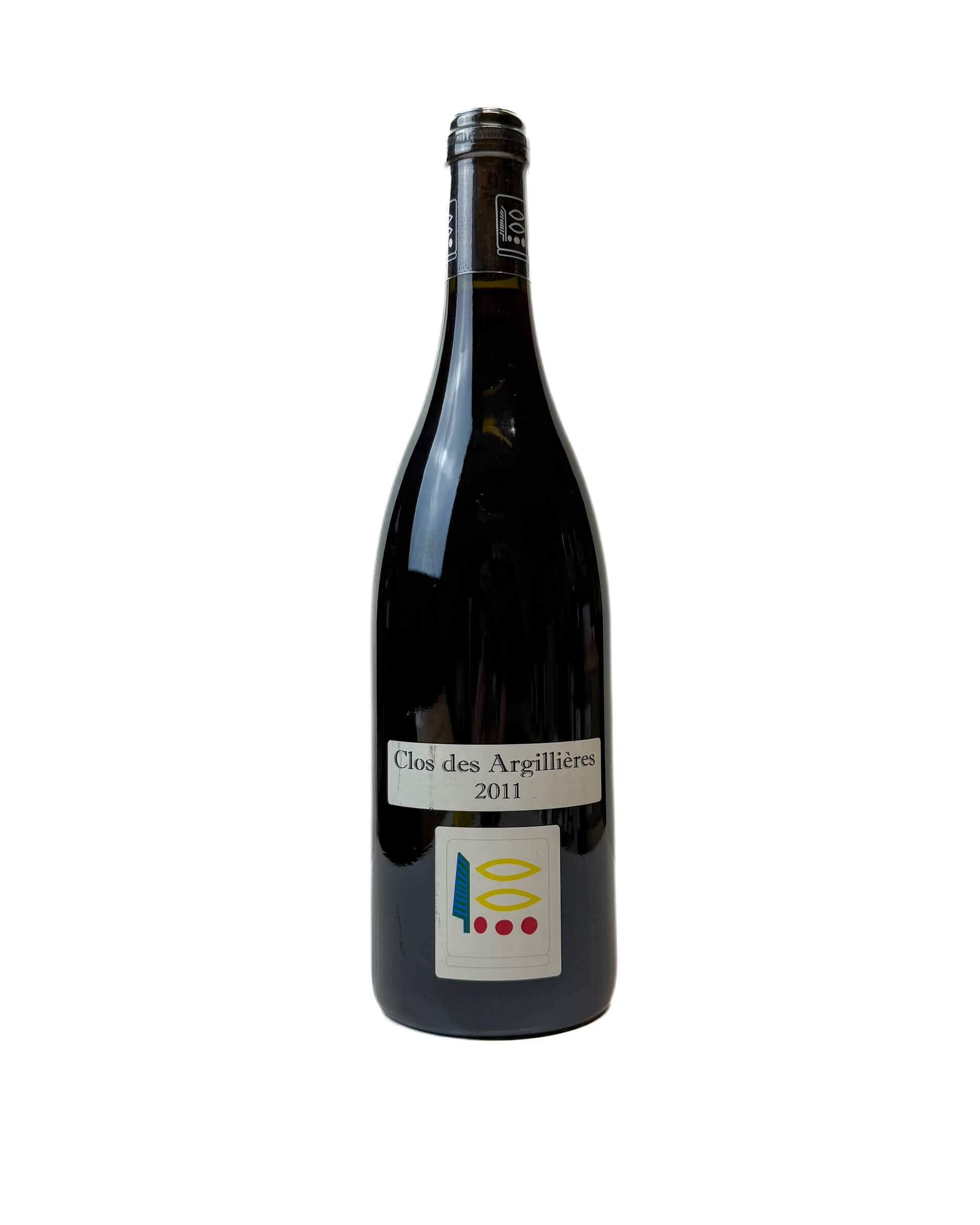
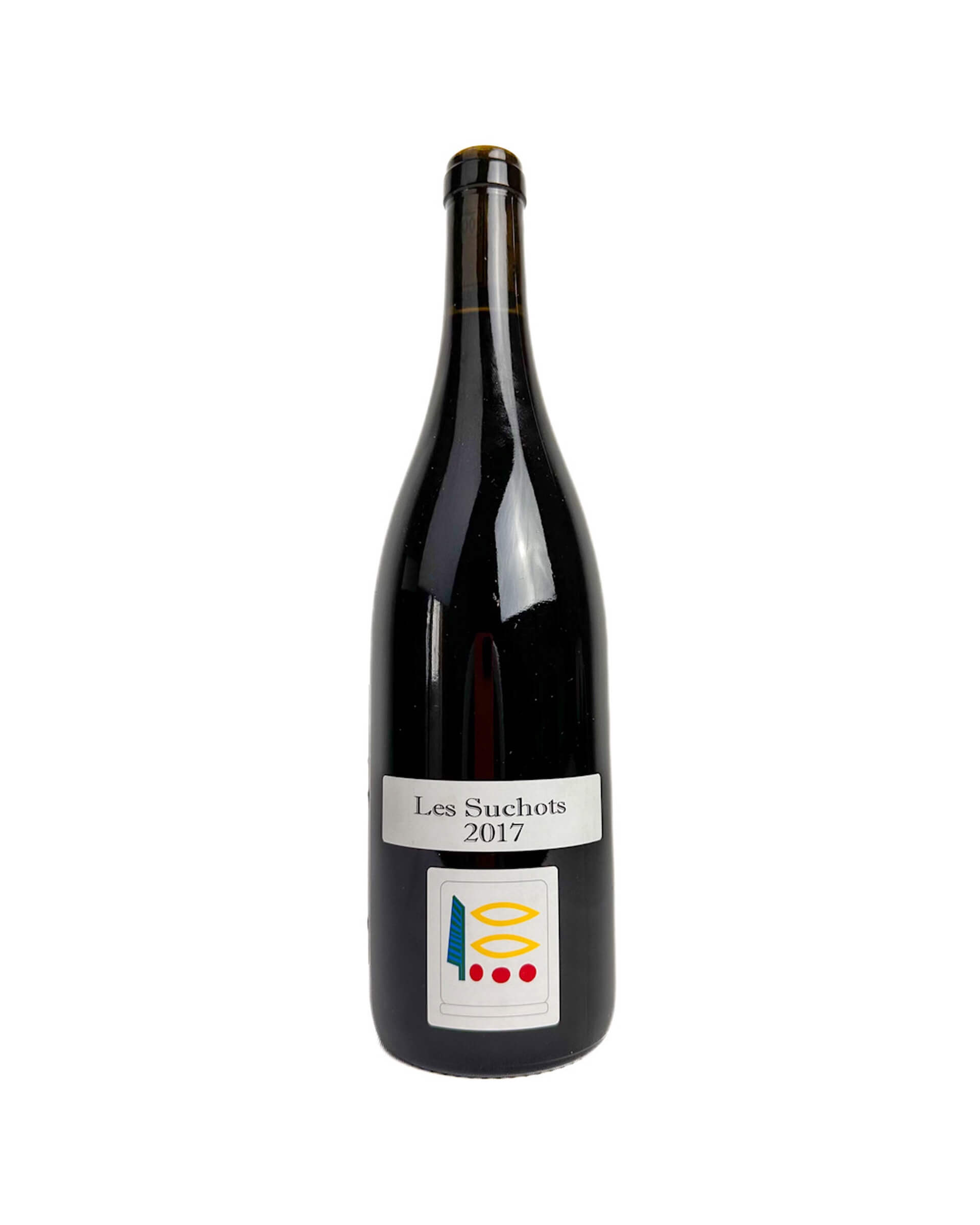
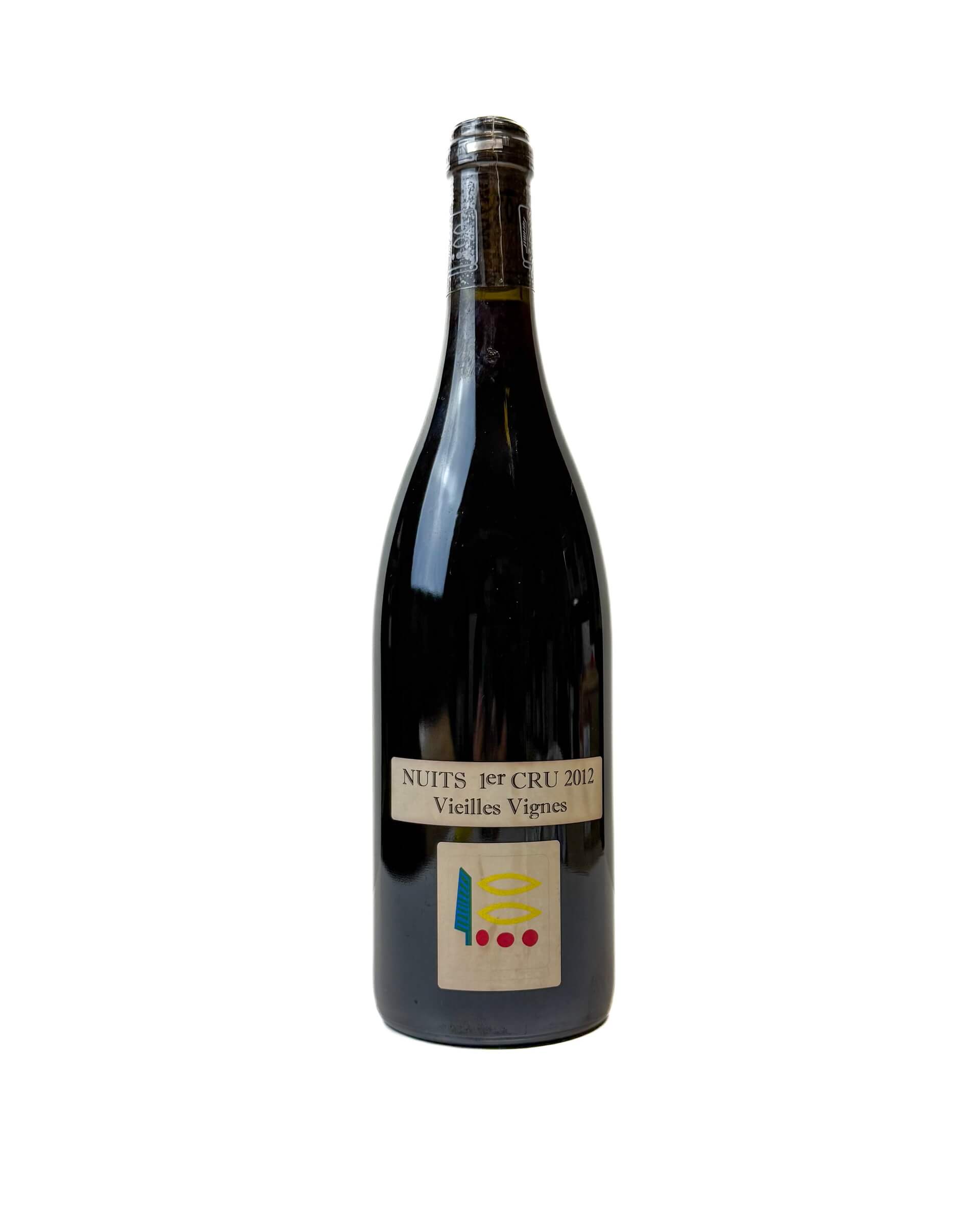
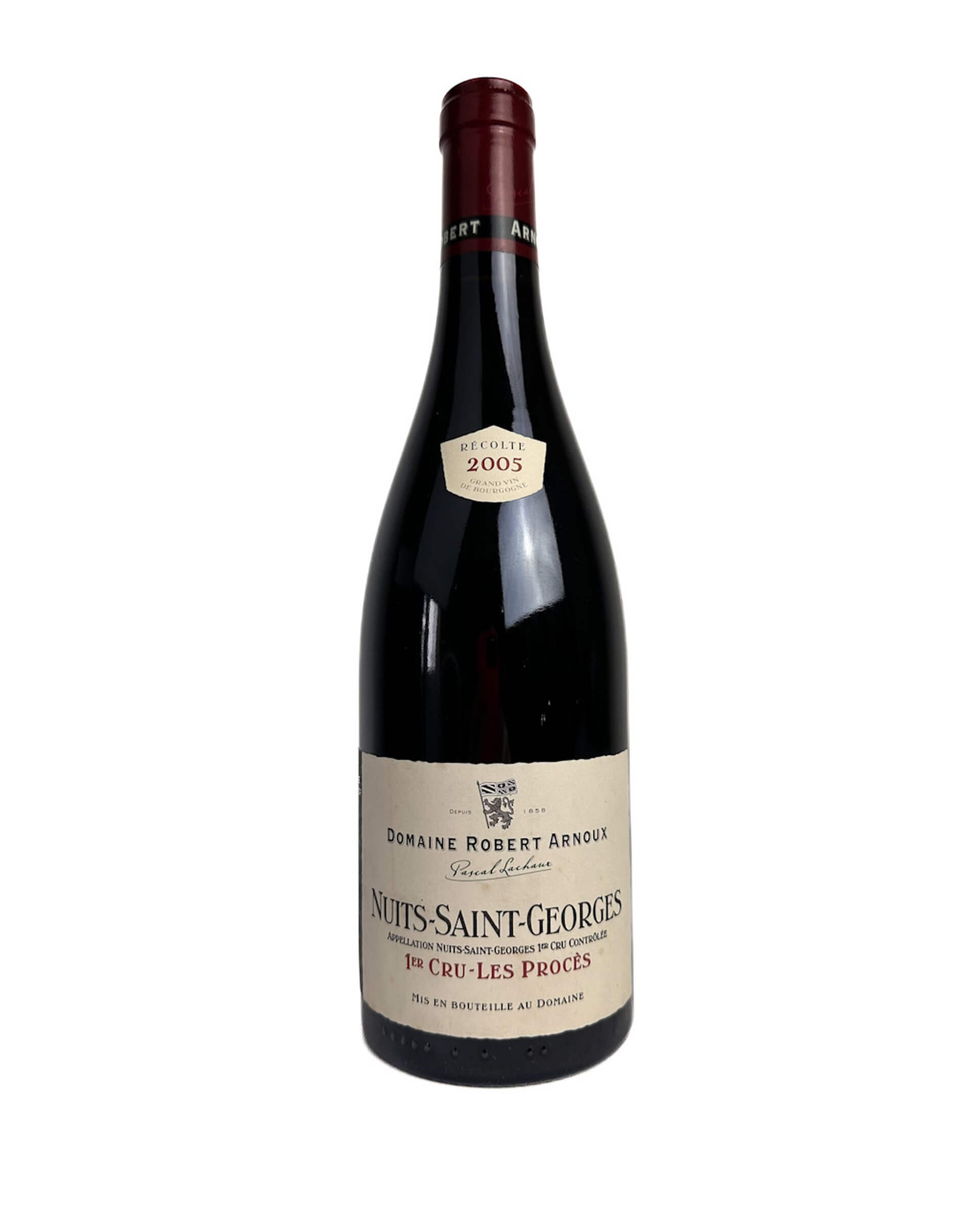
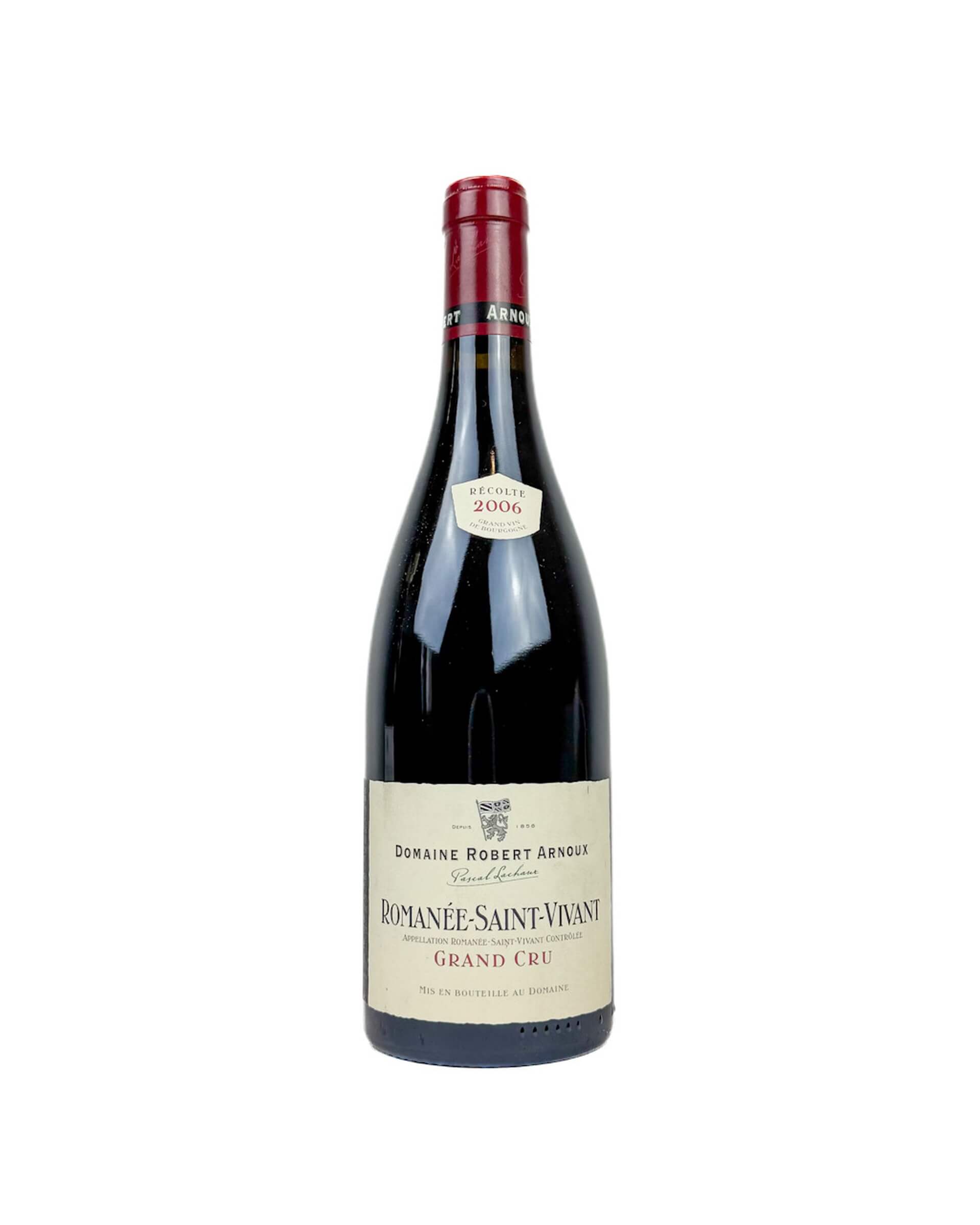
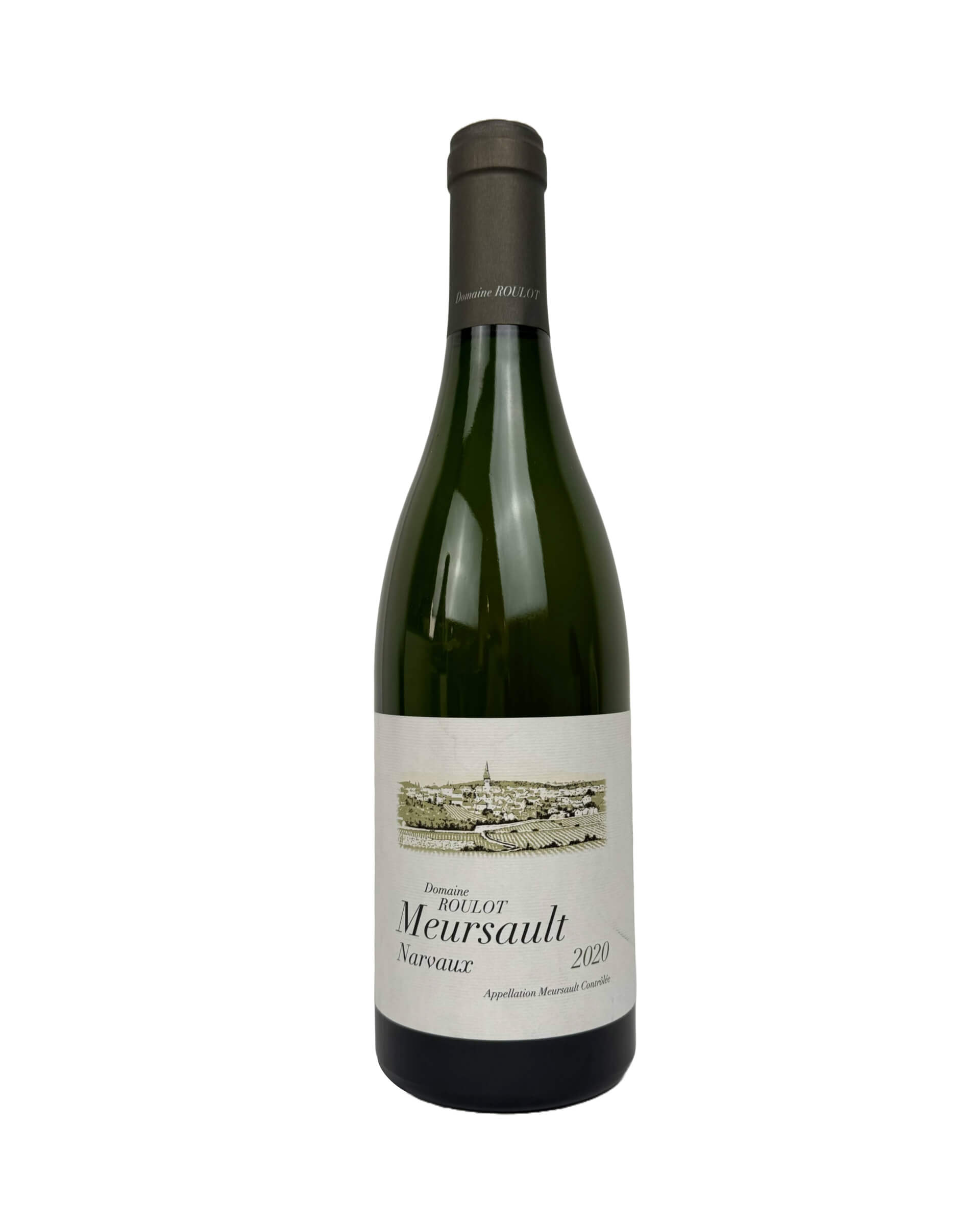
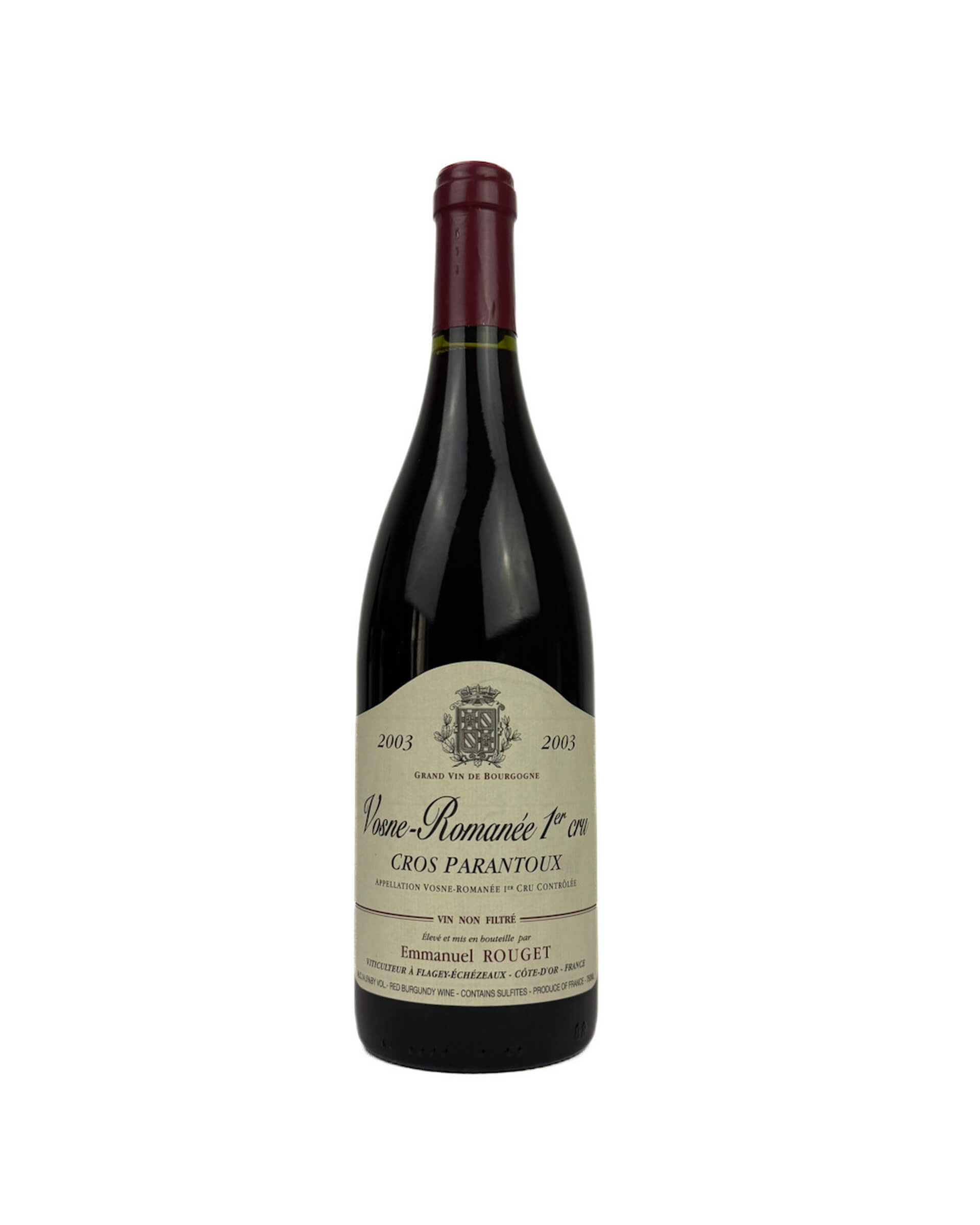
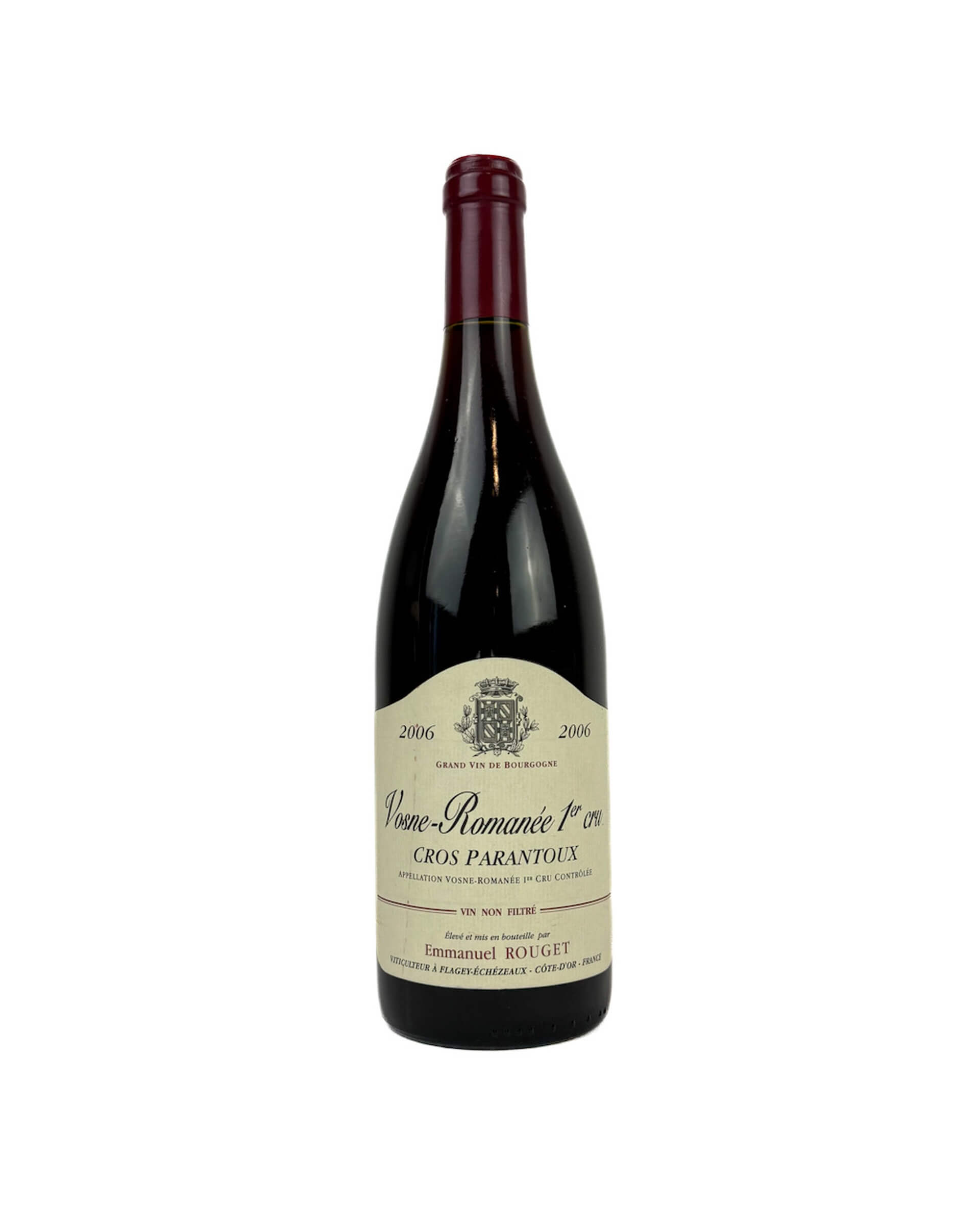
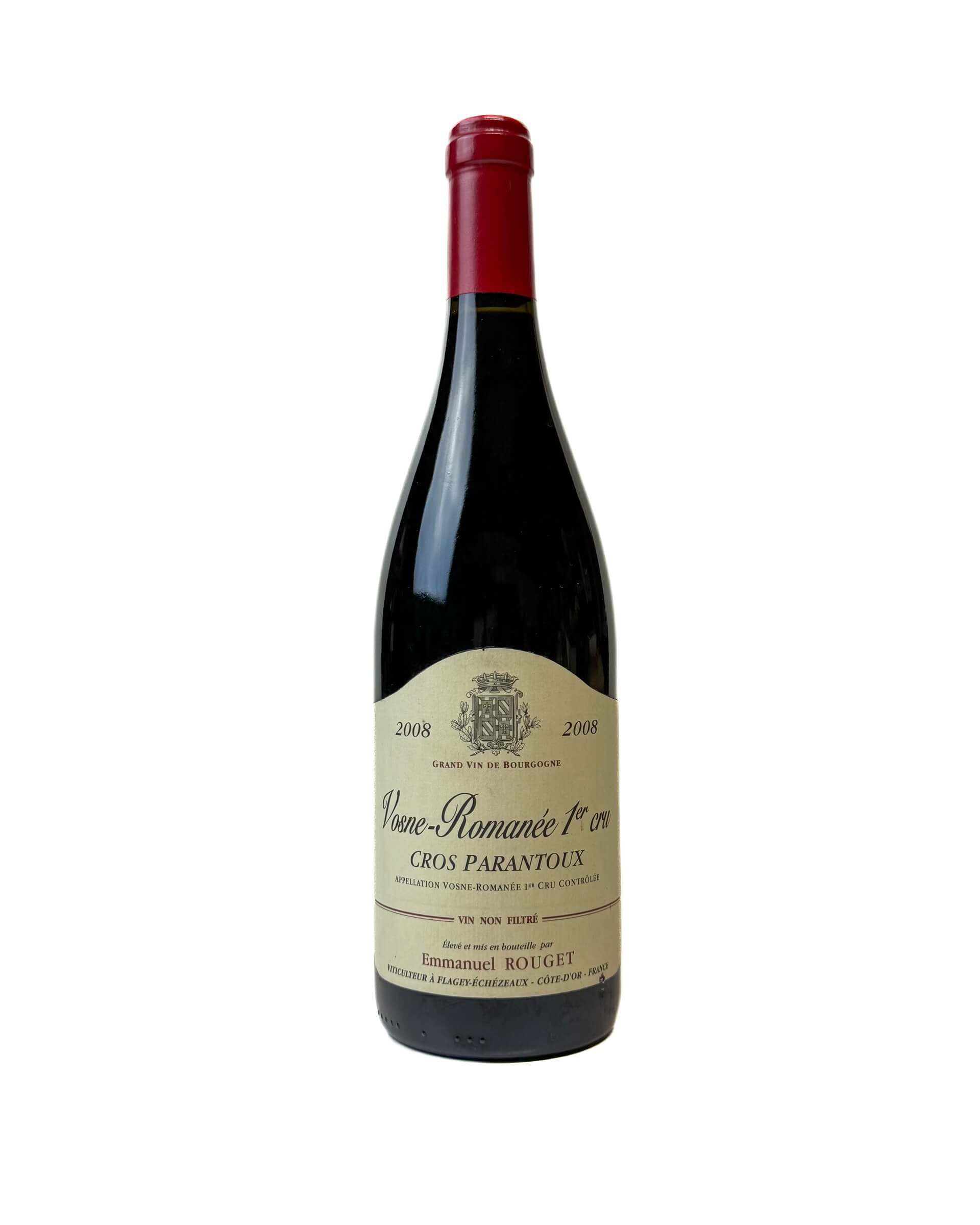
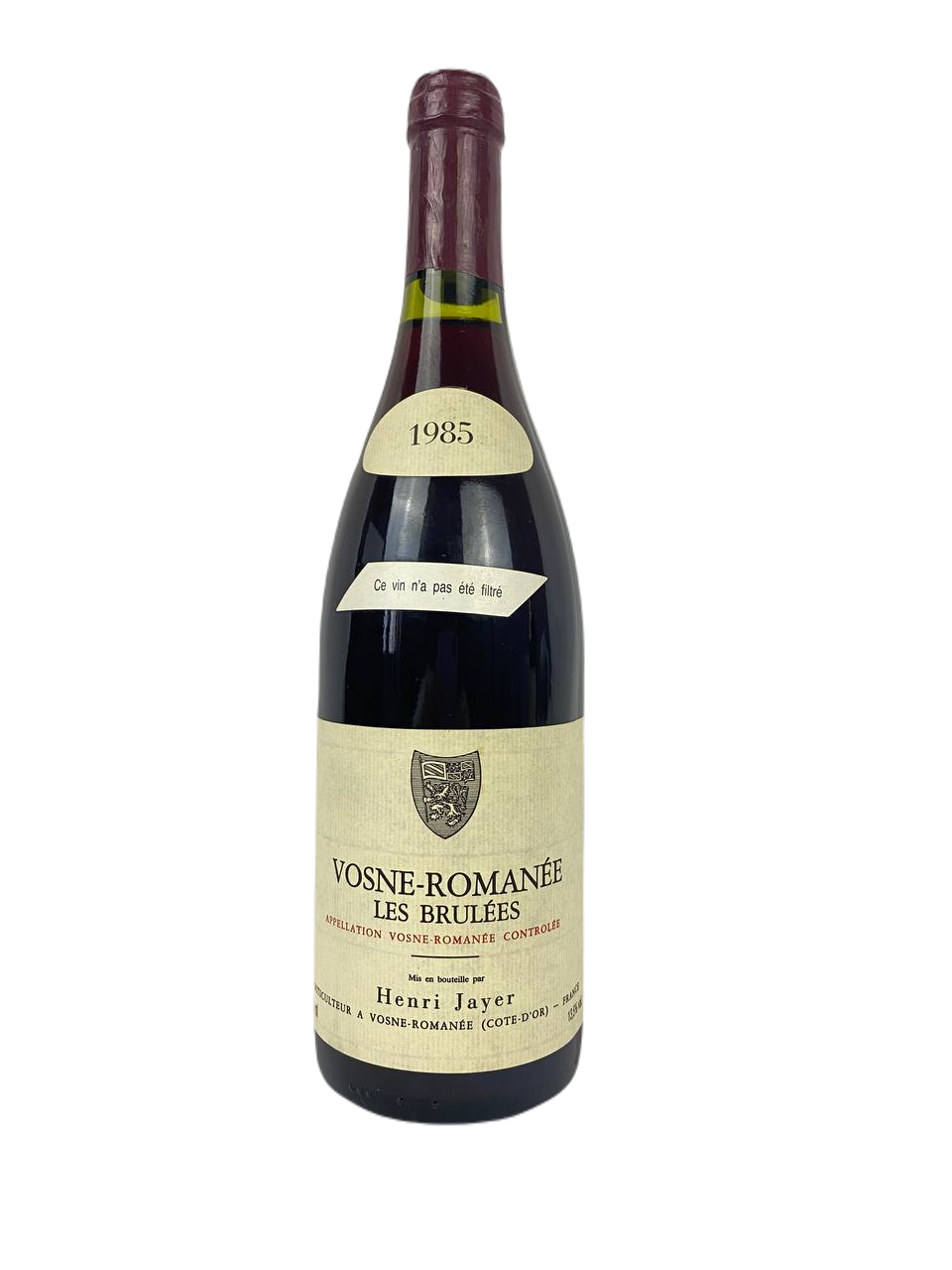
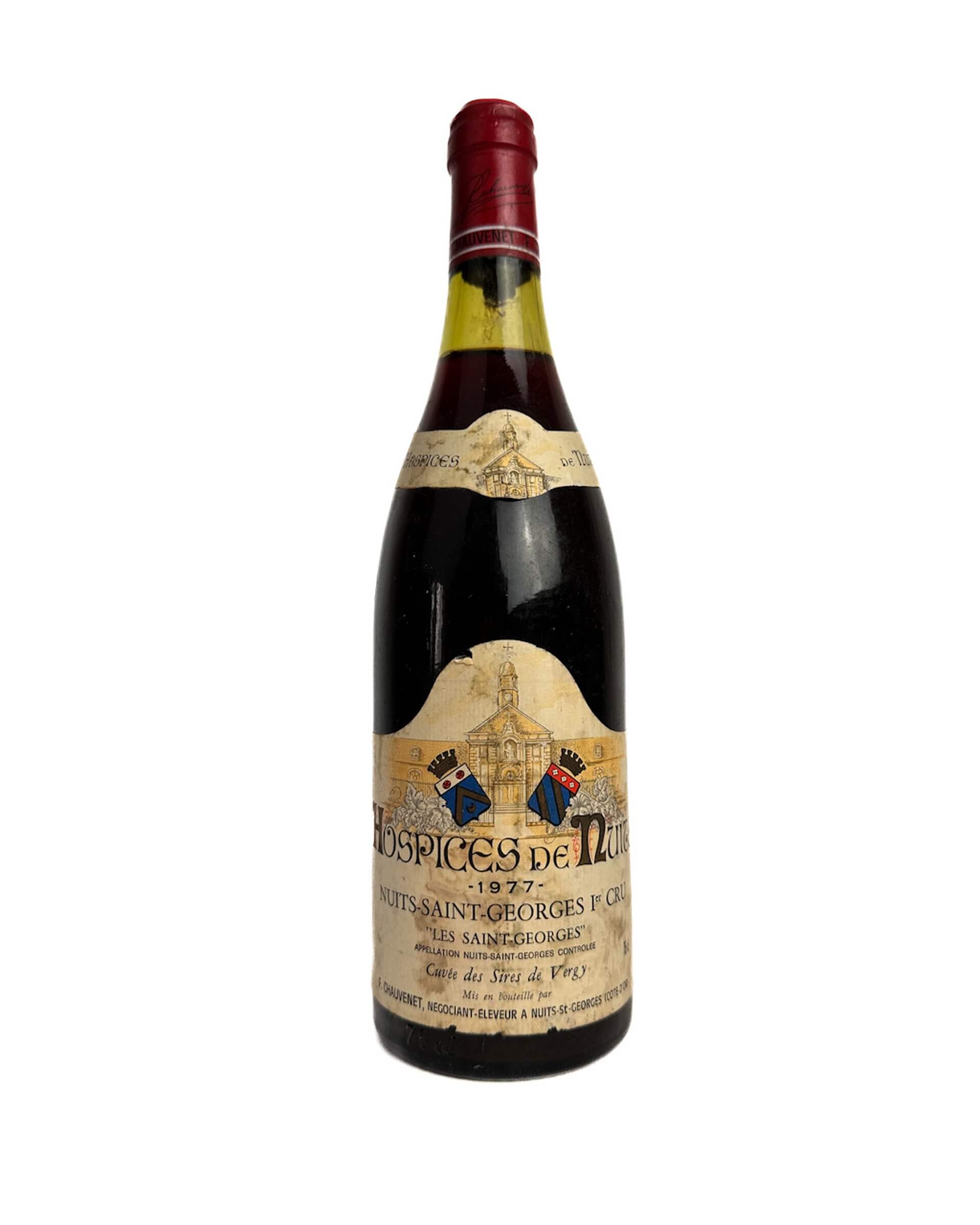
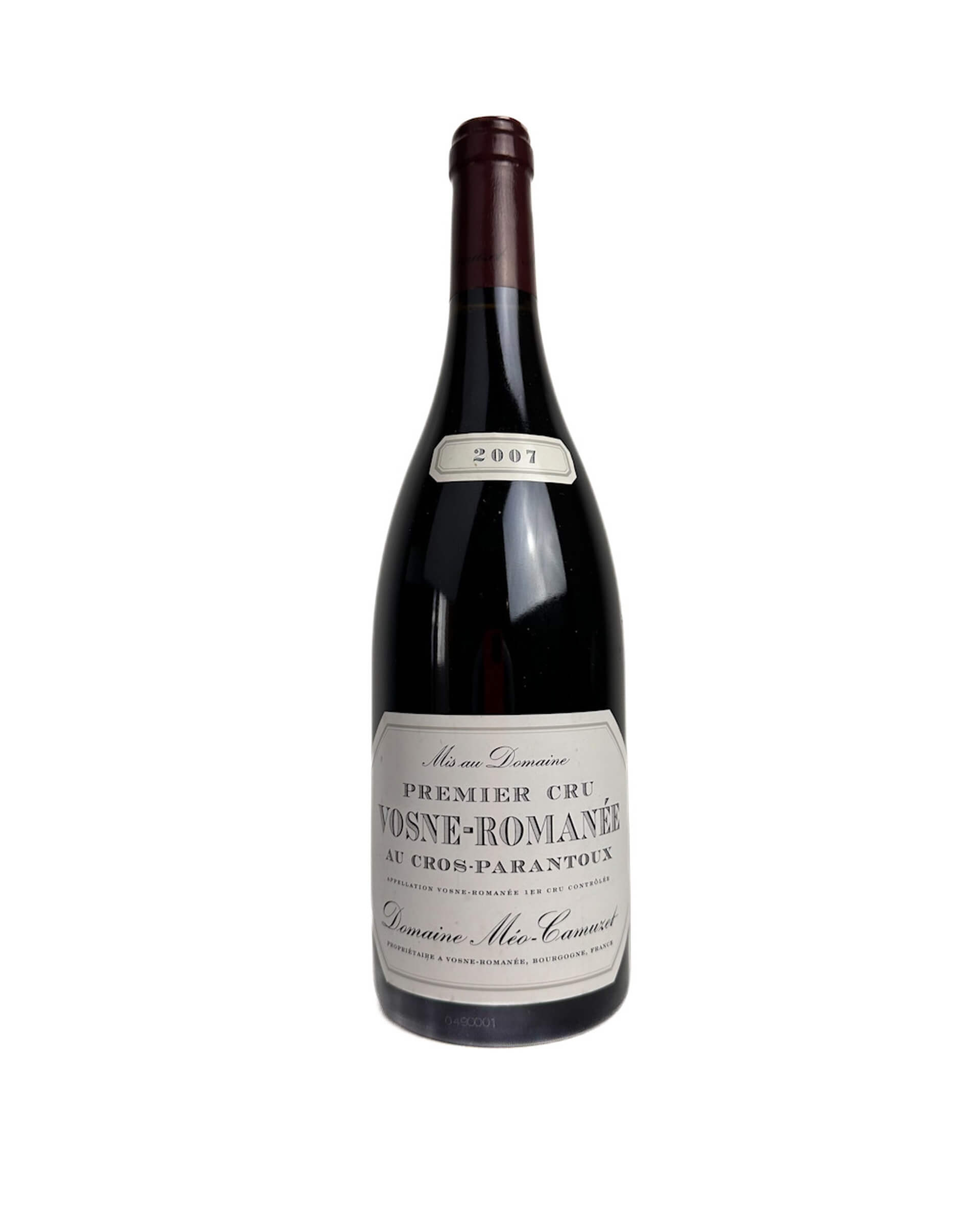
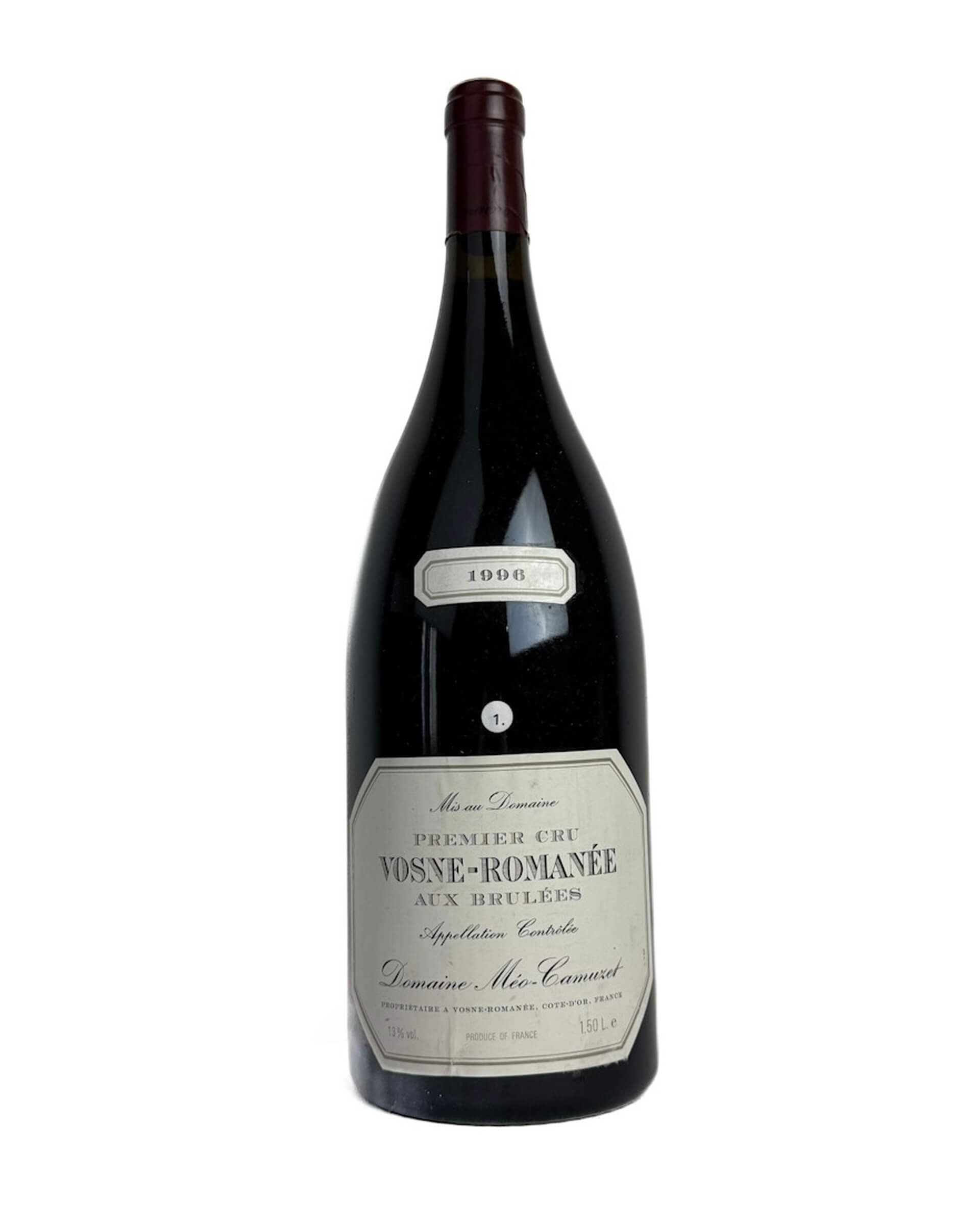
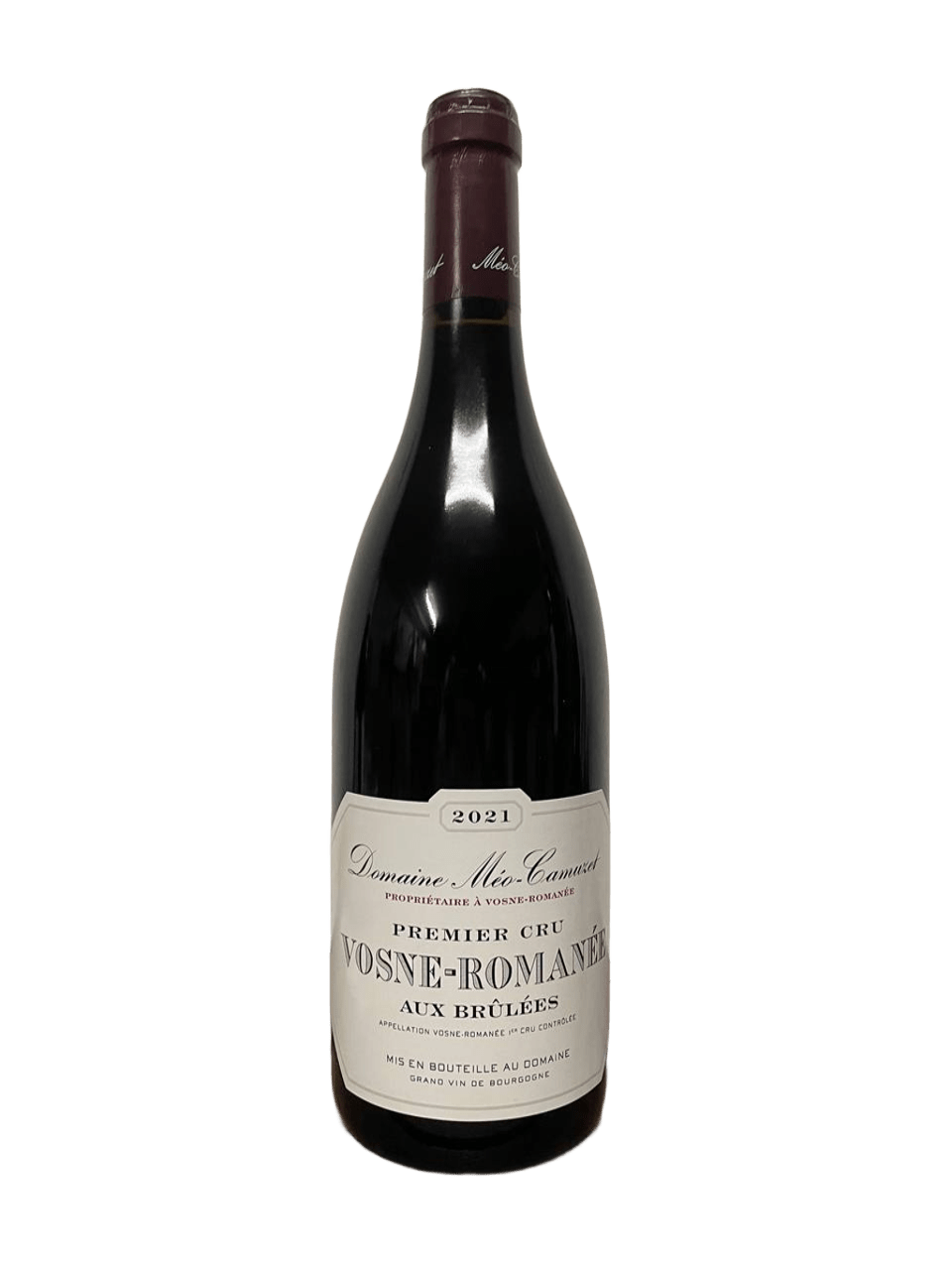
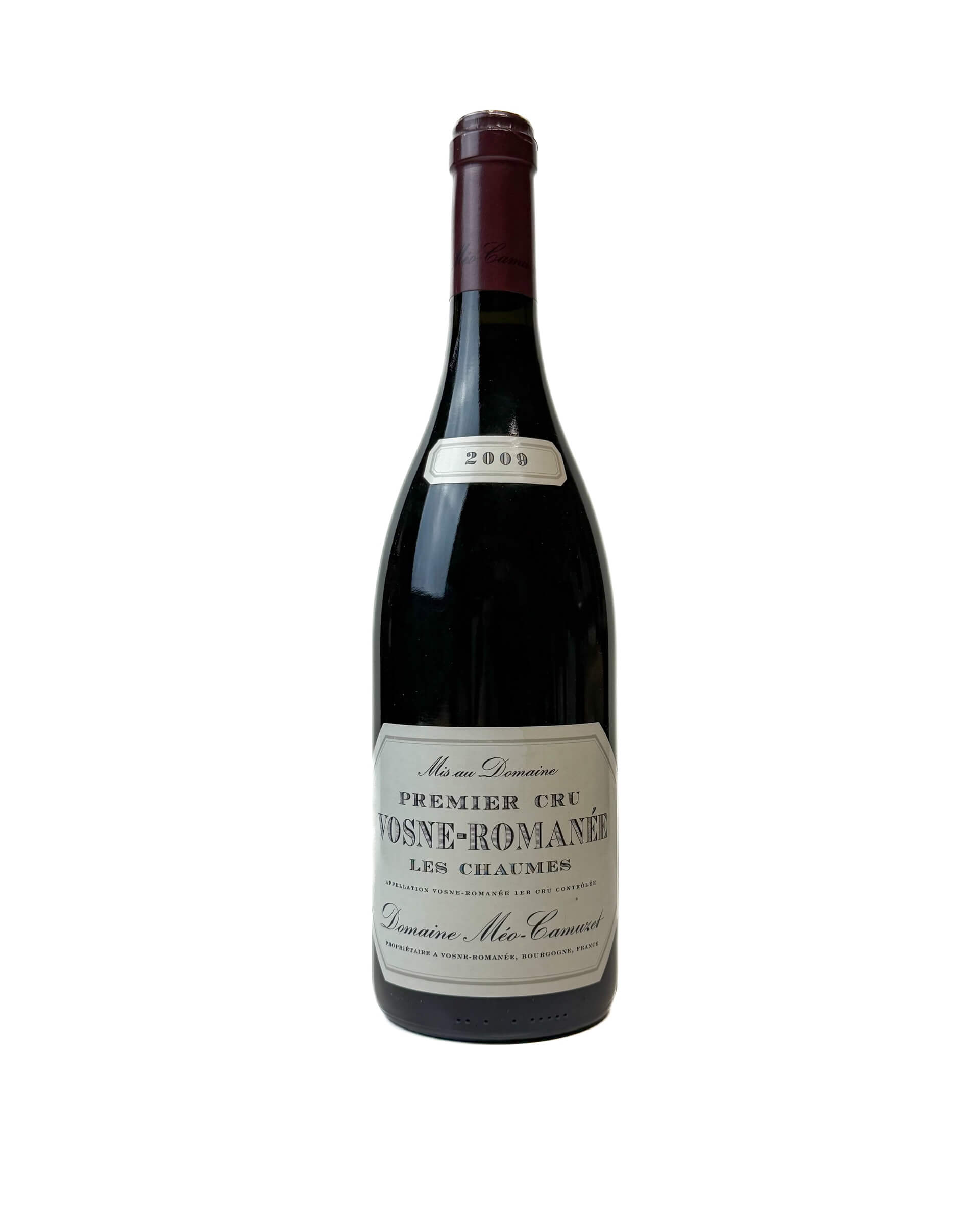
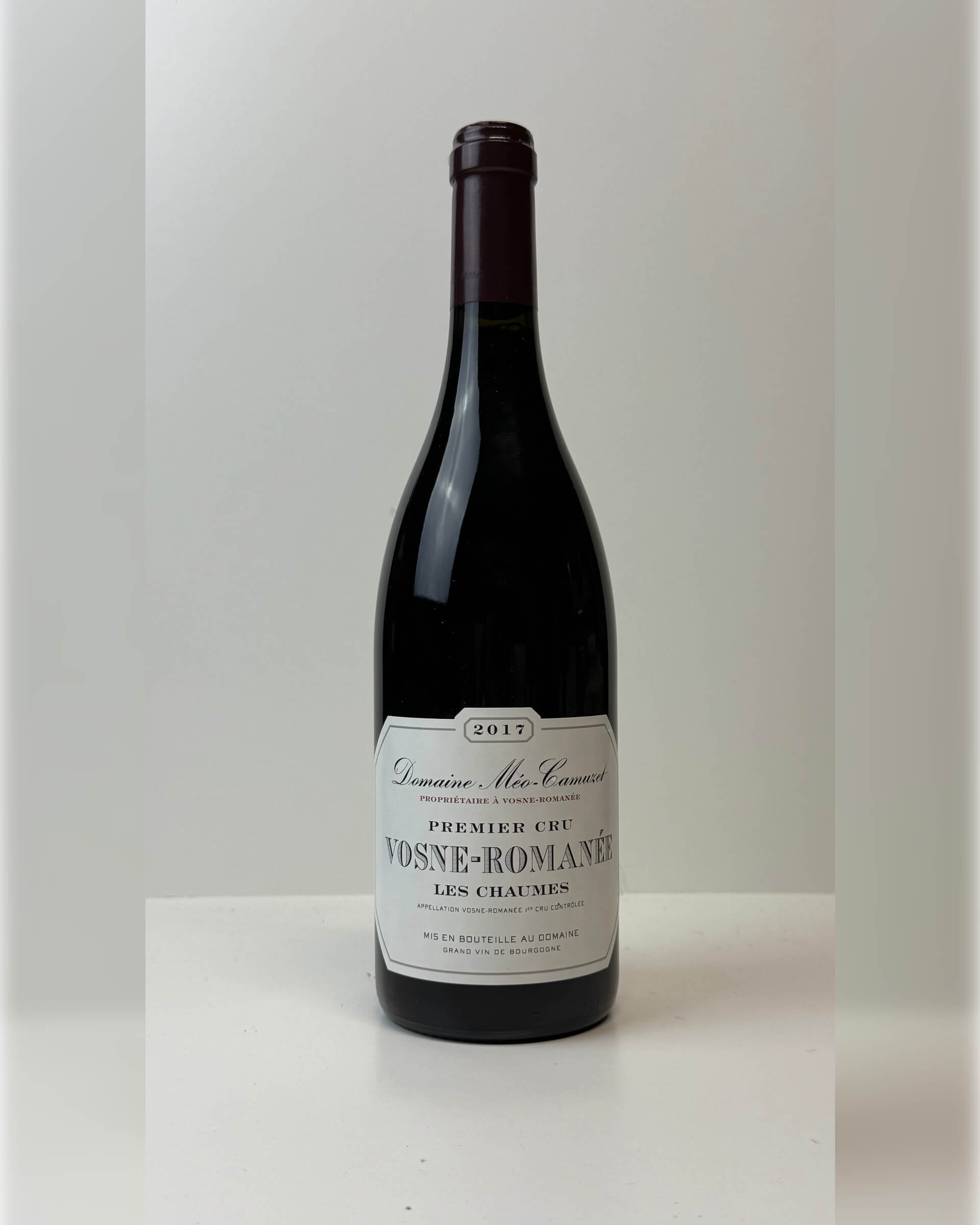
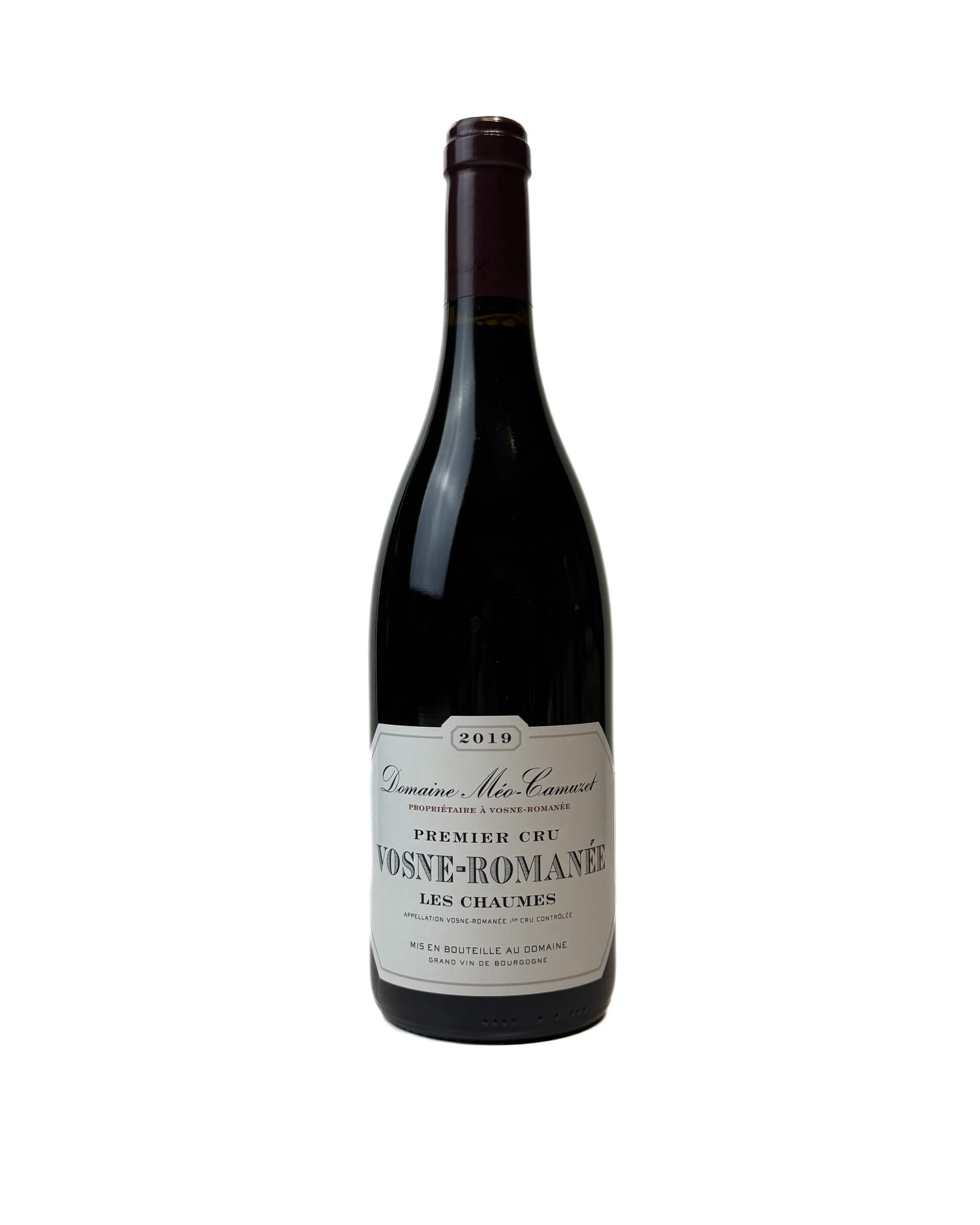
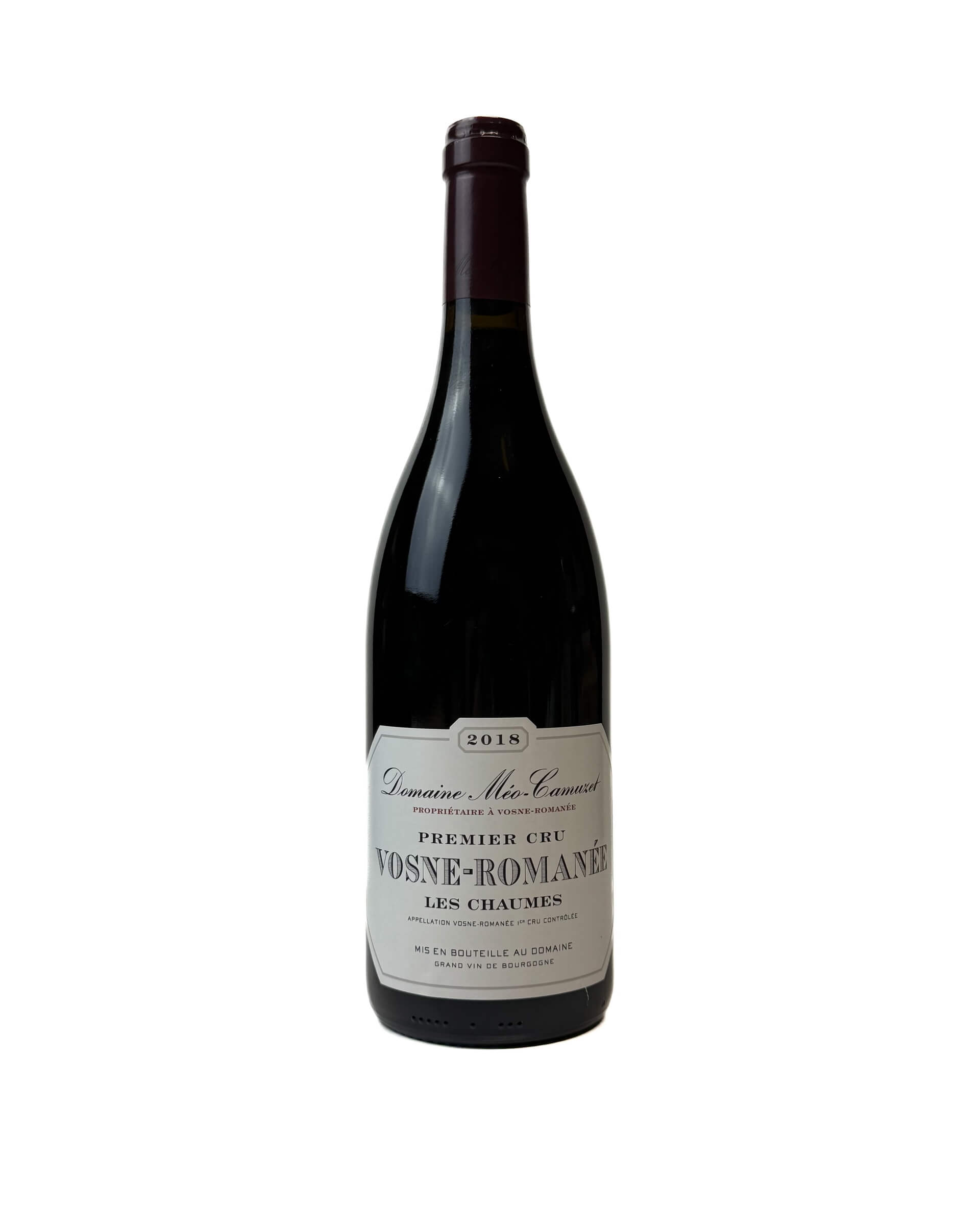
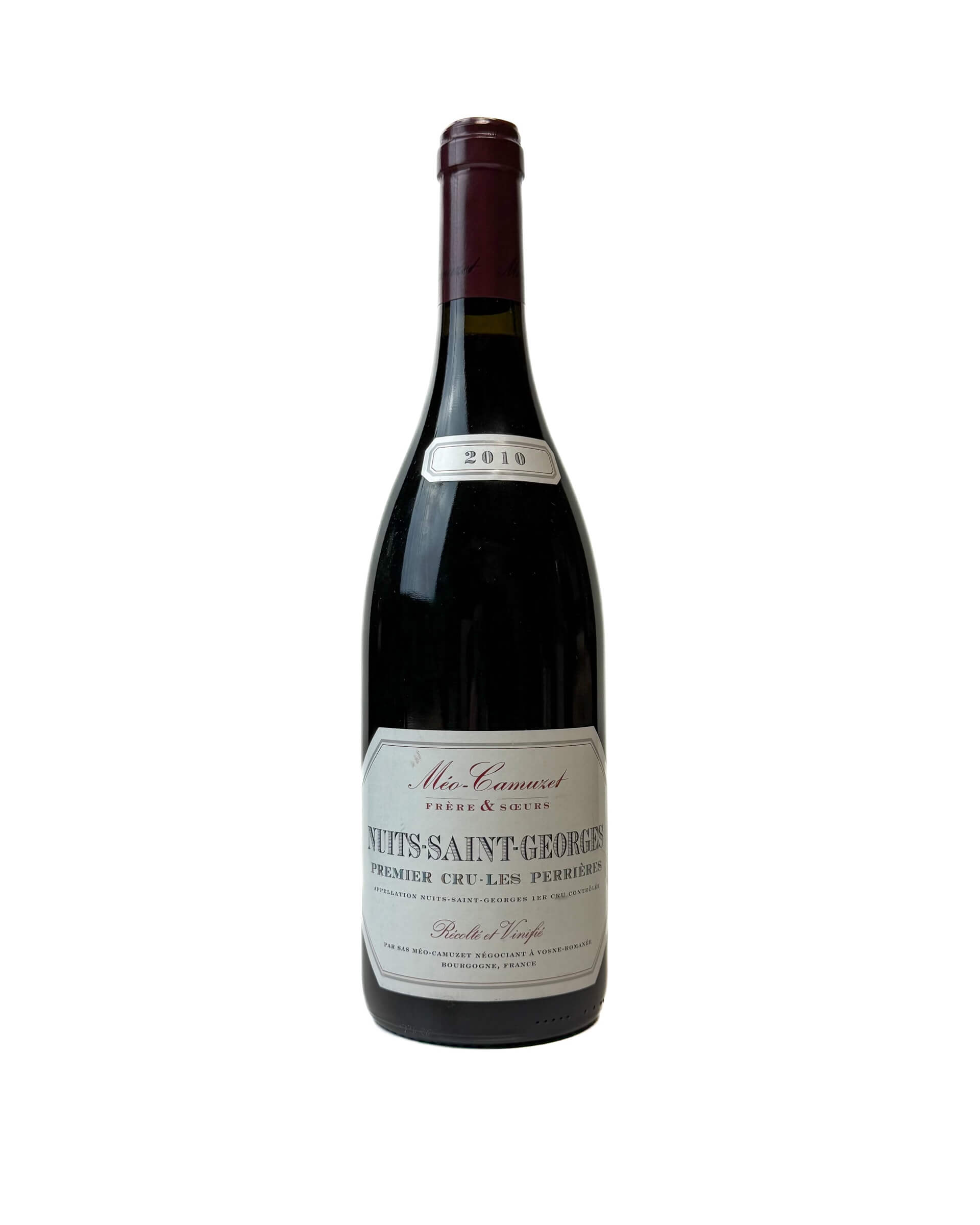
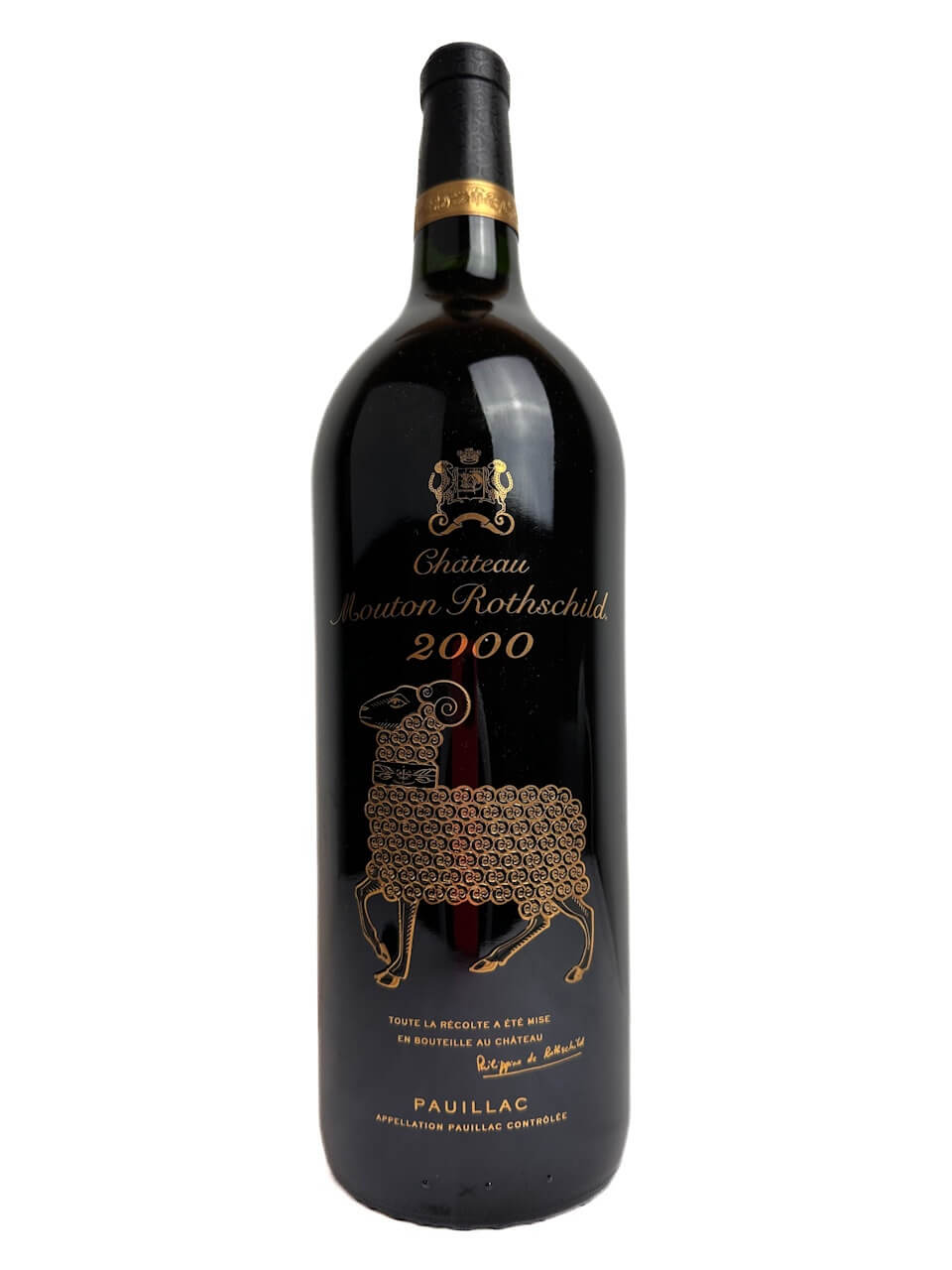
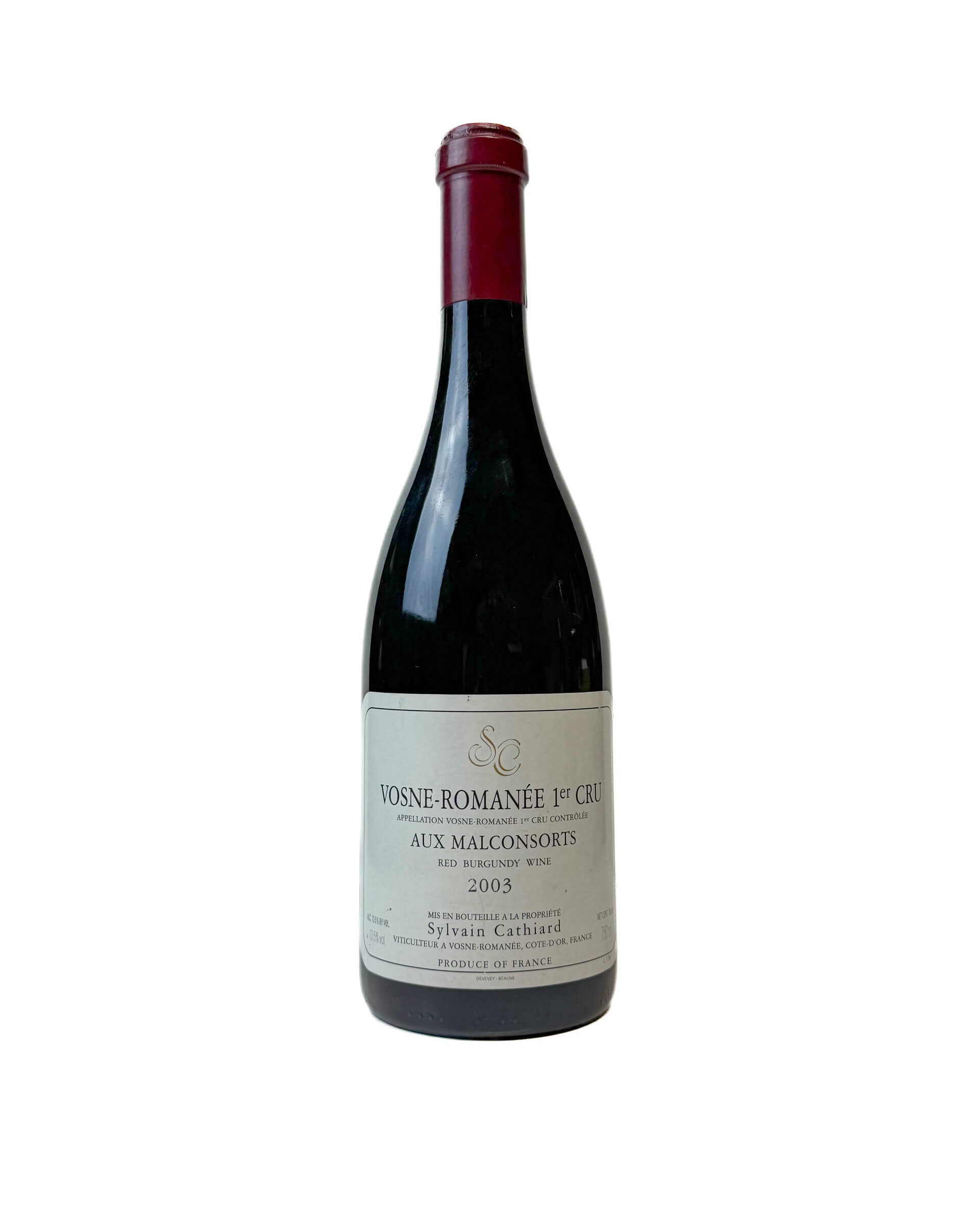
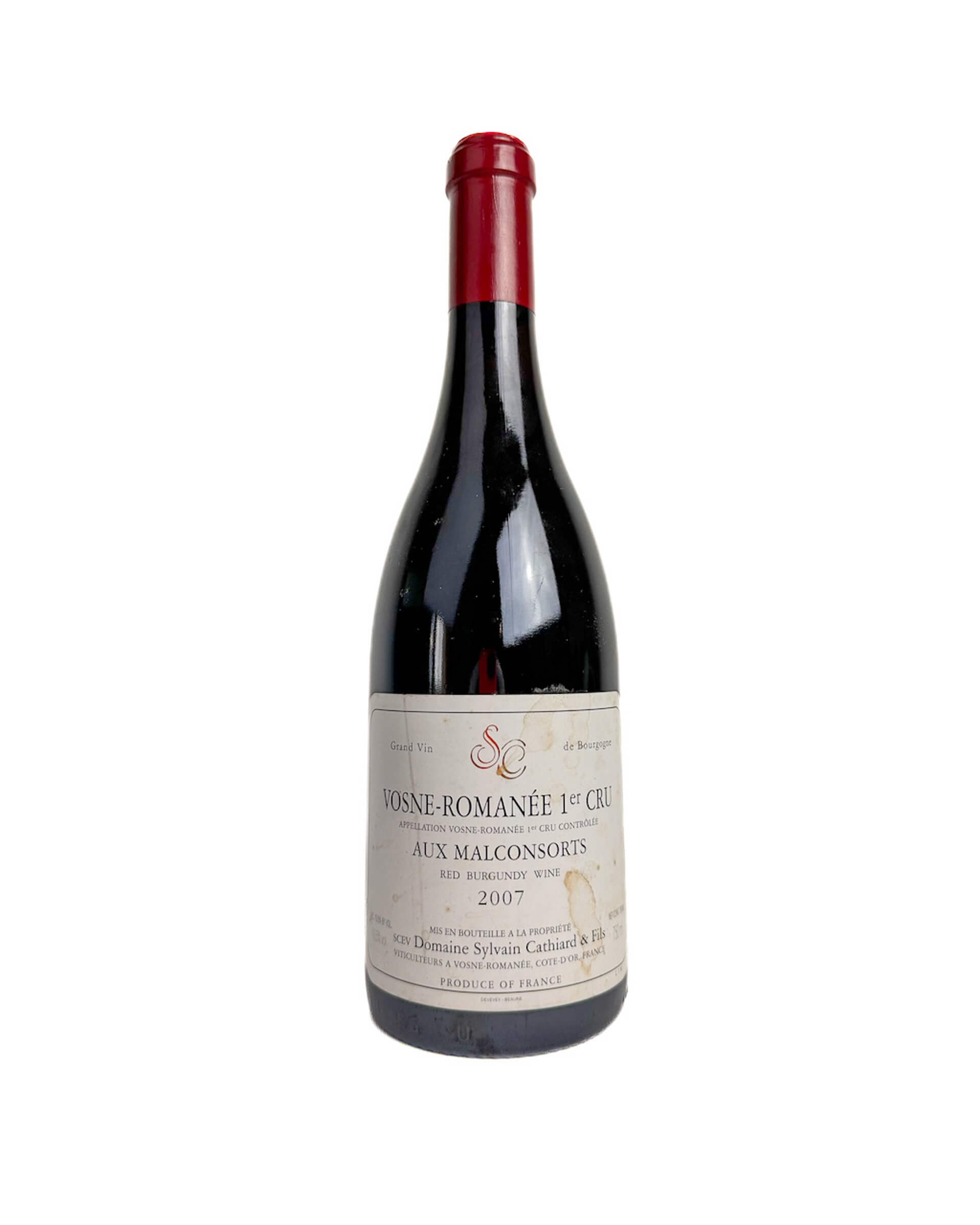
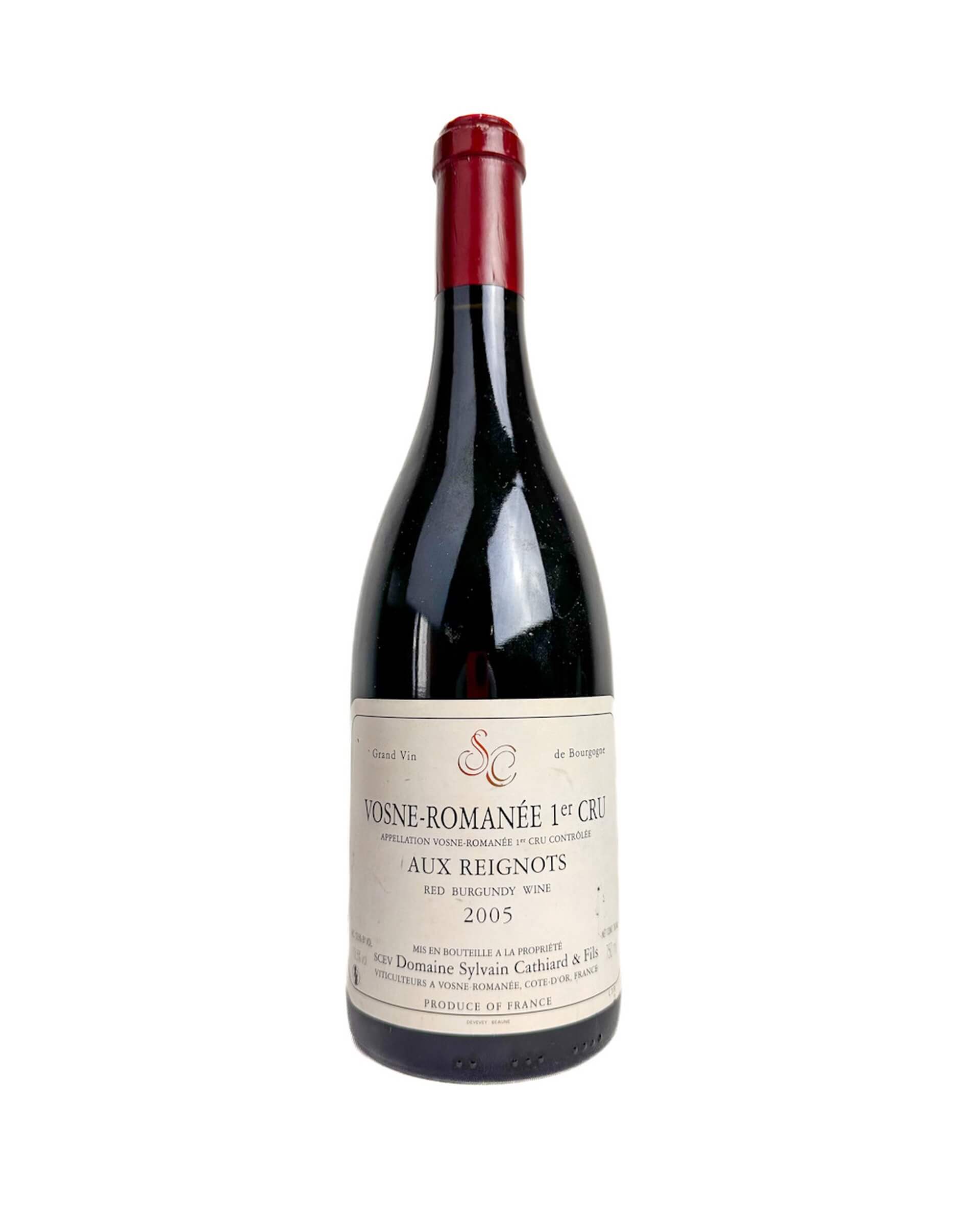
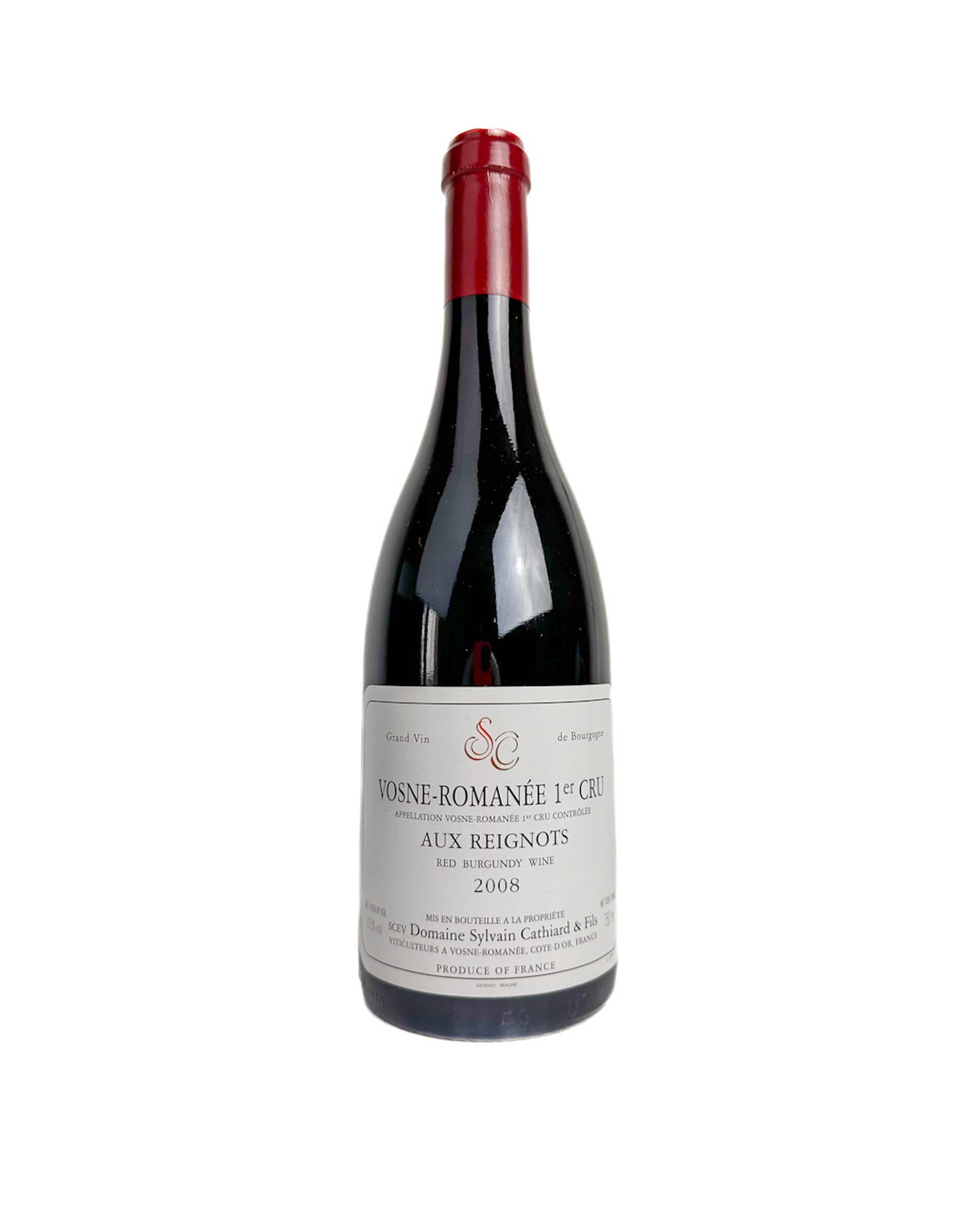
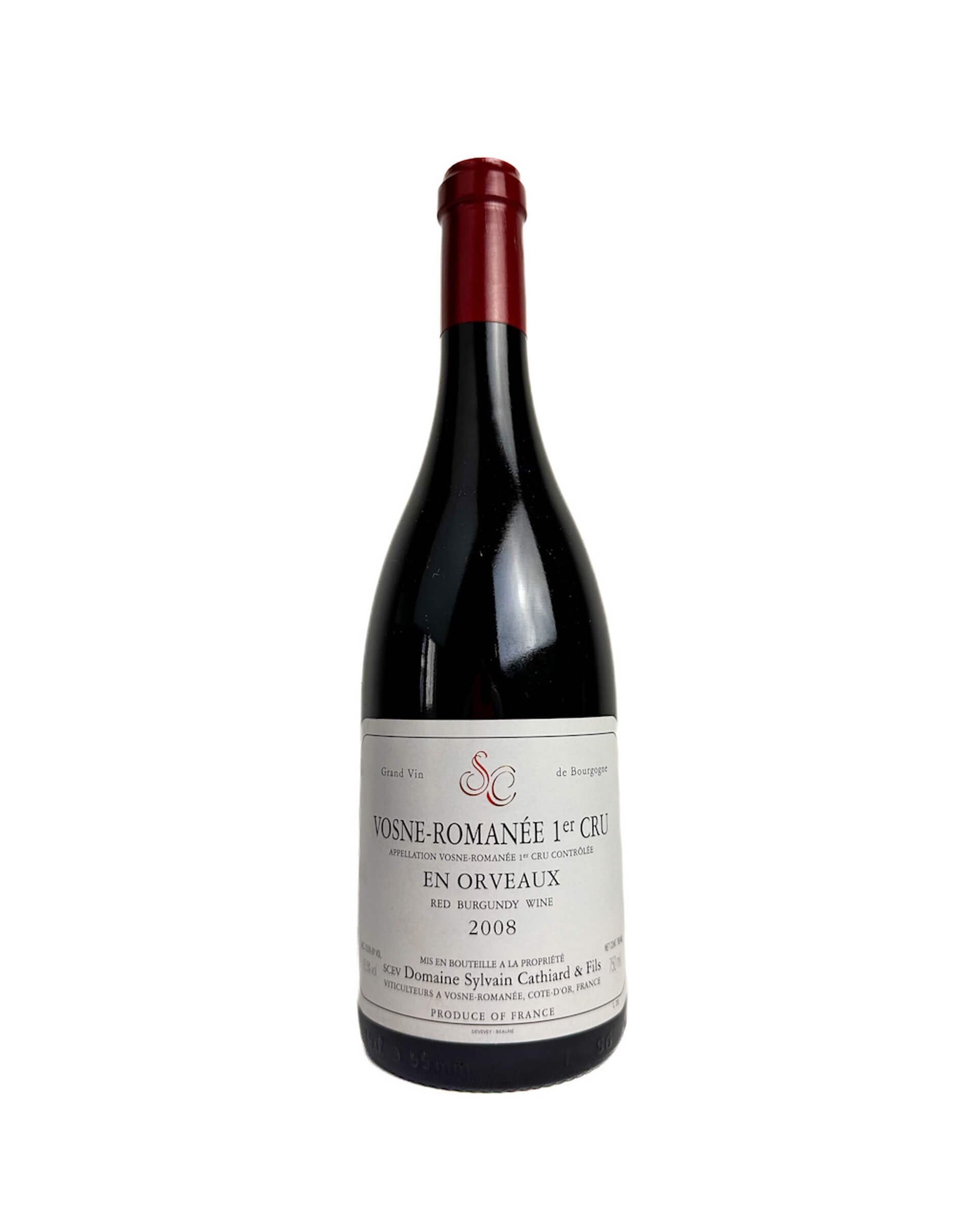
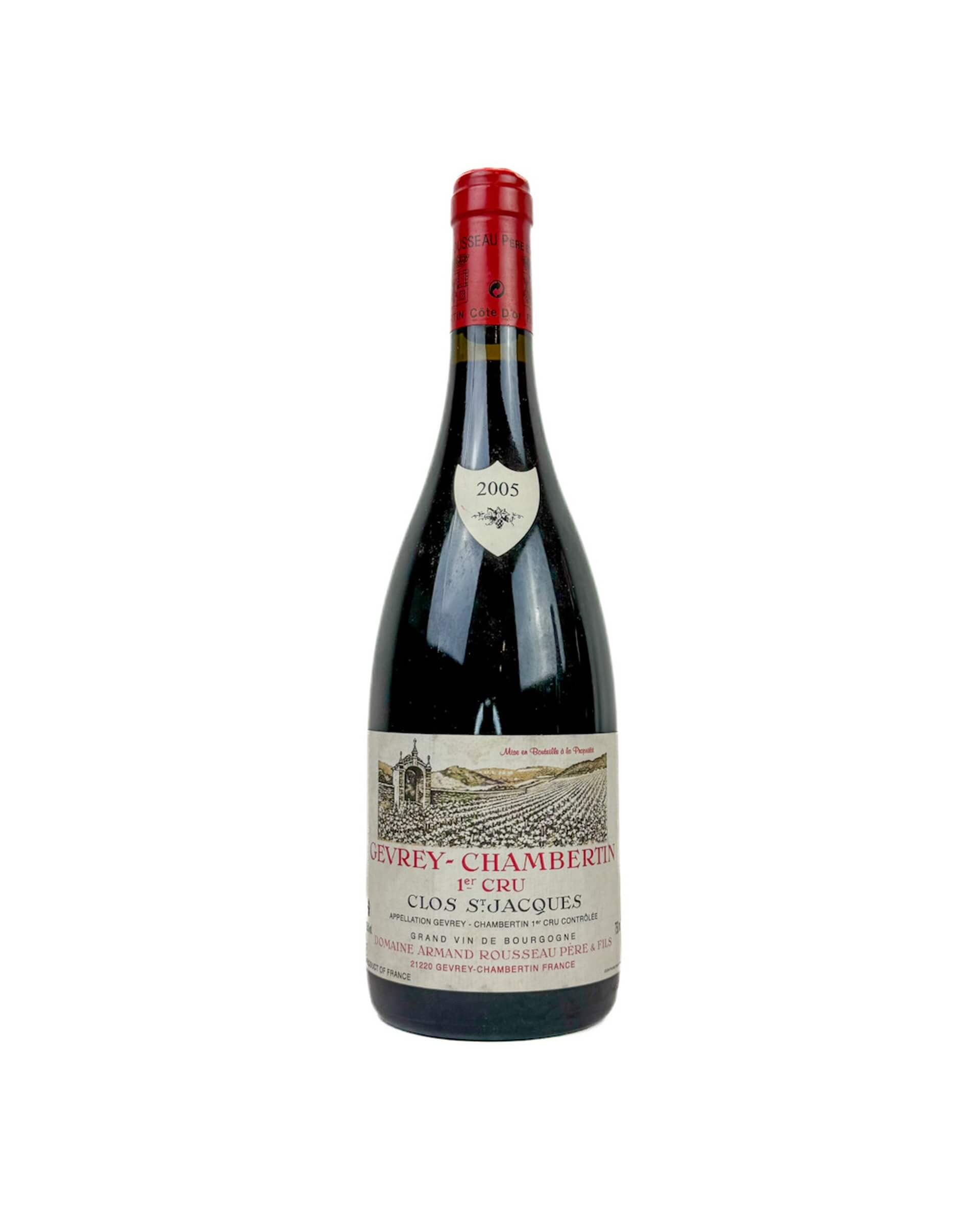
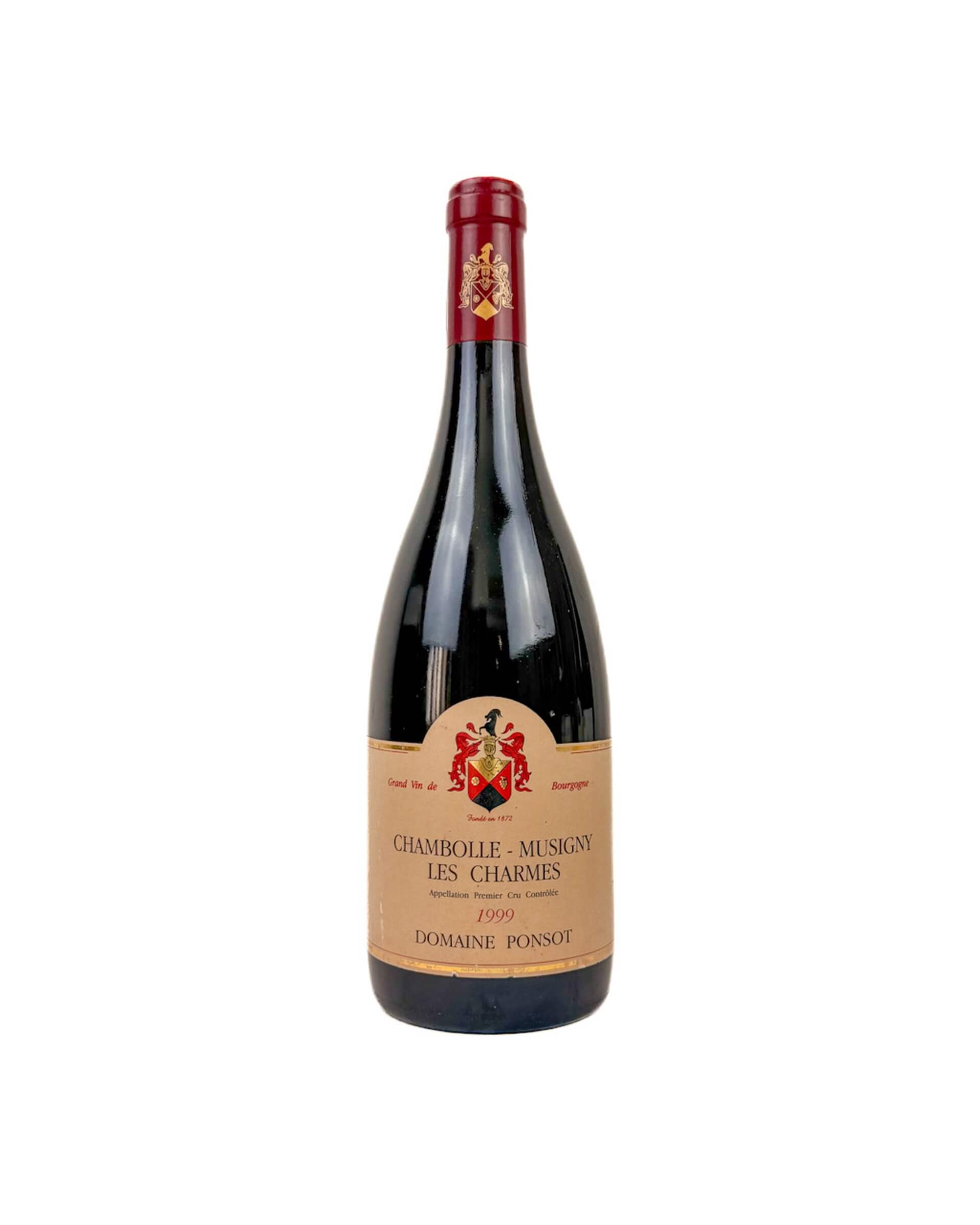

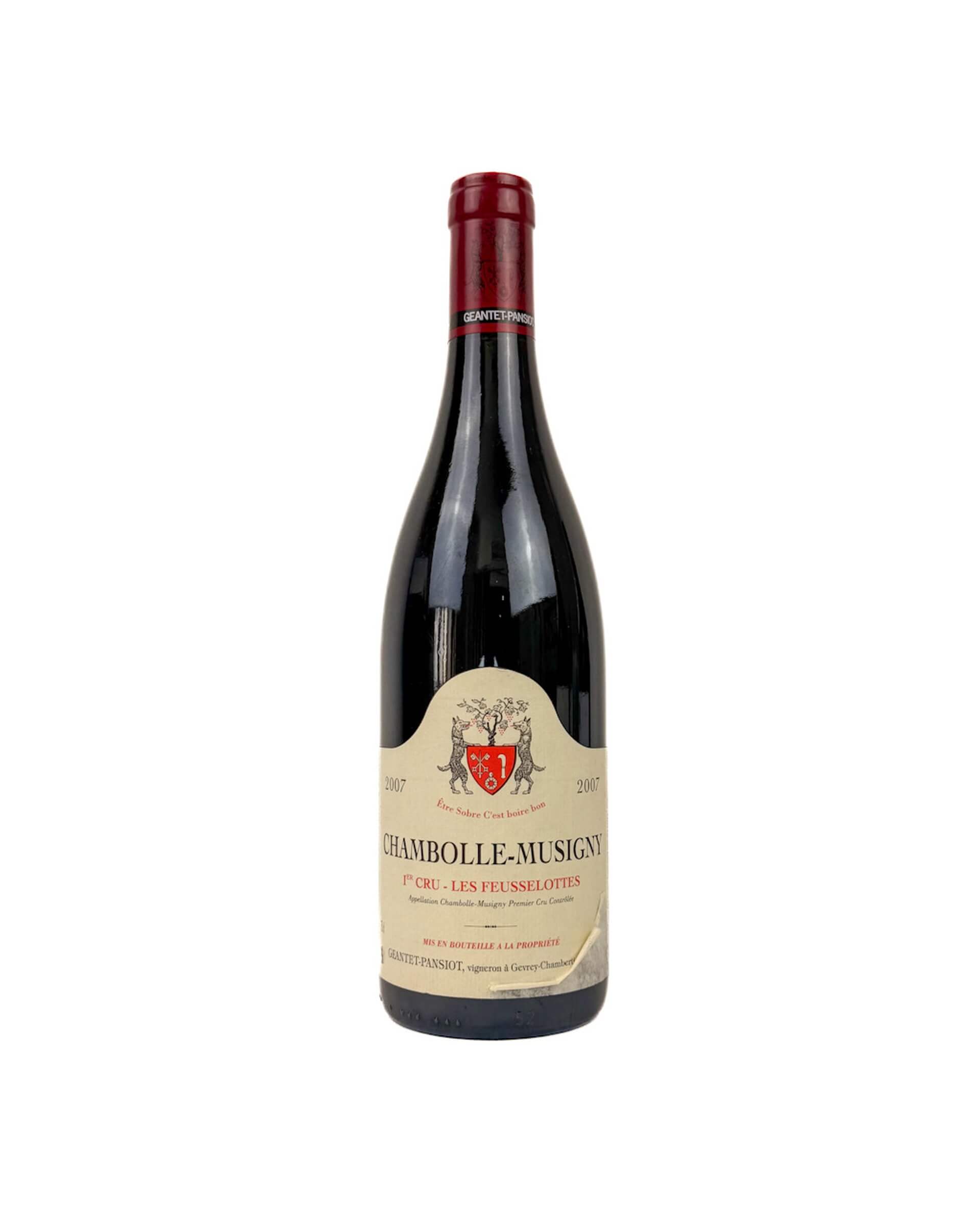
1er Cru — written “Premier Cru” in full — is the second-highest quality tier in France’s classified wine hierarchy, sitting one step below Grand Cru and a clear rung above ordinary village or estate bottlings. The word “premier” means “first,” and in practice it marks out the parcels, châteaux, or villages that French wine law and tradition have judged to be the most consistent, expressive, and ageworthy sources within their appellation. Because those same two words mean different things in different regions, the premier cru meaning can confuse even seasoned buyers. At Tour de Wine we carry 68 Premier Cru bottles drawn from the great French regions — Burgundy, Bordeaux, and Champagne — and the sections below explain each regional system, give per-style serving and cellaring guidance, suggest food pairings at the appellation level, and set out an honest budget framework built on our real catalogue prices.
The term has its roots in French appellation law, overseen by the INAO (Institut National de l’Origine et de la Qualité), which governs the AOC hierarchy. In theory the pyramid is simple: regional wine at the base, then village wine, then Premier Cru, then Grand Cru at the summit. In practice, what gets ranked changes completely depending on where you are — and this is the single biggest source of buyer confusion around the premier cru meaning.
In Burgundy, Premier Cru is a vineyard designation: a specific named plot, or climat, that sits one step below Grand Cru. In Bordeaux, “Premier Cru Classé” is a château classification, born of the 1855 Médoc ranking and echoed in the Saint-Émilion classification (most recently revised in 2022). In Champagne, Premier Cru is a village rating, drawn from the historical échelle des crus where villages scoring 90–99 percent earned the title. Same words, three legally distinct systems — which is why the question of premier cru vs grand cru never has a single answer. The table below puts all three side by side.
Keep this distinction in mind as you shop: a Burgundy labelled “1er Cru” tells you about a slice of hillside, while a Bordeaux “Premier Cru Classé” tells you about a producer’s standing. Both are marks of quality — they simply measure different things.
Burgundy is where the Premier Cru idea is most granular. Here the land itself is classified, parcel by parcel, so that two neighbouring rows of vines can carry entirely different rankings. A 1er cru burgundy bottling always names both the village and the vineyard — for example “Gevrey-Chambertin 1er Cru Clos Saint-Jacques” — which is your guarantee that the fruit came from a specifically classified climat rather than the broader village pool. Most of our Burgundy selection is concentrated in three sub-regions, each with its own signature.
Scarcity underpins the appeal: Premier Cru accounts for only around 10 percent of total Burgundy production by volume, which is part of why these wines command the prices they do. For the wider picture, explore our Burgundy wines and the dedicated Pinot Noir category.
Bordeaux works on a different logic entirely. The premier cru bordeaux label refers not to a vineyard but to a producer, and it traces back to the 1855 classification commissioned for the Paris Exposition Universelle. That ranking sorted the Médoc’s leading estates into five tiers, or crus, with “Premier Cru Classé” — first growth — at the apex. For over 165 years the top of the Médoc has stayed remarkably stable.
Five estates hold the historical Médoc 1er cru classé rank: Château Lafite Rothschild, Château Latour, Château Margaux, Château Mouton Rothschild (promoted in 1973, the only change ever made to the 1855 list), and Château Haut-Brion, which lies in Graves rather than the Médoc proper. These are Cabernet Sauvignon-dominant wines, blended with Merlot, Cabernet Franc, and a little Petit Verdot.
On the Right Bank, Saint-Émilion runs its own classification, where “Premier Grand Cru Classé A” marks the summit; Cheval Blanc and Ausone held the A designation for decades before withdrawing from the 2022 classification, which now lists Pavie and Figeac at the A tier. Pomerol, by contrast, has no official ranking at all — Pétrus is technically unclassified yet priced among the world’s most coveted wines. Right Bank reds lean on Merlot and Cabernet Franc, while the Left Bank is built around Cabernet Sauvignon. To browse the region as a whole, see our Bordeaux wines.
Champagne classifies the village rather than the plot or the producer. Around 42 villages hold Premier Cru status, scoring 90–99 percent on the historical échelle des crus, with the seventeen 100-percent villages ranked Grand Cru above them. Premier Cru fruit from communes such as Cumières, Vertus, and Montgueux gives growers and houses a riper, more characterful base than generic village fruit, which is why so many serious cuvées carry the designation on the label.
Style depends on the blend: a Blanc de Blancs leans crisp, citrus-driven, and chalky, while a Pinot-led brut is fuller and more vinous. Serve Premier Cru Champagne at 8–10 °C — cold enough to keep the mousse fine, but not so cold that the aromas lock up — and reach for a white-wine glass rather than a narrow flute so the wine can open. For pairing, a Blanc de Blancs is superb with oysters, sushi, and fresh goat’s cheese, while a richer Pinot-based cuvée stands up to roast chicken or a creamy mushroom tart.
The single most useful habit is decanting: a young, Cabernet-dominant Bordeaux premier cru wine needs one to two hours of air to soften its tannins, while a delicate young Burgundy Pinot Noir wants only 30–45 minutes and a white Chablis none at all. Temperature and cellaring window swing just as widely by style, so the per-style guidance below tells you exactly how to handle the three bottles you are most likely to buy from our selection.
Patience often pays. Premier Cru wines from great vintages — Burgundy 2019 and 2020, Bordeaux 2016 and 2019 — typically need years to unwind, so buying young and cellaring at home lets you follow a wine from its tight, primary phase into full maturity rather than paying a premium for an already-rested bottle. A 1er cru burgundy from a strong vintage bought on release can be both a cellar pleasure and a sound long-term hold.
Match the dish to the appellation, not to a broad “red meat, white fish” rule: the character of a Gevrey is not the character of a Volnay, and a Chablis asks for a different plate than a Puligny-Montrachet. Let the wine’s home commune set the table.
Start with a realistic sense of price. Across our 68-bottle catalogue, premier cru wine begins from €95 for limited entry-level bottles, with the practical starting point around €200 and the typical bottle sitting near €750 — a figure that reflects the genuine scarcity and cellar time behind these classified vineyards and estates. Exceptional cuvées from top producers in great vintages reach €2,900 and above, with the rarest allocations extending all the way to €17,500.
From there, it helps to shop by occasion. For an introduction or a gift, look toward the entry level — a Nuits-Saint-Georges 1er Cru or a Chablis 1er Cru is elegant and expressive without being intimidating, and lands comfortably above the €200 mark. For a special occasion or a cellar starter around the €750 median, step up to a commune-level Premier Cru from a recognised Gevrey-Chambertin or Volnay producer, or a Bordeaux classified château in a good vintage.
For the collector or investor, the range from €2,900 to €17,500 opens up top-vineyard Premier Crus in exceptional vintages — typically blue-chip Côte de Nuits climats and first-growth-adjacent Bordeaux, often in larger formats. Because allocations at this level sell through quickly and stock changes week to week, the surest way to see what is in reach today is to browse the current top of our Burgundy and Bordeaux selections and sort by price. When you buy premier cru wine at this level, vintage selection matters most: 2019 and 2020 are the stand-out recent Burgundy years, while 2016 and 2019 lead the recent Bordeaux reds for age-worthiness.
Ready to climb one more rung? Explore our Grand Cru selection for the wines that sit at the very top of the French hierarchy.
In Burgundy, Grand Cru sits above Premier Cru. Grand Cru vineyards — names like Chambertin and Romanée-Conti — number only 33, cover roughly 1.5 percent of Burgundy’s total vineyard area, and carry no village name on the label, just the vineyard itself. Premier Cru vineyards make up around 10 percent of production and always include the village name alongside the climat. In Bordeaux the hierarchy is organised around châteaux rather than vineyards, so the comparison works differently — see the regional breakdown above.
No. “Premier Cru Classé” is a Bordeaux château classification, while “Premier Cru” (or 1er Cru) without “Classé” is a Burgundy vineyard designation or a Champagne village rating. The terms sound almost identical but refer to entirely different quality systems in different regions — which is exactly why so many buyers mix them up.
Prices vary widely by region, producer, and vintage. On the Tour de Wine catalogue, entry-level Premier Cru bottles start from €95 in limited quantities, with a practical starting point around €200 and most bottles sitting near the €750 median. Top-tier Premier Crus from blue-chip producers in exceptional vintages reach €2,900 and above, up to €17,500 for the rarest allocations.
Yes — most are built for medium-to-long ageing, which leaves you a real choice: buy young or buy at peak. Buying young (on release) is usually cheaper and lets you control the storage, but you wait years for the wine to open. Buying an older vintage costs more and carries some provenance risk, yet it removes the guesswork and is the better route if you want to drink soon. As a rough timing guide, a Bordeaux 1er Cru Classé from a structured vintage is often still closed at five years and only hits its stride between fifteen and thirty; a Burgundy red is approachable sooner. The practical signals that a wine is ready are a brick-orange rim on reds, secondary aromas (leather, forest floor, dried fruit) replacing primary berry, and softened tannins — so if you are unsure, decant a bottle and taste before committing the rest of the case.
Written by the Tour de Wine buying team. Last reviewed: June 2026.
This site is restricted to adults. By entering, you confirm that you are of legal drinking age in your country of residence.