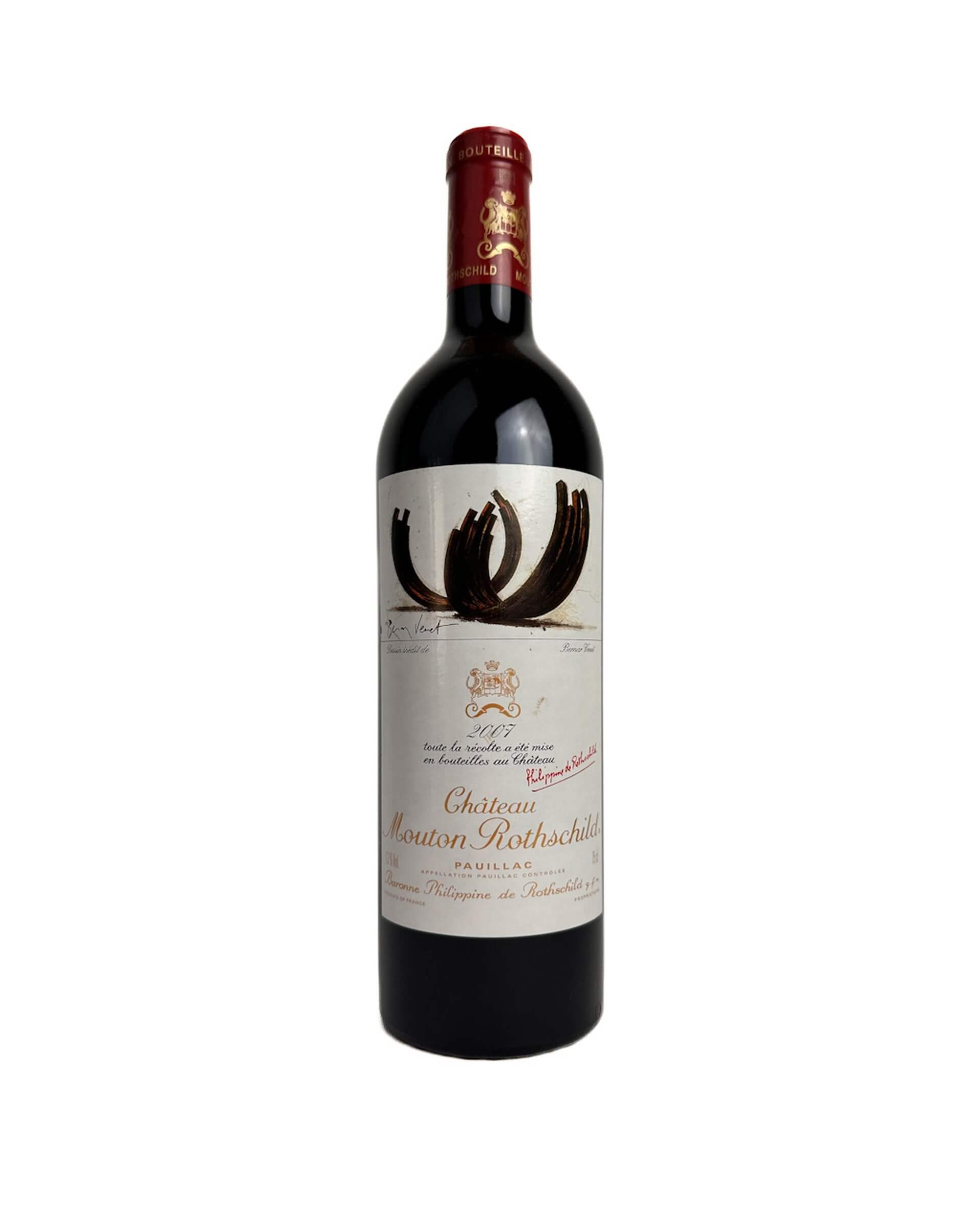
100
0,75
1986
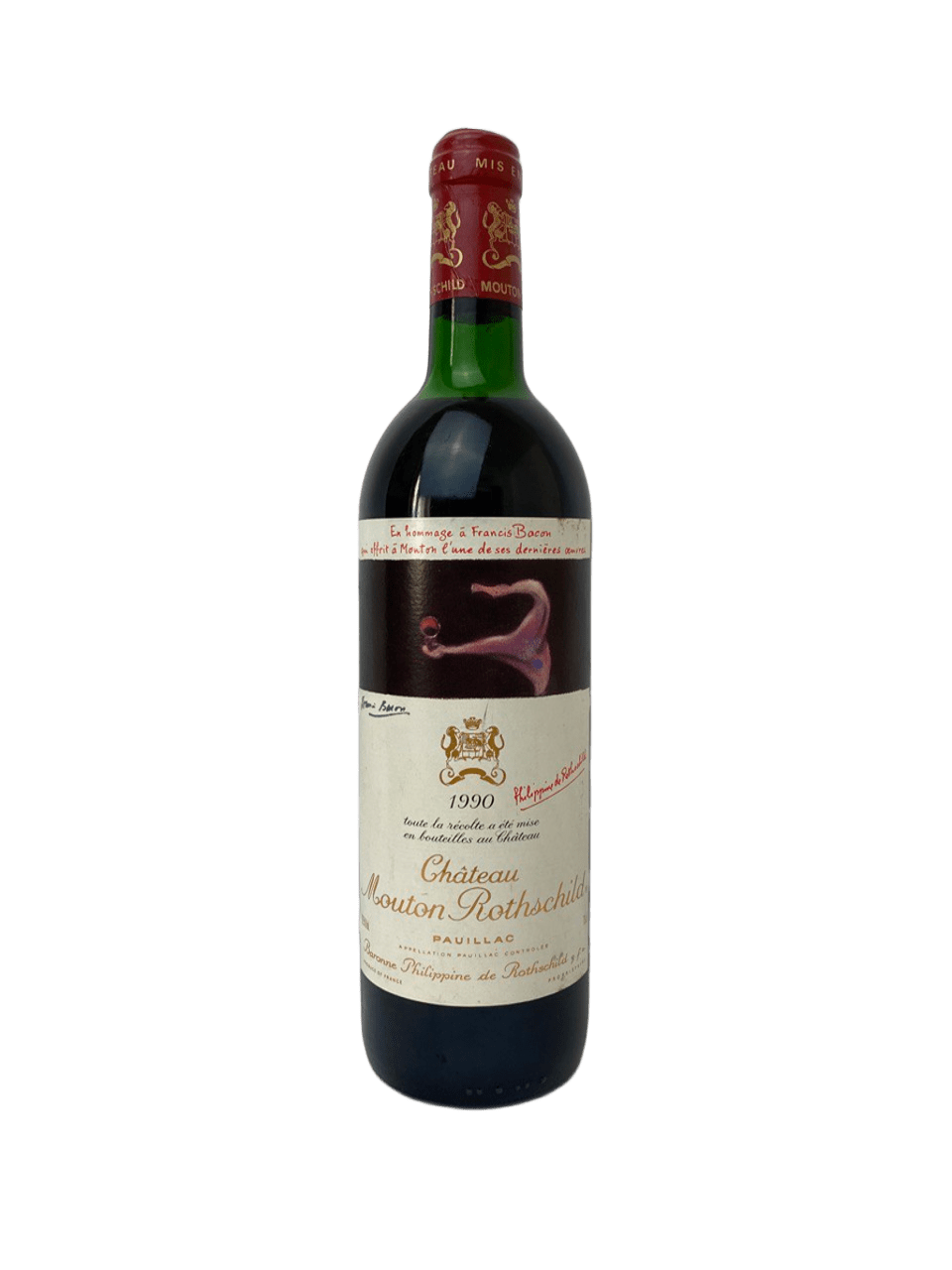
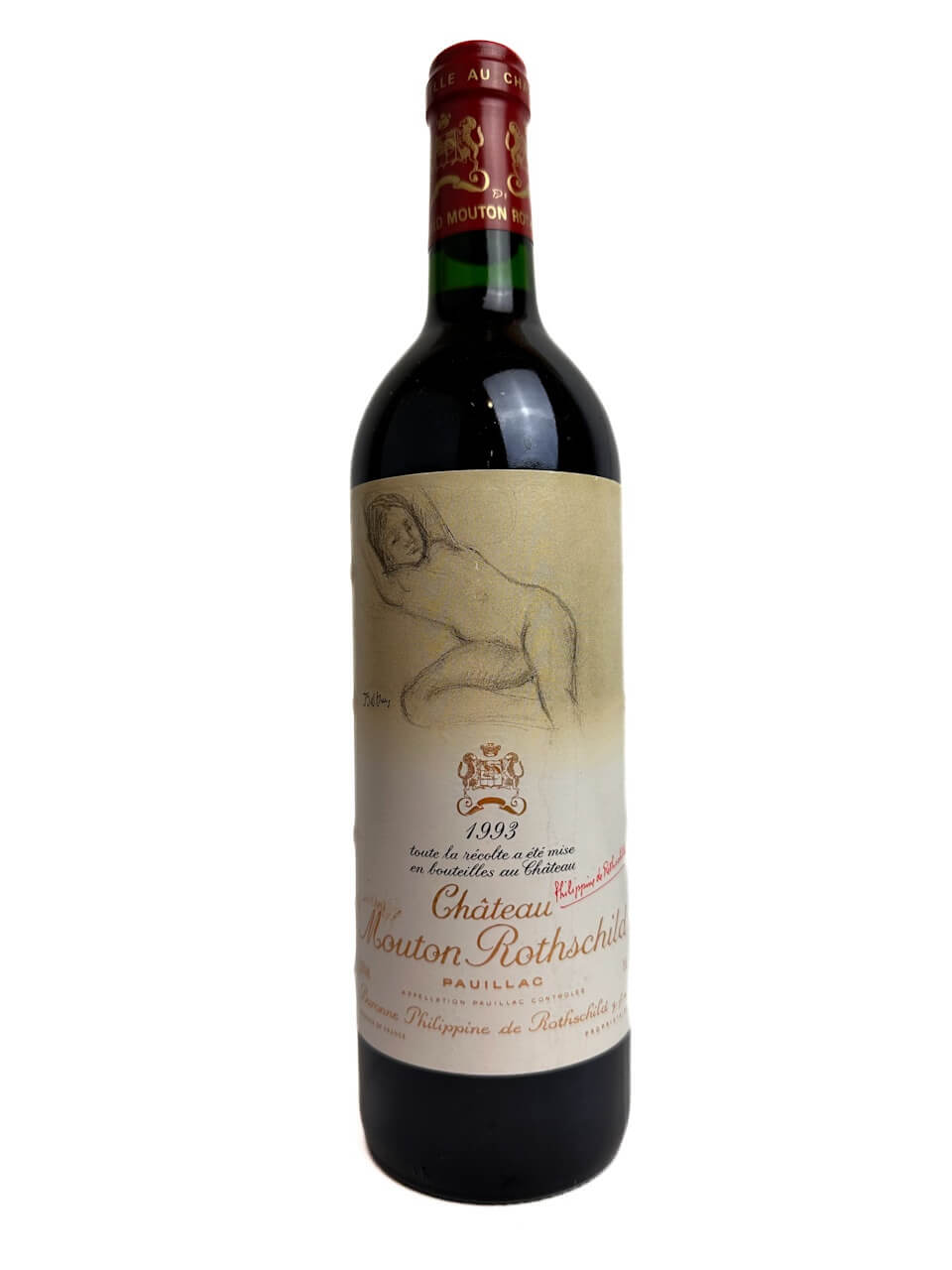
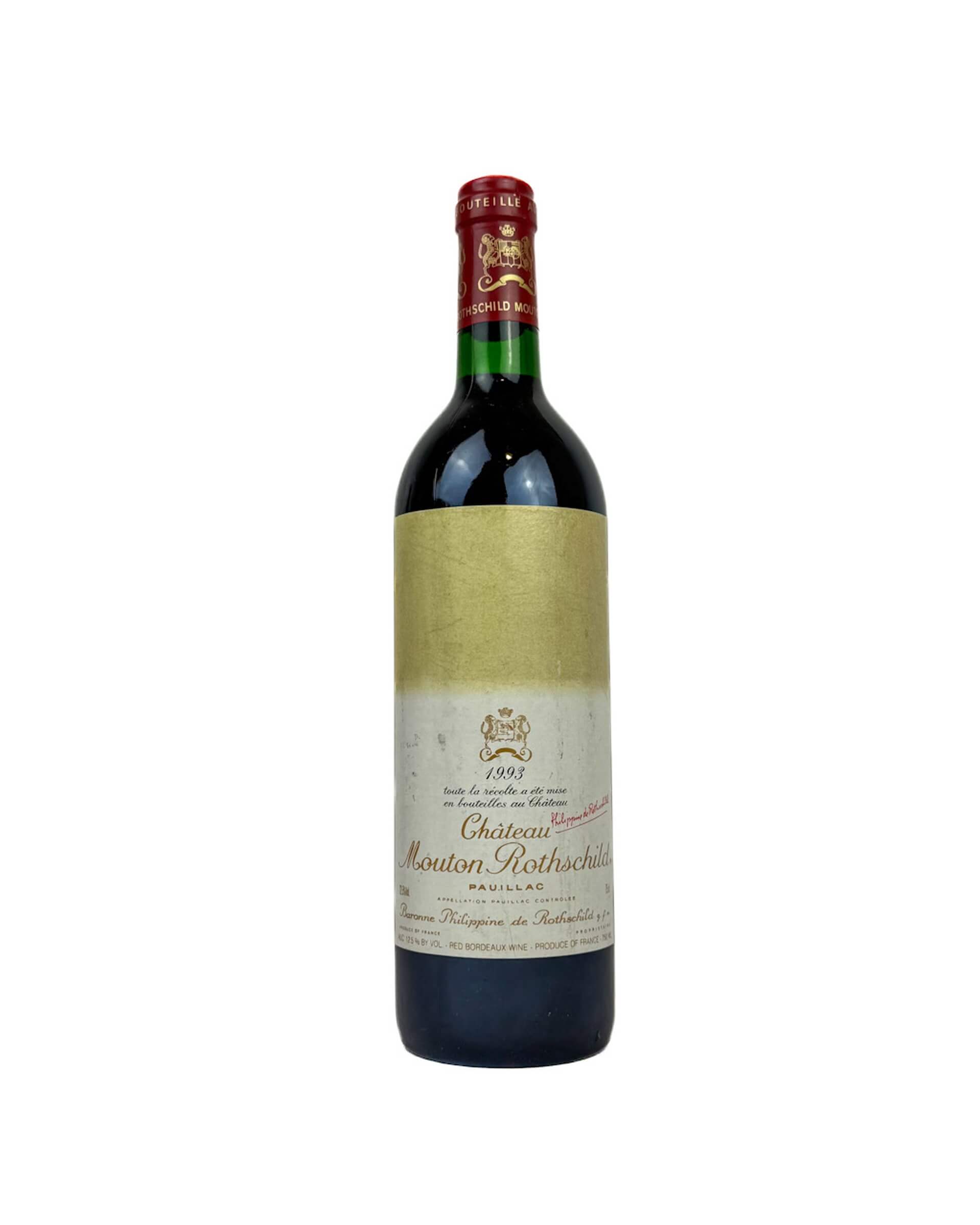
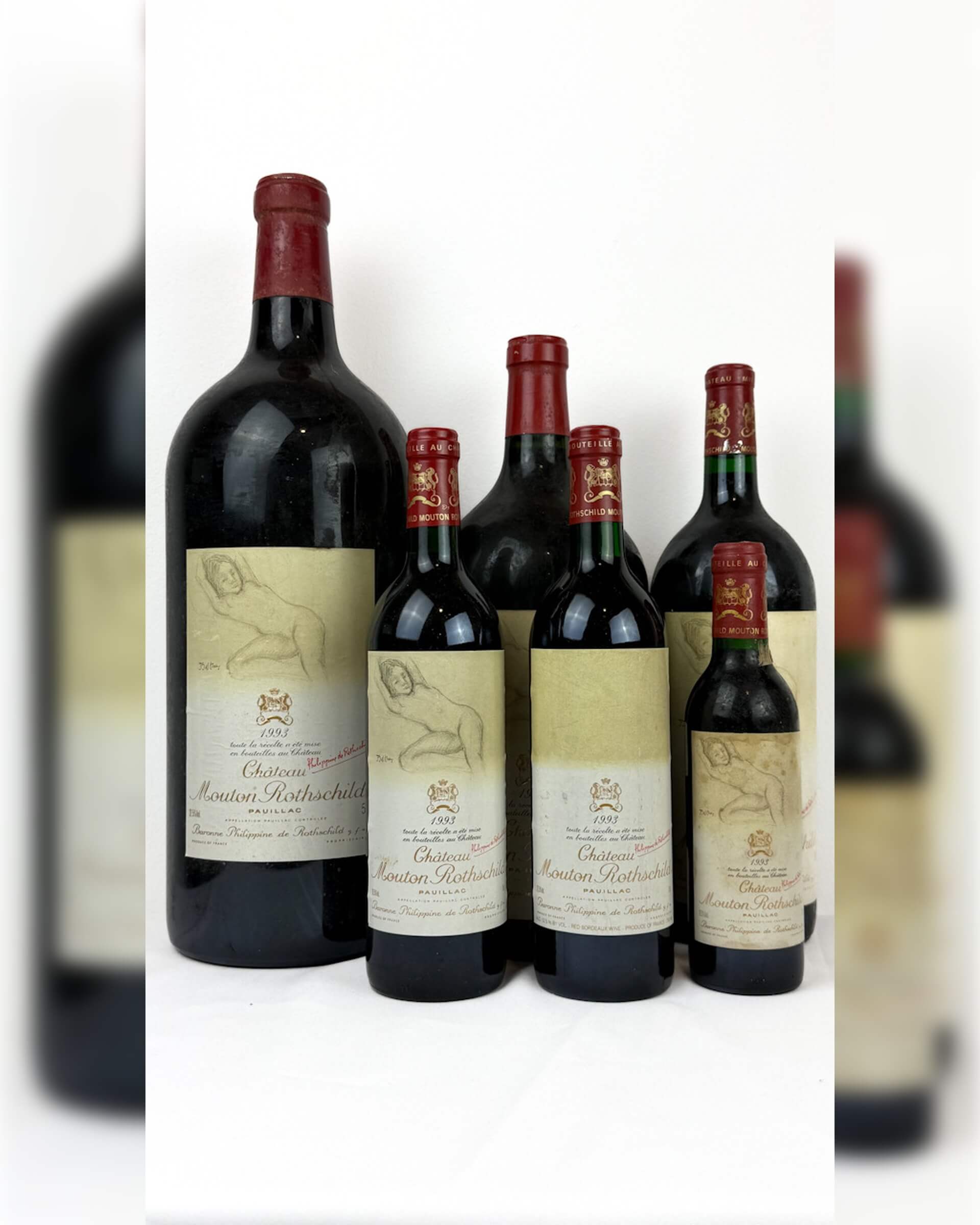
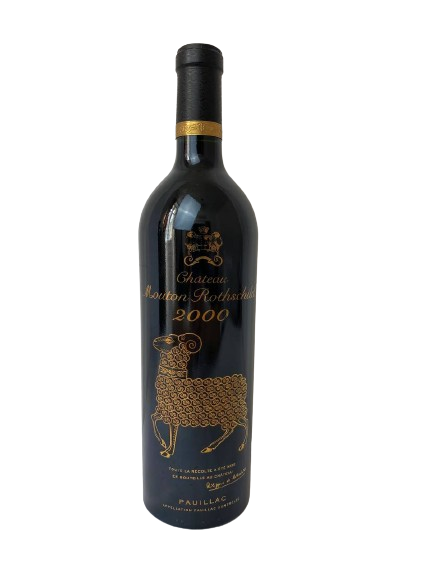
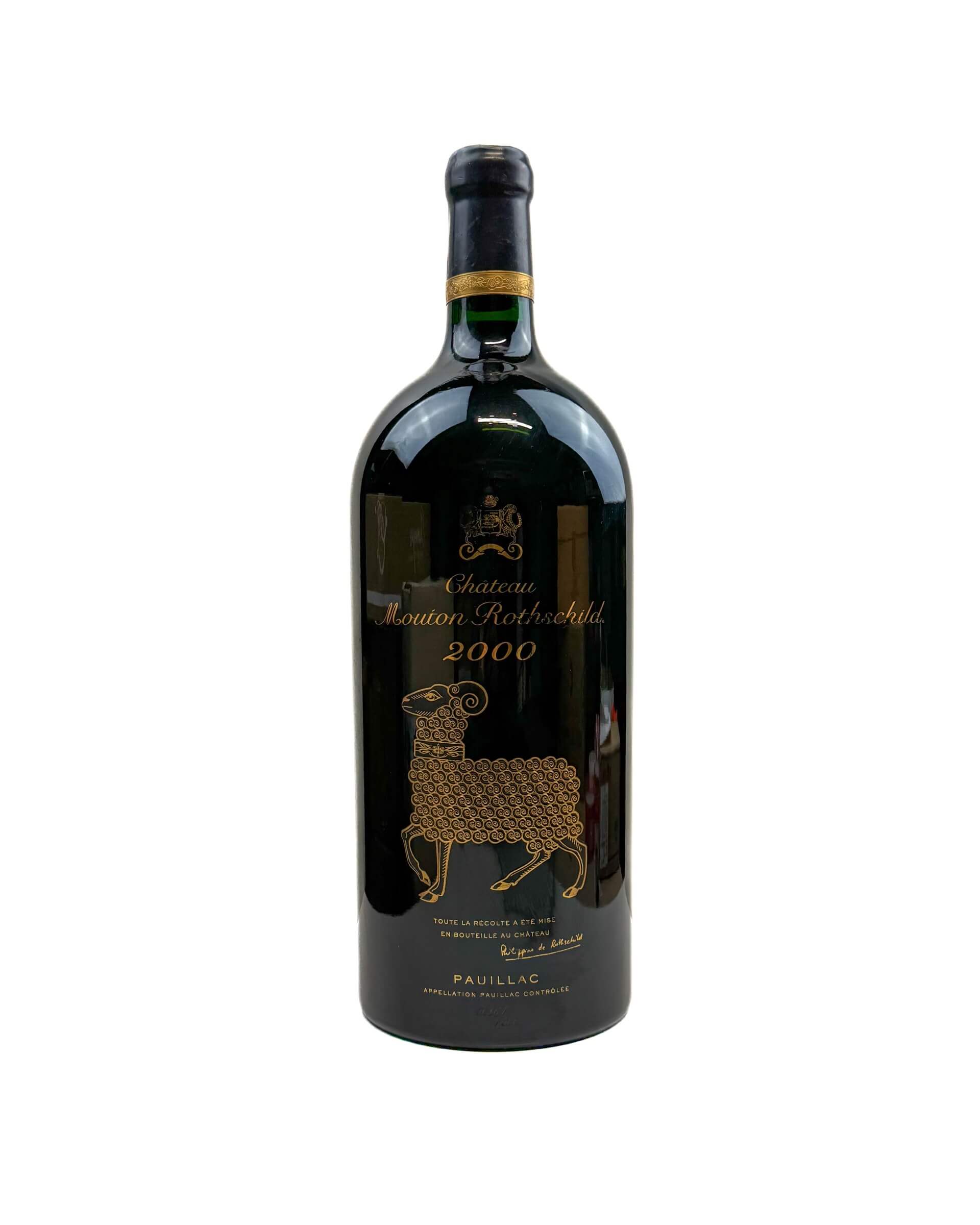
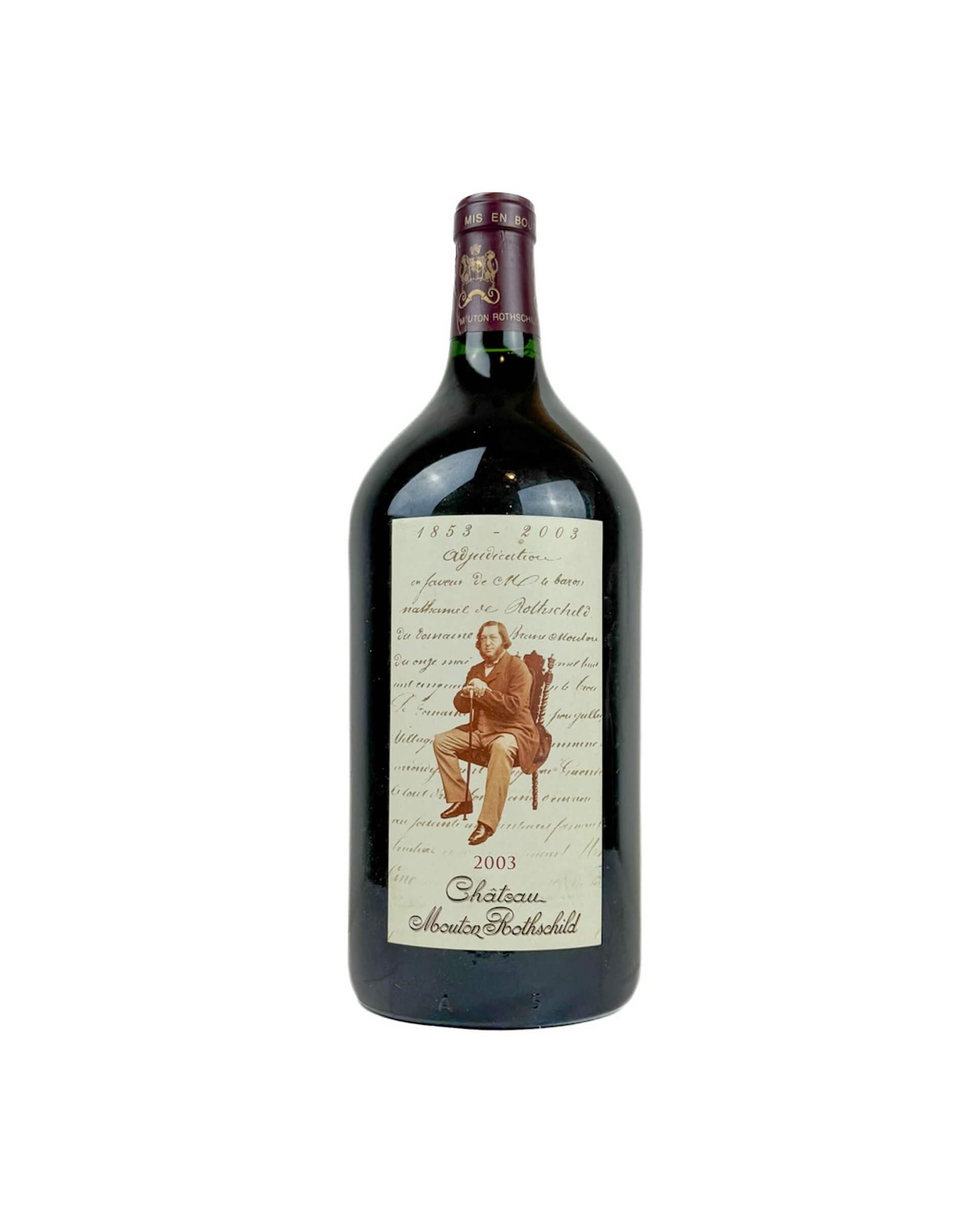
Chateau Mouton Rothschild
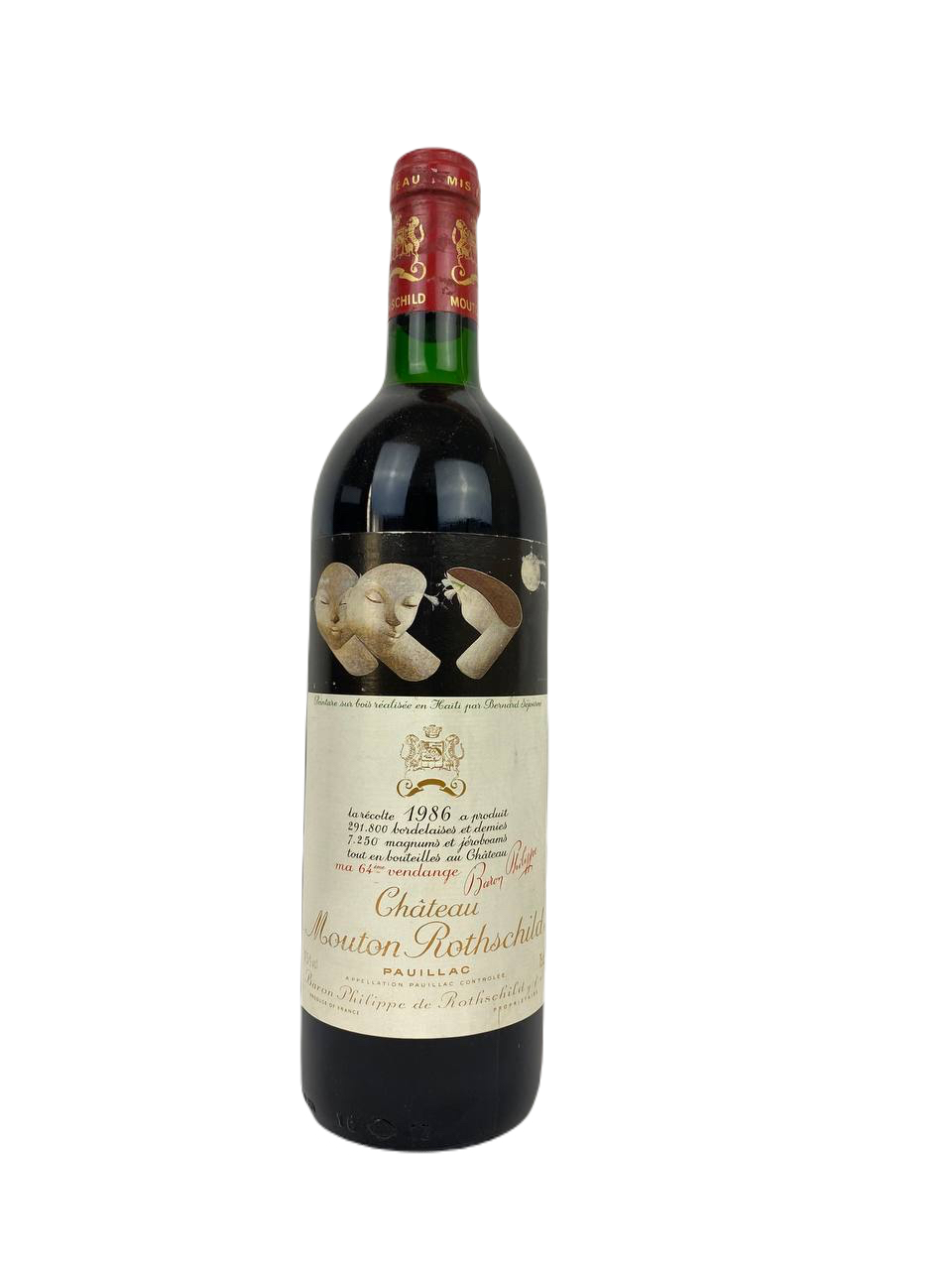
Chateau Mouton Rothschild 1986 0,75L
€ 900,00
Wines, producers, regions...
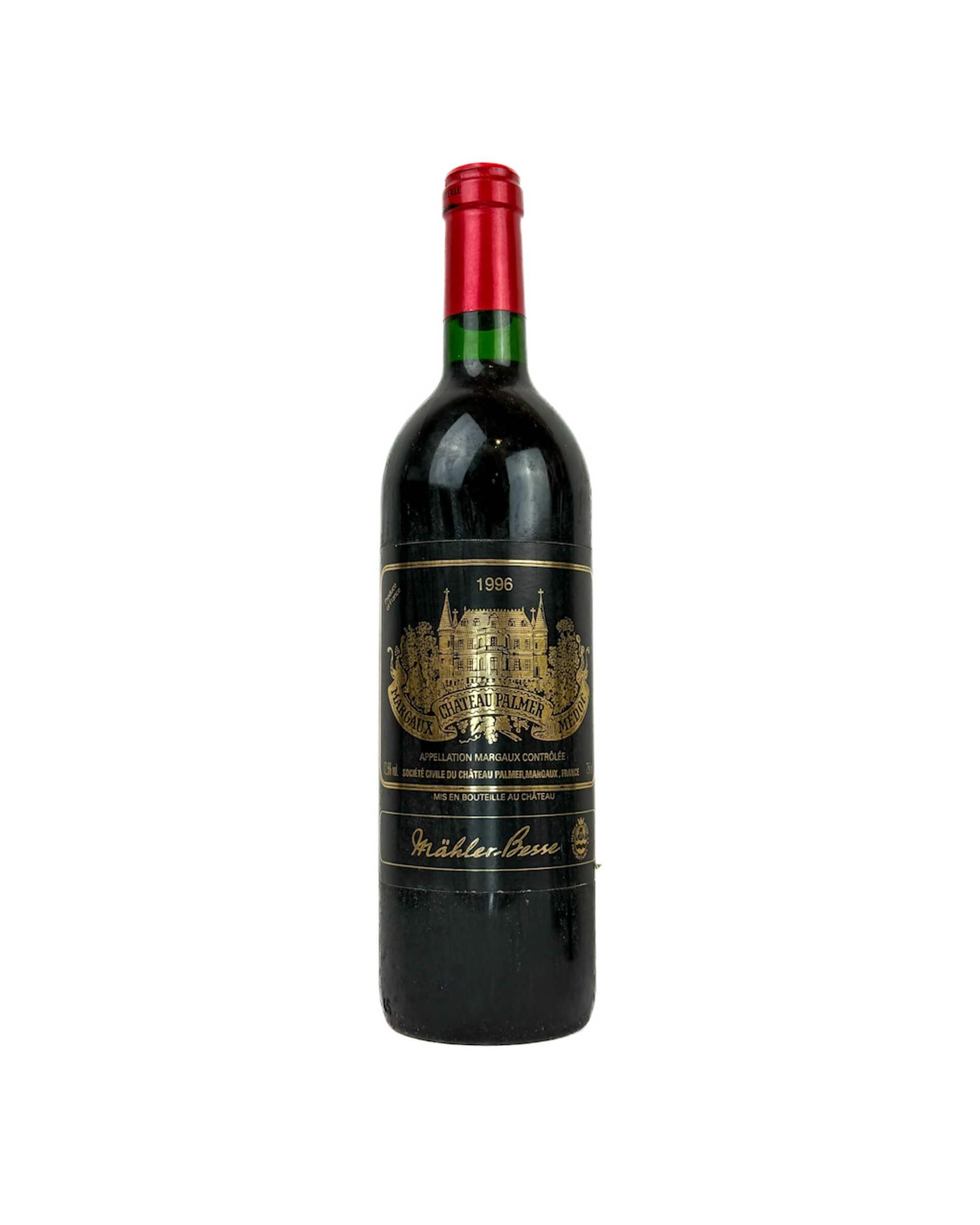
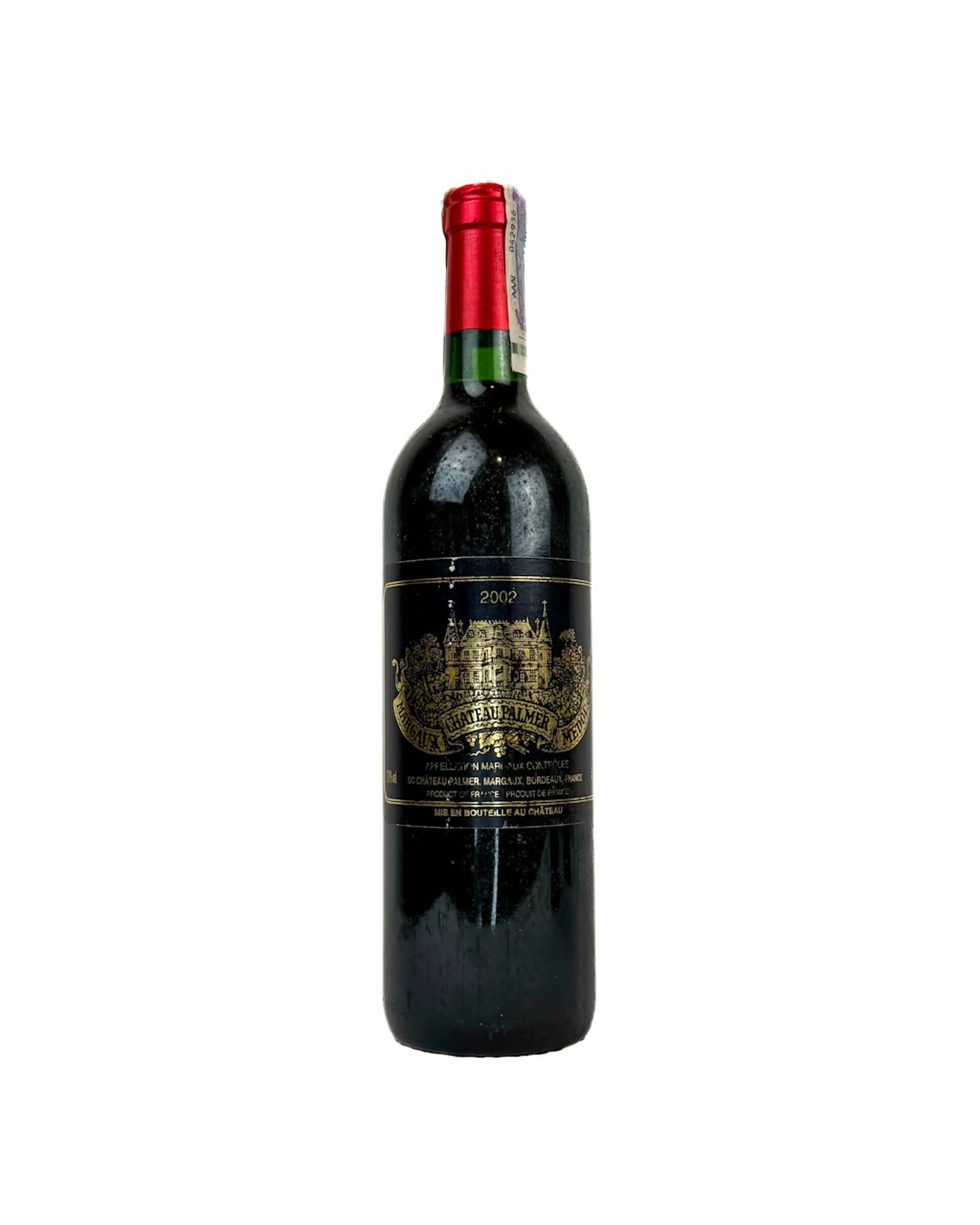
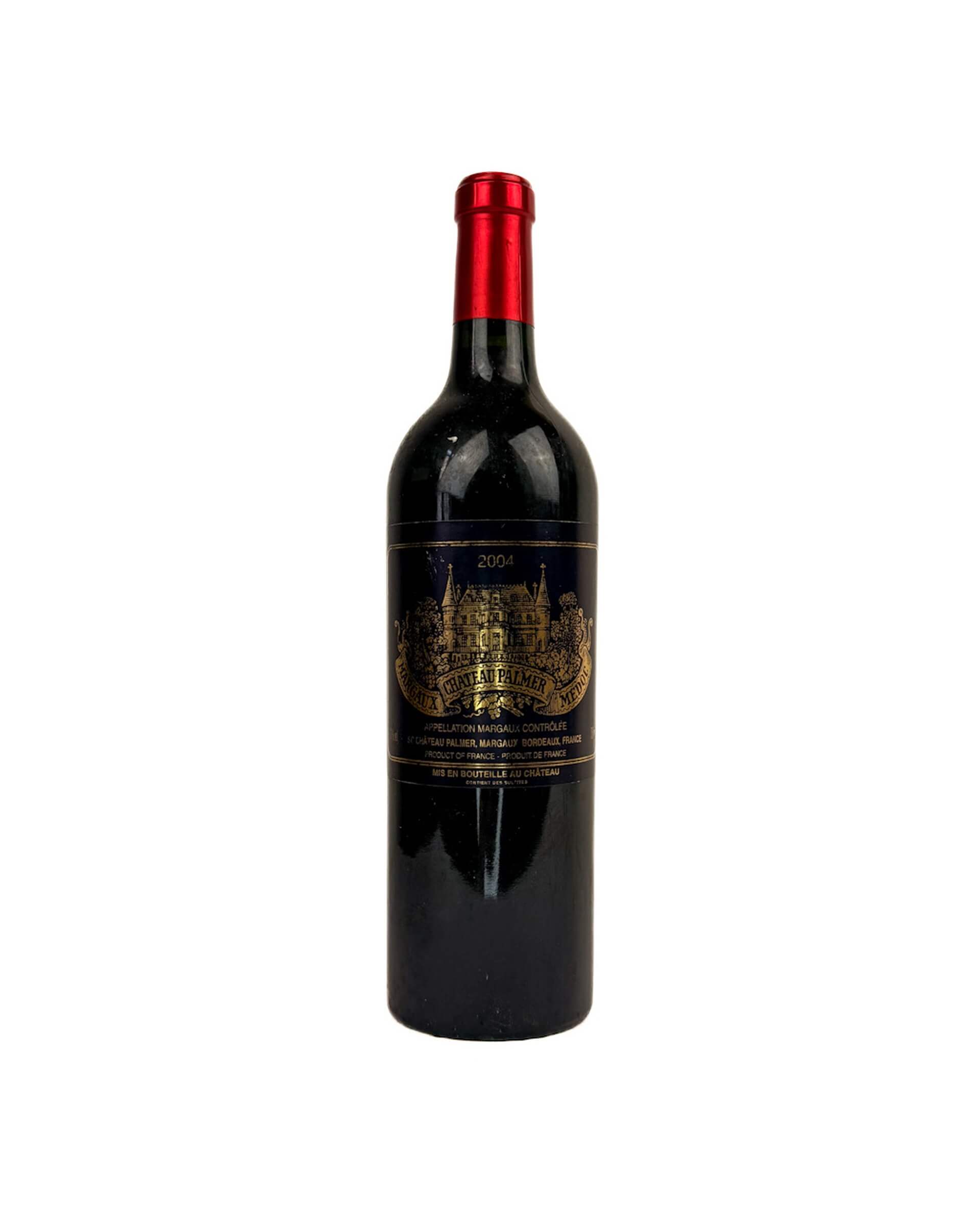
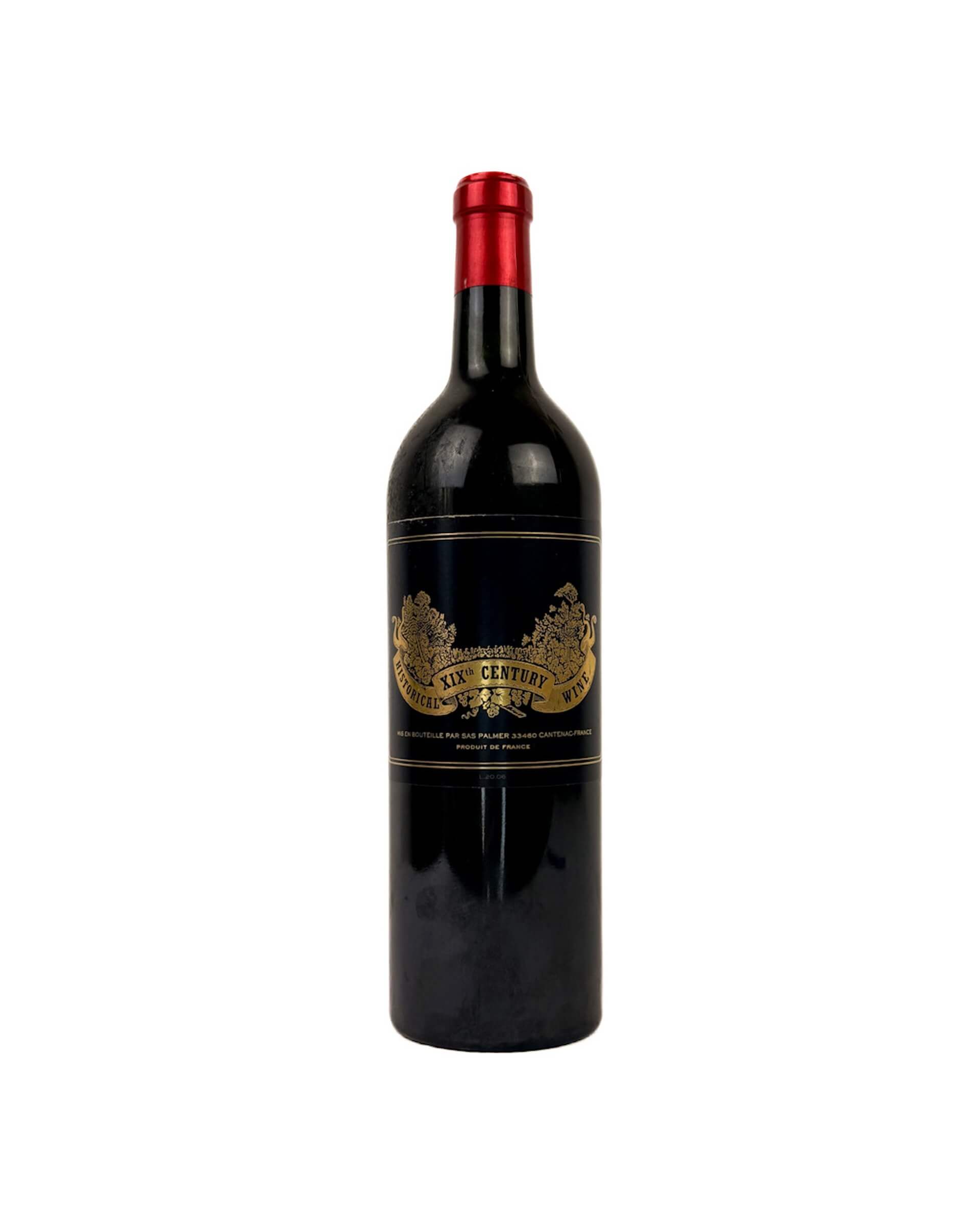
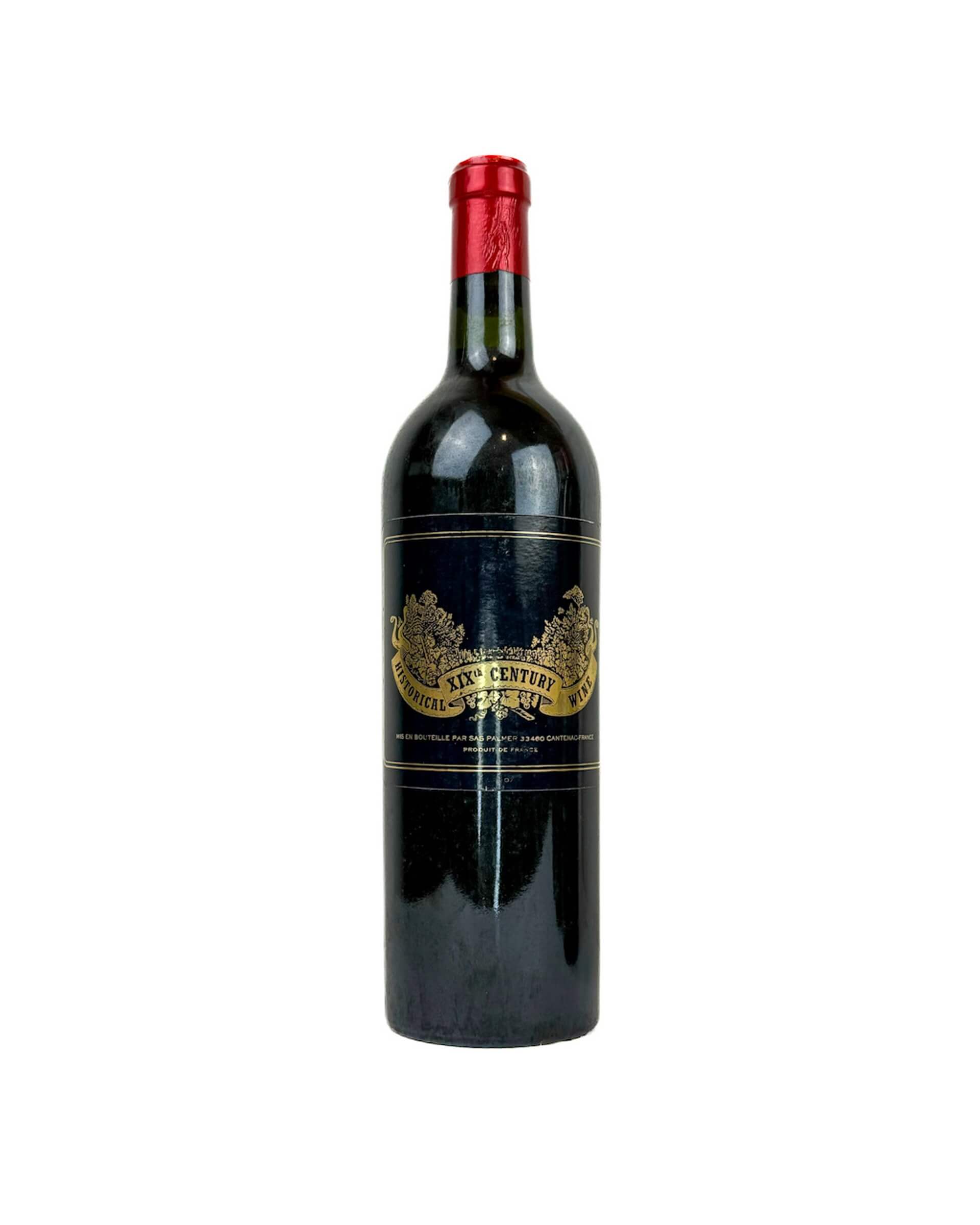
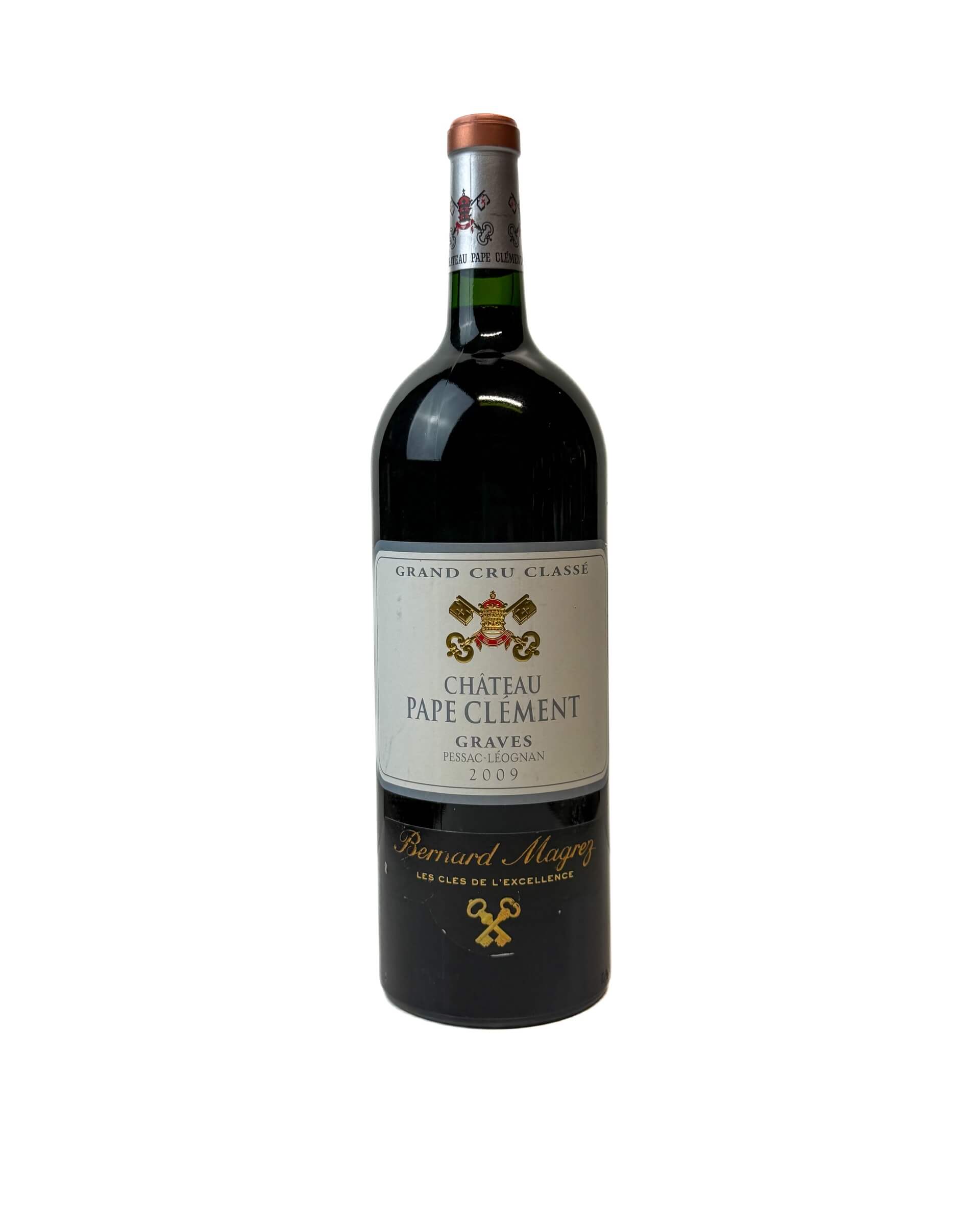
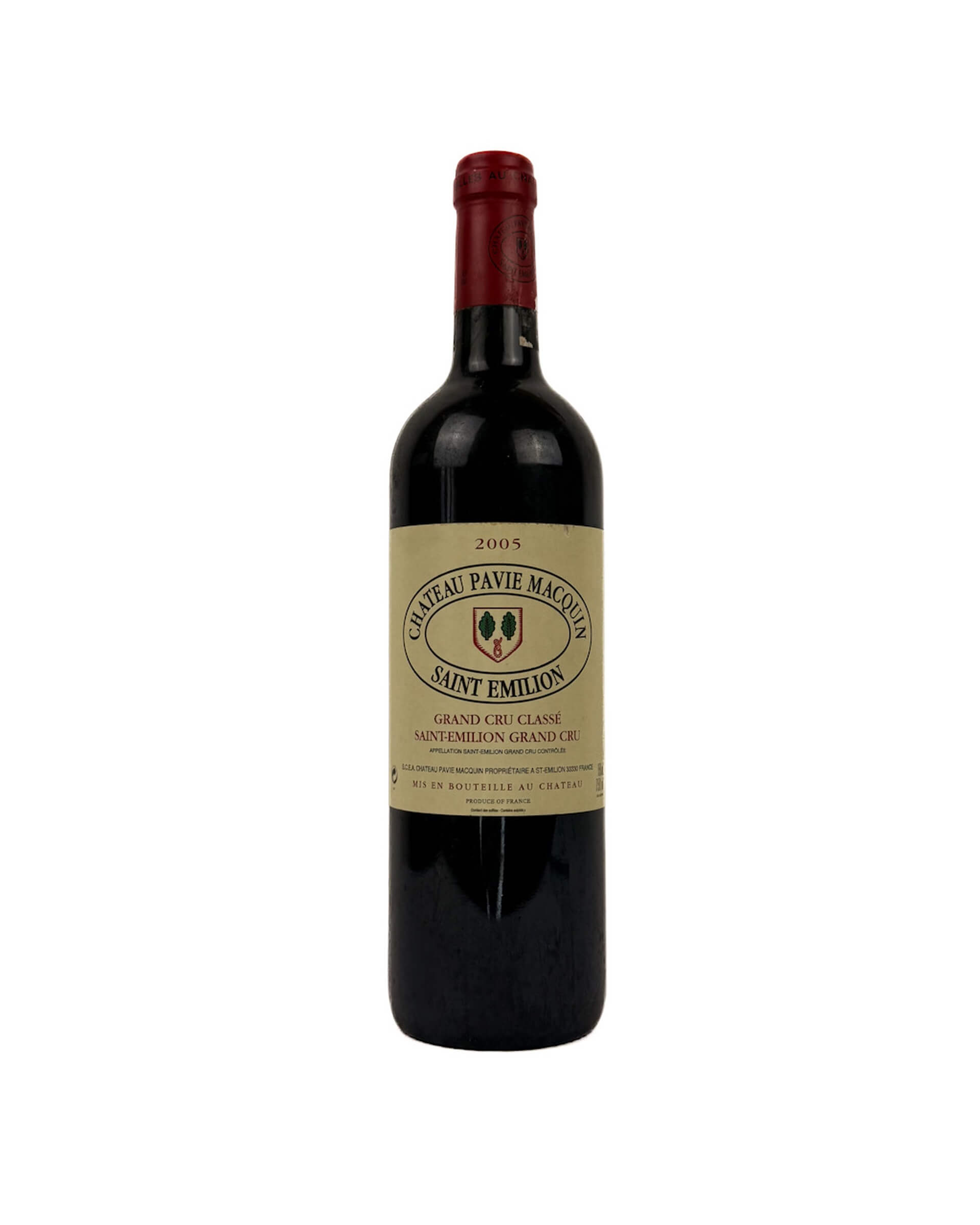
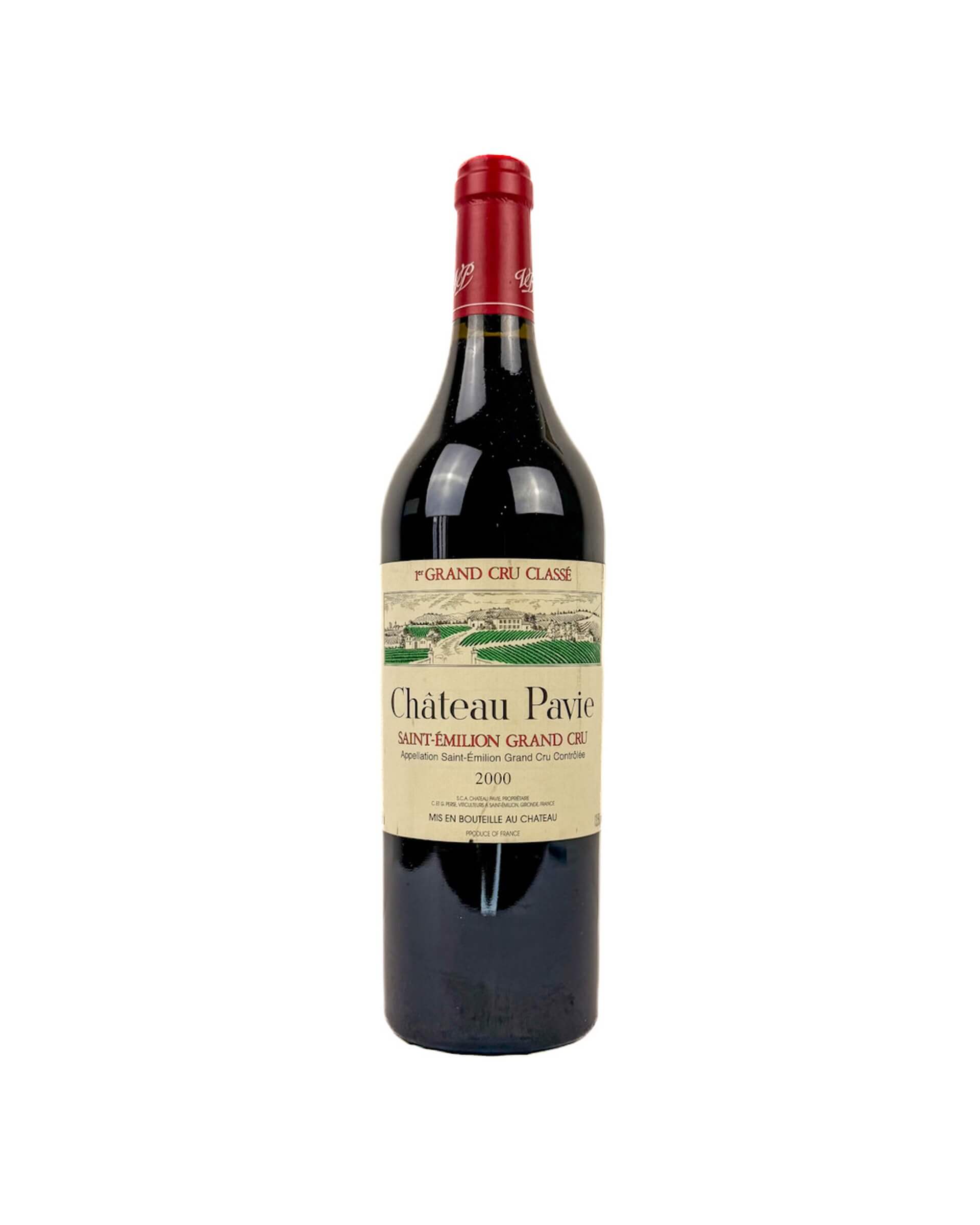
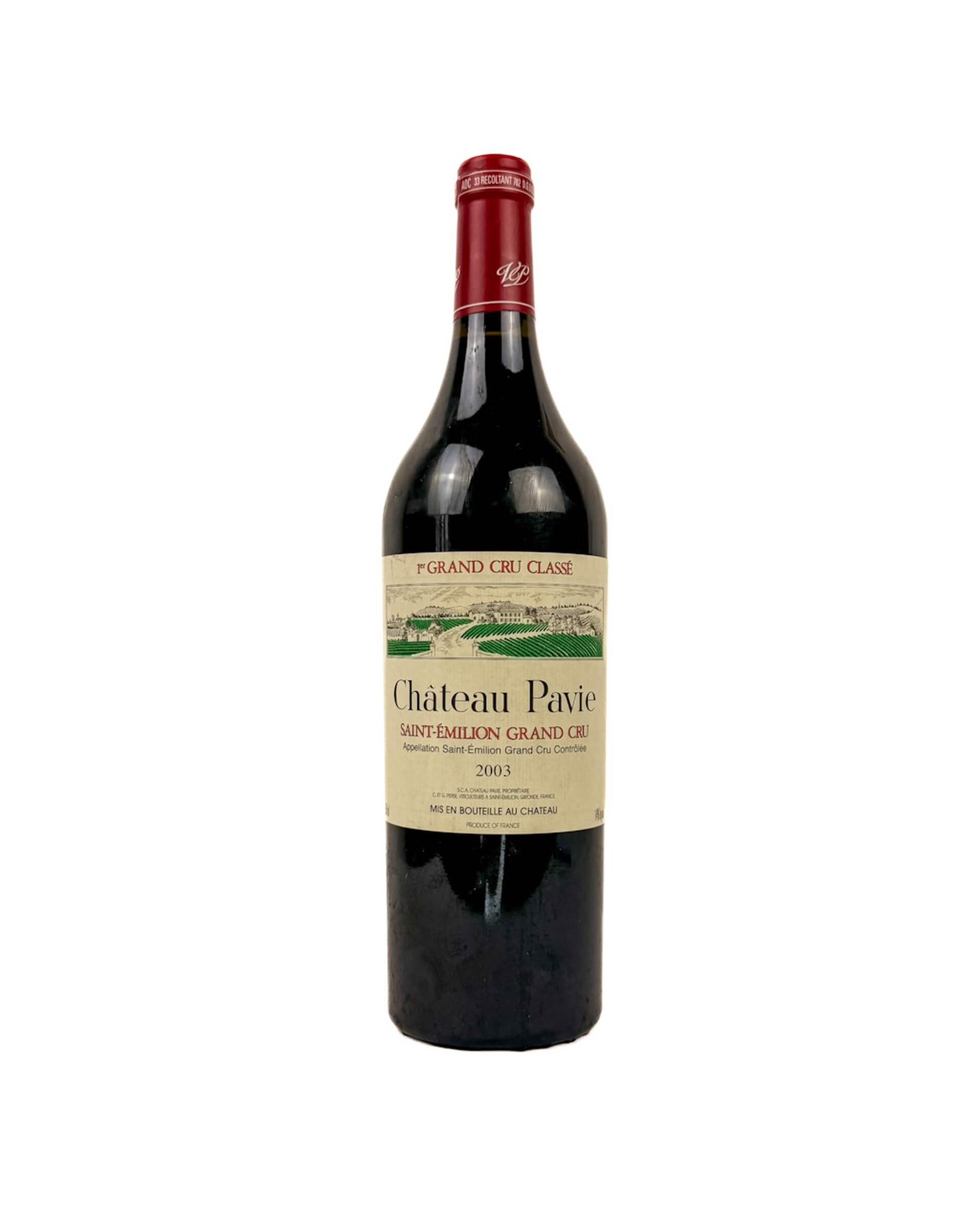
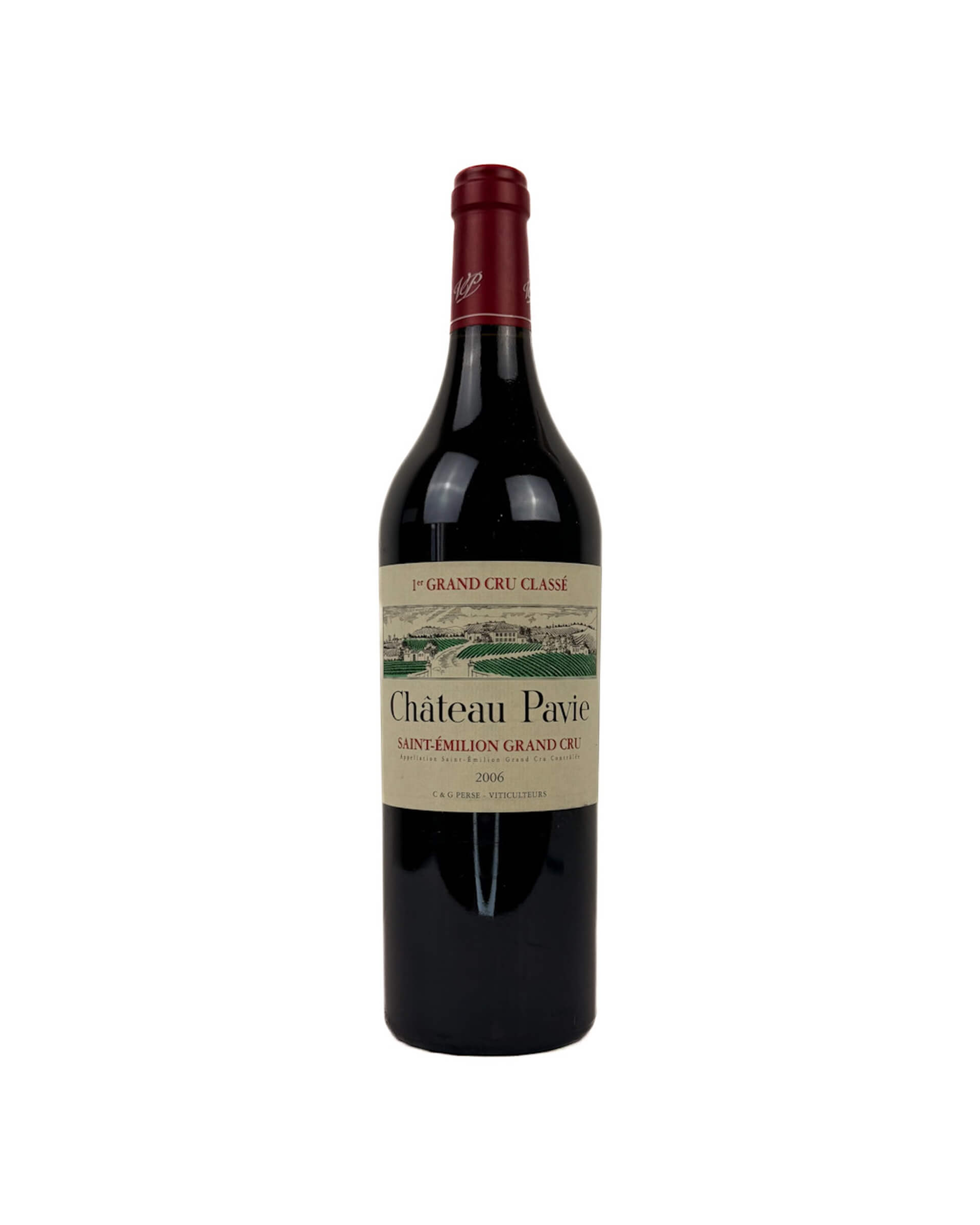
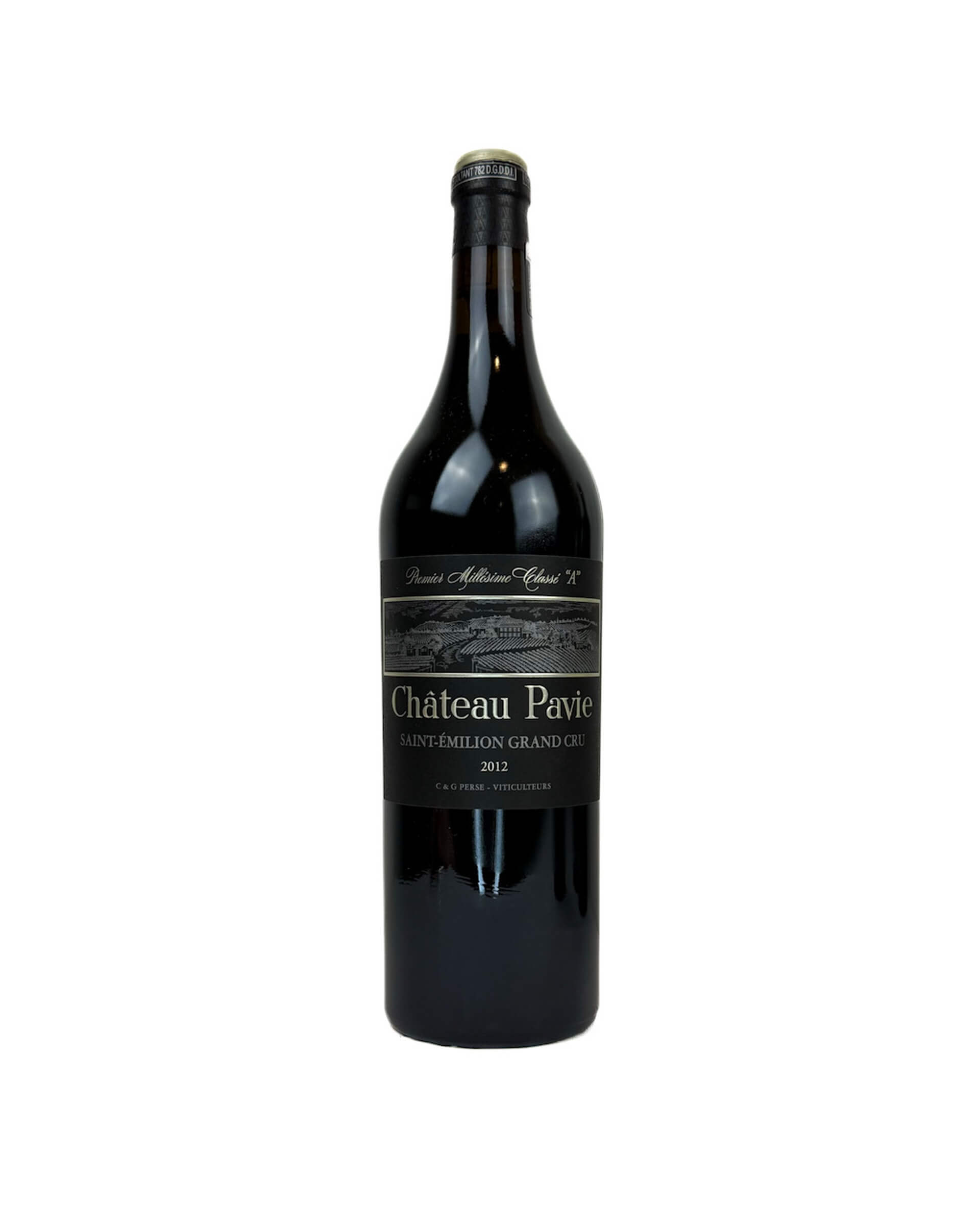
Merlot is the grape behind Pétrus and Le Pin — the two Pomerol estates that sit at the very top of our collection — and behind a long tail of more affordable Right Bank Bordeaux. Of the 187 bottles on this page, the overwhelming majority come from Pomerol, Saint-Émilion and their satellite appellations, the region around which Tour de Wine is built. Far from the soft, anonymous wine its reputation sometimes suggests, fine merlot wine can be profound, mineral and built to age for decades.
Across 187 bottles, our Bordeaux wines shelf concentrates on the appellations where Merlot reaches its peak: Pomerol, Saint-Émilion and their satellite neighbours. This is Merlot as a serious cellar proposition, not a supermarket commodity.
That range is reflected in price, from around €110 to €14,750 — a spread that maps almost perfectly onto the appellation hierarchy below. Read on to understand the grape, the regions and how to buy with confidence.
Merlot is a thin-to-medium-skinned, early-ripening black grape that flourishes in cooler, water-retentive soils where later-ripening varieties struggle. Its early maturity is a double-edged sword: it gives growers a reliable, generous crop, but it also makes the vine vulnerable to spring frost and uneven flowering. Where it is planted on the right soils and farmed for quality rather than yield, the results are extraordinary.
The classic merlot wine taste is built on ripe, dark fruit. Expect blue-black colour in the glass, a medium-to-full body, and a supple, rounded texture that fills the mid-palate. Compared with its frequent blending partner Cabernet Sauvignon, Merlot offers softer tannins and lower acidity, which is exactly why it reads as so approachable when young. On the iron-rich clay of Pomerol it gains remarkable density and a savoury, truffle-like depth; on the limestone of the Saint-Émilion plateau it shows more structure, lift and elegance.
This is also where the merlot vs cabernet sauvignon question is best answered. Merlot leads with fruit and roundness and is more forgiving in its youth; Cabernet Sauvignon brings firmer tannin, higher acidity and a graphite-edged structure. The two are not rivals so much as collaborators — which brings us to Merlot’s defining role in Bordeaux.
Most of the world’s greatest Merlot is not bottled alone. In Bordeaux it is the heart of a blend, and terroir dictates how large that heart is. Cool, water-retentive clay preserves Merlot’s lushness and lets it dominate; warm, free-draining gravel needs Cabernet Sauvignon’s backbone to carry the wine. Understanding the partners explains almost every bottle in this red wines selection.
The geography is the easiest way to remember it. On the Left Bank (the Médoc and Graves) Cabernet Sauvignon leads and Merlot softens it. On the Right Bank, Merlot rules: Pomerol and Saint-Émilion blends typically run from 70% to 100% Merlot, with Cabernet Franc supplying the lift and the occasional dash of Petit Verdot adding spice. Which Merlot wine regions you choose, then, is really a choice about how much of the grape’s pure character you want in the glass.
Understanding the appellation hierarchy is the single most useful thing to know before buying Right Bank Bordeaux. Each appellation carries its own style, ageing potential and price expectation.
Classification systems can feel opaque, but they are simply a buyer’s shortcut to quality and price. The crucial point is that they work differently here than in Burgundy. In Burgundy, Grand Cru describes a specific vineyard; in Saint-Émilion, the classification ranks estates and is revised periodically; in Pomerol, nothing is classified at all, so reputation is the only map. Knowing which system applies tells you how to read the label and what to expect to pay.
For a closer look at the top tiers referenced above, see our Grand Cru and 1er Cru collections. Reading a Bordeaux label well — appellation first, then classification, then estate and vintage — is the single most reliable way to find the best wine for your budget and your cellar.
At this level, vintage matters as much as appellation. Four recent years frame the current buying window. 2015 was the breakthrough Right Bank vintage of the decade — ripe, generous and already drinking beautifully, ideal if you want immediate pleasure with cellar potential in reserve. 2016 is the classicist’s choice: fresher and more structured, built for the long haul and best left for patient collectors. 2018 is rich and powerful, a crowd-pleasing year for lovers of opulent Pomerol. 2019 combines concentration with welcome balance and offers some of the best value of the group. The young 2022 is an exceptional, age-worthy vintage to lay down now and forget for fifteen years or more. As a rule, drink 2015 and 2018 first, and cellar 2016 and 2022.
Merlot’s plush texture and dark fruit make it one of the most versatile reds at the table, but matching the weight of the wine to the weight of the dish is what turns a good pairing into a memorable one.
For glassware, reach for a large Bordeaux-style bowl rather than a narrow tulip, which compresses Merlot’s generous aromatics just when you want them to bloom.
The strength of a curated selection is that price tracks quality and intent. Whatever your starting point, there is a clear path through the collection — and the price anchors set out in the classification table above to plan around. Prices are in euros, as Tour de Wine is a French specialist merchant.
With 187 bottles spanning that full arc, the catalogue is built to take you from a first, confident Right Bank purchase to a genuine collector-grade Pomerol — all chosen by a merchant whose Merlot selection is organised around the grape’s heartland appellations rather than its commodity reputation.
A well-made Saint-Émilion Grand Cru Classé typically drinks best between eight and fifteen years from the vintage, with the limestone-grown wines and the strongest years stretching well beyond that. Premier Grand Cru Classé bottlings and top Pomerol reward two to four decades of patient cellaring. As a practical rule, give any serious Right Bank Merlot at least five years before opening, and in strong vintages such as 2016 or 2022 hold the best wines longer. Store bottles on their side at a steady 12–14 °C, away from light and vibration, and decant older vintages gently to leave the fine sediment behind.
Merlot is softer, rounder and more immediately approachable, with lower tannins, a fuller mid-palate and a lead of dark fruit rather than the structured, graphite-edged character of Cabernet Sauvignon. On the Right Bank of Bordeaux, Merlot is the dominant grape; on the Left Bank, Cabernet Sauvignon leads and Merlot plays a softening, supporting role. For drinking young, Merlot is the more forgiving of the two; for very long cellaring, Cabernet Sauvignon often has the structural edge — though the finest Pomerol and Saint-Émilion are serious exceptions.
Both are Right Bank Bordeaux appellations dominated by Merlot, but they differ in terroir and style. Pomerol sits on iron-rich clay, producing wines of extraordinary density, truffle complexity and opulence — and it has no official classification, so reputation alone serves as the buyer’s map. Saint-Émilion grows on a limestone plateau and clay slopes; its wines show more structure, a lifted aromatic quality from higher Cabernet Franc percentages, and a formal classification system, from Premier Grand Cru Classé A at the top — held by Château Pavie and Château Figeac since the 2022 revision — down through Grand Cru Classé. Both age superbly: Pomerol tends toward immediate hedonism while young, Saint-Émilion toward an austerity that opens with time.
The 2004 film Sideways made the line “I am not drinking Merlot” culturally viral and triggered a measurable drop in US Merlot sales for nearly a decade — a backlash built on misconceptions about commodity Merlot rather than the grape at its best. Serious Merlot, from Pomerol, Saint-Émilion and select European producers, never wavered in quality. The rehabilitation is well underway: a new generation of buyers is discovering that the most expensive wines in the world outside Burgundy, Pétrus and Le Pin among them, are almost entirely Merlot.
Written by the Tour de Wine buying team. Last reviewed: June 2026.
This site is restricted to adults. By entering, you confirm that you are of legal drinking age in your country of residence.