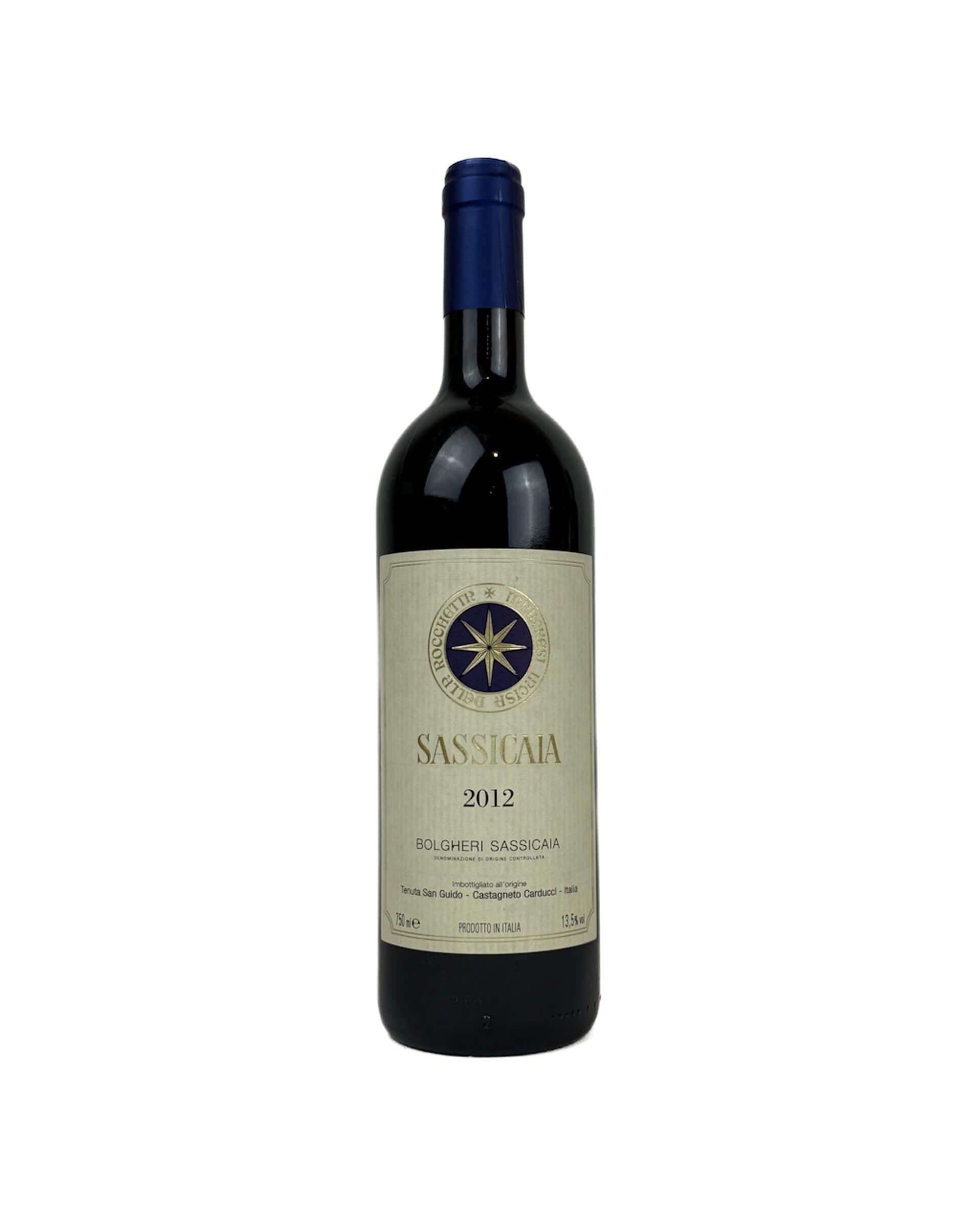
95
0,75
2004
Tenuta dell'Ornellaia
Wines, producers, regions...
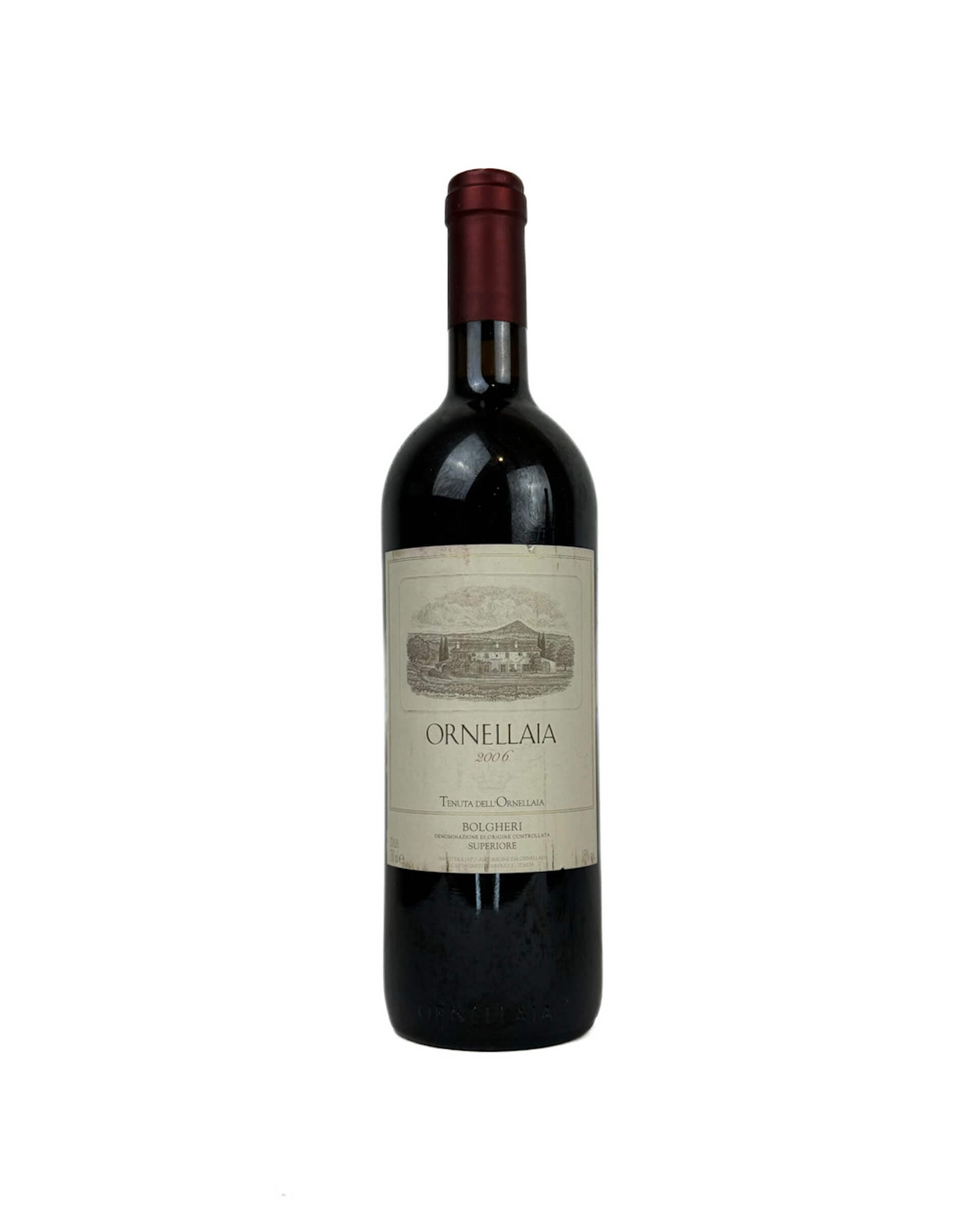
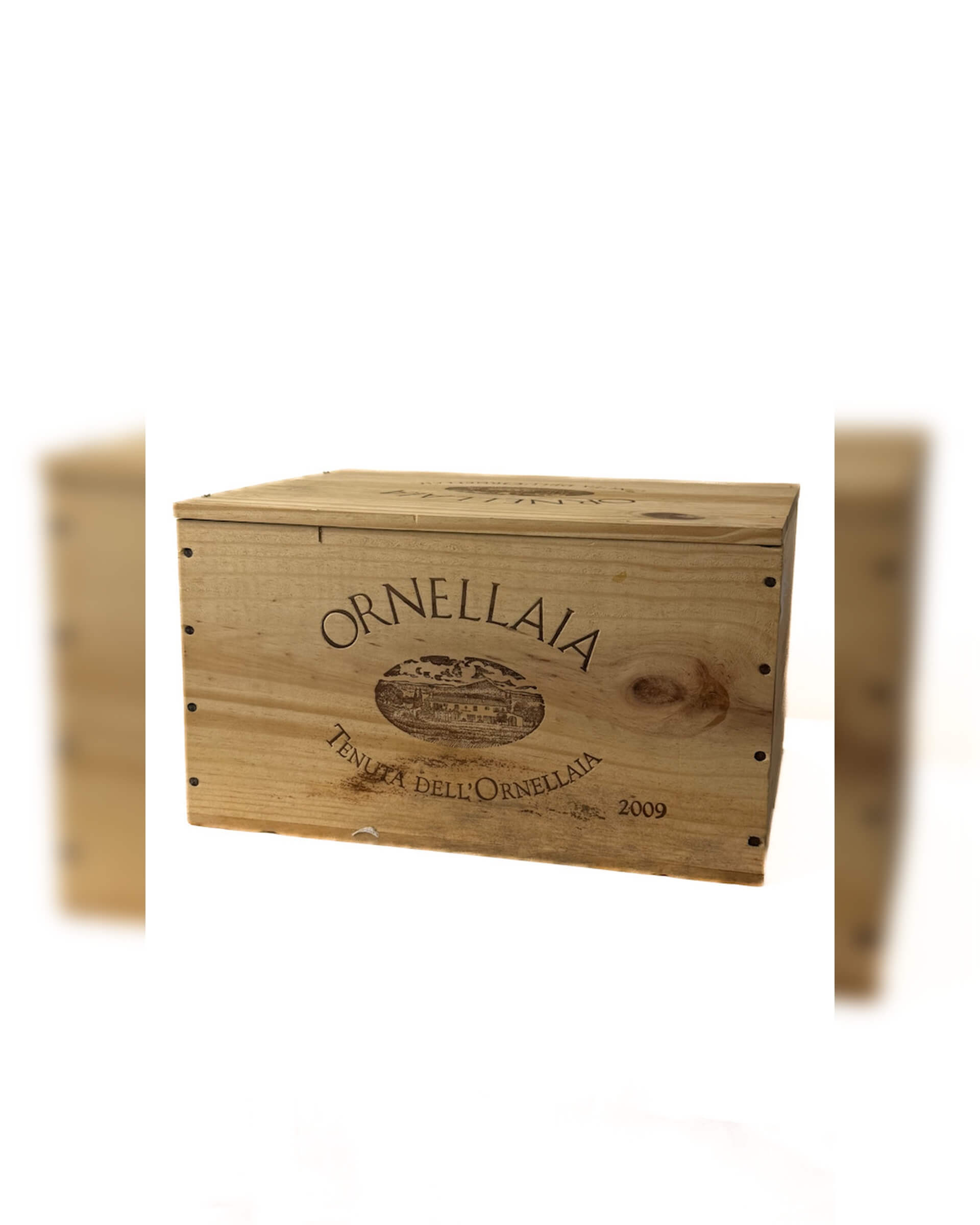
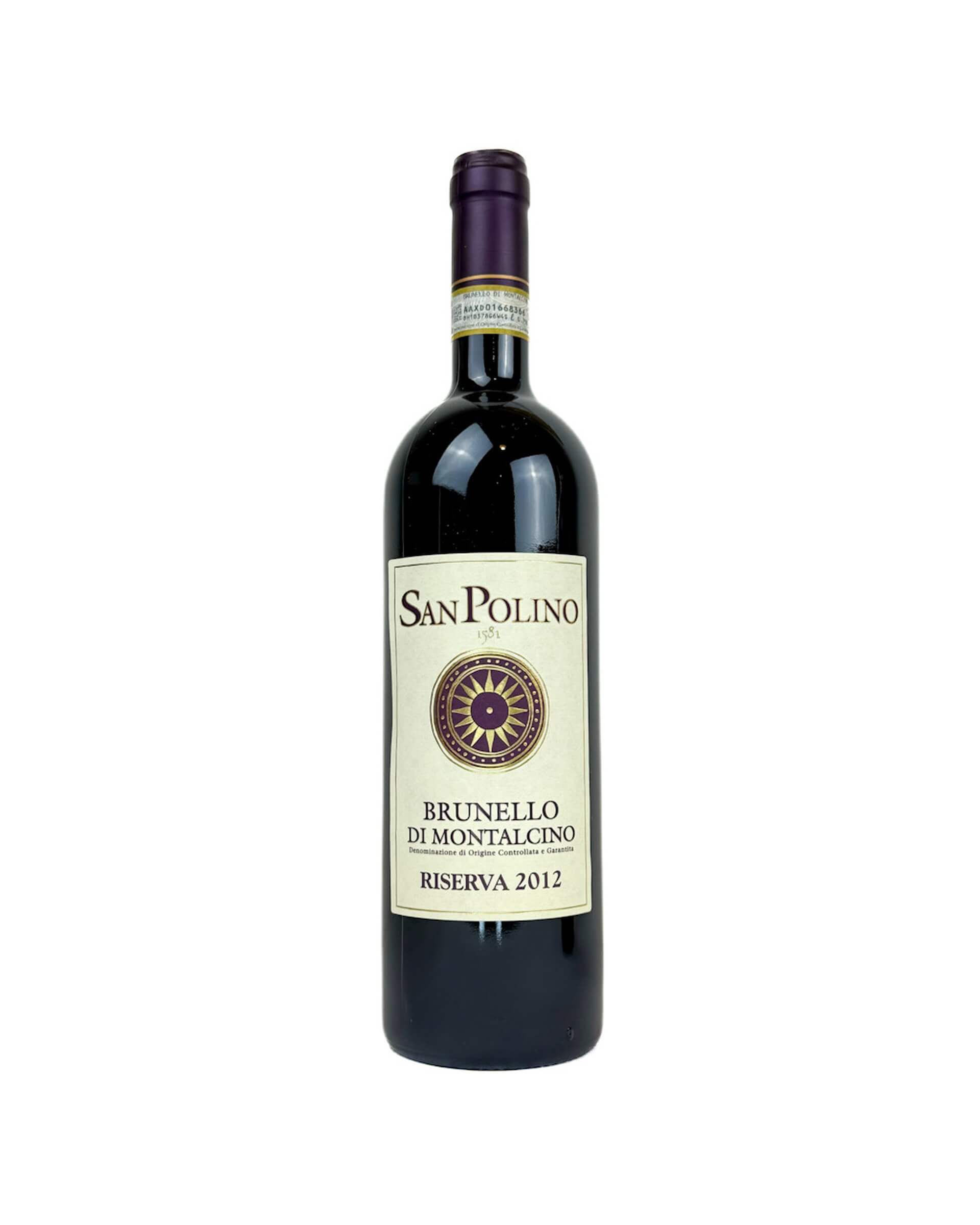
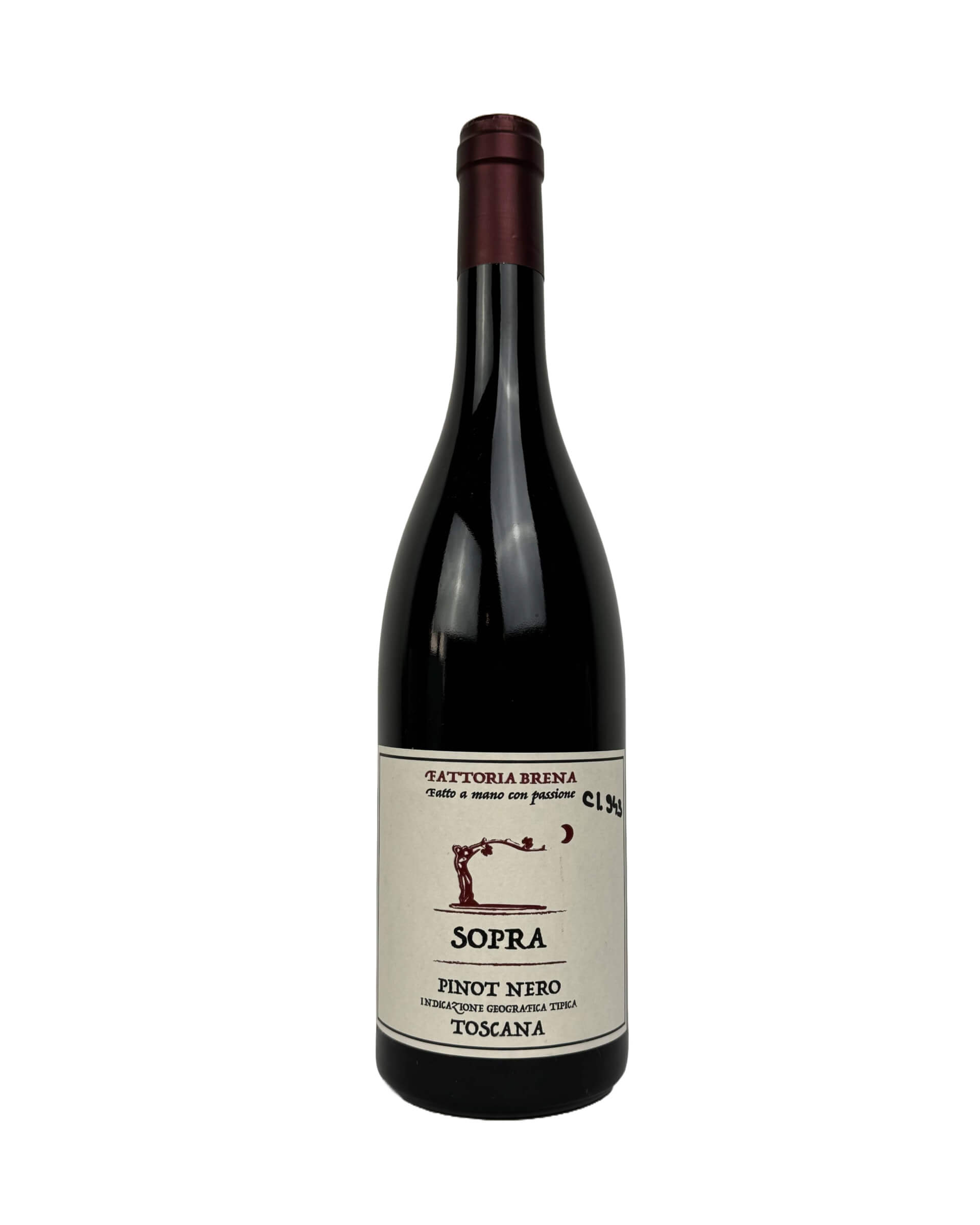
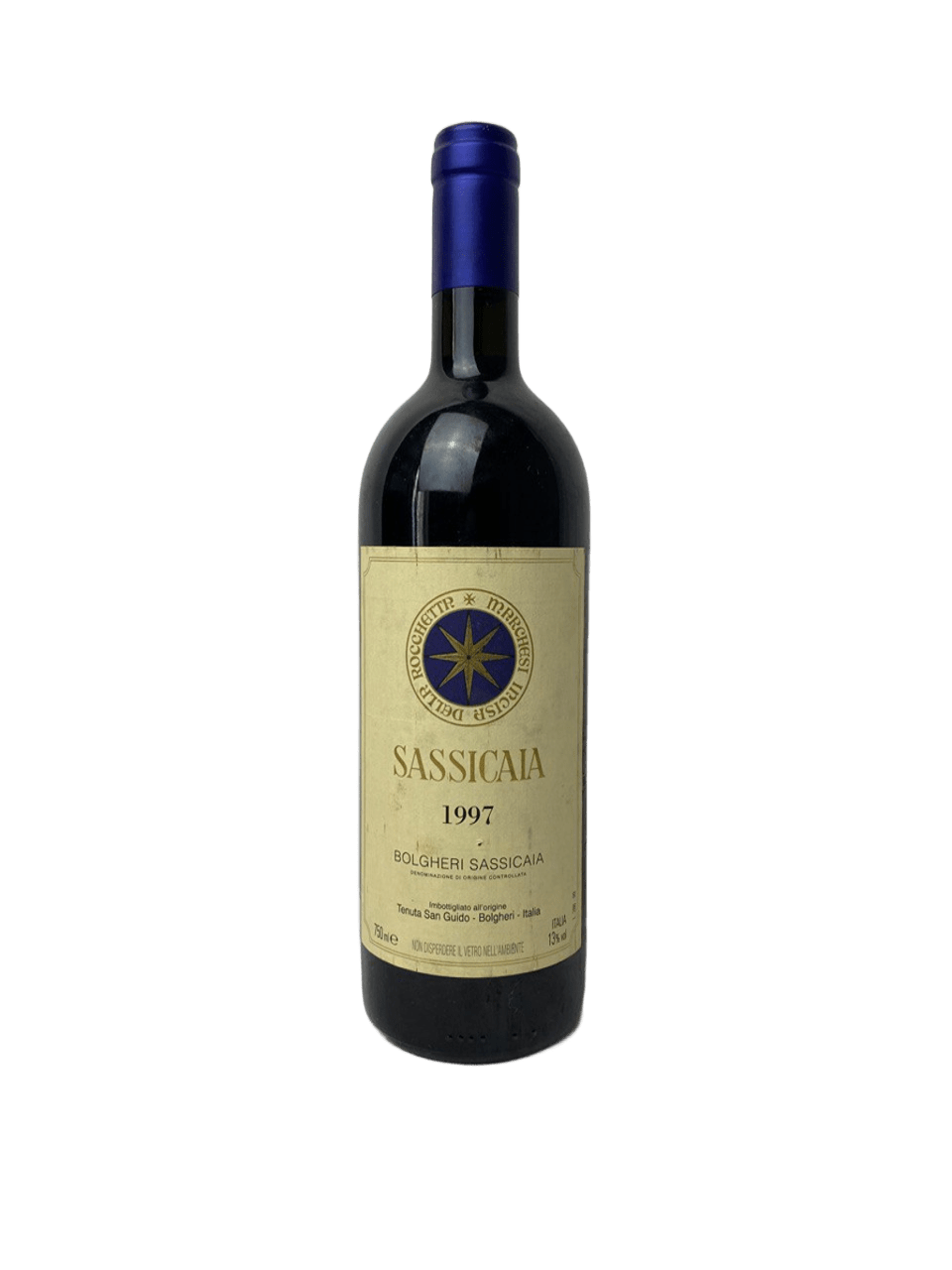
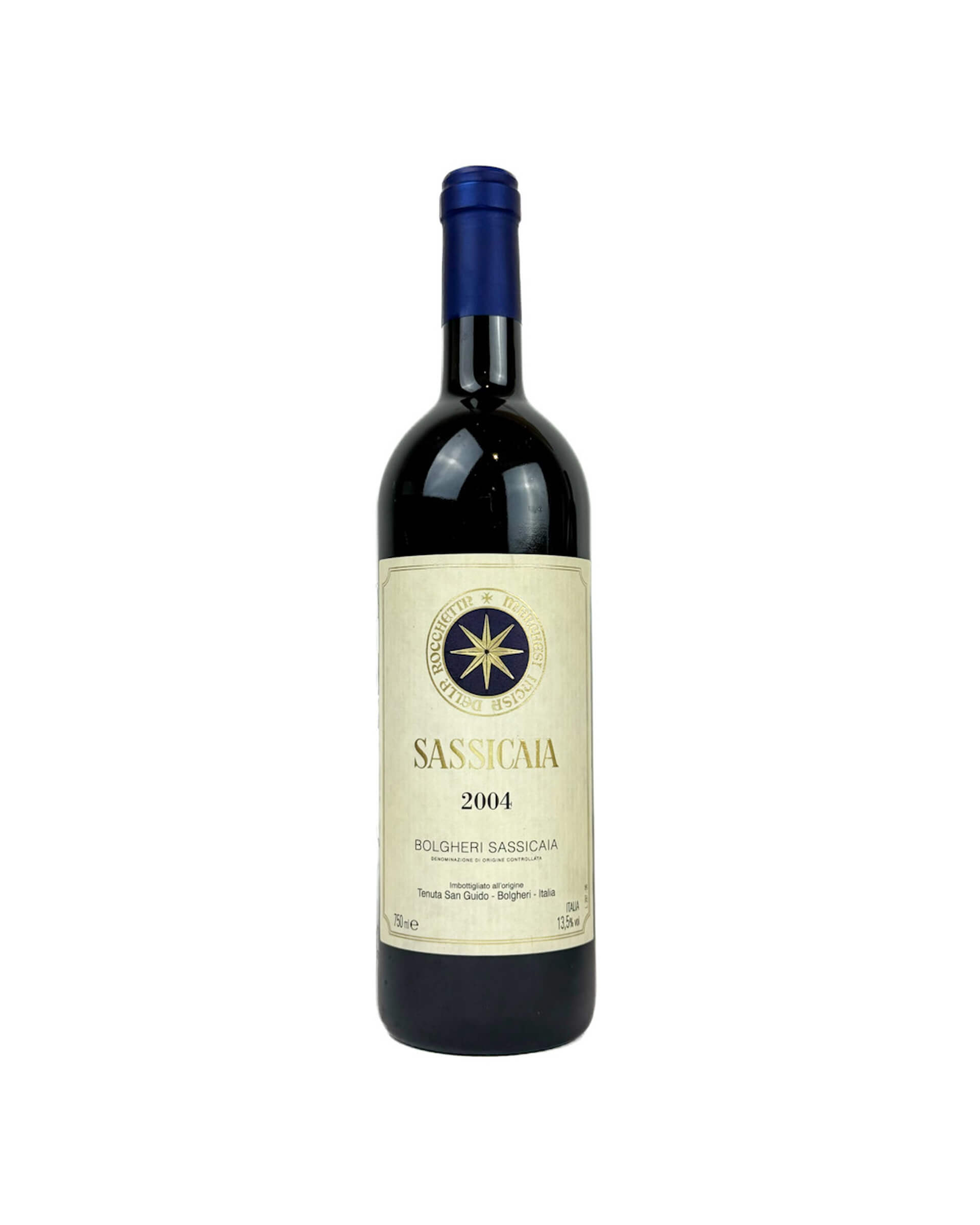
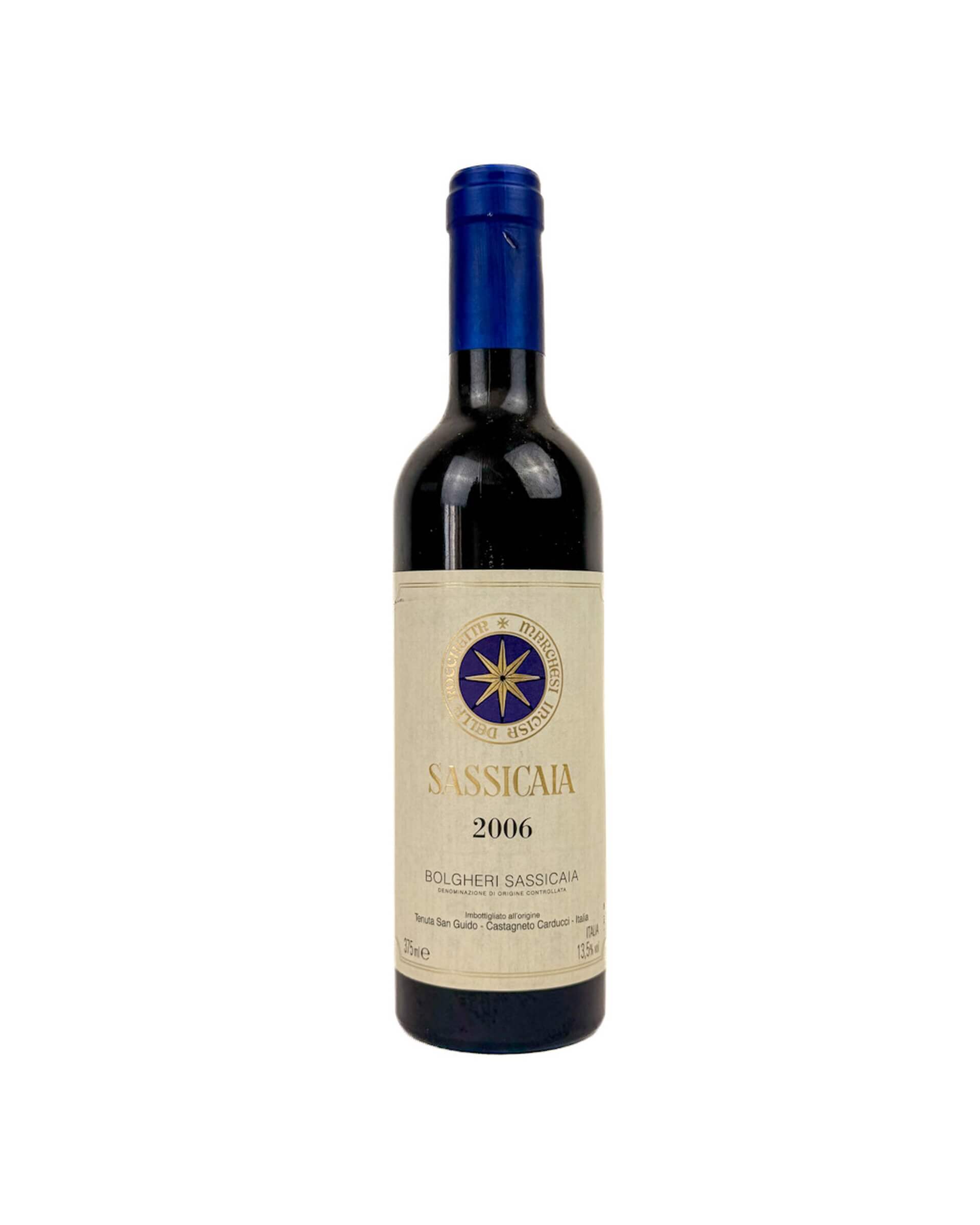
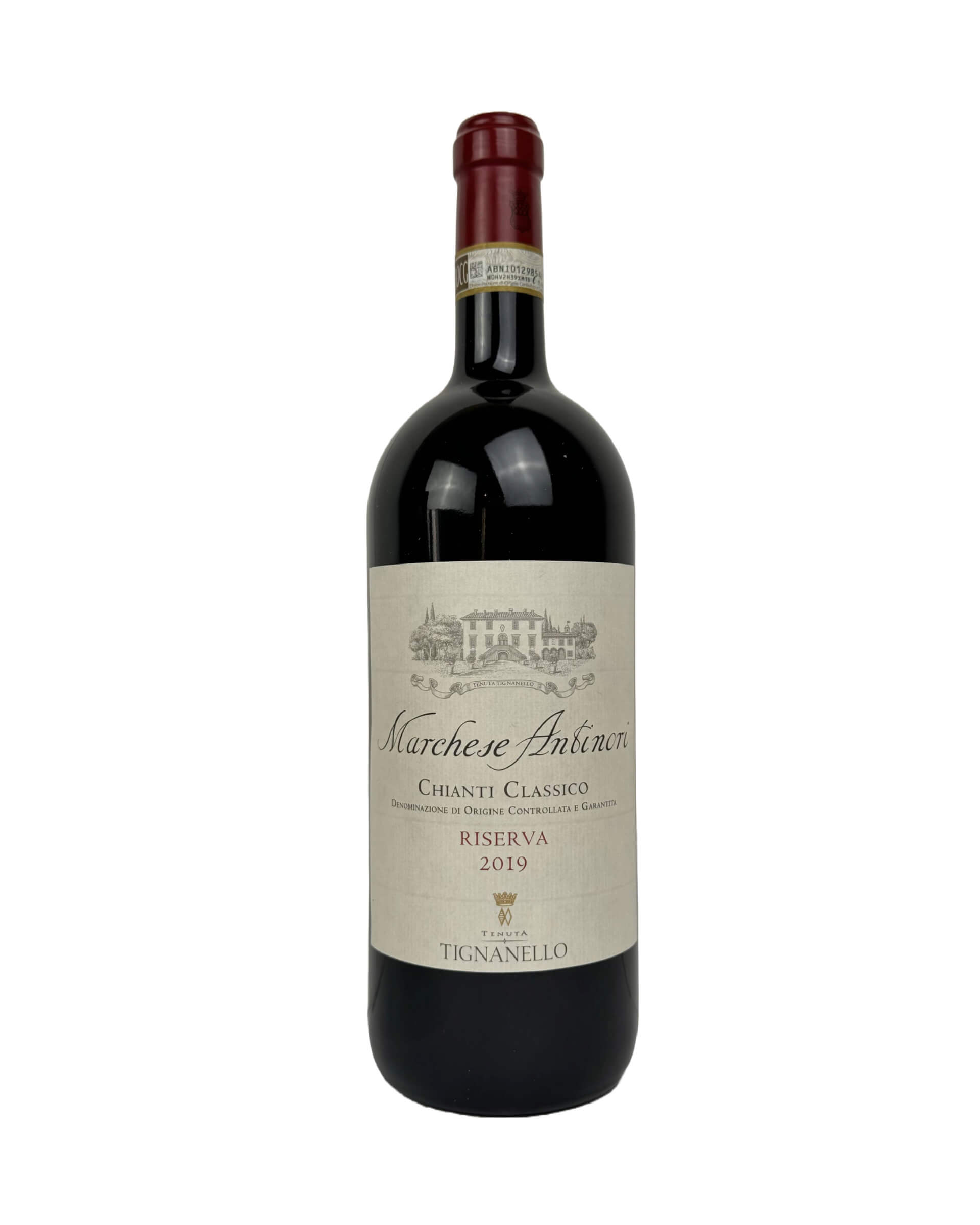
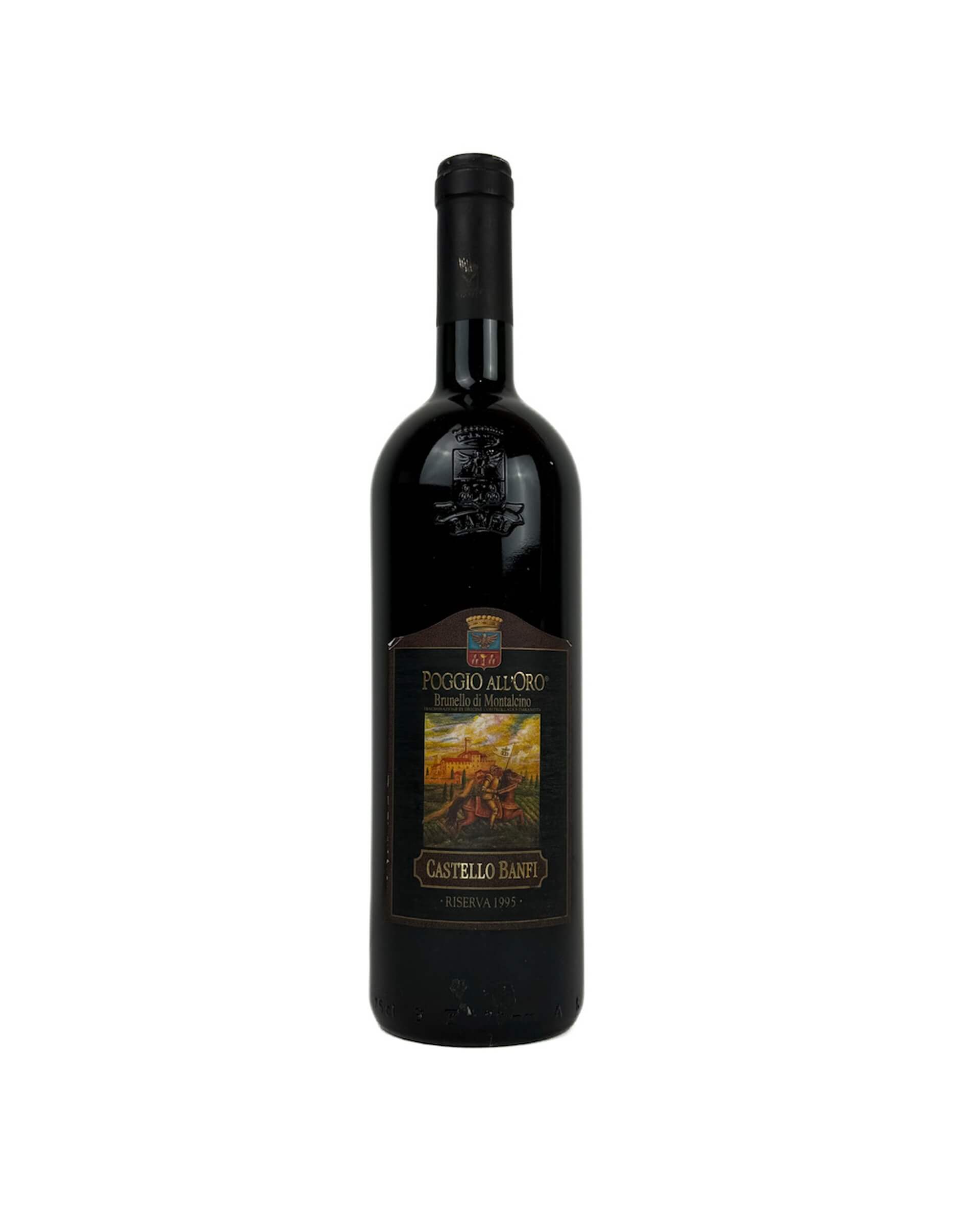
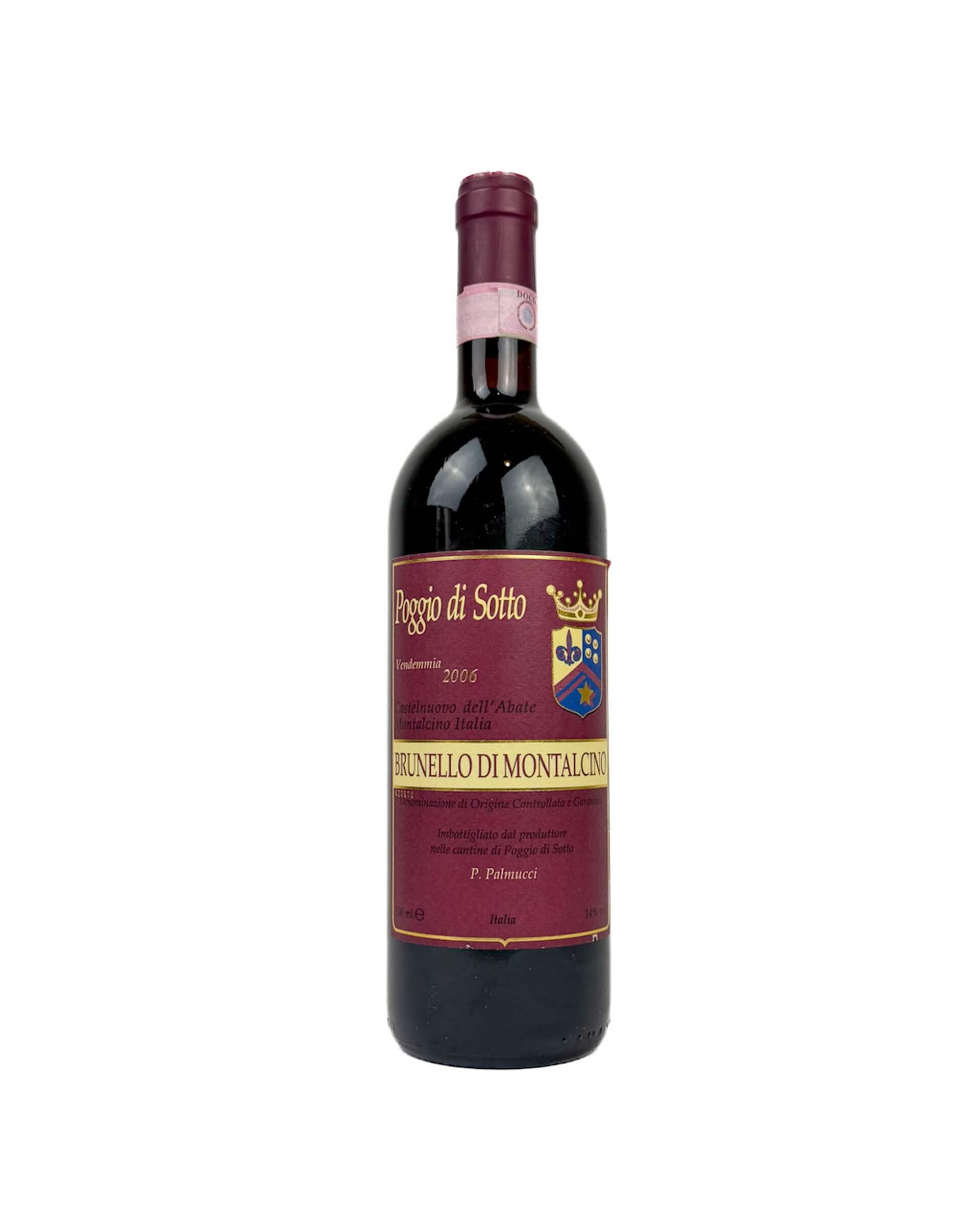

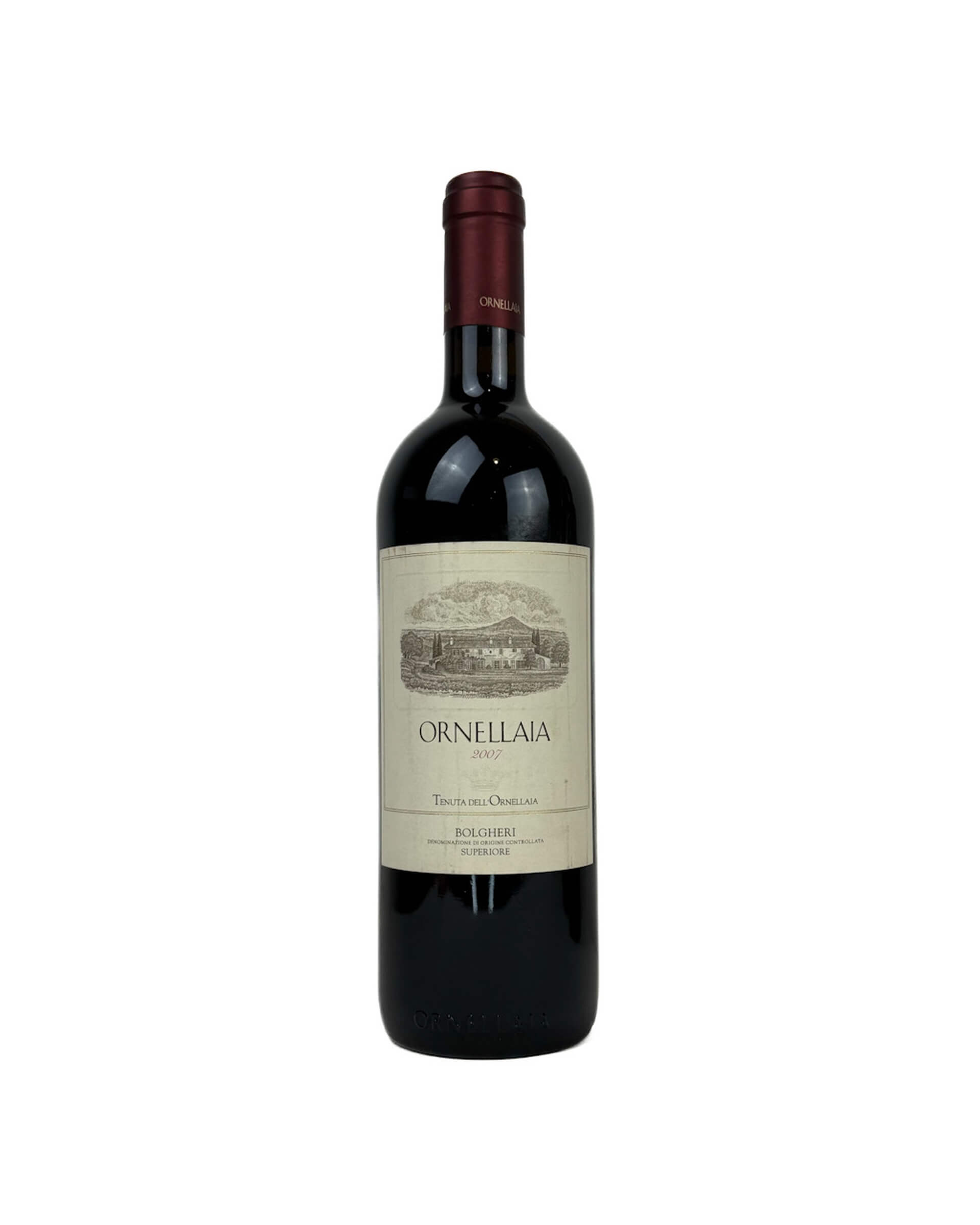
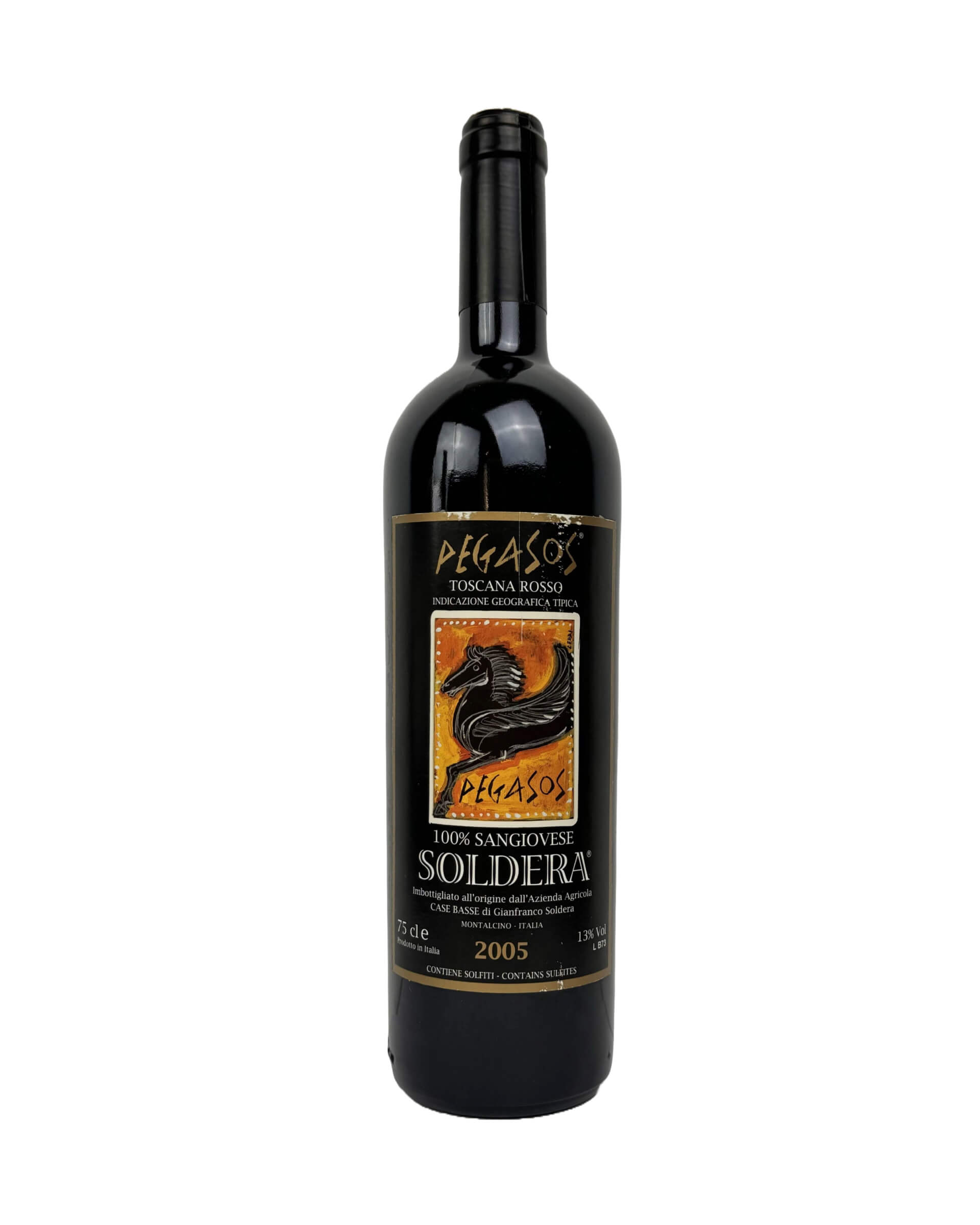
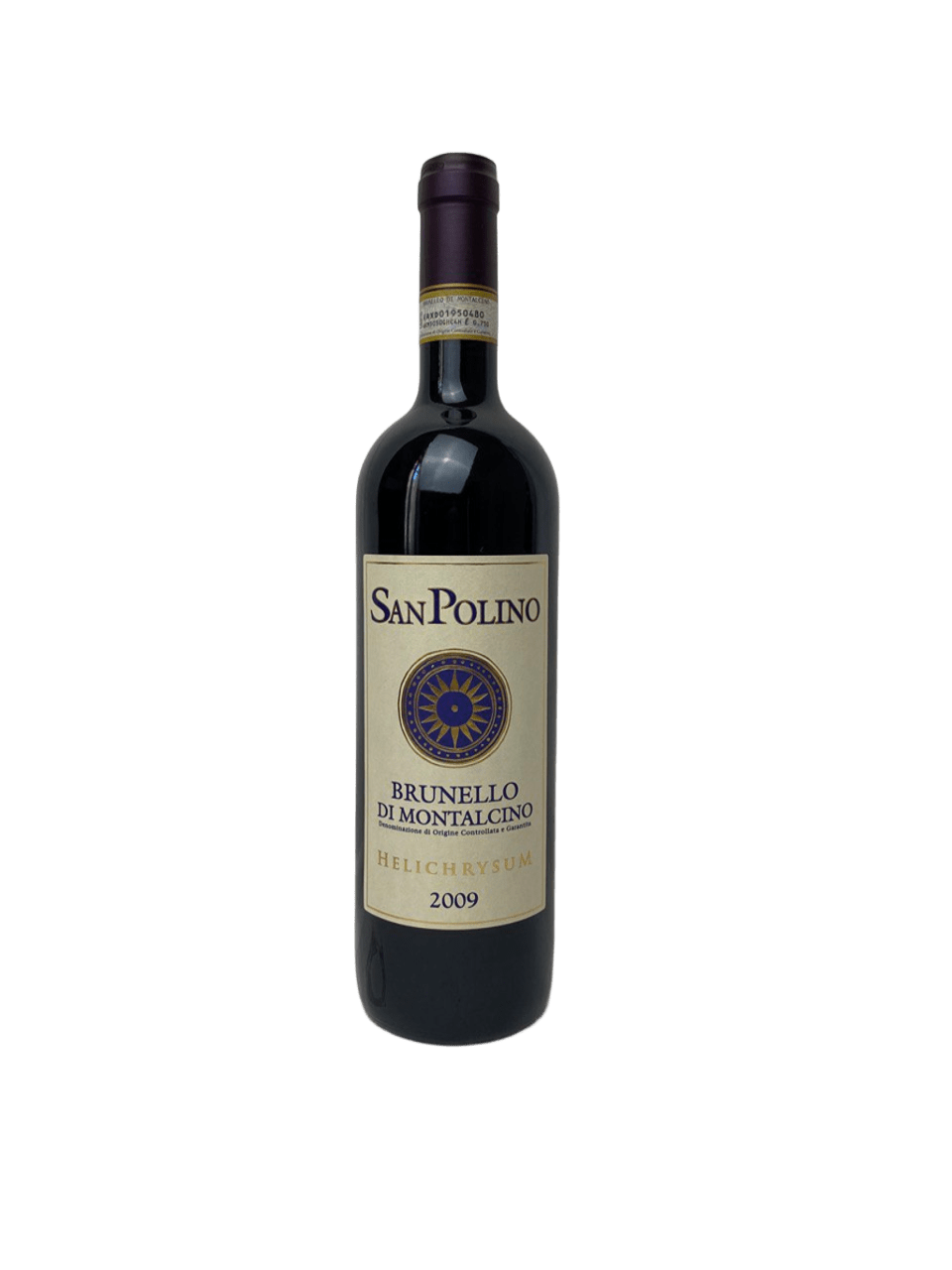
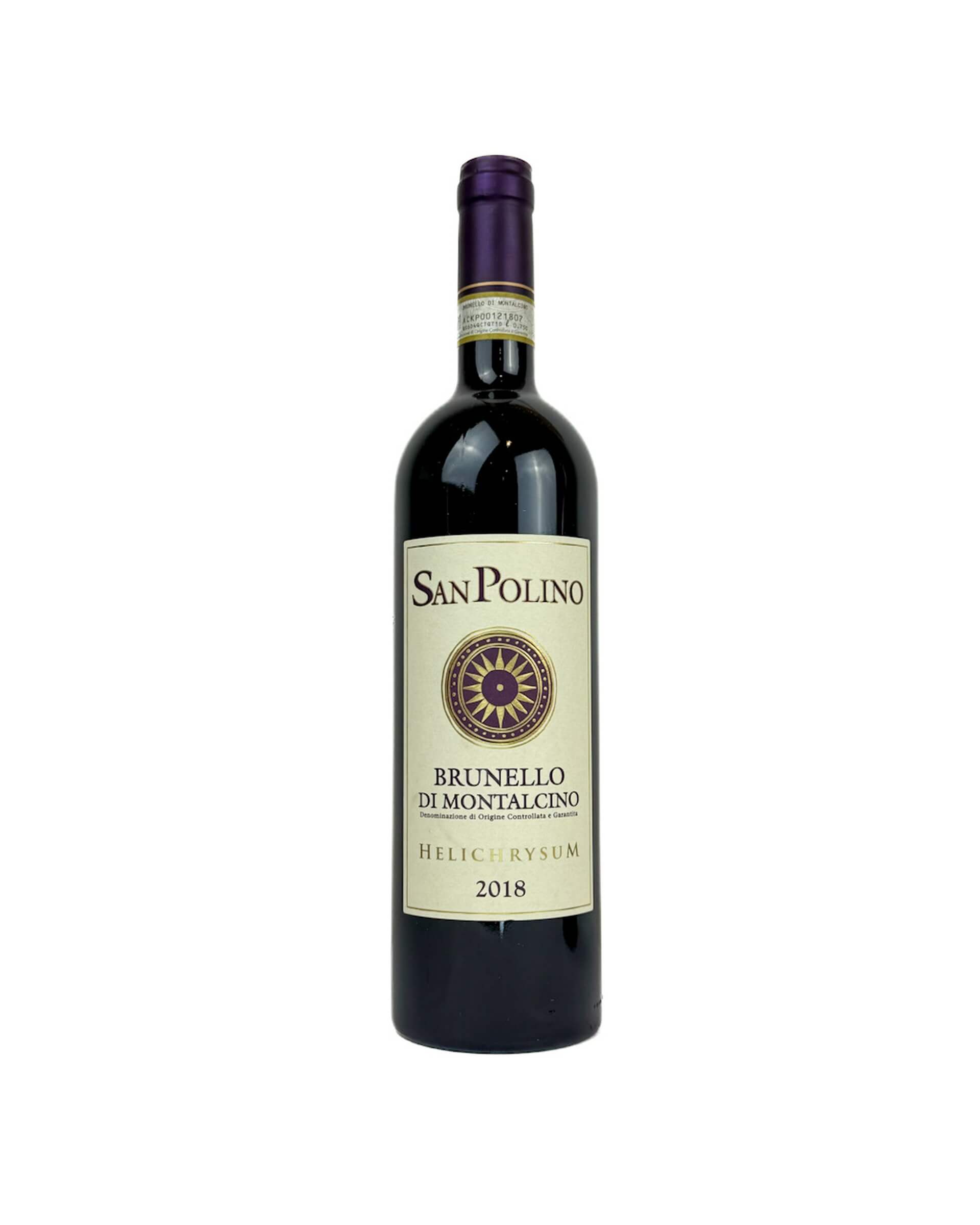
Italian wine spans more native grape varieties than any other country — over 350 authorised varieties — making it the most varied single-origin category in our range, from the tar-and-rose power of Piedmont’s Nebbiolo to the saline, citrus-driven whites of the Adriatic coast. At Tour de Wine we treat Italy not as one shelf but as a collection of distinct, deeply rooted regional cultures, each with its own grapes, soils, and rules. Our selection is built around the two regions that have defined Italian fine wine for centuries — Tuscany and Piedmont — while reaching south to Campania and north to the Alpine vineyards of Trentino-Alto Adige.
This page is a hub for our complete Italian range: 67 carefully chosen bottles spanning Tuscany, Piedmont, Friuli-Venezia Giulia, Campania, Marche, and Trentino-Alto Adige, and part of our full wine selection. When you buy Italian wine from us, you draw on a French merchant’s direct relationships with European estates: our prices start from around €70 for an entry-level bottle, with most bottles priced near €255 — a curation deliberately weighted toward quality DOC and DOCG estates rather than volume production. The finest Barolo and Brunello cuvées reach significantly higher.
Understanding wine from Italy begins with geography. The country’s wine regions span more than ten degrees of latitude, from the Alps to the Mediterranean, and each Italian wine region carries its own signature grapes and classifications. Below we map the six regions represented in our catalogue, with the tasting character, key appellations, and the curated selection behind each. Use these as your entry points into Italy’s most rewarding styles.
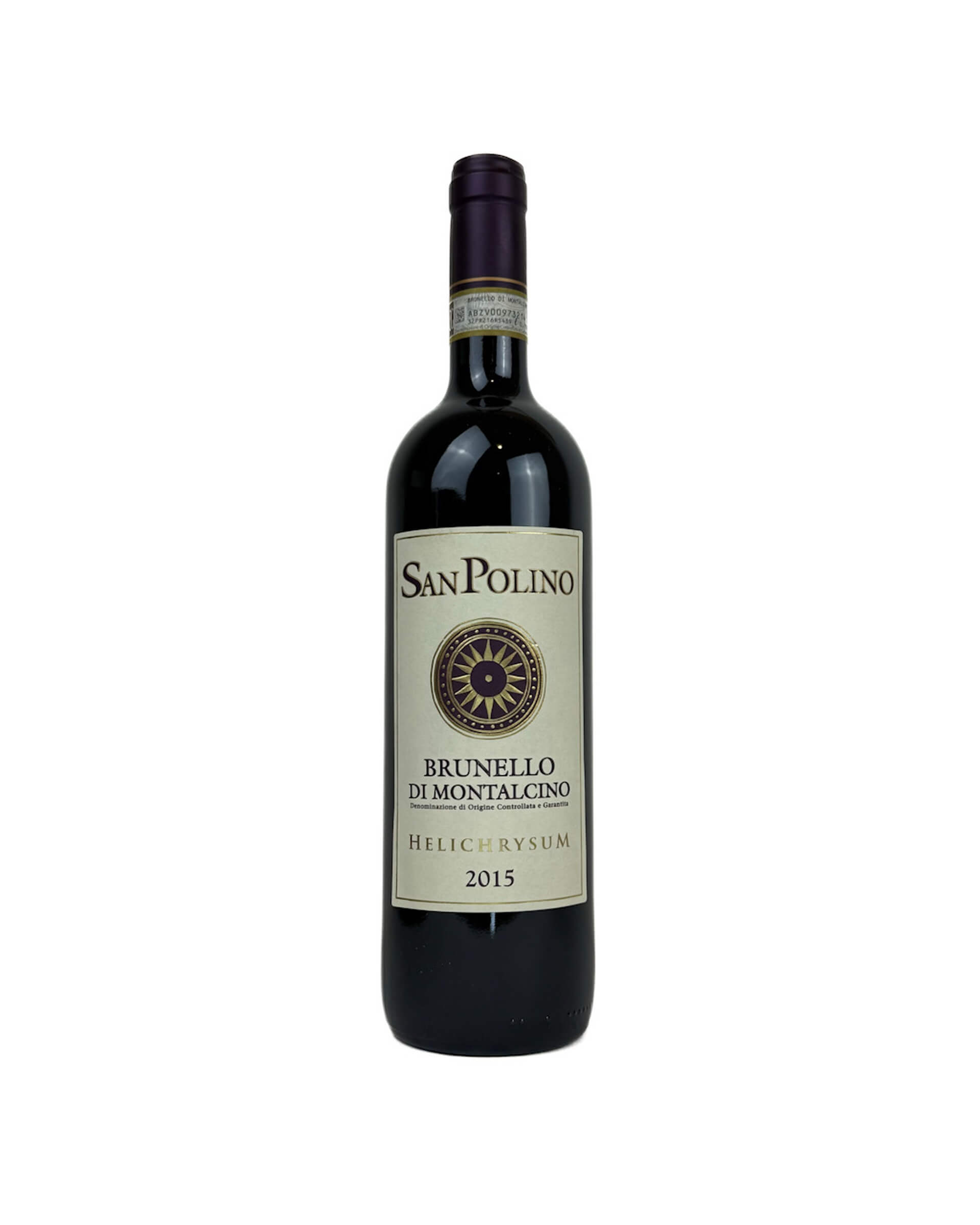
Tuscany is the heart of our Italian range and the home of Sangiovese, the cherry-scented, firmly acidic grape that forms the backbone of the region’s great reds. Its finest expressions are the DOCG wines: Chianti Classico from the Gallo Nero zone between Florence and Siena, the long-lived Brunello di Montalcino, Vino Nobile di Montepulciano, and the coastal Morellino di Scansano. It is worth knowing the distinction between Chianti Classico DOCG — grown in the original, stricter historic zone — and the broader Chianti DOC; the Classico designation is a genuine quality signal, not marketing.
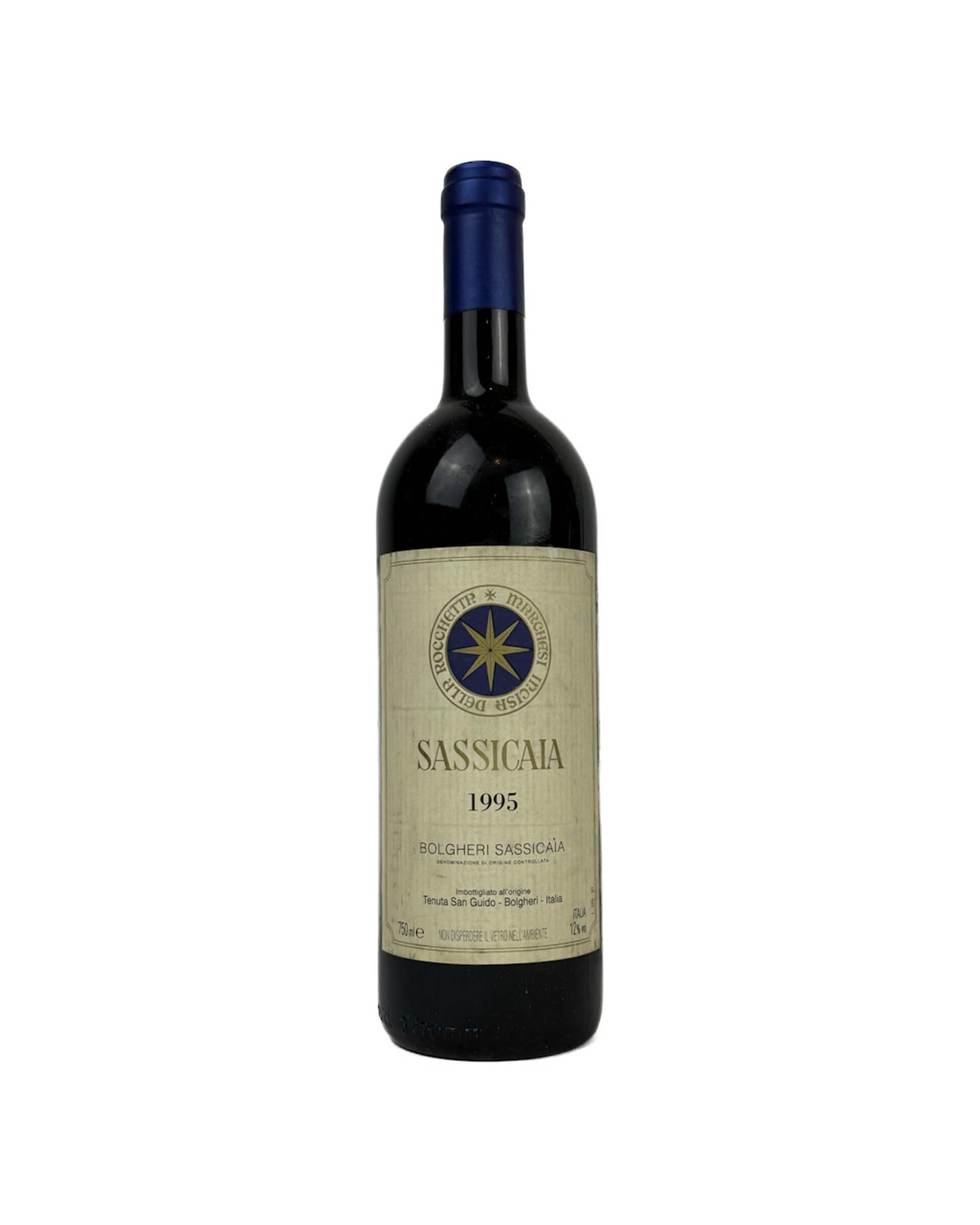
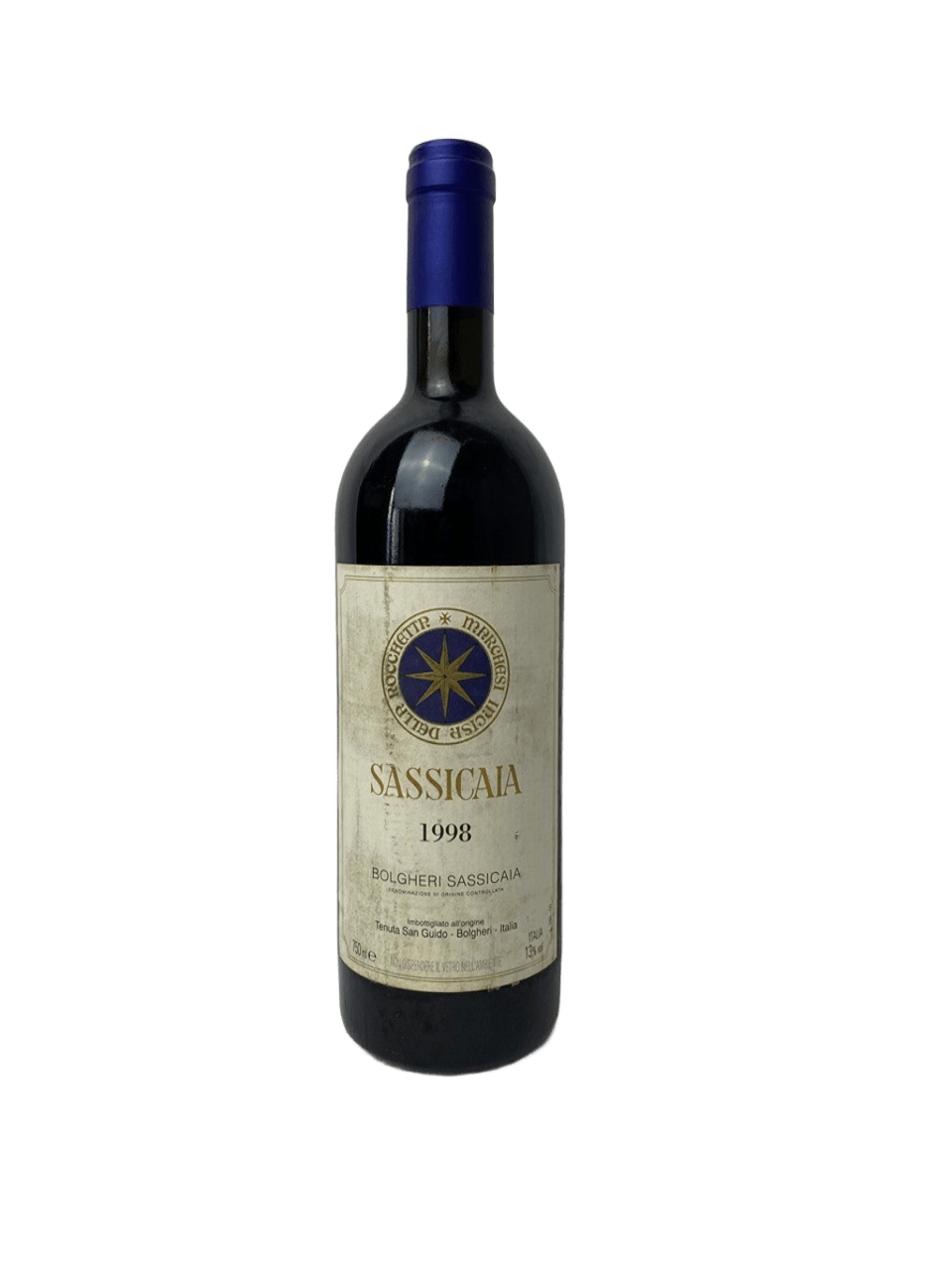
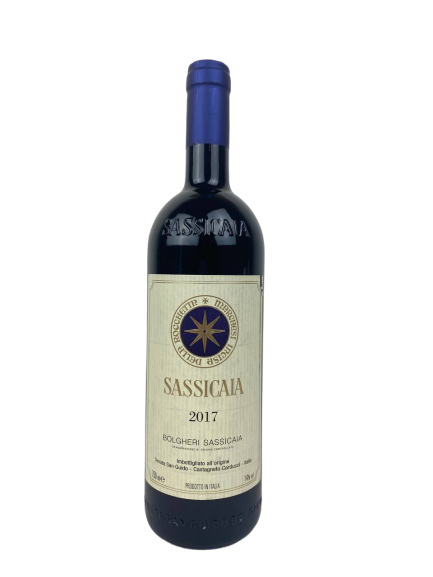
Alongside these sits the Super Tuscan tier: ambitious IGT wines from Bolgheri and beyond, blending Cabernet Sauvignon and Merlot with Sangiovese outside the traditional appellation framework, in the lineage of Sassicaia and Tignanello. With 53 bottles, Tuscany is the core of our catalogue — explore our Tuscany selection.
Piedmont rewards the same hillside-by-hillside scrutiny as Burgundy: across our 9 bottles, a single noble grape, Nebbiolo, expresses itself differently from one slope to the next, so that the difference between a Barolo from Serralunga d’Alba and one from La Morra matters as much as Gevrey versus Chambolle. At the apex sit Barolo DOCG and Barbaresco DOCG, austere and structured in youth, unfolding tar, dried rose, and woodsmoke with age. Below them, Barbera d’Asti and Barbera d’Alba offer the dark-plum, high-acid mid-range, while Dolcetto provides supple, earlier-drinking pleasure from the same Langhe hills.
Nebbiolo’s price reflects reality: small production zones, low yields, and long ageing requirements before release. For the buyer who already knows Burgundy, Piedmont rewards the same patience and vineyard-level curiosity. Browse our Piedmont selection of 9 bottles drawn from the region’s classic Nebbiolo producers.
For the white-wine buyer who assumes Italy only does red, Friuli-Venezia Giulia is the answer. In the hills of the Collio DOC, near the Slovenian border, Friulano and Ribolla Gialla produce whites of almond, white peach, and saline minerality, while the region’s Pinot Grigio is structurally richer and more textured than the bulk versions most buyers know. Friuli is also the spiritual home of Italy’s skin-contact “orange wine” movement: whites fermented on their grape skins to gain a deeper amber colour, gentle tannin, and notes of dried apricot, tea, and orange peel. Serve them cooler than a red, around 12–14°C, and pair them with richer dishes — roast poultry, aged cheese, or spiced food — where a conventional white would be overwhelmed. Discover Friuli wines in our selection.
Campania, shaped by the volcanic soils around Vesuvius, remains less widely distributed in Northern Europe than Tuscany or Piedmont, despite producing some of the south’s most serious DOCG wines. Aglianico — blackberry, smoke, and iron — reaches its peak in Taurasi DOCG, the most age-worthy red of southern Italy, while Fiano di Avellino and Greco di Tufo deliver aromatic, long-ageing whites of real character. Our Campania selection introduces a region built for the cellar — see our Campania bottles.
One of Italy’s most underrated regions, Marche makes a strong case for Verdicchio as the country’s most food-friendly white. Grown in the Castelli di Jesi DOC, it is refreshing, saline, and built for seafood — fried anchovies, clams, fish stew. For reds, Rosso Conero DOC draws on the Montepulciano grape (the variety, not the Tuscan town). Explore our Marche selection from the Adriatic coast.
At Italy’s northern edge, Trentino-Alto Adige is the country’s most Germanic wine region — a German-speaking, South Tyrolean culture where Alpine altitude and cold nights yield aromatic precision. Gewürztraminer, Pinot Grigio DOC, Pinot Blanc, and the deep-coloured red Lagrein thrive here, making this Italy’s answer to Alsace for buyers who prize crystalline, high-altitude whites. Shop Trentino-Alto Adige wines for a different side of Italy.
The fastest way to navigate Italian wine is by grape. Italian red wine and Italian white wine both reward buyers who learn a handful of indigenous varieties and where they reach their peak. The table below maps Italy’s signature grapes to their home regions and a one-line style note.
Italian wine classification can look impenetrable, but three letters do most of the work on the label. They tell you where a wine was grown, under what rules, and how tightly its quality was policed before it reached the bottle. Here is what each tier means when you are buying.
Pairing Italian wine with food is simplest when you follow the region: Italy’s wines evolved alongside its regional cooking, so local matches rarely fail.
Our advice when you set out to buy Italian wine is to start with the region and grape, then match the bottle to the occasion. Tour de Wine’s Italian catalogue spans six regions and 67 carefully selected bottles. Prices begin from around €70 at the 10th percentile, with most bottles priced near €255 — the catalogue median — reflecting a curation weighted toward Tuscan DOCG estates and Piedmont’s classic Nebbiolo producers. A €17 entry exists for accessible DOC bottles, and at the very top end rare cuvées from iconic estates reach €3,500. The best Italian wine for you is the one matched to your budget and to whether you intend to drink now or cellar; much of our range is also classic Italian red wine.
The curation is weighted toward quality DOCG estates rather than volume commercial production. Buyers new to Italian fine wine are well served beginning with a Chianti Classico Riserva or a Barbaresco between €70 and €255 before stepping up to Barolo or Brunello di Montalcino.
Italy’s most celebrated wines are Barolo and Barbaresco from Piedmont, both made from Nebbiolo, and Brunello di Montalcino and Chianti Classico from Tuscany, made from Sangiovese, alongside the Super Tuscans of Bolgheri. For white wine, Fiano di Avellino from Campania and the whites of Friuli-Venezia Giulia offer the greatest complexity. The best choice depends on your budget and whether you plan to drink now or cellar.
DOCG stands for Denominazione di Origine Controllata e Garantita — Italy’s highest quality classification, guaranteeing both origin and a government tasting panel’s approval before the wine reaches market. Wines such as Barolo, Brunello di Montalcino, Chianti Classico, and Barbaresco carry DOCG status. It does not guarantee you will enjoy the wine, but it confirms the wine met strict production standards within a legally defined zone.
Ageing potential varies significantly by region and grape. Barolo DOCG requires a minimum of three years of ageing before release, five for Riserva, and can improve for twenty to thirty years in a good vintage. Brunello di Montalcino requires five years before release, six for Riserva. Chianti Classico Riserva is typically at its best between eight and twelve years, while everyday Chianti, Barbera, and most white wines are best within three to five years of the vintage.
“Riserva” indicates a wine aged longer before release than the standard bottling of the same appellation, under stricter minimum-ageing rules. Barolo Riserva requires five years of ageing versus three for standard Barolo; Brunello di Montalcino Riserva requires six years versus five. In Chianti Classico, the hierarchy rises from annata to Riserva and then to Gran Selezione, the top tier, which demands the longest ageing and stricter sourcing. A Riserva is generally built to cellar for longer, so it rewards patience rather than early drinking.
Written by the Tour de Wine buying team. Last reviewed: June 2026.
This site is restricted to adults. By entering, you confirm that you are of legal drinking age in your country of residence.