
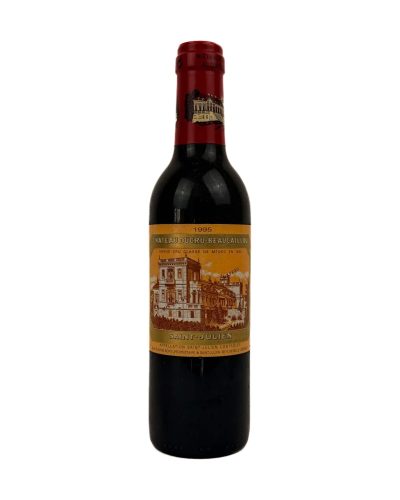
0.375 L
1995
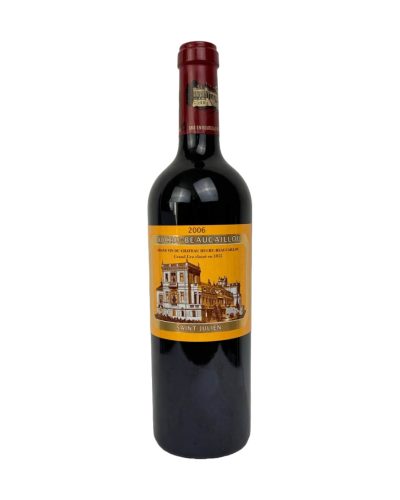
Château Ducru-Beaucaillou
Wines, producers, regions...
Saint-Julien
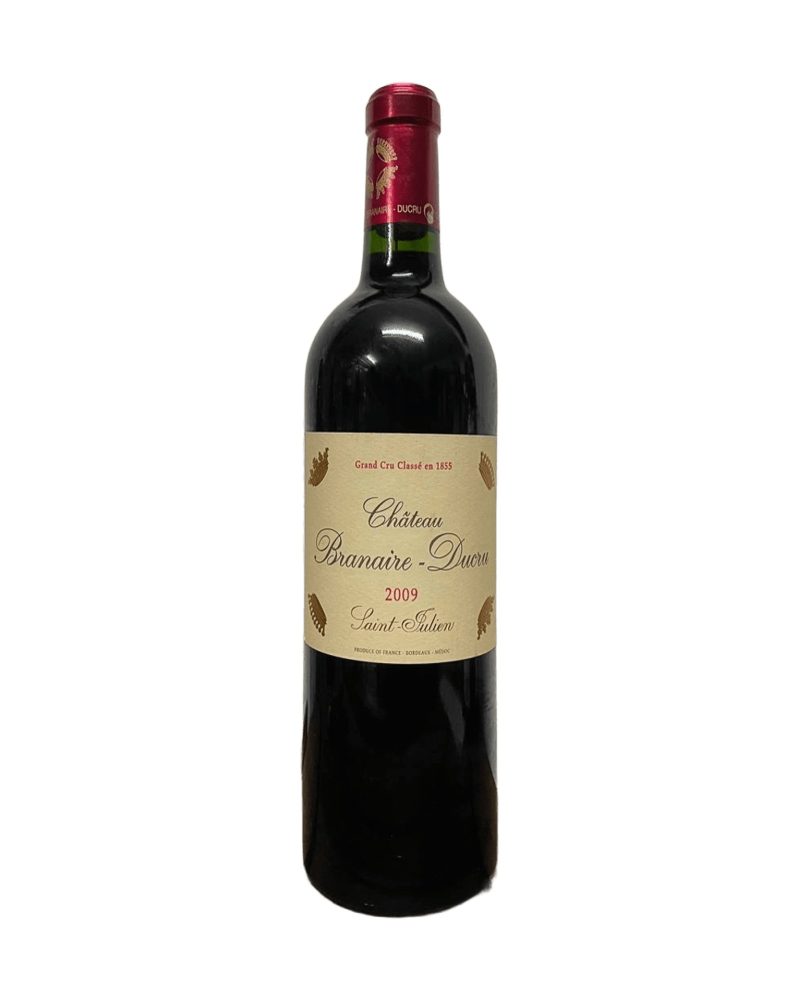
Château Branaire-Ducru
2009 · 0.75 L · RP 95
8 in stock
Château Branaire-Ducru 2009 from Saint-Julien: 65% Cabernet Sauvignon, 28% Merlot, 4% Petit Verdot and 3% Cabernet Franc, picked from 22 September to 8 October.
Secure payment · Visa · Mastercard · Amex · Apple Pay · Google Pay
SKU: 56478
Saint-Julien 2009 on the Robert Parker Wine Advocate vintage chart
Category: Saint-Julien, Bordeaux, Cabernet Franc, Cabernet Sauvignon, France, Merlot, Petit Verdot, Quatrième Cru, Red, Wine
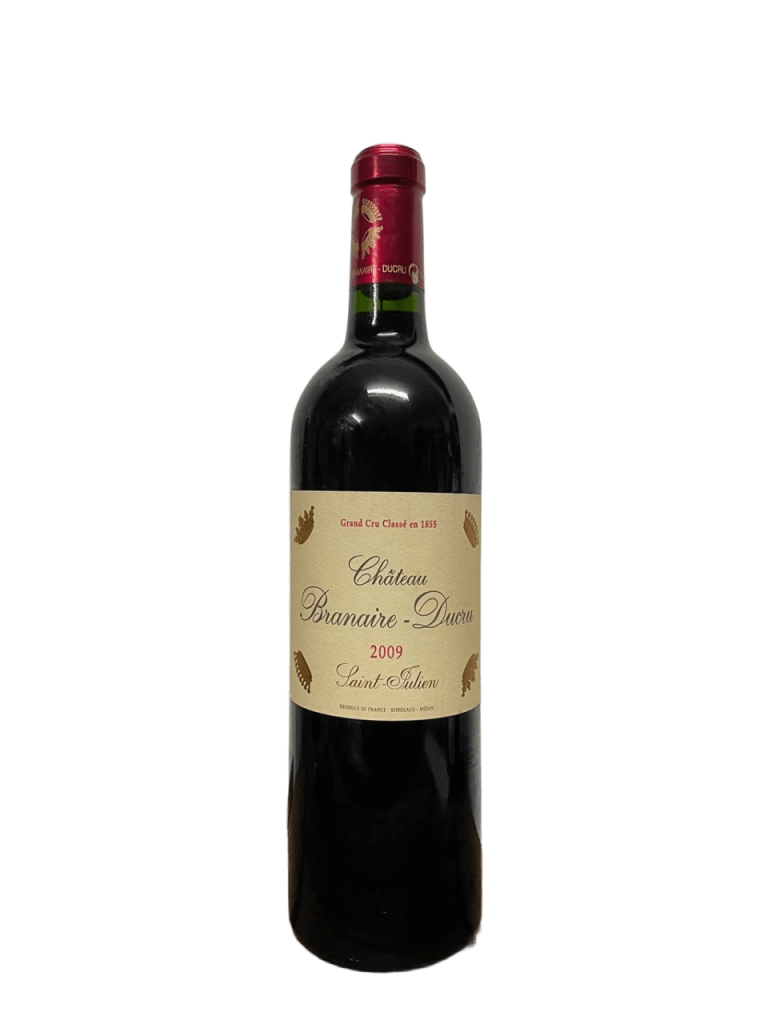
Harvest at Château Branaire-Ducru in 2009 began on 22 September and ended on 8 October. 2009 was a “normal” year with no surprises apart from the quality of the vintage: the fruit was perfect at harvest after showers in September and dry weather. This is a 0.75 L bottle of the grand vin, a dry red from Saint-Julien.
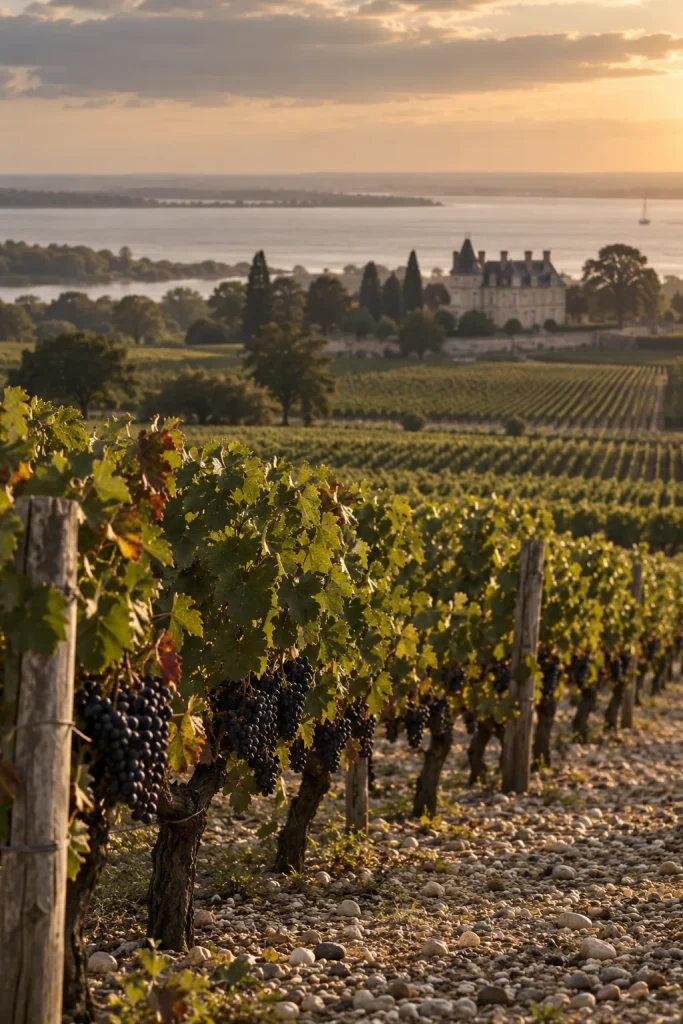
The grand vin is 65% Cabernet Sauvignon, 28% Merlot, 4% Petit Verdot and 3% Cabernet Franc. Today the estate harvests every parcel by hand, sorts it on a table, vinifies each parcel and variety separately with up to three weeks’ maceration, and ages the wine for at least 18 months in French oak, renewing 60% of the barrels each year.
Branaire-Ducru is a fourth growth of the 1855 Bordeaux classification. The château that stands today was built in 1824 by the Du Luc family, and the Ducru in the name comes from Gustave Ducru, who took over in 1875. The Maroteaux family has owned the estate since 1988.
The estate’s 60 hectares divide into around fifteen micro-terroirs on quaternary gravel and siliceous alluvium, with vines averaging 35 years old.
The Wine Advocate vintage chart rates Saint-Julien, Pauillac and Saint-Estèphe 2009 at 99 and describes the year as early maturing and accessible. Our suggested drinking window for this bottle is 2014–2054, so it is already inside its window with decades remaining. Decant it for an hour or so before serving, at 16–18 °C. Serve with roast lamb or rib of beef.
The grand vin is 65% Cabernet Sauvignon, 28% Merlot, 4% Petit Verdot and 3% Cabernet Franc.
Our suggested drinking window for Château Branaire-Ducru 2009 is 2014–2054. The Wine Advocate vintage chart describes the 2009 vintage in Saint-Julien, Pauillac and Saint-Estèphe as early maturing and accessible.
Decant it for an hour or so before serving, at 16–18 °C. It goes well with roast lamb or rib of beef.
2009 was a normal year with no surprises, apart from the quality of the vintage. Picking ran from 22 September to 8 October, and the fruit was perfect at harvest.
The second wine of Château Branaire-Ducru is Duluc de Branaire-Ducru.
€ 90,00
This site is restricted to adults. By entering, you confirm that you are of legal drinking age in your country of residence.